Contact Us

Want to send us a quick message? Use the form on the right to contact us and we'll be in touch within 2 business days!

Please contact Audrey at info@amritayogawellness.com for general inquiries, software issues, in-studio and out-of-studio events and workshops, marketing, and community outreach and donations.

Please contact Heather at heather@amritayogawellness.com for private events, private yoga/pilates requests, and trainings.

1204 Frankford Avenue
North Philadelphia, PA, 19125
United States

(267) 928 3176

Amrita Yoga & Wellness offers a variety of Yoga traditions, Pilates Mat, Pilates Group Reformer, Tai Chi, and Massage services in a beautiful space. Our studio is located in Philadelphia, Pennsylvania.

Blog

Practical right mindfulness examples for yoga and wellness

Heather Rice
TL;DR:

Right mindfulness is a Buddhist practice that cultivates clear awareness of body, feelings, mind, and mental objects to reduce suffering. Incorporating mindful breathing, body scans, and walking meditations into daily routines helps develop sustainable awareness beyond just stress relief. Unlike secular mindfulness, right mindfulness emphasizes ethical integration and long-term transformation rooted in ancient teachings.

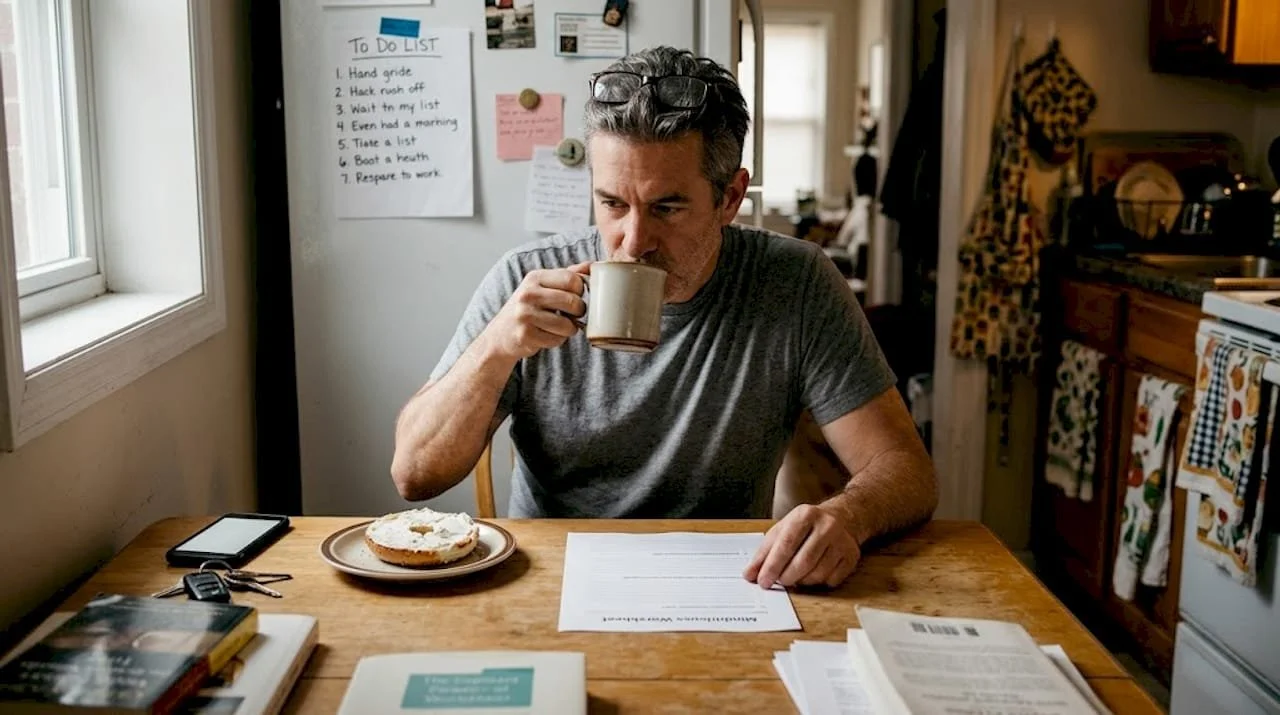
You roll out your mat, take a deep breath, and within two minutes your mind is already running through your grocery list, your inbox, or what you said in that meeting yesterday. If this sounds familiar, you are not alone. Staying truly present during yoga and wellness practices is one of the most common struggles adults face, no matter how long they have been practicing. Right mindfulness, the seventh factor of the Buddhist Noble Eightfold Path, offers a structured, time-tested approach to developing genuine awareness of body, feelings, mind, and mental objects. This article shares actionable right mindfulness examples, compares traditional and secular approaches, and helps you figure out what will actually work in your daily routine here in Philadelphia.

Table of Contents

Key Takeaways

Point Details
Right mindfulness defined Right mindfulness is a Buddhist practice of clear, non-judgmental awareness for deep personal transformation.
Practical daily examples Simple activities like focused breathing and mindful walking can introduce right mindfulness into your wellness routine.
Evidence-backed stress relief Studies show mindfulness practices can moderately reduce perceived stress.
Deeper than secular mindfulness Right mindfulness integrates ethics and purpose beyond typical mindfulness trends or mobile apps.
Local community support Philadelphia offers yoga studios and wellness resources to help integrate right mindfulness into everyday life.

What is right mindfulness and why does it matter for yoga?

Right mindfulness, known in Pali as samma sati, is one of the core pillars of the Noble Eightfold Path in Buddhist teaching. It is not a trendy wellness buzzword. It is a precise, intentional practice of directing clear and non-judgmental awareness toward present experience across four distinct areas called the Four Foundations of Mindfulness from the Satipatthana Sutta: body, feelings, mind, and mental objects (also called dharmas).

This matters because most people confuse right mindfulness with simply "paying attention" or "clearing your mind." Neither of those is accurate. Right mindfulness means observing experience as it unfolds, without clinging to pleasant sensations or pushing away uncomfortable ones.

Here is what sets right mindfulness apart from other awareness practices:

  • Body awareness: Noticing physical sensations, breath, posture, and movement exactly as they are

  • Feeling tone: Recognizing whether each experience registers as pleasant, unpleasant, or neutral, without reacting automatically

  • Mind states: Observing qualities of the mind itself, such as whether it feels scattered, dull, calm, or restless

  • Mental objects: Noticing thoughts, beliefs, habits, and mental patterns as they arise and pass

"Right mindfulness differs from secular mindfulness in a crucial way. While secular mindfulness prioritizes stress relief, right mindfulness aligns with an ethical path aimed at ending suffering at its root."

This depth is exactly why mindfulness for yoga becomes so much more powerful when it draws on the right mindfulness framework. Instead of just calming down for an hour on the mat, you are training your mind to perceive reality more clearly, which carries over into every part of your life. For those exploring different mindfulness techniques, understanding this distinction is the first step toward a practice with real staying power.

5 actionable right mindfulness examples for daily practice

Now that you understand right mindfulness, here are practical, actionable examples you can integrate into your yoga or wellness routine today. Each one targets a different moment in your day so that right mindfulness becomes woven into your life rather than limited to a single meditation session.

  1. Mindful breathing during yoga poses. Focus entirely on the quality and rhythm of each inhale and exhale as you move through postures. Notice the slight pause between breaths. When your mind wanders, you do not punish yourself. You simply return awareness to breath, posture, or the task at hand. Do this during every pose, not just seated meditation. This is the single most foundational right mindfulness practice available on a yoga mat.

  2. Body scan in Savasana. Most people treat Savasana (the resting pose at the end of class) as a nap or a mental break. Instead, use it as a structured body scan. Move your attention slowly from the soles of your feet upward, pausing to notice warmth, tension, tingling, or numbness. You are not trying to relax the body. You are simply observing it with honest, non-judgmental curiosity.

  3. Noting thoughts and feelings between poses. During transitions, the mind tends to rush ahead to the next shape or drift to external concerns. Practice noting the quality of what arises: "planning," "worrying," "judging." This labeling technique comes directly from Theravada Buddhist insight practice and is one of the most effective ways to develop meta-awareness, which means awareness of your own mental activity.

  4. Walking meditation before class. Rather than scrolling on your phone in the lobby or parking lot, take five minutes to walk slowly and deliberately. Feel each foot contact the ground. Notice the air temperature. Observe street sounds without labeling them as good or bad. This is a particularly valuable tool for Philadelphians arriving to class straight from a hectic commute on SEPTA or after navigating Center City traffic.

  5. Mindful eating after yoga. Right mindfulness extends beyond the mat. After practice, eat your first meal or snack slowly. Observe the texture, taste, and temperature of each bite. Chew deliberately. Notice hunger and fullness signals without rushing. This is a direct application of the feeling-tone foundation, observing pleasant, unpleasant, and neutral sensations as they arise during eating.

Pro Tip: If you want to see how these practices translate across different disciplines, check out these yoga and Pilates mindfulness examples that show right mindfulness in action across multiple movement modalities. You can also explore specific mindfulness for Pilates resources and mindfulness tips to customize your approach.

How right mindfulness reduces stress: The evidence

With these practical exercises in mind, let's explore why right mindfulness is so effective for stress, especially when backed by solid science.

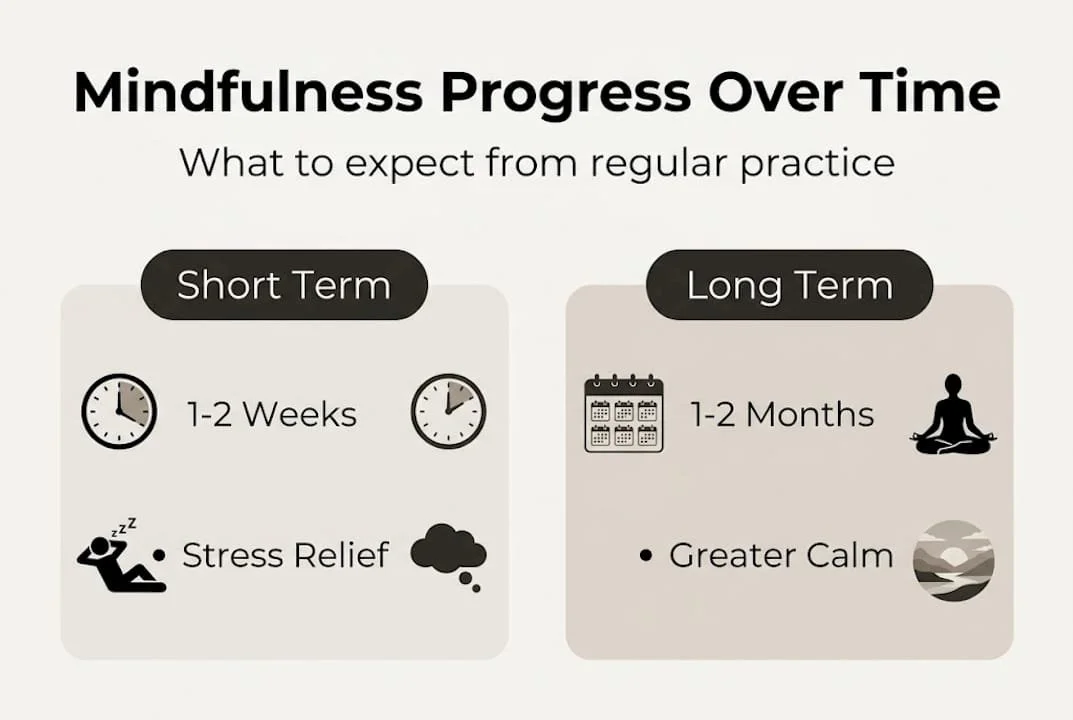
Here is a finding that should stop you mid-scroll: mindfulness interventions reduce perceived stress with a standardized mean difference (SMD) of negative 0.53 post-intervention. Within-group studies show an even larger reduction, with SMD reaching 0.93. In plain language, mindfulness practice produces a moderate to large measurable decrease in how stressed people feel.

For Philadelphia adults, that data has very real implications. Urban life here brings its own particular brand of stress:

  • Commute pressure: SEPTA delays, parking scarcity, and dense traffic add daily unpredictability

  • Work intensity: Many Philadelphia residents work in healthcare, finance, education, and tech sectors with high cognitive demands

  • Noise and sensory overload: City density means constant background stimulation that taxes the nervous system

  • Social comparison and pace: The expectation to stay productive and "on" at all times creates chronic low-grade tension

Right mindfulness addresses stress differently than a breathing app or a quick meditation video. It trains you to meet difficult experience without automatically amplifying it. Instead of adding a layer of "I hate this traffic" on top of the traffic itself, right mindfulness teaches you to observe "this is unpleasant" and move on. That is a fundamentally different neurological habit.

Supporting your mindfulness for stress journey with consistent mindfulness practice at a studio is one of the most effective ways to see these numbers show up in your own life rather than just in a journal.

Comparing right mindfulness with secular mindfulness approaches

Since not all mindfulness is created equal, let's see how right mindfulness stacks up against its secular counterparts.

Feature Right mindfulness Secular mindfulness
Origin Buddhist Noble Eightfold Path Clinical/psychological research
Primary goal End suffering and cultivate wisdom Reduce stress and improve well-being
Ethical framework Yes, integrated with Right Speech, Action, and Livelihood Generally absent
Scope of awareness Four Foundations: body, feelings, mind, mental objects Often breath or body focused
Integration with yoga Deep, philosophical alignment Functional, technique-oriented
Sustainability Long-term transformation Short-term symptom relief

The contrast is worth sitting with. Right mindfulness is oriented toward ending suffering and requires ethical integration with the broader path, while secular mindfulness focuses on stress relief and does not require any Buddhist context whatsoever.

Neither approach is wrong. Many people benefit enormously from secular mindfulness programs. But if you find that stress-reduction techniques give you temporary relief and then the tension just comes back the next day, the deeper structure of right mindfulness may be exactly what your practice is missing.

For those curious about building a more intentional mindfulness workflow, or looking for a broader spectrum of mindfulness practices for better health, the distinction between these two approaches becomes a genuinely useful compass.

Best ways to integrate right mindfulness into your Philadelphia yoga and wellness routine

Let's bring it all home with ways to find support and integrate right mindfulness examples right here in Philadelphia.

Philadelphia has a surprisingly rich wellness ecosystem, and using it intentionally makes a real difference in how consistently you practice. Here is how to make right mindfulness a living part of your week:

  • Attend right mindfulness-focused yoga classes. Look for classes that explicitly weave in body scanning, breath awareness, and mental noting rather than just flowing through shapes. When instructors cue awareness of sensation or emotional tone during poses, that is right mindfulness in action.

  • Join group meditation sessions. Practicing alone is valuable, but community accountability matters. Group sessions at local studios create a container that makes showing up easier, especially on days when motivation is low.

  • Use Philadelphia's green spaces for mindful walking. Fairmount Park, Clark Park in West Philly, and Penn Treaty Park in Fishtown are all excellent locations for walking meditation. Nature settings reduce baseline stress even before you begin the formal practice.

  • Build a home practice between classes. Even ten minutes of body scan or mindful breathing before bed anchors what you learn in studio sessions into your nervous system over time.

Pro Tip: If you practice Pilates alongside yoga, there are specific Pilates mindfulness exercises that apply the same right mindfulness framework to core-based movement. The precision required in Pilates actually makes it an ideal setting for the body-awareness foundation of right mindfulness.

Philadelphia yoga studios and wellness centers blend right mindfulness with yoga practices in ways that make the tradition accessible without requiring years of study. You do not need to know Pali or read ancient texts to start. You just need to show up with an intention to observe rather than react.

Why true right mindfulness is deeper than most apps and tips suggest

After exploring practical tools, here is our take on what truly sets right mindfulness apart, beyond the surface-level trends.

Most mindfulness apps deliver value. Timers, guided recordings, streak counters, these things help people show up. But here is the uncomfortable truth: the app model of mindfulness strips out the very elements that make right mindfulness transformative. It isolates the awareness technique and discards the ethical container that gives that awareness its purpose.

Right mindfulness requires integration with Right Effort and Right Concentration and is directed at ending suffering, not self-improvement. That is not a small distinction. Right Effort means you are actively working to release harmful mental patterns, not just observe them passively. Right Concentration means you are building the sustained mental stability that makes deep insight possible. Without those two components, mindfulness becomes a nice habit rather than a genuine tool for change.

We see this in practice all the time. People spend months doing breath awareness and feel calmer, which is genuinely good. But the moment a big stressor hits, the old patterns flood right back. That is because awareness alone, without the ethical and concentrative framework, has limited depth.

The mindfulness tips that actually create lasting change are the ones that treat right mindfulness as a complete system rather than a standalone technique. Think of it this way: if you only practice one chord, you might recognize music when you hear it, but you cannot play a song. Right mindfulness, embedded in its full context, is the whole instrument.

Start with the practical examples in this article. They are genuinely useful entry points. But stay curious about the broader tradition, because the deeper you go, the more you will find that right mindfulness is not about achieving a calm mind. It is about understanding the mind clearly enough that you stop creating unnecessary suffering in the first place.

Ready to deepen your mindfulness practice?

Inspired to bring these examples into your routine? Here is how Amrita Yoga & Wellness can help.

At Amrita Yoga & Wellness in Philadelphia, we offer classes and workshops that go beyond basic stress relief to help you build a practice with real depth and staying power. Our instructors weave right mindfulness principles into yoga sessions across all levels, from beginner-friendly flows to more advanced practices.
If you are ready to explore the spiritual dimension of mindfulness alongside movement, consider pairing your yoga practice with one of our Tarot readings at Amrita, a reflective tool that complements right mindfulness beautifully by bringing unconscious patterns into clear view. Whether you are brand new to mindfulness or looking to take your existing practice to a deeper level, our Philadelphia community is here to support every step of your journey.

Frequently asked questions

What is the simplest right mindfulness practice anyone can start with?

Focusing attention on your breath or body sensations and gently returning to them each time your mind drifts is the most accessible starting point, as right mindfulness emphasizes noticing breath and sensation without judgment.

How does right mindfulness differ from basic mindfulness meditation?

Right mindfulness is rooted in Buddhist teachings and emphasizes ethical awareness and liberation from suffering, while secular mindfulness focuses primarily on stress relief. The goal and depth differ significantly between the two traditions.

Can right mindfulness help with stress or only spiritual development?

Right mindfulness supports both. Research shows mindfulness reduces perceived stress with a moderate-to-large effect size, while also laying the groundwork for deeper personal transformation over time.

Are there local options in Philadelphia to learn right mindfulness?

Yes, several Philadelphia yoga and wellness centers offer classes and workshops that blend right mindfulness with yoga, making it easy to begin with experienced local guidance rather than self-studying alone.

What is the role of the Four Foundations in right mindfulness practice?

The Four Foundations structure right mindfulness by identifying exactly what to observe: body, feelings, mind, and mental objects. This framework, drawn from the Satipatthana Sutta awareness teaching, gives practitioners a clear and organized map for non-judgmental observation.
Recommended

Iyengar yoga teacher training, certification, and community

Heather Rice

TL;DR:

Iyengar yoga teaching requires anatomical precision, prop mastery, and lifelong dedication beyond just certification. Aspiring teachers in Philadelphia should build a strong personal practice, seek mentorship, and engage in ongoing community learning to develop essential skills and sustain growth. Continual education, peer support, and active community involvement are vital for long-term success and mastery in Iyengar teaching.

Most aspiring yoga teachers walk into their first Iyengar class expecting something like a gentle fitness workout. They walk out realizing they've encountered an entirely different discipline — one that demands anatomical precision, prop mastery, and years of structured mentorship before a student ever earns the right to teach. If you're drawn to Iyengar yoga teaching in Philadelphia, this guide will show you exactly what the path looks like, from your first foundational steps through certification, continuing education, and building the kind of community that sustains you long-term.

Table of Contents

Key Takeaways

Point Details
Rigorous teacher training Iyengar yoga teachers complete extensive training and certification for instructional mastery.
Ongoing education required Continuing education and skill development are mandatory for all Iyengar instructors.
Community is essential Connecting with mentors and peers significantly strengthens your teaching and personal growth.
Cost-saving options exist Philadelphia offers scholarships and volunteer programs to reduce training expenses.
Holistic practices enhance teaching Incorporating yoga therapy and wellness modalities supports long-term teacher success.

What makes Iyengar yoga teaching unique?

To understand what you're signing up for, you need to know what sets this method apart from every other style on the market. Iyengar yoga is renowned for its focus on alignment, precision, and use of props — and that's not just marketing language. It's the engine that drives every teaching decision you'll make.

Here's what makes Iyengar teaching distinct from other yoga traditions:

  • Prop-based learning. Blocks, bolsters, straps, blankets, and even ropes mounted to walls allow students of all abilities to experience correct alignment without injury risk. As a teacher, you'll learn how and when to introduce each prop with real intentionality.

  • Micro-level alignment cues. Rather than offering general direction like "open your chest," Iyengar teachers give precise anatomical instructions such as "rotate your outer upper arm back and down." This requires deep knowledge of the body.

  • Progressive sequencing. Courses and classes are deliberately structured so that foundational poses build toward more advanced ones. You won't rush anyone into a pose their body hasn't been prepared for.

  • Individualized teaching. Iyengar instructors are trained to observe each student's unique body and adapt the practice accordingly. One cue will never fit every body in the room.

  • Integration with holistic wellness. Many Iyengar teachers also draw from yoga therapy benefits and mind-body practices to support students dealing with chronic conditions, stress, or injury recovery.

B.K.S. Iyengar himself put it clearly:

"Yoga teaches us to cure what need not be endured and endure what cannot be cured."

That philosophy shapes every teaching interaction. You're not just cueing poses — you're reading people, listening to their bodies, and responding with intelligence and care.

Pro Tip: Always begin your own teaching sessions with foundational poses. Rushing students toward advanced asanas before they've internalized basic alignment undermines both safety and long-term progress.

Steps to becoming an Iyengar yoga teacher in Philadelphia

Now that you understand the Iyengar approach, here's exactly how the teacher training journey works in Philadelphia. The path is rigorous, but it's also well-defined — and that structure is one of the things that makes Iyengar certification so respected.

Step-by-step roadmap:

  1. Build a consistent personal practice. Most programs require at least two to three years of regular Iyengar classes before you can enter teacher training. This isn't arbitrary — you need to understand the method from the inside.

  2. Find a qualified senior teacher. Early mentorship with an Introductory or Intermediate certified teacher shapes your understanding of how sequences work and how alignment is observed.

  3. Complete foundational study. You'll study B.K.S. Iyengar's books, particularly Light on Yoga and Light on Pranayama, as part of your preparation for the assessment process.

  4. Register for an Introductory assessment. The Iyengar Yoga National Association of the United States (IYNAUS) governs certification in three main stages: Introductory, Intermediate, and Advanced. Introductory I and II are where most aspiring teachers begin.

  5. Log supervised teaching hours. You must demonstrate your teaching skills in front of senior assessors. Practice teaching real students, and seek feedback regularly.

  6. Pursue Intermediate and Advanced levels over time. Each successive level opens more poses and sequences you're authorized to teach, and each requires additional preparation and mentorship.

Philadelphia offers structured training paths and cost-saving opportunities that many aspiring teachers don't know about until they look. Scholarships, volunteer programs, and studio partnerships can significantly reduce your out-of-pocket cost.

Here's a general comparison of training program structures available in the Philadelphia area:

Program type Duration Estimated cost Primary focus
Studio-based mentorship 1 to 2 years $800 to $2,500 Personal practice, cueing
Intensive training program 6 to 12 months $1,500 to $4,000 Sequencing, anatomy, assessment prep
Volunteer assistantship Ongoing Reduced or free Hands-on teaching practice
Online supplemental courses Self-paced $200 to $700 Anatomy, philosophy, props

You can also explore teacher training programs locally to compare options and find the structure that fits your schedule and learning style.

Pro Tip: Volunteer assistantships are one of the most underused tools for aspiring teachers. Assisting senior teachers in live classes gives you real-time feedback, builds teaching instincts, and often significantly reduces tuition costs.

Essential skills and continuing education for Iyengar teachers

Completing certification is just the beginning. The teachers who earn lasting respect in the Iyengar community are those who treat learning as a lifelong practice, not a destination. Let's look at the core competencies you need to develop and how to keep building them after you earn your credentials.

Core teaching competencies for Iyengar instructors:

  • Precise verbal cueing. Your words must guide students through anatomical adjustments without physical contact when necessary. Clear, layered language is a skill you'll practice constantly.

  • Compassionate hands-on adjustment. Iyengar teachers are trained to use touch thoughtfully, respecting personal boundaries and individual physical differences.

  • Observational intelligence. You'll learn to read posture, breathing patterns, and compensation habits across an entire room at once — a skill that takes years to refine.

  • Anatomy and injury awareness. Understanding joint mechanics, common injury patterns, and contraindications for each pose protects both your students and your teaching reputation.

  • Stress management and breathwork. Pranayama, the formal practice of breath regulation, is integral to the Iyengar method and requires separate study and certification over time.

Continuing education is vitalfor instructors, especially in wellness or clinical settings. Iyengar certification requires ongoing professional development to maintain credentials, and the smartest teachers treat workshops and study not as obligations but as fuel.

Here's a sample framework for continuing education hours that certified teachers commonly use:

Education type Hours per year Common provider Teaching impact
Advanced asana workshop 10 to 20 Senior Iyengar teachers Refines cueing and sequencing
Anatomy and physiology course 8 to 15 Yoga school or university Improves injury prevention
Pranayama intensive 6 to 12 Certified pranayama teacher Deepens class programming
Peer study group sessions 10 to 20 Self-organized local groups Builds accountability and skill
Online yoga philosophy course 5 to 10 IYNAUS or affiliated schools Strengthens teaching philosophy

The peer study group model deserves special attention. Many experienced Iyengar teachers in Philadelphia credit these informal groups as the single most impactful factor in their development after certification. You learn differently when you're practicing with colleagues rather than just attending workshops.

Pro Tip: Form or join a peer study group within the first six months of your certification. Regular practice with fellow teachers accelerates growth faster than solitary study and keeps you motivated through the inevitable plateaus.

Building your Iyengar community and ongoing support

With professional skills in place, let's focus on building lasting support through the Iyengar community in Philadelphia. Isolation is one of the most underestimated risks in a new teacher's career. The technical skills matter enormously, but community is what keeps you practicing and growing over the long run.

Practical ways to build and maintain meaningful community connections:

  • Attend local Iyengar events and workshops. Philadelphia's yoga scene includes regular workshops led by visiting senior teachers. These are prime opportunities for professional development and relationship building.

  • Join online networks. IYNAUS maintains national networks for certified and aspiring teachers. Regional Facebook groups and dedicated forums connect you with peers across the country.

  • Collaborate with local studios. Offer to co-teach, substitute, or assist in classes outside your home studio. Cross-studio relationships expand your reach and your perspective.

  • Participate in mentorship programs. Seek out a senior Iyengar teacher willing to offer ongoing guidance beyond your formal training. This relationship often becomes the most formative of your teaching career.

  • Integrate holistic modalities. Blending yoga therapy resources and related practices into your continuing development builds resilience and enriches the experience you bring to your students.

  • Explore yoga for healing. Teachers who engage with yoga for healing practices often find their own relationship with the body and breath deepens in ways that translate powerfully into their instruction.

One teacher in the Philadelphia community described the shift this way:

"I thought earning my Introductory certification would be the arrival point. What I didn't understand was that community is where the real teaching begins. My study group, my mentors, and the students who challenge me every week — they are my practice now."

This perspective reflects something deeply true about the Iyengar path. The community is not an add-on to the technical training. It is the training. Every interaction with a fellow teacher or a curious student is a chance to see the practice more clearly.

Why true mastery for Iyengar yoga teachers goes beyond certification

Here's something most teacher training programs don't say out loud: certification alone does not make you a great Iyengar teacher. It makes you a credentialed one. Those are meaningfully different things.

A pattern shows up repeatedly in the Iyengar community. Teachers invest enormous energy preparing for their assessments, pass them with strong marks, and then quietly coast. The workshops slow down. The personal practice becomes more routine than investigative. The mentorship relationship, once so central, fades into occasional check-ins. And gradually, without anyone noticing, the teaching loses its edge.

The antidote isn't more ambition. It's more humility. The teachers who keep growing are often the ones who return to beginner-level study sessions voluntarily, who sit in the back of senior teachers' classes and take notes, who openly admit to colleagues when they don't know why a particular cue isn't landing. That willingness to not-know is genuinely rare, and it's what allows real learning to continue.

Think of it like tuning a finely calibrated instrument. You can spend years learning how to play it, but the moment you stop listening to how it actually sounds in different rooms and conditions, you start to drift. The instrument doesn't lie. Neither does a room full of students whose bodies are giving you real-time feedback about your teaching.

The most formative growth often comes not from workshops or assessments, but from showing up consistently to the free yoga teacher training events, peer gatherings, and community study groups that don't carry formal credentials but carry tremendous insight. That's where self-inquiry actually happens — in conversation, in shared practice, and in the willingness to be a student again.

Commit to lifelong learning not because the certification requires it, but because your students deserve a teacher who is still genuinely curious.

Explore resources to support your Iyengar yoga teacher journey

For aspiring and certified Iyengar teachers in Philadelphia, finding the right support structure makes all the difference between a teaching path that stagnates and one that keeps evolving.

Amrita Yoga & Wellness offers a range of workshops, one-on-one sessions, and integrative wellness experiences designed to support teachers at every stage of their journey. Whether you're refining your alignment knowledge, exploring the intersection of yoga and holistic healing, or simply looking for a grounded community of practitioners, the resources here are built for exactly that. Even something as unexpected as tarot readings can offer a fresh lens of self-reflection for new teachers navigating the emotional demands of the profession. The path to teaching excellence is rarely linear, and Amrita Yoga & Wellness is here to support every dimension of it.

Frequently asked questions

How long does it take to become an Iyengar yoga teacher?

It usually takes two to three years of dedicated practice and study to meet the requirements for certification as an Iyengar yoga teacher, though many teachers continue building credentials for a decade or more.

Are there free or low-cost Iyengar teacher training programs in Philadelphia?

Yes, Philadelphia offers structured training paths and cost-saving programs for volunteers and scholarship applicants, which can reduce tuition by as much as 30%.

What is the main difference between Iyengar yoga teaching and other styles?

Iyengar yoga focuses on alignment, props, and progressive learning, making it far more detail-oriented and systematic than most other yoga styles taught today.

Do Iyengar teachers need to complete continuing education?

Yes, ongoing education through workshops and accredited courses is required to maintain Iyengar certification and keep teaching skills current.

Recommended

Yoga centers in Philadelphia for every level and need

Heather Rice

TL;DR:

Philadelphia's yoga scene prioritizes accessibility and community over trendiness, serving diverse populations with tailored classes. The best studios feature qualified teachers, varied offerings, and a welcoming environment that fosters progress and inclusivity. Choosing a studio based on alignment with your goals, community connection, and genuine care leads to a lasting and transformative practice.

Philadelphia has a reputation for grit and authenticity, and its yoga scene is no exception. Forget the image of bendy practitioners in matching outfits performing impossible poses. The yoga centers spread across this city serve real people: office workers with tight hips, seniors managing arthritis, newcomers intimidated by the whole idea, and seasoned students ready for a deeper challenge. Philadelphia's studios are built around accessibility and results, not performance. This guide breaks down what separates great centers from average ones, what class types actually mean, and how to choose a studio that fits your life.

Table of Contents

Key Takeaways

Point Details
Yoga centers for all Philadelphia offers yoga centers that welcome every body, from beginners to advanced practitioners.
Diverse class offerings You’ll find everything from alignment-based to restorative yoga, including programs for seniors and those recovering from injury.
Choose mindfully Selecting a yoga center that fits your needs leads to deeper well-being and a more enjoyable practice.
Inclusivity matters Top centers emphasize accessibility and holistic wellness, supporting a wide range of backgrounds and health goals.

What makes a great yoga center?

Not all studios are created equal. Walking into the right yoga center should feel like finding a good mechanic: skilled, honest, and genuinely interested in your well-being, not just your wallet. The best yoga centers in Philadelphia share a handful of qualities that separate them from trend-chasing fitness businesses.

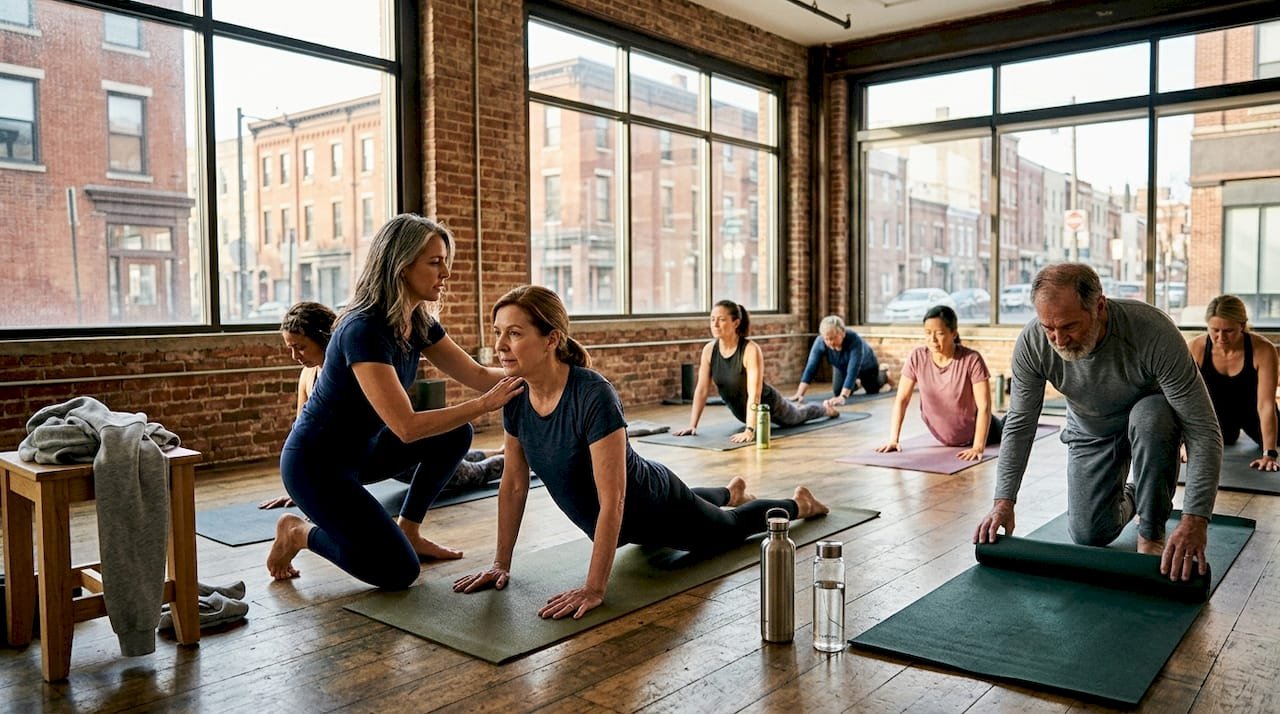
A truly outstanding center offers a range of class styles suited for different bodies, goals, and experience levels. Alignment-based instruction is one of the most underrated features to look for. It means teachers are trained to notice how your body is actually positioned and correct you safely, which matters enormously if you have previous injuries or chronic pain. Centers like Maha Yoga Philadelphia have built their reputation on exactly this approach. Their accessibility for all levels, backed by over 60 positive Yelp reviews, shows what consistent, quality instruction looks like in practice.

Beyond instruction quality, great centers create a welcoming physical environment. Clean floors, properly maintained props (blocks, straps, bolsters), good ventilation, and clear signage all matter. A cluttered or poorly maintained space signals that the ownership doesn't prioritize the student experience.

Here are the core qualities to look for in any yoga center:

  • Qualified, experienced teachers with recognized certifications and ongoing education

  • Diverse class offerings ranging from gentle and restorative to more dynamic styles

  • Inclusive atmosphere where all body types, ages, and skill levels feel genuinely welcome

  • Accessible scheduling with morning, midday, and evening options

  • Clear communication about what each class involves before you sign up

  • Adaptation policies for students recovering from injuries or managing chronic conditions

"The best yoga teachers aren't the ones who can demonstrate the most advanced pose. They're the ones who can help the most students feel progress in their own bodies."

This is especially true for beginners. Many people avoid yoga because they assume they need to already be flexible to start. The truth is the opposite: flexibility and mobility improve through consistent practice, and a great center's instructors understand how to guide students through that process safely. Explore accessible yoga programs to see what an inclusive approach actually looks like in a studio setting.

Pro Tip: Before committing to a membership, contact the studio directly and ask whether they offer any introductory classes or welcome sessions for new students. Most quality centers will walk you through their approach and let you experience the culture firsthand.

Types of yoga classes and practices in Philadelphia centers

Philadelphia's yoga scene offers far more than the generic "yoga class" label suggests. Understanding the major styles helps you choose what actually matches your goals, your body, and your schedule.

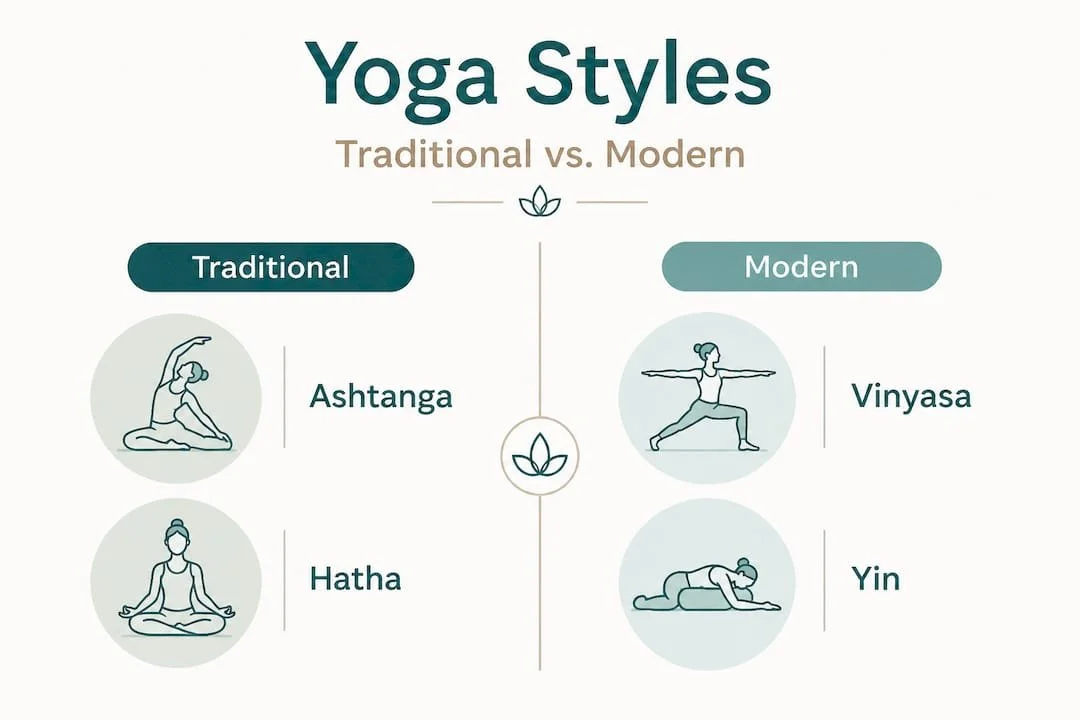
Here’s a practical comparison of the most common class types you’ll encounter:

Class type Best for Key features
Vinyasa Active movers, cardio seekers Flowing sequences linked with breath
Hatha Beginners, those wanting fundamentals Slower pace, foundational postures
Restorative Stress relief, recovery Passive poses held with props
Alignment-based Injury recovery, precision learners Detailed cues, individual corrections
Yin yoga Flexibility, joint health Long holds targeting deep connective tissue
Chair yoga / adaptive Seniors, limited mobility Modified poses using a chair for support

Each style serves a distinct purpose. Vinyasa classes move quickly from one pose to the next, building heat and cardiovascular endurance. Hatha classes slow things down and spend more time teaching individual poses correctly. Restorative yoga is almost meditative, using props to allow the body to release tension over long holds. Alignment-based classes, which are particularly strong at studios like Maha Yoga Philadelphia, focus intensely on how the body is positioned, making them ideal for anyone coming back from injury or dealing with chronic pain.

Inclusive and adaptive yoga classes deserve special attention. These aren't "easier" classes in a condescending sense. They're expertly designed to remove barriers. Teachers in these programs understand how to modify poses for different body structures, mobility limitations, and health conditions. If this approach resonates with you, read more about the benefits of inclusive yoga and why it's become a cornerstone of modern practice.

Some additional practices you might find in Philadelphia centers include:

  • Pranayama (breathwork): Often integrated into class or offered as a standalone session

  • Meditation: Seated mindfulness or guided visualization, sometimes following a yoga class

  • Aerial yoga: Poses supported by suspended fabric hammocks, excellent for spinal decompression

  • Hot yoga: Practiced in a heated room to deepen flexibility and increase sweating

If you're new to the practice and want a visual reference for what different poses look like and how they're modified, browse explore yoga poses as a starting point before you walk into your first class.

Pro Tip: Try at least three different class styles before deciding what you "like." Many students who write off yoga after one Vinyasa class discover they thrive in a Yin or alignment-based setting, and vice versa.

How to choose the right yoga center for your needs

With so many options across Philadelphia's neighborhoods, choosing where to practice can feel genuinely overwhelming. A methodical approach helps you cut through the noise and make a confident decision.

Here's a step-by-step process for evaluating any yoga center:

  1. Define your primary goal. Are you managing back pain? Building strength? Managing stress? Wanting community? Your goal narrows the list significantly.

  2. Check the location and commute. A studio you love but can't consistently reach is a studio you'll stop attending. Proximity matters more than prestige.

  3. Review the class schedule. Even a perfect studio is useless if it only offers classes when you're at work or picking up your kids.

  4. Research the teachers. Look at instructor bios. Check their certifications, years of experience, and any specializations in areas relevant to your needs.

  5. Read community reviews. Look for patterns across multiple reviews, not just the extremes. Consistent praise for cleanliness, teacher quality, and welcoming atmosphere is a strong signal.

  6. Visit in person before committing. Even a brief walk-through tells you a lot about how a studio operates and whether it feels right.

Centers like Maha Yoga Philadelphia stand out in community reviews for their accessibility and clean atmosphere, which is particularly important for students dealing with mobility issues or injury recovery. These details aren't cosmetic. They reflect the values of the people running the studio.

Here's a simplified comparison of what different Philadelphia centers tend to emphasize:

Feature Community-focused studios Specialty/niche studios Large fitness chain yoga
Class variety High Moderate Moderate
Accessibility focus High Varies Low
Teacher personalization High High Low
Price point Mid-range Mid to high Mid-range
Introductory offers Common Common Common

For seniors or anyone working with mobility considerations, dedicated programming makes a significant difference. Learning more about yoga for seniors can help clarify what a tailored program should include and what questions to ask when you visit a studio.

The article on finding your yoga program in Philadelphia goes even deeper into the local options and how to match them with your personal wellness goals.

Pro Tip: Many studios offer a first class free or a discounted introductory week. Use these offers strategically across two or three studios before making a membership commitment. Pay attention to how teachers interact with new students, not just what the class feels like physically.

Inclusivity, accessibility, and wellness integration in modern yoga centers

The best Philadelphia yoga centers have moved well beyond offering a single class style and calling it a day. Modern studios understand that community wellness means meeting people where they are, physically, emotionally, and culturally.

Several meaningful innovations are now appearing across the city's yoga landscape:

  • Trauma-informed instruction: Teachers trained to understand how trauma lives in the body and how to offer cues and hands-on adjustments in ways that feel safe, not intrusive

  • Multi-lingual instruction or materials: Removing language barriers for Philadelphia's diverse immigrant and multilingual communities

  • Adaptive equipment: Chairs, bolsters, straps, and blocks available at no extra charge, normalized as tools rather than signs of limitation

  • Sliding scale or community pricing: Making consistent practice financially accessible to people across income levels

  • Wellness service integration: Combining yoga with massage therapy, meditation workshops, and other healing modalities under one roof

The fact that Maha Yoga Philadelphia is specifically noted for making yoga accessible to those recovering from injuries reflects a broader movement in Philadelphia's wellness culture. Studios are increasingly recognized not just as fitness businesses but as community health resources.

Alignment in yoga deserves a special mention here. Many students don't realize how deeply proper alignment affects outcomes, especially over months and years of practice. Poor alignment in certain poses can create repetitive stress injuries. Proper alignment, guided by a skilled teacher, builds strength and flexibility sustainably. For a detailed look at how this plays out even in specialized formats, read about alignment in yoga and why it belongs at the center of any quality practice.

Wellness integration is the next frontier. Many Philadelphia studios now offer tarot readings, sound baths, Reiki sessions, and seasonal workshops alongside their regular class schedules. These aren't gimmicks. For many students, this kind of multi-dimensional approach deepens the experience of their yoga practice by connecting it to broader questions of meaning, stress relief, and self-understanding. Explore inclusive yoga resources to see the full scope of what a thoughtfully designed studio can offer.

"Inclusivity isn't a feature you add to a yoga studio. It's a philosophy that has to be embedded in every decision, from how teachers are trained to how the front desk staff greets a nervous first-timer."

Why mindful yoga center selection matters more than ever

Here's something most wellness content won't tell you directly: the studio you choose matters more than the specific style of yoga you practice. People are far more likely to maintain a consistent practice when they feel genuinely connected to the community and the instructors around them. Yet most people choose a studio based on Instagram aesthetics, a nearby location, or a discount code.

The wellness industry in 2026 is crowded with beautiful websites and compelling branding. Trendy studios with high production value and influencer partnerships are everywhere. But behind the surface, many of these spaces offer generic instruction, high teacher turnover, and little genuine investment in student progress.

The studios that actually change people's lives tend to look different. They're often the ones that have been in the same neighborhood for years, where teachers know students by name, where the philosophy is consistent rather than chasing whatever's trending. This is where real transformation happens, not in flashy settings but in environments built around genuine care.

We've seen this consistently: students who do their research, visit multiple studios, ask thoughtful questions, and choose based on alignment of values rather than convenience or marketing tend to stick with their practice far longer. They develop relationships with teachers who can actually guide their growth. They build friendships within the community that keep them accountable.

Looking at yoga for mobility insights reveals how much is possible when students find the right environment and commit to it long term. The physical improvements are real, but so are the mental and emotional shifts that come from being part of a community that takes your wellness seriously.

Don't let the flashiest option win by default. Do the research. Visit in person. Ask hard questions. The right studio is the one that actually serves your needs, not the one with the most followers.

Connect with yoga and wellness resources near you

Your journey toward better health doesn't have to begin and end with a single yoga class. A holistic approach to wellness in Philadelphia means weaving together physical practice with tools that support your mental and emotional well-being.

At Amrita Yoga & Wellness, we offer a community hub that goes well beyond the yoga mat. Whether you're exploring diverse class styles, recovering from injury, or simply looking for a meaningful wellness community in Philadelphia, our offerings are designed to meet you exactly where you are. One unexpected resource that many students find genuinely valuable is our tarot readings for wellness, which serve as a thoughtful complement to physical practice by encouraging deeper self-reflection and intentionality. From beginner workshops to advanced sessions, everything we offer is built around the belief that wellness is personal, layered, and worth investing in.

Frequently asked questions

Are yoga centers in Philadelphia suitable for complete beginners?

Yes, many centers specifically design their programs for people with no prior experience, offering foundational instruction and welcoming environments. Studios like Maha Yoga Philadelphia are accessible for all levels, including complete beginners and those in injury recovery.

Can I find yoga classes for seniors or those with limited mobility?

Absolutely. Philadelphia has dedicated programs designed specifically for seniors and individuals with mobility considerations, including chair yoga and adaptive class formats. Maha Yoga Philadelphia, for example, is recognized for accessible instruction that accommodates those navigating physical limitations.

What should I look for in a quality yoga center?

Prioritize experienced teachers, clean and well-maintained spaces, diverse class options, and genuine community reviews that reflect consistent quality. Maha Yoga Philadelphia's 60 positive Yelp reviews highlight exactly these qualities: skilled teachers, a professional atmosphere, and an inclusive student experience.

How do I try out classes before committing to a membership?

Most reputable yoga centers offer a first class free or a discounted introductory week, allowing you to experience the teaching style and studio culture without any long-term financial commitment.

Recommended

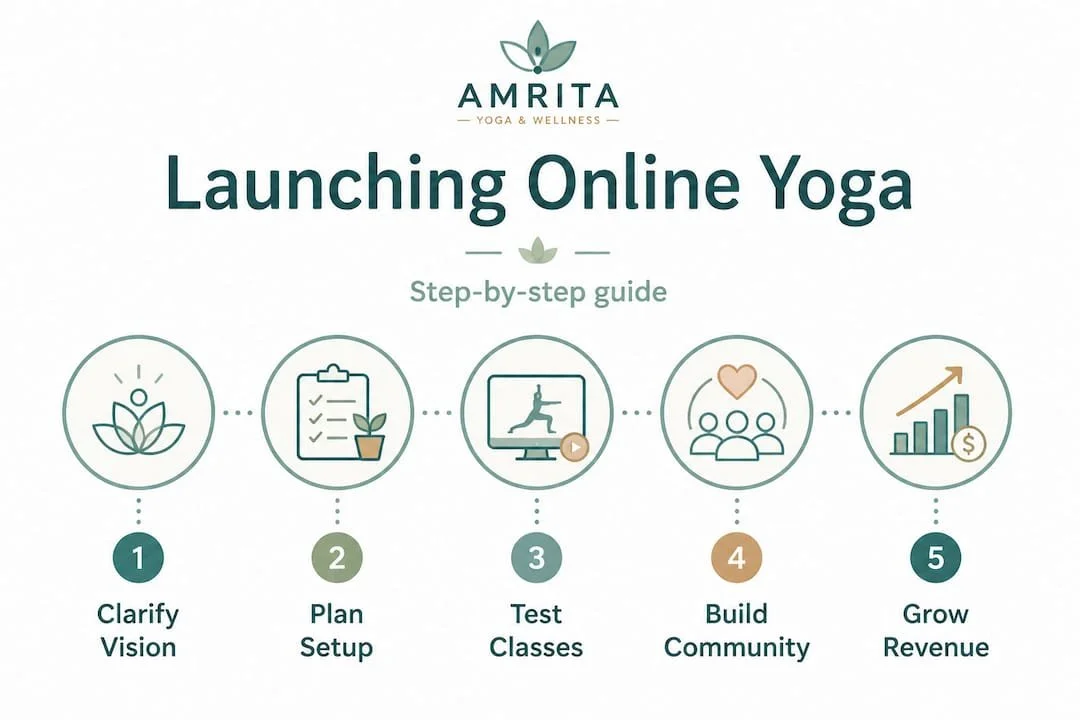
How to start online yoga classes: a step-by-step guide

Heather Rice

TL;DR:

Starting small with live classes and authentic community-building creates a sustainable online yoga practice.Preparing your setup, testing feedback, and focusing on trust over follower count leads to long-term success.

You've been practicing or teaching yoga for a while now, and the idea of offering classes online feels both exciting and completely overwhelming. The tech questions pile up fast: Which platform? What camera? How do you keep students engaged when you can't physically adjust their posture? If you're a Philadelphia-based yoga enthusiast or emerging teacher, this guide walks you through every stage of launching online yoga classes that feel authentic, community-centered, and built to last.

Table of Contents

Key Takeaways

Point Details
Start with a pilot group Begin with 5–15 students for valuable feedback and a lower-risk launch.
Focus on community Cohort-based classes and discussion spaces boost engagement and completion.
Invest in clear audio and video Prioritize camera angles, lighting, and a reliable mic to improve safety and communication.
Consider credentials for credibility If you plan to use Yoga Alliance branding, ensure you meet all certification and compliance requirements.
Build sustainable revenue Recurring memberships, combined with an owned platform, lead to higher long-term earnings.

Clarifying your vision and requirements

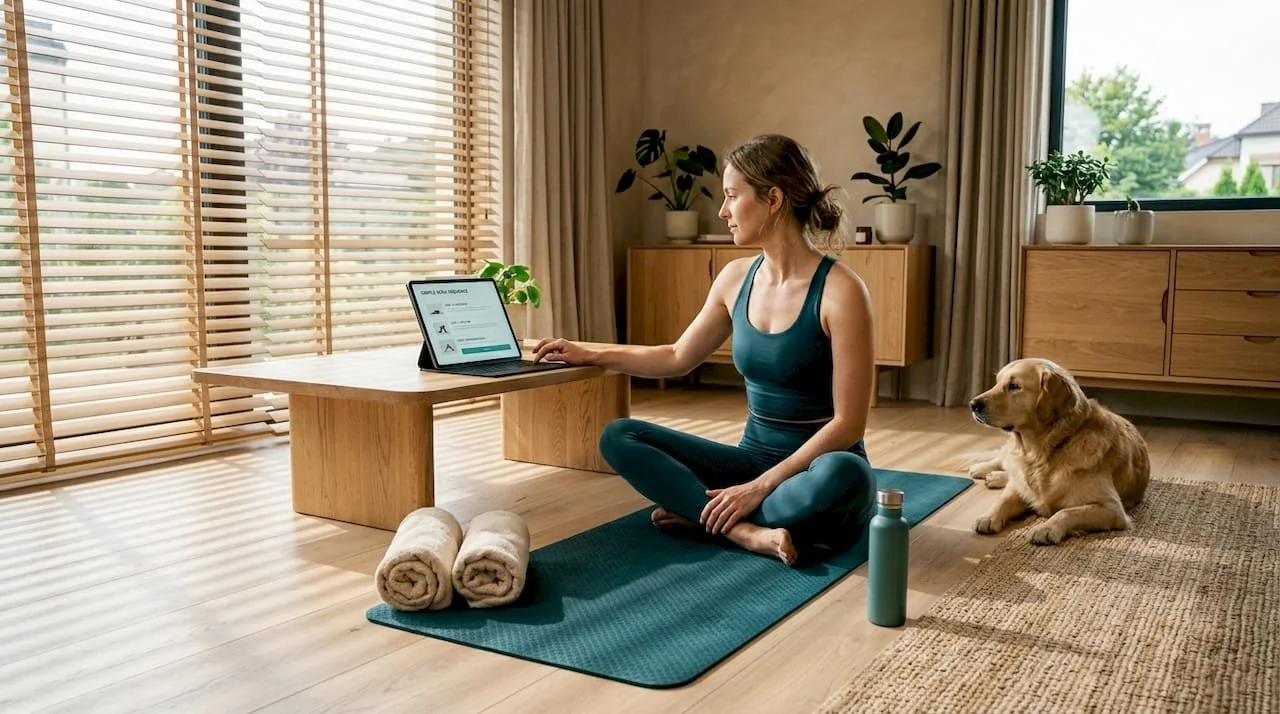
Before you film a single downward dog, you need a clear picture of what you're building. The biggest mistake new online teachers make is jumping straight to "which platform should I use?" before answering more fundamental questions: Who are you teaching? What style of yoga? And what kind of experience do you want your students to have?

Start by writing down your teaching focus. Are you leaning into restorative yoga for busy Philly professionals? Hot yoga fundamentals? A blend of barre, pilates, and vinyasa? When you define your niche early, choosing the right yoga classes for your audience becomes much cleaner. Your niche also shapes your entire tech and format decision.

Next, decide on your class delivery model:

  • Live classes via Zoom or Google Meet offer real-time feedback and community energy

  • Recorded classes let students practice on their schedule, but require higher production quality

  • Hybrid models give you both: a live session that gets repurposed as an on-demand recording

According to a practical framework for online yoga businesses, you should plan your offer including live versus recorded format, pricing, and the fundamental tech and space requirements before anything else. Skipping this step leads to expensive pivots later.

Here's a quick-reference comparison for your home studio setup:

Class model Camera needed Lighting priority Internet speed Platform examples
Live only Webcam or smartphone Natural or ring light 10+ Mbps upload Zoom, Google Meet
Recorded only DSLR or mirrorless Full studio lighting Standard Vimeo, Teachable
Hybrid Webcam or DSLR Natural or ring light 10+ Mbps upload Zoom plus Teachable
On-demand library DSLR preferred Full studio lighting Standard Kajabi, Podia

Your at-home studio doesn't need to be perfect from day one. A clean background, solid natural light, a stable internet connection, and a phone or laptop camera are genuinely enough to start. Also think early about scheduling online yoga classes so students can build consistent habits around your offerings.

Pro Tip: Start with what you already own and record a short five-minute test video to identify your biggest weak spots. Most of the time it's audio, not video quality, that makes or breaks the student experience.

Crafting your first offerings and gathering feedback

With your vision mapped out, the next move is not to build a polished 12-week course. It's to test your teaching live, with real people, in a low-pressure environment. This protects your time and gives you the honest feedback that no amount of planning can replace.

The goal is a pilot group: a small set of students who agree to take your initial classes at a reduced price in exchange for their detailed feedback. Here's exactly how to run it:

  1. Identify 5 to 15 people from your existing network, social community, or local Philadelphia contacts

  2. Offer a 2 to 4 week introductory series at 50% of your planned price

  3. Run every session live so you can observe engagement in real time

  4. After each class, send a short follow-up form with open-ended questions

  5. After the full pilot, hold a 15-minute group debrief call to collect verbal impressions

  6. Document every piece of feedback and group themes before building your next iteration

The reasoning is simple: starting small reduces risk, and running a pilot group with genuine feedback before scaling any course or larger offering is what separates instructors who grow sustainably from those who burn out after month three.

What kinds of feedback actually matter? Focus on:

  • Was the pacing too fast, too slow, or just right?

  • Could students hear you clearly throughout the session?

  • Did the class structure feel welcoming to different experience levels?

  • What was the single most valuable moment of the class?

  • What would they change if they could change one thing?

Pro Tip: Avoid yes/no survey questions. Ask things like "Describe a moment during class when you felt confused" or "What would have made today's session more effective for your practice?" Open-ended questions surface the insights that multiple-choice answers completely hide.

Most successful online yoga teachers use live teaching first to build their authentic library of cues, sequences, and student responses. Once you've refined your live sessions, you can record evergreen content that reflects your actual teaching style, not a polished but hollow performance. For more on scaling this into a thriving practice, explore tips for growing a yoga business.

Designing engaging, community-driven classes

Launching your first classes is only half the challenge. Keeping students coming back, week after week, requires intentional curriculum design and a genuine sense of community. This is where many online yoga programs fall apart: they focus entirely on content quality and forget that students stay for connection, not just sequences.

The structure of your program matters enormously. Here's how the three main models compare:

Model Completion rate Community feel Flexibility Best for
Scheduled cohort Highest Strong Low New teachers building trust
Open access Moderate Moderate High Established brands
On-demand only Lowest Weak Highest Supplemental content

"Online yoga courses that include cohort structure and community tend to have higher completion rates than open access or on-demand-only models, with discussion spaces alone showing completion rates of 65.5% versus 42.6%."

The data makes a strong case: when students feel accountable to a group and a schedule, they finish what they start. For a Philadelphia audience that values neighborhood connection and shared wellness experiences, a cohort model mirrors the studio environment in a way that solo on-demand watching simply cannot.

To build genuine community into your online class design:

  • Open every live session with a two-minute check-in question (something personal, not yoga-related)

  • Create a private Facebook group, Discord server, or forum where students post between sessions

  • Use breakout rooms during longer Zoom classes so students briefly connect in pairs

  • Celebrate milestones publicly, a student's tenth class, their first crow pose

  • End classes with a short cool-down circle where students share one word about their experience

One critical curriculum note: not all of your students will be watching their screen during practice. Strong verbal cueing is not optional when teaching online. Describe every transition and alignment cue as if your students have their eyes closed, because many of them do. Read more about building consistent wellness access through membership models that support this kind of sustained engagement.

You can also browse yoga membership ideas to see how other teachers are structuring recurring student relationships around both live and asynchronous content.

Ensuring safety, professionalism, and credibility

Engagement matters, but nothing derails an online yoga career faster than a safety incident, a credential misrepresentation, or unclear instruction that causes a student to get hurt. Professionalism is not just about polished graphics or a clean website. It's about earning trust through clarity, competence, and honest communication.

Start with your technical setup. To give real alignment feedback during live classes, your filming setup must allow the teacher to clearly see students' postures. That means:

  1. Position your camera at mat height, not desk height, so you see the body at the same level

  2. Use a wide-angle lens or back your camera up far enough to capture your full body in frame

  3. Ensure the background behind you is uncluttered so postures read clearly

  4. Test your microphone volume at conversational pace, loud cuing often clips and distorts

  5. Light your face AND body from the front, never from behind (no window at your back)

On credentials: if you plan to market yourself using titles like RYT-200 or RYT-500, Yoga Alliance's RYT registration requires completing training at an officially registered yoga school (called an RYS), and your certificate must include the RYS name, authorized signature, training hours, and proper documentation.

"Non-compliance with Yoga Alliance standards, including misuse of RYT trademarks or failure to meet documentation requirements, risks credential revocation and public suspension from the Yoga Alliance registry."

This matters because students increasingly check credentials before committing to an online program. Even if you choose not to register with Yoga Alliance, being honest about your training background builds far more long-term trust than vague language about experience. Check out resources around online yoga compliance and yoga safety and instructor success to stay current on best practices.

Earning sustainably: Memberships, marketing, and revenue streams

Once your teaching is solid and your community is forming, it's time to think about sustainable income. The goal is to build a business that doesn't collapse the moment your social media reach dips.

A well-designed membership goes beyond just a video library. A practical membership structure for online yoga includes recurring weekly live practice, an on-demand content library, and a community space. That combination keeps students engaged at multiple levels and justifies consistent monthly pricing.

Here's a realistic income progression for online yoga teachers based on industry data:

Business maturity Monthly income range Key driver
Year 1 $300 to $1,500 Small pilot groups, early memberships
Years 2 to 3 $2,000 to $5,000 Growing library, referrals, tiered offers
Year 4 and beyond $5,000 to $15,000+ Brand authority, passive content, larger cohorts

These income benchmarks vary based on niche, marketing consistency, and how well you retain students month over month. Don't compare your year one to someone else's year four.

For sustainable marketing and revenue growth, build your own platform and audience rather than relying exclusively on Instagram or TikTok algorithms. Own your email list from day one.

Essential local and digital marketing basics for Philadelphia-based teachers:

  • Partner with local wellness spaces, coffee shops, and community centers for cross-promotion

  • Collect email addresses at every touchpoint and send a short weekly wellness note

  • Post consistently on one social platform rather than spreading thin across five

  • Ask every satisfied student for a testimonial and display it prominently

  • Offer a free one-class trial to remove the barrier for first-time online students

More on building your recurring revenue model lives in the yoga membership resources section of our blog.

Pro Tip: Your email list is the only audience you truly own. Social platforms change their algorithms constantly. A list of 200 engaged students who open your emails is worth far more than 2,000 passive followers who never click anything.

Why starting small and community-first always wins in online yoga

Here's an uncomfortable truth that most "how to build a yoga business" content glosses over: follower counts mean almost nothing when it comes to building a sustainable, fulfilling online yoga practice.

We've seen this pattern repeatedly among Philadelphia-area instructors. Teachers who launched with a big Instagram push but skipped the pilot group phase often ended up with polished content that nobody finished, expensive platforms they didn't fully use, and a creeping sense that online yoga just doesn't work. The problem was never online yoga. The problem was launching big before building trust.

The teachers who build something lasting almost always start the same way: a small group, live sessions, genuine conversations, and an honest feedback loop. This mirrors what growing a yoga business actually looks like in practice, not theory.

Live classes are the foundation. When you teach live, you feel the rhythm of your students. You notice when silence means confusion versus contemplation. You adapt in real time. That responsiveness is exactly what builds the trust that converts a one-time attendee into a yearly member. Recorded content, no matter how beautiful, cannot replicate that exchange.

Chasing social media numbers before you've nailed your live teaching is like rehearsing a performance before you've written the script. The metrics look like momentum, but they don't translate to revenue or community. Five students who show up every week and tell three friends about your class will build your business faster than 500 passive followers who double-tap a reel.

The Philadelphia yoga community, in particular, responds to authenticity and neighborhood roots. Start with the people already around you. Offer them something real, small, and personal. The growth follows from there, not the other way around.

Ready to start your own online yoga journey?

Taking your yoga practice or teaching online doesn't have to be a solo effort. The knowledge, community, and local expertise you need are already here.

At Amrita Yoga & Wellness, we've built a space where holistic wellness practitioners and students of every level can connect, learn, and grow. Whether you're looking to deepen your own practice before teaching, explore our diverse class offerings, or add a unique experience like tarot readings to your wellness journey, our Philadelphia studio supports you every step of the way. Browse our current schedule, community workshops, and member resources to find your ideal starting point.

Frequently asked questions

What essential equipment do I need to teach online yoga classes?

You'll need a device with a camera, strong and front-facing lighting, a stable internet connection, and a dedicated external microphone for clear audio. A practical setup also includes a quiet, uncluttered space where your full body is visible on camera.

How many students should I start with for my first online yoga class?

A pilot group of 5 to 15 students gives you the most honest feedback with the lowest financial and operational risk. Starting with this size lets you run the full program, gather detailed responses, and refine before opening to a larger audience.

Do I need a Yoga Alliance credential to teach online yoga?

No formal registration is required to teach online, but if you want to market yourself as an RYT or use Yoga Alliance trademarks, you must meet their full credentialing standards and documentation requirements.

How much can I expect to earn teaching online yoga?

First-year teachers typically earn between $300 and $1,500 per month, scaling to $2,000 to $5,000 in years two and three. With a deeper library and community, experienced teachers can reach $5,000 to $15,000 or more per month.

What helps students stick with online yoga classes?

Scheduled live sessions with a community component keep students far more consistent than on-demand formats alone. Courses with discussion spaces show completion rates of 65.5% compared to 42.6% for those without community features.

Recommended

Awaken yoga: Philadelphia's guide to holistic wellness

Heather Rice

TL;DR:

Awaken yoga in Philadelphia combines traditional practices with innovative, movement-based approaches to enhance physical and mental wellness. It features styles like aerial yoga, Pilates blends, and pole fitness, offering diverse options to build strength, flexibility, and community. Choosing the right studio involves considering instructor credentials, class variety, safety, and personal goals.

If you think yoga is just slow stretches on a mat, Philadelphia's evolving wellness scene is about to surprise you. A growing wave of studios and practitioners across the city are offering something far more dynamic, blending aerial silks, Pilates-based conditioning, mindfulness work, and traditional yoga into experiences that challenge both body and mind. This guide breaks down what awaken yoga really means, which styles are thriving in Philadelphia right now, how to choose a studio that fits your goals, and practical steps to make these practices part of your everyday wellness life.

Table of Contents

Key Takeaways

Point Details
Awaken yoga blends practices This approach incorporates yoga, Pilates, aerial arts, and mindfulness for full-body and mental wellness.
Philadelphia studios lead innovation Local places like Awakenings Pole Fitness offer diverse, community-driven yoga experiences.
Choose the right style Compare aerial yoga, Pilates blends, and mindfulness classes to match your goals and preferences.
Start with clear steps Begin with fundamentals classes, invest in basic gear, and build consistency for best results.

What is awaken yoga and why is it trending in Philadelphia?

"Awaken yoga" is not a single, trademarked style. It's a broad term that describes movement-based practices designed to activate deeper awareness, physical strength, and mental clarity by combining traditional yoga principles with modern, innovative approaches. Think of it less as a specific class and more as a philosophy: wake up the body, engage the mind, and build community while doing it.

Philadelphia's wellness culture has matured significantly over the past decade. Residents are no longer satisfied with one-size-fits-all gym memberships or basic flow classes. They want variety, depth, and genuine connection. That demand has created fertile ground for fitness yoga classes that push past the familiar, incorporating movement modalities that feel exciting and accessible at the same time.

Studios in the city have responded by introducing formats that blend aerial yoga, Pilates-inspired conditioning, barre, and mindfulness workshops under one roof. Awakenings Pole Dance Fitness in Philadelphia exemplifies this shift, offering aerial yoga as a specialty alongside other dynamic movement classes and earning a strong community following in the process.

Key benefits practitioners in Philadelphia consistently report from awaken yoga practices include:

  • Improved functional strength through aerial and Pilates-based movements

  • Greater flexibility without the joint stress of high-impact workouts

  • Reduced anxiety and stress through intentional breathwork and mindful sequencing

  • A stronger sense of community and accountability

  • Creative expression through movement, which is especially powerful for adults dealing with burnout

"Awaken yoga isn't about perfecting a pose. It's about reconnecting with your body and showing up as a full human being, week after week."

Understanding what makes these studios different from a typical gym yoga class is the first step toward choosing the right practice for you. If you want a deeper look at what separates a dedicated wellness space from a gym annex, our understanding yoga studios guide is a great starting point.

Main styles and offerings: From aerial yoga to Pilates blends

Now that you know why awaken yoga is gaining popularity, let's compare the main styles and what you might experience at these studios.

Philadelphia's awaken yoga landscape covers a range of distinct but often overlapping modalities. Knowing the difference before you book a class prevents frustration and helps you find your personal sweet spot faster.

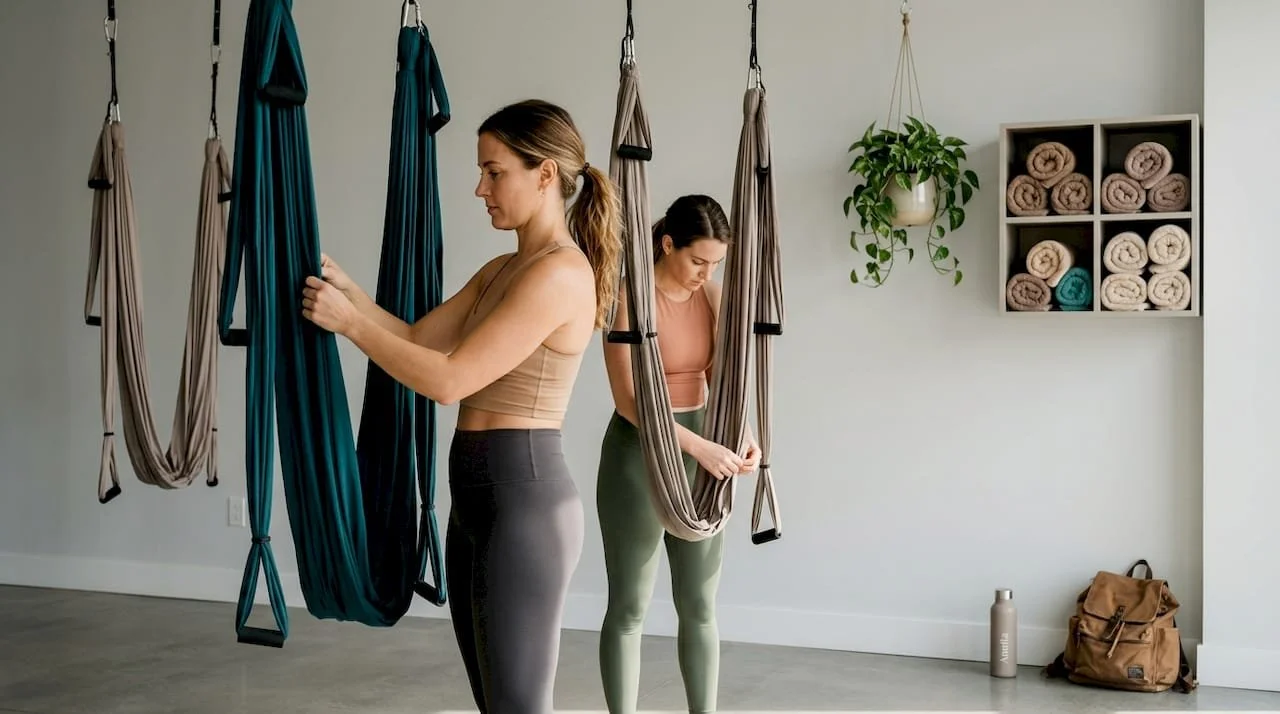
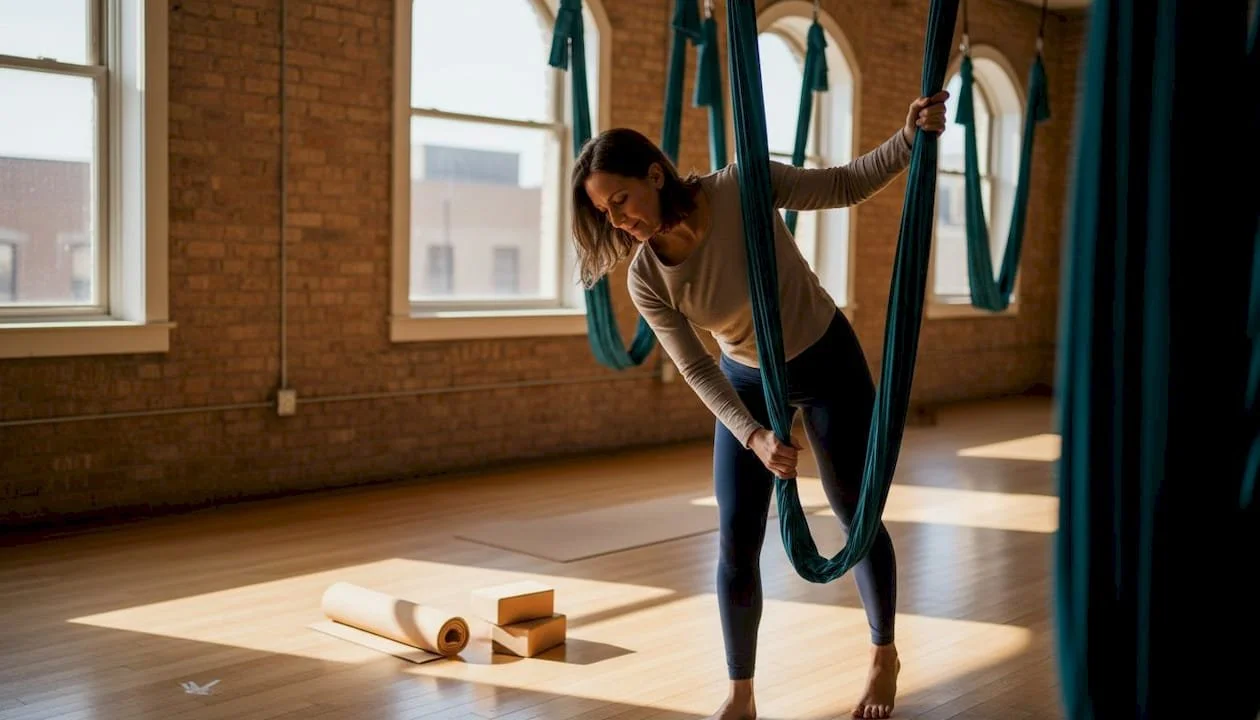
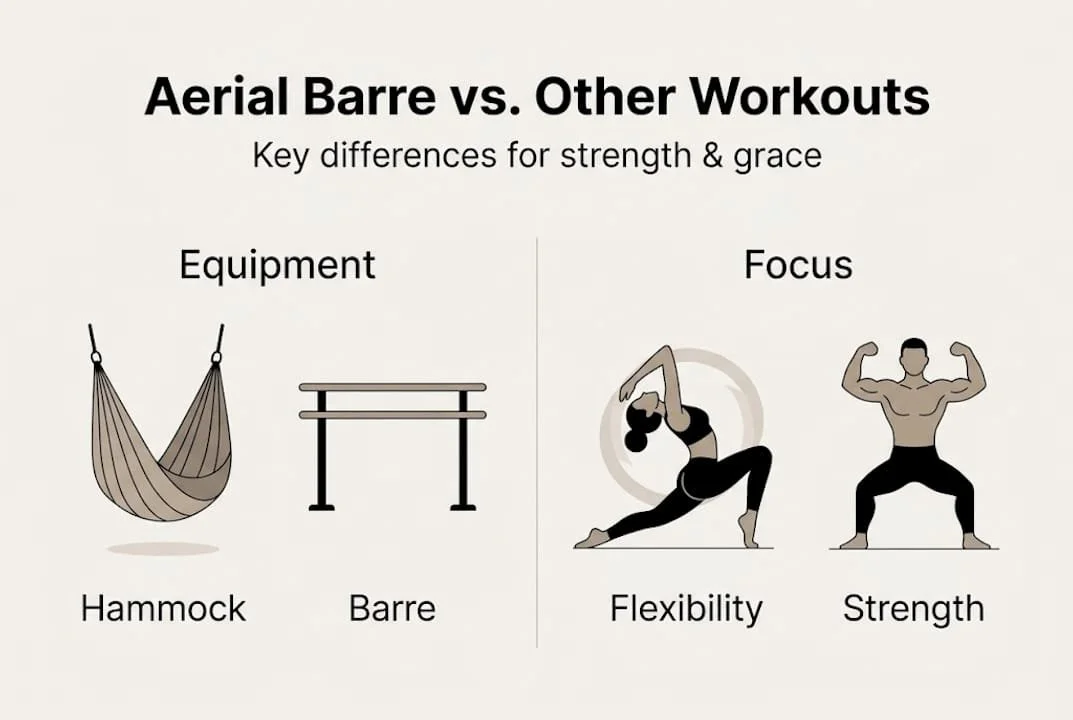
Aerial yoga is the most visually striking of these formats. Students use a fabric hammock or silk suspended from the ceiling to support and extend traditional yoga postures. The hammock decompresses the spine, makes inversions accessible to beginners, and builds significant shoulder and core strength. Many students describe their first aerial class as both terrifying and liberating. The low-impact nature of the practice makes it especially popular for adults recovering from back issues or those who want to build strength without the pounding of traditional fitness classes.

Pilates-blended yoga classes focus on slow, deliberate movements that target deep stabilizing muscles, particularly in the core, hips, and lower back. Joseph Pilates originally developed his method as a rehabilitation tool, and that therapeutic origin translates well into yoga fusions. These classes tend to attract practitioners who are rehabbing injuries, managing chronic pain, or simply looking for a more methodical, controlled workout. Awakenings Pole Dance Fitness offers aerial yoga, pole fitness, and Pilates-like conditioning as integrated parts of its movement program, showing how naturally these styles complement each other.

Pole fitness often surprises newcomers who discover it alongside aerial yoga. Modern pole conditioning classes are rigorous, requiring full-body strength, coordination, and flexibility. Many studios offer it as a natural progression from aerial yoga because the skill sets overlap considerably.

Here's a quick comparison of the three main styles you'll encounter in Philadelphia's awaken yoga scene:

Style Primary focus Intensity level Best for
Aerial yoga Flexibility, core, spinal decompression Beginner to intermediate Back pain, flexibility goals
Pilates-blended yoga Core stability, controlled movement Beginner to advanced Injury rehab, posture, tone
Pole fitness conditioning Full-body strength, coordination Intermediate to advanced Strength goals, creative fitness

How to approach your first awaken yoga experience:

  1. Research studio class descriptions before booking. Studios like Amrita Yoga & Wellness provide detailed breakdowns so you know exactly what you're walking into.

  2. Reach out to the studio and ask which class is best for a first-timer. Most instructors welcome this question.

  3. Visit the studio's social media or review page to get a feel for the community and environment.

  4. Book a trial class or introductory package if one is available, rather than committing to a full month immediately.

  5. Attend your first class without performance pressure. Observation and exploration are legitimate goals for session one.

For a well-rounded look at what stepping into one of these spaces actually feels like day-to-day, the fitness yoga studio experience article covers the social and practical dimensions of studio life in detail.

Pro Tip: If you're nervous about aerial yoga, ask the studio if they offer a "fundamentals" or "intro to aerial" session. These shorter workshops teach you how the hammock works before you ever attempt a pose, making your first full class dramatically less intimidating.

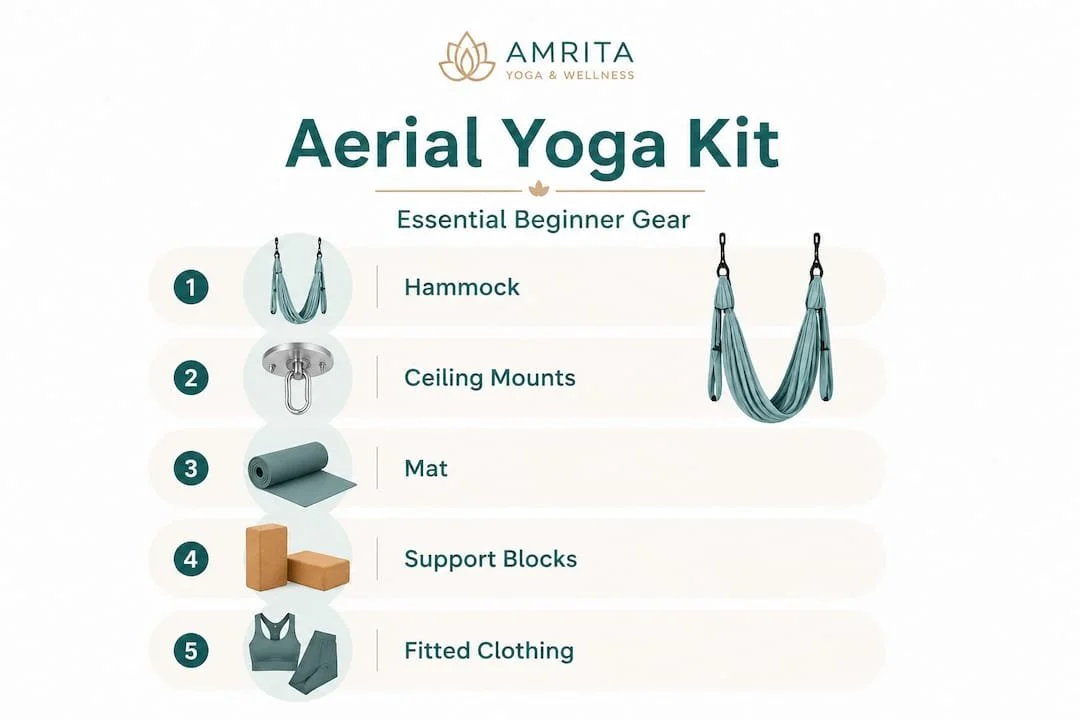
Investing in the right gear matters too. Grip gloves, proper fitted leggings, and a quality mat bag all make a difference in comfort and safety. Browse aerial yoga accessories specifically designed for these classes to start equipped rather than improvising.

Top awaken yoga studios and what to consider before joining

Having explored the styles on offer, next you'll want to choose the right Philadelphia awaken yoga studio with confidence.

Philadelphia has a strong and growing roster of studios serving the awaken yoga community. Choosing the right one is about more than geography. The best studio for your wellness journey depends on several overlapping factors: the diversity of class offerings, instructor qualifications, the community atmosphere, and whether the studio's values align with your own.

What to evaluate when selecting your studio:

  • Instructor certification: Look for instructors certified in their specific modality, whether that's Yoga Alliance-registered, certified Pilates instructors, or aerial yoga-trained professionals

  • Class size: Smaller classes mean more individualized attention, which matters especially for aerial yoga where safety corrections are critical

  • Community reviews and reputation: Consistent positive reviews over time indicate a stable, well-managed studio

  • Trial offers: Studios confident in their product typically offer introductory packages or drop-in options

  • Safety protocols: For aerial yoga specifically, ask about hammock maintenance schedules and weight capacity guidelines

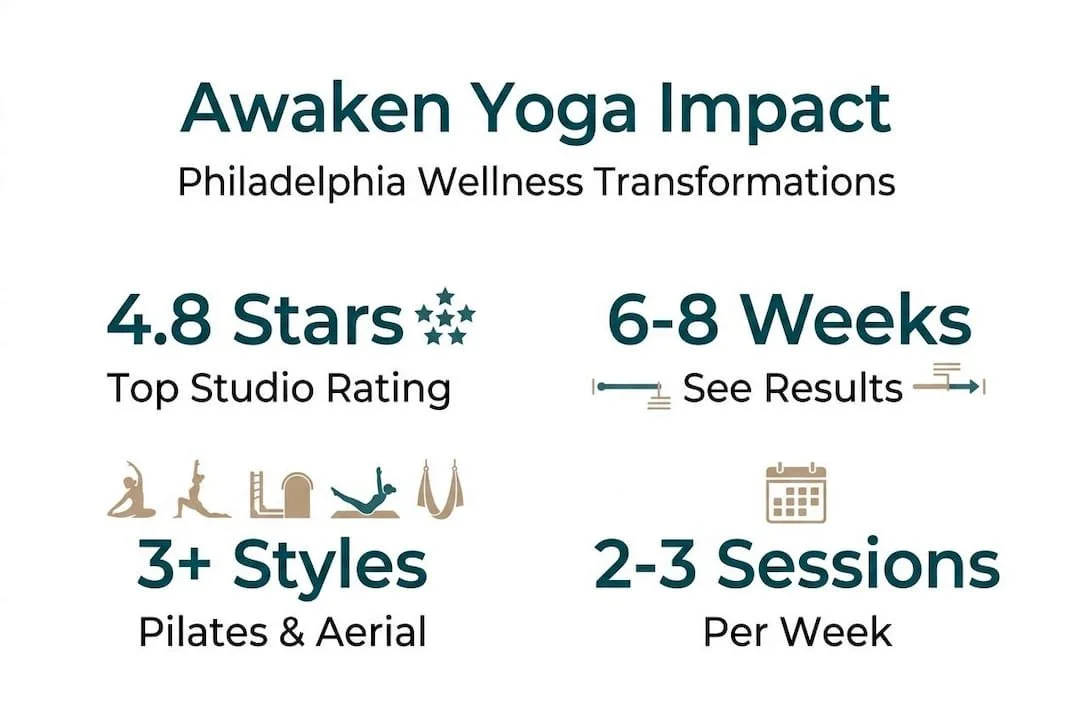
Awakenings Pole Dance Fitness stands out as a highly rated studio in the Philadelphia area, earning 4.8 stars across 283 reviews, a level of sustained community approval that speaks to consistent quality and care for its students. That kind of track record matters when you're considering a practice as physically engaging as aerial yoga.

Here is a comparison of key factors to weigh when choosing between Philadelphia awaken yoga studios:

Factor Why it matters What to look for
Instructor certification Safety and skill development Yoga Alliance, STOTT Pilates, or aerial-specific credentials
Class diversity Keeps practice evolving Multiple styles under one roof
Studio atmosphere Motivation and consistency Welcoming, non-competitive environment
Intro pricing Reduces financial risk Trial classes or first-month discounts
Location and schedule Habit formation Convenient timing within your neighborhood

The mental health benefits of regular yoga practice are well documented, with consistent practitioners reporting measurable reductions in anxiety and depressive symptoms within just a few months. Choosing a studio where you genuinely want to show up is not a luxury, it's a health strategy. The topics covered under yoga for mental health show just how significant this connection is for long-term wellbeing.

For a broader overview of what Philadelphia's most respected studios are currently offering, the top yoga studios in Philadelphia guide provides an updated comparison of the city's leading wellness spaces.

How to maximize your awaken yoga experience: Practical tips

With your short list of studios in hand, here's how to start strong and make awaken yoga fit into your holistic wellness lifestyle.

Getting started is one thing. Building a practice that actually changes your life requires a bit more intentionality. The good news is that the habits that make awaken yoga sustainable are simple and low-cost.

Before your first class:

  1. Hydrate well the day before and on the morning of your session. Aerial yoga and Pilates fusions are more demanding than they look, and dehydration accelerates fatigue significantly.

  2. Eat a light meal two hours before class. A heavy stomach and an upside-down aerial pose are not a good combination.

  3. Wear fitted clothing with no zippers, buttons, or jewelry. Loose fabric can get caught in aerial silks, and hardware can damage the fabric or scratch your skin.

  4. Arrive ten minutes early. This gives you time to meet the instructor, ask questions about the equipment, and settle your nerves before the class begins.

  5. Silence your phone and set an intention. Even something as simple as "I'm here to move and breathe" gives your session a focal point.

Building a sustainable routine:

Consistency transforms awaken yoga from a fun experiment into a genuine wellness practice. Awakenings Pole Dance Fitness incorporates varied movement formats precisely because variety keeps students engaged and coming back. Rotating between aerial yoga, Pilates-focused sessions, and mindfulness-heavy classes prevents the plateau effect and challenges different muscle groups and mental states week to week.

Most practitioners see meaningful physical and mental results after six to eight consistent weeks of two or three sessions per week. Before that point, you're still in the learning phase, and that's completely normal.

Pro Tip: Keep a short wellness journal after each class. Note how you felt before and after, which poses challenged you, and what felt good. Reviewing those notes at the four-week mark reveals progress you might not notice in the moment.

Equipping yourself properly also makes a real difference. From grip gloves to yoga socks with anti-slip soles, the right accessories improve safety and performance. The top aerial yoga accessories guide walks you through what's worth buying and what you can skip when starting out. For the broader habit-building side of the equation, the resources on building a yoga habit offer practical strategies grounded in behavior science.

Why awaken yoga is transforming Philadelphia's wellness scene

Most wellness articles stop at "here are the benefits, here are the studios, here's how to start." That's useful, but it misses the bigger picture of why awaken yoga is resonating so deeply in a city like Philadelphia right now.

Philadelphia is a city with enormous creative energy and persistent socioeconomic stress. Its residents have always found community through shared physical and artistic practices: mural arts, community gardens, neighborhood fitness culture. Awaken yoga, especially in its aerial and Pilates-fused forms, slots naturally into that tradition because it is simultaneously athletic, artistic, and communal.

What most conventional fitness culture fails to offer is an emotional outlet alongside the physical one. Aerial yoga, for example, requires you to trust the silk, trust your instructor, and trust yourself in a vulnerable upside-down position. That kind of trust-building translates directly into reduced anxiety and a more grounded daily outlook. It's not something a treadmill can replicate.

There's also a trauma sensitivity dimension that gets overlooked in mainstream fitness coverage. Many awaken yoga instructors are trained in trauma-informed movement, which means they understand that physical cues can carry emotional weight. In a city where burnout, financial stress, and social isolation are real issues for many adults, that sensitivity is not a marketing point but a genuine necessity.

We believe that modern fitness trends are moving away from performance-obsessed models toward practices that value presence, community, and long-term wellbeing. Awaken yoga is at the leading edge of that shift in Philadelphia. Studios that embrace this philosophy are not just selling classes. They're building something more durable: spaces where adults feel safe to be beginners, to fall out of poses, to laugh, and to grow at their own pace.

That's the real transformation. And Philadelphia is proving it works.

Ready to awaken your practice?

Philadelphia's awaken yoga scene is rich, varied, and genuinely welcoming to newcomers at every fitness level. Whether you're curious about floating in aerial silks, strengthening your core through Pilates-inspired flows, or simply finding a mindful community to practice with regularly, the options across the city are better than ever.

At Amrita Yoga & Wellness, we offer a diverse range of classes, including yoga in multiple styles, Pilates, barre, tai chi, and massage therapy, all designed to support your physical, mental, and spiritual wellbeing in Philadelphia. Whether you're stepping onto a mat for the first time or looking to deepen an existing practice, our community is here to meet you exactly where you are. Browse our class schedule, explore upcoming workshops, and find the practice that truly calls to you.

Frequently asked questions

What is aerial yoga and how is it different from regular yoga?

Aerial yoga uses a silk hammock suspended from the ceiling to support and extend yoga poses, offering unique spinal decompression and core strength benefits not possible on a standard mat. Aerial yoga is among the specialties in Philadelphia at studios like Awakenings Pole Dance Fitness.

Are there beginner-friendly awaken yoga classes in Philadelphia?

Yes, many Philadelphia studios offer introductory or fundamentals formats specifically designed for first-timers in aerial and Pilates-fused classes. Philadelphia studios like Awakenings Pole Dance Fitness offer a variety of entry-level movement class options alongside advanced sessions.

What should I wear to my first aerial yoga class?

Wear fitted, comfortable clothing with no zippers, buttons, or jewelry, and avoid loose or flowy fabrics that can catch in the silk hammock or obscure your grip.

How does awaken yoga support mental health?

Awaken yoga combines intentional breathwork, mindful movement, and community connection, all of which are strongly associated with reduced stress, lower anxiety levels, and improved emotional resilience over time.

Recommended

Yoga in Philadelphia City Center: Classes and Community

Heather Rice

TL;DR:

Many people believe Philadelphia's city-center yoga studios are expensive, crowded, or only for advanced practitioners, which discourages new students. In reality, these studios are accessible, diverse, and welcoming for all experience levels, offering flexible schedules and community connections that promote long-term practice. Building relationships and exploring different styles in these urban spaces can transform your wellness routine and enhance your overall resilience and presence.

Many people assume that yoga studios in Philadelphia's city center are crowded, expensive, or strictly for advanced practitioners who can already touch their toes. That assumption keeps a lot of people on the sidelines. The truth is, city-center yoga in Philadelphia is more accessible, welcoming, and varied than most people expect. Whether you're brand new to the mat or you've been practicing for years, the neighborhood studios tucked into Center City and Rittenhouse Square offer something genuinely worth showing up for.

Table of Contents

Key Takeaways

Point Details
City-center yoga is accessible Philadelphia's city center offers welcoming studios for all experience levels.
Choose the right style Explore different yoga styles to find classes that suit your goals and personality.
Community matters Joining a yoga community boosts motivation, well-being, and lasting transformation.
Try before you commit Most city studios offer introductory sessions or weeks for new students to experience different classes.

Why choose yoga in Philadelphia city center?

Philadelphia's city center is not just a place to commute through. It's a full wellness ecosystem. The density of studios within walking distance of public transit means you can fit a yoga class into a Tuesday lunch break, an early Saturday morning, or a weekday evening without rearranging your entire schedule. That accessibility alone changes the game for a lot of people who've always meant to start but never found the right moment.

What makes this stretch of the city especially appealing is the variety of teaching approaches available in a compact area. You'll find studios focused on alignment, others built around high-energy flow, and community spaces that feel more like gathering places than gyms. This means you're not locked into one style just because it's the only option nearby.

Here's a quick look at what city-center yoga consistently delivers:

  • Multiple class times daily, often from early morning through evening

  • Transit-accessible locations near SEPTA bus and subway stops

  • Beginner-friendly programs alongside advanced offerings

  • Workshops, events, and community gatherings beyond regular classes

  • Instructors with diverse training backgrounds and teaching styles

  • Smaller class sizes that allow for more personal attention

The community you build in a city-center studio tends to feel more sustained than what you'd find at a one-off gym class. You see the same faces week after week. Instructors learn your name and your practice. That familiarity builds real accountability.

One great example of this is what practitioners say about Maha Yoga in Rittenhouse Square, which is praised for its welcoming studio community and alignment-based approach that works especially well for people recovering from injuries or just starting out. The vibe is described as low-key, the instructors as chill and knowledgeable, and the class variety as genuinely suited to all levels.

"The classes are really approachable. I walked in nervous and walked out feeling like I'd found my people." — a common sentiment from city-center yoga newcomers.

If you're still weighing your options, reading up on choosing a Philadelphia yoga program can help you narrow things down before you even step inside a studio door. And if you'd rather browse by neighborhood first, exploring local yoga classes gives you a useful starting point.

Popular yoga studios and what they offer

Now that you know why city-center yoga is worth exploring, here's a clearer picture of what you'll actually find when you walk through the door.

The studios concentrated in Center City and Rittenhouse range from boutique alignment-focused spaces to larger community studios with packed schedules. The distinction matters because it shapes your experience entirely. A studio focused on precise alignment will slow things down and correct your form carefully. A flow-based studio will move you through sequences at a brisker pace. Neither is better. They serve different needs.

Here's a general overview of what you can expect from the most common studio types in this area:

Studio type Class style Price range Best for
Alignment-based studio Slow, methodical, detailed cueing $20–$30 per class Beginners, injury recovery
Vinyasa flow studio Dynamic, breath-linked movement $18–$28 per class All levels, stress relief
Community yoga studio Mixed levels, affordable drop-in $10–$20 per class Budget-conscious students
Hot yoga studio Heated room, detox-focused $22–$35 per class Those seeking intensity
Specialty/fusion studio Yoga plus barre, pilates, or tai chi $20–$32 per class Practitioners wanting variety

The welcoming community at Maha Yoga is a recurring theme in local recommendations, especially for people who feel anxious about walking into a new studio. That matters more than most people realize before they try it. A good teacher in a supportive room can shift your relationship with your own body in a single class.

When you're looking at studios, pay close attention to whether they offer community-focused programming beyond regular classes. Studios that host workshops, seasonal events, or wellness talks tend to attract students who stay engaged over time. You can learn more about why that consistency matters by reading about community yoga benefits and browsing community yoga options available in Philadelphia.

Pro Tip: Many city-center studios offer a beginner week or free intro session. Take advantage of these before committing to a membership or class pack. It's the fastest way to know if the studio's energy matches yours.

Traditional vs. modern yoga styles: finding your fit

With your studio options in view, the next step is understanding the actual yoga styles you'll encounter downtown.

This is where a lot of people get stuck. They hear words like Ashtanga or Vinyasa and assume these are just different names for the same stretching routine. They're not. Each style carries a distinct philosophy, pace, and physical demand.

Ashtanga is structured and repetitive by design. You practice the same sequence of postures in the same order, class after class. That repetition is intentional. It builds discipline and body awareness over time, and many practitioners say it's the style that genuinely transformed their confidence. It rewards consistency. If you show up regularly, you will progress, and you'll feel it clearly.

Vinyasa is more fluid and adaptable. The teacher creates a sequence that changes each class, linking breath to movement throughout. It's more creative, more varied, and often more accessible for people who are newer to yoga or whose bodies need modification on a given day. Community discussion around Ashtanga versus Vinyasa for city yogis reflects exactly this split: some practitioners love the discipline of traditional Ashtanga, while others find modern Vinyasa is the style they can actually sustain.

Style Class structure Key benefits Best for
Ashtanga Fixed sequence, progressive Discipline, strength, focus Dedicated beginners, serious practitioners
Vinyasa Variable, teacher-led Flexibility, stress relief, variety All levels, those new to yoga
Yin Long holds, floor-based Deep fascia release, calm Recovery, anxiety management
Restorative Supported, minimal effort Nervous system reset Burnout, chronic stress

Here's a simple step-by-step approach to trying a new yoga style without overwhelming yourself:

  1. Choose a style based on your primary goal, whether that's stress reduction, strength building, or flexibility.

  2. Commit to at least three classes in that style before deciding whether it's right for you. One class is never enough data.

  3. Tell the teacher before class that you're new to the style. Good instructors will offer guidance throughout.

  4. Notice how you feel in the 24 hours after class, not just during it. That delayed response often tells you the most.

  5. Compare two or three styles over a month if you're unsure. Many studios let you drop in for varied classes.

Practicing with others in group yoga settings adds an extra layer of motivation that's hard to replicate at home. It's also one of the reasons that group yoga for wellness has become one of the most effective pathways for people to actually maintain a regular practice rather than abandoning it after a few weeks.

Joining and thriving in a city-center yoga community

Exploring different yoga styles is one thing. Building a real sense of belonging in a studio is another. Here's how to actually do it.

Practitioners who stick with yoga long-term almost universally point to one thing: the people around them. Not the perfect pose or the right gear. The confidence gains and strength improvements that members describe most often come from showing up consistently in a community that expects to see them. Accountability is underrated in wellness conversations, and it's something a good studio provides naturally.

Here's a practical framework for going from newcomer to genuinely connected member:

  1. Introduce yourself to the teacher before your first few classes. A brief exchange makes a big difference in how seen you feel.

  2. Attend regularly at the same time each week. Patterns help you meet the same people and build recognition quickly.

  3. Show up a few minutes early and stay a few minutes late. The conversations before and after class are where community actually forms.

  4. Sign up for a workshop or event. A single workshop can introduce you to a dozen regulars who share your interests.

  5. Use the studio's digital community tools, whether that's an app, a newsletter, or a social group. Staying connected between classes keeps momentum alive.

"The biggest shift in my practice wasn't physical. It was realizing I had people rooting for me every week." — shared experience from a longtime yoga community member.

The mental rewards of this kind of consistency are significant. Students who engage with a studio community report greater emotional resilience, less anxiety, and stronger follow-through on other health goals. You can explore more about building yoga connections and strategies for joining a yoga community to deepen your approach.

Pro Tip: Engage in post-class discussions or community events to deepen your connections. Even a five-minute conversation about what challenged you in class can create a real bond with another student. Don't rush out every time.

If you're not sure you're ready to invest in a full membership, starting with free yoga training resources can help you build confidence before you commit.

Perspective: The hidden value of city-center yoga

Here's something worth saying plainly: city-center yoga has an image problem that doesn't reflect reality.

People assume it's expensive, exclusive, or intimidating. They picture a room full of hyper-flexible people in expensive gear who started practicing at age five. That picture is almost entirely wrong. In our experience watching students walk through the door at studios across Philadelphia, the most consistent thing we see is ordinary people figuring it out alongside each other.

The real transformation in yoga isn't flexibility or strength. Those things come, but they're byproducts. The actual shift is learning to stay present in a room when something feels hard. That skill transfers everywhere. It transfers to difficult conversations, stressful workdays, and moments when your body doesn't cooperate with your plans.

City-center studios are uniquely positioned to deliver that because they exist inside the noise of urban life. You walk in from a chaotic commute or a tense meeting, and within ten minutes, you're breathing intentionally and paying attention to your body. The contrast is powerful. That's not something a home video can replicate.

What we also know is that modern studios are actively reimagining what yoga looks like for city people. They're combining practices, shortening class lengths to fit lunch hours, offering sliding-scale pricing, and creating genuine community events. If you haven't checked what's available recently, the landscape has changed more than you might expect. Reading about wellness and connection in group yoga is a good way to recalibrate your expectations and see what's actually on offer.

The bottom line is this: the barrier to entry for city-center yoga is lower than it's ever been. The only thing keeping most people out is the assumption that they don't belong there yet. They do.

Discover your next step on the mat

You've got the framework now. You understand the styles, the studios, and the community dynamics that make city-center yoga worth pursuing. The next step is actually showing up.

At Amrita Yoga & Wellness, we offer a full range of yoga, pilates, barre, tai chi, and massage therapy services designed for exactly the kind of person reading this guide. Whether you're stepping onto a mat for the first time or looking to deepen a practice you've had for years, our Philadelphia studio has the classes, teachers, and community to support you. We also offer wellness sessions beyond movement, including tarot and wellness sessions for those interested in a more holistic approach to self-care. Come find your next step with us.

Frequently asked questions

Are there yoga classes for beginners in Philadelphia city center?

Yes, several studios in the city center offer beginner-friendly classes with alignment-based instruction and supportive environments. Studios like Maha Yoga in Rittenhouse are specifically praised for welcoming newcomers at all experience levels.

How do I find the right yoga style for me?

Try at least two or three class types before deciding. Traditional Ashtanga suits those who want structure and discipline, while Vinyasa is often easier to access and sustain for newer students.

Will I fit in if I'm not experienced or flexible?

Absolutely. Most city-center studios actively prioritize inclusivity, and the welcoming community at studios like Maha Yoga means you're likely to feel at home faster than you expect.

What should I bring to my first city-center yoga class?

Wear comfortable, stretchy clothing, bring a water bottle, and check with the studio ahead of time about mat availability. Many studios loan mats to first-time visitors.

How important is the sense of community in yoga studios?

Community is one of the strongest predictors of long-term practice. Member stories consistently highlight confidence gains and resilience as the most meaningful outcomes of sustained studio participation.

Recommended

How to use yoga for fitness: steps, styles, and results

Heather Rice

TL;DR:

Yoga for fitness requires intentional style selection, focusing on higher intensity practices like Vinyasa.Consistent practice of 2-3 sessions weekly for 45-60 minutes yields measurable strength and mobility gains.Proper setup, progression, and tracking are essential to maximize results and avoid plateauing.

Plenty of fitness-minded Philadelphians hit a wall. The gym routine gets stale, generic yoga classes feel more like naptime than training, and the scale on meaningful metrics like strength or flexibility barely moves. Here's the thing: yoga absolutely can deliver real physical fitness results, but only when you approach it with the same intentionality you'd bring to any serious training plan. This guide breaks down the right styles to choose, how to structure sessions for maximum impact, what to measure, and how to avoid the most common pitfalls that keep people from seeing the results they came for.

Table of Contents

Key Takeaways

Point Details
Choose dynamic styles Yoga forms like Vinyasa offer more fitness gains compared to gentle or restorative classes.
Consistency earns results Practicing 2–3 sessions per week for 45–60 minutes leads to measurable fitness improvements.
Track both form and feeling Measure your progress by using both physical benchmarks and how you feel after each session.
Adapt for joint safety Always listen to your body, modify poses for joint pain, and seek instruction if unsure.

What is yoga for fitness and why does it work?

Most people think of yoga as stretching or stress relief. That's not wrong, but it's incomplete. Yoga for fitness means deliberately selecting postures, sequences, and breathing patterns that produce measurable improvements in strength, mobility, cardiovascular endurance, and metabolic health. The distinction matters because not all yoga classes are created equal, and choosing the wrong style for your goals is the single biggest reason people plateau.

Research backs this up. Cardiometabolic benefits are real, particularly modest reductions in blood pressure for adults with overweight or obesity who practice consistently. The key word is "consistently," and the key variable is intensity. A candlelit Yin class two nights a week will feel wonderful but won't build quad strength or elevate your heart rate enough to drive cardiovascular adaptation.

Here's a quick comparison so you can self-select your starting point:

Style Intensity Primary fitness benefit
Vinyasa / Power Yoga High Cardiovascular fitness, strength, mobility
Hatha (active) Moderate Flexibility, functional strength, balance
Hot Yoga Moderate to High Endurance, detox, flexibility
Yin / Restorative Low Deep tissue flexibility, stress recovery
Barre / Pilates Fusion Moderate to High Core strength, muscle tone, posture

To get fitness returns, prioritize styles in the upper half of that table. Explore our yoga styles overview if you want to dig deeper into each category before committing.

Key benefits of a fitness-oriented yoga practice include:

  • Improved muscular endurance from sustained isometric holds

  • Greater joint mobility that carries over into running, cycling, or lifting

  • Better posture and spinal alignment, reducing chronic back and neck tension

  • Cardiovascular conditioning in flowing, higher-paced sequences

  • Reduced inflammation markers with regular consistent practice

Essential tools and practice setups for success

Once you understand the benefits, it's time to ensure you have the right setup to maximize them. You don't need expensive gear, but a few fundamentals make an enormous difference in how effective and sustainable your practice becomes.

At minimum, you need:

  • A non-slip yoga mat (at least 4mm thick for joint cushioning)

  • Two yoga blocks for modifying poses and deepening stretches

  • A strap for hamstring and shoulder mobility work

  • Comfortable, breathable clothing that moves with you

  • Water and a small towel, especially for vigorous or hot classes

Setting up at home versus attending a studio involves real trade-offs. A home practice is convenient and private, which removes friction for busy schedules. However, a studio gives you real-time corrections from instructors, community motivation, and structured programming that makes progressive challenge much easier to follow. For most fitness-focused adults, a hybrid approach works best: attend studio classes two or three times per week and supplement with shorter home sessions on the days in between.

Evidence from recent reviews suggests that 2 to 3 yoga sessions per week, each lasting 45 to 60 minutes, is the minimum effective dose for producing measurable improvements in physical fitness and flexibility. Going below that threshold tends to yield stress reduction benefits but not significant strength or mobility gains.

Practice frequency Session length Expected outcome
1x per week 60 min Stress relief, mild flexibility
2x per week 45–60 min Noticeable flexibility gains, light strength
3x per week 45–60 min Measurable strength, mobility, cardiovascular gains
Daily micro-sessions 15–20 min Skill maintenance, adherence, mobility upkeep

If you're just getting started, the styles for beginners guide is a practical resource for choosing your entry point without overwhelming yourself.

Pro Tip: Schedule your yoga sessions the same way you'd schedule a meeting. Pick a consistent time of day when your energy levels are predictable, whether that's early morning before the city wakes up or after work as a transition ritual. Consistency of timing dramatically improves long-term adherence.

Step-by-step: Structuring a fitness-focused yoga session

Now that you know how often and what you need, let's break down exactly what to do during each session. The structure below applies whether you're practicing at home or taking a class. Understanding the template helps you assess whether a given class is actually serving your fitness goals.

A complete fitness yoga session looks like this:

  1. Joint mobilization warm-up (5 minutes): Begin with slow neck rolls, shoulder circles, hip circles, and ankle rotations. This primes the joints and signals the nervous system to prepare for movement.

  2. Sun salutations (10 minutes): Perform 4 to 6 rounds of Sun Salutation A or B. This builds internal heat, connects breath to movement, and begins loading major muscle groups through their full range of motion. Explore Hatha yoga sequences for foundational variations.

  3. Standing strength series (15 minutes): Move through Warrior I, Warrior II, Warrior III, Chair Pose, and Crescent Lunge. Hold each pose 5 to 8 breath cycles. These standing poses load the glutes, quads, hamstrings, and core simultaneously.

  4. Plank and core block (10 minutes): Integrate plank holds, side planks, boat pose, and low-cobra-to-plank transitions. This is where muscular endurance gets built. Adding Vinyasa yoga flow transitions between these positions elevates intensity significantly.

  5. Balance and coordination (5 minutes): Tree pose, Eagle pose, or Warrior III single-leg holds. Balance work recruits smaller stabilizer muscles often skipped in traditional gym training.

  6. Cool-down stretching (5 to 8 minutes): Focus on hip flexors, hamstrings, thoracic spine, and shoulders. This is where flexibility gains are consolidated.

  7. Breathwork or Savasana (5 minutes): Non-negotiable. This is when the nervous system shifts from effort to recovery, locking in the adaptation you just created.

Pro Tip: Alternate between dynamic flowing sequences and static hold blocks within the same session. The combination builds muscle tone through time-under-tension while the flowing sections maintain cardiovascular stimulus. It's a more efficient use of 45 to 60 minutes than doing one or the other exclusively.

Movement quality first. The moment a pose creates sharp, shooting, or joint-level pain, come out of it. Yoga rewards patience. Pushing through real pain doesn't speed up progress; it sets it back. Stay hydrated throughout vigorous sessions, especially in a heated studio environment.

Research confirms that yoga styles vary significantly in training intensity and physiological load, which means choosing a vigorous class style matters more than simply showing up for any yoga class. A slow restorative session and a hard Vinyasa flow are physiologically very different experiences.

Safety and adaptations: Common pain points and progressions

As you incorporate yoga for fitness, it's vital to understand how to adapt for your body's needs and stay safe. This is especially relevant for anyone dealing with knee discomfort, hip tightness, or limited shoulder mobility, all common among active adults in their 30s, 40s, and beyond.

Yoga can and should be modified. Props are not a sign of weakness; they're tools that allow you to access the actual benefit of a pose without compensating through joints or connective tissue. A yoga block under your hand in Triangle Pose, for example, lets your spine rotate properly instead of collapsing to one side.

For joint-related concerns, yoga for mobility tips provides practical entry points. Research shows that yoga can be a viable complement to strengthening exercises for some joint-pain outcomes, though it may not outperform dedicated strength training for knee osteoarthritis pain in the short term. That said, the mood, functional movement, and quality-of-life benefits remain valuable. For older adults or those with specific mobility limitations, simple mobility poses offer a gentler starting point.

Stop your practice and consult a professional if you experience:

  • Sharp, stabbing, or electrical pain in any joint

  • Pain that persists for more than 24 hours after a session

  • Numbness or tingling in the hands, feet, or face during practice

  • Significant dizziness or nausea during breathing exercises

  • Swelling in a joint following practice

Competent instruction changes everything. One well-timed cue from an experienced teacher can correct a misalignment you've been carrying for years. Build your foundation gradually and resist the urge to jump straight into advanced inversions or deep backbends before your body is ready.

Safe progression means increasing challenge by extending hold times before adding more advanced pose variations. Add one new challenging element per session, not five. That measured buildup is what prevents injury and actually speeds up overall progress.

How to track your fitness results with yoga

To keep motivated, you'll want to check that your practice is working. Tracking progress with yoga requires a mix of objective and subjective measures, and the combination gives a much fuller picture than any single metric.

Simple self-tests you can perform at home:

  • Seated forward fold: Sit with legs extended and reach toward your feet. Measure how far your fingertips reach relative to your heels. Retest every four weeks.

  • Plank hold: Time how long you can hold a solid forearm plank. This is a reliable core and shoulder endurance benchmark.

  • Single-leg balance: Stand on one foot with eyes open. Time yourself. Retest monthly to track stability improvements.

  • Resting heart rate: Track it weekly first thing in the morning. Consistent yoga practice tends to lower resting heart rate over time as cardiovascular efficiency improves.

Measure type Examples When to track
Objective Blood pressure, plank time, forward fold reach, resting HR Monthly
Subjective Mood, energy, sleep quality, perceived effort Weekly
Performance Session duration, poses held, flow completion Per session

Managing expectations matters. Best results come from consistent, moderate practice, and the effect sizes tend to be meaningful but not dramatic. Most adults practicing 2 to 3 times per week will notice real flexibility improvements within 6 to 8 weeks and broader fitness gains within 8 to 12 weeks.

Blood pressure reductions average around 4 mmHg systolic in fitness-focused adult populations. That's small on paper but clinically significant when maintained consistently over months. Track your progress through poses and keep a simple practice log. You'll be surprised how motivating the data becomes.

Why most people miss out on yoga's full fitness benefits

Now that you know how results are made, let's address why so many don't experience them. The honest answer is that most people treat yoga as a recovery activity rather than a training modality, and that mindset is the core of the problem.

A typical drop-in class at most studios leans heavily into relaxation, gentle sequencing, and low to moderate effort. That has genuine value, but it doesn't create the stimulus needed for strength adaptation or meaningful cardiovascular development. If you walk out of every class barely sweating and feeling like you could have gone longer, the class probably isn't challenging enough for your fitness goals.

Real progress in yoga, just like in strength training or running, requires progressive challenge. That means systematically increasing hold times, selecting harder pose variations, or shortening rest between flow sequences. Most casual practitioners never do this. They attend the same class at the same effort level for months and wonder why their body hasn't changed.

The second biggest reason people plateau is that they don't measure anything. Without a baseline and periodic retests, you lose the feedback that tells you whether the approach is working. When you can see that your plank hold went from 30 seconds to 75 seconds over two months, or that your forward fold improved by four inches, you have concrete proof that the practice is working. That proof sustains motivation through the inevitable rough weeks.

Finally, many fitness seekers stick exclusively to gentle or beginner classes long after they're ready for more. If you've been practicing for six months, try a dynamic vinyasa class and assess honestly whether the intensity matches your fitness ambitions. The gap between what most people are doing and what they could be doing is where the results live.

Explore next-level yoga and wellness options

If you're ready to go further or want expert feedback, the next logical step is working with instructors who can assess your movement, correct your alignment, and progressively challenge you in the right direction.

At Amrita Yoga & Wellness in Philadelphia, you'll find a full range of fitness-focused yoga styles, including Vinyasa, hot yoga, Pilates, Barre, and Tai Chi, all taught by experienced instructors who know how to help active adults make measurable progress. Group classes provide the community and accountability that keep consistent practice alive. Beyond physical fitness classes, the studio also offers integrative wellness options including workshops and even tarot readings and wellness sessions for those interested in the full mind-body-spirit experience. Whether you're building a structured training plan or just ready to step up from solo home practice, the studio gives you the tools and community to take your results to the next level.

Frequently asked questions

Is yoga enough for building strength and fitness?

Yoga builds functional strength and improves mobility but is best combined with other training for maximal muscle gain. Research shows yoga can complement strengthening exercises for certain outcomes but may not outperform dedicated strength training alone.

How soon can I expect fitness results from yoga?

Most people notice improved flexibility and moderate fitness gains within 8 to 12 weeks with consistent practice. Evidence supports that 2 to 3 sessions per week at 45 to 60 minutes each is enough to produce measurable benefits.

What styles of yoga are best for fitness?

Dynamic and flowing styles such as Vinyasa or Power Yoga deliver greater fitness benefits than gentle or restorative classes. Yoga styles vary significantly in physiological load, so choosing a vigorous style is essential for fitness-specific goals.

Is yoga safe for people with joint pain?

Yoga can be safely adapted for joint pain with the right modifications and prop support. Work with an experienced instructor and modify or skip poses that create discomfort, and know that yoga can be a viable complement to traditional treatment for many joint-related conditions.

Recommended

Yoga on 4th: Your guide to community wellness in Philadelphia

Heather Rice

TL;DR:

Philadelphia's yoga scene emphasizes community-driven, accessible, and neighborhood-based classes.Community yoga near 4th Street offers diverse styles and formats, often free or donation-based.Local groups and pop-up events foster social connection, making yoga welcoming and resilient outside traditional studios.

Philadelphia's yoga scene is richer, more accessible, and more rooted in community than most people realize. While expensive studio memberships get most of the attention, a thriving network of classes, pop-up events, and neighborhood gatherings has quietly made yoga available to anyone willing to show up, including Tuesday Night Yoga at Full Moon Blends at 617 South 4th Street. This guide maps out what's really happening in the yoga community on and around 4th Street, so you can find your place in it, no matter your experience level or budget.

Table of Contents

Key Takeaways

Point Details
No single Yoga on 4th studio Yoga around 4th Street is a community-driven cluster, not a solo studio.
Accessible class options Classes span vinyasa, chair, and gentle yoga with options for every ability and budget.
Wellness and community focus Community yoga supports mental health, resilience, and social connection.
Flexible ways to participate You can join, volunteer, or simply drop in—no long-term commitment required.
Broader wellness opportunities Amrita Yoga & Wellness and similar providers offer ways to expand your yoga and self-care journey.

Setting the scene: Yoga on and around 4th Street

If you searched for "Yoga on 4th" expecting to find a single, well-branded studio with a sleek reception desk and a wall of branded water bottles, you might have come up empty. That's because the yoga scene on and around 4th Street in Philadelphia doesn't work that way. Instead, what you'll find is a cluster of community-driven options spread across the neighborhood, each with its own character, audience, and energy.

The anchor of this scene is Tuesday Night Yoga at Full Moon Blends, a recurring class held at 617 South 4th Street. Full Moon Blends is a wellness shop tucked into the South Street corridor, and the yoga classes it hosts reflect the spirit of that street perfectly: eclectic, welcoming, and totally unpretentious. Classes happen weekly, making it a reliable option for building a consistent practice without locking into a studio contract.

Beyond that, organizations like Yoga4Philly operate throughout the broader Philadelphia area, including neighborhoods accessible from the 4th Street corridor. They use parks, community centers, libraries, and other non-traditional spaces to bring yoga to people who might otherwise never set foot in a studio. This is not yoga watered down. It's yoga made real.

For beginners, this setup can feel more approachable than a formal studio. You're not surrounded by people who've been practicing for years. You're among neighbors. That shift in atmosphere alone can make the difference between someone giving yoga a real try and walking away after one session. Our complete Philadelphia yoga guide covers the broader city landscape if you want to see how these community pockets fit into the larger picture.

Here's a quick look at how the community yoga options near 4th Street compare:

Venue/Program Format Cost Best for
Tuesday Night Yoga at Full Moon Blends Weekly studio class Low cost/donation Consistency seekers
Yoga4Philly community events Pop-up/mobile Free or donation Beginners, all levels
Free Library of Philadelphia programs Scheduled series Free Budget-conscious adults
Parks and rec pop-ups Seasonal outdoor Free Casual practice

A few things that make this neighborhood yoga cluster stand out:

  • Classes rotate through different formats, so you're never locked into a single style

  • Instructors range from certified professionals to experienced volunteers

  • The neighborhood vibe keeps things relaxed and judgment-free

  • Events are often tied to seasonal or community calendar themes

Yoga in this part of Philadelphia shows up where people already are, rather than asking people to come to it. That model is worth paying attention to.

Key community yoga options: Types, styles, and what to expect

With a sense of place established, the next question is practical: what kind of yoga will you actually be doing, and how hard is it?

The honest answer is that community yoga near 4th Street covers a wide range. Philadelphia's Free Library yoga calendar lists classes that include all-levels vinyasa flow, chair yoga, gentle yoga, and stretch and strengthen sessions that draw from Vinyasa, Hatha, and Iyengar traditions. That's a meaningful variety, and it means you can find something that fits your body and experience level right now.

Here’s a quick comparison of the most common styles you’ll encounter:

Style Intensity Best for Key focus
Vinyasa flow Moderate to high Active adults Movement linked to breath
Gentle yoga Low Beginners, recovery Slow stretching, relaxation
Chair yoga Low Limited mobility Seated or supported poses
Hatha Low to moderate New practitioners Basic poses, alignment
Iyengar-influenced Moderate Detail-oriented learners Precise alignment with props

If you're newer to yoga, knowing these differences before you walk into a class reduces a lot of unnecessary anxiety. Vinyasa flow, for example, moves at a rhythm tied to your breathing, which can feel intense at first but quickly becomes intuitive. Chair yoga, on the other hand, modifies traditional poses so that anyone with knee, wrist, or balance concerns can participate fully.

To get started in a community class near 4th Street, here's a practical sequence to follow:

  1. Research first. Check the Free Library calendar, the Full Moon Blends event page, and social media feeds for Yoga4Philly to find a class that fits your schedule.

  2. Arrive 10 to 15 minutes early. Community classes often have limited setup time, and arriving early gives you a chance to meet the instructor and ask questions.

  3. Bring the basics. A mat, water, and comfortable clothes are usually enough. Many community events provide props if you don't own blocks or straps yet.

  4. Tell the instructor about any injuries. Good instructors will offer modifications. This is true at any level, from beginner to seasoned practitioner.

  5. Commit to at least three sessions. The first class is always the hardest. By the third, you start finding your rhythm.

Once you feel comfortable with a format, you can choose your yoga style more deliberately and explore the diverse yoga practices that Philadelphia offers across neighborhoods and studios.

Pro Tip: If cost is a concern, donation-based and library-hosted classes are your best starting point. Many are genuinely free, and showing up consistently matters more than paying a premium rate.

How community yoga supports physical and mental wellness

Understanding what's available practically leads right into why these community classes matter so much for your actual health. Yoga has been studied extensively, but community-based yoga adds a layer that private studio practice often misses: social connection.

Yoga4Philly offers community-based yoga and meditation classes for all levels, with a specific focus on accessibility and equity. Their mission isn't just to teach poses. It's to make wellness available to people who face economic, geographic, or social barriers to mainstream fitness options. That's a fundamentally different goal than a traditional gym or boutique studio, and it produces different results.

Here's what consistent community yoga practice supports:

  • Physical flexibility. Even gentle yoga progressively increases range of motion in the hips, hamstrings, and spine over weeks of consistent practice.

  • Core strength. Vinyasa and Hatha styles build functional strength without heavy equipment or high-impact movement.

  • Stress reduction. Yoga's combination of breath and movement actively lowers cortisol, the body's primary stress hormone.

  • Sleep quality. Regular practitioners often report falling asleep faster and waking with more energy.

  • Social accountability. Seeing the same faces week after week creates soft but real accountability that keeps you coming back.

"Yoga is not about touching your toes. It's about what you learn on the way down." This often-cited framing captures exactly what community yoga offers: a practice that meets you where you are and teaches you something about yourself along the way.

The 6abc feature on Yoga4Philly highlighted how methodologies like vinyasa flow for fitness and movement, chair yoga for those with joint sensitivity, breathwork, pranayama (breath control), and somatic movement in Kundalini-inspired classes all serve different needs within a single community. What's remarkable is that these aren't watered-down alternatives. They're thoughtful adaptations.

The breathwork element, specifically, is worth calling out. Pranayama involves deliberate control of the breath to shift your nervous system from a stress state into a calmer, more regulated one. Learning this skill in a group setting means you have a teacher guiding you and peers practicing alongside you, which makes it easier to stay focused and absorb the technique. Explore how group yoga benefits extend beyond the physical, and learn more about how breathwork supports mental health through consistent practice.

Pro Tip: If stress relief is your primary goal, prioritize classes that include a dedicated breathing segment or end with a longer savasana (the final resting pose). These elements signal a class designed with nervous system recovery in mind, not just fitness output.

Joining and contributing to Philadelphia's yoga community

Once you appreciate the wellness benefits, the natural next step is figuring out how to get involved. This isn't complicated, but it does require a bit of proactive navigation since community yoga doesn't always have the same visibility as a Google-optimized studio.

Yoga4Philly emphasizes recovery-based, equitable access over fixed studio locations, partnering across the city for pop-up and community classes ideal for adults seeking well-being without long-term commitment. That flexibility is a feature, not a flaw. It means classes move to where they're needed most, and new participants can plug in without signing a lease.

Here's how to find and join community yoga near 4th Street:

  1. Follow Yoga4Philly on social media. They post upcoming events, locations, and any schedule changes in real time.

  2. Check the Free Library of Philadelphia calendar. Library branches across the city host regular wellness programming, including yoga, and it's searchable by neighborhood and date.

  3. Visit Full Moon Blends directly. Their in-person community board and staff are great resources for current class schedules and neighborhood wellness events.

  4. Join local Facebook groups or Meetup pages focused on Philadelphia wellness. Pop-up events often spread through these channels before appearing on official websites.

  5. Ask at your first class. Instructors and regular attendees are usually plugged into the broader scene and can point you toward other options.

If you want to give back, there are meaningful ways to contribute:

  • Volunteer with Yoga4Philly as an assistant or event coordinator

  • Donate mats or props to organizations that supply them for free classes

  • Share event information within your own social networks to expand reach

  • Offer to host a pop-up session in a community space if you have access to one

Staying connected to joining Philadelphia yoga groups ensures you hear about new opportunities as they emerge. The Philadelphia yoga community is active, and being part of it means regular exposure to new teachers, formats, and people who share your commitment to wellness.

Pro Tip: Save the Free Library calendar link and check it at the start of each month. Library programs often fill up or change, and early awareness gives you the best pick of available sessions.

Why community yoga on 4th outshines traditional studios

Here's an opinion worth sitting with: community yoga, in many ways, creates something that a traditional studio model structurally cannot.

In a commercial studio, the economics push toward retention, upsells, and premium pricing. The instructor is often rushing between back-to-back sessions. The student feels like a customer. The relationship is transactional by design. None of this is a criticism of studios as places. Many are genuinely excellent. But the model has inherent limits when it comes to building authentic community.

Community yoga near 4th Street operates differently. When classes happen in a park, a library, or a wellness shop, the physical environment flattens hierarchy. Nobody is walking past a trophy wall of certifications. The instructor is often a neighbor. The regulars are people you might run into at the farmers market. That informality creates real connection in ways that a polished front desk cannot manufacture.

Pop-up and mobile class models also reduce the two biggest barriers to starting yoga: cost and social intimidation. Paying $35 for a drop-in studio class raises the psychological stakes enormously. If you don't love the class, you feel like you wasted money. A free or donation-based community class removes that pressure entirely, which means you're more likely to keep returning until yoga actually clicks for you. That consistency is where transformation happens.

There's also a resilience argument. A scene that doesn't depend on a single physical location can't be closed by a landlord, gutted by a rent increase, or abandoned when an instructor moves on. Group yoga for wellness thrives precisely because it belongs to a community rather than a brand. That's not a small distinction. It's the reason neighborhood yoga scenes outlast even well-funded studios.

If you've ever felt put off by the aesthetic of a high-end yoga studio, or priced out before you even walked through the door, the 4th Street community model is built specifically for you. It's yoga that doesn't ask you to become someone else before you begin.

Explore your next step with Amrita Yoga & Wellness

Community yoga is a powerful entry point, but many practitioners reach a stage where they want structured progression, specialized instruction, and a deeper range of wellness offerings. That's exactly where Amrita Yoga & Wellness steps in.

Amrita Yoga & Wellness in Philadelphia offers a thoughtful range of classes, workshops, and services designed to support every stage of your practice. Whether you're ready to explore hot yoga, pilates, barre, tai chi, or therapeutic massage, you'll find experienced instructors and a genuinely inclusive environment. For those interested in integrating spiritual wellness alongside physical practice, their tarot readings and wellness workshops offer a meaningful complement to movement-based classes. If you've discovered yoga through the community scene on 4th Street and feel ready to go deeper, Amrita Yoga & Wellness is built for exactly that next step.

Frequently asked questions

Is there a dedicated Yoga on 4th studio in Philadelphia?

No dedicated studio by that name exists. The closest match is Tuesday Night Yoga at Full Moon Blends on 4th Street, but most yoga options in that area are community-based or pop-up in format.

What styles of yoga are most common in community classes near 4th Street?

The Free Library of Philadelphia calendar shows that vinyasa, gentle, chair, and Iyengar-inspired flow are the most common formats, all designed to suit different levels and mobility needs.

Are there free or low-cost yoga classes available?

Yes. Many community classes are volunteer-led, donation-based, or completely free, particularly those organized by Yoga4Philly and hosted at local libraries throughout Philadelphia.

How do I find pop-up yoga events in Philadelphia?

Follow organizations like Yoga4Philly on social media, check community event calendars, and ask at local wellness spaces since pop-up events often circulate through neighborhood networks before appearing anywhere official.

Recommended

Explore Club Pilates Class Types for Strength and Flexibility

Heather Rice

TL;DR:

Pilates offers diverse formats like mat, reformer, tower, and chair to suit various goals and levels.Choosing the right class depends on your fitness goals, experience, injuries, and preferred intensity.Instructor quality, class environment, and your post-class feelings are crucial factors for long-term success.

Choosing the right Pilates class feels straightforward until you're staring at a schedule packed with terms like "reformer flow," "mat foundations," "tower strength," and "fusion cardio." The variety is genuinely exciting, but it can also stop you from booking your first session. The good news: once you understand what each format offers and how it maps to your actual goals, the decision becomes much simpler. This guide breaks down every major Club Pilates class type, compares them honestly, and helps you figure out which one fits where you are right now.

Table of Contents

Key Takeaways

Point Details
Class type matters Different Pilates formats target unique needs, so choosing the right type maximizes results.
Difficulty varies Mat classes can be as challenging as reformer sessions, depending on class structure.
Equipment influences outcome Reformer Pilates allows for adjustable resistance, supporting rehab and advanced strength.
Try multiple formats Experimenting with various class types helps you find the best fit for your personal goals.

How to choose the right Club Pilates class

Now that you recognize the range of class options, let's pinpoint how to narrow your choices to what fits best for you. Before diving into specific formats, it pays to think through a few personal criteria. Jumping straight to "reformer because everyone says so" often leads to frustration, especially if your body or goals need something different.

The four main types of Pilates equipment you'll encounter are:

  • Mat: A padded floor surface, sometimes with small props like resistance bands, circles, or balls.

  • Reformer: A sliding carriage on a frame, driven by an adjustable spring system that adds or reduces resistance.

  • Tower: A vertical frame with wall-mounted springs, straps, and bars attached to a mat or reformer base.

  • Chair: A compact box-like apparatus with a spring-loaded pedal that challenges balance and core stability in a very focused way.

Before booking, ask yourself five questions:

  • What's my main fitness goal? Core strength, flexibility, injury rehab, weight management, or athletic cross-training?

  • What's my experience level? Brand new to Pilates, returning after a break, or already consistent?

  • Do I have any injuries or movement restrictions? Some formats are more forgiving than others.

  • How intense do I want the class to feel? Sweaty and challenging, or controlled and methodical?

  • Do I prefer small group attention or a larger class energy?

Here's something many people don't realize: difficulty varies by instructor, not just equipment. A tough mat class with a skilled instructor can leave you more sore than a beginner reformer session. Keep that in mind as you read through the formats below.

Pro Tip: Try at least two or three different class types before settling on a regular format. Your preferences after class, not just during, are the most reliable guide.

Mat Pilates classes: Foundation and intensity

With your criteria in mind, let's start with the classic mat Pilates class and why it remains a favorite after more than a century of practice. Mat Pilates is the original format Joseph Pilates developed, and it requires no large equipment whatsoever. You work entirely with your bodyweight, floor space, and occasionally small props like foam rollers, magic circles, or light resistance bands.

The benefits are real and well-established. Mat work builds foundational core strength by forcing your muscles to stabilize without external support. It improves flexibility, body awareness, and breathing patterns. Because there's no machine involved, you can practice the same movements at home once you learn them, which makes it genuinely portable.

Mat Pilates is especially good for:

  • True beginners who want to learn Pilates principles before adding equipment complexity

  • People on a budget, since mat classes tend to be less expensive

  • Anyone wanting a home-friendly practice they can maintain between studio visits

  • Those working on postural awareness and foundational alignment

"Mat classes can sometimes feel more challenging than reformer, depending on instructor cues and props. Without the reformer's spring assistance, your muscles have to work without mechanical support, which can be humbling even for experienced movers."

The honest pros and cons of mat Pilates:

Pros:

  • Highly accessible, no equipment required

  • Teaches body awareness from the ground up

  • Often available at a lower price point

  • Great entry point for a beginner Pilates guide

Cons:

  • Less resistance customization than equipment-based classes

  • Challenge depends heavily on instructor skill

  • Harder to modify for certain injuries without props

Reformer Pilates: Versatile, scalable strength

After understanding the mat class foundation, explore how equipment like the reformer builds upon and expands Pilates possibilities. The reformer is arguably the most versatile piece of Pilates equipment ever designed. Its sliding carriage moves along a track, controlled by a spring system that lets you increase or decrease resistance with a simple adjustment. That single feature changes everything.

Because resistance is adjustable, reformer Pilates supports everyone from someone recovering from knee surgery to a competitive swimmer building functional strength. The machine guides your movement through a fuller range of motion than most floor exercises allow, which means your muscles work through positions they rarely access in daily life or traditional gym training.

Signature benefits of reformer classes include:

  • Deeper range of motion through spring-assisted and spring-resisted movement

  • Scalable resistance for both gentle rehab and serious strength building

  • Low-impact loading that protects joints while still challenging muscles meaningfully

  • Full-body integration where arms, legs, and core work together in nearly every exercise

  • Feedback from the machine that teaches alignment and muscle activation patterns quickly

Understanding the different Pilates Reformer types can also help you understand what to expect when you walk into a studio, since not all reformers feel the same to use.

Reformer classes work best for:

  • People with specific fitness goals like glute strength, shoulder stability, or spinal mobility

  • Anyone recovering from an injury who needs supervised, low-impact progression

  • Intermediate and advanced practitioners who want structured progression

  • Athletes looking for cross-training that builds stabilizer muscles

Pro Tip: Always start with a "Level 1" or "Intro to Reformer" session before jumping into intermediate classes. The spring tension and footbar adjustments feel intuitive after a few sessions, but they're genuinely confusing on day one.

The reformer Pilates core benefits also extend beyond the studio: the movement patterns you train carry over into better posture, reduced lower back tension, and more efficient movement in sports and everyday activities.

Beyond the basics: Tower, chair, and fusion classes

Once you're familiar with mat and reformer options, consider how specialty classes add variety and target specific skills. These formats aren't just for advanced practitioners. They offer genuinely different experiences that can address specific weaknesses or simply keep your practice from going stale.

Tower Pilates uses a vertical frame mounted to a wall or attached to a reformer, with springs, straps, push-through bars, and roll-down bars. The setup creates resistance from above and below, which creates a training stimulus you can't replicate with mat or reformer alone.

Benefits and considerations of tower classes:

  • Pros: Excellent for spinal mobility, shoulder flexibility, and balance; spring-loaded resistance challenges the body from new angles; often feels like a deeply therapeutic session

  • Cons: Equipment is less common than standard reformers; can feel confusing without a proper introduction; requires good body awareness to use safely

Chair Pilates uses a small box-like apparatus with a spring-loaded pedal. It sounds simple. It's not. The chair demands exceptional core stability and coordination because the base of support is small and the lever arms are long. Exercises like the footwork series on the chair will challenge your balance in ways that mat and reformer simply don't.

Benefits and considerations of chair classes:

  • Pros: Highly effective for core stability and functional leg strength; great for addressing asymmetries between left and right sides; compact equipment means many studios include it as part of circuit-style classes

  • Cons: High skill demand; not ideal for complete beginners without guidance; can feel frustrating before you develop the proprioception (your body's position sense) it requires

Fusion classes blend elements from reformer, chair, tower, and mat into a single session. These formats are creative, often fast-paced, and require a foundation in at least one Pilates apparatus before they feel manageable. The main advantage is variety: your body doesn't adapt as quickly when the stimulus keeps changing.

Benefits and considerations of fusion formats:

  • Pros: Prevents training plateaus; keeps class energy high; works more muscle groups in a single session

  • Cons: Can feel overwhelming without baseline experience; harder to focus on specific weaknesses; quality depends heavily on instructor sequencing skill

Mat vs. reformer: Which Club Pilates class suits your goals?

To help you decide, here's a clear comparison and guidance for picking what fits your needs. It's worth remembering that perceived intensity depends heavily on individual class delivery and instructor style, not just which piece of equipment you're using.

Feature Mat Pilates Reformer Pilates
Equipment needed None (small props optional) Reformer machine
Difficulty range Beginner to advanced Beginner to advanced
Resistance customization Low (bodyweight only) High (adjustable springs)
Rehab suitability Moderate High
Home practice friendly Yes No
Cost per class Lower Moderate to higher
Best for Foundations, flexibility, beginners Strength, rehab, progressive goals

Based on your goals, here's a quick recommendation guide:

  • Beginners: Start with mat Pilates to learn the vocabulary of movement, then transition to a reformer Pilates beginner guide once you feel comfortable.

  • Athletes: Reformer classes, especially intermediate or advanced levels, for targeted stabilizer work.

  • People with injuries: Reformer, particularly if the studio offers clinical reformer options with instructors trained in rehabilitation.

  • Flexibility focus: Tower and mat classes tend to emphasize long, lengthening movements.

  • Strength focus: Reformer and chair classes deliver more resistance-based challenge.

Both mat and reformer Pilates are excellent. Neither is universally "better." The format that gets you consistent, is the format that works.

What most miss when choosing a Club Pilates class

Here's a perspective that doesn't come up often enough: most people spend too much time obsessing over equipment and not nearly enough attention on the instructor and the class community. That's a real mistake.

We've seen it play out repeatedly. Someone tries reformer Pilates with an instructor who gives mechanical cues focused on position only, feels nothing, decides reformer "isn't for them," and walks away. Then they take a mat class with an instructor who cues from sensation and breath, and suddenly they're hooked. Same person. Different instructor. Completely different result.

The perceived difficulty is based on more than equipment: it varies by instructor, studio context, and even class energy. A great instructor makes a basic exercise feel profound. A disengaged one makes an advanced machine feel pointless.

Practically speaking, here's what we'd tell anyone starting their Pilates search:

Pay attention to how you feel an hour after class, not just during. If you feel accomplished, clear-headed, and like your body moved well, that's a green flag for that format and instructor. If you feel confused, embarrassed, or disconnected, that's information too, and it may have nothing to do with the equipment.

Notice the class culture. Is it competitive or encouraging? Do people help each other? Does the instructor remember your name? Small things like this determine whether you'll actually keep showing up, and consistency is the only thing that drives real results in Pilates.

Exploring deeper Pilates reformer types can also shift your perspective from "which machine" to "which experience," which is ultimately the more useful question. Your Pilates journey is long. The best class type is the one you genuinely look forward to attending.

Ready to discover your ideal Pilates class?

You've done the research. Now it's time to feel it in your body.

At Amrita Yoga & Wellness in Philadelphia, we believe the right class isn't just about equipment or intensity levels. It's about finding a space where you feel supported, challenged, and genuinely seen. Whether you're drawn to mat work, curious about the reformer, or ready to explore specialty formats, our studio offers class options designed to meet you exactly where you are. Joining the Karma Yoga Club is a great way to access a curated variety of classes at a value that makes consistent practice sustainable. Come find your format, and let the practice do the rest.

Frequently asked questions

Which Pilates class type is best for beginners?

Beginners often start with mat Pilates or introductory reformer classes to learn foundational techniques in a supportive setting. Mat classes focus on fundamentals that transfer naturally to equipment-based formats later.

Can Pilates reformer classes help with injury recovery?

Reformer Pilates is widely used for rehabilitation because its adjustable resistance supports gentle, guided movement. Studios offering clinical reformer options often work with instructors trained specifically in restorative applications.

Is mat Pilates less challenging than reformer Pilates?

Not always. Some people find mat classes more intense because difficulty depends on instructor style and props rather than the equipment itself.

What's unique about tower or chair Pilates classes?

Tower and chair classes add unique resistance and balance challenges that reformer and mat work simply can't replicate, making them ideal for practitioners who want targeted, specialized training stimulus.

How do I know which Pilates class is right for me?

Consider your fitness goals, experience level, and comfort with equipment, then try two or three formats before committing. How you feel in the hour after class is your most reliable guide.

Recommended

Aerial yoga poses: build flexibility and strength fast

Heather Rice

TL;DR:

Aerial yoga offers low-impact, joint-friendly strength and flexibility benefits supported by scientific studies.Proper equipment, setup, and mindful practice are essential for safety and effective progress.Consistent mastery of foundational poses over time builds lasting strength, flexibility, and mental discipline.

If you've been searching for a workout that's easy on your knees and hips but still challenges your muscles, you're not alone. Many people in Philadelphia want something that feels fresh, not another repetitive gym routine. Aerial yoga beginner poses offer exactly that: a low-impact practice where a fabric hammock supports your body weight, allowing you to move deeper into stretches and build real strength without grinding your joints. Randomized controlled trials show that yoga training improves both strength and respiratory health, and aerial yoga takes those benefits even further by adding suspension and decompression. This guide walks you through everything you need to start safely and see results.

Table of Contents

Key Takeaways

Point Details
Begin with right gear Preparation and correct equipment are crucial for safe and confident aerial yoga practice.
Master foundational poses Simple, core beginner poses are best for rapidly building flexibility and strength.
Track your gains Measuring performance over time helps motivate and prove real progress in your abilities.
Avoid common mistakes Awareness and proactive strategies keep you safe and maximize results.
Consistency wins Steady, repeated practice fosters lasting strength and body awareness more than complexity.

What you need to start aerial yoga

Now that you know aerial yoga can improve strength, here's what you need to get started safely.

Before you attempt a single pose, having the right setup matters enormously. Aerial yoga uses a silk or nylon hammock, sometimes called an aerial silk or yoga swing, suspended from a ceiling anchor or a freestanding rig. The hammock needs to hold at least 300 to 400 pounds to be safe for most adults. You'll also need two locking carabiners to connect the hammock to the rigging hardware, and a yoga mat placed directly beneath the hammock to cushion any dismounts.

Your attire is just as important as your gear. Wear fitted, full-length leggings and a long-sleeved shirt so the fabric doesn't pinch bare skin during poses. Avoid jewelry, belts, or anything with sharp edges that could snag the hammock material.

Ceiling height is a factor many beginners overlook. You need at least nine to ten feet of clearance from floor to ceiling to hang the hammock low enough for standing poses while still having room to invert safely. If you're practicing at home, have a licensed contractor or rigging professional install the anchor point. A single poorly placed anchor can fail under dynamic load, which is a serious safety risk.

Yoga reduces muscle stiffness and enhances elasticityover time, but only if you prepare your body before each session. A five-minute warm-up of gentle neck rolls, shoulder circles, wrist rotations, and light hip circles primes your connective tissue and reduces the chance of strain. Review the fullaerial yoga equipment checklistbefore your first session to make sure nothing is missing.

Quick-start checklist for your first session:

  • Aerial hammock rated for at least 300 lbs

  • Two locking carabiners and appropriate ceiling hardware

  • Yoga mat placed under the hammock

  • Fitted, skin-covering clothing

  • Ceiling clearance of 9 to 10 feet minimum

  • A spotter or instructor present

  • Five-minute warm-up completed

Item Why it matters Beginner priority
Aerial hammock Supports body weight in all poses Essential
Locking carabiners Prevents accidental release Essential
Yoga mat Cushions dismounts and floor work High
Fitted clothing Prevents skin pinching and fabric snags High
Ceiling anchor Determines safety of the entire setup Essential
Spotter Guides alignment and catches falls Strongly recommended

Pro Tip: Use a spotter for your first few attempts. Having someone steady the hammock and give real-time feedback on your alignment builds confidence faster than practicing alone and dramatically reduces the risk of awkward falls.

Step-by-step: Foundational aerial yoga poses

Once you're set up and warmed up, you're ready to move into your first aerial yoga poses.

Each pose below is chosen specifically for beginners because it builds body awareness, core engagement, and flexibility without requiring prior gymnastics or dance experience. Take your time with each one. There's no rush to move to the next pose until the current one feels stable and comfortable.

1. Floating Savasana (Aerial Corpse Pose)

This is the gentlest entry point into aerial yoga and a wonderful way to feel the hammock supporting your full body weight.

  1. Set the hammock at hip height.

  2. Sit in the center of the hammock and lean back slowly.

  3. Let your legs drape over the front edge and your arms hang freely at your sides.

  4. Close your eyes, breathe deeply, and allow the hammock to cradle your spine.

  5. Hold for 2 to 3 minutes, focusing on releasing tension in your lower back.

Benefit: Spinal decompression and deep relaxation. This pose immediately shows you how the hammock can take pressure off your vertebrae.

2. Aerial Child's Pose

  1. Stand facing the hammock and place it at hip height.

  2. Drape your torso over the hammock so it rests under your hip bones.

  3. Reach your arms forward toward the floor and let your head hang naturally.

  4. Gently walk your feet back until you feel a stretch through your hips and lower back.

  5. Hold for 30 to 60 seconds, breathing steadily.

Benefit: Hip flexor release and gentle spinal traction. This mirrors the floor version but allows a deeper, gravity-assisted stretch.

3. Supported Plank

  1. Place the hammock at ankle to shin height.

  2. Face away from the hammock and place your shins on top of the fabric.

  3. Walk your hands forward into a plank position, wrists under shoulders.

  4. Engage your core and keep your hips level, not sagging or piking up.

  5. Hold for 20 to 30 seconds, then lower your knees to the floor to rest.

Benefit: Core and shoulder strength. Aerial yoga strengthening moves like this one build functional upper-body stability that carries over into everyday life.

4. Seated Buddha

  1. Lower the hammock to just below knee height.

  2. Sit inside the hammock as if sitting in a swing, with the fabric supporting your sit bones.

  3. Cross your ankles or bring the soles of your feet together in a butterfly position.

  4. Sit tall, lengthen your spine, and rest your hands on your knees.

  5. Hold for 1 to 2 minutes, using the gentle sway to release hip tension.

Benefit: Hip opening and postural alignment. The suspended seat naturally encourages an upright spine without the strain of sitting on a hard floor.

5. Hip Hang

  1. Stand inside the hammock and step both feet through so the fabric rests at hip level.

  2. Lean forward slightly and allow the hammock to support your hip bones.

  3. Let your upper body hang forward toward the floor, arms relaxed.

  4. Breathe slowly and let gravity create traction through your lumbar spine.

  5. Hold for 30 to 45 seconds, then use your core to return upright.

Benefit: Lumbar decompression and hamstring lengthening. Many beginners feel immediate relief in their lower back after this pose.

6. Aerial Low Lunge

  1. Set the hammock at mid-thigh height.

  2. Place your back foot on top of the hammock and step your front foot forward into a lunge.

  3. Keep your front knee directly over your ankle.

  4. Raise your arms overhead and breathe into the hip flexor stretch.

  5. Hold for 20 to 30 seconds per side.

Benefit: Hip flexor and quad flexibility. Building aerial yoga strength through lunges also improves balance and single-leg stability. Empirical evidence links yoga with measurable improvements in both strength and lung function, and these dynamic poses are a big reason why.

"Always focus on steady, controlled movements to prevent injury and maximize benefits."

Pro Tip: Start with shorter holds of 15 to 20 seconds and gradually build to 60 seconds or more over several weeks. Rushing into long holds before your muscles are ready is a fast track to soreness and discouragement.

Common mistakes and how to avoid them

Despite careful preparation, even attentive beginners can make mistakes. Here's how to avoid the most common ones.

Aerial yoga is forgiving in many ways, but a few consistent errors can stall your progress or lead to unnecessary strain. Knowing what to watch for keeps your practice moving forward.

Over-gripping the hammock. When you feel unsteady, the natural instinct is to squeeze the fabric as hard as possible. This creates tension in your forearms, shoulders, and neck that works against the relaxation aerial yoga is meant to produce. Instead, use a firm but relaxed grip and trust the hammock to hold you.

Holding your breath. Beginners often hold their breath during challenging moments, which increases muscle tension and reduces the benefit of each pose. Breathe continuously and use your exhale to release deeper into stretches.

Hammock set too low or too high. A hammock that's too low forces you to scrunch your body awkwardly. One that's too high makes it hard to get in and out of poses safely. Adjust the height for each pose category: hip height for sitting poses, ankle height for plank variations, and so on.

Skipping the warm-up. Cold muscles and connective tissue are far more vulnerable to strain. Yoga training reduces muscle stiffness over time, but that protection builds gradually. Until then, a proper warm-up is non-negotiable. Explore more aerial yoga techniques to understand how warm-up routines fit into a full session.

Neglecting alignment. Sloppy alignment in aerial yoga can put uneven stress on your joints. For example, in Supported Plank, letting your hips sag strains your lower back. Always check that your joints are stacked correctly before settling into a hold.

"Focusing on slow, mindful movements reduces the risk of strain and injury."

Pro Tip: If you feel sharp pain rather than a productive stretch, exit the pose immediately and reassess your setup or alignment. Pain is your body's signal that something is off, not a cue to push harder.

How to track your progress and results

After starting and refining your form, it's important to recognize how your flexibility and strength grow with practice.

Progress in aerial yoga can feel subtle at first, especially if you're used to weight-based fitness where numbers on a barbell tell you exactly how you're improving. But the gains are real and measurable. Yoga training improves handgrip strength and flexibility in as little as 12 weeks of consistent practice, which means you have a clear timeline to work toward.

Use this simple tracking table to log your progress weekly:

Metric Week 1 baseline Week 4 Week 8 Week 12
Floating Savasana hold (minutes) 1 min 2 min 3 min 4+ min
Forward reach (inches past toes) 0 in 1 in 2 in 3+ in
Supported Plank hold (seconds) 15 sec 25 sec 40 sec 60 sec
Sessions per week 1 2 2 to 3 3

Beyond the numbers, pay attention to these qualitative progress signals:

  • Poses that felt shaky now feel stable and controlled

  • You breathe more easily during holds instead of bracing

  • New poses feel less intimidating to attempt

  • Your posture improves throughout the day, not just during practice

  • Getting in and out of the hammock feels natural rather than awkward

You don't need any special equipment to self-assess. Sit on the floor with your legs extended and reach toward your toes. Mark where your fingertips land. Check again every four weeks. For grip strength, notice how long you can hold a plank or support your weight in a hanging pose before your hands fatigue. These simple checks give you honest feedback without any gym equipment.

Tracking your Yoga Wellness Benefits over time also keeps you motivated. When you can see that your flexibility has genuinely improved, it reinforces the habit of showing up consistently. Read more about building aerial yoga strength for lasting flexibility to understand how these gains compound over months of practice.

Why simple, consistent practice beats complexity in aerial yoga

Armed with ways to measure your progress, let's zoom out for an honest look at what actually works for beginners in aerial yoga.

Here's something most beginner guides won't tell you: the biggest obstacle isn't learning advanced poses. It's the temptation to skip ahead before the basics are solid. We see this constantly with new students. They watch an aerial yoga video online, get inspired by an inverted split or a spinning cocoon pose, and then feel frustrated when they can't replicate it after two sessions. That frustration leads to quitting, which is the worst possible outcome.

The truth is that mastering five foundational poses, truly mastering them to the point where your alignment is automatic and your breathing stays calm, builds more strength and flexibility than cycling through twenty poses with poor form. Science backs this up. The measurable improvements seen in controlled studies come from repeated, methodical practice over weeks, not from variety or novelty.

Experienced instructors consistently see the best results in students who embrace patience. The student who comes twice a week, works the same six poses, and focuses on going one centimeter deeper each session outperforms the student who tries something new every class. Consistency creates the neuromuscular patterns your body needs to move safely and efficiently in the hammock.

This is also why the real impact on wellness from aerial yoga goes beyond the physical. When you commit to a simple, consistent practice, you build mental discipline and body awareness that carry into every area of your life. That's the deeper value that no trick pose can give you.

Ready to try aerial yoga? Start your journey in Philadelphia

If you're ready to get started or take your aerial yoga practice further, local guidance can make all the difference.

At Amrita Yoga & Wellness, we offer beginner-friendly aerial yoga classes in a safe, welcoming environment right here in Philadelphia. Our instructors guide you through proper setup, alignment, and progression so you build real strength and flexibility from your very first session.

Beyond aerial yoga, our studio offers a full range of wellness experiences including hot yoga, pilates, barre, tai chi, and massage therapy. We also host community events and workshops, including tarot readings, for those who want to explore holistic well-being beyond the mat. Whether you're a complete beginner or returning after a long break, our community is here to support your growth. Check our class schedule and reserve your spot today.

Frequently asked questions

Can anyone do aerial yoga poses as a beginner?

Yes, most healthy adults can start aerial yoga, but it's important to use proper equipment and begin with beginner-friendly poses under qualified instruction.

How quickly will I see results in strength or flexibility?

Yoga training improves handgrip strength and flexibility within 8 to 12 weeks of consistent practice, so you can expect noticeable changes within about three months.

Is aerial yoga safe for my joints?

When practiced with proper safety precautions, aerial yoga is gentle on joints because the hammock reduces compression. Yoga training reduces muscle stiffness and musculoskeletal strain over time, making it a strong choice for joint-friendly fitness.

What if I feel dizzy or strained during aerial yoga?

Exit the pose slowly, return to standing or seated, and rest before continuing. Always listen to your body and avoid pushing through discomfort, especially in inverted positions.

Recommended

Explore 6 types of mindfulness meditation for clarity

Heather Rice

TL;DR:

Different mindfulness practices suit specific goals like stress reduction or focus enhancement.Short, consistent sessions of 5 to 20 minutes can effectively improve mindfulness.Combining practices such as focused attention, open monitoring, and loving-kindness fosters lasting growth.

Walking into the world of mindfulness meditation for the first time feels a lot like standing in front of a menu with fifty options. You know you want something good, but the sheer variety makes it hard to know where to start. Focused attention? Loving-kindness? Body scan? Open monitoring? Each practice promises stress relief, mental clarity, and personal growth, but not all of them work the same way or deliver the same results. This guide cuts through the confusion by comparing six key mindfulness meditation types, helping you match the right approach to your actual goals so you can stop guessing and start practicing with purpose.

Table of Contents

Key Takeaways

Point Details
Match meditation to goals Each mindfulness type offers unique benefits, so choose based on your top wellness priorities.
Short practices work Even brief daily meditations can significantly lower stress and increase clarity.
Acceptance cultivates resilience Practices that include non-judgment are especially powerful for long-term emotional health.
Mixing methods is powerful Drawing on different types of mindfulness sustains results and keeps your routine engaging.

How to evaluate mindfulness meditation practices

Before you commit to any single style, it helps to understand what makes each practice distinct. Choosing based on a friend's recommendation or a trending app might get you started, but it rarely keeps you going. The better move is to evaluate each form against your personal goals and daily reality.

The most important thing to know is that mindfulness definitions vary widely, covering attention training, acceptance, compassion, and even ethical development. That means two people who both say they "do mindfulness" might be practicing in completely different ways, with completely different outcomes. Once you understand this, evaluating your options becomes a lot clearer.

Here are the core criteria worth considering when you assess any practice:

  • Goal alignment: Are you trying to reduce anxiety, sharpen focus, build self-compassion, or manage chronic pain? Different forms target different outcomes.

  • Ease of entry: Some practices can be done anywhere with zero guidance. Others benefit from a teacher, especially early on.

  • Time commitment: Practices range from five minutes of breathing to hour-long guided body scans. Know what you can realistically sustain.

  • Physical requirements: Seated meditation works for many people, but if sitting still is difficult, movement-based options may serve you better.

  • Guidance needed: Apps and recordings work well for attention practices. Compassion and ethics-based forms often go deeper with a live instructor or community.

Getting clear on these mindfulness practice basics before you start saves you weeks of trial and error.

Pro Tip: Test any new meditation style for at least five to seven sessions before deciding if it works for you. First sessions are almost always awkward, and your brain needs a little repetition before the benefits become noticeable.

Focused attention meditation: Training your mind

With those criteria in mind, let's start with focused attention meditation, probably the most widely practiced form and often the first one people try.

The core technique is simple. You pick one object to focus on, typically the breath, a mantra, or a single point of visual focus, and you keep returning your attention to it whenever your mind wanders. That act of noticing the wander and returning is actually the whole practice. Every redirect is a small mental rep, and over time those reps build real concentration.

The benefits are well documented. Attention-based practices boost focus and help people manage distractions far more effectively in daily life. For busy Philadelphia adults juggling work, commutes, and packed schedules, this form of meditation offers a practical mental reset that carries over into everything else you do.

Common challenges include:

  • Mind wandering: Completely normal. The practice is not about having zero thoughts. It is about noticing them and coming back.

  • Restlessness: Sitting still feels unnatural at first. Shorter sessions of five to ten minutes help build tolerance.

  • Boredom: Many people abandon focused attention practice because it feels too simple. Stick with it. The simplicity is the point.

  • Frustration: Expecting instant calm actually creates more tension. Lower the expectation, and the results show up faster.

"Even five minutes of daily focused attention practice can produce measurable increases in state mindfulness. The practice does not need to be long to be effective."

The best way to explore mindfulness meditation techniques like focused attention is to start short and consistent rather than long and occasional. A ten-minute daily practice beats a forty-five-minute session twice a week every time.

Open monitoring meditation: Embracing awareness

While focused attention builds concentration, open monitoring offers a different path toward mindful living. Instead of anchoring attention on one thing, open monitoring asks you to observe whatever arises in your awareness, thoughts, sensations, emotions, sounds, without labeling, judging, or chasing any of it.

Think of it like sitting on a park bench in Philadelphia and watching people walk by. You notice them. You do not chase them down or push them away. You just watch. That is exactly what open monitoring feels like once you get the hang of it.

This approach is especially powerful for breaking negative thought cycles. When you practice observing thoughts without reacting to them, the automatic grip those thoughts have over your mood and behavior starts to loosen. Acceptance-based practices show moderate efficacy for stress and pain, with acceptance and non-judgment emerging as stronger predictors of improvement than meditation frequency alone.

Key benefits of open monitoring practice:

  • Builds emotional resilience over time rather than just temporary calm

  • Reduces reactivity in difficult conversations and stressful situations

  • Supports pain management by changing your relationship to discomfort rather than fighting it

  • Develops genuine self-awareness and a cleaner understanding of your own patterns

Open monitoring is also excellent for mindfulness for stress relief because it teaches you to tolerate uncertainty and discomfort without needing to immediately fix or escape it. That is a skill with applications in every area of life.

Pro Tip: During open monitoring, try noticing each thought or sensation and silently acknowledging "there it is" without further commentary. This tiny shift interrupts the habit of immediately evaluating everything as good or bad.

Other key forms: Loving-kindness, body scan, and movement meditation

Beyond attention and monitoring, several other types support holistic wellness outcomes. Mindfulness as a family of practices extends well past attention or acceptance into compassion, body awareness, and ethical development. Here are three forms worth knowing.

  1. Loving-kindness meditation (Metta): This practice involves silently repeating phrases of goodwill directed at yourself and then gradually expanding outward to others. Phrases like "May I be well. May I be happy. May you be free from suffering." might sound simple, but they actively rewire how the brain generates social emotions over time. People who practice loving-kindness consistently report greater warmth, fewer feelings of isolation, and a more forgiving relationship with themselves. This makes it especially valuable for anyone dealing with chronic self-criticism or burnout.

  2. Body scan meditation: You move your awareness slowly through each part of the body, noticing sensation without trying to change it. A body scan paired with MBSR (Mindfulness-Based Stress Reduction) is one of the most researched combinations for managing chronic pain and physical tension. It improves interoception, meaning your ability to accurately read your own body's signals, which is fundamental for stress awareness and regulation.

  3. Mindful movement meditation: This form integrates awareness into physical activity, including yoga, walking, tai chi, and qigong. Instead of zoning out during exercise, you tune in to your breath, your body's position, and the sensations of movement. For people who find seated meditation frustrating or inaccessible, mantra meditation and movement practices offer an entry point that feels less restrictive and more sustainable.

Pro Tip: If seated meditation consistently feels like a struggle, start with ten minutes of mindful walking before attempting seated practice. The physical movement settles the nervous system and makes stillness easier to access.

Comparison table: Which mindfulness meditation style fits you?

Now, to help you decide, here is a side-by-side comparison of the key mindfulness meditation forms. Research shows that 8-week MBSR programs produce large reductions in stress, while even brief daily practices prove effective for improving moment-to-moment mindfulness. Both approaches have a real place in your wellness toolkit.

Practice Description Best for Suggested session length
Focused attention Anchor awareness on breath, mantra, or object Beginners, focus improvement 5 to 20 minutes
Open monitoring Observe thoughts and sensations without judgment Stress resilience, emotional regulation 10 to 30 minutes
Loving-kindness Cultivate compassion toward self and others Self-compassion, social connection 10 to 20 minutes
Body scan Systematic awareness of body sensations Chronic pain, sleep, tension relief 20 to 45 minutes
Mindful movement Awareness integrated into yoga, walking, tai chi Active learners, beginners to sitting 15 to 45 minutes
MBSR program Structured 8-week curriculum combining multiple forms Clinically significant stress or pain 45 to 60 minutes

Before committing to one practice, run through these decision questions:

  • Do you want immediate calm or long-term emotional resilience?

  • Are you managing a specific condition like chronic pain or anxiety?

  • Do you prefer structure or open-ended exploration?

  • How much time can you genuinely commit each day?

  • Does physical movement help you focus or distract you?

You can also explore a full breakdown in this guide on 7 types of meditation practices for holistic wellness, or check out practical stress reduction mindfulness tips to complement whatever style you choose.

One more thing worth knowing: blending practices is not only allowed, it is often ideal. Body scan pairs naturally with open monitoring. Loving-kindness works beautifully as an addition to focused attention. You do not have to choose just one and stay there forever.

Why mixing methods beats choosing just one

Here is something most meditation guides will not tell you: rigid loyalty to a single practice style can actually cap your growth. We have watched practitioners in Philadelphia spend years perfecting focused attention only to hit a ceiling, not because the practice failed them, but because they never introduced the acceptance and compassion dimensions that create lasting change.

The research backs this up. Acceptance skills sustain benefits more powerfully than sitting frequency alone. That means someone who practices open monitoring twice a week often outperforms someone doing focused attention daily, especially for long-term stress outcomes.

The most effective approach we have seen is a rotating or layered method. You might start a session with five minutes of focused attention to settle the mind, shift into open monitoring for ten minutes to build awareness, and then close with two minutes of loving-kindness. That progression mirrors the natural arc of a well-supported nervous system.

Exploring meditation typesover time also prevents the staleness that causes people to abandon practice altogether. Your needs shift. What you needed at 30 is different from what serves you at 45. Give yourself permission to evolve. The goal is not a perfect meditation resume. It is a life that gradually feels cleaner, calmer, and more intentional.

Ready to start your mindfulness journey?

Finding the right meditation style is one thing. Having a supportive community to practice with makes the whole experience easier, more consistent, and honestly more enjoyable.

At Amrita Yoga & Wellness, we offer a full range of classes and workshops right here in Philadelphia, from yoga and tai chi to guided meditation and even mindful tarot readings for those who want to explore their inner world from a different angle. Whether you are brand new to mindfulness or looking to deepen an existing practice, our studio is designed to meet you wherever you are. Come explore what fits, and let the community support your growth every step of the way.

Frequently asked questions

Which type of mindfulness meditation is best for reducing stress?

MBSR and acceptance-based practices are among the most effective for lowering stress over time, with acceptance and non-judgment proving especially important for sustaining those benefits.

Can short daily mindfulness sessions have an impact?

Yes. Brief 5 to 20 minute sessions produce measurable increases in state mindfulness and mood, making even a short daily commitment well worth your time.

What's the difference between focused attention and open monitoring?

Focused attention trains your mind to concentrate on a single anchor like the breath, while open monitoring means observing thoughts and feelings without judgment or attachment to any of them.

How do I choose the right form of mindfulness meditation?

Start by identifying your main goal, whether that is stress relief, better focus, self-compassion, or physical wellness, then try two or three styles for at least a week each to see what genuinely resonates with your daily life.

Recommended

Discover the Real Benefits of Massage Therapy

Heather Rice

TL;DR:

Massage therapy is now recommended as a first-line treatment for certain pain conditions.It influences the nervous system, circulation, and reduces stress hormones through specific mechanisms.Consistent sessions and integration with other wellness practices improve overall effectiveness.

Massage therapy has a reputation problem. Most people picture it as something you do on vacation or as a birthday treat, not as a serious tool for managing pain, lowering stress, or supporting long-term wellness. That perception is changing fast. Clinical guidelines now recommend massage as a first-line option for certain pain conditions, and research continues to uncover how it influences the nervous system, circulation, and even your body's stress hormones. Whether you're dealing with chronic back pain, daily tension, or just searching for a more grounded approach to your health in Philadelphia, this guide breaks down what massage therapy can and cannot do for you.

Table of Contents

Key Takeaways

Point Details
Massage is evidence-based Research supports its role in reducing pain and improving wellness for certain conditions.
Holistic benefits go beyond relaxation Massage therapy offers stress relief, pain management, and complements other wellness practices.
Results require the right approach Multiple sessions and integration with holistic health strategies yield the best outcomes.
Know the limits Massage is most effective for some issues—like back pain—and less so for others, like chronic neck pain.

Breaking the myth: Massage therapy beyond relaxation

Most of us learned about massage from a spa menu or a gift card. It was framed as a luxury, something nice to have when you could afford it, not a genuine health strategy. That framing has held a lot of people back from exploring something that could genuinely improve their quality of life.

The reality is that massage therapy has a growing body of clinical research behind it. We're not talking about anecdotal stories from happy clients. We're talking about guidelines from major medical organizations and systematic reviews that evaluate massage the same way they evaluate medications.

Here are some of the most well-documented benefits of massage therapy that go beyond feeling relaxed:

  • Reduction in acute and chronic pain, particularly in the lower back and muscle tissue

  • Lower perceived stress and anxiety, especially when sessions are regular and consistent

  • Improved sleep quality, which has cascading effects on immune function and mood

  • Reduced muscle tension and inflammation, helping restore range of motion after injury or overuse

  • Support for mental health, with evidence in cancer care showing reduced anxiety and improved emotional well-being

The American College of Physicians, one of the most respected internal medicine organizations in the country, now recommends massage as a first-line nonpharmacologic treatment for acute and subacute low back pain, based on moderate-quality evidence. That's the same category as exercise and heat therapy. Not a footnote. Not a "you could try it if you want." A genuine clinical recommendation.

"The evidence is strong enough that massage therapy belongs in the same conversation as physical therapy and over-the-counter pain medication for certain conditions." — Evidence-Based Physiatry, American Journal of Physical Medicine & Rehabilitation

Holistic healthsystems have recognized this for decades. Institutions like Penn Medicine in Philadelphia now integrate massage into broader care plans for patients managing chronic pain and post-surgical recovery. That's not alternative medicine anymore. That's mainstream healthcare catching up to what holistic practitioners have understood for years.

The shift in perspective matters because it changes how you invest in your own health. When massage is just a treat, you skip it when money is tight. When it's a health tool, you make room for it.

The science behind massage therapy: How it works

Understanding how massage works helps you choose the right type, the right frequency, and the right expectations. It's not magic. There are specific physical and neurological mechanisms that explain why your body responds the way it does.

Massage therapy influences the body through three main pathways: mechanical effects (direct pressure on tissue), reflexive effects (nervous system responses), and metabolic effects (changes in circulation and cellular activity). Together, these create a cascade of benefits. Research shows that massage modulates the autonomic nervous system, improves circulation, supports lymphatic drainage, and reduces pain perception through all three of these channels.

Here's a practical breakdown of what's actually happening during a session:

Mechanism What it does Observable effect
Mechanical pressure Breaks up adhesions, increases tissue flexibility Reduced muscle tightness
Parasympathetic activation Lowers heart rate, promotes relaxation response Decreased anxiety and tension
Increased circulation Delivers oxygen and nutrients to tissues Faster muscle recovery
Endorphin release Natural pain-blocking chemicals released Reduced pain perception
Cortisol reduction Stress hormone levels temporarily drop Calmer mood, less reactivity

The Department of Veterans Affairs conducted an extensive evidence map of massage therapy outcomes from 2018 to 2023, and the results are telling. There is moderate certainty evidence supporting massage for chronic low back pain, fibromyalgia (a condition characterized by widespread muscle pain and fatigue), and myofascial pain (pain originating from specific trigger points in muscle tissue). These aren't minor wins. These are conditions that millions of Americans struggle to manage with conventional medicine alone.

One important nuance: some effects are cumulative. A single session will help you feel better that day. But the structural changes in tissue, and the more lasting changes in nervous system regulation, tend to build over multiple sessions.

Pro Tip: If you're new to massage therapy insights and unsure which type is right for you, start with Swedish massage for general stress relief or ask about deep tissue work if you're dealing with specific muscle pain. Always communicate openly with your therapist before and during the session.

Research also shows that combining massage with regular exercise amplifies results. The body responds better to hands-on therapy when it's already active. Think of massage as a partner to movement, not a replacement for it.

What does massage therapy actually help with?

With those mechanisms in mind, let's talk about what massage therapy can realistically address and where the evidence gets thinner.

The good news is that the strongest evidence lines up with some of the most common complaints people bring to a massage therapist. Here's a clear look at the current research landscape:

Condition Evidence quality Expected outcome
Chronic low back pain Moderate to high Significant pain reduction
Fibromyalgia Moderate Reduced pain and fatigue
Myofascial pain Moderate Trigger point relief
Subacute neck pain Low Little to no difference vs placebo
Cancer-related anxiety Moderate Reduced anxiety and improved mood
Long-term cortisol changes Mixed Inconsistent results

The neck pain finding is worth paying attention to. A Cochrane review, which represents the gold standard for systematic research analysis, found low-certainty evidence that massage produces little to no meaningful difference compared to placebo for subacute and chronic neck pain at 12 weeks. That doesn't mean massage never helps neck pain. It means the current research can't confirm a consistent, reliable effect.

Conditions where massage clearly delivers value include:

  • Chronic low back pain: Multiple sessions show cumulative benefit, especially when combined with movement

  • Fibromyalgia: Patients often report improved sleep, less fatigue, and lower pain scores

  • Myofascial pain: Targeted work on trigger points can release long-held tension patterns

  • Anxiety in cancer patients: Significant improvements in emotional well-being and perceived pain

For anyone exploring massage therapy in holistic wellness, this information is actually empowering. Knowing what works lets you set realistic expectations and choose massage as part of a larger strategy rather than hoping it will fix everything on its own.

One thing that often surprises people is how much variation exists between therapists, techniques, and session frequency. The same condition treated by two different therapists using different approaches can yield very different results. That's why finding a massage therapist who understands your specific goals matters enormously.

Maximizing the value: How to get the most from massage in Philadelphia

Knowing what massage does gives you a strong foundation. Knowing how to use it well is where your investment pays off. Here's a practical approach to getting real results from massage therapy in Philadelphia.

1. Define your goal before your first session. Are you managing chronic pain? Trying to lower your stress load? Recovering from an athletic event? Each goal calls for a different type of massage and a different session structure. Telling your therapist "I just want to relax" gives them much less to work with than "I have tightness in my left hip from sitting at a desk all day."

2. Commit to a series of sessions, not just one. Research supports benefits after eight or more sessions, especially for chronic pain conditions. One session is a preview. Eight sessions is a treatment plan. Think of it like physical therapy or a fitness program.

3. Look for therapists with specific training relevant to your condition. Not all massage therapists are trained equally. Someone specializing in sports recovery uses different techniques than someone focused on prenatal care or chronic pain management. Check credentials, ask about experience, and don't hesitate to ask what approach they would take for your specific concern.

4. Integrate massage into your broader wellness plan. Massage works best alongside other supportive practices. Regular movement, good nutrition, adequate sleep, and mindfulness practices all create a foundation that makes massage more effective. This is the core principle behind holistic wellness thinking and it's backed by clinical experience.

5. Track your progress between sessions. Keep simple notes about your pain levels, sleep quality, and stress after each session. This helps you and your therapist adjust the approach and gives you concrete feedback on whether the investment is working.

Pro Tip: Use our massage therapy checklist before your first appointment. Having a clear picture of your health history, current medications, and specific pain areas helps your therapist design a session that's actually targeted to your needs.

"The most effective massage therapy plans are built around a person's lifestyle, not just their symptoms. When massage is part of a consistent wellness routine, the results compound over time."

Philadelphia has a rich network of wellness providers. Whether you're working with a healthcare-integrated provider or a dedicated wellness studio, the key is consistency and communication. Providers connected with healthcare systems can also coordinate care when your needs are more complex, which adds a meaningful layer of support.

Our take: Massage therapy works—if you know when and how to use it

Here's the part most wellness content skips. Massage therapy is real, effective, and underused by people who would genuinely benefit from it. But it's also over-promised by people who sell it as a cure for everything.

The mainstream conversation tends to go one of two ways. Either massage is dismissed as a luxury with no clinical standing (wrong), or it's presented as something that heals all pain, melts stress permanently, and transforms your health overnight (also wrong). Neither position helps you make a smart decision.

The honest picture is that massage works best when you use it strategically. The evidence is strongest for specific conditions: chronic low back pain, fibromyalgia, and myofascial pain. For other issues, like sustained hormone changes or chronic neck pain, variable neuroendocrine responses mean the results are harder to predict. Cortisol reductions, for example, are often immediate but don't always persist beyond the session itself.

Even in more complex situations, like cancer care, research shows genuine benefit for anxiety and pain management. But those results come from consistent sessions and coordinated care, not a single visit.

Our perspective, grounded in years of exploring holistic wellness with our community in Philadelphia, is this: the people who get the most from massage are the ones who come in informed, stay consistent, and treat it as one part of a larger health strategy. Trial and adaptation matter. What works for one person may need adjustment for another. That's not a flaw in massage therapy. That's how all personalized health care works.

Explore holistic wellness options in Philadelphia

If this article has shifted how you think about massage therapy, the next step is putting that knowledge into practice.

At Amrita Yoga & Wellness, we offer massage therapy alongside a full spectrum of holistic services designed to support your physical, mental, and emotional well-being right here in Philadelphia. Our community is built for people who take their health seriously and want more than a one-size-fits-all approach. From yoga and pilates to mindfulness workshops and even tarot readings for those curious about deeper self-reflection, we create space for every part of your wellness journey. Come explore what an integrated, personalized approach feels like in practice.

Frequently asked questions

Can massage therapy help with chronic back pain?

Yes, massage therapy is supported by moderate-certainty evidence for managing chronic low back pain, with consistent improvements reported across multiple sessions, especially when paired with movement.

Is massage therapy effective for stress relief?

Massage supports stress relief by activating the parasympathetic nervous system and temporarily reducing cortisol, though long-term cortisol changes are not always sustained, making it most effective when integrated with other holistic practices.

Are the effects of massage therapy immediate and lasting?

Some effects like cortisol reduction are often immediate but not sustained long-term, which is why multiple sessions and a consistent wellness routine are recommended for lasting results.

What conditions does massage therapy not significantly improve?

A Cochrane review found little to no difference between massage and placebo for subacute and chronic neck pain at 12 weeks, based on low-certainty evidence.

How many massage sessions are recommended for noticeable benefit?

Research suggests the clearest benefits appear after eight or more sessions, particularly for chronic pain conditions, and results improve further when combined with exercise or other therapies.

Recommended

Explore the top yoga and wellness trends for 2026 in Philadelphia

Heather Rice

TL;DR:

Evidence-backed practices like slow pranayama significantly reduce stress and anxiety.Philadelphia's wellness scene emphasizes community, accessibility, and innovative outdoor formats.Slow, consistent practices are more effective and sustainable than high-intensity, trendy methods.

Philadelphia's wellness scene is changing fast, and not in the ways you might expect. While some people dismiss new yoga offerings as surface-level trends chasing social media clicks, pranayama mechanics research confirms that specific breathing techniques create measurable changes in your nervous system, reducing stress and anxiety in clinically meaningful ways. That kind of science puts real muscle behind what's happening in studios across the city. This article breaks down which 2026 yoga and wellness trends are backed by evidence, what makes Philadelphia's local scene genuinely worth your attention, and how you can build a practice that actually serves your body and mind.

Table of Contents

Key Takeaways

Point Details
Evidence matters Scientific studies increasingly separate hype from truly beneficial yoga trends.
Philly’s unique scene Philadelphia offers outdoor flows, inclusive classes, and innovative wellness experiences.
Safety first Choose slow, restorative practices for the best balance of effect and low risk.
Mindful adoption Try out new trends gradually and always check the credibility of local instructors.
Community focus Group and outdoor yoga events are gaining even more momentum in 2026.

What's truly new in yoga: Evidence, not fads

Not every new class format or wellness product deserves equal respect. Some innovations arrive with peer-reviewed research behind them. Others show up wearing trendy packaging around ideas that have existed for decades or, worse, carry genuine risks. Learning to tell the difference is the first skill any serious wellness seeker needs in 2026.

The clearest example of a legitimate innovation right now is nervous system regulation through breath. A major meta-analysis on yoga breathing research found that slow breathing techniques measurably increase parasympathetic nervous system activity, which is the body's rest-and-repair mode, and significantly reduce both stress and anxiety. This is not a small finding. The effect sizes are large enough to matter in everyday life, and the research draws from multiple controlled studies across different populations. When a practice has that kind of backing, it stops being a trend and becomes a tool.

Here's a comparison between approaches that are generating buzz in 2026 and whether the science justifies the excitement:

Practice Evidence level What it does
Slow pranayama (breathwork) Strong meta-analysis support Reduces anxiety, activates rest mode
Restorative yoga Solid clinical evidence Lowers cortisol, supports recovery
Community immersion yoga Emerging social research Builds belonging, boosts consistency
Aerial yoga Limited controlled studies Improves flexibility, fun engagement
Ice bath + yoga combos Mixed results, some risk Variable; depends on individual health
AI personalized yoga apps Early stage, promising May improve consistency, needs study

Beyond breath and restorative work, the trends generating genuine discussion in 2026 include:

  • Nervous system regulation classes that pair slow movement with box breathing or extended exhale techniques

  • Community immersion formats where group energy and shared goals drive accountability and consistency

  • Outdoor yoga flows that add environmental grounding (literally being in nature) to physical practice

  • Inclusive, multilingual classes designed to remove barriers for non-English speaking communities

  • Hybrid digital and in-person formats that blend expert live instruction with flexible home practice

Understanding restorative yoga for stress is especially useful if you are new to this space, because it clarifies why slow, supported poses often do more for your nervous system than sweaty power flows.

The biggest mistake new wellness seekers make is assuming that intensity equals effectiveness. More challenging is not always more beneficial. The fundamentals of a good yoga studio experience, including qualified teachers, a safe environment, and consistent scheduling, matter far more than any single trending technique.

Pro Tip: When you encounter a new yoga format, ask yourself: can you sustain this twice a week for three months? If the answer is no, it is probably novelty rather than a genuine wellness practice. Start with the boring basics, then layer in innovations.

Philadelphia's top yoga and wellness experiences for 2026

Philadelphia has always had a strong independent studio culture, but 2026 is bringing something more intentional to the scene. Studios are not just offering more classes. They are building ecosystems of community, culture, and genuine clinical care that you will not find at national chain gyms.

According to the Philadelphia wellness spots roundup from Philadelphia Magazine, innovative offerings across the city include outdoor flows, clown yoga sessions, hot and holistic studios, and inclusive language classes. This signals a genuine shift toward accessibility and creative engagement, not just aesthetic variety.

Here's a snapshot of what the local landscape looks like heading into 2026:

Studio type Signature trend Unique feature
Hot and holistic studios Infrared heat yoga Combines detox-focused heat with mindfulness
Outdoor flow studios Park and trail yoga Nature-integrated movement
Inclusive community spaces Bilingual yoga classes Spanish-language instruction, diverse teachers
Laughter and movement spaces Clown yoga / laughter yoga Uses humor as a stress regulation tool
Wellness collectives Multidisciplinary offerings Yoga + massage + therapy in one space

What makes Philadelphia's scene particularly compelling is how these offerings feed into each other. A practitioner might start with a beginner Spanish-language class, move into a hot yoga practice over several months, and eventually explore restorative work or breathwork workshops. The city's studios, especially in neighborhoods like Fishtown, Rittenhouse Square, and West Philadelphia, are building pathways rather than isolated experiences.

Here is what the best Philly studios have in common when it comes to supporting real wellness:

  • They lead with qualified instructors who hold recognized certifications

  • They prioritize community events beyond just drop-in classes

  • They offer varied formats so practitioners can scale intensity up or down based on need

  • They create welcoming environments with inclusive pricing, sliding scale options, and multilingual support

  • They provide evidence-informed programming rather than chasing every viral wellness moment

Exploring top Philly yoga studios gives you a detailed comparison of what different spaces bring to the table. And if you want a broader view of how diverse yoga options are expanding in the city, that resource maps out the growing range of styles and communities.

Wellness controversy: Hype vs. evidence in trending practices

Every year brings a new batch of wellness promises that sound revolutionary but dissolve under scrutiny. 2026 is no different. Being a savvy consumer of wellness means holding exciting new ideas at arm's length long enough to ask hard questions.

Philadelphia Magazine's expert critique of wellness trend realities found that some trends, like weighted vests and rucking, are not meaningfully superior to regular walking despite aggressive marketing. Other trends, such as salmon DNA facials, simply lack quality studies to support their claims. The fitness and wellness industry is very good at packaging familiar ideas as breakthroughs.

Here's a direct comparison between practices that earn their credibility versus those that demand skepticism:

Practice Science-backed? Watch out for
Slow pranayama Yes, strong evidence Ensure instructor guides pace carefully
Rucking / weighted vests Minimal difference vs. walking Often overhyped by gear companies
Community yoga events Emerging positive evidence Less about style, more about consistency
Salmon DNA skincare No solid clinical data Often premium-priced, few studies
Hot yoga Moderate evidence, some risk Dehydration risk; not for everyone
Fast pranayama (Kapalabhati) Mixed; higher adverse events Requires expert supervision

That last point deserves particular attention. Research on pranayama mechanics found that fast breathing techniques carry a meaningfully higher rate of adverse events compared to slow breathing practices, and they are simply not appropriate for everyone. That does not mean fast pranayama has no value, but it does mean you should never try it without qualified guidance.

"Not every breathing innovation is created equal. Fast pranayama can trigger dizziness, hyperventilation, or anxiety spikes in sensitive individuals. The evidence consistently favors slow, controlled breathwork for most practitioners."

Before trying any new trend, ask yourself these three questions:

  1. Is there published research behind this practice, or is the evidence mostly testimonials and marketing copy?

  2. Does the instructor have verifiable credentials, including recognized yoga or wellness certifications?

  3. Are the claims specific and modest, or is the practice being sold as a cure for everything from chronic pain to burnout to aging?

Understanding how to start choosing a yoga class based on your actual goals is one of the most practical skills you can develop. And if you are still finding yoga classes in Philadelphia for the first time, there is a full step-by-step guide to help you navigate the options without feeling overwhelmed.

Pro Tip: Google the instructor's certification body before signing up for anything that involves breathwork, extreme heat, or physical intensity. Reputable certifications like Yoga Alliance 200-hour or 500-hour credentials take significant time to earn and signal that a teacher has invested seriously in their craft.

How to make 2026 yoga and wellness trends work for you

Knowing which trends are worth your time is only half the equation. The other half is figuring out how to integrate them into a real life that includes work, family, social commitments, and fluctuating energy. Personalization is everything here.

The science is clear that slow pranayama produces consistently positive effects on stress and anxiety, making it one of the safest and most accessible starting points for anyone new to breathwork or yoga. It requires no equipment, no special clothing, and can be practiced in a chair. That is a remarkably low barrier to entry for something with clinical-level benefits.

Here is what to consider trying first in 2026, especially if you are in Philadelphia and looking for grounded, evidence-informed options:

  • Slow breathwork or pranayama classes with a qualified local instructor

  • Outdoor yoga flows in city parks during spring and summer months

  • Restorative yoga sessions after high-stress work weeks

  • Community yoga events where the social element reinforces your commitment to showing up

  • Multilingual or inclusive classes if language or cultural context has ever made you feel unwelcome in wellness spaces

When testing any new trend, follow this sequence to protect yourself and your investment of time and money:

  1. Research the trend using at least one published study or a recognized wellness organization's recommendation

  2. Identify a qualified local instructor with verifiable credentials and positive community reviews

  3. Attend a single class or trial session before committing to a package or membership

  4. Track your response for 48 to 72 hours after the class, noting energy, sleep, mood, and any discomfort

  5. Evaluate consistency: if you look forward to returning, you have found something sustainable

Finding your yoga programin Philadelphia is much easier when you know what you are looking for. If you want a full breakdown of what to expect inside a studio session, thePhiladelphia yoga class guidewalks through everything from arrival etiquette to post-class recovery habits.

The broader point is this: wellness is not something you buy. It is something you build, slowly, through consistent choices that your body and mind genuinely respond to. Trends can accelerate that process when they are grounded in reality. They can also derail it when they replace honest effort with novelty.

Pro Tip: Check Google Reviews, Yelp, and local Facebook wellness groups for candid feedback about Philadelphia studios and teachers before committing. Word of mouth from real community members is often more reliable than a studio's own marketing materials.

A fresh perspective: Why slowing down might be the boldest wellness trend

Here is a contrarian take worth sitting with: in a wellness culture obsessed with intensity, speed, and constant novelty, choosing to slow down is actually the most radical thing you can do.

The loudest wellness voices in 2026 are still selling harder, faster, more. Cold plunges, HIIT yoga, compressed breathwork challenges, extreme detox protocols. But slow breathing practices show consistently positive effects on well-being, while many high-intensity approaches show mixed results at best. The research keeps pointing toward the same quiet conclusion: less, done with intention, tends to outperform more, done frantically.

We see this play out constantly in the fitness yoga space, where practitioners who chase the most intense class formats often cycle through burnout, injury, and abandonment within months. Meanwhile, the students who stick with restorative yoga, gentle pranayama, and consistent community practice for years are the ones whose lives actually change.

The boldest thing you can do right now is resist the pressure to optimize every session and instead commit to the quiet, powerful work of showing up regularly for a practice that restores you.

"The most underrated wellness decision you can make in 2026 is choosing a practice you actually enjoy enough to do consistently, even when it is not impressive."

Discover more with expert-led yoga and wellness in Philadelphia

If this article has you thinking about upgrading your wellness routine, Philadelphia already has exactly what you need.

At Amrita Yoga & Wellness, you will find a full range of classes and workshops built for every stage of the wellness journey, from beginner restorative yoga and pranayama to hot yoga, barre, tai chi, massage therapy, and beyond. The studio is committed to inclusive, evidence-informed programming that reflects the best of what 2026's wellness landscape has to offer. Curious about something outside the mat? Explore holistic extras like tarot and wellness readings for a fuller picture of mind and spirit connection. Book a class, explore upcoming workshops, and find your community in Philadelphia.

Frequently asked questions

What is the safest yoga trend to try in 2026?

Slow pranayama and restorative yoga have the strongest evidence for safety and stress reduction, with consistent positive effects across multiple studies and low rates of adverse events.

Are new yoga studios in Philadelphia offering unique classes?

Yes, Philadelphia's top studios now offer outdoor flows, laughter yoga, and inclusive Spanish-language classes, as highlighted in the Best of Philly wellness roundup, making the local scene one of the most creative in the region.

How can I tell if a yoga wellness trend is hype or science?

Look for published peer-reviewed studies, verify your instructor's credentials, and be cautious of extreme or sweeping health promises, since many trends lack quality studies and rely on testimonials rather than evidence.

Which wellness trend has the most community support in Philadelphia?

Community yoga and outdoor events consistently attract high participation and strong local reviews, aligning with national trends toward wellness that prioritize social belonging and shared movement experiences.

Recommended

Discover 8 types of yoga: styles, benefits, and how to choose

Heather Rice

TL;DR:

There is no single universal list of eight yoga types; it varies by context and tradition.Modern styles focus on physical practices like Hatha, Vinyasa, and Yin, while classical yoga emphasizes philosophical limbs.Combining physical, mental, and spiritual practices enhances overall well-being and deeper yoga benefits.

Discover 8 types of yoga: styles, benefits, and how to choose

Walking into a yoga studio for the first time, or even browsing class schedules online, can feel overwhelming when you see names like Vinyasa, Yin, Kundalini, and Ashtanga listed side by side. And when someone mentions "8 types of yoga," they might mean something entirely different depending on who you ask. The phrase most commonly refers to either the 8 popular modern physical styles taught in studios or the classical 8 limbs of Ashtanga Yoga from Patanjali's Yoga Sutras. This guide cuts through the confusion and gives you a clear, practical map for choosing the style that fits your body, goals, and life right now.

Table of Contents

Key Takeaways

Point Details
Know your options The phrase '8 types of yoga' most often means either 8 studio styles or the classical 8 limbs, so be clear on what you want.
Match style to need Each yoga style offers unique intensity and benefits; choose based on your fitness level, goals, and interests.
Benefit mind and body Yoga supports physical health, mental clarity, and spiritual well-being, often backed by scientific research.
Practice safely Be aware of each style’s risks, like dehydration in hot yoga, and start slow if you’re new.
Grow holistically Consider integrating mindfulness and philosophical aspects with physical practice for the fullest benefits.

Understanding the meaning of '8 types of yoga'

Here's the thing most people don't realize: there is no single, universal list of "8 types of yoga." What you'll find depends entirely on who is doing the listing. When studio owners and wellness blogs talk about 8 types, they usually mean the 8 popular studio styles that are most commonly taught in the West today. These include physical practices like Hatha, Vinyasa, and Hot yoga. When yogic scholars or traditionalists use the phrase, they often mean the classical 8 limbs of yoga outlined by the philosopher Patanjali around 400 CE, which are a philosophical and ethical roadmap for living, not a set of physical postures.

"Modern styles derive from Hatha but emphasize the physical dimension, while classical Ashtanga is a philosophical 8-fold path, not a collection of physical styles."

Beyond these two interpretations, there are also the 4 classical yoga paths recognized in Hindu philosophy: Jnana (knowledge), Bhakti (devotion), Karma (action), and Raja (mental discipline). These paths describe different ways of moving toward self-realization and are worth knowing if you eventually want to deepen your practice beyond poses.

Why does this distinction matter practically? Because if you walk into a studio expecting a physically demanding class based on "Ashtanga," you might be surprised to find a teacher focusing on breathwork, ethics, and meditation instead. Conversely, if you're drawn to yoga for spiritual growth, knowing that most studio classes prioritize the physical can help you seek out teachers and styles that actually meet your needs.

For a deeper look at how these styles compare, check out this guide to choosing your best yoga style before committing to your first or next class.

The key breakdown at a glance:

  • Classical 8 limbs (Patanjali): Ethics, self-discipline, posture, breath, withdrawal of senses, concentration, meditation, enlightenment

  • Modern 8 styles: Hatha, Vinyasa, Ashtanga (physical), Yin, Kundalini, Hot/Bikram, Restorative, Power

  • Classical 4 paths: Jnana, Bhakti, Karma, Raja

The 8 popular types of yoga: Features and who they're for

Now that you've got the context, here's a breakdown of the 8 most popular yoga styles you'll find in Philadelphia studios. Each one has its own rhythm, intensity, and sweet spot for different practitioners.

Style Intensity Pace Best for
Hatha Low to medium Slow Beginners, foundational learning
Vinyasa Medium to high Flowing Those who enjoy movement and variety
Ashtanga High Structured Disciplined, experienced practitioners
Yin Low Very slow Flexibility, joint health, deep release
Kundalini Low to medium Varied Spiritual seekers, energy work
Hot/Bikram Medium to high Moderate Detox, endurance, sweaters
Restorative Very low Extremely slow Recovery, stress relief, injury rehab
Power High Fast Athletic builds, strength training

Here's a quick breakdown of what makes each style unique:

  • Hatha: The foundation of all modern yoga. Classes are slower and focus on individual poses held for several breaths. Ideal for beginner yoga styles because it teaches alignment and breathing basics without rushing.

  • Vinyasa: Often called "flow" yoga because poses link together with breath in a continuous sequence. Great for people who get bored with repetition and love a creative, music-driven class.

  • Ashtanga (physical): A fixed sequence of poses performed in the same order every time. Very athletic and demanding. Not ideal for complete beginners, but deeply rewarding once you build a base.

  • Yin: Poses are held for 3 to 5 minutes, targeting connective tissue, fascia, and joints rather than muscles. Think of it as a meditative stretch class. Perfect for relaxation-focused yoga and recovery days.

  • Kundalini: Combines breath, chanting, repetitive movement, and meditation to awaken energy along the spine. It's more spiritually oriented than most physical styles and deeply unique.

  • Hot/Bikram: Practiced in a room heated to around 95 to 105°F. Bikram is a fixed 26-pose sequence; Hot yoga is more varied. Both promote sweating and are surprisingly accessible once you adapt to the heat.

  • Restorative: Uses props like bolsters, blankets, and blocks to support the body in passive poses for extended holds. Deeply calming and excellent for nervous system reset.

  • Power: An athletic, gym-inspired version of Vinyasa that adds strength-building elements. Expect planks, chaturangas, and a real workout alongside the mindfulness.

Pro Tip: If you're a complete beginner, resist the urge to jump straight into an advanced class just because the style sounds impressive. Hatha or Restorative will give your joints, muscles, and mind a chance to adapt safely.

Physical, mental, and spiritual benefits of each style

But how do these yoga styles actually help your body, mind, and spirit? Let's look at their unique benefits.

Style Flexibility Strength Cardio Stress relief Spiritual depth
Hatha High Medium Low High Medium
Vinyasa High High High Medium Low to medium
Ashtanga Medium Very high High Medium Medium
Yin Very high Low None Very high High
Kundalini Medium Medium Low Very high Very high
Hot/Bikram High Medium Medium to high Medium Low
Restorative Medium Very low None Very high High
Power Medium Very high High Medium Low

The research behind yoga's benefits is compelling. An 8-week yoga program studied by UCLA researchers showed measurable improvements in attentional control and mental clarity among participants. That means regular practice doesn't just make your hamstrings longer. It actually changes how your brain works.

On the physical side, yoga for fitness enthusiasts will appreciate that strength-focused styles like Power and Ashtanga build real muscular endurance. Flexibility-focused styles like Yin and Hatha increase range of motion in the hips, spine, and shoulders over time.

For mental health, wellness-focused yoga practices like Restorative and Kundalini activate the parasympathetic nervous system, often called the "rest and digest" mode. This lowers cortisol, the stress hormone, and supports better sleep quality.

Spiritual benefits are most prominent in Kundalini, which works with breath and sound to awaken energy centers along the spine, and in Yin, which encourages stillness and self-observation. Resources on yoga for mental health consistently show that even two sessions per week can meaningfully reduce anxiety and depressive symptoms.
Pro Tip: Don't stick to just one style forever. Rotating between a strength-focused class mid-week and a Yin or Restorative session on weekends gives your body and mind a more balanced, complete experience of what yoga can do.

Choosing the right yoga style for your goals and safety

Ready to choose? Here's how to match your goals and real-life needs to the perfect yoga style.

  1. Identify your primary goal. Are you here for physical fitness, stress relief, flexibility, spiritual growth, or injury recovery? Your answer narrows your list significantly.

  2. Assess your fitness level honestly. Beginners and those returning after injury should start gentle. Experienced athletes can handle more intensity from day one.

  3. Consider your schedule and personality. If you thrive with structure, Ashtanga's fixed sequence might appeal to you. If you love spontaneity, Vinyasa classes offer variety every session.

  4. Check studio options in your area. Availability matters. Look at local class schedules and see what's actually accessible to you consistently.

  5. Start with an intro or beginner class. Most studios offer these for good reason. They let you test the style without feeling lost or embarrassed.

Safety notes by style:

  • Hot yoga: Dehydration risk is real if you don't hydrate before, during, and after class. Avoid it if you have cardiovascular conditions without medical clearance.

  • Ashtanga (physical): The jump-backs and advanced sequences are genuinely difficult. Go very slow and consider it inappropriate for absolute beginners.

  • Yin and Restorative: Generally safe for most people, but avoid deep Yin stretches if you're dealing with acute joint pain or inflammation.
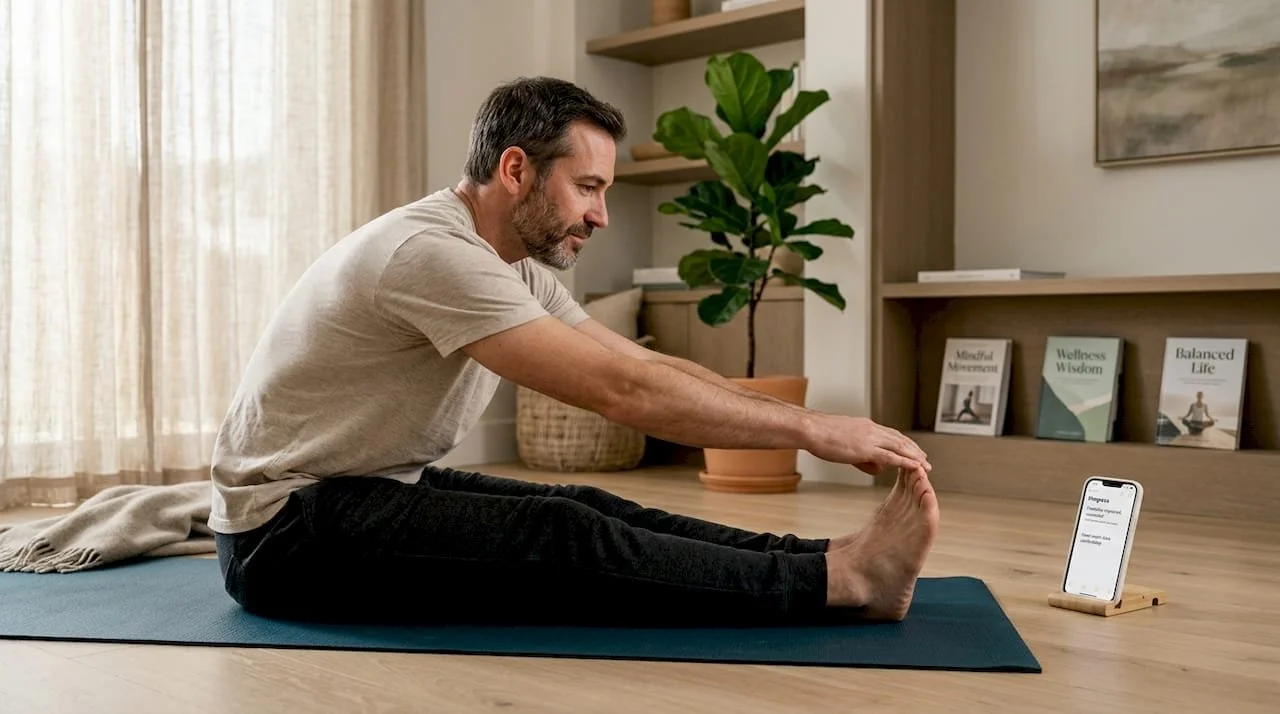
  • Power and Vinyasa: Moving quickly between poses increases injury risk if your form breaks down. Ask about modifications.

Starter style recommendations by need:

  • New to yoga: Hatha or Restorative

  • Stress and anxiety relief: Yin, Restorative, or Kundalini

  • Weight loss and cardio: Vinyasa, Power, or Hot yoga

  • Spiritual connection: Kundalini

  • Post-injury or chronic pain: Restorative or gentle Hatha

Before joining yoga classes in Philadelphia, use resources like the guide on how to find yoga classes near you to compare your options. Local yoga studios often allow drop-ins or trial passes so you can test multiple styles before committing.

Pro Tip: Before your first class, email or call the instructor. Tell them your goals and any physical limitations. Good teachers will immediately make you feel welcome and guide you toward the right level.

How to deepen your yoga practice: Beyond physical styles

After you've found the best physical fit, consider what deeper benefits a more holistic approach to yoga can offer.

Yoga has always been far more than a collection of poses. Patanjali's 8 limbs include ethical principles called Yamas (how you treat others) and Niyamas (how you treat yourself), pranayama (breath control), pratyahara (withdrawal of the senses), dharana (concentration), dhyana (meditation), and samadhi (a state of deep inner peace or unity). Most studio classes touch only on asana, the posture limb, which is just one of the eight.

"Integrating multiple limbs of yoga into your regular practice creates deeper, more lasting well-being than physical practice alone." — Yoga Types Explained

Blending physical styles with meditative or breathwork elements is where real transformation tends to happen. Someone who practices Vinyasa three times a week but also sits for 10 minutes of meditation daily will notice changes in patience, focus, and emotional regulation that they won't get from movement alone.

Easy ways to integrate non-physical limbs at any level:

  • Add 5 minutes of simple breath awareness (pranayama) before your physical practice

  • Journal about your intentions and observations after each session (Niyama: self-study)

  • Practice one Yama consciously each week, like non-violence in how you speak to yourself during difficult poses

  • Spend 5 to 10 minutes in Savasana (the final resting pose) without skipping it, treating it as active meditation

  • Attend one Kundalini or meditation-specific class monthly alongside your regular physical practice

The goal isn't to become a philosopher overnight. It's to recognize that your yoga life can evolve beyond

Recommended

Step-by-Step Mindfulness: Practical Guidance for Everyday Calm

Heather Rice

TL;DR:

Mindfulness can be practiced anywhere, even with busy schedules and city noise.Consistent, small daily practices build emotional resilience and reduce stress effectively.Community involvement and flexible routines are key to sustaining mindfulness long-term.

Philadelphia moves fast. The rumble of the Market-Frankford line, back-to-back meetings, crowded sidewalks in Center City, and the endless pull of your phone can leave your nervous system running on overdrive by noon. The good news is that mindfulness, practiced consistently and without perfection, can interrupt that cycle. This guide is built for real Philadelphians with real schedules. You will learn exactly what to do, when to do it, and how to keep going even on the days when calm feels completely out of reach.

Table of Contents

Key Takeaways

Point Details
Start small and stay consistent Short, regular mindfulness practices make a real difference in stress reduction.
Local adaptation matters Integrating mindfulness into your Philadelphia routine is easier with community resources and context-specific strategies.
Notice and return The heart of mindfulness is gently noticing when your mind wanders and returning your attention, not achieving perfect focus.
Expect measurable benefits Most individuals notice lower stress and emotional improvement within a few weeks of steady mindfulness exercises.

What you need to begin your mindfulness journey

Mindfulness is the practice of paying deliberate, non-judgmental attention to your present-moment experience. That is the whole definition. It does not require a silent room, a meditation cushion, or any special equipment. What it does require is a willingness to show up, even imperfectly.
People often assume they need perfect conditions to start. They do not. You can practice on a SEPTA bus, during a lunch break in Clark Park, or sitting at your kitchen table before the rest of the household wakes up. The setting matters far less than the intention.

Here is a short list of helpful (but optional) materials to support your practice:

  • A timer or meditation app (Insight Timer and Calm are free or low-cost)

  • A journal for brief post-practice reflections

  • A comfortable chair or floor cushion

  • Noise-canceling earbuds if you find city noise distracting at first

  • A simple daily checklist to track consistency

For those looking for a structured start, the MBSR program (Mindfulness-Based Stress Reduction) is an 8-week course developed by Jon Kabat-Zinn that includes weekly sessions of 2 to 2.5 hours, daily 45 to 60 minute home practice, and one all-day retreat. That is a serious commitment, but knowing this helps set realistic expectations. You do not need to start there. Most beginners do well with just 5 to 15 minutes a day.

Pro Tip: Pair your mindfulness practice with an existing habit, like morning coffee or your commute home. "Habit stacking" makes it easier to stay consistent without carving out a brand new block of time.

Commitment level Time per day What to expect
Beginner 5 to 10 minutes Reduced acute stress, better focus
Intermediate 15 to 30 minutes Mood improvements, less reactivity
Structured (MBSR) 45 to 60 minutes Sustained emotional and cognitive gains

For ongoing inspiration and mindfulness practice tips that fit a busy lifestyle, our blog is a solid starting point.

Mindfulness step by step: Core practices explained

Now that you know what to expect, here are the four foundational practices used in evidence-based mindfulness programs. These core practices include the body scan, sitting meditation, mindful movement, and mindful tasks.

  1. Body scan. Lie down or sit comfortably. Starting at your feet, slowly move your attention up through your body, noticing sensations without trying to change them. Spend about 20 to 45 minutes. This trains your nervous system to detect tension before it builds into pain or anxiety.

  2. Sitting meditation. Sit upright with your spine tall but not rigid. Focus your attention on the physical sensation of breathing. When your mind drifts (and it will), gently return attention to your breath. Start with 5 minutes and build from there.

  3. Mindful movement. This includes slow yoga, tai chi, or even a deliberate walk. The goal is to connect physical movement with present-moment awareness. Pay attention to how your body feels in motion, not where you are going or what is next on your list.

  4. Mindful tasks. Pick one daily activity, washing dishes, brushing your teeth, or eating lunch, and give it your full attention. Notice textures, temperatures, and sounds. This is one of the most underrated practices because it requires zero extra time.

"The goal is not to stop your thoughts. The goal is to stop letting your thoughts stop you." Returning your attention is the practice, not preventing distraction.

A meta-analysis of mindfulness interventions confirms that these practices robustly and sustainably reduce perceived stress across diverse populations. This is not anecdotal. The evidence base is strong.

Practice Time needed Best for
Body scan 20 to 45 minutes Physical tension, sleep issues
Sitting meditation 5 to 20 minutes Mental clarity, focus
Mindful movement 10 to 30 minutes Anxiety, low energy
Mindful tasks 0 extra minutes Beginners, time-pressed people

For a broader look at examples of mindfulness practices and how they support your health, we have a full breakdown on the blog.

You can also browse mindfulness exercises organized by category.

Integrating mindfulness into daily life in Philadelphia

Knowing the steps is one thing. Building them into a real Philadelphia day is another. The city does not pause for your meditation timer. So the strategy is to bring mindfulness to where your life already is.

Here are practical micro-practices that fit into urban rhythms:

  • Morning body scan (5 minutes). Before you check your phone, do a brief scan from head to toe while still in bed. Notice what feels tight or alert. This sets a grounded tone before the noise begins.

  • Mindful commute. On the subway or bus, put your phone away for two stops. Notice the sounds, the weight of your bag, the feeling of your feet on the floor. No special effort required.

  • Lunch reset. Step outside or away from your desk. Eat one meal a week with no screen. Focus on flavor, temperature, and pace. A 10-minute reset improves afternoon concentration significantly.

  • Evening reflection. Before sleep, write two or three sentences in a journal. What did you notice today? What felt heavy? What helped? This brief ritual builds emotional clarity over time.

Pro Tip: Research suggests that nearly half of waking hours are spent with attention drifting away from what we are actually doing. Mindfulness is not about eliminating that drift. It is about noticing it faster and returning with less drama each time.

Philadelphia has real local resources to support your routine. A structured mindfulness workflow built around morning scans, mindful walking, and evening reflection can anchor your week without overwhelming it. For more ideas, our guide to mindfulness activities for everyday life is packed with approaches tested in real urban settings. You can also find targeted reduce stress tips tailored to busy schedules.

Troubleshooting and common mistakes: Stay on track

Even people who love their practice hit rough patches. Here is what usually goes wrong and how to handle it.

The biggest barriers most people face:

  • "I do not have time." This usually means practice has not been linked to an existing routine yet. Five minutes counts. Do not wait for a longer window.

  • "I am not doing it right." There is no perfect mindfulness session. If you are noticing your experience, you are doing it right.

  • "It is not working." Progress is subtle. You may not feel calmer during practice but notice you snapped at fewer people that week. That is the work showing up.

  • "I keep forgetting." Use a phone reminder labeled with something motivating, not just "meditate." Try "two minutes for yourself" instead.

The mechanics of mindfulness prioritize consistency over duration. Every time you notice your mind has wandered and you bring it back, that moment is the practice succeeding. Not failing.

Pro Tip: When you miss a day or a week, do not restart from scratch mentally. Just do your next session. Treat it like skipping the gym, you go back without a guilt spiral. Consistency over time matters far more than perfection on any single day.

For a full set of mindfulness tips to stay consistent without burning out, check out that dedicated guide. If you find yourself consistently struggling, that is a good signal to join a group or work with a teacher. Shared accountability changes everything.

Measuring results: How mindfulness changes your well-being

Change from mindfulness is often quiet. You do not wake up one morning enlightened. Instead, you notice things: you paused before reacting, you slept a little better, the afternoon anxiety was lighter than usual.

Here are clear markers to watch for:

  • Shorter emotional recovery time after stressful events

  • Increased ability to focus on one thing at a time

  • Improved quality of sleep or easier time falling asleep

  • Reduced physical symptoms of stress (tight shoulders, shallow breathing, headaches)

  • Greater ease in difficult conversations

A meta-analysis of 17 RCTs confirms that mindfulness interventions reduce perceived stress post-intervention, with effects that are both robust and sustained over time. This is not a short-term mood boost. It is neurological and behavioral change.

Timeframe What you may notice
Week 1 to 2 Mild reduction in acute stress, more awareness of tension
Week 3 to 4 Improved focus, slightly better sleep
Week 5 to 8 Mood stability, less reactive to daily frustrations
Beyond 8 weeks Sustained emotional resilience, richer relationships

The simplest tracking tool is a five-second daily check-in. Rate your stress level from 1 to 10 each morning in a notebook. Over weeks, patterns emerge. For more on mindfulness activities that improve well-being, our blog has practical examples organized by experience level.

The truth most mindfulness guides skip: Sustainable change comes from small, local steps and community

Most mindfulness content sets you up for a subtle failure. It presents the practice as a solo pursuit measured by how long you can sit still or how perfectly you follow a program. That framing backfires, especially in a city where life is unpredictable and mental real estate is scarce.

What we have seen at Amrita Yoga & Wellness is that the people who stick with mindfulness are not the ones who meditate flawlessly. They are the ones who keep showing up, often in community with others. Group classes, shared accountability, and even knowing a neighbor is doing the same thing creates a different kind of motivation than willpower alone.

Perfectionism is the enemy of practice. A rigid mindset around "doing mindfulness correctly" produces more anxiety, not less. The moment you treat a wandering mind as a failure, you have missed the whole point. Returning to focus, awkwardly and imperfectly, is the entire skill.

Small local steps taken consistently and supported by real community are the most reliable path to lasting change. Exploring mindfulness workflow insights within a community setting accelerates what solo practice often stalls.

Take your next step: Mindfulness support and resources in Philadelphia

If this guide has you ready to go deeper, you do not have to figure it out alone.

At Amrita Yoga & Wellness, we offer classes, workshops, and community gatherings designed to support exactly the kind of grounded, consistent mindfulness practice this guide describes. Whether you are brand new or looking to build on an existing routine, our Philadelphia studio has options that meet you where you are. From group yoga and tai chi sessions to specialized workshops, including explore tarot readings for deeper self-reflection, we bring together practices that support your whole emotional life. Come practice with people who get it.

Frequently asked questions

How long does it take to see results from mindfulness practice?

Most people notice increased calm or reduced stress within a few weeks of consistent daily practice. Research confirms these effects are robust and tend to last well beyond the initial practice period.

What should I do if my mind keeps wandering during meditation?

Gently bring your focus back each time. Mind wandering is normal, and noticing it is part of the practice. Studies show nearly 47% of attention drifts during waking hours, so returning your focus is the actual skill being built.

Can I practice mindfulness if I only have a few minutes each day?

Yes. Short, consistent practices like a 5-minute morning scan are highly effective for busy people. The mechanics of consistency matter more than session length, especially for beginners.

Are there local mindfulness resources in Philadelphia?

Yes. Philadelphia has multiple options including the Philadelphia Meditation Center, Penn Medicine programs, and Amrita Yoga Philly, each offering structured support for building a consistent practice.

Recommended

How Pilates Supports Wellness: A Guide for Philly Adults

Heather Rice

TL;DR:

Pilates improves flexibility, core strength, balance, and posture, benefiting daily movement.It reduces stress, anxiety, and pain by emphasizing controlled movement and mindful breath.Suitable for diverse populations, Pilates supports health goals beyond aesthetics through consistent practice.

Pilates gets dismissed as gentle stretching or a boutique fitness trend reserved for dancers and athletes. That reputation undersells it completely. Recent science shows Pilates delivers measurable improvements in pain reduction, mental health, and functional fitness that go far beyond flexibility. For adults in Philadelphia juggling demanding schedules, desk jobs, and urban stress, those outcomes matter. This guide breaks down what Pilates actually does for your body and mind, who it works best for, and how to fit it into a realistic wellness routine without overhauling your entire life.

Table of Contents

Key Takeaways

Point Details
Holistic wellness boost Pilates offers proven benefits for physical and mental health, including flexibility, pain reduction, and stress relief.
Accessible for all adults Pilates can be safely practiced by a wide range of adults, including those with chronic conditions or beginners.
Best in balanced routine Integrating Pilates with other wellness practices produces optimal results, rather than relying on it alone for muscle or weight changes.
Myths versus reality Common misconceptions about Pilates are clarified—it’s not a major weight-loss method but a holistic wellness enhancer.

Pilates as a foundation for physical health

Pilates is built on controlled, intentional movement. Every exercise asks your muscles to work together rather than in isolation, which is why it feels deceptively challenging even without heavy weights. That full-body demand is also why the benefits stack up quickly across multiple dimensions of physical health.

Flexibility, core strength, balance, and postureall improve with regular Pilates practice, according to National Geographic's science coverage. That combination is not just about feeling limber. Better posture reduces neck and shoulder tension. Stronger core muscles protect your lower back. Improvedpelvic alignment and balancelower your fall risk as you age, which becomes increasingly relevant past 40.

For anyone in Philadelphia who spends hours at a desk or commuting, these physical changes translate directly into daily life. You move more easily, sit more comfortably, and recover faster from physical strain.

Here is what consistent Pilates practice supports for adults:

  • Reduced lower back pain through targeted core engagement

  • Improved posture from spinal mobility and alignment work

  • Greater joint flexibility without the high-impact stress of running or jumping

  • Better balance and coordination especially important for adults over 50

  • Faster recovery from injuries due to emphasis on controlled, low-impact movement

  • Stronger deep stabilizer muscles that protect knees, hips, and the spine

If you are new to the practice, start with guided resources on building strength and flexibility to understand the foundational movements before jumping into intermediate classes. Working on building core strength with proper form from the start prevents bad habits that could limit your progress later.

Mental health: The mind-body connection in Pilates

With physical health benefits established, let's turn to Pilates' crucial role in mental wellness.

Most people who start Pilates for physical reasons end up staying for the mental clarity it provides. That is not a coincidence. Pilates demands full attention. You cannot scroll your phone while coordinating breath with precise movement, which forces your nervous system to downshift in a way passive rest often does not.

"Pilates reduces anxiety, depression, stress, pain, and disability while improving quality of life," according to peer-reviewed research published in a clinical review covering multiple controlled trials.

For Philadelphians navigating city stress, that is significant. The mind-body integration evidence points to Pilates as a meaningful complement to therapy, medication, or other mental health tools, not a replacement, but a genuine contributor.

The mechanism behind these mental benefits is grounded in breathwork. Pilates uses lateral thoracic breathing, which means you expand the ribcage sideways rather than lifting the chest. This activates the parasympathetic nervous system and lowers cortisol, the body's primary stress hormone. Learning proper pilates breathing techniques early in your practice accelerates both the physical and mental payoff.

Here are practical steps to deepen the mind-body connection in your Pilates sessions:

  1. Arrive five minutes early to sit quietly and set a single intention for your session

  2. Sync breath with movement from the first exercise rather than treating breathing as an afterthought

  3. Notice physical sensations without judging them, building the self-awareness that defines mindful movement

  4. End each session with two minutes of stillness to let the nervous system register what just happened

  5. Use breath cues as anchors whenever your focus drifts during complex sequences

The depth of breathwork in Pilates separates it from many other fitness formats. When practiced consistently, that breath awareness carries into daily life, helping you respond to stressors more calmly.

Inclusivity and adaptability: Pilates for every adult

Building on mind-body integration, let's see who can benefit from Pilates and how it adapts to individual needs.

One of the strongest arguments for Pilates is how broadly it applies. This is not a practice designed exclusively for young, flexible, or already-fit people. Pilates is adaptable for diverse populations, including middle-aged women, individuals with obesity, and those managing chronic conditions, which makes it one of the most genuinely inclusive fitness options available.

Why Attend Wellness Workshops? Transform Your Well-Being

Heather Rice

TL;DR:

Wellness workshops create immersive experiences that significantly deepen learning and transformation.They offer measurable health benefits, including reduced stress, improved sleep, and greater emotional balance.Community and ongoing support are essential for sustaining the positive changes initiated by workshops.

A single weekend wellness workshop can unlock up to five times more learning than months of standard weekly classes. That's not a motivational claim—it's backed by evidence, and it challenges the idea that slow, steady practice is always the best path forward. If you're a Philadelphian looking to manage stress, build resilience, or finally feel at home in your body, wellness workshops offer something a Tuesday evening yoga class simply cannot. They create space for deep transformation, genuine community, and the kind of mind-body integration that sticks. This article breaks down exactly why they work, what science says, and how to make the most of every session.

Table of Contents

Key Takeaways

Point Details
Workshops amplify results Single workshops can deliver accelerated learning and deeper transformation than months of regular classes.
Science backs the benefits Research proves workshops lower stress, boost emotional balance, and improve lasting well-being.
Community drives success Group support and accountability in workshops fuel sustainable healthy behavior changes.
Choose wisely for impact Selecting the right workshop and continuing practice ensures real, lasting change.

Workshops vs. regular classes: What's the real difference?

Most people assume a workshop is just a longer version of a regular class. It isn't. Regular classes are designed for consistency, offering a familiar structure week after week to build gradual skill. Workshops are built differently. They are intensive, immersive experiences—often a full day or an entire weekend—where a single theme or practice gets the full spotlight. That focused attention changes everything.

In a standard 60-minute yoga class, the instructor guides the group, cues alignment, and moves on. In a workshop, you get direct feedback, hands-on adjustments, and time to ask the questions you've been sitting on for months. Peer learning also plays a massive role. When you're surrounded by people all working toward the same goal, you absorb insights from their experiences too—not just from the teacher.

Yoga workshop benefits extend well beyond skill refinement. Workshops foster community that actively reduces isolation, and they promote holistic health integration across psychological, emotional, and physical dimensions. That's a very different outcome than improved flexibility or a calmer Monday morning.

For those drawn to multi-day experiences, yoga retreats take this immersion even further, offering transformation in an environment fully removed from everyday distractions.

Pro Tip: When selecting a workshop, look for facilitators certified at the RYT-200 level or higher. Certification signals both depth of training and a commitment to safe, ethical teaching.

Here's a clear comparison to put the difference in perspective:

Feature Regular class Workshop
Session format 60–90 min weekly Full day or weekend
Instructor feedback General group cues Direct, personalized
Learning depth Gradual over months Intensive, accelerated
Community building Passive Active and intentional
Cost efficiency Lower per session Higher ROI per event
Expected outcomes Baseline fitness, habit Skill mastery, resilience

The takeaway is clear. Workshops aren't a replacement for regular practice—they're a catalyst that supercharges it.

The science-backed benefits of wellness workshops

Now that you understand how workshops differ, let's see what science actually says about lasting benefits and why they're so powerful.

Research consistently shows that wellness workshops and retreats do more than feel good in the moment. They reduce stress and anxiety while also lowering inflammatory biomarkers, improving heart rate variability, and supporting neuroplasticity. These aren't soft outcomes. These are measurable biological changes that show your nervous system is genuinely responding.

What makes workshops especially powerful is the durability of those effects. When participants maintain their practice after the event, improvements in mental clarity and emotional balance persist. The key phrase is when they maintain—a point we'll return to later.

"Over 80% of yoga practitioners report reduced stress, and more than 70% say yoga motivates them to exercise more and eat better."

That statistic from the National Center for Complementary and Integrative Health reframes what workshops can accomplish. They don't just help you feel better on the day—they shift your motivation and behaviors across every area of health.

Philadelphia wellness workshops that use evidence-based protocols draw on exactly this research to design sessions that target stress reduction, emotional regulation, and physical restoration all at once.

Key benefits participants commonly report after attending a wellness workshop:

  • Noticeably reduced stress and mental tension

  • Improved sleep quality within the first week

  • Greater motivation to maintain healthy eating and movement habits

  • Increased sense of joy and emotional steadiness

  • Reduced physical symptoms such as tension headaches and muscle tightness

Benefit area Reported improvement
Stress reduction Up to 80% of practitioners
Exercise motivation Over 70% increase
Emotional balance Sustained with continued practice
Inflammatory markers Measurably reduced
Sleep quality Improved within days to weeks

This is not anecdotal. The data makes a strong case for prioritizing workshop attendance as part of your wellness strategy.

Community, accountability, and holistic integration

Scientific evidence is compelling, but how do these benefits play out in real life? Community is the cornerstone.

One of the most underestimated aspects of wellness workshops is what happens between participants. Group wellness classes build community and accountability in ways that solo practice simply cannot replicate. An 8-week yoga or Pilates program in a group format has been shown to improve health metrics and reduce physical pain more effectively than individual practice alone.

For Philadelphians, this matters beyond statistics. City life can feel isolating. Workshops create a room full of people who chose to be there, who share similar goals, and who hold space for each other. That environment activates something different in us. We try harder. We open up. We commit.

Here's how holistic integration actually happens inside a well-designed workshop:

  1. Mindfulness practices anchor attention to the present moment, calming the nervous system and building self-awareness

  2. Movement sequences release stored tension in the body, creating physical relief that complements the mental work

  3. Group sharing normalizes personal struggles and creates genuine connection among participants

  4. Reflective practices such as journaling or meditation help integrate insights so they become part of daily life

Real transformation stories from workshop participants often sound similar. Someone arrives feeling burned out and skeptical. By the second hour, the shared experience of breathwork or a vulnerable conversation during a circle share shifts something. They leave with tools, yes, but also with a sense of belonging that keeps them coming back.

The role of group classes in sustaining this momentum is significant. When you find your yoga community in Philadelphia, the gains from a weekend workshop don't fade as quickly because you have people around you reinforcing the same values.

Choosing the right workshop and maximizing your results

Having seen what community can achieve, let's get practical with how you can identify high-impact workshops and maximize your transformation.

Not every workshop is created equal. The difference between a forgettable afternoon and a genuinely life-changing experience often comes down to a few key factors. Before you register, ask yourself these questions:

  • Is the facilitator certified with a recognized credential such as RYT-200 or above?

  • Does the workshop have a specific, clearly defined focus rather than a vague theme?

  • Is there a track record of positive outcomes, testimonials, or follow-up support?

  • Will the group size allow for individual attention and meaningful connection?

According to NCCIH guidance on mind-body interventions, certified instructors are essential for minimizing risk and adapting practices safely for different populations. This is especially important if you have injuries, chronic conditions, or are new to the practice.

Pro Tip: Look for workshops that offer post-event support, whether that's a follow-up online group, a resource guide, or a check-in session a few weeks later. That ongoing accountability is often what separates lasting change from a nice weekend.

To get the most out of any workshop you attend, follow these steps:

  1. Set a clear intention before you arrive. Know what you want to work on or open up to.

  2. Communicate with the facilitator ahead of time about any physical limitations or personal goals.

  3. Commit to the full experience—arrive early, stay present, resist the urge to check your phone.

  4. Take notes or journal immediately after each session while insights are still fresh.

  5. Schedule your next practice session before you leave the workshop venue.

Deepening your practice through specialized workshops that focus on community and skill-building gives you the structure to turn one-time insights into a living practice.

Why a single workshop isn't enough—but it sparks the biggest change

Here's our honest take: workshops are not magic. We've seen people leave a transformative Saturday session and return to the exact same patterns by Wednesday. That's not a failure of the workshop. That's the reality of how change works.

A workshop creates a spark. It opens a door you may not have known was there. But walking through it every day—that part is yours to own. Sustained wellness comes from what you do in the weeks after the event, not just during it.

There's also a broader truth that doesn't get discussed enough. Research on workplace wellness programs shows they often fail when they focus only on individual behavior and ignore systemic root causes like overwork, poor management culture, or unsustainable schedules. The same principle applies to personal wellness. A workshop can give you tools. But if your environment—your relationships, your workload, your community—doesn't support the changes you're trying to make, those tools gather dust.

This is why we encourage you to think of workshops as the beginning of a conversation, not the conclusion. Come curious. Leave with commitments. Then find the people, practices, and environments that reinforce what you learned.

Take your next step: Workshops and holistic experiences in Philadelphia

If this article has sparked something in you, you're in the right place to act on it.

Amrita Yoga & Wellness offers a rich calendar of workshops, group classes, retreats, and specialized experiences designed for Philadelphians at every stage of their wellness journey. Whether you're curious about meditation, want to deepen a yoga practice, or are ready to explore something entirely new like tarot readings as a tool for self-reflection, there's a space here for you. Our community is built on the belief that transformation is more powerful when it happens together. Check out upcoming events, register for a workshop, and take the step that makes the rest possible.

Frequently asked questions

What can I expect during my first wellness workshop?

Expect a blend of movement, mindfulness, group activities, and expert guidance tailored to all experience levels. Workshops use intensive sessions with direct instructor feedback and communal sharing to build both skill and emotional resilience.

How soon will I notice benefits from a workshop?

Many people feel less stressed and more energized after just one session; ongoing practice deepens these effects. Stress and anxiety improvements are often felt immediately, with lasting gains tied to continuing your practice afterward.

Are workshops suitable if I'm new to yoga or mindfulness?

Most workshops welcome beginners and incorporate practices accessible to all physical abilities. Certified instructors provide modifications and adaptations to maximize both safety and benefit for every participant.

What's more effective: workshops or regular weekly classes?

Workshops provide intensive learning and community, but pairing them with regular classes yields the best long-term results. Workshops offer up to 5x the learning depth of regular classes, while consistent practice sustains that impact over time.

Can wellness workshops address workplace stress?

They help reduce individual stress significantly, but lasting solutions also require organizational changes. Wellness programs fall short when they ignore root causes like overwork or unsupportive workplace culture, so personal and systemic change work best together.

Recommended

How to practice Pilates at home: step-by-step guide

Heather Rice

TL;DR:

Pilates is a low-impact, accessible exercise that improves spinal mobility at home.Consistent practice, even for short sessions, leads to meaningful mobility and pain reduction.Focusing on proper setup, form, and tracking progress enhances effectiveness and long-term results.

Finding time for fitness when you're juggling work, family, and everything Philadelphia life throws at you is genuinely hard. Pilates changes that equation. It's low-impact, requires almost no equipment, and improves spinal mobility and quality of life even when practiced entirely at home. Whether you've never rolled out a mat or you're returning after a long break, this guide walks you through setup, foundational moves, common pitfalls, and how to actually measure your progress so you can feel confident the effort is paying off.

Table of Contents

Key Takeaways

Point Details
Minimal setup needed You only need a mat, comfortable clothes, and a small space to start Pilates at home.
Short sessions work 15–45 minute Pilates routines deliver real benefits for mobility and pain relief.
Avoid common mistakes Proper form and consistent practice prevent injury and maximize results.
Track your progress Measuring mobility, pain, and strength helps you see improvements and stay motivated.
Adapt for busy schedules Quick desk moves or micro-sessions make Pilates achievable for even the busiest adults.

Get ready: Home Pilates essentials and setup

The good news is you don't need a reformer machine or a room full of mirrors to get started. Pilates is one of the most accessible workouts you can build at home, and the barrier to entry is refreshingly low.

Your non-negotiable starting point is a quality mat. Look for one that's at least 3/8 inch thick to protect your spine and hips during floor work. Beyond that, comfortable, form-fitting clothing helps you and any instructor video see your alignment clearly. Optional props, like a small resistance band, a yoga block, or a firm pillow, can support modifications as you build strength.

Choosing the right space matters more than most beginners expect. You need enough room to lie down fully in every direction, roughly a 6 by 6 foot square. A living room corner, a cleared bedroom, or even a back porch works. The key is removing trip hazards and ensuring the floor isn't slippery under your mat.

Short sessions of 15 to 45 minutesfit busy schedules and beginners perfectly, which means you don't need to carve out a full hour to see results. Pair that with a fewbeginner Pilates tipsand you're ready to build a sustainable habit.

Essential What to look for Notes
Mat 3/8" or thicker, non-slip Non-negotiable for floor work
Clothing Form-fitting, breathable Allows you to check alignment
Props Resistance band, block, firm pillow Optional but helpful for beginners
Space 6 x 6 feet minimum Clear of clutter and furniture
Session length 15 to 45 minutes Scale up gradually

Common setup mistakes to avoid:

  • Practicing on carpet without a mat (limits range of motion and stability)

  • Wearing loose, baggy clothing (makes it hard to spot form errors)

  • Setting up in a high-traffic area with distractions

  • Skipping a warm-up because the session feels short

  • Using a mat that's too thin and causing hip or spine discomfort

Understanding the Pilates health benefits before you begin also helps you stay motivated once the novelty wears off.

Pro Tip: Start in a quiet, clutter-free spot even if it means rearranging furniture temporarily. Your focus directly affects the quality of every rep.

Follow the basics: Key Pilates moves and step-by-step routine

Once your space is set up, the right moves make Pilates both effective and accessible. The goal here isn't to memorize a dozen exercises on day one. It's to move intentionally, breathe consistently, and build a foundation you can add to over time.

Here is a simple beginner session you can follow immediately:

  1. Warm-up (5 minutes): Start lying on your back with knees bent. Do 10 slow pelvic tilts, gently pressing your lower back into the mat and releasing. Follow with 5 knee-to-chest pulls per side to release the hips.

  2. The Hundred (core activation, 5 minutes): Lift legs to tabletop position, raise your head and shoulders, and pulse your arms up and down while breathing in for 5 counts and out for 5 counts. Complete 10 full breath cycles.

  3. Single leg stretch (5 minutes): From a similar position, pull one knee to your chest while extending the other leg. Alternate sides for 10 reps each, keeping your lower back pressed down.

  4. Spine stretch forward (5 minutes): Sit tall with legs extended. Inhale to grow tall, exhale to reach forward over your legs without collapsing. Repeat 6 times.

  5. End stretch and cool-down (5 minutes): Child's pose for 60 seconds, then a gentle supine twist holding each side for 30 seconds.

Check out sample Pilates exercises to expand your routine as you grow stronger. You can also explore mat Pilates routines for structured progressions.

Feature Pilates routine Generic home exercises
Focus Precision, breath, core control Repetition, volume
Low back pain relief Pilates superior per RCT Moderate, inconsistent
Time required 15 to 45 minutes 30 to 60 minutes
Equipment Mat only Often weights or machines
Beginner-friendly High Varies widely

Maintaining form is more important than completing every rep. If your neck strains during the Hundred, place one hand behind your head. If your lower back lifts off the mat, lower your legs higher toward the ceiling.

Pro Tip: Use a timer to keep sessions under 45 minutes. Shorter, focused sessions build more consistency than longer ones you dread starting.

Troubleshooting: Common mistakes and practical solutions

Now, let's ensure your Pilates routine produces solid results by avoiding common pitfalls. Even motivated beginners fall into predictable traps, and catching them early saves a lot of frustration.

Top mistakes to watch for:

  • Holding your breath during difficult moves instead of maintaining a steady inhale and exhale rhythm

  • Skipping the warm-up when time feels short, which increases your injury risk significantly

  • Rushing through reps to get more done instead of moving slowly with control

  • Ignoring discomfort signals and pushing through sharp pain, especially in the lower back

  • Comparing your flexibility to online instructors who have trained for years

Safety note for low back pain: If you experience sharp or shooting pain during any movement, stop immediately and consult a healthcare provider before continuing. Modify exercises by keeping legs higher, reducing range of motion, or staying in constructive rest position (knees bent, feet flat) until you've built sufficient core strength.

Consistent practice matters more than perfect form on day one. Research confirms that Pilates improves spinal motion and reduces disability when practiced regularly, even at home with basic modifications. Progress is quiet but real.

If you're unsure which style fits your needs, reviewing the types of Pilates classes can help you choose the right approach. For focused core work, building core strength through targeted progressions is a smart next step.

Pro Tip: Record yourself doing one exercise per week using your phone. Watching the playback helps you spot alignment issues that are nearly impossible to notice in the moment.

Tracking success: How to measure your progress and results

With troubleshooting addressed, understanding progress will keep your practice motivated and effective. One of the most common reasons people quit a home fitness routine is that they can't see or feel the results quickly enough. Pilates works gradually, so tracking the right metrics changes everything.

Key metrics to monitor at home:

  • Spinal mobility: Can you reach further in the spine stretch forward than you could two weeks ago?

  • Pain levels: Rate your low back discomfort from 1 to 10 before and after each session

  • Energy: Note whether your afternoon energy improves on days you practice

  • Consistency: Track how many sessions you complete per week versus your goal

  • Ease of daily movement: Are tasks like bending, lifting, or sitting for long periods getting easier?

Research shows that Pilates improves quality of life and mobility among a wide range of adults, including improvements in nutritional status and overall wellbeing. That kind of broad benefit is rare in a single workout method. You can also track how it supports Pilates for weight loss goals over time alongside mobility gains.

Metric How to measure Check-in frequency
Spinal reach Distance from fingertips to floor Every 2 weeks
Pain score 1 to 10 self-rating before/after Every session
Session consistency Sessions completed vs. goal Weekly
Energy levels Morning and afternoon self-rating Daily
Ease of movement Journal note on daily tasks Weekly

Set a realistic 6-week milestone. Most beginners notice meaningful mobility changes within that window when they practice 2 to 3 times per week. Celebrate small wins like being able to hold a position longer or feel less stiffness when you wake up. Those moments are Pilates benefits showing up in real life, and they matter.

What most Pilates guides miss: Realistic home strategies for busy adults

Here's something most Pilates content won't tell you: expecting a tidy 40-minute session five days a week is the fastest way to quit. Real life in Philadelphia doesn't run on a wellness blogger's schedule. And yet, that's the standard most guides set.

The truth is that 10 minutes of intentional Pilates beats zero minutes of perfect Pilates every time. Micro-sessions, even a few pelvic tilts and a spine stretch during your lunch break, genuinely add up. Desk modifications like seated twists make Pilates accessible for professionals without ever unrolling a mat.

The other thing most guides miss is the mental side of a home practice. Without a class, an instructor, or other students around you, motivation has to come from within. Pairing your Pilates routine with an existing habit, like right after your morning coffee or before dinner, dramatically improves follow-through. Habit stacking is a simple but powerful tool.

Focus on building Pilates core strength incrementally rather than chasing flexibility milestones. Incremental progress sustained over months produces more lasting change than intense bursts followed by burnout.

Pro Tip: Commit to two scheduled sessions and one "whenever I have 10 minutes" session per week. That structure keeps your practice alive even in hectic weeks.

Ready to take your Pilates practice further?

Building a home Pilates routine is a powerful first step, and you don't have to take the next steps alone. At Amrita Yoga & Wellness, we offer a full spectrum of wellness experiences designed to complement the foundation you're building at home.

From Pilates and barre to hot yoga, tai chi, and massage therapy, our Philadelphia studio welcomes practitioners at every level. If you're looking to expand your self-care beyond movement, our Tarot readings offer a thoughtful, grounding experience that pairs beautifully with a mindful fitness practice. Explore our class schedule and community offerings, and find the next layer of your wellness journey waiting for you.

Frequently asked questions

Can I practice Pilates safely at home as a complete beginner?

Yes, Pilates is specifically designed for safe, low-impact movement, making it ideal for beginners and those with joint sensitivities. Sessions as short as 15 minutes are effective and appropriate for new practitioners.

What are the signs my Pilates routine is improving my mobility?

You'll notice easier everyday movements, reduced morning stiffness, and greater spinal flexibility within a few weeks of consistent practice. Research shows Pilates improves spinal ROM and quality of life in measurable ways.

How often should I practice Pilates at home for noticeable results?

Aim for 2 to 3 sessions per week for steady progress. Low-impact routines in the 15 to 45 minute range are effective for both building strength and maintaining what you've gained.

Is Pilates better than regular home workouts for back pain?

Studies show Pilates is superior to generic home exercises for managing low back pain and improving spinal mobility, making it the smarter choice for back pain relief.

Recommended

Aerial Barre: Philadelphia's Fusion Workout for Strength & Grace

Heather Rice

TL;DR:

Aerial barre combines ballet, aerial yoga, and Pilates using a barre and hammock for a full-body workout.It offers moderate to high strength building, improved flexibility, and mental mindfulness benefits.The practice is accessible, safe, and gaining popularity in Philadelphia as a holistic fitness and wellness option.

You've probably walked past a studio window, spotted aerial hammocks hanging next to a ballet barre, and thought: what exactly is going on in there? Aerial barre is one of Philadelphia's most talked-about emerging workouts, yet it remains genuinely misunderstood. It's not quite aerial yoga. It's not traditional barre class. It's not Pilates. It pulls from all three, and that's exactly what makes it so compelling. This guide will clear up the confusion, explain what aerial barre actually involves, and give you everything you need to decide whether it belongs in your weekly routine.

Table of Contents

Key Takeaways

Point Details
Fusion fitness defined Aerial barre uniquely blends barre, yoga, and Pilates for a creative workout experience.
Distinct health benefits It supports physical strength, flexibility, and mind-body wellness in one class.
Safety essentials Instructor oversight and equipment checks are crucial for a safe aerial barre experience.
Local access Philadelphia offers aerial barre through select studios and innovative pop-up class formats.

What is aerial barre? How this fusion workout works

Aerial barre is a fitness discipline that pairs classic ballet barre training with suspended aerial work using a fabric hammock or silk rigging. Think of it as the lovechild of a ballet studio and an aerial arts class. You spend part of each session at a grounded barre, working through controlled movements that sculpt the legs, hips, and core. Then you transition to the hammock, using the fabric for support, resistance, and suspension as you flow through poses, stretches, and strength work.

The equipment setup is simple but purposeful. A sturdy ballet barre sits at hip height for grounded exercises. Overhead rigging holds a wide aerial hammock, typically positioned at about waist height when hanging slack. Both pieces of equipment are used together in one class session, sometimes alternating every few minutes.

The movement patterns borrow heavily from multiple disciplines:

  • Ballet barre: Plié sequences, tendus, leg lifts, and port de bras arm movements

  • Aerial yoga: Inversions, suspended stretches, and hammock-supported balance poses

  • Pilates: Core stabilization, controlled breathing, and postural alignment cues

  • Yoga: Mindful transitions, breath awareness, and flexibility-focused holds

What separates aerial barre from a typical barre fitness class is the hammock's role as both a support tool and a challenge. It assists you in poses your body might not yet reach on its own, while simultaneously demanding more core engagement to stay stable in suspension. Aerial-related studios offer aerial fitness classes with barre elements in Philadelphia, making it easier than ever to find a class that fits your schedule.

If you're curious about the broader world of aerial fitness and health, the benefits extend well beyond flexibility. And if you've heard about aerial yoga benefits but never tried anything suspended, aerial barre is one of the most approachable entry points.

Pro Tip: Before your first class, ask the studio how often their rigging hardware is inspected and whether instructors hold aerial-specific certifications. Responsible studios will have clear answers, and that transparency matters for your safety.

Aerial barre vs. other workouts: Key differences

With a foundation set, it's important to see what makes aerial barre distinct from the other fusion classes you might've seen advertised.

Here's how aerial barre stacks up against the workouts it's most often confused with:

Class type Equipment Movement style Flexibility focus Strength building
Aerial barre Barre + hammock Flowing, structured High Moderate to high
Traditional barre Barre only Controlled, repetitive Moderate High
Aerial yoga Hammock only Slow, meditative Very high Low to moderate
Pilates Mat or reformer Precise, clinical Moderate Moderate to high
Yoga Mat Variable High Low to moderate

The table makes it clear: aerial barre sits in a category of its own. It offers more strength work than aerial yoga, more creative range than traditional barre, and more playfulness than Pilates. That combination is what draws people in.

Here's what makes aerial barre uniquely challenging and accessible at the same time:

  1. The hammock as a teacher. It gives real-time feedback. If your core isn't engaged, you'll feel it immediately as the fabric shifts beneath you.

  2. Low-impact joint support. Suspension takes pressure off knees and hips, making deeper ranges of motion achievable without strain.

  3. Progressive challenge. Beginners use the hammock for support. As you advance, you use it for resistance and full inversions.

  4. Creative freedom. Unlike scripted barre formats, aerial barre instructors often choreograph unique sequences that feel more like movement art than exercise.

  5. Community feel. Classes tend to be small, which means more personalized attention and faster skill development.

The yoga and wellness integration that aerial barre offers is genuinely rare in a single class format. And if you're still on the fence, reading about the real impact of aerial yoga can help you understand what suspended movement does to the body over time. As noted in Philadelphia fitness circles, aerial barre's blending of yoga, barre, and Pilates is emerging in innovative pop-up formats across the city.

The benefits of aerial barre for mind and body

Understanding the differences is helpful, but what truly sets aerial barre apart is how it can make you feel and function, both inside and out.

The physical benefits are measurable and wide-ranging:

  • Core engagement: Every suspended movement demands deep stabilizer muscles that standard floor exercises rarely reach

  • Improved flexibility: The hammock's support allows you to safely hold lengthened positions longer

  • Low-impact joint support: Ideal for those managing knee or hip sensitivities who still want a genuine workout

  • Upper body strength: Gripping and navigating the fabric builds real arm and shoulder endurance

  • Spinal decompression: Brief inversions in the hammock relieve compression built up from sitting

The mental benefits are equally significant. The focus required to balance in a hammock naturally quiets mental chatter. You can't check your phone or run your to-do list when you're suspended mid-air. That enforced presence is a form of mindfulness training that happens almost by accident.

"I walked in thinking it would be a fun workout, and I walked out feeling like I'd processed something emotional. The hammock forces you to let go, literally and figuratively. I haven't felt that kind of release in any other class."

That reaction is common, and it points to something important. Aerial barre may support emotional healing and broader wellness goals in ways that standard fitness classes simply don't. It connects naturally to trauma-informed wellness frameworks, where gentle, supported movement becomes a tool for nervous system regulation.

Studios that embrace aerial yoga for healing often incorporate aerial barre elements because the hammock creates a sense of safety and containment that encourages emotional openness. This also overlaps meaningfully with practices that use movement as yoga for emotional healing, treating the body as a pathway to mental and emotional well-being.

Statistic to know: Research across aerial fitness disciplines consistently shows participants report significant reductions in perceived stress after just four to six weeks of regular practice, with improvements in both mood and body confidence.

Getting started with aerial barre in Philadelphia

Ready to incorporate aerial barre into your routine? Here's how to start, step by step, right here in Philadelphia.

Finding a class requires a little research. Aerial barre isn't yet as common as standard yoga or Pilates, so look for studios that list aerial hammock or aerial silk work alongside barre offerings. Pop-up events through Philadelphia fitness communities and wellness collectives are another route, especially if you want to try before committing to a membership.

Studio type What to look for Beginner-friendly?
Dedicated aerial studio Full rigging setup, certified instructors Often yes, with intro classes
Hybrid yoga and wellness studio Aerial hammocks plus barre and yoga options Yes, especially for fusion seekers
Pop-up fitness events Rotating venues, varied formats Good for sampling, less consistent

Before you book, here's a safety checklist to run through:

  • Confirm the rigging is rated for aerial use and inspected regularly

  • Verify instructors hold both barre and aerial-specific training credentials

  • Check that class sizes are small enough for individualized attention

  • Ask whether beginners receive a hammock orientation before the full class

  • Look for clean, properly maintained fabric hammocks

Proper equipment inspection and instructor guidanceare crucial for safety in aerial elements, and any reputable Philadelphia studio will welcome those questions rather than dodge them.

Pro Tip: Arrive at least 10 to 15 minutes early for your first class. Introduce yourself to the instructor, mention your fitness background, and ask for a quick demo of the hammock setup. That five-minute conversation can make the entire class feel less intimidating.

For your first class, keep these basics in mind:

  • Wear fitted athletic wear that covers armpits and knees to prevent fabric friction

  • Skip the lotion on your arms and legs so you grip the hammock properly

  • Eat lightly at least 90 minutes beforehand, especially if inversions are planned

  • Leave jewelry at home, particularly rings and bracelets that can catch the fabric

If you're exploring yoga practices alongside aerial barre, many studios offer complementary class options that build the flexibility and body awareness that makes aerial barre even more rewarding over time.

Why aerial barre is more than a trend: A Philadelphia perspective

After these practical steps, it's worth considering why aerial barre's popularity is more than just a passing phase.

A lot of people dismiss aerial-based fitness as a gimmick. That's the wrong read. Philadelphia's fitness community has consistently shown an appetite for movement practices that do more than one thing at once, and aerial barre sits precisely at that intersection. It builds strength and releases tension. It requires focus and invites playfulness. That dual nature isn't a marketing angle. It's the actual experience.

We've watched plenty of "trend" workouts fade once the novelty wore off. What distinguishes aerial barre is that the hammock isn't a prop. It's a genuine training tool that reveals where your body holds tension and where it needs support. Beginners often find it more accessible than they expected, because the fabric meets you where you are.

The emergence of aerial barre in Philadelphia reflects something real: people are done choosing between a workout that challenges their body and one that restores their mind. They want both. Aerial barre delivers both. And the impact of aerial yoga research supports this: suspended movement consistently outperforms expectations in terms of long-term adherence and emotional satisfaction.

Philadelphia's wellness community is pragmatic. It doesn't adopt new practices just because they look cool. It sticks with what works.

Ready to try aerial barre or wellness fusion?

Inspired to experience aerial barre's blend of movement and wellness for yourself? Here's how you can take the next step.

At Amrita Yoga & Wellness, we bring together movement practices that go beyond the conventional gym experience. Our Philadelphia studio offers a range of fusion-forward classes designed for all experience levels, from first-timers to longtime practitioners looking to shake up their routine.

Beyond movement classes, we offer workshops that feed the whole self, including Tarot readings and other holistic wellness experiences. If you're ready to explore what a truly integrated wellness practice looks like, visit our studio page, check our current class schedule, and find the experience that fits your goals. Your first class might surprise you in the best possible way.

Frequently asked questions

Is aerial barre safe for beginners?

Yes, with proper instructor guidance and equipment inspection standards, aerial barre is accessible and safe for most healthy beginners. Reputable studios provide hammock orientations and use certified instructors who adjust each exercise to your level.

What should I wear to an aerial barre class?

Wear comfortable, fitted athletic clothing that covers the armpits and knees to prevent hammock burns and allow free movement. Avoid lotions on exposed skin, as they reduce your grip on the fabric.

Are aerial barre classes available year-round in Philadelphia?

Aerial barre is offered in select studios and pop-up formats in Philadelphia, so scheduling may vary by season. Checking studio calendars directly and signing up for newsletters is the most reliable way to stay updated.

How does aerial barre compare with barre fitness or aerial yoga?

Aerial barre blends yoga, barre, and Pilates by using both a ballet barre and an aerial hammock in one session, giving you the strength benefits of barre and the flexibility and mindfulness gains of aerial yoga in a single class format.

Recommended

Why Attend Pilates Workshops: Boost Strength & Flexibility

Heather Rice

TL;DR:

Pilates workshops offer personalized guidance, deepening understanding and accelerating results for all fitness levels.They improve core strength, flexibility, pain reduction, and support injury recovery through evidence-based practices.Attending consistently and choosing certified instructors enhances safety, effectiveness, and long-term benefits.

Pilates has a reputation problem. Many people assume workshops are reserved for the already-fit, the hyper-flexible, or the injury-free. That assumption keeps a lot of people in Philadelphia from experiencing something genuinely useful. The truth is that Pilates workshops accelerate rehabilitation, reduce pain, and improve quality of life for a wide range of people, including absolute beginners and those recovering from injuries. Whether you want to build core strength, move without discomfort, or simply feel better in your body, a Pilates workshop offers a focused, evidence-backed path to get there.

Table of Contents

Key Takeaways

Point Details
Personalized instruction Pilates workshops offer focused, individualized feedback for all levels.
Evidence-based results Research shows consistent Pilates practice improves flexibility, strength, and reduces chronic pain.
Rehabilitation support Workshops provide safe, effective movement strategies for injury recovery and ongoing pain management.
Community and motivation Workshops foster a supportive environment, helping you stay motivated and accountable.

What makes Pilates workshops unique?

To understand why attending specific workshops matters, it's helpful to see how they differ from standard group Pilates classes. The short answer: workshops go deeper, and that depth changes everything.

In a typical group class, an instructor guides 15 to 20 people through a sequence. There's value in that, but the format limits how much personalized feedback you can receive. Workshops flip that equation. They run in small groups or semi-private settings, often with just 4 to 8 participants, which means your instructor can actually watch how you move, cue you specifically, and catch habits that could lead to strain over time.

The focus shifts from simply completing a workout to truly understanding the movement. Workshops zero in on the foundational Pilates principles: breath, control, centering, precision, and flow. Workshops allow nuanced exploration of these principles in ways that a packed group class simply cannot support.

Feature Pilates workshop Group class
Group size 4 to 8 participants 10 to 25 participants
Instructor attention High, individualized Limited, general
Technique depth In-depth, corrective Overview level
Suitable for beginners Yes, especially Varies
Suitable for rehab Yes, ideal Sometimes

Workshops also tend to work well across a range of goals. Someone recovering from a back injury and someone training for their first 5K can both attend a Pilates workshop and walk away with something meaningful. The examples of Pilates exercises you practice in a workshop are carefully selected and adapted to the needs of the group.

Philadelphia's fitness scene has seen a noticeable surge in Pilates interest, with Pilates workshop trends pointing toward more specialized, smaller-format sessions that offer real results rather than just a good sweat.

"The best Pilates experiences are the ones where you leave knowing your body just a little bit better than when you walked in."

That kind of self-awareness is what workshops are designed to build.

Evidence-based benefits for fitness and flexibility

Having identified how workshops offer unique structure, let's explore the tangible benefits you can achieve, based on science.

The research on Pilates is clear and growing. Mat Pilates builds core strength, improves flexibility, and reduces chronic pain in areas like the low back and knees. These aren't minor improvements. People who practice consistently report meaningful changes in how they move and how they feel day to day.

Here are the key benefits backed by research:

  1. Improved core strength from stabilization exercises that target deep abdominal and spinal muscles

  2. Greater flexibility in the hips, hamstrings, and thoracic spine

  3. Reduced chronic pain, particularly in the low back and knees

  4. Better balance and coordination, which matters especially for adults over 40

  5. Improved sleep quality, which shows up even in short intervention studies

The data supports a specific practice window. Measurable flexibility and fitness gains appear after 4 to 8 weeks of consistent practice, 2 to 3 times per week. That's a realistic commitment most Philadelphians can make.

Outcome Evidence strength Time to notice
Core strength Strong 4 to 6 weeks
Flexibility Strong 4 to 8 weeks
Chronic low back pain Strong 4 weeks
Knee pain relief Moderate to strong 6 to 8 weeks
Sleep quality Moderate 4 weeks

Pilates reduces pain in knee osteoarthritis and improves function in chronic low back pain, according to recent clinical evidence. These findings apply directly to the kind of movement work done in focused workshops.

You can explore more through Pilates research articles and review a broader list of benefits of Pilates from practitioners who work with all fitness levels.

Pro Tip: Before your first workshop, do a simple self-assessment. Note your flexibility in a forward fold or rate your pain on a 1 to 10 scale. Revisit that benchmark after 4 weeks of consistent workshops. The progress you'll see is a powerful motivator.

Pilates for rehabilitation and injury recovery

While fitness and flexibility are crucial, many workshop attendees are also seeking support for injury or chronic pain. This is where Pilates workshops show some of their most impressive results.

Timing matters. Pilates is not meant to be your first intervention after an acute injury. Once the initial inflammation and swelling subside, usually within a few days to a couple of weeks depending on the injury, a structured Pilates program can become a powerful tool. Pilates accelerates rehabilitation post-injury with a structured program introduced after the acute phase, supporting better mobility and less pain.

Who benefits most from rehab-focused workshops?

  • People with chronic low back pain lasting longer than 12 weeks

  • Adults recovering from knee or hip procedures

  • Those managing osteoarthritis or similar joint conditions

  • Anyone dealing with postural pain from desk work or repetitive movement

  • People in pre- or post-surgical recovery looking for safe, supervised movement

"4 weeks of Pilates improved pain, sleep quality, quality of life, and disability scores in people with chronic low back pain."

That's a meaningful result in a short timeframe. And it's not just about pain numbers on a chart. People describe moving through their day with less fear, less guarding, and more confidence in their own body.

For those focused on Pilates for wellness after a difficult health period, workshops offer a supportive, structured re-entry into movement. You can also browse sample Pilates workouts to get a sense of what supervised movement looks like in practice.

Pro Tip: When choosing a workshop for rehabilitation purposes, ask specifically whether the instructor holds a certification from a recognized body like BASI Pilates or Polestar Pilates. Certified instructors understand contraindications and know how to modify safely.

Getting started: What to expect in your first Pilates workshop

Knowing the benefits and recovery potential, here's what you need to know to start your Pilates workshop journey.

Choosing the right workshop starts with a few key criteria. Look for small class sizes (ideally under 10), certified instructors, and a stated focus that matches your goals, whether that's flexibility, core conditioning, or recovery. Don't be afraid to call ahead and ask questions. A good studio will welcome them.

What to bring and wear is simple. Wear fitted, comfortable clothing that allows movement without riding up. Socks with grip are helpful on a mat. Bring water, and if the studio doesn't provide mats, bring your own. Most beginner workshops are mat-based, so no special equipment is required.

A typical workshop session flows like this: a brief check-in where the instructor learns about any injuries or limitations, a guided breathwork and warm-up sequence, focused technique work with hands-on corrections, and a cooldown or reflection period.

Here are 5 steps to a successful first workshop:

  1. Register in advance so the instructor can prepare modifications if needed

  2. Prepare your body by avoiding heavy meals 90 minutes before and staying hydrated

  3. Arrive 10 minutes early to settle in, introduce yourself, and mention any injuries

  4. Participate fully, including asking questions when something doesn't feel right

  5. Reflect afterward by jotting down what felt challenging or surprising

For lasting results, attend 2 to 3 times per week. Empirical benchmarks show that this frequency over 4 to 8 weeks yields measurable improvements in flexibility and fitness.

Common beginner mistakes to avoid:

  • Holding your breath during difficult movements

  • Pushing through pain instead of modifying

  • Skipping the first few "basics" workshops because they seem too easy

  • Comparing your range of motion to others in the room

If you're just getting started, check out advice for Pilates beginners and explore a Pilates styles overview to find which format fits your goals best.

Our take: The real reason Pilates workshops are worth your time

Here's something that often gets lost in the conversation about Pilates: the format matters as much as the method. You can follow along with a video online or show up to a packed studio class, and you'll get some benefit. But workshops operate on a different level entirely.

In Philadelphia's growing Pilates community, we see it consistently. People who attend focused workshops progress faster, stick with the practice longer, and report greater satisfaction with their results. That's not a coincidence. Workshops provide deeper education compared to diluted group classes, and combining both formats achieves the best outcomes.

What most people miss is the community piece. Workshops create a shared experience. You're learning alongside others at a similar stage, which builds accountability and makes the process feel less isolating, especially if you're coming back from injury or starting something new.

The combination of science, hands-on supervision, and real personal attention is what moves people further, faster. If core strength from Pilates workshops is your goal, this format gets you there with far less guesswork.

Ready to experience the difference a Pilates workshop can make?

If you've been thinking about trying Pilates or leveling up your current practice, the next step is simpler than you think. Amrita Yoga & Wellness offers Pilates workshops designed for all levels, from curious beginners to those navigating injury recovery.

At classes at Amrita Yoga & Wellness, you'll find a welcoming Philadelphia studio community with certified instructors who meet you exactly where you are. Browse current schedules, read about program options, and find beginner-friendly entry points that fit your life. Your first workshop could be the most useful hour you invest in your body this year.

Frequently asked questions

What is the difference between a Pilates workshop and a regular class?

Pilates workshops are usually smaller, with more focused instruction on technique and individualized feedback compared to general group classes. Workshops emphasize depth and core principles far more than standard group formats allow.

How soon will I see results from attending Pilates workshops?

You may notice improvements in flexibility and pain relief within 4 to 8 weeks of attending 2 to 3 times per week. 4 weeks of Pilates improved pain and quality of life in people with chronic low back pain.

Are Pilates workshops safe for people recovering from injury?

Yes, when supervised by a certified instructor and started after the acute phase, workshops are especially effective for safe rehabilitation. Pilates workshops are most effective when introduced post-acute with professional guidance.

Do I need special equipment to join a Pilates workshop?

Most beginner workshops use mat Pilates and require just a mat; additional equipment is rarely needed for entry-level sessions. Mat Pilates is accessible for beginners without any specialized gear.

Recommended