The Amrita Journal
Explore thoughtful stories, practical wellness guidance and inspiring ideas to support your movement, mindfulness and everyday wellbeing at Amrita.
Community Yoga Class: Building Wellness & Connection
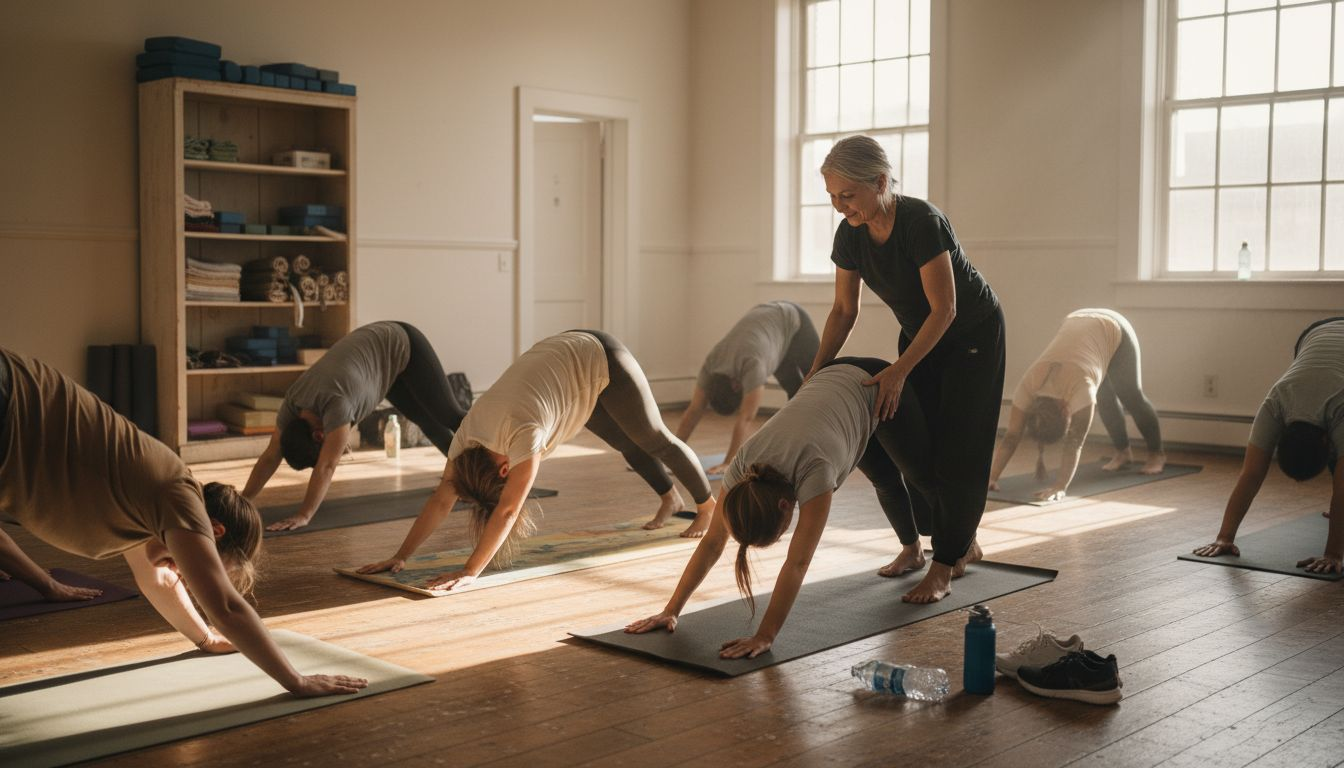
Stressed from the demands of daily life in Philadelphia, many seek more than just a workout. Community yoga classes offer much more than physical exercise, bringing together neighbors for shared wellness, deeper connection, and personal growth. At Amrita Yoga & Wellness, these sessions deliver holistic well-being by welcoming all backgrounds and bodies, supporting stress relief, improved flexibility, and genuine community ties. Discover how an inclusive, mindful practice can nurture both your mind and body in a supportive setting.
Table of Contents
Key Takeaways
| Point | Details |
|---|---|
| Inclusivity in Classes | Community yoga classes are designed to welcome practitioners of all backgrounds, promoting a sense of belonging and collective healing. |
| Diverse Yoga Styles | A variety of yoga styles, from Hatha to Power Yoga, allow individuals to choose practices that align with their personal wellness goals. |
| Mental and Physical Benefits | Consistent participation in community yoga results in significant improvements in mental well-being, flexibility, and overall health. |
| Safety and Participation Tips | Communicate openly with instructors and use modifications to maximize safety and ensure a beneficial experience in yoga sessions. |
Defining Community Yoga Classes and Their Purpose
Community yoga classes represent a transformative wellness approach that goes far beyond traditional exercise. Designed to promote holistic well-being, these inclusive group sessions create supportive environments where individuals from diverse backgrounds can collectively engage in yoga practice.
At their core, community yoga classes serve multiple interconnected purposes:
Foster social connection and interpersonal relationships
Provide accessible physical and mental health practices
Create supportive spaces for personal growth
Reduce barriers to wellness participation
Enhance individual and collective resilience
Unlike traditional fitness classes, community yoga emphasizes inclusivity and collective healing. These sessions are intentionally structured to welcome practitioners of all skill levels, body types, and backgrounds. Yoga as a communal wellness practice has emerged as a powerful tool for stress reduction, mental health support, and building stronger community ties.
Participants typically experience comprehensive benefits that extend well beyond physical movement. Long-term practitioners report improvements in flexibility, sleep quality, stress management, and overall personality development. The group dynamic creates a sense of belonging that amplifies individual transformation.
Pro tip: Start by finding a community yoga class that feels welcoming and matches your current fitness level, allowing yourself grace and patience during your wellness journey.
Types of Community Yoga Classes Available
Community yoga offers a diverse range of class styles designed to meet different wellness needs and preferences. Yoga class styles vary extensively, providing practitioners multiple pathways to physical and mental well-being.
The primary types of community yoga classes include:
Hatha Yoga: Foundational practice focusing on basic postures and breath control
Vinyasa Yoga: Dynamic style emphasizing fluid movement and breath synchronization
Yin Yoga: Slow-paced class targeting deep connective tissues and joint flexibility
Kundalini Yoga: Spiritual practice combining movement, breathwork, and meditation
Restorative Yoga: Gentle class using props to support complete physical relaxation
Power Yoga: High-intensity workout targeting strength and cardiovascular fitness
Each yoga style offers unique benefits, allowing participants to select classes that align with their personal fitness goals, physical capabilities, and spiritual interests. Community yoga classes are intentionally designed to be inclusive, welcoming practitioners of all skill levels and backgrounds.
The diversity of yoga styles ensures that individuals can find a practice that resonates with their individual needs. Some classes focus more on physical exercise, while others emphasize meditation, spiritual growth, or stress reduction. This variety makes yoga accessible to a wide range of participants, supporting holistic wellness through personalized approaches.
Here's a comparison of major community yoga class styles and their unique focus areas:
| Yoga Style | Typical Intensity | Primary Focus | Common Benefit |
|---|---|---|---|
| Hatha | Low to moderate | Foundational postures | Improved balance |
| Vinyasa | Moderate to high | Flowing movement | Enhanced coordination |
| Yin | Low | Deep tissue stretch | Joint health |
| Kundalini | Variable | Breath and meditation | Spiritual awareness |
| Restorative | Very low | Relaxation with props | Deep relaxation |
| Power | High | Strength and stamina | Increased endurance |
Pro tip: Try different yoga styles to discover which practice feels most comfortable and beneficial for your personal wellness journey.
Key Benefits for Mental and Physical Health
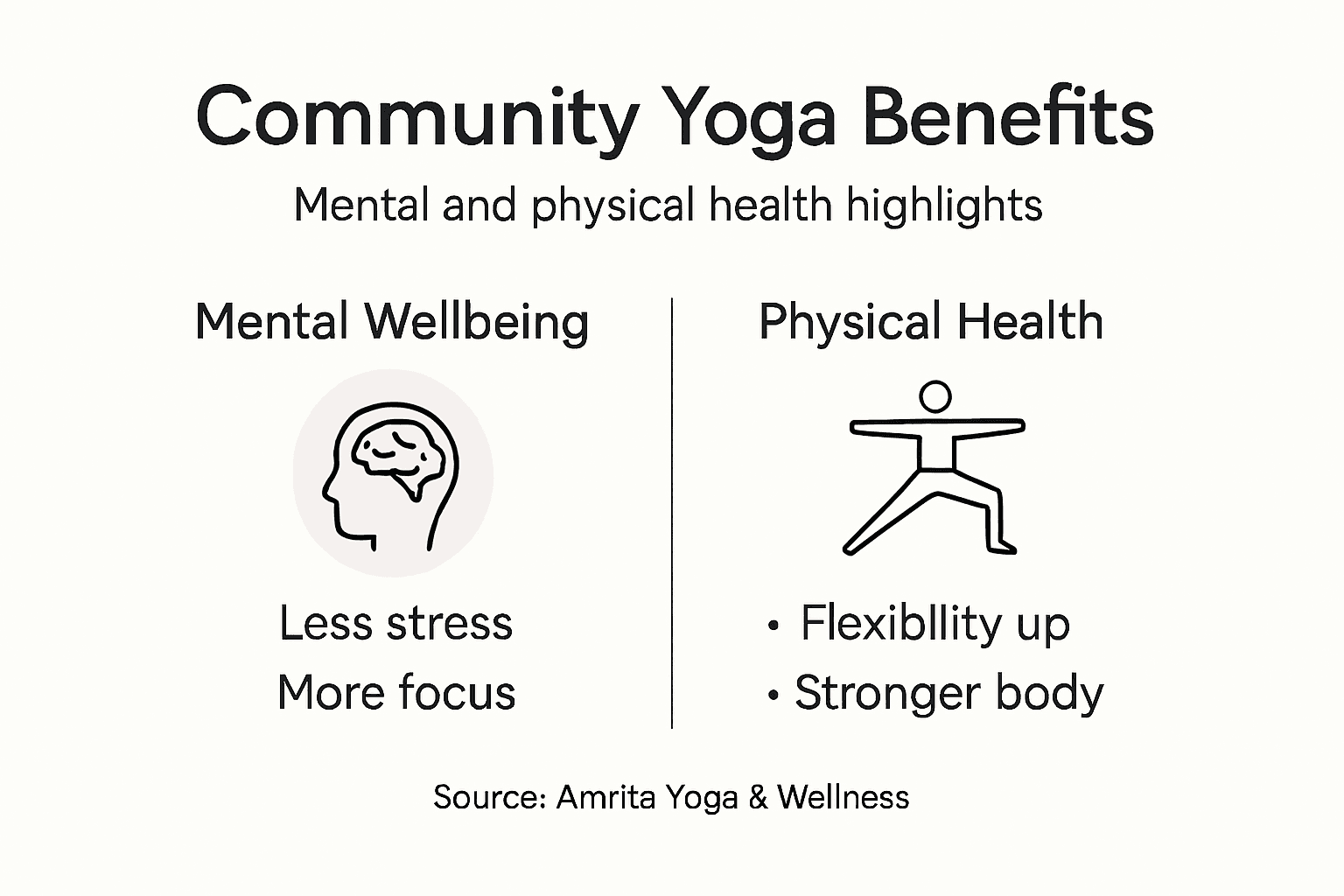
Community yoga classes offer a comprehensive approach to wellness, providing profound benefits for both mental and physical health. Significant health improvements emerge through consistent yoga practice, addressing multiple dimensions of personal well-being.
The key mental health benefits include:
Substantial reduction in stress and anxiety levels
Enhanced emotional regulation and mood management
Improved cognitive function and mental clarity
Increased resilience against depression
Development of mindfulness and self-awareness
Better overall psychological well-being
Physically, community yoga practices deliver remarkable transformative outcomes. Practitioners experience improvements in flexibility, muscle strength, cardiovascular health, and musculoskeletal function. Yoga's integrative health approach systematically addresses multiple bodily systems, promoting holistic wellness through low-impact, adaptable movements.
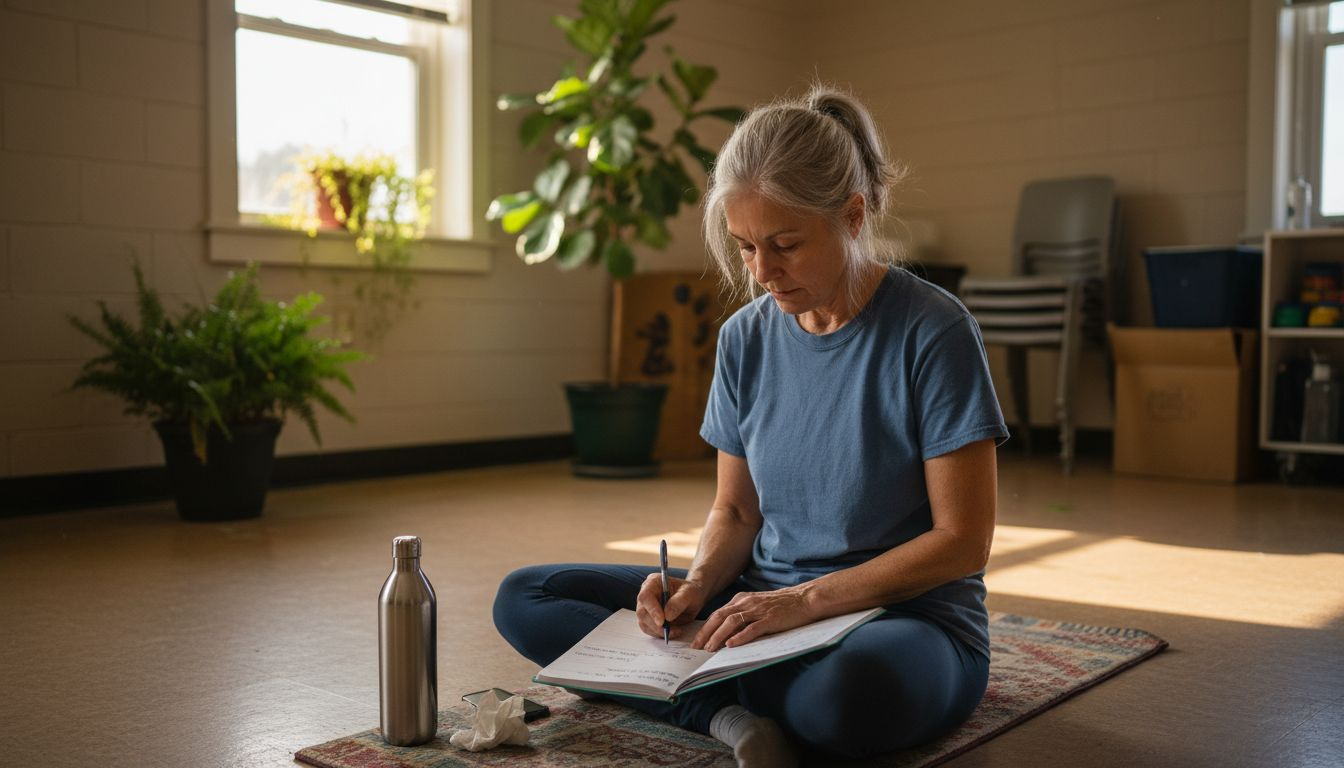
The interconnected nature of mental and physical benefits makes yoga a powerful wellness intervention. By simultaneously targeting psychological and physiological dimensions, community yoga classes create a unique environment for comprehensive personal development. These practices go beyond traditional exercise, offering a nuanced approach to health that supports long-term well-being and personal growth.
Pro tip: Approach community yoga with an open mind, focusing on personal progress rather than comparison with other participants.
Accessibility and Inclusivity in Yoga Sessions
Community yoga fundamentally represents a practice of radical welcome, designed to accommodate practitioners from all backgrounds and physical capabilities. Yoga sessions increasingly focus on inclusivity by creating adaptive and supportive environments that embrace diversity.
Key principles of accessible yoga include:
Offering multiple pose modifications
Using adaptive props and support equipment
Providing clear, non-judgmental instruction
Creating welcoming verbal cues
Ensuring physical space accommodates different mobility needs
Supporting participants without making them feel singled out
Inclusive yoga practices recognize that every body is different and deserves respectful, personalized attention. Culturally responsive teaching approaches help instructors create spaces where participants feel genuinely seen and supported, regardless of age, physical ability, body type, or background.
These approaches transform yoga from a potentially intimidating practice into a genuinely universal wellness experience. By emphasizing individual progress over performance and creating environments of mutual respect, community yoga sessions become powerful tools for personal growth and collective healing.
Pro tip: Communicate openly with your yoga instructor about any physical limitations or concerns to ensure a safe, comfortable practice.
Common Risks, Costs, and Participation Tips
Community yoga classes present an accessible wellness option, but participants should understand potential risks and smart participation strategies. Yoga practice involves specific health considerations that require careful navigation to ensure safe and beneficial experiences.
Potential risks in community yoga sessions include:
Musculoskeletal strain from improper technique
Potential exacerbation of pre-existing conditions
Physical overexertion
Risk of minor injuries without proper guidance
Potential muscle or joint stress
Cost considerations vary widely, with many community classes offering flexible pricing options:
Donation-based classes
Sliding scale pricing
Low-cost community center sessions
Introductory package deals
Group discount rates
Adverse events remain generally infrequentwhen practitioners maintain awareness and communicate effectively with instructors. Safety is maximized by understanding individual physical limitations, using appropriate modifications, and progressing gradually.
Participation requires thoughtful approach, emphasizing personal boundaries and attentive self-care. Community yoga's inclusive nature means every individual can find a practice suited to their unique physical capabilities and wellness goals.
The following table summarizes strategies for maximizing safety and participation in community yoga:
| Strategy | Why It Matters | How to Implement |
|---|---|---|
| Communicate limitations | Prevents injuries and discomfort | Speak with the instructor |
| Use props and modifications | Ensures proper support and alignment | Request props as needed |
| Start with beginner classes | Builds confidence and foundation | Choose suitable class level |
| Progress gradually | Reduces risk of overexertion | Increase intensity over time |
Pro tip: Always consult with your healthcare provider before starting a new yoga practice, especially if you have existing health conditions.
Experience the True Power of Community Yoga with Amrita Yoga & Wellness
If you are looking to build wellness and connection through accessible and inclusive yoga practices the challenges of finding a welcoming space that meets your personal fitness and mental health needs can feel overwhelming. This article highlights the importance of community yoga classes that foster social connection while supporting mental clarity stress reduction and physical resilience. At Amrita Yoga & Wellness we understand these key goals and create supportive environments where every body is respected and guided through practices like Hatha Vinyasa and Restorative yoga tailored for all levels.
Why wait to start your transformational wellness journey Discover a community that embraces your unique needs and helps you grow both physically and mentally. Visit Amrita Yoga & Wellness to explore class schedules workshops and healing services designed with inclusivity and personal growth in mind. Find your perfect fit in yoga and wellness at Amrita Yoga & Wellness and step confidently toward a balanced healthier you. Begin today and experience the benefits of connection mindfulness and holistic health.
Frequently Asked Questions
What are community yoga classes?
Community yoga classes are inclusive group sessions designed to promote holistic well-being, providing accessible physical and mental health practices while fostering social connection among participants of diverse backgrounds.
What types of yoga styles are offered in community yoga classes?
Community yoga classes typically offer various styles such as Hatha, Vinyasa, Yin, Kundalini, Restorative, and Power Yoga, each focusing on different aspects of physical and mental wellness.
What are the key benefits of participating in community yoga classes?
Participants in community yoga classes experience benefits such as reduced stress and anxiety, improved flexibility, enhanced emotional regulation, better cognitive function, and overall improvements in physical health and psychological well-being.
How can I ensure a safe experience while attending community yoga classes?
To ensure safety, communicate any physical limitations to your instructor, use props and modifications as needed, start with beginner classes, and progress gradually in intensity to prevent overexertion.
Recommended
How to Find and Join Yoga Classes Near Me Easily
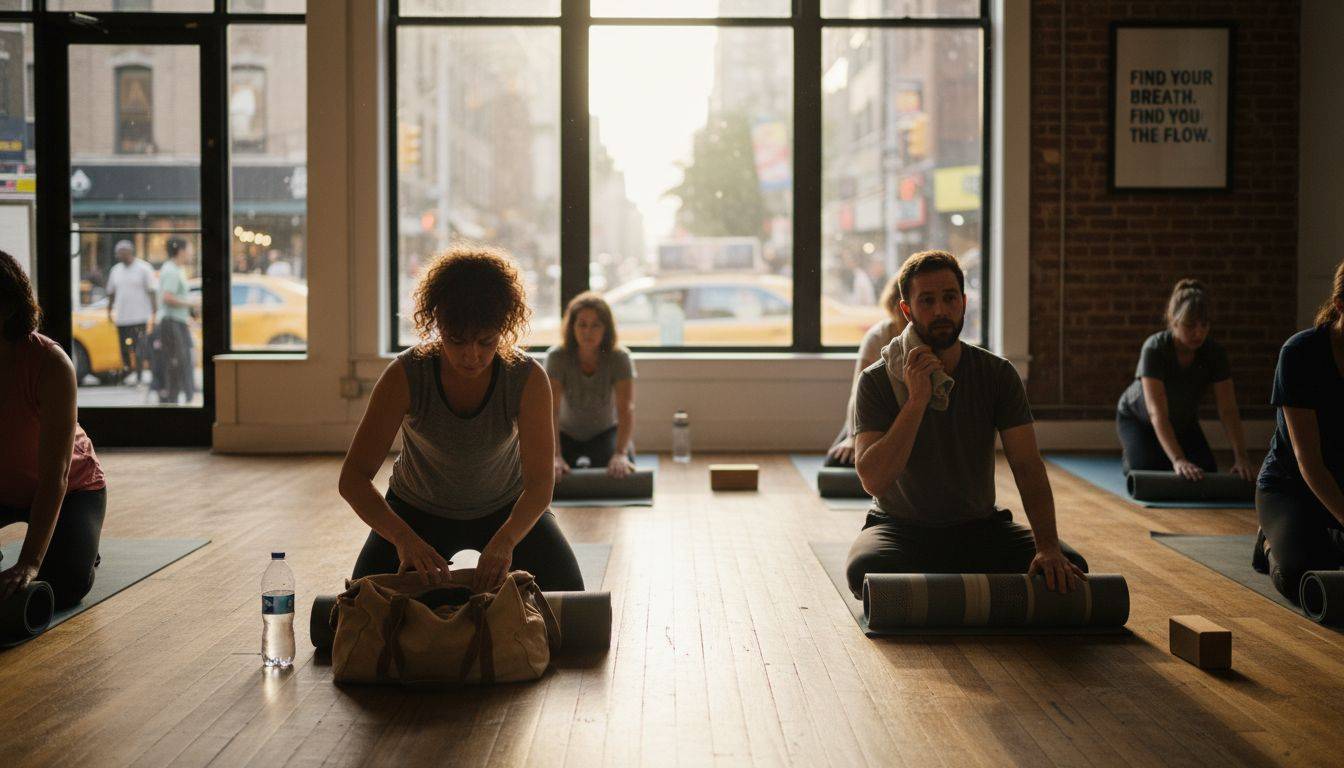
Searching for a yoga class in Philadelphia can sometimes feel overwhelming with so many choices available. Whether you want to try Hot Yoga or prefer gentle flows, finding a studio that matches your goals and comfort level matters for your physical and mental well-being. Exploring both local studios and community programs, you will discover options tailored for every experience level and style preference, allowing you to start your wellness journey with confidence.
Table of Contents
Quick Summary
| Key Point | Explanation |
|---|---|
| 1. Research local studios thoroughly | Use online directories and community programs to discover yoga classes that fit your needs and budget. |
| 2. Understand different yoga styles | Familiarize yourself with yoga styles like Hatha and Vinyasa to choose a class aligned with your fitness goals. |
| 3. Prepare properly for your first class | Wear comfortable clothing, bring essential items, and arrive early to mentally and physically prepare for your practice. |
| 4. Utilize online registration effectively | Create an account on the studio’s system, select classes, and understand policies regarding cancellations and payments. |
| 5. Reflect on your class experience | After class, assess your physical comfort and enjoyment to determine if the studio and style suit your wellness journey. |