

The Amrita Journal
Explore thoughtful stories, practical wellness guidance and inspiring ideas to support your movement, mindfulness and everyday wellbeing at Amrita.
Role of Massage Therapy in Holistic Wellness
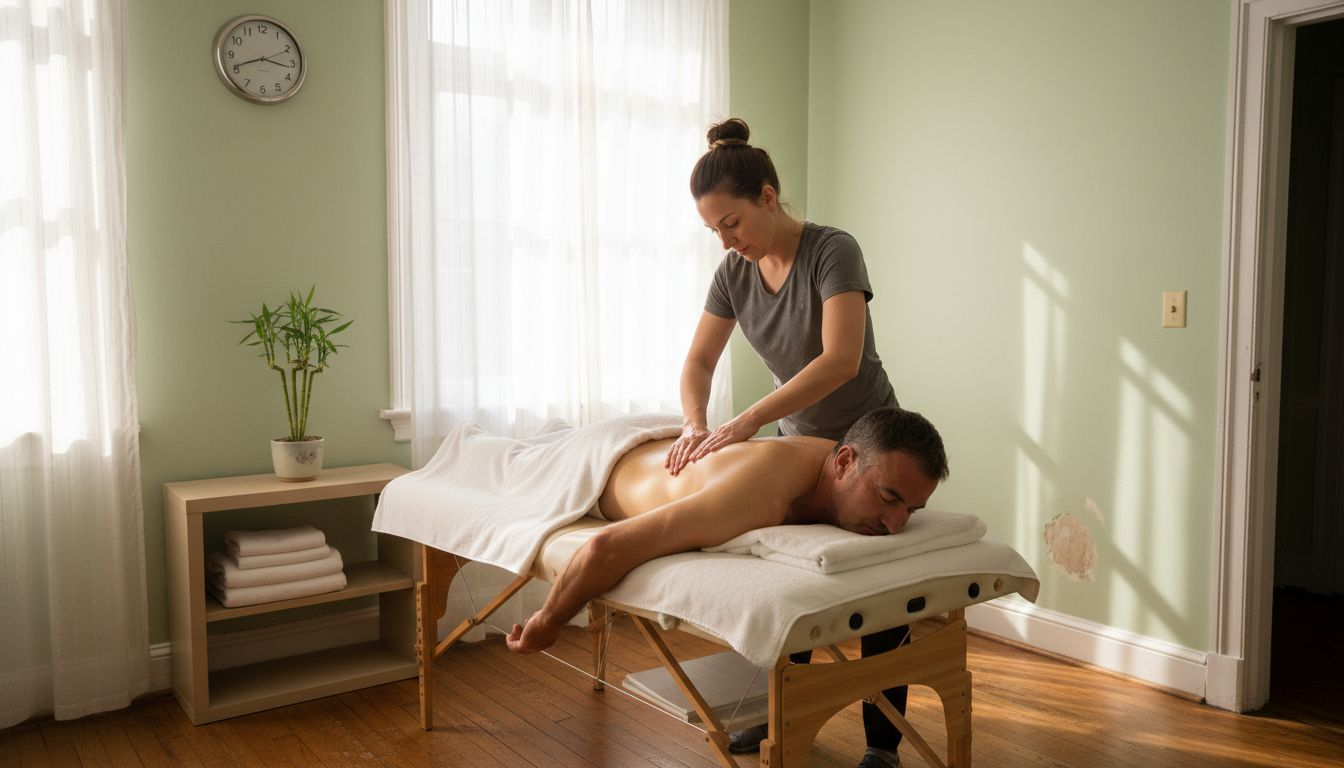
Over eighty percent of American adults experience significant stress, affecting both their productivity and long-term health. Philadelphia professionals balancing demanding careers and personal growth feel this impact daily, often searching for holistic solutions that do more than just temporary relief. Exploring the foundations and power of massage therapy offers targeted insight for those ready to prioritize genuine physical and mental renewal within their busy American lifestyles.
Table of Contents
Key Takeaways
| Point | Details |
|---|---|
| Holistic Approach | Massage therapy enhances physical and mental health through precise manipulation of soft tissues. |
| Variety of Techniques | Different techniques, such as Swedish and Deep Tissue, cater to specific health needs and promote recovery. |
| Physical and Mental Benefits | Regular massage can significantly reduce pain, enhance recovery, and manage stress while improving emotional well-being. |
| Client Communication | Open communication about health history and preferences is essential for a safe and effective massage experience. |
Defining Massage Therapy and Its Purpose
Massage therapy represents a holistic approach to wellness that involves precise manipulation of soft body tissues to enhance physical and mental health. At its core, this practice involves strategic techniques designed to address specific physiological and psychological needs. Soft tissue manipulation offers numerous potential benefits ranging from stress reduction to pain management.
Professional massage therapists utilize multiple modalities and techniques targeting different body systems. These methods might include Swedish, deep tissue, sports massage, and therapeutic approaches tailored to individual client requirements. The fundamental goal remains consistent: promoting healing, reducing muscular tension, and supporting overall bodily function through targeted manual interventions.
The historical roots of massage therapy span multiple cultures and medical traditions, demonstrating its enduring significance in health practices. Body tissue manipulation techniques have been documented in ancient medical texts from China, Egypt, Greece, and India, highlighting massage's long standing recognition as a healing practice. Modern massage therapy integrates traditional wisdom with contemporary scientific understanding, creating a comprehensive approach to wellness.
Pro tip: Always communicate your specific health concerns and medical history with your massage therapist to ensure a personalized and safe treatment experience.
Key Types of Massage Therapy Techniques
Massage therapy encompasses a diverse range of techniques, each designed to address specific health and wellness objectives. Massage styles range widely from gentle relaxation approaches to intense therapeutic interventions. These techniques are strategically developed to target different physiological needs, offering practitioners multiple tools for supporting client wellness.
Some prominent massage therapy techniques include:
Swedish Massage: Characterized by long, flowing strokes and gentle kneading, this technique promotes overall relaxation and improves circulation.
Deep Tissue Massage: Focuses on realigning deeper muscle layers and connective tissue, ideal for chronic muscle tension and injury recovery.
Neuromuscular Therapy: Uses precise pressure on specific trigger points to alleviate pain and restore muscular balance.
Sports Massage: Tailored for athletes, this technique helps prevent injuries, enhance performance, and support rapid recovery.
Lymphatic Drainage Massage: Gentle technique designed to stimulate lymphatic system function and reduce swelling.
Therapeutic massage techniquesreflect an intricate understanding of human anatomy and physiological responses. Professional massage therapists undergo extensive training to master these varied approaches, ensuring they can customize treatments to individual client needs. The complexity and diversity of massage techniques highlight the sophisticated nature of this holistic health practice.
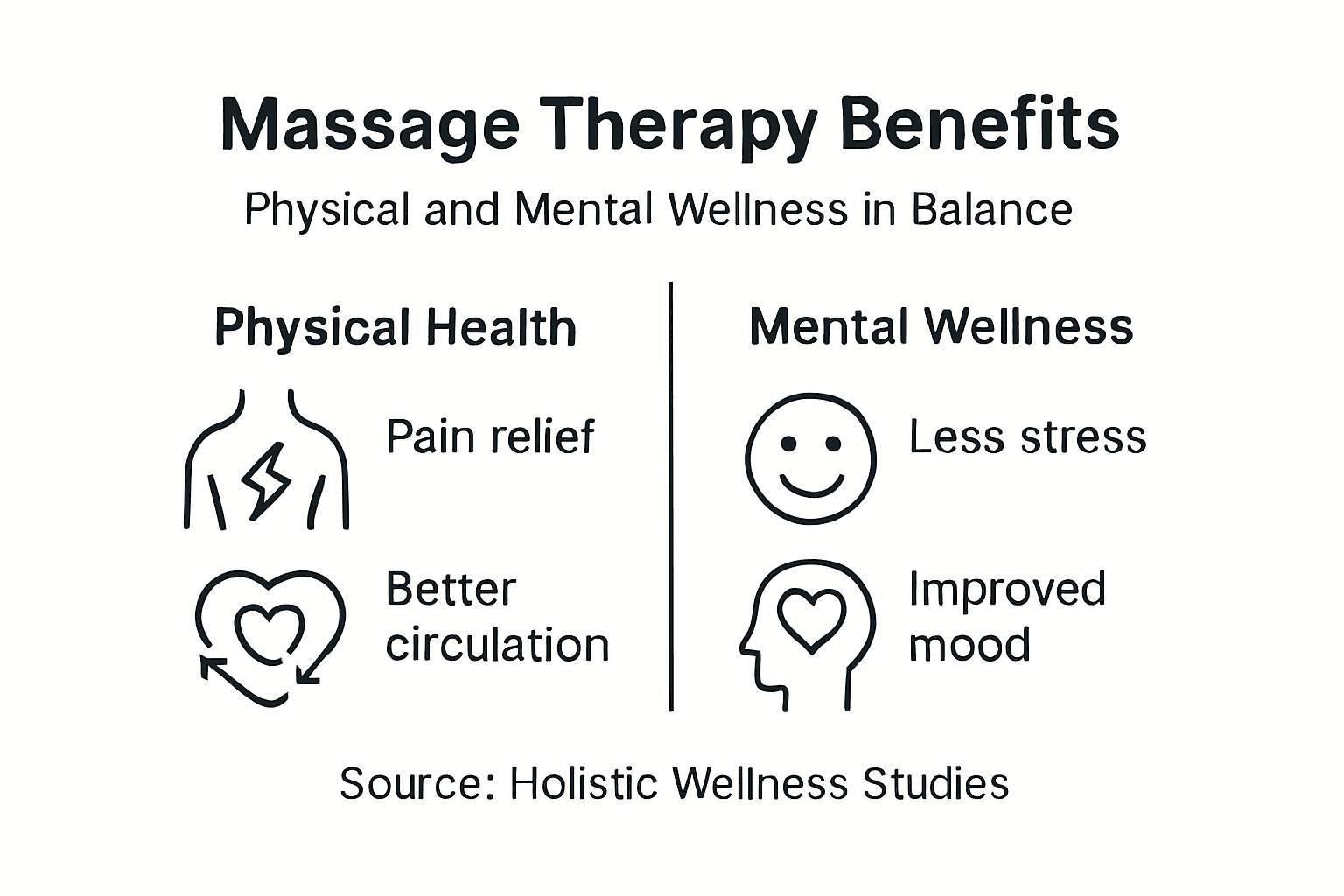
Here's a summary of how leading massage techniques differ in approach and benefits:
| Massage Technique | Target Focus | Typical Benefit |
|---|---|---|
| Swedish Massage | Skin and superficial muscles | Relaxation and stress relief |
| Deep Tissue Massage | Deep muscle layers | Chronic pain and recovery |
| Sports Massage | Athletic muscle groups | Injury prevention and rehab |
| Neuromuscular Therapy | Trigger points and nerves | Acute pain reduction |
| Lymphatic Drainage | Lymph circulation | Swelling and detoxification |
Pro tip: Consult with a licensed massage therapist to determine the most appropriate technique for your specific health goals and physical condition.
Physical Benefits for Body and Recovery
Massage therapy offers profound physical benefitsfor body recovery and overall health optimization. By targeting specific muscle groups and soft tissue systems, massage techniques can significantly reduce physical stress, alleviate chronic pain, and support the body's natural healing processes. The strategic manipulation of muscles and connective tissues helps release tension, improve blood circulation, and promote faster recovery from physical exertion or injury.
The physical benefits of massage therapy are comprehensive and scientifically validated:
Pain Reduction: Alleviates chronic and acute muscle pain
Muscle Recovery: Accelerates healing after athletic performance or injury
Circulation Enhancement: Improves blood flow and oxygen delivery to tissues
Inflammation Management: Reduces muscular and soft tissue inflammation
Flexibility Improvement: Increases range of motion and joint mobility
Stress Hormone Reduction: Decreases cortisol levels and promotes relaxation
Clinical evidence demonstrates massage therapy's rehabilitation potentialacross multiple health conditions. Professional therapists can customize techniques to address specific physical challenges, from sports injuries to chronic pain management. The targeted approach allows for personalized treatment that supports the body's natural healing mechanisms, making massage a powerful tool in comprehensive wellness strategies.
Pro tip: Communicate openly with your massage therapist about your specific physical conditions and recovery goals to maximize therapeutic benefits.
Mental and Emotional Wellness Effects
Massage therapy provides remarkable mental health supportby addressing psychological stress and emotional challenges. The practice goes beyond physical manipulation, creating a holistic approach to mental wellness that triggers the body's natural relaxation response. By reducing stress hormones and promoting emotional balance, massage therapy offers a powerful intervention for individuals experiencing anxiety, depression, and chronic emotional tension.
The mental and emotional benefits of massage therapy include:
Stress Reduction: Lowers cortisol and adrenaline levels
Anxiety Management: Decreases overall anxiety symptoms
Mood Enhancement: Increases production of feel-good neurotransmitters
Emotional Release: Provides a safe space for processing emotions
Sleep Quality Improvement: Supports better sleep patterns
Psychological Resilience: Helps build emotional coping mechanisms
Research indicates massage therapy's potential for mental wellnessas a complementary approach to traditional mental health treatments. While benefits can be temporary, the cumulative effect of regular massage sessions can significantly contribute to emotional well-being. The practice offers a non-invasive, holistic strategy for managing mental health challenges, supporting the intricate connection between physical touch and psychological healing.
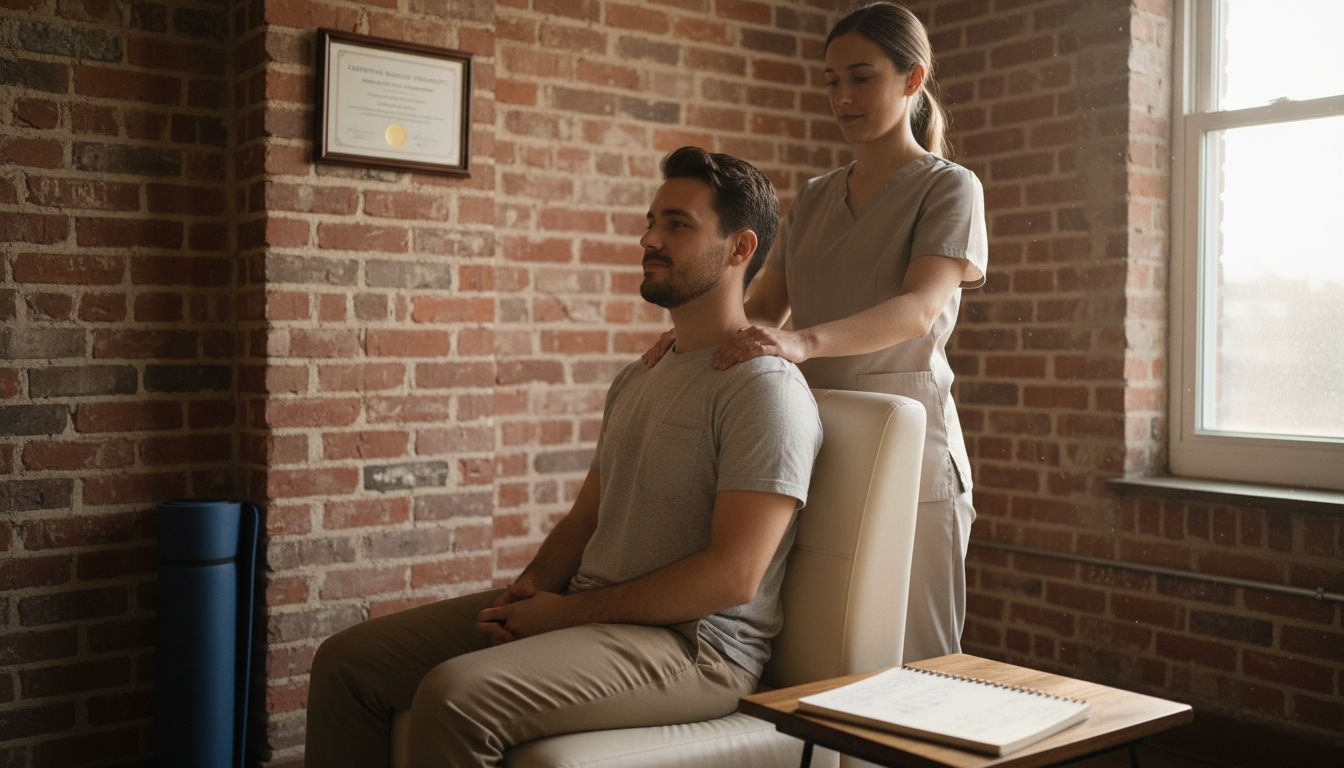
The table below contrasts physical and mental massage therapy outcomes for client wellness:
| Wellness Area | Typical Improvement | Duration of Effect |
|---|---|---|
| Physical Recovery | Faster healing and mobility | Can last several days |
| Pain Management | Reduced discomfort | Usually short-term |
| Stress Relief | Lower stress hormones | Often immediate |
| Mood Enhancement | Improved emotional stability | Builds over sessions |
Pro tip: Consider scheduling regular massage sessions as part of your comprehensive mental health and stress management strategy.
Safety Considerations and Client Responsibilities
Massage therapy safety requires careful client preparationand professional communication. Understanding potential risks and personal health limitations is crucial for ensuring a safe, effective therapeutic experience. Clients must take an active role in their wellness journey by providing comprehensive health information and maintaining open dialogue with their massage therapist.
Key safety considerations for massage therapy include:
Medical History Disclosure: Report all current health conditions
Contraindication Awareness: Understand when massage might not be appropriate
Physical Limitations: Identify areas of sensitivity or potential injury risk
Communication During Session: Provide immediate feedback about pressure or discomfort
Professional Credentials: Verify therapist's professional training and certification
Personal Comfort: Feel empowered to stop the session if feeling uncomfortable
Client responsibilities are fundamental to safe massage practices. Individuals with specific health conditions such as blood clotting disorders, recent surgeries, chronic inflammatory conditions, or implanted medical devices must consult healthcare providers before receiving massage therapy. Transparent communication helps therapists customize techniques and prevent potential complications.
Pro tip: Schedule a preliminary consultation with your massage therapist to discuss your complete health history and specific wellness goals.
Experience the Power of Massage Therapy for Holistic Wellness
If you are looking to reduce stress, manage chronic pain, and enhance both your physical and emotional well-being, massage therapy offers a proven path forward. This practice can feel overwhelming when trying to choose the right technique to meet your specific needs like muscle recovery, lymphatic health, or anxiety relief. At Amrita Yoga & Wellness, we understand these challenges and invite you to explore our diverse wellness services that complement massage therapy for a full-body mind experience.
Discover how you can integrate massage therapy with our yoga and wellness classes to create a personalized approach to health and healing. Whether you want to ease physical tension with deep tissue work or promote mental calm through relaxation techniques, our expert team in Philadelphia is here to support your journey. Don’t wait to prioritize your wellness. Visit Amrita Yoga & Wellness now, learn more about our offerings, and book your session to begin transforming your health today.
Frequently Asked Questions
What is the primary purpose of massage therapy?
Massage therapy aims to promote physical and mental wellness by manipulating soft body tissues to enhance health, reduce stress, and alleviate pain.
What are the key benefits of massage therapy for physical health?
Massage therapy offers various benefits, including pain reduction, improved circulation, faster muscle recovery, enhanced flexibility, and reduced inflammation.
How can massage therapy support mental and emotional well-being?
Massage therapy contributes to mental health by reducing stress, managing anxiety, enhancing mood, providing emotional release, and improving sleep quality.
What should I communicate to my massage therapist before a session?
It’s essential to disclose your complete medical history, any current health conditions, and specific wellness goals to ensure a safe and personalized treatment experience.