Explore the top yoga and wellness trends for 2026 in Philadelphia
TL;DR:
Evidence-backed practices like slow pranayama significantly reduce stress and anxiety.Philadelphia's wellness scene emphasizes community, accessibility, and innovative outdoor formats.Slow, consistent practices are more effective and sustainable than high-intensity, trendy methods.
Philadelphia's wellness scene is changing fast, and not in the ways you might expect. While some people dismiss new yoga offerings as surface-level trends chasing social media clicks, pranayama mechanics research confirms that specific breathing techniques create measurable changes in your nervous system, reducing stress and anxiety in clinically meaningful ways. That kind of science puts real muscle behind what's happening in studios across the city. This article breaks down which 2026 yoga and wellness trends are backed by evidence, what makes Philadelphia's local scene genuinely worth your attention, and how you can build a practice that actually serves your body and mind.
Table of Contents
Key Takeaways
| Point | Details |
|---|---|
| Evidence matters | Scientific studies increasingly separate hype from truly beneficial yoga trends. |
| Philly’s unique scene | Philadelphia offers outdoor flows, inclusive classes, and innovative wellness experiences. |
| Safety first | Choose slow, restorative practices for the best balance of effect and low risk. |
| Mindful adoption | Try out new trends gradually and always check the credibility of local instructors. |
| Community focus | Group and outdoor yoga events are gaining even more momentum in 2026. |
What's truly new in yoga: Evidence, not fads
Not every new class format or wellness product deserves equal respect. Some innovations arrive with peer-reviewed research behind them. Others show up wearing trendy packaging around ideas that have existed for decades or, worse, carry genuine risks. Learning to tell the difference is the first skill any serious wellness seeker needs in 2026.
The clearest example of a legitimate innovation right now is nervous system regulation through breath. A major meta-analysis on yoga breathing research found that slow breathing techniques measurably increase parasympathetic nervous system activity, which is the body's rest-and-repair mode, and significantly reduce both stress and anxiety. This is not a small finding. The effect sizes are large enough to matter in everyday life, and the research draws from multiple controlled studies across different populations. When a practice has that kind of backing, it stops being a trend and becomes a tool.
Here's a comparison between approaches that are generating buzz in 2026 and whether the science justifies the excitement:
| Practice | Evidence level | What it does |
|---|---|---|
| Slow pranayama (breathwork) | Strong meta-analysis support | Reduces anxiety, activates rest mode |
| Restorative yoga | Solid clinical evidence | Lowers cortisol, supports recovery |
| Community immersion yoga | Emerging social research | Builds belonging, boosts consistency |
| Aerial yoga | Limited controlled studies | Improves flexibility, fun engagement |
| Ice bath + yoga combos | Mixed results, some risk | Variable; depends on individual health |
| AI personalized yoga apps | Early stage, promising | May improve consistency, needs study |
Beyond breath and restorative work, the trends generating genuine discussion in 2026 include:
Nervous system regulation classes that pair slow movement with box breathing or extended exhale techniques
Community immersion formats where group energy and shared goals drive accountability and consistency
Outdoor yoga flows that add environmental grounding (literally being in nature) to physical practice
Inclusive, multilingual classes designed to remove barriers for non-English speaking communities
Hybrid digital and in-person formats that blend expert live instruction with flexible home practice
Understanding restorative yoga for stress is especially useful if you are new to this space, because it clarifies why slow, supported poses often do more for your nervous system than sweaty power flows.
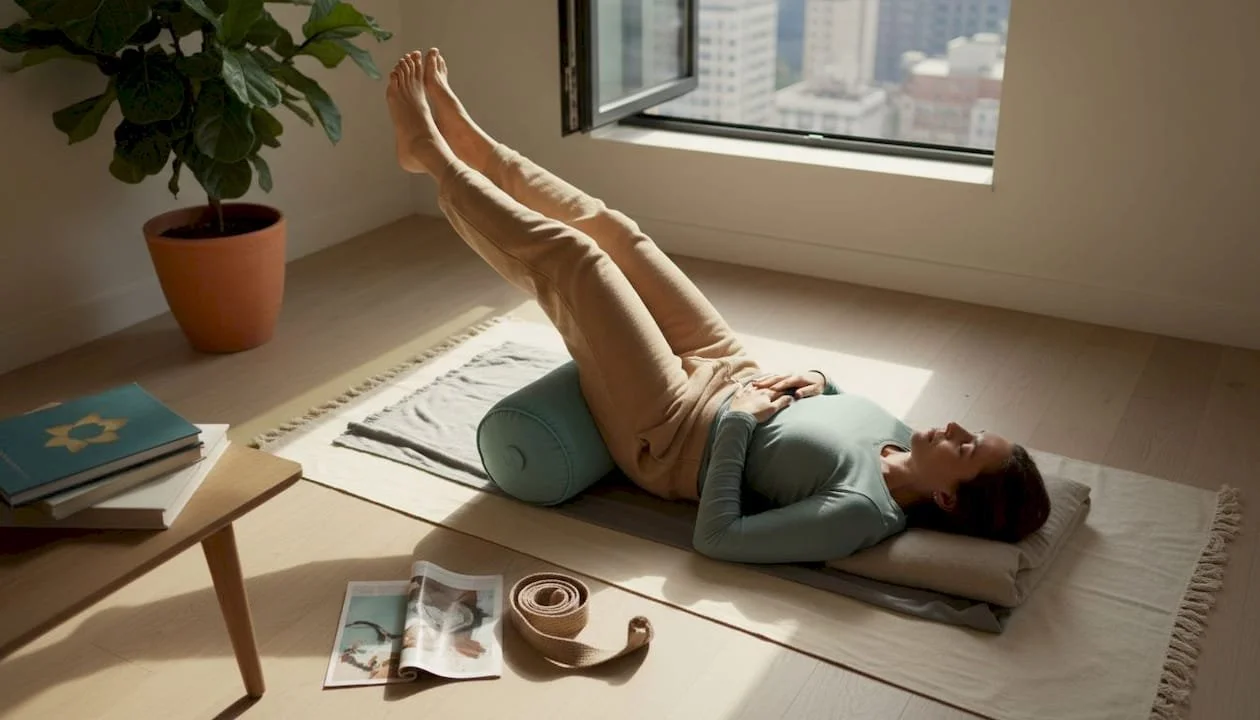
The biggest mistake new wellness seekers make is assuming that intensity equals effectiveness. More challenging is not always more beneficial. The fundamentals of a good yoga studio experience, including qualified teachers, a safe environment, and consistent scheduling, matter far more than any single trending technique.
Pro Tip: When you encounter a new yoga format, ask yourself: can you sustain this twice a week for three months? If the answer is no, it is probably novelty rather than a genuine wellness practice. Start with the boring basics, then layer in innovations.
Philadelphia's top yoga and wellness experiences for 2026
Philadelphia has always had a strong independent studio culture, but 2026 is bringing something more intentional to the scene. Studios are not just offering more classes. They are building ecosystems of community, culture, and genuine clinical care that you will not find at national chain gyms.
According to the Philadelphia wellness spots roundup from Philadelphia Magazine, innovative offerings across the city include outdoor flows, clown yoga sessions, hot and holistic studios, and inclusive language classes. This signals a genuine shift toward accessibility and creative engagement, not just aesthetic variety.
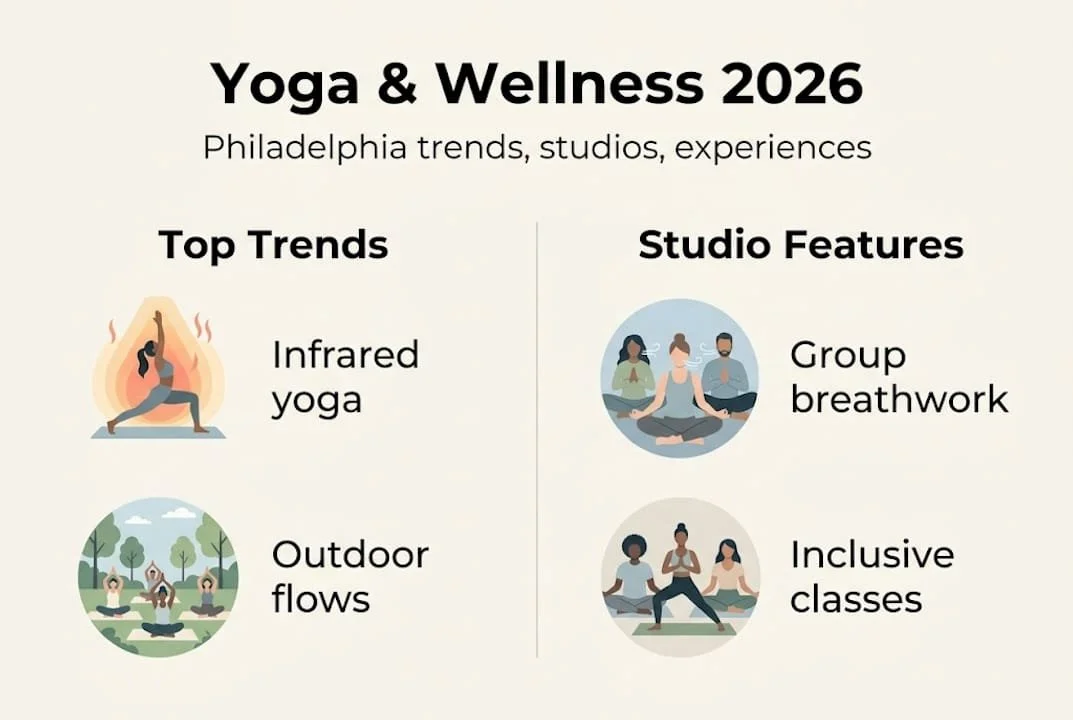
Here's a snapshot of what the local landscape looks like heading into 2026:
| Studio type | Signature trend | Unique feature |
|---|---|---|
| Hot and holistic studios | Infrared heat yoga | Combines detox-focused heat with mindfulness |
| Outdoor flow studios | Park and trail yoga | Nature-integrated movement |
| Inclusive community spaces | Bilingual yoga classes | Spanish-language instruction, diverse teachers |
| Laughter and movement spaces | Clown yoga / laughter yoga | Uses humor as a stress regulation tool |
| Wellness collectives | Multidisciplinary offerings | Yoga + massage + therapy in one space |
What makes Philadelphia's scene particularly compelling is how these offerings feed into each other. A practitioner might start with a beginner Spanish-language class, move into a hot yoga practice over several months, and eventually explore restorative work or breathwork workshops. The city's studios, especially in neighborhoods like Fishtown, Rittenhouse Square, and West Philadelphia, are building pathways rather than isolated experiences.
Here is what the best Philly studios have in common when it comes to supporting real wellness:
They lead with qualified instructors who hold recognized certifications
They prioritize community events beyond just drop-in classes
They offer varied formats so practitioners can scale intensity up or down based on need
They create welcoming environments with inclusive pricing, sliding scale options, and multilingual support
They provide evidence-informed programming rather than chasing every viral wellness moment
Exploring top Philly yoga studios gives you a detailed comparison of what different spaces bring to the table. And if you want a broader view of how diverse yoga options are expanding in the city, that resource maps out the growing range of styles and communities.
Wellness controversy: Hype vs. evidence in trending practices
Every year brings a new batch of wellness promises that sound revolutionary but dissolve under scrutiny. 2026 is no different. Being a savvy consumer of wellness means holding exciting new ideas at arm's length long enough to ask hard questions.
Philadelphia Magazine's expert critique of wellness trend realities found that some trends, like weighted vests and rucking, are not meaningfully superior to regular walking despite aggressive marketing. Other trends, such as salmon DNA facials, simply lack quality studies to support their claims. The fitness and wellness industry is very good at packaging familiar ideas as breakthroughs.
Here's a direct comparison between practices that earn their credibility versus those that demand skepticism:
| Practice | Science-backed? | Watch out for |
|---|---|---|
| Slow pranayama | Yes, strong evidence | Ensure instructor guides pace carefully |
| Rucking / weighted vests | Minimal difference vs. walking | Often overhyped by gear companies |
| Community yoga events | Emerging positive evidence | Less about style, more about consistency |
| Salmon DNA skincare | No solid clinical data | Often premium-priced, few studies |
| Hot yoga | Moderate evidence, some risk | Dehydration risk; not for everyone |
| Fast pranayama (Kapalabhati) | Mixed; higher adverse events | Requires expert supervision |
That last point deserves particular attention. Research on pranayama mechanics found that fast breathing techniques carry a meaningfully higher rate of adverse events compared to slow breathing practices, and they are simply not appropriate for everyone. That does not mean fast pranayama has no value, but it does mean you should never try it without qualified guidance.
"Not every breathing innovation is created equal. Fast pranayama can trigger dizziness, hyperventilation, or anxiety spikes in sensitive individuals. The evidence consistently favors slow, controlled breathwork for most practitioners."
Before trying any new trend, ask yourself these three questions:
Is there published research behind this practice, or is the evidence mostly testimonials and marketing copy?
Does the instructor have verifiable credentials, including recognized yoga or wellness certifications?
Are the claims specific and modest, or is the practice being sold as a cure for everything from chronic pain to burnout to aging?
Understanding how to start choosing a yoga class based on your actual goals is one of the most practical skills you can develop. And if you are still finding yoga classes in Philadelphia for the first time, there is a full step-by-step guide to help you navigate the options without feeling overwhelmed.
Pro Tip: Google the instructor's certification body before signing up for anything that involves breathwork, extreme heat, or physical intensity. Reputable certifications like Yoga Alliance 200-hour or 500-hour credentials take significant time to earn and signal that a teacher has invested seriously in their craft.
How to make 2026 yoga and wellness trends work for you
Knowing which trends are worth your time is only half the equation. The other half is figuring out how to integrate them into a real life that includes work, family, social commitments, and fluctuating energy. Personalization is everything here.
The science is clear that slow pranayama produces consistently positive effects on stress and anxiety, making it one of the safest and most accessible starting points for anyone new to breathwork or yoga. It requires no equipment, no special clothing, and can be practiced in a chair. That is a remarkably low barrier to entry for something with clinical-level benefits.
Here is what to consider trying first in 2026, especially if you are in Philadelphia and looking for grounded, evidence-informed options:
Slow breathwork or pranayama classes with a qualified local instructor
Outdoor yoga flows in city parks during spring and summer months
Restorative yoga sessions after high-stress work weeks
Community yoga events where the social element reinforces your commitment to showing up
Multilingual or inclusive classes if language or cultural context has ever made you feel unwelcome in wellness spaces
When testing any new trend, follow this sequence to protect yourself and your investment of time and money:
Research the trend using at least one published study or a recognized wellness organization's recommendation
Identify a qualified local instructor with verifiable credentials and positive community reviews
Attend a single class or trial session before committing to a package or membership
Track your response for 48 to 72 hours after the class, noting energy, sleep, mood, and any discomfort
Evaluate consistency: if you look forward to returning, you have found something sustainable
Finding your yoga programin Philadelphia is much easier when you know what you are looking for. If you want a full breakdown of what to expect inside a studio session, thePhiladelphia yoga class guidewalks through everything from arrival etiquette to post-class recovery habits.
The broader point is this: wellness is not something you buy. It is something you build, slowly, through consistent choices that your body and mind genuinely respond to. Trends can accelerate that process when they are grounded in reality. They can also derail it when they replace honest effort with novelty.
Pro Tip: Check Google Reviews, Yelp, and local Facebook wellness groups for candid feedback about Philadelphia studios and teachers before committing. Word of mouth from real community members is often more reliable than a studio's own marketing materials.
A fresh perspective: Why slowing down might be the boldest wellness trend
Here is a contrarian take worth sitting with: in a wellness culture obsessed with intensity, speed, and constant novelty, choosing to slow down is actually the most radical thing you can do.
The loudest wellness voices in 2026 are still selling harder, faster, more. Cold plunges, HIIT yoga, compressed breathwork challenges, extreme detox protocols. But slow breathing practices show consistently positive effects on well-being, while many high-intensity approaches show mixed results at best. The research keeps pointing toward the same quiet conclusion: less, done with intention, tends to outperform more, done frantically.
We see this play out constantly in the fitness yoga space, where practitioners who chase the most intense class formats often cycle through burnout, injury, and abandonment within months. Meanwhile, the students who stick with restorative yoga, gentle pranayama, and consistent community practice for years are the ones whose lives actually change.
The boldest thing you can do right now is resist the pressure to optimize every session and instead commit to the quiet, powerful work of showing up regularly for a practice that restores you.
"The most underrated wellness decision you can make in 2026 is choosing a practice you actually enjoy enough to do consistently, even when it is not impressive."
Discover more with expert-led yoga and wellness in Philadelphia
If this article has you thinking about upgrading your wellness routine, Philadelphia already has exactly what you need.
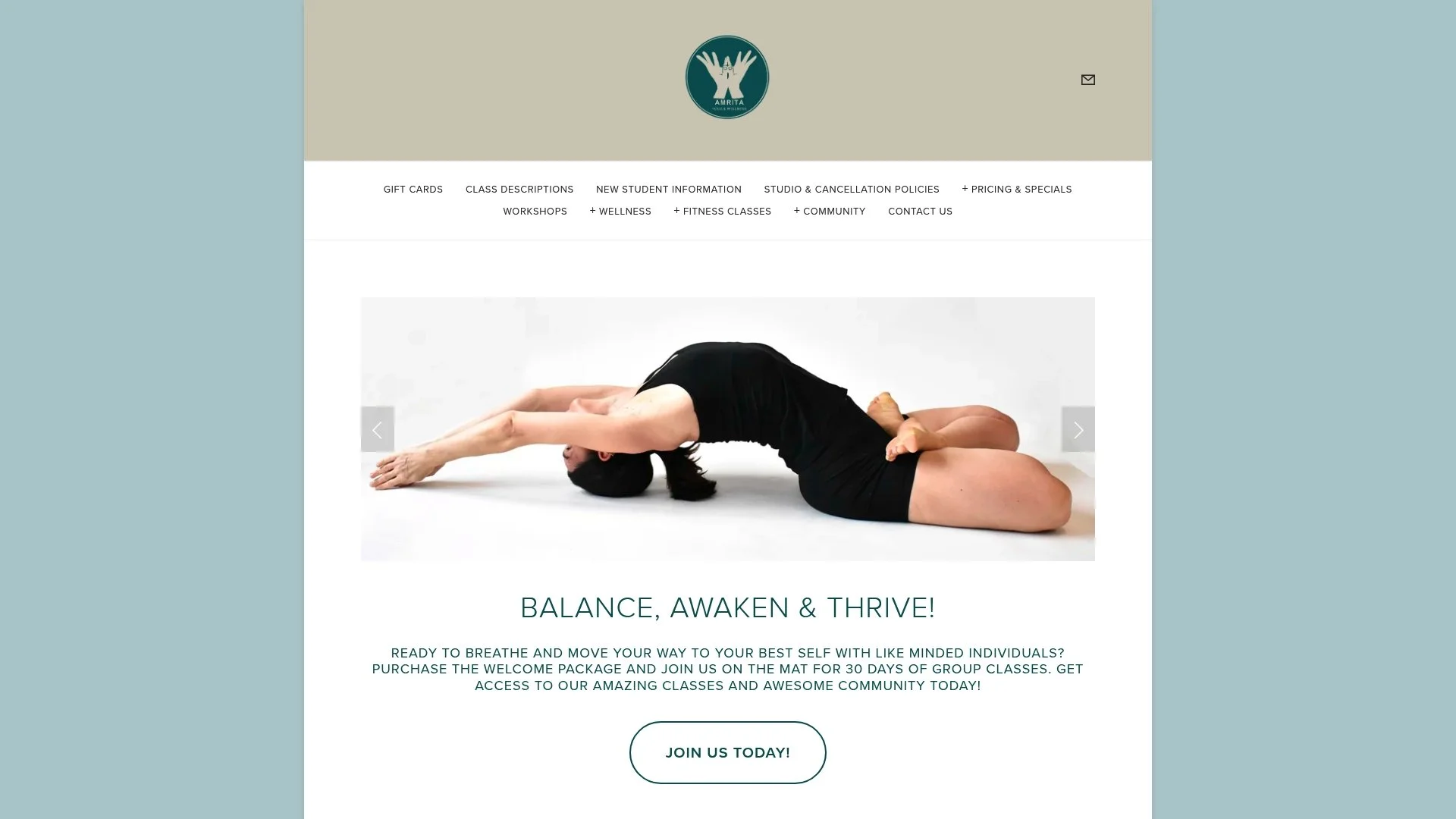
At Amrita Yoga & Wellness, you will find a full range of classes and workshops built for every stage of the wellness journey, from beginner restorative yoga and pranayama to hot yoga, barre, tai chi, massage therapy, and beyond. The studio is committed to inclusive, evidence-informed programming that reflects the best of what 2026's wellness landscape has to offer. Curious about something outside the mat? Explore holistic extras like tarot and wellness readings for a fuller picture of mind and spirit connection. Book a class, explore upcoming workshops, and find your community in Philadelphia.
Frequently asked questions
What is the safest yoga trend to try in 2026?
Slow pranayama and restorative yoga have the strongest evidence for safety and stress reduction, with consistent positive effects across multiple studies and low rates of adverse events.
Are new yoga studios in Philadelphia offering unique classes?
Yes, Philadelphia's top studios now offer outdoor flows, laughter yoga, and inclusive Spanish-language classes, as highlighted in the Best of Philly wellness roundup, making the local scene one of the most creative in the region.
How can I tell if a yoga wellness trend is hype or science?
Look for published peer-reviewed studies, verify your instructor's credentials, and be cautious of extreme or sweeping health promises, since many trends lack quality studies and rely on testimonials rather than evidence.
Which wellness trend has the most community support in Philadelphia?
Community yoga and outdoor events consistently attract high participation and strong local reviews, aligning with national trends toward wellness that prioritize social belonging and shared movement experiences.
Recommended
How to choose a yoga class that fits your wellness goals — Amrita Yoga & Wellness
Top Yoga Studios Philadelphia – Expert Comparison 2025 — Amrita Yoga & Wellness
Find Yoga Classes in Philadelphia: Your Step-by-Step Guide — Amrita Yoga & Wellness
Diverse yoga practices for wellness in Philadelphia 2026 — Amrita Yoga & Wellness