Discover the Real Benefits of Massage Therapy
TL;DR:
Massage therapy is now recommended as a first-line treatment for certain pain conditions.It influences the nervous system, circulation, and reduces stress hormones through specific mechanisms.Consistent sessions and integration with other wellness practices improve overall effectiveness.
Massage therapy has a reputation problem. Most people picture it as something you do on vacation or as a birthday treat, not as a serious tool for managing pain, lowering stress, or supporting long-term wellness. That perception is changing fast. Clinical guidelines now recommend massage as a first-line option for certain pain conditions, and research continues to uncover how it influences the nervous system, circulation, and even your body's stress hormones. Whether you're dealing with chronic back pain, daily tension, or just searching for a more grounded approach to your health in Philadelphia, this guide breaks down what massage therapy can and cannot do for you.
Table of Contents
Key Takeaways
| Point | Details |
|---|---|
| Massage is evidence-based | Research supports its role in reducing pain and improving wellness for certain conditions. |
| Holistic benefits go beyond relaxation | Massage therapy offers stress relief, pain management, and complements other wellness practices. |
| Results require the right approach | Multiple sessions and integration with holistic health strategies yield the best outcomes. |
| Know the limits | Massage is most effective for some issues—like back pain—and less so for others, like chronic neck pain. |
Breaking the myth: Massage therapy beyond relaxation
Most of us learned about massage from a spa menu or a gift card. It was framed as a luxury, something nice to have when you could afford it, not a genuine health strategy. That framing has held a lot of people back from exploring something that could genuinely improve their quality of life.
The reality is that massage therapy has a growing body of clinical research behind it. We're not talking about anecdotal stories from happy clients. We're talking about guidelines from major medical organizations and systematic reviews that evaluate massage the same way they evaluate medications.
Here are some of the most well-documented benefits of massage therapy that go beyond feeling relaxed:
Reduction in acute and chronic pain, particularly in the lower back and muscle tissue
Lower perceived stress and anxiety, especially when sessions are regular and consistent
Improved sleep quality, which has cascading effects on immune function and mood
Reduced muscle tension and inflammation, helping restore range of motion after injury or overuse
Support for mental health, with evidence in cancer care showing reduced anxiety and improved emotional well-being
The American College of Physicians, one of the most respected internal medicine organizations in the country, now recommends massage as a first-line nonpharmacologic treatment for acute and subacute low back pain, based on moderate-quality evidence. That's the same category as exercise and heat therapy. Not a footnote. Not a "you could try it if you want." A genuine clinical recommendation.
"The evidence is strong enough that massage therapy belongs in the same conversation as physical therapy and over-the-counter pain medication for certain conditions." — Evidence-Based Physiatry, American Journal of Physical Medicine & Rehabilitation
Holistic healthsystems have recognized this for decades. Institutions like Penn Medicine in Philadelphia now integrate massage into broader care plans for patients managing chronic pain and post-surgical recovery. That's not alternative medicine anymore. That's mainstream healthcare catching up to what holistic practitioners have understood for years.
The shift in perspective matters because it changes how you invest in your own health. When massage is just a treat, you skip it when money is tight. When it's a health tool, you make room for it.
The science behind massage therapy: How it works
Understanding how massage works helps you choose the right type, the right frequency, and the right expectations. It's not magic. There are specific physical and neurological mechanisms that explain why your body responds the way it does.
Massage therapy influences the body through three main pathways: mechanical effects (direct pressure on tissue), reflexive effects (nervous system responses), and metabolic effects (changes in circulation and cellular activity). Together, these create a cascade of benefits. Research shows that massage modulates the autonomic nervous system, improves circulation, supports lymphatic drainage, and reduces pain perception through all three of these channels.
Here's a practical breakdown of what's actually happening during a session:
| Mechanism | What it does | Observable effect |
|---|---|---|
| Mechanical pressure | Breaks up adhesions, increases tissue flexibility | Reduced muscle tightness |
| Parasympathetic activation | Lowers heart rate, promotes relaxation response | Decreased anxiety and tension |
| Increased circulation | Delivers oxygen and nutrients to tissues | Faster muscle recovery |
| Endorphin release | Natural pain-blocking chemicals released | Reduced pain perception |
| Cortisol reduction | Stress hormone levels temporarily drop | Calmer mood, less reactivity |
The Department of Veterans Affairs conducted an extensive evidence map of massage therapy outcomes from 2018 to 2023, and the results are telling. There is moderate certainty evidence supporting massage for chronic low back pain, fibromyalgia (a condition characterized by widespread muscle pain and fatigue), and myofascial pain (pain originating from specific trigger points in muscle tissue). These aren't minor wins. These are conditions that millions of Americans struggle to manage with conventional medicine alone.
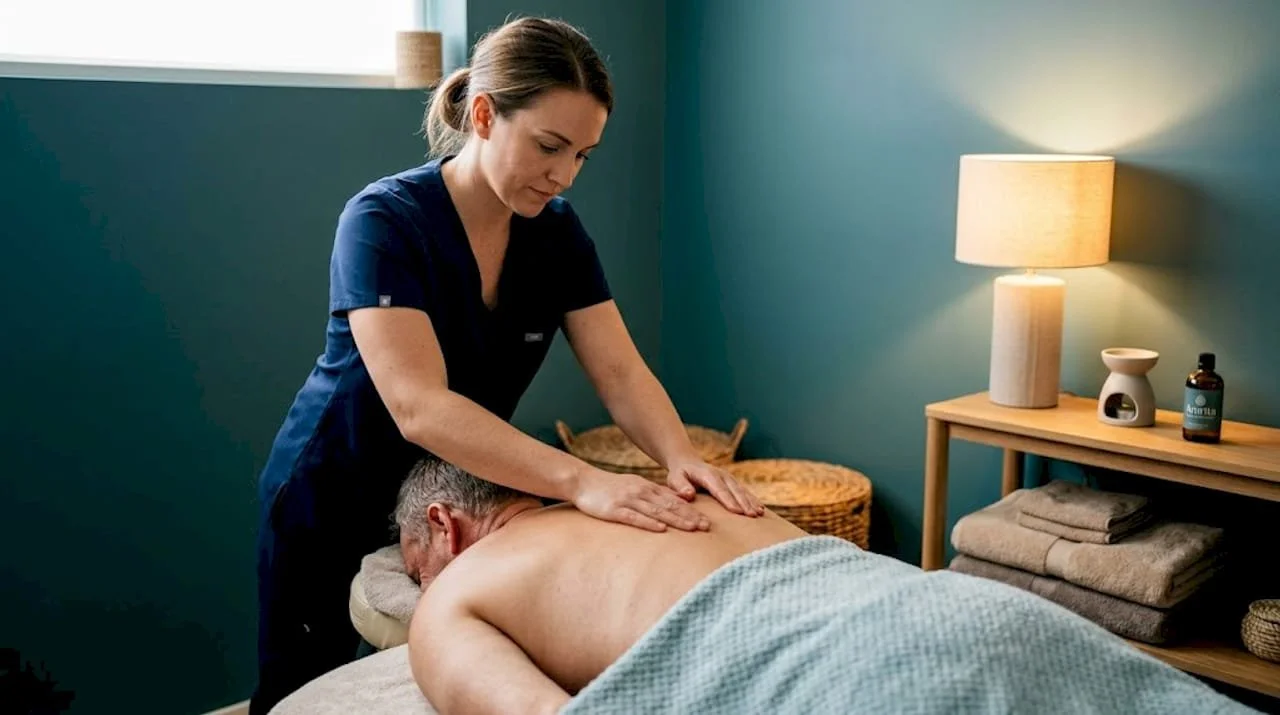
One important nuance: some effects are cumulative. A single session will help you feel better that day. But the structural changes in tissue, and the more lasting changes in nervous system regulation, tend to build over multiple sessions.
Pro Tip: If you're new to massage therapy insights and unsure which type is right for you, start with Swedish massage for general stress relief or ask about deep tissue work if you're dealing with specific muscle pain. Always communicate openly with your therapist before and during the session.
Research also shows that combining massage with regular exercise amplifies results. The body responds better to hands-on therapy when it's already active. Think of massage as a partner to movement, not a replacement for it.
What does massage therapy actually help with?
With those mechanisms in mind, let's talk about what massage therapy can realistically address and where the evidence gets thinner.
The good news is that the strongest evidence lines up with some of the most common complaints people bring to a massage therapist. Here's a clear look at the current research landscape:
| Condition | Evidence quality | Expected outcome |
|---|---|---|
| Chronic low back pain | Moderate to high | Significant pain reduction |
| Fibromyalgia | Moderate | Reduced pain and fatigue |
| Myofascial pain | Moderate | Trigger point relief |
| Subacute neck pain | Low | Little to no difference vs placebo |
| Cancer-related anxiety | Moderate | Reduced anxiety and improved mood |
| Long-term cortisol changes | Mixed | Inconsistent results |
The neck pain finding is worth paying attention to. A Cochrane review, which represents the gold standard for systematic research analysis, found low-certainty evidence that massage produces little to no meaningful difference compared to placebo for subacute and chronic neck pain at 12 weeks. That doesn't mean massage never helps neck pain. It means the current research can't confirm a consistent, reliable effect.
Conditions where massage clearly delivers value include:
Chronic low back pain: Multiple sessions show cumulative benefit, especially when combined with movement
Fibromyalgia: Patients often report improved sleep, less fatigue, and lower pain scores
Myofascial pain: Targeted work on trigger points can release long-held tension patterns
Anxiety in cancer patients: Significant improvements in emotional well-being and perceived pain
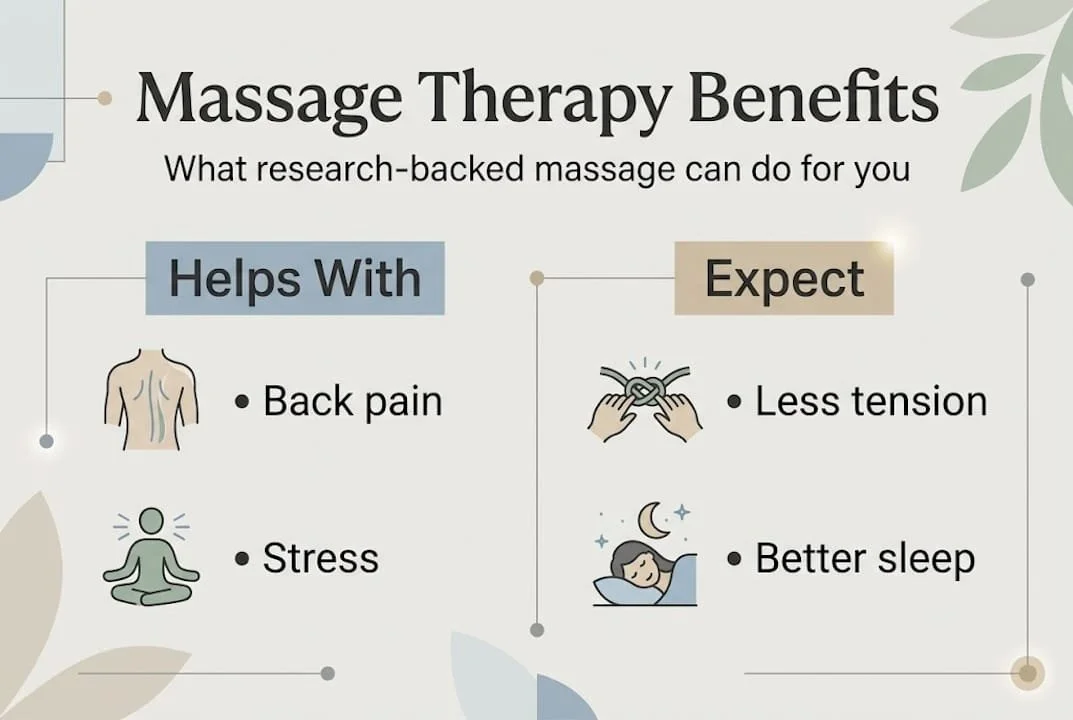
For anyone exploring massage therapy in holistic wellness, this information is actually empowering. Knowing what works lets you set realistic expectations and choose massage as part of a larger strategy rather than hoping it will fix everything on its own.
One thing that often surprises people is how much variation exists between therapists, techniques, and session frequency. The same condition treated by two different therapists using different approaches can yield very different results. That's why finding a massage therapist who understands your specific goals matters enormously.
Maximizing the value: How to get the most from massage in Philadelphia
Knowing what massage does gives you a strong foundation. Knowing how to use it well is where your investment pays off. Here's a practical approach to getting real results from massage therapy in Philadelphia.
1. Define your goal before your first session. Are you managing chronic pain? Trying to lower your stress load? Recovering from an athletic event? Each goal calls for a different type of massage and a different session structure. Telling your therapist "I just want to relax" gives them much less to work with than "I have tightness in my left hip from sitting at a desk all day."
2. Commit to a series of sessions, not just one. Research supports benefits after eight or more sessions, especially for chronic pain conditions. One session is a preview. Eight sessions is a treatment plan. Think of it like physical therapy or a fitness program.
3. Look for therapists with specific training relevant to your condition. Not all massage therapists are trained equally. Someone specializing in sports recovery uses different techniques than someone focused on prenatal care or chronic pain management. Check credentials, ask about experience, and don't hesitate to ask what approach they would take for your specific concern.
4. Integrate massage into your broader wellness plan. Massage works best alongside other supportive practices. Regular movement, good nutrition, adequate sleep, and mindfulness practices all create a foundation that makes massage more effective. This is the core principle behind holistic wellness thinking and it's backed by clinical experience.
5. Track your progress between sessions. Keep simple notes about your pain levels, sleep quality, and stress after each session. This helps you and your therapist adjust the approach and gives you concrete feedback on whether the investment is working.
Pro Tip: Use our massage therapy checklist before your first appointment. Having a clear picture of your health history, current medications, and specific pain areas helps your therapist design a session that's actually targeted to your needs.
"The most effective massage therapy plans are built around a person's lifestyle, not just their symptoms. When massage is part of a consistent wellness routine, the results compound over time."
Philadelphia has a rich network of wellness providers. Whether you're working with a healthcare-integrated provider or a dedicated wellness studio, the key is consistency and communication. Providers connected with healthcare systems can also coordinate care when your needs are more complex, which adds a meaningful layer of support.
Our take: Massage therapy works—if you know when and how to use it
Here's the part most wellness content skips. Massage therapy is real, effective, and underused by people who would genuinely benefit from it. But it's also over-promised by people who sell it as a cure for everything.
The mainstream conversation tends to go one of two ways. Either massage is dismissed as a luxury with no clinical standing (wrong), or it's presented as something that heals all pain, melts stress permanently, and transforms your health overnight (also wrong). Neither position helps you make a smart decision.
The honest picture is that massage works best when you use it strategically. The evidence is strongest for specific conditions: chronic low back pain, fibromyalgia, and myofascial pain. For other issues, like sustained hormone changes or chronic neck pain, variable neuroendocrine responses mean the results are harder to predict. Cortisol reductions, for example, are often immediate but don't always persist beyond the session itself.
Even in more complex situations, like cancer care, research shows genuine benefit for anxiety and pain management. But those results come from consistent sessions and coordinated care, not a single visit.
Our perspective, grounded in years of exploring holistic wellness with our community in Philadelphia, is this: the people who get the most from massage are the ones who come in informed, stay consistent, and treat it as one part of a larger health strategy. Trial and adaptation matter. What works for one person may need adjustment for another. That's not a flaw in massage therapy. That's how all personalized health care works.
Explore holistic wellness options in Philadelphia
If this article has shifted how you think about massage therapy, the next step is putting that knowledge into practice.
At Amrita Yoga & Wellness, we offer massage therapy alongside a full spectrum of holistic services designed to support your physical, mental, and emotional well-being right here in Philadelphia. Our community is built for people who take their health seriously and want more than a one-size-fits-all approach. From yoga and pilates to mindfulness workshops and even tarot readings for those curious about deeper self-reflection, we create space for every part of your wellness journey. Come explore what an integrated, personalized approach feels like in practice.
Frequently asked questions
Can massage therapy help with chronic back pain?
Yes, massage therapy is supported by moderate-certainty evidence for managing chronic low back pain, with consistent improvements reported across multiple sessions, especially when paired with movement.
Is massage therapy effective for stress relief?
Massage supports stress relief by activating the parasympathetic nervous system and temporarily reducing cortisol, though long-term cortisol changes are not always sustained, making it most effective when integrated with other holistic practices.
Are the effects of massage therapy immediate and lasting?
Some effects like cortisol reduction are often immediate but not sustained long-term, which is why multiple sessions and a consistent wellness routine are recommended for lasting results.
What conditions does massage therapy not significantly improve?
A Cochrane review found little to no difference between massage and placebo for subacute and chronic neck pain at 12 weeks, based on low-certainty evidence.
How many massage sessions are recommended for noticeable benefit?
Research suggests the clearest benefits appear after eight or more sessions, particularly for chronic pain conditions, and results improve further when combined with exercise or other therapies.