The Amrita Journal
Explore thoughtful stories, practical wellness guidance and inspiring ideas to support your movement, mindfulness and everyday wellbeing at Amrita.
Understanding the Fitness Yoga Studio Experience
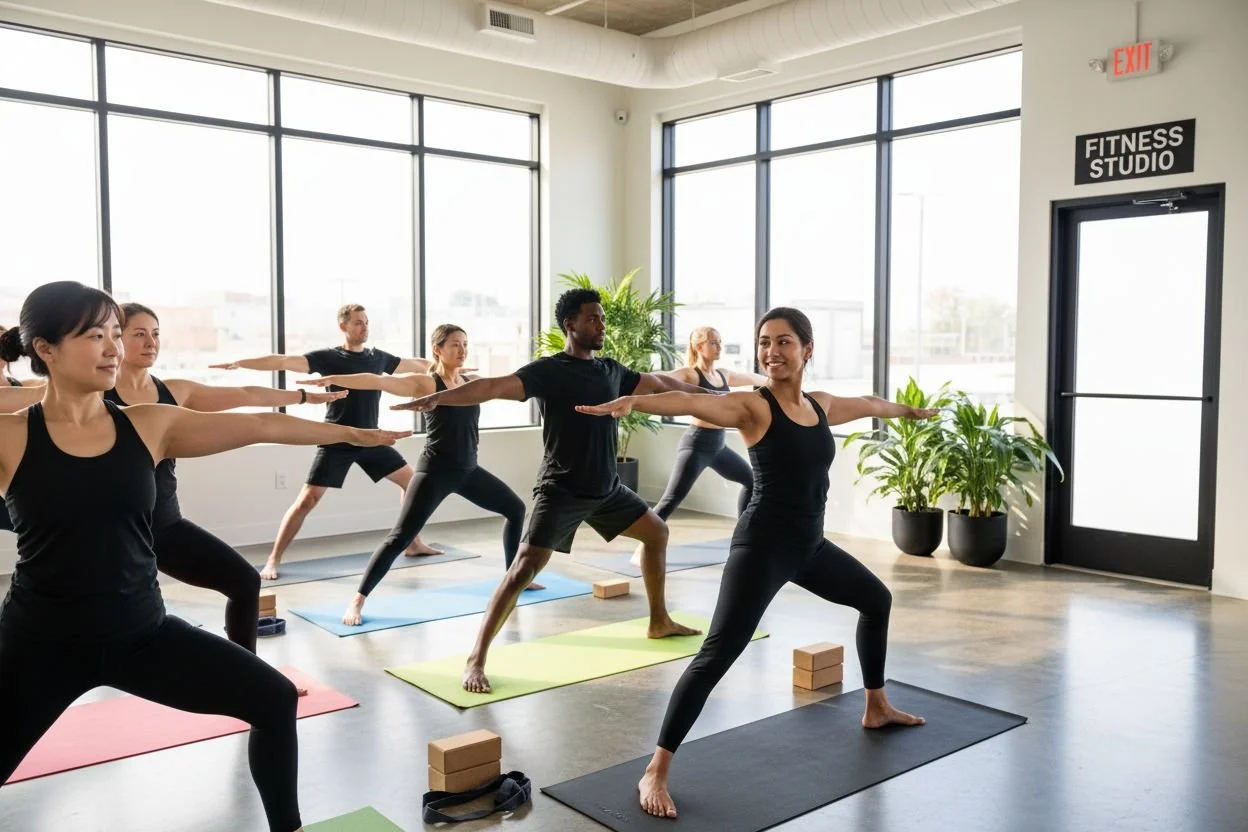
Fitness yoga studios are popping up everywhere, promising more than just a workout. Studies show that regular yoga in these settings can lower stress hormones and improve mental clarity. Most people think it is all about stretching or hard poses. The real surprise is these studios act as social hubs, turning solo sweat sessions into powerful support circles that boost both your mood and your motivation.
Table of Contents
Quick Summary
TakeawayExplanationFitness yoga studios enhance holistic health.These studios integrate physical, mental, and emotional wellness, promoting balanced health practices.Diverse class offerings cater to all levels.With styles ranging from hatha to aerial yoga, there's something for every individual's fitness journey.Community support fosters personal growth.The communal environment encourages connections and accountability, helping individuals thrive together.Mind-body practices improve mental well-being.Techniques like breathwork and meditation enhance emotional regulation and resilience against stress.Professional instructors guide personalized experiences.Trained professionals tailor classes to individual goals, ensuring effective and safe practice for all participants.
What is a Fitness Yoga Studio and its Offerings?
A fitness yoga studio represents a comprehensive wellness environment dedicated to integrating physical exercise, mindfulness practices, and holistic health approaches. Unlike traditional gyms, these studios focus on providing structured movement experiences that simultaneously challenge the body and calm the mind. Yoga Alliance confirms that modern fitness yoga studios offer diverse practices targeting overall physical and mental well-being.
Understanding the Core Concept
A fitness yoga studio goes beyond simple exercise by creating a transformative space where individuals can explore movement, breath control, and mental clarity. These studios typically offer multiple yoga styles and complementary fitness practices designed to support different fitness levels and wellness goals. Key characteristics include:
Professionally trained instructors with extensive yoga and fitness certifications
Specialized equipment like yoga mats, blocks, aerial silk, and props
Structured class environments promoting personal growth and community connection
Studio Class and Service Diversity
Modern fitness yoga studios provide an extensive range of classes and services catering to varied preferences and physical capabilities. These may include traditional yoga practices like hatha and vinyasa, as well as innovative formats such as hot yoga, aerial yoga, and pilates fusion classes.
Read more about our comprehensive yoga offeringsto understand the full spectrum of possibilities available within a contemporary fitness yoga studio.
The goal of these studios extends beyond physical fitness, emphasizing holistic wellness through integrated mind-body practices that promote strength, flexibility, stress reduction, and personal transformation. By combining movement, breathwork, and mindfulness techniques, fitness yoga studios offer a unique approach to health that addresses physical, mental, and emotional dimensions of well-being.
The Importance of a Fitness Yoga Studio for Holistic Health
Fitness yoga studios play a critical role in supporting comprehensive wellness by offering integrated approaches that address physical, mental, and emotional health. Harvard Health confirms that regular yoga practice provides multidimensional benefits extending far beyond traditional exercise routines.
Integrated Physical and Mental Wellness
Holistic health through fitness yoga studios involves a systematic approach to well-being that recognizes the interconnectedness of body, mind, and spirit. These studios create environments that support comprehensive personal transformation through intentional movement and mindfulness practices. Key aspects include:
Promoting physical strength and flexibility
Reducing stress and anxiety
Enhancing mental clarity and emotional regulation
Supporting cardiovascular and respiratory health
Personalized Wellness Journeys
Fitness yoga studios distinguish themselves by offering personalized wellness experiences tailored to individual needs and fitness levels. Learn more about combining yoga practices for optimal wellness and understand how diverse class offerings can support unique health goals.
These studios provide more than exercise classes. They create supportive communities that empower individuals to develop sustainable health practices, fostering long-term physical and mental resilience. By integrating scientific understanding of human physiology with mindfulness techniques, fitness yoga studios offer a holistic approach to wellness that goes beyond traditional fitness models, addressing the complex interconnections between physical movement, breath work, and mental well-being.
To clarify how fitness yoga studios uniquely address both physical and psychological health, this table outlines core mechanisms and benefits associated with their integrated mind-body wellness approach.
Wellness AspectMechanisms InvolvedResulting BenefitsPhysical HealthStructured movement, breath control, specialized classesStrength, flexibility, cardiovascular healthMental HealthMindfulness, meditation, stress reduction techniquesEmotional regulation, mental clarityCommunity SupportCollective classes, encouraging environmentAccountability, motivation, social support
Exploring Different Styles: Hot Yoga, Aerial Yoga, and Pilates
Fitness yoga studios offer diverse movement practices that cater to different fitness goals, physical capabilities, and personal preferences. Clinical Research indicates that specialized yoga styles provide unique physiological and psychological benefits beyond traditional exercise approaches.
Hot Yoga and Temperature Based Practices
Hot yoga represents an intense, environmentally controlled practice performed in heated rooms typically ranging between 95 to 105 degrees Fahrenheit. Key characteristics of hot yoga include:
Increased cardiovascular challenge
Enhanced flexibility and muscle elasticity
Accelerated metabolic processes
Deeper detoxification through sustained sweating
Aerial and Suspended Movement Techniques
Aerial yoga introduces a revolutionary approach to traditional yoga by utilizing suspended silk hammocks that support body weight and enable unique movement patterns. Explore the differences between aerial and traditional yoga to understand this innovative practice.
Pilates complements these yoga styles by focusing intensively on core strength, precise movements, and body alignment.
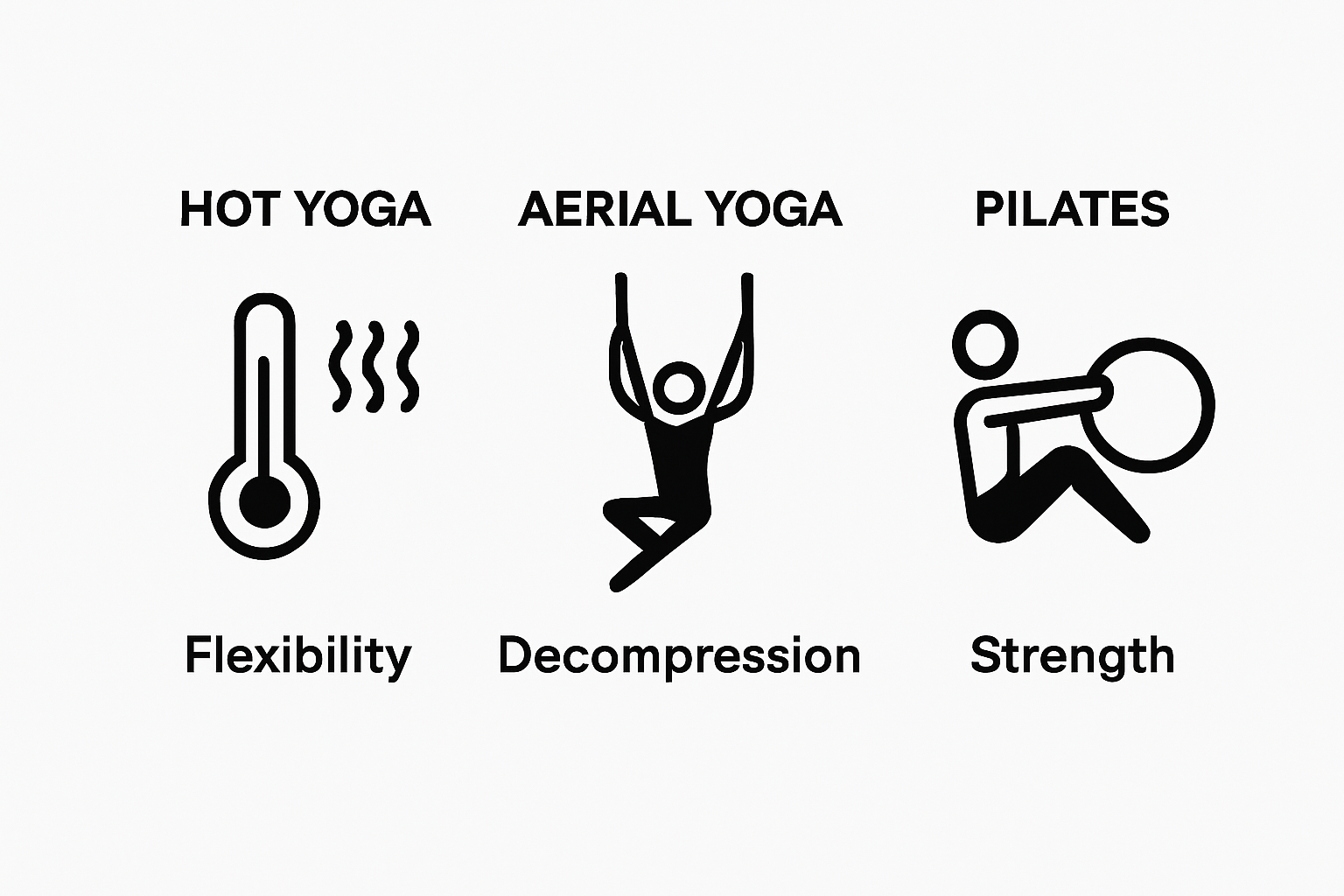
This method emphasizes controlled, intentional exercises that improve muscular balance, posture, and overall functional fitness. By integrating these specialized practices, fitness yoga studios provide comprehensive wellness experiences that address strength, flexibility, mental focus, and individual physical needs.
To help readers quickly compare the unique styles available in modern fitness yoga studios, the following table summarizes key characteristics and benefits of hot yoga, aerial yoga, and pilates mentioned in the article.
StyleKey FeaturesPrimary BenefitsHot YogaHeated room (95-105°F), intense environmentImproved flexibility, cardiovascular boost, detoxAerial YogaUse of suspended silk, gravity-defying posesEnhanced core strength, flexibility, spinal reliefPilatesCore-focused, precise movements, body alignmentImproved posture, muscular balance, functional fitness
How Yoga and Wellness Practices Enhance Mental Health
Scientific researchdemonstrates that yoga and wellness practices offer profound psychological benefits, transforming mental health through integrated mind-body approaches. These practices provide comprehensive strategies for managing stress, emotional regulation, and overall psychological well-being.
Neurological and Psychological Mechanisms
Yoga and wellness practices directly influence mental health by engaging complex neurological systems that regulate stress responses and emotional processing. Key neurological impacts include:
Reducing cortisol levels associated with chronic stress
Stimulating parasympathetic nervous system activation
Enhancing neurotransmitter production linked to mood regulation
Improving neural connectivity in brain regions responsible for emotional processing
Emotional Resilience and Self-Regulation
These practices cultivate emotional intelligence and psychological flexibility by teaching practitioners mindful awareness and intentional response techniques. Explore mindfulness practices for better mental health to understand how systematic wellness approaches can transform emotional experiences.
By integrating breath work, meditation, and intentional movement, yoga and wellness practices provide powerful tools for developing emotional resilience. They enable individuals to navigate complex psychological landscapes with greater awareness, helping practitioners develop skills to manage anxiety, depression, and stress more effectively while promoting a sense of inner calm and psychological balance.
Community and Connection: The Role of Fitness Yoga Studios
Scientific researchconfirms that fitness yoga studios serve as more than exercise spaces, functioning as dynamic social ecosystems that foster meaningful human connections and support networks. These environments transcend traditional fitness settings by creating intentional spaces for personal growth and collective wellness.
Social Support and Collective Wellness
Fitness yoga studios cultivate transformative community experiences that address fundamental human needs for belonging and mutual support. Key community dimensions include:
Creating inclusive spaces welcoming diverse fitness levels
Developing interpersonal connections beyond physical practice
Providing emotional support through shared wellness journeys
Building accountability and encouragement networks
Psychological and Social Benefits
The communal aspect of fitness yoga studios plays a critical role in participants psychological well-being. Discover essential tips for yoga and fitness newcomers to understand how community participation enhances individual wellness experiences.
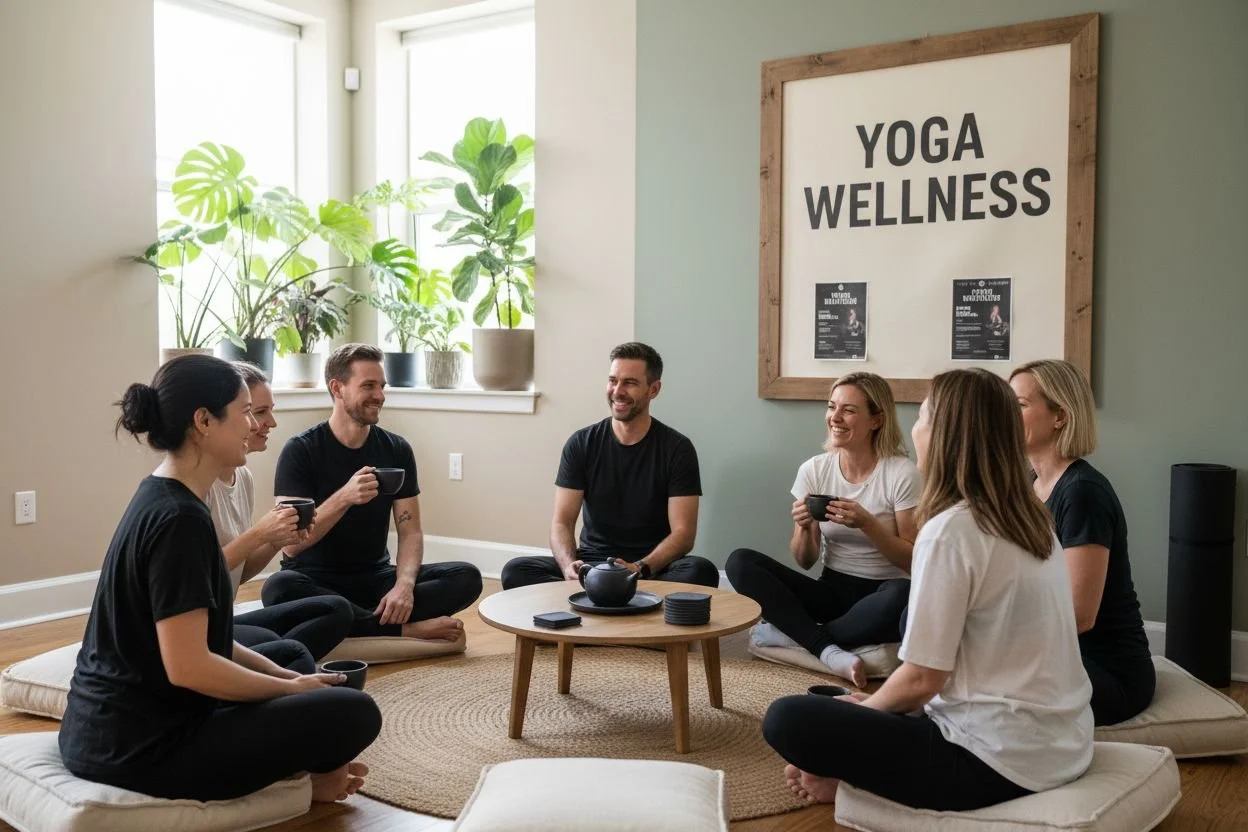
These studios create environments where individuals can simultaneously pursue personal transformation while feeling supported by a collective experience. By prioritizing connection, empathy, and shared growth, fitness yoga studios offer something profoundly different from solitary exercise approaches, transforming physical practice into a holistic social experience that nurtures both individual and collective well-being.
Transform Your Fitness Yoga Studio Experience Into Real-Life Results
Are you searching for a supportive environment that genuinely fosters physical vitality and mental clarity—the way true fitness yoga studios promise? Maybe you are tired of classes that feel impersonal or routines that do not address both your body and mind. The article emphasized the value of holistic wellness, diverse movement practices like hot yoga and pilates, and a community that lifts you up at every step. But how can you bring these life-changing benefits into your daily routine?

It is time to discover the difference at Amrita Yoga & Wellness. Explore our inviting Yoga Offerings and Services that are tailored for every stage of your wellness journey—from total beginners to experienced practitioners. Join our vibrant community, experience classes designed for real transformation, and start your personalized path to holistic health. Take your next step and sign up today through our main website so you can feel the mind-body benefits for yourself.
Frequently Asked Questions
What is the purpose of a fitness yoga studio?
A fitness yoga studio focuses on integrating physical exercise, mindfulness practices, and holistic health approaches to enhance overall well-being by promoting both physical and mental health.
What types of classes are typically offered at a fitness yoga studio?
Fitness yoga studios typically offer a variety of classes, including traditional styles like hatha and vinyasa, as well as innovative formats such as hot yoga, aerial yoga, and pilates fusion classes to cater to different fitness levels and preferences.
How does yoga contribute to mental well-being?
Yoga contributes to mental well-being by reducing stress, enhancing emotional regulation, and fostering mindfulness, which can help in managing anxiety and promoting a sense of inner calm.
What community benefits can I find in a fitness yoga studio?
Fitness yoga studios provide a sense of community, offering social support, emotional connections, and accountability among members, which enhances the overall wellness experience and fosters personal growth.
Recommended
What is a Yoga Studio? Understanding the Essentials — Amrita Yoga & Wellness
Understanding the Hot Yoga Studio Experience — Amrita Yoga & Wellness
Master the Art of Yoga: Practice Yoga for Wellness — Amrita Yoga & Wellness
Ski Exercises: Sculpting Slope-Ready Strength in Minutes
What is Athleisure Wear? Understanding the Trend – Be Juliet
7 Essential Tips for Yoga & Fitness Beginners in 2023 — Amrita Yoga & Wellness
Find Yoga Classes in Philadelphia: Your Step-by-Step Guide
Picking a yoga class in Philadelphia sounds simple until you realize the city offers hundreds of options, each with a different vibe and purpose. Not all yoga classes are created equal and that means the class you choose could actually move you further from your own wellness goals if you are not careful. Most people think any yoga will work but the real magic happens when you match your unique needs with the right studio and style.
Table of Contents
Quick Summary
Key PointExplanation1. Define your wellness goals clearlyUnderstand what you want to achieve—whether it’s stress relief or fitness—with yoga classes that suit your needs.2. Research and compare studiosUse online directories, social media, and community insights to create a list of yoga studios that align with your goals.3. Explore various class stylesDifferent yoga styles offer unique benefits—select classes that fit your personal wellness objectives and availability.4. Try classes in personAttend multiple classes to experience the studio environment, instructor quality, and class dynamics crucial for your practice.5. Choose and register for a classReflect on your experiences and register for a class that resonates with you, ensuring flexibility in scheduling and payment options.
Step 1: Define your Yoga and Wellness Goals
Discovering the right yoga class in Philadelphia begins with understanding your personal wellness objectives. Your goals will serve as a compass, guiding you toward yoga practices that align with your physical, mental, and emotional needs. Not all yoga classes are created equal, and identifying what you want to achieve makes your search more targeted and effective.
Start by reflecting on your current health status and desired outcomes. Are you seeking stress reduction, increased flexibility, strength building, rehabilitation from an injury, or spiritual connection? Some individuals want to improve physical fitness, while others aim to cultivate mental clarity and emotional balance. Check out our beginner yoga guide for more insights into potential wellness paths.
Consider performing a personal wellness assessment by asking yourself some key questions. What physical limitations or health conditions do you currently have? Are you recovering from an injury or managing chronic pain? Do you prefer high-intensity workouts or gentler, more meditative practices? Your answers will help narrow down the vast landscape of yoga styles available in Philadelphia.
Physical goals might include improving core strength, enhancing flexibility, managing weight, or supporting rehabilitation. Mental wellness objectives could involve reducing anxiety, improving concentration, developing mindfulness, or creating a consistent self-care routine. Some practitioners seek holistic benefits that address both body and mind simultaneously.
Don't feel pressured to have a perfectly defined goal from the start. Yoga is a journey of self-discovery, and your objectives may evolve over time. The key is to be honest with yourself about your current needs and remain open to exploration. By establishing clear intentions, you'll make more informed choices when selecting yoga classes that resonate with your personal wellness vision.
Once you've reflected on your goals, you'll be well-prepared to move to the next step of researching specific yoga styles and instructors in Philadelphia that match your unique wellness objectives.
Step 2: Research Available Yoga Studios and Classes
Researching yoga studios and classes in Philadelphia requires a strategic approach that combines digital exploration, local community insights, and personal recommendations. Your goal is to create a comprehensive list of potential yoga spaces that align with the wellness objectives you established in the previous step. Knowledge is power, and thorough research will help you make an informed decision.
Learn more about understanding yoga studio essentialsto gain deeper insights into what makes a quality studio. Start your investigation by leveraging multiple research channels. Online platforms like Google, Yelp, and specialized yoga directories provide extensive listings of Philadelphia yoga studios. Social media platforms such as Instagram and Facebook can offer visual previews of studio environments, instructor styles, and class atmospheres.
Local community centers, wellness magazines, and neighborhood bulletin boards are often overlooked but valuable resources. According to the Free Library of Philadelphia, community resources can provide unique recommendations and potentially free or low-cost class opportunities. Investigate neighborhood fitness centers, community colleges, and recreational spaces that might offer yoga classes complementing dedicated yoga studios.
When researching studios, pay attention to critical details beyond class schedules. Examine instructor credentials, class descriptions, pricing structures, and studio philosophies. Look for studios that offer introductory packages or trial classes, which allow you to experience their teaching style without significant financial commitment. Diversity in class offerings is crucial – a great studio should provide multiple yoga styles to accommodate different skill levels and wellness goals.
Create a structured approach to your research by developing a comparison spreadsheet or detailed notes. Track important information like studio location, class types, instructor backgrounds, pricing, and initial impressions. Consider factors such as parking availability, proximity to public transportation, cleanliness of facilities, and overall studio atmosphere. Reading student reviews and testimonials can provide authentic insights into the actual experience of practicing at different studios.
Your research phase concludes when you have a curated list of 3-5 potential yoga studios that closely match your wellness objectives, are conveniently located, and offer classes that intrigue and inspire you.
The next step will involve making direct contact and scheduling initial visits to these carefully selected yoga spaces.
Step 3: Evaluate Class Styles and Schedules
Navigating the diverse world of yoga styles requires careful consideration and self-awareness. Different yoga practices offer unique benefits, and matching the right style to your personal wellness goals is crucial for a fulfilling practice. Scientific research on yoga styles confirms that each approach provides distinct physical and mental health advantages.
Philadelphia offers a rich tapestry of yoga styles, ranging from gentle restorative practices to intense power yoga sessions. Hatha yoga provides a foundational approach focusing on basic postures and breathing techniques, ideal for beginners seeking to build core strength and flexibility. Vinyasa flow classes create a dynamic experience with continuous movement synchronized to breath, perfect for those wanting a more athletic and cardiovascular workout.
When evaluating class schedules, consider your personal lifestyle and time constraints. Consistency is key in developing a sustainable yoga practice. Look for studios offering multiple class times that align with your daily routine. Early morning classes can energize you for the day, while evening sessions might help you unwind and release daily stress. Some studios provide specialized schedules for working professionals, including lunch break classes and weekend workshops.
Beyond style and timing, assess the instructor's teaching philosophy and experience level. Experienced instructors can modify poses to accommodate different fitness levels and physical limitations. Beginner-friendly classes typically offer more detailed instructions and pose modifications, while advanced classes assume a higher baseline of strength and flexibility.
Practical scheduling considerations are equally important. Examine class duration, which typically ranges from 45 to 90 minutes. Some studios offer shorter express classes for busy individuals, while others provide extended workshops for deeper exploration. Factor in travel time, parking availability, and potential locker or changing facilities when planning your yoga commitment.
Finally, be open to exploration and experimentation. No single yoga style is universally perfect. Many studios offer introductory packages or trial classes that allow you to sample different approaches without long-term commitment. Take advantage of these opportunities to discover which style resonates most with your body, mind, and wellness objectives. Your ideal yoga practice is a personal journey of discovery, and finding the right match requires patience, curiosity, and a willingness to step outside your comfort zone.
By the end of this evaluation process, you should have a clear understanding of which yoga styles and class schedules best suit your individual needs and lifestyle.
Here is a table to help you compare popular yoga styles found in Philadelphia and their key characteristics, based strictly on the options and descriptions discussed in the guide.
Yoga StyleDescriptionBest ForHathaFocuses on foundational postures and breathing techniquesBeginners, building strengthVinyasaDynamic flow, continuous movement linked to breathAthletic workout, cardioRestorativeGentle poses held for longer, deep relaxationStress relief, injury recoveryPower YogaIntense, fitness-driven practiceStrength, weight managementYin YogaSlow, deep stretches for connective tissue flexibilityFlexibility, mindfulnessGentle/BeginnerBasic movement and modifications for all ability levelsNew practitioners, seniorsAdvanced/WorkshopChallenging poses, depth of practice, and skill developmentExperienced yogis
Step 4: Visit Studios and Try Out Classes
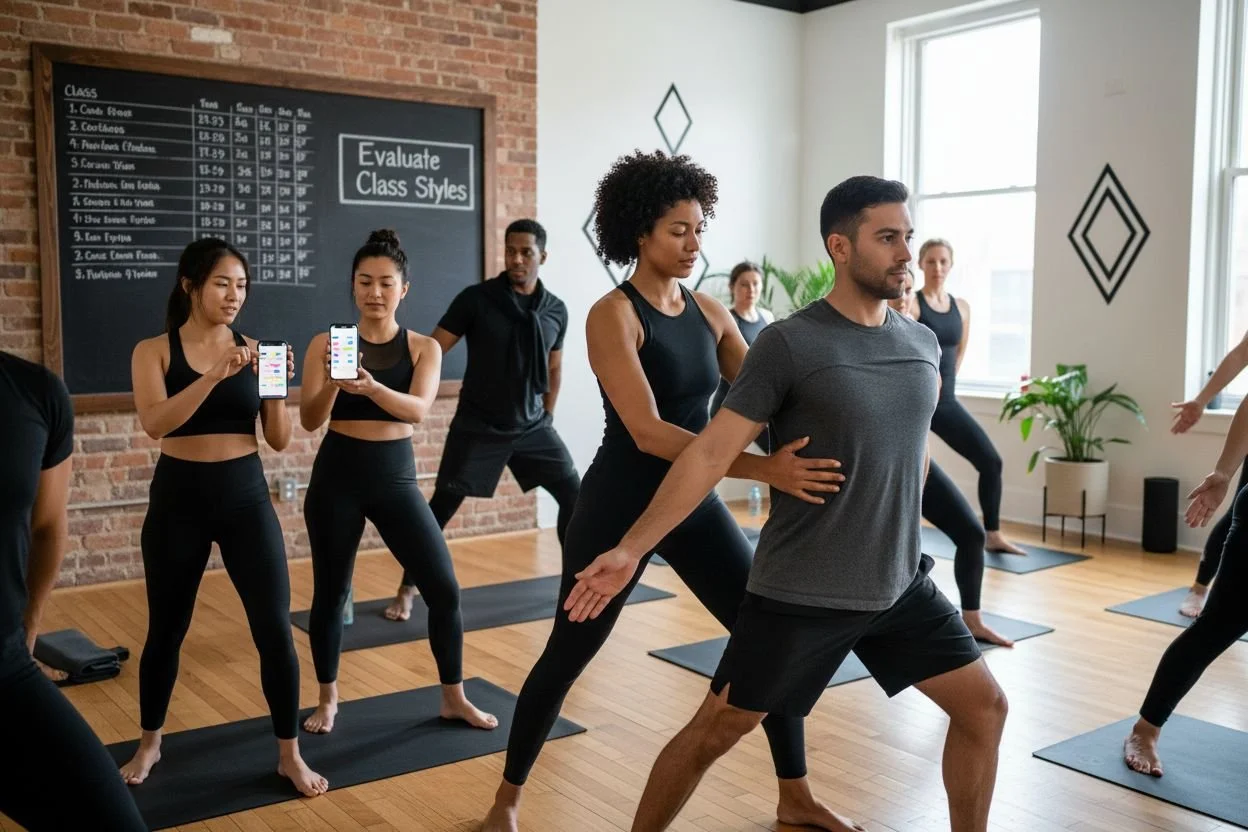
Visiting yoga studios and experiencing classes firsthand transforms your research into tangible practice. This step is about direct exploration and personal connection, allowing you to assess the actual environment, instructor quality, and class dynamics that cannot be fully understood through online research. Learn more about optimizing your wellness workflow to complement your yoga journey.
Prepare for studio visits by packing essential items that ensure a comfortable experience. Bring a yoga mat, water bottle, small towel, and comfortable, breathable clothing that allows unrestricted movement. Many studios provide rental mats and equipment, but having your own can make you feel more confident and prepared. Call ahead to confirm their specific requirements and any first-time visitor protocols.
When attending your initial classes, arrive at least 15 minutes early to complete any necessary paperwork, understand studio protocols, and acclimate to the environment. First impressions matter, so pay attention to the studio's cleanliness, staff friendliness, and overall atmosphere. Observe how instructors interact with students, their communication style, and ability to provide modifications for different skill levels.
During the class, focus on your personal experience rather than comparing yourself to other practitioners. Listen to your body, respect its limitations, and don't hesitate to use modifications or take breaks when needed. A supportive instructor will encourage individual adaptation and make you feel welcome regardless of your experience level. Take mental notes about how you feel during and after the class – physical comfort, mental clarity, and overall energy levels are important indicators of a good match.
This table summarizes key items to bring and preparations to consider when visiting Philadelphia yoga studios for your first classes, making it easy to get ready for your on-site experience.
Item/ActionPurpose/BenefitNotesYoga matComfort, hygiene, and ownershipStudios may offer rentalsWater bottleHydration during and after classKeep it easily accessibleSmall towelAbsorb sweat and maintain gripOptional but recommendedComfortable clothingFreedom of movement, comfort in posesBreathable, non-restrictiveArrive earlyComplete paperwork and acclimate to spaceAim for 15 minutes earlyReview protocolsUnderstand studio rules and first-visit needsCall studio if unsure
Consider trying multiple classes and instructors within the same studio to get a comprehensive understanding of their teaching philosophy. Some studios offer introductory packages or trial weeks at discounted rates, which can be an excellent way to explore different styles without significant financial commitment. Variety helps you discover what truly resonates with your wellness goals.
After each class, reflect on your experience. Ask yourself key questions: Did the instructor's teaching style motivate and inspire you? Did the class environment feel welcoming and supportive? Did the practice align with your initial wellness objectives? Keep a simple journal documenting your impressions, which will help you make a more informed final decision.
By the conclusion of this step, you should have attended multiple classes, gained firsthand experience of different yoga environments, and developed a clearer understanding of which studio and teaching approach best suits your personal wellness journey.
Step 5: Choose Your Favorite Class and Register
Choosing the right yoga class and completing registration marks a pivotal moment in your wellness journey. This step transforms your exploration into a committed practice, turning thoughtful research and personal experience into a tangible pathway toward your health goals. Explore our guide to mindful wellness practices to complement your yoga registration process.
Reflect carefully on the classes you've experienced, weighing multiple factors beyond simple preference. Consider the instructor's teaching style, how comfortable you felt during the practice, the studio's overall environment, and most importantly, how well the class aligns with the wellness objectives you initially established. Practical considerations are equally crucial. Evaluate the class schedule, location convenience, pricing structures, and your potential long-term commitment.
Most yoga studios offer several registration options to accommodate different needs and budgets. Introductory packages often provide the most flexibility, allowing you to explore without significant financial investment. These might include week-long trial memberships, discounted first-month rates, or bundle packages with multiple class options. Some studios offer drop-in rates, monthly unlimited passes, or class package deals that can be tailored to your specific schedule and financial constraints.
Before finalizing your registration, carefully review the studio's policies. Pay attention to cancellation terms, class reservation procedures, and any additional fees. Some studios require advance online booking, while others allow walk-in registration. Understanding these details prevents future frustrations and ensures a smooth onboarding experience. Ask about membership perks, such as free workshops, equipment discounts, or complementary wellness consultations that might enhance your yoga journey.
Technology plays a significant role in modern yoga class registration. Most studios now offer user-friendly online platforms or mobile apps for class booking, schedule management, and membership tracking. Create an account on the studio's digital platform, which typically involves providing basic contact information and payment details. Digital registration offers convenience and real-time class availability, allowing you to plan your practice with greater flexibility.
Consider your long-term commitment and be honest about your availability. If your schedule is unpredictable, look for studios with flexible membership options or class packages that don't require strict recurring payments. Some practitioners prefer pay-as-you-go models, while others benefit from the motivation of a pre-paid monthly membership.
By the conclusion of this step, you should have selected a yoga class that resonates with your wellness goals, completed the registration process, and feel excited about beginning a consistent and transformative yoga practice in Philadelphia.
Ready to Start Your Personalized Yoga Journey in Philadelphia?
You have explored the steps to find the perfect yoga class and recognized the importance of matching styles, instructors, and studio environments to your wellness goals. But making that final choice can be overwhelming without the right support. If you are seeking a diverse range of yoga styles, helpful instructors, and a welcoming community, Amrita Yoga & Wellness is here to help you turn your research into real progress.

Experience Philadelphia’s premier destination for yoga, pilates, barre, and holistic wellness. Browse detailed class descriptions for all levels, discover special wellness workshops, and sign up for classes that fit your schedule and needs. Do not wait to bring your wellness vision to life. Visit https://amritayogawellness.com today to secure your spot in an inspiring class or explore our community-building events and resources. Embrace this moment to transform your commitment into lasting well-being.
Frequently Asked Questions
What are the first steps to finding the right yoga class?
Start by defining your personal wellness goals. Reflect on what you want to achieve through yoga, such as stress reduction, increased flexibility, or mental clarity, which will help you target your search effectively.
How can I research yoga studios and classes?
You can research yoga studios by using online platforms like Google and Yelp, checking social media for visual previews, and exploring local community resources. Create a list of studios that align with your wellness objectives and further investigate instructor credentials and class offerings.
What should I consider when evaluating yoga class schedules and styles?
Evaluate your lifestyle and time constraints to ensure consistency in your practice. Look for studios that offer various styles and times that fit your schedule, whether early morning or evening classes, and assess instructors’ experience to match your skill level.
How can I effectively choose and register for a yoga class?
After trying classes, reflect on your experiences focusing on instructor style, class comfort, and alignment with your goals. Review registration options, including introductory packages and pricing structures, and familiarize yourself with studio policies before signing up.