7 Simple Yoga Poses for Seniors to Boost Mobility
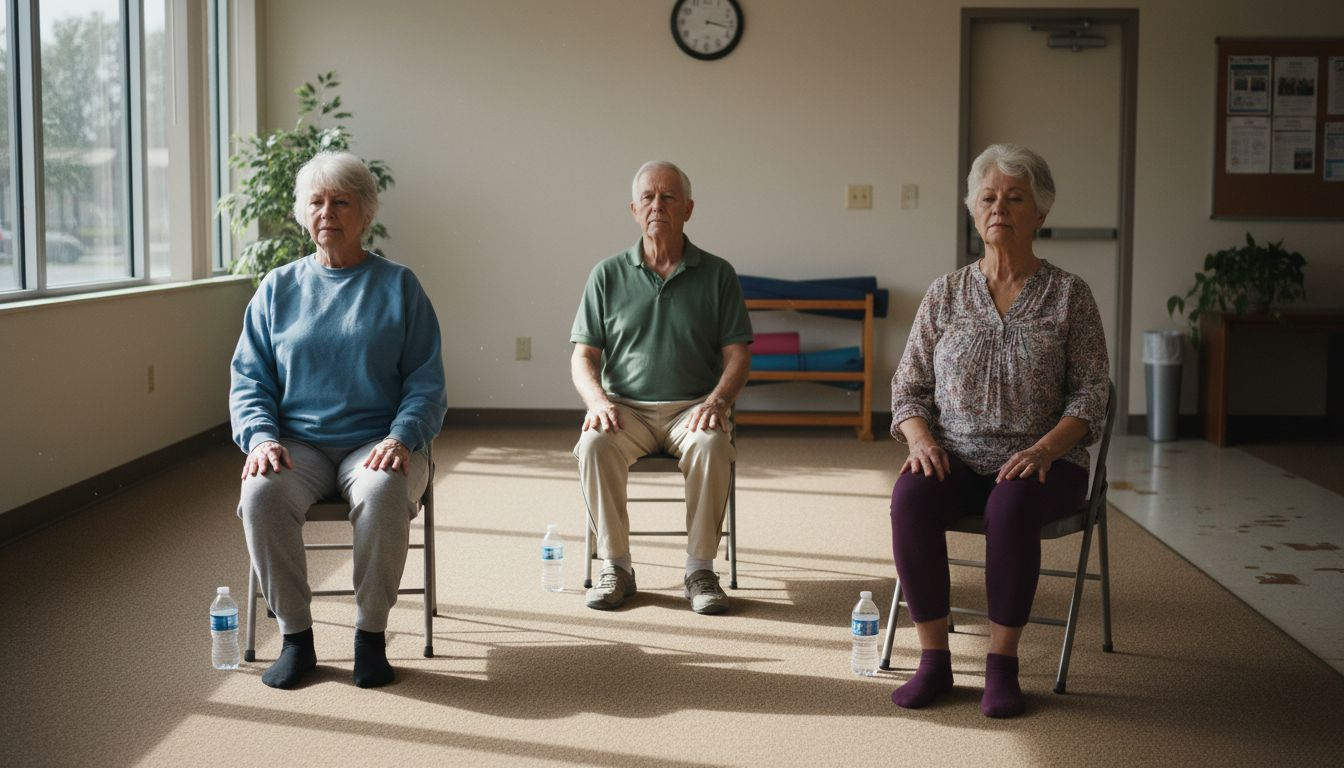
More than 60 percent of American seniors experience reduced mobility as they age. For older adults in Philadelphia, finding gentle exercises that support healthy movement can make a real difference in everyday life. Low-impact yoga offers an inviting way to improve flexibility, posture, and confidence without the strain of more intense routines. You will discover practical techniques to boost your strength and body awareness, even if you are new to yoga or American wellness practices.
Table of Contents
Quick Summary
| Takeaway | Explanation |
|---|---|
| Practice Gentle Yoga Techniques | Incorporating gentle yoga can enhance posture, body awareness, and spinal alignment for seniors. |
| Perform Neck and Shoulder Rolls | Regular neck and shoulder rolls can effectively reduce tension and improve flexibility in seniors. |
| Utilize Supported Poses for Balance | Using props in yoga poses helps strengthen balance and core stability, reducing fall risk. |
| Engage in Deep Breathing Exercises | Daily deep breathing practices can significantly reduce stress and enhance emotional well-being. |
| Include Relaxation Poses in Routine | Restorative poses like the Reclined Butterfly promote relaxation and improve flexibility in hips and lower back. |
1. Gentle Seated Mountain Pose for Posture Support
The Seated Mountain Pose serves as a foundational yoga position specifically designed to help seniors improve posture, body awareness, and spinal alignment. This simple yet powerful pose provides an accessible way to build strength and stability while seated, making it perfect for individuals with limited mobility.
While performing the Seated Mountain Pose, you engage multiple muscle groups that support your spine and core, creating a strong foundation for overall body alignment. By practicing gentle yoga techniques, seniors can counteract the natural postural changes that occur with aging, such as rounded shoulders and forward head positioning.
To practice this pose, sit comfortably in a chair with your feet flat on the floor, hip-width apart. Keep your spine elongated, shoulders relaxed, and chin parallel to the ground. Imagine a string pulling the crown of your head toward the ceiling, creating a sense of length and openness through your entire spine. Breathe deeply and maintain this position for 30 seconds to 1 minute, focusing on maintaining proper alignment.
Key Benefits:
Improves spinal posture
Increases body awareness
Strengthens core muscles
Enhances breathing capacity
Reduces risk of falls by improving balance
Pro tip: Practice this pose near a mirror initially to visually check and adjust your alignment, helping you develop muscle memory for proper posture.
2. Easy Neck and Shoulder Rolls to Relieve Tension
Neck and shoulder tension is a common challenge for seniors, often resulting from years of poor posture, stress, and reduced mobility. Gentle yoga practices offer an effective way to address these muscular discomforts through simple, controlled movements that promote flexibility and relaxation.
These neck and shoulder rolls work by gently stretching muscle groups that tend to become tight and restricted with age. The slow, deliberate movements help increase blood circulation, reduce stiffness, and release built-up muscular tension without putting excessive strain on your joints.
To perform neck and shoulder rolls, sit comfortably in a chair with your spine straight and feet planted firmly on the floor. Begin by taking a deep breath and slowly drop your right ear toward your right shoulder, creating a gentle stretch along the left side of your neck. Hold briefly, then slowly roll your chin down to your chest, and continue the circular motion by bringing your left ear toward your left shoulder.
Important Technique Points:
Move slowly and smoothly
Stop if you feel any sharp pain
Keep movements small and controlled
Breathe deeply throughout the exercise
Repeat 3-5 times in each direction
Potential Benefits:
Reduces neck and shoulder tension
Improves range of motion
Helps prevent stiffness
Promotes better posture
Decreases risk of muscle strain
Pro tip: Practice these rolls while listening to calm music or during your morning routine to make them a consistent part of your wellness practice.
3. Seated Cat-Cow Stretch for Spine Flexibility
The Seated Cat-Cow Stretch is a transformative yoga movement that helps seniors maintain spinal flexibility and counteract the natural stiffening of back muscles that occurs with aging. By mimicking the fluid motions of a traditional Cat-Cow pose while seated, you can safely improve your spine's range of motion and reduce discomfort.
This gentle stretch engages the entire spine, targeting the vertebrae, surrounding muscles, and connective tissues. Essential yoga poses for beginners often include variations of this movement because of its remarkable ability to increase flexibility and reduce tension.
To perform the Seated Cat-Cow Stretch, sit upright in a chair with your feet flat on the floor. Place your hands on your knees or thighs. As you inhale, arch your back and lift your chest, creating a gentle backward curve. As you exhale, round your spine forward, tucking your chin toward your chest and pulling your belly button inward.
Key Movement Technique:
Move slowly and with control
Synchronize movement with breath
Keep movements small and comfortable
Focus on spinal articulation
Listen to your body
Benefits:
Increases spinal flexibility
Reduces back stiffness
Improves posture
Enhances body awareness
Promotes better breathing
Pro tip: Practice this stretch near a mirror initially to ensure proper alignment and gradually increase your range of motion as you become more comfortable.
4. Standing Chair-Assisted Forward Fold for Leg Stretch
The Standing Chair-Assisted Forward Fold offers seniors a safe and supportive method to stretch hamstrings, improve lower body flexibility, and enhance overall mobility. By using a chair for balance and support, this modified yoga pose allows individuals to experience a deep stretch without risking strain or loss of stability.
Aerial yoga flexibility techniquesemphasize the importance of using props for safe stretching, and this chair-assisted forward fold perfectly embodies that principle. The pose helps counteract the muscle tightness that naturally develops with age and sedentary lifestyles.
To perform the stretch, stand behind a sturdy chair with your feet hip-width apart. Place your hands on the chair back for support. Slowly hinge forward from your hips, keeping your back straight and your knees soft. Allow your upper body to fold forward, feeling a gentle stretch along the back of your legs.
Key Stretch Components:
Maintain a straight spine
Keep knees slightly bent
Move slowly and mindfully
Breathe deeply throughout the stretch
Stop if you feel any sharp pain
Potential Benefits:
Increases hamstring flexibility
Improves lower back mobility
Reduces muscle tension
Enhances overall leg circulation
Supports better posture
Pro tip: Use a mirror to check your alignment and ensure you are folding from your hips rather than rounding your back.
5. Supported Tree Pose for Better Balance
The Supported Tree Pose is a gentle yet powerful yoga technique designed to help seniors improve balance, strengthen core muscles, and build confidence in their physical stability. By utilizing a chair or wall for support, this modified pose allows individuals to safely practice one of yoga's most iconic balance challenges.
Essential yoga poses for beginners often incorporate balance work as a fundamental skill, and the Supported Tree Pose perfectly addresses this need for seniors seeking to maintain and enhance their physical coordination.
To perform the pose, stand next to a sturdy chair or wall with your feet hip-width apart. Gently shift your weight onto one leg, and slowly lift the opposite foot slightly off the ground. If needed, rest your hand on the chair or wall for additional support. Focus on maintaining a straight spine and keeping your gaze fixed on a steady point in front of you.
Key Balance Techniques:
Use support when necessary
Move slowly and mindfully
Keep your core engaged
Breathe steadily
Start with brief hold times
Potential Benefits:
Improves overall balance
Strengthens leg muscles
Enhances body awareness
Builds confidence
Reduces fall risk
Pro tip: Practice near a mirror initially to check your alignment and gradually reduce your reliance on support as your balance improves.
6. Reclined Butterfly Pose for Hip Relaxation
The Reclined Butterfly Pose offers seniors a gentle and supportive method to release tension in the hips, lower back, and inner thighs while promoting deep relaxation and improved flexibility. This restorative pose provides a low impact way to open tight muscles that often become restricted with age and reduced movement.
Yin yoga techniques for deep releaseemphasize the importance of gentle stretching and sustained postures that allow muscles to slowly soften and lengthen. The Reclined Butterfly Pose perfectly embodies this principle, making it an ideal practice for seniors seeking mindful movement.
To perform the pose, lie on your back on a comfortable mat or carpet. Bend your knees and bring the soles of your feet together, allowing your knees to fall open to the sides. Place your arms comfortably at your sides with palms facing up. If needed, support your knees with pillows or rolled towels to reduce strain.
Key Relaxation Components:
Move slowly and mindfully
Use props for additional support
Focus on deep breathing
Allow gravity to help open hips
Stop if you feel any sharp pain
Potential Benefits:
Releases hip tension
Improves lower back flexibility
Promotes deep relaxation
Reduces muscle stiffness
Enhances overall mobility
Pro tip: Practice this pose before bedtime to help calm your nervous system and prepare your body for restful sleep.
7. Guided Relaxation and Deep Breathing for Calm
Guided relaxation and deep breathing represent powerful tools for seniors seeking to reduce stress, improve mental clarity, and enhance overall well-being. These mindful practices offer a holistic approach to managing both physical tension and emotional challenges that often accompany aging.
Essential yoga and meditation techniqueshighlight the profound connection between breath, mental state, and physical health. By learning to control and deepen your breathing, you can activate your body's natural relaxation response and reduce symptoms of anxiety and stress.
To practice guided relaxation, find a comfortable seated or reclined position. Close your eyes and focus on your natural breathing rhythm. Gradually begin to lengthen your inhales and exhales, imagining tension leaving your body with each breath. Picture a calm, peaceful scene like a quiet beach or serene forest to help anchor your attention.
Key Relaxation Components:
Focus on slow, deep breaths
Use visual imagery
Release muscle tension
Practice without judgment
Stay present in the moment
Potential Benefits:
Reduces stress and anxiety
Lowers blood pressure
Improves sleep quality
Enhances mental clarity
Supports emotional balance
Pro tip: Practice this technique for just 5 minutes daily to experience significant improvements in your overall sense of calm and well being.
Below is a comprehensive table summarizing various gentle yoga poses and their benefits discussed in the article.
| Pose / Practice | Steps / Description | Benefits |
|---|---|---|
| Gentle Seated Mountain Pose | Sit upright with feet flat, spine elongated, and shoulders relaxed, holding this posture for up to 1 minute. | Improves posture, enhances body alignment, strengthens the core, and boosts breathing capacity. |
| Easy Neck and Shoulder Rolls | Perform slow and smooth circular movements with the neck, pausing if any sharp pain occurs. | Reduces tension, increases flexibility, and prevents stiffness. |
| Seated Cat-Cow Stretch | Alternate between arching your back and rounding it forward while syncing with your breath. | Increases spinal flexibility, alleviates stiffness, and improves posture. |
| Standing Chair-Assisted Forward Fold | With hands on a chair for support, gently hinge forward from your hips to stretch the hamstrings. | Enhances leg flexibility, reduces muscle tension, and supports good posture. |
| Supported Tree Pose | Using a chair or wall, balance on one leg with a straight spine, gradually developing stability. | Improves balance, strengthens muscles, and builds physical confidence. |
| Reclined Butterfly Pose | Lie on your back with feet together, knees open, and arms relaxed at your sides. | Releases hip tension, promotes relaxation, and enhances flexibility. |
| Guided Relaxation and Deep Breathing | Practice extended breathing while focusing on positive imagery, staying present and relaxed. | Reduces stress, improves mental clarity, and supports emotional balance. |
Enhance Your Mobility with Expert Guidance at Amrita Yoga & Wellness
The challenges of maintaining flexibility, balance, and posture become more common as we age. This article highlights gentle yoga poses like the Supported Tree Pose and Seated Cat-Cow Stretch that address these concerns by improving spinal alignment, muscle strength, and balance—key goals for seniors seeking safer, more confident movement. If you are motivated to deepen your practice and enjoy tailored support in a welcoming community, Amrita Yoga & Wellness in Philadelphia offers accessible classes and workshops designed specifically to boost mobility and overall well-being.
Discover how our yoga classes can help you overcome stiffness and tension while enhancing your physical and mental health. Take the next step toward improved balance and relaxation by exploring our wellness studio offerings and joining others who value inclusive, mindful movement. Visit Amrita Yoga & Wellness today and start your journey towards greater mobility with expert support and community connection.
Frequently Asked Questions
What are some benefits of yoga for seniors?
Yoga can significantly improve flexibility, balance, and posture in seniors. Regular practice can also help reduce stress and enhance overall well-being. Aim to incorporate yoga sessions into your routine at least 2-3 times a week for noticeable improvements within a few weeks.
How can I safely start practicing these yoga poses?
To start practicing these yoga poses safely, choose a stable chair or wall for support as needed. Begin with gentle movements and listen to your body, making adjustments to avoid discomfort. Gradually increase your range of motion over time to build confidence and mobility.
How long should I hold each yoga pose?
For most yoga poses, holding each position for 30 seconds to 1 minute is recommended. Focus on your breathing and maintaining proper form during this time. This duration allows your muscles to engage and adapt, which can improve your flexibility and strength over time.
Can yoga help with joint pain or stiffness in seniors?
Yes, gentle yoga poses can alleviate joint pain and stiffness by increasing circulation and promoting muscle relaxation. Incorporate specific poses targeting affected areas regularly, and expect to experience reduced discomfort within a few sessions.
How often should seniors practice yoga for optimal results?
Practicing yoga 2-3 times a week is ideal for seniors looking to increase mobility and overall well-being. Consistency is key, so establish a routine and gradually add sessions as you become more comfortable with the poses. Regular practice will lead to improvements in strength and flexibility over time.