The Amrita Journal
Explore thoughtful stories, practical wellness guidance and inspiring ideas to support your movement, mindfulness and everyday wellbeing at Amrita.
Why join wellness retreats to enhance well-being in 2026
Many people dismiss wellness retreats as expensive spa vacations or trendy escapes for the privileged. The reality is far more substantive. Wellness retreats employing yoga, mindfulness, and holistic practices significantly reduce stress, anxiety, and inflammatory biomarkers while improving mental clarity and emotional balance. For Philadelphia adults juggling demanding careers and personal responsibilities, these immersive experiences offer measurable physiological and psychological benefits backed by emerging scientific research. This guide explores why joining a wellness retreat can transform your mental and physical health, clarifies common misconceptions, and highlights accessible local options that fit your schedule and budget.
Table of Contents
Key takeaways
| Point | Details |
|---|---|
| Stress reduction | Wellness retreats integrating yoga mindfulness and breathwork significantly reduce stress and anxiety while improving emotional balance. |
| Mental clarity gains | Participants report sharper focus and better decision making as the retreat environment reduces distractions and supports metacognitive awareness. |
| Physiological changes | Retreats trigger measurable shifts such as lower inflammatory markers and improved heart rate variability. |
| Qualified facilitators | Choose programs with certified instructors to minimize risks such as retraumatization and ensure safe guidance. |
| Local Philadelphia options | Local retreats offer flexible schedules and budget friendly options tailored to busy adults. |
How wellness retreats reduce stress and boost mental clarity
Wellness retreats create an environment where your nervous system can finally downshift from chronic stress mode. Unlike regular vacations where you might still check emails or worry about work, retreats enforce structured disconnection that allows genuine psychological rest. This separation from daily stressors triggers a cascade of beneficial physiological responses.
Your body responds to retreat practices with measurable hormonal shifts. A 3-day mindfulness retreat showed significant reduction in IL-6 and IL-8 inflammatory markers, increased IL-10 anti-inflammatory cytokine, and reduced cortisol levels that correlated strongly with lower anxiety and stress. These aren't subtle changes. The correlation coefficients between biomarker improvements and psychological benefits ranged from 0.56 to 0.92, indicating robust connections between physical and mental health gains.
The combination of yoga, breathwork, and nature exposure works synergistically. Yoga postures release physical tension stored in muscles and fascia. Breathwork activates the parasympathetic nervous system, countering the fight-or-flight response that dominates modern life. Nature immersion reduces rumination and mental fatigue through what researchers call attention restoration theory. Together, these practices create conditions for your body to repair and recalibrate.
Mental clarity emerges as your stress load decreases. Participants consistently report improved focus, better decision making, and enhanced emotional regulation. The retreat environment strips away distractions, allowing you to observe thought patterns without judgment. This metacognitive awareness often persists long after you return home, giving you tools to manage stress more effectively in daily life.
Pro Tip: Maximize retreat benefits by choosing programs with certified yoga instructors holding RYT-200 or higher credentials and facilities offering pre-retreat medical screening to identify any contraindications.
Key mechanisms driving stress reduction include:
Cortisol regulation through daily yoga and meditation practice
Inflammatory marker reduction via breathwork and mindfulness exercises
Nervous system recalibration through structured disconnection from technology
Enhanced emotional processing in supportive group settings
Sleep quality improvement from reduced stimulation and natural light exposure
Explore more about wellness retreat benefits to understand how different retreat styles address specific health goals.
Scientific evidence for lasting physical and mental health effects
Emerging research reveals that wellness retreats trigger deep physiological changes extending far beyond temporary relaxation. Immersive retreats lead to measurable changes including enhanced neuroplasticity, improved heart rate variability, and gene expression shifts supporting well-being. These findings challenge the notion that retreat benefits are purely psychological or fleeting.

Neuroplasticity improvements mean your brain literally rewires itself during intensive mind-body practices. Meditation and yoga increase gray matter density in regions associated with emotional regulation, memory, and self-awareness. Heart rate variability, a key indicator of autonomic nervous system health, shows sustained improvement weeks after retreat completion. Higher variability correlates with better stress resilience and cardiovascular health.
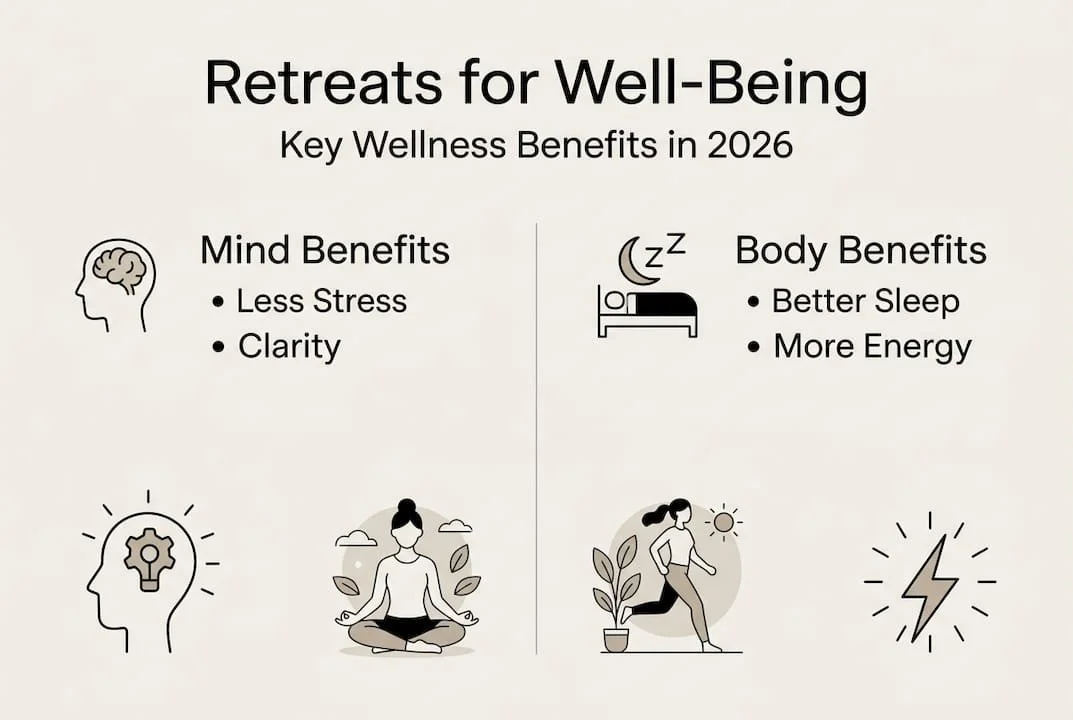
Gene expression changes represent perhaps the most fascinating discovery. Intensive meditation and yoga practices influence how your genes express themselves, upregulating pathways associated with immune function and downregulating inflammatory responses. These epigenetic shifts don't alter your DNA sequence but change which genes activate, potentially offering protection against stress-related diseases.
Mood and mental health improvements demonstrate remarkable durability. Studies tracking participants for extended periods found sustained benefits up to 2.5 years after retreat participation, particularly when individuals maintained some level of practice. The duration and intensity of retreats matter. Short 2-3 day retreats produce quick biomarker shifts ideal for acute stress relief, while longer 5-7 day programs show superior results for chronic health issues.
| Retreat duration | Primary benefits | Biomarker changes | Ideal for |
|---|---|---|---|
| 2-3 days | Acute stress relief, mental reset | Cortisol reduction, immediate mood lift | Busy professionals needing quick recharge |
| 4-5 days | Deeper relaxation, habit formation | IL-6/IL-8 reduction, HRV improvement | Those with moderate stress or burnout |
| 6-7 days | Chronic issue management, lasting change | Gene expression shifts, neuroplasticity gains | Individuals with chronic stress or health concerns |
Pro Tip: Sustain retreat benefits by establishing a daily 10-15 minute mindfulness practice within the first week of returning home, when motivation and clarity remain high.
Physical health markers showing improvement include:
Blood pressure reduction averaging 5-8 mmHg systolic
Inflammatory cytokine levels decreasing 15-30%
Sleep architecture improvements with increased deep sleep phases
Immune cell activity enhancement through stress hormone reduction
Metabolic markers like blood glucose showing better regulation
Discover research-backed approaches through yoga retreat studies examining long-term participant outcomes.
Choosing the right wellness retreat in Philadelphia: accessibility and safety
Philadelphia adults have access to several quality wellness retreats within reasonable driving distance, eliminating the need for expensive travel. Local retreats focus on yoga, mindfulness, silent meditation, and nature immersion, typically running 2-4 days with prices ranging $300-1150. Understanding your options helps you select programs aligned with your goals, schedule, and budget.
| Retreat name | Location | Duration | Price range | Focus areas | Accessibility from Philly |
|---|---|---|---|---|---|
| Step into Silence | Poconos, PA | 2-3 days | $450-650 | Silent meditation, nature walks | 2 hours drive |
| River Mountain Yoga | Lancaster, PA | 3-4 days | $550-850 | Vinyasa yoga, breathwork, journaling | 1.5 hours drive |
| Yoga Home at Himalayan Institute | Honesdale, PA | 2-5 days | $300-1150 | Traditional yoga, Ayurveda, meditation | 2.5 hours drive |
Safety considerations deserve serious attention. Risks include retraumatization and scams, with budget retreats below $200 often having hidden fees and unqualified staff. Trauma-informed practices are essential for anyone with PTSD, anxiety disorders, or past adverse experiences. Intensive meditation can surface difficult emotions without proper support structures.
Verifying instructor credentials protects you from ineffective or potentially harmful experiences. Look for yoga teachers with RYT-200 minimum certification from Yoga Alliance, meditation instructors with established lineages or recognized training programs, and facilities offering liability insurance. Legitimate retreats provide transparent information about instructor backgrounds, daily schedules, and cancellation policies.
Pro Tip: Request a pre-retreat consultation call to discuss any health conditions, medications, or concerns, ensuring the program appropriately accommodates your needs.
Key selection criteria include:
Instructor qualifications and years of teaching experience
Retreat size and student-to-teacher ratio for personalized attention
Accommodation quality and dietary options matching your preferences
Medical screening protocols for participants with health conditions
Refund and cancellation policies protecting your investment
Reviews from past participants describing their actual experiences
Compare options through guides like top yoga studios in Philadelphia to understand local quality standards before committing to retreat programs.
Common misconceptions and realistic expectations about wellness retreats
Wellness retreats face considerable hype and misunderstanding in popular culture. Separating evidence-based benefits from marketing claims helps you approach retreats with appropriate expectations and maximize value from your investment.
The physical detox myth persists despite lack of scientific support. Doctors confirm no evidence for physical detox but retreats offer important mood and mental breaks. Your liver and kidneys handle detoxification continuously without special interventions. What retreats actually provide is psychological detox from chronic stress, information overload, and unhealthy patterns.
Miraculous cure expectations set participants up for disappointment. Wellness retreats are not medical treatments for serious physical or mental health conditions. They complement conventional care by reducing stress, improving coping skills, and fostering healthier habits. Benefits are intensity-dependent, with mental health gains often being the primary outcome rather than physical disease reversal.
The vacation comparison misses the fundamental difference in purpose and structure. Vacations provide entertainment and relaxation through external experiences. Retreats facilitate internal work, addressing root causes of stress and dissatisfaction. You might feel challenged or emotionally raw during retreats as you confront patterns you've avoided. This discomfort signals growth rather than failure.
Benefit variability depends on multiple factors beyond retreat quality. Your commitment level, openness to practices, baseline stress levels, and post-retreat habits all influence outcomes. Someone attending a retreat while remaining mentally attached to work will gain less than someone fully engaging with the experience. Similarly, abandoning all practices immediately after returning home erodes benefits quickly.
Realistic expectations include:
Temporary increase in emotional sensitivity as defenses soften
Gradual rather than instant transformation of habits and patterns
Need for ongoing practice to maintain physiological improvements
Variable experiences among participants based on individual factors
Possibility that certain practices don't resonate with your preferences
Learn more through comprehensive resources like the wellness retreats guide explaining different retreat philosophies and approaches.
Discover wellness options at Amrita Yoga & Wellness
If you're curious about wellness practices but not ready for a multi-day retreat, Amrita Yoga & Wellness offers an accessible entry point right in Philadelphia. Our studio provides diverse holistic services including multiple yoga styles, mindfulness classes, and acupuncture treatments that introduce you to retreat-style practices in manageable doses.
New students can explore our offerings through special introductory packages designed to help you discover which practices resonate most. Whether you're drawn to hot yoga's physical intensity, restorative practices for stress relief, or meditation for mental clarity, our certified instructors guide you safely through each experience. Our flexible studio and cancellation policies accommodate busy schedules, making consistent practice realistic even with demanding professional and personal commitments. Building a foundation through regular classes prepares you to gain maximum benefit from future retreat experiences.
Why join wellness retreats: frequently asked questions
What are the main mental health benefits of wellness retreats?
Wellness retreats significantly reduce anxiety and depression symptoms through intensive mindfulness and yoga practice. Participants report improved emotional regulation, enhanced self-awareness, and better stress coping strategies that persist months after retreat completion. The structured environment allows your nervous system to reset from chronic stress activation.
How do wellness retreats differ from standard vacations?
Retreats focus on internal transformation through structured practices rather than external entertainment or sightseeing. You engage in daily yoga, meditation, and reflective activities designed to address root causes of stress and dissatisfaction. Vacations provide temporary escape, while retreats equip you with tools for lasting well-being changes.
Are wellness retreats safe for beginners or those with health conditions?
Most retreats accommodate beginners with modified practices and clear instruction. However, individuals with serious mental health conditions like PTSD should choose trauma-informed programs with qualified mental health professionals available. Always disclose health conditions during registration and request pre-retreat consultations to ensure appropriate accommodations.
Can local Philadelphia retreats fit into a busy schedule?
Yes, many regional retreats offer weekend or 2-3 day formats specifically designed for working professionals. Locations within 2.5 hours of Philadelphia minimize travel time while providing sufficient immersion for meaningful benefits. Short retreats deliver acute stress relief and introduce practices you can continue independently.
How can I maintain benefits after a retreat ends?
Establish a realistic daily practice within one week of returning, even if only 10-15 minutes of meditation or yoga. Connect with local studios or online communities for accountability and continued learning. Consider periodic retreat attendance annually or semi-annually to deepen your practice and refresh your commitment. Explore mindfulness techniques that integrate easily into daily routines for sustained well-being.