Yoga Workshop: Deepening Practice and Building Community
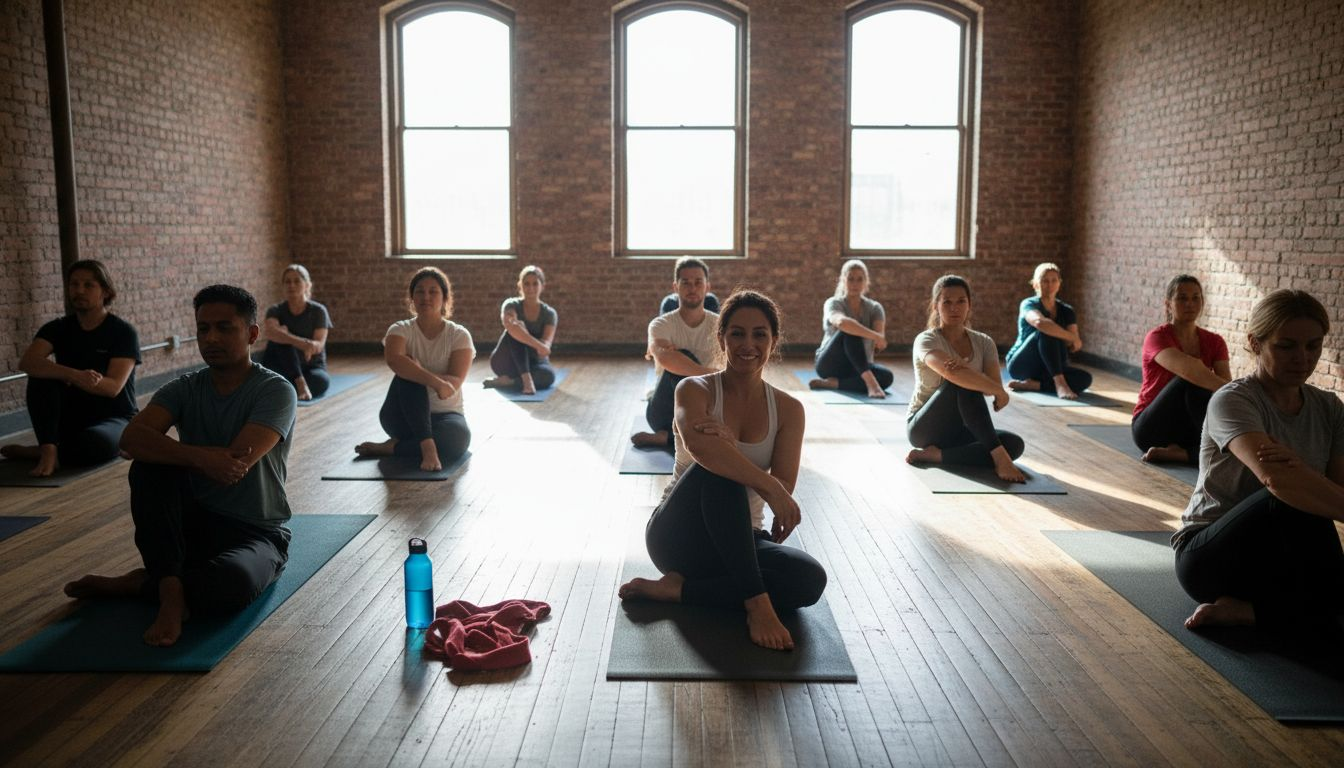
A standard yoga class often feels familiar, but a yoga workshop invites you to step into a deeper, immersive experience that goes beyond regular routines. For Health-conscious adults in Philadelphia, these workshops offer a structured blend of lecture, practice, and discussion, nurturing both personal transformation and connection with others. By exploring specific yoga themes and techniques in focused sessions, you gain a rich understanding and a stronger sense of community.
Table of Contents
Key Takeaways
| Point | Details |
|---|---|
| Yoga Workshops Offer Immersive Learning | Unlike regular classes, workshops provide deeper exploration into yoga themes, techniques, and philosophies through comprehensive learning experiences. |
| Workshops Foster Community and Individual Growth | The collaborative environment encourages personal transformation and mastery, creating connections among participants. |
| Preparation is Essential for Success | Participants should come with an open mindset and appropriate fitness level, as well as clear personal goals to enhance their experience. |
| Balancing Theory and Practice is Key | Effective workshops blend theoretical instruction with hands-on practice to maximize engagement and learning outcomes. |
Defining a Yoga Workshop Experience
A yoga workshop transcends traditional fitness classes by offering an immersive, transformative learning environment. Unlike standard yoga sessions, workshops are designed to provide deeper learning experiences through comprehensive exploration of specific yoga themes, techniques, and philosophies.
These specialized sessions typically combine multiple learning modalities to create a rich, multifaceted experience:
Lecture components that explore theoretical yoga principles
Interactive discussions allowing participants to share insights
Guided physical practice integrating learned concepts
Mindfulness and meditation techniques
Workshops differ from regular yoga classes by offering extended time frames and focused content. They enable participants to dive deeper into specific aspects of yoga practice, whether that's mastering complex poses, understanding philosophical underpinnings, or exploring mind-body connections.
Yoga workshops transform passive learning into an embodied, holistic experience that nurtures both individual growth and community connection.
The structure of a yoga workshop typically spans several hours or even multiple days, allowing for comprehensive exploration and meaningful skill development. Participants engage in immersive learning that goes beyond physical postures, incorporating breathwork, meditation, and philosophical discussions.
Here's a comparison of yoga workshops versus regular yoga classes to highlight their unique benefits:
| Aspect | Yoga Workshops | Regular Yoga Classes |
|---|---|---|
| Duration | Several hours or days | 45–90 minutes |
| Focus | In-depth exploration | General practice |
| Content | Thematic, comprehensive learning | Broad, routine sessions |
| Interaction | Small group, collaborative | Larger groups, limited sharing |
| Goal | Personal transformation, mastery | Maintenance, gradual progress |
Pro tip: Before attending a yoga workshop, come prepared with an open mind and comfortable clothing that allows unrestricted movement.
Types of Yoga Workshops and Themes
Yoga workshops offer an incredible range of specialized experiences designed to meet diverse practitioner needs and interests. Specialized yoga workshops can target specific goals, skills, and personal growth objectives, transforming traditional yoga practice into a deeply intentional journey.
These workshops typically encompass various thematic focuses:
Athletic Performance Workshops
Yoga for runners and cyclists
Strength and conditioning yoga
Sport-specific mobility training
Mind-Body Wellness Workshops
Stress reduction techniques
Meditation and mindfulness practices
Emotional healing through yoga
Technical Skill Workshops
Arm balances and inversions
Advanced alignment techniques
Breathwork and pranayama
Each workshop type provides a unique opportunity for practitioners to explore yoga beyond standard class structures. Thematic yoga workshops center around specific intentions, allowing participants to dive deep into particular aspects of yoga philosophy, physical practice, or personal development.
Yoga workshops are not just classes - they are transformative experiences that unlock potential and foster profound personal growth.
The diversity of workshop themes reflects the multifaceted nature of yoga as a holistic practice. Whether a participant seeks physical challenge, mental clarity, spiritual connection, or technical mastery, there exists a specialized workshop designed to meet those specific needs.
Pro tip: Research workshop descriptions carefully and choose experiences that align with your current practice goals and personal interests.
Structure and Flow of Workshop Sessions
A well-crafted yoga workshop is more than a simple class - it's a carefully orchestrated learning experience. Yoga workshops follow a progressive sequence designed to maximize participant engagement and learning through intentional structure and thoughtful progression.
Typical workshop sessions are strategically organized into key components:
Opening Segment
Group introductions
Intention setting
Preliminary breathwork
Learning Modules
Theoretical instruction
Demonstration of techniques
Guided practice sessions
Integration Phase
Personal reflection
Partner or group exercises
Q&A opportunities
Workshop planning requires careful content mappingto ensure a balance between informative lectures and hands-on practice. Each segment builds upon the previous one, creating a holistic learning journey that challenges and supports participants simultaneously.
A masterfully structured workshop transforms individual learning into a collective experience of growth and discovery.
The flow typically moves from broader concepts to specific techniques, allowing participants to gradually absorb and embody new knowledge. This progression helps practitioners integrate intellectual understanding with physical experience, making the learning process both comprehensive and deeply personal.
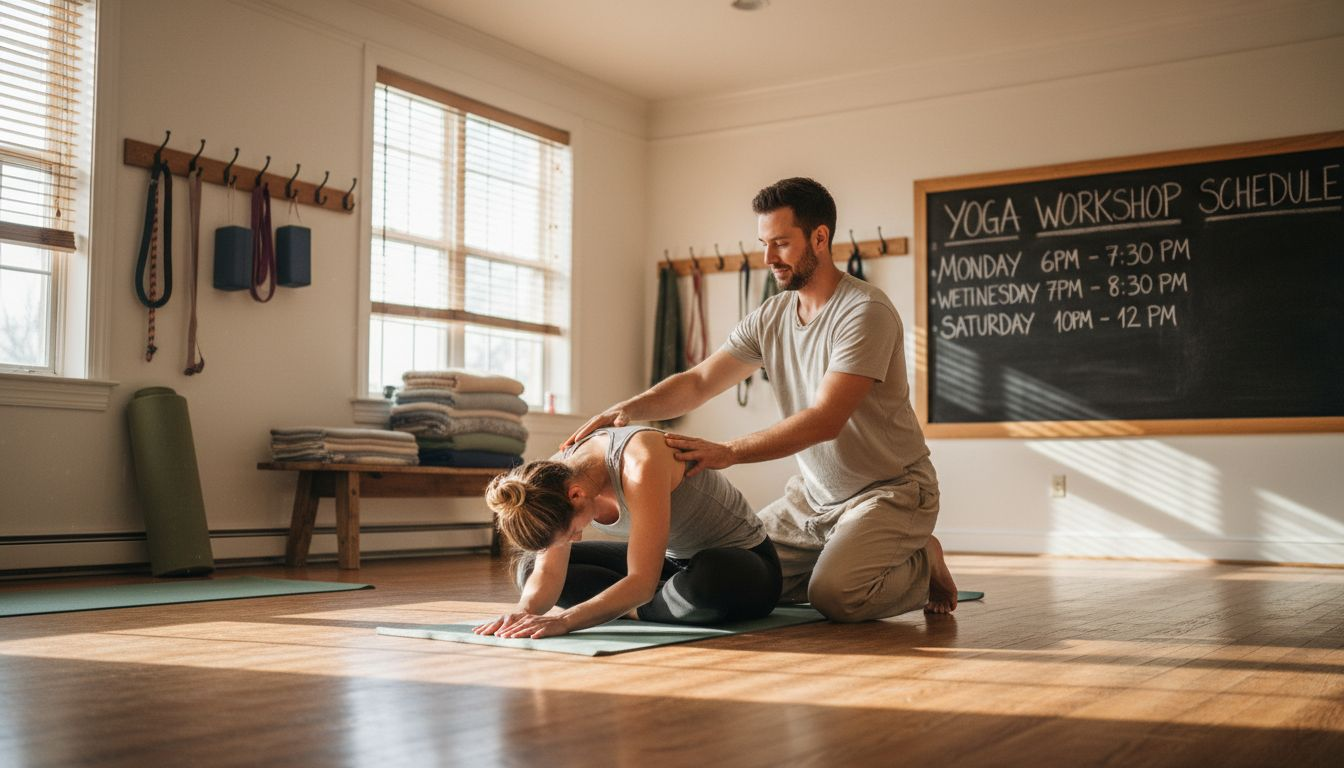
Pro tip: Arrive early to workshops and position yourself where you can clearly see the instructor, maximizing your ability to observe and learn intricate details.
Participation Requirements and Preparation
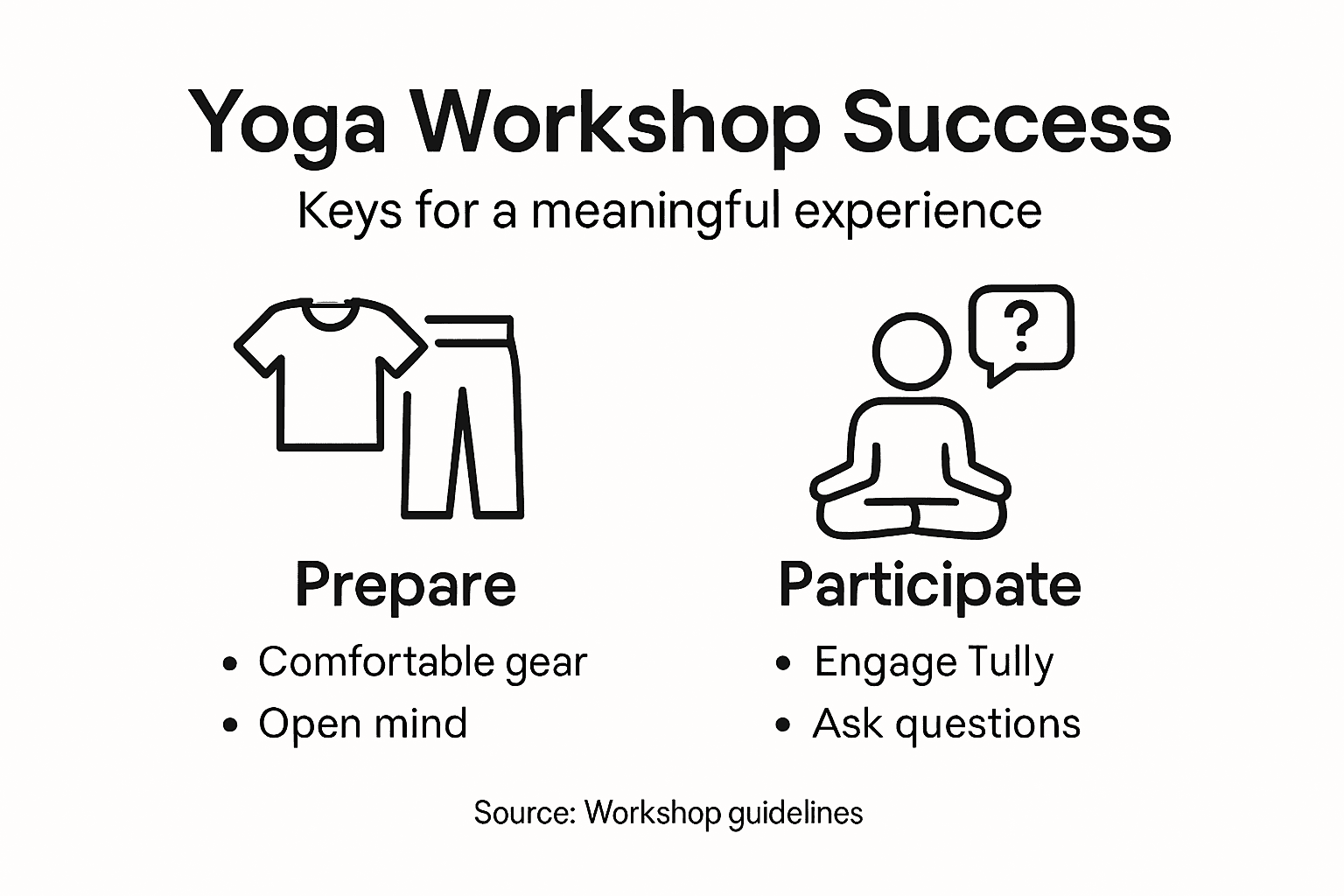
Yoga workshop participation requires thoughtful preparationto ensure a meaningful and enriching experience. Each workshop has unique prerequisites and expectations that participants should carefully consider before enrolling.
Essential preparation elements include:
Physical Readiness
Basic yoga experience recommended
Appropriate fitness level for workshop intensity
Understanding of fundamental yoga poses
Equipment and Attire
High-quality yoga mat
Comfortable, flexible clothing
Water bottle
Optional props (blocks, straps, towels)
Mental Preparation
Open mindset
Willingness to learn
Ability to receive constructive feedback
Commitment to personal growth
Workshops often have specific skill level requirements that range from beginner-friendly to advanced practitioner sessions. Participants should carefully review workshop descriptions to ensure they match their current practice level and personal objectives.
Successful workshop participation begins with honest self-assessment and a genuine commitment to personal development.
Most workshops communicate prerequisites clearly in advance, allowing participants to make informed decisions about their suitability. Some may require pre-workshop communication or questionnaires to assess readiness and customize the experience.
Pro tip: Contact the workshop organizer directly if you are uncertain about your qualification level or have specific physical considerations.
Common Pitfalls and How to Avoid Them
Yoga workshop challenges can significantly impact learning effectiveness, requiring participants and instructors to be proactively aware of potential obstacles. Understanding these common pitfalls is crucial for creating a transformative workshop experience.
Key challenges and strategic solutions include:
Engagement Barriers
Passive learning approaches
Lack of interactive elements
Minimal participant input
Content Delivery Issues
Overwhelming lecture formats
Insufficient practical application
Complex theoretical explanations
Personal Limitations
Rigid mindset
Fear of vulnerability
Resistance to feedback
Workshop effectiveness depends on balanced content delivery that maintains participant interest through dynamic interaction. Instructors must carefully design experiences that blend theoretical knowledge with hands-on practice, creating opportunities for personal reflection and skill integration.
Successful workshops transform potential obstacles into opportunities for profound personal growth and learning.
Participants can mitigate these challenges by maintaining an open mindset, actively participating in discussions, and approaching the workshop with curiosity and willingness to explore new perspectives. Communication with instructors before and during the workshop can help address individual concerns and customize the learning experience.
Below is a summary of common pitfalls in yoga workshops and the strategies to overcome them:
| Pitfall | Workshop Impact | How to Avoid |
|---|---|---|
| Passive participation | Limits engagement | Foster open discussion |
| Overly theoretical content | Reduces practice benefits | Balance lecture with movement |
| Rigid mindset | Blocks learning | Encourage acceptance and curiosity |
| Lack of preparation | Hinders progress | Review requirements and goals |
Pro tip: Arrive with specific learning goals and be prepared to step outside your comfort zone to maximize workshop benefits.
Deepen Your Yoga Practice and Connect with a Supportive Community Today
Are you ready to transcend ordinary yoga classes and embrace the transformative power of a focused yoga workshop? If you seek personal growth, mastery of techniques like breathwork and inversions, or a space to cultivate mindfulness and meaningful connections, a workshop experience is your gateway. At Amrita Yoga & Wellness, we understand the challenges of finding workshops that balance theory with physical practice while fostering open engagement and growth.
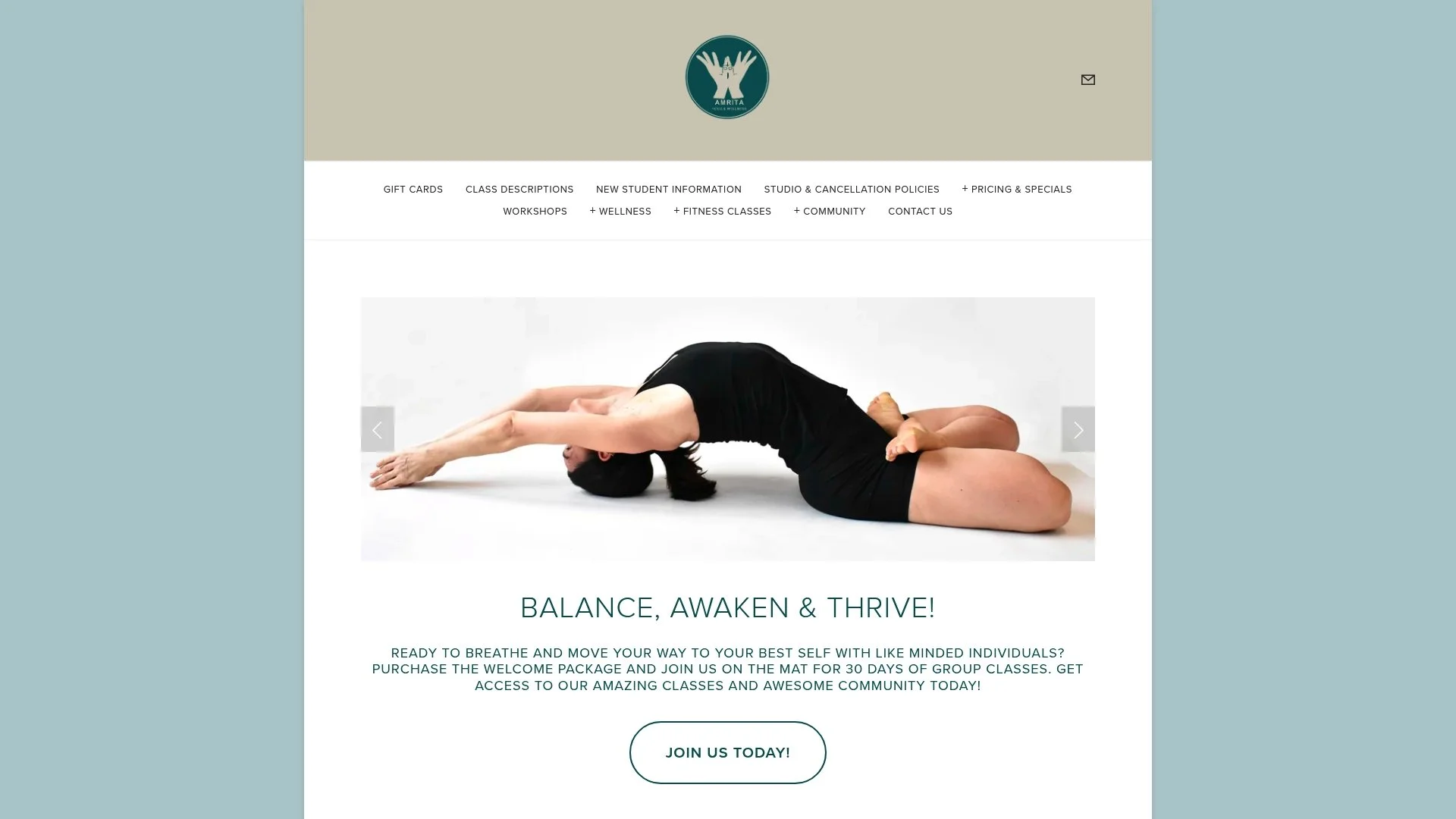
Join our vibrant community in Philadelphia by exploring our range of classes and specialized workshops designed to meet your unique goals. Whether you want to build strength, reduce stress, or deepen your mind-body connection, our programs encourage curiosity, openness, and skill development. Start your journey now by visiting Amrita Yoga & Wellness to view detailed class descriptions, sign up for immersive workshops, and experience holistic wellness like never before. Your path to transformation and community awaits—take the next step today.
Frequently Asked Questions
What is a yoga workshop?
A yoga workshop is an immersive learning experience that transcends traditional fitness classes, offering an in-depth exploration of specific yoga themes, techniques, and philosophies.
How long do yoga workshops typically last?
Yoga workshops usually span several hours or even multiple days, allowing for comprehensive exploration of themes and meaningful skill development.
What should I prepare for a yoga workshop?
To prepare for a yoga workshop, ensure you have basic yoga experience, wear comfortable clothing, bring a high-quality yoga mat, and maintain an open mindset ready for learning and personal growth.
What are the benefits of attending a yoga workshop?
Attending a yoga workshop offers personal transformation, enhanced understanding of yoga principles, and the opportunity to build community connections through collaborative learning and practice.