Pilates for beginners: build core strength in 2026
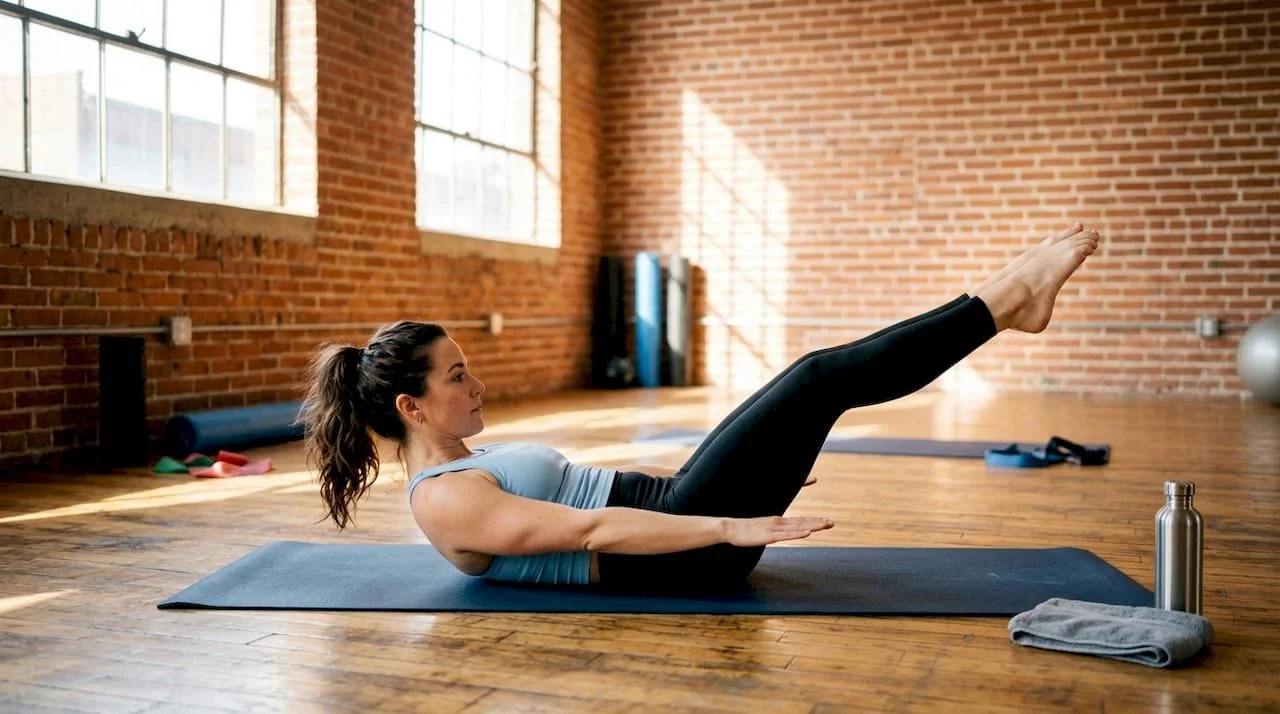
Many people assume Pilates is only for experienced fitness enthusiasts or dancers with perfect form. This misconception keeps countless adults from discovering one of the most effective low-impact workouts for building core strength and improving flexibility. Whether you're looking to reduce back pain, enhance posture, or find an alternative to high-intensity gym routines, Pilates offers a structured, accessible approach that works for all fitness levels. This guide breaks down what Pilates really is, explains the science behind its benefits, and shows you exactly how to start your practice safely and effectively in Philadelphia.
Table of Contents
Key takeaways
| Point | Details |
|---|---|
| Low-impact effectiveness | Pilates builds core strength and flexibility through controlled movements without joint stress. |
| Proven pain relief | An 8-week program reduced disability and pain scores significantly in adults with chronic back issues. |
| Structured approach | Pilates emphasizes precision, breathing, and posture with a physical rehabilitation foundation. |
| Beginner friendly | Matwork exercises require minimal equipment and can be practiced safely at home or in studios. |
| Complementary practice | Combining Pilates with yoga enhances both physical strength and mindfulness for holistic wellness. |
What is Pilates? Understanding the basics and benefits
Pilates originated as a structured physical rehabilitation method focused on core and posture precision. Joseph Pilates developed this system in the early 20th century to help injured soldiers recover strength and mobility. Unlike random exercise routines, Pilates follows specific principles that make it particularly effective for beginners seeking sustainable fitness improvements.
The core principles include controlled movement, intentional breathing, precision in form, and constant attention to posture. Each exercise targets deep stabilizing muscles rather than superficial ones you might build at a traditional gym. This focus creates functional strength that translates directly into daily activities like lifting groceries, sitting at a desk, or playing with children.
For adults new to fitness or returning after injury, Pilates offers several distinct advantages:
Builds core strength without high-impact stress on joints
Improves flexibility through full range of motion exercises
Corrects postural imbalances from desk work or repetitive activities
Reduces chronic back pain through targeted muscle engagement
Enhances body awareness and movement control
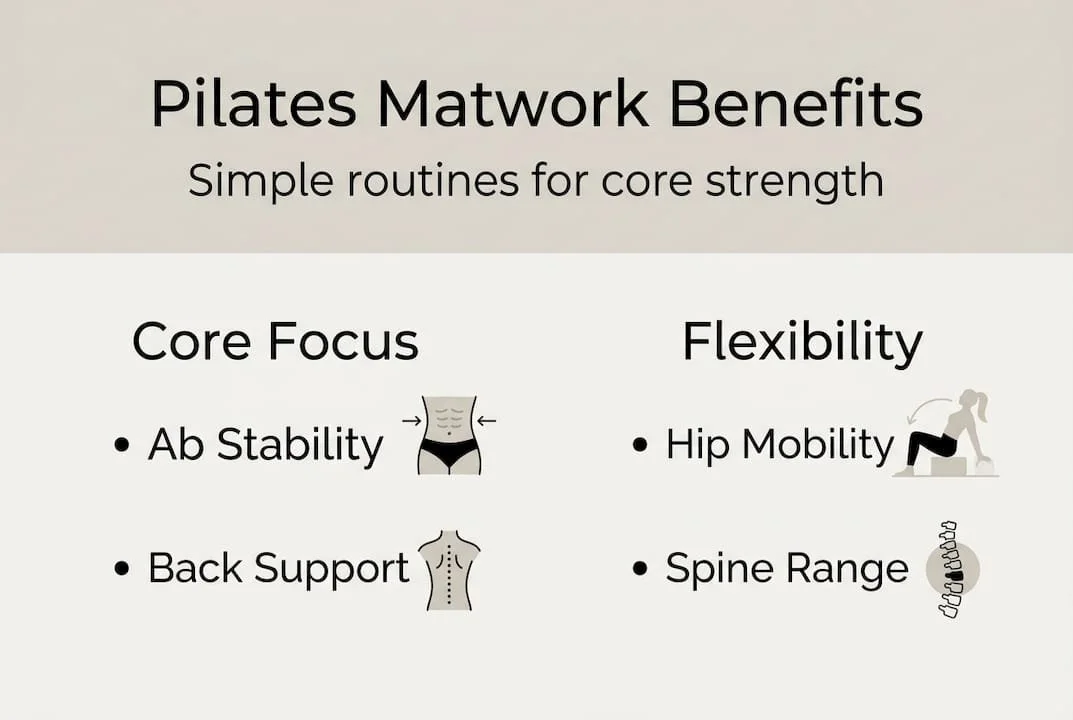
Matwork represents the most accessible entry point for beginners. These exercises use your body weight and gravity for resistance, requiring only a mat and comfortable space. You can explore various Pilates blog posts to see how different practitioners approach matwork fundamentals.
Pro Tip: Start with just 15 minutes of basic exercises three times weekly, focusing entirely on proper form rather than repetitions or speed. Building correct movement patterns early prevents injury and accelerates your progress.
The breathing technique in Pilates differs from everyday breathing. You inhale through your nose to prepare, then exhale completely through your mouth during the challenging part of each movement. This pattern oxygenates muscles, stabilizes your core, and creates rhythm that makes exercises flow naturally. Many beginners find this breathing pattern challenging at first, but it becomes intuitive within a few sessions.
How Pilates improves core strength and flexibility: scientific evidence
Research provides compelling evidence for Pilates effectiveness, particularly for adults dealing with back pain and mobility limitations. An 8-week Pilates matwork program significantly improved disability and pain scores in middle-aged women with chronic back pain. The study measured outcomes using validated scales that track real-world functional improvements.
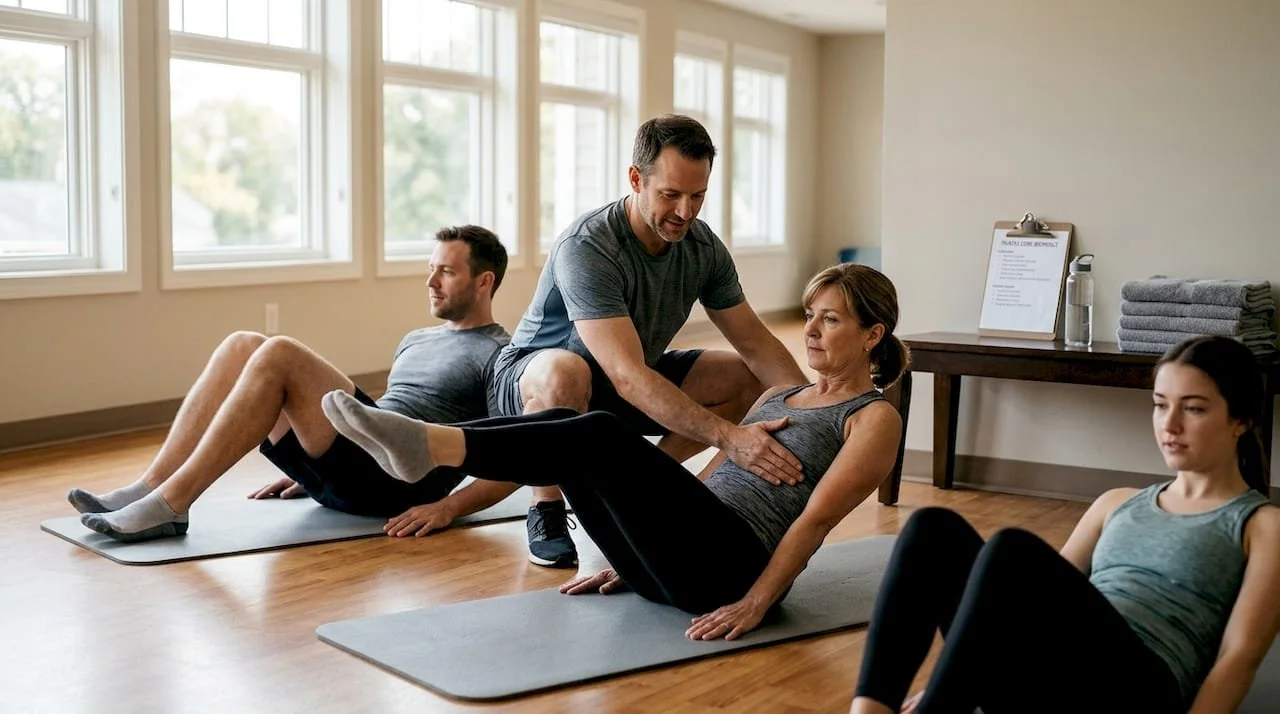
Participants showed measurable changes across multiple metrics. The Oswestry Disability Index, which assesses how back pain affects daily activities, improved substantially. The Quebec Back Pain Disability Scale showed similar positive trends. Pain intensity, measured on a numeric rating scale, decreased significantly after consistent practice.
One particularly interesting finding involved the flexion relaxation ratio. This measurement indicates how well your back muscles turn on and off during movement. Poor ratios suggest muscles stay tense when they should relax, contributing to pain and dysfunction. Pilates training improved this ratio, showing better neuromuscular control.
These improvements stem from how Pilates engages deep core muscles. Your transverse abdominis, multifidus, and pelvic floor muscles act like a natural corset supporting your spine. Traditional exercises often miss these stabilizers, focusing instead on superficial muscles like rectus abdominis. Pilates specifically targets the deep layer, creating genuine core strength rather than just visible abs.
The benefits of Pilates and yoga extend beyond pain relief to comprehensive wellness improvements:
Reduced chronic pain intensity and frequency
Improved posture and spinal alignment
Better balance and coordination
Increased joint flexibility and range of motion
Enhanced muscle endurance without bulk
After eight weeks of consistent Pilates matwork, participants experienced statistically significant reductions in disability scores and pain ratings, with improvements in muscle function patterns that support long-term back health.
The controlled, precise movements in Pilates also improve proprioception, your body's awareness of where it exists in space. Better proprioception means fewer falls, more graceful movement, and reduced injury risk during other activities. This benefit proves especially valuable as we age or recover from injuries that disrupt normal movement patterns.
Pilates vs yoga: choosing the right practice for your goals
Understanding the distinctions between Pilates and yoga helps you choose the practice that best matches your current needs and goals. Pilates focuses more on core strength and posture precision while yoga excels at flexibility, balance, and mindfulness. Both offer tremendous benefits, but their approaches differ significantly.
| Aspect | Pilates | Yoga |
|---|---|---|
| Primary focus | Core strength, posture, controlled movement | Flexibility, balance, mindfulness, spiritual connection |
| Origin | Physical rehabilitation in early 1900s | Ancient spiritual practice from India |
| Structure | Highly structured with specific exercise sequences | Varied styles from gentle to intense |
| Breathing | Lateral thoracic breathing during movement | Multiple techniques including ujjayi and alternate nostril |
| Equipment | Mat, reformer, resistance tools optional | Primarily mat with occasional props |
| Pace | Controlled, precise, moderate tempo | Ranges from slow meditative to dynamic flow |
Pilates developed from a rehabilitation foundation, which explains its emphasis on precise alignment and controlled movement. Each exercise has a specific purpose and correct execution method. This structure benefits beginners who appreciate clear guidelines and measurable progress.
Yoga encompasses diverse styles serving different purposes. Hatha yoga moves slowly with long holds, perfect for building flexibility. Vinyasa flows dynamically between poses, offering cardiovascular benefits. Restorative yoga uses props for deep relaxation. This variety means you can find a yoga style matching almost any goal or energy level.
Who benefits most from each practice?
Choose Pilates if you want targeted core strengthening, injury rehabilitation, or postural correction
Choose yoga if you seek stress relief, spiritual exploration, or comprehensive flexibility
Choose both if you want complete mind-body wellness with strength and mindfulness
Pro Tip: Start with Pilates to build foundational core strength and body awareness, then add yoga sessions for enhanced flexibility and stress management. This combination creates balanced fitness addressing physical and mental wellness.
Many practitioners find that combining yoga and Pilates provides synergistic benefits. Pilates strengthens stabilizing muscles that improve yoga poses, while yoga stretches muscles that might tighten from Pilates work. The mindfulness cultivated in yoga enhances the mind-body connection Pilates requires.
You can also explore the difference between Pilates and yoga in greater depth to understand how these practices complement rather than compete with each other. Neither is objectively better; they simply serve different primary purposes while sharing some overlapping benefits.
Getting started with Pilates: practical tips and beginner-friendly exercises
Starting your Pilates practice requires minimal equipment and can happen in your living room or a studio setting. Here's a simple beginner routine focusing on fundamental movements that build core strength safely:
Pelvic tilt: Lie on your back with knees bent and feet flat. Inhale to prepare, then exhale while pressing your lower back into the mat by engaging your deep abdominals. Hold for three breaths, then release. Repeat eight times.
Hundred preparation: From the same position, lift your head and shoulders slightly off the mat while reaching arms long by your sides. Pump arms up and down in small movements, breathing in for five counts and out for five counts. Start with 30 pumps and build to 100.
Single leg stretch: Bring one knee toward your chest while extending the other leg at a 45-degree angle. Switch legs in a controlled rhythm, keeping your core engaged and lower back pressed down. Complete ten repetitions per side.
Spine stretch forward: Sit tall with legs extended and feet flexed. Reach arms forward at shoulder height. Exhale while rounding your spine forward, reaching toward your toes. Inhale to return to sitting tall. Repeat six times.
Leg circles: Lie on your back with one leg extended toward the ceiling. Draw small circles with your foot, keeping hips stable and core engaged. Complete five circles each direction, then switch legs.
Essential equipment for home practice includes:
Quality exercise mat with adequate cushioning
Comfortable fitted clothing that allows movement visibility
Small pillow for head support if needed
Resistance band for added challenge as you progress
Mirror or phone camera to check alignment
Schedule practice sessions two to three times weekly for optimal results. Pilates matwork exercises have proven benefits and are ideal for safe beginner routines when performed consistently. Spacing sessions allows muscle recovery while maintaining momentum.
Pro Tip: Record yourself performing exercises or practice in front of a mirror initially to ensure proper form. Watching instructor videos before your session helps you understand correct positioning and common mistakes to avoid.
Common beginner mistakes include:
Holding breath instead of coordinating breathing with movement
Rushing through repetitions rather than moving with control
Arching lower back instead of maintaining neutral spine
Using momentum instead of muscle engagement
Gripping neck and shoulders instead of relaxing upper body
If you have chronic back pain, herniated discs, or other medical conditions, consult your healthcare provider before starting any new exercise program. Most conditions benefit from Pilates, but modifications may be necessary for safety.
Warmup and cooldown stretches enhance flexibility and prevent injury:
Cat-cow stretches to mobilize spine
Gentle torso twists to release tension
Hip circles to loosen lower body
Shoulder rolls to relax upper body
Child's pose to stretch back and hips
As you build confidence, explore Pilates fusion routines that combine traditional exercises with complementary movements. These variations keep practice interesting while challenging your body in new ways.
Explore Pilates classes and wellness at Amrita Yoga & Wellness
Ready to experience Pilates with expert guidance in a supportive community environment? Amrita Yoga & Wellness offers beginner-friendly Pilates classes designed specifically for Philadelphia adults seeking accessible, low-impact fitness solutions. Our instructors understand the unique challenges beginners face and provide personalized attention to ensure proper form and safe progression.
New students can take advantage of special introductory offers that make trying Pilates affordable and risk-free. These packages let you sample different class styles and instructors to find the perfect fit for your schedule and preferences. Our welcoming studio atmosphere helps nervous beginners feel comfortable from their very first session.
Beyond Pilates, we offer complementary wellness services including acupuncture that supports your holistic health journey. Many students find combining movement practices with traditional healing modalities accelerates their progress and enhances overall wellbeing. Review our studio policies to understand class registration, cancellation procedures, and community guidelines before your first visit.
Frequently asked questions about Pilates for beginners
Is Pilates safe for people with chronic back pain?
Yes, research shows Pilates significantly reduces back pain and improves function when practiced correctly. The controlled, low-impact movements strengthen supporting muscles without stressing injured areas. Always consult your healthcare provider before starting and inform instructors about your condition so they can suggest appropriate modifications.
How often should beginners practice Pilates for best results?
Beginners see optimal results with two to three sessions weekly, allowing rest days between practices for muscle recovery. Consistency matters more than frequency, so maintain a regular schedule rather than sporadic intensive sessions. Most people notice improvements in core strength and flexibility within four to six weeks of consistent practice.
Do I need special equipment to start Pilates?
No, you can begin with matwork exercises requiring only a quality exercise mat and comfortable clothing. As you advance, resistance bands, small balls, and foam rollers add variety and challenge. Studio equipment like reformers offers additional benefits but isn't necessary for building foundational strength and learning proper technique.
Can Pilates help improve posture and reduce pain?
Absolutely. Pilates specifically targets deep stabilizing muscles that support proper spinal alignment and posture. Strengthening these muscles reduces strain on joints and ligaments that cause pain. Many practitioners notice reduced neck, shoulder, and back discomfort as their core strength and postural awareness improve through regular practice.
Is Pilates suitable for all fitness levels and ages?
Yes, Pilates adapts easily to different abilities, ages, and fitness backgrounds. Exercises can be modified to make them easier or more challenging based on individual needs. Older adults, people recovering from injuries, and complete fitness beginners all benefit from Pilates when starting with appropriate progressions and proper instruction.
How does Pilates compare to traditional gym workouts?
Pilates emphasizes quality of movement over quantity, focusing on controlled precision rather than heavy weights or high repetitions. It builds functional strength through full range of motion exercises that improve daily activities. Traditional gym workouts often isolate muscle groups, while Pilates integrates multiple muscle systems in each exercise for comprehensive conditioning.
Explore more insights and tips on our Pilates blog to deepen your understanding and discover new ways to enhance your practice as you progress beyond the beginner stage.