Why Try Aerial Yoga: Real Impact on Wellness
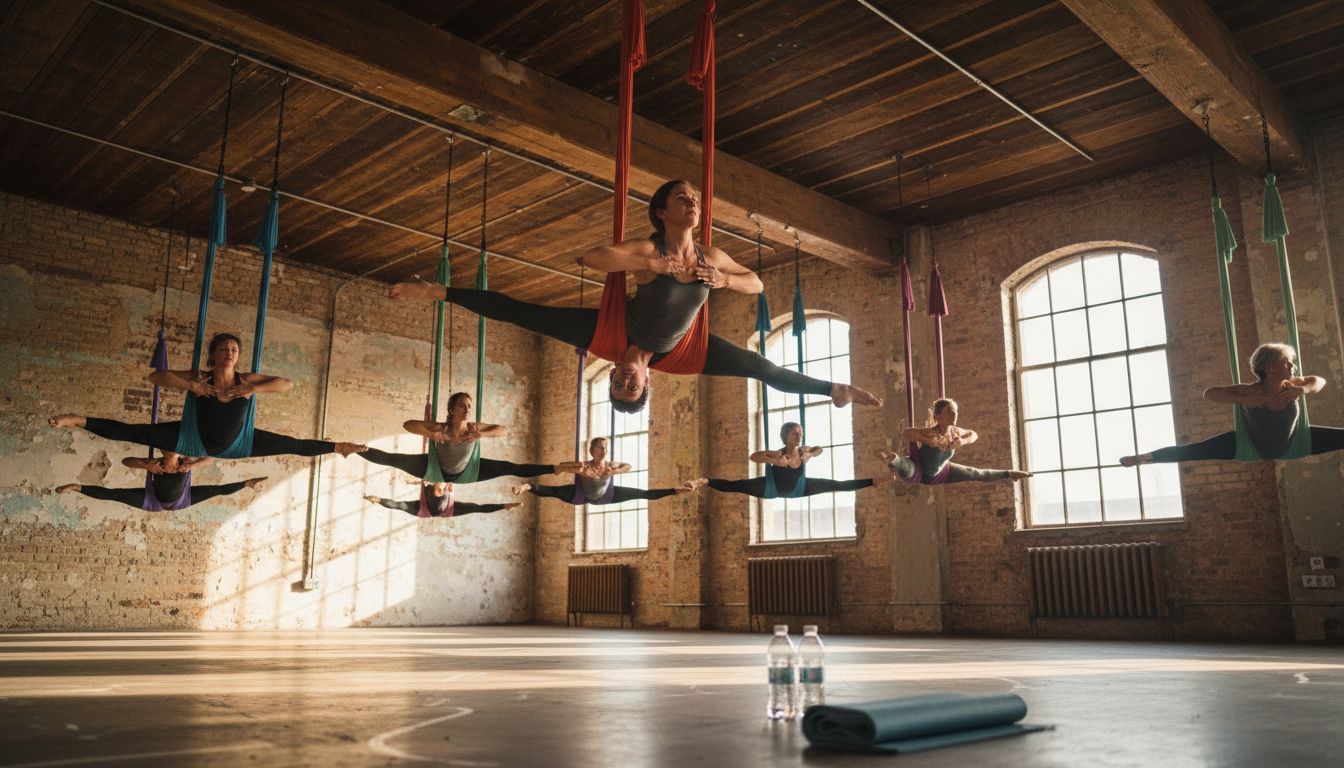
Searching for a workout that goes easy on your joints yet delivers serious results? Aerial yoga is gaining loyal fans among health-conscious adults across Philadelphia, offering a low-impact path to strength, flexibility, and mindful stress reduction through suspended movement. If you crave a fresh alternative to crowded gyms or traditional yoga studios, this community-based practice makes wellness more accessible, helping you meet fitness goals while connecting with others who value both mental balance and physical well-being.
Table of Contents
Key Takeaways
| Point | Details |
|---|---|
| Aerial Yoga is Inclusive | Contrary to common myths, aerial yoga is accessible to all fitness levels, offering modifications for beginners and advanced practitioners. |
| Holistic Wellness Benefits | Aerial yoga combines physical exercise with mental health benefits, such as reduced stress and improved emotional regulation. |
| Varied Class Types | Various class styles cater to different skill levels and wellness objectives, ensuring a personalized experience in aerial yoga. |
| Safety is Crucial | Beginners should understand safety protocols and communicate their physical limitations with instructors for a secure practice. |
Aerial Yoga Defined and Common Misconceptions
Aerial yoga is a dynamic fitness practice that combines traditional yoga postures with aerial silk hammocks suspended from the ceiling, creating a unique full-body workout experience. Unlike standard ground-based yoga, this practice allows practitioners to explore movement through three-dimensional space, offering enhanced flexibility, strength, and gravitational resistance training.
At its core, aerial yoga involves using a sturdy fabric hammock as a supportive tool that enables practitioners to:
Perform traditional yoga poses with increased range of motion
Reduce joint compression through suspended movements
Challenge balance and core strength in novel ways
Experience deeper stretches with less physical strain
Decompress the spine through inverted positions
Many people harbor misconceptions about aerial yoga, assuming it requires extraordinary athletic ability or gymnastics training. However, aerial yoga techniques are accessible to practitioners of all fitness levels, with modifications available for beginners and advanced students alike.
Common Aerial Yoga Myths include beliefs that the practice is:
Exclusively for young, extremely flexible individuals
Dangerous or requiring significant upper body strength
Only a trendy fitness fad with limited long-term benefits
Prohibitively expensive or complicated to learn
In reality, aerial yoga offers a versatile and inclusive approach to movement that can be adapted to individual physical capabilities. The silk hammock provides support and stability, allowing participants to explore poses with reduced gravitational stress and increased confidence.
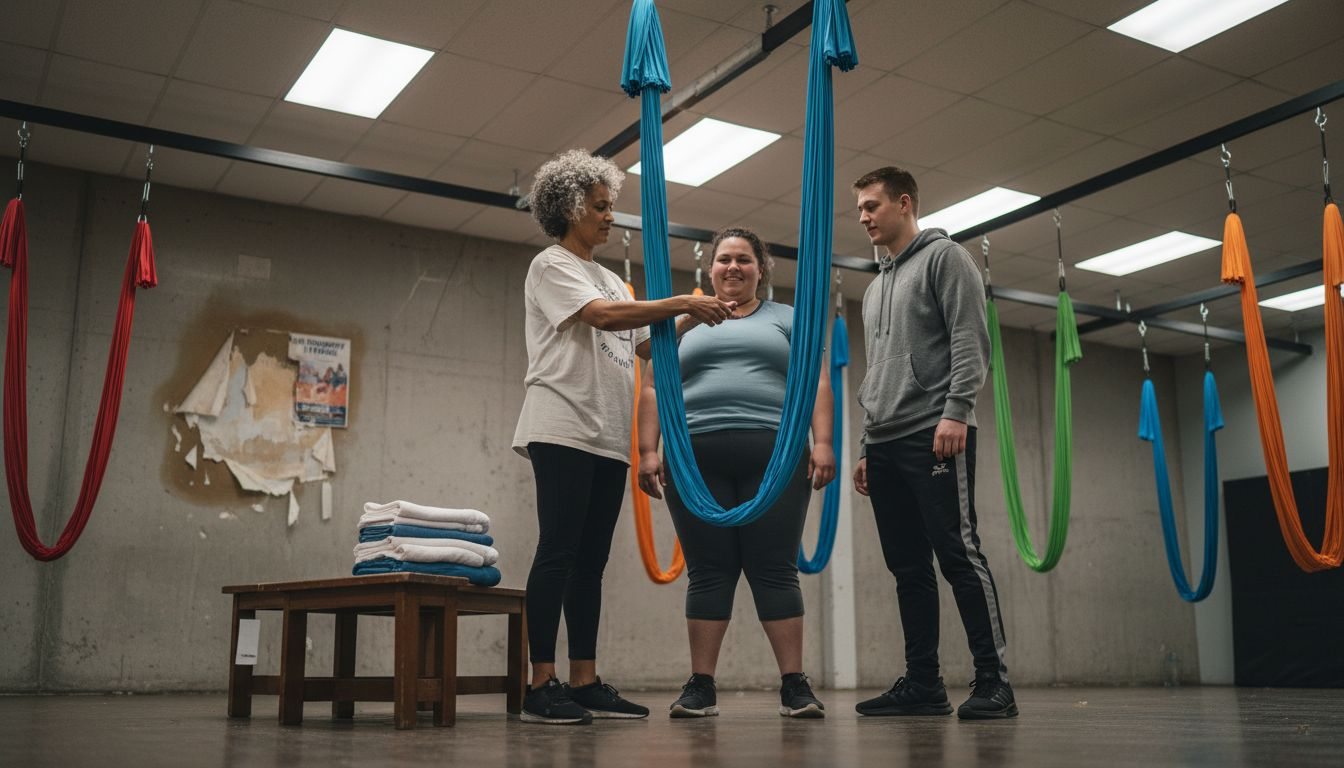
Pro tip: Start with a beginner-friendly class and communicate any physical limitations with your instructor to ensure a safe, personalized aerial yoga experience.
Key Benefits for Physical and Mental Wellness
Aerial yoga represents a holistic wellness practice that delivers profound benefits for both physical and mental health. Cardiovascular improvements from aerial techniques create a comprehensive approach to fitness that goes beyond traditional exercise methods.
Physical benefits of aerial yoga include:
Enhanced core muscle strength
Increased overall body flexibility
Improved cardiovascular conditioning
Reduced joint compression
Greater range of motion
Accelerated muscle recovery and rehabilitation
The unique suspended environment allows practitioners to engage muscle groups differently compared to ground-based exercises. By using gravity and body weight as resistance, aerial yoga creates a low-impact workout that challenges the body while minimizing potential strain or injury.
Mental wellness is equally transformed through aerial yoga practice. Stress reduction through mindful movement helps practitioners develop enhanced body awareness and emotional regulation. The practice combines deep breathing techniques, meditative states, and physical challenge to create a powerful mind-body connection.
Aerial yoga offers a transformative experience that simultaneously strengthens the body and calms the mind, providing a holistic approach to personal wellness.
Mental health benefits practitioners can expect include:
Reduced anxiety and stress levels
Improved mental clarity and focus
Increased self-confidence
Enhanced mood through endorphin release
Better emotional regulation
Elevated sense of personal achievement
Pro tip: Begin with beginner classes and focus on breath work to maximize both physical and mental benefits of your aerial yoga practice.
Types of Aerial Yoga Classes and Variations
Aerial yoga offers diverse class styles designed to accommodate practitioners of all skill levels and fitness goals. Aerial yoga class variations range from foundational techniques to advanced integrative practices, ensuring something for everyone.
The primary types of aerial yoga classes include:
Aerial Fundamentals: Introductory classes focusing on:
Basic hammock techniques
Safe suspension methods
Core stabilization exercises
Proper alignment principles
Aerial Flow: Intermediate-level classes emphasizing:
Smooth pose transitions
Creative movement sequencing
Enhanced body awareness
Dynamic choreographed routines
Aerial Pilates: Specialized classes combining:
Traditional Pilates principles
Hammock-based resistance training
Core strengthening techniques
Flexibility enhancement
Aerial yoga classes provide a transformative experience by reimagining traditional movement practices through suspended exploration.
Beyond traditional styles, specialized aerial yoga variations continue to emerge, addressing specific wellness goals. Some innovative formats include therapeutic recovery classes for injury rehabilitation, stress-reduction workshops focusing on mindful movement, and high-intensity interval training (HIIT) aerial sessions designed for athletic conditioning.
Practitioners can expect classes to vary in intensity, duration, and focus, allowing for personalized fitness journeys that adapt to individual physical capabilities and wellness objectives.
Below is a summary of different aerial yoga class types and their unique focus points:
| Class Type | Main Focus | Ideal For |
|---|---|---|
| Aerial Fundamentals | Intro skills, safe setup | Newcomers, beginners |
| Aerial Flow | Dynamic transitions, creativity | Intermediate, creative movers |
| Aerial Pilates | Core strength, flexibility | Rehabilitation, toning seekers |
| Therapeutic Recovery | Gentle, restorative | Injury recovery, stress relief |
| HIIT Aerial | Athletic conditioning | Advanced, fitness-focused |
Pro tip: Communicate with instructors about your fitness level and any physical limitations to ensure you select the most appropriate aerial yoga class variation.
Safety Principles and Prerequisites for Beginners
Aerial yoga demands careful preparation and understanding of fundamental safety protocols. Aerial yoga safety guidelines are critical for preventing injuries and ensuring a positive practice experience for newcomers.
Before beginning aerial yoga, beginners should assess and develop several key physical prerequisites:
Physical Readiness Criteria:
Basic upper body strength
Core muscle stability
Moderate flexibility
No existing shoulder or back injuries
Ability to support body weight
Medical Considerations:
Consult healthcare provider before starting
Disclose any chronic conditions
Understand personal physical limitations
Get clearance for inverted positions
Safety in aerial yoga begins with honest self-assessment and professional guidance.
Equipment safety represents another crucial aspect of aerial yoga practice. Practitioners must ensure:
Rigorous hammock inspection before each session
Proper installation by certified professionals
Weight capacity verification
Regular maintenance of suspension equipment
Understanding correct hammock adjustment techniques
Qualified instructors play an instrumental role in beginner safety, providing personalized modifications and ensuring proper technique. They help students understand body mechanics, recognize personal boundaries, and progressively build skills with minimal risk.
Pro tip: Always communicate openly with your instructor about your physical condition, previous injuries, and comfort level to receive personalized safety guidance.
Comparing Aerial Yoga to Other Exercise Options
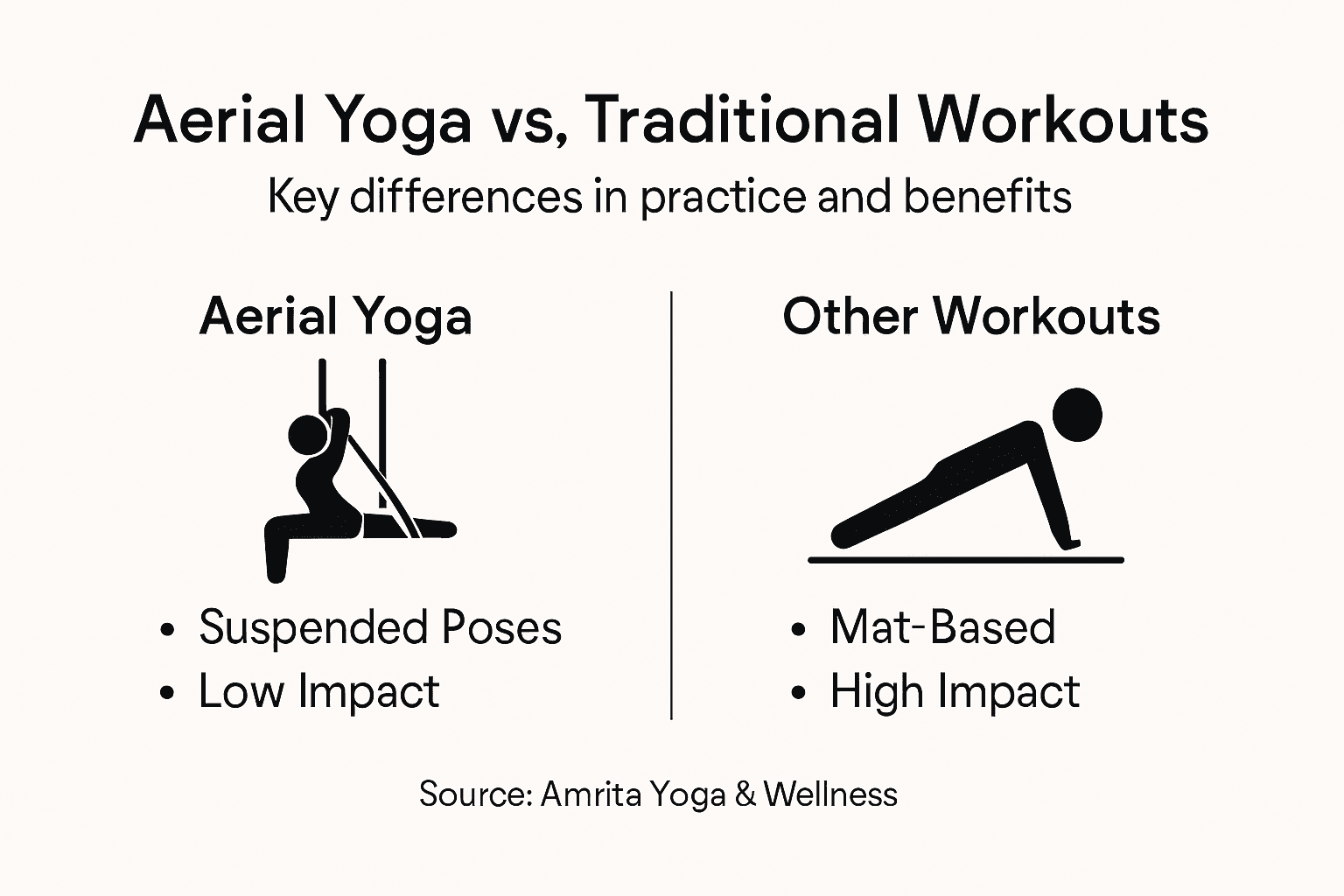
Aerial yoga distinguishes itself from traditional exercise modalities through its unique approach to physical fitness and wellness. Comparative exercise research reveals significant differences between aerial yoga and conventional workout routines.
Key distinctions from traditional exercise options include:
Mindfulness Integration:
Emphasizes breath control
Promotes meditative movement
Focuses on mind-body connection
Encourages present-moment awareness
Physical Engagement Differences:
Low-impact muscle conditioning
Enhanced proprioception
Three-dimensional movement patterns
Gravity-assisted resistance training
Aerial yoga transcends traditional exercise by transforming physical movement into a holistic mind-body experience.
Compared to mainstream fitness approaches, aerial yoga offers unique advantages:
Reduced joint stress compared to high-impact exercises
Full-body engagement without extreme strain
Improved balance and coordination
Adaptable difficulty levels
Enhanced flexibility and core strength
Unlike traditional weightlifting or cardio routines, aerial yoga provides a comprehensive workout that simultaneously challenges physical capabilities while cultivating mental resilience. The suspended environment creates opportunities for movement exploration that conventional exercise methods cannot replicate.
Here's how aerial yoga compares to traditional yoga and Pilates:
| Aspect | Aerial Yoga | Traditional Yoga | Pilates |
|---|---|---|---|
| Equipment Used | Silk hammock | Yoga mat | Pilates reformer |
| Movement Style | Suspended, 3D space | Floor-based poses | Controlled mat/reformer moves |
| Core Focus | High due to hammock | Moderate | Very high |
| Impact Level | Low-impact | Low-impact | Low to moderate impact |
| Flexibility Enhancement | Enhanced by gravity | Gradual improvement | Good for flexibility |
| Mental Benefit | Stress reduction, meditative | Calm, mindfulness | Body awareness, concentration |
| Suitable For Beginners | Yes, with modifications | Yes | Yes |
Pro tip: Consider trying a beginner aerial yoga class to experience how its unique approach differs from standard exercise routines.
Discover the Transformative Power of Aerial Yoga for Your Wellness Journey
If you are seeking a low-impact yet highly effective way to enhance your strength, flexibility, and mental clarity aerial yoga offers a unique solution. This practice addresses common challenges such as joint compression and limited range of motion by using a supportive hammock to reduce strain while deepening stretches. Many newcomers also benefit from the calming breath work and mindful movement that helps reduce anxiety and promotes emotional balance.
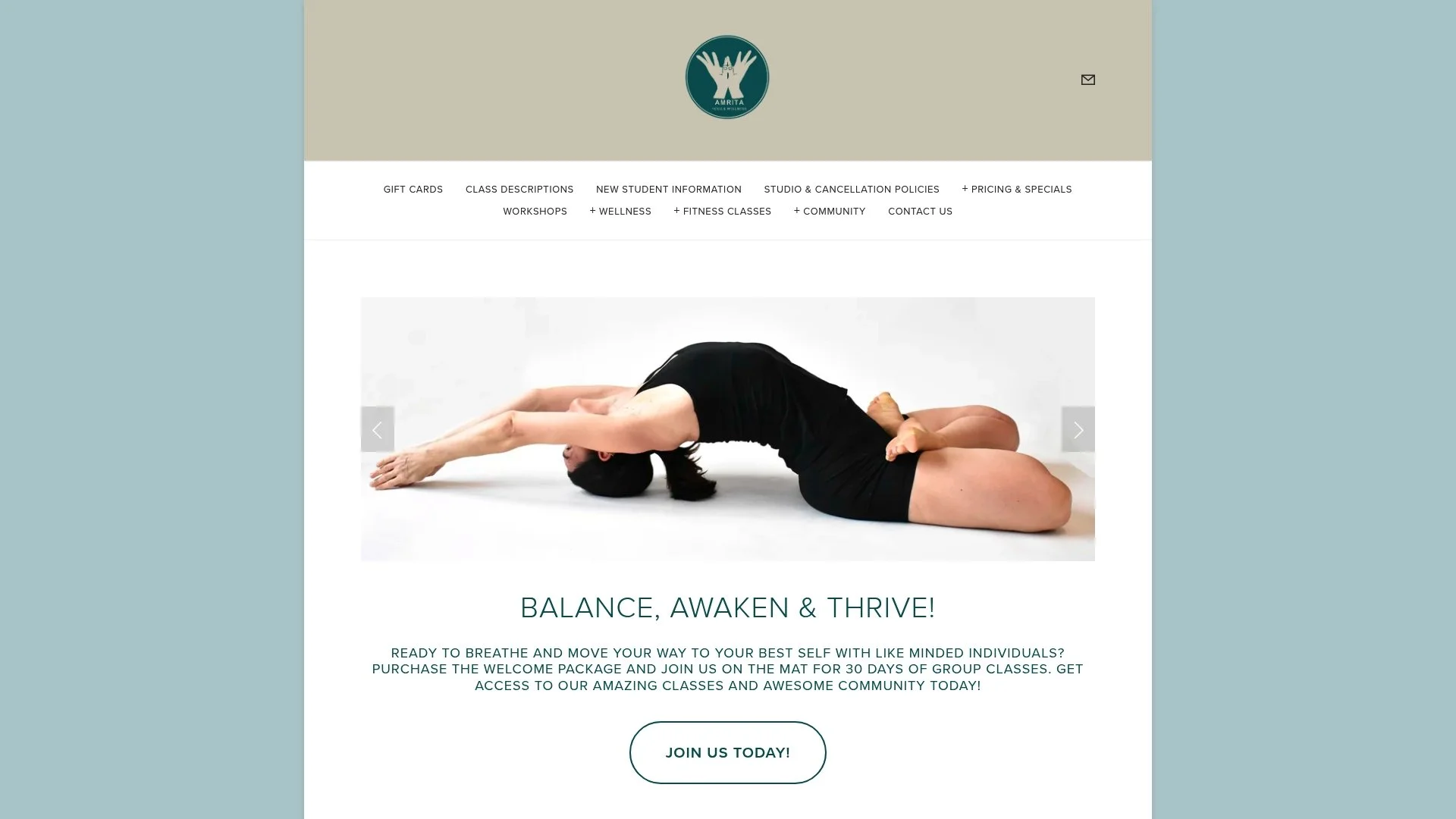
Start your aerial yoga experience today at Amrita Yoga & Wellness where we offer classes designed for all fitness levels including beginners. Explore our class schedules and workshops tailored to support your personal growth and physical well-being. Don’t wait to feel the real impact of aerial yoga on your body and mind. Visit Amrita Yoga & Wellness now and take the first step toward a stronger and more balanced you.
Frequently Asked Questions
What are the primary benefits of aerial yoga?
Aerial yoga offers numerous physical and mental health benefits, including enhanced core strength, improved flexibility, reduced joint compression, and stress reduction through mindful movement.
Is aerial yoga suitable for beginners?
Yes, aerial yoga is accessible to practitioners of all fitness levels. Beginner classes focus on foundational techniques with modifications available for various skill levels.
How does aerial yoga differ from traditional yoga?
Aerial yoga utilizes silk hammocks to support poses, allowing for greater range of motion and reduced strain on joints. It emphasizes three-dimensional movement and often incorporates mindfulness practices, making it a unique experience compared to traditional yoga methods.
What precautions should beginners take when starting aerial yoga?
Beginners should assess their physical readiness, consult a healthcare provider if needed, and communicate any existing injuries or limitations to their instructor. It's also essential to participate in classes led by qualified instructors who prioritize safety and proper technique.