7 Types of Meditation Practices for Holistic Wellness
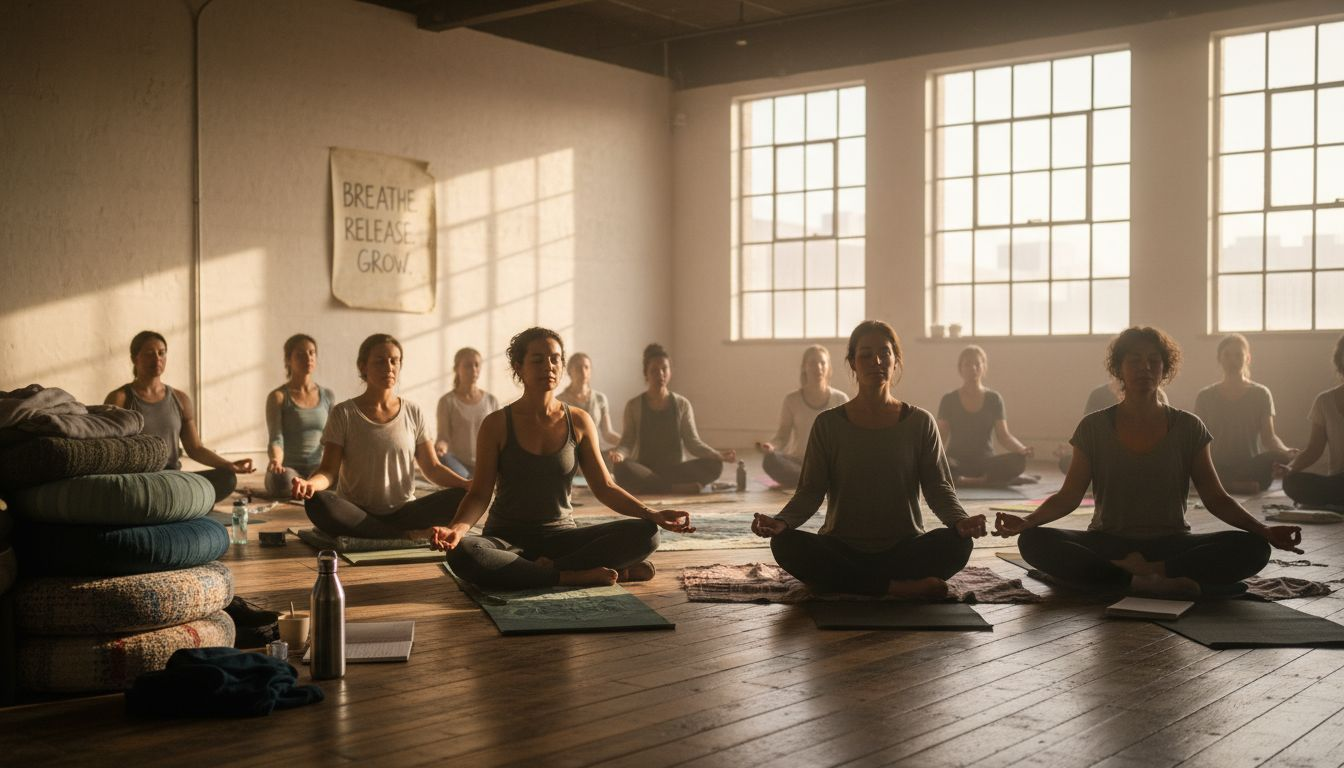
Stress, anxiety, and restless nights can make it feel like your mind is always on overdrive. Finding relief often seems out of reach, especially when you want practical solutions you can use in your everyday life. The good news is that meditation practices are proven to help ease mental strain and bring more calm into your daily routine.
Backed by scientific research, these meditation techniques have been shown to significantly reduce stress, lift your mood, and even improve your sleep quality. You will discover a variety of approaches you can try right away, each offering unique benefits for both mind and body. Get ready to explore simple methods that can transform how you handle stress and boost your emotional well-being.
Table of Contents
Quick Summary
| Key Message | Explanation |
|---|---|
| 1. Mindfulness Meditation Reduces Stress | Practicing mindfulness can decrease perceived stress, anxiety, and depression, enhancing emotional resilience. |
| 2. Loving-Kindness Creates Compassion | Engaging in loving-kindness meditation can enhance empathy and social connections while reducing negative emotional states. |
| 3. Body Scan Enhances Relaxation | Body scan meditation promotes deep relaxation and sleep quality by focusing on physical sensations and releasing tension. |
| 4. Mantra Meditation Improves Concentration | Repeating a mantra can significantly improve focus and cognitive performance by reducing mental distractions. |
| 5. Chakra Meditation Balances Energy | Chakra meditation harmonizes the body's energy centers, promoting emotional regulation and spiritual connection. |
1. Mindfulness Meditation for Stress Reduction
Mindfulness meditation offers a powerful approach to managing stress by training your brain to stay present and cultivate emotional resilience. This ancient practice has gained significant scientific recognition for its ability to transform how we respond to life's challenges.
Researchers have consistently demonstrated the profound impact of mindfulness on mental health. A recent systematic review of stress reduction techniques revealed that mindfulness-based interventions can significantly decrease perceived stress, anxiety, and depression among adults.
Key benefits of mindfulness meditation include:
Reduced physiological stress responses
Enhanced emotional regulation
Improved cognitive flexibility
Greater self-awareness
Decreased symptoms of anxiety and depression
Practicing mindfulness involves developing a non-judgmental awareness of your present moment experience. This means observing your thoughts and feelings without getting caught up in them or trying to change them immediately. By creating mental distance from stressors, you can respond more thoughtfully and less reactively.
To begin a mindfulness practice, start with short daily sessions:
Find a quiet space
Sit comfortably with your back straight
Focus on your breath
When your mind wanders, gently return attention to breathing
Practice for 5-10 minutes initially
Mindfulness is not about perfection but about consistent, gentle practice.
Pro tip: Use smartphone apps or guided meditation recordings to support your initial mindfulness journey and maintain consistency.
2. Loving-Kindness Meditation to Cultivate Compassion
Loving-kindness meditation represents a transformative practice designed to expand your capacity for empathy and emotional connection. By systematically directing positive intentions toward yourself and others, you can fundamentally reshape your emotional landscape.
Scientific research highlights the profound impact of this practice. A comprehensive study on compassion meditation revealed that even a single session can significantly increase positive emotions and reduce negative psychological states.
Key benefits of loving-kindness meditation include:
Enhanced emotional resilience
Increased empathy and compassion
Reduced symptoms of depression
Improved social connections
Greater capacity for self-acceptance
The practice involves a structured approach of mentally sending goodwill and kindness to various individuals. You begin by cultivating compassion for yourself, then gradually extend those feelings to others - from loved ones to neutral acquaintances, and eventually even to challenging relationships.
To practice loving-kindness meditation:
Find a comfortable seated position
Take several deep, centering breaths
Silently repeat phrases of goodwill
Start with yourself ("May I be happy. May I be healthy.")
Progressively extend phrases to others
Compassion is a skill that can be deliberately cultivated through intentional practice.
Pro tip: Practice this meditation for just 10 minutes daily to experience significant emotional transformation and increased empathy.
3. Body Scan Meditation for Deep Relaxation
Body scan meditation is a powerful technique that guides you through a systematic exploration of physical sensations, promoting deep relaxation and heightened body awareness. By deliberately focusing attention on different body parts, you can release tension and cultivate a profound sense of inner calm.
Research demonstrates remarkable benefits of this practice. A recent study revealed significant improvements in sleep quality through body scan meditation techniques.
Key benefits of body scan meditation include:
Reduced muscle tension
Enhanced mind-body connection
Improved stress management
Better sleep quality
Increased self-awareness
The practice involves a deliberate and gentle process of mental attention. You systematically move your awareness through different body regions, observing sensations without judgment or attempts to change them.
To practice body scan meditation:
Find a comfortable lying or sitting position
Close your eyes and take several deep breaths
Start at your toes and slowly move upward
Notice sensations in each body part without analyzing
Breathe into areas of tension or discomfort
Meditation is not about perfection but about gentle, consistent awareness.
Pro tip: Practice body scan meditation in a quiet space where you won't be interrupted, using soft background music to enhance relaxation.
4. Mantra Meditation to Improve Focus
Mantra meditation is a powerful cognitive technique that uses rhythmic sound repetition to anchor your attention and dramatically enhance mental concentration. By focusing on a specific word or phrase, you create a powerful mental tool for redirecting wandering thoughts and cultivating deeper awareness.
Research provides compelling evidence for the cognitive benefits. A systematic review showed significant improvements in brain wave activity and enhanced working memory through mantra practices.
Key benefits of mantra meditation include:
Increased sustained attention
Reduced mental clutter
Enhanced executive functioning
Lower stress levels
Improved cognitive performance
The practice involves selecting a meaningful word or phrase and repeating it silently or aloud. This repetition serves as a mental anchor, preventing distracting thoughts from disrupting your focus. Your chosen mantra can be traditional Sanskrit phrases, positive affirmations, or simple words like "peace" or "calm".
To practice mantra meditation:
Choose a comfortable seated position
Select a meaningful mantra
Close your eyes and take deep breaths
Begin repeating the mantra rhythmically
Gently redirect attention when mind wanders
Consistency transforms mantra meditation from a technique into a transformative practice.
Pro tip: Start with short 5-minute sessions and gradually increase duration as your concentration improves.
5. Guided Visualization for Emotional Healing
Guided visualization meditation is a powerful therapeutic technique that uses intentional mental imagery to process emotions, reduce stress, and promote psychological healing. By creating vivid mental landscapes, you can transform negative thought patterns and cultivate inner resilience.
Research demonstrates profound benefits of this practice. Studies reveal significant improvements in emotional regulation through targeted mental imagery techniques.
Key benefits of guided visualization include:
Reduced anxiety and depression symptoms
Enhanced emotional coping skills
Improved stress management
Increased mental clarity
Greater emotional self-awareness
The practice involves systematically imagining peaceful, healing scenarios guided by a narrator or your own internal voice. You might visualize walking through a serene forest, healing past emotional wounds, or experiencing personal transformation.
To practice guided visualization:
Find a quiet, comfortable space
Close your eyes and take deep breaths
Listen to a guided meditation recording
Allow mental images to emerge naturally
Stay present with emerging emotions
Visualization is a bridge between imagination and emotional healing.
Pro tip: Create a personal library of visualization scenarios tailored to different emotional needs, such as stress relief or confidence building.
6. Movement-Based Meditation to Boost Energy
Movement-based meditation integrates mindful physical activity to transform how you experience energy and awareness. Unlike traditional sitting meditation, these practices harness motion as a pathway to mental clarity and inner calm.
Research demonstrates the powerful impact of meditative movement practices on mental and physical well-being, showing how intentional movement can regulate internal states and boost overall energy.
Key benefits of movement-based meditation include:
Enhanced body awareness
Improved emotional regulation
Increased mental focus
Stress reduction
Natural energy boost
Popular forms of movement-based meditation include:
Tai Chi
Yoga flow sequences
Walking meditation
Qigong
Mindful dance
To practice movement-based meditation:
Choose a movement style that resonates with you
Focus on breath synchronization
Move with deliberate, slow movements
Maintain present-moment awareness
Notice bodily sensations without judgment
Movement is meditation in motion.
Pro tip: Start with short 10-minute sessions and gradually increase duration as you become more comfortable with mindful movement.
7. Chakra Meditation for Spiritual Balance
Chakra meditation is an ancient practice designed to harmonize your body's subtle energy centers, promoting holistic well-being across physical, emotional, and spiritual dimensions. By systematically focusing on seven key energy points along the spine, you can unlock profound inner balance and healing potential.
Scientific research supports the physiological basis of chakra energy centers, revealing their connection to neurological and hormonal systems.
Key benefits of chakra meditation include:
Enhanced emotional regulation
Improved autonomic nervous system balance
Increased self-awareness
Deeper spiritual connection
Reduced stress and anxiety
The seven primary chakras are:
Root (Muladhara): Grounding and stability
Sacral (Svadhisthana): Creativity and emotion
Solar Plexus (Manipura): Personal power
Heart (Anahata): Compassion and love
Throat (Vishuddha): Communication
Third Eye (Ajna): Intuition
Crown (Sahasrara): Spiritual connection
To practice chakra meditation:
Find a quiet, comfortable space
Sit in a relaxed position
Take deep, rhythmic breaths
Visualize each chakra's color and location
Focus on balancing energy flow
Spiritual balance begins with inner awareness.
Pro tip: Begin with 10-minute sessions, focusing on one chakra at a time to build deeper understanding and connection.
Below is a summary table of meditative practices featured in the article, underscoring techniques, benefits, and implementation guidance.
| Meditative Practice | Technique Overview | Benefits |
|---|---|---|
| Mindfulness Meditation | Focus on present-moment awareness through breath observation and thought detachment. | Reduced stress, enhanced emotional resilience, and improved self-awareness. |
| Loving-Kindness Meditation | Systematic cultivation of compassion by directing positive intentions to oneself and others. | Increased empathy, reduced depression symptoms, and stronger social connections. |
| Body Scan Meditation | Guided focus on physical sensations by systematically attending to body regions. | Alleviating tension, better sleep quality, and heightened body awareness. |
| Mantra Meditation | Use of rhythmic sound repetition of selected words or phrases to anchor concentration. | Improved cognitive focus, reduced distractions, and emotional calm. |
| Guided Visualization | Creation of vivid mental imagery to address emotions and promote healing. | Enhanced emotional self-regulation and clarity, alongside reduced anxiety. |
| Movement-Based Meditation | Integration of mindful body motions such as yoga or walking meditation for energy balance. | Boosted energy levels, improved emotional regulation, and stress reduction. |
| Chakra Meditation | Focus on visualizing and harmonizing seven subtle energy centers along the spine. | Spiritual alignment, emotional equanimity, and reduced anxiety. |
Discover Your Path to Holistic Wellness with Amrita Yoga & Wellness
The article highlights how different meditation practices like mindfulness, loving-kindness, and movement-based meditation can help you manage stress, enhance emotional resilience, and boost energy. If you find yourself seeking deeper relaxation, improved focus, or spiritual balance these goals often require ongoing guidance and a supportive community. At Amrita Yoga & Wellness we understand these challenges and offer classes and workshops specifically designed to complement these meditation styles and nurture holistic well-being.
Start your journey today by exploring our diverse offerings in yoga, tai chi, and mindful movement. Whether you want to experience the calming flow of tai chi or deepen compassion through loving-kindness meditation our Philadelphia studio invites you to connect with expert instructors and a welcoming community. Visit Amrita Yoga & Wellness now to view class schedules, sign up for workshops, and find tools that support your emotional and spiritual growth. Take the first step toward lasting balance and wellness.
Explore our class descriptions and sign up to transform your practice and life.
Frequently Asked Questions
What are the key benefits of mindfulness meditation for stress reduction?
Mindfulness meditation helps reduce perceived stress, anxiety, and depression by promoting emotional regulation and self-awareness. Start practicing daily for just 5-10 minutes to see improvements in your overall mental health within a few weeks.
How do I experience the benefits of loving-kindness meditation?
Loving-kindness meditation cultivates empathy and compassion. By practicing for 10 minutes a day, you can enhance your emotional resilience and improve your social connections, leading to a more positive outlook on life.
What steps do I follow for body scan meditation?
To practice body scan meditation, lie down comfortably and close your eyes. Begin focusing on each part of your body, starting from your toes and moving upward, to release tension and relax. Aim to practice this for about 10-20 minutes to enjoy greater self-awareness and relaxation.
How can mantra meditation improve my focus?
Mantra meditation enhances focus by using rhythmic repetition of a chosen word or phrase. Start with short 5-minute sessions, and gradually increase the duration to build concentration and reduce mental clutter over time.
How do I perform guided visualization for emotional healing?
Guided visualization involves listening to a narrative that helps you create peaceful mental imagery. By dedicating 10-15 minutes to this practice, you can foster emotional healing and improve your emotional coping skills.
What types of movement-based meditation can I try?
Popular forms of movement-based meditation include Yoga, Tai Chi, and walking meditation. Choose a style that resonates with you and practice for about 10-15 minutes daily to boost your energy and enhance body awareness.