Types of Yoga Styles: Choosing Your Best Fit
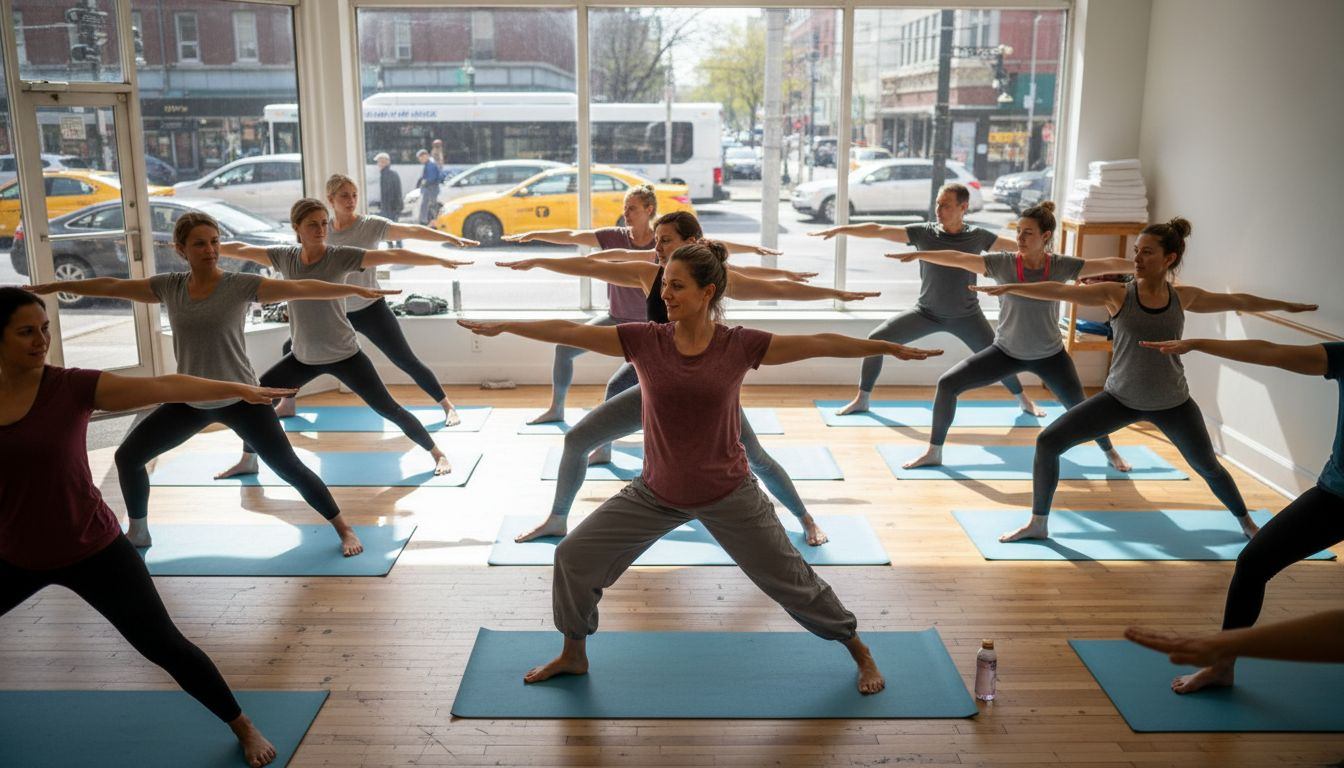
More than 36 million American adults now practice yoga, yet myths about its true purpose continue to shape how people approach this ancient discipline. In Philadelphia’s vibrant yoga community, both beginners and seasoned enthusiasts are discovering that authentic yoga means far more than stretching on a mat. This guide explores the rich history, evolving styles, and common misconceptions so you can confidently choose a path that supports personal growth and genuine community connection.
Table of Contents
Key Takeaways
| Point | Details |
|---|---|
| Understanding Yoga’s Depth | Yoga is an ancient practice integrating mental, physical, and spiritual growth, extending beyond mere exercise. |
| Exploring Various Styles | Different yoga styles, such as Hatha, Vinyasa, and Kundalini, cater to specific wellness goals and personal growth. |
| Choosing the Right Practice | Assessing your physical and mental needs is crucial in selecting a yoga style that aligns with your wellness journey. |
| Avoiding Common Mistakes | Don’t choose a yoga style based solely on trends; focus on what supports your holistic development and personal exploration. |
Yoga Styles Defined And Common Myths
Yoga represents far more than a fitness trend or series of physical postures. At its core, yoga is an ancient practice with deep philosophical roots originating in India, focused on achieving harmony between mind, body, and spirit. Traditional yoga practices explore complex spiritual disciplines beyond mere physical exercise, challenging many contemporary misconceptions about this transformative practice.
Common myths about yoga often reduce it to a simple workout routine or trendy wellness activity. In reality, traditional yoga encompasses a comprehensive system of mental, physical, and spiritual development. Western interpretations frequently emphasize physical fitness and flexibility, which represents only a fraction of yoga's authentic purpose. Authentic yoga aims to control mental fluctuations, promote self-awareness, and ultimately pursue spiritual liberation through disciplined practice.
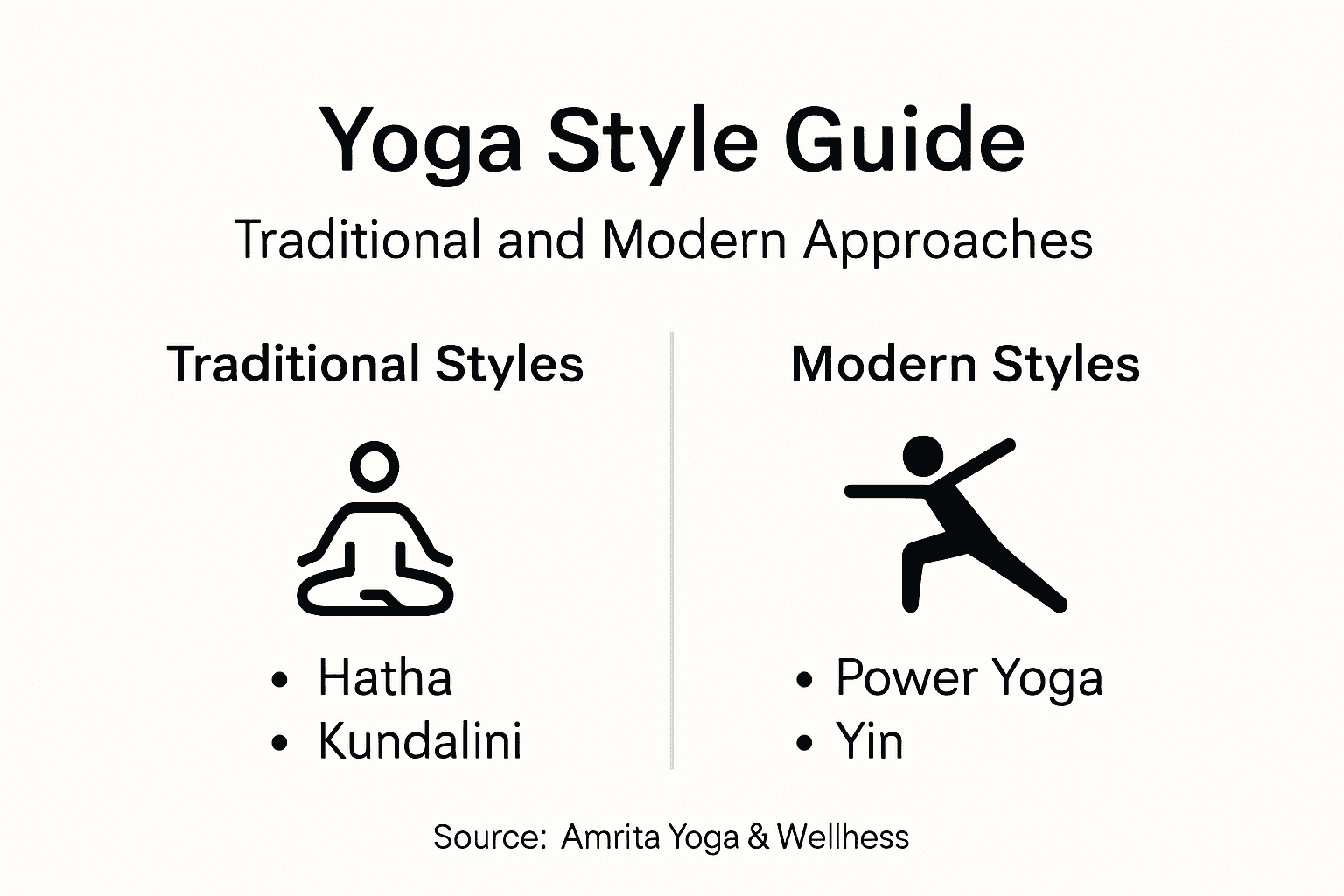
Understanding yoga's multidimensional nature requires recognizing its philosophical foundations. Different yoga styles emerged to address various spiritual and personal development goals. Hatha Yoga focuses on physical postures and breathing techniques, Kundalini Yoga emphasizes spiritual energy awakening, while Jnana Yoga prioritizes intellectual and philosophical understanding. Each style offers unique approaches to personal transformation, demonstrating yoga's remarkable depth and adaptability.
Pro tip: Before selecting a yoga style, research its specific philosophy and practice to ensure alignment with your personal wellness goals and spiritual interests.
Traditional Yoga Styles And Their Features
Traditional yoga styles represent profound spiritual systems that extend far beyond physical exercise, embodying complex philosophical practices rooted in Indian spiritual traditions. Yoga's classical systems incorporate intricate frameworks addressing mental, physical, and spiritual development through carefully structured practices that aim to achieve holistic personal transformation.
The core traditional yoga styles each offer unique approaches to spiritual growth and self-understanding. Hatha Yoga concentrates on physical postures and breath control, creating balance between body and mind. Vinyasa Yoga emphasizes fluid movement synchronized with breathing, promoting cardiovascular fitness and mental clarity. Yin Yoga utilizes slow, meditative poses targeting deep connective tissues, encouraging profound physical and emotional release. Raja Yoga, often called the "royal path," focuses on mental discipline through meditation and contemplative practices, seeking to calm mental fluctuations and attain higher consciousness.
Each traditional yoga style integrates specific techniques designed to support personal evolution. Breath control and meditation techniques play crucial roles across different styles, with pranayama (breathing exercises) and dhyana (meditation) serving as fundamental practices. These techniques help practitioners develop self-awareness, emotional regulation, and spiritual insight. Some styles like Kundalini Yoga emphasize energy awakening, while Karma Yoga prioritizes selfless service as a path to spiritual growth.
Pro tip: Explore multiple yoga styles through introductory classes to discover which philosophical approach and physical practice most resonates with your personal wellness journey and spiritual goals.
Contemporary Yoga Styles Growing In Popularity
Contemporary yoga styles represent dynamic adaptations that blend traditional spiritual practices with modern fitness approaches, reflecting the evolving landscape of wellness and personal development. These innovative styles have emerged to meet diverse individual needs, transforming yoga from a traditional spiritual practice into a versatile approach to physical and mental well-being.
Modern yoga styles showcase remarkable diversity and creativity. Power Yoga offers an intense, strength-building workout that appeals to fitness enthusiasts, while Aerial Yoga introduces playful suspension techniques using hammocks to challenge balance and flexibility. Bikram Yoga, practiced in heated rooms, provides cardiovascular challenges and deep muscle conditioning. Fusion Yoga styles like Hip Hop Yoga and Acro Yoga combine traditional techniques with contemporary elements, attracting younger practitioners seeking dynamic and engaging experiences.
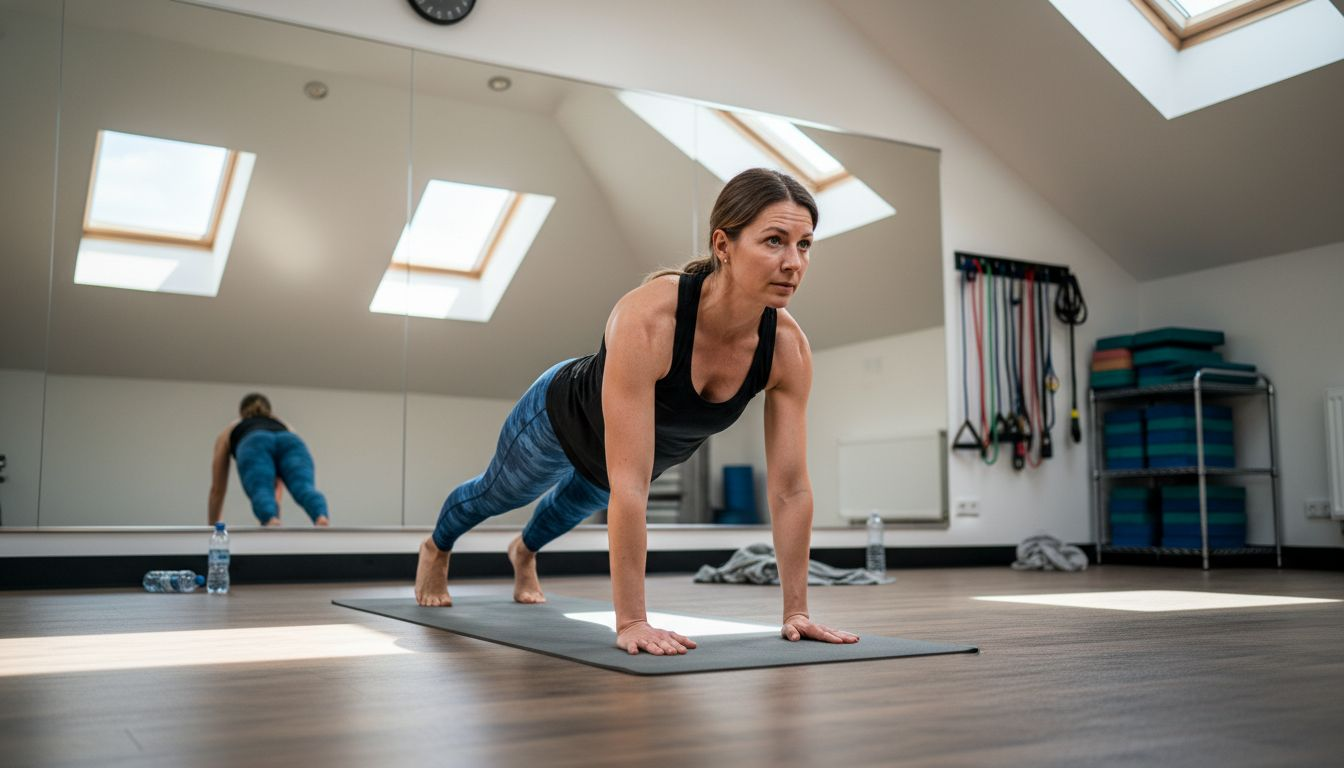
The popularity of these contemporary styles stems from their adaptability and accessibility. Yoga as exercise continues transforming global wellness practices, with online platforms and digital technologies expanding opportunities for practitioners worldwide. Many contemporary styles incorporate props, modify traditional sequences, and customize practices for specific populations like athletes, seniors, and individuals with physical limitations. This evolution demonstrates yoga's remarkable capacity to remain relevant while honoring its philosophical roots.
Pro tip: Experiment with multiple contemporary yoga styles to discover which approach best matches your fitness level, personal interests, and wellness goals.
Here's a concise comparison of traditional and contemporary yoga styles:
| Aspect | Traditional Yoga Styles | Contemporary Yoga Styles |
|---|---|---|
| Main Focus | Spiritual growth, mind-body harmony | Fitness, innovation, accessibility |
| Typical Techniques | Meditation, breathwork, postures | Props, fusion methods, technology |
| Philosophical Depth | Deeply rooted, ancient texts | Mixed depth, varied philosophies |
| Popularity Factors | Authenticity, personal evolution | Trendiness, adaptability, variety |
Physical And Mental Benefits Of Each Style
Yoga's comprehensive health benefitsextend far beyond simple physical exercise, offering profound impacts on both mental and physiological well-being. Different yoga styles provide targeted approaches to wellness, addressing individual needs through specialized techniques that promote holistic healing and personal transformation.
Each yoga style delivers unique physical advantages. Hatha Yoga enhances overall body strength and flexibility, promoting improved posture and muscular balance. Vinyasa Yoga offers cardiovascular conditioning, increasing endurance and coordination through continuous flowing movements. Yin Yoga targets deep connective tissues, improving joint mobility and releasing long-held muscular tension. Power Yoga builds significant muscle strength and supports weight management through intense, dynamic sequences.
Mental health benefits are equally remarkable across various yoga practices. Gentle styles like Restorative Yoga activate the parasympathetic nervous system, reducing stress and promoting deep relaxation. Breath-centered yoga practices help practitioners develop emotional regulation, mindfulness, and improved mental clarity. More meditative styles such as Kundalini Yoga focus on energy work, supporting psychological resilience and spiritual awareness. For individuals managing chronic conditions, specialized approaches like Chair Yoga provide accessible methods to improve physical function and mental well-being.
Pro tip: Consult with experienced yoga instructors to identify the most appropriate yoga style that aligns with your specific physical capabilities and mental health goals.
How To Choose The Best Yoga Style For You
Selecting the right yoga stylerequires understanding your unique physical, mental, and emotional needs. Each yoga practice offers distinct approaches to wellness, making personal assessment crucial in finding a practice that resonates with your individual goals and capabilities.
Beginners should consider their current fitness level, physical limitations, and primary wellness objectives. Gentle Yoga works best for those recovering from injury or seeking low-impact exercise. Vinyasa Yoga appeals to individuals desiring dynamic, cardiovascular-focused workouts. Restorative Yoga serves people managing high stress levels or seeking deep relaxation. Power Yoga attracts fitness enthusiasts looking for intense strength training and muscular conditioning. Your current health status, energy levels, and personal preferences will guide your ideal yoga style selection.
Taking a systematic approach helps identify the most suitable yoga practice. Comprehensive yoga style assessment involves experimenting with multiple styles, consulting experienced instructors, and listening to your body's responses. Attend introductory classes, observe different teaching approaches, and pay attention to how each style makes you feel physically and emotionally. Consider factors like class intensity, philosophical alignment, instructor teaching style, and personal comfort level when making your decision.
Pro tip: Start with beginner-friendly yoga classes that offer modifications and attend workshops to explore different styles before committing to a specific practice.
Use this guide to match popular yoga styles with wellness goals:
| Yoga Style | Best For | Typical Pace |
|---|---|---|
| Hatha | Beginners, flexibility | Steady and moderate |
| Vinyasa | Cardio, coordination | Fast-flowing |
| Yin | Stress relief, deep stretch | Slow and meditative |
| Power | Building strength, endurance | Intense and dynamic |
| Restorative | Relaxation, recovery | Very gentle, calming |
Common Mistakes When Selecting A Yoga Style
Yoga style selection mistakes can significantly impact your wellness journey, potentially leading to frustration, injury, or missed opportunities for holistic growth. Understanding these pitfalls helps practitioners make more informed and intentional choices about their yoga practice.
One common error involves selecting a yoga style based solely on physical intensity or trendy appearances. Beginners frequently choose advanced styles like Power Yoga or Ashtanga without considering their current fitness level, which can lead to potential injury or burnout. Another critical mistake is neglecting the mind-body connection by focusing exclusively on physical postures. True yoga encompasses more than just exercise—it integrates breathwork, meditation, and spiritual awareness that extend beyond mere physical movement.
People often make the mistake of rigidly adhering to a single style without exploring alternative approaches. Yoga practice requires personal exploration and adaptability. Some practitioners become discouraged when their first chosen style does not meet their expectations, instead of recognizing that different styles serve different purposes. Physical limitations, emotional needs, and personal wellness goals evolve, and your yoga practice should remain flexible enough to accommodate these changes.
Pro tip: Approach yoga with an open mind, prioritize professional instruction, and be willing to experiment with multiple styles to discover your most resonant practice.
Discover Your Perfect Yoga Style with Amrita Yoga & Wellness
Choosing the best yoga style can feel overwhelming when faced with so many options and personal goals. Whether you want to build strength with Power Yoga, find deep relaxation through Yin Yoga, or explore spiritual growth in a traditional practice, the key is finding the right fit that matches your body, mind, and wellness needs. This article highlights how understanding different yoga styles helps avoid common mistakes and supports a balanced, fulfilling practice.
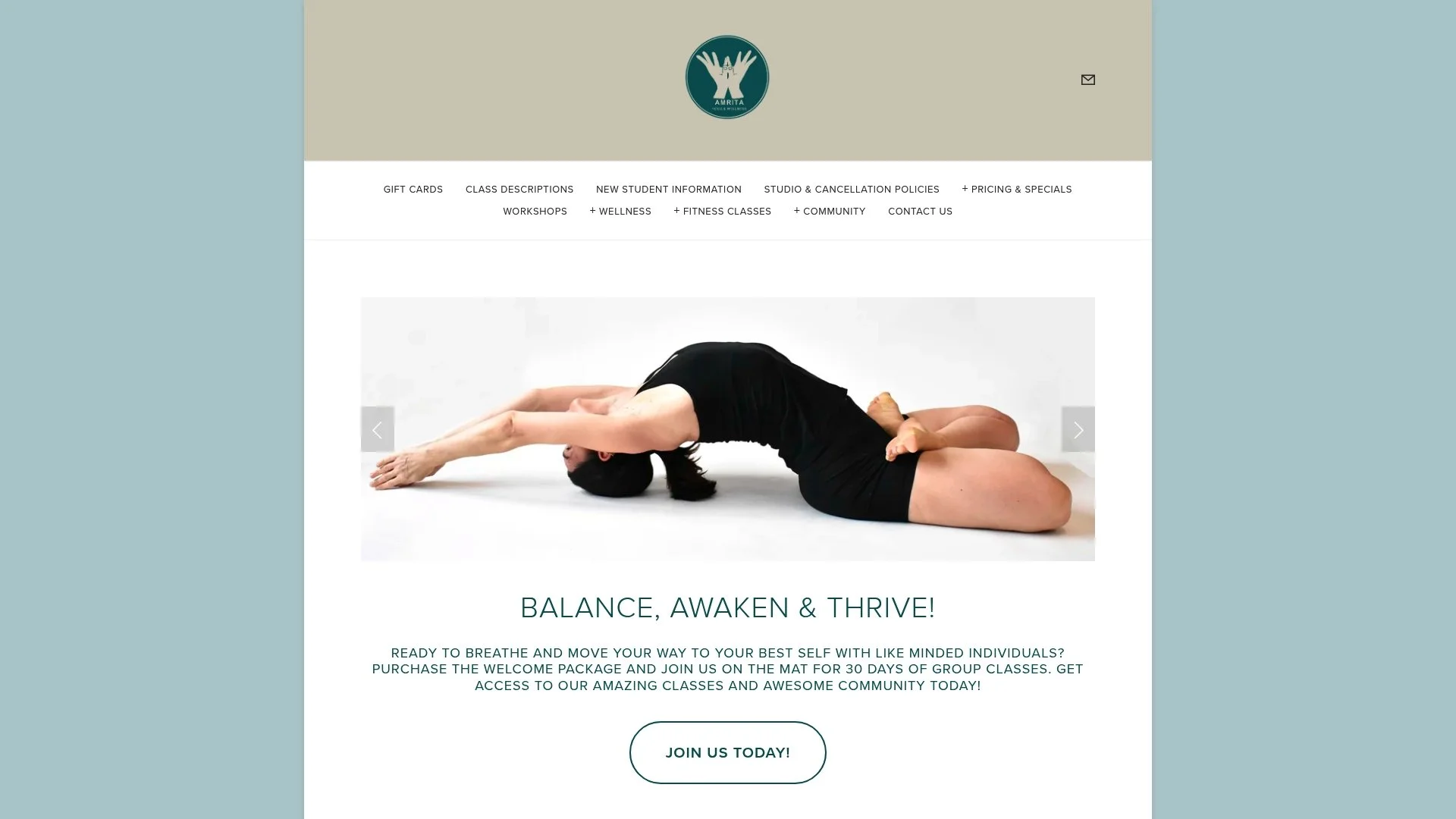
At Amrita Yoga & Wellness, we bring a welcoming community to Philadelphia where you can explore diverse yoga styles including hot yoga, restorative sessions, and mindful breathing techniques. Benefit from expert-led classes, workshops, and retreats designed to guide you through your unique wellness journey. Start today and experience the emotional balance, physical strength, and mental clarity you seek. Visit our site, discover class schedules and sign up now to embrace a yoga practice that truly resonates with you.
Explore more on selecting your ideal yoga path with our resources at Amrita Yoga & Wellness and unlock your full potential.
Frequently Asked Questions
What are the main types of yoga styles?
The main types of yoga styles include Hatha Yoga, Vinyasa Yoga, Yin Yoga, Power Yoga, and Restorative Yoga, each offering unique approaches to physical and mental wellness.
How do I choose the right yoga style for my needs?
To choose the right yoga style, assess your fitness level, personal wellness goals, and any physical limitations. Experiment with different classes and consult experienced instructors for guidance.
What are the physical benefits of practicing yoga?
Practicing yoga can enhance strength, flexibility, balance, and joint mobility. Different styles target specific physical needs, such as cardiovascular fitness in Vinyasa Yoga or muscle conditioning in Power Yoga.
How does yoga contribute to mental health?
Yoga contributes to mental health by promoting relaxation, reducing stress, and enhancing emotional regulation and mindfulness. Styles focusing on meditation and breathwork offer particularly significant mental health benefits.