The Amrita Journal
Explore thoughtful stories, practical wellness guidance and inspiring ideas to support your movement, mindfulness and everyday wellbeing at Amrita.
Iyengar yoga teacher training, certification, and community

TL;DR:
Iyengar yoga teaching requires anatomical precision, prop mastery, and lifelong dedication beyond just certification. Aspiring teachers in Philadelphia should build a strong personal practice, seek mentorship, and engage in ongoing community learning to develop essential skills and sustain growth. Continual education, peer support, and active community involvement are vital for long-term success and mastery in Iyengar teaching.
Most aspiring yoga teachers walk into their first Iyengar class expecting something like a gentle fitness workout. They walk out realizing they've encountered an entirely different discipline — one that demands anatomical precision, prop mastery, and years of structured mentorship before a student ever earns the right to teach. If you're drawn to Iyengar yoga teaching in Philadelphia, this guide will show you exactly what the path looks like, from your first foundational steps through certification, continuing education, and building the kind of community that sustains you long-term.
Table of Contents
Key Takeaways
| Point | Details |
|---|---|
| Rigorous teacher training | Iyengar yoga teachers complete extensive training and certification for instructional mastery. |
| Ongoing education required | Continuing education and skill development are mandatory for all Iyengar instructors. |
| Community is essential | Connecting with mentors and peers significantly strengthens your teaching and personal growth. |
| Cost-saving options exist | Philadelphia offers scholarships and volunteer programs to reduce training expenses. |
| Holistic practices enhance teaching | Incorporating yoga therapy and wellness modalities supports long-term teacher success. |
What makes Iyengar yoga teaching unique?
To understand what you're signing up for, you need to know what sets this method apart from every other style on the market. Iyengar yoga is renowned for its focus on alignment, precision, and use of props — and that's not just marketing language. It's the engine that drives every teaching decision you'll make.
Here's what makes Iyengar teaching distinct from other yoga traditions:
Prop-based learning. Blocks, bolsters, straps, blankets, and even ropes mounted to walls allow students of all abilities to experience correct alignment without injury risk. As a teacher, you'll learn how and when to introduce each prop with real intentionality.
Micro-level alignment cues. Rather than offering general direction like "open your chest," Iyengar teachers give precise anatomical instructions such as "rotate your outer upper arm back and down." This requires deep knowledge of the body.
Progressive sequencing. Courses and classes are deliberately structured so that foundational poses build toward more advanced ones. You won't rush anyone into a pose their body hasn't been prepared for.
Individualized teaching. Iyengar instructors are trained to observe each student's unique body and adapt the practice accordingly. One cue will never fit every body in the room.
Integration with holistic wellness. Many Iyengar teachers also draw from yoga therapy benefits and mind-body practices to support students dealing with chronic conditions, stress, or injury recovery.
B.K.S. Iyengar himself put it clearly:
"Yoga teaches us to cure what need not be endured and endure what cannot be cured."
That philosophy shapes every teaching interaction. You're not just cueing poses — you're reading people, listening to their bodies, and responding with intelligence and care.
Pro Tip: Always begin your own teaching sessions with foundational poses. Rushing students toward advanced asanas before they've internalized basic alignment undermines both safety and long-term progress.
Steps to becoming an Iyengar yoga teacher in Philadelphia
Now that you understand the Iyengar approach, here's exactly how the teacher training journey works in Philadelphia. The path is rigorous, but it's also well-defined — and that structure is one of the things that makes Iyengar certification so respected.
Step-by-step roadmap:
Build a consistent personal practice. Most programs require at least two to three years of regular Iyengar classes before you can enter teacher training. This isn't arbitrary — you need to understand the method from the inside.
Find a qualified senior teacher. Early mentorship with an Introductory or Intermediate certified teacher shapes your understanding of how sequences work and how alignment is observed.
Complete foundational study. You'll study B.K.S. Iyengar's books, particularly Light on Yoga and Light on Pranayama, as part of your preparation for the assessment process.
Register for an Introductory assessment. The Iyengar Yoga National Association of the United States (IYNAUS) governs certification in three main stages: Introductory, Intermediate, and Advanced. Introductory I and II are where most aspiring teachers begin.
Log supervised teaching hours. You must demonstrate your teaching skills in front of senior assessors. Practice teaching real students, and seek feedback regularly.
Pursue Intermediate and Advanced levels over time. Each successive level opens more poses and sequences you're authorized to teach, and each requires additional preparation and mentorship.
Philadelphia offers structured training paths and cost-saving opportunities that many aspiring teachers don't know about until they look. Scholarships, volunteer programs, and studio partnerships can significantly reduce your out-of-pocket cost.
Here's a general comparison of training program structures available in the Philadelphia area:
| Program type | Duration | Estimated cost | Primary focus |
|---|---|---|---|
| Studio-based mentorship | 1 to 2 years | $800 to $2,500 | Personal practice, cueing |
| Intensive training program | 6 to 12 months | $1,500 to $4,000 | Sequencing, anatomy, assessment prep |
| Volunteer assistantship | Ongoing | Reduced or free | Hands-on teaching practice |
| Online supplemental courses | Self-paced | $200 to $700 | Anatomy, philosophy, props |

You can also explore teacher training programs locally to compare options and find the structure that fits your schedule and learning style.
Pro Tip: Volunteer assistantships are one of the most underused tools for aspiring teachers. Assisting senior teachers in live classes gives you real-time feedback, builds teaching instincts, and often significantly reduces tuition costs.
Essential skills and continuing education for Iyengar teachers
Completing certification is just the beginning. The teachers who earn lasting respect in the Iyengar community are those who treat learning as a lifelong practice, not a destination. Let's look at the core competencies you need to develop and how to keep building them after you earn your credentials.
Core teaching competencies for Iyengar instructors:
Precise verbal cueing. Your words must guide students through anatomical adjustments without physical contact when necessary. Clear, layered language is a skill you'll practice constantly.
Compassionate hands-on adjustment. Iyengar teachers are trained to use touch thoughtfully, respecting personal boundaries and individual physical differences.
Observational intelligence. You'll learn to read posture, breathing patterns, and compensation habits across an entire room at once — a skill that takes years to refine.
Anatomy and injury awareness. Understanding joint mechanics, common injury patterns, and contraindications for each pose protects both your students and your teaching reputation.
Stress management and breathwork. Pranayama, the formal practice of breath regulation, is integral to the Iyengar method and requires separate study and certification over time.
Continuing education is vitalfor instructors, especially in wellness or clinical settings. Iyengar certification requires ongoing professional development to maintain credentials, and the smartest teachers treat workshops and study not as obligations but as fuel.
Here's a sample framework for continuing education hours that certified teachers commonly use:
| Education type | Hours per year | Common provider | Teaching impact |
|---|---|---|---|
| Advanced asana workshop | 10 to 20 | Senior Iyengar teachers | Refines cueing and sequencing |
| Anatomy and physiology course | 8 to 15 | Yoga school or university | Improves injury prevention |
| Pranayama intensive | 6 to 12 | Certified pranayama teacher | Deepens class programming |
| Peer study group sessions | 10 to 20 | Self-organized local groups | Builds accountability and skill |
| Online yoga philosophy course | 5 to 10 | IYNAUS or affiliated schools | Strengthens teaching philosophy |
The peer study group model deserves special attention. Many experienced Iyengar teachers in Philadelphia credit these informal groups as the single most impactful factor in their development after certification. You learn differently when you're practicing with colleagues rather than just attending workshops.
Pro Tip: Form or join a peer study group within the first six months of your certification. Regular practice with fellow teachers accelerates growth faster than solitary study and keeps you motivated through the inevitable plateaus.
Building your Iyengar community and ongoing support
With professional skills in place, let's focus on building lasting support through the Iyengar community in Philadelphia. Isolation is one of the most underestimated risks in a new teacher's career. The technical skills matter enormously, but community is what keeps you practicing and growing over the long run.
Practical ways to build and maintain meaningful community connections:
Attend local Iyengar events and workshops. Philadelphia's yoga scene includes regular workshops led by visiting senior teachers. These are prime opportunities for professional development and relationship building.
Join online networks. IYNAUS maintains national networks for certified and aspiring teachers. Regional Facebook groups and dedicated forums connect you with peers across the country.
Collaborate with local studios. Offer to co-teach, substitute, or assist in classes outside your home studio. Cross-studio relationships expand your reach and your perspective.
Participate in mentorship programs. Seek out a senior Iyengar teacher willing to offer ongoing guidance beyond your formal training. This relationship often becomes the most formative of your teaching career.
Integrate holistic modalities. Blending yoga therapy resources and related practices into your continuing development builds resilience and enriches the experience you bring to your students.
Explore yoga for healing. Teachers who engage with yoga for healing practices often find their own relationship with the body and breath deepens in ways that translate powerfully into their instruction.
One teacher in the Philadelphia community described the shift this way:
"I thought earning my Introductory certification would be the arrival point. What I didn't understand was that community is where the real teaching begins. My study group, my mentors, and the students who challenge me every week — they are my practice now."
This perspective reflects something deeply true about the Iyengar path. The community is not an add-on to the technical training. It is the training. Every interaction with a fellow teacher or a curious student is a chance to see the practice more clearly.
Why true mastery for Iyengar yoga teachers goes beyond certification

Here's something most teacher training programs don't say out loud: certification alone does not make you a great Iyengar teacher. It makes you a credentialed one. Those are meaningfully different things.
A pattern shows up repeatedly in the Iyengar community. Teachers invest enormous energy preparing for their assessments, pass them with strong marks, and then quietly coast. The workshops slow down. The personal practice becomes more routine than investigative. The mentorship relationship, once so central, fades into occasional check-ins. And gradually, without anyone noticing, the teaching loses its edge.
The antidote isn't more ambition. It's more humility. The teachers who keep growing are often the ones who return to beginner-level study sessions voluntarily, who sit in the back of senior teachers' classes and take notes, who openly admit to colleagues when they don't know why a particular cue isn't landing. That willingness to not-know is genuinely rare, and it's what allows real learning to continue.
Think of it like tuning a finely calibrated instrument. You can spend years learning how to play it, but the moment you stop listening to how it actually sounds in different rooms and conditions, you start to drift. The instrument doesn't lie. Neither does a room full of students whose bodies are giving you real-time feedback about your teaching.
The most formative growth often comes not from workshops or assessments, but from showing up consistently to the free yoga teacher training events, peer gatherings, and community study groups that don't carry formal credentials but carry tremendous insight. That's where self-inquiry actually happens — in conversation, in shared practice, and in the willingness to be a student again.
Commit to lifelong learning not because the certification requires it, but because your students deserve a teacher who is still genuinely curious.
Explore resources to support your Iyengar yoga teacher journey
For aspiring and certified Iyengar teachers in Philadelphia, finding the right support structure makes all the difference between a teaching path that stagnates and one that keeps evolving.
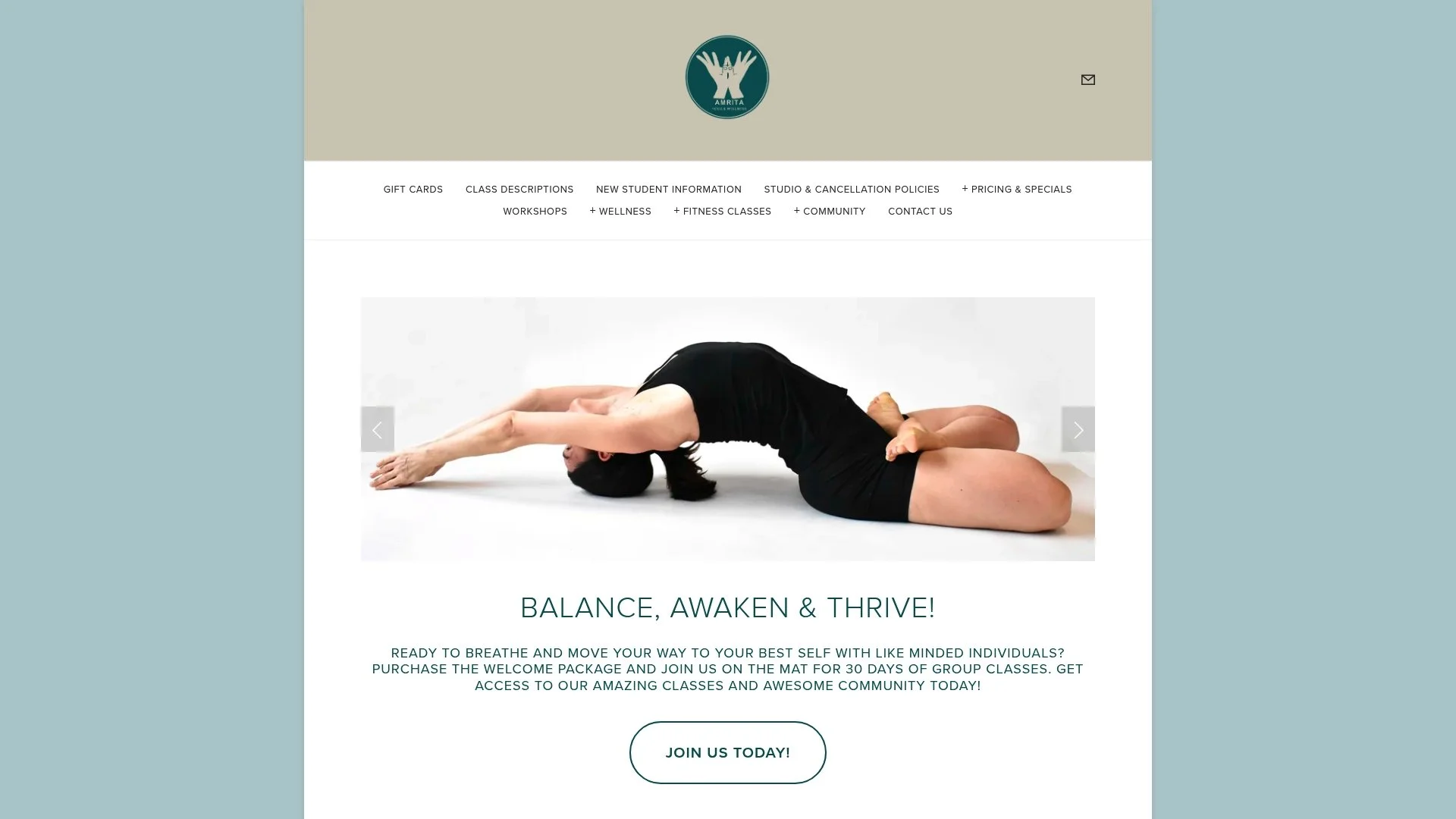
Amrita Yoga & Wellness offers a range of workshops, one-on-one sessions, and integrative wellness experiences designed to support teachers at every stage of their journey. Whether you're refining your alignment knowledge, exploring the intersection of yoga and holistic healing, or simply looking for a grounded community of practitioners, the resources here are built for exactly that. Even something as unexpected as tarot readings can offer a fresh lens of self-reflection for new teachers navigating the emotional demands of the profession. The path to teaching excellence is rarely linear, and Amrita Yoga & Wellness is here to support every dimension of it.
Frequently asked questions
How long does it take to become an Iyengar yoga teacher?
It usually takes two to three years of dedicated practice and study to meet the requirements for certification as an Iyengar yoga teacher, though many teachers continue building credentials for a decade or more.
Are there free or low-cost Iyengar teacher training programs in Philadelphia?
Yes, Philadelphia offers structured training paths and cost-saving programs for volunteers and scholarship applicants, which can reduce tuition by as much as 30%.
What is the main difference between Iyengar yoga teaching and other styles?
Iyengar yoga focuses on alignment, props, and progressive learning, making it far more detail-oriented and systematic than most other yoga styles taught today.
Do Iyengar teachers need to complete continuing education?
Yes, ongoing education through workshops and accredited courses is required to maintain Iyengar certification and keep teaching skills current.
Recommended
Free Yoga Training: Boost Your Well-Being Step by Step

Long workdays, city traffic, and constant noise leave many Philadelphia residents searching for genuine moments of peace and connection. Creating a dedicated space for free yoga practice empowers you to nurture both mind and body while inviting much-needed calm into daily life. Whether you prefer solo sessions at home or vibrant community classes, learning how to start with purpose sets the groundwork for a truly uplifting, holistic wellness journey.
Table of Contents
Quick Summary
| Key Point | Explanation |
|---|---|
| 1. Create a dedicated yoga space | Select a quiet, clutter-free area with natural light for your practice, ensuring comfort and focus during sessions. |
| 2. Register for free yoga training | Sign up for local and online classes to access yoga training without financial pressure, catering to all skill levels. |
| 3. Engage in community yoga classes | Join local yoga sessions to connect with fellow practitioners, fostering personal growth and support through shared experiences. |
| 4. Set personal wellness goals | Establish and track specific wellness objectives assessing physical and mental progress to enhance your yoga practice consistently. |
| 5. Build supportive yoga connections | Actively participate in community events and discussions to create authentic connections that enrich your yoga journey. |
Step 1: Prepare Your Space for Free Yoga Sessions
Preparing the right environment is crucial for a successful free yoga practice. Your home space can transform into a personal wellness sanctuary with just a few mindful adjustments.
Start by selecting a quiet, uncluttered area where you can practice without interruptions. Peaceful practice environments are essential for maintaining focus and achieving mental clarity during your yoga session. Look for a space with the following characteristics:
Minimum 6x6 foot area for comfortable movement
Natural light or soft, diffused lighting
Away from high-traffic household zones
Relatively quiet location
Flat, clean surface for your yoga mat
Ensure your space has some basic props to support your practice:
A high-quality yoga mat
Optional yoga blocks or cushions
A lightweight blanket for relaxation
Water bottle for hydration
Comfortable, breathable clothing
Clean and prepare your chosen area by removing any potential distractions. Put away electronic devices, close doors to minimize noise, and consider using a light room spray or burning sage to create a calming atmosphere.
A dedicated yoga space signals to your mind and body that this time is sacred and meant for personal wellness and growth.
Pro tip: Keep a small basket or container near your yoga space with your essential props, so everything is easily accessible and your setup becomes a consistent, inviting ritual.

Step 2: Register for Local and Online Free Yoga Training
Registering for free yoga training opens up exciting opportunities to explore wellness practices without financial barriers. Whether you prefer local studio sessions or online classes, multiple pathways exist to start your yoga journey.
Free introductory yoga courses are designed to accommodate practitioners of all experience levels, making them perfect for beginners and experienced yogis alike. You have several registration options to explore:
Online registration through studio websites
Community center yoga programs
Local studio walk-in registrations
Virtual workshop sign-ups
Social media yoga event pages
Follow these detailed steps to complete your registration:
Research local yoga studios offering free classes
Check their website or social media platforms
Locate the registration or signup page
Fill out required personal information
Select your preferred class time and format
Confirm your registration via email
Most free yoga training programs require minimal commitment and provide a risk-free opportunity to explore different yoga styles and instructional approaches. Some studios might request basic contact information, while others could have more comprehensive onboarding processes.
Free yoga training represents an accessible gateway to holistic wellness, inviting practitioners to discover personal transformation without financial pressure.
Pro tip: Create a dedicated email folder for yoga class communications to easily track confirmations, schedules, and upcoming free training opportunities.
Step 3: Join Community-Driven Yoga Classes
Community yoga classes offer an incredible opportunity to connect with local practitioners and transform your wellness journey through shared experiences. By engaging in local yoga sessions, you can discover supportive environments that foster personal growth and collective healing.
Different community platforms provide unique opportunities for joining yoga classes:
Public library yoga programs
Community center wellness initiatives
Neighborhood park group sessions
Free studio introductory classes
Online community wellness platforms
Follow these strategic steps to successfully integrate into a community yoga experience:
Research local community yoga offerings
Verify class accessibility and schedule
Check experience level requirements
Prepare necessary equipment
Arrive early for orientation
Introduce yourself to the instructor
Community-driven yoga classes typically welcome practitioners of all backgrounds, creating inclusive spaces that prioritize personal wellness and collective support. These sessions often provide more than just physical exercise - they build connections and create supportive networks for holistic health.
Here's a comparison of popular yoga community platforms and what they uniquely offer:
| Platform Type | Key Benefits | Ideal For |
|---|---|---|
| Public Libraries | Accessible, inclusive | Beginners, families |
| Community Centers | Local wellness resources | Residents, mixed levels |
| Parks & Outdoors | Nature connection | Social, group seekers |
| Studio Classes | Professional instruction | Skill-focused practitioners |
| Online Platforms | Flexible access, variety | Remote or busy individuals |
“Community yoga transforms individual practice into a shared journey of wellness, connection, and mutual support.”
Pro tip: Bring a positive attitude and an open mind when joining new yoga communities, as genuine connections often emerge from genuine curiosity and willingness to learn.
Step 4: Track Your Progress with Personal Wellness Goals
Tracking your yoga practice requires thoughtful goal setting and consistent self-reflection. Personal wellness tracking empowers you to understand your physical and mental transformation through structured observation and intentional practice.
Establish meaningful wellness goals across multiple dimensions:
Physical flexibility improvements
Mental clarity and stress reduction
Breath control and meditation depth
Strength and body awareness
Overall energy and emotional balance
Implement a comprehensive tracking strategy with these key steps:
Create a baseline assessment of current capabilities
Set specific, measurable wellness objectives
Document your practice regularly
Use journaling or digital tracking tools
Review progress monthly
Adjust goals based on observed outcomes
Consistent monitoring allows you to recognize subtle changes in your physical and mental well-being. By maintaining a holistic perspective, you transform yoga from a simple exercise routine into a profound personal growth journey.
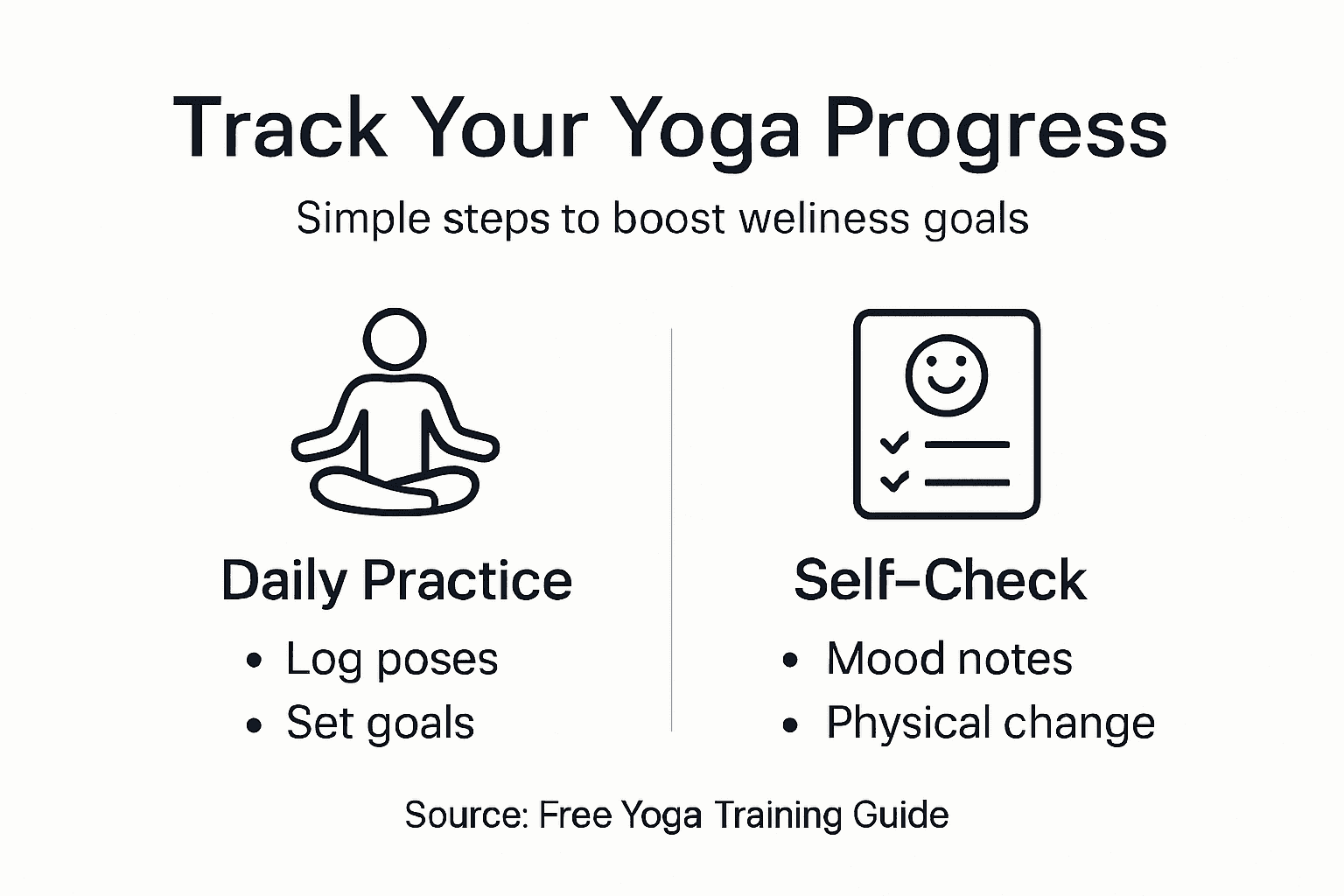
Below is a summary of essential personal wellness goal dimensions to consider and track:
| Wellness Dimension | What It Encompasses | Sample Progress Indicators |
|---|---|---|
| Flexibility | Range of movement, joints | Increased stretch, ease |
| Mental Clarity | Focus, reduced stress | Calmness, better attention |
| Breath Control | Deep breathing, relaxation | Longer holds, smooth flow |
| Strength | Muscle development | Stability, endurance gains |
| Emotional Balance | Mood, resilience | Positive outlook, less anxiety |
“Your wellness journey is unique — track progress not to compare, but to understand and celebrate your individual transformation.”
Pro tip: Create a dedicated wellness journal with sections for physical progress, emotional insights, and personal reflections to maintain a comprehensive view of your yoga practice.
Step 5: Engage with Supportive Yoga Communities
Building meaningful connections transforms your yoga practice from a solitary activity into a powerful journey of collective growth and inspiration. Global yoga communities offer remarkable opportunities to expand your practice beyond individual sessions and connect with like-minded practitioners.
Explore multiple avenues for community engagement:
Local studio group classes
Online yoga forums and discussion groups
Virtual workshop series
Wellness retreat experiences
Social media yoga interest networks
develop your community connection strategy through these key approaches:
Attend regular group classes
Participate in community events
Share your personal wellness journey
Ask questions and seek guidance
Offer support to fellow practitioners
Stay open to diverse perspectives
Authentic community engagement goes beyond simply attending classes. It involves creating genuine connections, sharing experiences, and supporting each other's wellness journeys with empathy and respect.
Yoga communities are not just about physical practice, but about creating a supportive network that nurtures personal and collective growth.
Pro tip: Approach community interactions with curiosity and openness, understanding that each practitioner's journey is unique and valuable.
Elevate Your Free Yoga Training and Embrace Lasting Wellness
If you have felt the challenge of finding a peaceful space, registering for the right program, or staying motivated to track your progress in your free yoga journey free yoga training offers a wonderful foundation but taking the next step is essential for sustained growth. At Amrita Yoga & Wellness, we understand your goals for mental clarity physical flexibility and emotional balance and provide a welcoming environment where you can deepen your practice beyond the basics. With diverse class options including hot yoga pilates barre and tai chi you will find tailored support to advance your wellness journey.
Discover how our community-focused classes and transformative workshops can help you build a strong personal wellness routine. Join us now at Amrita Yoga & Wellness and gain access to expert instruction flexible scheduling and ongoing support. Take control of your well-being today by exploring detailed class descriptions and signing up for sessions that match your unique needs at Amrita Yoga & Wellness Classes. Unlock your full potential and connect with others on the same path by visiting our Homepage to start your next chapter in holistic health.
Frequently Asked Questions
How do I prepare my space for free yoga training?
To prepare your space for free yoga training, select a quiet and clutter-free area of at least 6x6 feet. Make sure it has natural or soft lighting and a clean surface for your yoga mat. Keep essential props nearby for easy access during your practice.
What types of free yoga training options are available?
Free yoga training options include online classes, community center programs, public library sessions, and introductory classes at local studios. Explore these avenues and choose the format that best fits your schedule and comfort level.
How can I effectively track my progress in yoga training?
To track your progress in yoga training, set specific, measurable wellness goals and document your practice regularly. Use journaling or digital tools to record your experiences and review your achievements monthly.
What are the benefits of joining community-driven yoga classes?
Joining community-driven yoga classes fosters connection and support among practitioners. These classes typically offer a welcoming environment for all experience levels, enhancing your overall yoga journey through shared experiences and encouragement.
How can I engage with supportive yoga communities?
You can engage with supportive yoga communities by attending local classes, participating in community events, and connecting with others online. Share your wellness journey, offer support, and ask questions to build meaningful connections within the community.
Recommended
Hot Yoga Instructor Skills for Philadelphia Success
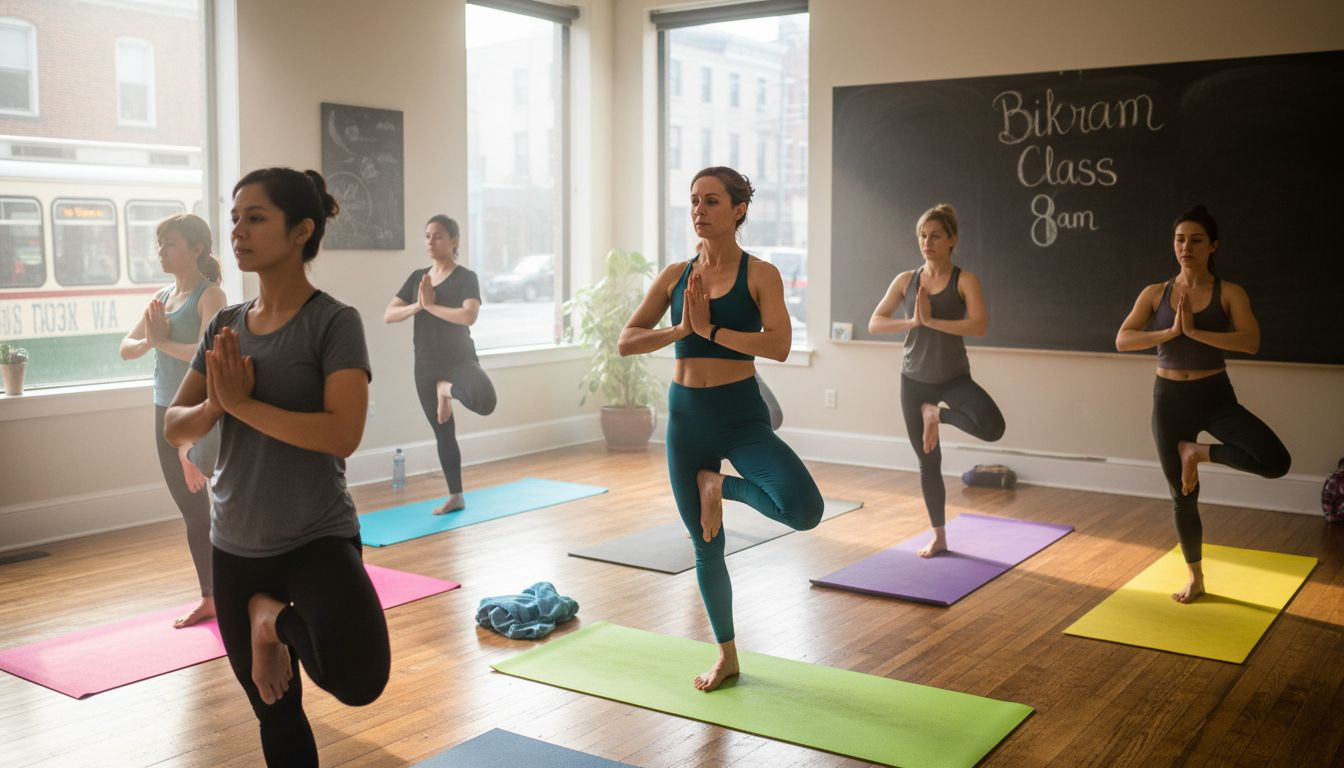
Every aspiring hot yoga instructor in Philadelphia knows the intensity of leading classes that push comfort zones and inspire transformation. The demand for specialized fitness professionals skilled in creating safe, heated environments continues to grow, as studios seek experts who blend technical knowledge with authentic wellness leadership. This guide highlights the critical skills, recognized certifications, and popular teaching methods needed to help you build a successful practice while building strong community connections and avoiding burnout.
Table of Contents
Key Takeaways
| Point | Details |
|---|---|
| Role of Hot Yoga Instructors | Hot yoga instructors are responsible for creating structured classes, ensuring student safety, and providing personalized modifications in a heated environment. |
| Hot Yoga Styles | Understanding various hot yoga styles, including Bikram and Power Yoga, allows instructors to tailor classes to meet diverse student needs and wellness goals. |
| Training Requirements | Aspiring hot yoga instructors should complete specific training programs and maintain certifications to establish credibility and professional excellence. |
| Community Engagement | Building a supportive community and prioritizing self-care are essential for instructors to sustain their teaching practices and avoid burnout. |
Defining the Hot Yoga Instructor Role
A hot yoga instructor is a specialized fitness professional who leads high-temperature yoga classes designed to challenge physical and mental boundaries. Fitness trainers guide exercise activities with a unique focus on creating transformative experiences through intense heat and purposeful movement.
The role encompasses multiple critical responsibilities that extend far beyond traditional yoga teaching:
Designing structured class sequences
Monitoring student safety and physical conditions
Creating optimal heated studio environments
Providing personalized modifications for different fitness levels
Demonstrating precise yoga postures and techniques
Hot yoga instructors must possess deep knowledge of multiple hot yoga styles and understand how heat impacts human physiology. They work in specialized studio settings where room temperatures typically range between 95-105 degrees Fahrenheit, requiring extensive training in body mechanics, heat adaptation, and student wellness.
Successful hot yoga instructors in Philadelphia need a unique combination of technical skill, athletic ability, and interpersonal communication. They serve not just as movement guides, but as wellness coaches who help students transform physical and mental limitations through intentional practice.
Pro tip: Develop a comprehensive understanding of human anatomy and heat-related physiological responses to become an exceptional hot yoga instructor.
Popular Hot Yoga Styles and Methods
Hot yoga encompasses a diverse range of practices that challenge practitioners through intentional heat and movement. Multiple hot yoga styles offer unique approaches to physical and mental transformation, each with distinctive characteristics and training philosophies.
The most prominent hot yoga styles include:
Bikram Yoga: Traditional 26-posture sequence performed in 105°F rooms
Power Yoga: Dynamic, strength-focused practice with continuous movement
Forrest Yoga: Emphasizes emotional healing and longer pose holds
CorePower Yoga: Multi-disciplinary approach combining strength and flexibility
Vinyasa Hot Yoga: Flow-based practice with synchronized breath and movement
Each style offers practitioners different physical and mental benefits. Bikram, the most structured method, follows a precise sequence designed to systematically work every muscle group and promote deep internal cleansing. Power Yoga provides a more athletic experience, while Forrest Yoga focuses on therapeutic healing and emotional release.
Philadelphia yoga instructors often specialize in multiple styles, allowing them to create personalized experiences that meet diverse student needs. Understanding these variations helps practitioners choose a practice aligned with their fitness goals and personal wellness journey.
Here's a comparison of major hot yoga styles for easy reference:
| Style | Room Temperature | Main Focus | Typical Student Benefit |
|---|---|---|---|
| Bikram Yoga | 105°F | Fixed sequence, precision | Deep detox, flexibility boost |
| Power Yoga | 95–100°F | Dynamic movement, strength | Endurance and muscle toning |
| Forest Yoga | 95°F | Emotional healing, longer holds | Emotional release, injury support |
| CorePower Yoga | 96–98°F | Strength, flexibility, variety | Balanced fitness and mobility |
| Vinyasa Hot Yoga | 95–98°F | Flow, breath synchronization | Stress relief, coordination |
Pro tip: Explore multiple hot yoga styles to discover the approach that best matches your physical capabilities and personal wellness objectives.
Pro tip: Explore multiple hot yoga styles to discover the approach that best matches your physical capabilities and personal wellness objectives.
Training, Certification, and Accreditation Paths
Becoming a professional hot yoga instructor requires strategic educational planning and comprehensive professional yoga training programs. Aspiring instructors must navigate a complex landscape of certifications, specialized training, and professional development opportunities specific to hot yoga instruction.
The standard pathway to becoming a hot yoga instructor typically involves:
Completing a 200-hour Yoga Teacher Training course
Obtaining specialized hot yoga certification
Gaining practical teaching experience
Pursuing advanced therapeutic training
Maintaining ongoing professional education
Yoga Alliance recognized certifications represent the primary professional standard for yoga instructors. Professional yoga therapy programs offer additional advanced training that goes beyond traditional teacher preparation, emphasizing therapeutic applications and specialized health adaptations.
Philadelphia-based instructors should focus on comprehensive training that combines technical skill, safety protocols, and a deep understanding of human physiology. Advanced certifications demonstrate commitment to professional excellence and provide competitive advantages in the local wellness market.
Pro tip: Research multiple certification paths and choose a program that offers both comprehensive training and opportunities for specialized hot yoga instruction.
Essential Teaching Skills and Safety Measures
Hot yoga instructors must develop a comprehensive approach to yoga teaching ethics and safety that prioritizes student well-being and professional responsibility. The unique challenges of high-temperature yoga environments demand exceptional skills in body awareness, communication, and risk management.
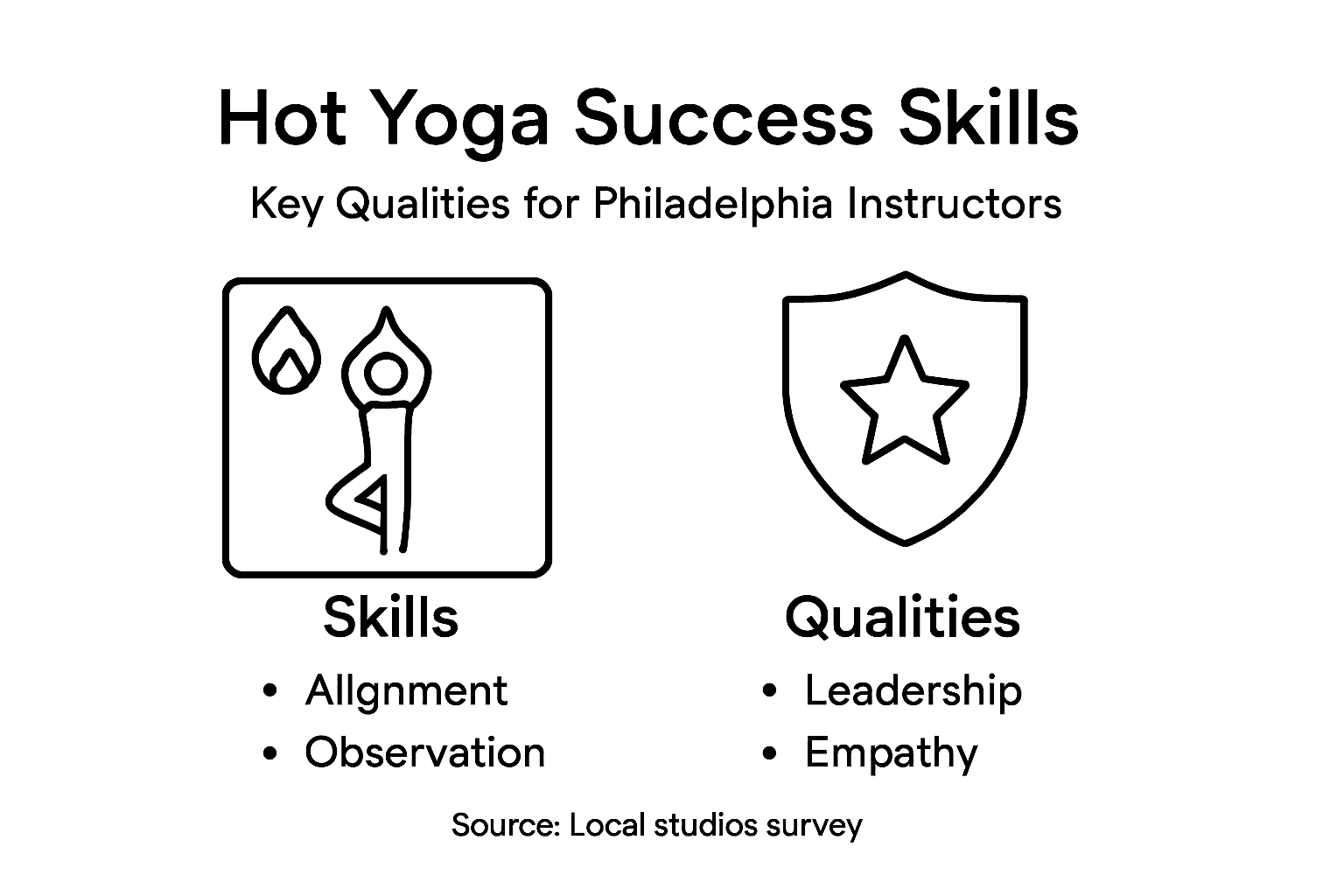
Key safety skills for hot yoga instructors include:
Mastering precise alignment techniques
Developing keen observational skills
Understanding heat-related physiological responses
Creating inclusive and adaptive class environments
Implementing strategic student monitoring protocols
Yoga practice safety guidelinesemphasize the critical importance of recognizing individual student limitations. Hot yoga instructors must be adept at reading body language, identifying potential health risks, and providing real-time modifications that prevent injury while maintaining class momentum.

Philadelphia hot yoga studios demand instructors who can seamlessly blend technical expertise with compassionate instruction. This requires ongoing education, self-awareness, and a commitment to creating transformative yet safe yoga experiences that respect each student's unique physical capabilities.
Pro tip: Develop a comprehensive pre-class screening process that helps you understand students' health backgrounds and potential limitations before entering the heated studio environment.
Legal, Professional, and Financial Obligations
Hot yoga instructors must navigate a complex landscape of professional legal requirements that extend far beyond teaching techniques. Understanding these obligations is crucial for maintaining a sustainable and reputable career in the competitive Philadelphia wellness market.
Key professional and legal responsibilities include:
Maintaining current professional certifications
Securing comprehensive liability insurance
Adhering to state fitness instructor regulations
Managing professional financial documentation
Protecting client confidentiality
Professional ethical standards demand transparency about qualifications, continuous skills development, and maintaining clear boundaries with students. This includes accurately representing training credentials, avoiding conflicts of interest, and conducting business practices with the highest level of professional integrity.
Financial planning for hot yoga instructors involves strategic management of variable income streams, including studio teaching, private lessons, workshops, and potential online instruction. Successful Philadelphia-based instructors diversify their revenue sources while maintaining a consistent commitment to professional growth and legal compliance.
Below is a summary of core legal and professional obligations for hot yoga instructors:
| Obligation | Why It Matters | Business Impact |
|---|---|---|
| Keep certifications current | Ensures legal teaching status | Maintains career eligibility |
| Carry liability insurance | Protects against legal disputes | Reduces financial risk |
| Follow state regulations | Compliance with industry standards | Avoids legal penalties |
| Protect client confidentiality | Builds trust with students | Enhances reputation |
| Accurate financial records | Simplifies tax preparation | Enables business growth |
Pro tip: Consult with a professional accountant who specializes in fitness and wellness industries to develop a comprehensive financial strategy tailored to your unique teaching career.
Join a vibrant community dedicated to holistic wellness where you can refine your hot yoga expertise alongside seasoned instructors and passionate practitioners. Visit Amrita Yoga & Wellness to explore our range of classes, workshops, and retreats that cater to all skill levels. Take your next step today and transform your teaching career with the support and resources you deserve.
Frequently Asked Questions
What are the main responsibilities of a hot yoga instructor?
Hot yoga instructors design structured class sequences, monitor student safety, create optimal heated environments, provide modifications, and demonstrate yoga postures.
What skills are essential for success as a hot yoga instructor?
Essential skills include mastering alignment techniques, developing observational skills, understanding heat-related physiological responses, and creating inclusive class environments.
What certifications are needed to become a hot yoga instructor?
Aspiring hot yoga instructors typically complete a 200-hour Yoga Teacher Training course, obtain specialized hot yoga certification, and pursue ongoing professional education to maintain their qualifications.
How can hot yoga instructors avoid burnout?
To avoid burnout, instructors can establish peer support networks, maintain personal wellness routines, diversify their teaching environments, and set clear professional boundaries.