The Amrita Journal
Explore thoughtful stories, practical wellness guidance and inspiring ideas to support your movement, mindfulness and everyday wellbeing at Amrita.
Yoga Class Rates: What Influences Pricing in Philly
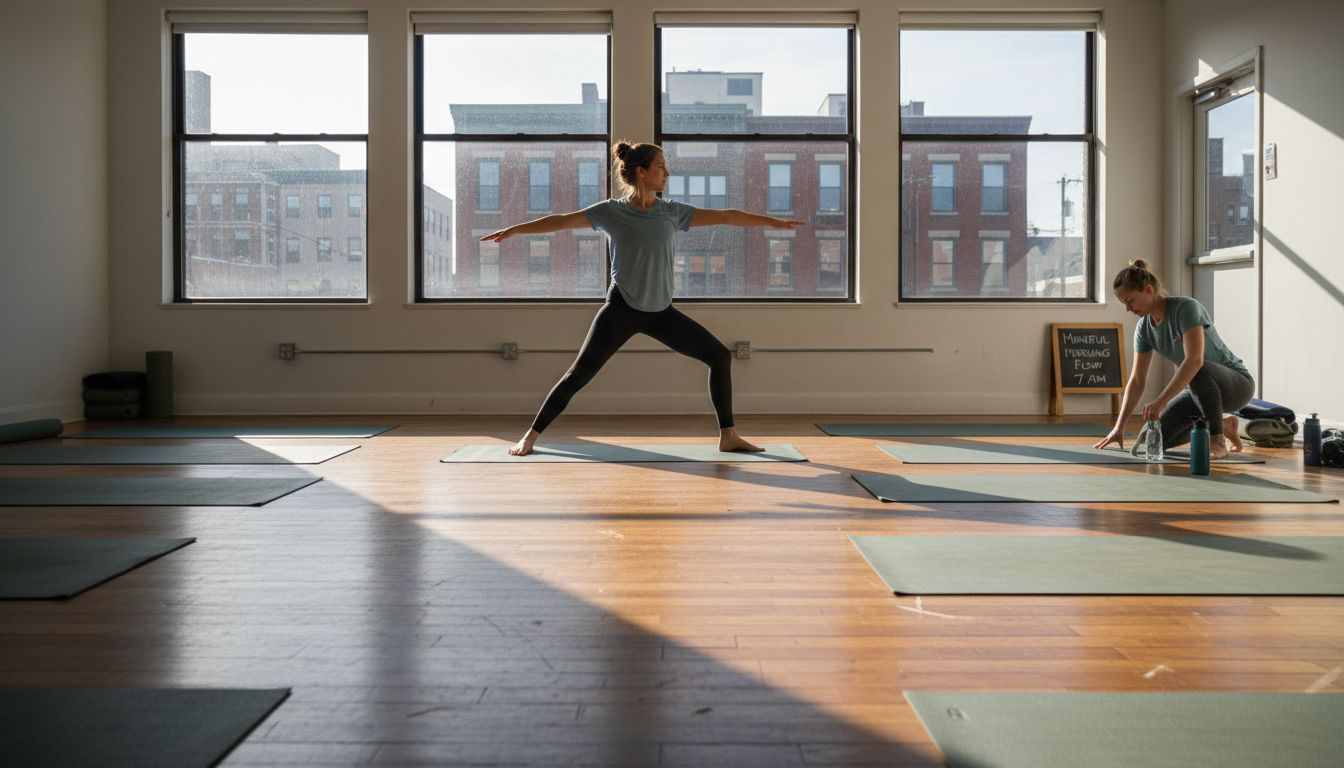
Juggling work deadlines and daily stress in Philadelphia can leave little time or energy for self-care. For busy professionals, finding affordable options for hot yoga, aerial yoga, or Pilates is about more than saving money—it is about making wellness sustainable. Yoga class pricing in Philadelphia often balances operational costs and student value, with group sessions typically ranging from $15 to $25. This guide helps you make informed choices, so you can enjoy quality instruction without overspending.
Table of Contents
Key Takeaways
| Point | Details |
|---|---|
| Understanding Pricing Complexity | Yoga class rates reflect various factors including location, instructor expertise, and class type, making them more than just simple calculations. |
| Diverse Class Formats and Costs | Pricing varies widely across class types, with group sessions being more affordable and specialized classes commanding higher rates. |
| Membership Options Enhance Value | Memberships and class packages typically offer better value for frequent practitioners, allowing for more consistent access to classes. |
| Avoid Common Selection Mistakes | Choosing classes based solely on price or overlooking instructor qualifications can compromise your yoga experience, so consider personal goals and fitness levels. |
Yoga class rates defined and misunderstood
Understanding yoga class pricing requires more than simply looking at a price tag. Pricing strategies impact studio sustainability far beyond simple dollar amounts, reflecting complex economic and value-based considerations.
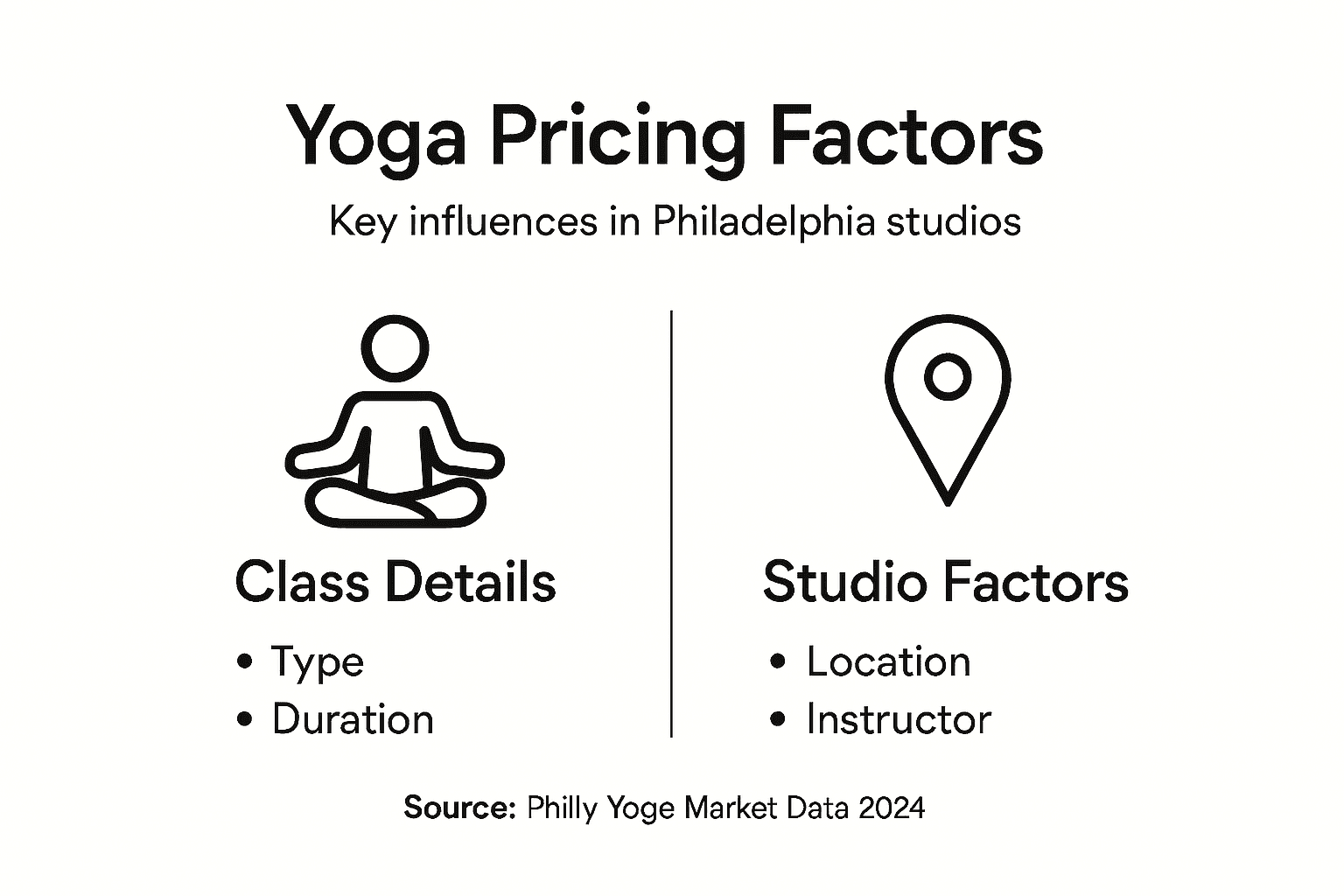
Yoga class rates typically range between $15-$25 for group sessions, with significant variation based on several key factors:
Location: Urban centers like Philadelphia often command higher prices
Instructor expertise: More experienced teachers can charge premium rates
Studio overhead costs: Rent, equipment, and operational expenses influence pricing
Class type: Specialized classes like hot yoga or aerial yoga may cost more
Many students misunderstand pricing as a straightforward calculation, when in reality, it represents a nuanced reflection of value. Correct pricing balances expenses and customer retention, considering market dynamics, instructor qualifications, and the overall wellness experience provided.
Studios must carefully navigate pricing to remain financially viable while offering accessible wellness experiences. This means setting rates that cover operational costs without alienating potential students. Pricing becomes a strategic tool communicating the quality and value of yoga instruction.
Pro tip: Always ask about package deals or membership options, which can significantly reduce per-class costs and provide more consistent wellness access.
Types of yoga classes and pricing variations
Yoga classes in Philadelphia come in diverse formats, each with unique pricing structures that reflect the complexity and specialization of the practice. Yoga class prices vary significantly by type, creating a nuanced landscape for practitioners seeking wellness experiences.
The primary yoga class types and their typical pricing ranges include:
Group Classes: Most affordable option, typically $15-$25 per session
Private Lessons: Premium pricing, ranging from $50-$120 per hour
Specialized Classes: Higher cost for unique offerings like:
Hot yoga
Aerial yoga
Pilates fusion
Meditation-focused sessions
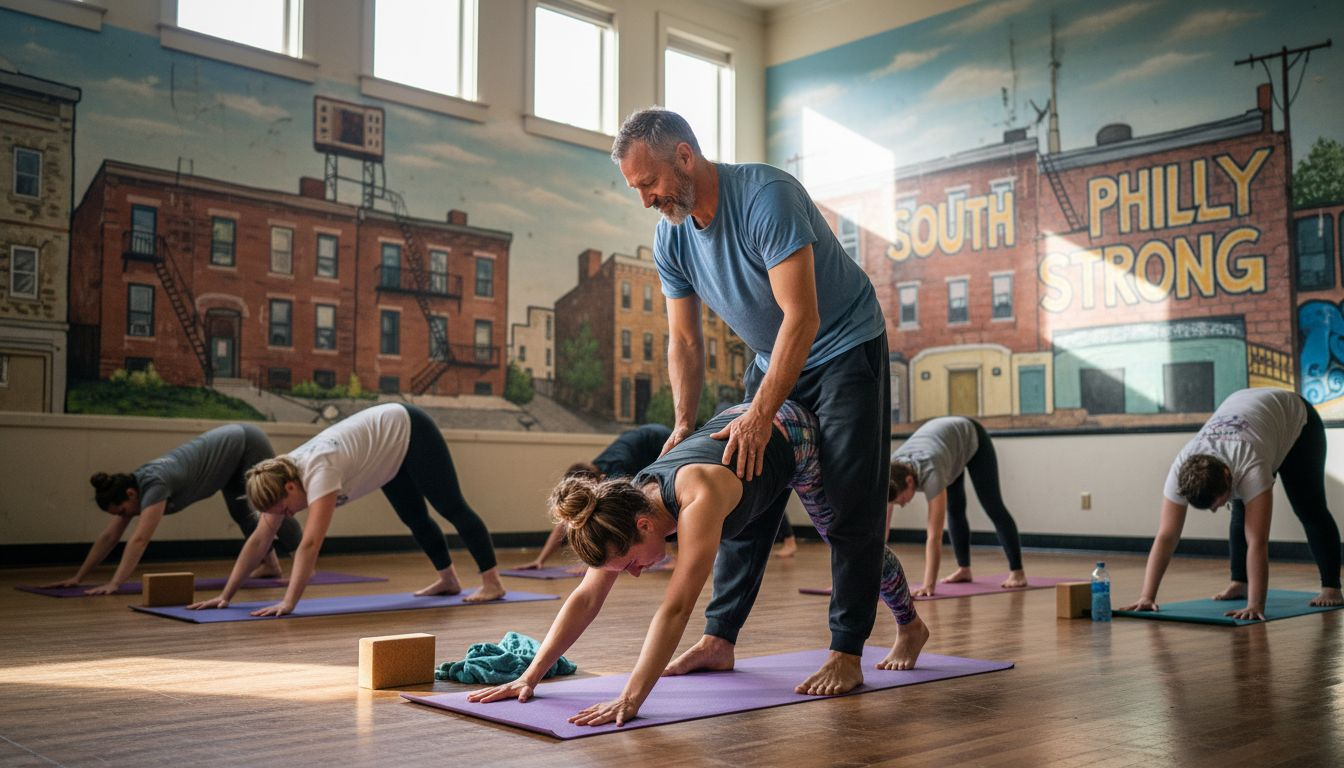
Pricing dynamics depend on multiple factors, including instructor expertise, class duration, and individual attention level. Smaller, more personalized classes often command higher rates due to the intensive guidance provided, while larger group sessions remain more budget-friendly.
Philadelphia's yoga market reflects urban wellness trends, with pricing influenced by studio location, instructor credentials, and the specialized nature of class offerings. Advanced practitioners or those seeking specific training can expect to invest more in tailored, high-quality instruction.
Pro tip: Ask studios about introductory packages or monthly memberships, which can significantly reduce per-class costs and provide more consistent access to diverse yoga experiences.
Factors that impact class prices and fees
Understanding the complex pricing landscape of yoga classes requires examining multiple interconnected factors. Yoga class pricing involves strategic considerations that extend far beyond simple cost calculations.
Key factors influencing yoga class pricing include:
Location Expenses: Studio rent in urban areas like Philadelphia
Instructor Qualifications: Years of experience and specialized training
Class Format: Online, in-person, or hybrid offerings
Equipment Costs: Specialized gear for aerial or hot yoga classes
Operational Overhead: Utilities, marketing, and administrative expenses
The economic ecosystem of yoga pricing reflects a delicate balance between studio sustainability and student affordability. Instructors must cover operational costs while remaining competitive in a market with numerous wellness options. Urban centers like Philadelphia present unique challenges, with higher living costs directly impacting class pricing strategies.
Seasonal variations and market demand further complicate pricing models. Summer might see more flexible pricing with outdoor classes, while winter could bring premium indoor session rates. Advanced practitioners and beginners alike navigate these nuanced pricing structures, seeking value and quality instruction.
Pro tip: Compare multiple studios' pricing structures and ask about package deals to maximize your yoga investment and access diverse class experiences.
Memberships, packages, and payment methods
Yoga studios in Philadelphia offer diverse payment options designed to accommodate different student needs and financial preferences. Studio pricing strategies optimize attendance and revenue, creating flexible frameworks for practitioners.
Common membership and payment structures include:
Drop-in Rates: Single class purchases
Class Packages: Bulk purchases at discounted rates
5-class passes
10-class passes
Monthly unlimited options
Membership Tiers:
Basic membership
Premium membership
Student/senior discounts
Payment methods enhance studio accessibilityby providing multiple financial entry points for students. Digital platforms now support credit cards, mobile payments, and online booking systems, making registration more convenient than ever.
Philadelphia's competitive yoga market means studios constantly innovate their pricing models. Some offer hybrid memberships combining in-person and virtual classes, while others provide flexible cancellation policies and introductory rates to attract new practitioners. These strategies help studios balance financial sustainability with student engagement.
Here's a summary of how various yoga payment options can benefit different types of practitioners:
| Payment Option | Ideal For | Cost Structure | Value Proposition |
|---|---|---|---|
| Drop-in Rates | Occasional visitors | Pay per session | Flexibility, no commitment |
| Class Packages | Regular attendance | Discounted bundles | Lower per-class cost, variety |
| Monthly Memberships | Frequent users | Unlimited access | Best value for daily practice |
| Student/Senior Discounts | Budget-minded | Reduced pricing | Accessibility for all |
Pro tip: Always inquire about new student specials and potential package discounts before committing to individual classes to maximize your yoga investment.
Comparing costs: Alternatives and value
Navigating the yoga pricing landscape requires understanding multiple practice options beyond traditional studio classes. Evaluating yoga alternatives reveals diverse pricing strategies, each with unique advantages and cost considerations.
Comparative yoga practice options include:
Studio Classes:
Highest direct cost
Professional instruction
Structured environment
Online Sessions:
Lower price point
Flexible scheduling
Minimal equipment needed
Community Classes:
Often free or donation-based
Varying instructor quality
Limited personalization
Private Coaching:
Most expensive option
Customized instruction
Targeted personal development
Cost should not be the sole determining factor when selecting a yoga practice. The true value lies in finding an approach that matches individual fitness goals, learning style, and budget constraints. Philadelphia offers a rich ecosystem of yoga options, from high-end studios to community centers, allowing practitioners to find their ideal balance of quality and affordability.
Technology has dramatically expanded access to yoga instruction, with streaming platforms and apps providing budget-friendly alternatives to traditional in-person classes. These digital options can complement studio experiences, offering supplemental training at a fraction of the cost of regular studio memberships.
To help you decide which yoga option fits your needs, here's a concise comparison of practice environments:
| Yoga Practice Type | Instruction Quality | Scheduling Flexibility | Personalization |
|---|---|---|---|
| Studio Classes | Professional | Fixed times | Moderate |
| Online Sessions | Variable | Very flexible | Minimal |
| Community Classes | Varies | Some flexibility | Limited |
| Private Coaching | Expert, personalized | Customizable | Maximum |
Pro tip: Explore hybrid approaches that combine affordable online resources with occasional in-studio classes to maximize both value and personalized instruction.
Avoiding common mistakes in choosing classes
Selecting the right yoga class involves more than scanning price tags or randomly picking a studio. Choosing yoga classes requires strategic evaluation, with multiple factors influencing your overall experience and satisfaction.
Common mistakes practitioners often make include:
Price-Only Decisions:
Overlooking instructor quality
Ignoring class compatibility
Prioritizing cost over personal goals
Ignoring Personal Fitness Level:
Selecting classes too advanced
Choosing classes too basic
Not understanding class difficulty ratings
Overlooking Instructor Credentials:
Failing to verify teaching certifications
Not checking instructor specializations
Assuming all yoga teachers are equally qualified
Philadelphia's diverse yoga landscape offers numerous options, but finding the right fit requires careful consideration. Your ideal class should align with your fitness goals, experience level, and personal learning style. A $10 class that doesn't meet your needs is ultimately more expensive than a $25 class that provides genuine value and progress.
Establishing clear personal objectives before selecting a class can dramatically improve your yoga journey. Consider factors like desired physical outcomes, stress management goals, and preferred teaching styles when evaluating potential classes. This approach ensures a more targeted and satisfying yoga experience.
Pro tip: Request a trial class or speak directly with instructors to assess class compatibility before committing to a full membership or package.
Discover Transparent Yoga Pricing That Matches Your Wellness Goals in Philadelphia
Choosing the right yoga class can feel overwhelming when prices vary so much based on location, instructor expertise, and class type. If you are seeking clear, accessible pricing paired with quality instruction and a supportive community, Amrita Yoga & Wellness offers exactly that. We understand the challenge of balancing cost with value, which is why our diverse offerings include group classes, specialized sessions like hot yoga, and flexible membership packages designed to fit every budget and wellness journey.
Experience firsthand how thoughtful pricing supports your physical, mental, and spiritual well-being. Explore our detailed class descriptions, sign up for workshops, or join our membership options today. Visit Amrita Yoga & Wellness now to find the perfect class that aligns with your goals and budget. Don't wait to invest in yourself with pricing transparency and quality instruction tailored for you.
Frequently Asked Questions
What factors influence yoga class pricing?
Yoga class pricing is influenced by several factors, including location, instructor expertise, studio overhead costs, and the type of class offered. Urban areas typically have higher costs, while specialized classes may charge more due to their unique offerings.
What are the typical price ranges for yoga classes?
Yoga class prices generally range from $15 to $25 for group sessions. Private lessons can cost between $50 and $120 per hour, while specialized classes such as hot yoga or aerial yoga may have higher rates.
How can I save money on yoga classes?
To save money, consider asking about package deals or membership options at studios, which can significantly reduce per-class costs. Introductory packages are also a good way to access yoga at a lower price before committing to more expensive memberships.
Are there alternatives to traditional yoga classes that are more affordable?
Yes, alternatives such as online sessions, community classes (often free or donation-based), and private coaching offer various pricing options. Online classes tend to be the most affordable, providing flexibility while requiring minimal equipment.
Recommended
Top Yoga Studios Philadelphia – Expert Comparison 2025 — Amrita Yoga & Wellness
7 Essential Tips for Choosing Yoga Studios Downtown — Amrita Yoga & Wellness
Find Yoga Classes in Philadelphia: Your Step-by-Step Guide — Amrita Yoga & Wellness
How to Price Your Offer: The Solopreneur's Guide - Your Solo Business
Community Yoga Class: Building Wellness & Connection
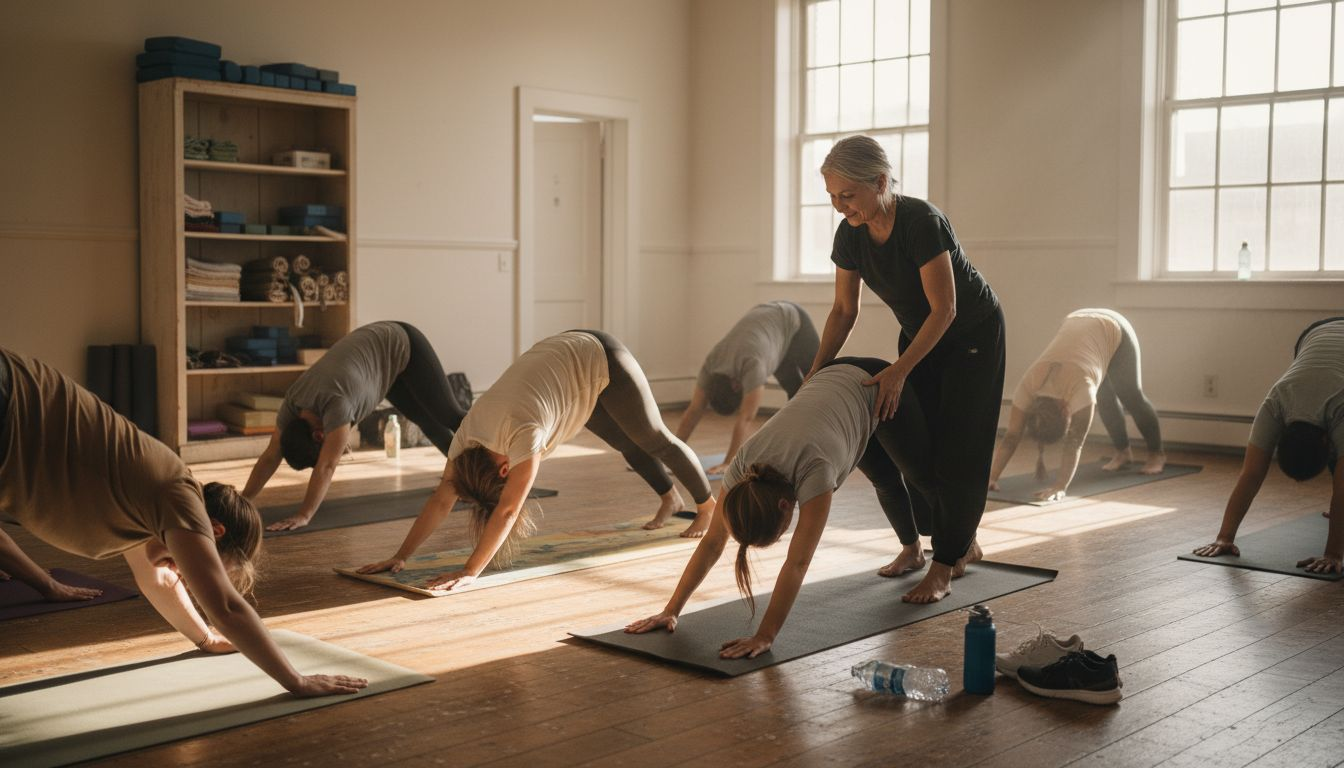
Stressed from the demands of daily life in Philadelphia, many seek more than just a workout. Community yoga classes offer much more than physical exercise, bringing together neighbors for shared wellness, deeper connection, and personal growth. At Amrita Yoga & Wellness, these sessions deliver holistic well-being by welcoming all backgrounds and bodies, supporting stress relief, improved flexibility, and genuine community ties. Discover how an inclusive, mindful practice can nurture both your mind and body in a supportive setting.
Table of Contents
Key Takeaways
| Point | Details |
|---|---|
| Inclusivity in Classes | Community yoga classes are designed to welcome practitioners of all backgrounds, promoting a sense of belonging and collective healing. |
| Diverse Yoga Styles | A variety of yoga styles, from Hatha to Power Yoga, allow individuals to choose practices that align with their personal wellness goals. |
| Mental and Physical Benefits | Consistent participation in community yoga results in significant improvements in mental well-being, flexibility, and overall health. |
| Safety and Participation Tips | Communicate openly with instructors and use modifications to maximize safety and ensure a beneficial experience in yoga sessions. |
Defining Community Yoga Classes and Their Purpose
Community yoga classes represent a transformative wellness approach that goes far beyond traditional exercise. Designed to promote holistic well-being, these inclusive group sessions create supportive environments where individuals from diverse backgrounds can collectively engage in yoga practice.
At their core, community yoga classes serve multiple interconnected purposes:
Foster social connection and interpersonal relationships
Provide accessible physical and mental health practices
Create supportive spaces for personal growth
Reduce barriers to wellness participation
Enhance individual and collective resilience
Unlike traditional fitness classes, community yoga emphasizes inclusivity and collective healing. These sessions are intentionally structured to welcome practitioners of all skill levels, body types, and backgrounds. Yoga as a communal wellness practice has emerged as a powerful tool for stress reduction, mental health support, and building stronger community ties.
Participants typically experience comprehensive benefits that extend well beyond physical movement. Long-term practitioners report improvements in flexibility, sleep quality, stress management, and overall personality development. The group dynamic creates a sense of belonging that amplifies individual transformation.
Pro tip: Start by finding a community yoga class that feels welcoming and matches your current fitness level, allowing yourself grace and patience during your wellness journey.
Types of Community Yoga Classes Available
Community yoga offers a diverse range of class styles designed to meet different wellness needs and preferences. Yoga class styles vary extensively, providing practitioners multiple pathways to physical and mental well-being.
The primary types of community yoga classes include:
Hatha Yoga: Foundational practice focusing on basic postures and breath control
Vinyasa Yoga: Dynamic style emphasizing fluid movement and breath synchronization
Yin Yoga: Slow-paced class targeting deep connective tissues and joint flexibility
Kundalini Yoga: Spiritual practice combining movement, breathwork, and meditation
Restorative Yoga: Gentle class using props to support complete physical relaxation
Power Yoga: High-intensity workout targeting strength and cardiovascular fitness
Each yoga style offers unique benefits, allowing participants to select classes that align with their personal fitness goals, physical capabilities, and spiritual interests. Community yoga classes are intentionally designed to be inclusive, welcoming practitioners of all skill levels and backgrounds.
The diversity of yoga styles ensures that individuals can find a practice that resonates with their individual needs. Some classes focus more on physical exercise, while others emphasize meditation, spiritual growth, or stress reduction. This variety makes yoga accessible to a wide range of participants, supporting holistic wellness through personalized approaches.
Here's a comparison of major community yoga class styles and their unique focus areas:
| Yoga Style | Typical Intensity | Primary Focus | Common Benefit |
|---|---|---|---|
| Hatha | Low to moderate | Foundational postures | Improved balance |
| Vinyasa | Moderate to high | Flowing movement | Enhanced coordination |
| Yin | Low | Deep tissue stretch | Joint health |
| Kundalini | Variable | Breath and meditation | Spiritual awareness |
| Restorative | Very low | Relaxation with props | Deep relaxation |
| Power | High | Strength and stamina | Increased endurance |
Pro tip: Try different yoga styles to discover which practice feels most comfortable and beneficial for your personal wellness journey.
Key Benefits for Mental and Physical Health
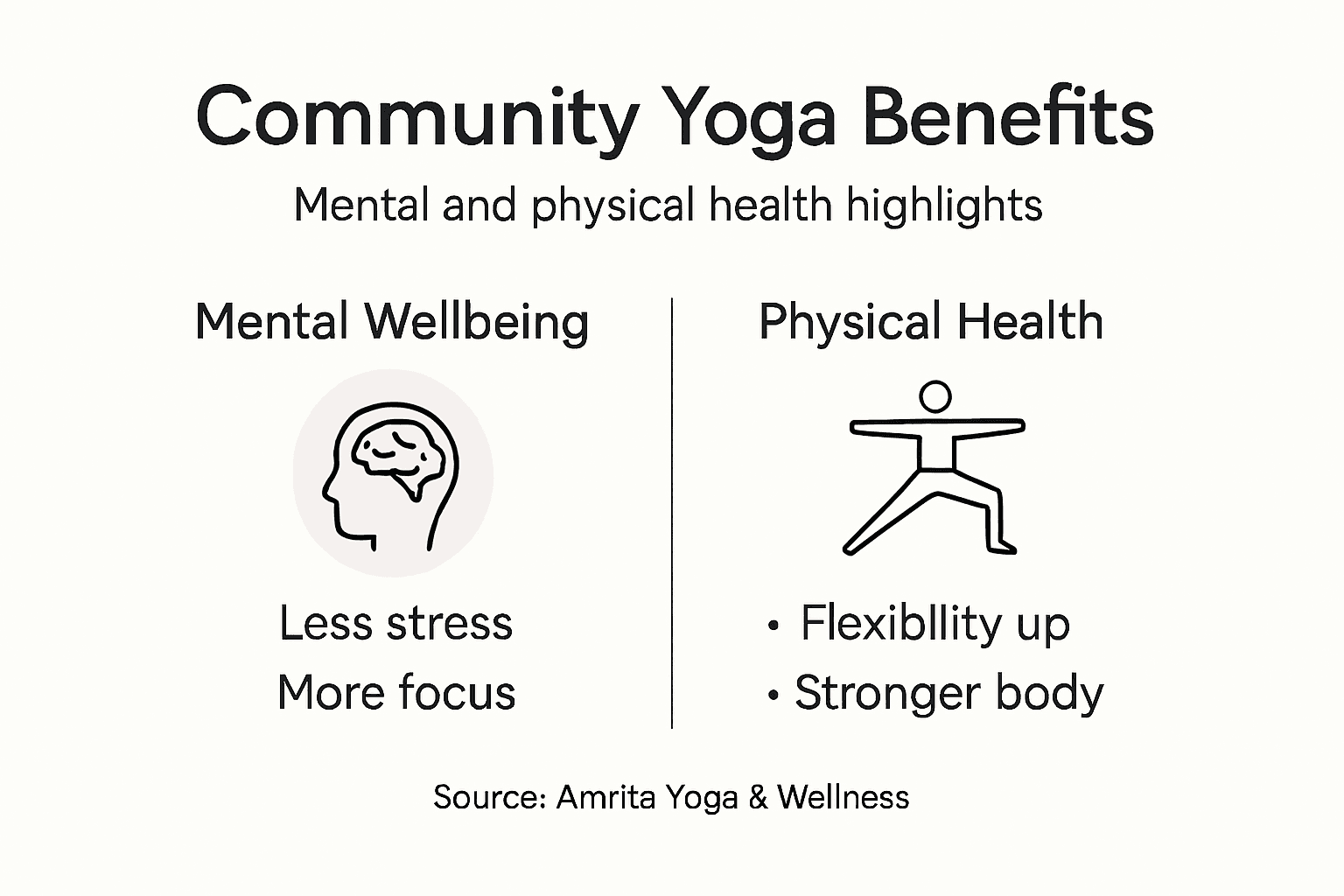
Community yoga classes offer a comprehensive approach to wellness, providing profound benefits for both mental and physical health. Significant health improvements emerge through consistent yoga practice, addressing multiple dimensions of personal well-being.
The key mental health benefits include:
Substantial reduction in stress and anxiety levels
Enhanced emotional regulation and mood management
Improved cognitive function and mental clarity
Increased resilience against depression
Development of mindfulness and self-awareness
Better overall psychological well-being
Physically, community yoga practices deliver remarkable transformative outcomes. Practitioners experience improvements in flexibility, muscle strength, cardiovascular health, and musculoskeletal function. Yoga's integrative health approach systematically addresses multiple bodily systems, promoting holistic wellness through low-impact, adaptable movements.
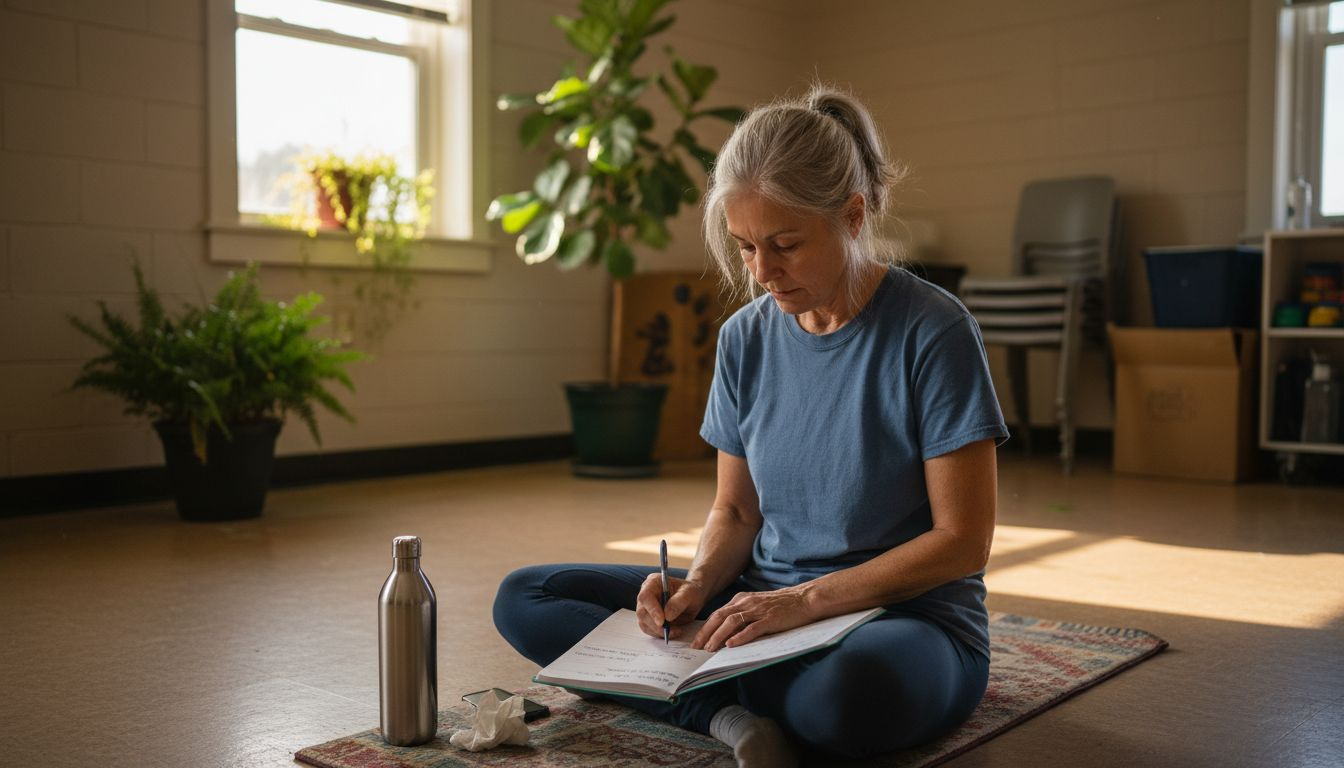
The interconnected nature of mental and physical benefits makes yoga a powerful wellness intervention. By simultaneously targeting psychological and physiological dimensions, community yoga classes create a unique environment for comprehensive personal development. These practices go beyond traditional exercise, offering a nuanced approach to health that supports long-term well-being and personal growth.
Pro tip: Approach community yoga with an open mind, focusing on personal progress rather than comparison with other participants.
Accessibility and Inclusivity in Yoga Sessions
Community yoga fundamentally represents a practice of radical welcome, designed to accommodate practitioners from all backgrounds and physical capabilities. Yoga sessions increasingly focus on inclusivity by creating adaptive and supportive environments that embrace diversity.
Key principles of accessible yoga include:
Offering multiple pose modifications
Using adaptive props and support equipment
Providing clear, non-judgmental instruction
Creating welcoming verbal cues
Ensuring physical space accommodates different mobility needs
Supporting participants without making them feel singled out
Inclusive yoga practices recognize that every body is different and deserves respectful, personalized attention. Culturally responsive teaching approaches help instructors create spaces where participants feel genuinely seen and supported, regardless of age, physical ability, body type, or background.
These approaches transform yoga from a potentially intimidating practice into a genuinely universal wellness experience. By emphasizing individual progress over performance and creating environments of mutual respect, community yoga sessions become powerful tools for personal growth and collective healing.
Pro tip: Communicate openly with your yoga instructor about any physical limitations or concerns to ensure a safe, comfortable practice.
Common Risks, Costs, and Participation Tips
Community yoga classes present an accessible wellness option, but participants should understand potential risks and smart participation strategies. Yoga practice involves specific health considerations that require careful navigation to ensure safe and beneficial experiences.
Potential risks in community yoga sessions include:
Musculoskeletal strain from improper technique
Potential exacerbation of pre-existing conditions
Physical overexertion
Risk of minor injuries without proper guidance
Potential muscle or joint stress
Cost considerations vary widely, with many community classes offering flexible pricing options:
Donation-based classes
Sliding scale pricing
Low-cost community center sessions
Introductory package deals
Group discount rates
Adverse events remain generally infrequentwhen practitioners maintain awareness and communicate effectively with instructors. Safety is maximized by understanding individual physical limitations, using appropriate modifications, and progressing gradually.
Participation requires thoughtful approach, emphasizing personal boundaries and attentive self-care. Community yoga's inclusive nature means every individual can find a practice suited to their unique physical capabilities and wellness goals.
The following table summarizes strategies for maximizing safety and participation in community yoga:
| Strategy | Why It Matters | How to Implement |
|---|---|---|
| Communicate limitations | Prevents injuries and discomfort | Speak with the instructor |
| Use props and modifications | Ensures proper support and alignment | Request props as needed |
| Start with beginner classes | Builds confidence and foundation | Choose suitable class level |
| Progress gradually | Reduces risk of overexertion | Increase intensity over time |
Pro tip: Always consult with your healthcare provider before starting a new yoga practice, especially if you have existing health conditions.
Experience the True Power of Community Yoga with Amrita Yoga & Wellness
If you are looking to build wellness and connection through accessible and inclusive yoga practices the challenges of finding a welcoming space that meets your personal fitness and mental health needs can feel overwhelming. This article highlights the importance of community yoga classes that foster social connection while supporting mental clarity stress reduction and physical resilience. At Amrita Yoga & Wellness we understand these key goals and create supportive environments where every body is respected and guided through practices like Hatha Vinyasa and Restorative yoga tailored for all levels.
Why wait to start your transformational wellness journey Discover a community that embraces your unique needs and helps you grow both physically and mentally. Visit Amrita Yoga & Wellness to explore class schedules workshops and healing services designed with inclusivity and personal growth in mind. Find your perfect fit in yoga and wellness at Amrita Yoga & Wellness and step confidently toward a balanced healthier you. Begin today and experience the benefits of connection mindfulness and holistic health.
Frequently Asked Questions
What are community yoga classes?
Community yoga classes are inclusive group sessions designed to promote holistic well-being, providing accessible physical and mental health practices while fostering social connection among participants of diverse backgrounds.
What types of yoga styles are offered in community yoga classes?
Community yoga classes typically offer various styles such as Hatha, Vinyasa, Yin, Kundalini, Restorative, and Power Yoga, each focusing on different aspects of physical and mental wellness.
What are the key benefits of participating in community yoga classes?
Participants in community yoga classes experience benefits such as reduced stress and anxiety, improved flexibility, enhanced emotional regulation, better cognitive function, and overall improvements in physical health and psychological well-being.
How can I ensure a safe experience while attending community yoga classes?
To ensure safety, communicate any physical limitations to your instructor, use props and modifications as needed, start with beginner classes, and progress gradually in intensity to prevent overexertion.
Recommended
Free Yoga Class for Beginners: Start Your Wellness Journey
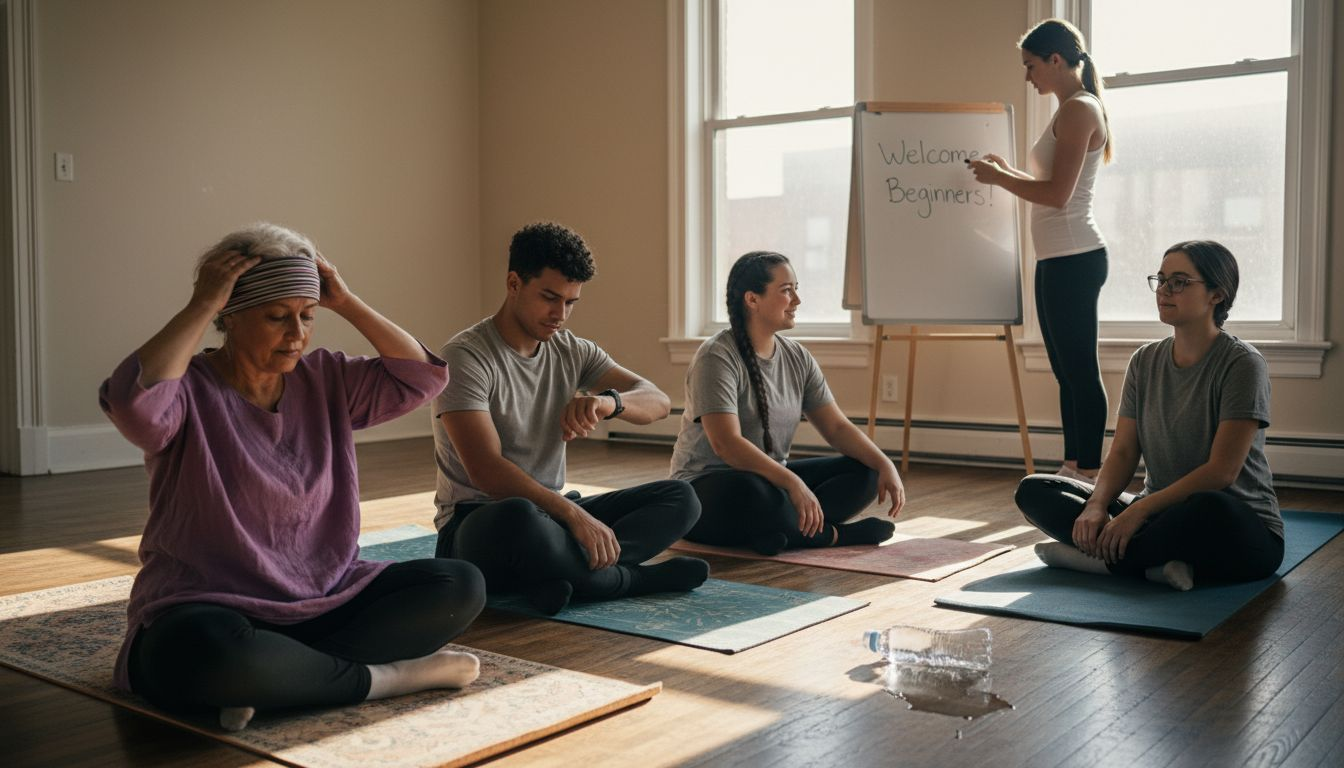
Finding your balance in Philadelphia often feels challenging when wellness support seems out of reach. For busy adults juggling work and city life, discovering free ways to improve mental health and physical fitness matters now more than ever. If you have never stepped onto a yoga mat before, you will learn how to access complimentary yoga classes and beginner-friendly resources close to home, giving you practical options to build a healthier routine without stress or financial barriers.
Table of Contents
Quick Summary
| Key Point | Explanation |
|---|---|
| 1. Find Local Free Classes | Explore community centers, studios, and parks for no-cost yoga options near you. Utilize online platforms and social media for additional resources. |
| 2. Choose Comfortable Gear | Prioritize breathable, flexible clothing and essential items like a yoga mat to enhance your practice and ensure comfort during classes. |
| 3. Register Easily for Classes | Follow simple steps to sign up for beginner classes, ensuring you verify availability and registration requirements beforehand. |
| 4. Focus on Foundational Poses | Start with basic poses under guidance, paying attention to alignment and breath to build confidence in your practice. |
| 5. Reflect on Your Experience | After class, evaluate your comfort, energy levels, and emotional state to understand your progress and enhance future sessions. |
Step 1: Find a Free Yoga Class Near You
Learning how to find a free yoga class can jumpstart your wellness journey without breaking the bank. Whether you're a complete beginner or looking to restart your practice, multiple resources can help you discover accessible yoga sessions in your local area.
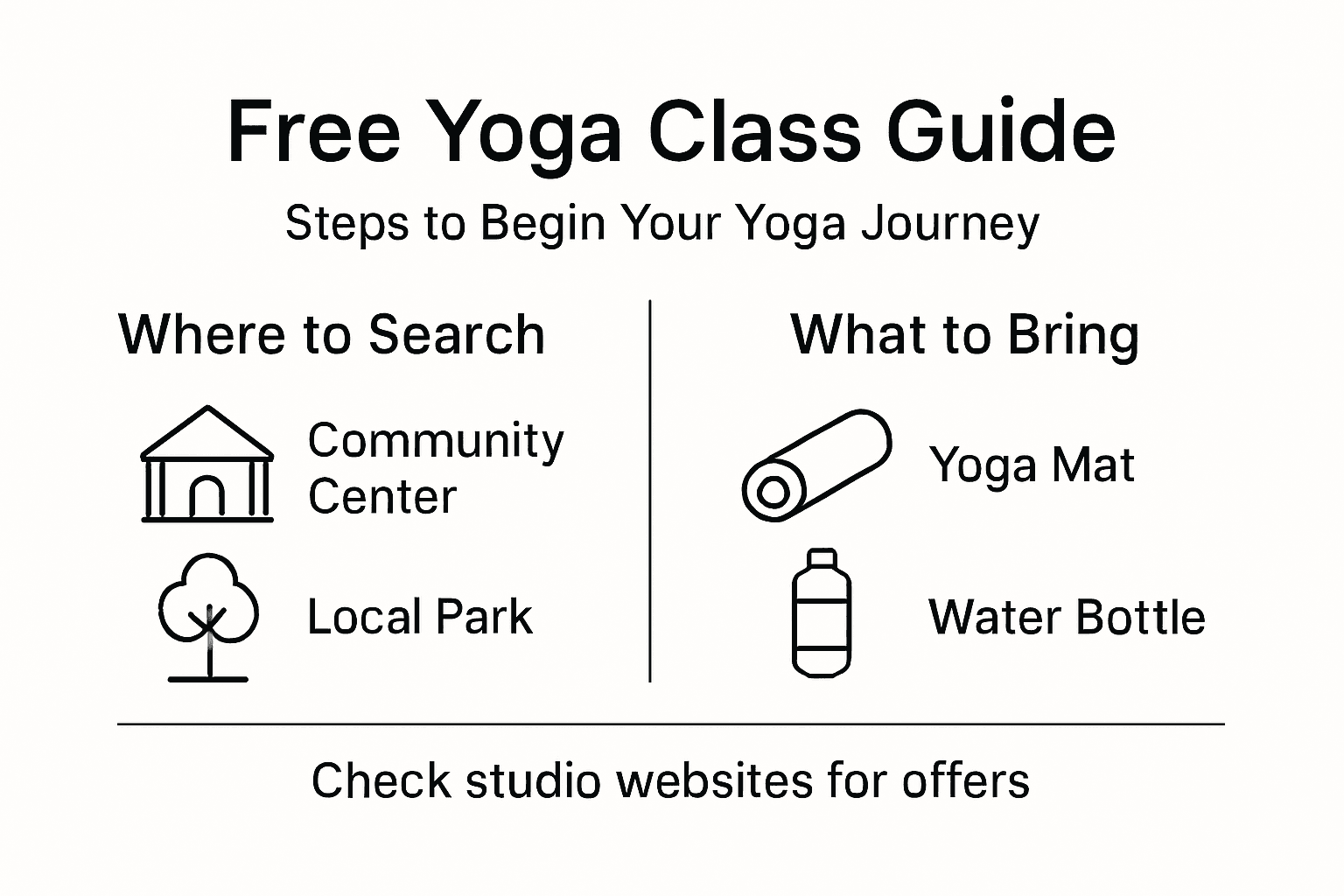
Start by exploring online platforms that offer complimentary yoga experiences. Veterans Yoga Project provides daily online classes focused on mindfulness and breathing techniques, making wellness practices available to everyone. Local community centers, libraries, parks, and fitness studios frequently host free introductory yoga sessions that welcome newcomers.
Here are several strategies to locate free yoga classes:
Check social media platforms for local yoga instructor pages
Visit community bulletin boards (physical and online)
Search local parks and recreation department websites
Contact nearby yoga studios about complimentary beginner classes
Explore university campuses with wellness programs
Additionally, many yoga studios offer first-class free promotions for new students. Call ahead or check websites to confirm current offerings and any registration requirements.
Here's a quick comparison of popular locations to find free yoga classes and their typical benefits:
| Location Type | Accessibility | Community Atmosphere | Common Promotions |
|---|---|---|---|
| Local Studios | Central, varied times | Supportive, small group | First-class free offers |
| Community Centers | Easy, large facilities | Family-friendly | Weekly intro classes |
| University Campuses | Open to all ages | Student-focused | Wellness events |
| Parks | Outdoor, seasonally | Relaxed, open space | Summer class series |
| Online Platforms | Anytime, remote access | Virtual interaction | Daily live sessions |
Pro tip: Consider scheduling your free yoga classes during off-peak hours when studios are more likely to have promotional or community-focused sessions available.
Step 2: Gather Essential Yoga Gear and Attire
Preparing for your first yoga class requires selecting comfortable, functional clothing and a few key accessories that will support your practice. Essential tips for yoga beginners emphasize the importance of choosing the right gear to enhance your comfort and confidence.
Your yoga essentials should include:
Stretchy leggings or comfortable athletic pants
Moisture-wicking tops that allow free movement
Lightweight, non-slip yoga mat
Soft, comfortable sports bra for women
Optional accessories like yoga blocks, straps, and towels
When selecting yoga attire, prioritize breathable materials that provide flexibility and allow you to move freely. Avoid baggy clothing that might get tangled during poses, and opt for form-fitting yet comfortable options. Many beginners start with basic athletic wear from brands like Nike or Lululemon, but affordable alternatives are available at stores like Target and Old Navy.
Investing in quality yoga gear doesn't mean spending a fortune - comfort and functionality matter most.
Pro tip: Layer your clothing so you can easily adjust to temperature changes during your yoga practice, especially if you're trying different styles like hot yoga or vinyasa.

Step 3: Register for Your First Beginner Session
Registering for your first yoga class can feel intimidating, but beginner yoga registration processes are designed to be straightforward and welcoming. Your goal is to find a class that matches your fitness level and schedule, ensuring a comfortable and supportive first experience.
Here are the key steps to register for a beginner yoga session:
Research local yoga studios offering free introductory classes
Check online schedules and class difficulty levels
Contact the studio directly to confirm beginner class availability
Verify registration requirements (online sign-up or in-person)
Prepare basic personal information for registration
Confirm any COVID-19 related health protocols
Most yoga studios offer multiple registration channels, including online booking platforms, phone registration, and walk-in sign-ups. Some locations provide first-class free options for newcomers, making it easier to try yoga without financial commitment.
Beginners should prioritize studios that offer supportive, judgment-free environments for learning.
Pro tip: Call the studio directly before registering online to ask about specific beginner class recommendations and any modifications they offer for first-time participants.
Step 4: Follow Guided Beginner Yoga Poses
Guided beginner yoga poses provide a structured approach to learning yoga safely and effectively. Your first yoga session should focus on understanding basic movements, breathing techniques, and proper alignment while building confidence in your practice.
Start with these fundamental yoga poses for beginners:
Mountain Pose (Tadasana): Foundation for standing poses
Child's Pose (Balasana): Resting and relaxation position
Downward-Facing Dog (Adho Mukha Svanasana): Full-body stretch
Warrior I (Virabhadrasana I): Strength and balance pose
Cat-Cow Stretch (Marjaryasana-Bitilasana): Spine flexibility
During your first class, pay close attention to the instructor's detailed alignment instructions. Focus on your breath and move slowly, listening to your body's signals. Modifications are always available, so don't hesitate to ask the instructor for alternative versions of poses that suit your current fitness level.
Yoga is a personal journey - progress at your own pace and celebrate small achievements.
Pro tip: Position yourself near the instructor during your first class to better observe and understand pose demonstrations, which can help you learn proper technique more effectively.
Step 5: Evaluate Your Comfort and Progress Post-Class
After completing your first yoga class, take time to reflect on your experience and track your health benefits. Understanding how your body and mind respond to the practice will help you build confidence and set realistic expectations for future sessions.
Consider evaluating your post-class experience through these key areas:
Physical sensations and muscle engagement
Energy levels and overall mood
Comfort with specific poses
Breathing techniques and their impact
Mental clarity and stress reduction
Be kind to yourself during this reflection. First-time yoga experiences can feel overwhelming, and it's normal to experience a mix of emotions. Some muscles might feel slightly stretched or challenged, which is a positive sign of engagement. Pay attention to any areas of discomfort and consider discussing modifications with your instructor for future classes.
Refer to this summary table for key ways to evaluate your yoga progress after your first class:
| Evaluation Area | What to Observe | Helps With |
|---|---|---|
| Physical Sensation | Muscle tension or flexibility gained | Tracking body improvements |
| Mental Clarity | Sharpness, stress reduction | Monitoring stress management |
| Breathing Ease | Slow, steady breath pattern | Improving relaxation technique |
| Emotional Shift | Change in mood or energy | Building positive mindset |
Your yoga journey is personal - progress is measured by your own growth, not comparison with others.
Pro tip: Keep a short journal to track your yoga experiences, noting how you feel physically and mentally after each class to help you understand your personal wellness progression.
Take the First Step Toward Your Wellness Journey with Amrita Yoga & Wellness
Starting yoga can feel overwhelming when you are unsure where to begin or what gear you need. This article highlights common challenges like finding free beginner-friendly classes, learning foundational poses, and tracking your progress confidently. At Amrita Yoga & Wellness, we understand how important accessibility and a supportive environment are for newcomers eager to explore yoga styles such as hot yoga, pilates, and tai chi.
Discover how our Philadelphia-based studio offers welcoming beginner sessions and expert guidance tailored to help you build confidence and improve both physical and mental well-being. Take advantage of our detailed class descriptions and diverse wellness offerings by visiting our main site. Ready to begin your journey today Find your perfect class and start experiencing the benefits firsthand by exploring our events and scheduling your first visit with us now at Amrita Yoga & Wellness.
Frequently Asked Questions
How can I find a free yoga class for beginners in my area?
You can find a free yoga class by checking local community centers, libraries, parks, and yoga studios. Start by visiting their websites or social media pages to see if they offer any introductory sessions, often listed as free for new students.
What should I wear to my first free yoga class?
Wear comfortable, stretchy clothing that allows for free movement, such as leggings and moisture-wicking tops. Prioritize breathable materials, and consider layering to adjust to temperature changes during your practice.
What yoga poses should I expect to learn in a beginner class?
In a beginner yoga class, you will typically learn fundamental poses like Mountain Pose, Child's Pose, and Downward-Facing Dog. Focus on understanding these basic movements and proper alignment to build your foundation.
How do I register for a free yoga class?
To register for a free yoga class, research local studios and check their websites for class schedules. Then, follow the registration requirements, which may include filling out an online form or calling the studio to confirm availability.
What benefits can I expect from attending a beginner yoga class?
Attending a beginner yoga class can improve your flexibility, enhance your breathing techniques, and promote relaxation. Evaluate your experience after each session to track your physical and mental progress, setting realistic goals for improvement.