The Amrita Journal
Explore thoughtful stories, practical wellness guidance and inspiring ideas to support your movement, mindfulness and everyday wellbeing at Amrita.
Yoga class signup guide in Philadelphia 2026
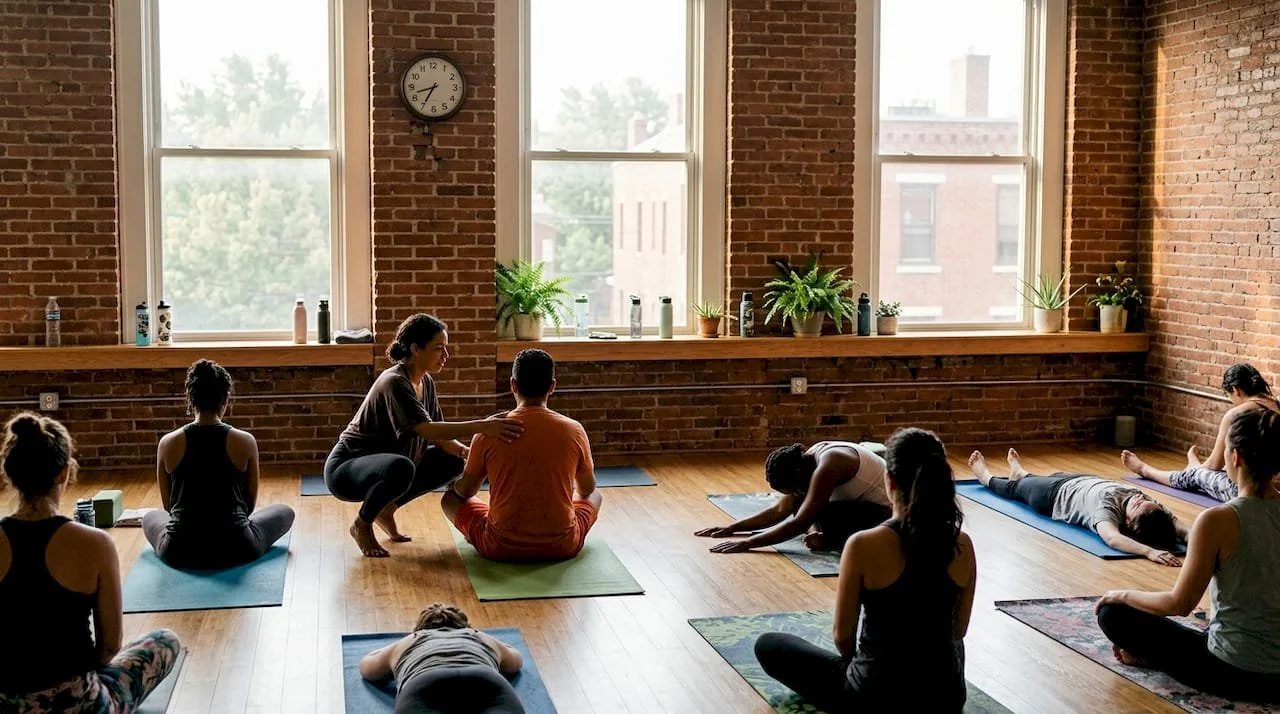
Choosing and signing up for yoga classes in Philadelphia can feel overwhelming when you're faced with dozens of studios, unfamiliar styles, and different registration systems. Whether you're a complete beginner or exploring new wellness practices, understanding what to expect before you commit makes all the difference. This guide walks you through selecting the right yoga style for your goals, preparing for signup, navigating online registration, and setting yourself up for success in Philadelphia's vibrant yoga community.
Table of Contents
Key takeaways
| Point | Details |
|---|---|
| Start with beginner-friendly styles | Hatha or gentle yoga classes teach alignment and breath control, minimizing injury risk for newcomers. |
| Explore diverse wellness options | Philadelphia studios offer hot yoga, trauma-informed practices, restorative sessions, and fusion classes like pilates and barre. |
| Understand studio policies | Read cancellation rules carefully, most studios require 48-hour notice to avoid fees or lost credits. |
| Prepare essential items | Bring a yoga mat, towel, water bottle, and comfortable clothing to your first class. |
| Match classes to your goals | Choose styles based on whether you prioritize fitness, mental health, injury recovery, or stress relief. |
Understanding yoga styles and choosing the right class
Philadelphia's yoga scene offers remarkable variety, from heated power classes to gentle trauma-informed sessions. Knowing which style aligns with your wellness goals helps you make confident signup decisions and avoid classes that might feel too intense or too slow for your needs.
Hatha and gentle yoga classesprovide the ideal foundation for beginners. These sessions emphasize proper alignment, controlled breathing, and modifications that prevent injury while building strength and flexibility. Studios like Amrita Yoga & Wellness, Yoga Home, and Maha welcome all levels with basics classes that move at a manageable pace. You'll learn foundational poses, understand how to use props like blocks and straps, and develop body awareness without feeling rushed.
Philadelphia also features specialized practices for different wellness priorities. Hot yoga classes operate at 95-105°F, promoting detoxification and cardiovascular endurance at studios like Hot Yoga Philly and Healthy Philly Yoga. Trauma-informed classes at Soul Haum specifically support individuals managing PTSD or anxiety through carefully sequenced movements and mindful breathing. Vinyasa and power yoga at Lumos and Yoga Habit deliver fitness-focused workouts, while restorative and yin styles offer deep relaxation and stress relief.
| Style | Temperature | Intensity | Primary Benefits | Example Studios |
|---|---|---|---|---|
| Hatha/Gentle | Room temp | Low to moderate | Alignment, breath control, injury prevention | Amrita, Yoga Home, Maha |
| Hot Yoga | 95-105°F | Moderate to high | Detox, cardiovascular endurance, flexibility | Hot Yoga Philly, HPY |
| Vinyasa/Power | Room temp or heated | Moderate to high | Strength, fitness, dynamic flow | Lumie, Yoga Habit |
| Trauma-Informed | Room temp | Low to moderate | PTSD support, anxiety relief, emotional healing | Soul Haum |
| Restorative/Yin | Room temp | Low | Deep relaxation, stress relief, flexibility | Various studios |
When selecting your first style, consider these factors:
Current fitness level and any physical limitations or injuries
Whether you prefer vigorous movement or gentle stretching
Sensitivity to heat or preference for climate-controlled spaces
Mental health goals like anxiety reduction or trauma recovery
Interest in complementary practices like pilates or barre
Pro Tip: Call studios directly to ask about beginner modifications and instructor experience with specific conditions. Most welcoming studios happily discuss how they accommodate new students, injuries, or special needs before you sign up.
Choosing between fitness-oriented and healing-focused practices represents a key decision point. Power and vinyasa classes build strength and endurance through challenging sequences, while trauma-informed and restorative sessions prioritize nervous system regulation and emotional processing. Neither approach is superior, they serve different purposes. Many practitioners eventually combine both, attending vigorous classes for physical conditioning and gentle sessions for mental restoration.
For those interested in trauma recovery yoga or yoga for emotional healing, Philadelphia offers several specialized options. Trauma-informed yoga uses invitational language, emphasizes student choice, and avoids physical adjustments that might trigger stress responses. These classes create safe spaces for individuals working through past trauma or managing anxiety disorders. If you're exploring local yoga classes with therapeutic focus, look for instructors trained in trauma-sensitive methods.
Preparing for your yoga class signup
Successful yoga registration starts with research and preparation. Understanding studio policies, gathering necessary items, and knowing what questions to ask prevents confusion and helps you feel confident walking into your first class.
Before signing up, assemble these essentials:
Yoga mat (studios often provide rentals, but personal mats ensure hygiene)
Large towel for hot yoga or to cover studio mats
Water bottle to stay hydrated, especially in heated classes
Comfortable, breathable clothing that allows full range of motion
Hair ties if you have long hair
Small towel for wiping sweat during intense sessions
Reading cancellation policies saves headaches later. Most studios require 48-hour notice for cancellations to avoid fees or lost class credits. Some offer makeup classes if you cancel within policy guidelines, while others enforce strict forfeiture rules. Understanding these details upfront prevents frustration when schedule conflicts arise.
| Policy Type | Typical Requirement | Consequence of Violation | Makeup Options |
|---|---|---|---|
| Cancellation Notice | 48 hours before class | Fee charged or credit lost | Usually not available |
| Late Cancellation | 24-48 hours before | Partial credit or reduced fee | Sometimes offered |
| No-Show | Failure to attend or cancel | Full credit lost, possible fee | Rarely available |
| Package Expiration | 30-90 days from purchase | Unused classes forfeited | Extensions sometimes granted |
Researching studios online involves several practical steps:
Visit studio websites to review class schedules and descriptions
Compare pricing for drop-in classes, multi-class packages, and monthly memberships
Read student reviews focusing on beginner experiences and instructor approachability
Check location and parking availability near your home or workplace
Look for new student specials or introductory offers
Verify whether the studio offers the specific style you want to try
Pro Tip: If you're managing an injury, pregnancy, or postpartum recovery, contact studios to inquire about private sessions before joining group classes. Individual instruction allows teachers to provide personalized modifications and ensure your safety while building foundational skills.
Scheduling yoga classesrequires attention to your energy patterns and daily routine. Morning classes energize your day but require early wake times. Lunchtime sessions offer midday stress relief but may feel rushed. Evening classes provide post-work decompression but can interfere with dinner or family time. Experiment with different time slots to discover what feels sustainable long term.

For heat-sensitive individuals, starting with non-heated classes prevents overwhelming experiences. You can always progress to hot yoga after building stamina and comfort with basic poses. Many students find that joining yoga classes gradually, beginning with one session per week, creates sustainable habits without burnout.
When preparing for local yoga class attendance, arrive 10 to 15 minutes early for your first visit. This buffer allows time to complete any required paperwork, meet the instructor, set up your space, and acclimate to the studio environment without feeling rushed.
Step-by-step guide to signing up for yoga classes in Philadelphia
Navigating the actual registration process becomes straightforward once you understand the typical workflow. Most Philadelphia studios use online systems, though a few still accept walk-in signups or phone registrations.
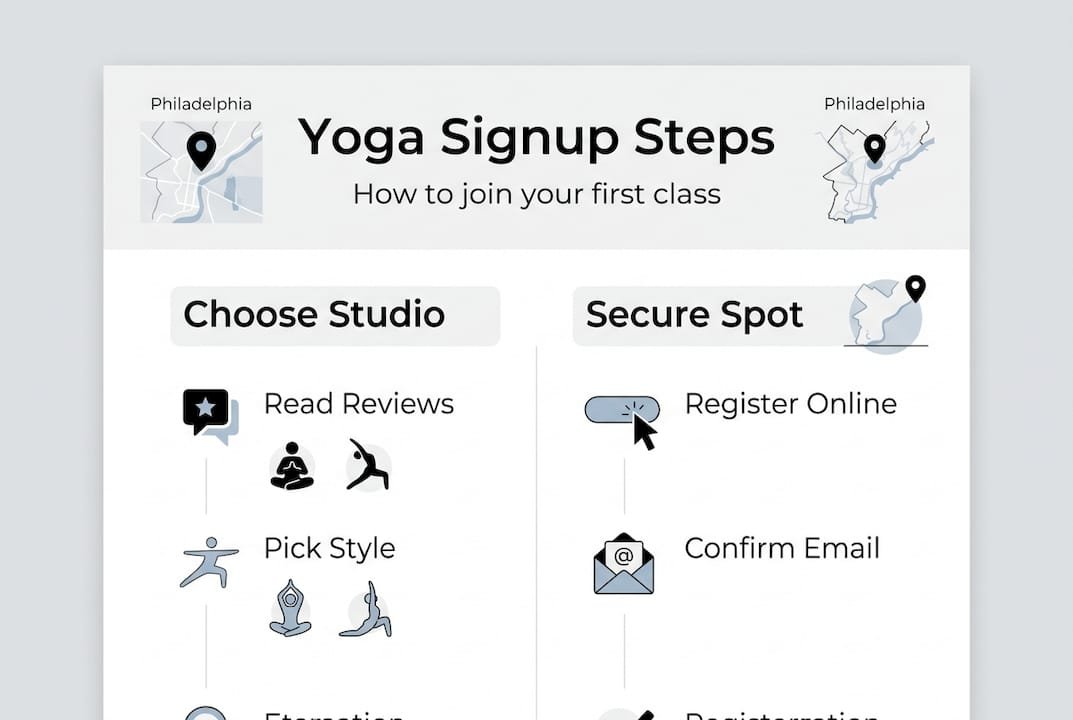
Follow these steps for smooth enrollment:
Search for studios and classes using Google Maps, studio websites, or yoga directories specific to Philadelphia
Review each studio's class schedule, filtering by style, time, and instructor if options exist
Compare pricing structures, including drop-in rates, class packages, and unlimited monthly memberships
Read cancellation and refund policies carefully before committing to packages
Register through the studio's website or Eventbrite for workshops and special events
Check your email for confirmation with class details, location, and any special instructions
Add the class to your calendar with reminders to prevent no-shows
Prepare your gear the night before to ensure you're not scrambling last minute
Understanding pricing models helps you choose cost-effective options. Drop-in classes offer flexibility for irregular schedules but cost more per session, typically $18 to $28 in Philadelphia. Multi-class packages (5, 10, or 20 classes) reduce per-class costs and usually expire within 60 to 90 days. Unlimited monthly memberships provide the best value for frequent practitioners, ranging from $100 to $180 depending on the studio and included amenities.
Online registration dominates Philadelphia's yoga scene. Studios maintain their own booking platforms where you create an account, add payment information, and reserve spots in upcoming classes. Some studios use scheduling software like Mindbody or Momence, which allows you to manage bookings across multiple studios through a single app. Eventbrite handles signups for pop-up classes, outdoor sessions, and special workshops that fall outside regular studio schedules.
Pro Tip: Create accounts with your preferred studios before you need to book a class. Saving your information in advance streamlines future signups and helps you grab spots in popular classes that fill quickly.
Keeping confirmation emails organized prevents confusion about class times and locations. Create a dedicated email folder for yoga confirmations or screenshot important details to your phone. Many students find success setting calendar alerts for 24 hours before class (to review cancellation windows) and 2 hours before class (to prepare and travel).
When you're ready to find and join yoga classes, prioritize studios with clear communication and responsive customer service. Studios that answer questions promptly and provide detailed class descriptions typically offer better overall experiences. Reading recent reviews helps identify which studios genuinely welcome beginners versus those that cater primarily to advanced practitioners.
For ongoing practice, understanding yoga class signup steps and building consistent booking habits supports your wellness journey. Many successful practitioners schedule their next week's classes every Sunday evening, treating yoga appointments with the same commitment as work meetings or doctor visits.
What to expect after signing up and attending your first class
Your first yoga class brings new sensations, terminology, and social dynamics. Knowing what typically happens helps you feel prepared rather than anxious.
Common beginner experiences include:
Learning to coordinate breath with movement, which feels awkward initially but becomes natural with practice
Using props like blocks, straps, and bolsters to make poses accessible for your current flexibility
Feeling muscle soreness 24 to 48 hours after class, especially in core, legs, and shoulders
Noticing mental chatter during meditation or savasana as your mind adjusts to stillness
Comparing yourself to other students, then gradually releasing that tendency as you focus inward
Discovering poses that feel surprisingly easy and others that challenge you unexpectedly
If schedule changes arise, handle cancellations promptly and courteously. Log into your studio account as soon as you know you can't attend, ideally more than 48 hours in advance. When emergencies prevent adequate notice, contact the studio directly to explain. While policies exist for fairness, many studios show flexibility for genuine emergencies, especially for regular students who typically follow guidelines.
Yoga's benefits accumulate gradually rather than appearing overnight. Most practitioners notice improved flexibility within 4 to 6 weeks of consistent practice. Strength gains become apparent around the same timeframe, particularly in stabilizing muscles. Mental benefits often emerge faster, with students reporting better stress management and emotional regulation within 2 to 3 weeks.
Research supports these experiential benefits:
Mindfulness-based interventions including yoga show medium effect sizes for reducing PTSD symptoms and depression, with standardized mean differences of 0.41, while hot yoga specifically improves cardiovascular fitness and flexibility beyond traditional practice.
Maintaining open communication with instructors enhances your experience significantly. Before class, briefly mention any injuries, physical limitations, or concerns. Most teachers appreciate this information and can suggest modifications during class. After class, ask questions about poses that confused you or request alternatives for movements that caused discomfort.
Philadelphia studios consistently receive positive reviews for welcoming environments. Students rate studios between 4.0 and 5.0 stars, frequently praising instructors who remember names, offer hands-on adjustments (with permission), and create inclusive spaces. These community aspects often prove as valuable as the physical practice itself, providing social connection and accountability that support long-term commitment.
For those pursuing trauma recovery yoga benefits, patience with the process matters enormously. Healing-focused practices work subtly on the nervous system, and progress may feel non-linear. Some sessions bring emotional release, others provide calm stability, and both serve important functions in recovery.
Explore yoga classes and specials at Amrita Yoga & Wellness
Now that you understand how to choose and sign up for yoga classes, Amrita Yoga & Wellness offers an ideal starting point for your Philadelphia practice. The studio provides beginner-friendly Hatha classes alongside diverse options including hot yoga, pilates, and barre, all designed to welcome students at every level.
Amrita's new student specials make trying multiple classes affordable while you discover which styles resonate with your goals. The studio maintains transparent cancellation policies that respect your schedule flexibility while ensuring fair access for all members. Beyond yoga, Amrita offers complementary wellness services like acupuncture to support holistic health. Browse the current schedule online and sign up with confidence, knowing you're joining a community that prioritizes both your physical practice and overall well-being.
FAQ
What if I'm new to yoga and worried about injury?
Beginner Hatha classes minimize injury risk through careful attention to alignment and controlled progressions. Instructors demonstrate proper form and offer modifications using props like blocks and straps to accommodate different flexibility levels. Most studios welcoming all levels encourage questions and provide hands-on adjustments to ensure safe positioning.
How do I find yoga classes that focus on mental health or trauma recovery?
Trauma-informed classes at Soul Haum specifically address PTSD and anxiety through specialized teaching methods. These sessions use invitational language and student-led pacing to create psychologically safe environments. You can also explore trauma recovery yoga resources to understand how different practices support emotional healing and nervous system regulation.
What should I bring to my first yoga class?
Bring a yoga mat (or confirm the studio provides rentals), a large towel, water bottle, and comfortable clothing that allows free movement. For hot yoga, pack an extra towel for sweat management. Most studios provide props like blocks and straps, but verify beforehand if you want to bring personal equipment.
How much do yoga classes typically cost in Philadelphia?
Drop-in classes range from $18 to $28 per session. Multi-class packages reduce costs to approximately $12 to $20 per class depending on quantity purchased. Unlimited monthly memberships cost between $100 and $180, offering the best value for students attending three or more classes weekly.
Can I try different yoga styles at the same studio?
Most Philadelphia studios offer multiple styles throughout their weekly schedule. This variety allows you to experiment with hot yoga, vinyasa, restorative sessions, and specialty classes without purchasing separate memberships. New student packages often include access to all class types, making exploration affordable and convenient.
Recommended
What is a yoga class: complete Philadelphia guide 2026 — Amrita Yoga & Wellness
Find Yoga Classes in Philadelphia: Your Step-by-Step Guide — Amrita Yoga & Wellness
Diverse yoga practices for wellness in Philadelphia 2026 — Amrita Yoga & Wellness
Simple yoga for beginners: easy low-impact routines — Amrita Yoga & Wellness
Yoga Gym Classes: Boosting Wellness for Busy Lives
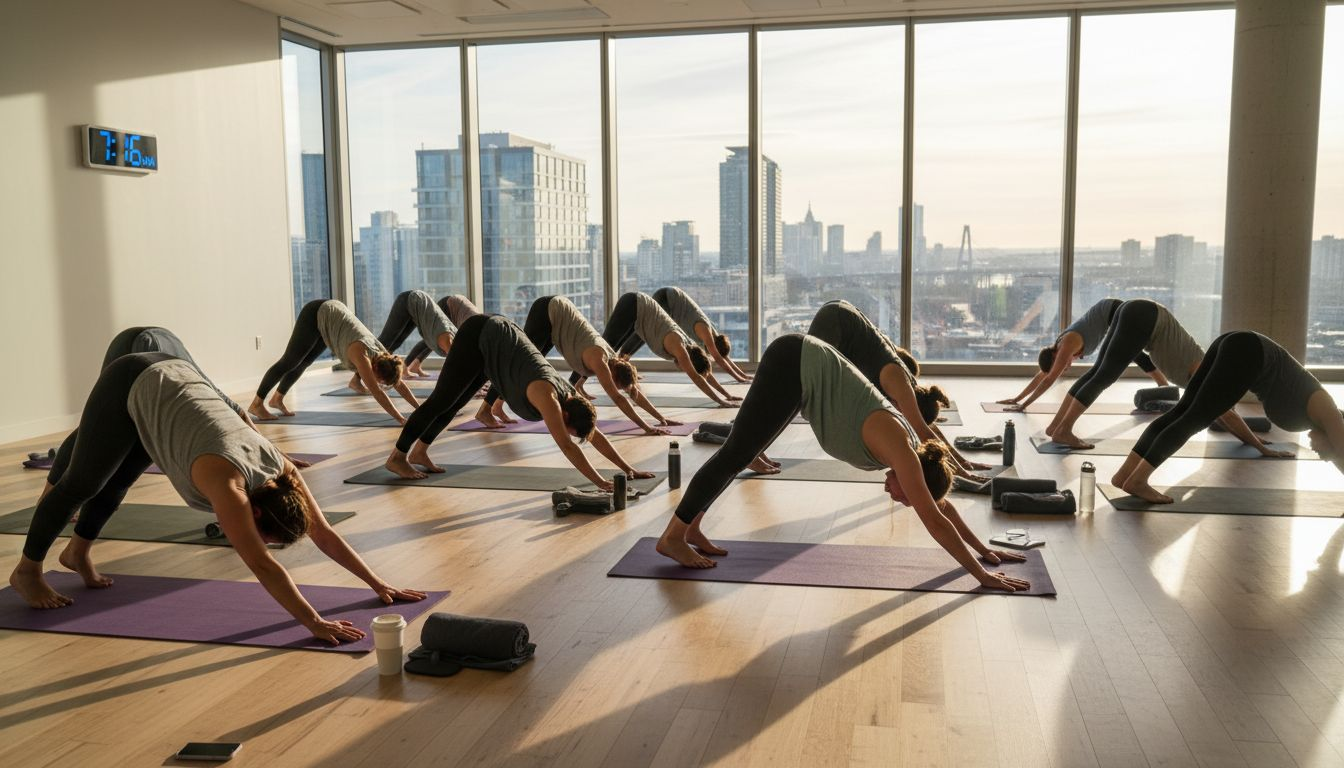
Long days at the office can leave even the most dedicated Philadelphia professionals feeling drained and disconnected. The search for a low-impact exercise that offers physical wellness and mental clarity is more important than ever. Yoga gym classes are often misunderstood as simple stretching or fitness routines, yet this practice holds deeper benefits, supporting stress relief and emotional balance. Discover how thoughtfully chosen yoga sessions in your community can fit your schedule and help restore both body and mind.
Table of Contents
Key Takeaways
| Point | Details |
|---|---|
| Yoga is More Than Exercise | Yoga combines physical, mental, and spiritual elements, yet many gym classes focus only on physical postures. Understanding the holistic approach can enhance practice. |
| Diverse Yoga Styles Available | Various yoga styles cater to different fitness and wellness needs, from intense workouts to gentle stretching. Select a style that aligns with personal goals. |
| Yoga Benefits for Professionals | Consistent yoga practice reduces stress, improves posture, and enhances mental clarity, supporting overall workplace wellness. Incorporate short sessions into the workday for maximum benefits. |
| Injury Prevention is Key | Awareness of common injury risks and proactive strategies can help maintain a safe practice. Always communicate pre-existing conditions to instructors and progress gradually. |
Yoga Gym Classes Defined and Misunderstood
Yoga gym classes represent a modern evolution of an ancient practice, transforming spiritual discipline into a fitness-oriented experience. Understanding the historical roots of yoga reveals a complex journey from meditative tradition to contemporary wellness approach.
Contrary to popular belief, yoga is not merely a physical exercise routine. It originated as a holistic practice integrating mental, spiritual, and physical dimensions. Most gym classes today focus predominantly on physical postures, which represents only one aspect of the traditional yogic system. This narrow interpretation has led to several common misconceptions about what yoga truly entails.
Key misunderstandings about yoga gym classes include:
Physical Performance: Many practitioners view yoga solely as a fitness activity
Spiritual Disconnect: Modern classes often minimize meditative and philosophical components
One-Size-Fits-All Approach: Different yoga styles have unique purposes and benefits
Superficial Practice: Reduced emphasis on breath control and mindfulness
The diversity of yoga styles means that no two classes are identical. Some focus on intense physical movement, while others prioritize gentle stretching, meditation, or spiritual connection. Yoga styles vary significantly in their approach and intended outcomes, making it crucial for practitioners to understand what they're seeking.
Pro tip: Before selecting a yoga gym class, research the specific style and instructor to ensure it aligns with your personal wellness goals and physical capabilities.
Key Yoga Styles and Class Formats
Yoga encompasses a rich tapestry of styles designed to meet diverse fitness and wellness needs. Different yoga approaches address unique wellness goals, ranging from gentle stretching to intense physical workouts. Understanding these variations helps busy professionals select the most appropriate class for their lifestyle and fitness objectives.
The primary yoga styles can be categorized based on their intensity, focus, and philosophical underpinnings. Key styles include:
Hatha Yoga: Gentle, foundational practice combining breathing and postures
Vinyasa: Dynamic flow connecting movement with breath
Ashtanga: Physically demanding style with rapid posture transitions
Bikram/Hot Yoga: 26 specific poses performed in heated environments
Iyengar: Emphasizes precise alignment and prolonged pose holds
Kundalini: Focuses on breath work and energy awakening
Philosophical Dimensions: Yoga's deeper paths extend beyond physical practice, encompassing intellectual, emotional, and spiritual dimensions. Traditional categorizations include Karma Yoga (action-based), Gnana Yoga (intellectual), Bhakti Yoga (devotional), and Kriya Yoga (energy transformation). Modern gym classes often blend these approaches, creating hybrid experiences that cater to contemporary wellness needs.
For busy professionals, selecting the right yoga style involves understanding personal fitness goals, physical limitations, and time constraints. Some styles offer quick, intense workouts, while others provide more meditative, restorative experiences.
Here's a quick reference comparing leading yoga styles for busy professionals:
| Yoga Style | Typical Intensity | Main Focus | Best For |
|---|---|---|---|
| Hatha | Gentle | Balance & flexibility | Beginners, relaxation |
| Vinyasa | Moderate | Movement with breath | Cardio, energy boost |
| Ashtanga | High | Strength, endurance | Advanced, fitness gain |
| Bikram / Hot Yoga | Moderate/High | Detox, sweat, stamina | Heat adaptation |
| Iyengar | Low/Moderate | Alignment, precision | Injury recovery |
| Kundalini | Varies | Breath, energy work | Mind-body connection |
Pro tip: Experiment with multiple yoga styles to discover the practice that best matches your physical and mental wellness requirements.
Physical and Mental Benefits for Professionals
Workplace wellness strategies reveal yoga as a powerful tool for professionals seeking holistic health improvements. Beyond traditional exercise, yoga offers a comprehensive approach to managing the physical and mental challenges of demanding careers, addressing stress, productivity, and overall well-being.
The physical benefits for professionals include:
Stress Reduction: Lowering cortisol levels and promoting relaxation
Pain Management: Alleviating neck and low-back pain from sedentary work
Improved Flexibility: Counteracting effects of prolonged sitting
Enhanced Posture: Strengthening core muscles and alignment
Increased Energy: Boosting metabolism and reducing fatigue
Mental Health Advantages: Yoga provides profound psychological benefits critical for professional success. Workplace wellness programs demonstrate significant mental resilience improvements, helping professionals manage anxiety, enhance emotional regulation, and maintain mental clarity under high-pressure environments. Regular practice supports cognitive function, concentration, and emotional stability.
Professionals can expect comprehensive wellness outcomes from consistent yoga practice, including improved sleep quality, reduced workplace stress, and enhanced overall performance. The integration of physical movement, breathwork, and mindfulness creates a holistic approach to personal and professional development.

Pro tip: Schedule short yoga sessions during workday breaks to maximize mental reset and physical rejuvenation.
Choosing Classes That Fit Your Schedule
Yoga class selection strategiesrequire careful consideration of personal time constraints and wellness objectives. Busy professionals need flexible approaches that integrate seamlessly into demanding work schedules without creating additional stress or time pressure.
Consider these key factors when selecting yoga classes:
Class Duration: Options ranging from 5-90 minutes
Scheduling Flexibility: Morning, lunch, evening, and weekend classes
Online vs. In-Person: Virtual and studio-based alternatives
Skill Level: Beginner, intermediate, and advanced offerings
Intensity: Low-impact to high-energy workout styles
Practical Scheduling Strategies: Yoga programs offer adaptable practice options that accommodate varied professional lifestyles. Some studios provide condensed 30-minute lunch break sessions, while others offer early morning or late evening classes for professionals with unpredictable schedules. Many now include hybrid models combining in-person and virtual participation.
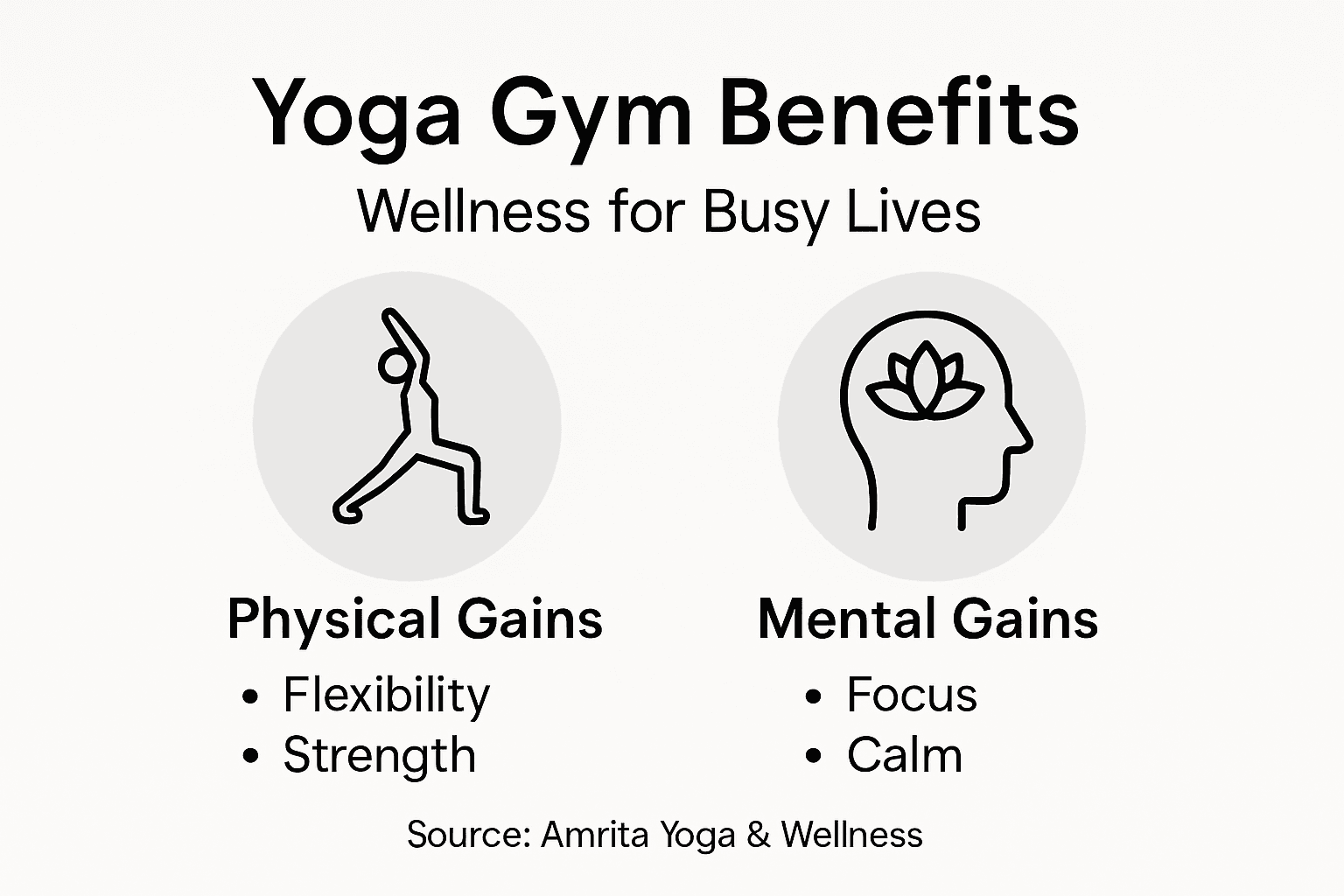
Effective class selection involves understanding personal energy levels, work commitments, and fitness goals. Professionals should prioritize classes that provide maximum benefit with minimal time investment, focusing on programs that offer comprehensive wellness approaches without overwhelming existing schedules.
Pro tip: Map out your weekly schedule and pre-book yoga classes to create accountability and ensure consistent practice.
Avoiding Common Pitfalls and Injuries
Yoga injury prevention requires strategic awarenessand mindful practice. Busy professionals must understand potential risks and implement proactive strategies to maintain safe, sustainable yoga practices that support their wellness goals without compromising physical health.
Common yoga-related injury risks include:
Muscle Strain: Overstretching beyond comfortable limits
Ligament Tears: Pushing poses without proper warm-up
Lower Back Injuries: Incorrect spinal alignment during twists
Wrist Stress: Improper weight distribution in arm balances
Joint Overextension: Forcing flexibility beyond natural range
Preventative Strategies: Yoga practitioners can minimize injury risks through careful preparation and mindful engagement. Critical prevention techniques involve selecting appropriate class levels, communicating existing health conditions with instructors, using proper modifications, and maintaining consistent body awareness during practice.
Professionals should prioritize gradual progression, listening to their body's signals, and avoiding competitive or ego-driven approaches to yoga practice. Understanding personal physical limitations and respecting individual flexibility boundaries are key to developing a safe, sustainable yoga routine that supports long-term wellness.
This table summarizes top injury risks and prevention tips for yoga practitioners:
| Risk Type | Common Cause | Prevention Tip |
|---|---|---|
| Muscle Strain | Overreaching in poses | Maintain gradual progress |
| Ligament Tears | Skipping warm-up routines | Warm up before practice |
| Lower Back Strain | Twists with poor posture | Focus on correct spinal technique |
| Wrist Stress | Incorrect weight placement | Strengthen wrists, use props |
| Joint Overextension | Forcing flexibility | Respect natural movement limits |
Pro tip: Always inform your yoga instructor about any pre-existing injuries or physical constraints before starting a new class.
Find Your Balance with Yoga Tailored for Busy Professionals
Feeling overwhelmed by the challenges of fitting holistic wellness into a hectic schedule is common for many professionals. This article highlights key struggles such as managing stress, avoiding injury, and identifying the right yoga style to match personal goals and physical capabilities. By embracing concepts like mindful breathwork, postural alignment, and flexible scheduling you can significantly boost both physical and mental well-being even amid a demanding career.
At Amrita Yoga & Wellness, we understand these challenges and offer a variety of accessible yoga gym classes designed specifically for busy lives. Whether you seek the calming focus of gentle Hatha sessions or the energizing flow of Vinyasa practice, our studio connects you with experienced instructors who prioritize safe, effective approaches tailored to your needs. Our class schedules and descriptions empower you to choose convenient times and styles that perfectly complement your lifestyle.
Start transforming your wellness routine today with a supportive community that values personal growth and balance. Visit Amrita Yoga & Wellness now to explore class options, sign up, and take the first step toward a healthier, more centered you.
Frequently Asked Questions
What are yoga gym classes?
Yoga gym classes are modern adaptations of traditional yoga practices, focusing primarily on physical postures while often minimizing the spiritual and mental components of yoga.
How can busy professionals benefit from yoga?
Busy professionals can benefit from yoga through stress reduction, pain management, improved flexibility, enhanced posture, and increased energy, promoting overall well-being in demanding work environments.
What are the different styles of yoga offered in gym classes?
Common yoga styles in gym classes include Hatha, Vinyasa, Ashtanga, Bikram/Hot Yoga, Iyengar, and Kundalini, each varying in intensity, focus, and purpose.
How can I choose the right yoga class for my schedule?
To choose the right yoga class, consider class duration, scheduling flexibility, skill level, intensity, and whether you prefer online or in-person sessions. Prioritizing classes that match your personal wellness goals and time availability is essential.
Recommended
How to Choose Yoga Classes for Your Wellness Goals — Amrita Yoga & Wellness
7 Powerful Reasons Why Yoga Improves Your Wellbeing — Amrita Yoga & Wellness
7 Essential Fitness & Yoga Tips for Total Well-Being — Amrita Yoga & Wellness
How to Schedule Yoga Classes for Seamless Wellness — Amrita Yoga & Wellness
Balans tussen werk en privé: Een duidelijke uitleg - Mijn Voedsel Intolerantie Test
Ways to Lead a Healthy and Fulfilled Life - It's a Southern Life Ya'll
7 Yoga Styles for Beginners and Wellness Seekers
Table of Contents
Quick Summary
| Takeaway | Explanation |
|---|---|
| 1. Hatha Yoga Builds Foundation | This gentle practice emphasizes alignment and mindful movement, ideal for beginners and advanced yogis alike. |
| 2. Vinyasa Yoga Enhances Endurance | This dynamic style combines movement with breath, providing a full-body workout that boosts cardiovascular fitness. |
| 3. Restorative Yoga Promotes Healing | With supported poses, this practice encourages deep relaxation, making it ideal for stress relief and recovery. |
| 4. Hot Yoga Boosts Flexibility | Practicing in heat increases muscle elasticity, aiding deeper stretches and promoting detoxification through sweat. |
| 5. Power Yoga Offers Intense Fitness | This vigorous style combines strength and cardio, making it effective for building lean muscle and improving endurance. |
1. Hatha Yoga: Foundation for All Levels
Hatha Yoga serves as the cornerstone of yoga practice for practitioners at every skill level. This ancient style focuses on mastering physical postures and breath control while creating a solid foundation for more advanced yoga techniques.
At its core, Hatha Yoga emphasizes precise alignment and mindful movement. Practitioners learn to develop a connection between breath and body through deliberate, controlled poses that build strength and flexibility. Unlike more intense yoga styles, Hatha provides a gentle yet transformative approach suitable for complete beginners and experienced yogis alike.
Key benefits of Hatha Yoga include:
Improved physical flexibility
Enhanced muscle strength
Better body awareness
Stress reduction techniques
Foundation for advanced yoga practices
The practice typically involves holding postures for several breaths, allowing practitioners to explore proper alignment and develop a deep understanding of each movement. Modifications are always encouraged, making Hatha an incredibly accessible style that meets individuals exactly where they are in their wellness journey.
Practitioners can expect a balanced workout that challenges the body while simultaneously calming the mind. By integrating slow, intentional movements with focused breathing, Hatha Yoga creates a holistic experience that supports both physical and mental well-being.
Pro tip: Start with shorter Hatha sessions and gradually increase duration as you build strength and confidence in your practice.
2. Vinyasa Yoga: Flow for Strength and Endurance
Vinyasa Yoga represents a dynamic and energetic approach to yoga practice that combines continuous movement with intentional breathing. This style transforms traditional yoga into a powerful fitness experience that challenges both body and mind.
Breath synchronization drives the practice, creating a rhythmic flow where each movement connects seamlessly with inhalation and exhalation. Cardiovascular endurance improves dramatically through these flowing sequences that maintain elevated heart rates and engage multiple muscle groups simultaneously.
Key advantages of Vinyasa Yoga include:
Enhanced core strength
Improved muscular endurance
Increased cardiovascular fitness
Full body muscle engagement
Stress reduction through mindful movement
Dynamic movements build functional fitness by challenging practitioners to maintain balance and control during continuous transitions. Unlike static yoga styles, Vinyasa creates a workout that feels more like a moving meditation, making it appealing to fitness enthusiasts and wellness seekers.
The practice accommodates various fitness levels by offering modifications that allow beginners to progress gradually while providing advanced practitioners intense physical challenges. Practitioners can expect a full body workout that develops strength, flexibility, and mental focus.
Vinyasa Yoga transforms traditional yoga into an engaging, high energy practice that supports holistic wellness.
Pro tip: Begin with slower Vinyasa classes to learn proper alignment and gradually increase pace as your strength and confidence grow.
3. Restorative Yoga: Gentle Practice for Relaxation
Restorative Yoga offers a sanctuary of calm in our fast-paced world, providing a gentle approach to healing and relaxation. This therapeutic practice focuses on complete physical and mental restoration through carefully supported poses and intentional breathing.
Stillness becomes a powerful healing tool in restorative yoga. Practitioners activate deep relaxation responses by holding passive poses with the support of props like bolsters, blankets, and blocks.
Key benefits of Restorative Yoga include:
Reduced stress and anxiety
Enhanced nervous system recovery
Improved sleep quality
Deeper mind-body connection
Gentle physical rehabilitation
Supportive props create a nurturing environment that allows complete muscular release. Unlike more active yoga styles, restorative practice encourages practitioners to remain in poses for extended periods, sometimes 5-10 minutes, promoting deep relaxation and healing.
Restorative Yoga transforms stillness into a powerful healing practice, offering profound relaxation in a world of constant motion.
The practice is particularly beneficial for individuals recovering from injury, experiencing chronic stress, or seeking a gentle approach to wellness. Each pose is designed to support the body completely, allowing muscles to relax and the nervous system to reset.
Pro tip: Create a dedicated relaxation space at home with soft lighting and comfortable props to enhance your restorative yoga experience.
4. Hot Yoga: Boost Flexibility with Heat
Hot Yoga transforms traditional yoga practice by introducing intentional heat as a powerful wellness tool. This dynamic style challenges practitioners by conducting yoga sessions in carefully controlled heated environments, typically between 95-110 degrees Fahrenheit.
Heat creates powerful physiological responses that enhance muscle elasticity and flexibility. The elevated temperature allows muscles to warm more quickly, enabling deeper stretches and reducing the risk of injury while promoting increased range of motion.
Key benefits of Hot Yoga include:
Accelerated muscle flexibility
Improved cardiovascular endurance
Enhanced metabolic performance
Increased perspiration and detoxification
Stress reduction and mental clarity
Cardiovascular challenges complement muscle work by elevating heart rate and creating an experience similar to moderate exercise. Practitioners can expect a full body workout that combines strength training, flexibility enhancement, and cardiovascular conditioning.
Hot Yoga transforms physical practice into a comprehensive wellness experience through intentional environmental design.
The practice demands proper hydration and mindful attention to personal physical limits. Beginners should start slowly, listen to their bodies, and gradually build heat tolerance while maintaining good form and breathing techniques.
Pro tip: Bring a large towel and water bottle to your first hot yoga class, and position yourself near the door for easier access if you need a quick break.
5. Yin Yoga: Deep Stretching for Joint Health
Yin Yoga offers a revolutionary approach to wellness that focuses on deep, sustained stretching for holistic joint health. Unlike more dynamic yoga styles, this practice emphasizes long-held poses that target connective tissues and promote profound physical healing.
Slow stretches unlock deep tissue potential by stimulating synovial fluid circulation. Each pose is typically held for 3-5 minutes, allowing practitioners to gently stress connective tissues like ligaments, fascia, and joint capsules in ways that more active practices cannot.
Key benefits of Yin Yoga include:
Enhanced joint mobility
Improved flexibility
Reduced risk of connective tissue injury
Deeper relaxation
Increased mind-body awareness
Passive poses create profound transformations by applying gentle, sustained pressure that encourages tissue regeneration. The practice works at a cellular level, promoting collagen production and increasing overall tissue hydration and resilience.
Yin Yoga transforms passive stretching into a powerful healing practice that speaks directly to your body's deepest tissues.
Particularly beneficial for individuals with sedentary lifestyles or chronic joint stiffness, Yin Yoga provides a gentle yet effective approach to maintaining and improving joint health. Practitioners of all ages and fitness levels can modify poses to suit their individual needs.
Pro tip: Use supportive props like blocks and bolsters to help maintain comfortable, sustainable positions during long-held stretches.
6. Kundalini Yoga: Energize Body and Mind
Kundalini Yoga represents a transformative practice that goes far beyond traditional physical exercise, focusing on awakening inner energy and cultivating holistic wellness. This dynamic style combines breathwork, movement, meditation, and sound to create a comprehensive approach to mental and physical rejuvenation.
Breath techniques drive energetic transformation as practitioners regulate neurophysiology through specific kriyas and meditation practices. Unlike other yoga styles, Kundalini emphasizes the intentional movement of energy through the body's subtle systems.
Key benefits of Kundalini Yoga include:
Enhanced emotional resilience
Reduced anxiety and stress
Improved cognitive clarity
Increased nervous system flexibility
Deeper self-awareness
Rhythmic movements unlock inner potential by combining physical postures with specialized breathing patterns and meditative techniques. Practitioners can expect a practice that challenges both body and mind, promoting profound internal shifts and emotional balance.
Kundalini Yoga transforms inner energy into a powerful tool for personal transformation and holistic wellness.
The practice incorporates unique elements like mantra chanting, specific hand positions (mudras), and dynamic breathing techniques that differentiate it from more traditional yoga styles. Each session offers a comprehensive approach to healing and self-discovery.
Pro tip: Start with shorter Kundalini sessions and wear comfortable white clothing to enhance the energetic experience.
7. Power Yoga: Dynamic Moves for Fitness
Power Yoga transforms traditional yoga practice into a high-intensity fitness experience that challenges both body and mind. This dynamic style combines strength training, cardiovascular exercise, and mindful movement into an energetic workout that appeals to fitness enthusiasts and wellness seekers.
Continuous movement drives physical transformation as practitioners synchronize breath and motion. Unlike gentler yoga styles, Power Yoga maintains a vigorous pace that elevates heart rate and builds muscular endurance through flowing sequences.
Key benefits of Power Yoga include:
Enhanced muscular strength
Improved cardiovascular fitness
Increased metabolic activity
Greater flexibility and balance
Stress reduction through intense movement
Athletic sequences challenge physical limits by incorporating strength-building poses and rapid transitions that keep practitioners constantly engaged. The practice demands full-body commitment, making it an excellent cross-training option for athletes and fitness enthusiasts.
Power Yoga blends the mindfulness of traditional yoga with the intensity of a comprehensive fitness workout.
Participants can expect a workout that develops lean muscle, improves core strength, and provides a full-body conditioning experience. The practice adapts to various fitness levels, allowing beginners and advanced practitioners to find their unique challenge.
Pro tip: Start with foundational Power Yoga classes and listen to your body, gradually increasing intensity as your strength and flexibility improve.
Below is a comprehensive table summarizing the different types of yoga practices discussed throughout the article, their key attributes, and suggested considerations for practitioners
Begin your journey today by exploring comprehensive class descriptions and scheduling your spot online. Let us help you transform your vision of well-being into reality. Visit Amrita Yoga & Wellness now and take the first step toward a healthier, more balanced life.
Frequently Asked Questions
What are the best yoga styles for beginners?
Hatha Yoga and Restorative Yoga are excellent choices for beginners. Start with Hatha to build a strong foundation, and consider Restorative for gentle relaxation techniques.
How can I improve my flexibility through yoga?
Hot Yoga and Yin Yoga are particularly effective for enhancing flexibility. Join sessions regularly, aiming for at least 2-3 times a week to notice improvements in your range of motion within a month.
What types of yoga help reduce stress?
Restorative Yoga and Kundalini Yoga are both effective for stress reduction. Participate in a 30-45 minute session weekly to experience relaxation and emotional resilience.
How long should each yoga session last for beginners?
Beginners should aim for 30-60 minute sessions. Starting with shorter durations allows you to focus on proper form and build confidence before lengthening your practice.
Can yoga help with physical rehabilitation?
Yes, yoga styles like Restorative Yoga and Yin Yoga are beneficial for gentle rehabilitation. Commit to at least one session per week to support recovery and enhance overall healing.
Recommended
Types of Yoga Styles: Choosing Your Best Fit
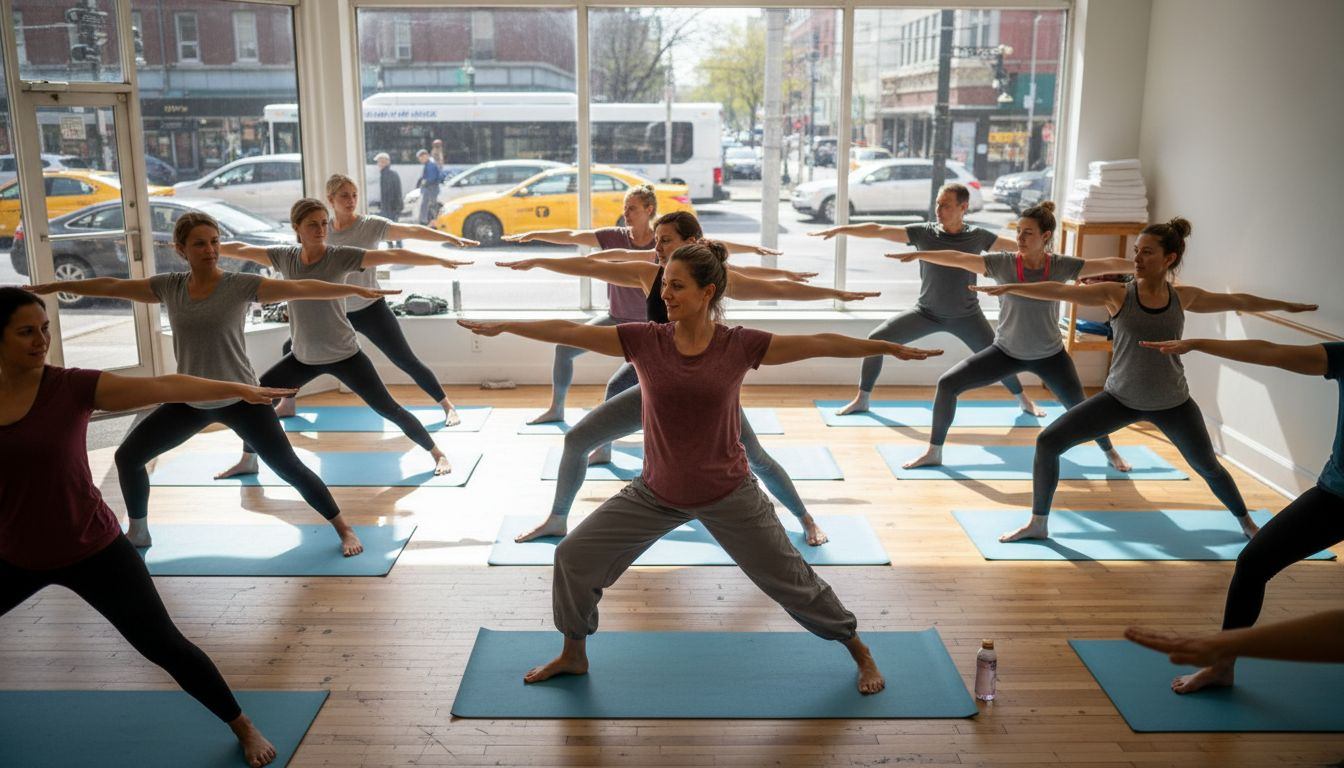
More than 36 million American adults now practice yoga, yet myths about its true purpose continue to shape how people approach this ancient discipline. In Philadelphia’s vibrant yoga community, both beginners and seasoned enthusiasts are discovering that authentic yoga means far more than stretching on a mat. This guide explores the rich history, evolving styles, and common misconceptions so you can confidently choose a path that supports personal growth and genuine community connection.
Table of Contents
Key Takeaways
| Point | Details |
|---|---|
| Understanding Yoga’s Depth | Yoga is an ancient practice integrating mental, physical, and spiritual growth, extending beyond mere exercise. |
| Exploring Various Styles | Different yoga styles, such as Hatha, Vinyasa, and Kundalini, cater to specific wellness goals and personal growth. |
| Choosing the Right Practice | Assessing your physical and mental needs is crucial in selecting a yoga style that aligns with your wellness journey. |
| Avoiding Common Mistakes | Don’t choose a yoga style based solely on trends; focus on what supports your holistic development and personal exploration. |
Yoga Styles Defined And Common Myths
Yoga represents far more than a fitness trend or series of physical postures. At its core, yoga is an ancient practice with deep philosophical roots originating in India, focused on achieving harmony between mind, body, and spirit. Traditional yoga practices explore complex spiritual disciplines beyond mere physical exercise, challenging many contemporary misconceptions about this transformative practice.
Common myths about yoga often reduce it to a simple workout routine or trendy wellness activity. In reality, traditional yoga encompasses a comprehensive system of mental, physical, and spiritual development. Western interpretations frequently emphasize physical fitness and flexibility, which represents only a fraction of yoga's authentic purpose. Authentic yoga aims to control mental fluctuations, promote self-awareness, and ultimately pursue spiritual liberation through disciplined practice.
Understanding yoga's multidimensional nature requires recognizing its philosophical foundations. Different yoga styles emerged to address various spiritual and personal development goals. Hatha Yoga focuses on physical postures and breathing techniques, Kundalini Yoga emphasizes spiritual energy awakening, while Jnana Yoga prioritizes intellectual and philosophical understanding. Each style offers unique approaches to personal transformation, demonstrating yoga's remarkable depth and adaptability.
Pro tip: Before selecting a yoga style, research its specific philosophy and practice to ensure alignment with your personal wellness goals and spiritual interests.
Traditional Yoga Styles And Their Features
Traditional yoga styles represent profound spiritual systems that extend far beyond physical exercise, embodying complex philosophical practices rooted in Indian spiritual traditions. Yoga's classical systems incorporate intricate frameworks addressing mental, physical, and spiritual development through carefully structured practices that aim to achieve holistic personal transformation.
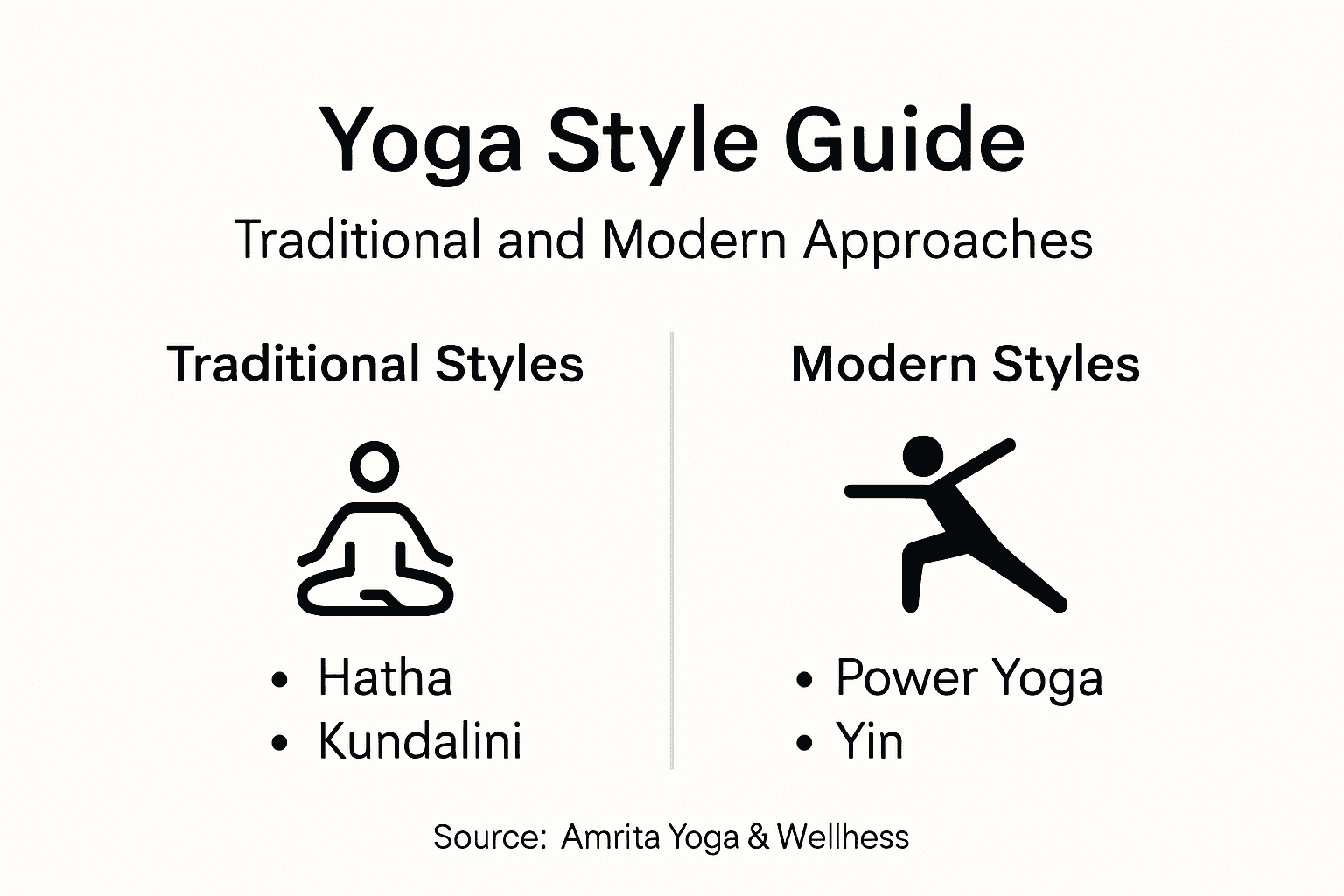
The core traditional yoga styles each offer unique approaches to spiritual growth and self-understanding. Hatha Yoga concentrates on physical postures and breath control, creating balance between body and mind. Vinyasa Yoga emphasizes fluid movement synchronized with breathing, promoting cardiovascular fitness and mental clarity. Yin Yoga utilizes slow, meditative poses targeting deep connective tissues, encouraging profound physical and emotional release. Raja Yoga, often called the "royal path," focuses on mental discipline through meditation and contemplative practices, seeking to calm mental fluctuations and attain higher consciousness.
Each traditional yoga style integrates specific techniques designed to support personal evolution. Breath control and meditation techniques play crucial roles across different styles, with pranayama (breathing exercises) and dhyana (meditation) serving as fundamental practices. These techniques help practitioners develop self-awareness, emotional regulation, and spiritual insight. Some styles like Kundalini Yoga emphasize energy awakening, while Karma Yoga prioritizes selfless service as a path to spiritual growth.
Pro tip: Explore multiple yoga styles through introductory classes to discover which philosophical approach and physical practice most resonates with your personal wellness journey and spiritual goals.
Contemporary Yoga Styles Growing In Popularity
Contemporary yoga styles represent dynamic adaptations that blend traditional spiritual practices with modern fitness approaches, reflecting the evolving landscape of wellness and personal development. These innovative styles have emerged to meet diverse individual needs, transforming yoga from a traditional spiritual practice into a versatile approach to physical and mental well-being.
Modern yoga styles showcase remarkable diversity and creativity. Power Yoga offers an intense, strength-building workout that appeals to fitness enthusiasts, while Aerial Yoga introduces playful suspension techniques using hammocks to challenge balance and flexibility. Bikram Yoga, practiced in heated rooms, provides cardiovascular challenges and deep muscle conditioning. Fusion Yoga styles like Hip Hop Yoga and Acro Yoga combine traditional techniques with contemporary elements, attracting younger practitioners seeking dynamic and engaging experiences.
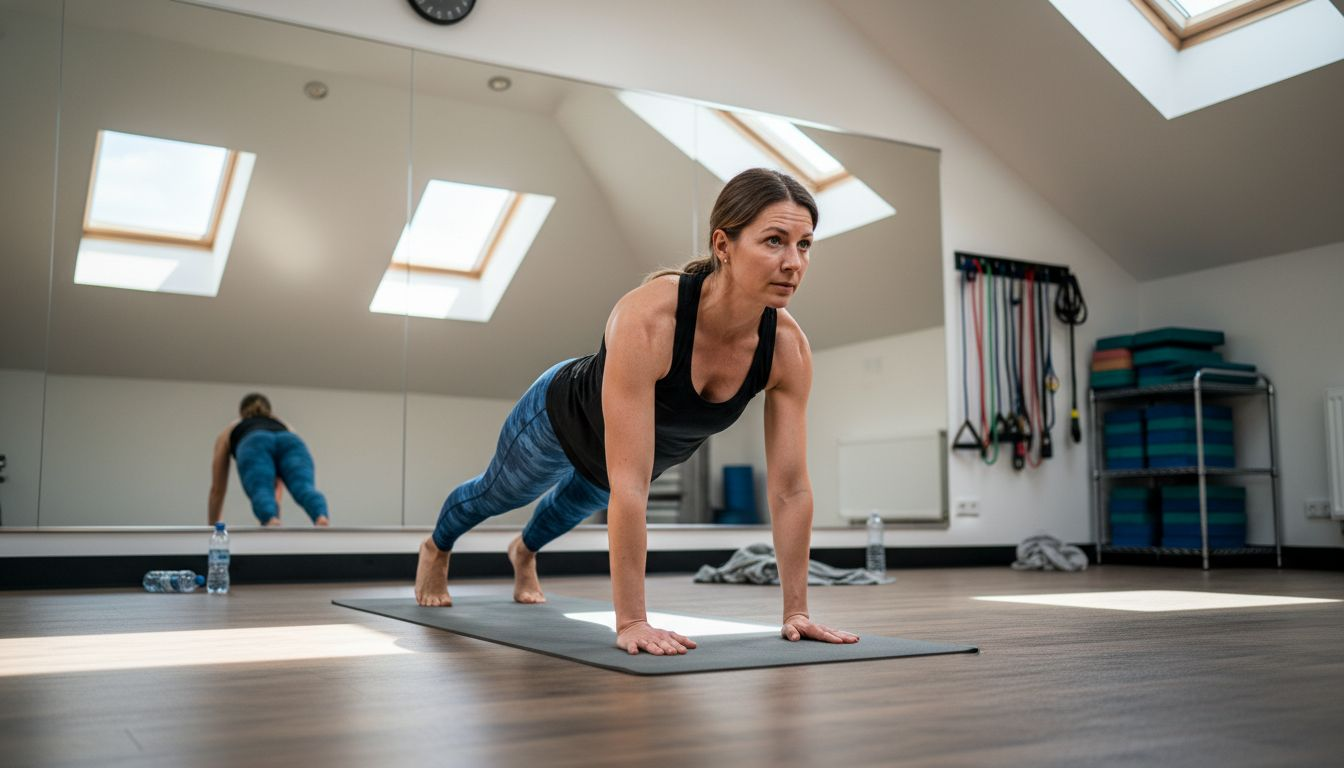
The popularity of these contemporary styles stems from their adaptability and accessibility. Yoga as exercise continues transforming global wellness practices, with online platforms and digital technologies expanding opportunities for practitioners worldwide. Many contemporary styles incorporate props, modify traditional sequences, and customize practices for specific populations like athletes, seniors, and individuals with physical limitations. This evolution demonstrates yoga's remarkable capacity to remain relevant while honoring its philosophical roots.
Pro tip: Experiment with multiple contemporary yoga styles to discover which approach best matches your fitness level, personal interests, and wellness goals.
Here's a concise comparison of traditional and contemporary yoga styles:
| Aspect | Traditional Yoga Styles | Contemporary Yoga Styles |
|---|---|---|
| Main Focus | Spiritual growth, mind-body harmony | Fitness, innovation, accessibility |
| Typical Techniques | Meditation, breathwork, postures | Props, fusion methods, technology |
| Philosophical Depth | Deeply rooted, ancient texts | Mixed depth, varied philosophies |
| Popularity Factors | Authenticity, personal evolution | Trendiness, adaptability, variety |
Physical And Mental Benefits Of Each Style
Yoga's comprehensive health benefitsextend far beyond simple physical exercise, offering profound impacts on both mental and physiological well-being. Different yoga styles provide targeted approaches to wellness, addressing individual needs through specialized techniques that promote holistic healing and personal transformation.
Each yoga style delivers unique physical advantages. Hatha Yoga enhances overall body strength and flexibility, promoting improved posture and muscular balance. Vinyasa Yoga offers cardiovascular conditioning, increasing endurance and coordination through continuous flowing movements. Yin Yoga targets deep connective tissues, improving joint mobility and releasing long-held muscular tension. Power Yoga builds significant muscle strength and supports weight management through intense, dynamic sequences.
Mental health benefits are equally remarkable across various yoga practices. Gentle styles like Restorative Yoga activate the parasympathetic nervous system, reducing stress and promoting deep relaxation. Breath-centered yoga practices help practitioners develop emotional regulation, mindfulness, and improved mental clarity. More meditative styles such as Kundalini Yoga focus on energy work, supporting psychological resilience and spiritual awareness. For individuals managing chronic conditions, specialized approaches like Chair Yoga provide accessible methods to improve physical function and mental well-being.
Pro tip: Consult with experienced yoga instructors to identify the most appropriate yoga style that aligns with your specific physical capabilities and mental health goals.
How To Choose The Best Yoga Style For You
Selecting the right yoga stylerequires understanding your unique physical, mental, and emotional needs. Each yoga practice offers distinct approaches to wellness, making personal assessment crucial in finding a practice that resonates with your individual goals and capabilities.
Beginners should consider their current fitness level, physical limitations, and primary wellness objectives. Gentle Yoga works best for those recovering from injury or seeking low-impact exercise. Vinyasa Yoga appeals to individuals desiring dynamic, cardiovascular-focused workouts. Restorative Yoga serves people managing high stress levels or seeking deep relaxation. Power Yoga attracts fitness enthusiasts looking for intense strength training and muscular conditioning. Your current health status, energy levels, and personal preferences will guide your ideal yoga style selection.
Taking a systematic approach helps identify the most suitable yoga practice. Comprehensive yoga style assessment involves experimenting with multiple styles, consulting experienced instructors, and listening to your body's responses. Attend introductory classes, observe different teaching approaches, and pay attention to how each style makes you feel physically and emotionally. Consider factors like class intensity, philosophical alignment, instructor teaching style, and personal comfort level when making your decision.
Pro tip: Start with beginner-friendly yoga classes that offer modifications and attend workshops to explore different styles before committing to a specific practice.
Use this guide to match popular yoga styles with wellness goals:
| Yoga Style | Best For | Typical Pace |
|---|---|---|
| Hatha | Beginners, flexibility | Steady and moderate |
| Vinyasa | Cardio, coordination | Fast-flowing |
| Yin | Stress relief, deep stretch | Slow and meditative |
| Power | Building strength, endurance | Intense and dynamic |
| Restorative | Relaxation, recovery | Very gentle, calming |
Common Mistakes When Selecting A Yoga Style
Yoga style selection mistakes can significantly impact your wellness journey, potentially leading to frustration, injury, or missed opportunities for holistic growth. Understanding these pitfalls helps practitioners make more informed and intentional choices about their yoga practice.
One common error involves selecting a yoga style based solely on physical intensity or trendy appearances. Beginners frequently choose advanced styles like Power Yoga or Ashtanga without considering their current fitness level, which can lead to potential injury or burnout. Another critical mistake is neglecting the mind-body connection by focusing exclusively on physical postures. True yoga encompasses more than just exercise—it integrates breathwork, meditation, and spiritual awareness that extend beyond mere physical movement.
People often make the mistake of rigidly adhering to a single style without exploring alternative approaches. Yoga practice requires personal exploration and adaptability. Some practitioners become discouraged when their first chosen style does not meet their expectations, instead of recognizing that different styles serve different purposes. Physical limitations, emotional needs, and personal wellness goals evolve, and your yoga practice should remain flexible enough to accommodate these changes.
Pro tip: Approach yoga with an open mind, prioritize professional instruction, and be willing to experiment with multiple styles to discover your most resonant practice.
Discover Your Perfect Yoga Style with Amrita Yoga & Wellness
Choosing the best yoga style can feel overwhelming when faced with so many options and personal goals. Whether you want to build strength with Power Yoga, find deep relaxation through Yin Yoga, or explore spiritual growth in a traditional practice, the key is finding the right fit that matches your body, mind, and wellness needs. This article highlights how understanding different yoga styles helps avoid common mistakes and supports a balanced, fulfilling practice.
At Amrita Yoga & Wellness, we bring a welcoming community to Philadelphia where you can explore diverse yoga styles including hot yoga, restorative sessions, and mindful breathing techniques. Benefit from expert-led classes, workshops, and retreats designed to guide you through your unique wellness journey. Start today and experience the emotional balance, physical strength, and mental clarity you seek. Visit our site, discover class schedules and sign up now to embrace a yoga practice that truly resonates with you.
Explore more on selecting your ideal yoga path with our resources at Amrita Yoga & Wellness and unlock your full potential.
Frequently Asked Questions
What are the main types of yoga styles?
The main types of yoga styles include Hatha Yoga, Vinyasa Yoga, Yin Yoga, Power Yoga, and Restorative Yoga, each offering unique approaches to physical and mental wellness.
How do I choose the right yoga style for my needs?
To choose the right yoga style, assess your fitness level, personal wellness goals, and any physical limitations. Experiment with different classes and consult experienced instructors for guidance.
What are the physical benefits of practicing yoga?
Practicing yoga can enhance strength, flexibility, balance, and joint mobility. Different styles target specific physical needs, such as cardiovascular fitness in Vinyasa Yoga or muscle conditioning in Power Yoga.
How does yoga contribute to mental health?
Yoga contributes to mental health by promoting relaxation, reducing stress, and enhancing emotional regulation and mindfulness. Styles focusing on meditation and breathwork offer particularly significant mental health benefits.