The Amrita Journal
Explore thoughtful stories, practical wellness guidance and inspiring ideas to support your movement, mindfulness and everyday wellbeing at Amrita.
Monthly Massages: Your Guide to Lasting Wellness
TL;DR:
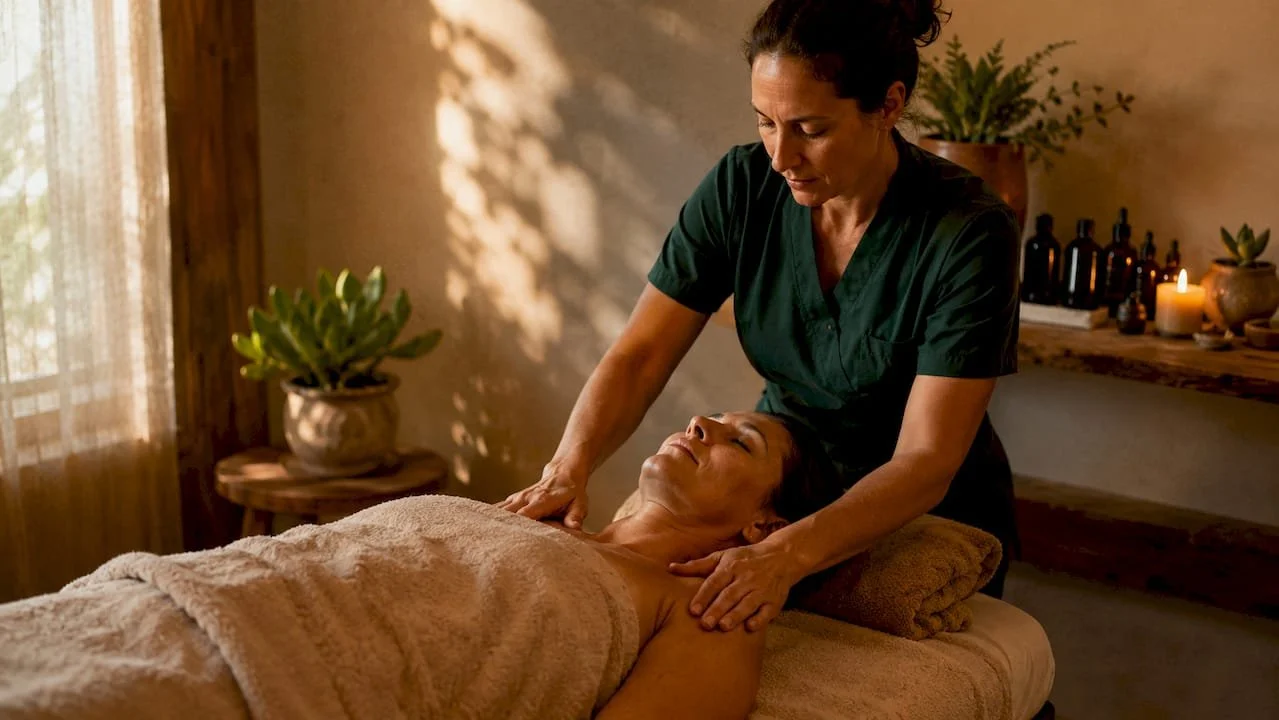
Monthly massages, proven to reduce cortisol and boost mood-related neurotransmitters, support long-term stress management. Different styles like Swedish, deep tissue, or aromatherapy cater to various wellness goals, with frequency tailored to individual needs such as pain relief or athletic recovery. Consistent scheduling, whether through memberships or proactive booking, enhances benefits by maintaining a healthy baseline of physical and mental well-being.
Monthly massages are defined as regularly scheduled massage therapy sessions, typically once every four weeks, designed to maintain physical and mental wellness through consistent, targeted care. Clinical research confirms that regular massage reduces cortisol levels by up to 31% while improving serotonin and dopamine levels over four to eight weeks. That is not a spa luxury statistic. It is a measurable physiological shift that affects your sleep, mood, and pain tolerance. For adults managing chronic stress, postural tension, or general fatigue, a monthly massage routine is one of the most evidence-backed self-care commitments available.
1. Swedish massage for general relaxation
Swedish massage is the most widely recommended starting point for monthly sessions. It uses long, gliding strokes, kneading, and gentle circular movements to release surface muscle tension and activate the parasympathetic nervous system. A standard session runs 60 to 90 minutes and suits anyone whose primary goal is stress reduction and relaxation after a demanding month. Swedish massage is the default choice for first-time clients and remains effective as a long-term monthly maintenance tool.
2. Deep tissue massage for chronic pain
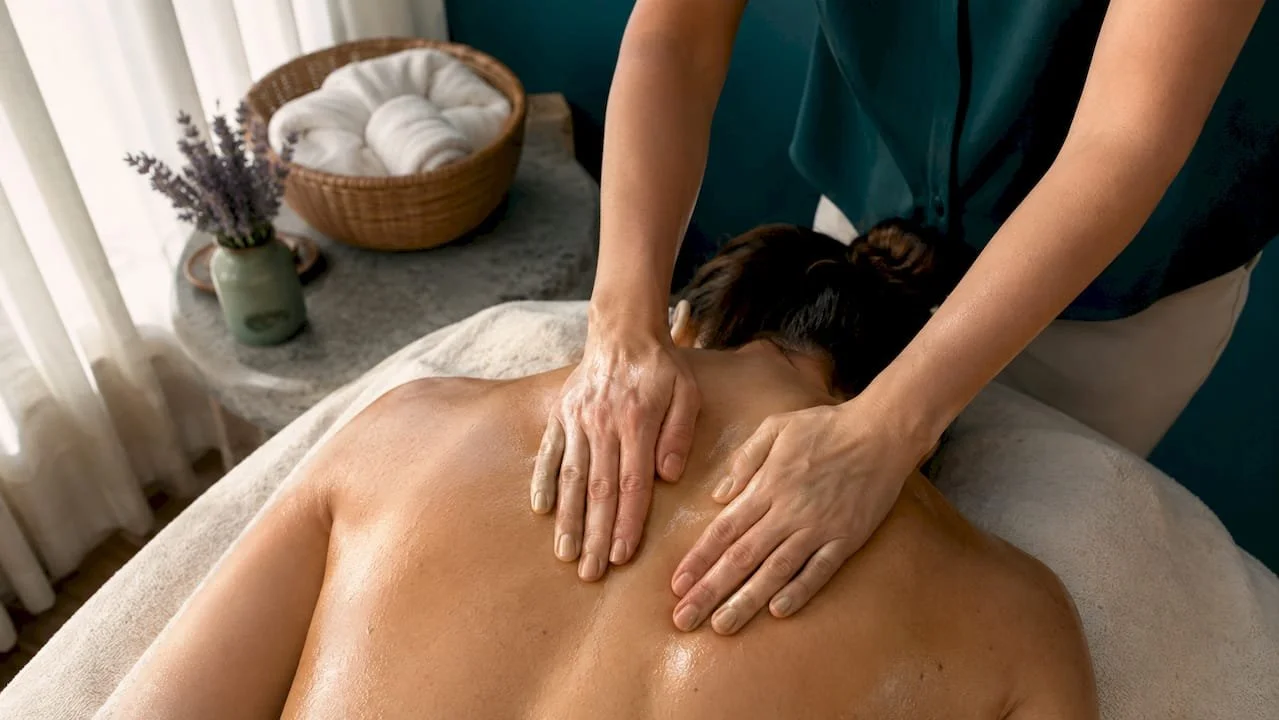
Deep tissue massage targets the deeper layers of muscle and connective tissue using slower, more forceful strokes. It is the preferred technique for people dealing with chronic neck pain, lower back tension, or postural imbalances from desk work. Deep tissue massage works best for chronic or acute pain, while Swedish massage handles general relaxation. Sessions typically run 60 to 90 minutes, and therapists often recommend pairing monthly deep tissue work with daily stretching to sustain results between appointments.
3. Sports massage for active lifestyles
Sports massage combines compression, stretching, and targeted pressure to address the specific demands placed on muscles during athletic training. Sports massage frequency scales with activity level: once monthly for casual exercisers, bi-weekly for moderate training loads, and weekly for competitive or high-intensity athletes. This means a monthly session is entirely appropriate if you run recreationally, practice yoga regularly, or cycle on weekends. The goal is recovery support and injury prevention rather than acute treatment.
4. Aromatherapy massage for mental wellness
Aromatherapy massage layers essential oil therapy onto Swedish massage techniques, using scents like lavender, eucalyptus, or bergamot to influence mood and mental clarity. The olfactory system connects directly to the limbic brain, which governs emotional response, making aromatherapy one of the most effective massage styles for anxiety and burnout. Sessions run 60 to 90 minutes and are particularly well-suited to monthly scheduling because the cumulative effect of repeated sessions builds a stronger relaxation response over time. This style pairs naturally with other holistic wellness practices like meditation and breathwork.
5. Prenatal massage for expectant mothers
Prenatal massage is specifically adapted for the anatomical changes of pregnancy, using side-lying positioning and modified pressure to relieve lower back pain, hip tension, and swelling in the legs and feet. Postpartum massage extends these benefits into recovery after birth, addressing abdominal tension and hormonal shifts. Monthly sessions during the second and third trimesters are generally considered safe and beneficial, though therapists always recommend consulting an OB-GYN before beginning. The technique is gentle by design, making it one of the most accessible options for expectant mothers new to massage therapy.
6. Shiatsu for energy balance
Shiatsu is a Japanese bodywork technique that applies rhythmic finger pressure along meridian pathways, the energy channels used in traditional Chinese medicine. Unlike Western massage styles, Shiatsu is typically performed on a floor mat with the client fully clothed, and sessions focus on restoring energetic balance rather than targeting specific muscle groups. Monthly Shiatsu sessions suit people who experience fatigue, digestive issues, or emotional stagnation alongside physical tension. The technique has a distinctly meditative quality that many clients find more restorative than pressure-based Western styles.
7. Hot stone massage for deep muscle release
Hot stone massage uses smooth, heated basalt stones placed along the spine, shoulders, and legs to warm muscle tissue before the therapist applies manual pressure. The heat penetrates two to three times deeper than hand pressure alone, making it especially effective for people with dense muscle tissue or cold-weather tension. Monthly hot stone sessions work well as a seasonal reset, particularly in winter months when muscles contract from cold and reduced movement. Sessions run 75 to 90 minutes and are best suited to clients without circulatory conditions or heat sensitivity.
8. Trigger point therapy for tension relief
Trigger point therapy targets hyperirritable spots within muscle tissue, commonly called knots, that refer pain to other areas of the body. A trigger point in the upper trapezius, for example, frequently causes headaches and jaw tension. Monthly sessions are appropriate for maintenance once acute trigger points have been resolved, typically after an initial series of weekly or bi-weekly appointments. Clients who combine monthly trigger point work with foam rolling and targeted stretching between sessions report the most sustained relief.
How to choose the right massage frequency for your goals
Massage frequency depends entirely on lifestyleand personal wellness goals. No universal schedule fits every person, which is why understanding your own situation before booking matters more than following a generic recommendation.
Here is a practical framework for deciding how often to schedule sessions:
General wellness and stress maintenance. Once per month is the recognized baseline for adults with moderate stress levels and no active injuries. This frequency keeps cortisol in check and maintains tissue mobility without requiring a significant time or financial commitment.
High stress or postural correction. Every two to three weeks produces faster results for people dealing with chronic tension from desk work, caregiving, or high-pressure careers. The shorter interval prevents tension from fully rebuilding between sessions.
Athletic training and performance. Bi-weekly sessions support moderate training loads. Weekly massage is appropriate during peak training cycles or competition preparation, as confirmed by guidance from Elements Massage and Zilaza Therapeutic Massage.
Chronic pain management. Initial weekly massage for four to six weeks followed by maintenance every two to four weeks is the standard clinical recommendation. Jumping straight to monthly sessions before the initial phase is complete often stalls progress.
Post-injury recovery. Frequency should follow your physical therapist's or physician's guidance. Massage works best as a complement to structured rehabilitation, not a replacement for it.
Pro Tip: Book your next appointment before leaving the studio. Clients who schedule in advance are significantly more likely to maintain consistent monthly attendance than those who book reactively when tension peaks.
What to expect from a monthly massage membership
Monthly massage membershipstypically cost between $80 and $195 per month, offering savings of $10 to $50 per session compared to single-session pricing. That savings compounds meaningfully over a year. At $30 saved per session across 12 months, a membership returns $360 in value beyond the base cost of sessions.
Most programs require a minimum three-month commitment, which is worth understanding before signing. The commitment structure is intentional: it mirrors the four to eight week timeline research identifies for measurable physiological benefits from consistent massage.
| Feature | What to look for |
|---|---|
| Session rollover | Some programs allow unused credits to carry forward one month; others operate on a use-it-or-lose-it basis |
| Cancellation terms | Most memberships require 30 days written notice; confirm this before committing |
| Transferability | Many memberships are non-transferable, meaning you cannot gift unused sessions to a friend or family member |
| Upgrade options | Some programs let members add session time or upgrade massage types at a discounted rate |
| Additional perks | Early booking windows, retail discounts, and guest passes are common membership benefits worth comparing |
Membership terms and policies vary significantly between providers, so reading the fine print on cancellation and rollover policies protects your budget. The most important practical question to ask is whether unused sessions expire at month end or accumulate.
Pro Tip: Use your membership's early booking window. Popular therapists fill their schedules two to three weeks out, and members with advance booking access consistently get their preferred time slots.
Monthly vs. weekly massage: which frequency is right for you
Consistency matters more than session length. Regular 30-minute sessions outperform occasional longer sessions in producing lasting benefits. That principle applies equally to the monthly vs. weekly debate.
Monthly massage suits the majority of adults seeking general stress relief, improved sleep, and baseline physical maintenance. It fits most budgets and schedules without requiring a major lifestyle reorganization. Weekly massage delivers faster results for injury recovery, athletic performance, and chronic pain, but the cost and time investment are proportionally higher.
| Frequency | Primary benefits | Best suited for |
|---|---|---|
| Monthly | Stress maintenance, sleep support, general wellness | Most adults, general wellness goals |
| Bi-weekly | Faster tension relief, moderate recovery support | Active individuals, moderate stress levels |
| Weekly | Injury recovery, performance optimization, chronic pain | Athletes, chronic pain patients, high-stress periods |
The practical takeaway is that monthly massages are a practical baseline for wellness, but athletes and chronic pain patients often require more frequent intervention initially before stepping down to a maintenance schedule. Starting at a higher frequency and reducing over time is more effective than starting monthly and trying to catch up on accumulated tension.
Tips for maximizing your monthly session
Getting the most from each appointment requires a small amount of preparation and follow-through. These practices consistently separate clients who plateau from those who see steady improvement over months.
Communicate your goals clearly. Tell your therapist what has changed since your last session, where tension is concentrated, and what you want to prioritize. Therapists who know your history can adapt technique in real time.
Combine massage with stretching or foam rolling. Massage releases tension; stretching and foam rolling maintain that release between sessions. Hip flexor stretches, thoracic spine mobility work, and calf rolling are the most commonly neglected areas.
Schedule proactively, not reactively. Booking when pain peaks means you are already behind. Scheduling in advance keeps you on a preventative track rather than a reactive one.
Understand your massage style options. Rotating between Swedish and deep tissue, or adding aromatherapy during high-stress months, tailors care to what your body actually needs rather than defaulting to the same session every time.
Use affordable massage packages strategically. Prepaid packages and memberships reduce the friction of booking and lower the per-session cost, making it easier to stay consistent when life gets busy.
Key takeaways
Monthly massages deliver the most sustained wellness benefits when frequency, massage type, and personal goals align from the start.
| Point | Details |
|---|---|
| Monthly is the baseline | Once per month maintains stress levels and tissue health for most adults without major time or cost demands. |
| Frequency should match goals | Chronic pain and athletic recovery require weekly or bi-weekly sessions before stepping down to monthly maintenance. |
| Membership savings are real | Monthly memberships save $10 to $50 per session compared to single bookings, with the most value over a 12-month commitment. |
| Consistency beats session length | Regular shorter sessions produce more lasting benefits than occasional long appointments, regardless of massage style. |
| Personalization drives results | Matching massage type to your specific tension patterns and lifestyle maximizes every session's impact. |
Why I think monthly massages are underrated as preventative care
Most people treat massage the way they treat a doctor's visit: they go when something hurts. That reactive model is exactly why so many clients feel like they are starting from scratch every time they book. The shift from reactive to preventative care is the single biggest change I have observed in clients who commit to a monthly schedule. Their sessions become progressively more effective because the therapist is maintaining a baseline rather than dismantling weeks of accumulated tension.
What surprises most people is how quickly the benefits compound. After two or three consistent monthly sessions, clients report better sleep, lower baseline anxiety, and noticeably improved posture without any other lifestyle changes. That is not a placebo effect. It reflects what the cortisol and serotonin research actually shows.
My honest recommendation for anyone new to regular massage: start with Swedish once a month for three months before deciding whether you need a different style or higher frequency. Most people discover that the consistency itself is the intervention, not the specific technique. And if budget is a concern, a membership almost always pays for itself within the first two sessions through per-session savings alone.
— Juiced
Build your monthly massage routine with Amrita Yoga & Wellness
Amrita Yoga & Wellness in Philadelphia offers massage therapy as part of a broader holistic wellness program that includes yoga, pilates, barre, and tai chi. For adults building a consistent monthly massage routine, the studio's approach to personalized care means your sessions adapt to your goals rather than following a one-size-fits-all template. Whether you are managing stress, recovering from physical strain, or simply prioritizing regular self-care, Amrita Yoga & Wellness provides the structure and expertise to make monthly massage a sustainable habit. Explore the studio's full range of wellness services, including mindfulness and holistic offerings that complement your massage practice.
FAQ
How often should you get a massage for stress relief?
Once per month is the standard recommendation for general stress maintenance, according to guidance from Zilaza Therapeutic Massage and Elements Massage. Adults with higher stress levels or postural issues benefit from sessions every two to three weeks.
What is the average cost of a monthly massage membership?
Monthly massage memberships typically range from $80 to $195 per month, saving members $10 to $50 per session compared to single-session pricing. Most programs require a minimum three-month commitment.
Are monthly massages better than occasional longer sessions?
Research confirms that regular shorter sessions produce more lasting benefits than occasional longer appointments. Consistency in scheduling matters more than session duration for sustained stress relief and tissue health.
What type of massage is best for a monthly routine?
Swedish massage is the most recommended starting point for monthly sessions because it addresses general tension and stress without requiring recovery time. Deep tissue or trigger point therapy suits clients with specific chronic pain patterns.
Can you combine monthly massages with other wellness practices?
Monthly massage works well alongside yoga, stretching, foam rolling, and mindfulness practices. Combining these approaches addresses both the physical and mental dimensions of stress, producing results that no single practice achieves alone.
Recommended
Different Types of Massages: Your 2026 Wellness Guide
TL;DR:
Choosing the right massage depends on your specific health goal, whether relaxing, relieving pain, or recovering. Different styles use varying pressure and techniques, targeting specific systems such as muscles, lymph, or energy centers for tailored benefits. Effective communication and clear goal-setting with your therapist enhance outcomes and ensure a safe, personalized experience.
Massage therapy is a structured, hands-on practice that manipulates soft tissues to relieve pain, reduce stress, and restore physical function. The different types of massages available today range from gentle Swedish strokes to targeted sports techniques, and each one serves a distinct purpose. Choosing the wrong style means leaving real benefits on the table. Whether you want full-body relaxation, relief from chronic back pain, or faster athletic recovery, the right massage type makes a measurable difference. This guide covers the most effective options, backed by research from Health.com, the VA HSRD, and NCBI, so you can walk into your next session with a clear plan.
1. What are the most popular types of massages?
Swedish massage is the most widely recognized starting point in massage therapy. It uses long, flowing strokes with light pressure and kneading to promote relaxation and improve circulation. Most people choose Swedish when stress relief is the primary goal, and it works well for first-time clients who are unfamiliar with bodywork.
Deep tissue massage applies significantly firmer pressure, targeting the deeper layers of muscle and connective tissue. According to Health.com, deep tissue work is characterized by more intense pressure compared to Swedish and is specifically designed to release chronic tension and address sports injuries. Expect some soreness the following day, which is normal and typically resolves within 48 hours.
Hot stone massage combines traditional Swedish strokes with smooth, heated basalt stones placed along the spine and limbs. The warmth from the stones enhances muscle loosening and improves blood flow, making it particularly effective for people who carry tension in their upper back and shoulders. Massage oils are used alongside the stones for smooth, uninterrupted strokes.
Sports massage is built around the specific demands of athletic training and competition. Therapists tailor sports massage techniques depending on the athlete's sport and injury location, which means a marathon runner's session looks very different from a swimmer's. The focus is injury prevention, faster recovery, and maintaining peak muscle performance.
Two additional styles worth knowing:
Shiatsu massage applies rhythmic finger pressure along the body's energy meridians, drawing from traditional Japanese medicine. Sessions are typically done fully clothed on a floor mat.
Thai massage combines acupressure with yoga-like assisted stretching. The therapist moves your body through a series of positions, making it one of the most physically active massage experiences available.
Prenatal massage is specifically designed for pregnant clients, using modified positioning and gentle pressure to reduce swelling, ease back pain, and manage stress during pregnancy.
2. How specialized massage types differ from traditional styles
Specialized massage therapy options operate on entirely different principles than Swedish or deep tissue work. Understanding those differences helps you match the technique to a specific health goal rather than defaulting to the most familiar option.
Lymphatic drainage massage is the clearest example of this distinction. It uses very light, rhythmic compressive strokes at feather-light pressure to promote lymph flow rather than manipulate muscle tissue. This makes it fundamentally different from any traditional massage style. It targets the lymphatic system to reduce swelling, support immune function, and assist recovery after surgery or illness.
Craniosacral therapy takes an even gentler approach, using subtle touch along the spine and skull to release tension in the central nervous system. Practitioners apply only about five grams of pressure, roughly the weight of a nickel, making it one of the least physically intense forms of bodywork available.
Reflexology focuses exclusively on the feet and hands, applying targeted pressure to zones believed to correspond with specific organs and body systems. It does not involve full-body contact, which makes it accessible for clients who are uncomfortable with traditional massage.
Two additional specialized styles round out the holistic end of the spectrum:
Aromatherapy massage incorporates essential oils like lavender, peppermint, and tea tree to deepen relaxation and enhance therapeutic effects. It is typically combined with Swedish techniques rather than used as a standalone method.
Chakra balancing massage works with the body's energy centers using light touch and intention-based techniques. It is most relevant for clients who already engage with energy-based wellness practices.
3. How to choose the right massage for your needs
Selecting the right massage type starts with one honest question: what is your primary goal? The answer narrows your options immediately and prevents you from booking a session that works against your needs.
Follow this decision framework:
Relaxation and stress relief. Choose Swedish massage or aromatherapy massage. Both use light to moderate pressure and are designed to calm the nervous system rather than work out deep muscle knots.
Chronic pain or muscle tension. Deep tissue massage is the most direct option. Research from the VA HSRD confirms that massage benefits chronic low back pain and fibromyalgia based on moderate-certainty evidence, though it works best as part of a broader treatment plan.
Athletic recovery or injury prevention. Sports massage is the clear choice. Pair it with active recovery strategies like stretching and hydration for the best results.
Post-surgical recovery or immune support. Lymphatic drainage massage is the appropriate option, but always consult your physician before booking if you are recovering from a medical procedure.
Pregnancy-related discomfort. Prenatal massage with a certified therapist is the safest and most targeted choice.
Consider your health conditions carefully. NCBI research shows that different massage types for back pain include Swedish, Thai, and acupressure, each with varying pressure and hand movements. The same research notes that massage offers primarily short-term relief and should complement active treatments rather than replace them. If you have fibromyalgia, avoid deep pressure styles until you have discussed tolerance levels with both your doctor and therapist.
Pro Tip: Before your session, write down your three biggest physical complaints and your pressure preference on a scale of one to ten. Hand that note to your therapist at the start. This single habit produces better outcomes than any other preparation step.
Communicating during the session matters just as much as the preparation. Specifying pain points and pressure preferences in real time gives your therapist the feedback needed to adjust technique and keep the session both safe and effective. Most clients stay silent out of politeness, which is the single biggest mistake you can make in a massage session.
4. Comparison of popular massage types at a glance
Choosing between styles becomes much easier when you see the key variables side by side. The table below organizes pressure level, primary benefit, and ideal user for the most common massage therapy options.
| Massage type | Pressure level | Primary benefit | Ideal for |
|---|---|---|---|
| Swedish | Light to moderate | Relaxation, circulation | First-timers, stress relief |
| Deep tissue | Firm to intense | Chronic pain, tension release | Chronic pain, athletes |
| Hot stone | Moderate with heat | Muscle loosening, blood flow | Tension, cold sensitivity |
| Sports | Varies by sport | Injury prevention, recovery | Active individuals, athletes |
| Shiatsu | Moderate, point-based | Energy flow, stress relief | Holistic wellness seekers |
| Thai | Moderate, stretch-based | Flexibility, energy | Active, flexible clients |
| Lymphatic drainage | Feather-light | Swelling reduction, immunity | Post-surgery, chronic swelling |
| Reflexology | Targeted, moderate | Organ system support | Those avoiding full-body contact |
| Prenatal | Gentle, modified | Pregnancy comfort, stress | Pregnant clients |
| Aromatherapy | Light to moderate | Enhanced relaxation, mood | Stress, mood imbalance |
One caution applies across all styles: massage may cause soreness or allergic reaction to oils and is best integrated with self-management strategies. Always disclose skin sensitivities, medications, and recent injuries before your session begins. Explore the benefits of massage therapy in more depth to understand how each style fits into a long-term wellness plan.
Key takeaways
The most effective massage therapy outcome depends on matching your specific goal to the right technique, pressure level, and therapist communication before and during the session.
| Point | Details |
|---|---|
| Match goal to technique | Relaxation calls for Swedish; chronic pain calls for deep tissue; recovery calls for sports massage. |
| Specialized styles serve niche needs | Lymphatic drainage, craniosacral therapy, and reflexology target systems beyond muscle tissue. |
| Communication drives results | Sharing pain points and pressure preferences in real time produces safer, more effective sessions. |
| Massage complements treatment | Research confirms massage benefits chronic pain but works best alongside active self-management. |
| Pressure level is the key variable | Choosing the wrong pressure for your condition can reduce benefits or cause unnecessary soreness. |
What I've learned after years of watching clients choose the wrong massage
Most people book a massage the same way they order from a menu they have never read. They pick the most familiar item, which is almost always Swedish, and then wonder why their chronic shoulder tension is still there after six sessions. The problem is not the therapist. The problem is the mismatch between goal and technique.
The clients who get the most out of massage therapy are the ones who treat it like a collaborative process rather than a passive service. They come in with specific complaints. They give feedback mid-session when the pressure is too light or too intense. They schedule follow-ups with the same therapist so that progress can be tracked over time. That consistency compounds. A single session is a reset. A consistent schedule is a wellness strategy.
One thing most articles will not tell you: the first session with any new therapist should be treated as a diagnostic appointment, not a treatment. Use it to communicate your history, test your pressure tolerance, and assess whether the therapist's style matches your needs. If it does not, find another therapist. The relationship matters as much as the technique.
For clients dealing with chronic conditions, I always recommend pairing massage with a complementary modality. Acupuncture, for example, addresses pain pathways that massage cannot reach on its own. The combination produces results that neither approach achieves alone.
— Juiced
Explore holistic wellness at Amrita Yoga & Wellness
Amritayogawellness offers a full spectrum of wellness services at its Philadelphia studio, designed to support your physical, mental, and spiritual well-being beyond the massage table. Whether you are working through chronic tension, managing stress, or simply building a consistent self-care practice, the studio's integrative approach brings multiple modalities together under one roof. For clients interested in exploring the energetic and intuitive dimensions of wellness, Tarot readings offer a thoughtful complement to bodywork and movement practices. Explore the full range of holistic wellness resources on the Amritayogawellness blog to find the combination that fits your goals.
FAQ
What is the best massage for stress relief?
Swedish massage is the most effective option for stress relief, using light to moderate pressure and long strokes to calm the nervous system and improve circulation.
How does deep tissue massage differ from Swedish?
Deep tissue massage uses significantly firmer pressure to target deeper muscle layers and release chronic tension, while Swedish massage focuses on surface-level relaxation with lighter strokes.
Is massage therapy effective for chronic back pain?
Research from the VA HSRD confirms that massage therapy benefits chronic low back pain and fibromyalgia based on moderate-certainty evidence, though it works best as part of a broader treatment plan rather than as a standalone solution.
What is lymphatic drainage massage used for?
Lymphatic drainage massage uses feather-light rhythmic strokes to promote lymph flow, reduce swelling, and support immune function. It differs from traditional massage because it targets the lymphatic system rather than muscle tissue.
How do I communicate with my massage therapist effectively?
Specify your pain points, pressure preferences, and health conditions before the session begins, then provide real-time feedback during the session to help your therapist adjust technique for the best results.
Recommended
Discover the Real Benefits of Massage Therapy
TL;DR:
Massage therapy is now recommended as a first-line treatment for certain pain conditions.It influences the nervous system, circulation, and reduces stress hormones through specific mechanisms.Consistent sessions and integration with other wellness practices improve overall effectiveness.
Massage therapy has a reputation problem. Most people picture it as something you do on vacation or as a birthday treat, not as a serious tool for managing pain, lowering stress, or supporting long-term wellness. That perception is changing fast. Clinical guidelines now recommend massage as a first-line option for certain pain conditions, and research continues to uncover how it influences the nervous system, circulation, and even your body's stress hormones. Whether you're dealing with chronic back pain, daily tension, or just searching for a more grounded approach to your health in Philadelphia, this guide breaks down what massage therapy can and cannot do for you.
Table of Contents
Key Takeaways
| Point | Details |
|---|---|
| Massage is evidence-based | Research supports its role in reducing pain and improving wellness for certain conditions. |
| Holistic benefits go beyond relaxation | Massage therapy offers stress relief, pain management, and complements other wellness practices. |
| Results require the right approach | Multiple sessions and integration with holistic health strategies yield the best outcomes. |
| Know the limits | Massage is most effective for some issues—like back pain—and less so for others, like chronic neck pain. |
Breaking the myth: Massage therapy beyond relaxation
Most of us learned about massage from a spa menu or a gift card. It was framed as a luxury, something nice to have when you could afford it, not a genuine health strategy. That framing has held a lot of people back from exploring something that could genuinely improve their quality of life.
The reality is that massage therapy has a growing body of clinical research behind it. We're not talking about anecdotal stories from happy clients. We're talking about guidelines from major medical organizations and systematic reviews that evaluate massage the same way they evaluate medications.
Here are some of the most well-documented benefits of massage therapy that go beyond feeling relaxed:
Reduction in acute and chronic pain, particularly in the lower back and muscle tissue
Lower perceived stress and anxiety, especially when sessions are regular and consistent
Improved sleep quality, which has cascading effects on immune function and mood
Reduced muscle tension and inflammation, helping restore range of motion after injury or overuse
Support for mental health, with evidence in cancer care showing reduced anxiety and improved emotional well-being
The American College of Physicians, one of the most respected internal medicine organizations in the country, now recommends massage as a first-line nonpharmacologic treatment for acute and subacute low back pain, based on moderate-quality evidence. That's the same category as exercise and heat therapy. Not a footnote. Not a "you could try it if you want." A genuine clinical recommendation.
"The evidence is strong enough that massage therapy belongs in the same conversation as physical therapy and over-the-counter pain medication for certain conditions." — Evidence-Based Physiatry, American Journal of Physical Medicine & Rehabilitation
Holistic healthsystems have recognized this for decades. Institutions like Penn Medicine in Philadelphia now integrate massage into broader care plans for patients managing chronic pain and post-surgical recovery. That's not alternative medicine anymore. That's mainstream healthcare catching up to what holistic practitioners have understood for years.
The shift in perspective matters because it changes how you invest in your own health. When massage is just a treat, you skip it when money is tight. When it's a health tool, you make room for it.
The science behind massage therapy: How it works
Understanding how massage works helps you choose the right type, the right frequency, and the right expectations. It's not magic. There are specific physical and neurological mechanisms that explain why your body responds the way it does.
Massage therapy influences the body through three main pathways: mechanical effects (direct pressure on tissue), reflexive effects (nervous system responses), and metabolic effects (changes in circulation and cellular activity). Together, these create a cascade of benefits. Research shows that massage modulates the autonomic nervous system, improves circulation, supports lymphatic drainage, and reduces pain perception through all three of these channels.
Here's a practical breakdown of what's actually happening during a session:
| Mechanism | What it does | Observable effect |
|---|---|---|
| Mechanical pressure | Breaks up adhesions, increases tissue flexibility | Reduced muscle tightness |
| Parasympathetic activation | Lowers heart rate, promotes relaxation response | Decreased anxiety and tension |
| Increased circulation | Delivers oxygen and nutrients to tissues | Faster muscle recovery |
| Endorphin release | Natural pain-blocking chemicals released | Reduced pain perception |
| Cortisol reduction | Stress hormone levels temporarily drop | Calmer mood, less reactivity |
The Department of Veterans Affairs conducted an extensive evidence map of massage therapy outcomes from 2018 to 2023, and the results are telling. There is moderate certainty evidence supporting massage for chronic low back pain, fibromyalgia (a condition characterized by widespread muscle pain and fatigue), and myofascial pain (pain originating from specific trigger points in muscle tissue). These aren't minor wins. These are conditions that millions of Americans struggle to manage with conventional medicine alone.
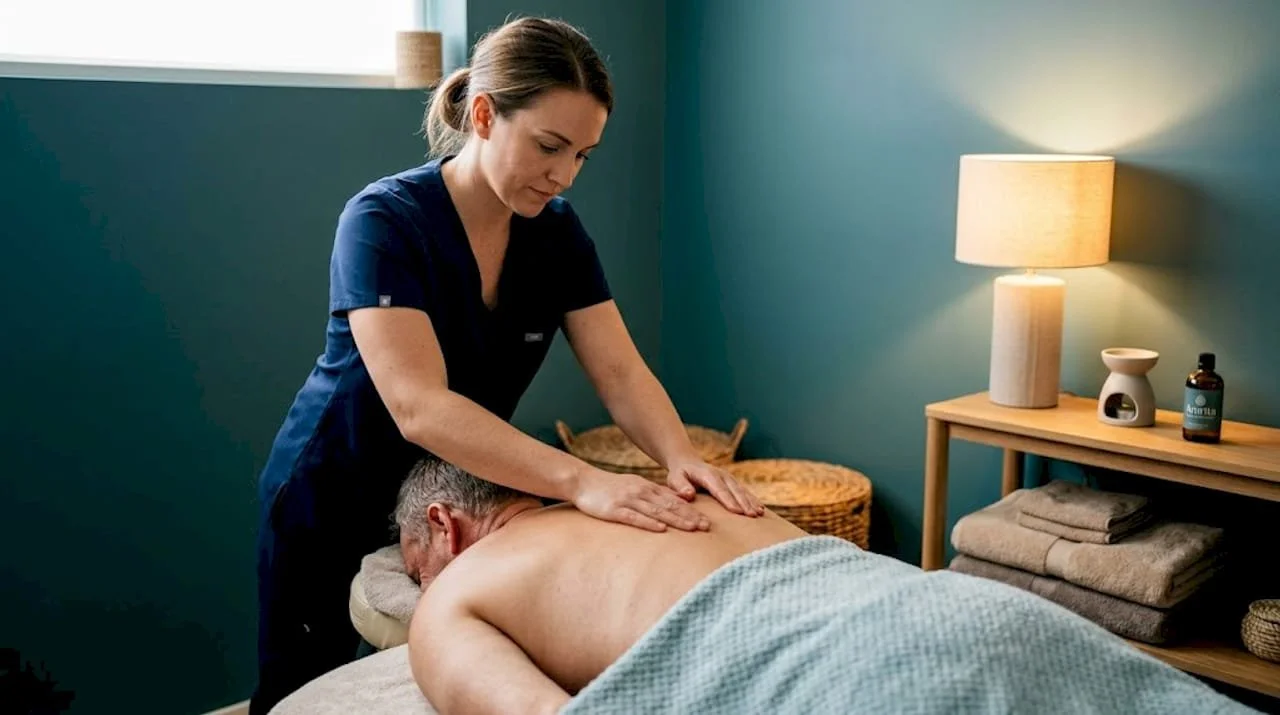
One important nuance: some effects are cumulative. A single session will help you feel better that day. But the structural changes in tissue, and the more lasting changes in nervous system regulation, tend to build over multiple sessions.
Pro Tip: If you're new to massage therapy insights and unsure which type is right for you, start with Swedish massage for general stress relief or ask about deep tissue work if you're dealing with specific muscle pain. Always communicate openly with your therapist before and during the session.
Research also shows that combining massage with regular exercise amplifies results. The body responds better to hands-on therapy when it's already active. Think of massage as a partner to movement, not a replacement for it.
What does massage therapy actually help with?
With those mechanisms in mind, let's talk about what massage therapy can realistically address and where the evidence gets thinner.
The good news is that the strongest evidence lines up with some of the most common complaints people bring to a massage therapist. Here's a clear look at the current research landscape:
| Condition | Evidence quality | Expected outcome |
|---|---|---|
| Chronic low back pain | Moderate to high | Significant pain reduction |
| Fibromyalgia | Moderate | Reduced pain and fatigue |
| Myofascial pain | Moderate | Trigger point relief |
| Subacute neck pain | Low | Little to no difference vs placebo |
| Cancer-related anxiety | Moderate | Reduced anxiety and improved mood |
| Long-term cortisol changes | Mixed | Inconsistent results |
The neck pain finding is worth paying attention to. A Cochrane review, which represents the gold standard for systematic research analysis, found low-certainty evidence that massage produces little to no meaningful difference compared to placebo for subacute and chronic neck pain at 12 weeks. That doesn't mean massage never helps neck pain. It means the current research can't confirm a consistent, reliable effect.
Conditions where massage clearly delivers value include:
Chronic low back pain: Multiple sessions show cumulative benefit, especially when combined with movement
Fibromyalgia: Patients often report improved sleep, less fatigue, and lower pain scores
Myofascial pain: Targeted work on trigger points can release long-held tension patterns
Anxiety in cancer patients: Significant improvements in emotional well-being and perceived pain
For anyone exploring massage therapy in holistic wellness, this information is actually empowering. Knowing what works lets you set realistic expectations and choose massage as part of a larger strategy rather than hoping it will fix everything on its own.
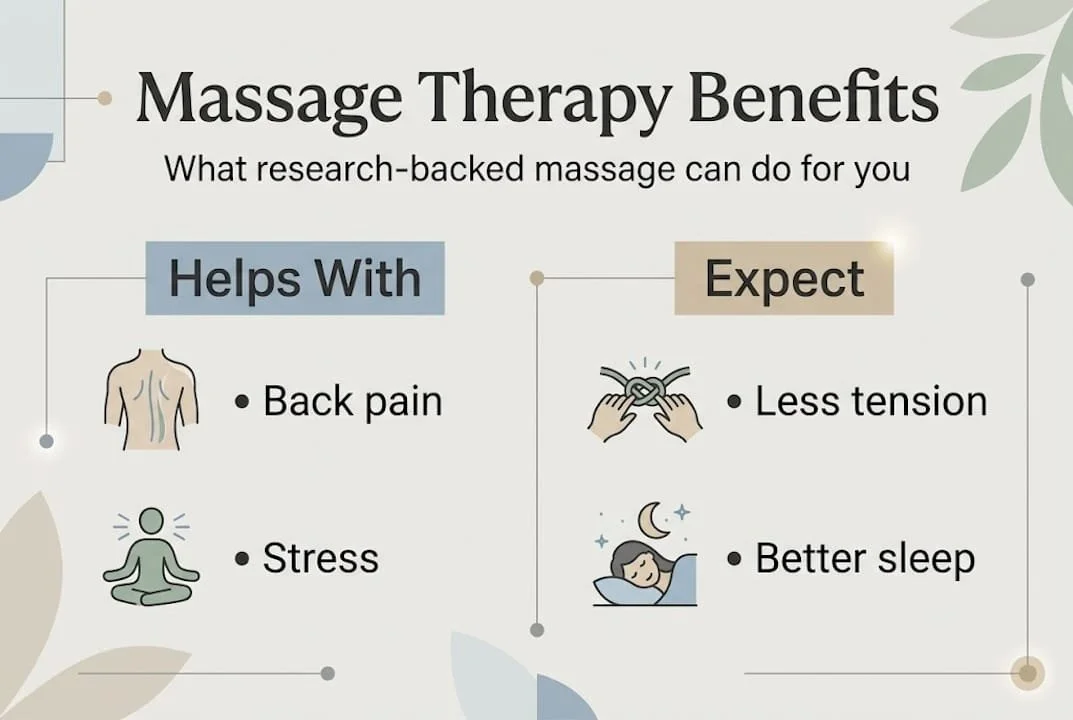
One thing that often surprises people is how much variation exists between therapists, techniques, and session frequency. The same condition treated by two different therapists using different approaches can yield very different results. That's why finding a massage therapist who understands your specific goals matters enormously.
Maximizing the value: How to get the most from massage in Philadelphia
Knowing what massage does gives you a strong foundation. Knowing how to use it well is where your investment pays off. Here's a practical approach to getting real results from massage therapy in Philadelphia.
1. Define your goal before your first session. Are you managing chronic pain? Trying to lower your stress load? Recovering from an athletic event? Each goal calls for a different type of massage and a different session structure. Telling your therapist "I just want to relax" gives them much less to work with than "I have tightness in my left hip from sitting at a desk all day."
2. Commit to a series of sessions, not just one. Research supports benefits after eight or more sessions, especially for chronic pain conditions. One session is a preview. Eight sessions is a treatment plan. Think of it like physical therapy or a fitness program.
3. Look for therapists with specific training relevant to your condition. Not all massage therapists are trained equally. Someone specializing in sports recovery uses different techniques than someone focused on prenatal care or chronic pain management. Check credentials, ask about experience, and don't hesitate to ask what approach they would take for your specific concern.
4. Integrate massage into your broader wellness plan. Massage works best alongside other supportive practices. Regular movement, good nutrition, adequate sleep, and mindfulness practices all create a foundation that makes massage more effective. This is the core principle behind holistic wellness thinking and it's backed by clinical experience.
5. Track your progress between sessions. Keep simple notes about your pain levels, sleep quality, and stress after each session. This helps you and your therapist adjust the approach and gives you concrete feedback on whether the investment is working.
Pro Tip: Use our massage therapy checklist before your first appointment. Having a clear picture of your health history, current medications, and specific pain areas helps your therapist design a session that's actually targeted to your needs.
"The most effective massage therapy plans are built around a person's lifestyle, not just their symptoms. When massage is part of a consistent wellness routine, the results compound over time."
Philadelphia has a rich network of wellness providers. Whether you're working with a healthcare-integrated provider or a dedicated wellness studio, the key is consistency and communication. Providers connected with healthcare systems can also coordinate care when your needs are more complex, which adds a meaningful layer of support.
Our take: Massage therapy works—if you know when and how to use it
Here's the part most wellness content skips. Massage therapy is real, effective, and underused by people who would genuinely benefit from it. But it's also over-promised by people who sell it as a cure for everything.
The mainstream conversation tends to go one of two ways. Either massage is dismissed as a luxury with no clinical standing (wrong), or it's presented as something that heals all pain, melts stress permanently, and transforms your health overnight (also wrong). Neither position helps you make a smart decision.
The honest picture is that massage works best when you use it strategically. The evidence is strongest for specific conditions: chronic low back pain, fibromyalgia, and myofascial pain. For other issues, like sustained hormone changes or chronic neck pain, variable neuroendocrine responses mean the results are harder to predict. Cortisol reductions, for example, are often immediate but don't always persist beyond the session itself.
Even in more complex situations, like cancer care, research shows genuine benefit for anxiety and pain management. But those results come from consistent sessions and coordinated care, not a single visit.
Our perspective, grounded in years of exploring holistic wellness with our community in Philadelphia, is this: the people who get the most from massage are the ones who come in informed, stay consistent, and treat it as one part of a larger health strategy. Trial and adaptation matter. What works for one person may need adjustment for another. That's not a flaw in massage therapy. That's how all personalized health care works.
Explore holistic wellness options in Philadelphia
If this article has shifted how you think about massage therapy, the next step is putting that knowledge into practice.
At Amrita Yoga & Wellness, we offer massage therapy alongside a full spectrum of holistic services designed to support your physical, mental, and emotional well-being right here in Philadelphia. Our community is built for people who take their health seriously and want more than a one-size-fits-all approach. From yoga and pilates to mindfulness workshops and even tarot readings for those curious about deeper self-reflection, we create space for every part of your wellness journey. Come explore what an integrated, personalized approach feels like in practice.
Frequently asked questions
Can massage therapy help with chronic back pain?
Yes, massage therapy is supported by moderate-certainty evidence for managing chronic low back pain, with consistent improvements reported across multiple sessions, especially when paired with movement.
Is massage therapy effective for stress relief?
Massage supports stress relief by activating the parasympathetic nervous system and temporarily reducing cortisol, though long-term cortisol changes are not always sustained, making it most effective when integrated with other holistic practices.
Are the effects of massage therapy immediate and lasting?
Some effects like cortisol reduction are often immediate but not sustained long-term, which is why multiple sessions and a consistent wellness routine are recommended for lasting results.
What conditions does massage therapy not significantly improve?
A Cochrane review found little to no difference between massage and placebo for subacute and chronic neck pain at 12 weeks, based on low-certainty evidence.
How many massage sessions are recommended for noticeable benefit?
Research suggests the clearest benefits appear after eight or more sessions, particularly for chronic pain conditions, and results improve further when combined with exercise or other therapies.
Recommended
7 Essential Steps for a Complete Massage Therapy Checklist
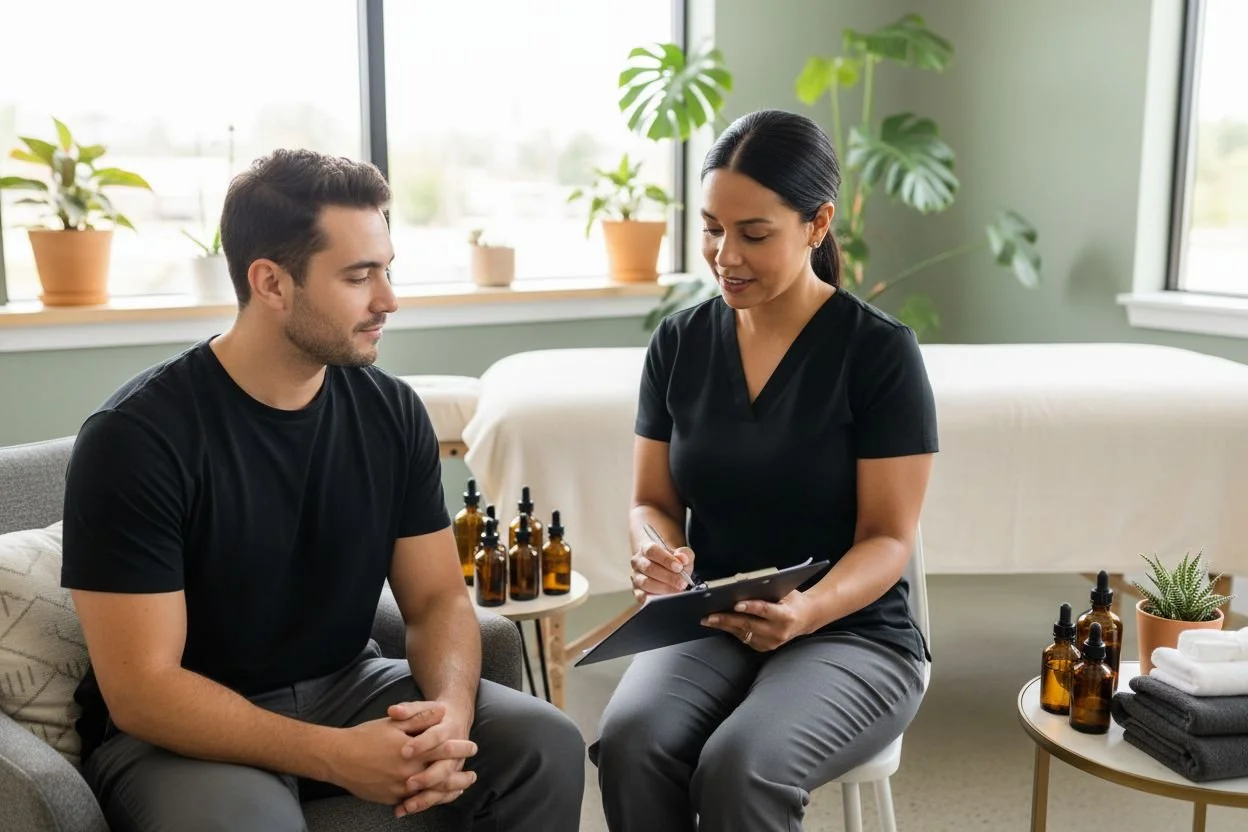
Did you know that over 50 million Americans receive massage therapy each year for better health and stress relief? Choosing the right approach can make a major difference in how you feel both physically and mentally. By understanding your personal needs and preparing thoughtfully, you set the stage for a customized experience that supports real wellness from start to finish.
Quick Summary
| Takeaway | Explanation |
|---|---|
| 1. Identify Your Wellness Goals | Clearly define your physical and mental health objectives to select the right massage experience. |
| 2. Choose the Appropriate Massage Type | Match your needs with massage styles like Swedish, deep tissue, or sports massage for effective results. |
| 3. Verify Therapist Credentials | Ensure your therapist is licensed and trained to provide safe and effective massage therapy. |
| 4. Prepare Your Body and Mind | Hydrate, wear comfortable clothing, and practice mindfulness ahead of your session for optimal results. |
| 5. Communicate Openly During Sessions | Share your health concerns and preferences to ensure a tailored massage experience that respects your comfort. |
Table of Contents
1. Understand Your Wellness Goals and Needs
Massage therapy is not a one size fits all wellness strategy. Your unique physical and mental health objectives should guide your approach to selecting the right massage experience. Identifying your specific wellness goals becomes the critical first step in creating a personalized therapeutic journey.
According to research from Carrington College, the key is to pinpoint your primary objective whether that involves stress reduction, addressing chronic pain, improving flexibility, or supporting overall physical recovery. Understanding these goals helps you select a massage technique specifically tailored to your needs.
When exploring your wellness goals, consider asking yourself these guiding questions:
Are you seeking relief from muscle tension?
Do you want to reduce work related stress?
Are you recovering from a sports injury?
Are you looking to improve overall physical mobility?
The Massage Therapy Foundation highlights that therapeutic massage can support health resilience and well being across different life stages. Your individual wellness goals will determine the most appropriate massage approach. For instance someone dealing with athletic recovery might benefit from deep tissue techniques while someone managing workplace stress might find greater relief in Swedish massage styles.
Pro tip: Before booking your massage session take time for self reflection. Consider consulting with a massage professional who can help translate your wellness objectives into a targeted treatment plan. Your body communicates unique needs—learning to listen and respond is the foundation of an effective massage therapy experience.
2. Choose the Right Massage Type for You
With over 80 different massage styles available, selecting the right type can feel overwhelming. Understanding your body's unique needs becomes crucial in navigating this diverse therapeutic landscape.
According to Healthline, different massage techniques target specific wellness objectives. Some popular options include:
Swedish Massage: Best for overall relaxation and stress reduction
Deep Tissue Massage: Ideal for chronic muscle tension and pain relief
Sports Massage: Perfect for athletes and active individuals recovering from physical strain
Trigger Point Massage: Targets specific muscle knots and localized pain areas
As WebMD recommends, matching your massage style to your specific intention is key. Are you seeking pure relaxation or targeted symptom relief? Your answer will guide your selection.
Physical condition and personal comfort play significant roles in choosing the right massage. For instance, someone with fibromyalgia might require gentler techniques compared to an athlete recovering from intense training. A professional massage therapist can help you navigate these nuanced choices.
Practical tip: During your initial consultation, be transparent about your medical history, current physical conditions, and wellness goals. This open communication ensures your massage therapist can recommend the most appropriate technique tailored precisely to your body's requirements. Remember that massage is a personalized experience designed to support your individual healing journey.
3. Verify Therapist Credentials and Experience
Not all massage therapists are created equal. Professional credentials serve as your first line of protection when selecting a trustworthy bodywork professional who can safely and effectively address your wellness needs.
Like any healthcare service, massage therapy requires specific training and professional standards. Verifying a therapist's qualifications becomes critical to ensuring a safe and high quality experience. While professional standards can vary, several key indicators can help you assess a therapist's credibility.
Key credentials to look for include:
State licensed massage therapy certification
Graduation from an accredited massage therapy program
Current professional liability insurance
Continuing education credentials
Specialized training in specific massage techniques
Organizations like the International Therapy Examination Council (ITEC) provide internationally recognized qualifications that demonstrate a therapist's professional competence. These certifications signal that a practitioner has undergone rigorous training and meets established industry standards.
Practical steps for verifying credentials include:
Request to see their professional certification
Check their professional association membership status
Look for online reviews and professional recommendations
Ask about their specific training and specialization areas
Pro tip: A reputable massage therapist will be transparent about their qualifications and welcome your questions. Your comfort and safety should always be the priority. Read more about professional wellness practices to empower yourself in making informed healthcare decisions.
4. Prepare Your Body and Mind Before the Session
Successful massage therapy is more than just showing up. Mental and physical preparation plays a crucial role in maximizing your therapeutic experience and ensuring optimal wellness benefits.
According to WebMD, your body's condition directly impacts the massage's effectiveness. Proper preparation can transform a good massage into an exceptional healing experience.
Physical preparation steps include:
Stay well hydrated throughout the day
Avoid heavy meals 2 hours before your session
Wear comfortable loose clothing
Arrive 10 15 minutes early to settle and relax
Use restroom facilities before the massage begins
Mental preparation is equally important. As recommended by Spa Theory, incorporating mindfulness techniques can significantly enhance your relaxation. Consider these mental preparation strategies:
Practice deep breathing exercises before your appointment
Clear your schedule to minimize stress
Set an intention for your massage experience
Disconnect from digital devices
Create mental space for healing
Emotional grounding techniques like brief meditation or journaling can help you transition into a more receptive state. By approaching your massage session with intentionality, you create an environment where physical and mental healing can flourish.
Pro tip: Learn more about wellness practices that can complement your massage therapy journey and support holistic well being.
5. Communicate Preferences and Health Concerns
Open and honest communication is the foundation of a safe and effective massage therapy experience. Your body tells a story, and sharing its nuances with your massage therapist ensures a personalized healing journey.
According to Healthline, effectively communicating your health background and personal preferences allows therapists to customize their approach precisely to your needs. This communication is not just recommended it is essential for your safety and therapeutic benefit.
Critical information to share includes:
Current medical conditions
Recent injuries or surgeries
Areas of chronic pain or tension
Specific sensitivity to touch
Comfort level with pressure intensity
WebMD emphasizes that certain conditions like pregnancy, cancer treatments, or recent injuries require specialized massage techniques. Your therapist needs a comprehensive understanding of your health landscape to provide safe and effective treatment.
Practical communication strategies:
Be direct and specific about your concerns
Ask questions about the proposed massage technique
Discuss any discomfort during the session immediately
Request adjustments in pressure or technique as needed
Provide feedback about your experience
Remember that a professional massage therapist welcomes your input. Your comfort and well being are their primary objectives. Think of this conversation as a collaborative process where you and your therapist work together to design the most beneficial massage experience possible.
Pro tip: Learn more about holistic wellness practices that can complement and enhance your massage therapy journey.
6. Create the Ideal Massage Environment
Your massage environment is more than just a physical space. It is a carefully curated sanctuary designed to support deep relaxation and therapeutic healing. The right setting can transform a simple massage into a profound wellness experience.
According to research from Carrington College, the massage environment plays a critical role in enhancing therapeutic outcomes. A thoughtfully prepared space supports both physical comfort and mental tranquility.
Key environmental elements to consider include:
Soft ambient lighting
Comfortable room temperature
Minimal external noise
Subtle calming music
Clean and fresh atmosphere
Appropriate draping and privacy
The Australian Massage Health and Wellness organization emphasizes that environmental details matter. Temperature control is particularly important some people prefer warmer spaces while others enjoy cooler settings. Communication with your massage therapist about your comfort preferences can help create an optimal experience.
Psychological comfort matters as much as physical comfort. A welcoming environment signals to your nervous system that you are safe to relax. This can help reduce stress responses and enhance the massage's therapeutic potential.
Pro tip: Learn more about wellness spaces that support holistic healing and personal transformation. Your environment is a powerful tool in your wellness journey.
7. Practice Aftercare for Lasting Benefits
A great massage doesn't end when you leave the treatment room. Proper aftercare is the secret to extending your massage's therapeutic benefits and supporting your body's natural healing processes.
According to Incline Health, the hours following your massage are critical for maximizing the treatment's impact. Your body needs strategic support to integrate the physical and energetic work performed during the session.
Immediate post massage recommendations include:
Drink plenty of water
Rest and avoid strenuous activities
Take a warm shower or bath
Practice gentle stretching
Listen to your body's signals
Hydration plays a crucial role in aftercare. Drinking water helps flush toxins released during the massage and supports muscle recovery. Light movements like walking or gentle stretching can prevent muscle stiffness and maintain the increased flexibility achieved during your session.
Nutritional support matters too. Choose light nourishing foods that support your body's recovery process. Avoid heavy meals that might counteract the relaxation you've just experienced.
Pro tip: Learn more about holistic wellness practices that can complement and extend your massage therapy benefits. Your wellness journey is continuous and interconnected.
Below is a comprehensive table summarizing the key steps and considerations for choosing and experiencing the right massage therapy as discussed in the article.
Massage Therapy Checklist
| Main Step | Key Points & Actions | Benefits/Outcomes |
|---|---|---|
| Understand Wellness Goals | Identify specific wellness goals: stress, pain, flexibility, recovery. Reflect and consult a professional to create a targeted treatment plan. | Personalized therapeutic experience tailored to individual needs. |
| Choose the Right Massage Type | Consider popular types: Swedish, Deep Tissue, Sports, Trigger Point. Match style to intention and physical condition. | Effective symptom relief and enhanced relaxation. |
| Verify Therapist Credentials | Check for state licensing, certifications, insurance, and continuing education. Ask for qualifications and read reviews. | Assurance of safe, high-quality treatment. |
| Prepare Body and Mind Before Session | Stay hydrated, avoid heavy meals, practice mindfulness, and arrive early. Share your health background with your therapist. | Maximized therapeutic benefits and enhanced relaxation. |
| Communicate Preferences and Concerns | Share medical history, sensitivities, and comfort levels. Discuss discomforts during the session and request adjustments. | Customized, safe, and comfortable massage experience. |
| Create the Ideal Massage Environment | Ensure room has soft lighting, appropriate temperature, and calming music. Communicate comfort preferences with your therapist. | Support for physical and mental relaxation, enhancing therapeutic effectiveness. |
| Practice Aftercare for Benefits | Drink water, rest, avoid heavy meals, stretch, and listen to body signals. Choose nourishing foods post-massage. | Extended therapeutic benefits and support for body’s natural healing processes. |
Elevate Your Wellness Journey Beyond the Massage Room
Are you ready to put your massage therapy checklist into real action? Many readers discover their main challenges are finding the right environment for healing, accessing personalized care, and staying committed to long-term well-being. At Amrita Yoga & Wellness, we know that your path to relaxation and recovery is not one-size-fits-all. That is why we align with every key step you learned, from understanding your unique wellness goals to creating an ideal space for deep rejuvenation.

Now is the perfect time to turn your knowledge into transformation. Explore group classes, specialty workshops, and expert bodywork in a supportive community focused on you. Book your next appointment at Amrita Yoga & Wellness to go beyond just a massage. Whether you want to integrate yoga, mindfulness, or holistic aftercare, we invite you to discover our wellness services and learn more about our approach to personal growth. Start building your complete self-care routine today — your body and mind deserve it.
Frequently Asked Questions
What should I consider when understanding my wellness goals before a massage?
Identify your unique physical and mental health objectives, such as stress reduction or muscle relief. Reflect on your priorities, and consult with a massage professional for personalized guidance.
How do I choose the right type of massage for my needs?
Evaluate your specific wellness goals, such as relaxation or injury recovery, to find a suitable massage technique. For instance, if you’re recovering from a sports injury, consider a sports massage or deep tissue massage.
Why is it important to verify a therapist's credentials and experience?
Confirming a therapist's qualifications ensures you receive safe and effective treatment tailored to your needs. Always ask about their certifications and specialized training before booking your session.
How can I prepare my body and mind before a massage session?
Stay hydrated and avoid heavy meals before your appointment to enhance the effectiveness of your massage. Arrive early to relax and take a few moments for deep breathing to set a calming intention.
What key information should I communicate to my massage therapist?
Share relevant health conditions, areas of pain, and your comfort preferences with your therapist. Open communication allows them to tailor the session to your specific therapeutic needs.
What steps should I take after a massage to maximize its benefits?
Drink plenty of water and rest after your session to flush out toxins and support recovery. Incorporate gentle stretching to maintain flexibility and avoid strenuous activities for the next few hours.