Your guide to group classes in Philadelphia for wellness
TL;DR:
Group wellness classes provide social connection, accountability, and structured movement, boosting consistency.Yoga, Pilates, and reformer Pilates differ in focus, equipment, and complexity, accommodating various goals.Regular participation in group classes improves physical health and fosters community, aiding long-term wellness.
Most adults in Philadelphia default to a gym membership, a solo jog along the Schuylkill, or a YouTube workout at home. It works, until it doesn't. Motivation fades, progress stalls, and the whole thing starts to feel like a chore. Group wellness classes flip that script entirely. They combine structured movement with real human connection, giving you accountability, variety, and a sense of belonging that no treadmill can replicate. Whether you're curious about yoga, Pilates, barre, or something more restorative, this guide breaks down what's available in Philadelphia, how these formats differ, and exactly how to get started without feeling lost.
Table of Contents
Key Takeaways
| Point | Details |
|---|---|
| Group classes build community | Philadelphia wellness studios foster social support and lasting accountability, enhancing holistic health. |
| Understand your class options | Yoga, mat Pilates, and reformer Pilates each provide unique benefits—find the best fit for your needs and goals. |
| Start smart and safe | Begin with certified instructors, try intro offers, and prioritize proper form and communication for the best experience. |
| Consistency is key | Attend 2-3 weekly sessions for at least six weeks to realize lasting improvements in strength and flexibility. |
Understanding group classes: What makes them unique?
Group classes are instructor-led sessions where a small to mid-sized group moves through a structured practice together. Unlike a gym floor where everyone does their own thing, group classes have a shared rhythm. The instructor cues the movement, manages the pacing, and creates an environment where everyone is working toward the same goal at the same time.
In Philadelphia, the most popular group class formats include:
Hatha yoga: Slow, deliberate poses ideal for beginners or anyone wanting a mindful practice
Vinyasa yoga: A flowing sequence that links breath to movement, building heat and strength
Hot yoga: Practiced in a heated room, intensifying the stretch and cardiovascular challenge
Mat Pilates: Bodyweight-based core work done on a mat, no equipment needed
Reformer Pilates: Machine-assisted resistance training that targets deep stabilizing muscles
Barre: Ballet-inspired movements that tone the lower body and improve posture
A typical yoga session follows a clear arc. Yoga group classes in Philadelphia typically last 60 to 90 minutes, starting with warm-up and breathing, moving through asanas (poses), and closing in savasana (rest). That structure is intentional. It prepares your body, challenges it, then lets it recover.
What separates group classes from solo workouts is the social layer. When you show up and see familiar faces, you're less likely to skip. When an instructor calls your name or adjusts your form, you feel seen. That peer accountability is a genuine performance driver, not just a feel-good bonus.
Research consistently shows that people who exercise in group settings report higher adherence and greater gains in holistic health compared to those who train alone. The combination of social encouragement and structured programming makes a measurable difference over time.
If you're just starting out, exploring beginner Pilates tips can help you walk into your first class with confidence rather than anxiety.
Comparing yoga, mat Pilates, and reformer Pilates
Now that you know what to expect from group classes, let's break down the most popular formats and how they differ.
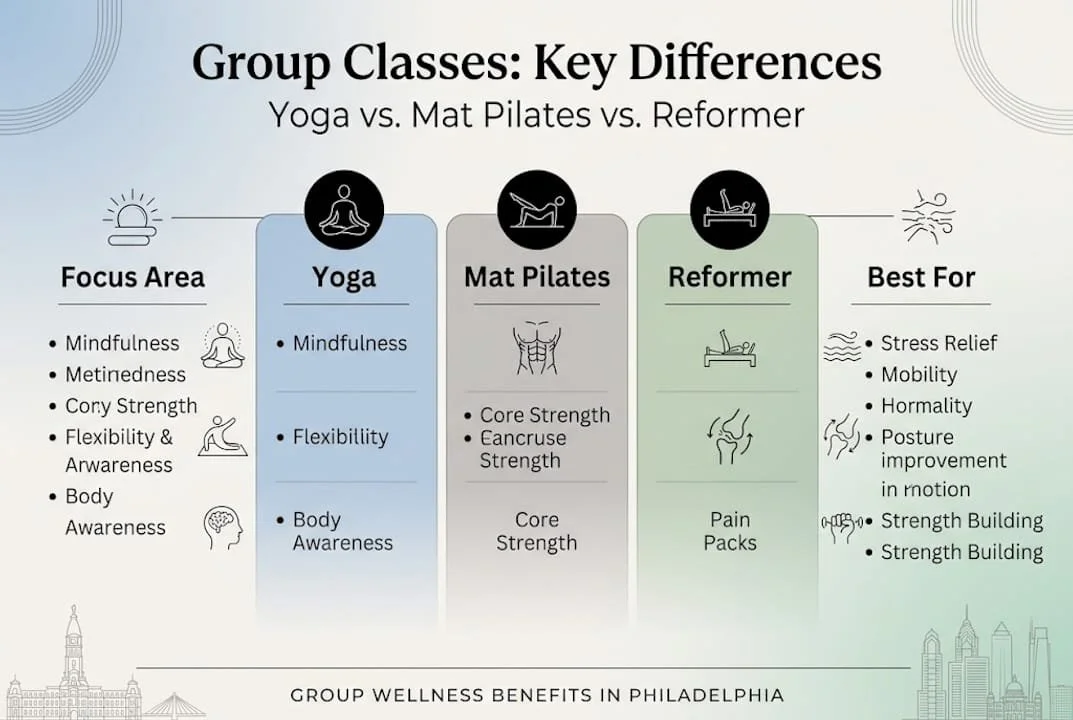
Yoga, mat Pilates, and reformer Pilates each serve a different purpose, even though they overlap in some benefits. Yoga is rooted in breath, mindfulness, and the connection between body and mind. Mat Pilates is precision-driven, targeting the deep core muscles that support your spine and posture. Reformer Pilates adds resistance through a spring-loaded machine, allowing for a wider range of movement patterns and load.
Mat Pilates uses bodyweight on a matfor core strength and flexibility, with structured sequences targeting deep stabilizers. Reformer Pilates uses a machine for resistance and is suitable for all levels with modifications.
| Format | Accessibility | Avg. cost per class | Equipment needed | Physical challenge | Best for |
|---|---|---|---|---|---|
| Hatha yoga | High | $15 to $25 | Mat | Low to moderate | Beginners, stress relief |
| Vinyasa yoga | Moderate | $18 to $28 | Mat | Moderate to high | Cardio, flexibility |
| Mat Pilates | High | $15 to $22 | Mat | Moderate | Core strength, rehab |
| Reformer Pilates | Moderate | $30 to $45 | Reformer machine | Moderate to high | All levels, injury recovery |
Choosing the right format depends on your goals. Want to manage stress and improve flexibility? Start with Hatha yoga. Looking to build core strength after a back injury? Mat Pilates is a safe entry point. Interested in a more dynamic, resistance-based challenge? Look into reformer Pilates benefits or check out a reformer Pilates beginner guide before booking.
Yoga prioritizes breath, meditation, and flexibility
Mat Pilates emphasizes core precision and spinal alignment
Reformer Pilates adds resistance for strength and rehabilitation
Pro Tip: Most Philadelphia studios offer intro packages at a steep discount. Try two or three different formats in your first month before committing to a membership. Your body will tell you what it needs.
Benefits of group classes for physical health and community
Understanding the core formats, it's important to see how group classes elevate both body and mind together.
The physical benefits are well-documented and significant. Regular participation in yoga and Pilates builds muscular strength, improves flexibility, reduces chronic pain, and supports better posture. A study found that an 8-week combined yoga and Pilates program significantly improved muscular strength, endurance, and body composition in participants compared to a control group. That's not a small result. That's a measurable body transformation in under two months.
For those managing chronic conditions, the evidence is equally strong. Mat Pilates reduced pain and improved function in adults with chronic low back pain and also improved health-related quality of life in older adults managing type 2 diabetes.
| Benefit | Yoga | Mat Pilates | Reformer Pilates |
|---|---|---|---|
| Core strength | Moderate | High | High |
| Flexibility | High | Moderate | Moderate |
| Pain reduction | High | High | High |
| Stress relief | Very high | Moderate | Moderate |
| Cardiovascular | Moderate (hot yoga) | Low | Low to moderate |
Beyond the physical, the community element is what keeps people coming back long-term. Group classes in Philadelphia create a culture of encouragement. You see the same people week after week. You celebrate each other's progress. Studios often host social events, workshops, and themed classes that deepen those connections.
- Peer accountability reduces the chance of skipping sessions
- Instructors provide personalized attention even in a group setting
- Shared struggle builds genuine camaraderie
- Community events extend wellness beyond the mat
Exploring Reformer Pilates benefits in more depth can help you understand just how far the physical gains extend, especially for those recovering from injury or managing long-term health goals.
How to choose and get started with group classes in Philadelphia
Armed with an understanding of benefits and formats, you're ready to take the next step.
Getting started doesn't have to be complicated. Follow these steps to find the right class and set yourself up for success:
Define your goal. Are you managing stress, building strength, recovering from an injury, or looking for community? Your goal narrows the format.
Research local studios. Look for certified instructors with 200-plus training hours and read recent reviews on Google or Yelp.
Use intro offers. Philadelphia studios prioritize inclusivity for adults and offer intro deals like $39 for 3 classes at Focus Barre, making it easy to try before committing.
Attend 2 to 3 sessions per week. Experts recommend 2 to 3 sessions per week for 6 to 8 weeks to see meaningful gains in strength and flexibility.
Communicate with your instructor. Always mention injuries, limitations, or pregnancy before class begins.
For your first session, keep these practical tips in mind:
Arrive 10 to 15 minutes early to introduce yourself and get oriented
Wear comfortable, form-fitting clothes that allow full range of motion
Bring water and a mat if the studio doesn't provide one
Skip a heavy meal for at least 90 minutes before class
Accept modifications without judgment. Every instructor offers them
Pro Tip: Don't judge a format by one class. Instructors vary widely in teaching style. If a session doesn't click, try the same format with a different teacher before writing it off entirely.
You can also browse Reformer Pilates insights to get a clearer picture of what to expect before walking through the studio door.
The real secret to lasting change: More than just exercise
But the story of group classes goes well beyond physical health metrics.
Here's something most wellness content won't tell you: the reason most solo fitness routines fail isn't lack of effort. It's lack of context. When you exercise alone, you're fighting every motivation battle by yourself. There's no one waiting for you. No one notices if you skip. That silence makes it easy to quit.
Group classes solve that problem structurally. Group classes enhance community engagement through accountability, peer encouragement, and social events, all of which are key drivers of long-term holistic health adherence. It's not a soft benefit. It's the mechanism that makes everything else work.
The people who sustain a wellness practice for years aren't always the most disciplined. They're the ones who found a community that made showing up feel natural. That's what a great studio does. It removes friction and replaces it with belonging.
Long-term health is a lifestyle, not a 6-week program. The Pilates group experience and yoga community in Philadelphia offer exactly that kind of sustained, supportive environment. When you feel connected to the people around you, consistency stops being a struggle and starts being something you actually look forward to.
Find your next community class at Amrita Yoga & Wellness
Ready to join a vibrant and welcoming community? Here's how to begin.
Amrita Yoga & Wellnessoffers a full range of group classes in Philadelphia, including yoga, mat Pilates, reformer Pilates, barre, tai chi, and massage therapy. Every class is designed with inclusivity in mind, welcoming beginners and experienced practitioners alike.
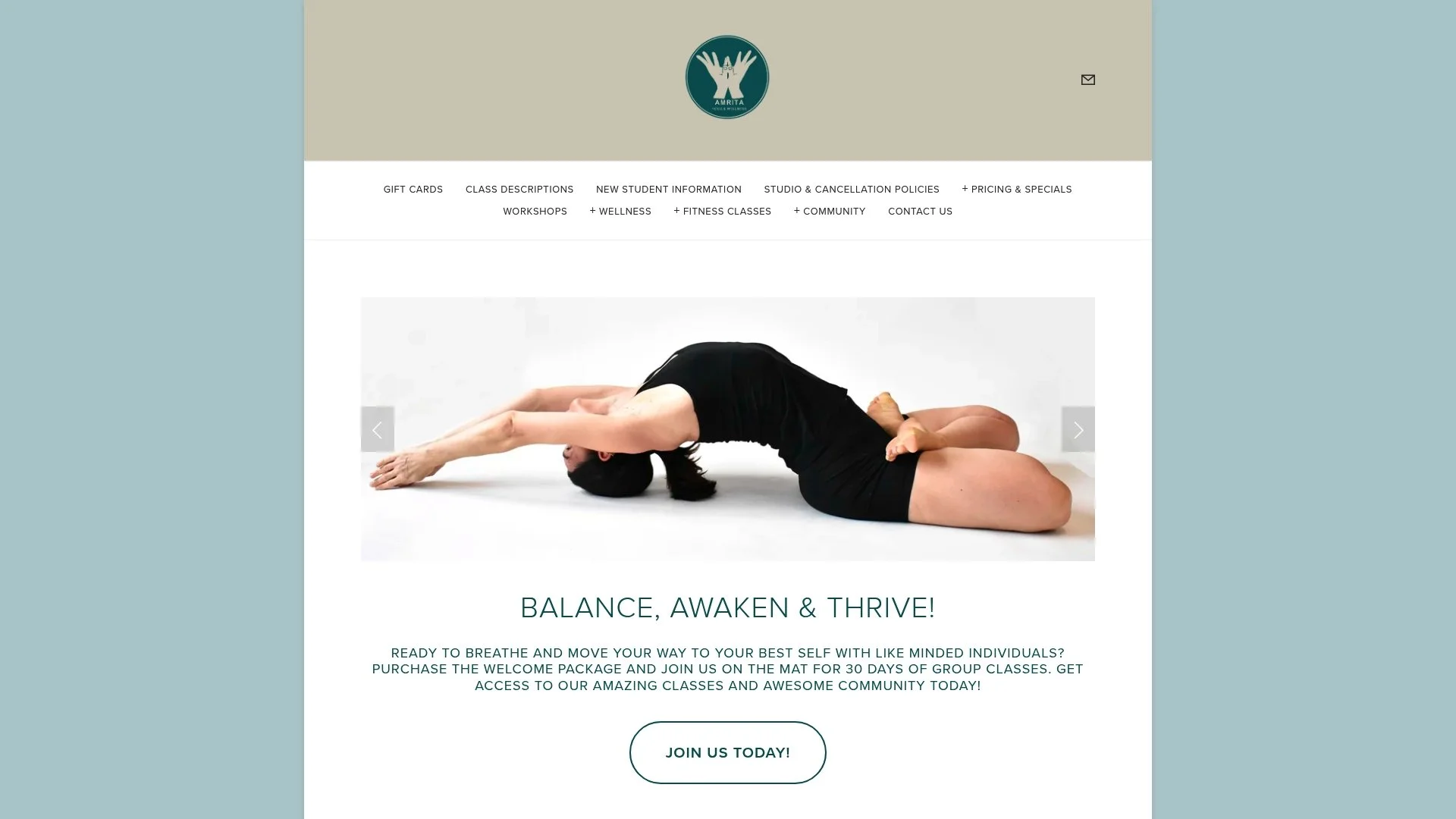
Beyond movement, Amrita hosts workshops and special events that deepen your wellness journey in unexpected ways. If you're curious about the spiritual side of well-being, explore tarot reading sessions as a complement to your physical practice. Check the current schedule for intro offers and upcoming community events. Your next step toward lasting wellness starts right here in Philadelphia.
Frequently asked questions
How often should I attend group wellness classes to see results?
Experts recommend 2 to 3 sessions per week for 6 to 8 weeks to notice meaningful gains in strength and flexibility. Consistency matters more than intensity at the start.
What are the main differences between mat and reformer Pilates?
Mat Pilates uses bodyweight and is equipment-free and cost-effective, while reformer Pilates uses a spring-loaded machine for resistance, offering greater control and rehabilitation options.
Are group classes suitable for beginners or people with injuries?
Yes, modifications are offered for all levels in virtually every group class format. Always inform your instructor about injuries or special needs before the session begins.
Which Philadelphia studios offer the best intro deals?
Studios like Club Pilates and Thrive Pilates & Yoga offer free trials or discounted unlimited weeks for new students. Check local studio websites regularly for updated promotions.