The Amrita Journal
Explore thoughtful stories, practical wellness guidance and inspiring ideas to support your movement, mindfulness and everyday wellbeing at Amrita.
What is a wellness retreat? Your 2026 guide to holistic health

Many people assume wellness retreats are just fancy spa vacations where you lounge by a pool. In reality, these immersive experiences offer structured programs that address physical, mental, emotional, and environmental health through yoga, mindfulness, nutrition counseling, and evidence-based practices. This guide clarifies what wellness retreats truly entail, their scientifically proven benefits including measurable stress hormone reductions, and practical strategies for choosing and maximizing your retreat experience to achieve lasting holistic wellness.
Table of Contents
Key takeaways
| Point | Details |
|---|---|
| Holistic health focus | Wellness retreats address physical, mental, emotional, and environmental well-being through integrated programs. |
| Structured programming | Typical retreats include yoga sessions, mindfulness practices, nutrition counseling, and guided therapeutic activities. |
| Scientific validation | Research shows 20-30% reductions in cortisol levels and improvements in inflammatory markers after retreat participation. |
| Post-retreat integration | Maintaining benefits requires ongoing practice routines, community connection, and realistic goal setting after returning home. |
| Personal customization | Choosing the right retreat depends on your specific wellness goals, preferred themes, and desired location settings. |
Understanding wellness retreats: the holistic approach
Wellness encompasses a holistic approachto health, including physical, mental, and emotional well-being. This comprehensive framework recognizes that true health extends beyond absence of disease to include psychological balance, emotional resilience, and environmental harmony. Wellness retreats operationalize this philosophy by creating immersive environments where participants can simultaneously address multiple health dimensions.
The holistic wellness concept identifies several interconnected dimensions that retreats systematically target:
Physical wellness through movement practices, nutrition optimization, and body awareness exercises
Mental wellness via cognitive reframing techniques, stress management strategies, and mindfulness training
Emotional wellness by processing feelings, building resilience, and cultivating positive psychological states
Environmental wellness through nature immersion, sustainable practices, and connection to surroundings
Social wellness by fostering supportive communities and meaningful interpersonal connections
Retreats create conditions where these dimensions intersect and reinforce each other. A morning yoga session builds physical strength while simultaneously calming mental chatter and processing emotions. Shared meals featuring whole foods nourish the body while strengthening social bonds. Nature walks reduce stress hormones while deepening environmental awareness.

This multidimensional approach explains why retreat experiences often produce transformative results that single-focus interventions cannot match. You're not just exercising or meditating in isolation. You're engaging multiple wellness pathways simultaneously in a supportive environment specifically designed to catalyze lasting change.
Core components and structure of wellness retreats
Wellness retreats typically follow a specific program or theme, such as yoga, detox, mindfulness, or fitness, and include guided activities, workshops, or scheduled treatments. These structured programs distinguish retreats from ordinary vacations by providing intentional sequences of experiences designed to build skills and deepen practice progressively.
Common retreat themes and formats include:
Yoga-focused retreats emphasizing asana practice, breathwork, and yogic philosophy across various traditions
Detoxification programs combining clean eating, juice fasting, and elimination protocols with supportive therapies
Mindfulness practices retreats teaching meditation techniques, present-moment awareness, and stress reduction methods
Fitness and adventure retreats blending physical challenges with wellness education and recovery practices
Spiritual development programs exploring contemplative traditions, energy work, and personal growth frameworks
Most retreats feature daily schedules combining morning movement sessions, educational workshops, therapeutic treatments, and evening reflection practices. You might start your day with sunrise yoga, attend a nutrition workshop mid-morning, receive a massage treatment in the afternoon, and participate in guided meditation before dinner.
Nutrition plays a central role in retreat programming. Meals typically emphasize whole foods, plant-based options, and dishes designed to support detoxification and energy optimization. Many retreats educate participants about mindful eating, food as medicine principles, and sustainable dietary choices they can maintain at home.
Setting significantly influences the retreat experience. Nature-based locations like mountain centers, beach resorts, or forest sanctuaries facilitate stress reduction through environmental immersion. Urban retreat centers offer convenience and accessibility while still providing respite from daily routines. Some programs allow customization where you select specific workshops, treatments, or activity levels matching your needs and capabilities.
Pro Tip: Before booking, clarify the daily schedule intensity and flexibility. Some retreats maintain rigorous timetables while others allow more personal downtime and choice.
Scientific benefits and measurable impacts of wellness retreats
Wellness retreats incorporating yoga and mindfulnessdemonstrate measurable reductions in stress hormones and improvements in psychological well-being. These aren't just subjective feelings of relaxation. Biological testing reveals concrete physiological changes that persist weeks or months after retreat completion.
Research documents impressive stress reduction outcomes:
Cortisol levels decrease by 20-30% following intensive mindfulness and yoga retreat participation
Inflammatory markers including IL-6 and IL-8 show significant reduction, indicating decreased systemic inflammation
Anti-inflammatory cytokines like IL-10 increase, supporting immune function and cellular repair
Blood pressure and heart rate variability improve, reflecting enhanced autonomic nervous system regulation
Short mindfulness retreats improvebiological markers of stress and inflammation even in brief interventions lasting just a few days. This suggests you don't need month-long commitments to experience measurable health benefits. Intensive short-term immersion can catalyze meaningful physiological shifts.
Psychological benefits match the biological improvements. Participants consistently report increased life satisfaction, enhanced emotional regulation, reduced anxiety and depression symptoms, and greater overall happiness. These subjective improvements correlate with objective measures like decreased stress hormone levels and improved sleep quality.
The wellness retreat relaxation science shows that combining multiple modalities creates synergistic effects. Yoga postures release physical tension while building strength. Breathwork directly influences nervous system activation. Meditation rewires neural pathways associated with stress reactivity. When practiced together in supportive environments, these techniques amplify each other's benefits.
| Wellness Intervention | Primary Benefit | Measurable Impact |
|---|---|---|
| Yoga and movement | Physical health and flexibility | Reduced cortisol, improved cardiovascular markers |
| Mindfulness meditation | Mental clarity and emotional regulation | Decreased anxiety, enhanced focus |
| Nutrition optimization | Cellular health and energy | Reduced inflammation, stabilized blood sugar |
| Nature immersion | Stress reduction and perspective | Lower blood pressure, improved mood |
Mindfulness for yoga techniques enhance these effects by deepening awareness during physical practice. Rather than mechanically moving through poses, mindful attention transforms yoga into moving meditation that simultaneously addresses body and mind.
Pro Tip: Track specific health markers like resting heart rate, sleep quality, or mood patterns before and after your retreat to document your personal improvements objectively.
Choosing and maximizing your wellness retreat experience
Selecting the right retreat requires honest assessment of your current wellness goals, experience level, and preferences. A first-time participant needs different programming than someone with established yoga practice. Someone seeking stress relief has different needs than someone pursuing spiritual development or physical fitness.
Consider these factors when evaluating retreat options:
Primary focus and theme alignment with your specific wellness objectives and interests
Experience level requirements ensuring programming matches your current capabilities without overwhelming or under-challenging
Location setting preference balancing accessibility, climate, natural environment, and cultural context
Group size and teacher-to-participant ratio affecting personal attention and community dynamics
Schedule intensity and flexibility allowing appropriate balance between structure and personal time
Retreat theme matters significantly. A vigorous fitness retreat differs dramatically from a gentle restorative yoga program. Detox-focused experiences emphasize dietary restriction and cleansing protocols. Spiritual retreats may include silence periods, ceremony, or contemplative practices. Match the retreat's primary emphasis to your most important current wellness priority.
Location influences both practical logistics and experiential quality. Tropical beach settings offer different benefits than mountain environments or desert landscapes. Consider travel requirements, climate preferences, and how setting will support your retreat intentions. Some people find ocean environments deeply calming while others prefer forest seclusion or mountain vistas.
A common pitfall is the lack of follow-up support post-retreat where individuals may struggle to maintain positive changes without ongoing guidance or integration strategies. The retreat experience itself represents just the beginning. Lasting transformation requires translating retreat insights and practices into sustainable daily routines.
Top strategies for maintaining retreat benefits:
Create a realistic daily practice routine incorporating key techniques learned during your retreat
Schedule regular check-ins with retreat teachers, participants, or local wellness professionals for accountability
Use apps, online classes, or recorded sessions to sustain specific meditation practices introduced at your retreat
Set measurable wellness goals with specific timelines rather than vague intentions
Plan mini-retreats or wellness days quarterly to refresh your practice and reconnect with retreat principles
Integration starts during the retreat itself. Take notes on practices that resonate most strongly. Photograph daily schedules or workshop materials for reference. Collect recipes, meditation instructions, or breathing techniques you want to continue. Exchange contact information with fellow participants who might become ongoing practice partners or accountability buddies.
Pro Tip: Within 48 hours of returning home, block time in your calendar for at least three weekly practice sessions before daily life chaos can crowd them out.
Explore transformative wellness retreats with Amrita Yoga & Wellness
If you're ready to experience the profound benefits of a wellness retreat firsthand, Amrita Yoga & Wellness in Philadelphia offers thoughtfully designed retreat programs that integrate yoga, mindfulness, and holistic health principles. Our experienced teachers create supportive environments where beginners and advanced practitioners alike can deepen their practice and discover lasting wellness transformations.
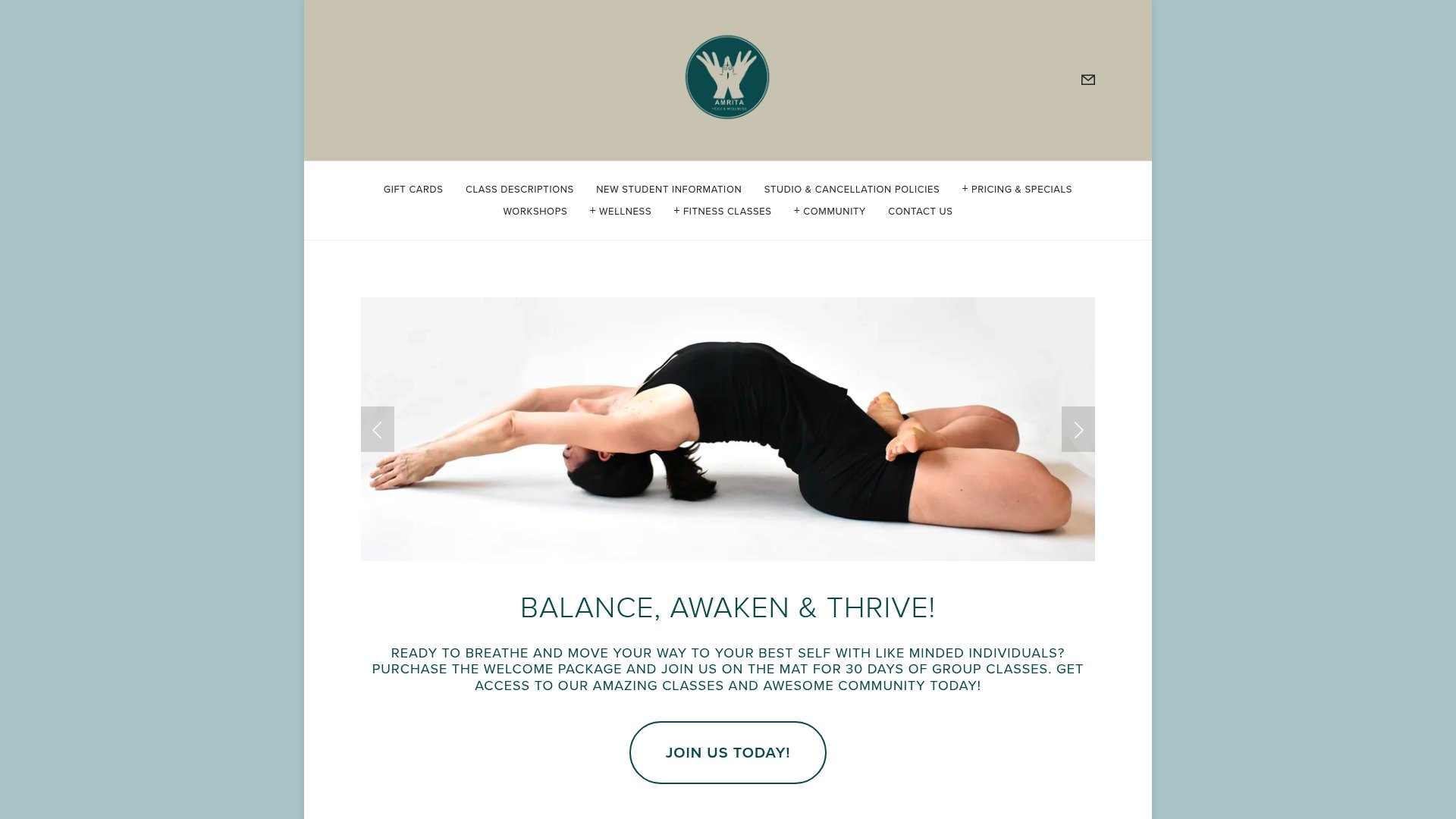
Our fall cleanse retreat combines detoxification protocols with restorative yoga and mindfulness practices designed to reset your system and establish healthier patterns. We also offer wellness retreat pricing specials making these transformative experiences accessible regardless of budget constraints. New to wellness retreats? Our new student specials provide welcoming entry points with introductory pricing and guidance.
Our Philadelphia community offers ongoing support beyond retreat experiences, helping you maintain the positive changes and deepen your practice through regular classes, workshops, and connection with like-minded wellness seekers.
Frequently asked questions
What exactly is a wellness retreat?
A wellness retreat is an immersive program where participants temporarily leave daily routines to focus intensively on health improvement through structured activities like yoga, meditation, nutrition education, and therapeutic treatments. Unlike vacations emphasizing entertainment or sightseeing, retreats prioritize personal transformation and skill development. Most last 3-7 days, though weekend and week-long options exist.
How long do wellness retreats typically last and what should I expect?
Most wellness retreats run 3-7 days, providing enough immersion for meaningful impact without excessive time commitment. Expect daily schedules combining morning movement practices, educational workshops, healthy meals, therapeutic treatments, and evening reflection activities. Many include some personal free time for rest, journaling, or nature exploration.
How should I prepare for my first wellness retreat?
Start practicing basic meditation or gentle yoga weeks before arrival to familiarize yourself with core techniques. Pack comfortable movement clothing, a journal for reflections, and an open mindset. Communicate any health conditions, injuries, or dietary restrictions to organizers beforehand. Set clear intentions for what you hope to gain from the experience.
Are wellness retreats suitable for complete beginners?
Absolutely. Many retreats specifically welcome beginners and provide instruction appropriate for all experience levels. Look for programs explicitly marketed as beginner-friendly or all-levels. Teachers typically offer modifications making practices accessible regardless of fitness level or prior experience with yoga and meditation.
How do wellness retreats reduce stress?
Wellness retreats facilitate stress reduction by activating the parasympathetic nervous system through breathing techniques, meditation, and mindful movement. These practices lower cortisol production while increasing calming neurotransmitters. The combination of environmental change, social support, and intensive practice creates powerful conditions for nervous system regulation that single interventions cannot match.
What activities are common in a wellness retreat?
Wellness retreats typically include yoga sessions in various styles from gentle restorative to vigorous vinyasa flow. Meditation and mindfulness training teach presence and awareness techniques. Nutrition counseling and healthy cooking classes provide dietary education. Detox programs may incorporate fasting, cleanses, or elimination protocols. Spa treatments like massage, bodywork, or energy healing support physical relaxation and release.
How can I maintain wellness after the retreat?
Without follow-up support post-retreat, ongoing guidance is vital to maintain gains. Create a realistic daily mindfulness routine starting with just 10-15 minutes rather than ambitious hour-long commitments. Stay connected with your retreat community through online groups or periodic meetups. Use meditation apps or online yoga classes to sustain specific practices. Set measurable health goals like practicing yoga three times weekly or meditating daily for 30 days. Schedule quarterly personal wellness days or mini-retreats to refresh your commitment and deepen your practice.