Diverse yoga practices for wellness in Philadelphia 2026
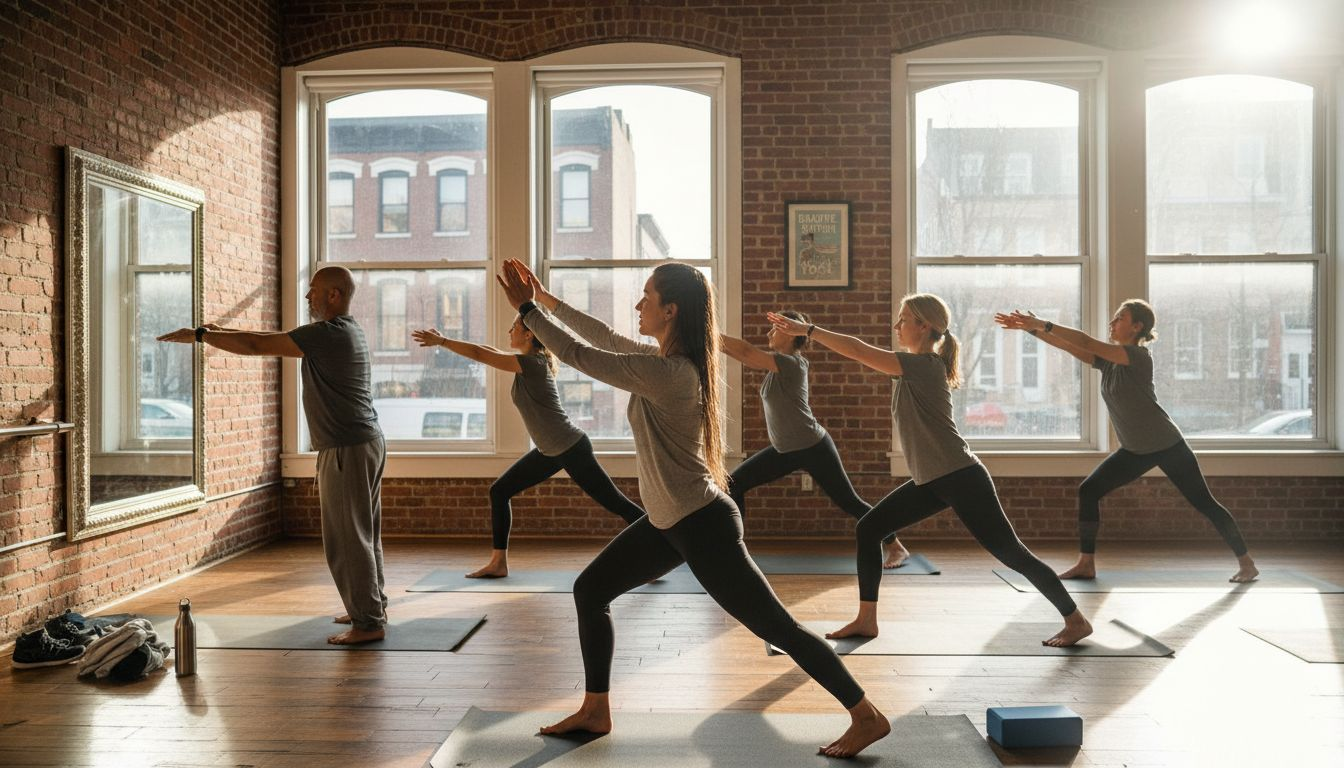
Many people assume yoga requires exceptional flexibility or years of practice, but that's far from reality. Philadelphia's wellness scene offers an incredible variety of yoga styles, from gentle restorative classes to intense hot yoga sessions, plus complementary practices like pilates and barre. Whether you're taking your first class or deepening an advanced practice, understanding the diverse options available helps you choose the path that aligns with your wellness goals, schedule, and fitness level.
Table of Contents
Key takeaways
| Point | Details |
|---|---|
| Holistic approach | Moksha Yoga blends 40 traditional poses with mental and spiritual practices for complete wellness. |
| Stress reduction focus | The practice emphasizes stress management alongside physical strength and flexibility improvements. |
| Accessible to all levels | Beginners and advanced practitioners benefit equally from Moksha Yoga’s adaptable structure. |
| Philadelphia resources | Local studios offer classes, workshops, and guidance to help you start your practice easily. |
| Mind-body-spirit balance | The practice creates harmony between physical health, mental clarity, and spiritual awareness. |
Understanding yoga styles: from beginner to advanced
Philadelphia's yoga studios offer distinct practice styles, each designed for specific wellness goals and experience levels. Hatha yoga provides a foundational approach with slower-paced poses held for several breaths, making it ideal for beginners learning proper alignment and breathing techniques. Vinyasa flows link breath with continuous movement, creating a dynamic practice that builds cardiovascular endurance alongside flexibility.
Hot yoga takes place in studios heated to 95-105 degrees Fahrenheit, intensifying the physical challenge while promoting deep muscle release and detoxification through sweat. This style suits intermediate to advanced practitioners comfortable with sustained physical exertion in challenging conditions. Restorative yoga uses props like bolsters and blankets to support passive poses held for 5-10 minutes, activating the parasympathetic nervous system to reduce stress and promote healing.
Pilates complements yoga by emphasizing precise, controlled movements that strengthen core muscles and improve posture. While not technically yoga, many studios integrate pilates into their schedules because both practices enhance body awareness and functional movement patterns. The controlled, low-impact nature makes pilates accessible to people recovering from injuries or managing chronic pain.
Pro Tip: Start with a beginner Hatha or gentle flow class to learn foundational poses before progressing to more intense styles like hot yoga or advanced Vinyasa sequences.
Choosing between styles depends on your current fitness level, available time, and whether you prioritize physical challenge, stress relief, or a balanced combination. Understanding why choose yoga classes that match your goals prevents frustration and supports consistent practice.
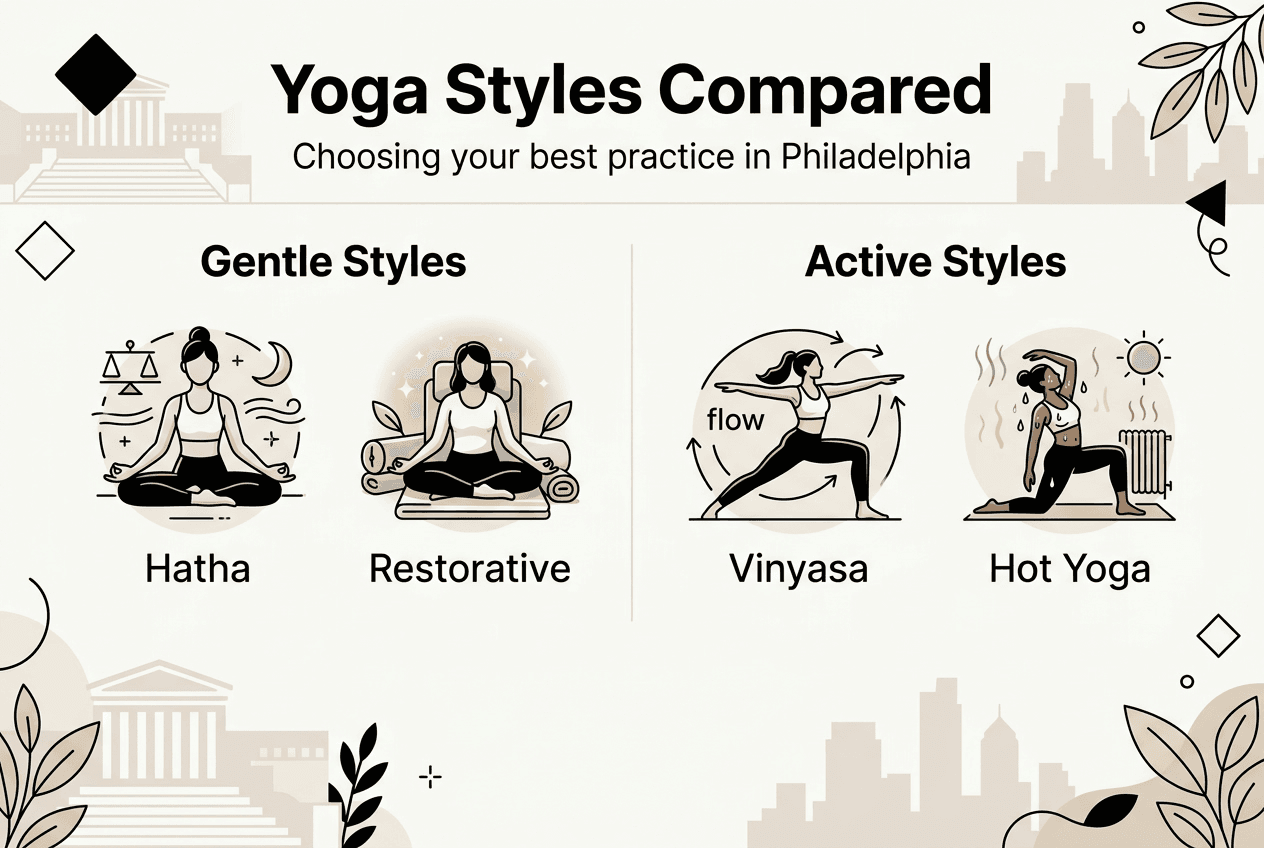
| Yoga Style | Typical Class Length | Intensity Level | Primary Benefits |
|---|---|---|---|
| Hatha | 60–75 minutes | Low to Moderate | Foundational poses, flexibility, stress reduction |
| Vinyasa | 60–90 minutes | Moderate to High | Cardiovascular fitness, strength, mental focus |
| Hot Yoga | 60–90 minutes | High | Deep stretching, detoxification, endurance |
| Restorative | 60–75 minutes | Very Low | Deep relaxation, nervous system healing, recovery |
| Pilates | 45–60 minutes | Moderate | Core strength, posture correction, body control |
Each practice style creates different physical sensations and mental states. Hot yoga practitioners often report feeling energized yet calm after class, while restorative students describe profound relaxation and improved sleep quality. Vinyasa flows challenge coordination and build mental resilience through continuous movement, whereas Hatha’s slower pace allows detailed attention to alignment and breath awareness.
Benefits of yoga and pilates for physical and mental wellness
Regular yoga practice delivers measurable improvements in both physical health and psychological wellbeing. Flexibility and stress reduction improve through consistent attendance, with many practitioners noticing changes within 4-6 weeks. Joint mobility increases as poses gently move limbs through their full range of motion, reducing stiffness and preventing age-related flexibility loss.
Strength building occurs through bodyweight resistance as you hold poses like plank, warrior sequences, and balancing postures. Unlike traditional weightlifting, yoga develops functional strength that supports everyday movements like lifting groceries, climbing stairs, or playing with children. Core muscles engage constantly to maintain stability, creating a strong foundation that protects the spine and improves posture.
Mental health benefits emerge from the mind-body connection yoga cultivates. Focusing on breath and physical sensations during practice trains attention, reducing the mental chatter that fuels anxiety and stress. The parasympathetic nervous system activates during longer holds and final relaxation, lowering cortisol levels and blood pressure. Many practitioners report improved sleep quality, emotional regulation, and resilience when facing daily challenges.
Regular yoga practice reduces perceived stress by 30% and improves overall quality of life markers including energy levels, emotional balance, and physical comfort in daily activities.
Pilates complements yoga by targeting specific muscle imbalances and postural issues. The precise, controlled movements strengthen smaller stabilizing muscles often neglected in conventional exercise. People who sit for extended periods benefit particularly from pilates exercises that counteract rounded shoulders and forward head posture. The benefits of pilates and yoga multiply when practiced together, creating a comprehensive approach to physical wellness.
Key physical improvements from consistent practice include:
Enhanced balance and coordination reducing fall risk, especially important for older adults
Increased bone density through weight-bearing poses that stimulate bone formation
Improved respiratory function as breathing exercises expand lung capacity
Better circulation and cardiovascular health from flowing sequences that elevate heart rate
Reduced chronic pain through gentle movement that releases muscle tension and improves joint function
Mental and emotional benefits extend beyond the mat into daily life. Practitioners develop greater self-awareness, noticing stress signals earlier and responding with healthy coping strategies. The non-competitive environment in most yoga classes fosters self-compassion, teaching students to honor their body's current capabilities rather than forcing progress. This mindset shift often influences other life areas, promoting healthier relationships with food, work, and personal boundaries.
How to choose the right yoga class in Philadelphia
Selecting an appropriate yoga class requires honest assessment of your current fitness level, schedule constraints, and wellness priorities. Follow this systematic approach to find classes that support rather than frustrate your practice:
Evaluate your starting point by considering recent physical activity, existing injuries or limitations, and experience with mind-body practices
Identify primary goals such as stress relief, increased flexibility, strength building, or social connection
Research studio offerings by reading class descriptions, instructor bios, and student reviews on studio websites
Attend introductory or beginner-labeled classes first to experience teaching style and studio atmosphere
Communicate with instructors before class about injuries, concerns, or questions to receive appropriate modifications
Commit to at least 4-6 classes before judging whether a style suits you, as initial discomfort often reflects unfamiliarity rather than poor fit
Pro Tip: Schedule classes during times when your energy naturally peaks. Morning people thrive in sunrise flows, while evening practitioners often prefer unwinding with gentler styles after work.
Philadelphia studios vary in their focus, amenities, and community culture. Some emphasize athletic, fitness-oriented classes with upbeat music and challenging sequences. Others prioritize traditional yoga philosophy, incorporating meditation, chanting, and spiritual teachings. Yoga class selection becomes easier when you understand these distinctions and identify which environment motivates you.
| Consideration | Questions to Ask | Why It Matters |
|---|---|---|
| Class Level | Does the studio clearly label beginner, intermediate, and advanced classes? | Prevents injury and frustration from attempting poses beyond current capability |
| Studio Location | How far is the studio from home or work, and does the commute feel manageable? | Convenience directly impacts attendance consistency and long-term practice sustainability |
| Schedule Flexibility | Are classes offered at multiple times throughout the day and week? | Life demands fluctuate, so varied scheduling prevents missed sessions |
| Instructor Credentials | What training and certifications do teachers hold? | Qualified instructors provide safer guidance and more effective instruction |
| Trial Options | Does the studio offer drop-in rates or introductory packages? | Testing before committing to memberships saves money and ensures good fit |
Beginners should expect some initial awkwardness and muscle soreness, which typically diminishes after 2–3 weeks of regular attendance. Arrive 10 minutes early to introduce yourself to the instructor and familiarize yourself with the studio layout. Most studios provide mats and props, though bringing your own mat ensures hygiene and comfort. Wear fitted, breathable clothing that allows free movement without riding up or slipping during inverted poses.
Exploring yoga for mobility classes helps if joint stiffness or limited range of motion concerns you. These specialized sessions focus on gentle movements that gradually increase flexibility without forcing or straining. Similarly, yoga gym classes blend traditional poses with fitness elements, appealing to people who enjoy structured, goal-oriented workouts.
Community and wellness events enhancing your yoga experience
Philadelphia's yoga community extends beyond regular studio classes through workshops, outdoor gatherings, and special events that deepen practice and build social connections. Community wellness events foster connection while making yoga more accessible through donation-based or free sessions. These gatherings remove financial barriers and create welcoming environments where beginners feel comfortable trying yoga for the first time.
Group workshops focusing on specific topics like arm balances, meditation techniques, or yoga philosophy provide concentrated learning opportunities beyond regular class formats. Spending 2-3 hours exploring one aspect of practice allows deeper understanding and skill development. Many practitioners find workshops reignite motivation when regular classes start feeling routine or plateaued.
Social connections formed through yoga classes and events significantly impact practice consistency. Accountability partners make skipping class harder, while shared experiences create friendships based on common wellness values. Studios hosting community events like potlucks, volunteer days, or seasonal celebrations strengthen these bonds and foster belonging.
Practitioners who participate in community yoga events report 40% higher class attendance rates and greater satisfaction with their overall wellness journey compared to those who only attend regular classes.
Holistic wellness extends beyond physical poses to include complementary therapies that support mental, emotional, and spiritual health. Many Philadelphia yoga studios offer or partner with providers of acupuncture, massage therapy, nutritional counseling, and energy work. Integrating these modalities creates comprehensive self-care routines addressing multiple dimensions of wellbeing.
Community offerings that enhance yoga practice include:
Outdoor classes in parks and public spaces connecting practice with nature and fresh air
Charity events where class proceeds support local organizations, adding purpose to practice
Themed workshops exploring yoga's intersection with art, music, or cultural traditions
Beginner-friendly series providing structured introduction over multiple weeks
Seasonal celebrations marking solstices, equinoxes, or cultural holidays through special classes
Participating in community wellness events exposes you to different teaching styles and practice approaches without committing to regular classes with unfamiliar instructors. This exploration helps identify teachers whose guidance resonates with your learning style and personality. The informal atmosphere of many community events also reduces performance anxiety, allowing authentic engagement with practice.
Beyond yoga-specific gatherings, wellness events incorporating practices like tarot readings, sound baths, or breathwork ceremonies appeal to those interested in holistic personal growth. While not directly related to physical poses, these experiences complement yoga's introspective aspects and support the self-awareness many practitioners seek. The key is finding events and offerings that genuinely interest you rather than forcing participation in activities that feel inauthentic.
Explore yoga classes and wellness services at Amrita Yoga & Wellness
Ready to experience Philadelphia's diverse yoga offerings firsthand? Amrita Yoga & Wellness welcomes practitioners of all levels with new student specials designed to make your first classes affordable and accessible. Our schedule includes hot yoga, pilates, barre, and traditional yoga styles taught by experienced instructors who prioritize safety and individual attention.
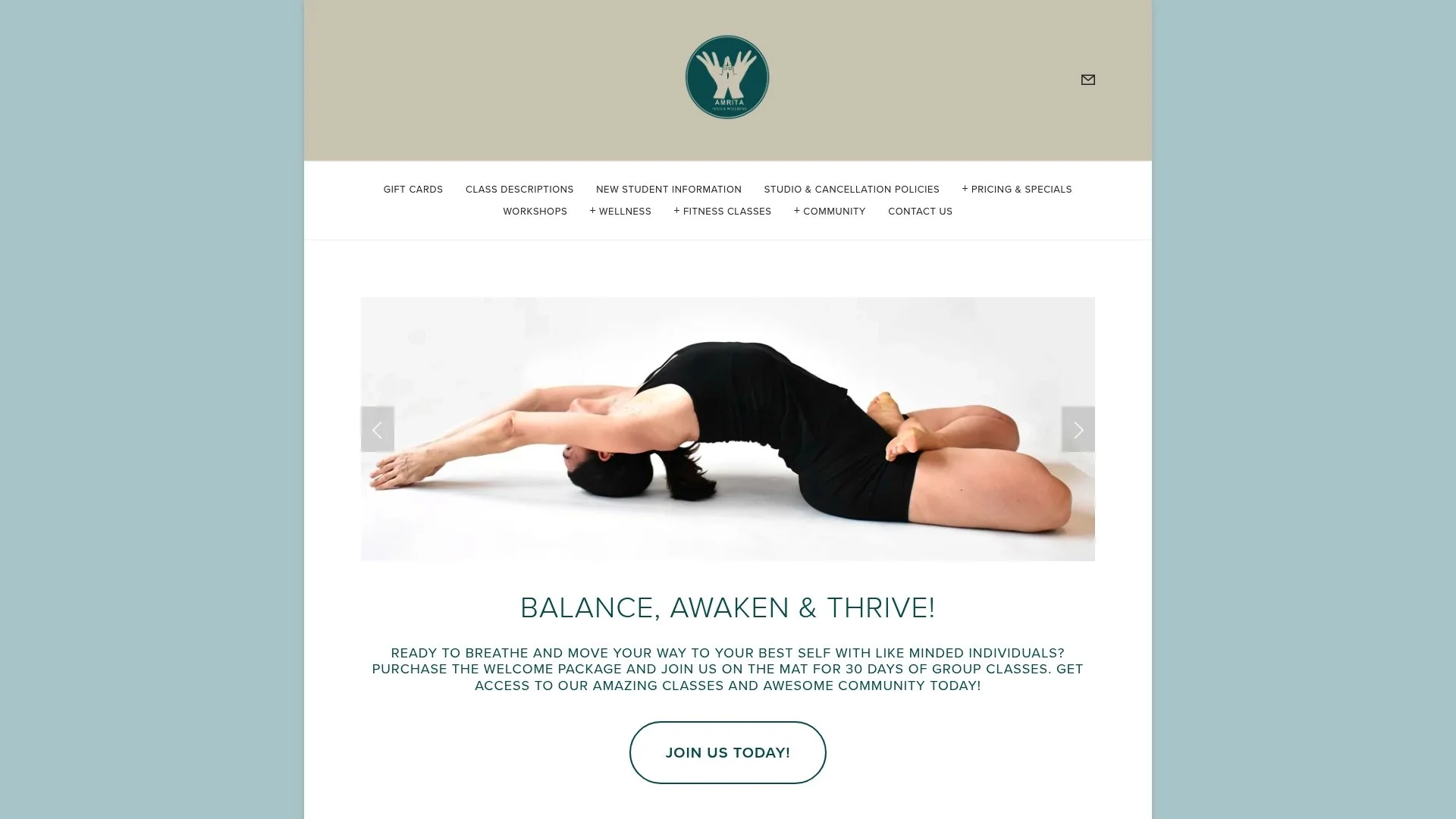
Understanding studio and cancellation policies before your first visit ensures a smooth experience and helps you plan your practice schedule effectively. We've created a supportive community where questions are encouraged and modifications are always offered. Beyond yoga classes, explore our acupuncture services and wellness workshops that complement your physical practice with holistic healing modalities.
Frequently asked questions about yoga in Philadelphia
How do I start yoga if I'm a complete beginner?
Begin with classes explicitly labeled beginner, gentle, or foundational at any Philadelphia studio offering these levels. Arrive early to introduce yourself to the instructor and mention your newcomer status so they can provide extra guidance. Most studios offer introductory packages allowing you to try multiple classes at reduced rates before committing to memberships.
Are there yoga classes suitable for seniors or those with limited mobility?
Yes, many Philadelphia studios offer chair yoga, gentle yoga, or senior-specific classes that modify poses for reduced mobility and balance concerns. These classes focus on safe movements that improve flexibility and strength without requiring floor work or challenging balance poses. Instructors trained in adaptive yoga can modify any practice to accommodate physical limitations.
What should I bring to a first hot yoga class?
Bring a large water bottle, a towel for your mat, and wear minimal, moisture-wicking clothing since studios heat to 95-105 degrees. Arrive well-hydrated and avoid eating large meals within two hours before class. Most studios provide mats, but bringing your own ensures comfort and hygiene in the heated environment.
Can I combine pilates and yoga for better results?
Absolutely, combining pilates and yoga creates balanced fitness addressing flexibility, strength, and mind-body awareness from complementary angles. Many practitioners alternate between styles throughout the week or take hybrid classes blending both approaches. The precise core work in pilates enhances stability in challenging yoga poses, while yoga's flexibility training prevents the muscle tightness sometimes resulting from pilates.
Are community yoga events open to all skill levels?
Most community yoga events welcome all levels and explicitly state this in their descriptions. These gatherings typically feature slower-paced classes with detailed instruction suitable for beginners while offering variations for experienced practitioners. The inclusive atmosphere makes community events ideal for trying yoga without the pressure of formal studio settings.