
Step-by-Step Mindfulness: Practical Guidance for Everyday Calm
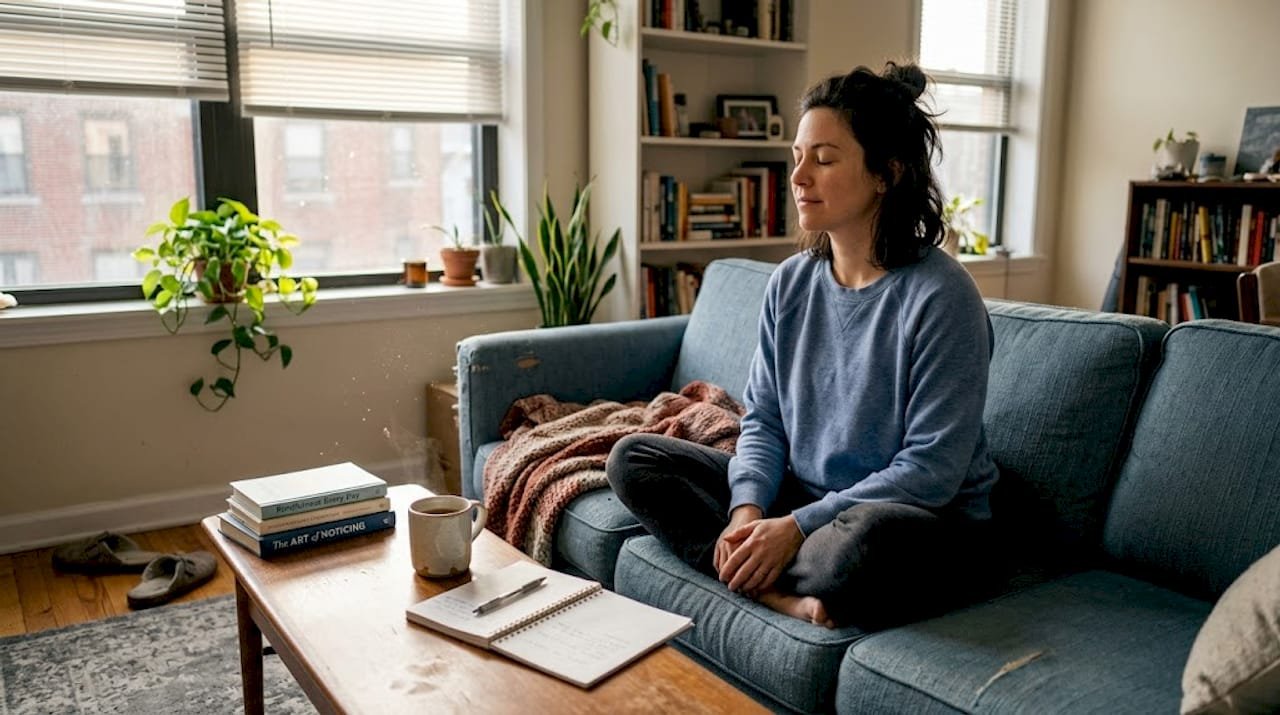
TL;DR:
Mindfulness can be practiced anywhere, even with busy schedules and city noise.Consistent, small daily practices build emotional resilience and reduce stress effectively.Community involvement and flexible routines are key to sustaining mindfulness long-term.
Philadelphia moves fast. The rumble of the Market-Frankford line, back-to-back meetings, crowded sidewalks in Center City, and the endless pull of your phone can leave your nervous system running on overdrive by noon. The good news is that mindfulness, practiced consistently and without perfection, can interrupt that cycle. This guide is built for real Philadelphians with real schedules. You will learn exactly what to do, when to do it, and how to keep going even on the days when calm feels completely out of reach.
Table of Contents
Key Takeaways
| Point | Details |
|---|---|
| Start small and stay consistent | Short, regular mindfulness practices make a real difference in stress reduction. |
| Local adaptation matters | Integrating mindfulness into your Philadelphia routine is easier with community resources and context-specific strategies. |
| Notice and return | The heart of mindfulness is gently noticing when your mind wanders and returning your attention, not achieving perfect focus. |
| Expect measurable benefits | Most individuals notice lower stress and emotional improvement within a few weeks of steady mindfulness exercises. |
What you need to begin your mindfulness journey
Mindfulness is the practice of paying deliberate, non-judgmental attention to your present-moment experience. That is the whole definition. It does not require a silent room, a meditation cushion, or any special equipment. What it does require is a willingness to show up, even imperfectly.
People often assume they need perfect conditions to start. They do not. You can practice on a SEPTA bus, during a lunch break in Clark Park, or sitting at your kitchen table before the rest of the household wakes up. The setting matters far less than the intention.
Here is a short list of helpful (but optional) materials to support your practice:
A timer or meditation app (Insight Timer and Calm are free or low-cost)
A journal for brief post-practice reflections
A comfortable chair or floor cushion
Noise-canceling earbuds if you find city noise distracting at first
A simple daily checklist to track consistency
For those looking for a structured start, the MBSR program (Mindfulness-Based Stress Reduction) is an 8-week course developed by Jon Kabat-Zinn that includes weekly sessions of 2 to 2.5 hours, daily 45 to 60 minute home practice, and one all-day retreat. That is a serious commitment, but knowing this helps set realistic expectations. You do not need to start there. Most beginners do well with just 5 to 15 minutes a day.
Pro Tip: Pair your mindfulness practice with an existing habit, like morning coffee or your commute home. "Habit stacking" makes it easier to stay consistent without carving out a brand new block of time.
| Commitment level | Time per day | What to expect |
|---|---|---|
| Beginner | 5 to 10 minutes | Reduced acute stress, better focus |
| Intermediate | 15 to 30 minutes | Mood improvements, less reactivity |
| Structured (MBSR) | 45 to 60 minutes | Sustained emotional and cognitive gains |
For ongoing inspiration and mindfulness practice tips that fit a busy lifestyle, our blog is a solid starting point.
Mindfulness step by step: Core practices explained
Now that you know what to expect, here are the four foundational practices used in evidence-based mindfulness programs. These core practices include the body scan, sitting meditation, mindful movement, and mindful tasks.
Body scan. Lie down or sit comfortably. Starting at your feet, slowly move your attention up through your body, noticing sensations without trying to change them. Spend about 20 to 45 minutes. This trains your nervous system to detect tension before it builds into pain or anxiety.
Sitting meditation. Sit upright with your spine tall but not rigid. Focus your attention on the physical sensation of breathing. When your mind drifts (and it will), gently return attention to your breath. Start with 5 minutes and build from there.
Mindful movement. This includes slow yoga, tai chi, or even a deliberate walk. The goal is to connect physical movement with present-moment awareness. Pay attention to how your body feels in motion, not where you are going or what is next on your list.
Mindful tasks. Pick one daily activity, washing dishes, brushing your teeth, or eating lunch, and give it your full attention. Notice textures, temperatures, and sounds. This is one of the most underrated practices because it requires zero extra time.
"The goal is not to stop your thoughts. The goal is to stop letting your thoughts stop you." Returning your attention is the practice, not preventing distraction.
A meta-analysis of mindfulness interventions confirms that these practices robustly and sustainably reduce perceived stress across diverse populations. This is not anecdotal. The evidence base is strong.
| Practice | Time needed | Best for |
|---|---|---|
| Body scan | 20 to 45 minutes | Physical tension, sleep issues |
| Sitting meditation | 5 to 20 minutes | Mental clarity, focus |
| Mindful movement | 10 to 30 minutes | Anxiety, low energy |
| Mindful tasks | 0 extra minutes | Beginners, time-pressed people |
For a broader look at examples of mindfulness practices and how they support your health, we have a full breakdown on the blog.
You can also browse mindfulness exercises organized by category.
Integrating mindfulness into daily life in Philadelphia
Knowing the steps is one thing. Building them into a real Philadelphia day is another. The city does not pause for your meditation timer. So the strategy is to bring mindfulness to where your life already is.
Here are practical micro-practices that fit into urban rhythms:
Morning body scan (5 minutes). Before you check your phone, do a brief scan from head to toe while still in bed. Notice what feels tight or alert. This sets a grounded tone before the noise begins.
Mindful commute. On the subway or bus, put your phone away for two stops. Notice the sounds, the weight of your bag, the feeling of your feet on the floor. No special effort required.
Lunch reset. Step outside or away from your desk. Eat one meal a week with no screen. Focus on flavor, temperature, and pace. A 10-minute reset improves afternoon concentration significantly.
Evening reflection. Before sleep, write two or three sentences in a journal. What did you notice today? What felt heavy? What helped? This brief ritual builds emotional clarity over time.
Pro Tip: Research suggests that nearly half of waking hours are spent with attention drifting away from what we are actually doing. Mindfulness is not about eliminating that drift. It is about noticing it faster and returning with less drama each time.
Philadelphia has real local resources to support your routine. A structured mindfulness workflow built around morning scans, mindful walking, and evening reflection can anchor your week without overwhelming it. For more ideas, our guide to mindfulness activities for everyday life is packed with approaches tested in real urban settings. You can also find targeted reduce stress tips tailored to busy schedules.
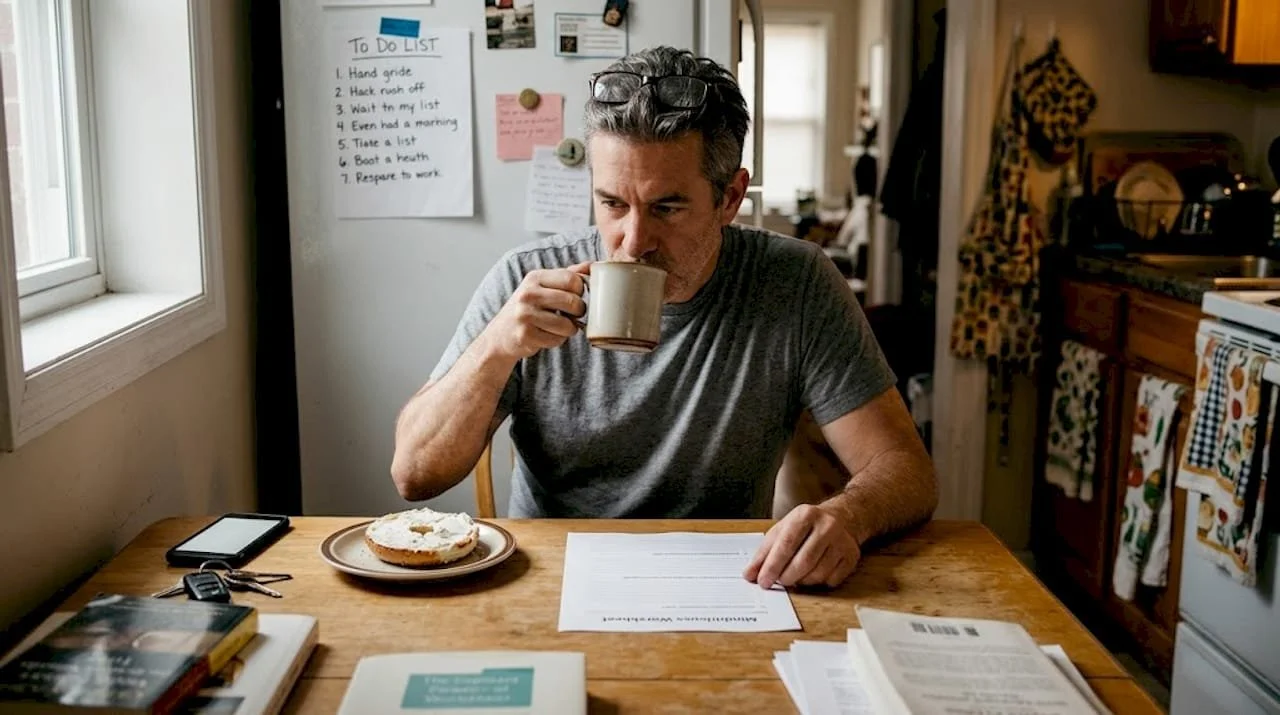
Troubleshooting and common mistakes: Stay on track
Even people who love their practice hit rough patches. Here is what usually goes wrong and how to handle it.
The biggest barriers most people face:
"I do not have time." This usually means practice has not been linked to an existing routine yet. Five minutes counts. Do not wait for a longer window.
"I am not doing it right." There is no perfect mindfulness session. If you are noticing your experience, you are doing it right.
"It is not working." Progress is subtle. You may not feel calmer during practice but notice you snapped at fewer people that week. That is the work showing up.
"I keep forgetting." Use a phone reminder labeled with something motivating, not just "meditate." Try "two minutes for yourself" instead.
The mechanics of mindfulness prioritize consistency over duration. Every time you notice your mind has wandered and you bring it back, that moment is the practice succeeding. Not failing.
Pro Tip: When you miss a day or a week, do not restart from scratch mentally. Just do your next session. Treat it like skipping the gym, you go back without a guilt spiral. Consistency over time matters far more than perfection on any single day.
For a full set of mindfulness tips to stay consistent without burning out, check out that dedicated guide. If you find yourself consistently struggling, that is a good signal to join a group or work with a teacher. Shared accountability changes everything.
Measuring results: How mindfulness changes your well-being
Change from mindfulness is often quiet. You do not wake up one morning enlightened. Instead, you notice things: you paused before reacting, you slept a little better, the afternoon anxiety was lighter than usual.
Here are clear markers to watch for:
Shorter emotional recovery time after stressful events
Increased ability to focus on one thing at a time
Improved quality of sleep or easier time falling asleep
Reduced physical symptoms of stress (tight shoulders, shallow breathing, headaches)
Greater ease in difficult conversations
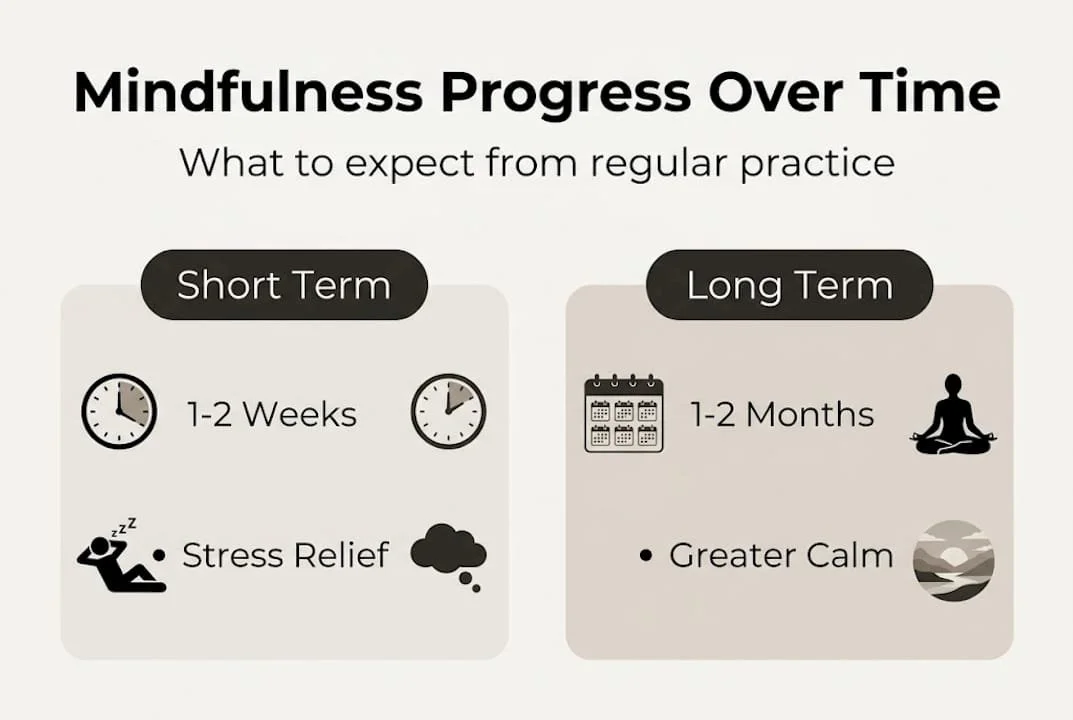
A meta-analysis of 17 RCTs confirms that mindfulness interventions reduce perceived stress post-intervention, with effects that are both robust and sustained over time. This is not a short-term mood boost. It is neurological and behavioral change.
| Timeframe | What you may notice |
|---|---|
| Week 1 to 2 | Mild reduction in acute stress, more awareness of tension |
| Week 3 to 4 | Improved focus, slightly better sleep |
| Week 5 to 8 | Mood stability, less reactive to daily frustrations |
| Beyond 8 weeks | Sustained emotional resilience, richer relationships |
The simplest tracking tool is a five-second daily check-in. Rate your stress level from 1 to 10 each morning in a notebook. Over weeks, patterns emerge. For more on mindfulness activities that improve well-being, our blog has practical examples organized by experience level.
The truth most mindfulness guides skip: Sustainable change comes from small, local steps and community
Most mindfulness content sets you up for a subtle failure. It presents the practice as a solo pursuit measured by how long you can sit still or how perfectly you follow a program. That framing backfires, especially in a city where life is unpredictable and mental real estate is scarce.
What we have seen at Amrita Yoga & Wellness is that the people who stick with mindfulness are not the ones who meditate flawlessly. They are the ones who keep showing up, often in community with others. Group classes, shared accountability, and even knowing a neighbor is doing the same thing creates a different kind of motivation than willpower alone.
Perfectionism is the enemy of practice. A rigid mindset around "doing mindfulness correctly" produces more anxiety, not less. The moment you treat a wandering mind as a failure, you have missed the whole point. Returning to focus, awkwardly and imperfectly, is the entire skill.
Small local steps taken consistently and supported by real community are the most reliable path to lasting change. Exploring mindfulness workflow insights within a community setting accelerates what solo practice often stalls.
Take your next step: Mindfulness support and resources in Philadelphia
If this guide has you ready to go deeper, you do not have to figure it out alone.
At Amrita Yoga & Wellness, we offer classes, workshops, and community gatherings designed to support exactly the kind of grounded, consistent mindfulness practice this guide describes. Whether you are brand new or looking to build on an existing routine, our Philadelphia studio has options that meet you where you are. From group yoga and tai chi sessions to specialized workshops, including explore tarot readings for deeper self-reflection, we bring together practices that support your whole emotional life. Come practice with people who get it.
Frequently asked questions
How long does it take to see results from mindfulness practice?
Most people notice increased calm or reduced stress within a few weeks of consistent daily practice. Research confirms these effects are robust and tend to last well beyond the initial practice period.
What should I do if my mind keeps wandering during meditation?
Gently bring your focus back each time. Mind wandering is normal, and noticing it is part of the practice. Studies show nearly 47% of attention drifts during waking hours, so returning your focus is the actual skill being built.
Can I practice mindfulness if I only have a few minutes each day?
Yes. Short, consistent practices like a 5-minute morning scan are highly effective for busy people. The mechanics of consistency matter more than session length, especially for beginners.
Are there local mindfulness resources in Philadelphia?
Yes. Philadelphia has multiple options including the Philadelphia Meditation Center, Penn Medicine programs, and Amrita Yoga Philly, each offering structured support for building a consistent practice.