The Amrita Journal
Explore thoughtful stories, practical wellness guidance and inspiring ideas to support your movement, mindfulness and everyday wellbeing at Amrita.
How to Practice Mindfulness for Mental Clarity
TL;DR:
Practicing mindfulness, even for just one to five minutes daily, reduces stress and improves focus.Consistent practice trains the brain to better regulate emotions and enhances cognitive control over time.
Mental clutter is real. Most people go through their day half-present, replaying yesterday's argument or rehearsing tomorrow's meeting, while missing what's right in front of them. Learning how to practice mindfulness is one of the most direct ways to interrupt that cycle. It doesn't require a special cushion, a silent room, or an hour of free time. This guide gives you practical steps you can start today, from setting up your first session to weaving mindfulness into your daily routine, so you build something that actually sticks.
Table of Contents
Key takeaways
| Point | Details |
|---|---|
| Start with short sessions | Even 1 to 5 minutes of daily practice measurably reduces stress and improves focus. |
| A wandering mind is normal | Noticing when your attention drifts and returning to the present is the actual practice. |
| Habit stacking works | Anchoring mindfulness to daily triggers like brushing your teeth makes it easy to sustain. |
| Consistency beats duration | Five minutes every day is far more effective than a long session once a week. |
| Benefits build over time | Regular practice creates real brain changes that improve emotional regulation and resilience. |
How to practice mindfulness: what you need to start
You don't need much. That's probably the biggest surprise for most beginners. No app, no timer, no meditation cushion. What you do need is a basic understanding of what mindfulness actually is, because most people start with the wrong mental model.
Here's what sets beginners up for success from day one:
A comfortable posture. Sitting upright in a chair works perfectly. So does lying down, standing, or walking. The goal is alert but relaxed, not stiff or sleepy.
A short time commitment. 1 to 5 minutes per day significantly improves stress, attention, and emotional regulation for beginners. Start there, not with 20 minutes.
No tools required. Your breath is always available. That's your anchor. Apps and guided audio are optional supports, not requirements.
The right expectation. This one matters more than any of the above. Most people think mindfulness means achieving a quiet, thought-free mind. That's not it. Mindfulness is not about stopping thoughts but about observing them with acceptance. A busy mind during practice is not failure. It's the material you're working with.
A commitment to consistency over perfection. A two-minute practice you do every morning beats a 30-minute session you attempt twice a month.
The biggest thing holding beginners back is the belief that they're doing it wrong whenever a thought appears. When you understand that noticing the thought and returning your attention is the whole point, practice stops feeling like a test you keep failing.
Pro Tip: Set a specific time to practice, like right after your morning coffee or before you open your phone. Tying it to an existing habit removes the "I'll do it later" trap entirely.
For more tips for mindfulness practice that work in real life, the Amrita Yoga & Wellness blog has practical guidance built for everyday schedules.
A step-by-step guide to your first sessions
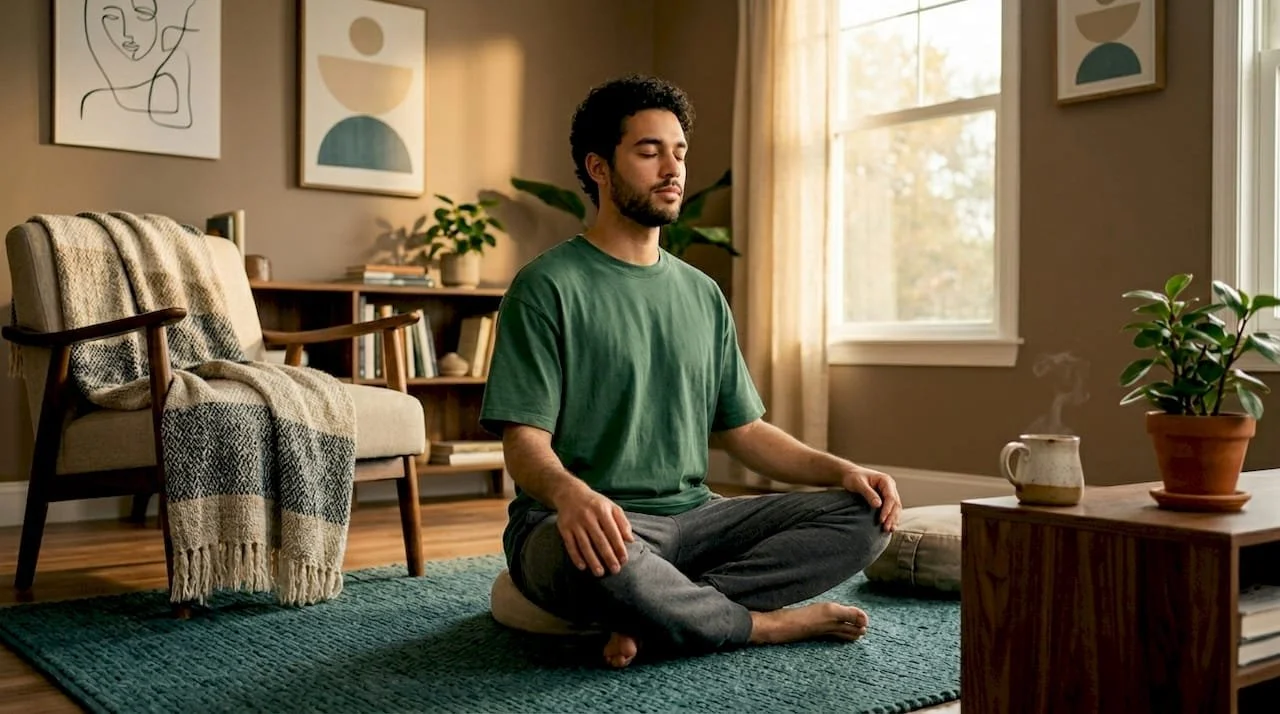
Once you understand the basics, here's exactly how to practice mindfulness in your first few sessions. These steps cover the most accessible forms, starting with breath focus and expanding from there.
Breath awareness: your default starting point
Sit comfortably with your feet flat on the floor. Hands rest on your knees or in your lap.
Close your eyes or soften your gaze downward.
Take one slow breath in through your nose, feeling your chest or belly rise.
Exhale through your mouth or nose. Feel the release.
Let your breathing return to its natural rhythm. Don't control it. Just notice it.
When a thought appears (and it will), simply notice it without criticism and bring your attention back to the breath.
Repeat that noticing and returning for your chosen time, even if it's just two minutes.
That returning step is where the actual work happens. Noticing mind wandering and gently returning attention without judgment trains cognitive control and emotional regulation over time. Every return is a rep.
Other forms worth trying
Once breath focus feels familiar, you have several options to deepen or vary your practice:
Body scan. Lie down and slowly move your attention from the top of your head to the tips of your toes, noticing physical sensations without trying to change them.
Mindful walking. Walk slowly and notice each sensation: the lift of your heel, the shift of your weight, the feeling of the ground beneath you.
Mindful listening. Sit still and notice every sound in your environment without labeling them as good or bad. Just hear.
Mindful eating. Eat one meal or snack without your phone or TV. Focus on texture, taste, and temperature bite by bite.
Making it daily through habit stacking
The most effective way to build a consistent practice is not willpower. It's design. Habit stacking anchors mindfulness to existing behaviors, making daily practice automatic without demanding extra time. Pause for one breath at every doorway. Take three conscious breaths after brushing your teeth. Check in with your body while waiting for coffee to brew.
Daily integration of mindfulness momentsis more impactful than isolated long sessions. These micro-moments add up faster than most people expect.
Pro Tip: If you want support getting started, short guided sessions can ease frustration and sharpen focus, especially in the first few weeks. Try one 5-minute guided meditation before going solo.
For a structured daily approach, check out Amrita Yoga & Wellness's guide on building a mindfulness workflow for everyday clarity.
Common mistakes and how to get past them
Most people quit mindfulness in the first two weeks. Not because it doesn't work, but because they misread the experience. Here are the most common obstacles and what to do about each.
Treating a busy mind as failure. Your mind will wander. That's not a sign that you're bad at this. It's a sign that you're human. The practice is the noticing, not the silence.
Waiting for the perfect moment. Waiting for a quiet house, an uninterrupted hour, or the right mood means waiting forever. Two minutes on a park bench counts. Thirty seconds in your parked car counts.
Pushing away difficult emotions. Sometimes sitting quietly surfaces anxiety, sadness, or irritability. Regular short practice builds non-judgmental awareness that helps you respond to those emotions rather than react to them. Don't avoid the discomfort. Observe it with curiosity.
Chasing a streak and feeling defeated when you miss a day. Consistency matters more than perfect streaks. Missing a day is not failure. Just begin again the next morning without drama.
Using the wrong posture for your body. If sitting cross-legged hurts, sit in a chair. If lying down makes you fall asleep, sit up. Adapt the form to your body, not the other way around.
"The goal of mindfulness is not to get somewhere different. It's to see clearly where you already are."
That framing removes a lot of pressure. You're not trying to achieve a calm state. You're practicing the skill of returning to the present moment, again and again, with patience.
What to expect from consistent practice
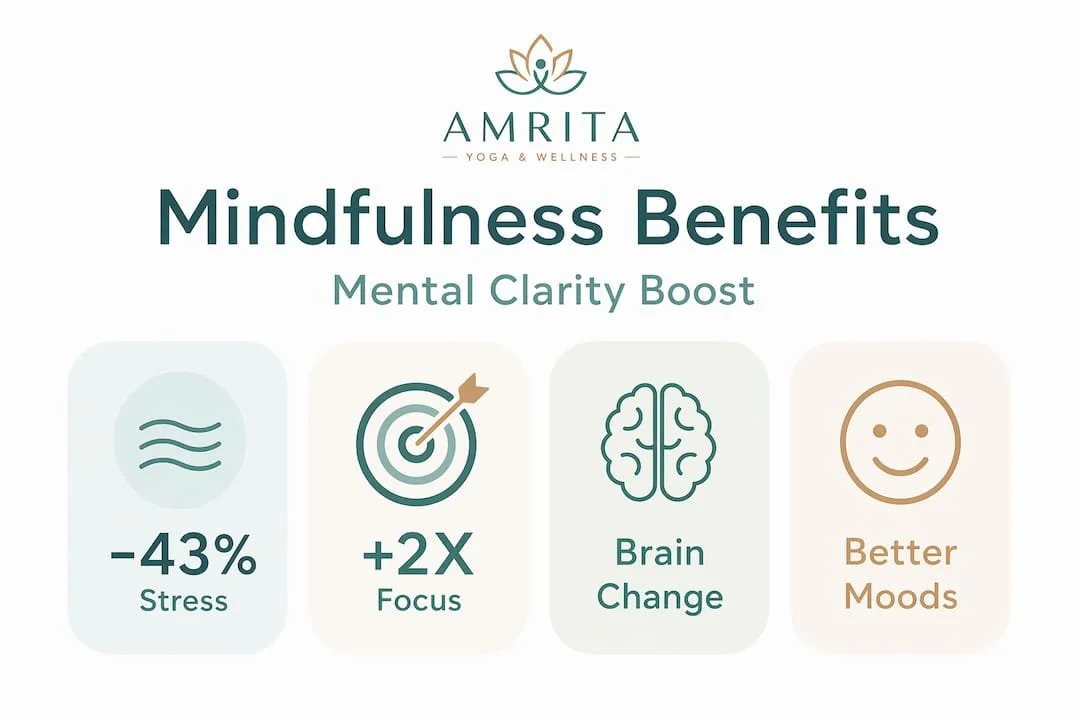
Here's where the real motivation lives. How mindfulness benefits you is not abstract or mystical. The research is concrete and growing every year.
| Benefit | What the evidence shows |
|---|---|
| Stress reduction | Short daily sessions measurably lower perceived stress levels |
| Attention and focus | Regular practice improves sustained attention and reduces mind wandering |
| Emotional regulation | Greater ability to pause before reacting to triggers |
| Brain structure changes | Gray matter volume increases in areas tied to cognitive control |
| Resilience | Better coping responses to difficult situations and emotions |
The neurological evidence is particularly compelling. Mindfulness practice leads to measurable structural brain changes including increases in cortical thickness and gray matter density in regions responsible for attention and self-regulation. These are changes you earn through repetition, not insight.
What most people notice first, before any dramatic brain change, is a small but real shift in their relationship to stress. Situations that used to hijack the whole day start to feel more manageable. You still feel the frustration or anxiety. You just stop being completely controlled by it.
You can read more about mindfulness for stress relief and how these benefits show up in daily life on the Amrita Yoga & Wellness blog.
What I've learned from practicing mindfulness for years
I came to mindfulness the same way most people do. Stressed, scattered, and skeptical. The first few weeks felt like failing a test I didn't understand. My mind wandered constantly, and I kept assuming that meant I wasn't doing it right.
What I've learned since is that the wandering mind was never the problem. The problem was my perfectionism about it. I spent energy judging my practice instead of actually doing it. Once I stopped grading myself, something genuinely shifted.
The most useful thing I ever did was start absurdly small. Two minutes. That's it. Not because two minutes is the secret number, but because I couldn't argue myself out of it. Two minutes became five. Five became a real anchor in my morning. From there, I started noticing transitions throughout the day as natural mindfulness moments, the walk from my car to my office, the pause before answering a difficult email.
Here's the unexpected part: those small transitions became more valuable to me than the formal sessions. The formal practice trained the muscle. The transitions showed me I had actually built one.
Be patient with yourself. The practice doesn't reward urgency. It rewards showing up, imperfectly, again and again.
— Juiced
Take your mindfulness practice further with Amrita Yoga & Wellness
If you've found value in learning how to practice mindfulness and want to go deeper, Amrita Yoga & Wellness in Philadelphia offers a range of supportive wellness experiences designed to complement exactly this kind of inner work.
Beyond yoga and movement classes, Amrita Yoga & Wellness offers tarot readings as a unique way to support personal reflection and self-awareness, a natural companion to your mindfulness practice. Whether you're processing a difficult season, seeking clarity, or simply curious about tools for deeper self-knowledge, these sessions offer a guided space for insight. Explore the full range of offerings and find what supports your next step in building a life that feels more grounded and clear.
FAQ
How do I start practicing mindfulness as a beginner?
Start with just one to five minutes of breath-focused attention. Sit comfortably, follow your natural breath, and gently return your focus whenever your mind drifts. That returning is the practice.
How do you practice mindfulness without a quiet space?
Mindfulness works anywhere. You can practice mindful attention during everyday activities like eating, walking, or waiting. Noise and distraction are not obstacles; they become part of what you observe.
How long before I notice results from mindfulness practice?
Many people notice reduced stress and improved focus within two to four weeks of consistent daily practice. Short sessions practiced every day produce faster results than occasional long sessions.
What if my mind wanders the whole time?
That's completely normal and not a sign of failure. Noticing a wandering mind and returning your attention is exactly what the practice asks of you. Every return strengthens your focus over time.
Can mindfulness really change the brain?
Yes. Research shows mindfulness leads to measurable increases in gray matter in brain regions tied to attention, memory, and emotional regulation. These changes build gradually with consistent practice.
Recommended
Why practice group yoga for wellness and community
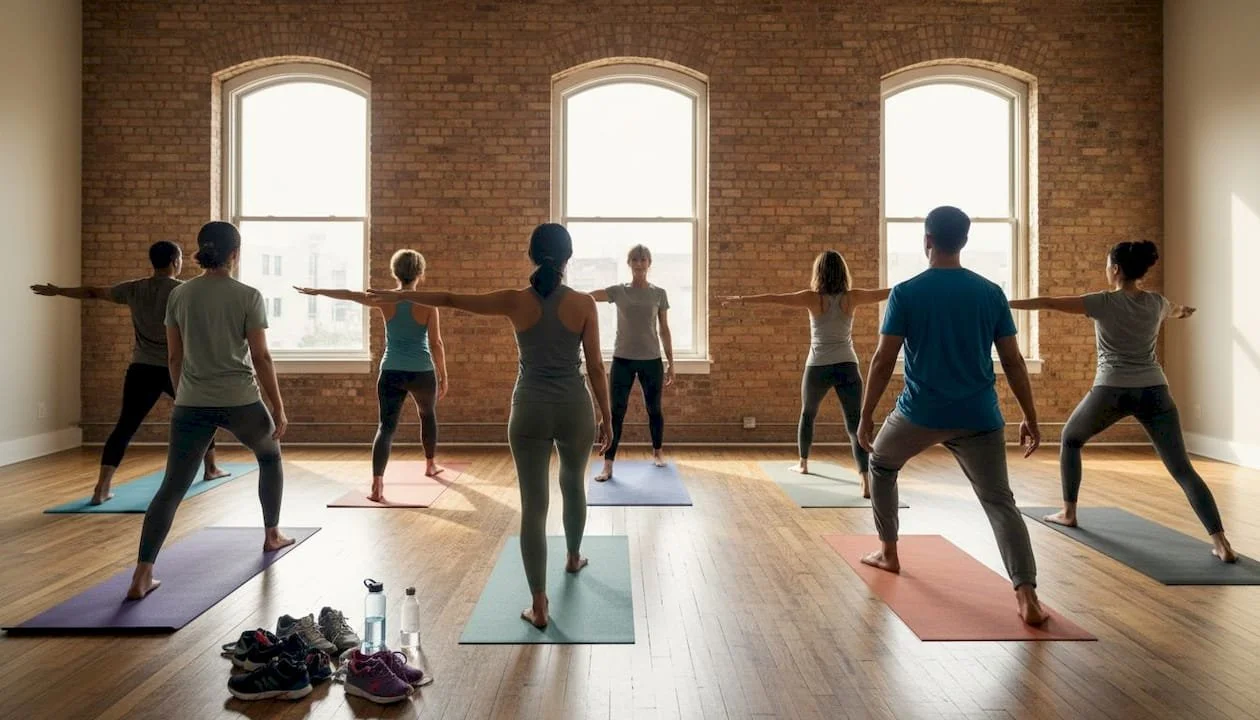
Many people believe yoga is most effective when practiced alone, away from distractions, in quiet solitude. Yet research reveals a different story. Group yoga reduces anxiety and depression more effectively than solo practice, delivering measurable improvements in life satisfaction and emotional regulation. The collective energy of practicing alongside others creates unique benefits that extend far beyond the physical postures. This guide explores why group yoga strengthens mental health, enhances physical outcomes, deepens spiritual wellness, and builds meaningful community connections, especially within Philadelphia's vibrant wellness landscape.
Table of Contents
Key Takeaways
| Point | Details |
|---|---|
| Group yoga mental health | Practicing with others reduces anxiety and depression more than solo sessions by creating accountability, shared vulnerability, and social feedback. |
| Physical gains in groups | Regular group practice motivates attendance and feedback from instructors leading to improved flexibility and strength. |
| Spiritual wellness deepened | Collective practice deepens sense of purpose and spiritual connection through shared intention and communal practice. |
| Community belonging and connection | Regular group classes build familiarity and social bonds that reduce isolation and increase life satisfaction. |
Mental health benefits of group yoga
The psychological advantages of group yoga stem from shared energy and mutual support mechanisms that individual practice cannot replicate. When you step onto your mat surrounded by others, you enter a space where collective intention amplifies personal healing.
Participants report significantly lower anxiety, depression, and stress levels compared to those practicing alone. This phenomenon occurs because group settings create accountability, normalize vulnerability, and provide immediate social feedback. You witness others struggling with challenging poses, which reduces self-judgment and perfectionism. The instructor's guidance reaches everyone simultaneously, creating a shared learning experience that builds confidence.
Scientific studies demonstrate statistically significant improvements in emotional regulation among group yoga participants. The collective breathing patterns and synchronized movements activate mirror neurons, helping your nervous system attune to the calmer states of those around you. This neurological synchronization explains why you might feel more centered after a group class than after practicing the same sequence alone at home.
Philadelphia studios recognize these mental health benefits and design classes specifically to enhance emotional wellness. Instructors trained in yoga for emotional healing create safe spaces where participants can process stress and anxiety within a supportive community framework.
The sense of belonging that develops through regular group attendance combats isolation, a significant contributor to depression and anxiety. You begin to recognize familiar faces, exchange smiles, and share brief conversations that build social bonds. These micro-connections accumulate over time, creating a wellness community that extends beyond the studio walls.
Key mental health advantages include:
Enhanced emotional regulation through collective breathing and movement
Reduced feelings of isolation via shared vulnerability and support
Improved stress management from accountability and consistent attendance
Greater life satisfaction through meaningful social connections
"The mutual support and sense of belonging in group yoga classes create psychological safety that allows participants to explore their emotional landscapes more deeply than they might alone."
These mental health improvements compound over time, making group yoga a sustainable practice for long-term emotional wellness.
Physical advantages of practicing yoga in groups
Beyond mental health, group yoga delivers measurable physical benefits that often exceed what individual practice provides. The group dynamic naturally motivates you to attend regularly, push slightly beyond your comfort zone, and maintain proper form through observation and instructor feedback.
Meta-analysis shows physical benefitslike enhanced flexibility and strength demonstrate small but meaningful advantages in group settings. This occurs partly because you unconsciously mirror the effort levels of those around you. When you see someone holding a challenging pose, you find reserves of strength you might not access alone.
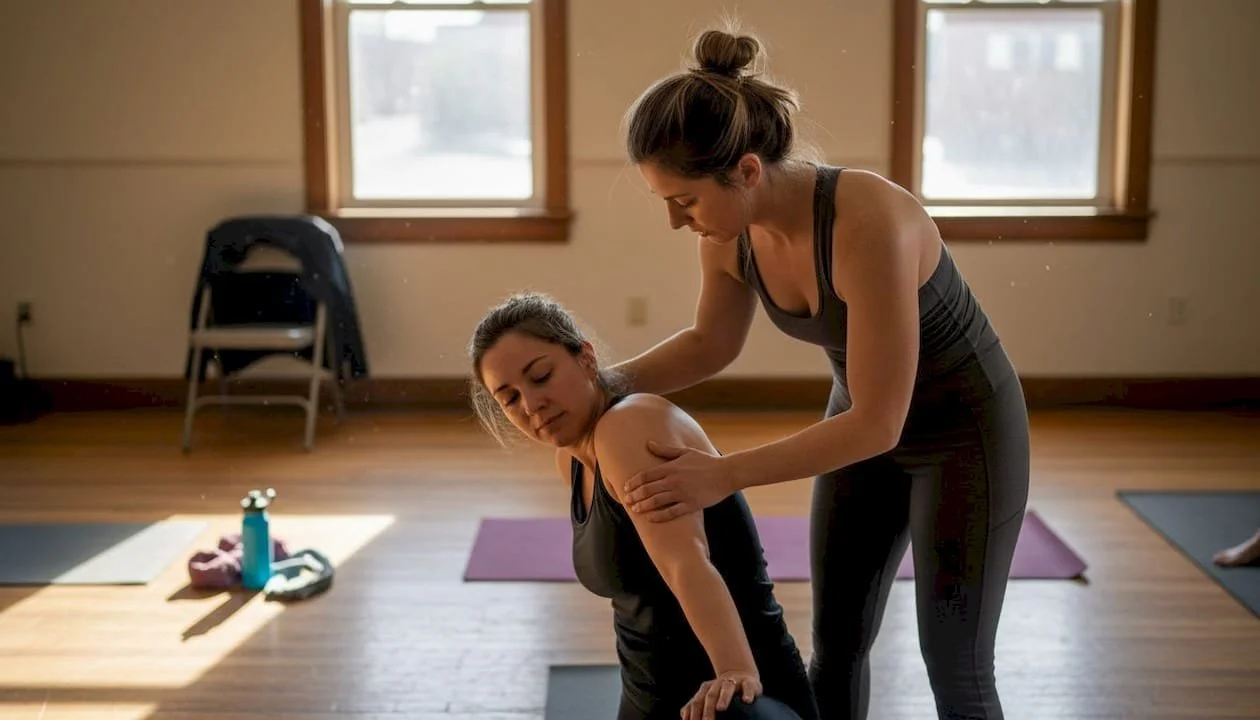
The instructor's ability to provide real-time corrections and modifications benefits everyone in the room. You learn not only from adjustments to your own practice but also from observing corrections given to others. This collective learning accelerates skill development and reduces injury risk.
Group practice improves psychosocial functional outcomes with effect sizes that translate to meaningful quality of life improvements. Balance, posture, and coordination all benefit from the structured environment and consistent practice schedule that group classes provide.
| Physical Outcome | Group Yoga | Individual Yoga |
|---|---|---|
| Flexibility gains | Moderate to high improvement | Moderate improvement |
| Strength building | Consistent progressive gains | Variable based on self-discipline |
| Balance enhancement | Significant improvement | Good improvement |
| Injury prevention | Higher due to instructor oversight | Depends on practitioner knowledge |
The table illustrates how group settings optimize physical outcomes through external motivation and expert guidance. You benefit from the instructor's trained eye catching misalignments before they become problematic patterns.
Philadelphia's diverse yoga practices for wellness include styles ranging from gentle restorative classes to vigorous vinyasa flows. This variety allows you to match your physical goals with appropriate group settings, whether you seek flexibility, strength, or both.
Physical benefits of group practice:
Consistent attendance motivated by scheduled classes and social commitment
Proper alignment reinforced through instructor feedback and peer observation
Progressive challenge supported by group energy and collective effort
Reduced injury risk from expert supervision and modifications
Pro Tip: Position yourself where you can see the instructor clearly and receive direct feedback. Arriving a few minutes early allows you to communicate any physical concerns or limitations, ensuring the instructor can offer appropriate modifications during class.
These physical improvements create a positive feedback loop. As your body grows stronger and more flexible, you feel motivated to attend more regularly, which further enhances your physical outcomes.
Spiritual and community wellness through group yoga
Group yoga nurtures dimensions of wellness that transcend the physical body, touching spiritual growth and community connection in ways that profoundly impact overall life satisfaction. The collective practice creates an energetic container that supports deeper exploration of consciousness and self-awareness.
Group yoga enhances spiritualwell-being and subjective well-being through collective asanas, pranayama, and meditation. When a room full of people breathes together in synchronized rhythm, individual consciousness expands to include awareness of the collective. This experience can be profoundly moving, offering glimpses of interconnectedness that philosophy describes but direct experience confirms.
Spiritual practices amplified in group settings:
Collective pranayama creates rhythmic coherence that deepens meditative states
Group meditation generates a field of focused awareness that supports individual concentration
Synchronized asana sequences build energetic resonance that enhances mind-body integration
Shared intention setting at class beginning amplifies personal commitment to growth
Closing rituals that honor the practice and community foster gratitude and completion
These practices work synergistically to cultivate inner peace, self-awareness, and spiritual insight. You might notice that meditation feels easier in a group setting, as the collective stillness supports your own efforts to quiet mental chatter.
Community engagement and life satisfaction improve significantly in group yoga participants, addressing the epidemic of loneliness affecting modern society. The relationships formed through consistent attendance create social support networks that extend beyond yoga practice into daily life.
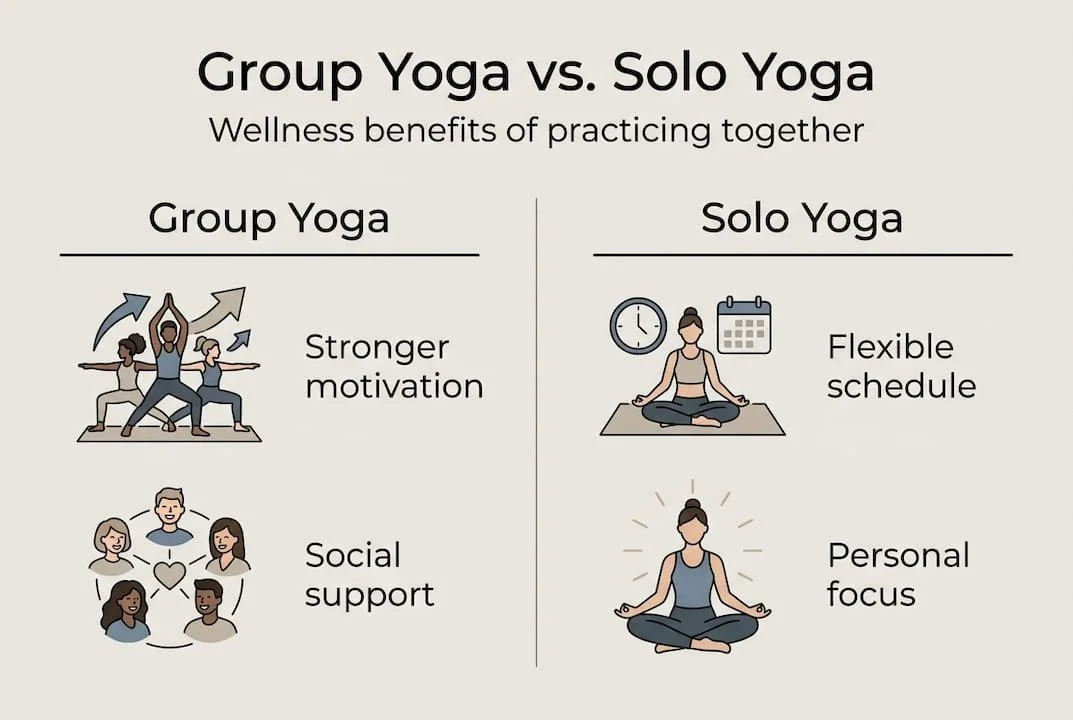
| Wellness Dimension | Group Yoga Benefits | Individual Yoga Benefits |
|---|---|---|
| Spiritual growth | Collective energy deepens practice | Personal pace allows introspection |
| Social connection | Community reduces isolation | Solitude supports self-reflection |
| Sense of belonging | Shared identity and values | Independence and autonomy |
| Life satisfaction | Enhanced through relationships | Improved through self-care |
Philadelphia studios understand the importance of community wellness. Philadelphia studios like Amrita Yoga & Wellness and Cocoon Philly foster community wellness through intentionally designed group experiences that prioritize inclusivity and mutual support.
The yoga class complete Philadelphia guide reveals how local studios create spaces where diverse individuals find common ground through shared practice. These environments welcome beginners and advanced practitioners alike, recognizing that community strengthens when experience levels mix.
Pro Tip: Arrive early and stay a few minutes after class to connect with fellow practitioners. These informal conversations build relationships that transform a yoga class from a transaction into a community experience. Many lifelong friendships begin with simple exchanges about favorite poses or wellness challenges.
Community yoga class building wellness initiatives demonstrate how studios actively cultivate belonging through workshops, social events, and themed classes that bring people together around shared interests beyond the mat.
"Community is not just a nice addition to yoga practice. It is essential medicine for the isolation and disconnection that plague modern life. When we practice together, we remember our fundamental interconnectedness."
This spiritual and social dimension of group yoga addresses wellness holistically, recognizing that humans thrive when they feel connected to something larger than themselves.
Expert nuances and exceptions in group yoga practice
While group yoga offers substantial benefits, understanding important nuances ensures you make choices aligned with your unique needs and circumstances. Not everyone experiences group settings identically, and recognizing individual differences honors the diversity of human experience.
True group dynamics amplify effects but introverts or those with social anxiety may prefer individual practice, at least initially. The very social elements that benefit some practitioners can feel overwhelming to others. If you feel drained rather than energized after group classes, this does not mean something is wrong with you or with group yoga. It simply means you may need a different approach.
Some individuals benefit more from therapeutic individual sessions, particularly when addressing specific injuries, chronic conditions, or mental health challenges requiring personalized attention. Cognitive behavioral therapy combined with individual yoga practice may serve certain needs better than group classes.
However, trauma-informed group yoga classes address vulnerabilities safely by creating environments where participants can opt in or out of various elements without judgment. These specialized classes recognize that trauma survivors may need extra support to feel safe in group settings.
Situations favoring group versus individual yoga:
Group yoga works best when you seek motivation, community, structured learning, and social connection
Individual practice serves you better when recovering from specific injuries, managing severe social anxiety, or requiring highly personalized therapeutic intervention
Trauma-informed group classes bridge these needs by offering community support within safety-conscious frameworks
Hybrid approaches combining group classes with occasional private sessions optimize benefits for many practitioners
Philadelphia's wellness community offers trauma recovery yoga options that acknowledge healing requires both safety and connection. Studios trained in trauma-informed approaches create group experiences that honor individual boundaries while fostering community.
Specialized practices like aerial yoga for healing demonstrate how group classes can be adapted to serve specific populations. Trauma informed aerial yoga for healing recovery shows that innovative approaches make group practice accessible even to those with significant vulnerabilities.
"The accountability and shared energy of group practice keep me consistent in ways that good intentions alone never could. But I also honor that some days I need solitude, and that is equally valid."
Pro Tip: If you are new to yoga or have social anxiety, try trauma-informed group classes specifically designed to create psychological safety. These classes typically offer more options for personal space, clear consent practices, and instructor awareness of activation signs. Starting here can help you build confidence before exploring more traditional group settings.
The most effective approach for many people combines group classes for community and motivation with occasional individual practice or private sessions for personalized attention. This hybrid model leverages the strengths of both formats while minimizing their limitations.
Explore group yoga classes in Philadelphia with Amrita Yoga & Wellness
Ready to experience the transformative benefits of group yoga within a supportive Philadelphia community? Amrita Yoga & Wellness offers inclusive group classes designed specifically for adults seeking physical, mental, and spiritual wellness alongside meaningful social connection.
Located in North Philadelphia, the studio provides diverse class styles ranging from gentle restorative yoga to dynamic vinyasa flows, ensuring you find practices that match your current needs and goals. Experienced instructors create welcoming environments where beginners feel comfortable and advanced practitioners find continued growth.
Beyond yoga, Amrita Yoga & Wellness supports holistic wellness through complementary services including tarot readings for spiritual guidance and acupuncture for physical healing. This integrated approach recognizes that true wellness encompasses multiple dimensions of human experience.
Join a community that values inclusivity, personal growth, and mutual support. Your wellness journey becomes richer when shared with others who understand the challenges and celebrate the victories along the path.
Frequently asked questions
What is group yoga?
Group yoga involves practicing yoga postures, breathing techniques, and meditation alongside other participants under the guidance of a trained instructor in a shared physical space. This format creates synergy through collective energy and intention that individual home practice cannot replicate. The group dynamic provides motivation, accountability, and social connection that enhance both the physical and psychological benefits of yoga practice.
Can group yoga help reduce stress better than solo yoga?
Yes, group yoga reduces anxiety and depression more significantly than solo practice according to comparative research studies. The shared environment enhances emotional regulation through mirror neuron activation and provides immediate social support that buffers against stress. Participants benefit from the calming influence of synchronized breathing and the psychological safety created by practicing vulnerability alongside others facing similar challenges.
Are there group yoga classes suitable for people with PTSD or trauma?
Absolutely. Trauma-informed group yoga classes offer safe environments tailored to people with vulnerabilities by emphasizing choice, consent, and psychological safety. These specialized classes train instructors to recognize activation signs and provide modifications that honor individual boundaries while maintaining the benefits of community practice. Philadelphia studios increasingly offer trauma recovery yoga programs that combine expert trauma knowledge with the healing power of group support.
What should I expect when joining a group yoga class in Philadelphia?
Classes typically involve guided group sessions with diverse attendees ranging from complete beginners to experienced practitioners, all welcomed equally. You can expect a supportive, inclusive community atmosphere where instructors provide modifications for different skill levels and physical abilities. Philadelphia studios offer styles ranging from gentle restorative classes to intense power yoga, with local emphasis on holistic wellness that honors mental, physical, and spiritual dimensions. Review the yoga class Philadelphia guide for detailed information about what to bring, how to prepare, and what happens during a typical session.
Recommended
What is a yoga class: complete Philadelphia guide 2026
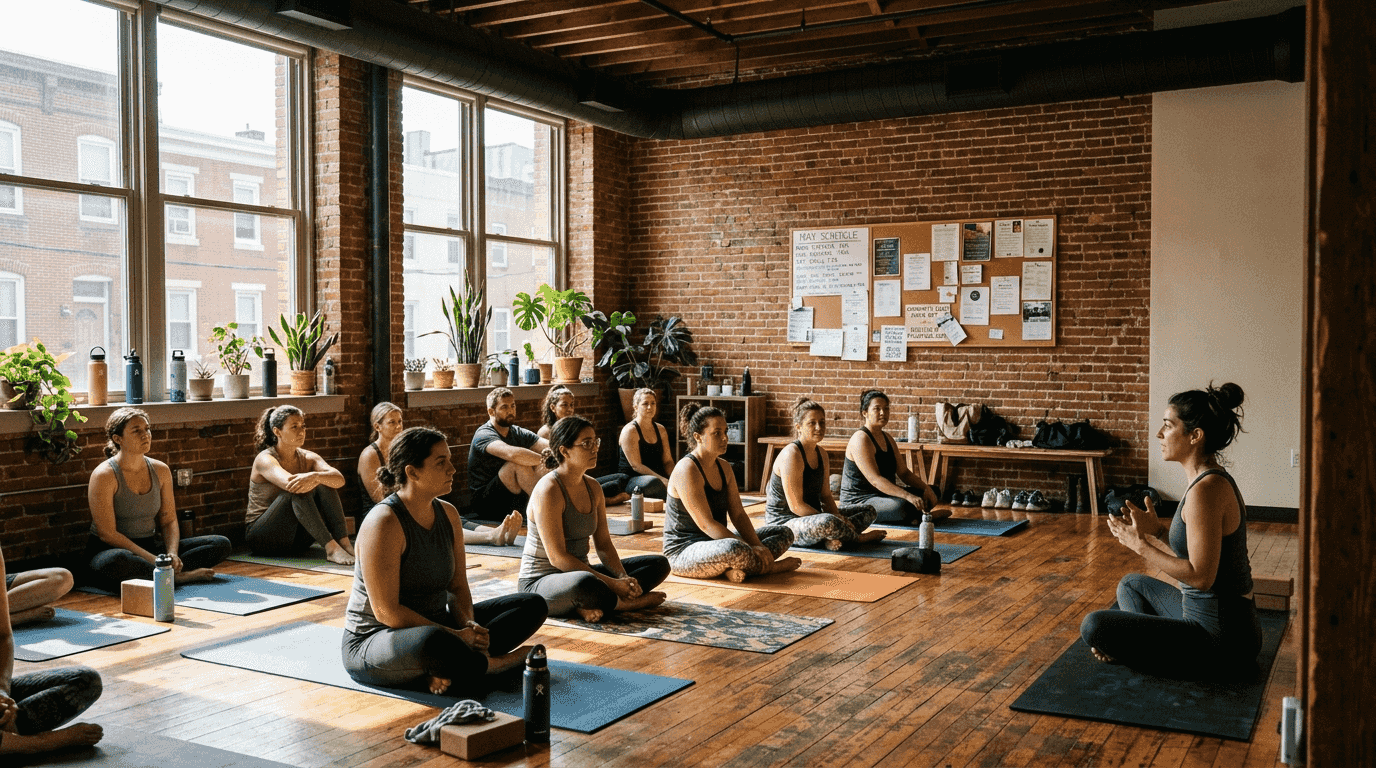
Many people curious about yoga feel uncertain about what actually happens in a class. You might wonder if you need to be flexible, what to wear, or whether yoga is just stretching. This guide clears up those misconceptions with research-backed insights tailored for Philadelphia beginners. You'll discover what yoga classes involve, the proven health benefits, how to choose the right style, and practical tips for your first session. Whether you're seeking stress relief, community connection, or improved fitness, understanding yoga classes helps you make confident decisions about your wellness journey.
Table of Contents
Key takeaways
| Point | Details |
|---|---|
| Physical benefits | Yoga improves balance, strength, flexibility and reduces chronic pain through consistent practice. |
| Mental wellness | Regular sessions reduce trait anxiety and inflammation markers, supporting emotional health. |
| Instructor quality matters | Certified, experienced teachers minimize injury risk and maximize benefits for beginners. |
| Class variety | Different yoga styles cater to diverse fitness levels, from gentle restorative to dynamic vinyasa. |
| Community connection | Philadelphia studios emphasize social support and belonging beyond physical exercise. |
Understanding what a yoga class entails
A typical yoga class follows a structured format designed to integrate body, breath, and mind. Sessions usually begin with a brief warm-up period where you focus on breathing and gentle movements to prepare your muscles and joints. The main portion involves practicing poses, called asanas, which range from standing balances to seated stretches and inversions. Instructors guide you through sequences that build strength, flexibility, and body awareness.
Breathing exercises, known as pranayama, play a central role throughout the class. You'll learn techniques to control your breath, which helps calm your nervous system and deepen your focus. Most classes conclude with a relaxation phase, often in a resting pose called savasana, where you integrate the physical and mental benefits of the practice.
Yoga classes vary significantly by style. Hatha classes move at a slower pace, making them ideal for beginners learning foundational poses. Vinyasa links breath with movement in flowing sequences that build heat and cardiovascular endurance. Restorative yoga uses props to support passive stretches held for several minutes, promoting deep relaxation. Hot yoga takes place in heated rooms to increase flexibility and detoxification through sweating.
Philadelphia studios often incorporate community-building elements that extend beyond the physical practice. You might find workshops, social events, or partner exercises that foster connections with fellow practitioners. This holistic approach addresses physical, mental, and emotional wellness simultaneously.
Sessions typically last 60 to 90 minutes, though some studios offer shorter express classes or longer intensive workshops. Beginners often feel confused by Sanskrit terminology and the pace of instruction initially. Friendly teachers bridge this gap by demonstrating modifications, offering hands-on adjustments with consent, and encouraging questions. The welcoming atmosphere helps newcomers feel comfortable exploring their capabilities without judgment.
Common class components include:
Centering and intention setting at the beginning
Dynamic warm-up sequences to prepare muscles
Standing poses for strength and balance
Floor work targeting flexibility and core stability
Breathing practices to regulate energy
Final relaxation for integration and stress relief
Physical and mental health benefits supported by research
Scientific studies demonstrate measurable improvements in physical function for regular yoga practitioners. An eight-week clinical trial found that yoga improves balance, strength, flexibility and reduces chronic pain through consistent practice. Participants showed better balance scores on standardized tests, increased muscular strength measured by push-up capacity, and enhanced flexibility in multiple joints.
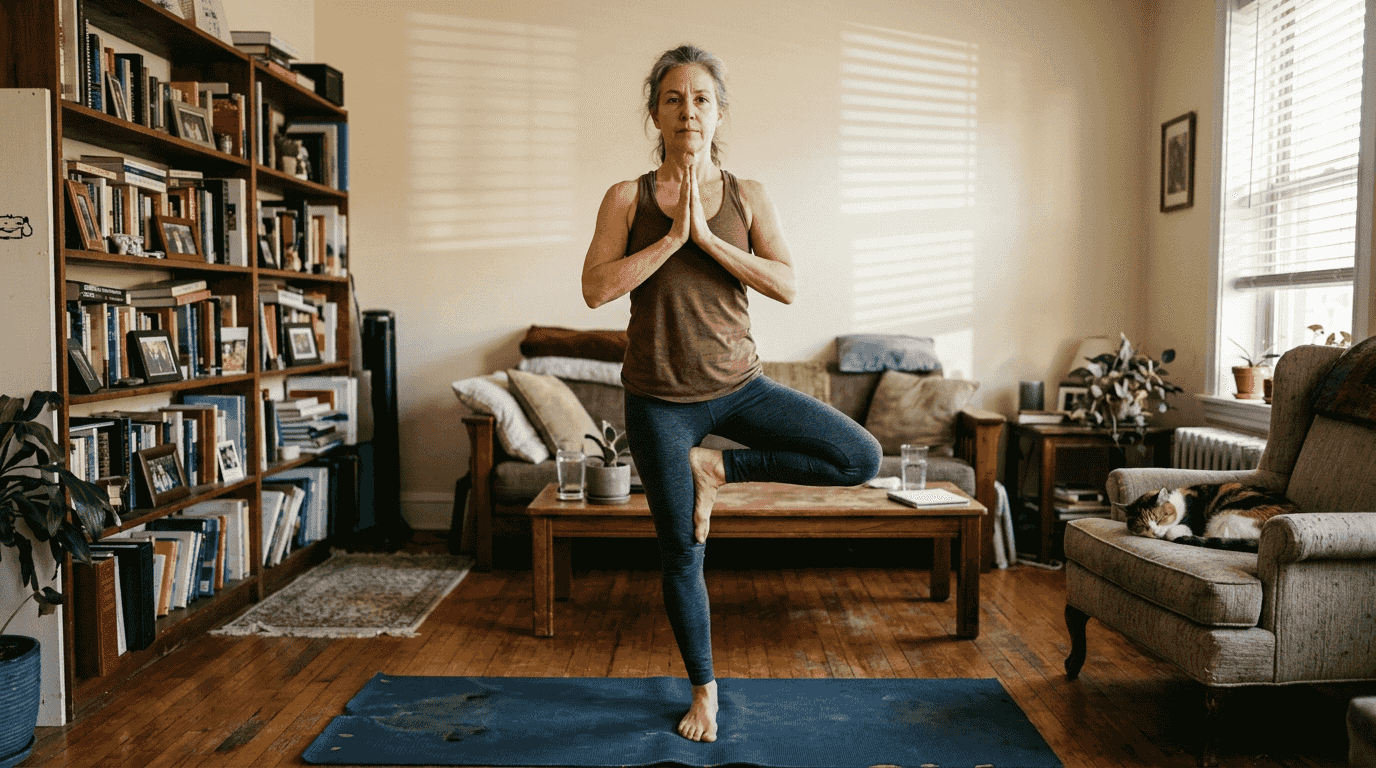
The same research revealed reductions in chronic low back pain intensity and improvements in inflammatory markers like tumor necrosis factor alpha. These biological changes suggest yoga influences your immune system and inflammatory responses at a cellular level. For beginners managing pain or stiffness, these findings offer evidence that regular classes can provide meaningful relief.
Mental health benefits extend beyond temporary relaxation. Studies show yoga reduces trait anxiety, the baseline level of worry you experience in daily life. This differs from state anxiety, which fluctuates with specific stressors. By lowering trait anxiety, yoga helps you develop greater emotional resilience and calm that persists between sessions.
A balanced perspective acknowledges both benefits and limitations. Critics note risks and some overstated claims in yoga marketing, particularly around injury prevention and healing serious medical conditions. While yoga complements overall fitness, it doesn't replace cardiovascular exercise for heart health or resistance training for maximum strength gains. Injuries can occur, especially in fast-paced classes with inexperienced instructors or when students push beyond safe limits.
Pro Tip: Prioritize classes with certified instructors who have completed at least 200 hours of training from recognized programs. Quality teaching dramatically reduces injury risk and ensures you learn proper alignment from the start.
Research supports these specific outcomes:
Improved balance reduces fall risk, especially important for older adults
Increased flexibility enhances daily movement and reduces injury susceptibility
Muscular endurance supports better posture and reduces chronic tension
Lower inflammation markers contribute to overall immune function
Reduced anxiety improves sleep quality and emotional regulation
Experts emphasize realistic expectations for beginners. Dr. Sarah Mitchell, a sports medicine physician who studies yoga interventions, notes that benefits accumulate gradually with consistent practice rather than appearing after one or two sessions. She recommends attending classes at least twice weekly for eight to twelve weeks before evaluating personal outcomes.
The combination of physical postures, breathing control, and mindfulness meditation creates synergistic effects greater than any single component alone. This integration distinguishes yoga from conventional exercise, offering community yoga class benefits that address whole-person wellness. Philadelphia practitioners often report feeling more connected to their bodies, experiencing less stress reactivity, and developing greater self-awareness through regular attendance.
| Benefit Category | Measured Outcome | Typical Timeline |
|---|---|---|
| Balance | Improved BESS scores | 6-8 weeks |
| Strength | Increased push-up capacity | 8-10 weeks |
| Flexibility | Enhanced range of motion | 4-6 weeks |
| Pain relief | Reduced low back pain intensity | 6-12 weeks |
| Mental health | Lower trait anxiety scores | 8-12 weeks |
For maximum benefit, combine yoga with other healthy lifestyle practices including adequate sleep, balanced nutrition, and social connection. The inclusive yoga benefits extend to people of all ages, body types, and fitness levels when classes are appropriately modified and taught with skill.
Choosing the right yoga class in Philadelphia: styles, safety, and community
Selecting your first yoga class involves understanding style differences, safety considerations, and community culture. Philadelphia offers diverse options ranging from vigorous power yoga to gentle chair-based classes. Matching the style to your goals and current fitness level sets you up for sustainable practice.
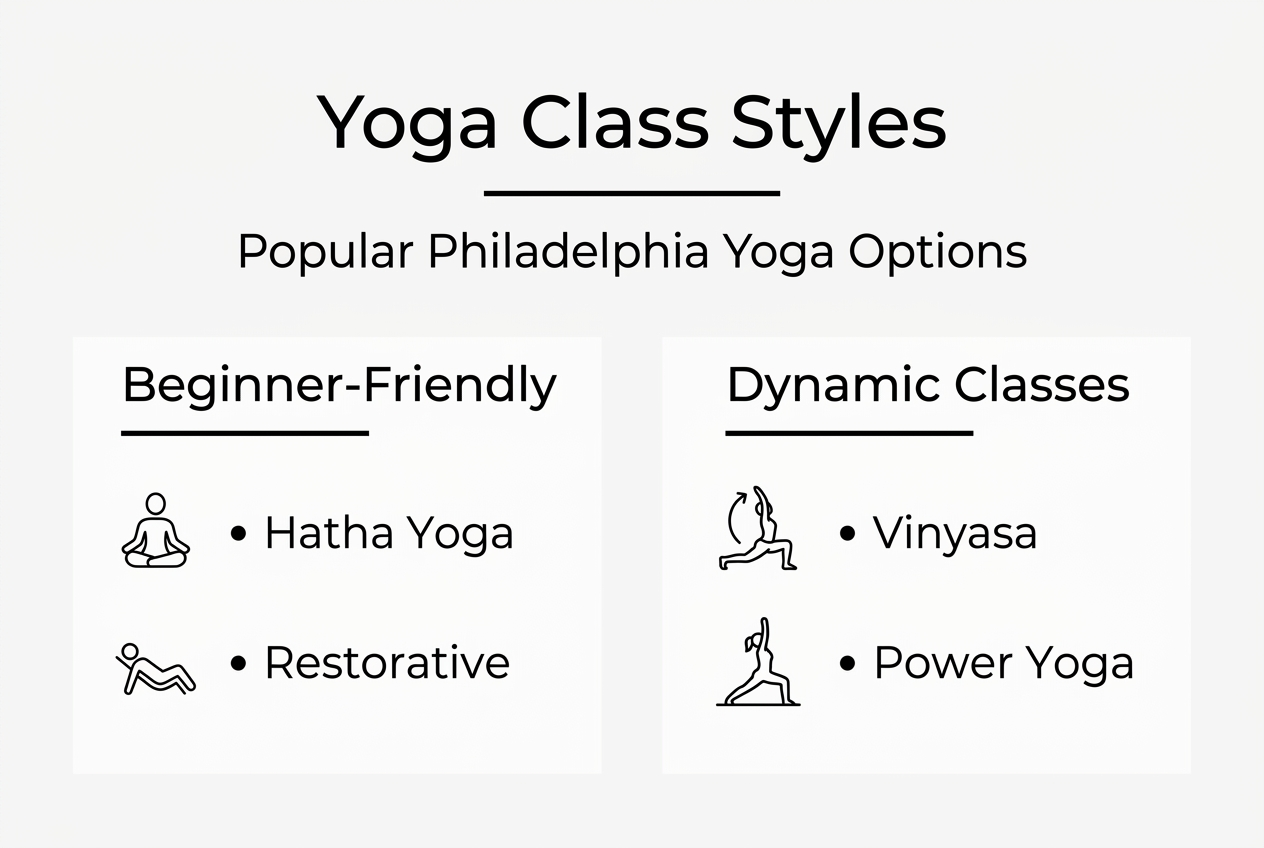
Hatha yoga provides an excellent starting point for most beginners. Classes move slowly through foundational poses with detailed instruction on alignment and breathing. You'll have time to ask questions and make adjustments without feeling rushed. Vinyasa offers more dynamic movement, linking poses in flowing sequences synchronized with breath. This style builds cardiovascular endurance and appeals to those seeking a more athletic practice.
Restorative yoga uses bolsters, blankets, and blocks to support passive stretches held for five to ten minutes each. This deeply relaxing style helps manage stress and complements more active exercise. Aerial yoga incorporates fabric hammocks for supported inversions and unique movement patterns. While exciting, aerial classes require good upper body strength and comfort with being upside down.
| Yoga Style | Intensity Level | Primary Focus | Beginner Friendly | Community Feel |
|---|---|---|---|---|
| Hatha | Low to moderate | Foundational poses, alignment | Highly suitable | Supportive, educational |
| Vinyasa | Moderate to high | Flowing movement, breath-body link | Moderately suitable | Energetic, creative |
| Restorative | Very low | Deep relaxation, stress relief | Highly suitable | Nurturing, introspective |
| Aerial | Moderate | Inversions, core strength | Requires some fitness | Playful, adventurous |
| Hot yoga | High | Flexibility, detoxification | Challenging for beginners | Intense, committed |
Safety should guide your class selection, especially if you have injuries or health conditions. Instructor quality is crucial for minimizing risks and improving outcomes. Look for teachers certified through reputable programs who demonstrate clear communication and attentiveness to student needs. Quality instructors offer modifications for different ability levels and encourage you to honor your body's limits.
Before attending, verify that instructors:
Hold current certification from recognized training programs
Provide clear verbal cues and demonstrate poses when helpful
Offer modifications for common limitations or injuries
Create a welcoming environment for questions and feedback
Maintain appropriate class sizes for individual attention
Pro Tip: Visit studios in person or attend trial classes before committing to memberships. Experiencing the space, meeting instructors, and observing the community vibe helps you find the best fit for your personality and goals.
Philadelphia's yoga scene emphasizes community connection alongside physical practice. Many studios host social events, workshops, and volunteer opportunities that deepen relationships between practitioners. This social support enhances motivation and accountability, making it easier to maintain consistent attendance. Inclusive yoga classes welcome people of all backgrounds, body types, and abilities, fostering belonging and reducing intimidation for newcomers.
When evaluating studios, ask about:
Class size limits and student-teacher ratios
Availability of props and equipment for modifications
Cancellation and makeup class policies
Accessibility features for mobility limitations
Trial class options or introductory packages
The aerial yoga safety guide provides detailed information for those interested in hammock-based classes. Understanding proper setup, contraindications, and progression helps you practice safely and enjoyably.
Community-oriented classes offer social support and motivation that enhance long-term adherence. You'll find accountability partners, make friends who share wellness values, and participate in group activities that extend beyond the mat. This social dimension often becomes as valuable as the physical benefits for sustained practice.
What to expect your first yoga class: preparation and tips for beginners
Preparing thoughtfully for your first class reduces anxiety and helps you focus on the experience rather than logistics. Start by selecting appropriate clothing that allows free movement without restriction. Choose breathable fabrics that wick moisture and avoid overly loose garments that might shift during inversions or forward folds. Most practitioners prefer fitted tops and stretchy leggings or shorts.
Follow this pre-class checklist:
Wear comfortable, non-restrictive clothing in breathable fabrics
Bring a water bottle to stay hydrated before and after class
Arrive 10 to 15 minutes early for check-in and setup
Eat a light snack 1 to 2 hours before if needed, avoiding heavy meals
Remove jewelry that might interfere with poses or cause discomfort
Silence your phone and store belongings in designated areas
Inform the instructor about any injuries, health conditions, or concerns
Most studios provide yoga mats, but you may prefer bringing your own for hygiene and familiarity. If borrowing a studio mat, arrive early to select equipment and set up your space. Position yourself where you can see the instructor clearly, typically in the middle or front rows for beginners who benefit from visual cues.
Your first class will likely begin with introductions if the group is small, or a brief welcome explaining class format and safety guidelines. The instructor will demonstrate key poses, offer modifications for different levels, and guide you through breathing techniques. Don't worry about matching everyone else's pace or depth in poses. Yoga emphasizes personal exploration rather than competition or comparison.
Common first-class activities include:
Centering practice with focused breathing or meditation
Warm-up sequences to prepare joints and muscles
Instruction on foundational poses with modifications
Guided breathing exercises to regulate energy
Cool-down stretches and final relaxation
Etiquette helps create a respectful environment for everyone. Arrive on time or slightly early to avoid disrupting the class once it begins. Keep conversations quiet before and after sessions, as many practitioners value the peaceful atmosphere. Respect personal space by leaving adequate room between mats. If you need to leave early, position yourself near the door and exit quietly during a transition.
Communicate openly with instructors about physical limitations, injuries, or discomfort during class. Quality teachers appreciate this information and will offer appropriate modifications. If a pose feels painful beyond normal muscle engagement, back off or skip it entirely. Yoga should challenge you without causing sharp pain or strain.
Pro Tip: Set realistic goals focused on mindfulness and personal growth rather than achieving perfect poses. Progress happens gradually, and every practitioner starts as a beginner regardless of fitness level.
Maintain realistic expectations about flexibility and strength development. You won't master complex poses in your first session, and that's completely normal. Focus on learning proper breathing, understanding basic alignment principles, and noticing how your body responds to different movements. These foundational skills support safe, sustainable practice over time.
Many beginners feel self-conscious about their abilities compared to experienced practitioners. Remember that everyone in the room started exactly where you are now. The yoga community generally embraces beginners with encouragement rather than judgment. Preparing for yoga classes includes cultivating patience with yourself and trusting the learning process.
After class, take time to notice how you feel physically and mentally. Some people experience immediate relaxation and clarity, while others feel energized or notice subtle shifts in mood. These responses help you understand which styles and intensities work best for your needs. Keep a simple journal noting your experiences to track progress and preferences over time.
Explore yoga classes in Philadelphia with Amrita Yoga & Wellness
Ready to experience the benefits of yoga for yourself? Amrita Yoga & Wellness welcomes beginners with open arms, offering diverse class styles taught by certified, experienced instructors who prioritize safety and individual attention. Our Philadelphia studio creates a supportive community where you can explore yoga at your own pace without pressure or judgment.
Take advantage of our new student specials designed to help you find the perfect class fit affordably. Try multiple styles, meet different teachers, and discover which approach resonates with your wellness goals. Our transparent studio and cancellation policies ensure a smooth, stress-free experience from your first visit forward.
Beyond yoga, we offer complementary wellness services including acupuncture, massage therapy, and holistic health workshops. This integrated approach supports your whole-person wellness journey, addressing physical, mental, and emotional health through multiple proven modalities. Join our vibrant community and discover how yoga classes can transform your relationship with movement, stress, and self-care.
Frequently asked questions
What should I wear to a yoga class?
Wear comfortable, breathable clothing that allows free movement without restriction. Fitted tops and stretchy leggings or shorts work well for most styles. Avoid overly loose garments that might shift during inversions or interfere with poses. Most practitioners go barefoot, so leave shoes and socks in designated storage areas.
How often should beginners attend yoga sessions?
Start with one to two classes per week to build familiarity, strength, and flexibility gradually. Consistency matters more than frequency initially, so choose a sustainable schedule you can maintain long-term. As you develop comfort and endurance, you can increase attendance to three or more sessions weekly. Listen to your body and allow adequate recovery time between classes.
Can yoga help with stress and pain relief?
Yes, yoga reduces trait anxiety and chronic low back pain with regular practice over eight to twelve weeks. Research shows measurable improvements in pain intensity and stress markers through consistent attendance. Yoga serves as an effective complementary therapy for stress management when combined with other healthy lifestyle practices. Individual results vary based on class style, frequency, and personal health conditions.
Are yoga classes safe for people with injuries?
Yoga can be safe for those with injuries when instructors are experienced and modifications are appropriately used. Always inform your teacher about any health issues, injuries, or limitations before class begins. Quality instructors will offer alternative poses and adjustments to accommodate your needs safely. Consult your healthcare provider before starting yoga if you have serious injuries or chronic conditions.
What if I'm not very flexible?
Flexibility improves over time with consistent practice, and initial limitations are completely normal for beginners. Yoga classes are designed to accommodate all levels, with modifications available for tight muscles and restricted range of motion. Focus on gradual progress rather than comparing yourself to others. Many experienced practitioners started with minimal flexibility and developed it through patient, sustained practice.
Recommended
What Is Yoga Studio? 30% Mental Health Boost in 3 Months
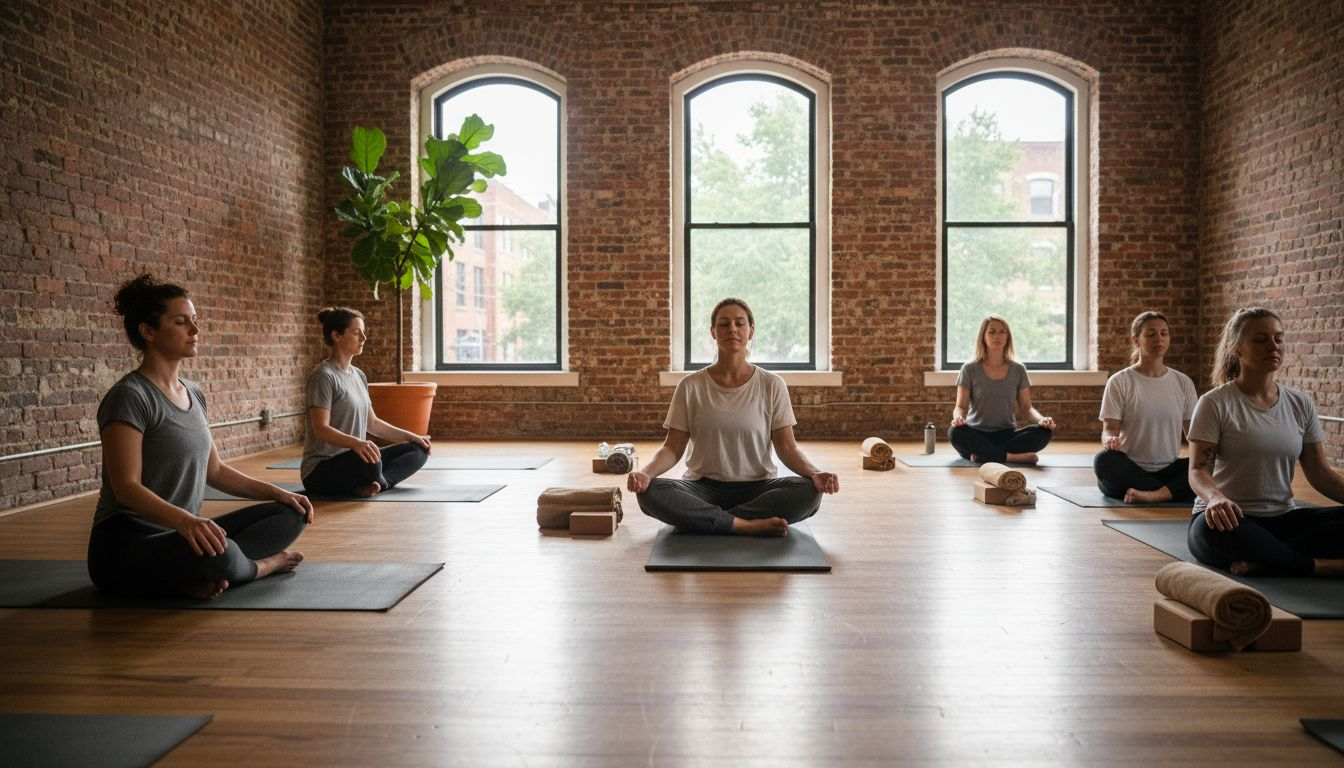
Many people see yoga studios as just places to stretch and sweat. Research shows that regular yoga studio practice can reduce anxiety and depression symptoms by up to 30% within three months. Yoga studios offer comprehensive wellness environments that integrate physical movement, mental clarity, and spiritual growth through diverse classes, workshops, and community programs. This guide explains what yoga studios truly provide and how to find the perfect fit for your wellness journey.
Table of Contents
Key Takeaways
| Point | Details |
|---|---|
| Yoga studios provide holistic wellness | Studios offer physical, mental, and spiritual development through diverse classes and community events. |
| Mental health benefits are substantial | Anxiety and depression symptoms decrease by 30% within 3 months of consistent practice. |
| Classes extend beyond traditional yoga | Most studios include Pilates, Tai Chi, massage therapy, and specialized workshops. |
| Community enhances commitment | Workshops and retail offerings support deeper engagement and long term wellness habits. |
| Selection criteria matter | Evaluate location, class variety, instructor credentials, and inclusive atmosphere before joining. |
What Is a Yoga Studio? Definition and Core Components
A yoga studio serves as a dedicated space for practicing yoga and related mind body disciplines. Unlike gyms with rows of machines, studios create calm environments designed specifically for mindful movement and meditation. The definition and features of a yoga studio include specialized flooring, temperature control systems, and acoustics that support focused practice.
Modern studios typically maintain class sizes between 8 and 20 participants. This range allows instructors to provide individual attention while fostering community connection. Smaller classes mean corrections on alignment and modifications for injuries or limitations.
Beyond yoga classes, most studios expand their offerings to include complementary wellness services:
Pilates reformer sessions and mat classes
Massage therapy and bodywork appointments
Retail boutiques selling mats, props, and wellness products
Private instruction for personalized attention
Workshop series on meditation, nutrition, and holistic health
The physical space matters. Studios invest in props like blocks, straps, bolsters, and blankets to make poses accessible. Climate controlled rooms support hot yoga styles, while cooler spaces suit gentle or restorative practices. Lighting adjusts to match class energy, from bright for active flows to dim for relaxation.
Types of Yoga Classes and Programs Offered
Yoga encompasses dozens of styles, each targeting different aspects of wellness. Studios curate class schedules to serve beginners through advanced practitioners. Understanding these options helps you match classes to your current needs and future goals.
Hatha yoga forms the foundation. These classes move slowly through poses, holding each position for several breaths. Perfect for learning alignment and building strength safely. Vinyasa links breath with movement, creating flowing sequences that elevate heart rate. Hot yoga happens in rooms heated to 95-105 degrees, increasing flexibility and cardiovascular challenge.
Restorative classes use props extensively to support passive stretches held for 5-10 minutes. This style activates the parasympathetic nervous system, reducing stress hormones. Yin yoga similarly holds poses long but targets connective tissue rather than muscles.
Many studios integrate yoga workshops offered at studios that explore specialized topics:
Arm balance clinics for building upper body strength
Meditation intensives for mental clarity practices
Pranayama breathwork sessions for nervous system regulation
Philosophy discussions connecting ancient texts to modern life
Healing modalities like sound baths and energy work
Beyond yoga, community yoga programs often include Pilates for core conditioning, Barre for muscle toning, and Tai Chi for balance and meditation. This variety lets you cross train while staying within one supportive community.

Retreats extend the studio experience into immersive multi day formats. These getaways combine intensive practice with nature, rest, and deeper connections with fellow practitioners.
Mental and Physical Well-Being Benefits from Yoga Studios
The physical transformations from consistent yoga practice appear within weeks. Flexibility improves as muscles lengthen and joints gain range of motion. Strength builds through bodyweight resistance in poses like plank, chair, and warrior sequences. Balance develops from single leg poses and transitions, reducing fall risk especially for older adults.
Physical benefits extend beyond obvious flexibility:
Improved cardiovascular health from dynamic flowing styles
Better posture and reduced back pain from core strengthening
Enhanced body awareness preventing injuries in daily activities
Increased bone density from weight bearing poses
Better sleep quality from stress reduction and physical exertion
Mental health improvements often surprise newcomers. Studies confirm that regular attendance at yoga studios reduces anxiety and depression symptoms by up to 30% within 3 months. This happens through multiple mechanisms: controlled breathing activates the calming nervous system, mindful movement interrupts rumination patterns, and community connection combats isolation.
The meditation components teach you to observe thoughts without judgment. This skill transfers into daily life, helping you respond rather than react to stressors. Breathing techniques learned in class become tools you can deploy anywhere when anxiety spikes.
Pro Tip: Schedule classes for the same time each week to build a consistent routine. Your body and mind adapt faster when practice becomes habitual rather than sporadic.
The spiritual dimension offers meaning beyond physical and mental benefits. Many practitioners report feeling more connected to themselves and something larger. This doesn't require religious belief but opens space for personal reflection and growth.
Community Engagement and Wellness Workshops
Yoga studios function as wellness communities, not just class providers. This social dimension significantly impacts your commitment and results. Research shows that community wellness events increase client retention by 25%, demonstrating how belonging enhances consistency.
Workshops create opportunities to explore interests beyond regular classes. A yoga workshop deepening practice and building community might cover tarot reading for self reflection, essential oils for home practice, or Ayurvedic nutrition principles. These events attract like minded individuals seeking growth.
The social connections formed in studios provide accountability and support. You show up partly because others expect to see you. Friends made through practice often extend into life outside the studio, enriching your social network with wellness focused relationships.
Retail sections support home practice between classes:
Quality yoga mats and props for personal use
Meditation cushions and blankets
Spiritual tools like crystals, incense, and journals
Wellness products including teas, supplements, and self care items
Books and resources for continued learning
Many studios host community events like donation based classes supporting local charities, outdoor group practices in parks, and social gatherings celebrating milestones or seasons. These activities reinforce that the studio serves as a hub for holistic wellness beyond transactional class attendance.
Studios with robust community programming see 25% higher retention rates compared to class only facilities according to studio amenities trends.
Instructors become mentors who understand your journey. Unlike large gyms where you're anonymous, studio teachers learn your name, track your progress, and offer personalized guidance. This relationship motivates continued practice and deeper exploration.
Comparison of Yoga and Pilates in Studio Settings
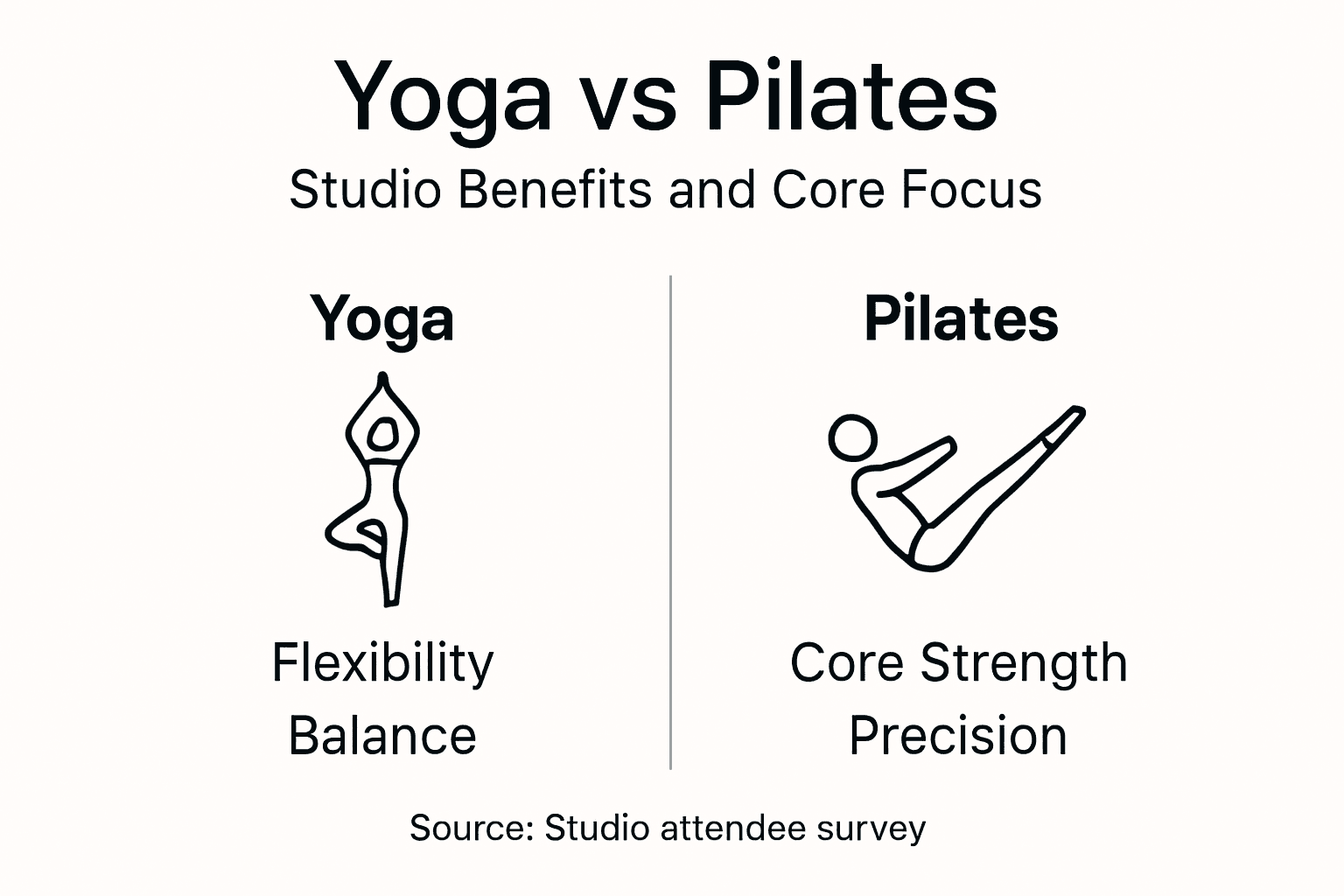
Many studios offer both yoga and Pilates, leading to confusion about differences. Both improve flexibility, strength, and mind body connection but emphasize different aspects. Understanding these distinctions helps you choose classes matching your goals.
| Aspect | Yoga | Pilates |
|---|---|---|
| Primary Focus | Flexibility, balance, spiritual connection | Core strength, muscle toning, controlled movement |
| Breathing | Deep diaphragmatic breathing linked to movement | Lateral thoracic breathing supporting core engagement |
| Equipment | Minimal props like blocks, straps, blankets | Reformers, chairs, barrels, resistance springs |
| Spiritual Element | Often includes meditation, philosophy, energy work | Purely physical and mental, no spiritual component |
| Typical Pace | Varies from slow restorative to fast vinyasa | Controlled, precise movements with intentional pauses |
| Best For | Stress reduction, flexibility, holistic wellness | Rehabilitation, core conditioning, athletic performance |
Pilates emphasizes small, precise movements that target specific muscle groups. Joseph Pilates developed the method for rehabilitation, so it excels at correcting imbalances and preventing injuries. The core muscles that stabilize your spine receive intense focus.
Yoga integrates physical postures with breathing techniques, meditation, and often philosophical teachings. The practice addresses not just your body but also mental patterns and spiritual development. Many styles exist, from gentle to extremely challenging.
Pro Tip: Try both if your studio offers each discipline. Many practitioners find they complement each other perfectly, with Pilates building core strength that enhances yoga poses and yoga providing flexibility that prevents Pilates related tightness.
Both practices require focus and presence, pulling your attention into the current moment. This mindfulness component contributes significantly to stress reduction and mental clarity benefits. Neither involves competition or comparison with others in class.
The choice often comes down to personal preference and current needs. Recovering from injury? Pilates might offer safer progression. Seeking stress relief and spiritual exploration? Yoga provides those dimensions. Want both? Most studios welcome you to mix your schedule.
Common Misconceptions About Yoga Studios
Several myths prevent people from trying yoga studios. Addressing these misconceptions opens the practice to wider audiences who would benefit tremendously.
Myth 1: You must be flexible to start yoga. This backwards thinking assumes the result before beginning. Yoga increases flexibility over time, regardless of starting point. Studios offer beginner classes specifically designed for tight muscles and limited range of motion. Props and modifications make every pose accessible.
Myth 2: Yoga is only for women. While studios do attract more female participants, men gain equal or greater benefits. Ancient yoga traditions were predominantly male. Modern studios actively work to create inclusive environments welcoming all genders. Many offer men specific classes addressing common male inflexibility and strength imbalances.
Myth 3: You need expensive gear and clothes. Comfortable clothes you can move in suffice. Studios provide mats and props for class use. While retail sections sell specialized items, nothing beyond basic athletic wear is required to start practicing.
Myth 4: Yoga is just stretching, not real exercise. Dynamic yoga styles provide serious cardiovascular and strength training. Try holding chair pose for two minutes or flowing through 20 sun salutations. The physical challenge rivals any gym workout while adding flexibility and mindfulness benefits.
Myth 5: Studios only serve advanced practitioners. Data shows 60% of studio attendees identify as beginners or intermediate level. Studios prioritize accessible instruction because that's their primary market. Every expert started as a complete beginner.
The spiritual aspects concern some potential students who fear religious overtones. Most modern studios present yoga as a wellness practice accessible to all beliefs. You choose your level of engagement with philosophical or spiritual elements. Many practitioners focus purely on physical and mental benefits.
How to Choose the Right Yoga Studio for Your Needs
Selecting your studio requires evaluating multiple factors. The right fit enhances commitment and results, while poor matches lead to dropout. Follow these steps to find yoga classes in Philadelphia or your local area.
Assess location and schedule convenience. Studios within 15 minutes of home or work get visited consistently. Check if class times align with your actual availability, not aspirational schedules. Early morning, lunch hour, and evening options serve different lifestyle needs.
Review class variety and levels offered. Beginners need intro classes and patient instruction. Advanced practitioners want challenging options. Studios should clearly label class levels and provide descriptions helping you choose appropriately.
Research instructor qualifications and teaching style. Experienced teachers complete 200-500 hour training programs and pursue continuing education. Read bios, watch intro videos if available, or attend community classes to sample different instructors.
Evaluate the community atmosphere and values. Visit during active class times to observe energy and interactions. Does the space feel welcoming? Do students chat comfortably? Does staff seem genuinely interested in your goals?
Check pricing structures and membership options. Compare unlimited monthly packages versus class packs versus drop in rates. Calculate your realistic attendance to determine best value. Ask about discounts for students, seniors, or financial hardship.
Inquire about trial periods and introductory offers. Most studios offer discounted new student packages. These let you experience multiple classes and instructors before committing to full membership.
Pro Tip: Attend at least three different classes before deciding. Your first experience might involve an off day, a style that doesn't suit you, or an instructor whose teaching doesn't resonate. Give the studio a fair assessment through varied experiences.
Additional wellness offerings add value. Studios providing workshops, retail, massage therapy, and community events create comprehensive wellness hubs rather than just class providers. These extras enhance your overall experience and support consistent engagement.
The choosing a yoga studio essentials include cleanliness, quality props, temperature control, and sufficient space between mats. These practical details impact comfort and safety during practice.
Don't hesitate to ask questions. Reputable studios welcome inquiries about class content, instructor backgrounds, safety protocols, and community culture. Transparent communication indicates a professional operation invested in member satisfaction.
Discover Your Ideal Yoga Experience at Amrita Yoga & Wellness
Finding a studio that aligns with your wellness goals transforms practice from obligation to genuine joy. Amrita Yoga & Wellness offers the comprehensive approach described throughout this guide.
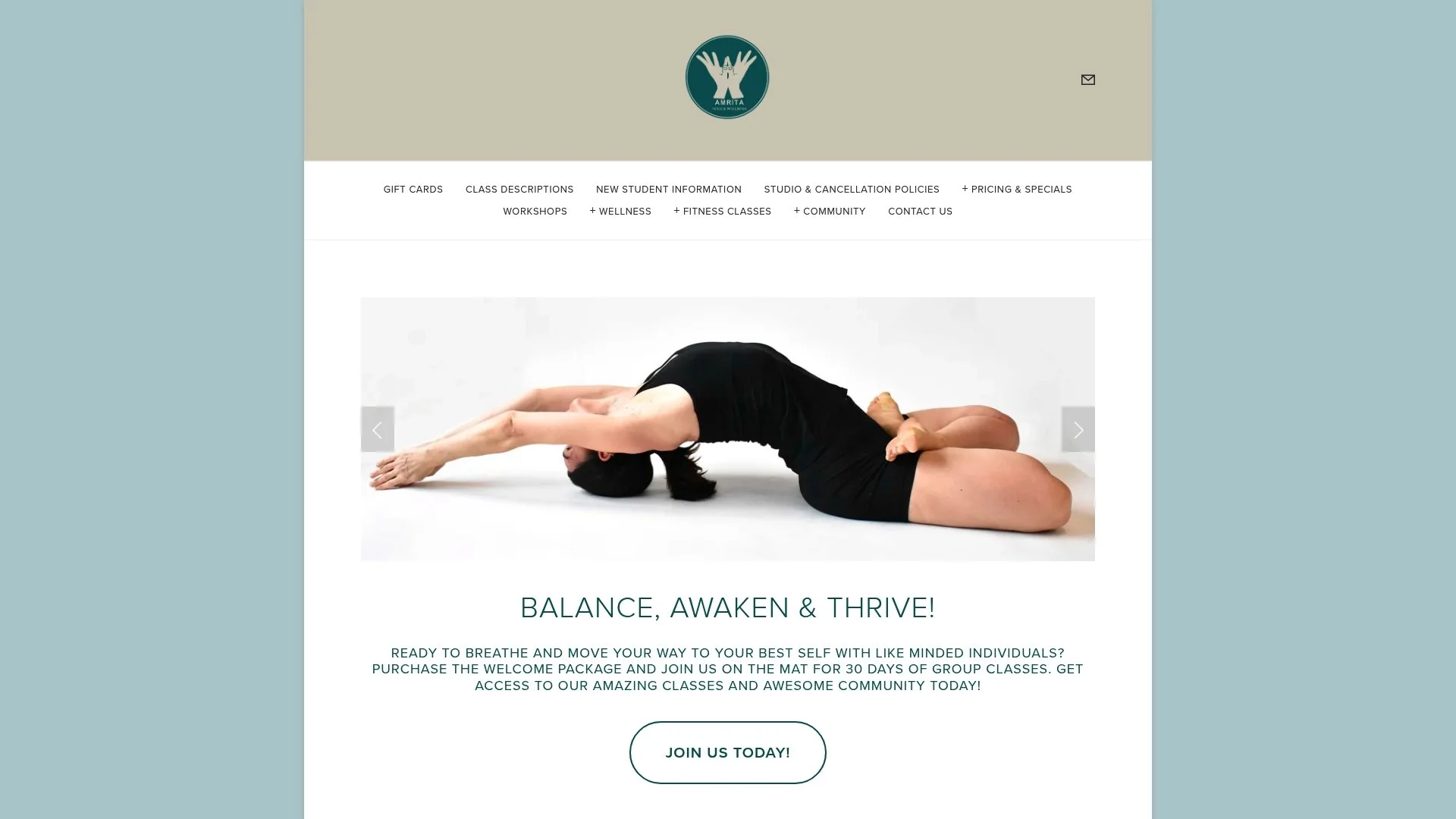
Our diverse class schedule serves every experience level and wellness interest. Hot yoga enthusiasts, gentle restorative seekers, and Pilates devotees all find their perfect fit. Experienced instructors bring authentic expertise and genuine care for your progress.
Join yoga classesthat match your schedule with morning, midday, and evening options throughout the week. Beyond regular classes, our yoga workshops explore specialized topics deepening your understanding and practice.
The Amrita community extends beyond the mat. Yoga community events foster connections with like minded individuals pursuing wellness and personal growth. Our retail section provides quality props and wellness products supporting your home practice.
Located in Philadelphia, we create an inclusive space welcoming all bodies, backgrounds, and experience levels. Whether you're stepping onto a yoga mat for the first time or deepening an established practice, our instructors meet you exactly where you are.
Explore membership options designed for various commitment levels and budgets. New student specials let you experience our full offerings before deciding. Visit our website or contact us directly to start your transformation today.
What Is a Yoga Studio? Frequently Asked Questions
What services do yoga studios typically provide beyond classes?
Most studios offer massage therapy, retail boutiques with wellness products, private instruction, and specialized workshops. These complementary services support holistic wellness beyond group classes.
Do I need prior experience to join a yoga studio?
No prior experience is required. Studios design beginner classes specifically for newcomers, teaching foundational poses and breathing techniques. Instructors provide modifications making everything accessible regardless of fitness level.
How does practicing at a yoga studio improve mental health?
Regular practice reduces anxiety and depression by activating calming nervous system responses through controlled breathing and mindful movement. The community connection combats isolation while meditation components teach emotional regulation skills.
What makes yoga different from Pilates in studio settings?
Yoga integrates spiritual and meditative elements with physical postures, emphasizing flexibility and holistic wellness. Pilates focuses purely on physical conditioning, especially core strength and precise muscle control. Both improve fitness through mindful movement.
How often should I attend yoga classes to see benefits?
Practicing twice weekly produces noticeable physical and mental improvements within 4-6 weeks. Three to four sessions weekly accelerates results, while daily practice maximizes benefits across all wellness dimensions.
Can yoga studios accommodate injuries or physical limitations?
Experienced instructors modify poses for injuries, chronic conditions, and mobility limitations. Inform teachers before class about any concerns so they can offer appropriate alternatives throughout the session.