The Amrita Journal
Explore thoughtful stories, practical wellness guidance and inspiring ideas to support your movement, mindfulness and everyday wellbeing at Amrita.
Join a yoga community in Philadelphia for wellness
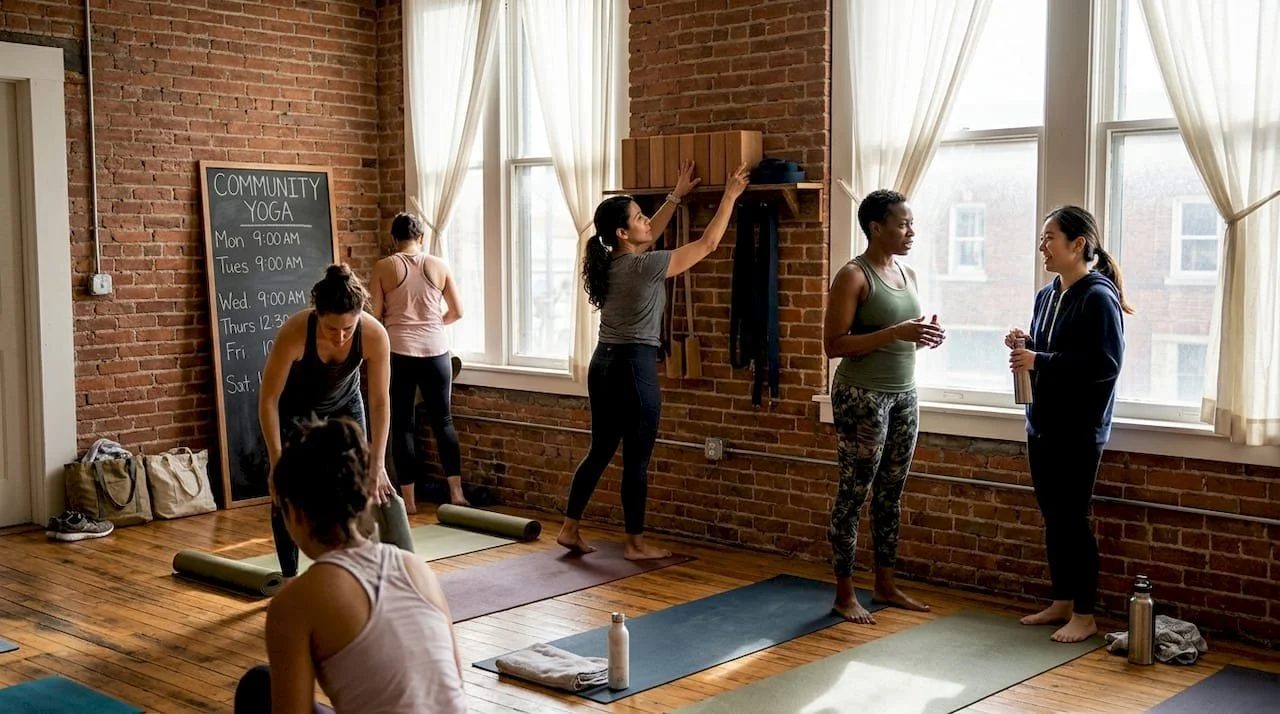
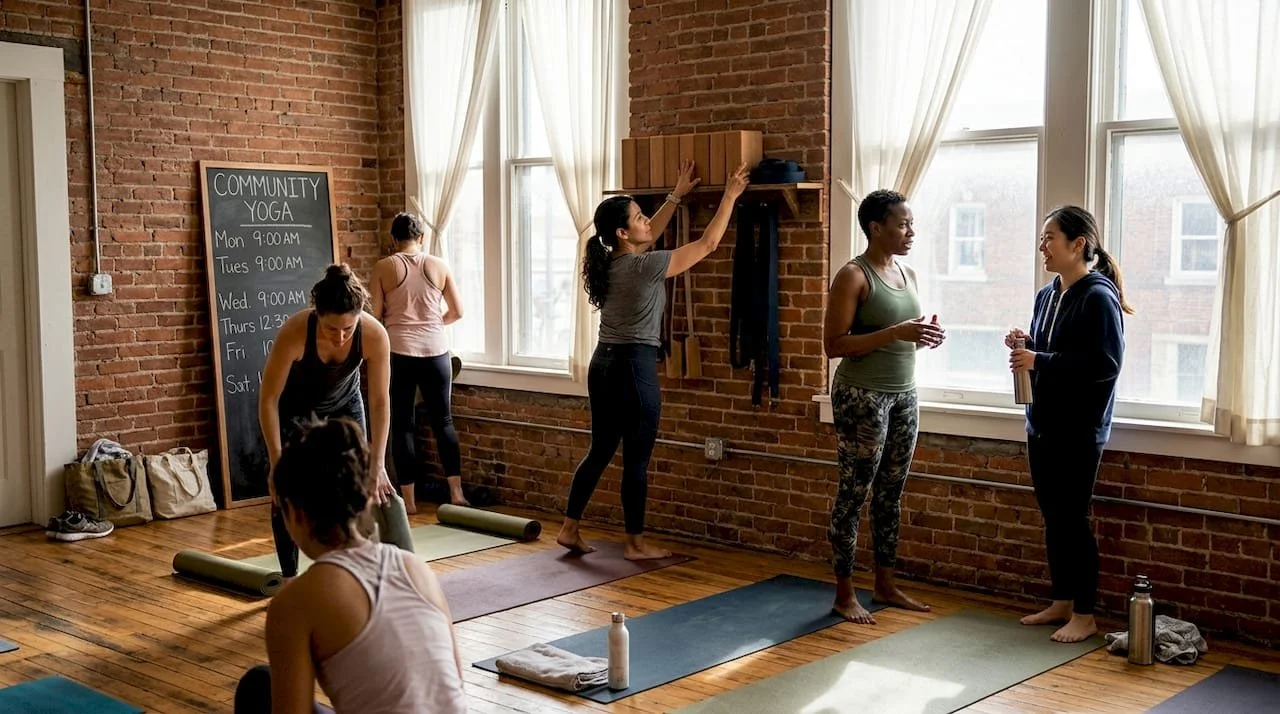
You show up to your mat, follow along with an online video, and roll it back up when you're done. It's convenient, but something feels missing. Practicing yoga alone can leave you without the accountability, inspiration, and shared energy that come from connecting with others. Joining a local yoga community in Philadelphia transforms your practice from a solitary routine into a vibrant journey of personal growth, motivation, and holistic wellness. This guide walks you through every step to find, join, and thrive in a supportive yoga community that aligns with your goals.
Table of Contents
Key Takeaways
| Point | Details |
|---|---|
| Define wellness goals | Starting with clear wellness goals helps you find a community that supports your unique journey. |
| Engage for lasting connections | Active participation beyond classes builds the lasting connections that sustain your practice. |
| Explore Philadelphia options | Philadelphia offers diverse yoga groups, workshops, and studios suitable for all levels. |
| Research with Meetup and Yelp | Use online resources like Meetup and Yelp to research communities before committing. |
Preparing to join: defining your yoga goals and community preferences
Before you start researching studios or showing up to classes, take time to understand what you want from your yoga practice and community. Your wellness goals shape every decision that follows. Are you seeking stress relief after long workdays? Do you want to build strength and flexibility? Perhaps you're drawn to mindfulness and spiritual growth. Clarifying these intentions helps you narrow your choices to communities that align with your deeper motivations.
Identify your current experience level honestly. Beginners benefit from studios offering foundational classes with detailed instruction and modifications. Intermediate practitioners might seek communities that challenge them with varied sequences and workshops. Advanced yogis often look for teacher training programs, specialized styles, or opportunities to deepen their practice through mentorship. Knowing where you stand prevents frustration and helps you find classes that meet you exactly where you are.
Consider the type of community atmosphere you prefer:
Small, intimate groups where you'll quickly recognize familiar faces and build close relationships
Larger studios with diverse class times, styles, and a broader social network
Specialized communities focused on specific practices like hot yoga, restorative yoga, or meditation
Hybrid options offering both in-person and online classes for flexibility
Factor in practical details like schedule availability, location convenience, and preferred class styles. If you have injuries or physical limitations, prioritize studios that emphasize modifications and offer gentle or therapeutic classes. Some practitioners thrive in heated environments, while others prefer room temperature practice. The step-by-step process begins by defining wellness goals to ensure your search targets communities that truly serve your growth.
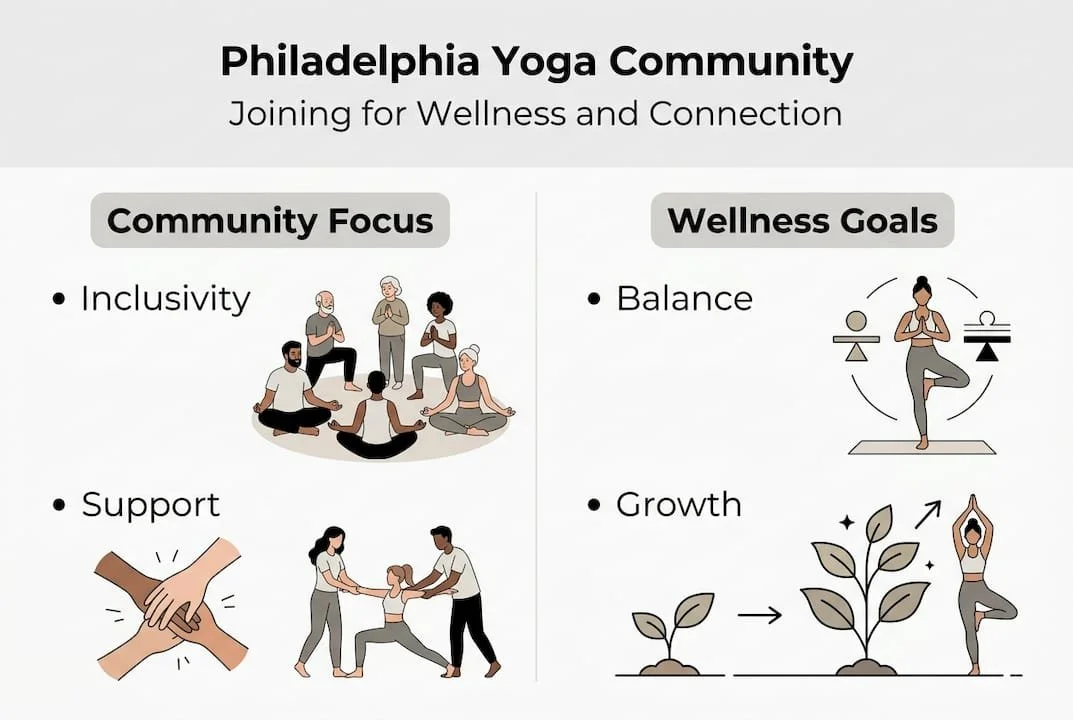
Pro Tip: Balance is essential for sustainable growth. While community practice provides motivation and accountability, maintain a personal home practice to develop self-reliance and deepen your relationship with yoga beyond the studio environment.
Finding the right Philadelphia yoga community: research and first steps
Once you've clarified your goals, start your search using online directories and local resources. Finding yoga classes in Philadelphia becomes straightforward when you follow a systematic research approach. Begin with platforms like Meetup, which hosts yoga groups organizing regular classes, outdoor sessions, and social events. Yelp provides reviews and ratings that reveal what current members appreciate or find lacking in different studios.
Follow these research steps:
Search online directories for yoga studios in your neighborhood or along your commute
Read recent reviews focusing on comments about community atmosphere, instructor quality, and beginner friendliness
Check studio websites for class schedules, pricing, and introductory offers
Join local Facebook groups or Instagram communities where Philadelphia yogis share recommendations and event information
Look for community events like free outdoor classes, meditation groups, or wellness workshops
Social media offers valuable insights into studio culture. Browse Instagram posts and stories to see how studios interact with members, celebrate milestones, and create inclusive spaces. Pay attention to whether studios highlight diverse body types, ages, and skill levels. This visual research reveals whether a community will feel welcoming before you step through the door.
Studio Types Comparison
| Studio Type | Community Size | Specialties | Best For |
|---|---|---|---|
| Boutique studios | 20-50 regular members | Personalized attention, specific styles | Deep connections, consistent practice |
| Larger yoga centers | 100+ members | Multiple styles, extensive schedule | Variety, flexible timing |
| Community centers | 30-80 participants | Affordable classes, neighborhood focus | Budget-conscious, local connection |
| Specialty studios | 25-60 members | Hot yoga, aerial, therapeutic | Specific practice goals |
Many top Philadelphia yoga studios offer introductory packages or trial passes that let you experience multiple classes at reduced rates. These packages reduce financial risk while you explore whether a community fits your needs. Take advantage of these offers to attend different class times, experience various instructors, and observe the community dynamics.
Plan visits strategically. Attend at least three classes before making a judgment, since individual class experiences can vary based on instructor, time of day, and attendance. Morning classes often attract working professionals seeking energy before their day, while evening sessions draw people looking to unwind. Weekend workshops and special events showcase how studios build community beyond regular classes. Exploring local yoga practices exposes you to the rich variety available in Philadelphia's wellness scene.
Engaging and connecting: how to become an active community member
Showing up to class is just the beginning. Building genuine connections requires intentional engagement beyond your mat. Active engagement beyond classes creates the relationships that transform a studio from a place you visit into a community you belong to. Start by introducing yourself to instructors before or after class. Share your goals, any injuries or concerns, and what drew you to their class. This simple act helps teachers support your practice more effectively and shows you're invested in being part of the community.

Arrive a few minutes early to classes. This buffer time allows you to settle in, chat with other students, and become a familiar face. Regularity matters more than intensity when building connections. Attending the same class time each week helps you recognize the same practitioners, creating natural opportunities for conversation and friendship. You'll find accountability partners who notice when you're absent and celebrate your progress.
Expand your participation beyond regular classes:
Attend meditation groups, sound baths, or breathwork workshops offered by your studio
Join social events like post-class coffee meetups or community potlucks
Volunteer for studio events or help with setup and cleanup
Participate in challenges or goal-setting programs that create shared experiences
Engage with your studio's social media by commenting on posts and sharing your practice journey
Understanding the benefits of yoga communities motivates you to invest time in building these connections. Community members become your cheerleaders, offering encouragement during challenging poses and celebrating your breakthroughs. They provide diverse perspectives on practice, share resources, and create a support network that extends beyond the studio walls.
Regular community participation creates accountability that keeps you showing up even when motivation wanes. The connections you build become the foundation for sustained practice, personal growth, and a sense of belonging that enriches every aspect of your wellness journey.
Finding the right yoga programbecomes easier when you're part of a community that shares recommendations and experiences. Members often know about workshops, retreats, and special events before they're widely advertised. This insider knowledge helps you access opportunities that accelerate your growth.
Pro Tip: Balance group practice with solo sessions at home. Community classes provide structure, motivation, and social connection, while personal practice develops self-awareness and allows you to explore at your own pace. Aim for a mix that sustains both your social wellness and individual growth.
Handling challenges and maximizing your community experience
Every yoga journey encounters obstacles. Recognizing common challenges and having strategies to address them keeps your practice sustainable. Beginner anxiety ranks among the most frequent barriers. Walking into a room full of experienced practitioners can feel intimidating, especially if you're uncertain about poses or studio etiquette. Remember that every expert was once a beginner, and welcoming communities actively support newcomers.
Common challenges include:
Nervousness about trying new poses or keeping up with the class pace
Physical injuries or chronic conditions requiring modifications
Scheduling conflicts between work, family, and class times
Financial constraints limiting class frequency
Feeling disconnected despite attending classes regularly
Injuries and physical limitations require clear communication with instructors. Arrive early to mention any concerns, or send a message through the studio's contact system before your first class. Quality instructors appreciate this information and will offer modifications throughout the session. Many studios provide props like blocks, straps, and bolsters specifically to make poses accessible for different bodies and abilities. Beginners choose gentle or Hatha classes as these styles emphasize foundational poses with detailed alignment instruction.
| Class Type | Intensity | Best For | Modifications Available |
|---|---|---|---|
| Gentle Yoga | Low | Beginners, injury recovery, stress relief | Extensive options, including chair support |
| Hatha | Low to Moderate | Building foundations, mindful movement | Props encouraged, slower pace |
| Vinyasa Flow | Moderate to High | Strength building and cardiovascular benefits | Some modifications, faster pace |
| Restorative | Very Low | Deep relaxation and healing | Prop-supported and fully adaptable |
| Workshops | Varies | Skill development and focused learning | Customized to specific topics |
| Online Classes | Varies | Flexible scheduling and home practice | Self-guided modifications |
Scheduling conflicts become manageable when you explore beginner yoga classes offered at various times throughout the week. Many studios now provide early morning, lunch hour, and late evening options to accommodate different work schedules. If in-person attendance proves consistently difficult, investigate hybrid or online options that maintain community connection while offering location flexibility.
Financial concerns don't have to end your community participation. Look for community class discounts, class packages that reduce per-session costs, or work-trade opportunities where you exchange tasks like cleaning or front desk coverage for class credits. Some studios offer sliding scale pricing or scholarship programs for those facing financial hardship. Searching for yoga class options near me reveals the full range of pricing and package structures available in your area.
Pro Tip: Keep motivation high by setting small, specific goals and sharing them with your community. Whether you're working toward holding a challenging pose, attending classes three times weekly, or simply showing up consistently, verbalizing your intentions creates accountability and gives your yoga friends concrete ways to support your progress.
If you feel disconnected despite regular attendance, evaluate whether you're choosing the right class times and styles. Sometimes switching from evening to morning classes, or from vigorous to gentle practice, connects you with a different group whose energy better matches your own. Don't hesitate to try multiple studios or class formats. The right fit exists, and finding it requires patience and willingness to explore.
Explore Amrita Yoga & Wellness in Philadelphia
Starting or deepening your yoga community journey becomes easier with the right local resources. Amrita Yoga & Wellness creates a welcoming space where practitioners of all levels connect, grow, and support each other's wellness journeys. The studio offers diverse class styles, from gentle and restorative sessions perfect for beginners to challenging flows for experienced yogis seeking to advance their practice.
New students can explore the community through affordable new student specials designed to make your first steps accessible and risk-free. These introductory packages let you experience multiple classes and instructors while discovering which styles resonate with your goals. Clear studio and cancellation policies ensure you understand expectations from the start, creating a positive foundation for your practice. Beyond yoga classes, Amrita offers holistic wellness services including acupuncture that complement your physical practice with additional healing modalities. This integrated approach supports your complete wellness journey within a single, connected community.
Frequently asked questions
What should I look for in a yoga community?
Seek communities that prioritize inclusivity, where instructors offer modifications and welcome questions without judgment. A supportive atmosphere shows through how members interact before and after class, whether newcomers receive warm greetings, and if the space feels psychologically safe for exploration. Community size affects connection quality, with smaller groups fostering deeper relationships while larger studios provide more scheduling flexibility and diverse class options. Regular attendance matters most for building familiarity and trust with both instructors and fellow practitioners.
How can I get involved beyond attending classes?
Participate in workshops, volunteer for studio events, or join social gatherings organized by your yoga community. Many studios host book clubs, meditation circles, or outdoor practice sessions that create connection opportunities outside formal classes. Engaging on social media by sharing your practice journey and commenting on studio posts strengthens your sense of belonging. Some practitioners deepen involvement by training to become instructors themselves, transforming from community members into leaders who guide others.
Can beginners join advanced yoga communities in Philadelphia?
Beginners can absolutely join any yoga community, but should seek studios offering beginner-friendly classes alongside advanced options. Many communities welcome mixed-level participation in workshops and events, creating opportunities to learn from experienced practitioners. Look for studios that clearly label class levels and provide detailed descriptions so you can choose appropriate sessions. Starting with foundational classes builds confidence and skills that prepare you for more challenging practices as you progress.
Are there online yoga community options available?
Many Philadelphia studios now offer online or hybrid classes that maintain community connection while providing location flexibility. These options work well for injury recovery periods, busy schedules, or when you need to practice from home. Online communities often include live-streamed classes with real-time interaction, recorded sessions for flexible timing, and virtual social events. While in-person practice offers unique benefits, online options ensure you stay connected to your community during life transitions or challenging circumstances.
What types of yoga classes are best for injury recovery?
Gentle and Hatha yoga provide the safest foundation for injury recovery, emphasizing slow movements, detailed alignment instruction, and extensive use of props for support. Restorative yoga uses bolsters and blankets to create fully supported poses that promote healing without strain. Always communicate injuries to instructors before class begins, providing specific details about limitations and pain points. Quality instructors will offer personalized modifications throughout the session and can recommend whether a particular class suits your current condition or if you should wait until further healing occurs.
Recommended
Yoga Workshops: Deepening Practice and Building Community
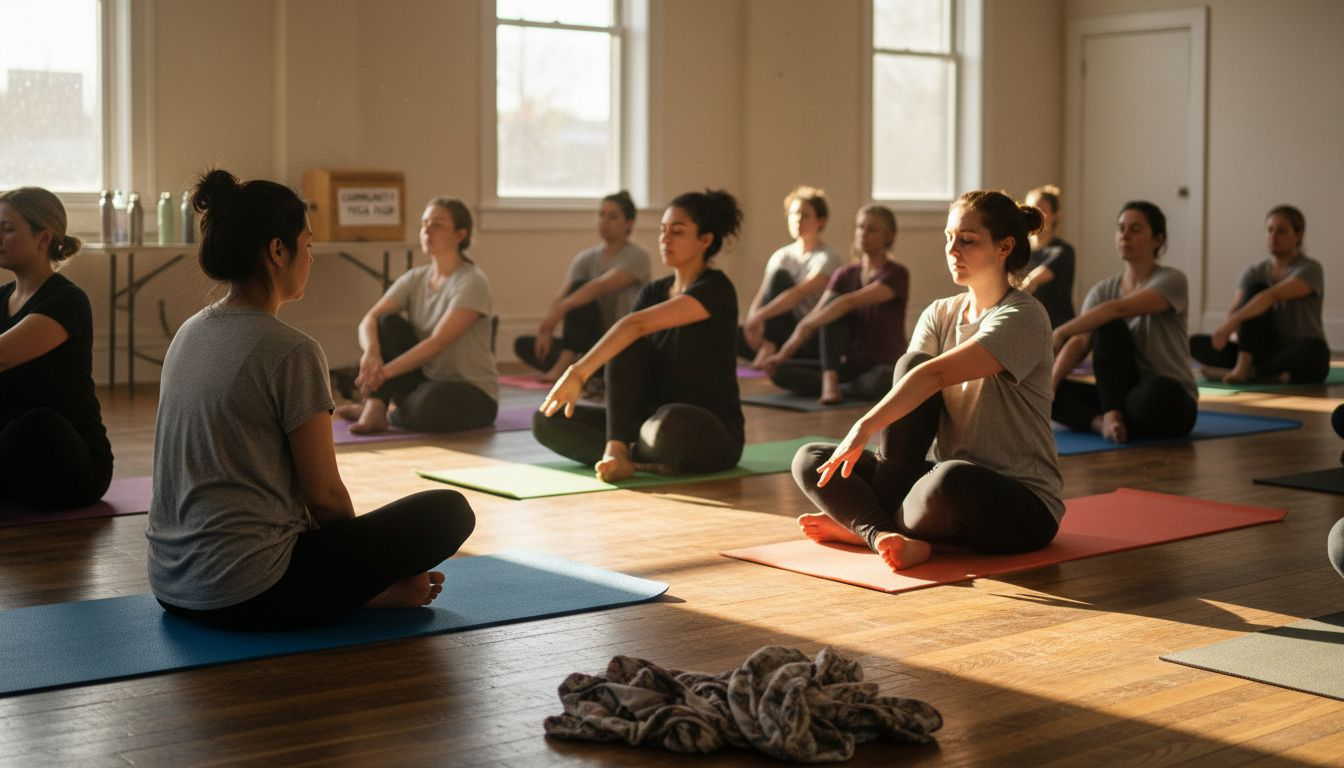
Many Philadelphia yoga practitioners search for opportunities that go beyond routine classes, hoping to deepen their practice and strengthen community connections. Specialized yoga workshops offer structured settings to explore physical postures, breathing techniques, and mindfulness under expert guidance, providing more intensive learning than ordinary group sessions. Whether you are a beginner or advanced, discovering the core elements of yoga workshops and understanding popular workshop types can help you select the right program for both personal wellness and meaningful engagement.
Table of Contents
Key Takeaways
| Point | Details |
|---|---|
| Yoga Workshops Enhance Learning | Specialized yoga workshops offer immersive experiences that deepen understanding of physical, mental, and spiritual practices. |
| Different Workshop Types Cater to Varying Needs | Options range from introductory to advanced, addressing diverse skill levels and interests. |
| Community Building is Essential | Workshops create supportive environments for practitioners to connect and share their wellness journeys. |
| Caution in Registration and Participation | Understanding qualifications, costs, and legal requirements is crucial for safety and compliance. |
Yoga workshops defined and core concepts
Yoga workshops represent specialized learning experiences designed to deepen practitioners' understanding and skills beyond standard group classes. Rooted in ancient Indian philosophical traditions, these focused sessions explore yoga's comprehensive physical, mental, and spiritual dimensions.
At their core, yoga workshops typically encompass several key elements:
Physical Practice: Detailed exploration of asanas (postures)
Breath Work: Advanced pranayama techniques
Meditation: Mindfulness and contemplative practices
Philosophical Understanding: Insights into yoga's historical and cultural context
These workshops differ from regular yoga classes by offering more intensive, intentional learning environments. While standard classes provide general instruction, workshops dive deep into specific techniques, alignment principles, or specialized yoga styles. Practitioners gain structured opportunities to refine their practice under expert guidance.
Community building represents another critical aspect of yoga workshops. These sessions create spaces where practitioners connect, share experiences, and support each other's wellness journeys. Professional yoga therapy practices emphasize this collaborative learning approach, recognizing that personal growth often emerges through shared experiences.
Pro tip: When selecting a yoga workshop, prioritize instructors with comprehensive training and a holistic approach to practice, not just physical expertise.
Popular types of yoga workshops explained
Yoga practitioners can explore a diverse range of workshop styles tailored to different skills and interests. Four fundamental workshop categories provide practitioners unique opportunities for personal growth and skill development.
These primary workshop types include:
Introductory Workshops: Perfect for beginners seeking foundational knowledge
Deep Dive Workshops: Advanced sessions targeting specific techniques or styles
Cause-Oriented Workshops: Community-focused events supporting charitable initiatives
Celebration Workshops: Special events marking personal or collective milestones
Introductory workshops serve as gateway experiences for newcomers, offering structured environments where participants learn basic postures, breathing techniques, and fundamental yoga philosophy. These sessions typically provide a comprehensive overview, helping individuals understand yoga's holistic approach to wellness.
Advanced practitioners often gravitate toward Deep Dive workshops, which offer intensive explorations of specialized techniques like inversions, alignment principles, or specific yoga styles such as aerial yoga techniques. These workshops provide opportunities to refine skills under expert guidance, challenging participants to expand their practice beyond conventional boundaries.
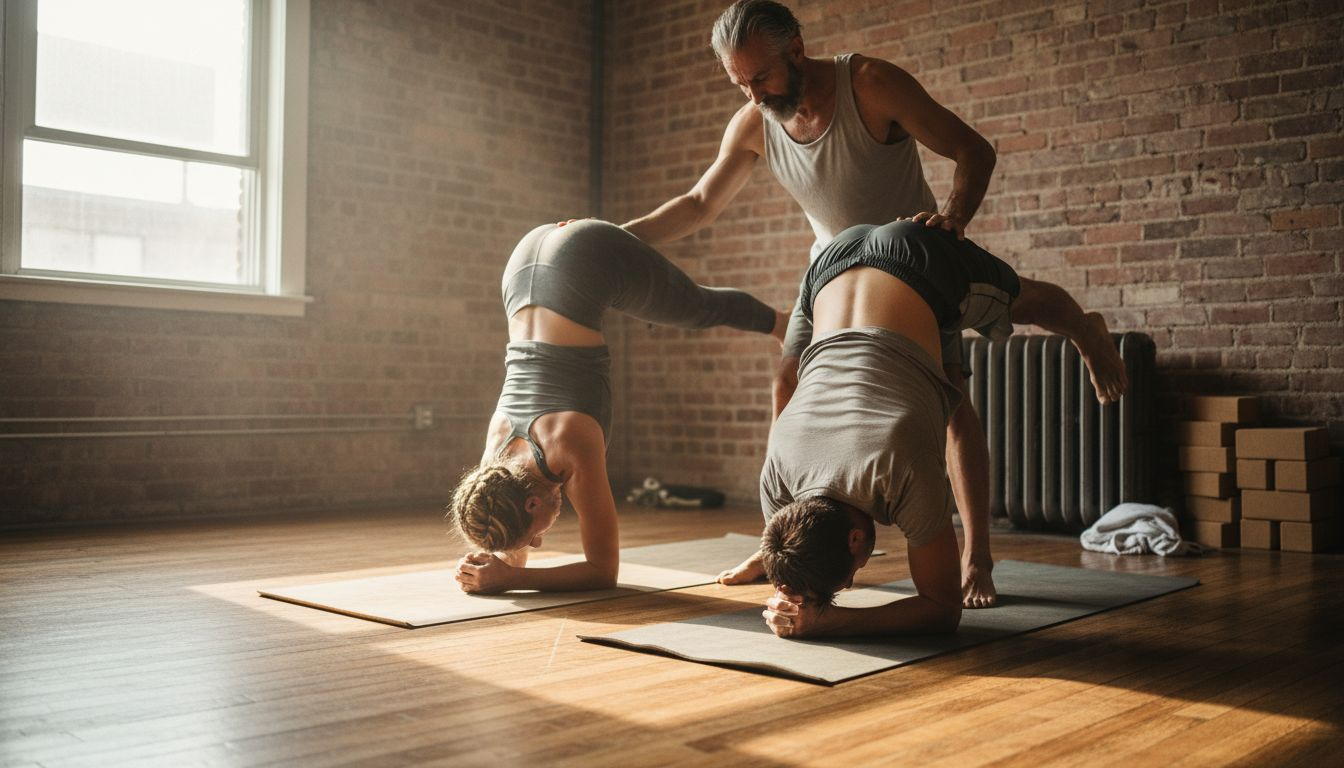
Cause-oriented workshops represent another meaningful category, connecting yoga practice with community service. These events often fundraise for local charities, environmental causes, or social justice initiatives, demonstrating yoga's potential to create positive social impact beyond individual wellness.
Pro tip: Research workshop instructors' backgrounds and specializations to ensure the session matches your current skill level and learning objectives.
Here's a quick comparison of popular yoga workshop types to help you select the right fit:
| Workshop Type | Focus Area | Ideal For | Typical Outcomes |
|---|---|---|---|
| Introductory | Fundamentals & basics | Beginners or newcomers | Foundational knowledge and skills |
| Deep Dive | Advanced techniques | Experienced practitioners | Skill refinement, deeper practice |
| Cause-Oriented | Community engagement | Socially conscious groups | Charitable impact, team building |
| Celebration | Milestone events | Individuals & communities | Collective joy, recognition |
How yoga workshops function and registration
Yoga workshops operate within a structured framework designed to ensure participant safety, learning effectiveness, and professional standards. Professional yoga organizations establish comprehensive codes of practice that guide workshop implementation and participant engagement.
The registration process typically involves several key steps:
Initial Research: Explore workshop topics and instructor credentials
Application Submission: Complete required registration forms
Payment Processing: Select and pay for appropriate workshop tier
Confirmation: Receive workshop details and preparation instructions
Workshop duration varies depending on the specific program, ranging from intensive half-day sessions to multi-week training experiences. Specialized workshops often require strategic content planning that considers participant skill levels, learning objectives, and logistical constraints.
Most workshops follow a structured registration protocol that includes detailed documentation. This typically requires participants to provide contact information, health disclosures, and sometimes proof of prior yoga experience. Compliance with venue regulations and participant safety guidelines remains a critical component of the registration process.
Community-focused workshops often integrate additional elements like group discussions, collaborative activities, and networking opportunities. These interactive components distinguish workshops from traditional yoga classes, creating more immersive and transformative learning experiences.
Pro tip: Always verify workshop instructor credentials and read detailed program descriptions before registering to ensure the experience matches your personal wellness goals.
Qualifications and prerequisites for participants
Yoga workshops have varying qualification requirements that depend on the complexity and focus of the specific program. Yoga teacher training programs typically establish clear prerequisites to ensure participants have appropriate foundational skills and understanding.
Common participant prerequisites include:
Skill Level Requirements
Beginner-friendly workshops
Intermediate level courses
Advanced training sessions
Physical Fitness Considerations
Basic mobility and flexibility
No significant health restrictions
Ability to perform fundamental yoga postures
Professional training workshops often require more rigorous qualifications. Certifications like 200-hour foundational courses serve as critical entry points for serious practitioners seeking advanced instruction. These programs assess participants' existing knowledge, physical capabilities, and commitment to yoga practice.
Participants should carefully review specific workshop requirements, which might include:
Minimum practice experience
Previous training documentation
Medical clearance for intensive programs
Recommendation letters from registered yoga instructors
Health and safety considerations play a crucial role in determining workshop eligibility. Instructors typically conduct initial assessments to ensure participants can safely engage with the proposed curriculum, protecting both individual practitioners and the integrity of the workshop experience.
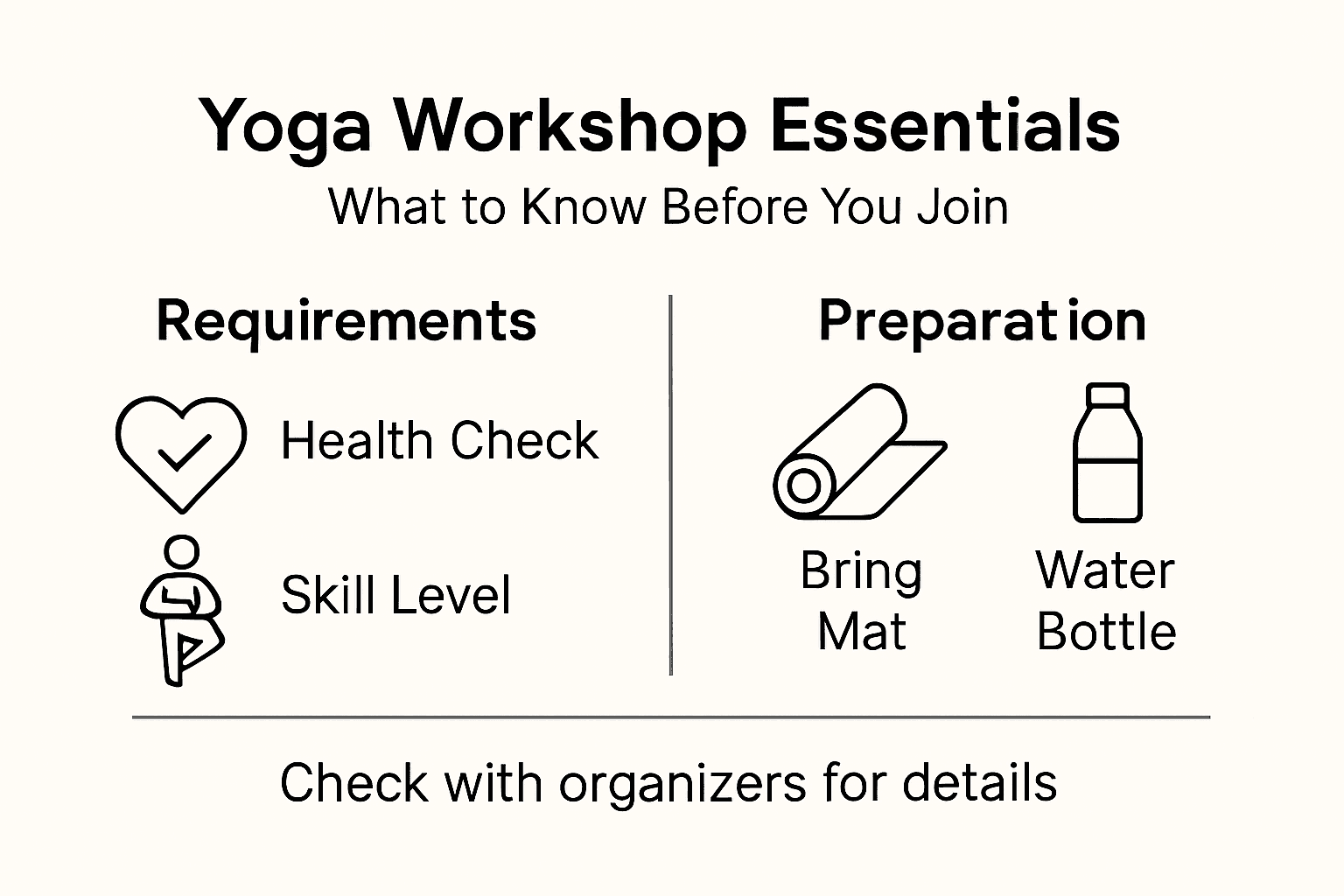
Pro tip: Always contact workshop organizers directly to clarify your specific qualifications and ensure you meet all necessary prerequisites before registering.
Costs, risks, and legal considerations
Legal protections for yoga workshopsinvolve comprehensive risk management strategies that protect both participants and organizers. Understanding the financial and legal landscape is crucial for creating safe, transparent workshop experiences.
Key financial components of yoga workshops include:
Direct Costs
Venue rental
Instructor fees
Marketing expenses
Instructional materials
Indirect Costs
Insurance premiums
Legal documentation preparation
Administrative overhead
Liability management represents a critical aspect of workshop planning. Workshop organizers must navigate complex legal requirements that involve securing appropriate insurance, drafting comprehensive participant waivers, and maintaining strict health and safety protocols.
Potential risks participants and organizers should consider include:
Physical injury during practice
Property damage
Professional liability claims
Data privacy breaches
Contractual disputes
Professional liability insurance protects workshop facilitators from potential legal challenges. Comprehensive coverage typically includes protection against bodily injury claims, property damage, and professional misconduct allegations. Participants are often required to sign detailed waivers acknowledging inherent physical risks associated with yoga practice.
Pro tip: Always consult with a legal professional specializing in wellness industry regulations to ensure your workshop meets all necessary legal and insurance requirements.
The following table summarizes common risks and legal protections for yoga workshops:
| Risk Type | Legal Protection | Preventive Measure |
|---|---|---|
| Physical injury | Liability insurance | Mandatory waivers, safety checks |
| Property damage | Insurance coverage | Facility guidelines compliance |
| Data privacy breach | Confidentiality clauses | Secure registration systems |
| Contract dispute | Written agreements | Clear policies and documentation |
Common mistakes and tips for success
Yoga workshop instructors frequently encounter common challengesthat can significantly impact participant experience and learning outcomes. Understanding these potential pitfalls is crucial for creating engaging and effective workshop environments.
Common mistakes yoga instructors should avoid include:
Instructional Errors
Overcorrecting participants
Providing excessive verbal instructions
Neglecting individual student needs
Failing to maintain inclusive energy
Communication Challenges
Inconsistent eye contact
Uneven attention distribution
Complex, jargon-heavy explanations
Workshop preparation plays a critical role in success. Effective workshops require strategic content planning that balances practical demonstrations with theoretical insights. Instructors must create structured yet flexible learning experiences that accommodate diverse participant skill levels.
Successful workshop strategies involve:
Clearly defining workshop objectives
Creating interactive learning environments
Providing supplemental learning resources
Maintaining participant engagement
Allowing space for personal exploration
Professional development requires continuous learning and adaptation. Successful instructors remain open to feedback, regularly assess their teaching methods, and develop skills that create meaningful, transformative workshop experiences.
Pro tip: Record and review your workshop sessions periodically to identify areas for improvement and refine your teaching approach.
Deepen Your Yoga Practice and Connect with a Supportive Community Today
The journey to mastering yoga techniques and embracing its full physical and spiritual benefits can feel overwhelming without the right guidance and community support. If you find yourself wanting to explore advanced postures, breath work, or meditation while surrounded by like-minded individuals committed to personal growth then Amrita Yoga & Wellness is your ideal destination. Our workshops and classes focus on building skills deeply, engaging you in meaningful learning experiences that respect all levels of practice.
Explore our diverse range of offerings including specialized yoga sessions, pilates, tai chi, and wellness services designed to nurture your body and mind. By joining our vibrant Philadelphia-based community through Amrita Yoga & Wellness, you gain access to expert-led workshops that reinforce safe practice and holistic education. Take the next step in your wellness journey by browsing our class schedule and signing up today. Make your commitment to growth now and feel the transformative impact of a truly supportive yoga environment.
Frequently Asked Questions
What are yoga workshops?
Yoga workshops are specialized learning sessions designed to deepen participants' understanding and skills in yoga beyond standard group classes, focusing on physical practice, breath work, meditation, and philosophical insights.
Who can attend yoga workshops?
Yoga workshops cater to various skill levels, from beginners seeking foundational knowledge to advanced practitioners looking to refine specific techniques or explore specialized styles.
How do I choose the right yoga workshop for my needs?
When selecting a yoga workshop, consider your skill level, the workshop's focus area, and the instructor's qualifications. Research the workshop content to ensure it aligns with your personal wellness goals.
What should I expect during a yoga workshop?
Participants can expect structured learning environments that often include intensive practice, community-building activities, and opportunities for personal exploration, guided by expert instructors.
Recommended
Why Attend Yoga Workshops: Understanding Their Benefits — Amrita Yoga & Wellness
Why Join a Yoga Community: Complete Guide — Amrita Yoga & Wellness
What Is Community Yoga? Complete Guide to Benefits<br/> — Amrita Yoga & Wellness
Benefits of Art in Family Life: Nurturing Bonds and Growth – The Family Portrait Comp