Discover 8 types of yoga: styles, benefits, and how to choose
TL;DR:
There is no single universal list of eight yoga types; it varies by context and tradition.Modern styles focus on physical practices like Hatha, Vinyasa, and Yin, while classical yoga emphasizes philosophical limbs.Combining physical, mental, and spiritual practices enhances overall well-being and deeper yoga benefits.
Discover 8 types of yoga: styles, benefits, and how to choose
Walking into a yoga studio for the first time, or even browsing class schedules online, can feel overwhelming when you see names like Vinyasa, Yin, Kundalini, and Ashtanga listed side by side. And when someone mentions "8 types of yoga," they might mean something entirely different depending on who you ask. The phrase most commonly refers to either the 8 popular modern physical styles taught in studios or the classical 8 limbs of Ashtanga Yoga from Patanjali's Yoga Sutras. This guide cuts through the confusion and gives you a clear, practical map for choosing the style that fits your body, goals, and life right now.
Table of Contents
Key Takeaways
| Point | Details |
|---|---|
| Know your options | The phrase '8 types of yoga' most often means either 8 studio styles or the classical 8 limbs, so be clear on what you want. |
| Match style to need | Each yoga style offers unique intensity and benefits; choose based on your fitness level, goals, and interests. |
| Benefit mind and body | Yoga supports physical health, mental clarity, and spiritual well-being, often backed by scientific research. |
| Practice safely | Be aware of each style’s risks, like dehydration in hot yoga, and start slow if you’re new. |
| Grow holistically | Consider integrating mindfulness and philosophical aspects with physical practice for the fullest benefits. |
Understanding the meaning of '8 types of yoga'
Here's the thing most people don't realize: there is no single, universal list of "8 types of yoga." What you'll find depends entirely on who is doing the listing. When studio owners and wellness blogs talk about 8 types, they usually mean the 8 popular studio styles that are most commonly taught in the West today. These include physical practices like Hatha, Vinyasa, and Hot yoga. When yogic scholars or traditionalists use the phrase, they often mean the classical 8 limbs of yoga outlined by the philosopher Patanjali around 400 CE, which are a philosophical and ethical roadmap for living, not a set of physical postures.
"Modern styles derive from Hatha but emphasize the physical dimension, while classical Ashtanga is a philosophical 8-fold path, not a collection of physical styles."
Beyond these two interpretations, there are also the 4 classical yoga paths recognized in Hindu philosophy: Jnana (knowledge), Bhakti (devotion), Karma (action), and Raja (mental discipline). These paths describe different ways of moving toward self-realization and are worth knowing if you eventually want to deepen your practice beyond poses.
Why does this distinction matter practically? Because if you walk into a studio expecting a physically demanding class based on "Ashtanga," you might be surprised to find a teacher focusing on breathwork, ethics, and meditation instead. Conversely, if you're drawn to yoga for spiritual growth, knowing that most studio classes prioritize the physical can help you seek out teachers and styles that actually meet your needs.
For a deeper look at how these styles compare, check out this guide to choosing your best yoga style before committing to your first or next class.
The key breakdown at a glance:
Classical 8 limbs (Patanjali): Ethics, self-discipline, posture, breath, withdrawal of senses, concentration, meditation, enlightenment
Modern 8 styles: Hatha, Vinyasa, Ashtanga (physical), Yin, Kundalini, Hot/Bikram, Restorative, Power
Classical 4 paths: Jnana, Bhakti, Karma, Raja
The 8 popular types of yoga: Features and who they're for
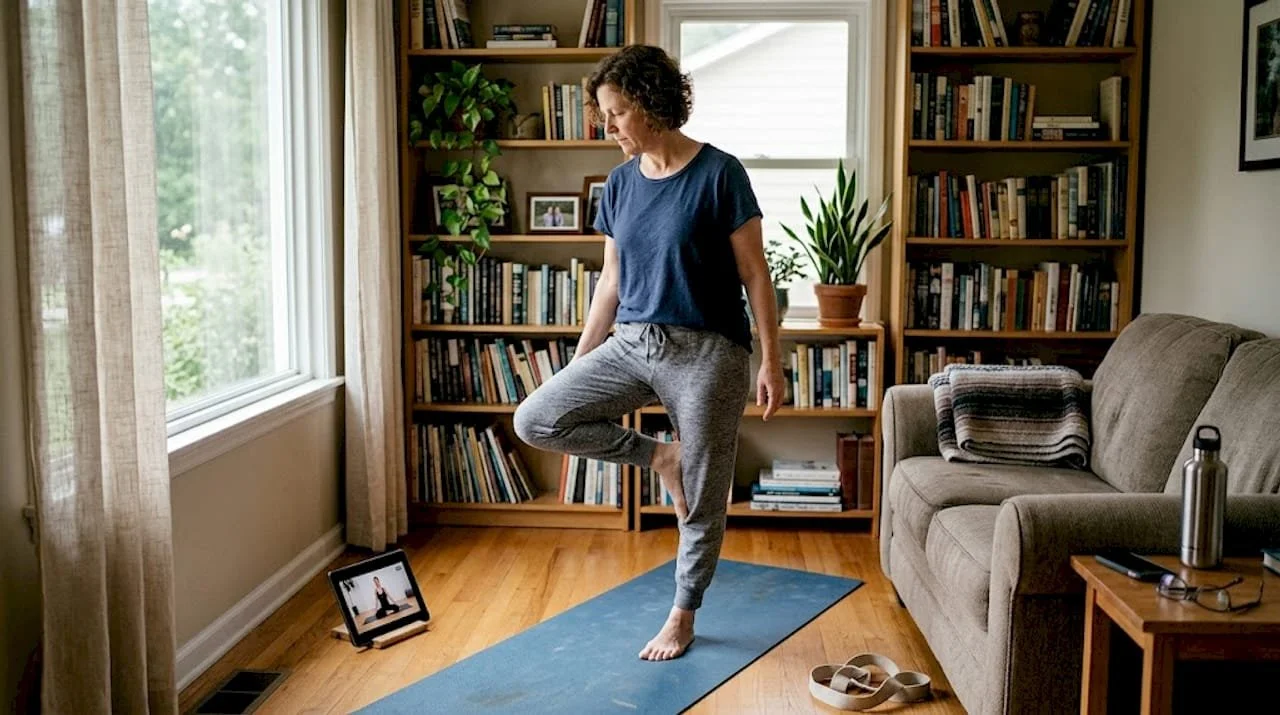
Now that you've got the context, here's a breakdown of the 8 most popular yoga styles you'll find in Philadelphia studios. Each one has its own rhythm, intensity, and sweet spot for different practitioners.
| Style | Intensity | Pace | Best for |
|---|---|---|---|
| Hatha | Low to medium | Slow | Beginners, foundational learning |
| Vinyasa | Medium to high | Flowing | Those who enjoy movement and variety |
| Ashtanga | High | Structured | Disciplined, experienced practitioners |
| Yin | Low | Very slow | Flexibility, joint health, deep release |
| Kundalini | Low to medium | Varied | Spiritual seekers, energy work |
| Hot/Bikram | Medium to high | Moderate | Detox, endurance, sweaters |
| Restorative | Very low | Extremely slow | Recovery, stress relief, injury rehab |
| Power | High | Fast | Athletic builds, strength training |
Here's a quick breakdown of what makes each style unique:
Hatha: The foundation of all modern yoga. Classes are slower and focus on individual poses held for several breaths. Ideal for beginner yoga styles because it teaches alignment and breathing basics without rushing.
Vinyasa: Often called "flow" yoga because poses link together with breath in a continuous sequence. Great for people who get bored with repetition and love a creative, music-driven class.
Ashtanga (physical): A fixed sequence of poses performed in the same order every time. Very athletic and demanding. Not ideal for complete beginners, but deeply rewarding once you build a base.
Yin: Poses are held for 3 to 5 minutes, targeting connective tissue, fascia, and joints rather than muscles. Think of it as a meditative stretch class. Perfect for relaxation-focused yoga and recovery days.
Kundalini: Combines breath, chanting, repetitive movement, and meditation to awaken energy along the spine. It's more spiritually oriented than most physical styles and deeply unique.
Hot/Bikram: Practiced in a room heated to around 95 to 105°F. Bikram is a fixed 26-pose sequence; Hot yoga is more varied. Both promote sweating and are surprisingly accessible once you adapt to the heat.
Restorative: Uses props like bolsters, blankets, and blocks to support the body in passive poses for extended holds. Deeply calming and excellent for nervous system reset.
Power: An athletic, gym-inspired version of Vinyasa that adds strength-building elements. Expect planks, chaturangas, and a real workout alongside the mindfulness.
Pro Tip: If you're a complete beginner, resist the urge to jump straight into an advanced class just because the style sounds impressive. Hatha or Restorative will give your joints, muscles, and mind a chance to adapt safely.
Physical, mental, and spiritual benefits of each style
But how do these yoga styles actually help your body, mind, and spirit? Let's look at their unique benefits.
| Style | Flexibility | Strength | Cardio | Stress relief | Spiritual depth |
|---|---|---|---|---|---|
| Hatha | High | Medium | Low | High | Medium |
| Vinyasa | High | High | High | Medium | Low to medium |
| Ashtanga | Medium | Very high | High | Medium | Medium |
| Yin | Very high | Low | None | Very high | High |
| Kundalini | Medium | Medium | Low | Very high | Very high |
| Hot/Bikram | High | Medium | Medium to high | Medium | Low |
| Restorative | Medium | Very low | None | Very high | High |
| Power | Medium | Very high | High | Medium | Low |
The research behind yoga's benefits is compelling. An 8-week yoga program studied by UCLA researchers showed measurable improvements in attentional control and mental clarity among participants. That means regular practice doesn't just make your hamstrings longer. It actually changes how your brain works.
On the physical side, yoga for fitness enthusiasts will appreciate that strength-focused styles like Power and Ashtanga build real muscular endurance. Flexibility-focused styles like Yin and Hatha increase range of motion in the hips, spine, and shoulders over time.
For mental health, wellness-focused yoga practices like Restorative and Kundalini activate the parasympathetic nervous system, often called the "rest and digest" mode. This lowers cortisol, the stress hormone, and supports better sleep quality.
Spiritual benefits are most prominent in Kundalini, which works with breath and sound to awaken energy centers along the spine, and in Yin, which encourages stillness and self-observation. Resources on yoga for mental health consistently show that even two sessions per week can meaningfully reduce anxiety and depressive symptoms.
Pro Tip: Don't stick to just one style forever. Rotating between a strength-focused class mid-week and a Yin or Restorative session on weekends gives your body and mind a more balanced, complete experience of what yoga can do.
Choosing the right yoga style for your goals and safety
Ready to choose? Here's how to match your goals and real-life needs to the perfect yoga style.
Identify your primary goal. Are you here for physical fitness, stress relief, flexibility, spiritual growth, or injury recovery? Your answer narrows your list significantly.
Assess your fitness level honestly. Beginners and those returning after injury should start gentle. Experienced athletes can handle more intensity from day one.
Consider your schedule and personality. If you thrive with structure, Ashtanga's fixed sequence might appeal to you. If you love spontaneity, Vinyasa classes offer variety every session.
Check studio options in your area. Availability matters. Look at local class schedules and see what's actually accessible to you consistently.
Start with an intro or beginner class. Most studios offer these for good reason. They let you test the style without feeling lost or embarrassed.
Safety notes by style:
Hot yoga: Dehydration risk is real if you don't hydrate before, during, and after class. Avoid it if you have cardiovascular conditions without medical clearance.
Ashtanga (physical): The jump-backs and advanced sequences are genuinely difficult. Go very slow and consider it inappropriate for absolute beginners.
Yin and Restorative: Generally safe for most people, but avoid deep Yin stretches if you're dealing with acute joint pain or inflammation.
Power and Vinyasa: Moving quickly between poses increases injury risk if your form breaks down. Ask about modifications.
Starter style recommendations by need:
New to yoga: Hatha or Restorative
Stress and anxiety relief: Yin, Restorative, or Kundalini
Weight loss and cardio: Vinyasa, Power, or Hot yoga
Spiritual connection: Kundalini
Post-injury or chronic pain: Restorative or gentle Hatha
Before joining yoga classes in Philadelphia, use resources like the guide on how to find yoga classes near you to compare your options. Local yoga studios often allow drop-ins or trial passes so you can test multiple styles before committing.
Pro Tip: Before your first class, email or call the instructor. Tell them your goals and any physical limitations. Good teachers will immediately make you feel welcome and guide you toward the right level.
How to deepen your yoga practice: Beyond physical styles
After you've found the best physical fit, consider what deeper benefits a more holistic approach to yoga can offer.
Yoga has always been far more than a collection of poses. Patanjali's 8 limbs include ethical principles called Yamas (how you treat others) and Niyamas (how you treat yourself), pranayama (breath control), pratyahara (withdrawal of the senses), dharana (concentration), dhyana (meditation), and samadhi (a state of deep inner peace or unity). Most studio classes touch only on asana, the posture limb, which is just one of the eight.
"Integrating multiple limbs of yoga into your regular practice creates deeper, more lasting well-being than physical practice alone." — Yoga Types Explained
Blending physical styles with meditative or breathwork elements is where real transformation tends to happen. Someone who practices Vinyasa three times a week but also sits for 10 minutes of meditation daily will notice changes in patience, focus, and emotional regulation that they won't get from movement alone.
Easy ways to integrate non-physical limbs at any level:
Add 5 minutes of simple breath awareness (pranayama) before your physical practice
Journal about your intentions and observations after each session (Niyama: self-study)
Practice one Yama consciously each week, like non-violence in how you speak to yourself during difficult poses
Spend 5 to 10 minutes in Savasana (the final resting pose) without skipping it, treating it as active meditation
Attend one Kundalini or meditation-specific class monthly alongside your regular physical practice
The goal isn't to become a philosopher overnight. It's to recognize that your yoga life can evolve beyond