What Is Yoga Studio? 30% Mental Health Boost in 3 Months
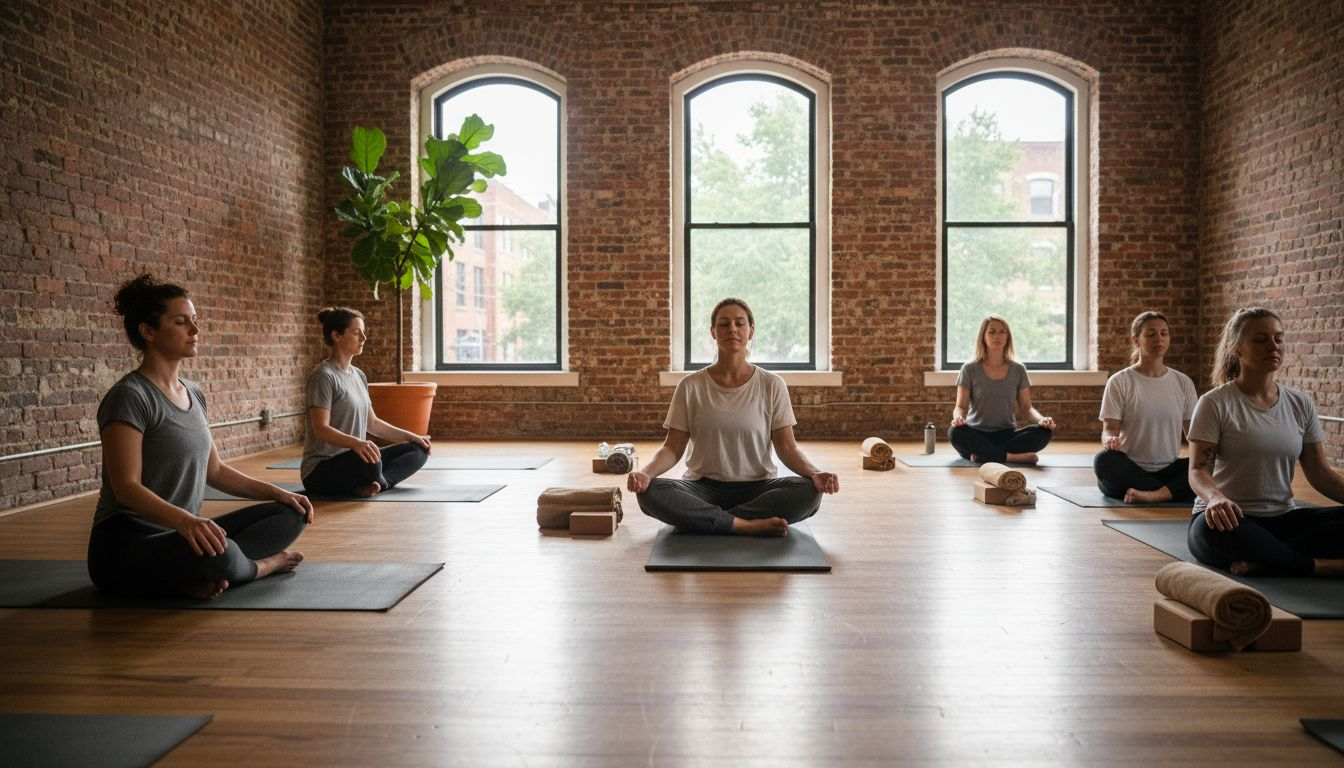
Many people see yoga studios as just places to stretch and sweat. Research shows that regular yoga studio practice can reduce anxiety and depression symptoms by up to 30% within three months. Yoga studios offer comprehensive wellness environments that integrate physical movement, mental clarity, and spiritual growth through diverse classes, workshops, and community programs. This guide explains what yoga studios truly provide and how to find the perfect fit for your wellness journey.
Table of Contents
Key Takeaways
| Point | Details |
|---|---|
| Yoga studios provide holistic wellness | Studios offer physical, mental, and spiritual development through diverse classes and community events. |
| Mental health benefits are substantial | Anxiety and depression symptoms decrease by 30% within 3 months of consistent practice. |
| Classes extend beyond traditional yoga | Most studios include Pilates, Tai Chi, massage therapy, and specialized workshops. |
| Community enhances commitment | Workshops and retail offerings support deeper engagement and long term wellness habits. |
| Selection criteria matter | Evaluate location, class variety, instructor credentials, and inclusive atmosphere before joining. |
What Is a Yoga Studio? Definition and Core Components
A yoga studio serves as a dedicated space for practicing yoga and related mind body disciplines. Unlike gyms with rows of machines, studios create calm environments designed specifically for mindful movement and meditation. The definition and features of a yoga studio include specialized flooring, temperature control systems, and acoustics that support focused practice.
Modern studios typically maintain class sizes between 8 and 20 participants. This range allows instructors to provide individual attention while fostering community connection. Smaller classes mean corrections on alignment and modifications for injuries or limitations.
Beyond yoga classes, most studios expand their offerings to include complementary wellness services:
Pilates reformer sessions and mat classes
Massage therapy and bodywork appointments
Retail boutiques selling mats, props, and wellness products
Private instruction for personalized attention
Workshop series on meditation, nutrition, and holistic health
The physical space matters. Studios invest in props like blocks, straps, bolsters, and blankets to make poses accessible. Climate controlled rooms support hot yoga styles, while cooler spaces suit gentle or restorative practices. Lighting adjusts to match class energy, from bright for active flows to dim for relaxation.
Types of Yoga Classes and Programs Offered
Yoga encompasses dozens of styles, each targeting different aspects of wellness. Studios curate class schedules to serve beginners through advanced practitioners. Understanding these options helps you match classes to your current needs and future goals.
Hatha yoga forms the foundation. These classes move slowly through poses, holding each position for several breaths. Perfect for learning alignment and building strength safely. Vinyasa links breath with movement, creating flowing sequences that elevate heart rate. Hot yoga happens in rooms heated to 95-105 degrees, increasing flexibility and cardiovascular challenge.
Restorative classes use props extensively to support passive stretches held for 5-10 minutes. This style activates the parasympathetic nervous system, reducing stress hormones. Yin yoga similarly holds poses long but targets connective tissue rather than muscles.
Many studios integrate yoga workshops offered at studios that explore specialized topics:
Arm balance clinics for building upper body strength
Meditation intensives for mental clarity practices
Pranayama breathwork sessions for nervous system regulation
Philosophy discussions connecting ancient texts to modern life
Healing modalities like sound baths and energy work
Beyond yoga, community yoga programs often include Pilates for core conditioning, Barre for muscle toning, and Tai Chi for balance and meditation. This variety lets you cross train while staying within one supportive community.

Retreats extend the studio experience into immersive multi day formats. These getaways combine intensive practice with nature, rest, and deeper connections with fellow practitioners.
Mental and Physical Well-Being Benefits from Yoga Studios
The physical transformations from consistent yoga practice appear within weeks. Flexibility improves as muscles lengthen and joints gain range of motion. Strength builds through bodyweight resistance in poses like plank, chair, and warrior sequences. Balance develops from single leg poses and transitions, reducing fall risk especially for older adults.
Physical benefits extend beyond obvious flexibility:
Improved cardiovascular health from dynamic flowing styles
Better posture and reduced back pain from core strengthening
Enhanced body awareness preventing injuries in daily activities
Increased bone density from weight bearing poses
Better sleep quality from stress reduction and physical exertion
Mental health improvements often surprise newcomers. Studies confirm that regular attendance at yoga studios reduces anxiety and depression symptoms by up to 30% within 3 months. This happens through multiple mechanisms: controlled breathing activates the calming nervous system, mindful movement interrupts rumination patterns, and community connection combats isolation.
The meditation components teach you to observe thoughts without judgment. This skill transfers into daily life, helping you respond rather than react to stressors. Breathing techniques learned in class become tools you can deploy anywhere when anxiety spikes.
Pro Tip: Schedule classes for the same time each week to build a consistent routine. Your body and mind adapt faster when practice becomes habitual rather than sporadic.
The spiritual dimension offers meaning beyond physical and mental benefits. Many practitioners report feeling more connected to themselves and something larger. This doesn't require religious belief but opens space for personal reflection and growth.
Community Engagement and Wellness Workshops
Yoga studios function as wellness communities, not just class providers. This social dimension significantly impacts your commitment and results. Research shows that community wellness events increase client retention by 25%, demonstrating how belonging enhances consistency.
Workshops create opportunities to explore interests beyond regular classes. A yoga workshop deepening practice and building community might cover tarot reading for self reflection, essential oils for home practice, or Ayurvedic nutrition principles. These events attract like minded individuals seeking growth.
The social connections formed in studios provide accountability and support. You show up partly because others expect to see you. Friends made through practice often extend into life outside the studio, enriching your social network with wellness focused relationships.
Retail sections support home practice between classes:
Quality yoga mats and props for personal use
Meditation cushions and blankets
Spiritual tools like crystals, incense, and journals
Wellness products including teas, supplements, and self care items
Books and resources for continued learning
Many studios host community events like donation based classes supporting local charities, outdoor group practices in parks, and social gatherings celebrating milestones or seasons. These activities reinforce that the studio serves as a hub for holistic wellness beyond transactional class attendance.
Studios with robust community programming see 25% higher retention rates compared to class only facilities according to studio amenities trends.
Instructors become mentors who understand your journey. Unlike large gyms where you're anonymous, studio teachers learn your name, track your progress, and offer personalized guidance. This relationship motivates continued practice and deeper exploration.
Comparison of Yoga and Pilates in Studio Settings
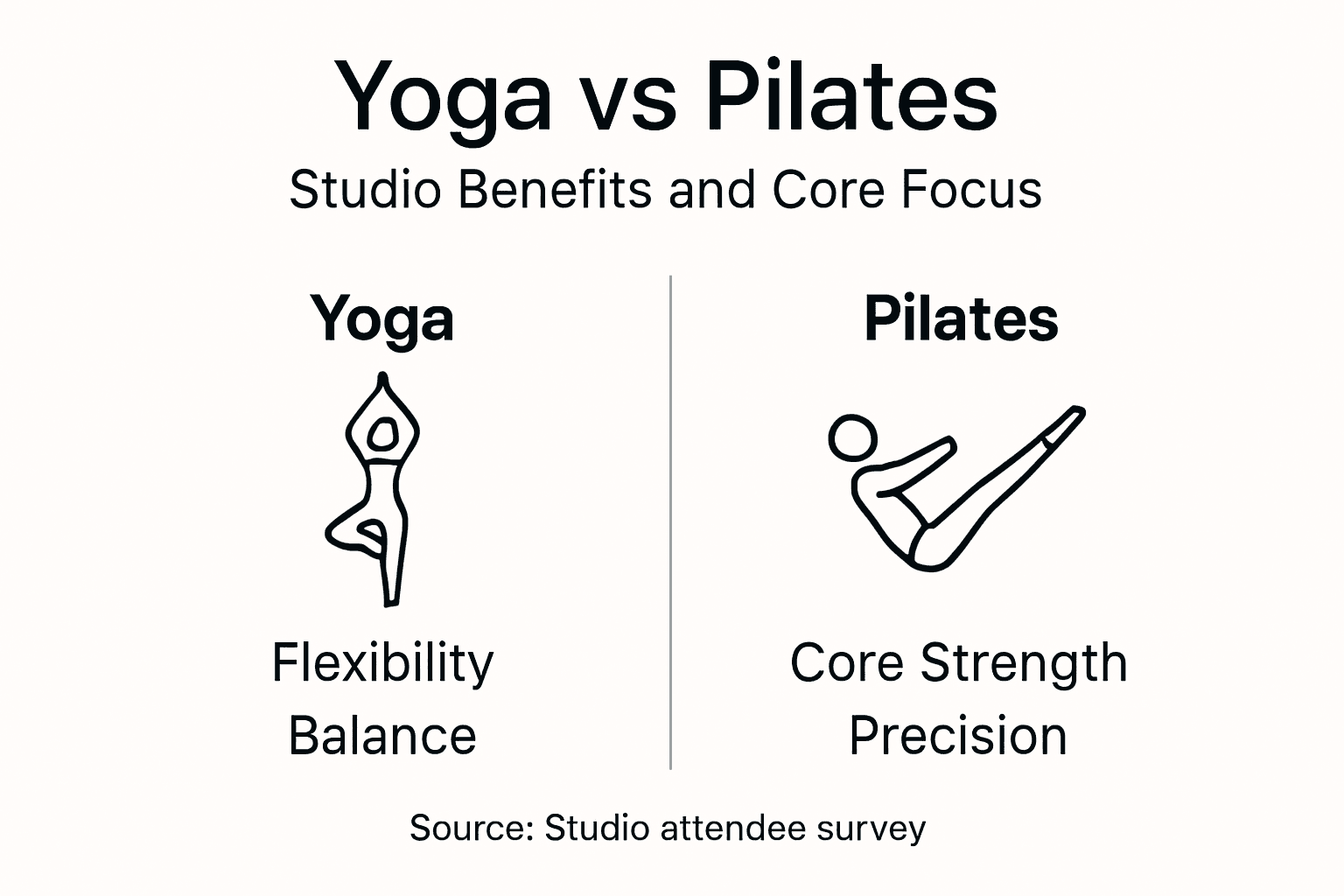
Many studios offer both yoga and Pilates, leading to confusion about differences. Both improve flexibility, strength, and mind body connection but emphasize different aspects. Understanding these distinctions helps you choose classes matching your goals.
| Aspect | Yoga | Pilates |
|---|---|---|
| Primary Focus | Flexibility, balance, spiritual connection | Core strength, muscle toning, controlled movement |
| Breathing | Deep diaphragmatic breathing linked to movement | Lateral thoracic breathing supporting core engagement |
| Equipment | Minimal props like blocks, straps, blankets | Reformers, chairs, barrels, resistance springs |
| Spiritual Element | Often includes meditation, philosophy, energy work | Purely physical and mental, no spiritual component |
| Typical Pace | Varies from slow restorative to fast vinyasa | Controlled, precise movements with intentional pauses |
| Best For | Stress reduction, flexibility, holistic wellness | Rehabilitation, core conditioning, athletic performance |
Pilates emphasizes small, precise movements that target specific muscle groups. Joseph Pilates developed the method for rehabilitation, so it excels at correcting imbalances and preventing injuries. The core muscles that stabilize your spine receive intense focus.
Yoga integrates physical postures with breathing techniques, meditation, and often philosophical teachings. The practice addresses not just your body but also mental patterns and spiritual development. Many styles exist, from gentle to extremely challenging.
Pro Tip: Try both if your studio offers each discipline. Many practitioners find they complement each other perfectly, with Pilates building core strength that enhances yoga poses and yoga providing flexibility that prevents Pilates related tightness.
Both practices require focus and presence, pulling your attention into the current moment. This mindfulness component contributes significantly to stress reduction and mental clarity benefits. Neither involves competition or comparison with others in class.
The choice often comes down to personal preference and current needs. Recovering from injury? Pilates might offer safer progression. Seeking stress relief and spiritual exploration? Yoga provides those dimensions. Want both? Most studios welcome you to mix your schedule.
Common Misconceptions About Yoga Studios
Several myths prevent people from trying yoga studios. Addressing these misconceptions opens the practice to wider audiences who would benefit tremendously.
Myth 1: You must be flexible to start yoga. This backwards thinking assumes the result before beginning. Yoga increases flexibility over time, regardless of starting point. Studios offer beginner classes specifically designed for tight muscles and limited range of motion. Props and modifications make every pose accessible.
Myth 2: Yoga is only for women. While studios do attract more female participants, men gain equal or greater benefits. Ancient yoga traditions were predominantly male. Modern studios actively work to create inclusive environments welcoming all genders. Many offer men specific classes addressing common male inflexibility and strength imbalances.
Myth 3: You need expensive gear and clothes. Comfortable clothes you can move in suffice. Studios provide mats and props for class use. While retail sections sell specialized items, nothing beyond basic athletic wear is required to start practicing.
Myth 4: Yoga is just stretching, not real exercise. Dynamic yoga styles provide serious cardiovascular and strength training. Try holding chair pose for two minutes or flowing through 20 sun salutations. The physical challenge rivals any gym workout while adding flexibility and mindfulness benefits.
Myth 5: Studios only serve advanced practitioners. Data shows 60% of studio attendees identify as beginners or intermediate level. Studios prioritize accessible instruction because that's their primary market. Every expert started as a complete beginner.
The spiritual aspects concern some potential students who fear religious overtones. Most modern studios present yoga as a wellness practice accessible to all beliefs. You choose your level of engagement with philosophical or spiritual elements. Many practitioners focus purely on physical and mental benefits.
How to Choose the Right Yoga Studio for Your Needs
Selecting your studio requires evaluating multiple factors. The right fit enhances commitment and results, while poor matches lead to dropout. Follow these steps to find yoga classes in Philadelphia or your local area.
Assess location and schedule convenience. Studios within 15 minutes of home or work get visited consistently. Check if class times align with your actual availability, not aspirational schedules. Early morning, lunch hour, and evening options serve different lifestyle needs.
Review class variety and levels offered. Beginners need intro classes and patient instruction. Advanced practitioners want challenging options. Studios should clearly label class levels and provide descriptions helping you choose appropriately.
Research instructor qualifications and teaching style. Experienced teachers complete 200-500 hour training programs and pursue continuing education. Read bios, watch intro videos if available, or attend community classes to sample different instructors.
Evaluate the community atmosphere and values. Visit during active class times to observe energy and interactions. Does the space feel welcoming? Do students chat comfortably? Does staff seem genuinely interested in your goals?
Check pricing structures and membership options. Compare unlimited monthly packages versus class packs versus drop in rates. Calculate your realistic attendance to determine best value. Ask about discounts for students, seniors, or financial hardship.
Inquire about trial periods and introductory offers. Most studios offer discounted new student packages. These let you experience multiple classes and instructors before committing to full membership.
Pro Tip: Attend at least three different classes before deciding. Your first experience might involve an off day, a style that doesn't suit you, or an instructor whose teaching doesn't resonate. Give the studio a fair assessment through varied experiences.
Additional wellness offerings add value. Studios providing workshops, retail, massage therapy, and community events create comprehensive wellness hubs rather than just class providers. These extras enhance your overall experience and support consistent engagement.
The choosing a yoga studio essentials include cleanliness, quality props, temperature control, and sufficient space between mats. These practical details impact comfort and safety during practice.
Don't hesitate to ask questions. Reputable studios welcome inquiries about class content, instructor backgrounds, safety protocols, and community culture. Transparent communication indicates a professional operation invested in member satisfaction.
Discover Your Ideal Yoga Experience at Amrita Yoga & Wellness
Finding a studio that aligns with your wellness goals transforms practice from obligation to genuine joy. Amrita Yoga & Wellness offers the comprehensive approach described throughout this guide.
Our diverse class schedule serves every experience level and wellness interest. Hot yoga enthusiasts, gentle restorative seekers, and Pilates devotees all find their perfect fit. Experienced instructors bring authentic expertise and genuine care for your progress.
Join yoga classesthat match your schedule with morning, midday, and evening options throughout the week. Beyond regular classes, our yoga workshops explore specialized topics deepening your understanding and practice.
The Amrita community extends beyond the mat. Yoga community events foster connections with like minded individuals pursuing wellness and personal growth. Our retail section provides quality props and wellness products supporting your home practice.
Located in Philadelphia, we create an inclusive space welcoming all bodies, backgrounds, and experience levels. Whether you're stepping onto a yoga mat for the first time or deepening an established practice, our instructors meet you exactly where you are.
Explore membership options designed for various commitment levels and budgets. New student specials let you experience our full offerings before deciding. Visit our website or contact us directly to start your transformation today.
What Is a Yoga Studio? Frequently Asked Questions
What services do yoga studios typically provide beyond classes?
Most studios offer massage therapy, retail boutiques with wellness products, private instruction, and specialized workshops. These complementary services support holistic wellness beyond group classes.
Do I need prior experience to join a yoga studio?
No prior experience is required. Studios design beginner classes specifically for newcomers, teaching foundational poses and breathing techniques. Instructors provide modifications making everything accessible regardless of fitness level.
How does practicing at a yoga studio improve mental health?
Regular practice reduces anxiety and depression by activating calming nervous system responses through controlled breathing and mindful movement. The community connection combats isolation while meditation components teach emotional regulation skills.
What makes yoga different from Pilates in studio settings?
Yoga integrates spiritual and meditative elements with physical postures, emphasizing flexibility and holistic wellness. Pilates focuses purely on physical conditioning, especially core strength and precise muscle control. Both improve fitness through mindful movement.
How often should I attend yoga classes to see benefits?
Practicing twice weekly produces noticeable physical and mental improvements within 4-6 weeks. Three to four sessions weekly accelerates results, while daily practice maximizes benefits across all wellness dimensions.
Can yoga studios accommodate injuries or physical limitations?
Experienced instructors modify poses for injuries, chronic conditions, and mobility limitations. Inform teachers before class about any concerns so they can offer appropriate alternatives throughout the session.