Contact Us

Want to send us a quick message? Use the form on the right to contact us and we'll be in touch within 2 business days!

Please contact Audrey at info@amritayogawellness.com for general inquiries, software issues, in-studio and out-of-studio events and workshops, marketing, and community outreach and donations.

Please contact Heather at heather@amritayogawellness.com for private events, private yoga/pilates requests, and trainings.

1204 Frankford Avenue
North Philadelphia, PA, 19125
United States

(267) 928 3176

Amrita Yoga & Wellness offers a variety of Yoga traditions, Pilates Mat, Pilates Group Reformer, Tai Chi, and Massage services in a beautiful space. Our studio is located in Philadelphia, Pennsylvania.

Blog

What is a wellness retreat? Your 2026 guide to holistic health

Heather Rice
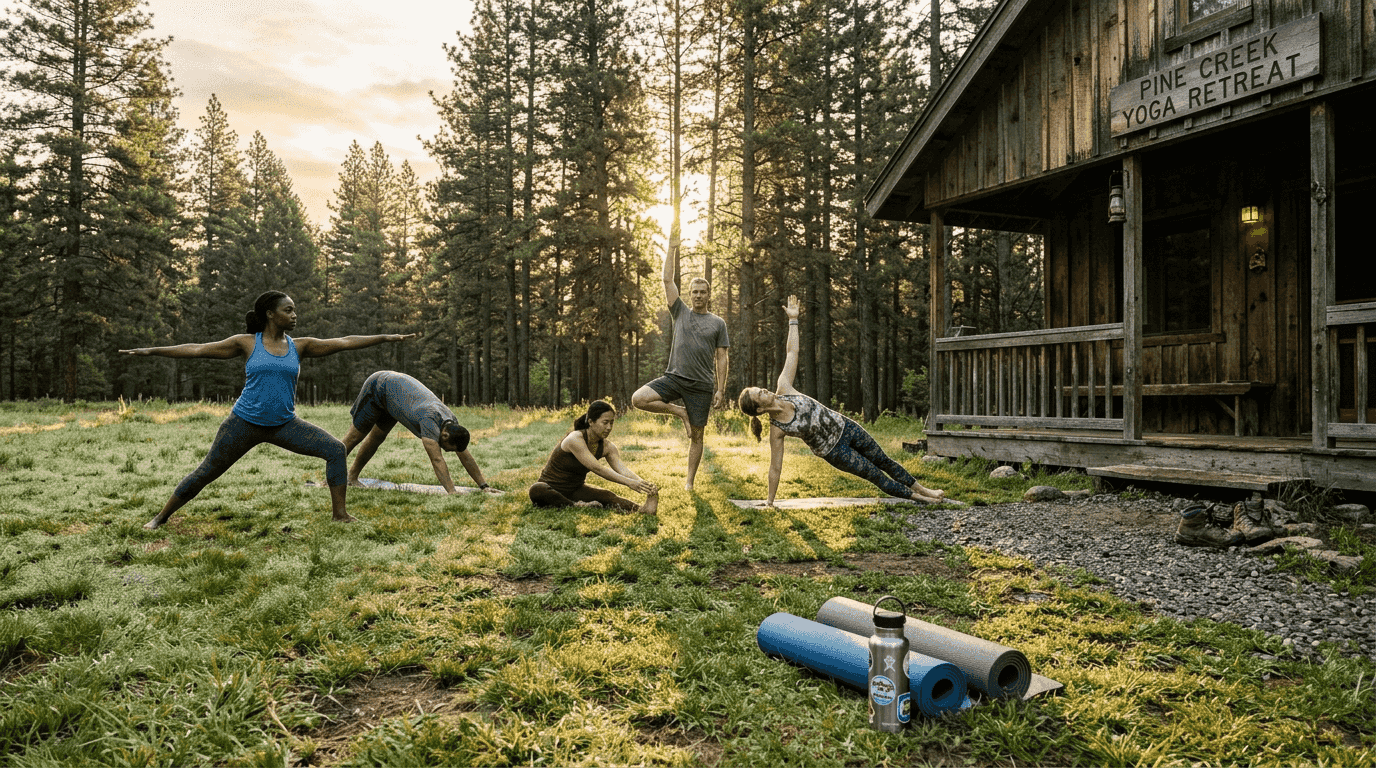
Many people assume wellness retreats are just fancy spa vacations where you lounge by a pool. In reality, these immersive experiences offer structured programs that address physical, mental, emotional, and environmental health through yoga, mindfulness, nutrition counseling, and evidence-based practices. This guide clarifies what wellness retreats truly entail, their scientifically proven benefits including measurable stress hormone reductions, and practical strategies for choosing and maximizing your retreat experience to achieve lasting holistic wellness.

Table of Contents

Key takeaways

Point Details
Holistic health focus Wellness retreats address physical, mental, emotional, and environmental well-being through integrated programs.
Structured programming Typical retreats include yoga sessions, mindfulness practices, nutrition counseling, and guided therapeutic activities.
Scientific validation Research shows 20-30% reductions in cortisol levels and improvements in inflammatory markers after retreat participation.
Post-retreat integration Maintaining benefits requires ongoing practice routines, community connection, and realistic goal setting after returning home.
Personal customization Choosing the right retreat depends on your specific wellness goals, preferred themes, and desired location settings.

Understanding wellness retreats: the holistic approach

Wellness encompasses a holistic approachto health, including physical, mental, and emotional well-being. This comprehensive framework recognizes that true health extends beyond absence of disease to include psychological balance, emotional resilience, and environmental harmony. Wellness retreats operationalize this philosophy by creating immersive environments where participants can simultaneously address multiple health dimensions.

The holistic wellness concept identifies several interconnected dimensions that retreats systematically target:

  • Physical wellness through movement practices, nutrition optimization, and body awareness exercises

  • Mental wellness via cognitive reframing techniques, stress management strategies, and mindfulness training

  • Emotional wellness by processing feelings, building resilience, and cultivating positive psychological states

  • Environmental wellness through nature immersion, sustainable practices, and connection to surroundings

  • Social wellness by fostering supportive communities and meaningful interpersonal connections

Retreats create conditions where these dimensions intersect and reinforce each other. A morning yoga session builds physical strength while simultaneously calming mental chatter and processing emotions. Shared meals featuring whole foods nourish the body while strengthening social bonds. Nature walks reduce stress hormones while deepening environmental awareness.

This multidimensional approach explains why retreat experiences often produce transformative results that single-focus interventions cannot match. You're not just exercising or meditating in isolation. You're engaging multiple wellness pathways simultaneously in a supportive environment specifically designed to catalyze lasting change.

Core components and structure of wellness retreats

Wellness retreats typically follow a specific program or theme, such as yoga, detox, mindfulness, or fitness, and include guided activities, workshops, or scheduled treatments. These structured programs distinguish retreats from ordinary vacations by providing intentional sequences of experiences designed to build skills and deepen practice progressively.

Common retreat themes and formats include:

  • Yoga-focused retreats emphasizing asana practice, breathwork, and yogic philosophy across various traditions

  • Detoxification programs combining clean eating, juice fasting, and elimination protocols with supportive therapies

  • Mindfulness practices retreats teaching meditation techniques, present-moment awareness, and stress reduction methods

  • Fitness and adventure retreats blending physical challenges with wellness education and recovery practices

  • Spiritual development programs exploring contemplative traditions, energy work, and personal growth frameworks

Most retreats feature daily schedules combining morning movement sessions, educational workshops, therapeutic treatments, and evening reflection practices. You might start your day with sunrise yoga, attend a nutrition workshop mid-morning, receive a massage treatment in the afternoon, and participate in guided meditation before dinner.

Nutrition plays a central role in retreat programming. Meals typically emphasize whole foods, plant-based options, and dishes designed to support detoxification and energy optimization. Many retreats educate participants about mindful eating, food as medicine principles, and sustainable dietary choices they can maintain at home.

Setting significantly influences the retreat experience. Nature-based locations like mountain centers, beach resorts, or forest sanctuaries facilitate stress reduction through environmental immersion. Urban retreat centers offer convenience and accessibility while still providing respite from daily routines. Some programs allow customization where you select specific workshops, treatments, or activity levels matching your needs and capabilities.

Pro Tip: Before booking, clarify the daily schedule intensity and flexibility. Some retreats maintain rigorous timetables while others allow more personal downtime and choice.

Scientific benefits and measurable impacts of wellness retreats

Wellness retreats incorporating yoga and mindfulnessdemonstrate measurable reductions in stress hormones and improvements in psychological well-being. These aren't just subjective feelings of relaxation. Biological testing reveals concrete physiological changes that persist weeks or months after retreat completion.

Research documents impressive stress reduction outcomes:

  • Cortisol levels decrease by 20-30% following intensive mindfulness and yoga retreat participation

  • Inflammatory markers including IL-6 and IL-8 show significant reduction, indicating decreased systemic inflammation

  • Anti-inflammatory cytokines like IL-10 increase, supporting immune function and cellular repair

  • Blood pressure and heart rate variability improve, reflecting enhanced autonomic nervous system regulation

Short mindfulness retreats improvebiological markers of stress and inflammation even in brief interventions lasting just a few days. This suggests you don't need month-long commitments to experience measurable health benefits. Intensive short-term immersion can catalyze meaningful physiological shifts.

Psychological benefits match the biological improvements. Participants consistently report increased life satisfaction, enhanced emotional regulation, reduced anxiety and depression symptoms, and greater overall happiness. These subjective improvements correlate with objective measures like decreased stress hormone levels and improved sleep quality.

The wellness retreat relaxation science shows that combining multiple modalities creates synergistic effects. Yoga postures release physical tension while building strength. Breathwork directly influences nervous system activation. Meditation rewires neural pathways associated with stress reactivity. When practiced together in supportive environments, these techniques amplify each other's benefits.

Wellness Intervention Primary Benefit Measurable Impact
Yoga and movement Physical health and flexibility Reduced cortisol, improved cardiovascular markers
Mindfulness meditation Mental clarity and emotional regulation Decreased anxiety, enhanced focus
Nutrition optimization Cellular health and energy Reduced inflammation, stabilized blood sugar
Nature immersion Stress reduction and perspective Lower blood pressure, improved mood

Mindfulness for yoga techniques enhance these effects by deepening awareness during physical practice. Rather than mechanically moving through poses, mindful attention transforms yoga into moving meditation that simultaneously addresses body and mind.

Pro Tip: Track specific health markers like resting heart rate, sleep quality, or mood patterns before and after your retreat to document your personal improvements objectively.

Choosing and maximizing your wellness retreat experience

Selecting the right retreat requires honest assessment of your current wellness goals, experience level, and preferences. A first-time participant needs different programming than someone with established yoga practice. Someone seeking stress relief has different needs than someone pursuing spiritual development or physical fitness.

Consider these factors when evaluating retreat options:

  1. Primary focus and theme alignment with your specific wellness objectives and interests

  2. Experience level requirements ensuring programming matches your current capabilities without overwhelming or under-challenging

  3. Location setting preference balancing accessibility, climate, natural environment, and cultural context

  4. Group size and teacher-to-participant ratio affecting personal attention and community dynamics

  5. Schedule intensity and flexibility allowing appropriate balance between structure and personal time

Retreat theme matters significantly. A vigorous fitness retreat differs dramatically from a gentle restorative yoga program. Detox-focused experiences emphasize dietary restriction and cleansing protocols. Spiritual retreats may include silence periods, ceremony, or contemplative practices. Match the retreat's primary emphasis to your most important current wellness priority.

Location influences both practical logistics and experiential quality. Tropical beach settings offer different benefits than mountain environments or desert landscapes. Consider travel requirements, climate preferences, and how setting will support your retreat intentions. Some people find ocean environments deeply calming while others prefer forest seclusion or mountain vistas.

A common pitfall is the lack of follow-up support post-retreat where individuals may struggle to maintain positive changes without ongoing guidance or integration strategies. The retreat experience itself represents just the beginning. Lasting transformation requires translating retreat insights and practices into sustainable daily routines.

Top strategies for maintaining retreat benefits:

  1. Create a realistic daily practice routine incorporating key techniques learned during your retreat

  2. Schedule regular check-ins with retreat teachers, participants, or local wellness professionals for accountability

  3. Use apps, online classes, or recorded sessions to sustain specific meditation practices introduced at your retreat

  4. Set measurable wellness goals with specific timelines rather than vague intentions

  5. Plan mini-retreats or wellness days quarterly to refresh your practice and reconnect with retreat principles

Integration starts during the retreat itself. Take notes on practices that resonate most strongly. Photograph daily schedules or workshop materials for reference. Collect recipes, meditation instructions, or breathing techniques you want to continue. Exchange contact information with fellow participants who might become ongoing practice partners or accountability buddies.

Pro Tip: Within 48 hours of returning home, block time in your calendar for at least three weekly practice sessions before daily life chaos can crowd them out.

Explore transformative wellness retreats with Amrita Yoga & Wellness

If you're ready to experience the profound benefits of a wellness retreat firsthand, Amrita Yoga & Wellness in Philadelphia offers thoughtfully designed retreat programs that integrate yoga, mindfulness, and holistic health principles. Our experienced teachers create supportive environments where beginners and advanced practitioners alike can deepen their practice and discover lasting wellness transformations.
Our fall cleanse retreat combines detoxification protocols with restorative yoga and mindfulness practices designed to reset your system and establish healthier patterns. We also offer wellness retreat pricing specials making these transformative experiences accessible regardless of budget constraints. New to wellness retreats? Our new student specials provide welcoming entry points with introductory pricing and guidance.

Our Philadelphia community offers ongoing support beyond retreat experiences, helping you maintain the positive changes and deepen your practice through regular classes, workshops, and connection with like-minded wellness seekers.

Frequently asked questions

What exactly is a wellness retreat?

A wellness retreat is an immersive program where participants temporarily leave daily routines to focus intensively on health improvement through structured activities like yoga, meditation, nutrition education, and therapeutic treatments. Unlike vacations emphasizing entertainment or sightseeing, retreats prioritize personal transformation and skill development. Most last 3-7 days, though weekend and week-long options exist.

How long do wellness retreats typically last and what should I expect?

Most wellness retreats run 3-7 days, providing enough immersion for meaningful impact without excessive time commitment. Expect daily schedules combining morning movement practices, educational workshops, healthy meals, therapeutic treatments, and evening reflection activities. Many include some personal free time for rest, journaling, or nature exploration.

How should I prepare for my first wellness retreat?

Start practicing basic meditation or gentle yoga weeks before arrival to familiarize yourself with core techniques. Pack comfortable movement clothing, a journal for reflections, and an open mindset. Communicate any health conditions, injuries, or dietary restrictions to organizers beforehand. Set clear intentions for what you hope to gain from the experience.

Are wellness retreats suitable for complete beginners?

Absolutely. Many retreats specifically welcome beginners and provide instruction appropriate for all experience levels. Look for programs explicitly marketed as beginner-friendly or all-levels. Teachers typically offer modifications making practices accessible regardless of fitness level or prior experience with yoga and meditation.

How do wellness retreats reduce stress?

Wellness retreats facilitate stress reduction by activating the parasympathetic nervous system through breathing techniques, meditation, and mindful movement. These practices lower cortisol production while increasing calming neurotransmitters. The combination of environmental change, social support, and intensive practice creates powerful conditions for nervous system regulation that single interventions cannot match.

What activities are common in a wellness retreat?

Wellness retreats typically include yoga sessions in various styles from gentle restorative to vigorous vinyasa flow. Meditation and mindfulness training teach presence and awareness techniques. Nutrition counseling and healthy cooking classes provide dietary education. Detox programs may incorporate fasting, cleanses, or elimination protocols. Spa treatments like massage, bodywork, or energy healing support physical relaxation and release.

How can I maintain wellness after the retreat?

Without follow-up support post-retreat, ongoing guidance is vital to maintain gains. Create a realistic daily mindfulness routine starting with just 10-15 minutes rather than ambitious hour-long commitments. Stay connected with your retreat community through online groups or periodic meetups. Use meditation apps or online yoga classes to sustain specific practices. Set measurable health goals like practicing yoga three times weekly or meditating daily for 30 days. Schedule quarterly personal wellness days or mini-retreats to refresh your commitment and deepen your practice.
Recommended

What are reformer Pilates: complete 2026 beginner guide

Heather Rice

You've probably heard reformer Pilates is only for elite athletes or rehab patients. That's a myth. This machine-based workout offers accessible, scalable benefits for every fitness level. Whether you're seeking core strength, flexibility, or mental clarity, reformer Pilates adapts to your needs. This guide explains what reformer Pilates is, how it works, its proven benefits, and how to start with community classes in Philadelphia.

Table of Contents

Key takeaways

Point Details
Reformer uses spring resistance The machine provides adjustable resistance for versatile, low-impact workouts suitable for all levels.
Superior core and flexibility gains Studies show 20–30% greater improvements compared to mat Pilates after 8 weeks.
Community classes boost motivation Group settings in Philadelphia studios enhance accountability and make practice more consistent.
Safe for all skill levels Professional instruction ensures proper form and progressive resistance tailored to individual needs.
Mental wellness benefits included Mindfulness and breath control reduce stress while improving focus during sessions.

Introduction to reformer Pilates

Reformer Pilates is Pilates performed on a specialized machine equipped with adjustable springs that create controlled resistance. Joseph Pilates invented the reformer in the early 20th century to enhance traditional Pilates exercises with mechanical support and variable resistance, allowing practitioners to engage muscles more precisely while protecting joints.

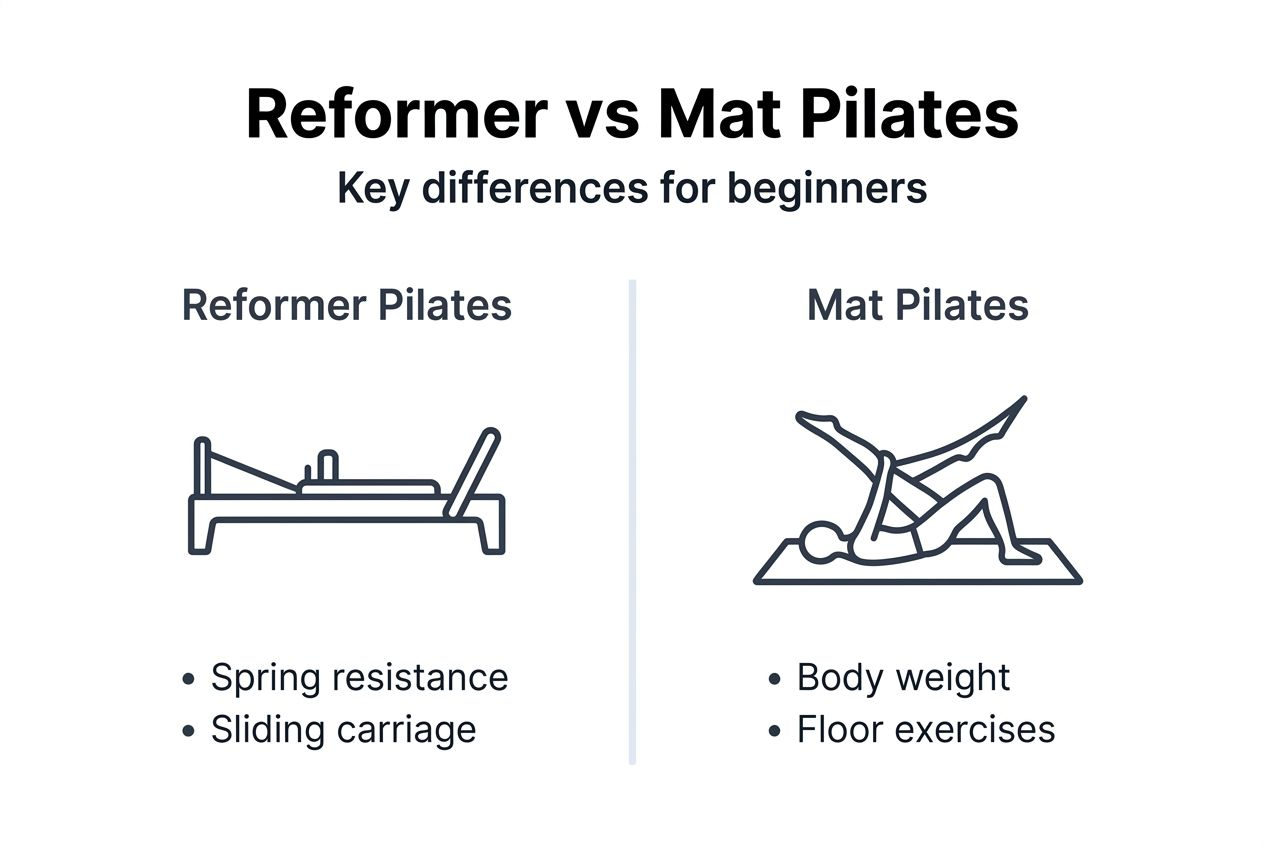
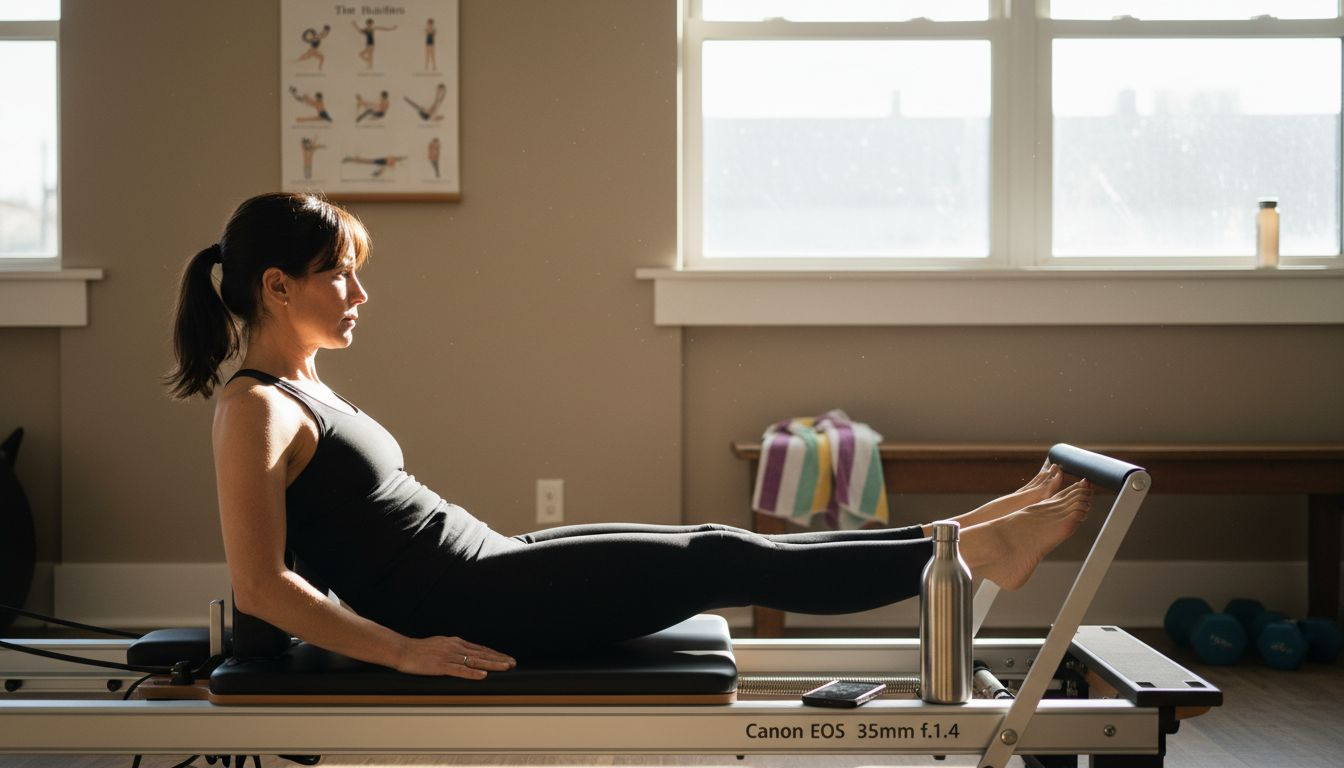
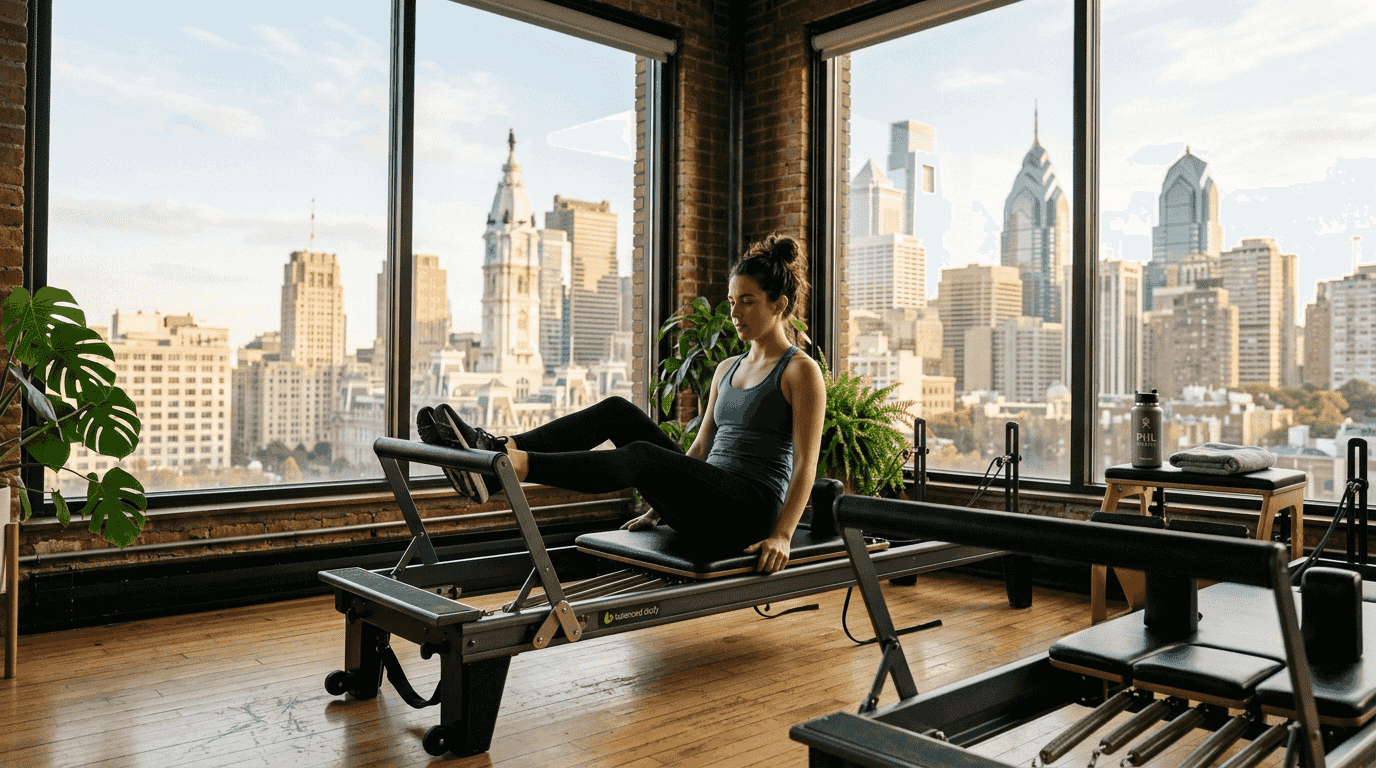
The reformer machine features a sliding carriage, foot bar, shoulder blocks, and adjustable straps. This design enables hundreds of exercises targeting core strength, flexibility, balance, and functional movement patterns. Unlike mat Pilates, which relies solely on body weight, the reformer's spring system provides resistance in multiple directions, creating unique training opportunities.

Key characteristics of reformer Pilates include:

  • Adaptability for all fitness levels through adjustable spring resistance

  • Low-impact movements that protect joints while building strength

  • Emphasis on controlled, precise movements rather than speed or repetition

  • Integration of breath work and mindfulness during physical practice

  • Versatility for rehabilitation, athletic training, and general wellness

Philadelphia's wellness community embraces reformer Pilates with numerous studios offering beginner-friendly classes. These community-focused spaces prioritize inclusivity, making the practice accessible regardless of previous fitness experience. The proven benefits extend beyond physical improvements to include mental clarity and stress reduction, creating a holistic wellness experience.

How reformer Pilates works: mechanics and equipment

The reformer machine's genius lies in its simplicity and versatility. The main components include a sliding carriage that moves along tracks, adjustable springs that attach to the carriage, a foot bar for standing or lying exercises, shoulder blocks that prevent sliding, and leather straps connected to the springs for arm and leg work.

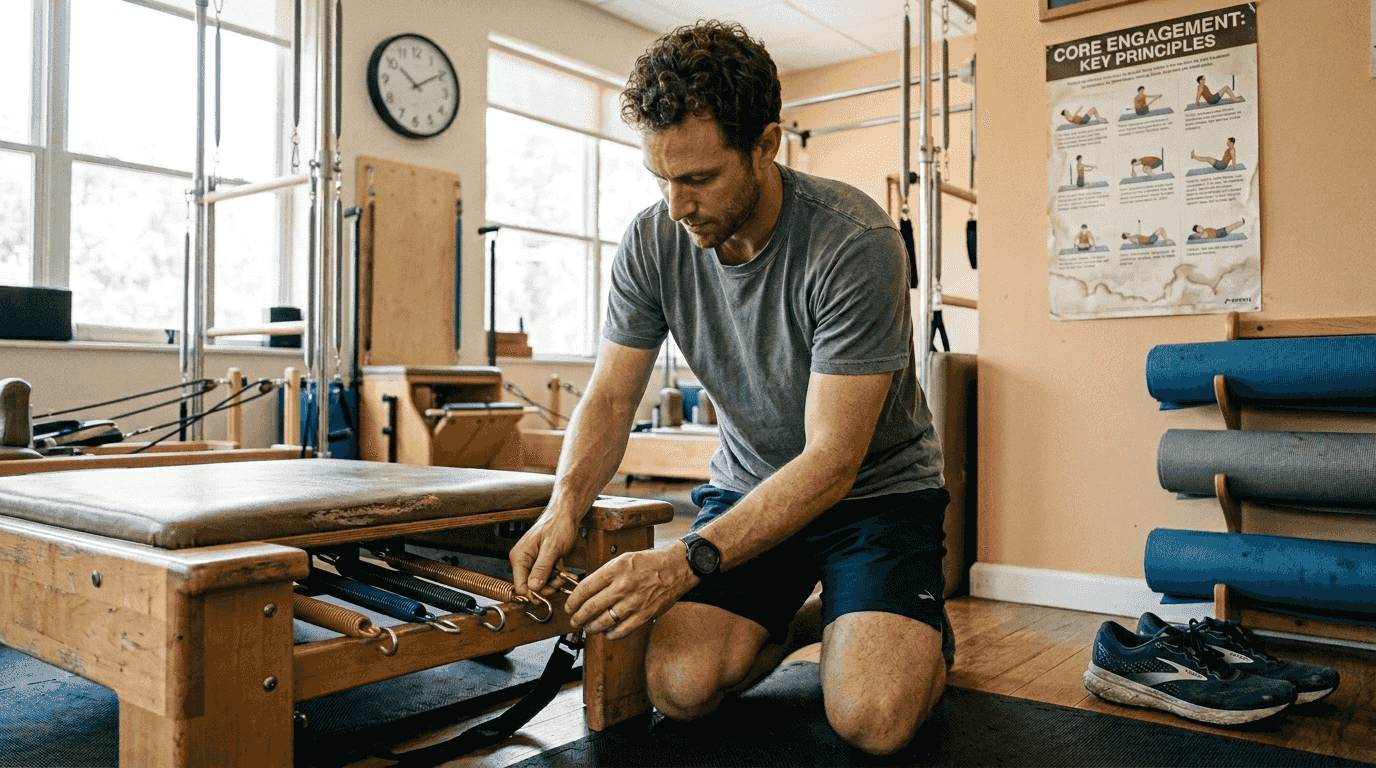
Spring resistance is the core mechanical principle. Studios typically offer reformers with 2 to 5 springs of varying tensions. Adding springs increases resistance, while removing them decreases it. This customization allows instructors to tailor exercises precisely to each person's strength level and training goals. Adjustable springs provide controlled resistance that enhances muscle engagement and improves movement precision.

The sliding carriage creates instability that requires core engagement to control. When you push or pull against the springs, your body must stabilize itself on the moving surface. This challenges deep stabilizing muscles often neglected in traditional strength training. The guided track system ensures movements follow safe, biomechanically sound patterns, reducing injury risk.

Resistance works differently than traditional weights. Springs provide resistance throughout the entire range of motion, including both the exertion and return phases. This eccentric loading strengthens muscles while they lengthen, improving flexibility simultaneously with strength. The system supports safe practice for people with mobility limitations, arthritis, or injuries who need joint-friendly exercise options.

Different reformer typesvary in spring configurations and additional features. Clinical reformers may include more springs for rehabilitation work, while studio models balance versatility with space efficiency. Understanding these mechanics helps you appreciate howPilates reformerscreate such effective workouts.

Pro Tip: Start with lighter spring resistance than you think you need. Proper form matters more than heavy resistance. You'll progress faster by mastering technique with manageable resistance before increasing load.

Physical and mental benefits of reformer Pilates

Reformer Pilates delivers measurable improvements across multiple wellness dimensions. Research demonstrates that reformer Pilates improves core strength, flexibility, and postural alignment significantly more than mat Pilates. These gains translate to reduced back pain, better posture, and enhanced athletic performance in other activities.

Core muscle activation reaches deeper than superficial abdominal work. The reformer engages transverse abdominis, multifidus, and pelvic floor muscles that stabilize the spine and pelvis. This deep core strength improves posture, reduces injury risk, and creates a foundation for all movement. Many practitioners notice reduced back pain within weeks of consistent practice.

Flexibility improvements occur naturally through the reformer's spring-assisted movements. The machine supports your body as you stretch, allowing you to safely explore greater ranges of motion. This approach increases flexibility without the forcing or bouncing that causes injury in traditional stretching. Joint mobility improves as muscles lengthen and strengthen simultaneously.

Mental wellness benefits often surprise new practitioners. Reformer Pilates requires focused attention on breath, alignment, and controlled movement. This mindfulness practice reduces stress, clears mental chatter, and improves concentration. Many people describe the mental reset as meditation in motion. Community class settings enhance these benefits through social connection and shared experience.

Additional physical benefits include:

  • Improved balance and coordination through unstable surface training

  • Enhanced body awareness and proprioception

  • Increased muscle tone without bulk

  • Better breathing patterns and lung capacity

  • Reduced tension in shoulders, neck, and hips

Core strength and flexibility benefitssupport functional fitness for daily activities like lifting, bending, and carrying.Beginner reformer workoutsintroduce these benefits gradually, building confidence alongside physical improvements.

Pro Tip: Track your progress by noting how exercises feel rather than counting repetitions. Notice when challenging movements become easier or your balance improves. These qualitative markers reveal progress better than numbers.

Common misconceptions about reformer Pilates

Several myths prevent people from trying reformer Pilates despite its accessibility. The biggest misconception positions reformer Pilates as elite fitness reserved for dancers, athletes, or physical therapy patients. Reality shows the opposite: the reformer's adjustable resistance makes it ideal for complete beginners, older adults, and people with injuries precisely because it adapts to any fitness level.

Another myth treats reformer Pilates as just mat Pilates performed on a machine. The reformer fundamentally changes how exercises work by adding spring resistance, instability, and mechanical support. This creates unique training stimuli impossible to replicate on a mat. The machine enables exercises that would be too difficult or unsafe to attempt without support.

Safety concerns about the machine's complexity or injury risk also circulate. Professional instruction eliminates these risks. Certified instructors teach proper setup, alignment, and progression. The reformer actually reduces injury risk compared to high-impact activities or improper free weight use. Its controlled, low-impact nature protects joints while building strength.

Some believe reformer Pilates requires exceptional flexibility or core strength before starting. The machine's support system actually helps people with limited flexibility or weak cores build these qualities safely. Modifications make every exercise accessible regardless of current fitness level. Pilates reformer classes welcome absolute beginners with no prior experience.

Common myths debunked:

  • You need prior Pilates experience: False, beginners learn fundamentals faster on the reformer

  • It's too easy to provide real fitness benefits: False, resistance adjusts to challenge any fitness level

  • You'll bulk up from the resistance: False, the training builds lean strength without significant muscle growth

  • Only women practice reformer Pilates: False, men benefit equally from improved core strength and flexibility

Addressing these misconceptions opens reformer Pilates to everyone who could benefit from its unique approach to strength, flexibility, and wellness.

Comparing reformer Pilates to mat Pilates

Understanding the differences between reformer and mat Pilates helps you choose the right approach for your goals. Both practices share Pilates principles of breath, control, and precision, but the equipment creates distinct training experiences.

Aspect Reformer Pilates Mat Pilates
Resistance Adjustable springs provide variable resistance Body weight only
Equipment Requires reformer machine in studio Needs only mat, portable
Exercise variety 500+ exercises possible 100+ exercises typical
Joint support Machine supports body during movements Floor provides minimal support
Progression speed Faster strength gains from resistance Slower strength development
Accessibility Better for injuries or limitations Requires more baseline strength

Clinical research shows measurable differences in outcomes. Studies demonstrate 20-30% greater core and flexibility improvements with reformer Pilates after 8 weeks compared to mat Pilates. The spring resistance engages muscles more completely throughout each movement's full range.

Reformer Pilates offers advantages for specific populations:

  • People with arthritis benefit from supported movements that reduce joint stress

  • Those recovering from injuries use lighter springs for safe rehabilitation

  • Beginners find the machine's feedback helps them learn proper form faster

  • Advanced practitioners use heavy spring loads for intense strength training

Mat Pilates provides accessibility and convenience. You can practice anywhere with minimal equipment. The floor work challenges stability differently, requiring more core control without external support. Many practitioners incorporate both for comprehensive training.

The reformer approach suits people seeking structured progression with measurable resistance increases. Clinical reformer applications extend to physical therapy and rehabilitation settings where controlled, supported movement is essential.

Choosing between them depends on your goals, access to equipment, and physical needs. If you value variety, faster strength gains, and joint protection, reformer Pilates likely serves you better. If convenience and minimal equipment appeal more, mat Pilates offers a solid foundation.

How community enhances reformer Pilates experience

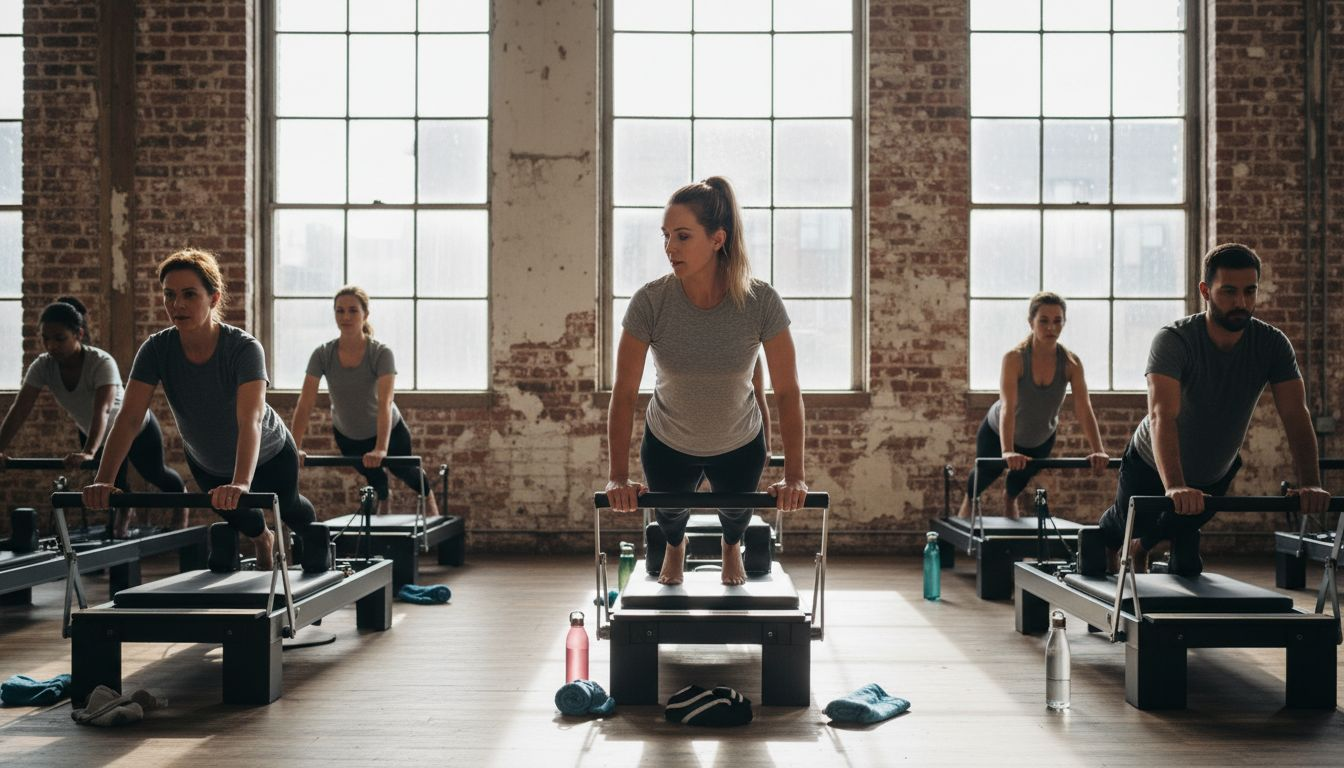
Practicing reformer Pilates in community classes transforms individual exercise into shared experience. Group settings create accountability that private practice often lacks. When you commit to attending specific class times, you're more likely to maintain consistent practice. Fellow participants become familiar faces who notice and encourage your progress.

Philadelphia's wellness community particularly values inclusive, supportive environments. Local studios design reformer classes to welcome all bodies, abilities, and backgrounds. This inclusivity reduces the intimidation many people feel when starting new fitness practices. Seeing others at various skill levels working through the same challenges normalizes the learning process.

Social support significantly impacts long-term adherence to exercise programs. When you struggle with a challenging exercise, watching others push through provides motivation. Celebrating small victories together creates positive associations with practice. Many people form friendships in reformer Pilates classes that extend beyond the studio.

Community classes also provide structure and scheduling that supports habit formation:

  • Regular class times create routine and consistency

  • Advance registration commits you to attendance

  • Group energy elevates effort and focus

  • Instructor guidance ensures proper progression

  • Shared experience reduces self-consciousness about being a beginner

Studios often organize their schedules to accommodate urban lifestyles, offering early morning, lunchtime, and evening options. This flexibility helps busy adults integrate reformer Pilates into packed schedules without major lifestyle disruption.

The group setting allows instructors to demonstrate modifications and progressions efficiently. Watching others perform exercises with different spring loads or body positions helps you understand how to adapt practices to your needs. This peer learning accelerates skill development beyond what private practice typically achieves.

Getting started: practical tips for joining reformer Pilates classes

Taking your first reformer Pilates class requires minimal preparation but benefits from thoughtful approach. Start by researching studios that specifically advertise beginner-friendly reformer classes. Look for language emphasizing accessibility, modifications, and small class sizes that allow personalized attention.

When contacting studios, communicate your fitness level honestly. Mention any injuries, limitations, or health conditions that might affect your practice. Good instructors use this information to provide appropriate modifications, not to exclude you from classes. Certified instructors have training in adapting exercises for diverse needs and abilities.

Your first class checklist:

  1. Arrive 10 minutes early to complete paperwork and meet your instructor

  2. Wear comfortable, form-fitting clothing that allows you to see your alignment

  3. Bring water and a small towel for the reformer carriage

  4. Remove jewelry that might catch on straps or springs

  5. Communicate with your instructor about any discomfort during class

Begin with low spring resistance even if you consider yourself strong. Proper form matters infinitely more than heavy loads. The neuromuscular patterns you establish in early sessions create the foundation for all future practice. Rushing this process leads to poor habits that limit long-term progress.

Consistent attendance produces better results than sporadic intensive practice. Research and clinical experience suggest attending classes 1 to 2 times weekly for at least 8 weeks to experience noticeable benefits. This frequency allows your body to adapt while preventing overtraining.

Pro Tip: Focus on breathing and control rather than completing maximum repetitions. Quality movement with fewer reps builds strength and body awareness more effectively than rushed, sloppy form with higher volume.

Pair reformer Pilates with complementary activities for balanced wellness. Walking, swimming, or yoga on alternate days supports recovery while maintaining activity levels. Avoid scheduling intense workouts immediately before reformer classes, as fatigue compromises form and learning.

Explore reformer Pilates classes at Amrita Yoga & Wellness in Philadelphia

Ready to experience reformer Pilates firsthand? Amrita Yoga & Wellness offers community-focused classes designed for all skill levels throughout Philadelphia. Certified instructors provide personalized guidance ensuring you learn proper technique safely while progressing at your own pace.

New students can explore special introductory offers that make starting affordable and accessible. Class schedules accommodate busy urban lifestyles with morning, midday, and evening options. Small class sizes ensure individual attention while maintaining the motivational benefits of group practice.

The studio's inclusive atmosphere welcomes practitioners from all backgrounds and fitness levels. Whether you're managing an injury, enhancing athletic performance, or simply seeking sustainable wellness practices, the reformer Pilates program adapts to your goals. Review studio policies to understand scheduling, cancellations, and what to expect. Join a community committed to accessible, supportive wellness.

What are reformer Pilates?

Is reformer Pilates suitable for beginners?

Yes, reformer Pilates is highly suitable for beginners. The machine's adjustable spring resistance allows instructors to customize difficulty for any fitness level. Certified teachers provide modifications that make exercises safe and approachable for people with no prior Pilates experience.

What equipment do I need for reformer Pilates?

You need only the reformer machine itself, which studios provide. Wear comfortable, form-fitting athletic clothing and bring water. The reformer includes all necessary components: sliding carriage, springs, straps, foot bar, and shoulder blocks. No personal equipment purchase is required.

How long does it take to see benefits from reformer Pilates?

Most practitioners notice improvements within 6 to 8 weeks of consistent practice at 1 to 2 sessions weekly. Early benefits include better posture awareness and reduced muscle tension. Measurable strength and flexibility gains typically emerge after 8 weeks of regular attendance and progressive resistance increases.

Can reformer Pilates help with stress and mental focus?

Yes, reformer Pilates significantly reduces stress and improves mental focus. The practice requires concentrated attention on breath, movement quality, and body position, creating a mindfulness experience. Community class settings further enhance mental wellness through social connection and shared commitment to self-care and growth.

Recommended

Best Pilates for weight loss: top styles and tips in 2026

Heather Rice

Choosing the right Pilates style for weight loss can feel overwhelming with so many options available in Philadelphia. The most effective approach balances calorie burn, muscle toning, and mindful movement to create sustainable results. This guide breaks down the key criteria, compares popular Pilates styles, and helps you select the method that fits your wellness goals and lifestyle.

Table of Contents

Key takeaways

Point Details
Reformer Pilates burns the most calories With approximately 252 calories per hour, it offers the highest weight loss potential among Pilates styles.
Mindful breathing reduces stress eating Integrated breath work lowers cortisol and helps manage emotional eating triggers.
Group classes boost adherence by 33% Community motivation significantly increases long-term commitment to regular practice.
Hybrid classes increase calorie burn Combining Pilates with barre or yoga can raise calorie expenditure by up to 30%.
Class format affects safety and results Private sessions offer customization while group classes provide energizing social support.

How to choose the best Pilates for weight loss: key selection criteria

Selecting the right Pilates approach requires evaluating several factors that directly impact your weight loss success. Understanding these criteria helps you make an informed choice that you'll stick with long term.

Calorie burn potential stands as the primary metric for weight loss effectiveness. Different Pilates styles burn varying amounts of energy, with reformer classes typically outperforming mat work. Class intensity matters too, as higher resistance and faster-paced sessions create greater metabolic demand. You need a style that challenges you without causing burnout or injury.

Accessibility ensures you can practice safely regardless of fitness level. Beginner-friendly classes with modification options prevent injuries that derail progress. If you have physical limitations, look for instructors trained in adaptive movement who can tailor exercises to your needs. The learning curve should feel manageable, not discouraging.

Mindful movement practices distinguish Pilates from pure cardio workouts. Breath-focused exercises reduce stress hormones that trigger weight gain and emotional eating. This mental component improves adherence because you feel calmer and more centered after each session. Stress reduction supports sustainable lifestyle changes beyond the studio.

Class format influences both motivation and safety outcomes. Group settings provide social accountability and energizing community vibes. Private sessions offer personalized attention that ensures proper form and reduces injury risk. Your personality and goals determine which format serves you best.

Cost and location convenience affect whether you maintain consistent attendance. Studios near your home or workplace make it easier to show up regularly. Affordable pricing or package deals reduce financial barriers to long-term commitment. Weight loss requires months of regular practice, so accessibility matters.

Pro Tip: Track your first month of classes to identify which format keeps you most motivated. Consistency beats intensity for sustainable weight loss.

Pilates styles and their weight loss benefits

Different Pilates styles offer distinct advantages for weight loss based on equipment, intensity, and muscle engagement. Understanding these differences helps you select the approach that matches your fitness level and goals.

Reformer Pilates delivers the highest calorie burn among traditional styles. The spring-loaded carriage creates variable resistance that challenges muscles throughout each movement. Reformer Pilates can burn approximately 252 calories per hour, making it highly effective for weight loss compared to mat work. This style suits intermediate practitioners who have mastered basic form and want to increase workout intensity. The equipment adds variety and progression that prevents plateaus.

Classical Mat Pilates focuses on bodyweight exercises that build core strength and improve muscle tone. While Classical Mat Pilates offers lower calorie burn at around 175 calories per hour, it excels at developing the lean muscle mass essential for boosting resting metabolism. This style works perfectly for beginners who need to establish proper form before advancing to equipment. The minimal setup makes home practice easy and affordable.

Hybrid Pilates blends traditional movements with elements from barre, yoga, or cardio training. These fusion classes keep workouts interesting while increasing calorie burn by up to 30% compared to standard Pilates. The variety prevents mental burnout and challenges your body in new ways. Hybrid formats appeal to people who get bored with repetitive routines.

Muscle toning supports sustainable fat loss by elevating your metabolic rate even at rest. Lean muscle tissue burns more calories than fat throughout the day. All Pilates styles develop this metabolic advantage, though reformer work accelerates the process through higher resistance. Building strength also improves posture and daily movement efficiency, further increasing total energy expenditure.

Choosing your style affects both immediate calorie burn in Pilates and long-term metabolic benefits. Consider your current fitness level, budget, and schedule flexibility when deciding. Many successful practitioners combine styles throughout the week for balanced results.

Style Calories per Hour Best For Equipment Needed
Reformer 252 Intermediate to advanced; maximum calorie burn Reformer machine
Classical Mat 175 Beginners; core strength and muscle tone Mat only
Hybrid 230+ Variety seekers; plateau breakers Varies by class

Exploring different options helps you find what feels sustainable. Check out Pilates reformer classes or Pilates exercises for all levels to understand what each style entails.

Specific Pilates exercises that target weight loss

Certain Pilates movements maximize fat burning through muscle engagement, metabolic activation, and breath control. Incorporating these exercises into your routine accelerates weight loss results.

Core-focused moves like the Hundred and Leg Circles create significant metabolic demand. The Hundred involves pumping arms while holding legs at a challenging angle, engaging deep abdominal muscles for extended periods. Leg Circles require hip stability and core control while moving legs through large ranges of motion. Both exercises build lean muscle that elevates resting metabolism.

Controlled breathing enhances oxygen delivery to working muscles, improving workout quality and fat oxidation. Proper Pilates breathing techniques coordinate inhales and exhales with movement patterns, creating rhythm and focus. This breath work reduces stress hormones that promote fat storage around the midsection. Better oxygenation means you can work harder with less perceived effort.

Flexibility and posture exercises increase your overall activity capacity outside class. Improved mobility makes daily movements easier and more efficient, burning additional calories throughout your day. Better posture engages core muscles constantly, turning everyday activities into micro-workouts. The Swan and Spine Stretch Forward exemplify movements that enhance functional fitness.

Sequencing exercises properly maintains elevated heart rate throughout your session. Alternating between standing, seated, and prone positions keeps different muscle groups engaged without rest. This strategic ordering maximizes sustained calorie burn during the full hour. Instructors design flows that challenge cardiovascular endurance alongside strength.

Mindfulness during exercise prevents mindless movement that wastes energy. Focusing on muscle engagement ensures you work efficiently and get maximum benefit from each repetition. This mental connection also reduces stress-related eating by calming your nervous system. Quality always trumps quantity in Pilates practice.

Pro Tip: Start each session with breath work to activate your parasympathetic nervous system, setting the stage for focused, effective exercise that reduces cortisol.

Try effective Pilates exercises that match your current ability level. Progressive difficulty keeps you challenged as you get stronger.

Comparing Pilates to other low-impact exercises for weight loss

Understanding how Pilates stacks up against similar low-impact options helps you appreciate its unique strengths for sustainable weight loss.

Pilates burns fewer calories than high-impact cardio like running but offers superior muscle-building benefits. While walking burns roughly 150 calories per hour and gentle yoga around 120 calories, Pilates falls in the middle range while delivering better metabolic improvements. Pilates participants had a 15% higher improvement in metabolic rate post-exercise than those doing walking alone. This metabolic boost continues burning calories hours after your workout ends.

Low injury risk makes Pilates particularly sustainable for long-term practice. High-impact exercises often lead to joint problems that interrupt training consistency. Pilates protects joints while still building strength and endurance. This safety advantage means you can maintain regular practice for years without forced breaks.

The mind-body connection in Pilates enhances workout quality and mental health simultaneously. Unlike repetitive cardio that allows mental distraction, Pilates demands focus on form and breath. This meditative quality reduces anxiety and depression that often trigger overeating. Better mental health supports all the lifestyle changes necessary for lasting weight loss.

Group Pilates classes demonstrate powerful adherence benefits. Studies show community-based exercise increases long-term participation rates significantly compared to solo workouts. The social accountability and shared energy keep you coming back even when motivation dips. Gyms offering Pilates classes provide this community advantage.

Sustainability determines weight loss success more than any single workout's calorie burn. Pilates offers enough variety and progression to stay interesting for years. The combination of strength, flexibility, and mindfulness creates a complete practice that feels rewarding beyond the scale. You're more likely to stick with something you genuinely enjoy.

Exercise Type Calories per Hour Injury Risk Metabolic Benefit Adherence Factors
Pilates 175-252 Low High (15% boost) Community, variety, mind-body
Walking 150 Very Low Moderate Accessible, outdoor options
Gentle Yoga 120 Low Low to Moderate Stress relief, flexibility
Swimming 400+ Low High Joint-friendly, full-body
“Choosing an exercise you enjoy enough to practice consistently matters more than picking the highest calorie burner. Pilates balances effectiveness with sustainability.”

Explore metabolic rate improvements with Pilates to understand the science behind its fat-burning benefits.

The role of mindful movement in Pilates for weight loss

Mindfulness integrated throughout Pilates practice amplifies weight loss by addressing psychological and hormonal factors that standard exercise misses.

Mindful breathing reduces stress eating triggers by lowering cortisol levels. Chronic stress elevates this hormone, which promotes fat storage particularly around the abdomen. The deliberate Pilates breathing techniques activate your parasympathetic nervous system, counteracting stress responses. Regular practice recalibrates your baseline stress levels, reducing cravings for comfort foods.

Mental focus during exercise improves form and movement quality. When you concentrate on engaging specific muscles correctly, you work more efficiently and burn more calories per movement. This awareness prevents sloppy repetitions that waste energy without building strength. Better form also reduces injury risk that could sideline your weight loss efforts.

Pilates movement functions as moving meditation. The required concentration quiets mental chatter and grounds you in present-moment awareness. This meditative state provides stress relief comparable to seated meditation while delivering physical benefits simultaneously. The dual advantage makes Pilates more appealing than isolated stress management techniques.

Stress reduction supports sustainable lifestyle changes beyond exercise. When you feel calmer and more balanced, you make better food choices and sleep more soundly. Quality sleep regulates hunger hormones that control appetite and satiety. The ripple effects of reduced stress touch every aspect of weight management.

Combining mindfulness with physical practice creates a holistic approach that addresses root causes of weight gain. Many people overeat due to emotional dysregulation rather than physical hunger. Pilates teaches body awareness that helps you distinguish true hunger from stress-driven cravings. This wisdom supports long-term weight maintenance after initial loss.

Mindful movement transforms exercise from a chore into a form of self-care. This shift in perspective dramatically improves adherence and enjoyment.

Class format and accessibility considerations

How you practice Pilates matters as much as what style you choose. Format decisions impact safety, motivation, and long-term success.

Group classes offer social support that increases adherence by 33% compared to solo practice. Working out alongside others creates accountability and friendly competition that pushes you harder. The communal energy makes challenging exercises feel more achievable. Many people find group settings more fun and look forward to seeing familiar faces.

Private sessions provide tailored workouts that address your specific needs and limitations. An instructor can modify every exercise for injuries, pregnancy, or other constraints. This customization minimizes injury risk while maximizing results for your unique body. One-on-one attention ensures you learn proper form from the start.

Beginners often benefit most from initial private instruction before joining group classes. Learning fundamentals individually builds confidence and prevents bad habits. Once you understand basic principles, group classes offer better value and motivation. Advanced practitioners might return to private sessions periodically for refinement.

Scheduling flexibility influences whether you maintain consistent attendance. Studios offering early morning, lunchtime, and evening options accommodate diverse work schedules. Weekend availability helps people with unpredictable weekday commitments. The easier it is to fit Pilates into your life, the more likely you'll stick with it.

Accessibility includes location convenience relative to your home or workplace. Local Pilates classes within 15 minutes of your regular routes face fewer attendance barriers. Long commutes create friction that erodes motivation over time. Proximity matters for sustainable practice.

  • Group classes provide motivating community energy and cost efficiency

  • Private sessions offer personalized progression and injury prevention

  • Hybrid approaches combining both formats maximize benefits

  • Schedule alignment with your lifestyle ensures regular attendance

  • Convenient studio location reduces barriers to showing up

Pricing and accessibility of Pilates classes in Philadelphia

Understanding local costs helps you plan a realistic budget for consistent Pilates practice that supports weight loss goals.

Average Pilates class costs in urban areas typically range from $15 to $30 per session for group classes. Drop-in rates usually fall at the higher end while class packages offer per-session savings. Reformer classes often cost slightly more than mat classes due to equipment overhead. Philadelphia pricing aligns with these national urban averages.

Membership packages or class bundles provide significant savings for regular practitioners. Buying 10 or 20 classes upfront commonly reduces per-session costs by 20 to 40 percent. Monthly unlimited memberships work well for people attending three or more times weekly. Calculate your expected attendance to determine which payment structure saves most.

Weight loss specialized Pilates classes exist but pricing varies by studio. Some facilities charge premium rates for targeted programs with nutritional guidance. Others include weight loss focus within standard class offerings at regular prices. Research what's included before committing to higher-priced specialty programs.

Philadelphia offers multiple studios with convenient locations throughout the city and surrounding neighborhoods. Gyms with Pilates classes range from boutique studios to larger fitness centers with diverse offerings. Proximity to public transportation or parking availability affects accessibility. Studio amenities like showers and retail also influence value.

Affordability directly impacts long-term commitment essential for weight loss success. Overextending your budget creates stress that undermines wellness goals. Look for Pilates classes near Philadelphia that fit comfortably within your monthly recreation spending. New student specials help you try different studios before committing.

  • Drop-in rates: $20 to $30 per class

  • Class packages: $15 to $25 per session with bulk purchase

  • Monthly unlimited: $120 to $200 depending on studio

  • Private sessions: $60 to $120 per hour

  • Introductory specials often available for new students

Situational recommendations: choosing the right Pilates for your weight loss journey

Applying selection criteria to your specific situation ensures you pick the Pilates approach most likely to deliver results.

  1. Beginners should start with Classical Mat Pilates to build foundational strength safely. The bodyweight focus allows you to master proper form without equipment complexity. Lower injury risk keeps you practicing consistently while your body adapts. Once you understand basic principles, progress to reformer work for increased calorie burn.

  2. Those seeking maximum calorie expenditure should prioritize Reformer Pilates classes for resistance training benefits. The variable spring tension challenges muscles more intensely than mat work. Higher metabolic demand accelerates fat loss when combined with proper nutrition. Expect faster visible results with this equipment-based approach.

  3. People prioritizing stress reduction alongside weight loss benefit most from mindful Pilates with emphasized breath work. Classes focusing on the mind-body connection address emotional eating patterns. The meditative quality provides mental health benefits that support all wellness efforts. Reduced cortisol levels prevent stress-related weight gain.

  4. Social butterflies thrive in group class environments that foster community connections. The accountability and energy of working out with others boosts motivation significantly. Shared struggles and victories create bonds that keep you committed. Group formats also cost less per session than private instruction.

  5. Those hitting weight loss plateaus should try hybrid classes combining Pilates with barre, yoga, or cardio elements. The variety challenges your body in new ways that reignite progress. Increased calorie burn from fusion formats helps break through stalls. Novel movement patterns prevent both physical and mental adaptation.

  6. Budget-conscious practitioners can maximize value by purchasing class packages and practicing supplementary mat work at home. Learning Pilates exercises for all levels allows home practice between studio sessions. This hybrid approach maintains consistency while controlling costs.

Pro Tip: Commit to at least three sessions weekly for 12 weeks before evaluating results. Weight loss requires time and consistency to manifest visibly.

Balance cost, convenience, and personal preferences to design a sustainable Pilates practice. The best program is the one you'll actually maintain long term.

Explore Pilates classes at Amrita Yoga & Wellness in Philadelphia

Ready to start your Pilates weight loss journey with expert guidance and community support? Amrita Yoga & Wellness offers comprehensive Pilates programming designed for Philadelphia residents seeking effective, mindful movement.

Our studio provides both Reformer and Mat Pilates classes that emphasize proper form, breath awareness, and sustainable progression. Experienced instructors tailor exercises to individual fitness levels, ensuring safe and effective practice for beginners through advanced students. The welcoming community atmosphere makes every class feel supportive rather than intimidating.

Flexible pricing options and new student specials make starting your practice affordable and accessible. Convenient scheduling accommodates busy Philadelphia lifestyles with morning, evening, and weekend options. Our studio policies prioritize your safety and satisfaction.

Join Amrita Yoga & Wellness to integrate expert Pilates instruction with your holistic wellness goals. Experience how mindful movement transforms both body and mind.

FAQ

What is the best Pilates style for beginners aiming for weight loss?

Classical Mat Pilates provides the ideal starting point for newcomers focused on weight loss. It builds essential core strength and muscle tone with moderate calorie burn around 175 per hour. The bodyweight approach allows you to master proper form safely before advancing to equipment-based classes.

How does mindful movement in Pilates support weight loss?

Mindful breathing techniques reduce cortisol levels that trigger stress eating and hormonal imbalances promoting fat storage. The mental focus required during Pilates improves exercise quality and form, maximizing calorie burn per movement. This awareness also helps distinguish true hunger from emotional cravings.

Are private Pilates sessions better for weight loss than group classes?

Both formats offer distinct advantages depending on your needs and preferences. Private sessions provide personalized intensity adjustments and form corrections that prevent injury while maximizing results. Group classes deliver social motivation and accountability that increase long-term adherence by 33%, which matters more for sustained weight loss.

How many Pilates sessions per week are needed for weight loss?

Practicing Pilates three to four times weekly produces optimal weight loss results when combined with proper nutrition. This frequency allows adequate recovery between sessions while maintaining elevated metabolism. Consistency over months matters more than session intensity, so choose a schedule you can maintain long term.

Can Pilates alone lead to significant weight loss?

Pilates contributes meaningfully to weight loss by building lean muscle that boosts resting metabolism and burning 175 to 252 calories per session. However, combining Pilates with nutritional changes and complementary cardiovascular activity accelerates results. The mind-body benefits of Pilates support the lifestyle changes necessary for sustainable weight management.

Recommended

Hot yoga teacher guide 2026: benefits, training pathway

Heather Rice

Hot yoga transforms cardiovascular fitness by 15% in just eight weeks, making it one of the fastest routes to measurable wellness gains. This heated practice combines traditional yoga asanas with temperatures reaching 105°F, creating unique physiological adaptations that enhance both body and mind. Whether you're exploring classes in Philadelphia or considering a teaching career, understanding hot yoga's science, safety protocols, and certification pathways helps you maximize benefits while minimizing risks.

Table of Contents

Key takeaways

Point Details
Cardiovascular and flexibility gains Hot yoga improves heart health by 10-15% and flexibility by 15-20% within weeks through enhanced muscle warming.
Mental wellness improvements Practice reduces cortisol levels and anxiety while activating relaxation responses through controlled heat exposure.
Specialized certification required Teachers need 200-hour foundational training plus hot yoga-specific education in heat physiology and safety protocols.
Safety is paramount Proper hydration, gradual heat acclimation, and monitoring prevent heat-related illness in over 60% of cases.
Philadelphia opportunities Strong local community offers diverse classes, mentorship, and median earnings around $50,000 annually for certified instructors.

Introduction to hot yoga and its rising popularity

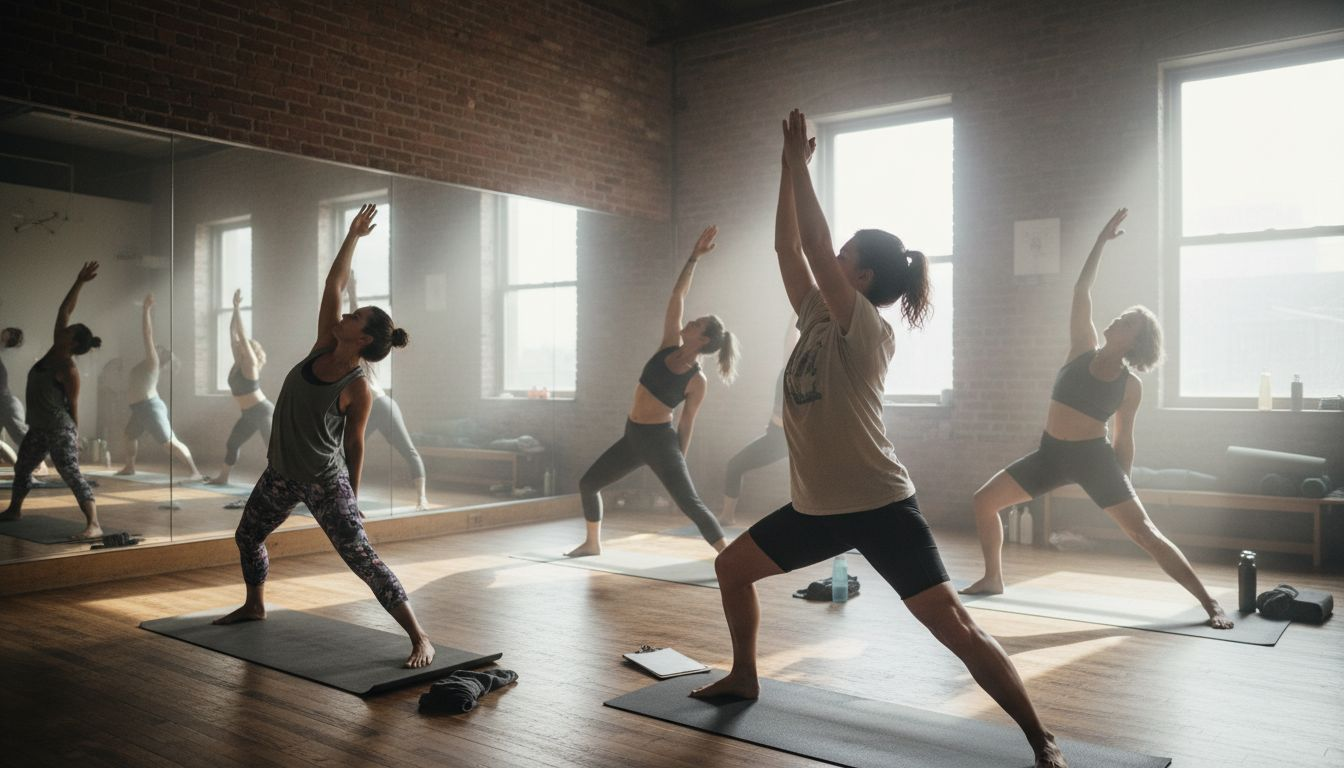
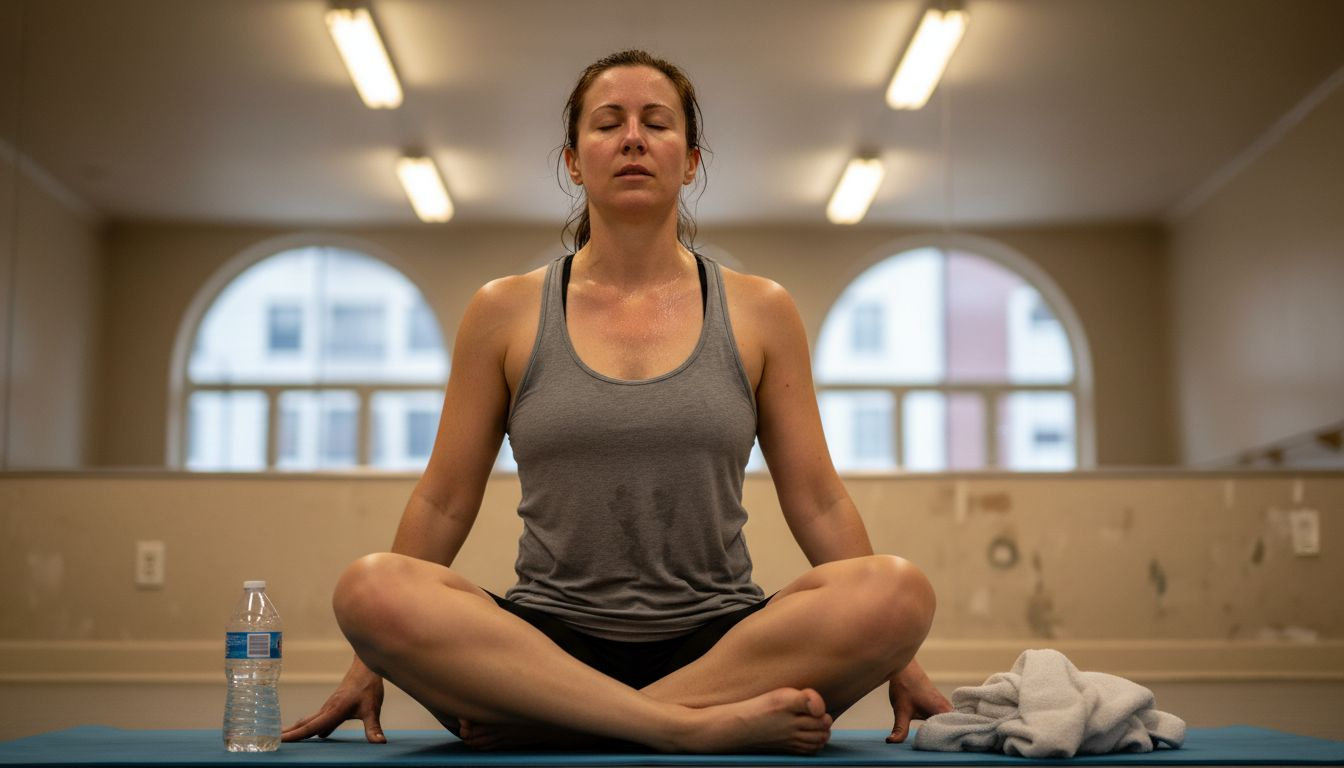
Hot yoga refers to yoga practiced in deliberately heated rooms, typically maintained between 90°F and 105°F with controlled humidity levels. The elevated temperature intensifies traditional yoga sequences, combining physical postures with pranayama breathing techniques to create a challenging yet accessible workout. This practice style gained mainstream attention in the 1970s and has evolved into multiple variations, each offering distinct approaches to heat exposure and sequence design.

The core practice centers on leveraging heat to enhance muscle pliability, increase heart rate, and promote profuse sweating. Instructors guide students through sequences that range from gentle stretching to vigorous flows, with room temperature amplifying the cardiovascular demand of each movement. The heated environment forces your body to adapt quickly, triggering thermoregulatory responses that build resilience over time.

Philadelphia has experienced remarkable growth in hot yoga participation over the past five years. Local studios report 40% increases in class attendance, with practitioners citing fitness results and stress relief as primary motivations. The city's wellness-focused population, combined with year-round demand for indoor exercise options, has created a thriving hot yoga ecosystem. Community events, teacher trainings, and specialized workshops now fill calendars across neighborhoods from Center City to Manayunk.

Several factors drive this expansion:

  • Measurable fitness improvements within weeks attract goal-oriented practitioners

  • Mental health benefits appeal to professionals managing high-stress careers

  • Social atmosphere creates accountability and belonging

  • Accessibility improvements through beginner-friendly classes and modified poses

  • Growing awareness of evidence-based wellness practices

Physiological effects of hot yoga on the body

The heated environment creates distinct physical adaptations that separate hot yoga from room-temperature practice. Your cardiovascular system responds to combined heat and movement stress by increasing endurance and flexibility through enhanced circulation and muscle warming. These changes occur rapidly, with measurable improvements appearing within two months of consistent practice.

Cardiovascular endurance jumps by 10-15% after eight weeks of regular sessions, as your heart adapts to pumping blood efficiently while managing core temperature. The dual challenge of physical exertion and heat stress trains your cardiovascular system more intensely than comparable room-temperature exercise. Blood vessels dilate to facilitate cooling, improving overall circulation and oxygen delivery to working muscles.

Flexibility gains reach 15-20% improvements as elevated temperatures reduce muscle viscosity and increase range of motion. Warmed tissues stretch more safely and deeply, allowing you to explore poses that might feel restrictive in cooler environments. This enhanced pliability reduces injury risk when proper form is maintained, though it also demands careful attention to avoid overstretching.

Physiological Metric Improvement Range Timeframe
Cardiovascular endurance 10-15% 8 weeks
Flexibility 15-20% 6-8 weeks
Heat tolerance 25-30% 4-6 weeks
Recovery time 20% reduction 8-10 weeks

Heat acclimation represents one of hot yoga's most valuable adaptations. Your body learns to sweat earlier and more efficiently, improving thermoregulation in all environments. This enhanced cooling capacity translates to better performance in outdoor activities, reduced heat-related discomfort during summer months, and improved resilience to temperature fluctuations. Athletes often incorporate hot yoga specifically to build this adaptation for competition preparation.

"The combination of heat exposure and controlled movement creates a unique training stimulus that builds both physical capacity and mental toughness, preparing practitioners for challenges beyond the yoga mat."

Increased blood flow during practice accelerates muscle recovery and nutrient delivery. The vasodilation response floods tissues with oxygen-rich blood, supporting repair processes and reducing post-exercise soreness. Many practitioners report faster recovery between workouts when incorporating hot yoga into cross-training programs.

Mental health benefits and psychological mechanisms

Hot yoga delivers profound mental wellness improvements through multiple neurological and hormonal pathways. The practice reduces cortisol levels by 20-25% when performed consistently three times weekly, directly addressing stress hormone imbalances that contribute to anxiety and mood disorders. This biochemical shift creates measurable improvements in emotional regulation and perceived stress levels.

The parasympathetic nervous system activates strongly during and after heated sessions, counteracting the chronic fight-or-flight response many people experience in daily life. Controlled breathing combined with heat exposure triggers relaxation responses that persist for hours after class ends. You'll notice improved sleep quality, reduced muscle tension, and calmer reactions to stressors as this pattern reinforces over time.

Mindfulness naturally deepens when you're managing heat stress alongside complex poses and breathing patterns. The intense present-moment awareness required to navigate a 105°F room while holding warrior pose leaves little cognitive space for rumination or worry. This forced focus trains your attention system, building skills that transfer to meditation and daily mindfulness practice.

Psychological resilience grows through repeated exposure to controlled discomfort. Each session where you choose to stay present despite heat, fatigue, or challenge strengthens your capacity to tolerate difficult situations elsewhere. Research participants describe increased confidence in handling work pressure, interpersonal conflict, and physical challenges after establishing consistent hot yoga practice.

Key mental health mechanisms include:

  • Endorphin release creating natural mood elevation

  • Reduced inflammation markers linked to depression

  • Improved body awareness and acceptance

  • Community connection reducing isolation

  • Achievement satisfaction from completing challenging sessions

Pro Tip: Track your mood before and after sessions for two weeks to observe patterns in emotional regulation and stress response improvements.

Pathway to becoming a certified hot yoga teacher

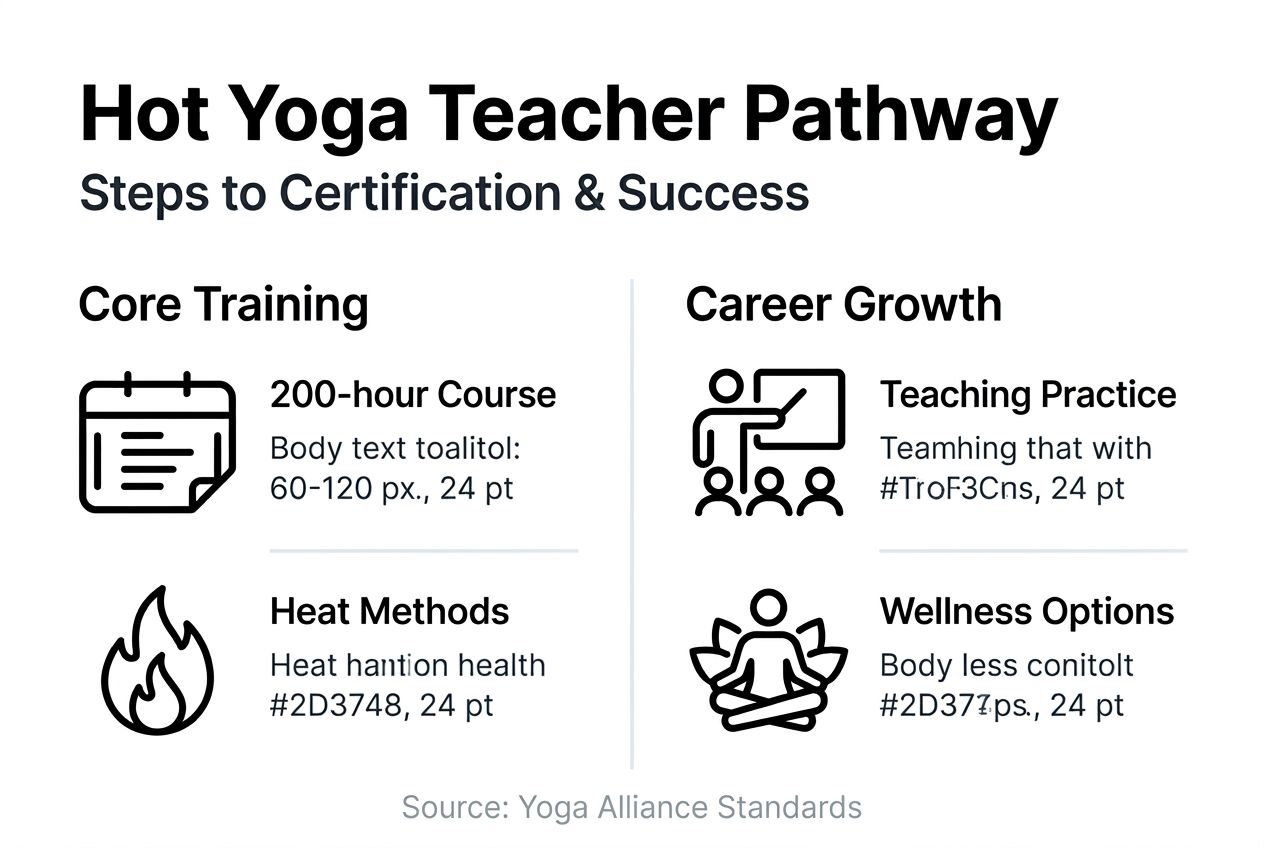
Becoming a qualified hot yoga instructor requires foundational yoga education followed by specialized training in heat physiology and safety protocols. The standard pathway begins with a 200-hour yoga teacher training program registered with Yoga Alliance, covering anatomy, teaching methodology, philosophy, and practicum experience. This baseline certification ensures you understand traditional yoga principles before adding heat-specific complexities.

Specialized hot yoga teacher training builds on that foundation with focused education in thermoregulation, heat illness prevention, and modifications for heated environments. These programs typically add 50-100 hours of instruction covering topics standard certifications omit. You'll learn to recognize early warning signs of heat stress, design appropriate sequencing for temperature variations, and adapt poses for practitioners at different acclimation stages.

The complete certification process unfolds through these steps:

  1. Complete 200-hour foundational yoga teacher training from a registered school

  2. Accumulate 50-100 personal practice hours in heated environments

  3. Enroll in accredited hot yoga specialty training program

  4. Complete supervised teaching hours with mentor feedback

  5. Pass practical teaching demonstration and written examination

  6. Obtain liability insurance and CPR/First Aid certification

  7. Pursue continuing education in heat safety and advanced techniques

Training Component Standard Yoga Hot Yoga Specialty
Total hours 200 250-300
Heat physiology Minimal 15-20 hours
Safety protocols General Heat-specific
Practicum teaching 20-30 hours 40-50 hours
Investment $2,500-4,000 $3,500-5,500

Practical teaching experience in heated studios provides irreplaceable learning through direct application. Many programs require 20-40 supervised teaching hours where you receive feedback on cueing, pacing, safety monitoring, and student interaction. This mentorship phase exposes you to diverse student needs and unexpected situations, building confidence before you lead independent classes.

Recognized certification bodies for hot yoga include Yoga Alliance Registered Schools offering specialized tracks, Bikram Yoga College of India for traditional 26-posture sequences, and independent programs like CorePower Yoga Teacher Training. Research each option's curriculum, teaching philosophy, and graduate outcomes to find alignment with your goals and teaching style development.

Pro Tip: Attend multiple hot yoga styles during your training to understand different approaches to heat, sequencing, and student interaction before specializing.

Safety protocols and best practices for hot yoga instructors

Instructors carry primary responsibility for creating safe heated environments through proactive protocols and vigilant monitoring. Hydration and gradual acclimation form the foundation of heat illness prevention, reducing risk by over 60% when implemented consistently. You must establish clear expectations about water intake before, during, and after class, recommending students arrive well-hydrated and bring adequate fluids.

Gradual heat acclimation schedules protect new practitioners from overwhelming their thermoregulatory systems. Start beginners at lower temperatures or shorter duration classes, progressively increasing exposure over two to three weeks. This patient approach allows physiological adaptations to develop safely, preventing the acute heat stress that drives dropout and injury. Monitor new students closely during their first five sessions when risk peaks.

Continuous participant monitoring throughout class enables early intervention before symptoms escalate. Watch for warning signs including excessive sweating cessation, pale or flushed skin, dizziness, nausea, confusion, or coordination loss. Position yourself to maintain visual contact with all students, and create a culture where stepping out or modifying poses reflects smart self-care rather than weakness.

Adaptation strategies for diverse populations ensure inclusivity and safety:

  • Offer temperature variations from 85°F to 105°F across different class levels

  • Provide modification demonstrations for every pose sequence

  • Encourage breaks and water intake without judgment

  • Screen students for heat-sensitive medical conditions

  • Maintain emergency response plans and staff training

  • Keep room well-ventilated despite heat to ensure air quality

Implementing comprehensive safety measures includes environmental controls beyond temperature alone. Monitor humidity levels to prevent excessive heat index elevation, ensure proper ventilation to maintain air quality, and regulate class size to avoid overcrowding that impairs heat dissipation. Equipment like cooling towels and fans provides backup support when students need additional relief.

Communication establishes safety as a shared responsibility between instructor and practitioner. Remind students regularly about listening to their bodies, taking breaks as needed, and reporting unusual symptoms immediately. Create multiple opportunities for students to exit gracefully without disrupting class flow, normalizing rest as an intelligent training choice.

Common misconceptions about hot yoga

Myths surrounding hot yoga create unnecessary barriers for potential practitioners and teachers, often rooted in outdated information or misunderstanding of proper practice conditions. The most persistent misconception claims hot yoga poses unacceptable safety risks for beginners, but gradual acclimation enables safe participation for most individuals when proper protocols are followed. Studies show 85% of beginners adapt successfully within their first three to five sessions, experiencing no adverse events when properly hydrated and supervised.

Excessive dehydration concerns often exaggerate actual fluid loss and ignore the body's remarkable compensatory mechanisms. While hot yoga does increase sweat production, structured hydration before, during, and after class maintains safe fluid balance. The key difference between risky dehydration and healthy sweating lies in preparation and replacement, not the activity itself. Properly managed hot yoga reduces heat illness risk by over 60% compared to unstructured heat exposure.

The belief that hot yoga serves only elite athletes or highly fit individuals creates artificial exclusion. Reality demonstrates that hot yoga welcomes practitioners across fitness levels when classes offer appropriate modifications and teaching. Many studios specifically design beginner tracks with lower temperatures and simplified sequences, creating accessible entry points. The practice scales effectively from rehabilitation contexts to athletic performance enhancement.

Additional myths worth correcting include:

  • Myth: You must be flexible to start hot yoga. Fact: Heat actually helps inflexible bodies gain range of motion more safely.

  • Myth: Hot yoga causes dangerous toxin release through sweat. Fact: Sweating primarily regulates temperature; your liver and kidneys handle detoxification.

  • Myth: The heat does all the work, making it easier than regular yoga. Fact: Elevated temperature increases cardiovascular demand, making practice more challenging.

  • Myth: Hot yoga guarantees weight loss. Fact: Water weight drops temporarily, but sustainable fat loss requires consistent practice plus nutrition management.

Understanding these realities helps you approach hot yoga with appropriate expectations and preparation. The practice offers genuine benefits without requiring superhuman fitness or risking inevitable harm. Knowledge-based decision making replaces fear-based avoidance, opening doors for people who would benefit most from hot yoga's unique advantages.

The Philadelphia hot yoga community and career opportunities

Philadelphia's hot yoga landscape offers diverse class options across neighborhoods, serving beginners through advanced practitioners with varying temperature preferences and style approaches. The city supports over 30 studios featuring heated classes, ranging from traditional Bikram sequences to contemporary fusion formats. This variety creates opportunities for practitioners to find their ideal match and teachers to specialize in preferred methodologies.

Career pathways for certified instructors extend beyond basic class teaching into wellness coaching, specialty workshops, private instruction, and studio management. Many teachers build hybrid careers combining hot yoga instruction with complementary services like nutrition consulting, massage therapy, or mental health counseling. The integrated wellness approach appeals to Philadelphia's health-conscious population while creating income diversification and professional development opportunities.

Certified instructors earn median incomesaround $50,000 annually in the Philadelphia market, with top earners exceeding $75,000 through high class volume, private clients, and specialized offerings. Part-time instruction typically generates $30-50 per class, while established teachers with loyal followings command premium rates. Studio employment often includes benefits like free classes, retail discounts, and continuing education support.

Career Level Annual Income Range Typical Weekly Classes
New instructor $15,000–25,000 3–5
Established teacher $35,000–50,000 8–12
Senior instructor $50,000–75,000 12–18
Studio director $60,000–90,000 6–10 plus management

Continuing education maintains teaching quality and career advancement through specialized certifications, anatomy workshops, and business training. Philadelphia hosts regular professional development opportunities including advanced sequencing courses, trauma-informed teaching methods, and exploring different hot yoga styles. Investment in ongoing learning distinguishes exceptional teachers and opens doors to mentorship and training roles.

Community engagement strengthens both teaching careers and student retention through authentic connection beyond transactional instruction. Teachers who invest in knowing students personally, celebrate progress milestones, and foster inclusive environments build loyal followings that sustain long-term careers. The Philadelphia yoga community values relationship-based teaching, creating opportunities for instructors who prioritize connection alongside technical skill.

Local networking happens through studio events, teacher meetups, and collaborative workshops that cross-pollinate ideas and build professional relationships. Many instructors find mentorship, substitution opportunities, and career guidance through these connections. Participating actively in the broader wellness community enhances visibility and creates referral pathways that benefit everyone involved. Understanding the landscape of Philadelphia yoga studios helps position yourself strategically within the market.

Explore hot yoga training and wellness services at Amrita Yoga & Wellness

Ready to experience hot yoga's transformative benefits or begin your teaching journey? Amrita Yoga & Wellness serves as Philadelphia's hub for accessible hot yoga classes and comprehensive teacher training programs that emphasize safety, community, and sustainable practice.

Our new student specials provide an affordable entry point for exploring different class styles and temperature preferences before committing to regular practice. Beginners receive personalized guidance on hydration protocols, pose modifications, and gradual heat acclimation to ensure safe, enjoyable experiences from day one. Teacher training candidates benefit from mentorship with experienced instructors who understand the unique demands of heated instruction.

We maintain transparent studio policies supporting flexible scheduling, clear communication, and responsive student care. Our commitment to creating welcoming environments extends beyond yoga classes to complementary wellness services including acupuncture, massage therapy, and holistic health consulting. This integrated approach supports your complete wellness journey, whether you're managing stress, building fitness, or developing teaching skills.

FAQ

Is hot yoga safe for beginners?

Yes, most beginners adapt safely to hot yoga within three to five sessions when following proper hydration and acclimation protocols. Studios offering beginner-specific classes with lower temperatures and simplified sequences create ideal entry points. Listen to your body, take breaks as needed, and communicate any concerns with your instructor immediately.

How long does it take to become a certified hot yoga teacher?

The complete pathway typically requires six to twelve months, including a 200-hour foundational yoga teacher training plus 50-100 hours of hot yoga specialization. Practical teaching experience and mentorship extend the timeline but provide essential preparation for independent instruction. Many teachers continue learning through advanced certifications and workshops throughout their careers.

What are the main safety measures instructors should follow in hot yoga classes?

Instructors must enforce hydration protocols, implement gradual heat acclimation schedules, and monitor participants continuously for heat stress symptoms. Providing modifications for all fitness levels, maintaining proper ventilation, and creating a culture where taking breaks is encouraged ensures safe practice environments. Emergency response training and clear communication complete comprehensive safety approaches.

Where can I find hot yoga classes and teacher training in Philadelphia?

Local studios including Amrita Yoga & Wellness offer diverse hot yoga classes and comprehensive teacher training across Philadelphia neighborhoods. New student specials provide affordable exploration opportunities, while experienced practitioners find advanced workshops and specialty certifications. Community events and open houses help you discover the right studio match for your goals and preferences.

Recommended

Hot yin yoga benefits and how to start safely

Heather Rice

Hot yin yoga isn't just another sweat session. It blends the meditative stillness of yin yoga with moderate heat to create a unique practice that challenges your body while calming your mind. This guide explains what makes hot yin yoga different, its scientifically backed benefits for flexibility and mental health, essential safety tips, and how Philadelphia adults can start this rewarding practice confidently and safely.

Table of Contents

Key takeaways

Point Details
Hot yin yoga combines long-held poses with moderate heat around 95°F for balanced mind-body benefits Practice differs from intense hot yoga styles through slower, meditative approach
Heat enhances flexibility and circulation while long holds calm the nervous system Improved cardiometabolic markers and vascular function support physical health
Practice requires mindful safety including proper hydration and gradual heat acclimation Beginners should start at lower temperatures and shorter sessions
Mental benefits include reduced anxiety, better sleep, and enhanced cognitive clarity Warm environment creates soothing setting for stress relief
Suitable for most adults but those with cardiovascular conditions should consult doctors first Listen to body signals and stop if experiencing dizziness or nausea

What is hot yin yoga?

Hot yin yoga merges traditional yin yoga's passive stretching with a heated room around 95°F. You hold poses for at least three minutes, allowing gravity and time to work on connective tissues while heat warms muscles. This combination creates a meditative practice that's gentler than flowing hot yoga styles but more physically challenging than room-temperature yin.

The practice differs significantly from types of hot yoga like Bikram or hot vinyasa. While those styles feature continuous movement and higher temperatures around 105°F, hot yin yoga maintains stillness. Each pose targets deep connective tissue, and the moderate heat amplifies muscle pliability without overwhelming intensity.

Key characteristics include:

  • Room temperature typically 90 to 95°F

  • Poses held three to five minutes minimum

  • Minimal movement between positions

  • Focus on hip openers, forward folds, and gentle twists

  • Sessions usually 60 to 75 minutes long

This blend balances yin's passive stretch with yang's heat-induced cardiovascular challenge. The result is a practice accessible to many fitness levels while delivering substantial physical and mental rewards. You gain flexibility benefits without the intensity of power yoga, and mental calm without sacrificing physical engagement.

Health benefits of hot yin yoga

Regular hot yin yoga practice delivers measurable physical improvements. Research shows chronic hot yoga practice enhances cardiometabolic markers such as improved body composition, lipid profiles, and vascular function without harming kidney function or sleep quality. Heat makes muscles and fascia more pliable, letting you safely stretch deeper than in cooler environments.

Flexibility gains appear most notably in the back, shoulders, and hamstrings. When tissues warm up, they elongate more readily, reducing injury risk during stretches. This increased range of motion carries over to daily activities, improving posture and reducing chronic tension patterns.

Cardiovascular and metabolic benefits include:

  • Improved cholesterol and lipid profiles

  • Enhanced blood vessel function and circulation

  • Moderate calorie burn supporting weight management

  • Better glucose regulation and insulin sensitivity

  • Increased heart rate variability indicating stress resilience

Benefit Category Specific Improvements Time to Notice
Flexibility Hip and hamstring range of motion 2 to 4 weeks
Cardiovascular Lower resting heart rate, better circulation 6 to 8 weeks
Metabolic Improved lipid profiles, glucose regulation 8 to 12 weeks
Body Composition Reduced body fat percentage 8 to 12 weeks

Pro Tip: Balance intensity by focusing on comfortable depth rather than maximum stretch. Overstretching in heat can cause ligament damage that takes months to heal. Following hot yoga safety tips helps you gain benefits while protecting joints and connective tissue.

Mental and psychological benefits of hot yin yoga

The warm studio environment creates a soothing cocoon that enhances relaxation. Your nervous system responds to heat by activating parasympathetic responses, lowering cortisol and promoting calm. Research confirms stress relief is enhanced in warm, relaxing environments, with hot yoga reducing anxiety and depression symptoms and improving cognitive function.

Long-held poses give your mind space to settle. Unlike faster yoga styles where you're constantly transitioning, yin's stillness lets thoughts surface and dissolve naturally. This meditative quality builds mental resilience and emotional regulation over time.

Psychological benefits include:

  • Reduced symptoms of anxiety and depression

  • Enhanced mental clarity and focus

  • Better emotional regulation during stress

  • Improved sleep quality and duration

  • Greater body awareness and mindfulness

Regular hot yin yoga practitioners report significant reductions in anxiety levels within eight weeks, with improved mood and cognitive function persisting for hours after practice.

The combination of heat exposure and meditation creates unique neurological effects. Moderate warmth increases blood flow to the brain while stillness allows default mode network activity to reset. These changes support better concentration, creative problem solving, and emotional balance in daily life. Following hot yoga wellness steps helps you maximize these mental health benefits consistently.

Common misconceptions and safety considerations

Many people assume heat alone does not guarantee safe flexibility improvements; overstretching in heat can cause injuries, requiring mindful practice and gradual acclimation. Your muscles feel more pliable when warm, which can trick you into pushing past safe limits. Ligaments and tendons stretched beyond their capacity don't bounce back, leading to chronic instability.

Dehydration poses real risks during heated practice. You lose fluids through sweat faster than you might realize, and waiting until you feel thirsty means you're already dehydrated. This affects performance, recovery, and can cause dizziness or heat exhaustion.

Critical safety guidelines:

  • Drink 16 to 20 ounces of water two hours before class

  • Sip water during practice if needed, especially in longer sessions

  • Rehydrate with electrolytes after class

  • Start with lower temperatures and shorter sessions

  • Stop immediately if you feel dizzy, nauseous, or excessively fatigued

  • Avoid practice if you have uncontrolled high blood pressure or heart conditions

Pro Tip: Watch for warning signs like muscle cramping, headache, or confusion. These indicate heat stress requiring immediate cooling and hydration. Remove yourself from the heated room, drink water slowly, and rest until symptoms completely resolve before resuming activity.

Gradual acclimation matters more than rushing into intense heat. Your body needs time to adapt its sweating response and cardiovascular adjustments. Start with one or two sessions weekly at 85 to 90°F, then progress over several weeks. Comprehensive hot yoga safety tips provide detailed guidance for practicing responsibly while gaining maximum benefits.

Comparing hot yin yoga with hot yoga and traditional yin yoga

Understanding how hot yin yoga differs from related practices helps you choose the right style. Each variation offers distinct benefits depending on your fitness goals, heat tolerance, and preference for dynamic versus static practice.

Traditional hot yoga like Bikram uses temperatures around 105°F with 40% humidity. Classes follow a set sequence of 26 poses performed twice with specific breathing exercises. The heat and continuous movement create intense cardiovascular demand, burning significant calories while building strength and endurance.

Traditional yin yoga happens at room temperature with no added heat. You hold poses three to five minutes focusing purely on connective tissue release and meditation. Without heat's muscle-relaxing effects, stretches feel different but allow precise awareness of resistance and release patterns.

Style Temperature Pose Duration Intensity Level Primary Focus
Hot Yin Yoga 90 to 95°F 3 to 5 minutes Low to moderate Flexibility, meditation, moderate cardio
Traditional Hot Yoga 100 to 105°F 30 to 60 seconds Moderate to high Cardiovascular fitness, strength, detox
Traditional Yin Yoga 68 to 72°F 3 to 5 minutes Low Deep stretching, meditation, stress relief

Hot yin yoga's moderate temperature strikes a balance. You get heat's flexibility benefits without extreme cardiovascular demand. The longer holds provide yin's meditative depth while warmth enhances circulation and calorie burn modestly.

Distinct features of each approach:

  • Hot yin: balanced physical and mental challenge, accessible heat level, combines passive stretching with gentle cardiovascular conditioning

  • Traditional hot yoga: high intensity, structured sequences, significant calorie burn, requires strong heat tolerance

  • Room temperature yin: pure meditation focus, no heat stress, ideal for recovery days, deepest introspective practice

Exploring hot yoga types comparison reveals which style matches your current fitness level and wellness objectives.

How to safely start practicing hot yin yoga

Beginning hot yin yoga requires thoughtful preparation and gradual progression. Jumping into full heat and duration increases injury and heat illness risks unnecessarily. These steps ensure you build tolerance while gaining benefits.

  1. Start with lower room temperatures between 85 to 90°F for your first three to four sessions

  2. Limit initial classes to 45 to 60 minutes rather than 75-minute sessions

  3. Hydrate thoroughly with 64 ounces of water throughout the day before practice

  4. Wear lightweight, moisture-wicking clothing that doesn't restrict movement

  5. Bring a large towel for your mat and a smaller one for wiping sweat

  6. Eat a light meal two to three hours before class, avoiding heavy or greasy foods

  7. Consult your doctor if you have cardiovascular conditions, heat sensitivity, or take medications affecting thermoregulation

  8. Gradually increase session length and temperature over four to six weeks as tolerance builds

Pro Tip: Schedule your first class when you can rest afterward rather than rushing to work or errands. Your body continues regulating temperature for 30 to 60 minutes post-practice, and you'll want time to rehydrate and cool down properly without time pressure.

Listening to your body matters more than completing every pose. If you need to rest in child's pose or step out briefly, do so without hesitation. Experienced practitioners take breaks when needed, recognizing this as strength rather than weakness.

Resources for hot yoga preparation and hot yoga safety guidelines provide comprehensive details on gear, timing, and safety protocols. Additional hot yoga beginner tips address common questions about proper form, breathing techniques, and realistic expectations for your first month of practice.

Integrating hot yin yoga into your wellness journey

Hot yin yoga offers a unique path combining physical challenge with mental calm. Scientific evidence supports its benefits for flexibility, cardiovascular health, and psychological well-being. The practice proves accessible to many adults when approached with appropriate safety measures and gradual progression.

You don't need previous yoga experience to start, though basic body awareness helps. The key lies in respecting heat's effects while honoring your current limitations. Over weeks and months, you'll notice improvements in range of motion, stress resilience, and overall vitality.

Integrate hot yin yoga thoughtfully by starting once or twice weekly, then adjusting based on recovery and energy levels. Complement it with strength training or cardiovascular exercise for balanced fitness. Most importantly, approach each session with curiosity rather than competition, letting the practice unfold naturally as your body adapts and grows stronger.

Discover hot yin yoga classes and wellness services at Amrita Yoga & Wellness

Ready to experience hot yin yoga's transformative benefits? Amrita Yoga & Wellness in Philadelphia offers classes designed for all experience levels in a welcoming, supportive environment. Review our studio policies before your first visit to ensure you're fully prepared.

New students can take advantage of new student specials that make starting your practice affordable and accessible. Beyond yoga, explore complementary services like acupuncture to enhance your overall wellness journey. Join our community today and discover how hot yin yoga can elevate your physical and mental well-being.

Frequently asked questions about hot yin yoga

Who should avoid practicing hot yin yoga?

People with uncontrolled high blood pressure, heart conditions, or heat sensitivity should consult doctors before starting. Pregnant women should seek medical clearance and may need modified poses or cooler temperatures. Anyone recovering from recent injury or surgery should wait until cleared by healthcare providers.

How often can I safely practice hot yin yoga?

Beginners should start with one to two sessions weekly, allowing 48 hours between classes for recovery. As your body adapts over four to six weeks, you can increase to three to four times weekly. Listen to fatigue levels and reduce frequency if you feel persistently tired or sore.

What should I wear and bring to a hot yin yoga class?

Wear lightweight, breathable clothing like fitted shorts and moisture-wicking tank tops. Bring a yoga mat, large towel for covering the mat, small towel for wiping sweat, and a water bottle with at least 20 ounces. Some studios provide props like blocks and bolsters.

Can hot yin yoga help with stress and sleep?

Yes, the practice activates parasympathetic nervous system responses that reduce cortisol and promote relaxation. Regular practitioners report better sleep quality and duration within four to eight weeks. Evening classes particularly support unwinding before bed, though some people prefer morning sessions to set a calm tone for the day.

Is prior yoga experience necessary for hot yin yoga?

No previous yoga experience is required. Hot yin yoga's slower pace and emphasis on stillness actually make it beginner-friendly compared to faster flow styles. Instructors provide modifications for different flexibility levels, and you learn proper alignment while building heat tolerance gradually.

Recommended

Simple yoga for beginners: easy low-impact routines

Heather Rice

Feeling overwhelmed by complicated yoga poses or worried about getting hurt? You're not alone. Many beginners abandon yoga before experiencing its benefits because they fear injury or feel intimidated by complex sequences. Simple yoga offers a solution: accessible, low-impact routines designed specifically for people new to the practice. These gentle movements build strength, flexibility, and mindfulness without the stress of advanced poses. Whether you're in Philadelphia or anywhere else, simple yoga provides a safe entry point into wellness that fits your life.

Table of Contents

Key takeaways

Point Details
Safe wellness approach Simple yoga uses low-impact movements that reduce injury risk while improving flexibility, strength, and mental health.
Minimal requirements You need just 10-20 minutes daily, a yoga mat, comfortable clothes, and a quiet space to start practicing effectively.
Beginner-friendly poses Twelve foundational poses like Cobra and Downward Dog build your practice safely with modifications for all fitness levels.
Avoid common mistakes Skipping warm-ups, poor alignment, and pushing too hard increase injury risk and slow progress unnecessarily.
Realistic progress timeline Consistent practice 2-3 times weekly delivers visible flexibility and strength improvements within 6-8 weeks.

Introduction to simple yoga and its benefits

Simple yoga strips away intimidating elements and focuses on beginner-friendly, low-impact movements suitable for all body types and fitness levels. Unlike advanced practices requiring extreme flexibility or balance, simple yoga emphasizes accessible poses that anyone can perform safely. This approach welcomes people with mobility concerns, joint issues, or those simply new to exercise.

The physical benefits are substantial and measurable:

  • Improved flexibility through gentle stretching that gradually increases range of motion

  • Enhanced muscle strength from holding poses that engage core, legs, and upper body

  • Better joint mobility without the high-impact stress of running or jumping

  • Reduced pain from chronic conditions through gentle movement and alignment correction

Mental health improvements match the physical gains. Yoga is a low-impact exercise that can reduce pain, boost mood, lower blood pressure, and promote better sleep, making it ideal for people with mobility or joint issues. Regular practice cultivates stress relief through focused breathing and present-moment awareness. You'll notice mood improvements as endorphins increase and cortisol decreases. Many practitioners report better sleep patterns within weeks of starting a consistent routine.

The low-impact nature makes simple yoga perfect for beginners who worry about injury. Unlike high-intensity workouts that stress joints and muscles, yoga movements flow smoothly with controlled breathing. This gentleness accommodates people recovering from injuries or managing chronic conditions like arthritis.

Philadelphia's wellness community values accessible fitness options that fit busy urban lifestyles. Simple yoga meets this need by requiring minimal space and equipment while delivering maximum health benefits. You can practice at home, in a park, or at a local studio, making it adaptable to your schedule and preferences.

Prerequisites and preparation for simple yoga

Before rolling out your mat, proper preparation ensures safety and maximizes your practice benefits. Physical readiness starts with basics: wear comfortable, breathable clothing that allows free movement without restriction. Leggings or loose pants work better than jeans. Drink water before practice, but avoid heavy meals within two hours of starting.

Essential equipment keeps costs low:

  • Non-slip yoga mat providing cushioning and stability for floor poses

  • Yoga blocks supporting proper alignment when flexibility limits reach

  • Yoga strap assisting in stretches without straining muscles

  • Blanket or bolster for seated poses and final relaxation

You don't need expensive gear to start. A basic mat costs $20-40 and lasts years with proper care. Props help but aren't mandatory for beginners.

Preparation Element Purpose Cost
Yoga mat Cushioning and grip $20-40
Comfortable clothing Freedom of movement $0-30 (use existing clothes)
Props (blocks, strap) Pose modifications $15-25 (optional)
Quiet space Focus and safety Free

Environmental setup matters as much as equipment. Find a quiet space with enough room to extend arms and legs fully without hitting furniture. A bedroom, living room, or outdoor area works perfectly. Ensure the surface is level and free from sharp objects. Temperature should feel comfortable, neither too hot nor too cold.

If you have chronic conditions, injuries, or health concerns, consult your doctor before starting yoga. Most people can practice safely, but medical clearance provides peace of mind and helps identify necessary modifications.

Philadelphia offers numerous beginner-friendly resources. Finding yoga classes in Philadelphia connects you with instructors who can assess your form and answer questions. Community classes provide motivation and social support that home practice sometimes lacks.

Step-by-step simple yoga routine

Yoga for beginners does not require pre-existing flexibility or expensive equipment and can start effectively with just a 10-minute daily routineincluding foundational poses and breathwork. This practical routine builds strength, flexibility, and mindfulness through consistent practice.

Daily routine structure (15-20 minutes):

  1. Warm-up (3 minutes): Gentle neck rolls, shoulder circles, and hip rotations prepare muscles and joints

  2. Breath awareness (2 minutes): Sit comfortably, focus on deep inhales through nose, slow exhales through mouth

  3. Foundation poses (10 minutes): Perform each pose for 30-60 seconds with modifications as needed

  4. Cool-down (3 minutes): Gentle stretches and relaxation in Corpse Pose

Twelve essential beginner poses:

Pose Name Primary Benefit Modification
Mountain Pose Posture and alignment Use wall for balance
Child’s Pose Spine stretch and relaxation Place bolster under torso
Cat-Cow Pose Spine mobility Reduce range of motion
Downward Facing Dog Full body strength Bend knees slightly
Cobra Pose Back strength Keep elbows bent
Bridge Pose Hip and glute strength Use block under sacrum
Warrior I Leg strength and balance Shorten stance
Triangle Pose Side body stretch Hand on block instead of floor
Tree Pose Balance and focus Foot on ankle, not knee
Seated Forward Fold Hamstring flexibility Bend knees generously
Butterfly Pose Hip opening Sit on folded blanket
Corpse Pose Final relaxation Cover body with blanket

Simple low-impact yoga poses such as Butterfly Pose, Cobra Pose, and Downward Facing Dog effectively improve flexibility, relieve stress, and build strength suitable for beginner levels without risk of injury if executed carefully.

Breath control techniques enhance every pose. Inhale during expansive movements like lifting arms or arching back. Exhale during contracting movements like folding forward or twisting. This coordination creates rhythm and keeps you present. Try counting breaths: inhale for four counts, exhale for four counts.

Pro Tip: Listen to your body signals carefully and never push through sharp pain. Mild discomfort during stretching is normal, but pain indicates you've gone too far. Back off immediately and modify the pose using props or reduced range of motion. Progress comes from consistent gentle practice, not forcing your body into positions it's not ready for.

Props support safe execution. Blocks bring the floor closer in standing forward folds. Straps extend reach in seated stretches. These tools aren't crutches but intelligent aids that prevent injury while building strength and flexibility.

A beginner yoga routine should feel challenging but achievable. You'll notice muscles engaging and breath deepening without feeling exhausted or strained.

Common mistakes and how to avoid them safely

Beginner enthusiasm often leads to preventable errors that increase injury risk and slow progress. Understanding these pitfalls helps you practice safely and effectively from day one.

Frequent mistakes beginners make:

  • Skipping warm-ups and jumping directly into challenging poses without preparing muscles and joints

  • Holding breath during difficult poses instead of maintaining steady breathing rhythm

  • Pushing too hard to match others or achieve perfect form before body is ready

  • Poor alignment that places stress on vulnerable joints like knees, lower back, and neck

  • Ignoring pain signals and continuing to practice through sharp or shooting sensations

Each mistake carries specific consequences. Common yoga injuries in the US involve muscle strain and overstretching of the neck, shoulders, spine, legs, and knees; injury risk can be reduced by warming up, choosing appropriate class levels, and listening to body signals. Skipping warm-ups leaves muscles cold and tight, making strains likely. Breath holding raises blood pressure and creates tension instead of relaxation. Pushing beyond current ability damages connective tissue that needs weeks or months to heal.

Poor alignment deserves special attention. In Downward Dog, rounded shoulders strain the neck. In Warrior poses, knee extending past ankle stresses the joint. In forward folds, rounding the lower back compresses discs. These subtle misalignments accumulate over time, causing chronic issues.

Yoga-related injuries have increased significantly as popularity has grown. Most injuries affect the musculoskeletal system, particularly the spine, knees, and shoulders. Proper instruction and gradual progression prevent the majority of these preventable injuries.

Pro Tip: Use a mirror or ask an instructor to check your alignment regularly. What feels correct often isn't when you're learning new movement patterns. Video recording yourself or attending classes with hands-on adjustments accelerates proper form development.

Evidence-based injury prevention strategies:

  • Always warm up with 3-5 minutes of gentle movement before deeper poses

  • Choose beginner-appropriate classes that match your current fitness level

  • Focus on breath as your primary guide; if breathing becomes strained, ease back

  • Build strength gradually over weeks and months rather than forcing flexibility

  • Stop immediately if you feel sharp pain, then modify or skip that pose

Building yoga skills safelyrequires patience and self-awareness. Your practice should challenge you without overwhelming your body's current capacity. Recovery between sessions matters as much as the practice itself.

Expected outcomes and progress timelines

Realistic expectations keep you motivated through the learning curve. Simple yoga delivers measurable benefits, but understanding typical timelines helps you celebrate progress appropriately.

A 7-day beginner yoga starter plan improves beginner flexibility, strength, and stress relief with consistent practice, using 12 beginner poses and a simple routine printable PDF. Physical improvements typically emerge within 6-8 weeks when practicing 2-3 times weekly. You'll notice easier movement in daily activities as flexibility increases. Muscles feel stronger and more toned. Balance improves noticeably, making you steadier on your feet.

Mental health benefits appear faster:

  • Reduced anxiety after individual sessions from breath work and present-moment focus

  • Improved mood within 2-3 weeks as regular practice regulates stress hormones

  • Enhanced mindfulness carrying over into daily life situations and relationships

  • Better sleep quality within 4-6 weeks from reduced physical tension and mental relaxation

Progress benchmarks by timeframe:

Timeline Physical Changes Mental Changes Practice Milestones
Week 1 Muscle soreness (normal), increased body awareness Immediate post-practice calm, reduced stress Learning basic poses, establishing routine
Week 4 Noticeable flexibility gains, reduced stiffness Improved mood, better stress management Holding poses longer, smoother transitions
Week 8 Significant strength and balance improvement Enhanced mindfulness, better sleep patterns Attempting variations, deeper stretches
Week 12 Visible muscle tone, improved posture Sustained emotional regulation Consistent practice habit, ready for intermediate poses

Consistent practice matters more than session length. Three 15-minute sessions weekly produce better results than one 60-minute weekly session. Your body adapts through regular stimulus, not occasional intense effort.

Set realistic goals that match your starting point. If you can't touch your toes now, expect to reach mid-shin after four weeks, then eventually knees, and finally toes after months of practice. Rushing this progression invites injury.

Yoga programs for beginners structure progression logically, building on previous skills. Following proven sequences helps you advance safely while maintaining motivation. Many practitioners notice yoga tips for wellness accelerate their progress when applied consistently.

Progress isn't always linear. Some weeks feel easier than others. Plateaus are normal and temporary. Trust the process and maintain consistency even when improvements seem to slow.

Alternative approaches and choosing the right path

Simple yoga forms one path among many. Understanding alternatives helps you select the approach that best matches your goals, physical condition, and lifestyle preferences.

Popular yoga styles for beginners:

  • Hot yoga: Practiced in heated rooms (95-105°F) to increase flexibility and detoxification through sweating

  • Restorative yoga: Uses props extensively for passive stretching held 5-10 minutes per pose for deep relaxation

  • Prenatal yoga: Modified specifically for pregnant women to maintain fitness and prepare for childbirth

  • Yin yoga: Targets connective tissue through long-held passive poses, complementing active practices

At-home practice versus studio classes:

Factor At-Home Practice Studio Classes
Cost Minimal (mat and optional props) $15-30 per class or monthly membership
Convenience Practice anytime, no travel required Fixed schedule, commute time needed
Instruction Self-guided or video-based Live feedback and hands-on adjustments
Community Solo practice Social connection and motivation
Intensity Self-paced, easily modified Instructor-led, group energy

Each approach offers distinct advantages. Home practice provides ultimate flexibility for busy schedules. You control the environment, music, and pace completely. However, you miss expert guidance that prevents bad habits from forming.

Studio classes offer professional instruction that accelerates learning. Instructors correct alignment issues you can't see yourself. The community aspect creates accountability and motivation. Many Philadelphia studios offer yoga class options designed specifically for beginners with smaller class sizes and extra attention.

Hot yoga suits people who enjoy sweating and want increased flexibility quickly. The heat allows deeper stretches but requires careful hydration. It's not ideal if you have cardiovascular concerns or heat sensitivity.

Restorative yoga appeals to stressed individuals needing deep relaxation more than physical challenge. It's perfect for recovery days or people with chronic pain conditions. The gentle nature makes it accessible for almost everyone.

Situational recommendations:

  • Joint issues or arthritis: Choose restorative or gentle yoga with props

  • Busy schedule: Start with 10-minute home routines, then add studio classes when possible

  • Social preference: Join studio classes for community support and motivation

  • Heat sensitivity: Avoid hot yoga, choose regular temperature classes

  • Pregnancy: Seek certified prenatal yoga instructors for safe modifications

Finding yoga classes in Philadelphia connects you with local options suited to your specific needs. Try different styles and instructors before committing to one approach. Many studios offer introductory packages letting you explore various classes affordably.

Amrita Yoga & Wellnessprovides diverse class options from gentle beginner sessions to more challenging practices, allowing you to grow within one supportive community.

Explore yoga classes and wellness support in Philadelphia

Reading about yoga builds knowledge, but practicing with expert guidance accelerates your progress dramatically. Philadelphia offers vibrant wellness communities where beginners find support, instruction, and motivation to maintain consistent practice.

Amrita Yoga & Wellness serves as a trusted local resource offering beginner-friendly yoga gym classes designed specifically for people starting their wellness journey. Experienced instructors provide hands-on adjustments and modifications ensuring you learn proper form from day one.

Finding and joining yoga classes near you is simpler than you might think. Start by visiting studio websites to review class schedules and instructor backgrounds. Look for terms like "beginner," "gentle," or "all levels" indicating accessible sessions.

New students often hesitate due to cost concerns. New student specials at Amrita Yoga & Wellness provide affordable introductory offers letting you experience professional instruction without major financial commitment. These packages typically include multiple classes at reduced rates, giving you time to develop a practice habit.

Studio practice offers benefits home routines can't replicate. You'll meet others on similar wellness journeys, creating accountability and friendship. Instructors spot alignment issues immediately, preventing injuries before they develop. The dedicated space removes home distractions, deepening your focus and practice quality.

Frequently asked questions

How long does it take to see benefits from simple yoga?

You'll feel immediate benefits like reduced stress and increased calm after your first session. Physical improvements including flexibility and strength typically become noticeable within 4-6 weeks of practicing 2-3 times weekly. Mental health benefits like improved mood and better sleep often emerge within 2-3 weeks of consistent practice.

Do I need expensive equipment to start simple yoga?

No, you only need a basic yoga mat costing $20-40 and comfortable clothing you likely already own. Props like blocks and straps help but aren't required initially. Many poses can be modified using household items like books instead of blocks or belts instead of straps until you decide to invest in dedicated equipment.

Can I modify poses if I'm not flexible?

Absolutely, modifications are essential for safe practice regardless of flexibility level. Use props to bring the floor closer in forward folds, bend your knees generously in standing poses, and reduce your range of motion in any stretch. Flexibility develops gradually over months, so working within your current range prevents injury while building capacity safely.

How do I know when I'm ready for more advanced yoga styles?

You're ready to progress when you can hold basic poses for 30-60 seconds with proper alignment and steady breathing, when you've practiced consistently for 8-12 weeks, and when simple routines no longer challenge you physically. Discuss progression with an instructor who can assess your form and readiness objectively before moving to intermediate practices.

What should I do if I feel pain during a yoga pose?

Stop immediately if you experience sharp or shooting pain, which signals potential injury rather than normal stretching sensation. Come out of the pose gently, then either skip it entirely or try a modified version with props or reduced depth. Mild muscle discomfort is normal when stretching, but joint pain or sharp sensations require stopping and possibly consulting a healthcare provider.

Recommended

Pilates breathing exercises boost core strength by 40%

Heather Rice

Many people believe Pilates breathing is simple belly breathing, but misconception prevalence estimated at 60% among Pilates beginners shows this confusion is widespread. Proper Pilates breathing uses lateral rib cage expansion to activate deep core muscles far more effectively than traditional methods. This guide clarifies the technique, explains quantified benefits for core strength and flexibility, and shows you how to practice correctly for optimal wellness in Philadelphia's supportive community environment.

Table of Contents

Key takeaways

Point Details
Lateral rib cage expansion activates deep core muscles Pilates breathing involves expanding your ribs sideways, not just filling your belly.
Core muscle activation increases up to 40% Proper technique significantly boosts transverse abdominis engagement compared to normal breathing.
Stress reduction improves by 20% Mind-body connection from controlled breathing lowers perceived stress and enhances wellness.
Common myths block progress Believing Pilates breathing is just belly breathing reduces effectiveness by up to 50%.
Community classes boost adherence by 40% Practicing with others in Philadelphia enhances motivation and sustains long-term benefits.

Understanding Pilates breathing: principles and physiology

Pilates breathing focuses on lateral thoracic expansion, meaning you widen your rib cage sideways as you inhale rather than pushing your belly out. This technique promotes deeper oxygenation and engages the transverse abdominis muscle, which wraps around your midsection like a natural corset. The transverse abdominis and diaphragm work together to stabilize your spine and pelvis during movement.

When you breathe laterally, you create internal pressure that supports your core from all angles. Your diaphragm descends as you inhale, while your ribs expand outward to make room for your lungs. This coordinated action maintains spinal alignment and prevents excessive stress on your lower back. The result is a stable foundation for every Pilates movement you perform.

Physiologically, this breathing pattern delivers several measurable benefits. Enhanced oxygen flow reaches your muscles more efficiently, improving endurance during exercise. Increased muscular engagement throughout your core creates functional strength that transfers to daily activities. Improved spinal support reduces injury risk and enhances posture over time.

Core muscles engaged during lateral rib expansion include:

  • Transverse abdominis: deepest abdominal layer providing spinal stability

  • Internal and external obliques: side muscles enabling rotation and lateral flexion

  • Pelvic floor muscles: supporting organs and maintaining continence

  • Multifidus: small spinal muscles controlling vertebral movement

  • Diaphragm: primary breathing muscle creating intra-abdominal pressure

This enhanced engagement aids flexibility by allowing controlled movement through full ranges of motion. When your core stays stable, your limbs can move freely without compromising spinal alignment. Understanding Pilates breathing techniques forms the foundation for all other Pilates exercises you'll learn. Research on core muscle activation continues to validate these physiological mechanisms.

How Pilates breathing enhances core strength and flexibility

Scientific studies demonstrate that activation of transverse abdominis increases by 30-40% during Pilates breathing compared to regular breathing patterns. This dramatic improvement translates directly to functional core strength you can feel in everyday movements. Your ability to maintain neutral spine position improves, reducing strain during lifting, bending, and twisting activities.

Spinal flexibility shows quantified improvements as breathing exercises release tension in your back muscles. When you practice lateral breathing consistently, your intercostal muscles between your ribs become more supple. This increased rib cage mobility allows for deeper breaths and better spinal rotation. Track your progress by measuring how far you can comfortably rotate your torso while maintaining proper alignment.

Research shows Pilates breathing reduces perceived stress by approximately 20% through enhanced mind-body connection. The focused attention required to breathe laterally shifts your nervous system toward parasympathetic dominance. This physiological state promotes recovery, digestion, and overall wellness beyond just physical fitness gains.

Pro Tip: Practice Pilates breathing for just 5 minutes each morning before other activities to establish consistent technique and maximize cumulative benefits throughout your day.

Physical and mental benefits you can expect include:

  • Reduced muscle tension in shoulders and neck from proper breathing mechanics

  • Improved concentration during work tasks requiring sustained focus

  • Enhanced cardiovascular efficiency from optimized oxygen exchange

  • Greater body awareness leading to better movement patterns

  • Increased vitality and energy levels throughout the day

These Pilates practice benefits extend into multiple areas of your wellness journey. Combined with other healthy habits, proper breathing technique supports comprehensive lifestyle improvements that compound over time. Studies on stress reduction validate the psychological advantages of mindful breathing practices integrated with physical exercise.

Common misconceptions about Pilates breathing debunked

About 60% of beginners incorrectly believe Pilates breathing is identical to belly breathing used in relaxation exercises. This fundamental misunderstanding prevents proper core activation from the start. When you only breathe into your belly, your transverse abdominis remains relatively inactive, missing the primary benefit of the technique.

Incorrect breathing patterns reduce core muscle activation by up to 50% compared to proper lateral breathing. This massive difference means you could practice for months without achieving the strength gains you expect. The confusion stems from conflicting advice across different exercise traditions and incomplete instruction in some fitness settings.

Top misconceptions and the truth behind them:

  • Myth: Any conscious breathing during Pilates automatically strengthens your core. Fact: Only lateral thoracic breathing with proper rib expansion activates deep stabilizing muscles effectively.

  • Myth: Pilates breathing should feel completely relaxing like meditation breathing. Fact: It requires muscular effort to expand ribs laterally while maintaining core engagement, creating productive tension.

  • Myth: Belly breathing and Pilates breathing are interchangeable techniques. Fact: Belly breathing bypasses transverse abdominis activation, offering minimal core strengthening benefits compared to rib expansion.

Misunderstanding the distinction between belly expansion and lateral rib expansion directly hinders your progress toward core strength goals. Many practitioners spend weeks wondering why they don't feel their abs working, when the issue is simply breathing into the wrong area. Visual feedback from a mirror or hands placed on your ribs helps correct this error quickly.

Assuming all breath during Pilates movements automatically boosts core strength leads to disappointment and plateaus. Without deliberate focus on lateral expansion synchronized with exercise phases, you miss the neuromuscular patterning that creates lasting strength. Proper guidance from experienced instructors prevents these common Pilates breathing errors from becoming ingrained habits.

Research documenting Pilates breathing misconceptions emphasizes the importance of correct initial instruction. Starting with accurate technique saves time and frustration compared to later relearning proper mechanics.

Comparing Pilates breathing with other breathwork techniques

Different breathing methods serve distinct purposes in fitness and wellness practices. Pilates breathing emphasizes core muscle activation for functional strength, while yoga pranayama typically focuses on energy balance and mental clarity. Understanding these differences helps you choose techniques aligned with your specific goals.

Aspect Pilates Breathing Yoga Pranayama
Primary mechanism Lateral rib cage expansion Varied techniques including alternate nostril, belly, and chest breathing
Core activation level 30-40% increase in transverse abdominis engagement Generally lower core focus, emphasizing relaxation
Main purpose Spinal stabilization and functional core strength Stress relief, energy regulation, mental focus
Typical practice duration Integrated throughout exercise sessions Standalone practice of 10-20 minutes
Physical strength results Measurable core strength gains within 4-6 weeks Minimal direct strength benefits, primarily flexibility

Research indicates Pilates breathing generates up to 15% more core activation than yoga breathing techniques when measured during similar movement patterns. This difference reflects the deliberate design of Pilates breathing to maximize transverse abdominis engagement through specific rib mechanics.

Yoga breathwork excels at calming your nervous system and preparing your mind for meditation or deep stretching. The slower pace and varied nostril patterns create different physiological responses than the consistent lateral expansion used in Pilates. Neither approach is superior overall, but each aligns better with particular fitness objectives.

Distinct benefits of Pilates breathing for core strength goals:

  • Faster measurable improvements in abdominal muscle thickness and strength

  • Direct transfer to functional movements like lifting and carrying objects

  • Seamless integration with dynamic exercises requiring spinal stability

  • Consistent breathing pattern easy to maintain during physical exertion

  • Quantifiable metrics for tracking progress through strength assessments

If your priority is building core strength and improving posture quickly, Pilates breathing offers advantages over other breathwork methods. For stress management and mental wellness without strength focus, yoga pranayama might better suit your needs. Many practitioners benefit from incorporating both approaches at different times. This breathwork comparison helps clarify which technique to emphasize based on your current wellness priorities.

Stepwise guide to learning Pilates breathing exercises

Mastering Pilates breathing follows a logical progression from basic rib mechanics to complex movement integration. Starting with foundational skills prevents frustration and ensures proper technique from your first practice session.

  1. Learn lateral rib cage expansion while lying supine. Place your hands on the sides of your ribs with fingertips touching at the center of your chest. Inhale slowly, focusing on pushing your hands apart as your ribs expand sideways. Your fingertips should separate as your rib cage widens. Exhale completely, feeling your ribs return to starting position. Practice this isolated breathing for 2 minutes daily until the sensation becomes natural and you can expand ribs without belly movement.

  2. Synchronize breath with basic Pilates movements once rib expansion feels automatic. Start with simple exercises like pelvic tilts or arm raises. Inhale during the preparation phase, maintaining rib expansion. Exhale during exertion phases when muscles work hardest, using breath to deepen core engagement. The coordination challenges your brain initially but becomes intuitive with repetition.

  3. Progressively increase practice duration and movement complexity as coordination improves. Add 1 minute weekly to breathing practice sessions. Incorporate more challenging Pilates exercises requiring sustained core stability through multiple breath cycles. Gradually work toward 10-15 minute dedicated breathing practice sessions combined with full Pilates routines.

Pro Tip: Practice in front of a mirror to watch your ribs expand laterally without excessive shoulder elevation, or record short videos to review your breathing mechanics and identify areas needing adjustment.

Common beginner pitfalls include holding breath during difficult movements, reverting to belly breathing under fatigue, and breathing too shallowly to engage intercostal muscles fully. Pause and reset your breathing pattern whenever you notice these errors. Quality repetitions with proper technique outweigh quantity of movements with compromised breathing.

Gradual progression prevents burnout and allows neuromuscular patterns to solidify before adding complexity. Rushing through learning stages leads to ingrained bad habits requiring later correction. Most practitioners need 2-3 weeks of consistent practice to make lateral breathing feel natural during exercise.

Explore this stepwise Pilates breathing guide for additional visual demonstrations and troubleshooting tips. Resources on Pilates breathing benefits provide motivation to maintain consistent practice through the initial learning curve.

Incorporating Pilates breathing into your wellness routine and community

Community practice settings provide accountability and social support that dramatically improve adherence to new wellness habits. Practicing alongside others in Philadelphia Pilates classes creates positive peer pressure and shared learning experiences that solo practice cannot replicate.

Studies show community classes increase adherence by 40% compared to individual home practice. The scheduled commitment and social connections formed during group sessions help you maintain consistency even when motivation wavers. Instructors provide real-time feedback on your breathing technique, correcting errors before they become habits.

Strategies to incorporate Pilates breathing into daily wellness routines:

  • Schedule brief 5-minute breathing practice sessions immediately after waking

  • Join weekly Pilates classes to maintain proper technique and build community

  • Track breathing practice frequency and subjective energy levels in a simple journal

  • Combine lateral breathing with morning stretching routines for comprehensive benefits

  • Set phone reminders to practice breath awareness during work breaks

Accessible Philadelphia Pilates class options cater to various fitness levels and schedules. Morning, lunch, and evening sessions accommodate different work arrangements. Beginner-friendly classes emphasize proper breathing foundation before advancing to complex movements. The supportive atmosphere in community settings reduces performance anxiety common when learning new physical skills.

Regular breathwork combined with Pilates exercise improves energy levels and reduces afternoon fatigue that many adults experience. The enhanced oxygenation and core engagement creates sustained vitality rather than the crash following caffeine or sugar consumption. Over time, you'll notice improved stamina during daily activities requiring physical exertion.

Social engagement through Pilates community practice enhances both enjoyment and long-term results. The relationships formed in classes provide emotional support extending beyond fitness goals. Many practitioners report that community connections motivate continued attendance even during busy life periods when solo practice would likely be abandoned.

Explore accessible Pilates and yoga classes in Philadelphia

Amrita Yoga & Wellness offers accessible Pilates and yoga classes throughout Philadelphia designed specifically for adults seeking to master breathing techniques in a supportive community environment. Our experienced instructors provide hands-on guidance to ensure you develop proper lateral breathing mechanics from your first session.

Community classes at our Philadelphia studio create the ideal setting for learning Pilates breathing correctly while building lasting wellness habits. Group energy and instructor feedback accelerate your progress beyond what home practice alone can achieve. You'll connect with others sharing similar health goals, forming friendships that extend beyond the studio.

Explore our comprehensive schedule of beginner-friendly Pilates sessions where breathing technique receives dedicated attention. We also offer workshops combining breathwork with flexibility training and stress management strategies. Find and join yoga classes near you to experience how community support transforms your wellness journey.

Our Pilates practice resources and welcoming yoga community provide everything you need to develop sustainable breathing practice. Visit our studio to discover how proper technique and social connection work together to enhance your core strength, flexibility, and overall wellness in 2026.

Frequently asked questions about Pilates breathing exercises

What is the best position to start Pilates breathing exercises?

Lying on your back with knees bent and feet flat on the floor provides the ideal starting position for learning Pilates breathing. This supine position eliminates balance challenges and allows you to place hands on ribs for tactile feedback. Once lateral expansion feels natural lying down, progress to seated and standing positions.

How long should I practice Pilates breathing each day to see benefits?

Practice Pilates breathing for 5-10 minutes daily to establish proper technique and begin experiencing core strength improvements within 3-4 weeks. Consistency matters more than duration, so brief daily sessions outperform longer sporadic practice. Gradually increase to 15-20 minutes as breathing coordination improves and you add more complex movements.

Can Pilates breathing improve my posture and reduce back pain?

Yes, proper Pilates breathing strengthens deep core muscles that support your spine, leading to improved posture and reduced lower back pain over time. The enhanced transverse abdominis activation stabilizes your pelvis and maintains neutral spinal alignment during daily activities. Most practitioners notice posture improvements within 6-8 weeks of consistent practice.

Is Pilates breathing suitable for all fitness levels including beginners?

Pilates breathing is completely suitable for beginners and requires no prior fitness experience to learn effectively. The technique starts with simple rib expansion practiced while lying down, which anyone can perform regardless of current strength or flexibility. Instructors modify exercises to match your individual abilities while teaching proper breathing mechanics.

What should I do if I struggle with synchronizing breath and movement?

If synchronization feels difficult, return to isolated breathing practice without movement until lateral rib expansion becomes automatic. Use verbal cues like saying "expand" during inhale and "engage" during exhale to reinforce timing. Most practitioners need 2-3 weeks before breath and movement coordination feels natural, so patience with the learning process is essential.

Recommended

What Is Yoga Studio? 30% Mental Health Boost in 3 Months

Heather Rice

Many people see yoga studios as just places to stretch and sweat. Research shows that regular yoga studio practice can reduce anxiety and depression symptoms by up to 30% within three months. Yoga studios offer comprehensive wellness environments that integrate physical movement, mental clarity, and spiritual growth through diverse classes, workshops, and community programs. This guide explains what yoga studios truly provide and how to find the perfect fit for your wellness journey.

Table of Contents

Key Takeaways

Point Details
Yoga studios provide holistic wellness Studios offer physical, mental, and spiritual development through diverse classes and community events.
Mental health benefits are substantial Anxiety and depression symptoms decrease by 30% within 3 months of consistent practice.
Classes extend beyond traditional yoga Most studios include Pilates, Tai Chi, massage therapy, and specialized workshops.
Community enhances commitment Workshops and retail offerings support deeper engagement and long term wellness habits.
Selection criteria matter Evaluate location, class variety, instructor credentials, and inclusive atmosphere before joining.

What Is a Yoga Studio? Definition and Core Components

A yoga studio serves as a dedicated space for practicing yoga and related mind body disciplines. Unlike gyms with rows of machines, studios create calm environments designed specifically for mindful movement and meditation. The definition and features of a yoga studio include specialized flooring, temperature control systems, and acoustics that support focused practice.

Modern studios typically maintain class sizes between 8 and 20 participants. This range allows instructors to provide individual attention while fostering community connection. Smaller classes mean corrections on alignment and modifications for injuries or limitations.

Beyond yoga classes, most studios expand their offerings to include complementary wellness services:

  • Pilates reformer sessions and mat classes

  • Massage therapy and bodywork appointments

  • Retail boutiques selling mats, props, and wellness products

  • Private instruction for personalized attention

  • Workshop series on meditation, nutrition, and holistic health

The physical space matters. Studios invest in props like blocks, straps, bolsters, and blankets to make poses accessible. Climate controlled rooms support hot yoga styles, while cooler spaces suit gentle or restorative practices. Lighting adjusts to match class energy, from bright for active flows to dim for relaxation.

Types of Yoga Classes and Programs Offered

Yoga encompasses dozens of styles, each targeting different aspects of wellness. Studios curate class schedules to serve beginners through advanced practitioners. Understanding these options helps you match classes to your current needs and future goals.

Hatha yoga forms the foundation. These classes move slowly through poses, holding each position for several breaths. Perfect for learning alignment and building strength safely. Vinyasa links breath with movement, creating flowing sequences that elevate heart rate. Hot yoga happens in rooms heated to 95-105 degrees, increasing flexibility and cardiovascular challenge.

Restorative classes use props extensively to support passive stretches held for 5-10 minutes. This style activates the parasympathetic nervous system, reducing stress hormones. Yin yoga similarly holds poses long but targets connective tissue rather than muscles.

Many studios integrate yoga workshops offered at studios that explore specialized topics:

  • Arm balance clinics for building upper body strength

  • Meditation intensives for mental clarity practices

  • Pranayama breathwork sessions for nervous system regulation

  • Philosophy discussions connecting ancient texts to modern life

  • Healing modalities like sound baths and energy work

Beyond yoga, community yoga programs often include Pilates for core conditioning, Barre for muscle toning, and Tai Chi for balance and meditation. This variety lets you cross train while staying within one supportive community.

Retreats extend the studio experience into immersive multi day formats. These getaways combine intensive practice with nature, rest, and deeper connections with fellow practitioners.

Mental and Physical Well-Being Benefits from Yoga Studios

The physical transformations from consistent yoga practice appear within weeks. Flexibility improves as muscles lengthen and joints gain range of motion. Strength builds through bodyweight resistance in poses like plank, chair, and warrior sequences. Balance develops from single leg poses and transitions, reducing fall risk especially for older adults.

Physical benefits extend beyond obvious flexibility:

  • Improved cardiovascular health from dynamic flowing styles

  • Better posture and reduced back pain from core strengthening

  • Enhanced body awareness preventing injuries in daily activities

  • Increased bone density from weight bearing poses

  • Better sleep quality from stress reduction and physical exertion

Mental health improvements often surprise newcomers. Studies confirm that regular attendance at yoga studios reduces anxiety and depression symptoms by up to 30% within 3 months. This happens through multiple mechanisms: controlled breathing activates the calming nervous system, mindful movement interrupts rumination patterns, and community connection combats isolation.

The meditation components teach you to observe thoughts without judgment. This skill transfers into daily life, helping you respond rather than react to stressors. Breathing techniques learned in class become tools you can deploy anywhere when anxiety spikes.

Pro Tip: Schedule classes for the same time each week to build a consistent routine. Your body and mind adapt faster when practice becomes habitual rather than sporadic.

The spiritual dimension offers meaning beyond physical and mental benefits. Many practitioners report feeling more connected to themselves and something larger. This doesn't require religious belief but opens space for personal reflection and growth.

Community Engagement and Wellness Workshops

Yoga studios function as wellness communities, not just class providers. This social dimension significantly impacts your commitment and results. Research shows that community wellness events increase client retention by 25%, demonstrating how belonging enhances consistency.

Workshops create opportunities to explore interests beyond regular classes. A yoga workshop deepening practice and building community might cover tarot reading for self reflection, essential oils for home practice, or Ayurvedic nutrition principles. These events attract like minded individuals seeking growth.

The social connections formed in studios provide accountability and support. You show up partly because others expect to see you. Friends made through practice often extend into life outside the studio, enriching your social network with wellness focused relationships.

Retail sections support home practice between classes:

  • Quality yoga mats and props for personal use

  • Meditation cushions and blankets

  • Spiritual tools like crystals, incense, and journals

  • Wellness products including teas, supplements, and self care items

  • Books and resources for continued learning

Many studios host community events like donation based classes supporting local charities, outdoor group practices in parks, and social gatherings celebrating milestones or seasons. These activities reinforce that the studio serves as a hub for holistic wellness beyond transactional class attendance.

Studios with robust community programming see 25% higher retention rates compared to class only facilities according to studio amenities trends.

Instructors become mentors who understand your journey. Unlike large gyms where you're anonymous, studio teachers learn your name, track your progress, and offer personalized guidance. This relationship motivates continued practice and deeper exploration.

Comparison of Yoga and Pilates in Studio Settings

Many studios offer both yoga and Pilates, leading to confusion about differences. Both improve flexibility, strength, and mind body connection but emphasize different aspects. Understanding these distinctions helps you choose classes matching your goals.

Aspect Yoga Pilates
Primary Focus Flexibility, balance, spiritual connection Core strength, muscle toning, controlled movement
Breathing Deep diaphragmatic breathing linked to movement Lateral thoracic breathing supporting core engagement
Equipment Minimal props like blocks, straps, blankets Reformers, chairs, barrels, resistance springs
Spiritual Element Often includes meditation, philosophy, energy work Purely physical and mental, no spiritual component
Typical Pace Varies from slow restorative to fast vinyasa Controlled, precise movements with intentional pauses
Best For Stress reduction, flexibility, holistic wellness Rehabilitation, core conditioning, athletic performance

Pilates emphasizes small, precise movements that target specific muscle groups. Joseph Pilates developed the method for rehabilitation, so it excels at correcting imbalances and preventing injuries. The core muscles that stabilize your spine receive intense focus.

Yoga integrates physical postures with breathing techniques, meditation, and often philosophical teachings. The practice addresses not just your body but also mental patterns and spiritual development. Many styles exist, from gentle to extremely challenging.

Pro Tip: Try both if your studio offers each discipline. Many practitioners find they complement each other perfectly, with Pilates building core strength that enhances yoga poses and yoga providing flexibility that prevents Pilates related tightness.

Both practices require focus and presence, pulling your attention into the current moment. This mindfulness component contributes significantly to stress reduction and mental clarity benefits. Neither involves competition or comparison with others in class.

The choice often comes down to personal preference and current needs. Recovering from injury? Pilates might offer safer progression. Seeking stress relief and spiritual exploration? Yoga provides those dimensions. Want both? Most studios welcome you to mix your schedule.

Common Misconceptions About Yoga Studios

Several myths prevent people from trying yoga studios. Addressing these misconceptions opens the practice to wider audiences who would benefit tremendously.

Myth 1: You must be flexible to start yoga. This backwards thinking assumes the result before beginning. Yoga increases flexibility over time, regardless of starting point. Studios offer beginner classes specifically designed for tight muscles and limited range of motion. Props and modifications make every pose accessible.

Myth 2: Yoga is only for women. While studios do attract more female participants, men gain equal or greater benefits. Ancient yoga traditions were predominantly male. Modern studios actively work to create inclusive environments welcoming all genders. Many offer men specific classes addressing common male inflexibility and strength imbalances.

Myth 3: You need expensive gear and clothes. Comfortable clothes you can move in suffice. Studios provide mats and props for class use. While retail sections sell specialized items, nothing beyond basic athletic wear is required to start practicing.

Myth 4: Yoga is just stretching, not real exercise. Dynamic yoga styles provide serious cardiovascular and strength training. Try holding chair pose for two minutes or flowing through 20 sun salutations. The physical challenge rivals any gym workout while adding flexibility and mindfulness benefits.

Myth 5: Studios only serve advanced practitioners. Data shows 60% of studio attendees identify as beginners or intermediate level. Studios prioritize accessible instruction because that's their primary market. Every expert started as a complete beginner.

The spiritual aspects concern some potential students who fear religious overtones. Most modern studios present yoga as a wellness practice accessible to all beliefs. You choose your level of engagement with philosophical or spiritual elements. Many practitioners focus purely on physical and mental benefits.

How to Choose the Right Yoga Studio for Your Needs

Selecting your studio requires evaluating multiple factors. The right fit enhances commitment and results, while poor matches lead to dropout. Follow these steps to find yoga classes in Philadelphia or your local area.

  1. Assess location and schedule convenience. Studios within 15 minutes of home or work get visited consistently. Check if class times align with your actual availability, not aspirational schedules. Early morning, lunch hour, and evening options serve different lifestyle needs.

  2. Review class variety and levels offered. Beginners need intro classes and patient instruction. Advanced practitioners want challenging options. Studios should clearly label class levels and provide descriptions helping you choose appropriately.

  3. Research instructor qualifications and teaching style. Experienced teachers complete 200-500 hour training programs and pursue continuing education. Read bios, watch intro videos if available, or attend community classes to sample different instructors.

  4. Evaluate the community atmosphere and values. Visit during active class times to observe energy and interactions. Does the space feel welcoming? Do students chat comfortably? Does staff seem genuinely interested in your goals?

  5. Check pricing structures and membership options. Compare unlimited monthly packages versus class packs versus drop in rates. Calculate your realistic attendance to determine best value. Ask about discounts for students, seniors, or financial hardship.

  6. Inquire about trial periods and introductory offers. Most studios offer discounted new student packages. These let you experience multiple classes and instructors before committing to full membership.

Pro Tip: Attend at least three different classes before deciding. Your first experience might involve an off day, a style that doesn't suit you, or an instructor whose teaching doesn't resonate. Give the studio a fair assessment through varied experiences.

Additional wellness offerings add value. Studios providing workshops, retail, massage therapy, and community events create comprehensive wellness hubs rather than just class providers. These extras enhance your overall experience and support consistent engagement.

The choosing a yoga studio essentials include cleanliness, quality props, temperature control, and sufficient space between mats. These practical details impact comfort and safety during practice.

Don't hesitate to ask questions. Reputable studios welcome inquiries about class content, instructor backgrounds, safety protocols, and community culture. Transparent communication indicates a professional operation invested in member satisfaction.

Discover Your Ideal Yoga Experience at Amrita Yoga & Wellness

Finding a studio that aligns with your wellness goals transforms practice from obligation to genuine joy. Amrita Yoga & Wellness offers the comprehensive approach described throughout this guide.

Our diverse class schedule serves every experience level and wellness interest. Hot yoga enthusiasts, gentle restorative seekers, and Pilates devotees all find their perfect fit. Experienced instructors bring authentic expertise and genuine care for your progress.

Join yoga classesthat match your schedule with morning, midday, and evening options throughout the week. Beyond regular classes, our yoga workshops explore specialized topics deepening your understanding and practice.

The Amrita community extends beyond the mat. Yoga community events foster connections with like minded individuals pursuing wellness and personal growth. Our retail section provides quality props and wellness products supporting your home practice.

Located in Philadelphia, we create an inclusive space welcoming all bodies, backgrounds, and experience levels. Whether you're stepping onto a yoga mat for the first time or deepening an established practice, our instructors meet you exactly where you are.

Explore membership options designed for various commitment levels and budgets. New student specials let you experience our full offerings before deciding. Visit our website or contact us directly to start your transformation today.

What Is a Yoga Studio? Frequently Asked Questions

What services do yoga studios typically provide beyond classes?

Most studios offer massage therapy, retail boutiques with wellness products, private instruction, and specialized workshops. These complementary services support holistic wellness beyond group classes.

Do I need prior experience to join a yoga studio?

No prior experience is required. Studios design beginner classes specifically for newcomers, teaching foundational poses and breathing techniques. Instructors provide modifications making everything accessible regardless of fitness level.

How does practicing at a yoga studio improve mental health?

Regular practice reduces anxiety and depression by activating calming nervous system responses through controlled breathing and mindful movement. The community connection combats isolation while meditation components teach emotional regulation skills.

What makes yoga different from Pilates in studio settings?

Yoga integrates spiritual and meditative elements with physical postures, emphasizing flexibility and holistic wellness. Pilates focuses purely on physical conditioning, especially core strength and precise muscle control. Both improve fitness through mindful movement.

How often should I attend yoga classes to see benefits?

Practicing twice weekly produces noticeable physical and mental improvements within 4-6 weeks. Three to four sessions weekly accelerates results, while daily practice maximizes benefits across all wellness dimensions.

Can yoga studios accommodate injuries or physical limitations?

Experienced instructors modify poses for injuries, chronic conditions, and mobility limitations. Inform teachers before class about any concerns so they can offer appropriate alternatives throughout the session.

Recommended

Hot Yoga Beginners Philadelphia: 35% Fewer Injuries

Heather Rice

Starting hot yoga can feel overwhelming. The intense heat, physical demands, and fear of dehydration or injury stop many beginners before they even step into a studio. Research shows that 35 to 40% of beginners experience issues like dehydration or burnout due to poor preparation. This comprehensive guide explains what hot yoga involves, how to prepare safely, step-by-step practice tips, and where to find beginner-friendly studios in Philadelphia.

Table of Contents

Key Takeaways

Point Details
Hydration is critical Drink water before class and bring a bottle to sip during practice to prevent heat exhaustion.
Wear minimal clothing Choose breathable fabrics and bring two towels for sweat management in the heated room.
Classes run 50-75 minutes Beginner sessions balance exertion with rest breaks to build endurance gradually.
Benefits appear in 6-8 weeks Regular attendance 2-3 times weekly yields noticeable flexibility and stress reduction.
Choose inclusive studios Beginner-focused Philadelphia studios offer modifications and supportive communities.

What is Hot Yoga and Its Unique Environment?

Hot yoga takes place in studios heated between 90 and 105°F with 40 to 50% humidity, creating an environment that challenges your body differently than traditional yoga. The elevated temperature increases muscle flexibility and boosts metabolic rate, making stretches deeper and calorie burn higher. You'll sweat profusely, which helps release toxins but requires constant hydration.

Beginners often feel intimidated by the heat initially. Your heart rate rises faster, and breathing may feel labored at first. However, the heated environment strengthens the mind-body connection as you learn to control breath and movement under physical stress. Understanding these physiological responses reduces anxiety about your first class.

Key environmental factors include:

  • Studio temperatures typically range from 90°F for gentler classes to 105°F for intense sessions

  • Humidity levels between 40 and 50% enhance sweating and heat perception

  • Infrared heating systems provide gentler warmth compared to traditional forced air

  • Proper ventilation ensures air quality while maintaining temperature

Breathwork becomes essential in hot yoga basics because controlled breathing helps regulate body temperature and calm your nervous system. Most instructors emphasize ujjayi breathing, a technique that creates audible breath sounds to anchor focus. Acclimation happens gradually, with most students feeling comfortable within three to five classes as their bodies adapt to the heat.

Exploring various hot yoga routines helps you find styles matching your fitness level. Some classes move slowly through poses, while others flow dynamically. The Hot Yoga Philly FAQ answers common questions about temperature variations and class formats available throughout Philadelphia.

Prerequisites Before Starting Hot Yoga

Proper preparation dramatically reduces discomfort and injury risk. Hydration should begin hours before class, not just minutes before. Drink at least 16 ounces of water two hours prior, then sip another 8 ounces in the 30 minutes leading up to your session. Bring a water bottle to class and take small sips between poses.

Clothing choices matter significantly in the heated room. Wear form-fitting, moisture-wicking fabrics that won't become heavy when soaked with sweat. Women typically choose sports bras and fitted shorts or leggings, while men opt for athletic shorts and fitted or no shirts. Avoid cotton, which absorbs moisture and stays wet.

Essential items to pack:

  • Two towels: one for your mat and one for wiping sweat during class

  • Large water bottle holding at least 24 ounces

  • Yoga mat with good grip when wet, or rent one at the studio

  • Hair ties to keep hair off your neck and face

Pro Tip: Place your mat near the back of the room for your first few classes. This position is typically cooler and lets you observe experienced students without feeling self-conscious.

Mental preparation involves accepting that you'll struggle initially. The heat challenges everyone differently, and taking breaks doesn't signal weakness. Familiarize yourself with basic breathwork by practicing slow, deep breathing through your nose for five minutes daily before your first class. This builds the foundation for managing heat stress.

Consult your doctor before starting if you have cardiovascular conditions, pregnancy, or heat sensitivity issues. While hot yoga benefits most people, certain medical conditions require modifications or alternative practices. Review hot yoga safety tips and understand beginner yoga requirements to ensure you're physically ready. Additional hydration and attire guidance helps you prepare thoroughly for a safe first experience.

Step-by-Step Guide to Your First Hot Yoga Class

Arriving 10 to 15 minutes early allows you to acclimate to the heated space gradually. This time also lets you introduce yourself to the instructor, who can offer modifications and keep an eye on you during class. Set up your mat with your towel spread on top, water bottle within reach.

Typical beginner hot yoga classes last 50 to 75 minutes, structured to balance physical exertion with breathwork and rest. Understanding the flow helps you pace yourself appropriately:

  1. Warm-up breathing exercises establish rhythm and prepare your body for heat exposure.

  2. Standing poses build strength and balance while your muscles warm thoroughly.

  3. Floor sequences target flexibility as your body reaches peak temperature.

  4. Final relaxation allows heart rate to decrease and body temperature to normalize.

  5. Closing breathwork and meditation end the practice with mental clarity.

Listening to your body becomes non-negotiable in the heated environment. Dizziness, nausea, or extreme fatigue signal you need to rest immediately. Sit or lie down on your mat, focus on breathing, and rejoin when you feel ready. Instructors expect beginners to take breaks and won't judge you for prioritizing safety.

Breath control directly impacts your heat tolerance. When you feel overwhelmed, return to slow, steady breathing through your nose. This activates your parasympathetic nervous system, reducing stress and helping regulate body temperature. Count four seconds on the inhale, four on the exhale.

Pro Tip: Child's pose serves as your home base throughout class. Drop into this resting position whenever you need a break, keeping your forehead on the mat and arms extended or by your sides.

Modifications make poses accessible regardless of flexibility level. Can't touch your toes? Bend your knees. Balance poses feel impossible? Use the wall or keep one hand on your mat. Every instructor teaching hot yoga routines for beginners demonstrates alternatives, so don't hesitate to use them.

Post-class recovery matters as much as the practice itself. Continue hydrating, consuming at least 16 ounces of water immediately after class. Eat a light snack containing protein and electrolytes within 30 minutes. Review these safety tips for hot yoga regularly and explore various Philadelphia hot yoga classes to find the right fit for your schedule and preferences.

Common Mistakes and How to Fix Them

Poor hydration ranks as the number one mistake. Inadequate water intake, combined with overexertion and neglected breath control, causes problems for 35 to 40% of beginners. These issues are entirely preventable with proper preparation. Start hydrating the day before your class, not just an hour prior.

Pushing through pain creates injury risk that can sideline your practice for weeks. Hot muscles feel more flexible, tempting you to stretch beyond your actual range of motion. This leads to strains and tears that only become apparent after you cool down. Respect your body's signals.

Frequent beginner errors to avoid:

  • Comparing yourself to experienced students and attempting advanced variations

  • Holding your breath during challenging poses instead of maintaining steady breathing

  • Skipping the cool-down period because you feel overheated or rushed

  • Eating a heavy meal within two hours before class, causing nausea

  • Wearing jewelry or accessories that become uncomfortably hot

Breath neglect compounds physical and mental stress. When poses feel difficult, beginners often hold their breath or breathe shallowly. This reduces oxygen delivery to muscles and triggers anxiety responses. Focus on maintaining audible, rhythmic breathing throughout the entire practice.

"The biggest mistake I made was not listening when my body screamed for rest. I pushed through dizziness thinking it showed commitment, but I ended up leaving mid-class feeling worse. Now I take breaks without guilt, and my practice has improved dramatically."

Instructor guidance provides your safety net. When teachers offer modifications, use them without hesitation. They're not suggesting easier options because you're weak; they're preventing injury and building proper form. Following instructor cues about avoiding hot yoga mistakes accelerates your progress safely.

Ego-driven practice creates problems quickly. You might feel pressure to keep up with the person next to you or hold poses longer than comfortable. Remember that everyone started as a beginner, and the student resting in child's pose shows more wisdom than the one forcing through pain. Reviewing common hot yoga beginner mistakes helps you recognize and correct these patterns before they become habits.

Expected Benefits and Progress Timeline

Regular hot yoga practice delivers measurable improvements across physical and mental health markers. Attending two to three classes weekly creates consistency that allows your body to adapt and strengthen progressively. Benefits accumulate gradually, with different improvements appearing at various stages.

Physical changes become noticeable within six to eight weeks of consistent practice. Your muscles adapt to the heat, making the environment feel less overwhelming. Flexibility increases as you safely stretch warmed muscles, and you'll notice improved range of motion in daily activities. Muscle tone develops, particularly in your core, legs, and arms.

Mental benefits often appear faster than physical ones. Within three to four weeks, many practitioners report reduced stress levels and improved sleep quality. The meditative aspect of holding poses while managing heat builds mental resilience that transfers to other life challenges. Focus and concentration sharpen as you practice directing attention to breath and body.

Timeline Physical Benefits Mental Benefits
Week 1-2 Heat acclimation begins, reduced dizziness Increased body awareness, stress relief
Week 3-4 Improved stamina, less fatigue during class Better focus, emotional regulation
Week 6-8 Noticeable flexibility gains, muscle tone Reduced anxiety, improved sleep patterns
Week 10+ Advanced poses accessible, cardiovascular fitness Enhanced mindfulness, confidence boost

Heat acclimation represents a significant milestone. Initially, the temperature feels oppressive and breathing seems labored. After four to six classes, your body adjusts its cooling mechanisms, making the heat manageable rather than overwhelming. You'll sweat more efficiently and recover faster between poses.

Consistency matters more than intensity for beginners. Attending three shorter classes weekly yields better results than one long, exhausting session. Your body needs recovery time between practices to adapt and strengthen. Track your progress by noting how poses feel rather than how they look, celebrating internal improvements over external achievements.

Exploring hot yoga benefits for beginners reveals additional advantages like improved cardiovascular health, detoxification through sweating, and enhanced immune function. Most practitioners report feeling more connected to their bodies and more capable of managing stress after establishing a regular practice.

Choosing the Right Hot Yoga Studio in Philadelphia

Studio selection significantly impacts your success and enjoyment as a beginner. Philadelphia offers numerous hot yoga options, but not all cater equally to newcomers. Prioritize studios explicitly advertising beginner classes with detailed descriptions of what to expect and modifications offered.

Instructor expertise matters enormously. Look for teachers with extensive training in hot yoga methodologies and experience working with beginners. Approachable instructors who circulate during class to offer adjustments create safer, more supportive environments. Many studios let you observe a class before joining, which helps assess teaching style.

Studio Feature Why It Matters What to Look For
Beginner Classes Slower pace, detailed instruction Classes labeled "Fundamentals" or "Intro"
Temperature Options Gradual heat acclimation Studios offering 90°F, 95°F, and 105°F rooms
Community Focus Ongoing motivation and support Social events, beginner workshops
Modification Emphasis Injury prevention Instructors demonstrating multiple variations

Community atmosphere influences long-term commitment. Studios fostering inclusivity and celebrating individual progress rather than competition help beginners feel comfortable. Look for welcoming front desk staff, clean facilities, and students of varying ages and body types. These signals indicate an environment valuing personal growth over performance.

Infrared heating systems provide gentler heat exposure compared to traditional forced-air systems. Studios like Amrita use infrared technology that warms your body directly rather than heating the air, creating a more comfortable experience for heat-sensitive beginners. This allows gradual acclimation without the oppressive feeling of extremely hot air.

Key factors when evaluating studios:

  • Class schedule flexibility fitting your availability and energy levels

  • Trial offers or intro packages letting you test multiple classes affordably

  • Clear safety protocols and instructor certifications displayed publicly

  • Locker rooms and showers for post-class comfort

  • Retail options for mats, towels, and water bottles if you forget supplies

Temperature and humidity control demonstrate studio professionalism. Well-managed studios maintain consistent conditions that match their advertised ranges. Wildly fluctuating temperatures or excessive humidity beyond 50% create discomfort and potential health risks. Ask about heating systems and ventilation during your tour.

Reviewing hot yoga safety tips from your chosen studio helps you understand their specific protocols and expectations. Many Philadelphia studios also offer beginner yoga classes in non-heated rooms, allowing you to build foundational strength before adding heat challenges.

Discover Beginner-Friendly Hot Yoga Classes at Amrita Yoga & Wellness

Amrita Yoga & Wellness creates a welcoming space specifically designed for beginners exploring hot yoga in Philadelphia. Their instructors emphasize safety through detailed posture explanations and readily available modifications for every fitness level. The infrared heating system provides gentler warmth that eases newcomers into the practice without overwhelming intensity.

The studio's community-focused approach means you'll find supportive fellow practitioners rather than competitive atmospheres. Regular workshops and beginner-specific classes ensure you receive proper guidance throughout your hot yoga journey. Their blog offers extensive resources on beginner hot yoga classes, helping you prepare mentally and physically.

Joining the supportive yoga community at Amrita connects you with others starting similar wellness journeys. The studio prioritizes hot yoga safety tips, ensuring every class balances challenge with care. Explore their schedule and start your practice with experienced instructors who understand beginner concerns.

Frequently Asked Questions

Is hot yoga safe for absolute beginners?

Yes, hot yoga is safe for beginners who hydrate properly, control their breathing, and use posture modifications. Studios offering beginner-specific classes design sessions to ease new participants into the heated environment gradually, with instructors monitoring closely for signs of distress.

What should I wear and bring to my first hot yoga class?

Wear minimal, breathable, moisture-wicking clothing that fits close to your body without restricting movement. Bring at least two towels for your mat and body, plus a large water bottle holding 24 ounces or more to maintain hydration throughout the practice.

How often should beginners attend hot yoga classes to see benefits?

Attending two to three classes per week typically produces measurable benefits within six to eight weeks of consistent practice. This frequency allows your body to acclimate to heat while providing adequate recovery time, improving both physical flexibility and mental focus progressively.

Can I eat before hot yoga class?

Avoid eating heavy meals within two hours of class to prevent nausea and discomfort. If you need energy, consume a light snack like a banana or handful of nuts 60 to 90 minutes before practice, ensuring your stomach isn't full when you begin.

What if I feel dizzy or nauseous during class?

Immediately sit or lie down on your mat, focus on slow breathing, and sip water if available. Instructors expect beginners to rest when needed and will check on you. Never push through severe dizziness, as this signals your body needs recovery time before continuing.

Recommended

Bikram Yoga Burns 330 Calories: Top Benefits & Guide

Heather Rice

Bikram Yoga burns as many calories as moderate aerobic exercise, yet many people still believe it's unsafe or ineffective for fitness goals. This misconception keeps health-conscious adults from discovering one of the most structured and scientifically backed forms of hot yoga available today. This guide explains Bikram Yoga's structure, its proven benefits for physical fitness and stress relief, safety considerations, and how to start your practice in Philadelphia.

Table of Contents

Key Takeaways

Point Details
Calorie Burn Bikram Yoga burns approximately 330 calories per session, comparable to moderate aerobic exercise.
Flexibility Gains Practice improves flexibility by 30% after 8 weeks due to warm muscles allowing deeper stretching.
Stress Reduction Regular practice reduces cortisol levels by 18% over 12 weeks and enhances mindfulness by 25%.
Safety Profile Heat-related incidents occur in less than 2% of supervised sessions when proper protocols are followed.
Fixed Structure 26 postures plus 2 breathing exercises in a 90-minute session at 105°F with 40% humidity.

Introduction to Bikram Yoga: Origins and Definition

Bikram Yoga is a standardized form of hot yoga developed by Bikram Choudhury in the 1970s. The practice consists of 26 specific postures and 2 breathing exercises performed in a set sequence. Each session follows the exact same order, creating a predictable framework that allows you to track your progress over time.

The defining characteristic is the heated environment. Studios maintain temperatures around 105°F with 40% humidity throughout the 90-minute class. This heat serves multiple purposes: it warms your muscles for deeper stretching, elevates your heart rate for cardiovascular benefits, and promotes sweating for detoxification. You can learn more about Bikram Yoga and its unique characteristics compared to other yoga styles.

The fixed sequence includes postures targeting every major muscle group and organ system:

  • Standing series: 12 postures focusing on strength, balance, and cardiovascular endurance

  • Floor series: 14 postures emphasizing flexibility, spinal health, and core strength

  • Breathing exercises: Pranayama techniques to open airways and calm the nervous system

This standardization differentiates Bikram Yoga from other hot yoga variations. While many studios offer heated classes with varied sequences, Bikram Yoga's consistency allows you to measure improvements in strength, flexibility, and endurance session after session. The predictability also reduces decision fatigue, letting you focus entirely on execution and breath control rather than wondering what comes next.

How Bikram Yoga Works: The Role of Heat and Sequence

Practicing Bikram Yoga increases core body temperature resulting in increased heart rate and metabolism, supporting calorie burn and cardiovascular fitness improvements. When your core temperature rises to approximately 105°F, your body responds as it would during moderate aerobic exercise. Your heart works harder to pump blood to your skin for cooling, creating cardiovascular conditioning without high-impact movements.

The Bikram Yoga heat effects extend beyond calorie burn. Warm muscles stretch more easily and with less risk of injury than cold tissue. This allows you to move deeper into postures safely, accelerating flexibility gains. The heat also triggers profuse sweating, which helps eliminate toxins through your skin and teaches your body to regulate temperature more efficiently.

The fixed sequence of 26 postures and 2 breathing exercises creates a moving meditation. You know exactly what's coming, so your mind can focus on breath, alignment, and subtle improvements rather than anticipating the next pose. This predictability builds mindfulness naturally.

Breathing exercises bookend the practice:

  • Pranayama breathing at the start: Opens airways and oxygenates blood

  • Kapalabhati breathing at the end: Cleanses respiratory system and energizes

Pro Tip: New practitioners should acclimate gradually. Start with 2-3 classes per week rather than daily sessions. Drink at least 16 ounces of water two hours before class and bring a water bottle to sip during breaks. Listen to your body and take child's pose whenever you need rest. Your heat tolerance will build within 2-3 weeks of consistent practice.

The combination of heat and sequence creates a unique training environment. You can view a scientific study on Bikram Yoga benefits for detailed physiological mechanisms.

Physical Fitness Benefits Backed by Research

Bikram Yoga burns approximately 330 calories per session, improves flexibility by 30% over 8 weeks, and increases heart rate to an average of 120 bpm. These metrics demonstrate that Bikram Yoga delivers genuine fitness benefits comparable to traditional cardiovascular exercise. The elevated heart rate throughout the 90-minute session provides sustained cardiovascular conditioning without the joint stress of running or jumping.

Flexibility improves by 30% after 8 weeks due to warm muscles allowing deeper stretching with less injury risk. This improvement isn't limited to one area. The 26 postures target every major muscle group, creating balanced flexibility throughout your entire body. Tight hamstrings, hip flexors, and shoulders all respond to the consistent heat and stretching protocol.

Fitness Metric Bikram Yoga Moderate Aerobic Exercise
Calories per session 330 300-400
Average heart rate 120 bpm 115-130 bpm
Flexibility gain (8 weeks) 30% increase 10-15% increase
Injury risk Low (with proper form) Moderate (impact-related)

The physical benefits of Bikram Yoga extend beyond these core metrics:

  • Improved balance and proprioception from single-leg standing postures

  • Enhanced core strength from holding challenging positions

  • Better posture from spinal alignment focus throughout the sequence

  • Increased muscular endurance from sustained isometric holds

  • Lower blood pressure and improved circulation from cardiovascular conditioning

Pro Tip: Consistency matters more than intensity. Three classes per week produce better results than sporadic intense sessions. Your body adapts to the heat and sequence, allowing you to work deeper into postures as weeks progress. Track your flexibility by noting how far you can reach in forward bends or how long you can hold balancing postures. These concrete markers keep you motivated.

Research from a study on flexibility improvements confirms that the heated environment accelerates flexibility gains compared to room-temperature yoga.

Mental Health and Stress Relief Mechanisms

Regular Bikram Yoga practice reduces cortisol levels by 18% over 12 weeks. Cortisol is your body's primary stress hormone, and chronically elevated levels contribute to anxiety, weight gain, and sleep disruption. The combination of physical exertion, controlled breathing, and focused attention creates a powerful stress management tool.

Mindfulness increases by 25% through the practice. The fixed sequence eliminates decision-making, allowing your mind to focus entirely on breath and body sensations. This present-moment awareness naturally quiets mental chatter and rumination. You're too focused on balancing in Standing Bow pose to worry about tomorrow's deadlines.

The community aspect provides crucial social support. Practicing alongside others creates accountability and motivation. You're more likely to maintain consistent attendance when you recognize familiar faces and feel part of a group working toward similar wellness goals. This social connection combats isolation and loneliness, which significantly impact mental health.

Stress relief mechanisms in Bikram Yoga include:

  • Breath control: Slows heart rate and activates parasympathetic nervous system

  • Physical exertion: Releases endorphins and reduces muscle tension

  • Heat exposure: Mimics benefits of sauna therapy for relaxation

  • Meditative focus: Breaks rumination patterns and promotes mental clarity

  • Accomplishment: Completing challenging postures builds confidence and resilience

The mindfulness benefits in Bikram Yoga extend into daily life. Practitioners report better emotional regulation, improved sleep quality, and greater resilience to workplace stress. The 90-minute practice becomes a sanctuary where external pressures fade and internal awareness grows.

You'll notice mental benefits within 4-6 weeks of regular practice. Initial sessions may feel overwhelming as you acclimate to heat and challenge. Once you adapt, the mental clarity and stress relief become the primary reasons many practitioners return consistently.

Common Misconceptions and Safety Considerations

The incidence of heat-related adverse events is less than 2%in supervised Bikram Yoga settings when hydration and screening protocols are followed. Despite this strong safety record, misconceptions persist about hot yoga dangers. Understanding facts versus myths helps you practice confidently.

Misconception Reality
Hot yoga causes dangerous dehydration Proper hydration before, during, and after class prevents dehydration; studios provide water breaks
You must be fit to start Bikram Yoga Beginners of all fitness levels can participate; postures have modifications for different abilities
Heat makes you lose water weight only Calorie burn from elevated heart rate creates fat loss; hydration restores water weight
Hot yoga is unsafe for heart health Supervised practice improves cardiovascular fitness; those with conditions should consult doctors first

Certain conditions require medical clearance before starting:

  • Cardiovascular disease or uncontrolled high blood pressure

  • Pregnancy, especially first trimester

  • Heat sensitivity conditions

  • Recent surgery or acute injuries

  • Respiratory conditions like severe asthma

You can find hot yoga safety facts from exercise science experts. The key is proper screening and gradual progression. Most healthy adults tolerate the heat well after an adaptation period.

Pro Tip: Listen to your body's signals. Dizziness, nausea, or unusual fatigue means you should rest in child's pose or leave the room to cool down. There's no prize for pushing through genuine distress. Experienced practitioners still take breaks when needed. Modify postures by bending knees, reducing depth, or skipping a set if you feel overwhelmed.

Exploring common Bikram Yoga myths helps you approach the practice with realistic expectations. The heat is challenging but manageable. The postures are difficult but scalable. The benefits are real and supported by research.

How to Start and Deepen Your Bikram Yoga Practice in Philadelphia

Starting Bikram Yoga requires simple preparation to ensure a positive first experience:

  1. Hydrate strategically: Drink 64 ounces of water throughout the day before class, not all at once right before.

  2. Arrive 15 minutes early: Acclimate to the heat gradually and claim a spot away from heaters initially.

  3. Wear minimal, breathable clothing: Light shorts and a tank top allow freedom of movement and cooling.

  4. Bring a large towel and water bottle: You'll sweat profusely; a towel over your mat prevents slipping.

  5. Inform the instructor you're new: They'll watch your form and offer modifications as needed.

  6. Commit to three classes: Your first session may feel overwhelming; benefits become apparent by the third class.

Philadelphia offers several quality studios for Bikram Yoga practice. Amrita Yoga & Wellness studio in Philadelphia provides experienced instructors and a welcoming community for all levels. You can find yoga classes in Philadelphia using detailed guides that help you match your goals with the right studio environment.

Class expectations help you prepare mentally:

  • 90-minute duration with two breathing exercises and 26 postures

  • Minimal talking from instructors who guide through verbal cues

  • Encouragement to stay in the room even if resting

  • Community atmosphere with practitioners of varying experience levels

Tips for staying motivated and managing heat:

  • Set a consistent schedule rather than sporadic attendance

  • Focus on your own practice without comparing to others

  • Celebrate small improvements in balance, flexibility, or endurance

  • Join workshops or events to deepen your understanding

  • Connect with fellow practitioners for accountability

Explore beginner Bikram Yoga preparation tips for additional guidance on what to expect and how to prepare. The learning curve is steep initially, but the fixed sequence becomes familiar quickly. By your tenth class, you'll know what's coming and can focus on refinement rather than just survival.

Building a sustainable practice means starting conservatively and increasing frequency as your body adapts. Two to three classes weekly for the first month allows adequate recovery while building heat tolerance and familiarity with postures.

Summary: Integrating Bikram Yoga for Fitness and Stress Relief

Bikram Yoga's unique combination of heat and fixed sequence creates measurable benefits for both physical fitness and mental well-being. The evidence is clear: 330 calories burned per session, 30% flexibility improvement in 8 weeks, and 18% cortisol reduction over 12 weeks. These aren't subjective claims but documented outcomes from controlled research.

For Philadelphia residents seeking a structured approach to wellness, Bikram Yoga offers:

  • Cardiovascular conditioning without joint impact

  • Whole-body flexibility development

  • Stress reduction through mindfulness and physical exertion

  • Supportive community for motivation and accountability

  • Predictable format that eliminates decision fatigue

  • Accessible modifications for all fitness levels

The practice fits naturally into a holistic wellness lifestyle. You don't need special equipment, extreme fitness, or prior yoga experience. You simply need commitment to show up consistently and willingness to work through the initial adaptation period. The heat challenges you, the sequence guides you, and the community supports you.

Integrating Bikram Yoga means viewing it as a long-term wellness investment rather than a quick fix. Benefits compound over months and years of regular practice. Your flexibility, strength, stress resilience, and overall health improve progressively.

Explore Bikram Yoga Classes at Amrita Yoga & Wellness in Philadelphia

Ready to experience Bikram Yoga's transformative benefits firsthand? Amrita Yoga & Wellness in Philadelphia offers classes designed for both beginners discovering hot yoga and experienced practitioners deepening their practice. Our instructors provide expert guidance in a supportive environment where you can safely explore your physical and mental boundaries.

We offer beginner workshops to teach proper form and heat management strategies before your first full class. Advanced sessions challenge experienced yogis to refine their practice and explore subtle alignment cues. The studio hosts community events and wellness workshops that complement your yoga journey with broader holistic health education. Whether you're exploring yoga gym classes at Amrita for fitness goals or ready to join Bikram Yoga classes in Philadelphia, our team ensures you have the support needed to succeed. Visit Amrita Yoga & Wellness Philadelphia studio to view our schedule and book your first class today.

Frequently Asked Questions About Bikram Yoga

What should I wear for Bikram Yoga?

Wear minimal, form-fitting clothing that allows freedom of movement and doesn't trap heat. Women typically choose sports bras with shorts or leggings, while men wear athletic shorts with or without a shirt. Avoid cotton, which becomes heavy when wet; choose moisture-wicking fabrics instead.

How often should beginners practice Bikram Yoga?

Beginners should start with 2-3 classes per week for the first month to allow proper adaptation to heat and postures. After building heat tolerance and familiarity with the sequence, you can increase to 4-5 classes weekly if desired. Consistency matters more than frequency.

Is Bikram Yoga safe if I have heart conditions?

Consult your physician before starting Bikram Yoga if you have cardiovascular disease, uncontrolled high blood pressure, or any heart condition. Many people with controlled conditions practice safely under medical supervision, but individual clearance is essential.

What should I bring to a Bikram Yoga class?

Bring a large towel to cover your mat, a water bottle, and wear minimal clothing. Some practitioners bring a second small towel for wiping sweat during class. The studio provides mats for rent if you don't own one.

How long does it take to see benefits from Bikram Yoga?

You'll notice improved flexibility and stress relief within 2-3 weeks of consistent practice. Cardiovascular fitness improvements and significant flexibility gains become apparent after 6-8 weeks. Mental health benefits like reduced anxiety often emerge within the first month.

Recommended

Free Yoga Teacher Training Philadelphia: 30% Cut Costs

Heather Rice

The high cost of yoga teacher training keeps many aspiring instructors in Philadelphia from pursuing their passion. Traditional 200-hour programs can run $2,000 to $4,000, creating a significant barrier. Free and scholarship-supported training options exist locally, offering credible pathways into teaching without financial strain. This guide walks you through finding, qualifying for, and succeeding in accessible yoga teacher training programs across Philadelphia.

Table of Contents

Key Takeaways

Point Details
Free options exist Scholarship and donation-based programs in Philadelphia eliminate or drastically reduce training costs while maintaining certification standards.
Prerequisites matter You need 6-12 months of consistent practice and the ability to commit to 3-6 months to intensive training.
Verify credentials Confirm Yoga Alliance accreditation before enrolling to ensure your certification holds professional value.
Avoid common pitfalls Time mismanagement and passive participation are the top reasons students struggle to complete free programs.
Career support available Networking and credential recognition help graduates transition into paid teaching roles within 1-2 months.

Understanding Free Yoga Teacher Training in Philadelphia

Free yoga teacher training isn't a myth. Several models make quality instruction accessible without traditional tuition fees. Donation-based programs ask students to contribute what they can afford, while scholarship programs cover full or partial costs for qualified applicants. Some studios offer work-exchange arrangements where you assist with classes or administrative tasks in return for training.

Scholarships and donation-based modelsreduce training costs to as low as $0 while maintaining Yoga Alliance standards. Philadelphia hosts multiple studios embracing these accessible models, from community yoga centers in West Philadelphia to donation-based programs in Center City. These trainings deliver the same 200-hour curriculum required for Yoga Alliance certification.

Yoga Alliance accreditation ensures your certification meets industry standards recognized nationwide. Even free programs can achieve this designation when they follow the required curriculum covering anatomy, philosophy, teaching methodology, and practicum hours. This credential opens doors to teaching opportunities at studios, gyms, and wellness centers.

Free training benefits extend beyond cost savings. You join a community of students committed to yoga rather than those who might view it as a luxury purchase. Instructors in these programs often prioritize accessibility and social mission, creating supportive learning environments. The diversity of students enriches discussions and peer teaching experiences.

Key benefits of free training programs:

  • Zero or minimal financial investment removes economic barriers

  • Same curriculum and certification as paid programs

  • Community-focused environment with mission-driven instructors

  • Opportunities for work-exchange and ongoing studio relationships

  • Access to finding free or low-cost training options in Philadelphia

Pro Tip: Before committing, attend a few classes at the studio offering free training. Connect with current students and recent graduates to understand program culture, instructor teaching style, and actual time demands beyond advertised hours.

Prerequisites and Preparation Before Training

Yoga teacher training demands more than enthusiasm. Most programs require 6-12 months of regular practice before you apply. This foundation ensures you understand basic postures, breathing techniques, and class flow. Without it, you'll struggle to keep pace with curriculum expectations while learning to teach others.

Physical readiness matters. You don't need advanced flexibility or strength, but you should practice comfortably for 60-90 minutes without significant pain or limitation. Be honest about injuries or conditions that might require modifications. Quality programs accommodate various abilities but need you to communicate needs upfront.

Essential preparation factors:

  • Consistent practice attending 2-3 classes weekly for at least six months

  • Familiarity with common pose names and basic alignment principles

  • Understanding of yoga philosophy beyond physical exercise

  • Physical stamina to practice and study for extended periods

  • Awareness of personal injuries or limitations requiring accommodation

Scheduling commitment often surprises applicants. Training spans 3-6 months with 10-20 hours weekly of class time, homework, and personal practice. Weekend intensive formats compress this timeline but demand full Saturday and Sunday availability. Basic yoga practice essentials for beginners help build the foundation you need.

Mental preparation deserves equal attention. You'll study anatomy, philosophy, and teaching methodology while confronting personal growth challenges. Training pushes you beyond physical practice into examining why you want to teach and what you'll offer students. This introspection can feel uncomfortable but proves essential for authentic teaching.

Pro Tip: Start a practice journal three months before applying. Track poses you find challenging, questions about alignment or philosophy, and observations from classes you attend. This record helps you articulate your goals in applications and identifies areas needing extra attention during training.

Finding and Enrolling in Free or Low-Cost Training Programs

Discovering legitimate free programs requires research beyond simple web searches. Start with these trusted sources:

  1. Contact Philadelphia yoga studios directly and ask about scholarship or work-exchange options

  2. Check Yoga Alliance's teacher training directory and filter by location, then investigate each program's financial assistance

  3. Join local yoga Facebook groups and community boards where studios announce scholarship opportunities

  4. Attend yoga events and workshops to network with teachers who know about accessible programs

  5. Review scholarship and donation-based training programs offering reduced costs

The enrollment process typically follows these steps. First, submit an inquiry expressing interest and asking about free or subsidized options. Many studios don't advertise these publicly to maintain program integrity. Second, complete a formal application detailing your practice history, teaching motivation, and financial need if applying for scholarship support. Third, attend an interview or audition where instructors assess your readiness and cultural fit.

Verifying Yoga Alliance accreditation protects your investment of time and energy. Visit the Yoga Alliance website and search their registered school directory. Look for the specific program name and location. Accredited schools display an RYS designation with their registration number. Contact the school directly if you can't find them listed, as some legitimate programs are in the accreditation process.

Required application materials typically include:

  • Personal statement explaining your yoga journey and teaching goals

  • Practice history documenting regular class attendance

  • References from current yoga teachers familiar with your practice

  • Financial need statement for scholarship applications

  • Photo or video submission for some competitive programs

Program Type Cost Range Schedule Format Yoga Alliance Status Application Timeline
Full Scholarship $0 Weekends, 6 months RYS 200 Accredited 2-3 months before start
Donation-Based Pay what you can Evenings/Weekends, 4-5 months RYS 200 Accredited Rolling admission
Work-Exchange $500-1000 + 10 hrs/week service Flexible hybrid, 6 months RYS 200 Accredited 1-2 months before start
Subsidized Community $800-1200 Weekend intensive, 3 months RYS 200 Accredited 6-8 weeks before start

Explore Philadelphia studio options for training to compare local programs. Some Philadelphia studios offer scholarship or donation-based programs reducing costs while maintaining Yoga Alliance standards. Apply early, as free and subsidized spots fill quickly, often 2-3 months before programs begin.

What to Expect: Curriculum, Certification, and Training Timeline

Yoga teacher training curriculum follows Yoga Alliance standards regardless of cost. You'll study four main areas that build comprehensive teaching skills. These components work together to transform your personal practice into teaching expertise.

Core curriculum subjects include:

  • Yoga philosophy and history exploring classical texts and modern applications

  • Anatomy and physiology focused on movement, injury prevention, and body systems

  • Teaching methodology covering class sequencing, cueing, and student adjustment

  • Practicum with peer teaching, feedback sessions, and observation hours

  • Ethics and professional development for building a sustainable teaching career

Certification earned through free programs carries the same weight as paid training. Most programs offer the foundational 200-hour credential recognized by Yoga Alliance as RYT 200. This designation allows you to register as a yoga teacher and teaches at studios requiring certified instructors. Some extended programs offer 300 or 500-hour credentials for deeper study.

Training duration typically spans 3-6 months depending on format. Weekend programs meet Saturdays and Sundays for 8-10 hours each day. Weeknight formats spread training across multiple evenings weekly. Intensive programs compress everything into 3-4 weeks of full-time study. Each format totals 200 contact hours plus homework and personal practice requirements.

The curriculum builds progressively. Early modules focus on personal practice refinement and foundational knowledge. Mid-training shifts to teaching methodology and practicum where you lead short segments for classmates. Final weeks involve teaching full classes, integrating philosophy and anatomy into instruction, and completing certification requirements.

Yoga certification recognition and credential valuedepends on completing all requirements, including attendance minimums, homework assignments, and final teaching demonstrations. Most programs require 90% attendance and successful completion of written and practical exams.

Balancing Training with Life: Time Management Strategies

Managing yoga teacher training alongside work, family, and personal commitments challenges even organized students. The 10-20 hour weekly time investment includes class attendance, homework, personal practice, and peer teaching prep. Philadelphia programs increasingly offer flexible options recognizing these demands.

Weekend and hybrid formats provide the most flexibility for working students. You attend classes Saturday and Sunday, then complete readings and practice during the week on your schedule. Some programs blend in-person weekend sessions with online modules you complete at your convenience. Evening programs meet 2-3 weeknights for 3-4 hours, better for those with weekend obligations.

Effective time management strategies:

  • Block training time on your calendar as non-negotiable appointments

  • Communicate your commitment to family and employers before starting

  • Batch homework and reading during dedicated weekly study sessions

  • Integrate personal practice into your morning or evening routine

  • Form study groups with fellow trainees for accountability and support

Open communication with instructors prevents small scheduling conflicts from derailing your progress. Most programs allow occasional absences for emergencies when you communicate proactively and complete makeup work. Instructors can provide reading materials in advance if you know you'll miss a session, helping you stay current with curriculum.

Integrating yoga into daily life rather than treating it as separate activity helps you progress faster. Practice poses while watching TV, listen to philosophy podcasts during commutes, or review anatomy flashcards during lunch breaks. This continuous engagement reinforces learning without requiring additional dedicated time blocks.

Pro Tip: Use digital calendar reminders for assignment deadlines and practice tracking. Set weekly recurring tasks for reading chapters, journaling about teaching observations, and scheduling peer teaching sessions. These automated prompts prevent last-minute cramming and maintain steady progress throughout training.

Common Mistakes During Free Yoga Teacher Training and How to Avoid Them

Free program students face unique challenges that derail completion rates. Understanding these pitfalls helps you navigate training successfully and earn your certification without unnecessary setbacks.

Underestimating time commitment ranks as the top mistake. Students assume "free" means "easy" or "less rigorous" than paid programs. The opposite often proves true, as free programs maintain high standards to protect their reputation and accreditation. Treat your free training with the same seriousness as a $3,000 investment.

30% of free program students face completion hurdles due to time mismanagement and underestimating the weekly hour commitment required for homework, practice, and attendance.

Common mistakes and solutions:

  • Mistake: Skipping peer teaching practice sessions to save time. Solution: These sessions build actual teaching skills; attend every one and volunteer to teach frequently.

  • Mistake: Failing to verify program accreditation before enrolling. Solution: Check Yoga Alliance registry and confirm RYS status in writing before starting.

  • Mistake: Not engaging in group discussions or philosophy readings. Solution: Active participation deepens understanding and builds teaching authenticity.

  • Mistake: Comparing yourself to more experienced students. Solution: Focus on your growth trajectory; everyone starts at different points.

  • Mistake: Neglecting self-care during intensive training periods. Solution: Maintain sleep, nutrition, and rest as priorities, not luxuries.

Passive participation shows up as attending class physically while mentally checking out. You sit in lectures without taking notes, avoid asking questions, and minimize peer teaching opportunities. This approach wastes your time investment even if the program is free. Instructors notice disengagement and may question your readiness for certification.

Common training pitfalls and budgeting challengesextend beyond time management into financial planning for incidental costs. Even free programs require expenses for books, props, liability insurance, and Yoga Alliance registration fees totaling $200-400. Budget for these costs upfront to avoid surprises derailing your completion.

Expected Outcomes and Career Transition After Training

Completing yoga teacher training transforms you from student to instructor, but the transition requires intentional steps beyond earning certification. Most graduates feel ready to teach beginner classes within 1-2 months after finishing their program. This timeline allows you to practice teaching friends or donation-based community classes while building confidence.

Yoga Alliance credential provides immediate professional credibility. Studios, gyms, and wellness centers require RYT 200 certification for teaching positions. Register with Yoga Alliance within 90 days of completing your training to activate your credential and appear in their teacher directory. This registration costs $115 annually but proves essential for professional opportunities.

Steps to transition from graduate to active teacher:

  • Register with Yoga Alliance and create your professional teacher profile

  • Develop a signature class style based on your training and personal practice

  • Offer free or donation-based classes to gain teaching experience and build following

  • Network at local yoga events, workshops, and teacher meetups

  • Apply to teach at studios, gyms, corporate wellness programs, and community centers

  • Create social media presence showcasing your teaching philosophy and style

  • Pursue continuing education to deepen skills and maintain certification

Networking within Philadelphia's yoga community accelerates your teaching career more than any other factor. Attend workshops, volunteer at yoga events, and build relationships with established teachers who can refer students or recommend you for teaching positions. The instructors from your training program often become valuable mentors connecting you to opportunities.

Ongoing learning maintains certification and teaching quality. Yoga Alliance requires continuing education hours to renew your registration every three years. These workshops and trainings deepen your expertise in areas like anatomy, specific populations, or advanced philosophy. Many teachers pursue 300-hour advanced training within 2-3 years to expand teaching capabilities and career options.

Community engagement through assisting experienced teachers, attending local classes, and participating in Philadelphia yoga networks keeps you connected and learning. Teaching yoga becomes more fulfilling when you're part of a supportive community rather than working in isolation. These relationships provide ongoing inspiration, problem solving support, and professional development opportunities throughout your teaching career.

Discover Yoga Classes and Community Support at Amrita Yoga & Wellness

Whether you're preparing for teacher training or recently certified, continuing your practice strengthens your teaching foundation. Amrita Yoga & Wellness offers diverse classes across all levels, helping you refine techniques and explore different styles. Regular practice at a supportive studio builds the skills and confidence essential for teaching success.

Our workshops provide opportunities to deepen specific aspects of practice, from alignment principles to philosophy discussions. These focused sessions complement teacher training by exploring topics in greater depth than typical classes allow. You'll connect with yoga workshops for deepening practice and fellow practitioners committed to growth.

Philadelphia's yoga community thrives through connection and shared learning. Participating in local yoga community events helps you build the network essential for a successful teaching career. When you find yoga classes in Philadelphia that resonate with your practice, you discover the support system that sustains long-term teaching.

Frequently Asked Questions

What prerequisites are typically needed for free yoga teacher training?

Most programs require 6-12 months of consistent yoga practice, attending classes 2-3 times weekly. You should understand basic poses, breathing techniques, and have physical readiness to practice 90 minutes comfortably. Programs also expect you can commit 10-20 hours weekly for 3-6 months to training, homework, and practice.

Are free yoga teacher training programs in Philadelphia recognized by Yoga Alliance?

Yes, many free or subsidized Philadelphia programs maintain Yoga Alliance accreditation ensuring certification credibility. These programs meet the same curriculum and hour requirements as paid trainings. Always verify accreditation by checking the Yoga Alliance recognized free programs registry before enrolling to confirm RYS 200 status.

How can I balance work and training commitments effectively?

Choose weekend or evening class formats that fit your work schedule, and communicate your training commitment to employers upfront. Use digital calendars to block training time as non-negotiable appointments and set reminders for homework deadlines. Form study groups with fellow trainees for accountability, and integrate practice into daily routines rather than treating it as separate time blocks.

What are common mistakes to avoid during free yoga teacher training?

Avoid underestimating the 10-20 hour weekly time commitment, which causes 30% of students to struggle with completion. Don't skip peer teaching sessions, as they build essential instruction skills. Always verify Yoga Alliance accreditation before starting, and engage actively in all discussions and philosophy study rather than passively attending classes.

Recommended

5 Hatha Yoga Types: 68% Higher Beginner Retention

Heather Rice

Choosing the right Hatha Yoga style can feel overwhelming when you're faced with names like Iyengar, Ashtanga, and Kundalini. Each type offers different benefits, intensities, and mental focuses that match specific goals and experience levels. This article provides clear criteria and detailed insights to help you make an informed choice that fits your body, mind, and lifestyle.

Table of Contents

Key Takeaways

Point Details
Hatha Yoga styles vary significantly Different types offer unique combinations of physical intensity, mental focus, and spiritual emphasis to match diverse practitioner needs.
Accessibility drives retention Iyengar and Gentle Hatha show 68% higher beginner retention rates due to their prop-supported, alignment-focused approaches.
Intensity matches experience Ashtanga and Vinyasa suit fitness-focused intermediate to advanced practitioners, while gentle styles serve therapeutic goals.
Selection criteria guide choices Evaluate your physical health, fitness level, mental goals, and class availability before committing to a style.
Goals determine best fit Choose based on whether you prioritize physical fitness, therapeutic healing, spiritual growth, or stress reduction.

Selection Criteria for Choosing Hatha Yoga Types

Before exploring specific Hatha Yoga types, establish a framework for evaluation. Your physical health forms the foundation of this decision. If you have chronic conditions, injuries, or mobility limitations, prioritize styles that emphasize modifications and props.

Your fitness and experience level directly impact which intensity suits you best. Beginners benefit from slower-paced practices with detailed instruction, while experienced practitioners may crave dynamic sequences. Consider how much finding yoga classes in Philadelphia research you're willing to invest based on style availability.

Mental and spiritual goals matter equally. Some practitioners seek purely physical benefits like strength and flexibility. Others want meditation, breathwork, and energy awareness as central components. Match the style's philosophical emphasis to your personal values.

Class accessibility influences consistency. Check local studio schedules, pricing, and formats like online or hybrid options. A perfect style means nothing if you can't attend regularly due to logistics.

Key factors to evaluate:

  • Current injury history and physical limitations

  • Fitness level and prior yoga experience

  • Primary goals like therapeutic healing, fitness, or spiritual growth

  • Preferred mental focus from active meditation to pure relaxation

  • Local class availability and schedule compatibility

Pro Tip: Start with a trial class in two contrasting styles like gentle and dynamic flow. Your body's response reveals more than descriptions alone.

Overview of Hatha Yoga Types

Hatha Yoga serves as an umbrella term for physical yoga practices. Traditional Hatha Yoga practices focus equally on asanas, pranayama, and meditation as foundational practices for balancing mind and body, according to Britannica. Modern interpretations often emphasize physical postures more heavily than classical methods.

The core components remain consistent across variations. Asanas build strength, flexibility, and body awareness through held postures. Pranayama regulates the nervous system and mental state through controlled breathing. Meditation cultivates focus and inner stillness.

Traditional approaches treat these three elements as equally important. A classical Hatha class dedicates substantial time to breathwork and seated meditation alongside physical poses. Modern Western adaptations frequently prioritize the physical workout aspect, reducing breathing exercises to brief segments.

This balance between physical and mental components defines each Hatha Yoga type's character. Some styles like Kundalini lean heavily into energetic and spiritual practices. Others like Ashtanga emphasize rigorous physical sequences. Understanding this spectrum helps you identify where your interests align.

Core Hatha Yoga elements:

  • Asanas that build strength, flexibility, and balance

  • Pranayama techniques to control breath and energy

  • Meditation practices for mental clarity and focus

  • Integration of physical, mental, and spiritual dimensions

Iyengar Yoga

Iyengar Yoga stands out for its meticulous attention to alignment. Iyengar Yoga characteristics emphasize precise alignment and use of props, making it highly accessible for beginners and those with physical limitations, according to the Iyengar Yoga organization. Props like blocks, straps, bolsters, and walls help you achieve proper form regardless of current flexibility.

The intensity remains low to moderate, making this style ideal for beginner-friendly yoga styles exploration. Classes move slowly with extended holds in each posture. Instructors provide detailed verbal cues and hands-on adjustments to refine positioning.

Therapeutic benefits make Iyengar popular for injury recovery and chronic condition management. The precise alignment work prevents compensation patterns that cause new injuries. Physical therapists often recommend this style for rehabilitation because it builds body awareness safely.

Classes typically last 75 to 90 minutes, allowing time for setup, instruction, and integration. You'll spend more time in fewer poses compared to flow-based styles. This deliberate pace builds a strong foundation in fundamental postures.

Iyengar Yoga characteristics:

  • Extensive use of props to support proper alignment

  • Slow pace with long holds to develop understanding

  • Detailed instruction and individualized adjustments

  • Low to moderate intensity suitable for most bodies

  • Strong therapeutic applications for injury prevention and recovery

Pro Tip: Invest in your own props if practicing Iyengar regularly. Familiarity with your equipment speeds setup and deepens your practice.

Ashtanga Yoga

Ashtanga Yoga delivers an intense physical challenge through set sequences. The Primary Series alone contains roughly 75 poses performed in the same order every practice. This repetition builds muscle memory, strength, and cardiovascular endurance.

The continuous flow demands high fitness levels and regular commitment. Practitioners move through poses in rhythm with breath, creating an aerobic workout. Expect to sweat and build serious strength in major muscle groups.

This style suits experienced practitioners seeking physical challenge within yoga styles for advanced practitioners. Beginners often struggle with the pace and intensity without proper preparation. Traditional Ashtanga uses Mysore-style teaching where students progress at individual paces, but Western group classes maintain faster rhythms.

The discipline extends beyond the mat. Traditional practice happens six days per week, with rest on moon days. This consistency requirement builds mental toughness alongside physical capacity.

Ashtanga is not recommended for those with injuries or joint issues. The repetitive sequences and intense pace can aggravate existing conditions without proper modifications, which the style traditionally avoids.

Ashtanga Yoga features:

  • Fixed sequence of poses performed in identical order

  • Continuous movement synchronized with breathing

  • High intensity requiring strength and stamina

  • Six-day-per-week traditional practice schedule

  • Best suited for injury-free, experienced practitioners

Kundalini Yoga

Kundalini Yoga emphasizes spiritual awakening and energetic transformation. Classes incorporate chanting, breathwork, and repetitive movements called kriyas designed to move energy through the body. The physical component serves the larger goal of consciousness expansion.

Sessions typically run 60 to 90 minutes with distinct segments. You'll begin with tuning in through chanting, move into a kriya sequence, practice pranayama, and conclude with meditation. The structure remains consistent even as specific kriyas vary.

This style attracts practitioners seeking inner awareness and transformation through mindfulness meditation practices. Physical fitness takes a backseat to energetic and spiritual development. The postures themselves may be simple, but the combination with breath retention and mental focus creates intensity.

Kundalini combines physical postures with mantra, mudra, and bandha techniques. These layered practices create experiences beyond typical yoga classes. Some report profound shifts in consciousness and emotional release.

The approach works well for practitioners comfortable with spiritual terminology and energetic concepts. Those seeking purely physical benefits might find the emphasis on subtle energy less satisfying.

Kundalini Yoga elements:

  • Kriyas combining movement, breath, and mantra

  • Strong emphasis on pranayama and meditation

  • Spiritual focus on energy awakening

  • Typical 60 to 90 minute structured sessions

  • Integration of physical, energetic, and consciousness practices

Gentle Hatha Yoga

Gentle Hatha Yoga provides accessible practice for seniors, beginners, and those with physical limitations. The slow movements and extended holds promote relaxation over exertion. This restorative and gentle yoga approach prioritizes stress relief and nervous system regulation.

Classes accommodate chronic conditions, injuries, and mobility constraints through extensive modifications. Instructors offer multiple variations of each pose so everyone participates safely. Props support bodies in comfortable positions without strain.

The emphasis on stress relief makes this style therapeutic for anxiety, insomnia, and tension-related conditions. Longer holds in supported poses activate the parasympathetic nervous system, triggering the relaxation response. You'll leave feeling calm rather than energized.

Older adults find gentle Hatha particularly beneficial for maintaining mobility and balance. The controlled movements build stability without risk. Regular practice prevents age-related flexibility loss and supports independent living.

Session length varies from 60 to 75 minutes with ample time for setup and rest. The pace allows bodies to release slowly and minds to settle into present-moment awareness.

Gentle Hatha Yoga benefits:

  • Slow pace with long supported holds

  • Extensive modifications for all body types

  • Focus on stress reduction and relaxation

  • Suitable for seniors and those with limitations

  • Therapeutic for chronic conditions and recovery

Vinyasa Yoga

Vinyasa Yoga links breath with movement in flowing sequences. Unlike Ashtanga's fixed series, Vinyasa classes vary widely. Each instructor designs unique sequences, maintaining student engagement through creativity and variety.

The flow-based approach provides a solid cardiovascular workout alongside flexibility and strength development. You transition smoothly between poses without stopping, building heat and mental focus. This makes Vinyasa popular among Vinyasa Yoga for intermediate practitioners seeking fitness benefits.

Intermediate-level experience helps you keep pace safely. Beginners sometimes struggle with the continuous movement before establishing foundational alignment. Once you know basic poses, the creative sequences become enjoyable challenges.

The breath-movement synchronization creates a moving meditation. Your mind focuses on coordinating inhales and exhales with transitions, leaving less room for mental chatter. This meditative quality differentiates Vinyasa from pure exercise.

Class lengths typically range from 60 to 75 minutes. Expect music, varied themes, and dynamic energy. The style balances physical challenge with mental flow states.

Vinyasa Yoga characteristics:

  • Breath-synchronized flowing sequences

  • Creative variety in pose selection and order

  • Moderate to high intensity cardiovascular workout

  • Moving meditation through breath-movement coordination

  • Best suited for intermediate practitioners with foundational knowledge

Comparison of Hatha Yoga Types

Understanding how these styles compare across key dimensions helps narrow your choice. Physical intensity ranges from gentle restorative work to demanding athletic sequences. Accessibility depends on prop use, modification availability, and pace.

Therapeutic value varies with alignment focus and intensity. Iyengar and Gentle Hatha excel at rehabilitation. Kundalini addresses mental and emotional healing. Ashtanga and Vinyasa build physical resilience through challenge.

Beginner retention rates reveal which styles support new practitioners best. Iyengar and Gentle Hatha show significantly higher continued participation, largely due to their supportive, accessible approaches. More demanding styles see higher dropout among beginners lacking preparation.

Style Intensity Accessibility Primary Focus Best For
Iyengar Low to Moderate Very High Alignment, Therapeutic Beginners, injury recovery, precise learning
Ashtanga Very High Low Physical fitness, discipline Advanced, fit practitioners seeking challenge
Kundalini Low to Moderate Moderate Spiritual growth, energy work Those seeking consciousness expansion
Gentle Hatha Low Very High Relaxation, stress relief Seniors, limitations, therapeutic needs
Vinyasa Moderate to High Moderate Fitness, creative flow Intermediate practitioners wanting variety

The spiritual emphasis differs significantly. Kundalini centers on energetic awakening. Iyengar takes a more physical approach despite its roots in yoga philosophy. Ashtanga includes traditional elements but emphasizes physical discipline.

Class availability affects practical choices. Vinyasa and Gentle Hatha appear most frequently in comparing yoga styles at studios. Ashtanga and Kundalini require more searching in smaller markets.

Comparison factors:

  • Physical intensity from gentle to highly demanding

  • Accessibility through props, pace, and modifications

  • Primary benefit focus like fitness, therapy, or spirituality

  • Beginner retention and satisfaction metrics

  • Local availability and class frequency

Local Availability and Adaptations in Philadelphia

Philadelphia's yoga scene offers diverse Hatha options across neighborhoods. Typical class pricing ranges from $20 to $30 for drop-ins, with package deals reducing per-class costs. Many studios offer new student specials making initial exploration affordable.

Hybrid styles combine elements from multiple traditions. You'll find Hatha-Vinyasa blends offering moderate flow with alignment attention. Restorative Hatha classes integrate longer holds with gentle movement. These adaptations help studios serve diverse student needs within limited schedules.

Online and hybrid formats expanded significantly since 2020. Most Philadelphia studios now stream classes, increasing accessibility for those with transportation or scheduling constraints. This flexibility supports consistent practice regardless of location.

Community studios and wellness centers typically offer more variety than boutique fitness spaces. Checking Philadelphia yoga pricing trends reveals seasonal promotions and membership options that reduce costs substantially.

Local teachers often train in multiple modalities, bringing rich perspectives to their classes. Don't hesitate to ask instructors about their background and style influences. Understanding how to find yoga classes in Philadelphia efficiently saves time and connects you with ideal matches.

Philadelphia yoga landscape:

  • Drop-in rates typically $20 to $30 per class

  • Package deals and memberships reduce per-class costs

  • Hybrid Hatha-Vinyasa and Restorative Hatha common

  • Online and in-person formats widely available

  • Community-focused studios offer greatest variety

Situational Picks: Best Hatha Yoga for Your Goals

Matching style to situation creates optimal experiences. Your specific circumstances and goals determine which type serves you best right now.

  1. For absolute beginners: Start with Iyengar or Gentle Hatha. The prop support, slow pace, and detailed instruction build confidence and proper form. Following tips for yoga beginners enhances your foundation.

  2. For fitness and strength: Choose Ashtanga or Vinyasa once you have foundational knowledge. These demanding styles deliver cardiovascular and muscular benefits comparable to other workouts.

  3. For injury recovery: Iyengar's therapeutic approach with props and precise alignment helps rehabilitation. Gentle Hatha works for chronic conditions requiring ongoing accommodation.

  4. For spiritual development: Kundalini directly addresses consciousness expansion and energetic awakening. Expect chanting, breathwork, and meditation as central components.

  5. For stress reduction: Gentle Hatha's slow pace and relaxation focus calms the nervous system effectively. Extended holds in supported poses trigger deep release.

  6. For variety and creativity: Vinyasa's changing sequences prevent boredom. Each class offers new challenges within familiar frameworks.

Reassess your choice as your practice evolves. The perfect beginner style may feel limiting after a year. Physical improvements might make previously inaccessible styles suddenly appropriate. Life changes like injury, aging, or shifting priorities warrant style reconsideration.

Pro Tip: Sample multiple styles over several months before committing. Your authentic preferences emerge through direct experience, not descriptions alone.

Explore Hatha Yoga Classes at Amrita Yoga & Wellness

Ready to apply these insights? Amrita Yoga & Wellness offers diverse Hatha Yoga classes tailored to all experience levels throughout Philadelphia. Our instructors guide beginners through foundational alignment while challenging advanced students with deeper explorations.

Flexible schedules accommodate busy lives with morning, midday, and evening options. New student specials make starting affordable and accessible. Whether you're finding and joining yoga classes in Philadelphia for the first time or expanding your existing practice, our yoga gym classes for holistic wellness provide supportive community and expert instruction. Explore new student specials at Amrita Yoga and take your first step toward the perfect Hatha Yoga practice today.

Frequently Asked Questions

How do I choose the best Hatha Yoga type for my skill level?

Assess your fitness and prior yoga experience honestly before selecting a style. Beginners benefit most from accessible types like Iyengar or Gentle Hatha that build foundational alignment and body awareness. Consult instructors during trial classes for personalized recommendations based on your current abilities and goals.

Can I practice Hatha Yoga if I have physical limitations or injuries?

Yes, styles like Iyengar and Gentle Hatha Yoga specifically accommodate physical limitations through props, modifications, and slower pacing. Always inform your instructor about injuries or chronic conditions before class begins. Focus on therapeutic approaches that emphasize safety and gradual progress rather than pushing through discomfort.

What are the mental and spiritual benefits of different Hatha Yoga types?

Kundalini Yoga focuses most directly on spiritual awakening and consciousness expansion through breathwork and meditation. Gentle Hatha and Iyengar promote mental calm, stress relief, and nervous system regulation through slow, mindful movement. Choose based on whether you prioritize spiritual development, mental clarity, or pure relaxation in your practice.
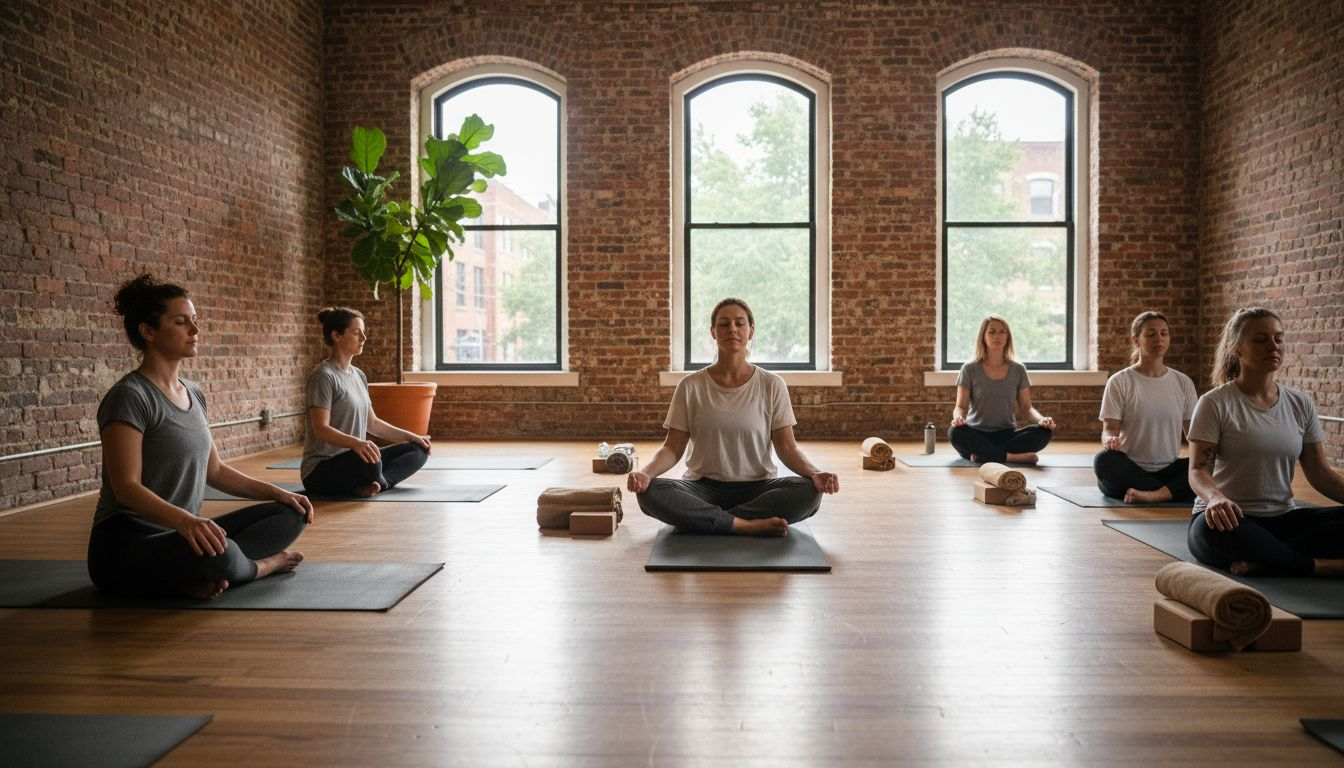
How important is local class availability when selecting a Hatha Yoga style?

Accessibility directly impacts consistency, which determines your progress and results. Convenient schedules and nearby locations make regular practice sustainable long term. Check for online and hybrid format options in Philadelphia that increase flexibility when in-person attendance proves difficult.

Recommended

Hot Hatha Yoga: Physical Benefits and Realities

Heather Rice

Feeling stuck in your usual fitness routine can make it hard to stay motivated, especially when you crave both physical progress and real stress relief. Hot Hatha Yoga offers a dynamic solution for Philadelphia adults who value movement, mindfulness, and community connection. By practicing traditional postures and breathwork in a heated studio, you experience both deeper stretches and enhanced mental clarity, all while respecting your body’s unique limits and needs. Hatha Yoga represents balance and union rather than force or intimidation, inviting everyone—regardless of experience—to benefit from holistic self-care.

Table of Contents

Key Takeaways

Point Details
Misconceptions Clarified Hot hatha yoga is accessible for all levels and focuses on mindfulness, not forced exertion.
Environmental Impact The heated environment enhances flexibility and strength, but safety and hydration are crucial.
Practice Intentions Approach hot hatha yoga with realistic expectations for physical and mental benefits.
Choosing a Studio Select a studio that aligns with your goals and values community engagement for a fulfilling practice.

Hot Hatha Yoga Defined and Misconceptions

Hot hatha yoga combines traditional yoga postures and breathing techniques with a heated environment (typically 25°C or warmer) to intensify physical and mental benefits. Unlike some misconceptions, this style doesn't mean forced or aggressive movement—it's a mindful practice accessible to all experience levels.

Many people misunderstand what hatha yoga actually means. The term doesn't relate to forceful practice or harsh exertion, despite common interpretations. Instead, hatha yoga represents balance and union of energies within your body through dedicated, mindful practice.

Common Misconceptions Explained

Several myths about hot hatha yoga circulate in fitness communities:

  • It's only for beginners: False. Hot hatha yoga ranges from foundational to advanced, challenging practitioners at every level.

  • It requires a specific body type: Completely inaccurate. This practice adapts to your individual needs and abilities.

  • It's purely forceful exertion: The opposite is true. It emphasizes balance between breath, movement, and mindfulness.

  • The heat does all the work: Heat enhances benefits but doesn't replace proper technique and intention.

These misunderstandings often stem from historical secrecy around hatha yoga teachings and modern misinterpretations that oversimplify the practice.

What Makes Hot Hatha Yoga Different

Hot yoga performed in warm environments(≥25°C) combines traditional postures with temperature to create specific physiological responses. Your body responds to heat through increased flexibility, enhanced circulation, and deeper muscle engagement than unheated practice.

The heated setting doesn't change the fundamental principles of hatha yoga—balance between opposing forces, synchronization of breath with movement, and mind-body integration. What changes is the intensity and depth of these benefits.

For Philadelphia's health-conscious adults balancing demanding schedules, hot hatha yoga offers an efficient way to build strength and flexibility while managing stress. The heat accelerates cardiovascular engagement, meaning you gain cardiovascular benefits alongside traditional yoga's mental clarity benefits.

True hot hatha yoga respects both tradition and modern science, combining ancient practice methods with contemporary understanding of how heat affects human physiology.

Understanding these distinctions helps you approach hot hatha yoga with realistic expectations and appropriate respect for the practice itself.

To better understand the unique aspects of hot hatha yoga, here is a side-by-side comparison to traditional hatha yoga:

Aspect Traditional Hatha Yoga Hot Hatha Yoga
Environment Room temperature 80°F–105°F, heated
Flexibility Gains Gradual over time Accelerated by warmth
Sweating Level Mild to moderate Significant, due to heat
Cardiovascular Demand Moderate Elevated from heat exposure
Stress Relief Prominent Enhanced by meditative heat effect
Accessibility All ages and abilities All levels, hydration required

Pro tip: Start with a beginner-friendly hot hatha class to establish proper form before progressing to intermediate or advanced levels—heat can mask alignment issues if you move too quickly through progressions.

What to Expect in Heated Yoga Classes

Walking into your first heated yoga class can feel intimidating if you don't know what awaits. The combination of heat, humidity, and focused movement creates a unique experience that differs significantly from traditional yoga studios.

Temperature and humidity levels set the stage for your practice. Most heated yoga classes maintain temperatures between 80°F and 105°F, with moderate to high humidity that enhances your body's natural cooling response. You'll notice immediate physical sensations—warmth on your skin, increased perspiration, and a deeper sense of muscle engagement compared to unheated practice.

Physical Sensations You'll Experience

Your body responds quickly to the heated environment:

  • Increased heart rate: Heat elevates your cardiovascular activity from the moment you enter the studio.

  • Deeper muscle flexibility: Warmth increases elasticity, allowing you to access greater ranges of motion safely.

  • Profuse perspiration: Your body works harder to cool itself, resulting in visible sweat within minutes.

  • Heightened proprioception: The heat creates intense sensory feedback that sharpens your body awareness.

These responses aren't uncomfortable—they're your body adapting and strengthening.

The Mental and Respiratory Experience

Heated yoga classes boost flexibility and stress reliefthrough synchronized breathing and intentional movement in the warm environment. Your breathing becomes more deliberate as the heat initially challenges your respiratory patterns, then your lungs and cardiovascular system adapt and strengthen.

Mentally, the heat creates a meditative state where external distractions fade. You focus inward on breath and sensation, quieting the mental chatter that often dominates your day. For Philadelphia's busy professionals, this mental clarity becomes one of the most valuable benefits.

Class Structure and Pacing

Most heated hatha yoga classes follow this progression:

  1. Opening centering (5-10 minutes) where you acclimate to the temperature

  2. Warm-up movements increasing heart rate and circulation

  3. Standing postures building strength and balance

  4. Forward folds and deeper stretches releasing tension

  5. Cool-down and final relaxation in the warmth

Classes typically last 60-90 minutes. Instructors pace movements slower than you might expect, allowing time for proper alignment even as your body feels energized.

The heat doesn't rush your practice—it deepens it. You'll find yourself moving with more intention and awareness than in room-temperature yoga.

Pro tip: Arrive 10-15 minutes early to acclimate to the heat and claim a spot near a wall or corner, which helps you feel grounded while your body adjusts to the elevated temperature.

Core Techniques and Physical Benefits

Hot hatha yoga combines specific physical postures and breathing patterns performed in a heated environment to produce measurable improvements in strength, flexibility, and overall fitness. The heat acts as a catalyst, allowing your body to adapt more efficiently than in traditional yoga practice.

The foundation of hot hatha yoga rests on two core elements: asanas (physical postures) and pranayama (breath control). Together, these techniques create systematic physiological changes that accumulate with consistent practice over weeks and months.

Key Physical Techniques

Your hot hatha practice relies on several foundational techniques:

  • Sustained postures: Holding poses for 5-10 breaths builds muscular endurance and stability.

  • Mindful alignment: Precise body positioning activates stabilizer muscles and protects joints.

  • Breath regulation: Synchronizing inhales and exhales with movement enhances oxygen delivery and nervous system balance.

  • Progressive intensity: Gradually deepening poses over time prevents injury while building strength.

These elements work together, not separately, creating compound benefits.

Physical Adaptations from Consistent Practice

Hot yoga produces physiological adaptations including improved flexibility and strength alongside enhanced cardiovascular function. Your body responds to regular heat exposure by improving how it regulates temperature and manages cardiovascular stress.

Chronic practice—typically 2-3 classes weekly over 8-12 weeks—creates measurable changes. Your joints become more mobile, muscles develop lean tone, and your cardiovascular system becomes more efficient at submaximal exercise intensities.

Specific Physical Benefits

Regular hot hatha yoga practice generates concrete results:

  • Increased bone mineral density: Weight-bearing postures stimulate bone adaptation and strength.

  • Enhanced balance and proprioception: Your nervous system learns to coordinate movement more precisely.

  • Improved cardiometabolic markers: Heart rate recovery improves, and metabolic efficiency increases.

  • Greater muscle elasticity: Heat allows deeper stretches that improve range of motion without strain.

  • Better respiratory function: Pranayama techniques expand lung capacity and breathing efficiency.

These benefits extend beyond the yoga mat into your daily life—climbing stairs becomes easier, posture improves naturally, and energy levels stabilize.

The heat doesn't create the benefits; it accelerates them. Your consistent effort and mindful practice do the real work.

Pro tip: Track one measurable metric—like how far you can fold forward or how many push-ups you can perform—every 4 weeks to objectively monitor your physical progress and stay motivated through your practice.
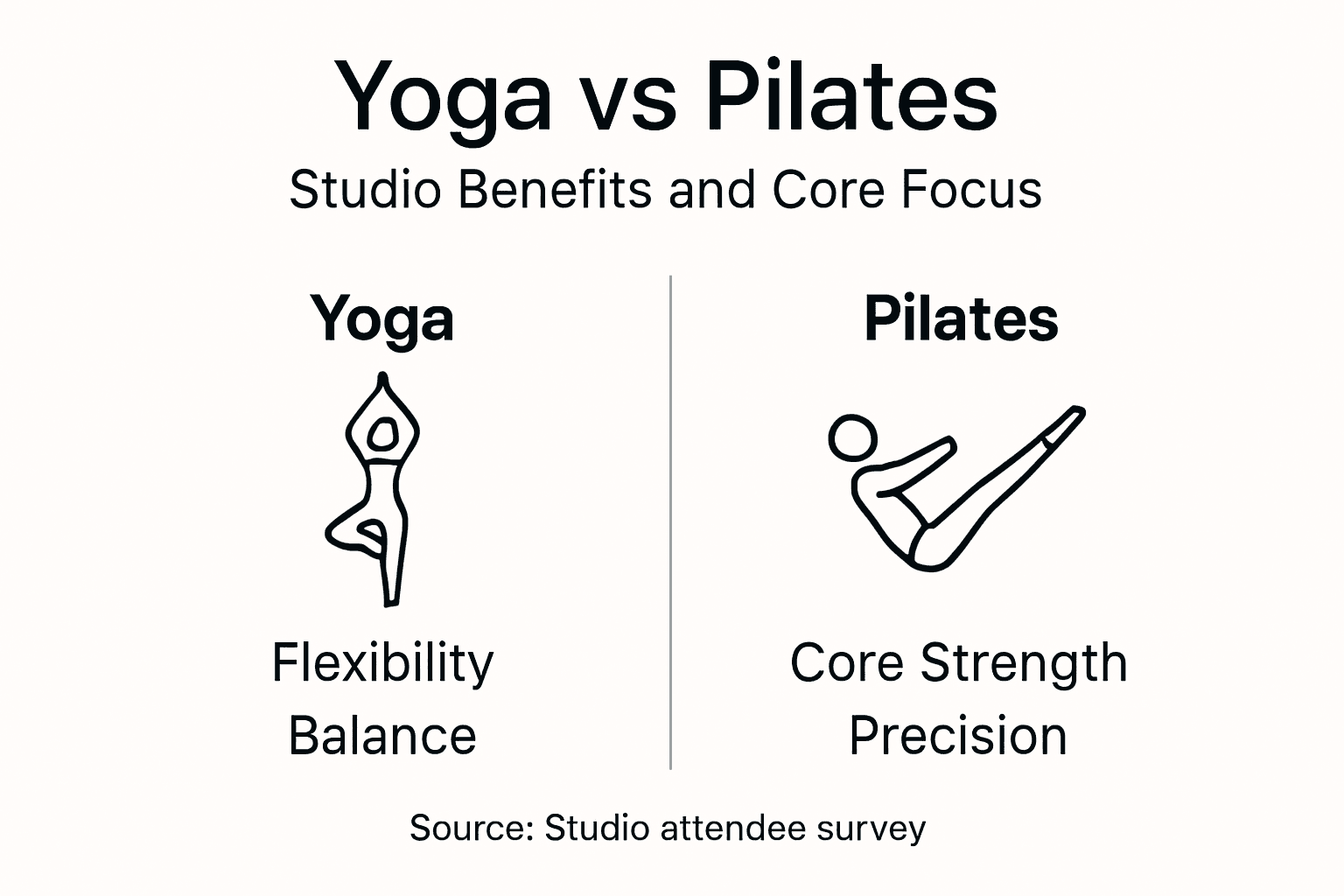
Safety Considerations and Common Risks

Hot hatha yoga delivers powerful results, but the combination of heat and physical intensity creates real safety considerations you need to understand before starting. Being informed helps you practice confidently while minimizing injury risk.

The primary concern is your body's response to sustained heat exposure. Unlike cooler environments, the heat increases muscle elasticity rapidly, which feels wonderful but can mask overstretching. Your nervous system may lag behind your body's actual physical capacity, leading to injuries that don't manifest until hours or days later.

Heat-Related Risks

Heat exposure in hot yoga creates dehydration and electrolyte imbalance risks, especially if you're new to heated practice or have underlying health conditions. Your body works harder to cool itself, increasing fluid loss through perspiration.

Warning signs require immediate attention:

  • Dizziness or lightheadedness: Stop practice immediately and move to a cooler area.

  • Excessive fatigue: Beyond normal workout tiredness, indicating potential heat exhaustion.

  • Nausea or headache: Your body signaling it cannot regulate temperature effectively.

  • Rapid or irregular heartbeat: Seek medical attention before returning to practice.

These symptoms don't always appear gradually—they can intensify quickly.

Here's a summary of signs of heat-related issues and recommended immediate steps:

Symptom Possible Cause What to Do Immediately
Dizziness Dehydration, overheating Stop, leave room, hydrate
Headache Electrolyte loss, heat Rest, sip water, cool down
Nausea Overexertion, heat stress Lie down, hydrate, seek help if severe
Irregular Heartbeat Heat intolerance Stop all activity, alert staff

Musculoskeletal Injury Prevention

The increased elasticity from heat creates a false sense of capacity. You can move deeper into poses than your connective tissues actually support safely. Overstretching in heated conditions stresses joints and ligaments beyond their limits.

Prevent injuries by following these practices:

  • Move with intention: Never bounce into stretches or force deeper positions.

  • Use props strategically: Blocks, straps, and bolsters keep you safe while building strength.

  • Progress gradually: Increase intensity every 2-3 weeks, not every class.

  • Listen to discomfort: Sharp pain means stop; gentle sensation means continue.

Muscular soreness differs from pain. Soreness appears 24-48 hours after practice; sharp pain happens during or immediately after.

Environmental and Pre-Existing Factors

Some people face elevated risks in hot environments. Consult a healthcare provider before beginning hot yoga if you have cardiovascular conditions, uncontrolled blood pressure, diabetes, or pregnancy complications. The studio's ventilation system also matters—proper airflow prevents air quality degradation that compounds heat stress.

Safety doesn't limit your practice—it extends it. Protected now means practicing for decades, not weeks.

Pro tip: Arrive fully hydrated before class, drink water steadily during practice, and continue hydrating for 2-3 hours afterward; dehydration can develop gradually, so don't wait until you feel thirsty to drink.

Tips for Choosing the Right Hot Yoga Studio

Selecting the right studio shapes your entire hot yoga experience. A quality studio supports consistent practice, minimizes injury risk, and builds community—while a poor fit leads to frustration and abandoned goals. The decision matters more than you might think.

Start by clarifying your personal goals. Are you seeking stress relief, physical fitness, flexibility improvement, or spiritual growth? Different studios emphasize different aspects, and matching your goals to their focus ensures you get what you actually want.

Evaluating Studio Quality

Researching studio reputations through reviews helps gauge quality and instructor credentialsbefore committing your time and money. Look beyond star ratings—read specific comments about cleanliness, instructor expertise, and community atmosphere.

Key factors to investigate:

  • Instructor certifications: Look for 200+ hour yoga teacher training minimum, ideally with hot yoga specialization.

  • Studio cleanliness: Visit in person to assess bathroom facilities, floor conditions, and air quality.

  • Class schedule flexibility: Can you attend consistently? Inconsistent schedules derail practice.

  • Community vibe: Do students stay after class? Does the instructor remember names? Community transforms isolated workouts into meaningful practice.

Practical Visit Checklist

Never sign up without visiting first. Spend 15-30 minutes observing:

  1. Air circulation: Does the studio feel stuffy or adequately ventilated?

  2. Temperature consistency: Does the heat feel even throughout the space?

  3. Equipment quality: Are props in good condition? Is the studio organized?

  4. Instructor presence: Do they adjust students? Offer modifications?

  5. Class pacing: Does the class feel rushed or do poses get adequate time?

Your gut feeling matters. If something feels off, trust that instinct.

Cost and Commitment

Compare pricing structures carefully. Monthly memberships typically cost $80-150 in Philadelphia, but class packages offer flexibility. Trial classes (usually $10-20) let you test multiple studios before committing.

Avoid long-term contracts until you've attended at least 4 classes. Your preferences evolve as you progress.

The right studio isn't the fanciest or closest—it's the one where you'll actually show up consistently.

Pro tip: Attend a class before signing up to observe instructor communication and community dynamics; most studios offer first classes free or discounted, and this one visit prevents costly mistakes.

Unlock the True Benefits of Hot Hatha Yoga with Amrita Yoga & Wellness

Struggling to balance the intensity and safety of hot hatha yoga while seeking real physical and mental transformation? This article highlights how mindful practice in a heated environment can accelerate flexibility, strength, and stress relief but also warns against common pitfalls like dehydration and overstretching. At Amrita Yoga & Wellness, we understand these challenges and offer expert-led classes designed to guide you safely through the powerful practice of hot hatha yoga. Whether you are new or advancing your practice, our skilled instructors emphasize proper alignment and intentional pacing so you earn lasting benefits without compromise.

Experience Philadelphia’s premier hot hatha yoga classes that honor tradition while incorporating modern safety and wellness insights. Visit Amrita Yoga & Wellness today to explore our complete class schedule, register for beginner-friendly sessions or advanced workshops, and join a supportive community that fosters your personal growth. Don’t wait to build strength, clarity, and balance — start your transformative yoga journey now by checking out our class descriptions and booking your first session.

Frequently Asked Questions

What are the physical benefits of hot hatha yoga?

Hot hatha yoga offers increased flexibility, improved strength, enhanced cardiovascular function, and better respiratory efficiency. The heat aids in deeper stretches and accelerates recovery, while the mindful practice strengthens the body and mind.

How does hot hatha yoga differ from traditional hatha yoga?

Hot hatha yoga is practiced in a heated environment, typically between 80°F and 105°F, which enhances flexibility and cardiovascular benefits. Traditional hatha yoga, on the other hand, is conducted in a room temperature setting and may not provide the same intense physiological responses.

Is hot hatha yoga suitable for all fitness levels?

Yes, hot hatha yoga is accessible for all experience levels, from beginners to advanced practitioners. The practice adapts to individual needs, and starting with beginner-friendly classes is recommended to establish proper form and technique.

What should I do to prepare for a hot hatha yoga class?

To prepare for a hot hatha yoga class, arrive fully hydrated, wear lightweight clothing, and consider bringing a water bottle and towel. Arriving 10-15 minutes early will help you acclimate to the heat before the class begins.

Recommended

6 Pure Barre Types of Classes for Core Strength and Wellness

Heather Rice

Choosing the right barre class in Philadelphia can feel confusing when there are so many options and each one promises something different for your health and fitness. Whether you want stronger muscles, better flexibility, improved heart health, or just a way to start working out safely, knowing which class fits your goals makes all the difference. The research shows barre-fitness can improve core strength, flexibility, and cardiovascular endurance in young adults, but each format brings its own unique benefits. In this guide, you’ll discover how different types of barre classes help you build real-world strength, protect your joints, and boost your confidence. Get ready to find out which class fits your life and unlock actionable tips for getting more out of every session.

Table of Contents

Quick Summary

Takeaway Explanation
1. Empower Barre combines cardio with core conditioning This class boosts heart rate while building core strength, making it efficient for busy professionals.
2. Reform Barre enhances flexibility through resistance It integrates resistance training with stretching, improving mobility and preventing injuries effectively.
3. Foundations Barre is essential for beginners This class focuses on the fundamentals, building confidence and proper form for safe progression.
4. Align Barre improves posture and balance It targets postural issues common in desk jobs, enhancing movement quality and reducing tension.
5. Intensive Barre offers advanced muscle sculpting High repetitions of precise movements effectively tone muscles without adding bulk, ideal for visible results.

2. 2. Empower Barre: Cardio Meets Core Conditioning

Empower Barre transforms traditional barre into a cardio-intensive fusion by blending strength training with high-intensity interval training elements. If you've been looking for a workout that delivers both heart-pumping cardio and serious core conditioning, this is it.

Unlike Classic Barre's deliberate, controlled movements, Empower Barre keeps you moving continuously. The class incorporates dynamic cardio circuits that raise your heart rate while you're simultaneously engaging your core and major muscle groups. This means you're building cardiovascular endurance and muscular strength at the same time.

Empower Barre delivers a robust cardio-core conditioning experience without sacrificing the low-impact principles that make barre accessible to everyone.

How Empower Barre Works

The 45-minute format uses several tools to maximize intensity and results:

  • Ankle weights that add resistance to leg movements and boost metabolic demand

  • A plyometric platform for dynamic exercises like mountain climbers and explosive lunges

  • Continuous movement patterns that maintain elevated heart rate throughout class

  • Traditional barre techniques applied at a faster, more rhythmic pace

Why This Matters for Your Fitness Goals

Cardiovascular health benefitsmake Empower Barre ideal for professionals in Philadelphia who want efficiency in their workouts. You're conditioning your heart, burning calories, and strengthening your core in one class. The low-impact approach means your joints stay protected while your intensity stays high.

This class appeals to people who've mastered Classic Barre and crave a challenge. You'll maintain barre's focus on posture, alignment, and controlled movement while pushing your cardiovascular system harder.

What to Expect in Class

You'll experience sequences that blend barre's signature small, isometric movements with larger, more dynamic cardio elements. Expect moments of breathlessness alongside moments of precision. Your legs will burn from sustained positions, and your heart will race from the pace.

This intensity makes Empower Barre effective for boosting metabolic rate and improving overall fitness capacity. A single class challenges multiple energy systems in your body.

Best For

  • Professionals seeking time-efficient, high-impact workouts

  • Fitness enthusiasts ready to progress beyond foundational barre

  • Anyone wanting cardio benefits without traditional running or jumping impact

  • People who enjoy rhythm-based fitness classes

Pro tip: Arrive 10 minutes early to learn proper ankle weight placement and platform positioning, since incorrect form can reduce effectiveness and increase injury risk.

3. 3. Reform Barre: Resistance Training for Flexibility

Reform Barre breaks the myth that flexibility only comes from stretching. This class uses resistance training through full range of motion to simultaneously build strength and increase flexibility, giving you functional mobility that actually lasts.

Many professionals think you need to choose between getting stronger or getting more flexible. Reform Barre proves that's not true. By moving against resistance while stretching, you're training your muscles to be strong at every angle, not just in shortened positions.

Resistance-based barre training improves both hip and lower back flexibility and strength at the same time, supporting functional health and injury prevention.

The Science Behind Resistance and Flexibility

Traditional static stretching holds you in place. Reform Barre is different. You work through full ranges of motion with light resistance, which trains your muscles to be strong while lengthened. This approach delivers greater flexibility gains than stretching alone.

Resistance training combined with stretchingcreates adaptations that static stretching cannot achieve. Your body learns to maintain strength and control even at the ends of your range of motion.

What Makes Reform Barre Unique

This class format differs from Classic Barre in its deliberate integration of resistance with lengthening:

  • Light ankle or wrist weights add resistance during extended leg and arm movements

  • Positions are held while moving through larger ranges of motion

  • Emphasis on deep stretches combined with isometric strengthening

  • Movements target hip flexibility, hamstring length, and spinal mobility

  • Progressive overload that challenges muscles at extended positions

Real-World Benefits for Busy Professionals

Reform Barre delivers results in areas that matter for desk-heavy work lives. Tight hips from sitting all day improve. Lower back flexibility increases. Your body becomes more resilient to everyday movements and injuries.

You'll notice improved posture, reduced stiffness, and better mobility in daily activities. Reaching for items, bending over, and moving freely become easier. This is functional fitness that translates beyond the studio.

Who Benefits Most

  • Professionals with tight hips and hamstrings from prolonged sitting

  • Anyone seeking injury prevention and mobility improvement

  • People wanting flexibility gains without high-impact methods

  • Fitness enthusiasts building well-rounded strength and range

Pro tip: Focus on breathing deeply during resistance-based stretches, since oxygen helps muscles relax into longer positions while maintaining engagement.

4. 4. Foundations Barre: Perfect for Beginners

Foundations Barre is specifically designed as your entry point into the world of barre. This beginner-friendly class teaches you the fundamentals before progressing to more advanced variations, making it the ideal starting place for anyone new to barre fitness.

If you're intimidated by fitness classes or haven't exercised in years, Foundations removes that barrier. The class moves at a pace that allows you to learn proper form, understand muscle engagement, and build confidence without feeling overwhelmed.

Foundations creates a supportive environment where you learn barre fundamentals and gradually build fitness while reducing injury risk.

What You'll Learn in Foundations

This class focuses on the core components that make barre effective. You won't be thrown into complicated combinations or extreme movements. Instead, you'll master the basics that form the foundation of all barre work.

The fundamentals include:

  • Small, controlled movements that engage deep stabilizer muscles

  • Proper alignment and posture awareness for injury prevention

  • Conscious breathing patterns that enhance muscle activation

  • Understanding how to engage your core during every movement

  • Building mind-muscle connection through deliberate practice

Why Starting With Foundations Matters

Jumping into advanced classes without understanding barre fundamentals leads to poor form and potential injury. Foundations prevents this by giving you the knowledge and physical preparation needed before tackling more demanding classes.

Learning barre fundamentalscreates a strong foundation for progressing to Classic Barre, Empower, and other formats. You'll understand your body's capabilities and limitations, making every subsequent class more effective.

What to Expect in Your First Class

The atmosphere is welcoming and non-competitive. Instructors provide modifications for different fitness levels, so everyone works at their own pace. You'll use the barre for balance and support while learning to engage muscles you didn't know you had.

Expect to feel muscles working in new ways. Don't be surprised if you're sore the next day, even though movements look small and controlled. This soreness indicates your body is adapting to new stimulus.

Perfect For

  • Complete beginners to fitness classes

  • Anyone returning to exercise after a long break

  • People with previous injuries wanting safe progression

  • Professionals seeking low-impact fitness

  • Anyone curious about barre but unsure where to start

Pro tip: Arrive 15 minutes early for your first class to meet the instructor, ask questions about modifications, and become comfortable with the studio environment.

5. 5. Align Barre: Enhancing Posture and Balance

Align Barre targets the often-overlooked connection between posture, balance, and core strength. This class specializes in alignment work that corrects postural imbalances common in professionals who spend hours at desks, creating a foundation for better movement quality throughout your life.

Poor posture isn't just about appearance. It affects your breathing, shoulder tension, lower back pain, and overall movement efficiency. Align Barre addresses the root cause by training your body to maintain neutral alignment while building the strength to support it.

Proper alignment and postural awareness create the foundation for injury prevention and functional movement quality in all activities.

How Alignment Work Transforms Your Body

Align Barre uses targeted exercises to activate postural muscles that typically stay inactive. You'll learn to recognize and correct misalignments in your spine, shoulders, and pelvis. This awareness carries beyond the studio into your daily life.

The class focuses on establishing neutral spine position and maintaining it through movement. You'll understand how small adjustments in stance dramatically improve your ability to engage core muscles and maintain balance.

Key alignment components include:

  • Shoulder blade positioning and engagement

  • Proper pelvic alignment and stability

  • Neutral spine awareness during all movements

  • Hip joint positioning for optimal movement patterns

  • Head and neck alignment to reduce tension

Real-World Benefits for Your Daily Life

Philadelphia professionals often experience neck tension, rounded shoulders, and lower back strain from office work. Align Barre directly addresses these issues. You'll notice improved posture when sitting at your desk, reduced tension headaches, and better breathing capacity.

Posture improvements from barrecreate cascading benefits throughout your body. Better alignment means less compensatory pain, improved confidence, and more efficient movement patterns. Your body becomes more resilient to the demands of daily professional life.

Balance Training Benefits

Align Barre strengthens the small stabilizer muscles responsible for balance. This work becomes increasingly valuable as you age, improving your ability to navigate uneven surfaces and preventing falls. Better balance also translates to improved athletic performance in other activities.

Who Benefits Most

  • Professionals with desk-related postural issues

  • Anyone experiencing chronic neck or shoulder tension

  • People seeking improved balance and stability

  • Those wanting to prevent injuries before they occur

  • Anyone interested in movement quality over speed

Pro tip: Record a video of your posture from the side before starting Align Barre, then compare after four weeks to see visible alignment improvements.

6. 6. Intensive Barre: Targeted Muscle Sculpting

Intensive Barre is the advanced option for serious muscle sculpting. This class uses high repetition of small, precise movements to isolate and fatigue specific muscle groups, creating lean muscle definition without the bulk of traditional strength training.

If you want visible muscle tone and a sculpted physique, Intensive Barre delivers results. The class targets individual muscles with relentless precision, fatiguing slow-twitch muscle fibers that respond to endurance-style contractions rather than heavy loads.

Intensive barre uses sustained isometric holds and controlled movements to build lean muscle, definition, and muscular endurance without excessive joint strain.

How Intensive Barre Sculpts Your Body

Intensive Barre differs from other formats by extending time under tension for specific muscles. You'll hold positions longer and perform more repetitions of smaller movements. This approach stimulates muscle fibers responsible for toning and definition.

Targeted isometric contractionscreate cumulative fatigue that shapes muscles precisely. You're not moving quickly or explosively; instead, you're burning muscles through sustained effort and high repetition.

The philosophy emphasizes:

  • Extended time under tension for specific muscle groups

  • High repetition patterns that fatigue slow-twitch fibers

  • Micro-movements that isolate individual muscles

  • Progressive intensity that challenges your muscular endurance

  • Precision alignment throughout every repetition

Why Intensive Barre Works for Sculpting

Traditional weight training builds muscle mass through heavy loads. Intensive Barre builds lean muscle through repetition and duration. This distinction matters because you develop muscle tone and definition without increased bulk.

The sustained contractions activate stabilizer muscles that other workouts miss. Your entire musculoskeletal system becomes stronger and more resilient. You'll see visible changes in muscle definition, especially in legs, glutes, arms, and core.

What to Expect

Intensive classes feel challenging from the first movement. Your muscles burn quickly because they're working against resistance for extended periods. The pace is controlled but relentless. You'll finish exhausted but energized.

Expect soreness the next day, even after weeks of classes. Intensive Barre constantly challenges your muscles in new ways, preventing adaptation and plateaus.

Best For

  • Fitness enthusiasts seeking visible muscle definition

  • People wanting strength gains without bulk

  • Professionals ready for advanced barre classes

  • Anyone seeking to maximize results in minimal time

  • Those seeking long-term body composition changes

Pro tip: Increase protein intake on Intensive Barre days to support muscle recovery and maximize the sculpting benefits of intense muscular contractions.

Below is a comprehensive table summarizing the key insights and offerings described in the article about various Barre class formats and their respective benefits.

Class Type Description Key Benefits Ideal For
Empower Barre Combines cardio and core conditioning through continuous movements and high-intensity elements, maintaining low-impact accessibility. Enhances cardiovascular health, burns calories, strengthens core and major muscles. Individuals desiring dynamic, time-efficient workouts.
Reform Barre Integrates resistance training and stretching for improved strength and flexibility across ranges of motion. Improves functional flexibility, decreases injury risk, enhances joint and muscle strength. People with flexibility goals and those with desk-based jobs.
Foundations Barre Introductory class teaching fundamental barre principles, providing a safe environment for beginners to start their fitness journey. Builds confidence, teaches proper form, and develops a foundation for advanced barre classes. Complete beginners or those returning to fitness.
Align Barre Focuses on posture and balance by targeting postural muscles and improving alignment awareness through stability exercises. Reduces postural misalignment, relieves professional tension, and prevents injuries. Professionals with desk-related posture issues.
Intensive Barre Aimed at advanced fitness levels, this class employs high repetition and small movements to sculpt precise muscle areas without adding bulk. Enhances muscle definition, increases muscular endurance, and supports body sculpting. Experienced individuals seeking intensive muscle toning.

Unlock Your Full Potential With Barre and Wellness at Amrita Yoga

If you are striving to build core strength, improve posture, and enhance overall wellness as highlighted in the "6 Pure Barre Types of Classes for Core Strength and Wellness," Amrita Yoga & Wellness in Philadelphia is your perfect next step. Our studio understands the challenges professionals face like tight hips, postural imbalances, and the need for low-impact yet effective workouts such as Empower Barre or Reform Barre. We focus on helping you achieve functional fitness, better balance, and muscle sculpting through accessible and inclusive classes.

Experience the transformative benefits of barre combined with complementary practices such as yoga and pilates by joining our diverse class offerings today. Don’t wait to begin your journey toward improved core conditioning and injury prevention. Visit Amrita Yoga & Wellness to explore class schedules, sign up for beginner-friendly Foundations Barre, or deepen your practice with Intensive Barre. Take control of your health and wellness now by making class reservations and becoming part of a supportive community focused on your personal growth.

Frequently Asked Questions

What is Empower Barre and how does it differ from Classic Barre?

Empower Barre is a cardio-intensive fusion workout that combines strength training with high-intensity interval training elements. Unlike Classic Barre, which focuses on controlled movements, Empower Barre keeps you moving continuously, enhancing both cardiovascular endurance and core strength. Try attending an Empower Barre class to experience this dynamic approach firsthand.

How can Reform Barre help improve my flexibility and strength?

Reform Barre incorporates resistance training through full ranges of motion to simultaneously build strength and increase flexibility. This unique approach enables you to work against resistance while stretching, leading to enhanced functional mobility. Consider attending a Reform Barre class to effectively address tight muscles and boost flexibility.

Is Foundations Barre suitable for someone new to fitness?

Yes, Foundations Barre is designed for beginners and focuses on teaching the fundamentals of barre fitness without overwhelming participants. The class moves at a comfortable pace, allowing you to learn proper form and build confidence in your abilities. Start with a Foundations Barre class to establish a solid base for your fitness journey.

What are the benefits of Align Barre for posture and balance?

Align Barre focuses on correcting postural imbalances and enhancing core strength, which can alleviate neck and lower back tension caused by prolonged sitting. By developing postural awareness and balance, you'll improve your overall movement quality, making daily tasks easier. Join an Align Barre class to experience improvements in your posture and balance within weeks.

How does Intensive Barre contribute to muscle sculpting?

Intensive Barre emphasizes high repetitions of small, precise movements to isolate and fatigue specific muscle groups, leading to lean muscle definition. This method builds muscular endurance without increasing bulk. Attend an Intensive Barre class to start shaping your physique and toning your muscles effectively.

Recommended

What Is Bikram Hot Yoga and Why It Matters

Heather Rice

Finding a wellness routine in Philadelphia that balances both social connection and structured physical practice can feel challenging for anyone seeking true well-being. Bikram hot yoga stands out because every session follows a fixed sequence of 26 postures in a precisely heated room replicating the warmth of India. This format blends predictability and community support, giving practitioners a reliable way to build strength and clarity while connecting with others who share their health goals.

Table of Contents

Key Takeaways

Point Details
Bikram Yoga Structure Consists of a fixed sequence of 26 postures and two breathing exercises performed in a heated room set to 105°F with 40% humidity.
Health Benefits Regular practice improves flexibility, cardiovascular health, and mental clarity through heat-assisted stretching and focused breathing.
Community Experience Practicing Bikram fosters strong social connections, as participants often attend the same classes regularly, creating a supportive environment.
Safety Precautions To avoid dehydration and heat-related risks, arrive well-hydrated and listen to your body during classes.

Defining Bikram Hot Yoga and Its Origins

Bikram hot yoga is a specific, structured style of yoga that operates nothing like a casual stretching class. It's a fixed sequence of 26 postures performed in a heated room set to precisely 105°F with 40% humidity, designed to replicate the warm climate of India where yoga originated.

Developed by Bikram Choudhury in the early 1970s, this practice builds on teachings from B.C. Ghosh, a respected yoga instructor. Choudhury refined these traditional practices into a standardized, repeatable system that became globally recognized and widely taught across studios.

What makes Bikram distinct from other hot yoga styles:

  • Fixed 90-minute sessions with the same sequence every time

  • 24 asanas (yoga poses) plus two breathing exercises

  • Consistent temperature at 105°F and 40% humidity

  • Identical progression regardless of studio location or instructor

The heated environment serves a specific purpose. The warmth helps your muscles become more flexible and allows deeper stretching without injury risk. You'll sweat heavily—sometimes uncomfortably—but that's intentional. The heat accelerates your heart rate and mimics the challenging conditions of traditional yoga practice.

Bikram Yoga experienced explosive growth worldwide. By 2006, the practice had expanded to approximately 1,650 studios across at least 40 countries, making it one of the most standardized and accessible hot yoga formats available.

The structured nature of Bikram Yoga means you'll perform the same 26 postures in the same order every session—no surprises, no variations based on instructor preference.

The Philadelphia yoga community values this consistency. Whether you're visiting Amrita Yoga & Wellness in Center City or traveling to another Bikram studio, you'll recognize the sequence and know what to expect. This predictability appeals to people who prefer structure and measurable progress.

Understanding this origin story matters because it explains why Bikram classes feel different from vinyasa flow or other hot yoga styles. You're not following an instructor's creative interpretation—you're practicing a scientifically designed system that's remained largely unchanged for decades.

If you're exploring whether Bikram aligns with your goals, knowing that different types of hot yoga exist can help you make an informed choice about which practice suits you best.

Pro tip: Before your first Bikram class, arrive 10-15 minutes early to acclimate to the heat and speak with your instructor about modifications for any previous injuries or physical limitations.

How the 26 Postures and Heat Work Together

The 26 postures in Bikram Yoga aren't random. They're strategically ordered to build on each other, creating a progression that maximizes both physical and mental benefits. The heat amplifies everything—your flexibility, your focus, and your body's natural detoxification processes.

Heat is the secret ingredient that transforms standard yoga into something more intense. When your muscles warm to higher temperatures, they become significantly more pliable and responsive to stretching. This means you can safely deepen stretches without the injury risk you'd face in a room-temperature class.

The progression follows a logical sequence:

  • Standing postures first to build strength and stability in your foundation

  • Forward bends and backbends to work your spine through full range of motion

  • Twists and hip openers to release tension in your core and lower body

  • Final resting postures to integrate the work and calm your nervous system

Your cardiovascular system responds dramatically to this combination. The heat elevates your heart rate naturally, creating a cardio effect without high-impact movements. You're building endurance while improving flexibility—a rare combination in fitness.

The humidity matters too. At 40% humidity paired with 105°F heat, your body can't rely solely on sweat evaporation to cool down. This forces your cardiovascular system to work harder, delivering oxygen-rich blood throughout your body more efficiently. Over time, this trains your heart and improves circulation.

When you hold a posture in this heated environment, your muscles work against greater resistance. A simple forward bend becomes profoundly different at 105°F than at room temperature. The heat allows deeper stretching, faster recovery between postures, and sustained engagement throughout the 90-minute session.

The sequence works because each posture prepares your body for the next one, while the heat transforms stress into physical growth, making you stronger with every breath.

Mentally, the heat creates an undeniable challenge. Learning to breathe through discomfort and stay focused despite physical intensity builds real mental resilience. You're not just stretching muscles—you're training your mind to stay calm under pressure.

This synergy between postures and heat is why consistency matters. Your body adapts gradually, improving flexibility and strength with each class. After several weeks, postures that felt impossible become accessible.

Pro tip: Stay hydrated for at least 24 hours before class, drink water immediately after, and avoid eating for two hours beforehand so your body can focus entirely on the practice without digestive demands.

Distinctions Between Bikram and Other Hot Yoga

Not all hot yoga is Bikram Yoga. This is the critical distinction that confuses many beginners in Philadelphia and beyond. While Bikram is one specific type of hot yoga, the category itself includes several different styles and approaches.

Bikram Yoga operates under strict standardization. Every class follows the identical 26-posture sequence in the same order, with the same timing, in a room heated to exactly 105°F with 40% humidity. Instructors don't improvise or modify the sequence based on class level or personal preference.

Other hot yoga styles offer more flexibility:

  • Hot Vinyasa flows through poses in sequence but allows instructor creativity and variation

  • Power Yoga in heat emphasizes strength-building with dynamic movements

  • Hot Hatha holds poses longer with gentler transitions between them

  • Yin Yoga in heat focuses on deep stretches held for extended periods

The temperature consistency matters significantly. Most hot yoga studios maintain heat between 95°F and 105°F, but Bikram's precise 105°F with 40% humidity creates a distinct experience. This exact combination isn't coincidental—it's calculated to maximize physiological benefits.

Sequencing is where the real difference emerges. In Hot Vinyasa, your instructor might arrange poses based on the day's theme or class focus. You'll never know exactly what's coming next. Bikram removes this unpredictability entirely. You know the exact sequence, allowing you to set goals and track progress with precision across weeks and months.

Bikram's fixed sequence means every class builds on your previous practice, while other hot yoga styles emphasize creative exploration and instructor interpretation.

This standardization appeals specifically to people seeking measurable progress and consistency. If you attended a Bikram class in New York, Los Angeles, or Philadelphia, you'd recognize every posture and know what to expect. That reliability is uniquely Bikram.

The philosophical approach differs too. Bikram emphasizes a scientifically designed system with specific healing benefits. Other hot yoga styles often blend philosophy, breathwork, and spiritual elements more prominently throughout the practice.

For Philadelphia practitioners, understanding these distinctions helps you choose your practice intentionally. Are you seeking consistency and measurable progress? Bikram delivers. Do you prefer creative variety and instructor interpretation? Hot Vinyasa might align better.

Here's a concise comparison of Bikram Yoga versus other hot yoga styles:

Aspect Bikram Yoga Other Hot Yoga Styles
Sequence Fixed 26 postures, same order Variable, instructor-designed
Room Conditions 105°F, 40% humidity 95–105°F, humidity varies
Session Duration 90 minutes, always identical Ranges from 60–90 minutes
Instructor Approach No deviation, strict system Creative flows, flexible design
Progress Tracking Easy, measurable over time Less predictable for tracking

Pro tip: Try one class of each style at Amrita Yoga & Wellness to experience the differences firsthand before committing to a regular practice, as your preference might surprise you.

Health Benefits and Community Impact

Bikram Yoga delivers measurable physical results that keep practitioners returning week after week. The combination of heat, postures, and breathwork creates a unique healing environment that addresses multiple aspects of your wellness simultaneously.

The physical benefits are substantial and well-documented. Heat allows your muscles to stretch more deeply and safely, increasing flexibility without the injury risk of cold-muscle stretching. Your cardiovascular system strengthens as it adapts to the demands of exercising in sustained heat, improving circulation and heart health over time.

Key health benefits include:

  • Increased flexibility through heat-assisted muscle relaxation

  • Enhanced cardiovascular health from elevated heart rate during practice

  • Natural detoxification via intense sweating that flushes your system

  • Improved mental clarity through focused breathing and meditation

  • Stress relief from the calming effect of the practice

Mentally, the benefits run deep. The 90-minute session demands complete focus, removing you from daily stressors and your phone. Practitioners report improved mental resilience and emotional well-being that extends far beyond the studio into their daily lives.

The community aspect transforms Bikram from solo exercise into a social healing practice. Philadelphia studios create spaces where people from different backgrounds unite around shared wellness goals. You'll encounter the same faces week after week, building genuine friendships and accountability.

Regular practitioners in supportive Bikram communities experience deeper personal transformation than those practicing alone.

This community matters enormously. When you struggle with a difficult posture or motivation dips, your classmates and instructors encourage you forward. The therapeutic design of Bikram makes it accessible to people of all ages and abilities, which diversifies your studio community.

Globally, Bikram Yoga has fostered strong communities supporting personal health and social connection. Studios function as wellness hubs where people heal together. You're not just improving your body—you're joining a movement of practitioners committed to holistic well-being.

For Philadelphia residents, joining Amrita Yoga & Wellness connects you to this larger community while building local relationships. You become part of something bigger than individual fitness goals.

For quick reference, here are Bikram Yoga's main physical and mental benefits:

Benefit Type Impact on Practitioner Typical Outcome
Physical Deep stretching and improved circulation Greater flexibility, heart health
Mental Enhanced focus and stress reduction Better mental resilience
Community Regular group interaction and support Strong social connections

Pro tip: Attend the same class time consistently so you develop relationships with the same practitioners, amplifying both the accountability and the community support that accelerates your progress.

Safety Risks and Tips for Practicing Safely

Bikram Yoga's intense heat creates real physiological demands. Understanding the risks and knowing how to practice safely ensures you benefit from the practice without overextending yourself into injury or heat-related illness.

The primary risks stem from the high heat environment. Your body works harder to cool itself while simultaneously performing challenging postures. This combination can lead to dehydration, heat exhaustion, and muscle strain if you ignore warning signs or push beyond your limits.

Common safety concerns include:

  • Dehydration from heavy sweating without adequate fluid intake

  • Heat exhaustion causing dizziness, nausea, or extreme fatigue

  • Muscle or ligament injury from overstretching in heated conditions

  • Cardiovascular stress if you have underlying health conditions

  • Overexertion from ignoring your body's signals to rest

The good news? Most risks are entirely preventable through smart preparation and awareness. Staying properly hydrated before, during, and after class is your first line of defense against heat-related problems.

Start by preparing your body for the heat. Arrive well-hydrated hours before class, not minutes before. Drink water consistently throughout the day, and bring a bottle to sip between postures if your studio allows it. Skip heavy meals two hours before class so your digestive system doesn't compete with your muscles for blood.

During class, listen ruthlessly to your body. If you feel dizzy, nauseated, or uncomfortable, take a break on your mat. This isn't failure—it's smart practice. Certified instructors at Amrita Yoga & Wellness teach modifications for every posture, allowing you to stay engaged without overextending.

Taking breaks and modifying postures when needed prevents injury far more effectively than pushing through discomfort.

Consult your physician before starting if you have cardiovascular conditions, diabetes, or heat sensitivity. Your doctor's clearance protects you and gives you confidence during practice. Avoid strenuous activity outside of class on practice days so your body focuses entirely on recovery and adaptation.

Gradually build your heat tolerance. Your first few classes will feel intense. That's normal. By week three or four, your body adapts and the experience becomes manageable and enjoyable.

Pro tip: Eat a light snack with carbohydrates and protein within 30 minutes after class to replenish energy and support muscle recovery before dehydration sets in.

Discover the Transformative Power of Bikram Hot Yoga at Amrita Yoga & Wellness

If you are intrigued by the proven benefits of the fixed 26 posture sequence practiced in a heated 105°F room that the article describes, but worry about safely navigating the intense heat and physical demands, you are not alone. Many beginners struggle with hydration, muscle strain, or knowing how to pace themselves. Our Philadelphia-based studio offers expert guidance designed to help you build strength, flexibility, and mental resilience in a supportive community where consistency and measurable progress are priorities.

Ready to experience the structured healing and challenge of Bikram Yoga firsthand with certified instructors who understand the importance of safe practice and personal modifications Our Amrita Yoga & Wellness homepage connects you to detailed class descriptions and scheduling options. Discover how our offerings in hot yoga and other mindful practices can meet your wellness goals by visiting Amrita Yoga & Wellness. Embrace the power of community, deepen your practice, and let us support your journey every step of the way.

Frequently Asked Questions

What is Bikram hot yoga?

Bikram hot yoga is a specific style of yoga that consists of a fixed sequence of 26 postures and two breathing exercises, performed in a heated room at 105°F with 40% humidity. It was developed by Bikram Choudhury in the early 1970s to provide a standardized and repeatable yoga practice.

How does heat affect Bikram yoga practice?

The heat in Bikram yoga helps to warm up the muscles, making them more pliable and allowing for deeper stretching without the risk of injury. It also elevates the heart rate, contributing to cardiovascular benefits while aiding in natural detoxification through sweating.

What are the key health benefits of Bikram yoga?

Bikram yoga offers multiple health benefits, including increased flexibility, enhanced cardiovascular health, natural detoxification, improved mental clarity, and stress relief. The practice also promotes muscle recovery and mental resilience.

How does Bikram yoga compare to other hot yoga styles?

Bikram yoga is distinct due to its fixed sequence of postures and strict room conditions, with classes always at 105°F and 40% humidity. Other hot yoga styles may allow for instructor creativity and variations in sequences, temperatures, and durations, providing a less predictable practice experience.

Recommended

6 Tips for Choosing Good Yoga Mats for Every Practice

Heather Rice

Choosing the perfect yoga mat can feel confusing when you face endless options for thickness, size, and materials. If your mat leaves your knees aching or slips during sweat-heavy classes, your practice and comfort suffer. Whether you’re practicing in Philadelphia or ready to join Amrita Yoga & Wellness, finding the right mat makes every session safer and more enjoyable.

This guide will help you unlock the key factors that impact comfort, stability, and long-term durability. You’ll discover actionable insights backed by material science and expert recommendations. Get ready to learn how to select a mat that protects your joints, supports your poses, and fits both your body and budget. The next steps will show you what to look for and how to avoid mistakes so you can practice with confidence.

Table of Contents

Quick Summary

Key Message Explanation
1. Choose mat thickness wisely The thickness of your yoga mat impacts comfort and stability. Consider your practice style and body needs when selecting the right thickness.
2. Select appropriate material Different materials affect grip and durability. Evaluate your practice intensity, sweat levels, and environmental values when choosing a mat material.
3. Ensure proper mat size A suitable mat size allows for full-body movement. Align your mat length and width with your height and practice space requirements for comfort.
4. Maintain hygiene regularly Keeping your mat clean is crucial for hygiene and grip performance. Develop a cleaning routine based on how often you practice to prolong mat life.
5. Assess budget against needs Consider initial costs, lifespan, and quality when selecting a mat. Invest in a mat that meets your practice frequency and aligns with your values.

1. Understand Thickness and Cushioning Needs

Yoga mat thickness directly affects your comfort, stability, and how well your body is protected during practice. The right thickness depends on your individual needs, body type, and the yoga style you practice.

Thickness typically ranges from 1.5 mm to 6 mm, and each measurement serves a different purpose. Think of it as finding the sweet spot between cushioning and stability.

How Thickness Affects Your Practice

Thicker mats (5-6 mm) provide excellent cushioning and joint protection. They work best for restorative yoga, Yin yoga, and Hatha yoga where you spend extended time in floor poses. If you have sensitive knees, ankles, or a heavier body frame, extra cushioning reduces impact and strain.

Thinner mats (1.5-3 mm) offer better stability and ground contact. These excel during standing sequences, balancing poses, and dynamic flows like Ashtanga or hot yoga. You'll feel more grounded and connected to the floor, which improves alignment in poses like Warrior or Tree pose.

The key is balancing comfort without sacrificing stability. Too much cushioning can actually destabilize your standing poses, while too little leaves your joints without protection during floor work.

Finding Your Ideal Thickness

Consider these factors when choosing:

  • Your practice style: What yoga classes do you typically attend at Amrita Yoga & Wellness? Hot yoga and flow classes benefit from thinner mats, while restorative and gentle classes prefer thicker ones.

  • Body weight and joint sensitivity: Heavier practitioners and those with knee or back issues generally prefer thicker cushioning.

  • Floor conditions: Hard studio floors benefit from thicker mats, while cushioned flooring allows thinner options.

  • Portability needs: Thinner mats are lighter and easier to carry to class.

The relationship between thickness and stabilityis crucial to understand when making your selection.

Most Philadelphia-based yoga practitioners benefit from a 4-5 mm mat as a versatile middle ground. This thickness provides solid cushioning for floor poses while maintaining enough stability for standing sequences.

Pro tip: If you practice multiple yoga styles, start with a 4 mm mat—it gives you balanced cushioning and stability across different classes, making it the most practical choice for varied practice routines.

2. Pick the Right Material for Grip and Durability

Your yoga mat material determines how well you stay grounded during practice and how long your investment lasts. Different materials offer distinct advantages, and the best choice depends on your practice style, values, and how intensely you use your mat.

Material science has transformed yoga mats over the past decade. Modern options balance performance with environmental responsibility, giving you choices that align with your wellness philosophy.

Material Comparison

Natural rubber delivers superior grip, especially in sweaty conditions. It's ideal for hot yoga and vinyasa flow classes where perspiration is inevitable. Natural rubber mats are eco-friendly and durable, though they can be heavier and carry a stronger smell when new.

Cork surfaces offer excellent traction and are naturally antimicrobial. Many practitioners pair cork with rubber for a hybrid mat that combines grip with comfort. Cork is sustainable and adds a premium feel to your practice.
Thermoplastic elastomers (TPE) are engineered materials that provide outstanding grip and flexibility. TPE mats are lightweight, environmentally conscious, and maintain performance even during sweaty sessions. They're an excellent middle-ground option for most practitioners.

PVC mats are highly durable and affordable, but they can become slippery when wet and raise environmental concerns. These work best for dry practices like gentle or restorative yoga.

Advanced material innovations now deliver superior grip and cushioning simultaneously, making premium performance accessible to all practitioners.

What to Consider

  • Practice intensity: Hot yoga and flow classes demand excellent grip; gentle classes allow more flexibility in material choice

  • Environmental values: Natural rubber and cork are sustainable; TPE offers eco-friendly durability

  • Durability needs: How often do you practice? Daily practitioners benefit from premium materials

  • Sweat and moisture: Natural materials excel in humid conditions

  • Portability: TPE and PVC mats are lighter than natural rubber

When choosing your mat at Amrita Yoga & Wellness, consider what style of yoga you practice most frequently. Your grip needs vary dramatically between Yin yoga and hot yoga classes.

Pro tip: Test your mat on a studio floor before buying—bring your mat to a class and feel how it performs during your typical practice to ensure the grip matches your needs.

3. Check Mat Size for Comfort and Space

Mat size directly impacts your comfort, stability, and freedom of movement during practice. Getting the right dimensions means you'll have adequate space for full-body stretches without limbs hanging off the edge.

Standard mats measure 68 inches long by 24 inches wide, designed for average-sized practitioners. However, not everyone fits the standard mold, and that's perfectly fine.

Finding Your Ideal Dimensions

Standard-sized mats work well for most people and fit easily in yoga studios and homes. They're lightweight, affordable, and practical for daily transportation to class at Amrita Yoga & Wellness.

Longer mats ranging from 80 to 85 inches accommodate taller practitioners. If you're over six feet tall, a standard mat may leave your head or feet unsupported during stretches. Extra length gives you confidence in poses like Extended Child's Pose or Forward Fold.

Wider mats offer 26 to 30+ inches of width, providing additional stability and space. These benefit broader-framed individuals and create a larger personal boundary in crowded classes. Wider mats also improve balance during standing sequences.

Proper mat sizing aligned with your body dimensions enhances comfort, stability, and your overall practice quality.

Measuring Your Needs

Consider these factors when selecting size:

  • Your height: Taller yogis should measure from head to toe and add a few inches

  • Practice space at home: Ensure your mat fits in your dedicated practice area

  • Studio classes: Check if wider mats fit comfortably alongside other practitioners

  • Portability: Remember that longer and wider mats are heavier

  • Pose preferences: If you practice lots of stretching, extra length is beneficial

A simple test helps determine your ideal size. Stand on your mat in Mountain Pose and extend your arms overhead, then lie down in Savasana. Your entire body should fit comfortably with a few inches of margin.

Pro tip: Before purchasing, measure yourself lying down and add six inches to account for head and foot positioning—this ensures you'll have enough mat for any stretch without feeling cramped.

4. Prioritize Easy Cleaning and Maintenance

A clean yoga mat is a healthy yoga mat. Regular maintenance preserves grip, prevents odor, extends your mat's lifespan, and protects your skin from bacteria buildup during practice.

The good news is that proper mat care doesn't require complicated routines or expensive products. Simple, consistent cleaning keeps your mat in top condition for years.

Why Cleaning Matters

Hygiene is critical when you're in direct contact with your mat daily. Sweat, dust, and bacteria accumulate quickly, especially during hot yoga at Amrita Yoga & Wellness. A clean mat prevents skin irritations and infections.

Grip performance deteriorates without proper maintenance. Buildup on the mat's surface reduces traction, making standing poses less stable. Regular cleaning restores the surface texture your feet need for secure footing.

Material longevity depends on care. Different materials respond to different cleaning methods, so understanding your mat's composition helps you clean safely and effectively.

Cleaning Frequency and Methods

Your cleaning schedule depends on how intensely you practice:

  • Light users (1-2 times weekly): Wipe down with a damp cloth after each session, deep clean monthly

  • Regular practitioners (3-5 times weekly): Quick wipe after each class, thorough cleaning every two weeks

  • Hot yoga enthusiasts: Clean after every session due to increased sweat and moisture

  • Deep cleaning: Use mild soap and water every few weeks, then air dry completely

Proper cleaning techniques protect both hygiene and material quality. Avoid harsh chemicals, bleach, and abrasive scrubbers that damage your mat's surface and grip.

Essential Maintenance Tips

Simple practices keep your mat in excellent condition:

  • Use non-abrasive microfiber cloths for wiping

  • Air dry completely before rolling it up to prevent mold

  • Store in a cool, dry location away from direct sunlight

  • Never put your mat in the washing machine or dryer

  • Check manufacturer guidelines for your specific material

Pro tip: Keep a small spray bottle of water and mild soap in your yoga bag so you can quickly wipe your mat immediately after class when sweat is fresh—this takes 30 seconds and prevents odor buildup.

5. Choose Mats for Studio or Home Use

Studio mats and home mats serve different purposes and face different demands. Understanding the differences helps you select the right mat for your specific practice environment, whether you're attending classes at Amrita Yoga & Wellness or creating a personal sanctuary at home.

Studio and home mats prioritize different qualities. Studios need durability and hygiene for diverse practitioners and frequent use. Home practitioners value comfort, aesthetic appeal, and personal preferences.

Studio Mat Requirements

Commercial environments demand toughness. Studio mats endure multiple users daily, frequent cleaning with harsh protocols, and constant exposure to sweat and moisture. They must resist odor absorption and microbial growth over time.

Closed-cell construction is standard for studio mats. This design prevents sweat from absorbing into the mat's layers, making cleaning easier and preventing bacterial accumulation. Studios prioritize this feature because it extends mat life and maintains hygiene standards.

Standardized sizing and bulk purchasing simplify studio operations. Consistent dimensions ensure mats fit studio spaces perfectly and create uniformity for students. Studios develop supplier relationships to manage replacement schedules and costs efficiently.

Home Mat Priorities

Personal comfort drives home mat selection. You choose thickness, material, color, and aesthetic based on your preferences rather than universal functionality. Your mat becomes part of your practice space's ambiance.

Portability matters more at home. You're less likely to carry a heavy commercial mat to classes. A lighter mat that still meets your cushioning and grip needs works perfectly for home practitioners who occasionally attend studio classes.

Individual preferences shape choices. Home yogis can select eco-friendly materials, premium cushioning, or specialized designs without compromising for group use. Your mat reflects your wellness values and practice style.

Key Differences

Understanding structural differences between studio and home matshelps you select appropriately:

  • Studio mats: Closed-cell, sweat-resistant, highly durable, standardized, budget-conscious

  • Home mats: Open or closed-cell options, prioritizes personal comfort, aesthetic choices, material preferences

  • Durability: Studio mats handle high-frequency use; home mats focus on longevity for one user

  • Cleaning: Studios use aggressive protocols; home cleaning is gentler

  • Cost: Studios balance bulk purchasing power; home buyers invest in personal preference

Pro tip: If you practice both at home and studio, choose a mat with closed-cell construction and solid grip—it performs well in both environments and handles frequent cleaning without degrading.

6. Consider Budget and Value for Money

Price doesn't always determine quality when selecting a yoga mat. A smart investment balances your budget with the features and durability you actually need for your practice style and commitment level.

Yoga mats range from budget options under $30 to premium mats exceeding $150. Understanding what you get at each price point helps you make an informed decision that aligns with your practice.
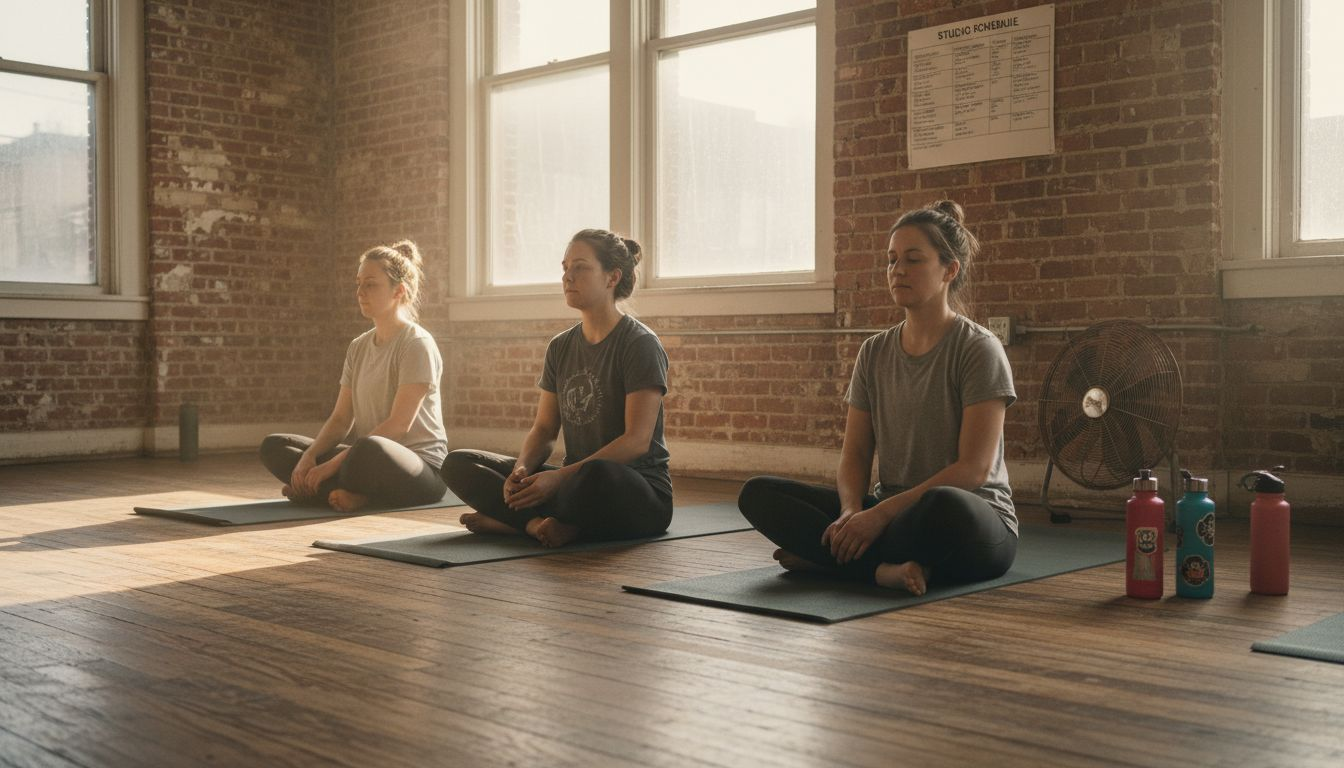
Understanding Price Tiers

Budget mats (under $50) work well for beginners or occasional practitioners. These use basic materials like NBR foam or EVA foam and provide decent cushioning and grip. They may wear out faster or feel less premium, but they're practical for testing your commitment to yoga.

Mid-priced mats ($50-$100) balance performance and cost effectively. You get better durability, improved grip, thicker cushioning, and often superior materials. This range offers solid longevity for regular practitioners without premium pricing.

Premium mats ($100+) feature eco-friendly materials, enhanced durability, superior grip, and often longer warranties. They excel for serious practitioners who practice frequently and value environmental responsibility. Premium mats typically last years longer than budget options.

Evaluating True Value

Don't confuse price with longevity. A $35 mat used three times yearly might outlast a $80 mat used daily without proper care. Your practice frequency and maintenance habits dramatically affect how long any mat lasts.

Material quality matters for value. Natural rubber, cork, and TPE offer better long-term value than low-grade synthetic materials. Check inexpensive mat options that balance quality to identify budget mats worth purchasing.

Read reviews from users like you. Someone practicing hot yoga at Amrita Yoga & Wellness has different needs than someone practicing gentle yoga at home. Look for reviews from practitioners with your style and frequency.

Cost-Value Considerations

Think about value across these dimensions:

  • Initial cost: What fits your budget right now?

  • Lifespan: How long will this mat last with your usage?

  • Replacement frequency: Will you replace it yearly or every five years?

  • Material quality: Does the construction match your practice needs?

  • Environmental impact: Do eco-friendly materials matter to your values?

  • Warranty: Does the manufacturer stand behind the product?

Pro tip: Buy the best mat you can afford that meets your actual practice needs, not the most expensive option—a $70 mat you use daily provides better value than a $150 mat gathering dust in your closet.

Below is a comprehensive table summarizing the main concept, recommendations, and considerations discussed throughout the article focusing on choosing the optimal yoga mat for practice.
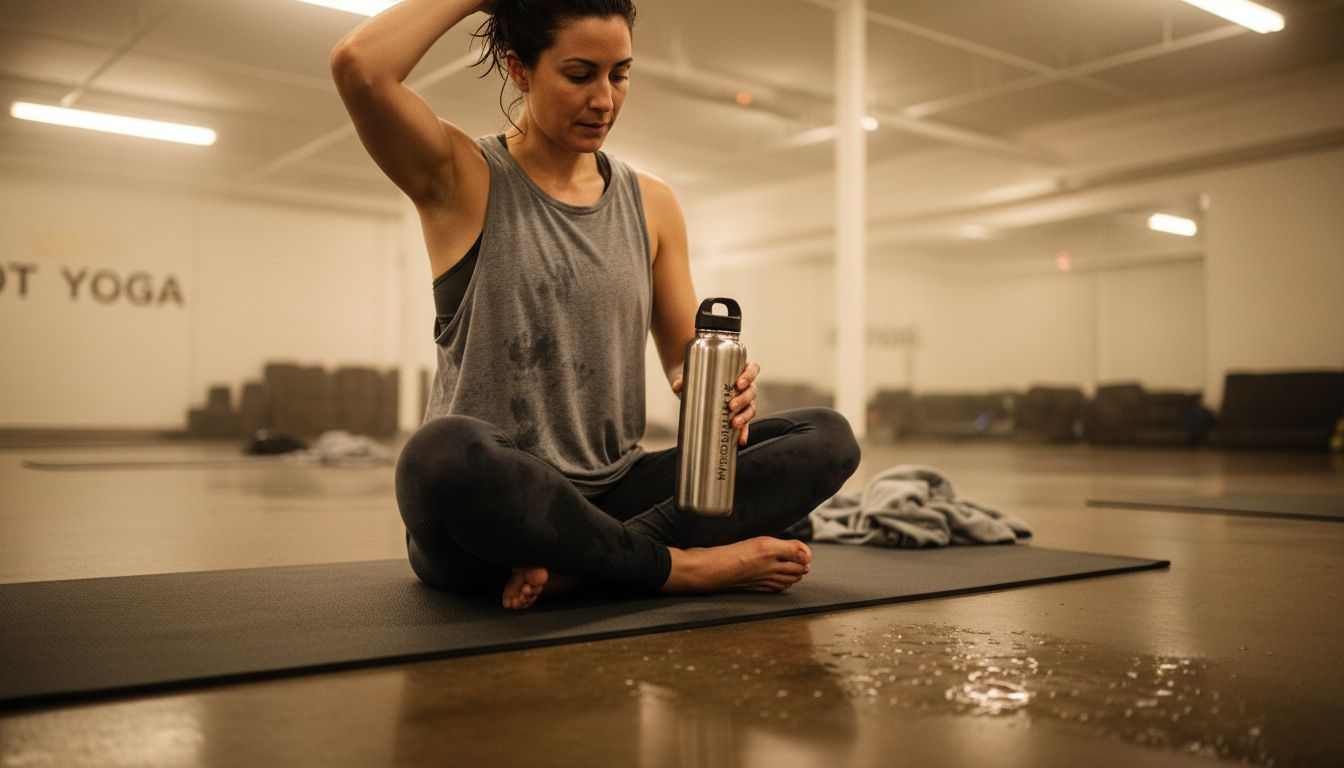
Find the Perfect Yoga Mat to Enhance Your Practice at Amrita Yoga & Wellness

Choosing the right yoga mat can feel overwhelming with so many options for thickness, material, size, and maintenance. This article breaks down common challenges you may face such as balancing cushioning with stability or selecting a material that offers excellent grip without compromising durability. You want a mat that supports your unique practice style whether you attend hot yoga, restorative sessions, or dynamic flows at our studio in Philadelphia.

Explore our supportive community and expert guidance at Amrita Yoga & Wellness where you can discover classes tailored to your needs and receive personalized advice on the best mat characteristics for your body and goals. Don’t let discomfort or slippery mats hold you back. Visit our website today to join classes, workshops, and find practical tips that ensure your yoga equipment elevates your entire wellness journey. Feel confident and grounded every time you step onto your mat.

Frequently Asked Questions

How do I choose the right thickness for my yoga mat?

Choosing the right thickness depends on your practice style and body needs. For extra cushioning during floor poses, opt for a thicker mat (5-6 mm). For better stability during standing poses and dynamic flows, a thinner mat (1.5-3 mm) is preferable. Consider what feels comfortable during your yoga sessions and test different options.

What material should I look for in a yoga mat for sweaty conditions?

Natural rubber and TPE are excellent materials for sweaty conditions since they provide superior grip. If you practice hot yoga or vinyasa flow, choose these materials to enhance safety and performance. Assess your practice environment and select a material that can withstand moisture without becoming slippery.

How do I determine the right size for my yoga mat?

To find the right size, measure your height and choose a mat that adds extra length—usually around 6 inches more than your height. For broader frames, consider wider mats (26-30 inches) for added stability. Ensure you have enough space to move freely during your poses without hanging off the edge.

How often should I clean my yoga mat and what method should I use?

You should clean your yoga mat frequently based on usage: light users can clean it weekly, while hot yoga practitioners should clean it after each class. Use a damp cloth with mild soap and water for general cleaning. Spot clean immediately after use to prevent odor and buildup, maintaining grip and hygiene.

What factors should I consider when choosing a yoga mat for studio use versus home use?

For studio use, prioritize durability and hygiene, opting for closed-cell mats that resist moisture absorption. For home use, focus on comfort and personal preferences regarding thickness and material. Think about how often you'll clean the mat and whether you'll be sharing it with others as you make your decision.

How can I ensure my yoga mat lasts a long time?

To extend your mat’s lifespan, clean it regularly and avoid exposing it to direct sunlight, which can degrade the material. Store it rolled up in a cool, dry place and never put it in the washing machine. With proper maintenance, you can ensure your mat stays in good condition for many sessions.

Recommended

Yoga Programs for Beginners: Building Skills Safely

Heather Rice

Trying something new can feel intimidating, especially when it comes to yoga. For many beginner adults in Philadelphia, the search for an accessible practice is really about finding a space that values both physical and mental well-being. Yoga goes beyond simple exercise by offering a practice that blends movement, breath, and mindfulness. Whether you want relief from stress or hope to connect with a supportive community, learning about yoga’s core principles will help you start with confidence and curiosity.

Table of Contents

Key Takeaways

Point Details
Understanding Yoga Yoga combines movement, breathing, and mindfulness, focusing on self-awareness rather than competition.
Core Components The practice is built on three pillars: postures (asanas), breathing techniques (pranayama), and meditation/mindfulness.
Benefits of Practice Regular yoga practice leads to improved sleep, reduced anxiety, and enhanced physical capabilities.
Beginner's Approach Choose beginner-specific classes and focus on foundational poses to safely adapt to the practice.
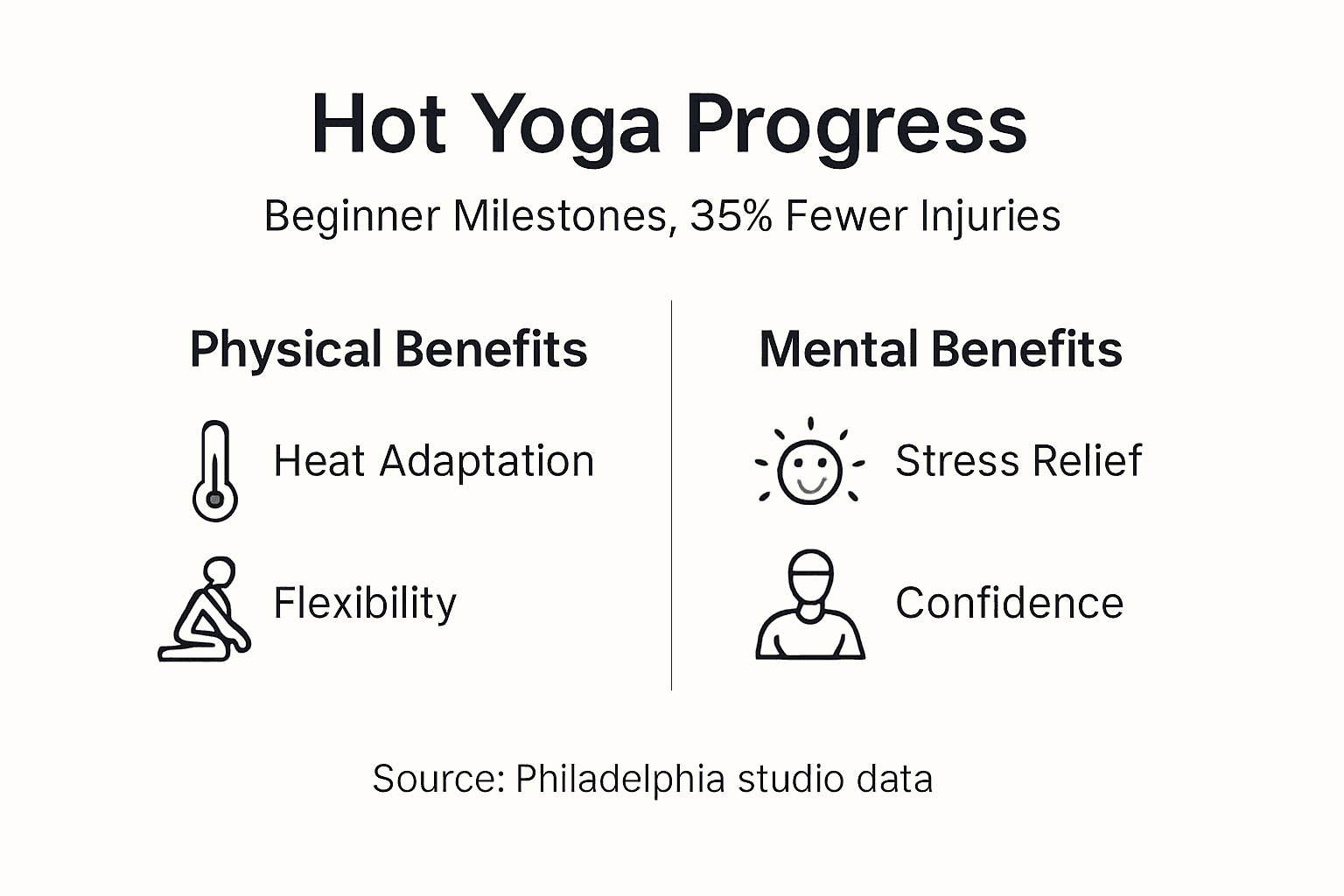
Understanding Yoga for Beginners: Core Concepts

Yoga isn't just another workout you fit into your busy Philadelphia schedule. It's a practice that blends movement, breathing, and mindfulness into something meaningful for your body and mind. If you're stepping onto a yoga mat for the first time, understanding what yoga actually is helps you approach it with realistic expectations and confidence.

Yoga originated over 5,000 years ago in Northern India as both a spiritual and physical discipline. It's evolved significantly since then, but the core remains unchanged: creating harmony between your body, mind, and spirit. Modern yoga has adapted to fit contemporary life without losing its foundational wisdom.

What Makes Yoga Different From Other Exercise

Yoga differs from typical gym workouts in one crucial way: it's about awareness, not just movement. While running builds cardio endurance and weightlifting builds muscle, yoga focuses on connecting your breath with physical postures, creating a practice that feels meditative rather than purely athletic.

You're not competing against others or chasing performance metrics. Instead, you're developing a conversation with your own body. This shift in mindset is what makes yoga feel different for many beginners.

The Three Pillars of Yoga Practice

Beginners often think yoga is just stretching, but it actually rests on three interconnected components:

  • Postures (asanas): The physical positions you hold, from simple standing poses to more challenging flows

  • Breathing techniques (pranayama): Controlled breathing patterns that calm your nervous system and increase oxygen flow

  • Meditation and mindfulness: Mental training that cultivates focus, calm, and self-awareness

During your first class, you'll experience all three, though beginners typically spend more time on postures while learning the fundamentals.

Why Beginners Choose Yoga in Philadelphia

People start yoga for different reasons, and that's perfectly valid. Common motivations include:

  • Reducing stress and managing anxiety

  • Improving flexibility and balance

  • Building strength without high-impact intensity

  • Enhancing sleep quality

  • Creating a supportive community

  • Exploring spiritual growth

At Amrita Yoga & Wellness, beginner-focused classes meet you where you are, regardless of your starting point or reason for beginning.

Yoga isn't about being flexible or strong—it's about showing up and honoring whatever your body can do today.

Key Benefits You'll Actually Notice

Research shows consistent yoga practice delivers measurable results. Within weeks of regular practice, most beginners report improved sleep, less anxiety, and better posture. Over months, you'll develop greater strength, flexibility, and mental clarity.

These benefits aren't promises—they're natural outcomes of a consistent practice. Your body responds to regular movement and mindfulness work.
The Philosophy Behind the Practice

Yoga teaches that you're not separate from the world around you. Instead, there's an interconnectedness between yourself, others, and nature. This philosophy influences how yoga classes feel: they're designed as inclusive, judgment-free spaces where all bodies and abilities are welcomed.

For beginners in Philadelphia, this means you can step into any beginner class and feel like you belong, regardless of your background, body type, or experience level.

Pro tip: Start with classes specifically labeled for beginners rather than "all levels"—this ensures instructors pace the class appropriately and spend time on foundational alignment.

Popular Beginner Yoga Styles and Their Differences

Not all yoga styles feel the same. Some classes move at a leisurely pace, while others flow from pose to pose like a dance. Some heat the room, others focus on deep stretches. Understanding the differences helps you find a style that matches your goals, fitness level, and personality.

Yoga comes in many flavors. The practice branches into different paths based on what resonates with you: your desire for physical challenge, mental focus, emotional connection, or spiritual energy. At Amrita Yoga & Wellness in Philadelphia, you'll find several beginner-friendly options to explore.

Hatha Yoga: The Beginner's Foundation

Hatha yoga is widely recommended for beginners because of its deliberate, accessible pace. Classes typically hold postures longer, giving you time to understand proper alignment without rushing. You'll focus on breathing awareness between poses.

This style builds strength and flexibility gradually. Most beginner classes at studios feature Hatha yoga sequences because the slower tempo allows instructors to correct form and answer questions.

Hatha is perfect if you prefer a calmer, more meditative experience over high-intensity movement.

Vinyasa Yoga: Flow and Breath Connection

Vinyasa yoga moves differently. Each movement syncs with your breath, creating a flowing sequence that feels more dynamic. Beginners sometimes find this style challenging, but it can absolutely be adapted for your level.

Instructors can slow down a Vinyasa flow significantly for beginners, making it accessible while building cardiovascular endurance. The main difference from Hatha is the continuous, breath-linked movement rather than holding individual poses.

Choose Vinyasa if you enjoy rhythm, music, and a more physically energizing practice.
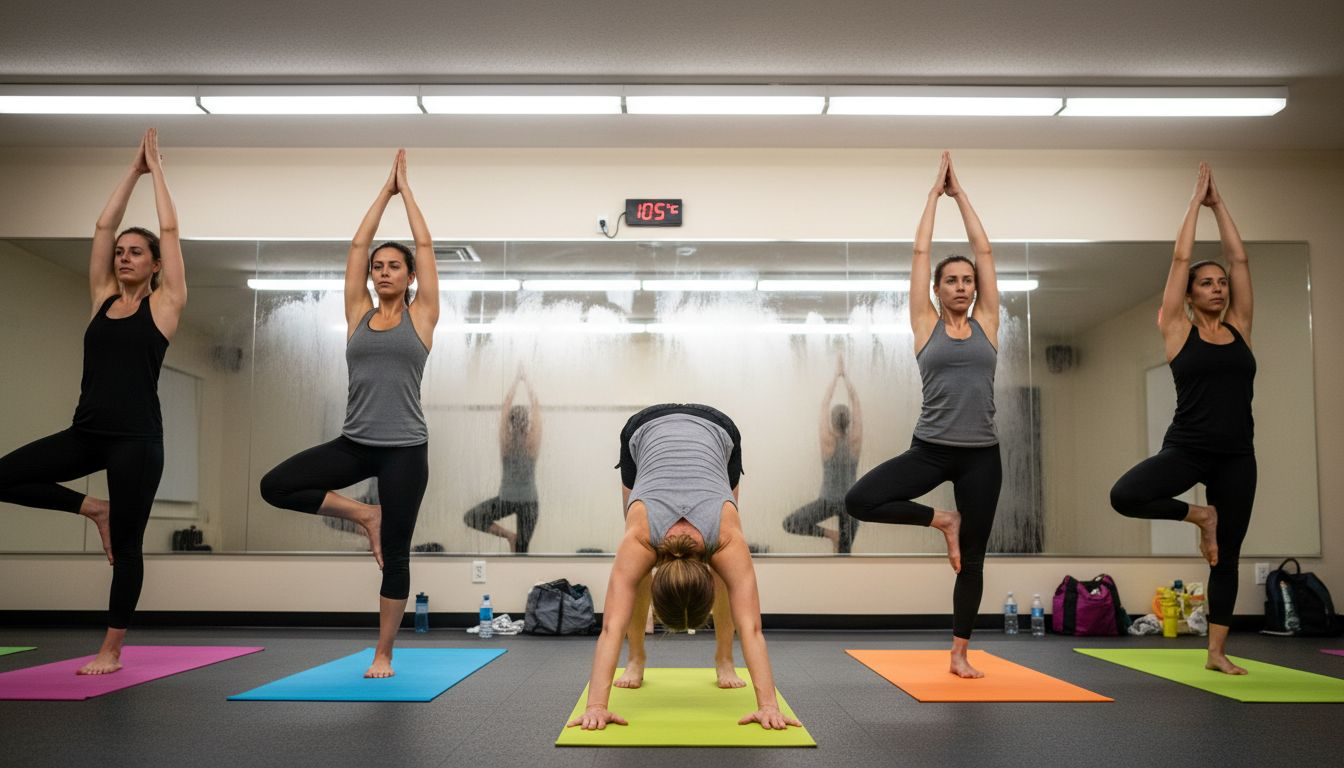
Other Beginner-Friendly Styles

Beyond Hatha and Vinyasa, several other approaches work well for beginners:

  • Yin yoga: Long-held stretches targeting deep connective tissue; extremely relaxing

  • Restorative yoga: Supported poses using props; focuses on relaxation and healing

  • Hot yoga: Performed in a heated room; increases flexibility and intensity

  • Kundalini yoga: Emphasizes breath work, mantras, and energy activation

  • Iyengar yoga: Detailed alignment focus using props; excellent for learning proper form

Each style has unique benefits. Popular yoga styles for beginners vary by goals, so your "best" style depends on what you're seeking.

Here's a comparison of beginner-friendly yoga styles and their unique focus:

Yoga Style Primary Focus Pace Ideal For
Hatha Alignment and breath Slow and steady Stress relief, beginners
Vinyasa Flow and movement Moderate to fast Fitness seekers, energizing
Yin Deep tissue stretching Very slow Flexibility, relaxation
Restorative Gentle supported rest Very slow Recovery, stress reduction
Kundalini Breath and energy Variable Spiritual exploration
Iyengar Detailed alignment, props Slow and precise Injury recovery, precision
“The right yoga style is the one you’ll actually practice consistently, not the one that sounds most impressive.”

Choosing Your Starting Style

Consider what draws you to yoga. Are you stressed and seeking calm? Start with Hatha or Restorative. Want to build cardiovascular fitness? Try Vinyasa. Interested in spiritual exploration? Kundalini or Yin might resonate.

Most Philadelphia beginners benefit from trying 2-3 different classes before deciding. Your body will tell you which style feels right.

Pro tip: Attend beginner-specific classes regardless of style; the pace and instruction matter more than the yoga type when you're starting out.

Benefits of Yoga for Physical and Mental Well-Being

Yoga delivers real, measurable changes to your body and mind. Whether you're seeking pain relief, better sleep, or stress reduction, research confirms what millions of practitioners already know: yoga works. The benefits go far beyond flexibility and strength—they touch every part of your well-being.

The beauty of yoga is that it addresses the whole person, not just isolated symptoms. Your physical practice influences your mental state, and your mental clarity deepens your physical awareness. This integrated approach sets yoga apart from many other wellness practices.

Physical Benefits You'll Experience

Yoga builds strength and flexibility without the harsh impact of running or heavy lifting. Within weeks, you'll notice improved posture, better balance, and easier movement in daily tasks like reaching shelves or bending down. Your body becomes more capable.

Chronic pain improves significantly. Research shows yoga effectively reduces neck pain, back pain, and knee osteoarthritis. The combination of gentle strengthening and stretching addresses the root causes of discomfort rather than masking symptoms.

Additional physical gains include:

  • Enhanced cardiovascular health and stamina

  • Improved digestion and metabolic function

  • Better sleep quality and deeper rest

  • Increased mobility and range of motion

  • Support for weight management goals

Mental and Emotional Transformation

Yoga's mental benefits often surprise beginners the most. As you connect breath to movement, your nervous system shifts into a calmer state. Stress hormones decrease, anxiety loosens its grip, and your mind becomes quieter.

Sleep improves dramatically for most practitioners. Better sleep then cascades into better mood, clearer thinking, and improved immunity. Many Philadelphia-area beginners report sleeping through the night after struggling with insomnia for years.

Yoga also addresses depression and anxiety by regulating your body's stress response. The practice rewires how you react to life's challenges, building resilience over time.

The Science Behind the Benefits

Yoga isn't just relaxation—it's a physical intervention that changes your biology. The practice influences hormone regulation, strengthens immunity, and even positively affects genetic expression. This means yoga literally helps your body function better at a cellular level.

Consistent yoga practice creates compounding benefits—each session builds on the last, and after a few months, the changes feel profound.

Timeline: When You'll Notice Results

Most beginners notice initial changes within two weeks of consistent practice:

  1. Week 1-2: Reduced tension, better sleep

  2. Week 3-4: Increased strength, improved posture awareness

  3. Month 2-3: Significant pain reduction, mental clarity

  4. Month 3+: Lasting strength gains, emotional resilience

Consistency matters more than intensity. Three gentle classes weekly outperform sporadic intense sessions.

Pro tip: Track one specific benefit you want—whether it's sleep quality, back pain, or stress levels—and notice the difference after four consistent weeks of practice.
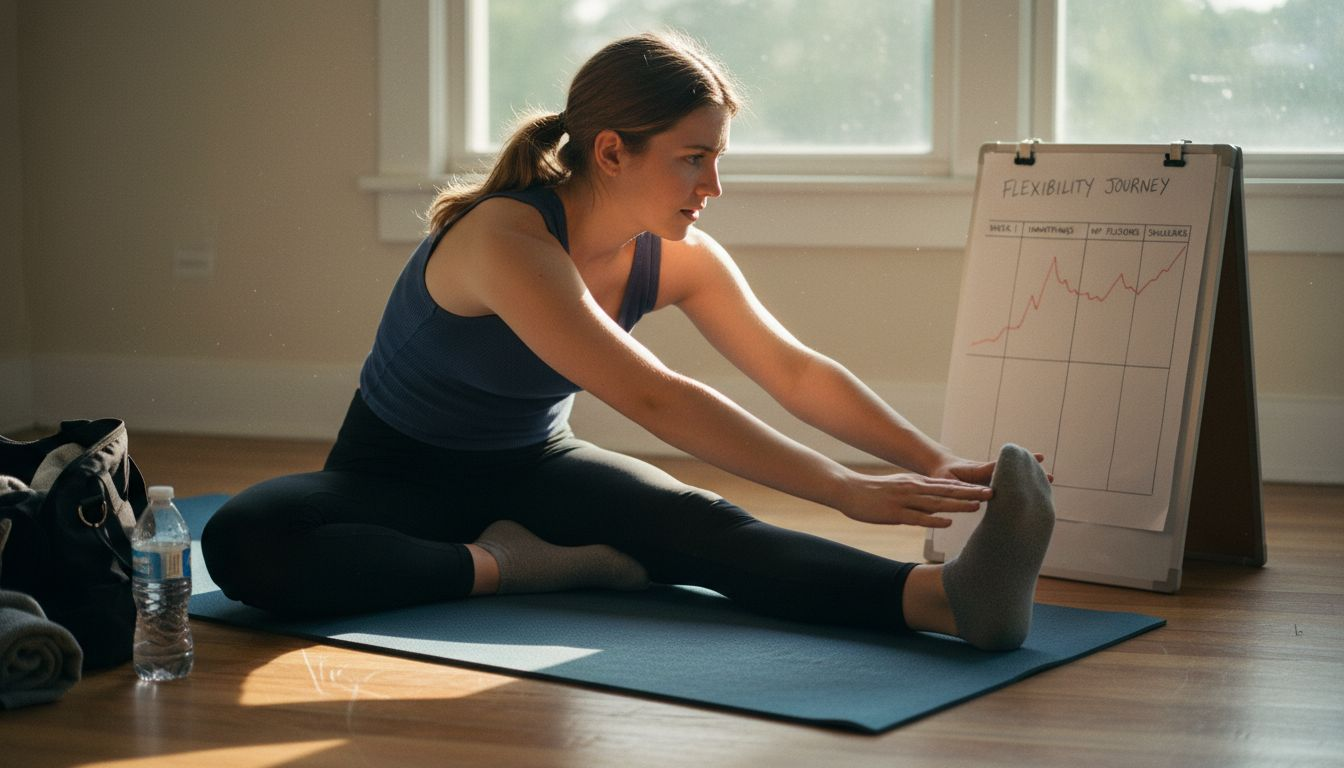
What to Expect in Your First Yoga Class

Walking into a yoga studio for the first time can feel intimidating. You might worry about being inflexible, not knowing the poses, or looking out of place. Here's the truth: every single person in that room started exactly where you are. Your first class will be nothing like the intimidating mental images you've created.

Most beginner classes at Amrita Yoga & Wellness are designed specifically for nervous newcomers. Instructors expect questions, mistakes, and modifications. Your only job is to show up and try.

The Basic Class Structure

Yoga classes typically last 45 to 90 minutes, though beginners usually start with shorter sessions. The class follows a predictable rhythm that repeats every time you attend. Understanding this structure removes the guesswork.

Yoga classes include breathing exercises, physical postures, and relaxation. Most classes follow this flow:

  1. Arrival and settling (5-10 minutes): You'll arrive early, meet your instructor, and sit quietly as others arrive

  2. Breathing exercises (5-10 minutes): Simple techniques to calm your mind and prepare your body

  3. Physical postures (25-40 minutes): The main portion where you move through poses

  4. Cool-down and stretching (10-15 minutes): Gentle poses that relax your muscles

  5. Meditation or savasana (5-15 minutes): Final relaxation where you lie still and breathe

Each component serves a purpose. Together, they create the complete yoga experience.

Below is a summary of common yoga class segments and what beginners can expect in each:

Class Segment Approx. Duration What's Involved
Arrival/Settling 5–10 minutes Meet instructor, get comfortable
Breathing Exercises 5–10 minutes Guided breath techniques
Physical Postures 25–40 minutes Pose practice and movement
Cool-down/Stretching 10–15 minutes Gentle stretches, winding down
Meditation/Relaxation 5–15 minutes Mindful rest, deep calm

What Happens During Poses

Don't expect to nail perfect postures on day one. Your instructor will show each pose, demonstrate modifications for beginners, and walk around offering hands-on adjustments if you want them. You can always ask for a gentler version.

Your breath matters more than your form. Beginners often hold their breath while concentrating on poses. Your instructor will remind you repeatedly: breathe smoothly and steadily. This breath-to-movement connection is where yoga's magic happens.

You'll repeat similar sequences throughout the class. This repetition helps your body learn proper alignment without thinking too hard.

What You'll Actually Feel

Your first class might feel physically challenging, even if poses look easy. Your body will shake a little, especially in your legs. That's completely normal and means your muscles are waking up.

Mentally, you might feel scattered at first. Your mind might jump between thinking about your form, wondering if you're doing it right, and planning dinner. This is why meditation is included—your mind gradually settles.

Emotionally, many beginners feel surprisingly calm after class. That sense of peace comes from the combination of movement, breathing, and focused attention.

Before You Arrive

Prepare yourself for success:

  • Wear comfortable, stretchy clothes that allow full movement

  • Bring a yoga mat (or ask if the studio provides rentals)

  • Eat lightly 2-3 hours before class

  • Arrive 10-15 minutes early to meet your instructor and settle in

  • Silence your phone to minimize distractions

  • Tell your instructor about injuries so they can offer modifications

Your first class is about showing up and experiencing the practice, not about achieving perfect poses or competing with others.

After Your First Class

You might feel sore tomorrow, especially in muscles you forgot existed. This soreness (called delayed onset muscle soreness) is temporary and means your body is adapting. It passes within a few days.

More importantly, notice how you sleep that night. Most beginners sleep better after their first class. That's your nervous system responding positively to the practice.
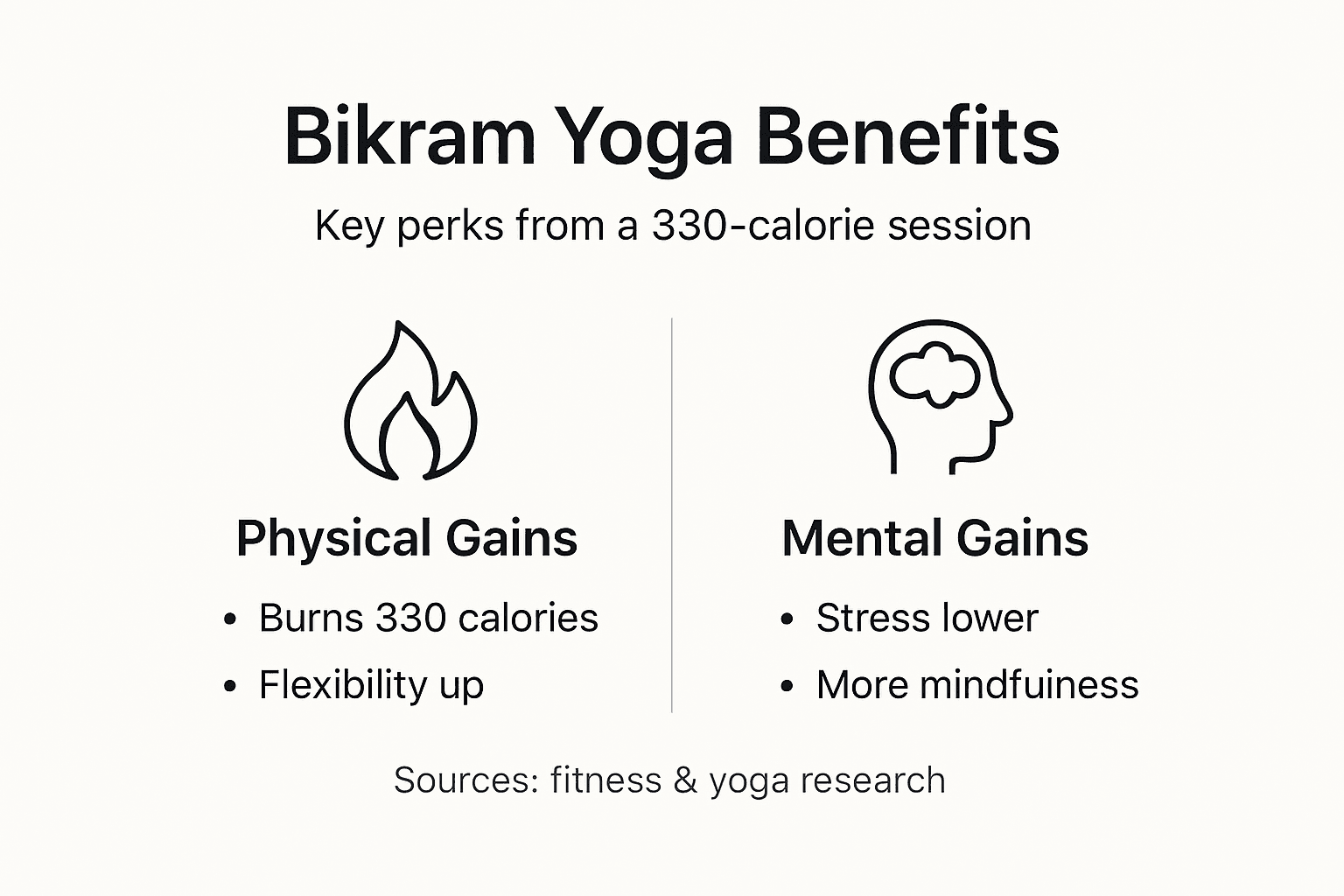
Pro tip: Book your first class during a time when you can move slowly afterward—not right before work or a stressful appointment—so your body can absorb the benefits without rushing.

Common Pitfalls and How to Avoid Injuries

Yoga is generally safe, but beginners often hurt themselves through preventable mistakes. Most injuries come from rushing, ignoring your body's signals, or skipping fundamental safety practices. Understanding these pitfalls protects you from setbacks that could derail your practice for weeks.

The good news? Injury prevention is simple once you know what to watch for. These are learnable habits that become automatic after a few classes.

The Biggest Beginner Mistakes

Comparing yourself to others is the fastest path to injury. You see someone holding a deep backbend and think you should match it immediately. Your body doesn't work that way. Everyone's flexibility, strength, and injuries are different.

Stay focused on your own mat. Your classmate's advanced poses mean nothing about what's safe for your body. What matters is your personal progression.

Another common trap: wearing inappropriate clothing. Baggy shirts and pants can get tangled during poses, throwing off your balance. Loose clothes also make it harder for your instructor to see your alignment and offer corrections.

Wear fitted, stretchy clothes that move with you, not against you. Leave shoes and heavy accessories at home.

Rushing Into Advanced Poses

Beginners often skip foundational poses to reach more impressive-looking poses. This is how injuries happen. Advanced poses exist because your body needs preparation first.

Your tendons, ligaments, and muscles need time to adapt. Jumping into deep twists, intense backbends, or arm balances before your body is ready creates injury risk that lasts months.

Ask your instructor for beginner modifications. Using props and modifications isn't weakness—it's smart training.

Pain vs. Sensation: Know the Difference

Avoiding poses that cause pain or discomfort is essential for safe practice. Many beginners confuse muscle engagement with injury pain. Here's the distinction:
  • Good sensation: Mild burning, stretching feeling, muscle fatigue—feels productive

  • Bad pain: Sharp, stabbing, pinching, or localized joint pain—stop immediately

If something hurts, back off. Your instructor wants to know. Pain is your body's warning system, not something to push through.

Critical Safety Rules

These non-negotiables protect your body:

  • Tell your instructor about injuries, surgeries, or health conditions before class

  • Warm up properly before attempting intense poses

  • Progress gradually over weeks and months

  • Use props (blocks, straps, bolsters) when offered

  • Never hold your breath during poses

  • Skip poses that feel wrong in your body

  • Stay hydrated throughout class

Your job is to practice safely and consistently, not to prove yourself or match others—that's how real progress happens.

Overexertion and Recovery

Doing too much too soon causes injury and burnout. Beginners often take multiple classes daily thinking they'll progress faster. Instead, they end up injured and discouraged.

Start with 2-3 classes weekly. Your body makes progress during rest days, not just during movement. Honor that recovery time.

Listen to persistent pain or soreness that doesn't improve within a few days. That's your body asking for rest or professional medical guidance.

The Distraction Problem

Phones and distractions break your focus, making injuries more likely. When your mind is scattered between poses and your phone, you miss alignment cues and body signals.

Silence your phone and store it away. Give yourself permission to be unreachable for 60 minutes. This mental focus is part of what makes yoga transformative.

Pro tip: If any pose causes sharp pain or feels unstable, raise your hand immediately and ask your instructor for a modification—there's no shame in adapting, and your safety matters more than appearance.

Start Your Yoga Journey with Confidence and Safety at Amrita Yoga & Wellness

Finding the right path for your beginner yoga practice can be overwhelming. The challenge of building skills safely while avoiding common pitfalls like rushing into advanced poses or struggling with pain is real. This article highlighted how important it is to focus on core concepts like alignment, breath awareness, and gradual progression. Many beginners share goals such as reducing stress, improving flexibility, and fostering emotional balance but worry about injuries or feeling out of place in class.

At Amrita Yoga & Wellness, we understand these concerns deeply. Our beginner-friendly classes at Amrita Yoga & Wellness are specifically designed to help you nurture those foundational skills in a supportive environment that honors your individual pace. Whether you want to explore calming Hatha sequences or energizing Vinyasa flows, we offer expert guidance that keeps safety front and center. Connecting breath, mindful movement, and community support will empower your growth and ensure your practice is sustainable from day one.

Embrace the healing and transformative power of yoga safely with us. Visit amritayogawellness.com now to explore our class schedules, workshops, and beginner program details. Begin your journey today and experience how gently building skills can lead to profound physical and mental well-being.

Frequently Asked Questions

What should I expect in my first yoga class?

In your first yoga class, you can expect a welcoming environment where instructors guide you through breathing exercises, physical postures, and relaxation techniques. You'll also have opportunities to ask questions and receive modifications for poses.

How can I choose the right yoga style for beginners?

To choose the right yoga style, consider your goals: if you're looking for relaxation, Hatha or Restorative yoga may be best. If you want a more energetic practice, Vinyasa could suit you. Trying a few classes can help you find your fit.

What are the main components of a yoga practice for beginners?

The main components of a beginner yoga practice include postures (asanas), breathing techniques (pranayama), and mindfulness or meditation. These aspects work together to build a comprehensive approach to wellness.

How often should I practice yoga as a beginner?

As a beginner, aim for 2-3 yoga classes per week. This allows your body to adapt and progress while also providing sufficient rest and recovery time.

Recommended

Easy Aerial Yoga Poses for Beginners: Step-by-Step Guide

Heather Rice

Trying something new for your well-being can be exciting but also a little daunting, especially when it comes to aerial yoga. Many adults in Philadelphia are searching for accessible ways to move, build strength, and manage daily stress, yet worry about safety and where to begin. By focusing on safe setup and easy poses, you can start your aerial yoga journey with confidence, knowing each step is designed to support both your body and peace of mind.

Table of Contents

Quick Summary

Key Point Explanation
1. Ensure a Safe Setup for Aerial Yoga Choose a location with ample clearance and robust support for the hammock to prevent injuries.
2. Select Quality Hammock Carefully Prioritize durable fabric and reliable brands to ensure safety and comfort during practice.
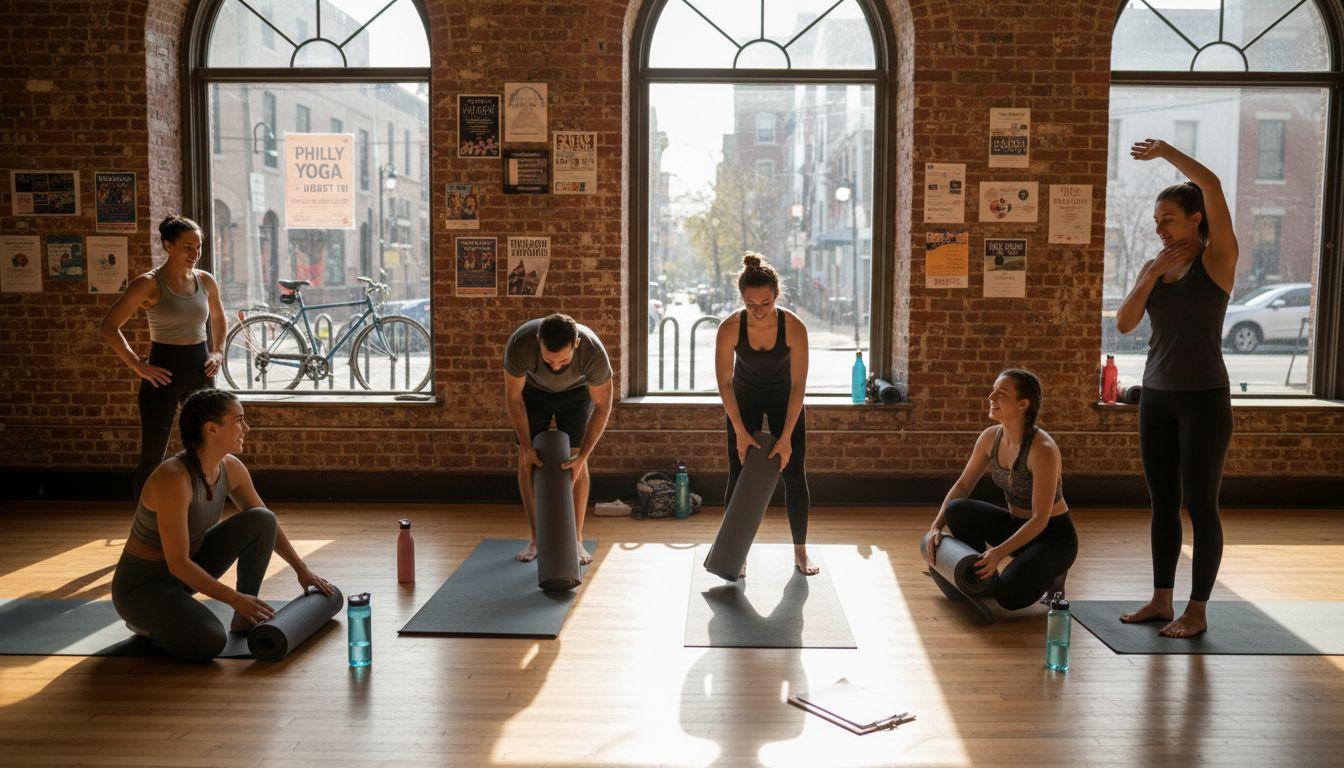
3. Warm Up Properly Before Practicing Engage in light movements to increase blood flow and prepare muscles for aerial yoga.
4. Focus on Proper Form in Poses Maintain alignment and relaxation in each pose to enhance strength and decrease injury risk.
5. Practice Mindful Breathing Techniques Deep breathing while holding poses promotes relaxation and stabilizes the nervous system.

Step 1: Set Up Your Aerial Yoga Space Safely

Before you hang your first silk hammock, you need to choose the right location and prepare it properly. A safe aerial yoga setup combines the right room, proper equipment, and smart spacing to prevent injuries and build confidence as a beginner.

Start by selecting a space with adequate ceiling height and clearance. You'll want a room that's large enough to accommodate your hammock without walls or furniture creating obstacles around you.
Your location options include:

  • Indoor rooms with sturdy ceiling joists or beams

  • Doorway frames rated for the weight you'll be using

  • Outdoor areas with thick, healthy tree branches

  • Studio spaces like those at Amrita Yoga & Wellness where equipment is professionally installed

When hanging your hammock indoors, check that the ceiling can support the weight. Professional-grade rigging should handle up to 300 kilograms of force, far more than you'll ever need. If you're unsure about your ceiling's capacity, consult a contractor before installation.

Here's a quick comparison of common aerial yoga space options:

Space Type Installation Complexity Safety Factors Environment Benefits
Home room Moderate to high Requires ceiling evaluation Privacy, convenience
Professional studio Low (for the user) Equipment professionally installed Guidance from experts
Outdoor (tree branch) High Tree health and strength required Natural atmosphere, fresh air
Doorway frame Low to moderate Weight rating critical Compact, adaptable space

The hammock itself needs proper support. Your rig should include support chains, webbing straps, silk material, and carabiners all securely anchored to your chosen point. These components work together to distribute your weight safely and prevent equipment failure.
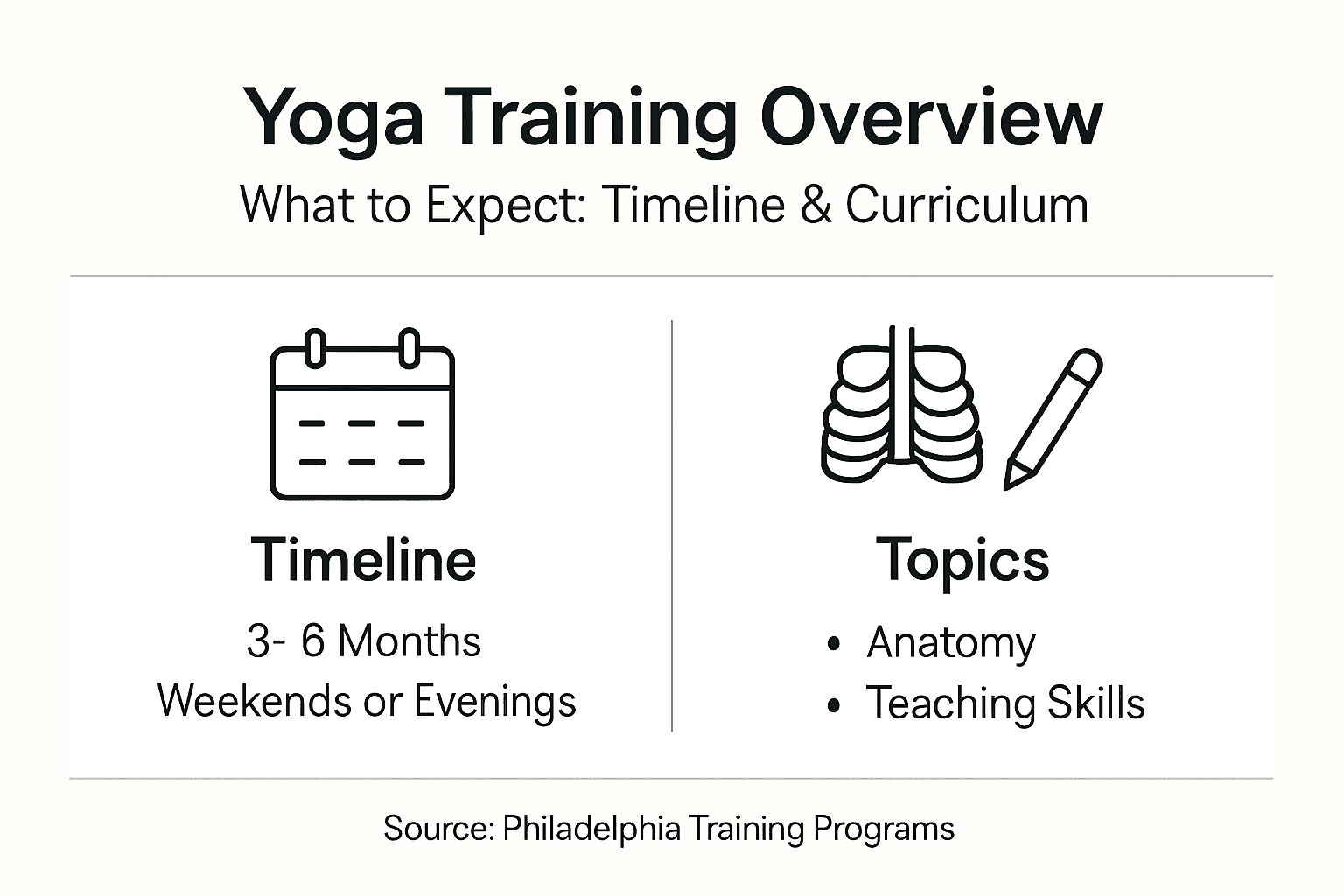
Height matters for beginners. Keep the hammock suspended less than one meter above the ground. This low position builds your confidence and reduces injury risk if you slip or lose your grip while learning.
Arrange your space with movement in mind. You need clearance all around your hammock, especially when you're upside down or extending limbs. Remove furniture, yoga blocks, or anything else within arm's reach that could catch your body during practice.

A well-organized space prevents accidents before they happen. Clear the area completely and test your hammock's stability by gently pulling on it before practice.

Pro tip: Practice your first few sessions during daylight hours or with bright overhead lights so you can see your body's position clearly and build spatial awareness in the hammock.

Step 2: Select and Secure the Right Hammock

Choosing the right hammock is crucial because it directly impacts your safety, comfort, and ability to practice aerial yoga effectively. Your hammock needs to support your body weight while remaining comfortable enough for extended practice sessions.

When selecting a hammock, prioritize quality fabric and construction. Look for aerial yoga hammocks or swings specifically designed for supporting body weight safely. The fabric should be strong and comfortable, typically made from silk-like material rather than real silk, which offers better durability and easier maintenance.

Consider these factors when choosing:

  • Different lengths available for various heights and preferences

  • Color options that match your personal style and studio environment

  • Weight capacity ratings that exceed your body weight by a significant margin

  • Reputation of the manufacturer and brand reliability

Once you've selected your hammock, securing it properly is non-negotiable. Professional installation requires hardware such as support chains, carabiners, and ceiling anchors all rated to hold safe maximum weights. These components work together as a system, so don't compromise on any single piece.

When setting up, ensure every anchor point is rated for the weight it will support. Your entire rig should be able to handle far more force than your body weight alone. Always purchase from reputable sources that provide documentation of weight ratings and installation instructions.

This summary highlights key criteria when picking an aerial yoga hammock:

Criteria Why It Matters Impact on Practice
Fabric durability Reduces risk of tearing Increases confidence
Weight capacity Supports user safety Allows for varied poses
Verified instructions Prevents improper setup Promotes proper installation
Manufacturer reputation Indicates quality control Ensures reliable performance

Before your first practice, test the hammock thoroughly. Pull down on it with significant force while holding onto something stable, checking for any movement or instability in the rigging. The hammock should feel completely secure and immobile.

Quality equipment prevents injuries and builds confidence. Invest in professional-grade components and follow manufacturer guidelines precisely during installation.

Pro tip: Start with a standard length hammock in a neutral color like purple or blue, which works well in most studio spaces and won't limit your options if you move your practice location later.

Step 3: Warm Up Your Body Gently

Before you enter the hammock, your body needs preparation to move safely and comfortably. A proper warm-up increases blood flow, raises body temperature, and prepares your muscles for the unique demands of aerial yoga.

Start with 5 to 10 minutes of light movement. This timeframe gives your cardiovascular system a chance to activate without exhausting you before practice begins. Begin with simple activities like slow walking around your practice space or gentle marching in place.

Focus on these warm-up activities:

  • Slow walking or marching to increase heart rate gradually

  • Arm circles in both directions to mobilize shoulders

  • Gentle neck rolls to warm the cervical spine

  • Torso twists to engage your core and spine

  • Leg swings forward and backward to loosen hips

  • Ankle circles to activate lower legs and feet

As you move, concentrate on engaging your major muscle groups throughout your body. This ensures oxygen delivery reaches everywhere you'll be using during aerial yoga. Pay special attention to your shoulders, core, and hips since these areas bear significant load in the hammock.

Keep your movements controlled and deliberate. Avoid bouncing or sudden jerking motions, which can strain cold muscles. Instead, move through each motion smoothly, gradually increasing your range of motion as your body temperature rises.

You should feel slightly warmer and notice your breathing has quickened naturally. Your muscles should feel more supple and responsive than they did at the start. This is your signal that you're ready to approach the hammock.

A thorough warm-up reduces injury risk and helps you focus mentally on your practice. Never skip this step, even if you're short on time.

Pro tip: Play music during your warm-up to maintain a steady pace and create a ritual that signals to your body and mind that practice is beginning.

Step 4: Practice Basic Easy Aerial Yoga Poses

Now that your body is warm and your hammock is secure, you're ready to experience your first aerial yoga poses. These foundational poses use the hammock as active support, allowing you to safely explore movements that would be challenging or impossible on the ground.

Start by sitting in the hammock with both feet on the floor. Get a feel for how the fabric supports your weight and how it responds to your movements. This builds confidence before you lift your feet completely off the ground.

Begin with these beginner-friendly poses:

  • Cross position where you sit with legs crossed and hold the hammock sides for stability

  • Star inversion with tailbone support to safely experience gentle upside-down movement

  • Supported forward bend using the hammock to deepen stretching through your spine

  • One-legged king pigeon which uses the hammock for balance while stretching your hip flexors

The hammock acts as support around your hips to enable poses that would be difficult on the ground. This support allows you to focus on breathing and alignment without worrying about balance. Move slowly into each pose, pausing to notice how your body feels in the unfamiliar position.

For your first session, choose two poses maximum. Practice each one for just 20 to 30 seconds, focusing on steady breathing and proper alignment. Exit gently by returning to a seated position before moving to the next pose.

Listen to your body constantly. Some sensations will feel like healthy stretching, while others might signal you're pushing too far. Back off immediately if you feel sharp pain, dizziness, or loss of control.

The hammock teaches you to trust support and breathe through challenging positions. This foundation builds confidence for more advanced poses later.

Pro tip: Record a short video of yourself practicing so you can review your form and notice improvements in your alignment and comfort over time.

Step 5: Check Your Form and Relax in Each Pose

Once you're in a pose, the real work begins. Proper alignment and conscious relaxation transform aerial yoga from just hanging around into a practice that builds strength and reduces stress.

Start by scanning your body from head to toe. Notice where you feel tension and where you feel supported. Your shoulders should be relaxed away from your ears, and your neck should be neutral, not craned forward or backward.

Check these key alignment points:

  • Shoulders away from ears and engaged properly

  • Spine in neutral position without excessive arching or rounding

  • Hips level and balanced on both sides

  • Core gently engaged but not rigidly braced

  • Neck aligned with your spine, not twisted or extended

  • Hands gripping firmly but without white-knuckled tension

Once your alignment feels solid, focus on your breathing. Deep breathing and maintaining awareness during poses enhances relaxation and allows energy to flow through your body. Inhale slowly through your nose for a count of four, then exhale for four counts. This steady rhythm calms your nervous system and helps you relax into the pose.

The goal is balance between effort and ease. You should feel stable yet comfortable, not straining or rigidly holding. If a pose requires constant muscular tension, you're likely gripping too hard. Soften where you can while maintaining alignment.

Observe sensations without judgment. Mild stretching sensations are normal and beneficial. Sharp pain, numbness, or tingling signals that something is wrong. Back off immediately and return to a resting position.

Relaxation in poses is not laziness. It's the practice of finding steadiness and calm, which builds confidence and prevents injury.

Pro tip: Set a timer for 30 to 45 seconds per pose during your first month so you can focus entirely on form and breathing instead of worrying about how long you've been holding the position.

Discover Confidence and Safety in Your Aerial Yoga Journey

Starting aerial yoga can feel challenging when it comes to setting up a safe space, choosing the right hammock, and mastering basic poses. The key to overcoming these hurdles is having expert guidance and access to proper equipment that supports your body and builds your confidence step by step. If you want to move beyond theory and experience how aerial yoga transforms your strength and calm, you do not have to do it alone.

Join the community at Amrita Yoga & Wellness where you can learn aerial yoga safely with professional instructors in a fully equipped studio environment. Whether you are a beginner eager to try easy aerial poses or looking for personalized support in setup and form, our expert-led classes and workshops provide exactly what you need. Take the next step today by exploring our class schedules and discover how aerial yoga can bring balance, strength, and relaxation into your life.

Frequently Asked Questions

What are some easy aerial yoga poses for beginners?

Start with beginner-friendly poses like the Cross Position, Star Inversion, Supported Forward Bend, and One-Legged King Pigeon. Try practicing these poses for 20 to 30 seconds each during your first session to build confidence and familiarity.

How do I set up a safe aerial yoga space at home?

Choose a room with adequate ceiling height and sturdy support beams, and ensure there’s enough space around your hammock to prevent injuries. Clear any furniture or obstacles before installation and test the hammock’s stability before your practice.

What should I focus on during my warm-up for aerial yoga?

Engage in light movement for 5 to 10 minutes, such as slow walking, arm circles, and leg swings to prepare your muscles. Focus on controlled movements to increase blood flow and reduce the risk of injury during your session.

How do I ensure proper form in aerial yoga poses?

Check your alignment by ensuring your shoulders are relaxed, spine is neutral, and core is gently engaged. Regularly scan your body for tension and adjust your position as needed to maintain a balance between effort and ease in each pose.

How long should I hold each aerial yoga pose as a beginner?

In your first month, aim to hold each pose for 30 to 45 seconds to focus on your form and breathing. Gradually increase the time as you become more comfortable and confident in each position.

What should I do if I feel discomfort during a pose?

If you experience sharp pain, dizziness, or numbness, back off immediately and return to a resting position. Listen to your body and adjust your movements to ensure a safe and enjoyable practice.

Recommended

Vinyasa Flow Yoga: Benefits, Techniques, and Classes

Heather Rice

Smooth, breath-synchronized movement is what sets Vinyasa Flow yoga apart, attracting Philadelphia practitioners looking for both challenge and calm. When your breath becomes the anchor, every motion gains meaning and presence—yoga shifts from static poses to an intentional dance. This dynamic practice offers a unique combination of breath-to-movement coordination and seamless transitions, supporting physical strength, flexibility, and the kind of mental focus that nurtures well-being.

Table of Contents

Key Takeaways

Point Details
Breath-Synchronized Movement Vinyasa Flow yoga emphasizes matching breath with movement, enhancing both physical and mental focus during practice.
Continuous Flow Unlike static yoga styles, vinyasa involves seamless transitions between poses, promoting cardiovascular benefits and dynamic engagement.
Varied Class Structure Classes typically progress through centering, warm-ups, main sequences, and cooldowns, ensuring a comprehensive approach to practice.
Mindful Practice Practitioners are encouraged to listen to their bodies, prioritize alignment, and use props to foster safety and sustainability in their practice.

Defining Vinyasa Flow Yoga and Key Concepts

Vinyasa Flow yoga is a dynamic, breath-synchronized practice where movement and respiration work as partners. Think of your breath as the conductor and your body as the orchestra—they move together seamlessly. This approach transforms yoga from isolated poses into a continuous, flowing sequence.

At its core, vinyasa coordinates each movement with the breath, using inhalations and exhalations to anchor transitions between poses. As you inhale, you might lift your chest in an upward motion; as you exhale, you fold forward. Breath control with movement demands intense focus and presence, making it far more than just stretching.

The word "vinyasa" itself comes from Sanskrit and means "to place in a special way." Each pose flows into the next with intention and awareness. This seamless transition between poses is what gives the practice its popular nickname: flow yoga.

Understanding Flow and Movement

Flow describes how vinyasa yoga creates a continuous stream of movement rather than holding static poses. Instead of pausing between stretches, you move with your breath.

Consider the cat stretch as a simple example. On your inhale, your spine curves gently as your chest lifts forward and upward. On your exhale, your spine rounds as you draw your chin toward your chest. This wave-like quality reflects vinyasa's fundamental principle.

Key characteristics of vinyasa flow include:

  • Breath-synchronized movement: Every motion links directly to an inhalation or exhalation

  • Continuous sequencing: Poses connect fluidly without long pauses

  • Increased focus: The breath anchor keeps your mind engaged throughout practice

  • Cardiovascular engagement: The flowing movement elevates your heart rate moderately

Physical and Mental Integration

Unlike slower yoga styles, vinyasa blends strength, flexibility, and cardiovascular work into one practice. Your body heats up naturally through movement, which is why some practitioners choose heated versions.

Mentally, the breath-to-movement connection creates a meditative quality during practice. You cannot drift into distraction—your mind must follow your breath and body simultaneously. This integration builds mental clarity alongside physical strength.

Research shows positive cardiovascular effects from vinyasa practice, including improved blood vessel function and arterial health. The continuous movement naturally supports your heart and circulatory system.

What Makes Vinyasa Different

Vinyasa stands apart from other yoga styles because it prioritizes flow and breath over holding poses long-term. A power yoga class might hold warrior poses for five breaths; vinyasa moves through them in two or three breaths, maintaining momentum.

This modern style appeals to people seeking:

  • Active, energizing practice rather than restorative sessions

  • Mental focus through synchronized breathing

  • Improved cardiovascular fitness alongside flexibility

  • A challenging physical practice that builds heat and strength

Vinyasa flow yoga transforms yoga into a continuous dance between breath and movement, making it both a physical and mental practice.

At Amrita Yoga & Wellness in Philadelphia, vinyasa classes range from beginner-friendly flows to advanced challenges. Whether you're new to yoga or a seasoned practitioner, understanding these foundational concepts helps you approach the practice with intention and awareness.

Pro tip: Focus on syncing one breath per movement when starting vinyasa—one inhale for one pose transition, one exhale for the next. This 1:1 ratio builds your foundation before exploring faster flows.

How Vinyasa Flow Differs From Other Yoga Styles

Vinyasa Flow stands out because it prioritizes continuous movement linked to breath rather than holding poses in fixed sequences. While other popular styles like Hatha or Iyengar focus on alignment and static holds, vinyasa creates a seamless dance of motion. This fundamental difference shapes your entire experience on the mat.

The key distinction lies in how vinyasa structures its sequences. Unlike Ashtanga yoga, which follows a rigid, repetitive order of poses every class, vinyasa allows variable sequences tailored to the instructor and students. Your Tuesday morning class might flow differently than Thursday evening—that flexibility is intentional.

Vinyasa's continuous flowing movement generates a cardiovascular workout that other styles don't typically offer. When you move from pose to pose without long pauses, your heart rate stays elevated and your body naturally generates heat. This aerobic quality appeals to people seeking a more physically demanding practice.

Comparing Major Yoga Styles

Understanding how vinyasa compares to other approaches helps you choose what fits your goals.

Hatha yoga emphasizes holding poses longer while focusing on proper alignment. You might spend five or more breaths in warrior pose, building strength through stillness. Hatha moves slower and gives you time to adjust your positioning.

Iyengar yoga takes alignment even further, often using props like blocks and straps to achieve precise positioning. Classes focus on understanding anatomy and biomechanics. The pace is deliberate and detailed.

Ashtanga yoga does include flowing movement, but breath-linked flowing sequences follow a fixed, unchanging order every single time. You'll practice the same sequence in every class, which builds deep familiarity but less variety.

Power yoga borrows vinyasa's flowing style but adds challenging variations and creative sequences. It emphasizes building strength and heat more aggressively than traditional vinyasa.

Why Vinyasa Feels Different

The integration of breath and movement creates a meditative quality you might not experience in static-hold styles. Your mind must stay present because your body is constantly moving. You cannot zone out.

Vinyasa also offers customization that rigid systems do not. An instructor can modify sequences for different class levels, themes, or even student feedback. One class might focus on hip openers; another might emphasize arm balances—both are vinyasa.

Key differences at a glance:

Here is a quick comparison of major yoga styles you might encounter:

Yoga Style Structure Type Focus Area Variety in Practice
Vinyasa Flowing, variable Breath & movement High, changes each class
Hatha Static, sequenced Alignment & stillness Moderate, adjusts by class
Iyengar Detailed, static Precision & props Moderate, pose-based
Ashtanga Fixed, flowing Repetition & structure Low, same every class
Power Yoga Dynamic, creative Strength & stamina High, instructor-driven

Vinyasa: Flowing sequences, breath-linked movement, variable structure, cardiovascular engagement

  • Hatha: Longer static holds, alignment focus, slower pace, foundational approach

  • Iyengar: Props and precision, detailed alignment study, slower, therapeutic applications

  • Ashtanga: Fixed sequences, breath-linked, repeating order, structured progression

  • Power yoga: Dynamic flows, strength emphasis, heat generation, creative variations

Vinyasa creates movement as meditation, while other styles often use stillness as their meditation practice.

At Amrita Yoga & Wellness in Philadelphia, vinyasa classes attract people who love active, engaging practice. If you've tried slower styles and craved more movement, or practiced power yoga and want something more accessible, vinyasa offers the sweet spot between dynamic flow and intentional pacing.

Pro tip: Try a Hatha class to understand static alignment, then return to vinyasa with better body awareness. This cross-training deepens your vinyasa practice by showing you how proper alignment moves through your flowing sequences.

Typical Class Structure and Sequencing Elements

Most vinyasa classes follow a predictable arc, though instructors customize the journey. Understanding this structure helps you know what to expect and prepares your body mentally for the practice ahead. The typical 60-minute class moves through distinct phases, each serving a specific purpose.

Classes begin with centering and breathwork, often called pranayama. You might sit cross-legged while focusing on your natural breath or practicing specific breathing patterns. This 5-10 minute opening settles your mind and syncs you with your body before movement begins.

After centering, classes move into gentle warm-up sequences that prepare your joints and muscles. Cat-cow stretches, shoulder circles, and wrist rotations gradually increase blood flow. These movements are slower and more controlled than what follows, building your internal heat.

Building the Practice

The main body of class, typically 30-40 minutes, consists of flowing sequences that build in intensity. Instructors often begin with foundational poses and sun salutations that every student knows. Sun salutations are the backbone of vinyasa—they coordinate breath with a specific sequence of movements.

From there, classes progress into standing poses and balancing work. You might move through warriors, triangles, and standing leg lifts while maintaining breath-synchronized transitions. The pace gradually increases as your body warms.

Most classes include a peak pose or theme near the middle. This might be arm balances, deep backbends, or advanced hip openers. The instructor spends extra time preparing your body for this challenging moment.

Key phases in order:

  1. Centering (5-10 minutes): Breathing and mental preparation

  2. Warm-up (5-10 minutes): Joint mobility and gentle movement

  3. Sun salutations (10-15 minutes): Breath-linked foundational sequences

  4. Standing poses (10-15 minutes): Strength and balance building

  5. Peak pose (5-10 minutes): The class highlight or challenge

  6. Cool-down (5-10 minutes): Slower stretches and transitions

  7. Final relaxation (5-10 minutes): Savasana or meditation

Closing and Integration

After the peak pose, instructors bring energy down with cool-down stretches and slower-paced poses. This transition prevents dizziness and gives your heart rate time to decrease naturally. You'll often hold poses longer here than in the main body.

Classes end with savasana, or final relaxation pose. You lie flat on your back, completely still, for 5-10 minutes while the instructor guides relaxation or silence fills the room. This integration period allows your nervous system to absorb the practice's benefits.

Every vinyasa class tells a story through its sequencing—beginning, building, peaking, and concluding with intention and purpose.

At Amrita Yoga & Wellness in Philadelphia, instructors vary their sequences while maintaining this classic structure. Beginning vinyasa classes move more slowly and focus on foundational poses, while advanced classes feature creative variations and longer holds in challenging positions. Knowing the typical flow helps you feel more confident stepping onto your mat.

Pro tip: Arrive 10 minutes early to your first vinyasa class. This gives you time to set up your mat, settle your nervous system, and ask the instructor about any physical limitations before class begins.

Physical and Mental Benefits of Vinyasa Flow Practice

Vinyasa Flow yoga delivers benefits that extend far beyond the mat. The combination of continuous movement, breath work, and mental focus creates measurable improvements in both body and mind. Whether you're seeking stress relief or physical strength, vinyasa addresses multiple wellness goals simultaneously.

The flowing nature of vinyasa creates a full-body cardiovascular workout that builds endurance naturally. Unlike static poses, continuous movement elevates your heart rate and demands oxygen throughout class. Over time, your heart becomes stronger and your circulation improves, supporting overall cardiovascular health.

Muscle engagement happens throughout every transition. You develop increased muscle strength and tone especially in your core, shoulders, and legs. The constant stabilization required during flowing sequences activates muscles you might not use in everyday life.

Physical Transformation

Vinyasa also enhances flexibility and range of motion as you move through varied poses regularly. The dynamic stretching embedded in flowing sequences gradually lengthens muscles safely. You gain mobility without forcing rigid holds that might create tension.

Your posture improves naturally through vinyasa practice. Strengthening your core and back muscles while building body awareness helps you stand taller and move more efficiently. Many Philadelphia practitioners notice better alignment in daily life after several weeks of consistent practice.

Physical benefits include:

  • Enhanced flexibility and joint mobility

  • Improved muscle strength throughout your body

  • Better balance and stability

  • Increased cardiovascular endurance

  • Improved digestion and immune function

  • Better sleep quality and energy levels

Mental and Emotional Gains

The breath-to-movement synchronization creates a powerful meditative state that reduces stress and anxiety. When your mind focuses on breath and body, daily worries fade temporarily. This consistent mental break builds your resilience over time.

Mental clarity and mindfulnessdevelop naturally through the practice's demand for presence. You cannot multitask during vinyasa—your brain must stay engaged with the moment. This training carries into daily life, helping you approach challenges with greater focus and awareness.

Emotional benefits accumulate steadily. Regular practitioners report improved mood, increased self-confidence, and better emotional regulation. The physical effort releases endorphins while the meditative aspect calms your nervous system—a powerful combination for mental wellness.

Mental and emotional benefits include:

  • Decreased stress and anxiety levels

  • Enhanced mood and emotional stability

  • Improved focus and concentration

  • Greater self-awareness and confidence

  • Better stress management tools

  • Deeper mind-body connection

Vinyasa yoga integrates strength training, cardiovascular exercise, and meditation into one unified practice.

At Amrita Yoga & Wellness in Philadelphia, students consistently report feeling calmer, stronger, and more connected after adopting a regular vinyasa practice. Whether you attend one class weekly or practice three times per week, benefits accumulate and deepen over time.

Pro tip: Practice vinyasa at least twice weekly to notice measurable physical and mental changes. Consistency matters more than intensity—regular, moderate practice beats sporadic intense sessions for building lasting benefits.

Common Mistakes and Essential Safety Tips

Vinyasa yoga's intensity demands attention to proper technique and body awareness. Injuries happen when practitioners push beyond their limits or ignore warning signals from their bodies. Understanding common mistakes helps you practice safely and sustainably for years to come.

The most frequent mistake beginners make is losing breath coordination during transitions. When poses get challenging, your instinct is to hold your breath and power through. This breaks vinyasa's fundamental principle and robs your muscles of oxygen, increasing injury risk.

Rushing through sequences ranks as another major error. Speed creates momentum that masks poor alignment and prevents your muscles from engaging properly. Slow, controlled movement always beats quick, sloppy transitions.

What Goes Wrong

Skipping warm-up or cool-down sections significantly increases injury risk. These phases prepare your body for intensity and help it recover afterward. Jumping directly into peak poses without preparation strains cold muscles and connective tissue.

Ignoring your body's pain signals causes preventable injuries. Discomfort and pain are messages—learn to distinguish between productive muscle sensation and harmful joint stress. Sharp, localized pain demands immediate attention and modification.

Common mistakes practitioners make:

Below is a summary of common vinyasa mistakes and their smart solutions:

Common Mistake Why It Happens Safer Practice Solution
Losing breath coordination Trying to keep up with pace Slow down, match breath to move
Rushing transitions Wanting a good workout fast Prioritize control over speed
Skipping proper warm-up Eager to advance poses Always include full warm-up phase
Ignoring pain signals Comparing to other students Modify or rest at first discomfort
Avoiding props or help Viewing props as weakness Use props to maintain alignment

Holding breath during challenging transitions

  • Rushing through sequences for speed

  • Neglecting proper warm-up and cool-down

  • Forcing depth in stretches beyond your current capacity

  • Comparing your progress to others in class

  • Skipping props or modifications when offered

  • Practicing on exhaustion or injury

Essential Safety Practices

Breathing consciously and moving mindfullywithin your limits prevents most vinyasa injuries. Sync each breath with one movement, and stop if coordination breaks down. This intentional pace protects your body while deepening your practice.

Maintain alignment over depth always. A shallow pose with perfect form beats a deep pose with compromised alignment. Props like blocks, straps, and blankets serve your body—using them shows wisdom, not weakness.

Build gradually under qualified instruction. Starting with basic poses and increasing intensity slowly prevents overwhelming your body. Philadelphia instructors at Amrita Yoga & Wellness modify classes for all levels—take advantage of these adjustments.

Essential safety tips include:

  1. Breathe consciously: Sync breath with movement throughout class

  2. Listen to your body: Distinguish between productive sensation and harmful pain

  3. Use props freely: Blocks, straps, and blankets enhance safety

  4. Warm up properly: Never skip opening sequences

  5. Cool down intentionally: Allow your heart rate to decrease gradually

  6. Ask for modifications: Instructors expect and encourage adaptation

  7. Practice with rest days: Your body needs recovery time between intense classes

Your practice should feel sustainable for life, not just impressive for today.

Safety creates longevity. Practicing mindfully now prevents injuries that could sideline you for months. Building strength and flexibility gradually, with respect for your body's limits, creates a practice that grows stronger year after year.

Pro tip: If a pose feels wrong, stop immediately and ask your instructor for a modification rather than pushing through discomfort. Honoring your body's signals prevents injury and deepens your practice.

Elevate Your Well-Being with Vinyasa Flow at Amrita Yoga & Wellness

Struggling to find a yoga practice that combines strength, flexibility, and mindful breath coordination? Vinyasa Flow yoga offers a dynamic way to build physical endurance while calming your mind through synchronized movement and breath. If you want to experience the benefits described in "Vinyasa Flow Yoga Benefits, Techniques, and Classes," why not start your journey where expert guidance and inclusive community come together

Discover personalized vinyasa classes tailored to your level at Amrita Yoga & Wellness. From beginner flows focusing on breath awareness to advanced sessions that challenge your limits safely, our Philadelphia studio supports your growth every step of the way. Take the next step toward improved cardiovascular health, greater mental clarity, and deeper mind-body connection by exploring our detailed class descriptions online and securing your spot today. Visit our homepage and embrace a practice that respects your pace and empowers your practice.

Frequently Asked Questions

What are the primary benefits of Vinyasa Flow yoga?

Vinyasa Flow yoga offers numerous benefits including improved cardiovascular health, increased muscle strength and flexibility, enhanced mental clarity, reduced stress and anxiety, and better posture. The continuous movement and breath synchronization create a full-body workout that supports both physical and mental well-being.

How does Vinyasa Flow differ from other yoga styles?

Vinyasa Flow differs from other styles like Hatha or Iyengar as it focuses on continuous movement linked to breath rather than holding poses for an extended time. This dynamic flow creates an engaging and energizing practice, making it suitable for those looking for a more active yoga experience.

What should I expect in a typical Vinyasa Flow class?

In a typical Vinyasa Flow class, you can expect a structured sequence that includes centering and breathwork, gentle warm-ups, sun salutations, standing poses, a peak pose, cool-down stretches, and final relaxation. Classes are usually 60 minutes long and emphasize breath-synchronized movement.

Are there any common mistakes to avoid while practicing Vinyasa Flow yoga?

Common mistakes include losing breath coordination during transitions, rushing through sequences, skipping warming up or cooling down, and ignoring pain signals. It's crucial to practice mindfully, prioritize proper alignment, and use props when necessary to prevent injury.

Recommended

Pilates Fusion: Transforming Holistic Fitness Routines

Heather Rice

Stepping into a new fitness studio in Philadelphia can feel intimidating, especially when you want a routine that supports both strength and recovery without harsh impact. That is why so many locals are discovering the power of Pilates Fusion, a practice that blends mindful yoga stretching with core-focused Pilates techniques. This innovative approach not only helps you build strength and flexibility, it also nurtures the mind-body connection that is vital for holistic wellness and lasting results.

Table of Contents

Key Takeaways

Point Details
Holistic Fitness Approach Pilates Fusion blends Pilates with other movement disciplines for comprehensive wellness.
Accessible to All This workout accommodates various fitness levels and can be tailored for individual needs.
Mind-Body Connection Emphasizes mindful movements and breathing, enhancing emotional and physical well-being.
Dynamic Class Variations Offers diverse styles, such as Cardio and Rehabilitation Fusion, targeting specific fitness objectives.

What Is Pilates Fusion and How It Works

Pilates Fusion represents an innovative approach to holistic fitness that blends traditional Pilates principles with complementary movement disciplines. Unlike standard workout routines, this integrative practice combines core strengthening techniques from classic Pilates with elements from yoga, dance, and functional training to create a comprehensive wellness experience.

At its core, Pilates Fusion focuses on several key objectives:

  • Enhancing overall body alignment and posture

  • Improving muscular strength and flexibility

  • Developing mindful movement patterns

  • Reducing risk of injury through balanced conditioning

  • Promoting mind-body connection

The methodology works by strategically incorporating fusion energy principles into physical training - much like scientific fusion combines different elements to create something more powerful. Just as fusion science aims to merge atomic components, Pilates Fusion merges different movement modalities to generate a more holistic fitness approach.

Physically, this practice involves dynamic movements that challenge multiple muscle groups simultaneously. Practitioners engage in sequences that might include traditional Pilates mat work, yoga-inspired stretching, resistance training elements, and targeted core stabilization exercises. The result is a workout that builds strength, increases flexibility, and promotes balanced muscle development.

Pro tip: Start your Pilates Fusion journey by focusing on proper breathing techniques and maintaining precise, controlled movements rather than rushing through exercises.

Popular Types and Class Variations Explained

Pilates Fusion offers a rich landscape of class variations designed to accommodate diverse fitness levels and personal wellness goals. Integrative Pilates approaches have evolved to create multiple distinctive fusion styles that cater to different physical needs and preferences.

Some popular Pilates Fusion class variations include:

  • Cardio Pilates Fusion: Combines high-intensity cardiovascular movements with traditional Pilates core work

  • Yoga Pilates Fusion: Blends mindful yoga stretching with Pilates strengthening techniques

  • Barre Pilates Fusion: Incorporates ballet-inspired movements with Pilates principles

  • Strength Training Pilates Fusion: Integrates resistance training and weight work with Pilates core exercises

  • Rehabilitation Pilates Fusion: Focuses on gentle movements for injury recovery and physical therapy

Each fusion style offers unique benefits, targeting specific fitness outcomes while maintaining the foundational principles of controlled, precise movements and mindful body awareness. The adaptability of these classes allows participants to customize their workout experience based on individual fitness levels, physical limitations, and personal wellness objectives.

To help you select the right Pilates Fusion class, here's a summary table of distinct styles and their typical benefits:

Fusion Style Physical Benefit Recommended For
Cardio Fusion Boosts heart health and stamina Those wanting aerobic fitness
Barre Fusion Improves balance and coordination Fans of dance and ballet
Strength Training Fusion Builds resilience and power Individuals seeking strength gains
Rehabilitation Fusion Supports gentle recovery Injury rehab or seniors
Yoga Fusion Enhances flexibility and calm Beginners or stress management

The complexity of Pilates Fusion classes means practitioners can progressively challenge themselves. Beginners might start with gentler variations like Yoga Pilates Fusion, which emphasizes flexibility and mind-body connection, while more advanced participants could explore Cardio Pilates Fusion for higher-intensity workouts that combine cardiovascular endurance with core strengthening.

Pro tip: Always communicate with your instructor about your fitness level and any physical limitations to ensure you select the most appropriate Pilates Fusion class variation for your individual needs.

Core Benefits for Strength and Mind-Body Health

Pilates Fusion represents a transformative approach to holistic wellness that goes far beyond traditional exercise routines. Physical activity basics demonstrate how these integrated practices can dramatically improve both physical strength and mental well-being through targeted, mindful movements.

Key benefits of Pilates Fusion include:

  • Enhanced Muscular Strength: Develops core and peripheral muscle groups through precise, controlled movements

  • Improved Flexibility: Increases range of motion and reduces muscle tension

  • Better Posture Alignment: Promotes proper body mechanics and reduces strain

  • Stress Reduction: Combines meditative breathing with physical exercise

  • Increased Body Awareness: Develops deeper connection between mental and physical states

The physiological impacts of this practice extend beyond surface-level fitness. Practitioners experience comprehensive health improvements that address both muscular development and psychological resilience. Each movement is designed to challenge the body while simultaneously calming the mind, creating a unique synergy of physical and mental conditioning.

Beyond immediate physical benefits, Pilates Fusion supports long-term wellness by promoting balanced muscle development, reducing injury risks, and enhancing overall body mechanics. The mind-body connection fostered through these practices helps individuals develop greater self-awareness, emotional regulation, and holistic health strategies.

Pro tip: Begin your Pilates Fusion journey with an open mind, focusing on quality of movement rather than intensity, and allow your body to gradually adapt to this integrated fitness approach.

Who Should Try Pilates Fusion Workouts

Pilates Fusion is an exceptionally versatile fitness approach that accommodates diverse physical activity guidelines, making it accessible to a wide range of individuals seeking holistic wellness. Unlike traditional exercise regimens, this practice offers customizable intensity levels and modifications to suit different fitness backgrounds and physical capabilities.

Ideal candidates for Pilates Fusion include:

  • Fitness Beginners: Those new to structured exercise programs

  • Athletes: Seeking cross-training and injury prevention strategies

  • Seniors: Looking for low-impact strength and flexibility maintenance

  • Professionals: Managing stress and countering sedentary work lifestyles

  • Rehabilitation Patients: Recovering from injuries with controlled movements

  • Pregnant Women: Wanting safe, gentle conditioning during pregnancy

  • Chronic Pain Sufferers: Seeking gentle, supportive movement techniques

The beauty of Pilates Fusion lies in its inherent adaptability. For individuals with limited mobility or specific health concerns, instructors can modify movements to ensure safe, effective workouts. This approach allows people of all ages and fitness levels to participate, from young adults to seniors, creating an inclusive fitness experience that prioritizes individual needs and capabilities.

Each Pilates Fusion class offers scalable challenges, meaning participants can progressively increase difficulty as their strength, flexibility, and body awareness improve. Whether you're a complete novice or an experienced fitness enthusiast, these workouts provide a personalized approach to physical conditioning that respects individual limitations while simultaneously pushing personal boundaries.

Pro tip: Always consult with a qualified instructor about your personal health history and fitness goals before starting any new exercise program, ensuring a safe and tailored Pilates Fusion experience.

Risks, Common Pitfalls, and Comparison With Alternatives

Pilates Fusion offers numerous benefits, but practitioners must be aware of potential challenges and potential risks associated with improper technique. Understanding these nuances helps individuals make informed decisions about their fitness journey and implement strategies to minimize potential complications.

Common risks and pitfalls in Pilates Fusion include:

  • Technique Errors: Incorrect form leading to muscle strain or joint stress

  • Overexertion: Pushing beyond personal physical limitations

  • Inadequate Instruction: Lack of professional guidance

  • Unrealistic Expectations: Believing in instant transformation

  • Incomplete Fitness Approach: Relying solely on Pilates Fusion without complementary exercises

Compared to alternative fitness approaches, Pilates Fusion presents unique advantages and limitations. Traditional weight training focuses on muscle hypertrophy and strength, while high-intensity interval training (HIIT) prioritizes cardiovascular endurance. In contrast, Pilates Fusion emphasizes controlled movements, core engagement, and mind-body connection, offering a more holistic approach to physical conditioning.

Here's a comparison of Pilates Fusion with traditional fitness methods for quick reference:

Training Approach Core Focus Mind-Body Integration Ideal For
Pilates Fusion Strength and flexibility balance High, encourages mindfulness All ages and abilities
Weight Training Muscular hypertrophy and strength Low, movement is isolated Muscle gain enthusiasts
Yoga Flexibility and relaxation High, emphasizes inner calm Stress relief seekers
HIIT Cardiovascular endurance Moderate, emphasis on intensity Athletes and advanced users

The key differentiator lies in Pilates Fusion's comprehensive approach. Unlike single-dimensional workout methods, this practice integrates strength, flexibility, balance, and mental awareness. However, practitioners should recognize that while Pilates Fusion provides exceptional benefits, it may require supplementation with cardiovascular and strength training for truly comprehensive fitness.

Pro tip: Always prioritize quality of movement over quantity, and consult a certified Pilates Fusion instructor to ensure proper technique and personalized modifications.

Elevate Your Holistic Fitness Journey with Pilates Fusion at Amrita Yoga & Wellness

Feeling overwhelmed by traditional workouts that ignore the mind-body connection It can be a challenge to strengthen your core, improve flexibility, and reduce stress all at once. This article highlights how Pilates Fusion blends precise Pilates movements with complementary practices like yoga and barre to create a balanced approach that enhances posture, body awareness, and overall wellness. If you are looking to overcome common pitfalls like technique errors or want a customizable routine that grows with you Pilates Fusion offers a mindful, adaptable solution.

Discover how Amrita Yoga & Wellness in Philadelphia supports your Pilates Fusion journey with expert-led classes tailored for all fitness levels. Whether you want to build strength, boost flexibility, or reduce tension in a welcoming community setting explore our diverse offerings including Pilates, barre, and yoga on the class schedule page. Ready to experience transformative holistic fitness The time to start is now Visit Amrita Yoga & Wellness to sign up for classes, workshops, and retreats designed to nurture both body and mind. Your path to a stronger, calmer you begins here.

Frequently Asked Questions

What is Pilates Fusion?

Pilates Fusion is a holistic fitness approach that combines traditional Pilates principles with other movement disciplines like yoga, dance, and functional training, focusing on core strengthening and balanced conditioning.

Who can benefit from Pilates Fusion workouts?

Pilates Fusion is suitable for a wide range of individuals including fitness beginners, athletes, seniors, pregnant women, and those recovering from injuries, as it can be tailored to various fitness levels and physical capabilities.

What are the main benefits of practicing Pilates Fusion?

The key benefits of Pilates Fusion include enhanced muscular strength, improved flexibility, better posture alignment, stress reduction, and increased body awareness through mindful movements.

How does Pilates Fusion differ from traditional workouts?

Pilates Fusion emphasizes a comprehensive approach by integrating strength, flexibility, balance, and mind-body connection, unlike traditional workouts that may focus solely on cardio, strength, or flexibility.

Recommended