The Amrita Journal
Explore thoughtful stories, practical wellness guidance and inspiring ideas to support your movement, mindfulness and everyday wellbeing at Amrita.
6 Tips for Choosing Good Yoga Mats for Every Practice
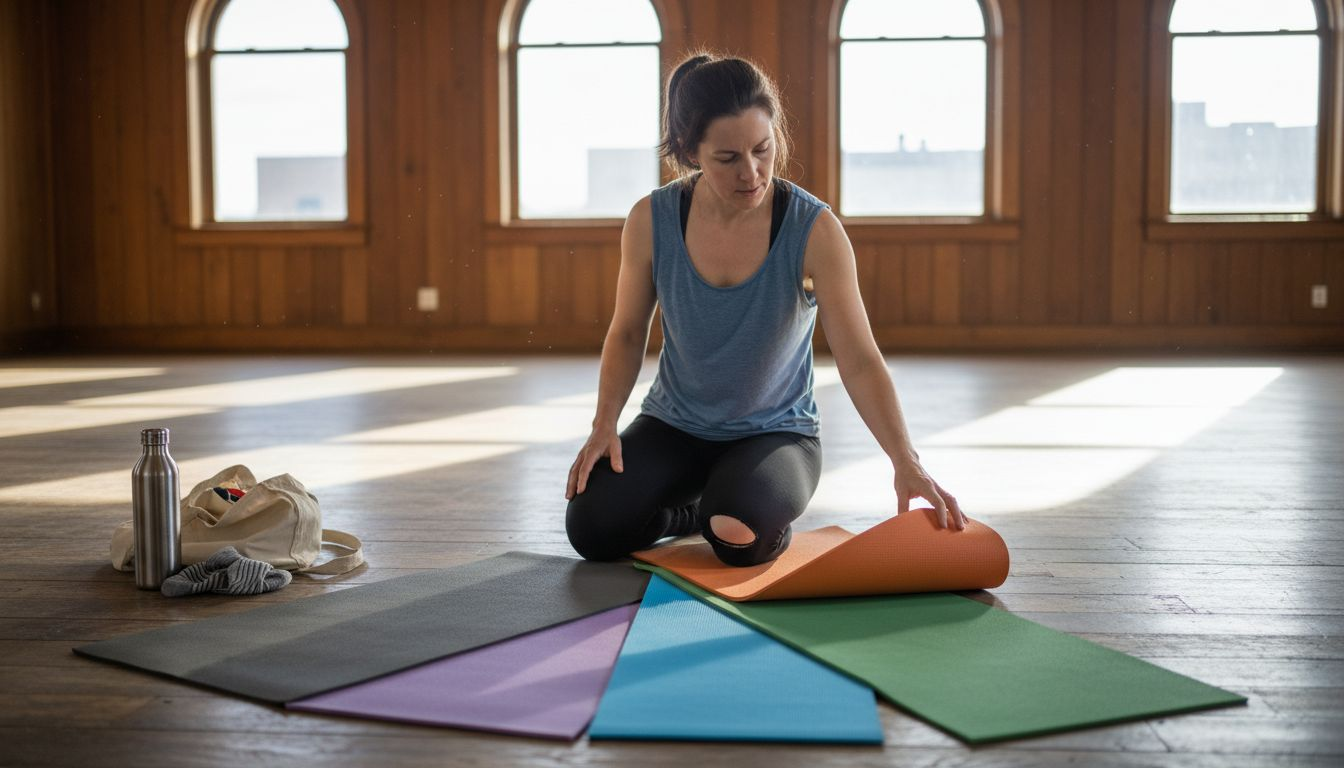
Choosing the perfect yoga mat can feel confusing when you face endless options for thickness, size, and materials. If your mat leaves your knees aching or slips during sweat-heavy classes, your practice and comfort suffer. Whether you’re practicing in Philadelphia or ready to join Amrita Yoga & Wellness, finding the right mat makes every session safer and more enjoyable.
This guide will help you unlock the key factors that impact comfort, stability, and long-term durability. You’ll discover actionable insights backed by material science and expert recommendations. Get ready to learn how to select a mat that protects your joints, supports your poses, and fits both your body and budget. The next steps will show you what to look for and how to avoid mistakes so you can practice with confidence.
Table of Contents
Quick Summary
| Key Message | Explanation |
|---|---|
| 1. Choose mat thickness wisely | The thickness of your yoga mat impacts comfort and stability. Consider your practice style and body needs when selecting the right thickness. |
| 2. Select appropriate material | Different materials affect grip and durability. Evaluate your practice intensity, sweat levels, and environmental values when choosing a mat material. |
| 3. Ensure proper mat size | A suitable mat size allows for full-body movement. Align your mat length and width with your height and practice space requirements for comfort. |
| 4. Maintain hygiene regularly | Keeping your mat clean is crucial for hygiene and grip performance. Develop a cleaning routine based on how often you practice to prolong mat life. |
| 5. Assess budget against needs | Consider initial costs, lifespan, and quality when selecting a mat. Invest in a mat that meets your practice frequency and aligns with your values. |
1. Understand Thickness and Cushioning Needs
Yoga mat thickness directly affects your comfort, stability, and how well your body is protected during practice. The right thickness depends on your individual needs, body type, and the yoga style you practice.
Thickness typically ranges from 1.5 mm to 6 mm, and each measurement serves a different purpose. Think of it as finding the sweet spot between cushioning and stability.
How Thickness Affects Your Practice
Thicker mats (5-6 mm) provide excellent cushioning and joint protection. They work best for restorative yoga, Yin yoga, and Hatha yoga where you spend extended time in floor poses. If you have sensitive knees, ankles, or a heavier body frame, extra cushioning reduces impact and strain.
Thinner mats (1.5-3 mm) offer better stability and ground contact. These excel during standing sequences, balancing poses, and dynamic flows like Ashtanga or hot yoga. You'll feel more grounded and connected to the floor, which improves alignment in poses like Warrior or Tree pose.
The key is balancing comfort without sacrificing stability. Too much cushioning can actually destabilize your standing poses, while too little leaves your joints without protection during floor work.
Finding Your Ideal Thickness
Consider these factors when choosing:
Your practice style: What yoga classes do you typically attend at Amrita Yoga & Wellness? Hot yoga and flow classes benefit from thinner mats, while restorative and gentle classes prefer thicker ones.
Body weight and joint sensitivity: Heavier practitioners and those with knee or back issues generally prefer thicker cushioning.
Floor conditions: Hard studio floors benefit from thicker mats, while cushioned flooring allows thinner options.
Portability needs: Thinner mats are lighter and easier to carry to class.
The relationship between thickness and stabilityis crucial to understand when making your selection.
Most Philadelphia-based yoga practitioners benefit from a 4-5 mm mat as a versatile middle ground. This thickness provides solid cushioning for floor poses while maintaining enough stability for standing sequences.
Pro tip: If you practice multiple yoga styles, start with a 4 mm mat—it gives you balanced cushioning and stability across different classes, making it the most practical choice for varied practice routines.
2. Pick the Right Material for Grip and Durability
Your yoga mat material determines how well you stay grounded during practice and how long your investment lasts. Different materials offer distinct advantages, and the best choice depends on your practice style, values, and how intensely you use your mat.
Material science has transformed yoga mats over the past decade. Modern options balance performance with environmental responsibility, giving you choices that align with your wellness philosophy.
Material Comparison
Natural rubber delivers superior grip, especially in sweaty conditions. It's ideal for hot yoga and vinyasa flow classes where perspiration is inevitable. Natural rubber mats are eco-friendly and durable, though they can be heavier and carry a stronger smell when new.
Cork surfaces offer excellent traction and are naturally antimicrobial. Many practitioners pair cork with rubber for a hybrid mat that combines grip with comfort. Cork is sustainable and adds a premium feel to your practice.
Thermoplastic elastomers (TPE) are engineered materials that provide outstanding grip and flexibility. TPE mats are lightweight, environmentally conscious, and maintain performance even during sweaty sessions. They're an excellent middle-ground option for most practitioners.
PVC mats are highly durable and affordable, but they can become slippery when wet and raise environmental concerns. These work best for dry practices like gentle or restorative yoga.
Advanced material innovations now deliver superior grip and cushioning simultaneously, making premium performance accessible to all practitioners.
What to Consider
Practice intensity: Hot yoga and flow classes demand excellent grip; gentle classes allow more flexibility in material choice
Environmental values: Natural rubber and cork are sustainable; TPE offers eco-friendly durability
Durability needs: How often do you practice? Daily practitioners benefit from premium materials
Sweat and moisture: Natural materials excel in humid conditions
Portability: TPE and PVC mats are lighter than natural rubber
When choosing your mat at Amrita Yoga & Wellness, consider what style of yoga you practice most frequently. Your grip needs vary dramatically between Yin yoga and hot yoga classes.
Pro tip: Test your mat on a studio floor before buying—bring your mat to a class and feel how it performs during your typical practice to ensure the grip matches your needs.
3. Check Mat Size for Comfort and Space
Mat size directly impacts your comfort, stability, and freedom of movement during practice. Getting the right dimensions means you'll have adequate space for full-body stretches without limbs hanging off the edge.
Standard mats measure 68 inches long by 24 inches wide, designed for average-sized practitioners. However, not everyone fits the standard mold, and that's perfectly fine.
Finding Your Ideal Dimensions
Standard-sized mats work well for most people and fit easily in yoga studios and homes. They're lightweight, affordable, and practical for daily transportation to class at Amrita Yoga & Wellness.
Longer mats ranging from 80 to 85 inches accommodate taller practitioners. If you're over six feet tall, a standard mat may leave your head or feet unsupported during stretches. Extra length gives you confidence in poses like Extended Child's Pose or Forward Fold.
Wider mats offer 26 to 30+ inches of width, providing additional stability and space. These benefit broader-framed individuals and create a larger personal boundary in crowded classes. Wider mats also improve balance during standing sequences.
Proper mat sizing aligned with your body dimensions enhances comfort, stability, and your overall practice quality.
Measuring Your Needs
Consider these factors when selecting size:
Your height: Taller yogis should measure from head to toe and add a few inches
Practice space at home: Ensure your mat fits in your dedicated practice area
Studio classes: Check if wider mats fit comfortably alongside other practitioners
Portability: Remember that longer and wider mats are heavier
Pose preferences: If you practice lots of stretching, extra length is beneficial
A simple test helps determine your ideal size. Stand on your mat in Mountain Pose and extend your arms overhead, then lie down in Savasana. Your entire body should fit comfortably with a few inches of margin.
Pro tip: Before purchasing, measure yourself lying down and add six inches to account for head and foot positioning—this ensures you'll have enough mat for any stretch without feeling cramped.
4. Prioritize Easy Cleaning and Maintenance
A clean yoga mat is a healthy yoga mat. Regular maintenance preserves grip, prevents odor, extends your mat's lifespan, and protects your skin from bacteria buildup during practice.
The good news is that proper mat care doesn't require complicated routines or expensive products. Simple, consistent cleaning keeps your mat in top condition for years.
Why Cleaning Matters
Hygiene is critical when you're in direct contact with your mat daily. Sweat, dust, and bacteria accumulate quickly, especially during hot yoga at Amrita Yoga & Wellness. A clean mat prevents skin irritations and infections.
Grip performance deteriorates without proper maintenance. Buildup on the mat's surface reduces traction, making standing poses less stable. Regular cleaning restores the surface texture your feet need for secure footing.
Material longevity depends on care. Different materials respond to different cleaning methods, so understanding your mat's composition helps you clean safely and effectively.
Cleaning Frequency and Methods
Your cleaning schedule depends on how intensely you practice:
Light users (1-2 times weekly): Wipe down with a damp cloth after each session, deep clean monthly
Regular practitioners (3-5 times weekly): Quick wipe after each class, thorough cleaning every two weeks
Hot yoga enthusiasts: Clean after every session due to increased sweat and moisture
Deep cleaning: Use mild soap and water every few weeks, then air dry completely
Proper cleaning techniques protect both hygiene and material quality. Avoid harsh chemicals, bleach, and abrasive scrubbers that damage your mat's surface and grip.
Essential Maintenance Tips
Simple practices keep your mat in excellent condition:
Use non-abrasive microfiber cloths for wiping
Air dry completely before rolling it up to prevent mold
Store in a cool, dry location away from direct sunlight
Never put your mat in the washing machine or dryer
Check manufacturer guidelines for your specific material
Pro tip: Keep a small spray bottle of water and mild soap in your yoga bag so you can quickly wipe your mat immediately after class when sweat is fresh—this takes 30 seconds and prevents odor buildup.
5. Choose Mats for Studio or Home Use
Studio mats and home mats serve different purposes and face different demands. Understanding the differences helps you select the right mat for your specific practice environment, whether you're attending classes at Amrita Yoga & Wellness or creating a personal sanctuary at home.
Studio and home mats prioritize different qualities. Studios need durability and hygiene for diverse practitioners and frequent use. Home practitioners value comfort, aesthetic appeal, and personal preferences.
Studio Mat Requirements
Commercial environments demand toughness. Studio mats endure multiple users daily, frequent cleaning with harsh protocols, and constant exposure to sweat and moisture. They must resist odor absorption and microbial growth over time.
Closed-cell construction is standard for studio mats. This design prevents sweat from absorbing into the mat's layers, making cleaning easier and preventing bacterial accumulation. Studios prioritize this feature because it extends mat life and maintains hygiene standards.
Standardized sizing and bulk purchasing simplify studio operations. Consistent dimensions ensure mats fit studio spaces perfectly and create uniformity for students. Studios develop supplier relationships to manage replacement schedules and costs efficiently.
Home Mat Priorities
Personal comfort drives home mat selection. You choose thickness, material, color, and aesthetic based on your preferences rather than universal functionality. Your mat becomes part of your practice space's ambiance.
Portability matters more at home. You're less likely to carry a heavy commercial mat to classes. A lighter mat that still meets your cushioning and grip needs works perfectly for home practitioners who occasionally attend studio classes.
Individual preferences shape choices. Home yogis can select eco-friendly materials, premium cushioning, or specialized designs without compromising for group use. Your mat reflects your wellness values and practice style.
Key Differences
Understanding structural differences between studio and home matshelps you select appropriately:
Studio mats: Closed-cell, sweat-resistant, highly durable, standardized, budget-conscious
Home mats: Open or closed-cell options, prioritizes personal comfort, aesthetic choices, material preferences
Durability: Studio mats handle high-frequency use; home mats focus on longevity for one user
Cleaning: Studios use aggressive protocols; home cleaning is gentler
Cost: Studios balance bulk purchasing power; home buyers invest in personal preference
Pro tip: If you practice both at home and studio, choose a mat with closed-cell construction and solid grip—it performs well in both environments and handles frequent cleaning without degrading.
6. Consider Budget and Value for Money
Price doesn't always determine quality when selecting a yoga mat. A smart investment balances your budget with the features and durability you actually need for your practice style and commitment level.
Yoga mats range from budget options under $30 to premium mats exceeding $150. Understanding what you get at each price point helps you make an informed decision that aligns with your practice.
Understanding Price Tiers
Budget mats (under $50) work well for beginners or occasional practitioners. These use basic materials like NBR foam or EVA foam and provide decent cushioning and grip. They may wear out faster or feel less premium, but they're practical for testing your commitment to yoga.
Mid-priced mats ($50-$100) balance performance and cost effectively. You get better durability, improved grip, thicker cushioning, and often superior materials. This range offers solid longevity for regular practitioners without premium pricing.
Premium mats ($100+) feature eco-friendly materials, enhanced durability, superior grip, and often longer warranties. They excel for serious practitioners who practice frequently and value environmental responsibility. Premium mats typically last years longer than budget options.
Evaluating True Value
Don't confuse price with longevity. A $35 mat used three times yearly might outlast a $80 mat used daily without proper care. Your practice frequency and maintenance habits dramatically affect how long any mat lasts.
Material quality matters for value. Natural rubber, cork, and TPE offer better long-term value than low-grade synthetic materials. Check inexpensive mat options that balance quality to identify budget mats worth purchasing.
Read reviews from users like you. Someone practicing hot yoga at Amrita Yoga & Wellness has different needs than someone practicing gentle yoga at home. Look for reviews from practitioners with your style and frequency.
Cost-Value Considerations
Think about value across these dimensions:
Initial cost: What fits your budget right now?
Lifespan: How long will this mat last with your usage?
Replacement frequency: Will you replace it yearly or every five years?
Material quality: Does the construction match your practice needs?
Environmental impact: Do eco-friendly materials matter to your values?
Warranty: Does the manufacturer stand behind the product?
Pro tip: Buy the best mat you can afford that meets your actual practice needs, not the most expensive option—a $70 mat you use daily provides better value than a $150 mat gathering dust in your closet.
Below is a comprehensive table summarizing the main concept, recommendations, and considerations discussed throughout the article focusing on choosing the optimal yoga mat for practice.
Find the Perfect Yoga Mat to Enhance Your Practice at Amrita Yoga & Wellness
Choosing the right yoga mat can feel overwhelming with so many options for thickness, material, size, and maintenance. This article breaks down common challenges you may face such as balancing cushioning with stability or selecting a material that offers excellent grip without compromising durability. You want a mat that supports your unique practice style whether you attend hot yoga, restorative sessions, or dynamic flows at our studio in Philadelphia.
Explore our supportive community and expert guidance at Amrita Yoga & Wellness where you can discover classes tailored to your needs and receive personalized advice on the best mat characteristics for your body and goals. Don’t let discomfort or slippery mats hold you back. Visit our website today to join classes, workshops, and find practical tips that ensure your yoga equipment elevates your entire wellness journey. Feel confident and grounded every time you step onto your mat.
Frequently Asked Questions
How do I choose the right thickness for my yoga mat?
Choosing the right thickness depends on your practice style and body needs. For extra cushioning during floor poses, opt for a thicker mat (5-6 mm). For better stability during standing poses and dynamic flows, a thinner mat (1.5-3 mm) is preferable. Consider what feels comfortable during your yoga sessions and test different options.
What material should I look for in a yoga mat for sweaty conditions?
Natural rubber and TPE are excellent materials for sweaty conditions since they provide superior grip. If you practice hot yoga or vinyasa flow, choose these materials to enhance safety and performance. Assess your practice environment and select a material that can withstand moisture without becoming slippery.
How do I determine the right size for my yoga mat?
To find the right size, measure your height and choose a mat that adds extra length—usually around 6 inches more than your height. For broader frames, consider wider mats (26-30 inches) for added stability. Ensure you have enough space to move freely during your poses without hanging off the edge.
How often should I clean my yoga mat and what method should I use?
You should clean your yoga mat frequently based on usage: light users can clean it weekly, while hot yoga practitioners should clean it after each class. Use a damp cloth with mild soap and water for general cleaning. Spot clean immediately after use to prevent odor and buildup, maintaining grip and hygiene.
What factors should I consider when choosing a yoga mat for studio use versus home use?
For studio use, prioritize durability and hygiene, opting for closed-cell mats that resist moisture absorption. For home use, focus on comfort and personal preferences regarding thickness and material. Think about how often you'll clean the mat and whether you'll be sharing it with others as you make your decision.
How can I ensure my yoga mat lasts a long time?
To extend your mat’s lifespan, clean it regularly and avoid exposing it to direct sunlight, which can degrade the material. Store it rolled up in a cool, dry place and never put it in the washing machine. With proper maintenance, you can ensure your mat stays in good condition for many sessions.
Recommended
7 Expert Tips for Choosing the Best Yoga Mat Online — Amrita Yoga & Wellness
Essential Tips for Yoga Beginners to Build Confidence — Amrita Yoga & Wellness
How to Do Yoga From Home for Busy Professionals — Amrita Yoga & Wellness
How to Start Yoga Naturally for Stress Relief and Wellness — Amrita Yoga & Wellness
Essential Tips for Yoga Beginners to Build Confidence
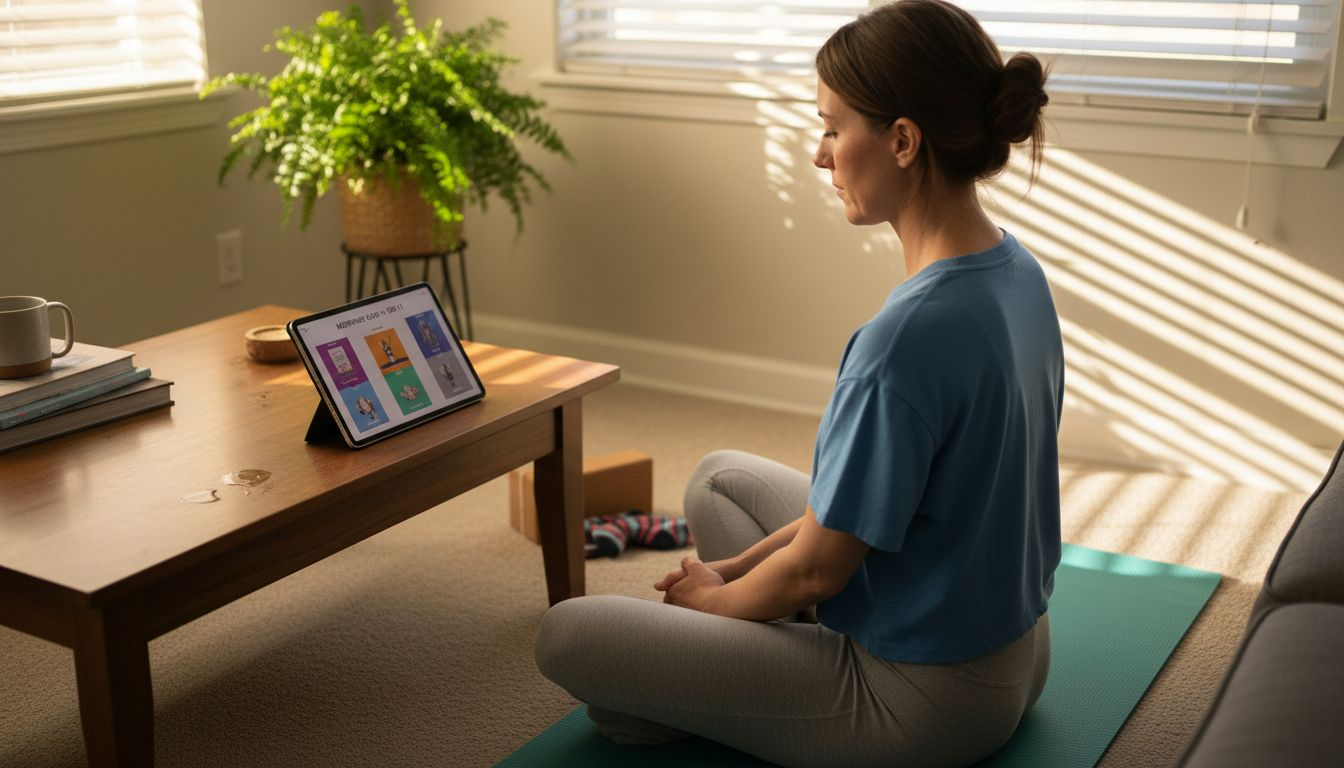
Most American adults in Philadelphia underestimate how much simple yoga routines can transform their physical and mental health. If you want to feel stronger, lower stress, and connect with a caring community, starting with basic yoga steps can be both accessible and effective. This guide breaks down practical beginner tips that suit busy lifestyles, deliver real wellness benefits, and help you build a holistic foundation for lasting self care.
Table of Contents
Quick Summary
| Essential Insight | Explanation |
|---|---|
| 1. Assess Your Wellness Goals | Establish a clear understanding of your current health status to personalize your yoga practice effectively. |
| 2. Select Appropriate Yoga Gear | Choose high-quality gear that enhances comfort and support, aligning with your practice style and intensity. |
| 3. Create a Dedicated Practice Space | Designate a tranquil area for yoga to enhance focus and consistency in your practice. |
| 4. Focus on Mindful Alignment | Begin with beginner-friendly routines that emphasize proper body positioning to prevent injury and improve technique. |
| 5. Track Progress and Celebrate Milestones | Keep a detailed record of improvements over time, celebrating small achievements to maintain motivation. |
Step 1: Assess your personal fitness and wellness goals
Understanding your current health status and setting targeted wellness objectives is crucial for creating an effective yoga practice. By conducting a comprehensive wellness assessment, you can develop a personalized approach that aligns with your unique physical and mental needs.
Start by evaluating key fitness metrics that provide a holistic view of your current condition. The American Heart Association recommends recording fundamental measurements such as resting pulse rate, walking endurance, flexibility range, and body composition. These baseline metrics will help you track progress and set realistic goals. Consider factors like your current activity level, any existing health conditions, and the specific wellness outcomes you want to achieve through yoga practice.
Break down your assessment into multiple dimensions beyond just physical fitness. Examine your emotional resilience, stress management capabilities, energy levels, and overall lifestyle balance. This comprehensive approach ensures that your yoga journey supports total wellness rather than focusing narrowly on physical exercise.
Pro tip: Create a simple wellness tracking journal where you record your initial assessments and regularly update your progress to stay motivated and aware of your holistic health transformation.
Step 2: Choose suitable yoga gear and supportive accessories
Selecting the right yoga gear is essential for creating a comfortable and effective practice that supports your physical and mental wellness journey. When building your yoga toolkit, focus on finding items that enhance your comfort, provide proper support, and align with your personal practice style.
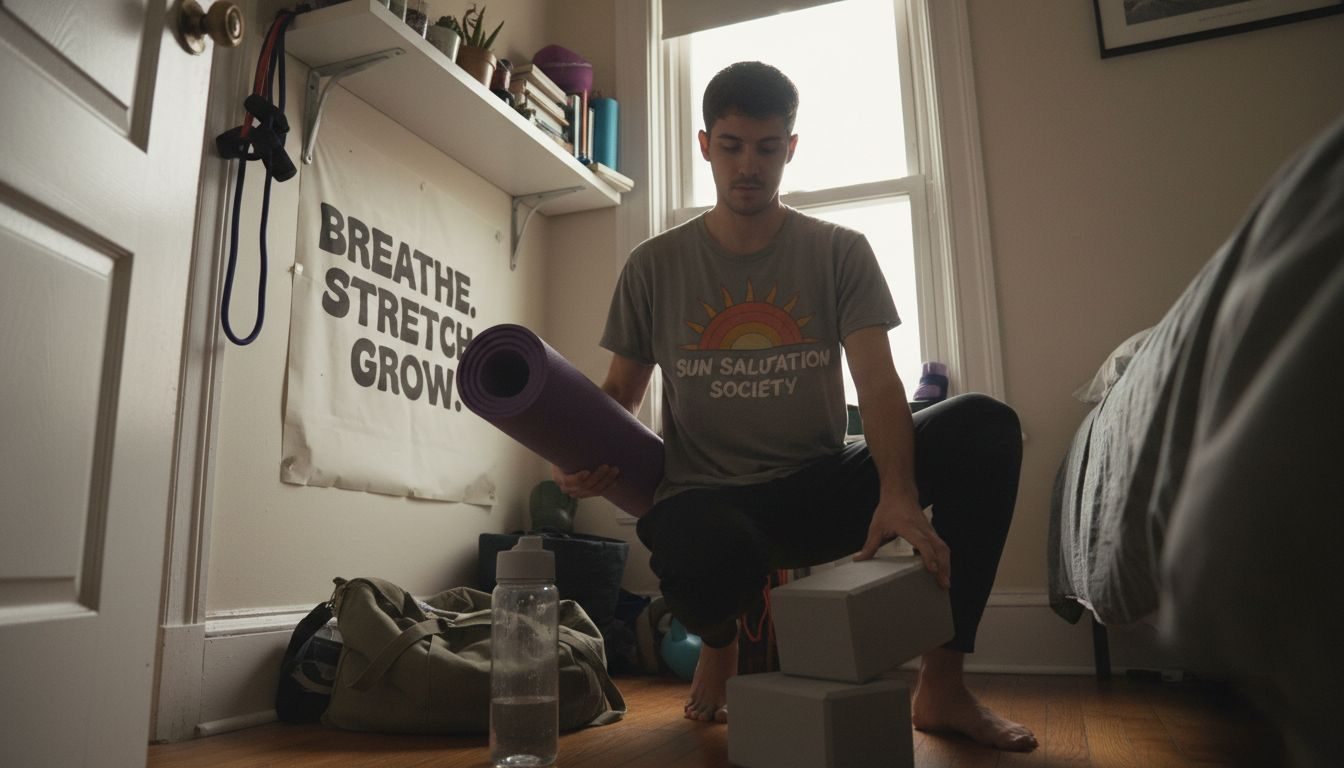
Your primary considerations should include a high-quality yoga mat that offers adequate cushioning and grip. Look for mats with appropriate thickness for your body and practice intensity. For beginners, a standard mat around 1/4 inch thick provides a good balance between comfort and stability. Consider yoga accessories that match your specific practice needs, whether youre interested in hot yoga, restorative styles, or more dynamic flow sequences. Beyond the mat, invest in supportive gear like moisture-wicking clothing that allows unrestricted movement, a reliable water bottle, and potentially props such as blocks, straps, or bolsters that can modify poses and provide additional support.
When purchasing yoga gear, prioritize quality over trend. Choose items that feel comfortable and inspire confidence in your practice. Remember that your accessories should adapt to your body and skill level, not create additional challenges. Pay attention to materials that provide breathability, durability, and ease of cleaning.
Here's a summary of essential yoga accessories and their benefits:
| Accessory | Key Benefit | Ideal For | Material Tips |
|---|---|---|---|
| Yoga Mat | Cushion and grip | All practitioners | Look for eco-friendly |
| Yoga Blocks | Support, alignment | Beginners, flexibility work | Lightweight foam or cork |
| Yoga Straps | Aid in stretching | Flexibility improvement | Durable cotton blend |
| Water Bottle | Hydration | Any session | BPA-free, easy to clean |
| Moisture-wicking Clothing | Comfort and movement | All practice styles | Seek breathable fabrics |
| Bolster | Restorative poses | Relaxation, meditation | Washable covers |
Pro tip: Try on yoga clothing and test equipment in person whenever possible to ensure the best fit and comfort for your unique body and practice style.
Step 3: Establish a comfortable space for regular practice
Creating a dedicated yoga space at home is crucial for maintaining a consistent and meaningful practice. Your environment can significantly impact your motivation and ability to stay committed to your wellness journey. Look for a space that offers tranquility, minimal distractions, and enough room to move freely during your beginner yoga routine.
When designing your practice area, consider factors beyond just physical space. Choose a location with good natural lighting if possible, and ensure the temperature is comfortable for movement. Remove clutter and potential obstacles that might interrupt your flow. Invest in a few key elements that make the space inviting such as a clean yoga mat, perhaps a small side table for water and props, and optional items like a soft blanket or cushion for meditation and relaxation portions of your practice.
Remember that your yoga space does not need to be large or perfectly equipped. Even a small corner of a room can become a sanctuary for your practice. The most important aspects are creating a sense of calm, having enough room to move safely, and establishing a consistent area that signals to your mind and body that this is a time for focused wellness and self care.
Pro tip: Keep your yoga gear visible and easily accessible to create a psychological trigger that encourages regular practice and reduces barriers to starting your routine.
Step 4: Follow beginner-friendly routines with mindful alignment
Mastering yoga starts with understanding how to move your body safely and intentionally. When beginning your practice, focus on yoga styles that emphasize slow movements and proper alignment, such as Hatha yoga, which provides a solid foundation for learning fundamental poses and breathing techniques.
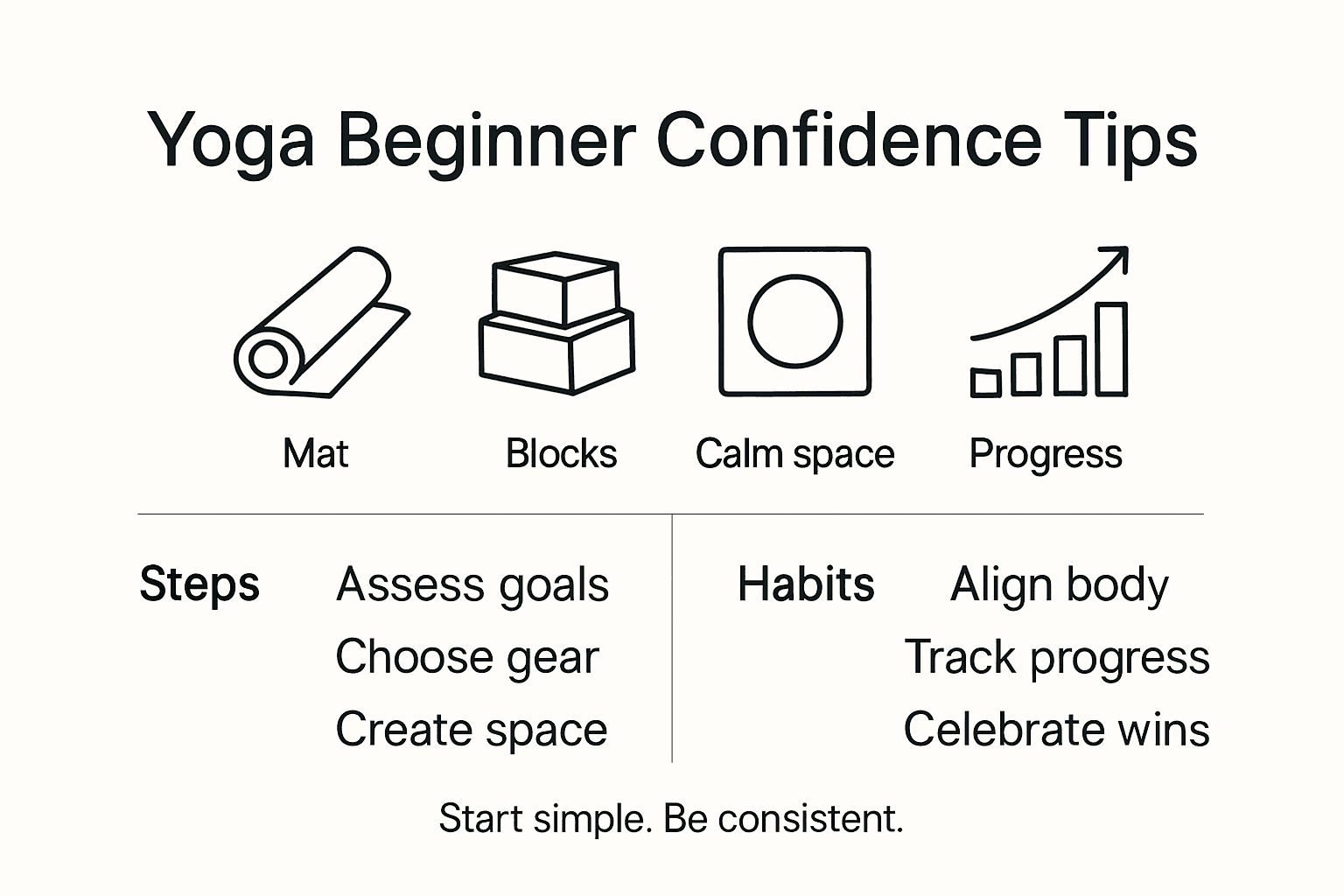
Start by learning basic poses with careful attention to body positioning and breath control. Each movement should be deliberate and controlled, prioritizing precision over complexity. Pay close attention to how your body feels during each pose, making modifications as needed to prevent strain or injury. Practice in front of a mirror or record yourself to observe your alignment, or consider taking introductory classes where an experienced instructor can provide direct guidance on proper form.
Remember that mindful alignment is not about achieving a perfect pose, but about understanding your body's unique capabilities and limitations. Listen to your physical sensations, breathe steadily, and move with intention. Gradually build your practice by holding poses for shorter durations and progressively increasing the time as your strength and flexibility improve.
Pro tip: Use props like blocks and straps to support your alignment and help you maintain proper form while building confidence in your practice.
Step 5: Track your improvements and celebrate milestones
Successful wellness journeys thrive on consistent monitoring and recognition of personal growth. Recording fitness scores and tracking changes over time helps maintain motivation and provides tangible evidence of your progress in yoga practice.
Establish a simple tracking system that captures multiple dimensions of your wellness journey. Consider creating a dedicated journal or digital spreadsheet where you log details such as pose duration, flexibility improvements, breath control, and how you feel after each practice. Take periodic measurements like how long you can hold a challenging pose, your range of motion, or the complexity of sequences you can now complete. These quantifiable markers will help you see incremental improvements that might otherwise go unnoticed.
Remember that progress is not linear and each small achievement matters. Celebrate moments like maintaining a pose for 10 seconds longer than before, feeling more balanced, or experiencing reduced muscle tension. By acknowledging these milestones, you reinforce positive behaviors and build the confidence needed to continue your yoga practice.
Pro tip: Take monthly progress photos or short video clips to create a visual record of your yoga journey, allowing you to see physical and postural changes that might be subtle but significant.
This table highlights key wellness progress indicators to track during your yoga journey:
| Indicator | How to Measure | When to Record | Why It Matters |
|---|---|---|---|
| Pose Duration | Seconds held | Weekly or monthly | Tracks strength progress |
| Flexibility Range | Distance in inches | Monthly | Shows increased mobility |
| Breath Control | Number of breaths | Each session | Reflects relaxation level |
| Emotional Resilience | Self-rating (1–10) | After each session | Monitors mental wellness |
| Balance | Time standing | Weekly | Indicates body stability |
Build Confidence in Your Yoga Practice with Amrita Yoga & Wellness
Starting yoga can feel overwhelming as you navigate proper alignment, select the right gear, and create a dedicated space to practice. This article highlights how beginners often struggle with mindful movement, maintaining motivation, and tracking progress — challenges that can hold you back from reaching your wellness goals. You deserve a supportive community and expert guidance that helps you overcome these hurdles and feel confident on your yoga journey.
Discover a welcoming environment with diverse options like hot yoga and restorative classes designed to meet you where you are. At Amrita Yoga & Wellness, you will find experienced instructors, workshops, and quality yoga accessories tailored to support your practice. Whether you want to build strength, improve flexibility, or find peaceful balance, our offerings empower you every step of the way.
Take the next step toward a stronger, more confident you. Explore our class schedules, sign up for beginner-friendly sessions, and browse our carefully selected yoga gear to enhance your experience. Visit Amrita Yoga & Wellness today and start transforming your wellness routine with support you can trust.
Frequently Asked Questions
How can I assess my current fitness level before starting yoga?
To gauge your fitness level, evaluate key metrics such as resting pulse rate, flexibility range, and walking endurance. Track these measurements to establish a baseline and set realistic goals for your yoga practice, aiming to record them every few weeks.
What yoga gear do I need as a beginner?
As a beginner, focus on essential gear like a high-quality yoga mat, supportive clothing, and possibly props like blocks or straps. Invest in items that offer comfort and stability, so you can practice confidently and avoid distractions during your sessions.
How do I create a comfortable space for my yoga practice at home?
Choose a quiet area with natural light and enough room for movement to set up your yoga practice space. Ensure it’s free of clutter to minimize distractions, and keep your yoga gear easily accessible, so you can encourage regular practice.
What are some beginner-friendly yoga routines I can follow?
Start with yoga styles like Hatha or gentle flow that emphasize slow movements and proper alignment. Try beginner routines that focus on basic poses and breathing techniques to build confidence and awareness in your practice.
How can I track my improvements in yoga over time?
Establish a tracking system, such as a journal or digital log, to note details like pose duration and breath control after each session. Review your entries weekly or monthly to celebrate small achievements, which will reinforce your motivation to continue practicing.
What should I do if I feel uncomfortable or struggle with poses?
It’s normal to feel discomfort when starting out. Focus on proper alignment and listen to your body; consider using props for support and modifications to make poses more comfortable. Allow yourself time to grow and gradually increase your pose duration as you become more confident.