Contact Us

Want to send us a quick message? Use the form on the right to contact us and we'll be in touch within 2 business days!

Please contact Audrey at info@amritayogawellness.com for general inquiries, software issues, in-studio and out-of-studio events and workshops, marketing, and community outreach and donations.

Please contact Heather at heather@amritayogawellness.com for private events, private yoga/pilates requests, and trainings.

1204 Frankford Avenue
North Philadelphia, PA, 19125
United States

(267) 928 3176

Amrita Yoga & Wellness offers a variety of Yoga traditions, Pilates Mat, Pilates Group Reformer, Tai Chi, and Massage services in a beautiful space. Our studio is located in Philadelphia, Pennsylvania.

Blog

Filtering by Tag: yoga tips for beginners

Essential Tips for Yoga Beginners to Build Confidence

Heather Rice
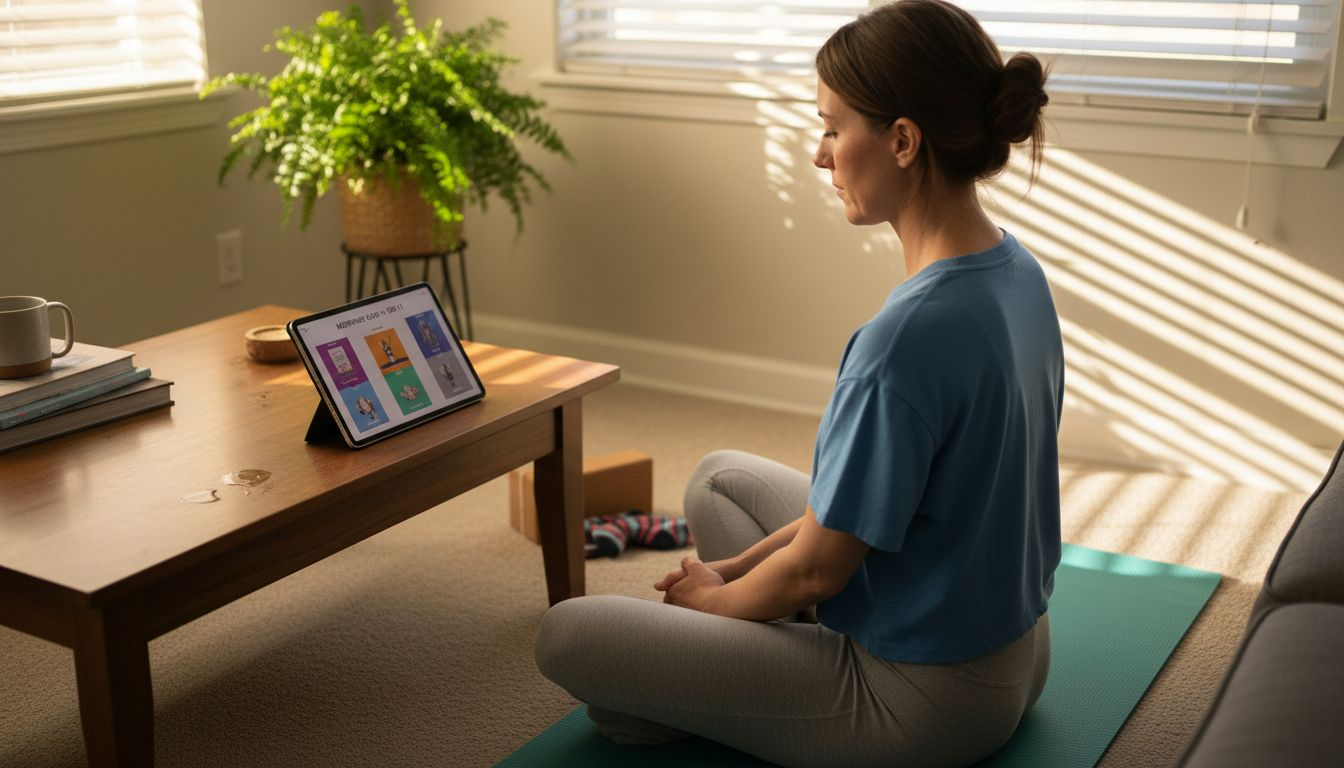
Most American adults in Philadelphia underestimate how much simple yoga routines can transform their physical and mental health. If you want to feel stronger, lower stress, and connect with a caring community, starting with basic yoga steps can be both accessible and effective. This guide breaks down practical beginner tips that suit busy lifestyles, deliver real wellness benefits, and help you build a holistic foundation for lasting self care.

Table of Contents

Quick Summary

Essential Insight Explanation
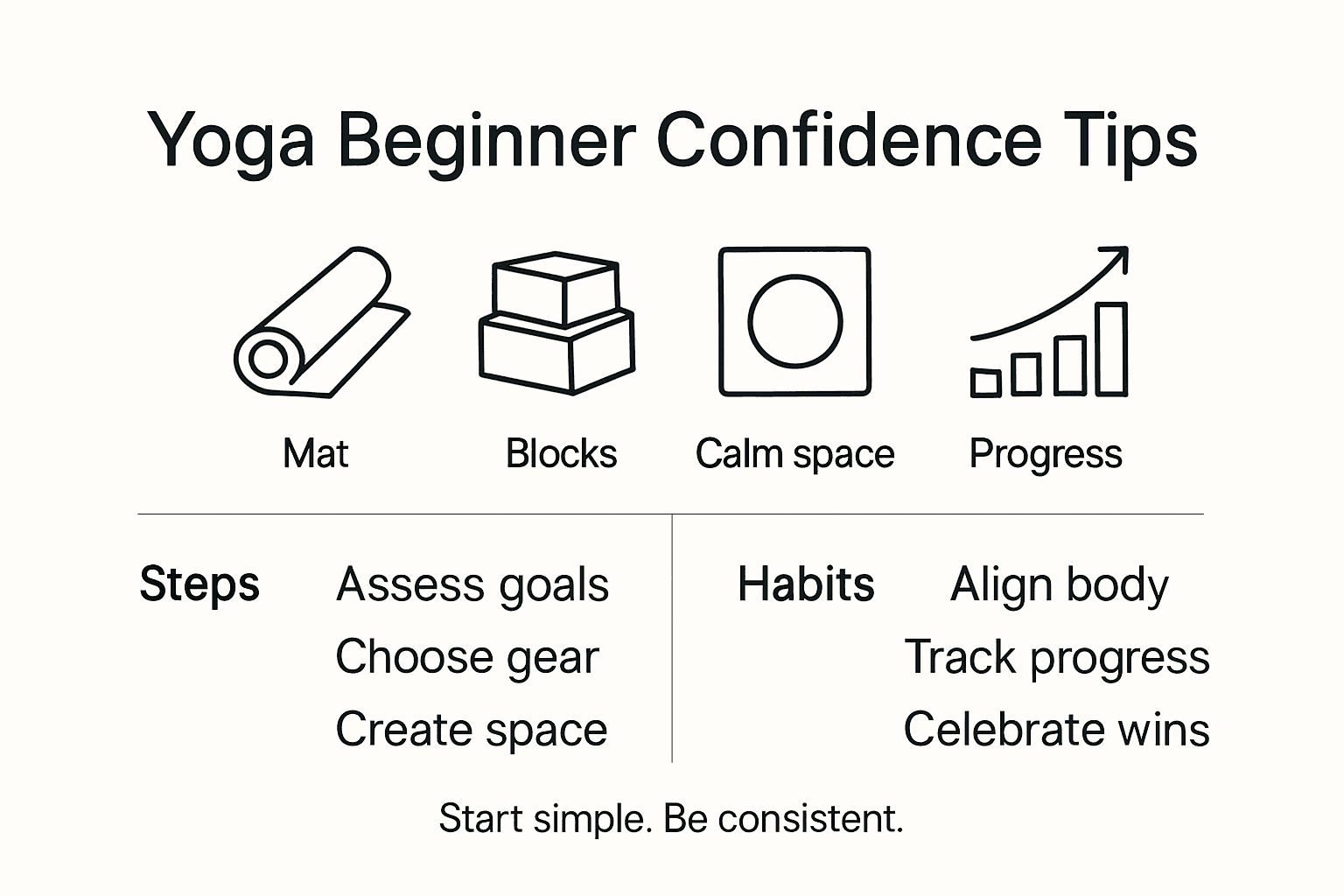
1. Assess Your Wellness Goals Establish a clear understanding of your current health status to personalize your yoga practice effectively.
2. Select Appropriate Yoga Gear Choose high-quality gear that enhances comfort and support, aligning with your practice style and intensity.
3. Create a Dedicated Practice Space Designate a tranquil area for yoga to enhance focus and consistency in your practice.
4. Focus on Mindful Alignment Begin with beginner-friendly routines that emphasize proper body positioning to prevent injury and improve technique.
5. Track Progress and Celebrate Milestones Keep a detailed record of improvements over time, celebrating small achievements to maintain motivation.

Step 1: Assess your personal fitness and wellness goals

Understanding your current health status and setting targeted wellness objectives is crucial for creating an effective yoga practice. By conducting a comprehensive wellness assessment, you can develop a personalized approach that aligns with your unique physical and mental needs.

Start by evaluating key fitness metrics that provide a holistic view of your current condition. The American Heart Association recommends recording fundamental measurements such as resting pulse rate, walking endurance, flexibility range, and body composition. These baseline metrics will help you track progress and set realistic goals. Consider factors like your current activity level, any existing health conditions, and the specific wellness outcomes you want to achieve through yoga practice.

Break down your assessment into multiple dimensions beyond just physical fitness. Examine your emotional resilience, stress management capabilities, energy levels, and overall lifestyle balance. This comprehensive approach ensures that your yoga journey supports total wellness rather than focusing narrowly on physical exercise.

Pro tip: Create a simple wellness tracking journal where you record your initial assessments and regularly update your progress to stay motivated and aware of your holistic health transformation.

Step 2: Choose suitable yoga gear and supportive accessories

Selecting the right yoga gear is essential for creating a comfortable and effective practice that supports your physical and mental wellness journey. When building your yoga toolkit, focus on finding items that enhance your comfort, provide proper support, and align with your personal practice style.
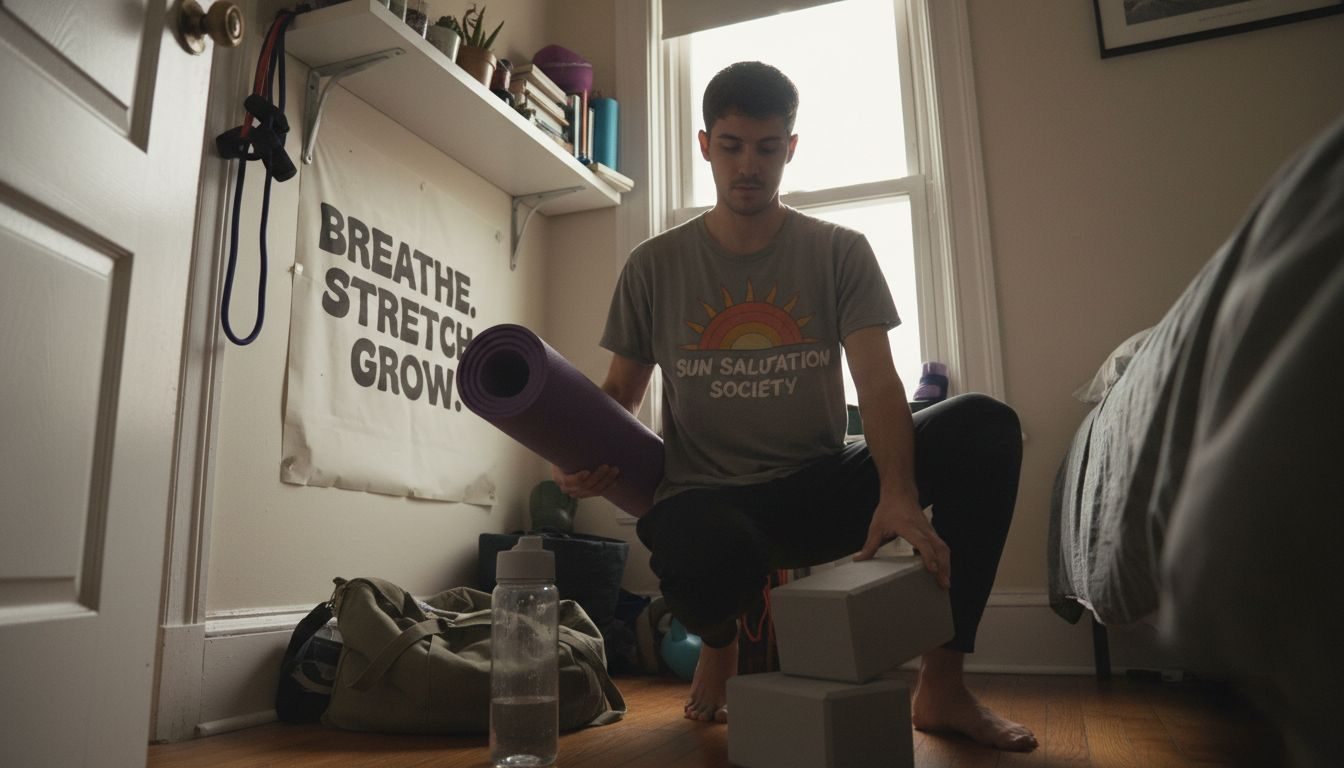
Your primary considerations should include a high-quality yoga mat that offers adequate cushioning and grip. Look for mats with appropriate thickness for your body and practice intensity. For beginners, a standard mat around 1/4 inch thick provides a good balance between comfort and stability. Consider yoga accessories that match your specific practice needs, whether youre interested in hot yoga, restorative styles, or more dynamic flow sequences. Beyond the mat, invest in supportive gear like moisture-wicking clothing that allows unrestricted movement, a reliable water bottle, and potentially props such as blocks, straps, or bolsters that can modify poses and provide additional support.

When purchasing yoga gear, prioritize quality over trend. Choose items that feel comfortable and inspire confidence in your practice. Remember that your accessories should adapt to your body and skill level, not create additional challenges. Pay attention to materials that provide breathability, durability, and ease of cleaning.

Here's a summary of essential yoga accessories and their benefits:

Accessory Key Benefit Ideal For Material Tips
Yoga Mat Cushion and grip All practitioners Look for eco-friendly
Yoga Blocks Support, alignment Beginners, flexibility work Lightweight foam or cork
Yoga Straps Aid in stretching Flexibility improvement Durable cotton blend
Water Bottle Hydration Any session BPA-free, easy to clean
Moisture-wicking Clothing Comfort and movement All practice styles Seek breathable fabrics
Bolster Restorative poses Relaxation, meditation Washable covers

Pro tip: Try on yoga clothing and test equipment in person whenever possible to ensure the best fit and comfort for your unique body and practice style.

Step 3: Establish a comfortable space for regular practice

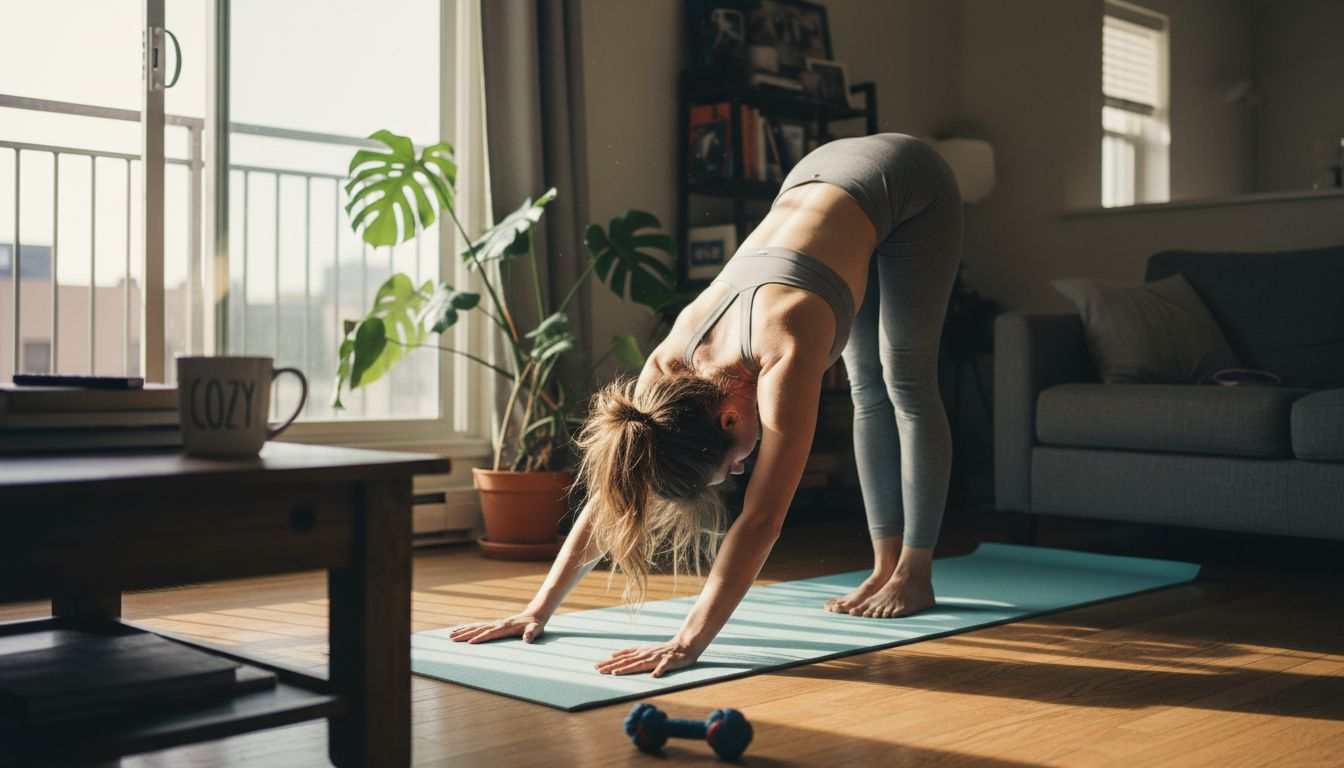
Creating a dedicated yoga space at home is crucial for maintaining a consistent and meaningful practice. Your environment can significantly impact your motivation and ability to stay committed to your wellness journey. Look for a space that offers tranquility, minimal distractions, and enough room to move freely during your beginner yoga routine.

When designing your practice area, consider factors beyond just physical space. Choose a location with good natural lighting if possible, and ensure the temperature is comfortable for movement. Remove clutter and potential obstacles that might interrupt your flow. Invest in a few key elements that make the space inviting such as a clean yoga mat, perhaps a small side table for water and props, and optional items like a soft blanket or cushion for meditation and relaxation portions of your practice.

Remember that your yoga space does not need to be large or perfectly equipped. Even a small corner of a room can become a sanctuary for your practice. The most important aspects are creating a sense of calm, having enough room to move safely, and establishing a consistent area that signals to your mind and body that this is a time for focused wellness and self care.

Pro tip: Keep your yoga gear visible and easily accessible to create a psychological trigger that encourages regular practice and reduces barriers to starting your routine.

Step 4: Follow beginner-friendly routines with mindful alignment

Mastering yoga starts with understanding how to move your body safely and intentionally. When beginning your practice, focus on yoga styles that emphasize slow movements and proper alignment, such as Hatha yoga, which provides a solid foundation for learning fundamental poses and breathing techniques.
Start by learning basic poses with careful attention to body positioning and breath control. Each movement should be deliberate and controlled, prioritizing precision over complexity. Pay close attention to how your body feels during each pose, making modifications as needed to prevent strain or injury. Practice in front of a mirror or record yourself to observe your alignment, or consider taking introductory classes where an experienced instructor can provide direct guidance on proper form.

Remember that mindful alignment is not about achieving a perfect pose, but about understanding your body's unique capabilities and limitations. Listen to your physical sensations, breathe steadily, and move with intention. Gradually build your practice by holding poses for shorter durations and progressively increasing the time as your strength and flexibility improve.

Pro tip: Use props like blocks and straps to support your alignment and help you maintain proper form while building confidence in your practice.

Step 5: Track your improvements and celebrate milestones

Successful wellness journeys thrive on consistent monitoring and recognition of personal growth. Recording fitness scores and tracking changes over time helps maintain motivation and provides tangible evidence of your progress in yoga practice.

Establish a simple tracking system that captures multiple dimensions of your wellness journey. Consider creating a dedicated journal or digital spreadsheet where you log details such as pose duration, flexibility improvements, breath control, and how you feel after each practice. Take periodic measurements like how long you can hold a challenging pose, your range of motion, or the complexity of sequences you can now complete. These quantifiable markers will help you see incremental improvements that might otherwise go unnoticed.

Remember that progress is not linear and each small achievement matters. Celebrate moments like maintaining a pose for 10 seconds longer than before, feeling more balanced, or experiencing reduced muscle tension. By acknowledging these milestones, you reinforce positive behaviors and build the confidence needed to continue your yoga practice.

Pro tip: Take monthly progress photos or short video clips to create a visual record of your yoga journey, allowing you to see physical and postural changes that might be subtle but significant.

This table highlights key wellness progress indicators to track during your yoga journey:

Indicator How to Measure When to Record Why It Matters
Pose Duration Seconds held Weekly or monthly Tracks strength progress
Flexibility Range Distance in inches Monthly Shows increased mobility
Breath Control Number of breaths Each session Reflects relaxation level
Emotional Resilience Self-rating (1–10) After each session Monitors mental wellness
Balance Time standing Weekly Indicates body stability

Build Confidence in Your Yoga Practice with Amrita Yoga & Wellness

Starting yoga can feel overwhelming as you navigate proper alignment, select the right gear, and create a dedicated space to practice. This article highlights how beginners often struggle with mindful movement, maintaining motivation, and tracking progress — challenges that can hold you back from reaching your wellness goals. You deserve a supportive community and expert guidance that helps you overcome these hurdles and feel confident on your yoga journey.

Discover a welcoming environment with diverse options like hot yoga and restorative classes designed to meet you where you are. At Amrita Yoga & Wellness, you will find experienced instructors, workshops, and quality yoga accessories tailored to support your practice. Whether you want to build strength, improve flexibility, or find peaceful balance, our offerings empower you every step of the way.
Take the next step toward a stronger, more confident you. Explore our class schedules, sign up for beginner-friendly sessions, and browse our carefully selected yoga gear to enhance your experience. Visit Amrita Yoga & Wellness today and start transforming your wellness routine with support you can trust.

Frequently Asked Questions

How can I assess my current fitness level before starting yoga?

To gauge your fitness level, evaluate key metrics such as resting pulse rate, flexibility range, and walking endurance. Track these measurements to establish a baseline and set realistic goals for your yoga practice, aiming to record them every few weeks.

What yoga gear do I need as a beginner?

As a beginner, focus on essential gear like a high-quality yoga mat, supportive clothing, and possibly props like blocks or straps. Invest in items that offer comfort and stability, so you can practice confidently and avoid distractions during your sessions.

How do I create a comfortable space for my yoga practice at home?

Choose a quiet area with natural light and enough room for movement to set up your yoga practice space. Ensure it’s free of clutter to minimize distractions, and keep your yoga gear easily accessible, so you can encourage regular practice.

What are some beginner-friendly yoga routines I can follow?

Start with yoga styles like Hatha or gentle flow that emphasize slow movements and proper alignment. Try beginner routines that focus on basic poses and breathing techniques to build confidence and awareness in your practice.

How can I track my improvements in yoga over time?

Establish a tracking system, such as a journal or digital log, to note details like pose duration and breath control after each session. Review your entries weekly or monthly to celebrate small achievements, which will reinforce your motivation to continue practicing.

What should I do if I feel uncomfortable or struggle with poses?

It’s normal to feel discomfort when starting out. Focus on proper alignment and listen to your body; consider using props for support and modifications to make poses more comfortable. Allow yourself time to grow and gradually increase your pose duration as you become more confident.
Recommended

7 Simple Yoga Tips for Beginners to Boost Wellness Fast

Heather Rice

Over half of American adults say they struggle to find time for self care, especially in busy cities like Philadelphia. Stress and tight schedules can quickly take a toll on both body and mind, making it harder to feel your best each day. If you are looking for gentle ways to support your well-being, accessible yoga practices offer simple options that fit easily into daily life and help you feel more balanced, flexible, and relaxed.

Table of Contents

Quick Summary

Key Message Explanation
1. Start with Gentle Warm-Ups Gentle stretches like Happy Baby pose prepare your body, increasing flexibility and helping prevent injury.
2. Learn Basic Poses Master foundational poses such as Mountain Pose and Forward Fold to build strength and body awareness.
3. Focus on Breathing Techniques Use diaphragmatic breathing to enhance relaxation and improve movement synchronization during yoga.
4. Create a Comfortable Space Set up a serene, clutter-free environment with supportive props to promote relaxation during practice.
5. Stay Motivated with Community Engage in local classes or online groups to connect with others, finding support and inspiration.

1. Start with Gentle Warm-Up Stretches

Beginning your yoga journey requires a thoughtful approach, especially when it comes to preparing your body for movement. Gentle warm-up stretches are the foundation of a safe and effective yoga practice that helps prevent injury and gradually increases flexibility.

When exploring gentle warm-up techniques, understanding how to properly engage your muscles becomes crucial. These initial movements help transition your body from a stationary state to an active practice, reducing the risk of strain or discomfort.

One particularly beneficial stretch for beginners is the Happy Baby pose. This pose not only helps loosen tight muscles but also promotes relaxation and releases tension in the lower back and hip area. By gently rocking side to side while holding your feet, you can create a soothing stretch that prepares your body for more advanced yoga positions.

For those new to yoga, start with slow, deliberate movements that allow you to tune into your body's signals. Focus on breathing deeply and moving with intention, allowing each stretch to feel like a gentle exploration of your physical capabilities.

Pro tip: Move slowly and listen to your body. If a stretch feels uncomfortable or painful, back off and modify the movement to suit your current flexibility level.

2. Learn Basic Yoga Poses for Everyday Practice

Building a consistent yoga practice starts with mastering a few foundational poses that can transform your daily wellness routine. Understanding and integrating basic yoga poses allows you to create a flexible, accessible approach to movement and mindfulness.

The fundamental yoga poses for beginners offer an excellent starting point for developing strength, flexibility, and body awareness. Two key poses every beginner should learn are Mountain Pose and Forward Fold, which provide a solid foundation for more advanced yoga movements.

Mountain Pose helps improve posture and body alignment by teaching you to stand with intentional awareness. By standing tall with feet together, engaging your core, and distributing weight evenly, you develop a sense of groundedness and balance. Forward Fold complements this by stretching the entire back of your body, releasing tension in the hamstrings and lower back.

Incorporating these poses into your daily routine can be as simple as taking five minutes each morning to move through them mindfully. Focus on your breath, move slowly, and pay attention to how your body feels during each position.

Pro tip: Start with just two or three basic poses and practice them consistently. Consistency matters more than complexity when you are building a sustainable yoga practice.

3. Focus on Easy Breathing Techniques

Breathing is the cornerstone of any successful yoga practice, transforming simple movements into profound moments of mindfulness and connection. Understanding how to control and utilize your breath can dramatically improve both physical and mental wellness.

The integration of mindful breathing with yoga stretches allows practitioners to reduce tension and enhance overall relaxation. By synchronizing breath with movement, you create a powerful tool for managing stress and increasing body awareness.

One fundamental technique is diaphragmatic breathing, where you focus on filling your lower belly with air rather than shallow chest breathing. This approach helps activate the parasympathetic nervous system, signaling your body to relax and release tension. When practicing yoga poses like the Happy Baby pose, concentrating on deep, rhythmic breathing can significantly improve flexibility and promote a sense of inner calm.

Beginners can start by practicing a simple breath counting method. Inhale for four counts, hold for two, then exhale for four counts. This structured approach helps train your mind to stay present and your body to move with intentional, controlled breathing.

Pro tip: Practice breathing techniques for five minutes daily, even when not doing yoga. Consistent practice helps build muscle memory and makes breathing naturally during yoga poses much easier.

4. Practice Mindfulness and Relaxation

Mindfulness transforms yoga from a physical exercise into a powerful practice of self awareness and inner peace. By intentionally connecting your mind and body, you create a sanctuary of calm amidst life's daily chaos.

Mindfulness techniques during yoga can dramatically reduce stress by focusing your attention on the present moment and your body's sensations. This approach helps release accumulated mental tension and promotes a deeper sense of relaxation.

One accessible method for practicing mindfulness is body scanning. Start by sitting comfortably and systematically bringing attention to each part of your body from your toes to your head. Notice any sensations without judgment. During poses like the Happy Baby pose, you can use this technique to increase body awareness and release emotional tension.

Beginners can start with short five minute mindfulness sessions. Choose a quiet space, sit comfortably, and focus on your breath. When your mind wanders, gently redirect your attention back to your breathing. This simple practice trains your brain to stay present and reduces anxiety.

Pro tip: Set a daily reminder on your phone for a two minute mindfulness break. Consistency matters more than duration when developing a mindful practice.

5. Set Up a Safe and Comfortable Yoga Space

Creating the right environment for your yoga practice can transform a simple exercise routine into a powerful wellness experience. Your personal yoga space should be a sanctuary that supports both physical movement and mental relaxation.

Setting up a conducive yoga environment involves more than just clearing floor space. You want to design an area that minimizes distractions and promotes a sense of calm and focus.

Begin by selecting a quiet area in your home with enough room to move freely. Ideally, choose a space with natural light and minimal noise. Use a dedicated yoga mat or soft surface that provides cushioning and grip. Consider adding elements like a small plant, calming artwork, or soft lighting to create a soothing atmosphere.

Props can significantly enhance your comfort and safety during practice. Keep a few essential items nearby such as blocks, a bolster, or a folded blanket. These tools help modify poses like the Happy Baby pose, making them more accessible and supportive for beginners. They also help prevent strain and allow you to explore poses with greater confidence.

Pro tip: Treat your yoga space as a sacred area. Keep it clean, clutter-free, and use it exclusively for your practice to help your mind associate this space with relaxation and mindfulness.

6. Build a Consistent Yoga Routine

Consistency is the secret ingredient that transforms yoga from an occasional activity into a powerful wellness practice. Developing a reliable routine helps you unlock the full potential of yoga for physical and mental transformation.

Building a sustainable yoga practice requires strategic planning and realistic goal setting. Start by committing to short, manageable sessions that fit naturally into your daily schedule, rather than attempting marathon practices that feel overwhelming.

Begin with a realistic commitment of three to four 15-minute sessions per week. This approach allows you to build muscle memory, improve flexibility, and develop a sustainable habit without causing burnout. Choose specific times that align with your energy levels whether that is early morning, lunch break, or evening wind down.

Track your progress using a simple journal or smartphone app. Document how you feel after each session, noting improvements in flexibility, stress levels, and overall well being. This approach helps maintain motivation and provides tangible evidence of your yoga journey.

Pro tip: Pair your yoga routine with another daily habit like morning coffee or evening meditation to help anchor the practice into your existing lifestyle.

7. Stay Motivated with Community Support

Connecting with like minded individuals can transform your yoga journey from a solitary practice into an inspiring and supportive experience. Community engagement provides the accountability, motivation, and encouragement needed to sustain your wellness goals.

Yoga community participation offers more than just social interaction it creates a powerful network of shared learning and mutual inspiration. By surrounding yourself with individuals who are passionate about wellness, you create an environment that naturally propels your personal growth.

Start by exploring local yoga classes, online forums, or group workshops where you can meet practitioners at similar skill levels. These spaces provide opportunities to share experiences, learn from others, and feel part of a supportive wellness ecosystem. Many studios offer beginner friendly group sessions that welcome newcomers and create a judgment free learning environment.

Digital platforms like social media groups, wellness apps, and virtual classes have made community connection more accessible than ever. You can participate in live sessions, join discussion forums, or follow inspiring yoga practitioners who share techniques and motivational content.

Pro tip: Choose a community that aligns with your personal wellness goals and makes you feel comfortable and inspired. The right support network can make your yoga journey enjoyable and sustainable.

Below is a comprehensive table summarizing the main strategies and steps for beginning a successful yoga practice as discussed throughout the article.

Main Step Key Points & Actions Benefits/Outcomes
Gentle Warm-Up Stretches Engage muscles with slow, deliberate movements; try poses like Happy Baby. Prevents injury, releases tension, prepares for advanced poses.
Basic Yoga Poses Learn Mountain Pose and Forward Fold; practice daily. Improves posture, flexibility, body awareness.
Breathing Techniques Use diaphragmatic breathing; practice breath counting. Reduces stress, enhances relaxation, improves flexibility.
Mindfulness and Relaxation Practice body scanning; focus on breath awareness. Reduces anxiety, promotes inner peace.
Setting Up Yoga Space Select a quiet, distraction-free area with props. Provides a sanctuary for mental and physical relaxation.
Consistent Yoga Routine Commit to 3–4 sessions per week; track progress. Builds muscle memory, improves wellness.
Community Support Join local or online yoga groups and forums. Provides motivation, accountability, and shared learning.

Elevate Your Wellness Journey with Guided Yoga and Community Support

Starting yoga can feel overwhelming when trying to navigate gentle warm-ups, basic poses, and mindful breathing on your own. This article highlights common challenges like building a consistent routine, finding a calm space, and staying motivated. If you want to overcome those hurdles and embrace a sustainable wellness practice, finding the right guidance and community is key.

Discover how Amrita Yoga & Wellness in Philadelphia can help you transform your yoga experience from uncertainty to confidence. With thoughtfully designed classes for beginners, including hot yoga, tai chi, and pilates, you can safely progress through foundational poses, breathing techniques, and mindfulness practices. Take advantage of workshops, supportive group settings, and expert instructors to build a consistent, nurturing routine that fits your lifestyle. Visit Amrita Yoga & Wellness to explore class schedules, sign up for beginner-friendly sessions, and join a welcoming community dedicated to your physical and mental well-being today.

Frequently Asked Questions

What are some gentle warm-up stretches for beginners in yoga?

Starting with gentle warm-up stretches helps prepare your body for movement and prevents injury. Try the Happy Baby pose, which loosens tight muscles and promotes relaxation. Incorporate this stretch before more advanced poses to enhance your flexibility and comfort.

How do I learn the basic yoga poses effectively?

Mastering a few foundational yoga poses is key for building a consistent practice. Focus on Mountain Pose and Forward Fold, which improve posture and stretch your back. Integrate these poses into your daily routine for just five minutes to enhance your overall wellness.

What breathing techniques should beginners practice in yoga?

Breathing techniques are essential for enhancing your yoga experience. Practice diaphragmatic breathing by filling your lower belly with air instead of shallow chest breathing. Start with a simple method: inhale for four counts, hold for two, and exhale for four, practicing for five minutes each day.

How can I create a comfortable yoga space at home?

To set up a safe and comfortable yoga space, choose a quiet area with enough room for movement and natural light. Use a dedicated yoga mat and consider adding calming elements like plants or soft lighting to create a serene atmosphere for your practice.

How often should I practice yoga to see results?

Building a consistent yoga routine is crucial for reaping its benefits. Start with three to four 15-minute sessions per week, gradually increasing duration as you become more comfortable. Track your progress to stay motivated and notice improvements within a few weeks.

How can I find support in my yoga journey?

Connecting with a community can significantly enhance your yoga experience. Look for local classes, online forums, or group workshops where you can share experiences and learn from others. Engaging with supportive individuals helps maintain motivation and enriches your practice.

Recommended