What Is Bikram Hot Yoga and Why It Matters
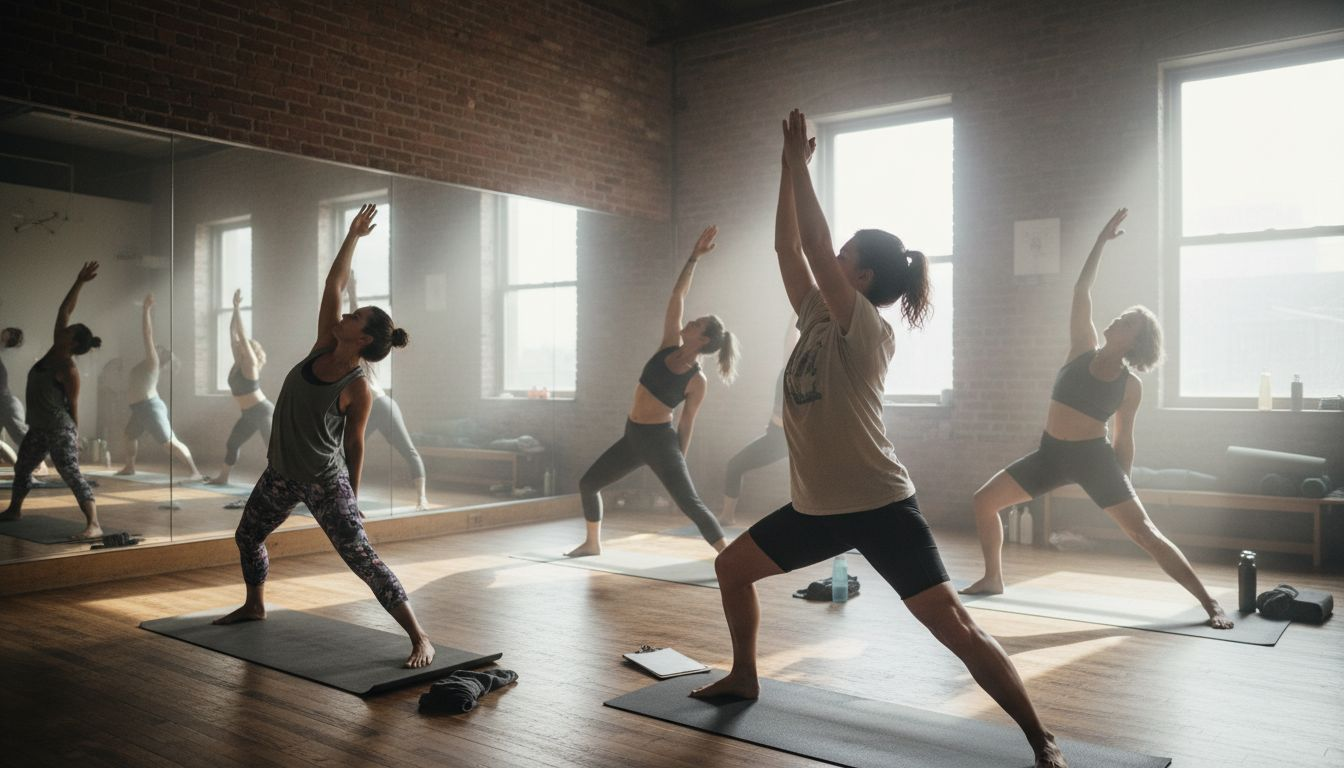
Finding a wellness routine in Philadelphia that balances both social connection and structured physical practice can feel challenging for anyone seeking true well-being. Bikram hot yoga stands out because every session follows a fixed sequence of 26 postures in a precisely heated room replicating the warmth of India. This format blends predictability and community support, giving practitioners a reliable way to build strength and clarity while connecting with others who share their health goals.
Table of Contents
Key Takeaways
| Point | Details |
|---|---|
| Bikram Yoga Structure | Consists of a fixed sequence of 26 postures and two breathing exercises performed in a heated room set to 105°F with 40% humidity. |
| Health Benefits | Regular practice improves flexibility, cardiovascular health, and mental clarity through heat-assisted stretching and focused breathing. |
| Community Experience | Practicing Bikram fosters strong social connections, as participants often attend the same classes regularly, creating a supportive environment. |
| Safety Precautions | To avoid dehydration and heat-related risks, arrive well-hydrated and listen to your body during classes. |
Defining Bikram Hot Yoga and Its Origins
Bikram hot yoga is a specific, structured style of yoga that operates nothing like a casual stretching class. It's a fixed sequence of 26 postures performed in a heated room set to precisely 105°F with 40% humidity, designed to replicate the warm climate of India where yoga originated.
Developed by Bikram Choudhury in the early 1970s, this practice builds on teachings from B.C. Ghosh, a respected yoga instructor. Choudhury refined these traditional practices into a standardized, repeatable system that became globally recognized and widely taught across studios.
What makes Bikram distinct from other hot yoga styles:
Fixed 90-minute sessions with the same sequence every time
24 asanas (yoga poses) plus two breathing exercises
Consistent temperature at 105°F and 40% humidity
Identical progression regardless of studio location or instructor
The heated environment serves a specific purpose. The warmth helps your muscles become more flexible and allows deeper stretching without injury risk. You'll sweat heavily—sometimes uncomfortably—but that's intentional. The heat accelerates your heart rate and mimics the challenging conditions of traditional yoga practice.
Bikram Yoga experienced explosive growth worldwide. By 2006, the practice had expanded to approximately 1,650 studios across at least 40 countries, making it one of the most standardized and accessible hot yoga formats available.
The structured nature of Bikram Yoga means you'll perform the same 26 postures in the same order every session—no surprises, no variations based on instructor preference.
The Philadelphia yoga community values this consistency. Whether you're visiting Amrita Yoga & Wellness in Center City or traveling to another Bikram studio, you'll recognize the sequence and know what to expect. This predictability appeals to people who prefer structure and measurable progress.
Understanding this origin story matters because it explains why Bikram classes feel different from vinyasa flow or other hot yoga styles. You're not following an instructor's creative interpretation—you're practicing a scientifically designed system that's remained largely unchanged for decades.
If you're exploring whether Bikram aligns with your goals, knowing that different types of hot yoga exist can help you make an informed choice about which practice suits you best.
Pro tip: Before your first Bikram class, arrive 10-15 minutes early to acclimate to the heat and speak with your instructor about modifications for any previous injuries or physical limitations.
How the 26 Postures and Heat Work Together
The 26 postures in Bikram Yoga aren't random. They're strategically ordered to build on each other, creating a progression that maximizes both physical and mental benefits. The heat amplifies everything—your flexibility, your focus, and your body's natural detoxification processes.
Heat is the secret ingredient that transforms standard yoga into something more intense. When your muscles warm to higher temperatures, they become significantly more pliable and responsive to stretching. This means you can safely deepen stretches without the injury risk you'd face in a room-temperature class.
The progression follows a logical sequence:
Standing postures first to build strength and stability in your foundation
Forward bends and backbends to work your spine through full range of motion
Twists and hip openers to release tension in your core and lower body
Final resting postures to integrate the work and calm your nervous system
Your cardiovascular system responds dramatically to this combination. The heat elevates your heart rate naturally, creating a cardio effect without high-impact movements. You're building endurance while improving flexibility—a rare combination in fitness.
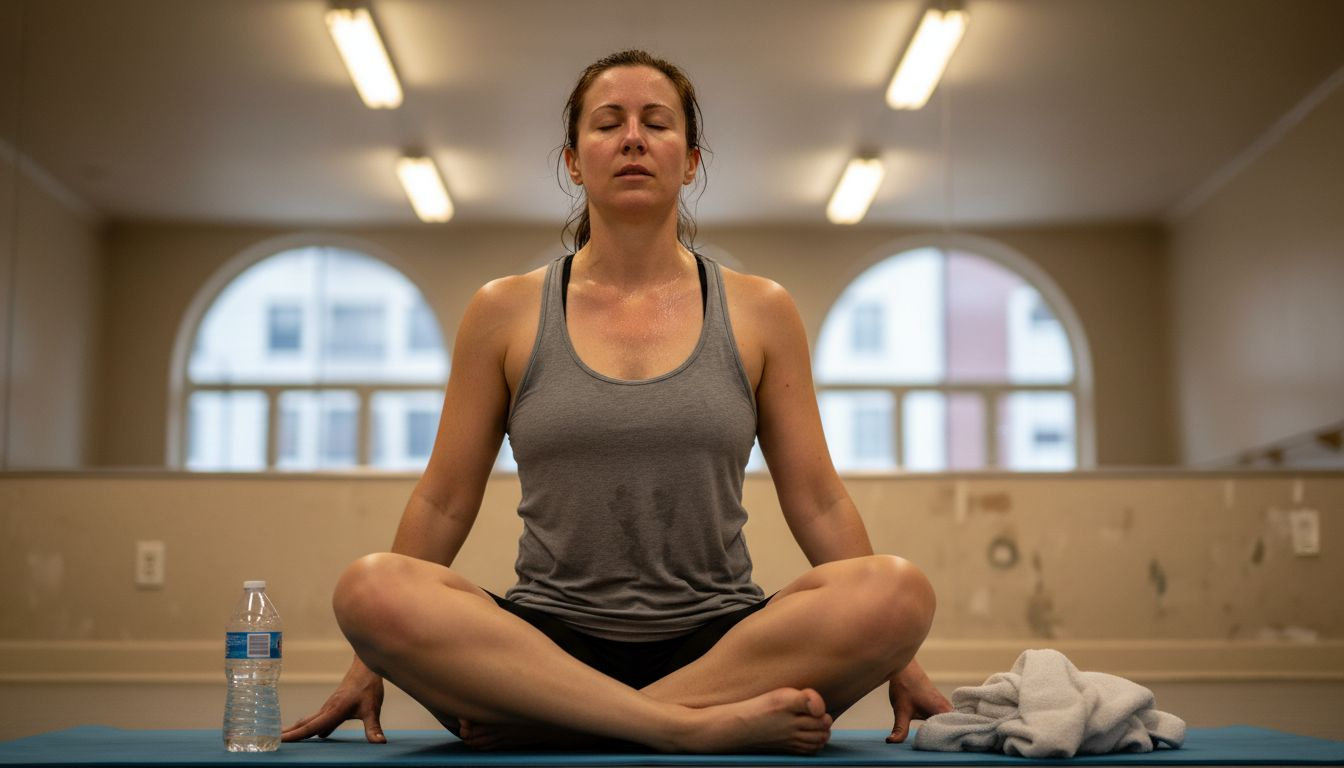
The humidity matters too. At 40% humidity paired with 105°F heat, your body can't rely solely on sweat evaporation to cool down. This forces your cardiovascular system to work harder, delivering oxygen-rich blood throughout your body more efficiently. Over time, this trains your heart and improves circulation.
When you hold a posture in this heated environment, your muscles work against greater resistance. A simple forward bend becomes profoundly different at 105°F than at room temperature. The heat allows deeper stretching, faster recovery between postures, and sustained engagement throughout the 90-minute session.
The sequence works because each posture prepares your body for the next one, while the heat transforms stress into physical growth, making you stronger with every breath.
Mentally, the heat creates an undeniable challenge. Learning to breathe through discomfort and stay focused despite physical intensity builds real mental resilience. You're not just stretching muscles—you're training your mind to stay calm under pressure.
This synergy between postures and heat is why consistency matters. Your body adapts gradually, improving flexibility and strength with each class. After several weeks, postures that felt impossible become accessible.
Pro tip: Stay hydrated for at least 24 hours before class, drink water immediately after, and avoid eating for two hours beforehand so your body can focus entirely on the practice without digestive demands.
Distinctions Between Bikram and Other Hot Yoga
Not all hot yoga is Bikram Yoga. This is the critical distinction that confuses many beginners in Philadelphia and beyond. While Bikram is one specific type of hot yoga, the category itself includes several different styles and approaches.
Bikram Yoga operates under strict standardization. Every class follows the identical 26-posture sequence in the same order, with the same timing, in a room heated to exactly 105°F with 40% humidity. Instructors don't improvise or modify the sequence based on class level or personal preference.
Other hot yoga styles offer more flexibility:
Hot Vinyasa flows through poses in sequence but allows instructor creativity and variation
Power Yoga in heat emphasizes strength-building with dynamic movements
Hot Hatha holds poses longer with gentler transitions between them
Yin Yoga in heat focuses on deep stretches held for extended periods
The temperature consistency matters significantly. Most hot yoga studios maintain heat between 95°F and 105°F, but Bikram's precise 105°F with 40% humidity creates a distinct experience. This exact combination isn't coincidental—it's calculated to maximize physiological benefits.
Sequencing is where the real difference emerges. In Hot Vinyasa, your instructor might arrange poses based on the day's theme or class focus. You'll never know exactly what's coming next. Bikram removes this unpredictability entirely. You know the exact sequence, allowing you to set goals and track progress with precision across weeks and months.
Bikram's fixed sequence means every class builds on your previous practice, while other hot yoga styles emphasize creative exploration and instructor interpretation.
This standardization appeals specifically to people seeking measurable progress and consistency. If you attended a Bikram class in New York, Los Angeles, or Philadelphia, you'd recognize every posture and know what to expect. That reliability is uniquely Bikram.
The philosophical approach differs too. Bikram emphasizes a scientifically designed system with specific healing benefits. Other hot yoga styles often blend philosophy, breathwork, and spiritual elements more prominently throughout the practice.
For Philadelphia practitioners, understanding these distinctions helps you choose your practice intentionally. Are you seeking consistency and measurable progress? Bikram delivers. Do you prefer creative variety and instructor interpretation? Hot Vinyasa might align better.
Here's a concise comparison of Bikram Yoga versus other hot yoga styles:
| Aspect | Bikram Yoga | Other Hot Yoga Styles |
|---|---|---|
| Sequence | Fixed 26 postures, same order | Variable, instructor-designed |
| Room Conditions | 105°F, 40% humidity | 95–105°F, humidity varies |
| Session Duration | 90 minutes, always identical | Ranges from 60–90 minutes |
| Instructor Approach | No deviation, strict system | Creative flows, flexible design |
| Progress Tracking | Easy, measurable over time | Less predictable for tracking |
Pro tip: Try one class of each style at Amrita Yoga & Wellness to experience the differences firsthand before committing to a regular practice, as your preference might surprise you.
Health Benefits and Community Impact
Bikram Yoga delivers measurable physical results that keep practitioners returning week after week. The combination of heat, postures, and breathwork creates a unique healing environment that addresses multiple aspects of your wellness simultaneously.
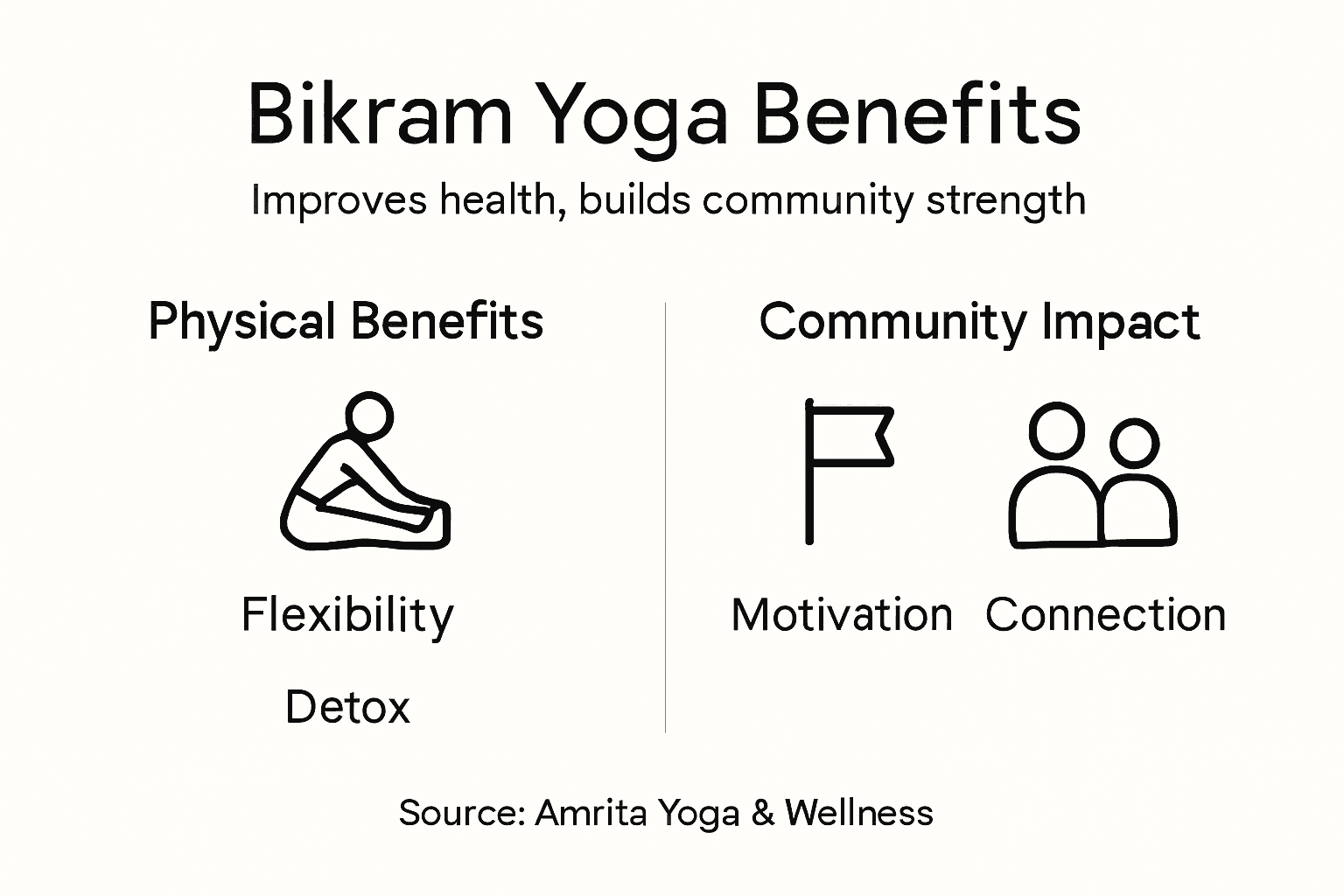
The physical benefits are substantial and well-documented. Heat allows your muscles to stretch more deeply and safely, increasing flexibility without the injury risk of cold-muscle stretching. Your cardiovascular system strengthens as it adapts to the demands of exercising in sustained heat, improving circulation and heart health over time.
Key health benefits include:
Increased flexibility through heat-assisted muscle relaxation
Enhanced cardiovascular health from elevated heart rate during practice
Natural detoxification via intense sweating that flushes your system
Improved mental clarity through focused breathing and meditation
Stress relief from the calming effect of the practice
Mentally, the benefits run deep. The 90-minute session demands complete focus, removing you from daily stressors and your phone. Practitioners report improved mental resilience and emotional well-being that extends far beyond the studio into their daily lives.
The community aspect transforms Bikram from solo exercise into a social healing practice. Philadelphia studios create spaces where people from different backgrounds unite around shared wellness goals. You'll encounter the same faces week after week, building genuine friendships and accountability.
Regular practitioners in supportive Bikram communities experience deeper personal transformation than those practicing alone.
This community matters enormously. When you struggle with a difficult posture or motivation dips, your classmates and instructors encourage you forward. The therapeutic design of Bikram makes it accessible to people of all ages and abilities, which diversifies your studio community.
Globally, Bikram Yoga has fostered strong communities supporting personal health and social connection. Studios function as wellness hubs where people heal together. You're not just improving your body—you're joining a movement of practitioners committed to holistic well-being.
For Philadelphia residents, joining Amrita Yoga & Wellness connects you to this larger community while building local relationships. You become part of something bigger than individual fitness goals.
For quick reference, here are Bikram Yoga's main physical and mental benefits:
| Benefit Type | Impact on Practitioner | Typical Outcome |
|---|---|---|
| Physical | Deep stretching and improved circulation | Greater flexibility, heart health |
| Mental | Enhanced focus and stress reduction | Better mental resilience |
| Community | Regular group interaction and support | Strong social connections |
Pro tip: Attend the same class time consistently so you develop relationships with the same practitioners, amplifying both the accountability and the community support that accelerates your progress.
Safety Risks and Tips for Practicing Safely
Bikram Yoga's intense heat creates real physiological demands. Understanding the risks and knowing how to practice safely ensures you benefit from the practice without overextending yourself into injury or heat-related illness.
The primary risks stem from the high heat environment. Your body works harder to cool itself while simultaneously performing challenging postures. This combination can lead to dehydration, heat exhaustion, and muscle strain if you ignore warning signs or push beyond your limits.
Common safety concerns include:
Dehydration from heavy sweating without adequate fluid intake
Heat exhaustion causing dizziness, nausea, or extreme fatigue
Muscle or ligament injury from overstretching in heated conditions
Cardiovascular stress if you have underlying health conditions
Overexertion from ignoring your body's signals to rest
The good news? Most risks are entirely preventable through smart preparation and awareness. Staying properly hydrated before, during, and after class is your first line of defense against heat-related problems.
Start by preparing your body for the heat. Arrive well-hydrated hours before class, not minutes before. Drink water consistently throughout the day, and bring a bottle to sip between postures if your studio allows it. Skip heavy meals two hours before class so your digestive system doesn't compete with your muscles for blood.
During class, listen ruthlessly to your body. If you feel dizzy, nauseated, or uncomfortable, take a break on your mat. This isn't failure—it's smart practice. Certified instructors at Amrita Yoga & Wellness teach modifications for every posture, allowing you to stay engaged without overextending.
Taking breaks and modifying postures when needed prevents injury far more effectively than pushing through discomfort.
Consult your physician before starting if you have cardiovascular conditions, diabetes, or heat sensitivity. Your doctor's clearance protects you and gives you confidence during practice. Avoid strenuous activity outside of class on practice days so your body focuses entirely on recovery and adaptation.
Gradually build your heat tolerance. Your first few classes will feel intense. That's normal. By week three or four, your body adapts and the experience becomes manageable and enjoyable.
Pro tip: Eat a light snack with carbohydrates and protein within 30 minutes after class to replenish energy and support muscle recovery before dehydration sets in.
Discover the Transformative Power of Bikram Hot Yoga at Amrita Yoga & Wellness
If you are intrigued by the proven benefits of the fixed 26 posture sequence practiced in a heated 105°F room that the article describes, but worry about safely navigating the intense heat and physical demands, you are not alone. Many beginners struggle with hydration, muscle strain, or knowing how to pace themselves. Our Philadelphia-based studio offers expert guidance designed to help you build strength, flexibility, and mental resilience in a supportive community where consistency and measurable progress are priorities.
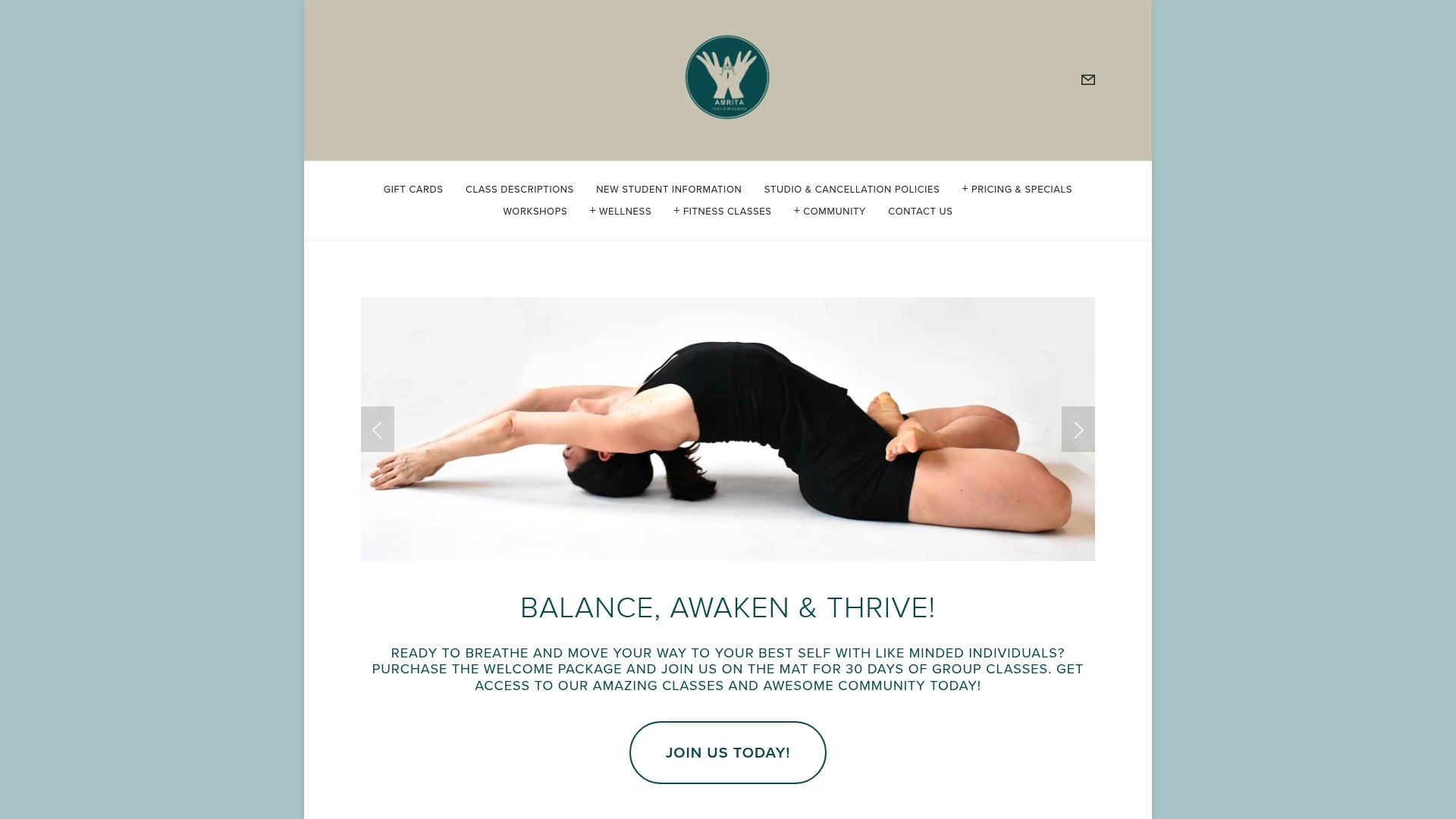
Ready to experience the structured healing and challenge of Bikram Yoga firsthand with certified instructors who understand the importance of safe practice and personal modifications Our Amrita Yoga & Wellness homepage connects you to detailed class descriptions and scheduling options. Discover how our offerings in hot yoga and other mindful practices can meet your wellness goals by visiting Amrita Yoga & Wellness. Embrace the power of community, deepen your practice, and let us support your journey every step of the way.
Frequently Asked Questions
What is Bikram hot yoga?
Bikram hot yoga is a specific style of yoga that consists of a fixed sequence of 26 postures and two breathing exercises, performed in a heated room at 105°F with 40% humidity. It was developed by Bikram Choudhury in the early 1970s to provide a standardized and repeatable yoga practice.
How does heat affect Bikram yoga practice?
The heat in Bikram yoga helps to warm up the muscles, making them more pliable and allowing for deeper stretching without the risk of injury. It also elevates the heart rate, contributing to cardiovascular benefits while aiding in natural detoxification through sweating.
What are the key health benefits of Bikram yoga?
Bikram yoga offers multiple health benefits, including increased flexibility, enhanced cardiovascular health, natural detoxification, improved mental clarity, and stress relief. The practice also promotes muscle recovery and mental resilience.
How does Bikram yoga compare to other hot yoga styles?
Bikram yoga is distinct due to its fixed sequence of postures and strict room conditions, with classes always at 105°F and 40% humidity. Other hot yoga styles may allow for instructor creativity and variations in sequences, temperatures, and durations, providing a less predictable practice experience.