Benefits of Barre Classes: Strength, Flexibility, Relief
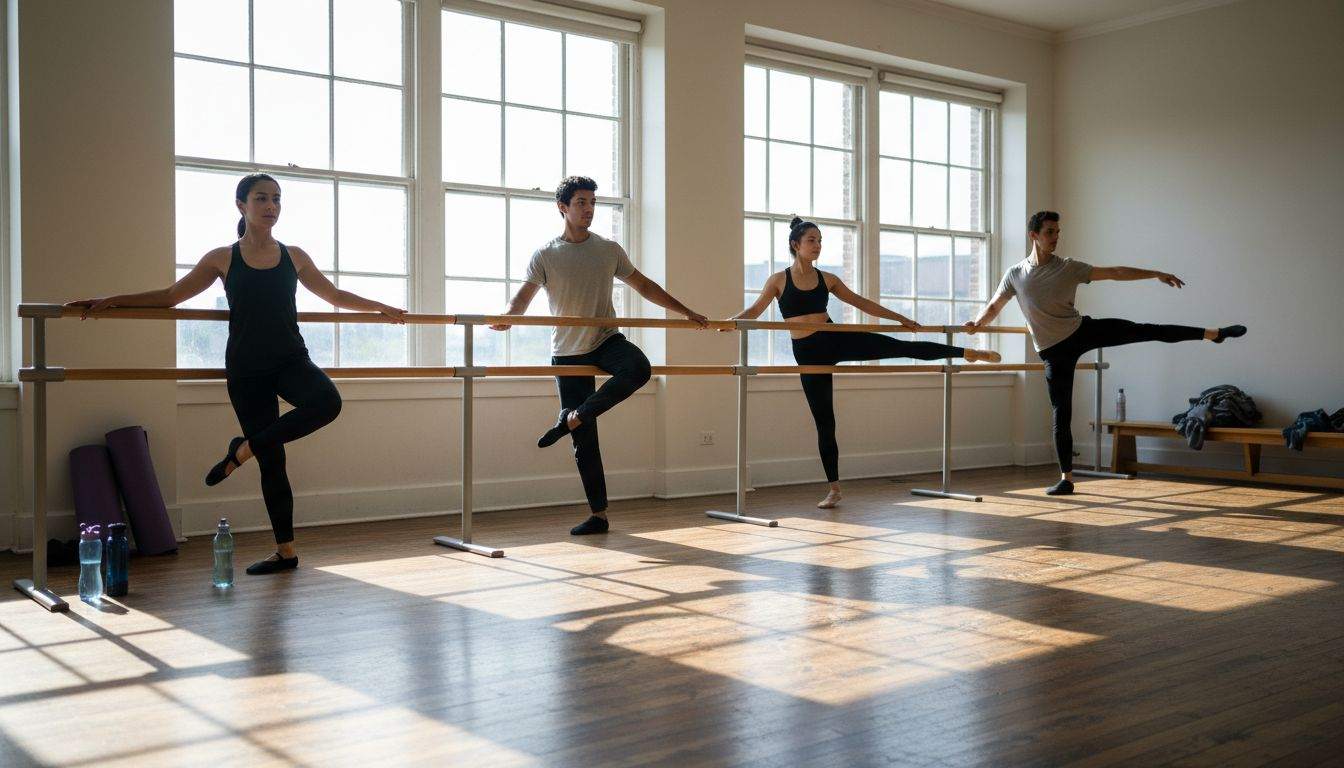
Nearly half of American adults now seek out exercise routines that protect joints while delivering real results. In Philadelphia, young professionals crave workouts that blend community spirit with effective, low-impact fitness. Barre classes offer a smart alternative, merging the flexibility of yoga, the strength of Pilates, and the grace of ballet for anyone eager to boost physical and mental wellness in a supportive setting.
Table of Contents
Key Takeaways
| Point | Details |
|---|---|
| Dynamic Workout | Barre classes blend ballet, yoga, and Pilates for an effective low-impact fitness experience. |
| Variety of Formats | Multiple barre formats cater to different fitness levels and personal goals, including beginner, HIIT, and prenatal variations. |
| Physical and Mental Benefits | Practicing barre improves strength, flexibility, and mental clarity while promoting stress relief. |
| Accessibility Focus | Barre classes welcome all fitness levels, with instructors trained to provide modifications for individual needs. |
What Are Barre Classes and How They Work
Barre classes represent a dynamic fitness method that brilliantly combines elements of ballet, yoga, and Pilates into a comprehensive workout experience. Low-impact exercise techniques focus on precise, controlled movements using a stationary handrail for balance and support. Unlike traditional strength training, barre emphasizes high-repetition, micro-movements that target specific muscle groups with remarkable efficiency.
The typical barre class structure involves a carefully designed sequence that challenges participants through a combination of bodyweight exercises, light resistance work, and ballet-inspired movements. Participants perform small, intense pulses and isometric contractions that build muscular endurance without creating bulk. These workouts typically last between 30 to 45 minutes and incorporate warm-up segments, targeted muscle group training, and cool-down periods designed to enhance flexibility and core strength.
Most barre classes utilize minimal equipment - primarily a ballet barre, light hand weights, resistance bands, and sometimes small exercise balls. Ballet-derived workout techniques) require participants to work barefoot or wear special grip socks, allowing for enhanced foot articulation and stability during intricate movements. The method's unique approach focuses on challenging muscle groups through sustained contractions, creating long, lean muscle definition while simultaneously improving overall body alignment and posture.
Pro tip: Start your first barre class by arriving 15 minutes early to familiarize yourself with the equipment and inform the instructor about any physical limitations or injuries.
Variations in Barre: Formats and Techniques
Barre fitness has evolved significantly, offering multiple specialized formats to cater to different fitness levels and personal preferences. Barre for beginners typically introduces gentler movements and more foundational techniques, allowing newcomers to build strength and confidence gradually. These introductory classes focus on basic positioning, proper form, and lower-intensity movements that help participants understand the core principles of barre technique.
Advanced barre styles include high-intensity interval training (HIIT) barre, which incorporates more cardiovascular elements and faster-paced sequences. Classic ballet-inspired barre maintains a more traditional approach, emphasizing precise movements derived directly from dance technique. Some studios offer fusion classes that blend barre with other fitness modalities like Pilates, yoga, or strength training, creating unique workout experiences that challenge multiple muscle groups simultaneously.
Specialized barre variations have emerged to target specific populations and fitness goals. Prenatal barre classes modify traditional movements to support expecting mothers, while rehabilitation-focused barre programs work with physical therapists to help individuals recovering from injuries. Holistic barre fitness approaches increasingly emphasize mind-body connection, incorporating mindfulness techniques and breath work alongside physical movements.
Pro tip: Before committing to a specific barre class, attend introductory sessions from multiple instructors to find the teaching style and format that best matches your personal fitness objectives.
Here's a summary of the primary barre class variations and who they best serve:
| Barre Format | Key Focus | Best For |
|---|---|---|
| Beginner Barre | Foundational movements, form | Newcomers, low-impact seekers |
| HIIT Barre | High-intensity, cardio boost | Advanced, cardio enthusiasts |
| Classic Ballet-Inspired Barre | Dance technique, precision | Dance lovers, form-focused |
| Fusion Barre | Multi-modality, variety | Those wanting mixed workouts |
| Prenatal Barre | Safe for pregnancy | Expecting mothers |
| Rehab-Focused Barre | Recovery, adaptability | Injury recovery, joint issues |
| Holistic Barre | Mind-body connection | Stress relief, mindfulness |
Physical and Mental Benefits: Strength, Flexibility, Stress Relief
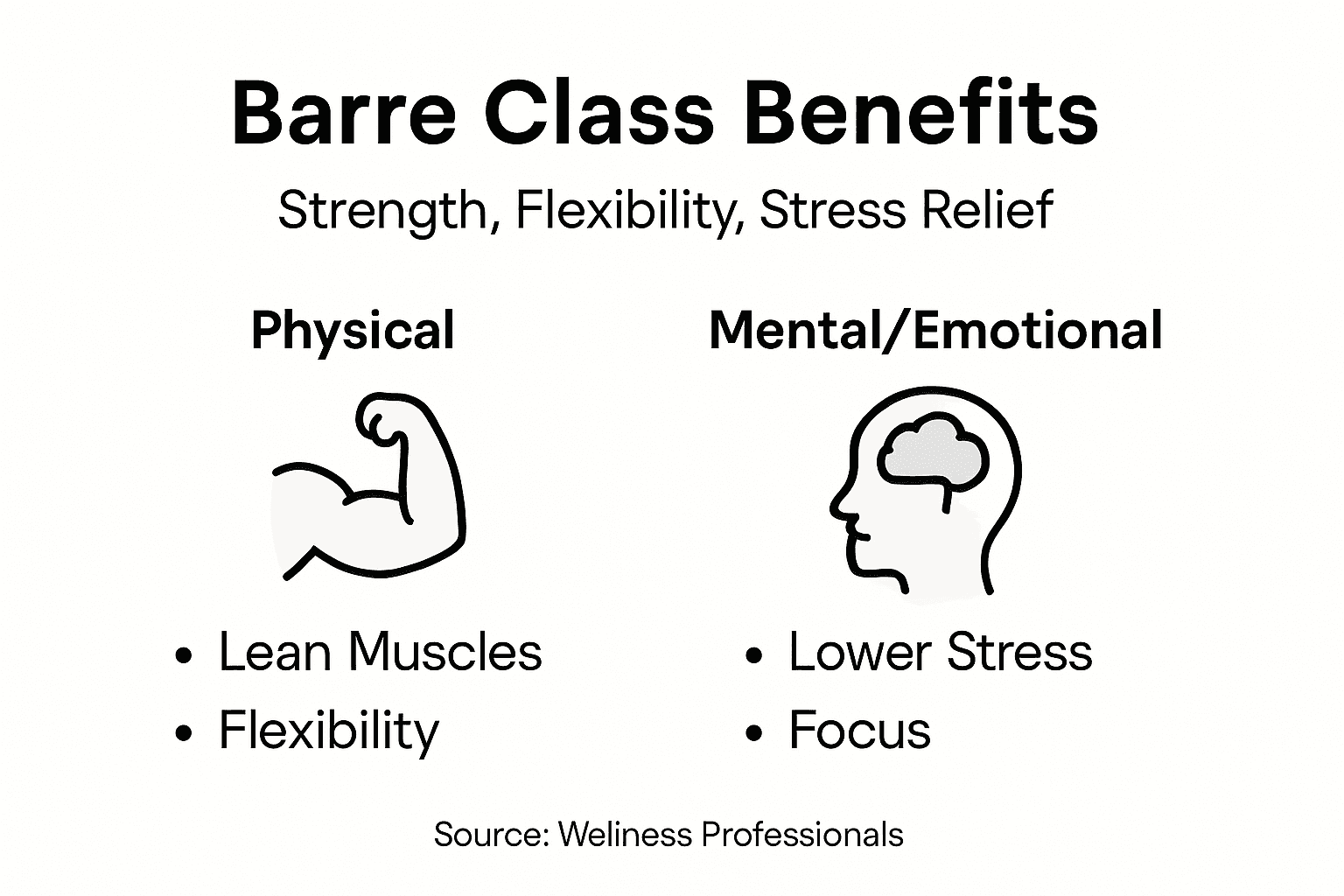
Low-impact fitness techniques like barre offer a comprehensive approach to physical and mental wellness that goes far beyond traditional exercise routines. The workout systematically targets multiple muscle groups through precise, controlled movements, building strength without creating bulk. By engaging stabilizing muscles often overlooked in conventional training, barre creates a balanced approach to muscular development that promotes long, lean muscle definition and enhanced overall body composition.
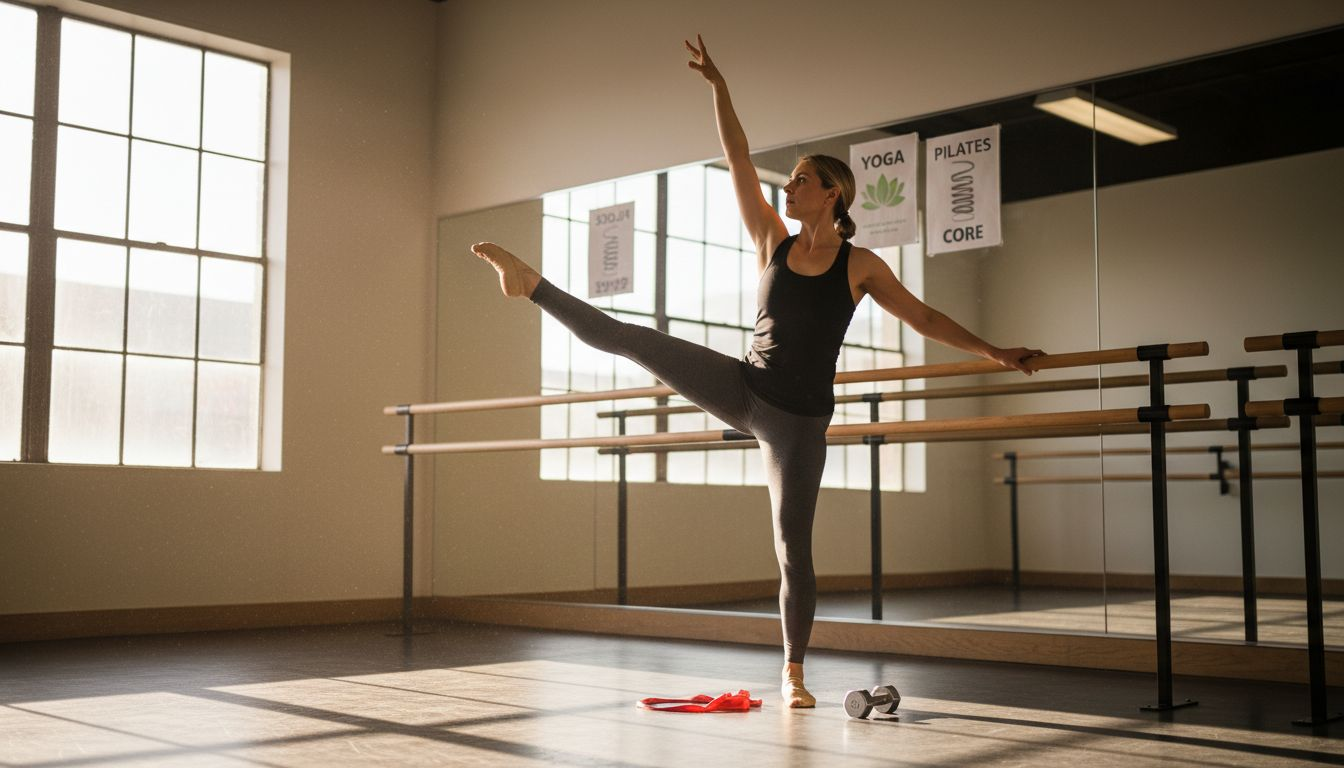
The mental health benefits of barre are equally impressive. Requiring intense focus and mindful movement, these classes create a meditative experience that helps participants disconnect from daily stressors and reconnect with their body. The combination of isometric holds, small-range movements, and deliberate breathing patterns reduces workout-related stress while simultaneously improving mental clarity and emotional resilience. Practitioners often report feeling more centered, calm, and physically empowered after consistent practice.
Flexibility stands as another crucial benefit of barre training. Unlike high-impact workouts that can strain joints, barre's gentle yet precise movements improve range of motion, enhance joint mobility, and gradually increase overall flexibility. The workout's emphasis on controlled stretching helps prevent injury, supports muscle recovery, and creates a more supple, responsive body. By integrating elements from ballet, Pilates, and yoga, barre provides a holistic approach to physical conditioning that supports both strength and suppleness.
Pro tip: Maximize your barre benefits by wearing form-fitting clothing that allows instructors to easily assess and correct your body alignment during class.
Use this table to distinguish key physical and mental benefits of regular barre practice:
| Benefit Type | Physical Impact | Mental/Emotional Impact |
|---|---|---|
| Strength | Lean muscle, endurance | Boosted body confidence |
| Flexibility | Increased joint mobility | Reduced tension, more comfort |
| Balance | Enhanced coordination, stability | Improved focus, body awareness |
| Stress Relief | Gentle movement, less strain | Lowered anxiety, clarity |
| Posture | Better alignment, core strength | Greater self-assurance |
Requirements and Accessibility for All Levels
Balancing challenge and accessibilityis the cornerstone of an effective barre practice, designed to welcome participants across diverse fitness backgrounds. Unlike intimidating workout environments, barre classes create an inclusive atmosphere where modifications are not just allowed but actively encouraged. Beginners can start with foundational movements, while experienced practitioners can intensify their workout through advanced techniques, ensuring everyone feels comfortable and challenged simultaneously.
Equipment requirements for barre are minimal and adaptable, making the workout exceptionally accessible. Most classes require only a ballet barre, comfortable athletic clothing, and optionally light hand weights or resistance bands. Some studios provide grip socks to enhance stability, but participants can often use their existing workout gear. International fitness standards emphasize creating an environment where physical limitations never prevent participation, with instructors trained to offer personalized adaptations for individuals recovering from injuries, managing chronic conditions, or returning to fitness after extended breaks.
The philosophy of barre accessibility extends beyond physical modifications to include mental and emotional support. Instructors are trained to create a non-judgmental space that celebrates individual progress, regardless of fitness level or prior experience. This approach means that a professional athlete and someone new to exercise can attend the same class, each receiving personalized guidance that meets their unique needs. The workout's low-impact nature further ensures that participants can engage without risking joint stress or unnecessary physical strain.
Pro tip: Communicate openly with your instructor about any physical limitations or concerns before class, allowing them to provide specific modifications tailored to your individual needs.
Risks, Limitations, and Common Mistakes
Low-impact workout risksemerge primarily from improper technique and overexertion, making awareness and mindful practice crucial in barre training. While barre is generally considered a safe fitness method, participants must understand potential limitations associated with isometric contractions and repetitive movements. Muscle fatigue, joint strain, and limited strength gains can occur when practitioners fail to maintain proper form or progress too quickly through challenging sequences.Common barre technique mistakesfrequently involve core engagement, body alignment, and movement control. Incorrect posture during plank positions, failing to activate core muscles, and overextending or underextending leg movements can significantly reduce workout effectiveness and increase injury potential. Practitioners should focus on maintaining controlled, precise movements rather than aggressive or momentum-driven exercises that compromise form and safety.
The most significant limitations in barre practice relate to muscular development and range of motion. Because barre emphasizes small, concentrated movements, strength gains are often limited to specific joint ranges. This means that while participants will develop muscular endurance and improve flexibility, they might not achieve the same comprehensive strength gains as traditional weight training. Additionally, individuals with pre-existing joint conditions or chronic injuries should consult healthcare professionals before starting a barre practice to ensure the workout aligns with their physical capabilities.
Pro tip: Always communicate with your instructor about your fitness level and any physical limitations to receive personalized modifications that prevent potential injuries.
Experience the Full Strength and Flexibility Benefits of Barre at Amrita Yoga & Wellness
If you have been inspired by the transformative power of barre classes and want to deepen your strength, flexibility, and stress relief, Amrita Yoga & Wellness in Philadelphia offers a welcoming space to start or continue your journey. Barre’s focus on precise, low-impact movements and mindful body alignment perfectly complements our holistic approach to wellness. Our expert instructors tailor every session to meet your individual needs, making each class both accessible and challenging whether you are a beginner or experienced practitioner.
Discover how combining barre with our diverse class offerings including yoga and Pilates can enhance your physical endurance and mental clarity. Take control of your health now by visiting Amrita Yoga & Wellness to explore our schedule and secure your spot. Start experiencing the long-term benefits of barre for strength and stress relief today and connect with a community that supports your personal growth every step of the way.
Frequently Asked Questions
What are the main physical benefits of barre classes?
Barre classes primarily enhance lean muscle development, muscular endurance, and balance while promoting flexibility and joint mobility. The low-impact nature of barre also supports injury prevention and muscle recovery.
How does barre improve mental well-being?
Barre workouts create a meditative experience, helping participants reduce stress, enhance mental clarity, and foster emotional resilience through mindful movement and focus.
Are barre classes suitable for beginners?
Yes, barre classes are designed to be accessible to participants of all fitness levels. Beginner classes focus on foundational movements and proper form, allowing newcomers to build strength and confidence gradually.
Can barre workouts help with posture and alignment?
Absolutely! Barre training emphasizes core strength and body alignment, which can significantly improve posture as participants learn to engage their stabilizing muscles and control their movements.