How to Start Yoga Naturally for Stress Relief and Wellness
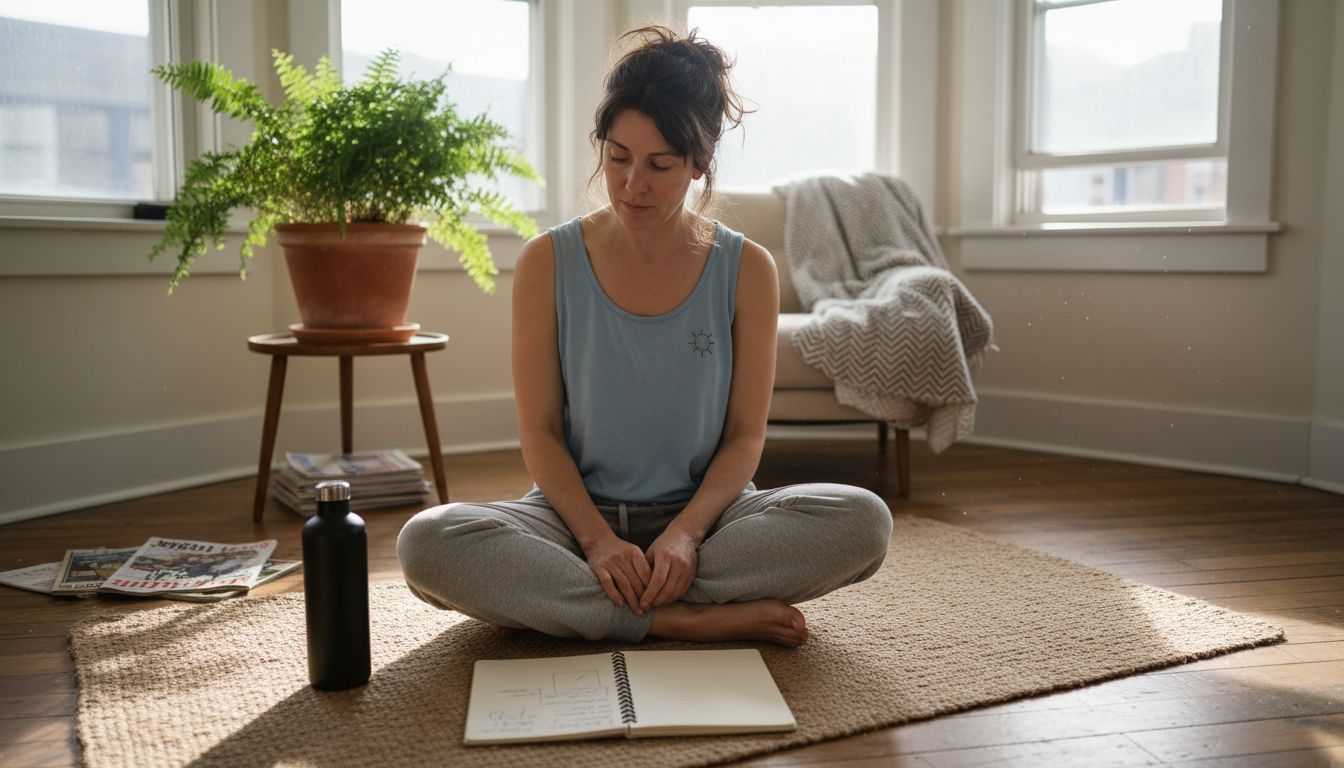
Nearly 80 percent of American adults experience ongoing stress that impacts their health and wellbeing. For busy people in Philadelphia, finding time and space to relax can feel impossible. Creating a simple yoga routine at home offers a practical way to ease tension and support your body, helping you reclaim moments of calm in a hectic week. This guide walks you through every step, from setting up your space to choosing beginner poses, so you can build a soothing practice even in the middle of city life.
Table of Contents
Quick Summary
| Key Insight | Explanation |
|---|---|
| 1. Create a dedicated yoga space | Select a quiet, clutter-free area with natural light to enhance relaxation and mindfulness during practice. |
| 2. Start with beginner-friendly styles | Hatha Yoga is recommended for new practitioners; it focuses on basic postures and proper alignment. |
| 3. Invest in essential yoga equipment | A high-quality yoga mat, blocks, and straps will support comfort, stability, and alignment during practice. |
| 4. Develop a simple initial routine | Focus on a few gentle poses, practicing 10–15 minutes daily to build consistency and body awareness. |
| 5. Track your progress regularly | Maintain a yoga journal to document your physical and emotional growth, adjusting your practice as needed. |
Step 1: Prepare your space for comfortable yoga practice
Creating a calming and inviting yoga space is crucial for developing a consistent and enjoyable practice. Your environment sets the tone for relaxation and mindfulness, transforming an ordinary area into a personal sanctuary where stress melts away. By thoughtfully arranging your space, you signal to your body and mind that this is a dedicated time for self care and wellness.
Start by selecting a quiet area in your home with minimal distractions. Ideally, choose a space with natural light and enough room to fully extend your yoga mat without bumping into furniture. Clear away clutter and unnecessary items that might disrupt your mental focus. If possible, select a spot near a window where soft natural light can create a serene atmosphere. Beginner yoga practices often emphasize the importance of creating a peaceful environment that supports your mental and physical journey.
Consider adding soft elements that enhance relaxation such as a clean yoga mat, comfortable temperature, and minimal noise. Use neutral colored linens or blankets, place a few plants for natural energy, and ensure the room temperature is slightly warm but not hot. Soft background music or nature sounds can also help create a meditative ambiance that supports your practice.
Pro tip: Keep your yoga space consistent and dedicated, treating it as a sacred area for personal growth and wellness transformation.
Step 2: Select beginner-friendly yoga styles and classes
Navigating the world of yoga styles can be overwhelming for newcomers, but choosing the right class is essential for building confidence and establishing a sustainable practice. Your goal is to find a style that matches your fitness level, physical capabilities, and personal wellness objectives.
Beginner yoga classes in Philadelphiatypically recommend Hatha Yoga as the ideal starting point for new practitioners. Hatha Yoga is specifically designed for beginners, focusing on holding positions for several breaths and allowing you to master basic postures comfortably. This style provides a solid foundation by teaching proper alignment, breathing techniques, and helping you develop body awareness without overwhelming intensity.
When exploring yoga styles, consider your personal fitness level and any physical limitations. While more dynamic styles like Vinyasa and hot yoga can be appealing, they require a stronger baseline of strength and flexibility. For absolute beginners, gentler practices such as Yin Yoga or restorative classes offer slower paced environments where you can learn fundamental poses and breathing techniques. Many local studios offer introductory workshops or beginner series that provide structured learning environments with expert guidance.
Pro tip: Always communicate with your yoga instructor about your experience level and any physical concerns before starting a new class.
Here is a comparison of beginner-friendly yoga styles to help you select the best fit for your needs:
| Yoga Style | Pace and Intensity | Key Benefits | Suitability |
|---|---|---|---|
| Hatha Yoga | Slow, gentle | Builds foundation, improves focus | Best for absolute beginners |
| Vinyasa Yoga | Moderate to fast | Boosts stamina, dynamic movement | Good for active beginners |
| Yin Yoga | Very slow, relaxing | Enhances flexibility, deep rest | Ideal for stress reduction |
| Restorative Yoga | Minimal movement | Promotes healing, calms mind | Suited to relaxation seekers |
Step 3: Gather essential supportive yoga equipment
Starting your yoga journey requires some basic equipment that supports comfort, stability, and proper alignment during your practice. Investing in a few key items will help you feel more confident and prepared as you begin exploring yoga techniques and poses.
The most critical piece of equipment is a high quality yoga mat that provides adequate cushioning and grip. Aerial yoga safety recommendations emphasize choosing a mat with good traction to prevent slipping during various poses. Look for a mat that is approximately 1/4 inch thick with a textured surface suitable for beginners. Beyond the mat, consider purchasing supportive accessories like yoga blocks, which help modify poses and provide additional support when flexibility is limited, and a comfortable yoga strap to assist with stretching and alignment.
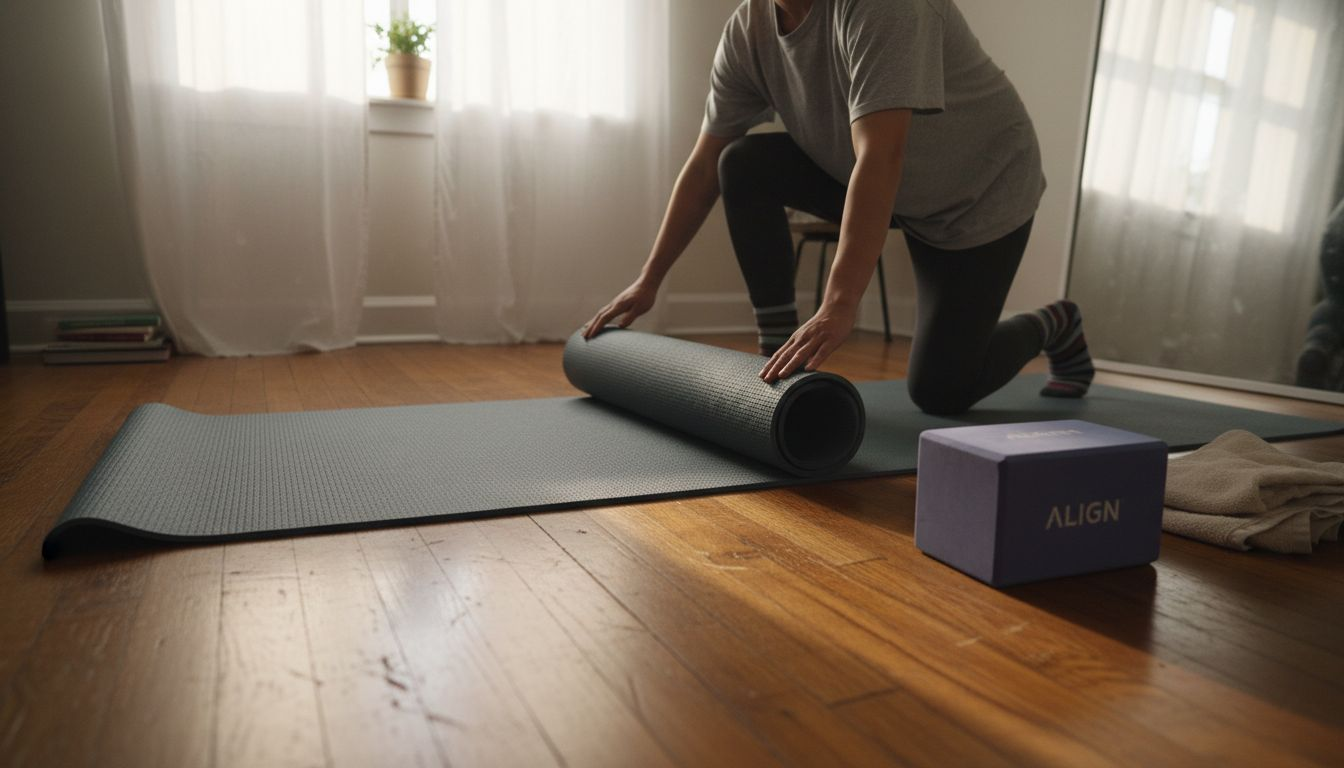
While building your yoga equipment collection, remember that you do not need to purchase expensive or elaborate gear. Start with basic, functional items that support your practice and allow you to move comfortably. Many studios offer equipment rentals, which can be a great way to experiment with different types of props and materials before making a personal investment.
Pro tip: Choose multipurpose yoga equipment that can adapt to different styles and skill levels to maximize your initial investment.
Here is a summary of essential yoga equipment and its role in supporting your practice:
| Equipment | Purpose | Beginner Benefit |
|---|---|---|
| Yoga Mat | Cushioning and stability | Prevents slips, adds comfort |
| Yoga Blocks | Support and pose modification | Aids limited flexibility |
| Yoga Strap | Assists stretches | Improves reach and alignment |
| Blanket | Warmth and comfort | Enhances relaxation in poses |
Step 4: Develop your initial routine with simple poses
Building a foundational yoga practice requires starting with accessible, gentle poses that help you develop body awareness, flexibility, and confidence. Your initial routine will focus on creating a sustainable approach to movement that feels comfortable and supportive.
7 Essential yoga poses for beginnerstypically include fundamental movements like Mountain Pose, Child's Pose, Cat Cow Stretch, and Downward Facing Dog. These poses help you build strength, improve balance, and learn proper breathing techniques without overwhelming your body. Start by holding each pose for 3 to 5 breaths, paying careful attention to your body's alignment and sensations. Remember that yoga is not about perfection but about exploring your body's capabilities with patience and self compassion.
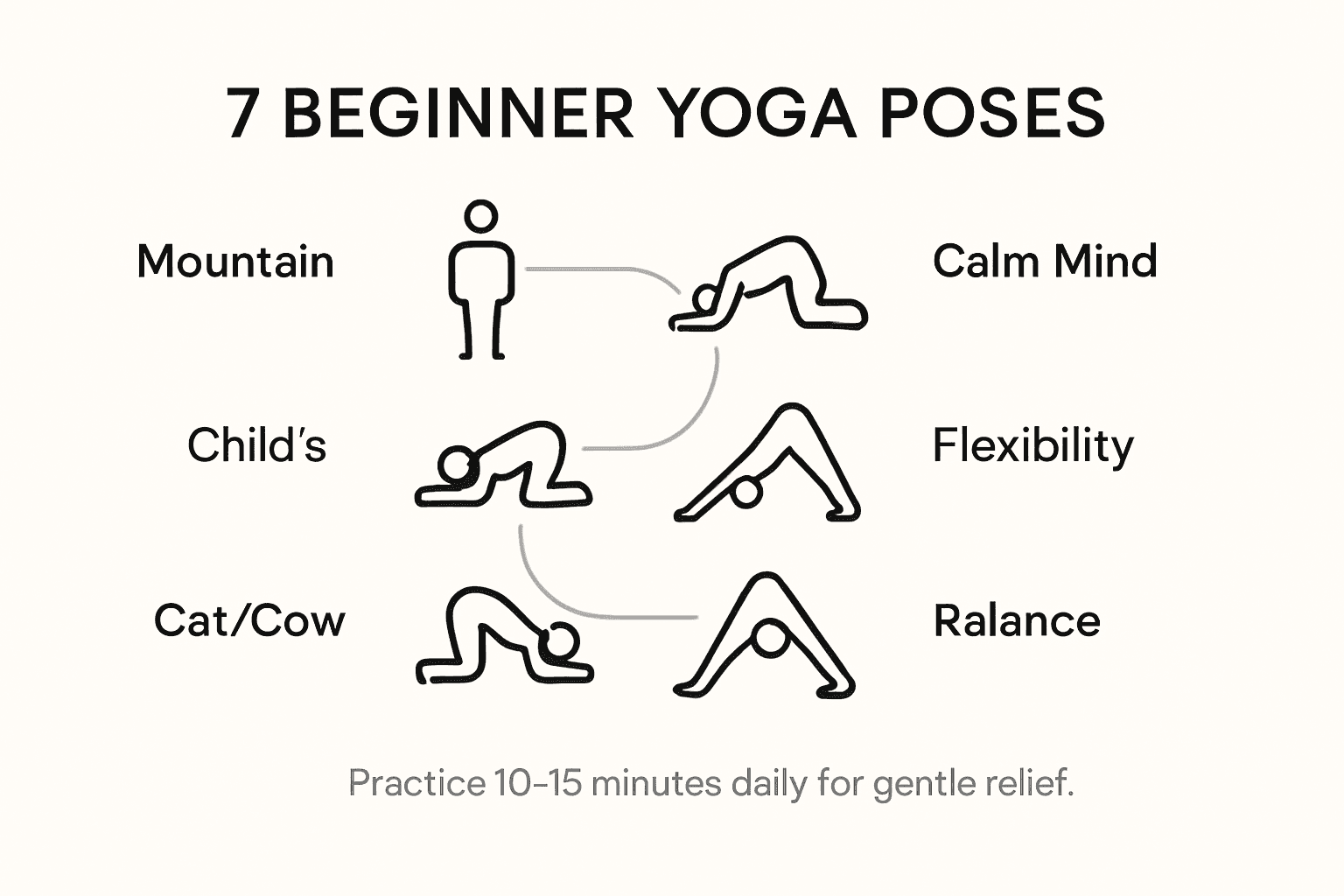
As you develop your routine, focus on consistency rather than complexity. Begin with a short 10 to 15 minute practice, gradually increasing duration as you become more comfortable. Listen to your body and modify poses using yoga blocks or straps if needed. The goal is to create a sustainable practice that feels nurturing and reduces stress, not to achieve advanced postures immediately.
Pro tip: Practice your routine at the same time each day to help establish a consistent and grounding yoga habit.
Step 5: Evaluate your progress and adjust your yoga journey
Tracking your yoga journey is about understanding your physical and mental growth, not achieving perfection. Your practice will naturally evolve as you become more aware of your body's capabilities and limitations, creating opportunities for meaningful personal development.
How to schedule yoga classes for seamless wellnesssuggests maintaining a practice journal to document your experiences and progress. Record details like how you feel before and after each session, which poses challenge you, and any improvements in flexibility, strength, or stress levels. Pay attention to both physical changes and emotional shifts, recognizing that progress in yoga extends beyond physical performance.
Be patient and kind to yourself as you develop your practice. Some weeks you might feel more flexible or strong, while others might feel more challenging. Adjust your routine based on your energy levels, listening to your body and modifying poses as needed. Consider taking occasional classes with experienced instructors who can provide personalized feedback and help you refine your technique. Remember that consistency matters more than intensity, and your yoga journey is a personal path of continuous learning and self discovery.
Pro tip: Review your practice journal every month to identify patterns, celebrate small victories, and mindfully adjust your yoga approach.
Embrace Your Yoga Journey for Lasting Stress Relief and Wellness
Starting yoga can feel overwhelming when trying to create the perfect space and selecting the right practice for your needs. This article highlights common challenges like finding beginner-friendly yoga styles and assembling comfortable equipment that supports your growth. If you are looking to naturally reduce stress while improving flexibility and mental clarity, you are not alone. Many seek a nurturing, consistent yoga routine that fosters personal wellness without adding pressure or complexity.
Discover how Amrita Yoga & Wellness in Philadelphia offers supportive classes tailored to beginners that guide you through foundational poses and mindful breathing techniques. Our welcoming community and expert instructors help you ease into yoga styles such as Hatha and restorative yoga, perfect for cultivating calm and self-awareness.
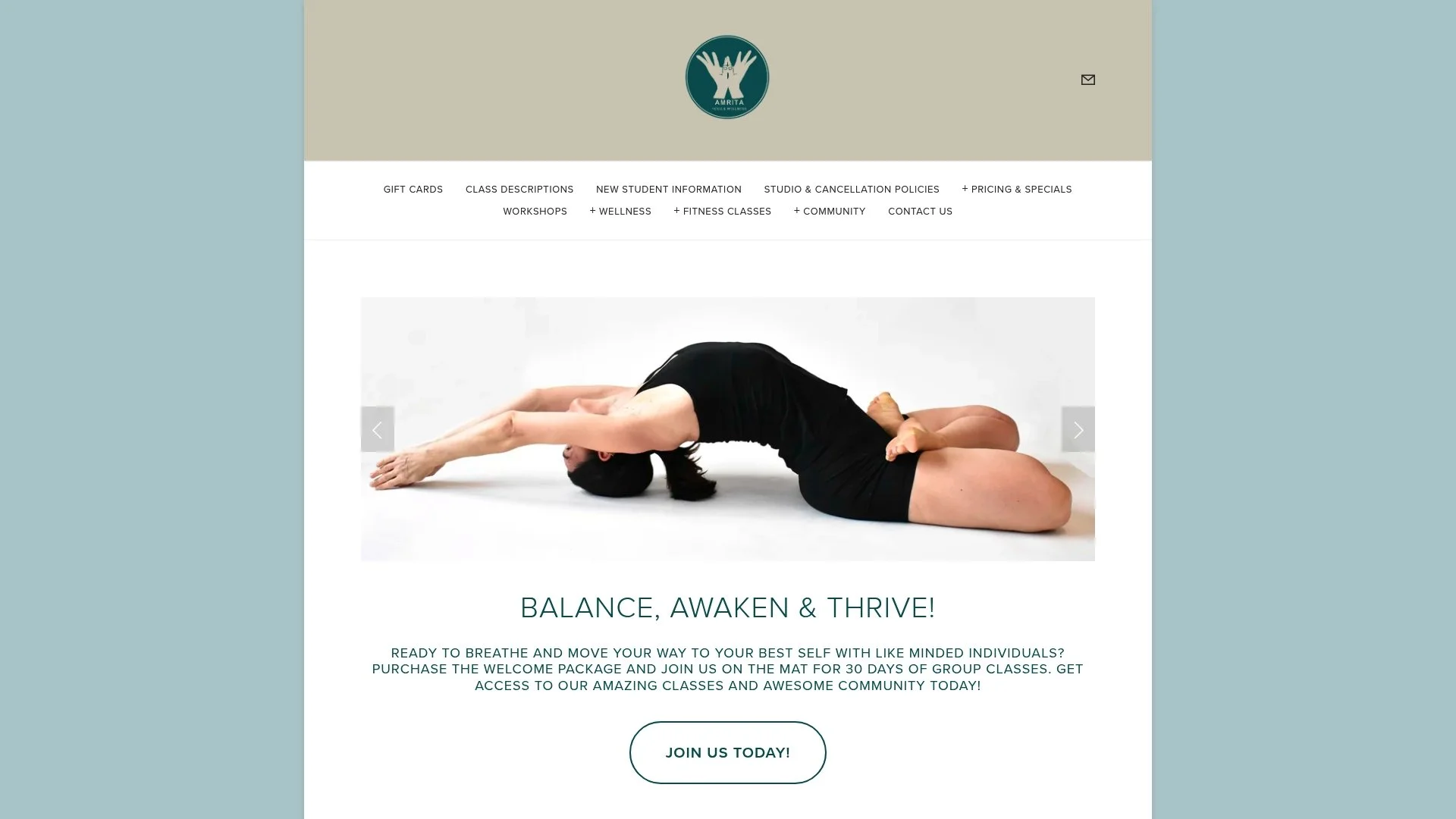
Take the next step toward a balanced life by exploring beginner-friendly sessions and workshops designed for your wellness goals. Experience firsthand how a dedicated practice space and the right guidance can transform your mental and physical health. Visit this page today to find the perfect class and start your path to lasting stress relief and holistic wellness.
Frequently Asked Questions
How can I create a calming yoga space for stress relief?
Creating a calming yoga space starts by selecting a quiet area in your home where you can practice without distractions. Clear clutter and use calming colors and natural light to set the mood. Consider dedicating this space solely to your yoga practice to help reinforce your commitment to wellness.
What beginner-friendly yoga styles should I try for stress relief?
For stress relief, consider starting with Hatha Yoga, as it’s gentle and perfect for beginners. This style focuses on holding poses and mastering breathing techniques, which can enhance relaxation. Look for classes that cater to new practitioners to ensure a supportive learning environment.
What essential equipment do I need to start yoga?
To start yoga, you will need a good quality yoga mat for cushioning and grip. Additionally, consider acquiring yoga blocks and a strap, which can help you modify poses and enhance your practice. Begin with these basics, and gradually add more equipment as your skills develop.
How can I develop a routine with simple yoga poses?
Start by selecting a few simple poses like Mountain Pose and Child’s Pose, holding each for 3 to 5 breaths. Aim for a routine that lasts 10 to 15 minutes daily, gradually increasing duration as you gain confidence. Consistency is key—practice at the same time each day to establish a grounding habit.
What should I include in my yoga journal to track my progress?
In your yoga journal, record your feelings before and after each session, along with details on which poses challenge you. Note improvements in flexibility and strength, as well as any emotional shifts you experience. Reviewing your entries monthly can help identify patterns and celebrate small victories in your yoga journey.
How do I adjust my yoga practice if I feel challenged?
Listen to your body and adjust your poses if you encounter challenges. Consider using props like blocks or straps for support, and be patient with your progress. Modify your routine based on your energy levels, ensuring it remains a nurturing experience rather than feeling overwhelming.