Yoga Workshops: Deepening Practice and Building Community
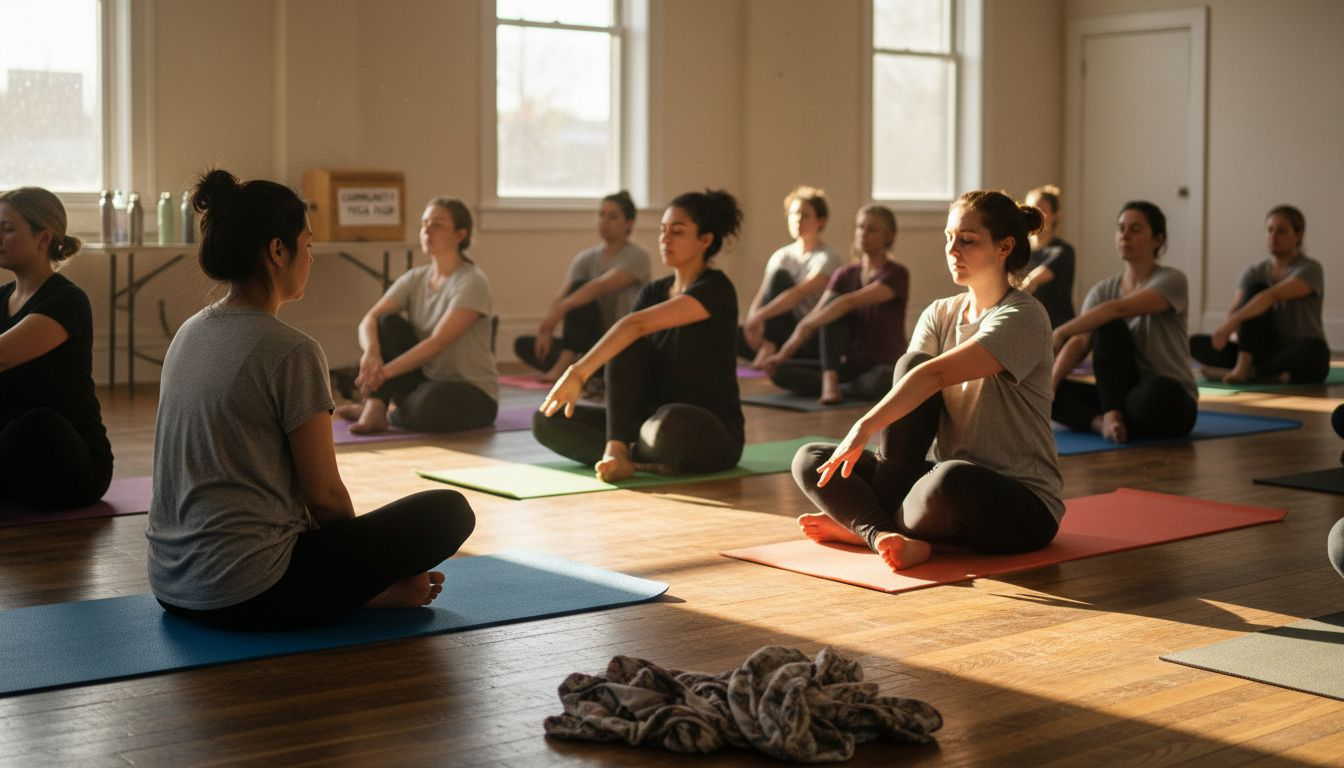
Many Philadelphia yoga practitioners search for opportunities that go beyond routine classes, hoping to deepen their practice and strengthen community connections. Specialized yoga workshops offer structured settings to explore physical postures, breathing techniques, and mindfulness under expert guidance, providing more intensive learning than ordinary group sessions. Whether you are a beginner or advanced, discovering the core elements of yoga workshops and understanding popular workshop types can help you select the right program for both personal wellness and meaningful engagement.
Table of Contents
Key Takeaways
| Point | Details |
|---|---|
| Yoga Workshops Enhance Learning | Specialized yoga workshops offer immersive experiences that deepen understanding of physical, mental, and spiritual practices. |
| Different Workshop Types Cater to Varying Needs | Options range from introductory to advanced, addressing diverse skill levels and interests. |
| Community Building is Essential | Workshops create supportive environments for practitioners to connect and share their wellness journeys. |
| Caution in Registration and Participation | Understanding qualifications, costs, and legal requirements is crucial for safety and compliance. |
Yoga workshops defined and core concepts
Yoga workshops represent specialized learning experiences designed to deepen practitioners' understanding and skills beyond standard group classes. Rooted in ancient Indian philosophical traditions, these focused sessions explore yoga's comprehensive physical, mental, and spiritual dimensions.
At their core, yoga workshops typically encompass several key elements:
Physical Practice: Detailed exploration of asanas (postures)
Breath Work: Advanced pranayama techniques
Meditation: Mindfulness and contemplative practices
Philosophical Understanding: Insights into yoga's historical and cultural context
These workshops differ from regular yoga classes by offering more intensive, intentional learning environments. While standard classes provide general instruction, workshops dive deep into specific techniques, alignment principles, or specialized yoga styles. Practitioners gain structured opportunities to refine their practice under expert guidance.
Community building represents another critical aspect of yoga workshops. These sessions create spaces where practitioners connect, share experiences, and support each other's wellness journeys. Professional yoga therapy practices emphasize this collaborative learning approach, recognizing that personal growth often emerges through shared experiences.
Pro tip: When selecting a yoga workshop, prioritize instructors with comprehensive training and a holistic approach to practice, not just physical expertise.
Popular types of yoga workshops explained
Yoga practitioners can explore a diverse range of workshop styles tailored to different skills and interests. Four fundamental workshop categories provide practitioners unique opportunities for personal growth and skill development.
These primary workshop types include:
Introductory Workshops: Perfect for beginners seeking foundational knowledge
Deep Dive Workshops: Advanced sessions targeting specific techniques or styles
Cause-Oriented Workshops: Community-focused events supporting charitable initiatives
Celebration Workshops: Special events marking personal or collective milestones
Introductory workshops serve as gateway experiences for newcomers, offering structured environments where participants learn basic postures, breathing techniques, and fundamental yoga philosophy. These sessions typically provide a comprehensive overview, helping individuals understand yoga's holistic approach to wellness.
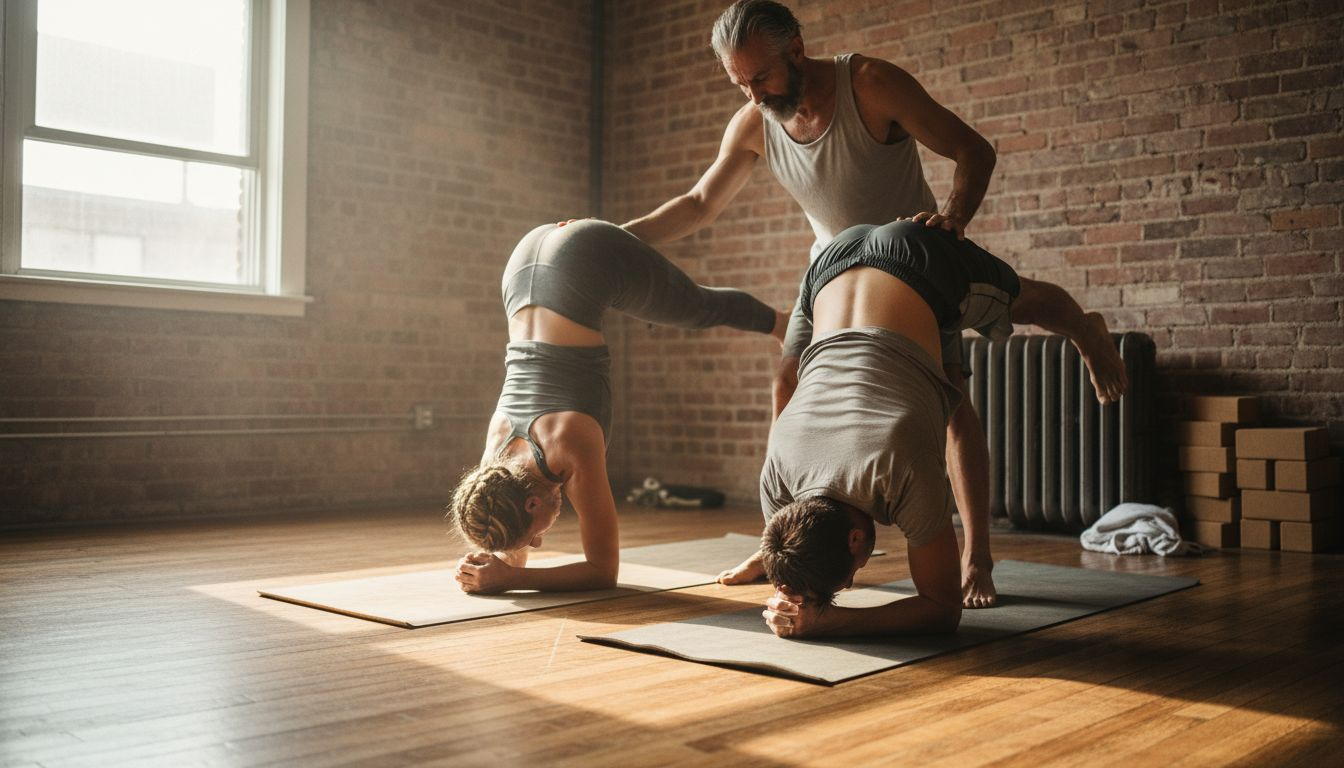
Advanced practitioners often gravitate toward Deep Dive workshops, which offer intensive explorations of specialized techniques like inversions, alignment principles, or specific yoga styles such as aerial yoga techniques. These workshops provide opportunities to refine skills under expert guidance, challenging participants to expand their practice beyond conventional boundaries.
Cause-oriented workshops represent another meaningful category, connecting yoga practice with community service. These events often fundraise for local charities, environmental causes, or social justice initiatives, demonstrating yoga's potential to create positive social impact beyond individual wellness.
Pro tip: Research workshop instructors' backgrounds and specializations to ensure the session matches your current skill level and learning objectives.
Here's a quick comparison of popular yoga workshop types to help you select the right fit:
| Workshop Type | Focus Area | Ideal For | Typical Outcomes |
|---|---|---|---|
| Introductory | Fundamentals & basics | Beginners or newcomers | Foundational knowledge and skills |
| Deep Dive | Advanced techniques | Experienced practitioners | Skill refinement, deeper practice |
| Cause-Oriented | Community engagement | Socially conscious groups | Charitable impact, team building |
| Celebration | Milestone events | Individuals & communities | Collective joy, recognition |
How yoga workshops function and registration
Yoga workshops operate within a structured framework designed to ensure participant safety, learning effectiveness, and professional standards. Professional yoga organizations establish comprehensive codes of practice that guide workshop implementation and participant engagement.
The registration process typically involves several key steps:
Initial Research: Explore workshop topics and instructor credentials
Application Submission: Complete required registration forms
Payment Processing: Select and pay for appropriate workshop tier
Confirmation: Receive workshop details and preparation instructions
Workshop duration varies depending on the specific program, ranging from intensive half-day sessions to multi-week training experiences. Specialized workshops often require strategic content planning that considers participant skill levels, learning objectives, and logistical constraints.
Most workshops follow a structured registration protocol that includes detailed documentation. This typically requires participants to provide contact information, health disclosures, and sometimes proof of prior yoga experience. Compliance with venue regulations and participant safety guidelines remains a critical component of the registration process.
Community-focused workshops often integrate additional elements like group discussions, collaborative activities, and networking opportunities. These interactive components distinguish workshops from traditional yoga classes, creating more immersive and transformative learning experiences.
Pro tip: Always verify workshop instructor credentials and read detailed program descriptions before registering to ensure the experience matches your personal wellness goals.
Qualifications and prerequisites for participants
Yoga workshops have varying qualification requirements that depend on the complexity and focus of the specific program. Yoga teacher training programs typically establish clear prerequisites to ensure participants have appropriate foundational skills and understanding.
Common participant prerequisites include:
Skill Level Requirements
Beginner-friendly workshops
Intermediate level courses
Advanced training sessions
Physical Fitness Considerations
Basic mobility and flexibility
No significant health restrictions
Ability to perform fundamental yoga postures
Professional training workshops often require more rigorous qualifications. Certifications like 200-hour foundational courses serve as critical entry points for serious practitioners seeking advanced instruction. These programs assess participants' existing knowledge, physical capabilities, and commitment to yoga practice.
Participants should carefully review specific workshop requirements, which might include:
Minimum practice experience
Previous training documentation
Medical clearance for intensive programs
Recommendation letters from registered yoga instructors
Health and safety considerations play a crucial role in determining workshop eligibility. Instructors typically conduct initial assessments to ensure participants can safely engage with the proposed curriculum, protecting both individual practitioners and the integrity of the workshop experience.
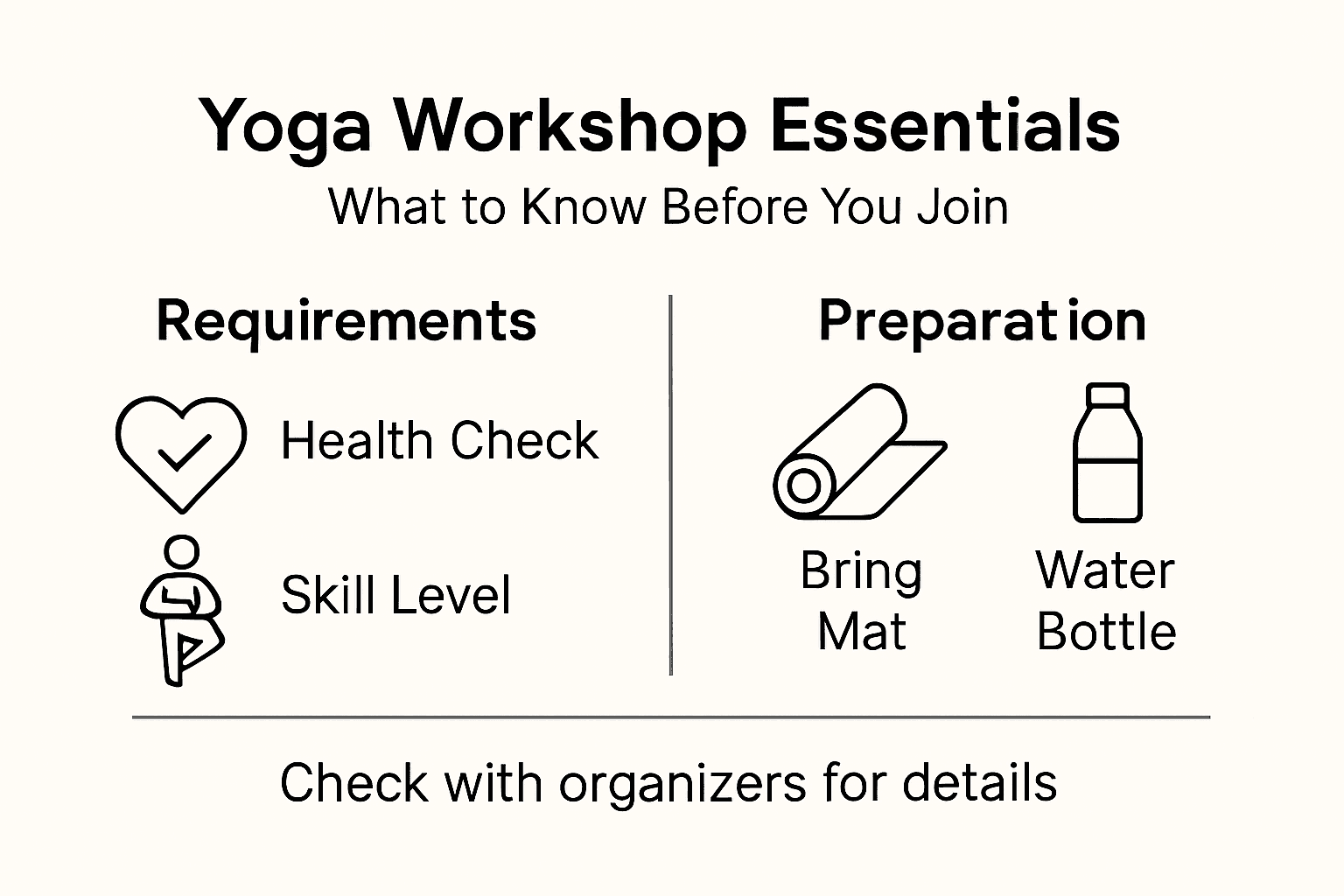
Pro tip: Always contact workshop organizers directly to clarify your specific qualifications and ensure you meet all necessary prerequisites before registering.
Costs, risks, and legal considerations
Legal protections for yoga workshopsinvolve comprehensive risk management strategies that protect both participants and organizers. Understanding the financial and legal landscape is crucial for creating safe, transparent workshop experiences.
Key financial components of yoga workshops include:
Direct Costs
Venue rental
Instructor fees
Marketing expenses
Instructional materials
Indirect Costs
Insurance premiums
Legal documentation preparation
Administrative overhead
Liability management represents a critical aspect of workshop planning. Workshop organizers must navigate complex legal requirements that involve securing appropriate insurance, drafting comprehensive participant waivers, and maintaining strict health and safety protocols.
Potential risks participants and organizers should consider include:
Physical injury during practice
Property damage
Professional liability claims
Data privacy breaches
Contractual disputes
Professional liability insurance protects workshop facilitators from potential legal challenges. Comprehensive coverage typically includes protection against bodily injury claims, property damage, and professional misconduct allegations. Participants are often required to sign detailed waivers acknowledging inherent physical risks associated with yoga practice.
Pro tip: Always consult with a legal professional specializing in wellness industry regulations to ensure your workshop meets all necessary legal and insurance requirements.
The following table summarizes common risks and legal protections for yoga workshops:
| Risk Type | Legal Protection | Preventive Measure |
|---|---|---|
| Physical injury | Liability insurance | Mandatory waivers, safety checks |
| Property damage | Insurance coverage | Facility guidelines compliance |
| Data privacy breach | Confidentiality clauses | Secure registration systems |
| Contract dispute | Written agreements | Clear policies and documentation |
Common mistakes and tips for success
Yoga workshop instructors frequently encounter common challengesthat can significantly impact participant experience and learning outcomes. Understanding these potential pitfalls is crucial for creating engaging and effective workshop environments.
Common mistakes yoga instructors should avoid include:
Instructional Errors
Overcorrecting participants
Providing excessive verbal instructions
Neglecting individual student needs
Failing to maintain inclusive energy
Communication Challenges
Inconsistent eye contact
Uneven attention distribution
Complex, jargon-heavy explanations
Workshop preparation plays a critical role in success. Effective workshops require strategic content planning that balances practical demonstrations with theoretical insights. Instructors must create structured yet flexible learning experiences that accommodate diverse participant skill levels.
Successful workshop strategies involve:
Clearly defining workshop objectives
Creating interactive learning environments
Providing supplemental learning resources
Maintaining participant engagement
Allowing space for personal exploration
Professional development requires continuous learning and adaptation. Successful instructors remain open to feedback, regularly assess their teaching methods, and develop skills that create meaningful, transformative workshop experiences.
Pro tip: Record and review your workshop sessions periodically to identify areas for improvement and refine your teaching approach.
Deepen Your Yoga Practice and Connect with a Supportive Community Today
The journey to mastering yoga techniques and embracing its full physical and spiritual benefits can feel overwhelming without the right guidance and community support. If you find yourself wanting to explore advanced postures, breath work, or meditation while surrounded by like-minded individuals committed to personal growth then Amrita Yoga & Wellness is your ideal destination. Our workshops and classes focus on building skills deeply, engaging you in meaningful learning experiences that respect all levels of practice.
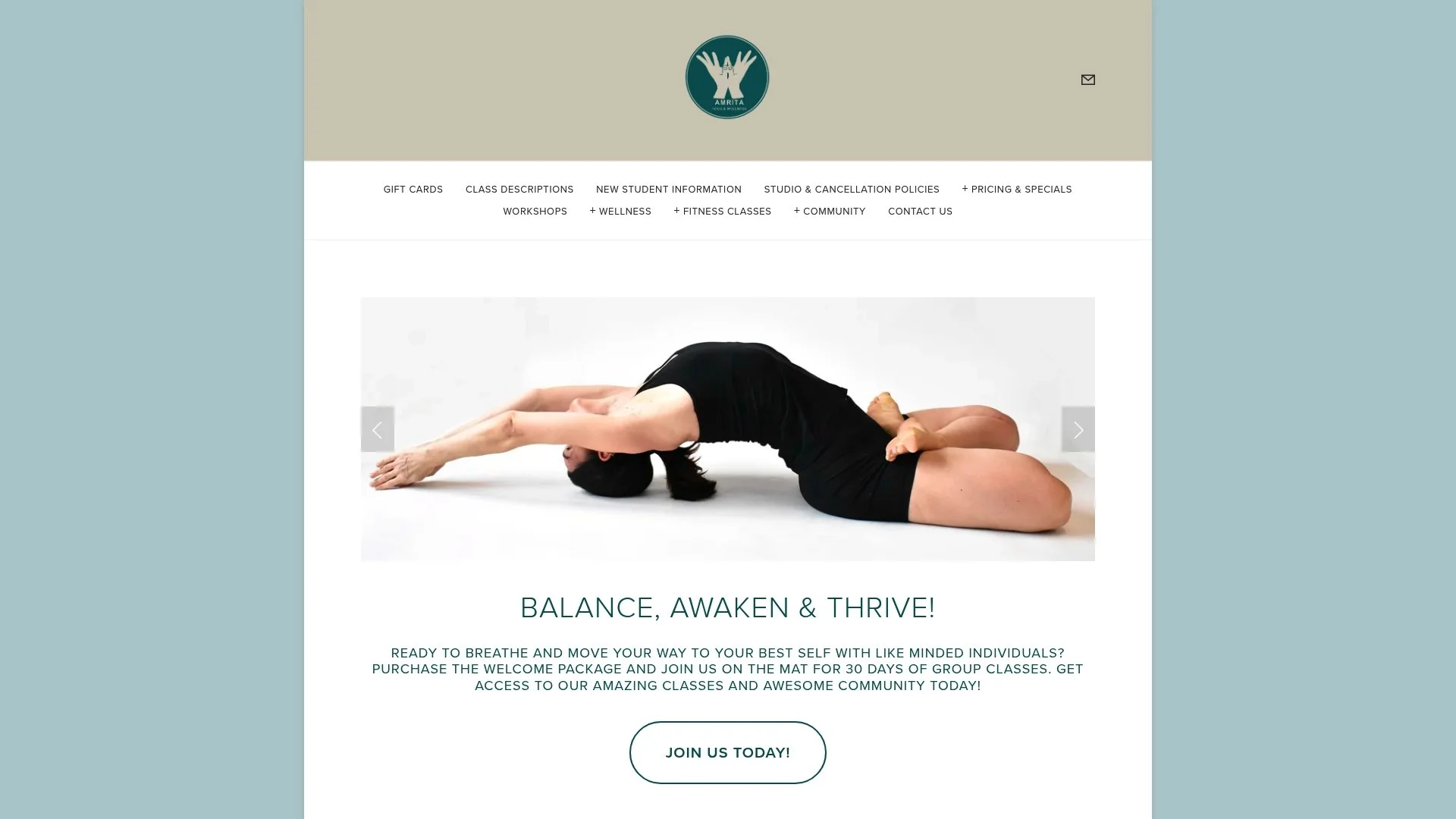
Explore our diverse range of offerings including specialized yoga sessions, pilates, tai chi, and wellness services designed to nurture your body and mind. By joining our vibrant Philadelphia-based community through Amrita Yoga & Wellness, you gain access to expert-led workshops that reinforce safe practice and holistic education. Take the next step in your wellness journey by browsing our class schedule and signing up today. Make your commitment to growth now and feel the transformative impact of a truly supportive yoga environment.
Frequently Asked Questions
What are yoga workshops?
Yoga workshops are specialized learning sessions designed to deepen participants' understanding and skills in yoga beyond standard group classes, focusing on physical practice, breath work, meditation, and philosophical insights.
Who can attend yoga workshops?
Yoga workshops cater to various skill levels, from beginners seeking foundational knowledge to advanced practitioners looking to refine specific techniques or explore specialized styles.
How do I choose the right yoga workshop for my needs?
When selecting a yoga workshop, consider your skill level, the workshop's focus area, and the instructor's qualifications. Research the workshop content to ensure it aligns with your personal wellness goals.
What should I expect during a yoga workshop?
Participants can expect structured learning environments that often include intensive practice, community-building activities, and opportunities for personal exploration, guided by expert instructors.
Recommended
Why Attend Yoga Workshops: Understanding Their Benefits — Amrita Yoga & Wellness
Why Join a Yoga Community: Complete Guide — Amrita Yoga & Wellness
What Is Community Yoga? Complete Guide to Benefits<br/> — Amrita Yoga & Wellness
Benefits of Art in Family Life: Nurturing Bonds and Growth – The Family Portrait Comp