The Amrita Journal
Explore thoughtful stories, practical wellness guidance and inspiring ideas to support your movement, mindfulness and everyday wellbeing at Amrita.
Why Practice Yin Yoga: Deep Release and Balance
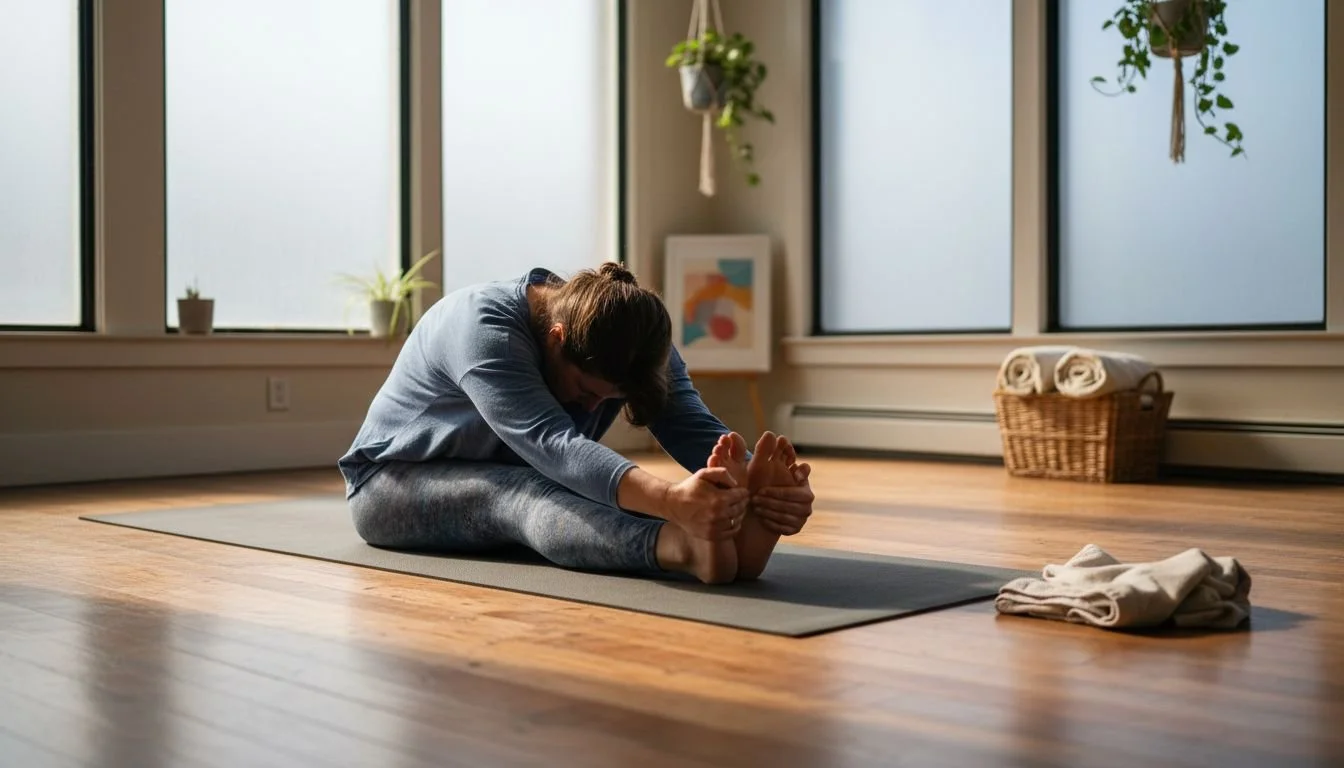
Most American yoga enthusiasts are surprised to learn that Yin Yoga challenges the body and mind in profound ways, despite its calm appearance. While active yoga styles stay popular, more people are discovering that holding stillness in Yin Yoga requires both endurance and resilience. This unique practice targets deep connective tissues, busting the myth that it is simply restful stretching. Discover how Yin Yoga delivers powerful benefits far beyond what many expect.
Table of Contents
Key Takeaways
| Point | Details |
|---|---|
| Core Concept of Yin Yoga | Yin Yoga emphasizes passive postures held for extended periods, targeting deep connective tissues and promoting holistic healing. |
| Misconceptions | Common myths suggest Yin Yoga is only for flexible individuals or lacks physical benefits; in reality, it enhances mobility and is accessible for all flexibility levels. |
| Mindfulness and Emotional Benefits | The practice fosters mindfulness, emotional regulation, and stress reduction, helping practitioners cultivate deeper self-awareness. |
| Integration into Routine | Yin Yoga complements active lifestyles by promoting recovery and relaxation; aim for one to two sessions weekly, especially on rest days. |
What Yin Yoga Involves and Common Myths
Yin Yoga represents a profoundly transformative style of yoga that differs dramatically from more active practices. Unlike dynamic yoga styles, Yin Yoga emphasizes holding gentle postures for extended periods, typically three to five minutes, targeting deep connective tissues like ligaments, joints, and fascia. Exploring the traditional principles reveals this practice’s roots in traditional Chinese medicine and its holistic approach to physical and energetic healing.
The primary misconception about Yin Yoga is that it’s an easy or passive practice. Practitioners quickly discover that maintaining stillness requires significant mental discipline and physical endurance. While poses might appear simple, the extended hold times challenge practitioners to remain present, breathe deeply, and observe internal sensations without judgment. This meditative aspect distinguishes Yin Yoga from more muscular yoga styles, making it an introspective journey of body and mind awareness.
Some common myths about Yin Yoga include beliefs that it’s only for flexible people or provides minimal physical benefits. In reality, this practice offers profound advantages for practitioners of all flexibility levels. The sustained stretches gradually increase range of motion, improve joint mobility, and release deeply stored tension. By targeting the body’s connective tissues, Yin Yoga supports healing, reduces stiffness, and promotes long-term structural resilience. Whether you’re an athlete seeking recovery, a desk worker managing chronic tension, or someone exploring mindful movement, Yin Yoga offers a powerful pathway to holistic well-being.
Core Benefits for Body and Mind
Yin Yoga offers a profound approach to wellness that transcends traditional physical exercise, delivering comprehensive benefits for both body and mind. Exploring holistic wellness practices reveals how this gentle yet powerful practice systematically addresses physical tension and mental stress through intentional, sustained movements.
Physically, Yin Yoga provides remarkable advantages for practitioners seeking improved mobility and structural resilience. The prolonged, passive stretches target deep connective tissues, ligaments, and fascia, which are often overlooked in more dynamic movement practices. By holding poses for extended periods, practitioners gradually increase joint flexibility, enhance circulation, and release deeply stored muscular tension. Athletes, desk workers, and individuals managing chronic stiffness can particularly benefit from these targeted, therapeutic movements.
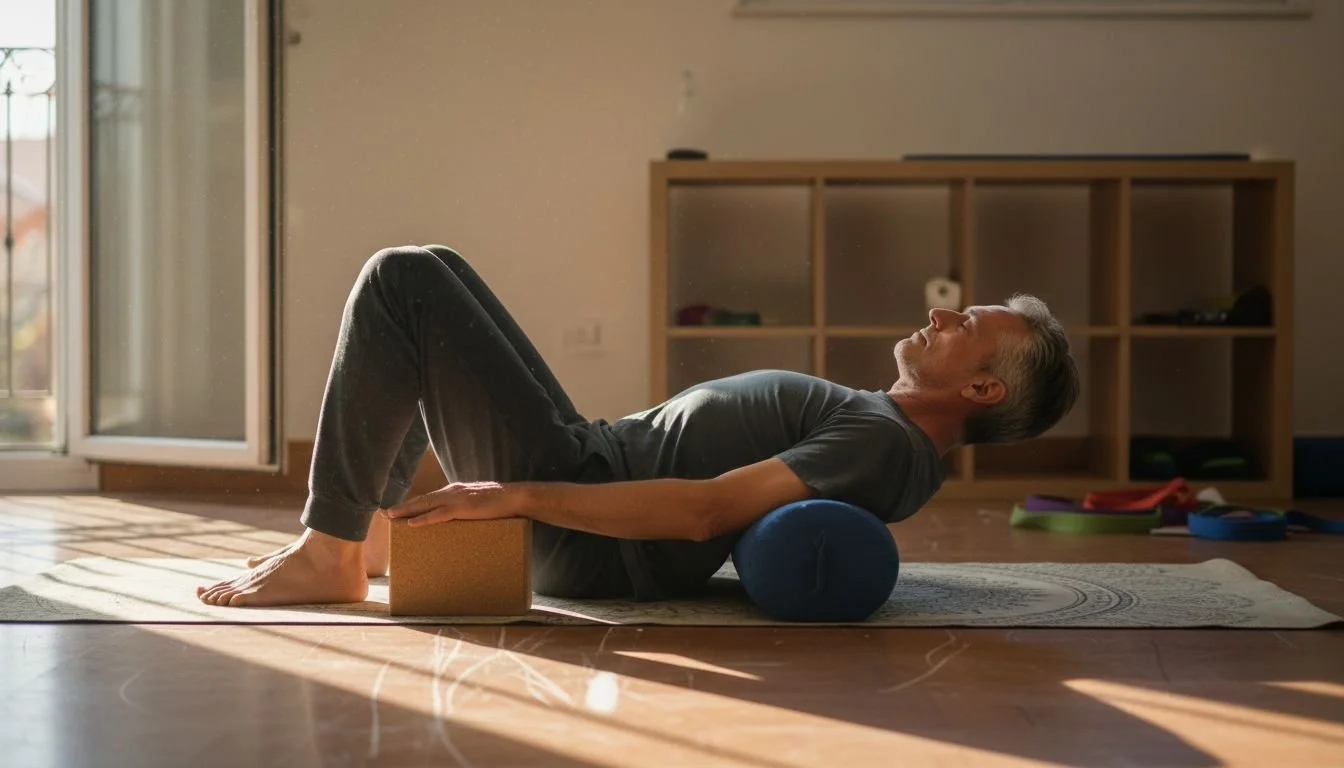
Mentally, Yin Yoga serves as a transformative practice for emotional regulation and mindfulness. The meditative nature of sustained postures encourages practitioners to cultivate present-moment awareness, observe internal sensations without judgment, and develop profound mental stillness. This introspective approach helps reduce stress, manage anxiety, and create a sense of internal calm that extends far beyond the yoga mat. Regular practitioners often report improved emotional intelligence, enhanced self-awareness, and a more balanced approach to handling life’s challenges. Whether you’re seeking physical restoration or mental rejuvenation, Yin Yoga offers a holistic pathway to comprehensive personal wellness.
How Yin Yoga Differs from Other Styles
Yin Yoga represents a distinctive approach to movement that stands in stark contrast to more traditional, dynamic yoga practices. Exploring yoga’s unique methodologies reveals that while styles like Vinyasa or Power Yoga emphasize muscular engagement and continuous flow, Yin Yoga takes a dramatically different path. The fundamental difference lies in the practice’s intentional stillness, where practitioners hold passive poses for extended periods, typically three to five minutes, creating a meditative and deeply introspective experience.
Unlike the muscular, strength-based approaches of Yang-style yoga practices, Yin Yoga targets the body’s deeper connective tissues, including ligaments, joints, and fascia. Where other yoga styles focus on building muscle strength and cardiovascular endurance, Yin Yoga prioritizes gentle, sustained stress on connective tissues to improve flexibility and joint mobility. This approach requires practitioners to surrender to the pose, releasing muscular effort and allowing gravity to create gentle, prolonged stretch, which differs significantly from the active, dynamic movements of styles like Ashtanga or Bikram Yoga.
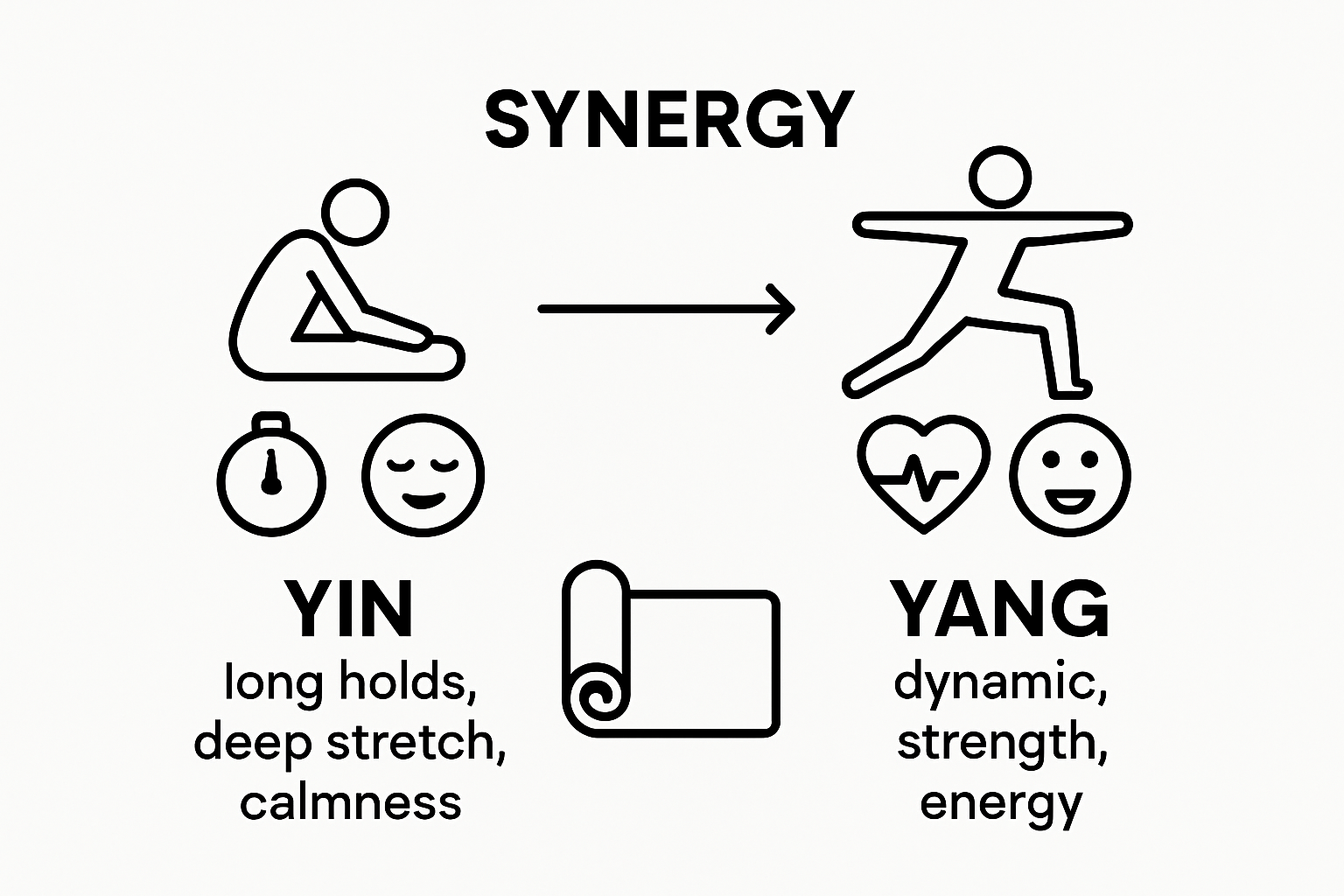
The philosophical and energetic distinctions are equally profound. While most yoga styles emphasize external movement and physical performance, Yin Yoga invites practitioners into a contemplative inner landscape. The practice draws inspiration from traditional Chinese medicine’s concept of energy meridians, focusing on releasing blockages and promoting balanced energy flow. This makes Yin Yoga less about athletic performance and more about creating space, cultivating mindfulness, and developing a deeper understanding of one’s internal landscape. For practitioners seeking a transformative approach that goes beyond physical exercise, Yin Yoga offers a unique pathway to holistic well-being, challenging conventional notions of what yoga can be.
Practical Tips for Safe Yin Practice
Practicing Yin Yoga safely requires a nuanced approach that prioritizes body awareness and mindful progression. Developing a mindful home practice begins with creating a comfortable environment that supports deep relaxation and introspective movement. This means selecting a quiet space, using supportive props like blocks, bolsters, and blankets, and wearing loose, comfortable clothing that allows unrestricted movement and helps you stay present during extended pose holds.
Body awareness becomes crucial in Yin Yoga, where the primary goal is not achieving a perfect pose but understanding your individual physical limits. Unlike more dynamic yoga styles, Yin practitioners must learn to distinguish between beneficial sensation and potential injury. This means avoiding sharp or intense pain, respecting your body’s natural edge, and using props to modify poses. Practitioners should approach each pose with curiosity, not competition, allowing gravity and time to gently stretch connective tissues while maintaining a sense of softness and surrender.
Practical safety strategies include starting with shorter hold times and gradually increasing duration, typically beginning with one to two minutes and progressively working toward three to five minutes as your body adapts. Always warm up gently before practice, stay hydrated, and listen closely to your body’s signals. For individuals with existing injuries or health conditions, consulting a qualified yoga instructor or healthcare professional before beginning a Yin Yoga practice is essential. Remember that each body is unique, and what works for one practitioner might not work identically for another. The most important aspect of a safe Yin Yoga practice is maintaining a compassionate, non-judgmental approach to your own physical and emotional experience.
Integrating Yin Yoga Into Your Routine
Effectively incorporating Yin Yoga into your existing wellness routine requires thoughtful planning and a strategic approach that respects your current lifestyle and fitness goals. Unlocking transformative wellness practices begins with understanding how this gentle yet powerful practice can complement your existing physical activities. For individuals with active lifestyles involving high-intensity workouts or strength training, Yin Yoga serves as an ideal counterbalance, providing deep muscular recovery, enhanced flexibility, and mental restoration.
Practical integration strategies involve scheduling Yin Yoga sessions strategically throughout your week. Many practitioners find success by dedicating one to two sessions weekly, typically on recovery days or after intense physical training. These sessions can range from 45 to 90 minutes and work best when performed in a quiet, comfortable space with minimal distractions. Props like bolsters, blocks, and blankets can help create a supportive environment that encourages deep relaxation and sustained pose holds.
The key to successful integration lies in approaching Yin Yoga as a complementary practice rather than a replacement for other forms of exercise. Athletes, runners, weightlifters, and professionals with sedentary jobs can all benefit from this practice’s unique approach to physical and mental wellness. Start with shorter sessions, perhaps 30 minutes, and gradually increase duration as you become more comfortable with the practice. Listen to your body, remain patient with your progress, and view Yin Yoga as a holistic tool for physical recovery, stress reduction, and mental clarity. By maintaining a consistent, mindful approach, you’ll discover how this practice can profoundly enhance your overall well-being and provide a necessary counterpoint to life’s constant motion and demands.
Find Deep Release and Balance with Yin Yoga at Amrita Yoga & Wellness
If you are seeking profound physical relief from tension or a mindful way to cultivate emotional calm the transformative practice of Yin Yoga offers exactly what you need. This style focuses on long holds in gentle postures targeting connective tissues to improve flexibility and joint mobility while inviting mental stillness and emotional balance. Many struggle to find this mindful moment in busy lives but at Amrita Yoga & Wellness you can explore Yin Yoga in a supportive, inclusive setting designed to encourage gradual progression and safe practice.
Experience the unique benefits described in “Why Practice Yin Yoga: Deep Release and Balance” by joining one of our expert-led Yin Yoga classes or workshops. Start your journey toward reduced stiffness, enhanced recovery, and profound mental clarity. Visit Amrita Yoga & Wellness to browse our full schedule and sign up today. Take that first mindful step and bring harmony to your body and mind now with our accessible yoga offerings and personalized guidance.
Frequently Asked Questions
What is Yin Yoga?
Yin Yoga is a slow, meditative style of yoga that involves holding gentle postures for an extended period, typically three to five minutes. It focuses on stretching and targeting deep connective tissues like ligaments, joints, and fascia.
How does Yin Yoga differ from other types of yoga?
Unlike dynamic styles like Vinyasa or Power Yoga that emphasize muscular engagement and flow, Yin Yoga prioritizes stillness and gentle stress on connective tissues to improve flexibility and joint mobility, offering a more introspective and meditative experience.
What are the benefits of practicing Yin Yoga?
Yin Yoga delivers several benefits, including improved joint flexibility, enhanced circulation, and the release of deeply stored tension. It also supports emotional regulation and mindfulness, helping to reduce stress and promote a sense of internal calm.
How can I incorporate Yin Yoga into my fitness routine?
To integrate Yin Yoga, schedule one to two sessions per week, ideally on recovery days. Start with sessions lasting 30 to 90 minutes, using props for support, and view it as a complementary practice to other forms of exercise for optimal balance and recovery.