The Amrita Journal
Explore thoughtful stories, practical wellness guidance and inspiring ideas to support your movement, mindfulness and everyday wellbeing at Amrita.
Find the right yoga program in Philadelphia for wellness
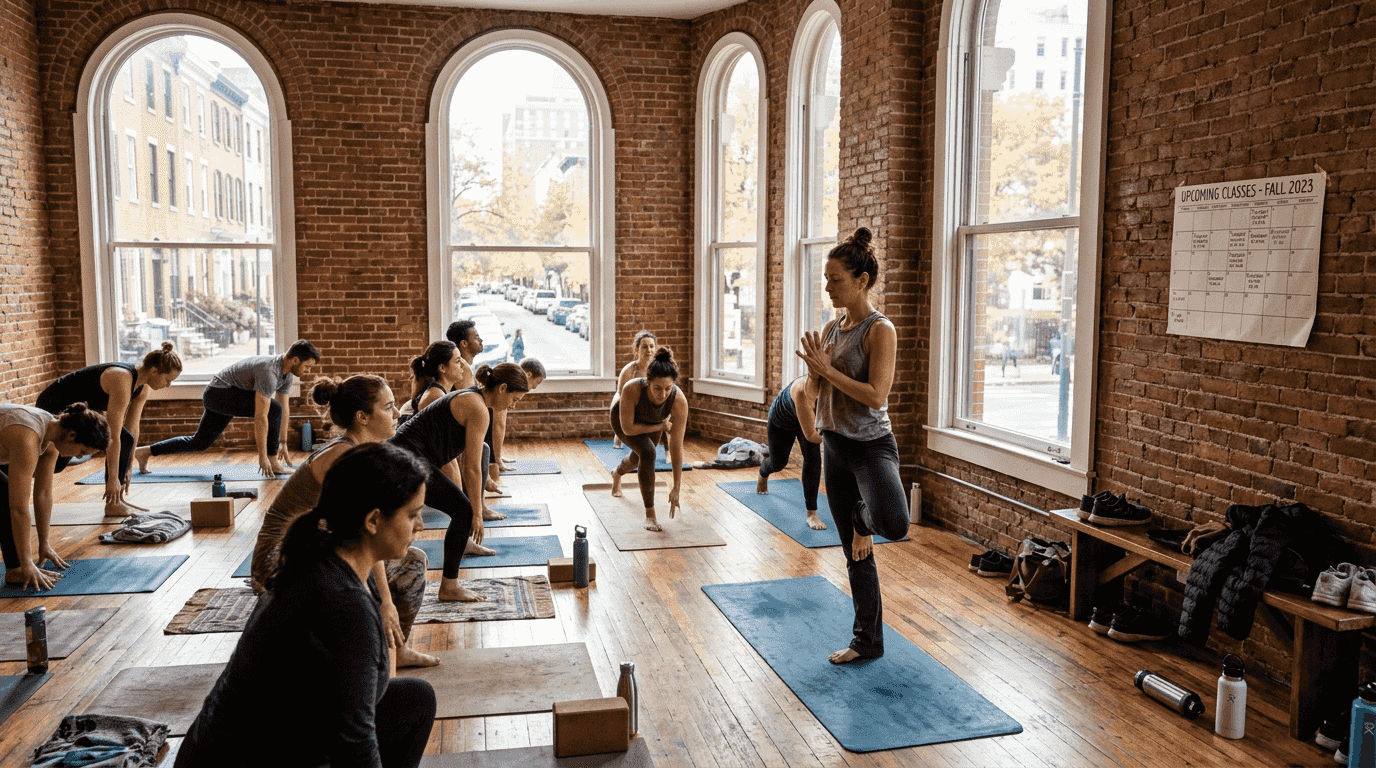
Many people believe yoga is only for the naturally flexible or spiritually inclined, but regular yoga practice leads to a 20-30% reduction in perceived stress levels regardless of your starting point. Whether you're dealing with work pressure, seeking better flexibility, or wanting to connect with a wellness community, the right yoga program can transform your physical and mental health. This guide helps you navigate Philadelphia's diverse yoga offerings to find the perfect match for your goals and lifestyle.
Table of Contents
Key takeaways
| Point | Details |
|---|---|
| Stress reduction works for everyone | Yoga decreases cortisol levels and improves mood through breathing, movement, and mindfulness practices accessible to all skill levels. |
| Style selection matters | Different approaches like Hatha, Vinyasa, Yin, and hot yoga serve distinct wellness goals from gentle flexibility to cardiovascular fitness. |
| Philadelphia offers community support | Local studios provide beginner-friendly classes and advanced options that foster connection and accountability for sustained practice. |
| Personal assessment guides choice | Matching your physical condition, schedule, and wellness priorities to program features ensures long-term commitment and results. |
| Trial periods reduce risk | New student specials and introductory classes let you experience different styles before committing to a membership. |
How yoga improves physical and mental well-being
The wellness benefits of yoga stem from its integrated approach to mind and body health. Physical postures, controlled breathing, and focused awareness work together to create measurable physiological changes. When you practice yoga consistently, your body reduces cortisol production, the primary stress hormone linked to anxiety and sleep problems.
Your nervous system shifts from fight-or-flight mode to rest-and-digest states during practice. This transition happens through pranayama breathing techniques that activate the parasympathetic nervous system. The wellness blog explains how this biological shift creates lasting calm beyond your time on the mat.
Physical improvements accompany mental health gains:
Enhanced flexibility through sustained stretching in poses held for multiple breaths
Improved body awareness as you learn proper alignment and movement patterns
Increased strength from supporting your body weight in various positions
Better balance through single-leg poses and stability challenges
Mood enhancements occur when yoga combines movement with mindfulness. You focus on present sensations rather than worrying about past or future events. This mental shift creates space between stimulus and response, helping you manage emotional reactions more effectively.
"The integration of physical postures with breathing and meditation distinguishes yoga from pure exercise, creating comprehensive wellness benefits that address both body and mind simultaneously."
Stress reduction happens for complete beginners just as it does for advanced practitioners. You don't need perfect poses or years of experience to feel calmer after class. The NIH documents that even modest engagement with yoga practice produces noticeable improvements in perceived stress levels within weeks.
Exploring diverse yoga styles and their benefits
Yoga encompasses multiple distinct styles, each offering unique approaches to movement, intensity, and focus. Understanding these differences helps you select programs aligned with your specific wellness objectives. Different yoga styles offer varied benefits, making informed selection crucial for satisfaction and results.
Hatha yoga provides an excellent foundation for newcomers. Classes move slowly through basic postures, giving you time to learn proper form and breathing patterns. Instructors emphasize alignment and safety, making this style ideal if you're rebuilding fitness or managing physical limitations. The gentle pace builds confidence while improving flexibility and body awareness.
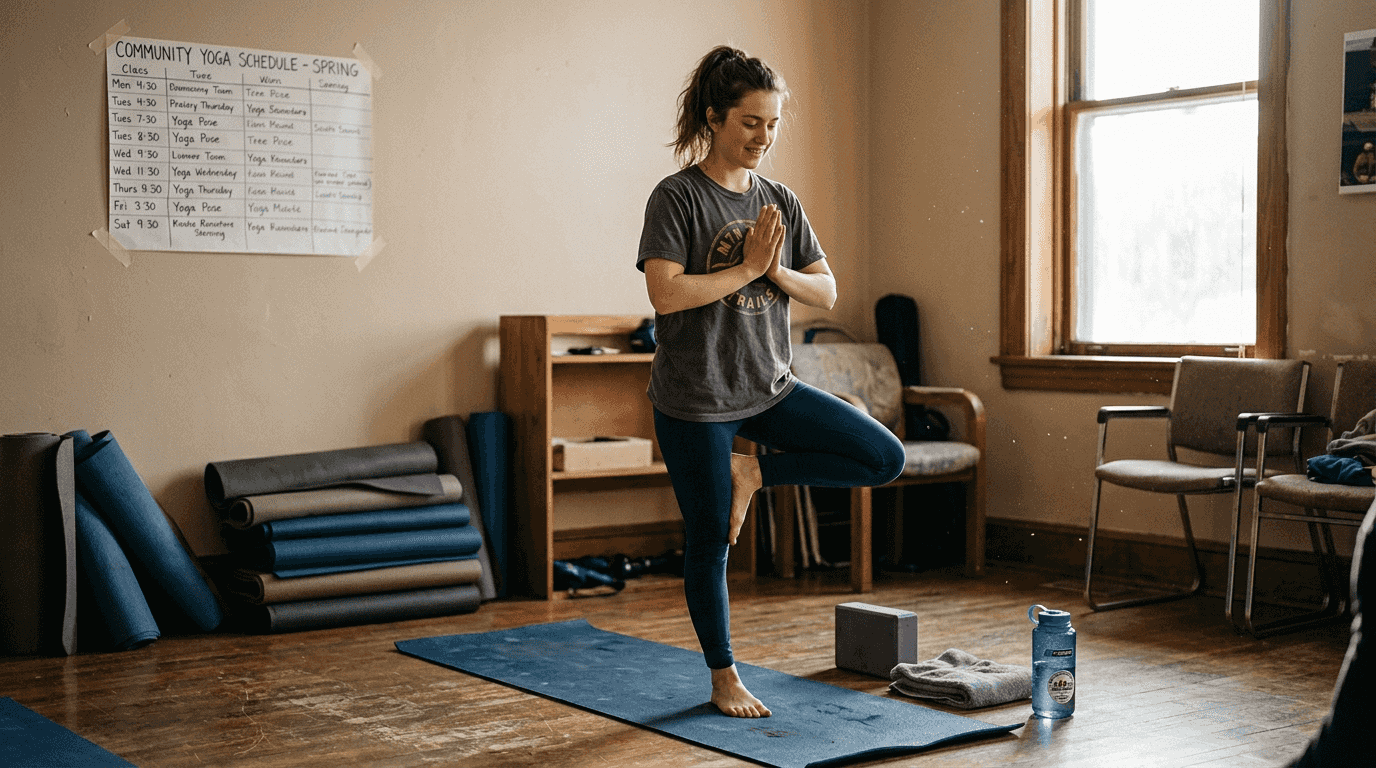
Vinyasa creates dynamic flow between poses synchronized with breath. You move continuously from one position to another, building cardiovascular endurance alongside strength and flexibility. This style suits you if you prefer active workouts and want to burn more calories while practicing mindfulness. The hota yoga blog explores how flow-based practices challenge both body and mind.
Yin yoga takes the opposite approach with passive, long-held stretches. You settle into floor poses for three to five minutes, targeting deep connective tissues and promoting profound relaxation. This meditative style works well for stress relief, joint mobility, and complementing more active fitness routines. Mental stillness becomes as important as physical stretch.
Hot yoga introduces environmental challenge through elevated temperature and humidity. Studios heat rooms to approximately 105°F, replicating India's traditional climate where yoga originated. The warmth increases flexibility, promotes sweating for detoxification, and intensifies cardiovascular engagement. The hot yoga guide details what to expect in heated classes.
| Style | Primary Benefits | Best For | Typical Pace |
|---|---|---|---|
| Hatha | Flexibility, foundational skills | Beginners, injury recovery | Slow, methodical |
| Vinyasa | Cardio fitness, strength, flow | Active individuals | Dynamic, continuous |
| Yin | Deep stretching, relaxation | Stress relief, mobility | Very slow, meditative |
| Hot Yoga | Enhanced flexibility, detox | Heat-tolerant practitioners | Moderate to fast |
Bikram yoga represents a specific hot yoga sequence of 26 poses performed in the same order each class. Other heated styles vary the sequence and temperature. Understanding these distinctions helps you choose appropriately based on your preferences for structure versus variety.
Pro Tip: Most studios offer trial classes or new student packages. Sample multiple styles over two to three weeks before committing to a regular program. Your body's response and mental engagement will clearly indicate which approach fits best.
Hot yoga programs in Philadelphia: unique features and community benefits
Philadelphia's hot yoga scene offers community-focused programs that combine physical challenge with social connection. The heated environment creates unique wellness opportunities while the group setting fosters accountability and motivation. Understanding what makes local hot yoga distinctive helps you decide if this style matches your goals.
The elevated temperature serves multiple physiological purposes. Heat increases tissue pliability, allowing deeper stretches with reduced injury risk. Your cardiovascular system works harder to regulate body temperature, adding aerobic benefit to strength and flexibility work. Sweating eliminates toxins and excess sodium, supporting overall detoxification.
Local studios emphasize inclusive communities where beginners and advanced practitioners share space. This diversity creates supportive atmospheres where you can progress at your own pace without comparison pressure. The hot yoga studios blog highlights how Philadelphia programs cater to varying skill levels within single classes.
Community benefits extend beyond the physical practice:
Consistent class times and familiar faces build accountability for regular attendance
Shared challenge of heat creates bonding experiences among participants
Group energy motivates effort during difficult sequences
Post-class interactions foster friendships centered on wellness values
Schedule flexibility accommodates busy Philadelphia lifestyles. Studios typically offer multiple daily sessions from early morning through evening, letting you fit practice around work and family commitments. The hot yoga schedule guide explains how to choose optimal class times for your energy levels and obligations.
The hot yoga wellness 2026 trend shows increasing program sophistication. Studios now integrate complementary services like nutrition guidance and recovery protocols. This holistic approach addresses wellness comprehensively rather than treating yoga as isolated exercise.
Pro Tip: Hydration begins hours before hot yoga class, not when you arrive at the studio. Drink 16 to 20 ounces of water two to three hours prior, then sip another 8 ounces in the 30 minutes before practice. Bring a large water bottle to class and listen to your body's signals. If you feel dizzy or nauseous, rest in child's pose rather than pushing through discomfort.
Choosing the right yoga program for your needs and goals
Selecting an appropriate yoga program requires honest assessment of your current state and desired outcomes. The perfect program for your colleague might frustrate you if it doesn't align with your physical condition, schedule, and wellness priorities. Choosing a yoga style should align with individual goals to ensure satisfaction and continued engagement.
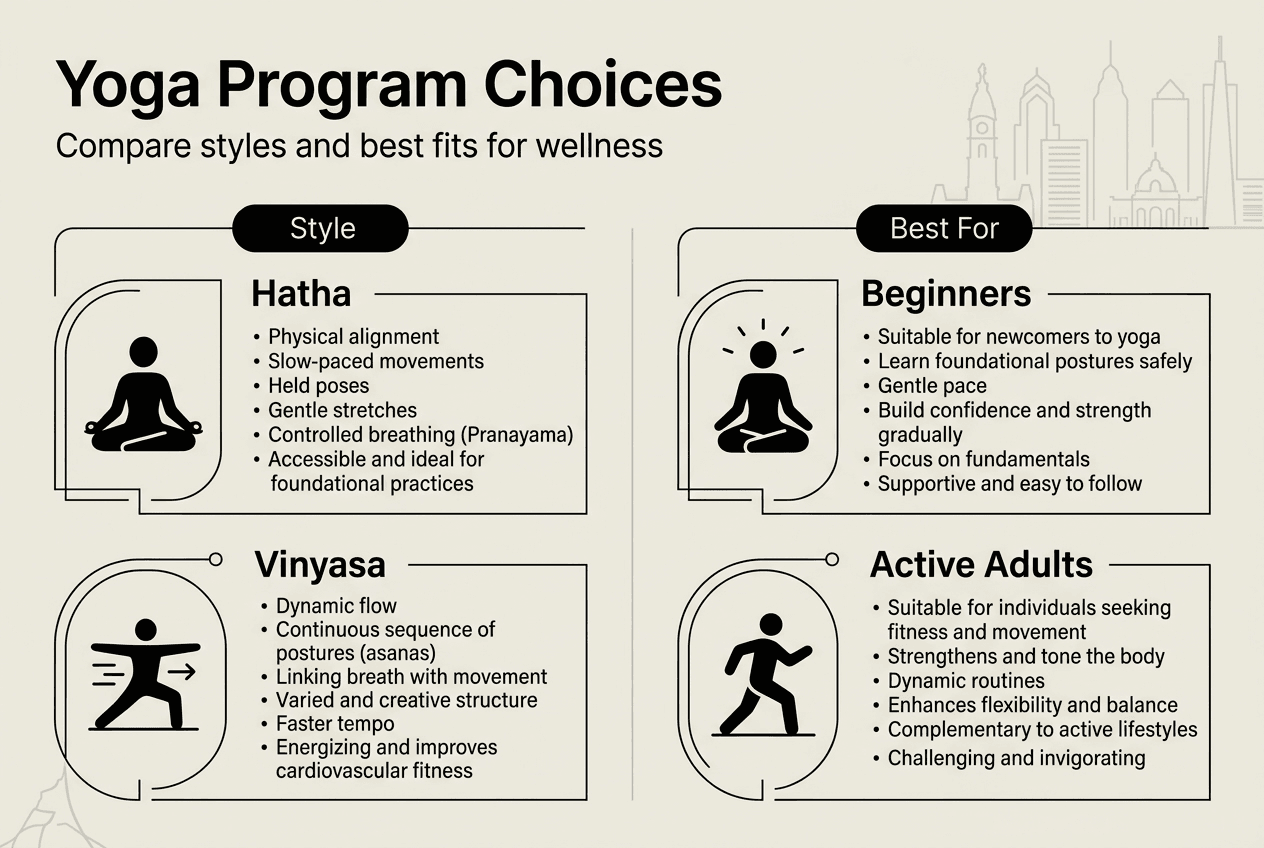
Start by evaluating your physical baseline. Can you touch your toes or does bending forward feel restricted? Do you have joint issues, old injuries, or chronic conditions requiring modification? Honest self-assessment prevents choosing programs that exceed your current capabilities or bore you with excessive simplicity.
Define your primary wellness objective. Different goals demand different approaches. Stress reduction might lead you toward Yin or gentle Hatha classes. Building strength suggests Vinyasa or power yoga. Improving flexibility could mean hot yoga or slow-flow styles. The wellness blog offers frameworks for matching goals to practice types.
Follow this systematic approach to program selection:
List your top three wellness goals in priority order (stress management, flexibility, strength, community, spiritual growth).
Research which yoga styles best address your primary goal through studio descriptions and style guides.
Check instructor credentials and teaching experience, especially if you have physical limitations requiring modifications.
Review class schedules to identify programs offering convenient times you can consistently attend.
Examine studio policies on cancellations, makeups, and class packages to ensure logistical compatibility.
Take advantage of introductory offers to test two to three different styles before committing to monthly memberships.
Assess your experience after four to six classes, noting physical changes, mental state improvements, and overall enjoyment.
Commit to a regular schedule once you identify the right match, aiming for at least twice weekly attendance.
Instructor qualifications matter significantly for safety and progression. Certified teachers complete 200-hour or 500-hour training programs covering anatomy, alignment, and modification techniques. Experienced instructors read the room, offering variations for different skill levels and watching for potentially harmful form mistakes.
Studio atmosphere influences your likelihood of maintaining practice. Visit facilities before joining to assess cleanliness, equipment quality, and community vibe. Some studios feel competitive and intense while others emphasize supportive inclusivity. Neither approach is wrong, but one will feel more comfortable for your personality.
Schedule consistency trumps class intensity for building lasting habits. A gentle class you attend reliably produces better results than an advanced program you skip frequently. Choose times that realistically fit your energy patterns and obligations. Morning people should seek sunrise sessions while night owls benefit from evening options.
Beginner specials reduce financial risk while you explore options. Most Philadelphia studios offer new student packages providing unlimited classes for 30 days at reduced rates. These trials let you experience different instructors, class times, and community dynamics before investing in long-term memberships.
Explore yoga programs and wellness services at Amrita Yoga & Wellness
Finding the right yoga program becomes simpler when you have access to diverse styles and supportive instruction. Amrita Yoga & Wellness offers comprehensive options for Philadelphia practitioners at every level.
The studio provides multiple yoga styles including hot yoga, Vinyasa flow, and gentle Hatha classes throughout the week. New student specials give you affordable access to unlimited classes, letting you explore different approaches before committing to a specific program. Experienced instructors guide you through proper form while offering modifications for varying abilities.
Flexible studio policies accommodate unpredictable schedules with reasonable cancellation windows and makeup options. Beyond yoga, complementary wellness services like acupuncture support holistic health goals. This integrated approach addresses physical and mental well-being comprehensively, creating sustainable wellness habits within a welcoming community environment.
FAQ
What is the best yoga style for beginners?
Hatha yoga serves most beginners well due to its slower pace and emphasis on foundational postures and breathing techniques. The methodical approach gives you time to learn proper alignment and build confidence before progressing to more dynamic styles. Many practitioners start with Hatha then branch into other approaches as their skills and interests develop. Visit the wellness blog for detailed style comparisons.
How often should I practice yoga to see benefits?
Practicing two to three times weekly produces noticeable improvements in flexibility, stress levels, and body awareness within four to six weeks. Consistency matters more than individual session intensity for building sustainable results. Even a single weekly class provides some benefit, though more frequent practice accelerates progress. Listen to your body's recovery needs and gradually increase frequency as your fitness improves.
Is hot yoga suitable for everyone?
Hot yoga offers significant benefits but isn't appropriate for everyone, particularly those with cardiovascular conditions, heat sensitivity, or pregnancy. The elevated temperature places additional demands on your circulatory system and thermoregulation. Consult your healthcare provider before starting if you have heart issues, blood pressure concerns, or chronic health conditions. The hot yoga guide outlines safety considerations and preparation strategies.
Can yoga help with chronic pain management?
Yoga provides effective chronic pain relief for many conditions including lower back pain, arthritis, and tension headaches through gentle movement, improved posture, and stress reduction. The practice strengthens supporting muscles, increases joint mobility, and releases tension patterns contributing to discomfort. Work with instructors experienced in therapeutic applications who can suggest appropriate modifications. Some pain conditions require medical clearance before beginning practice.
What should I bring to my first yoga class?
Most studios provide mats, but bringing your own ensures hygiene and familiarity. Wear comfortable, breathable clothing that allows full range of motion without excessive looseness. Bring water, especially for heated classes, and arrive 10 to 15 minutes early to complete registration and familiarize yourself with the space. Avoid eating large meals within two hours of class. Remove jewelry that might interfere with poses or cause discomfort during floor work.
Recommended
Hot Yoga Studios – Transforming Wellness in 2026
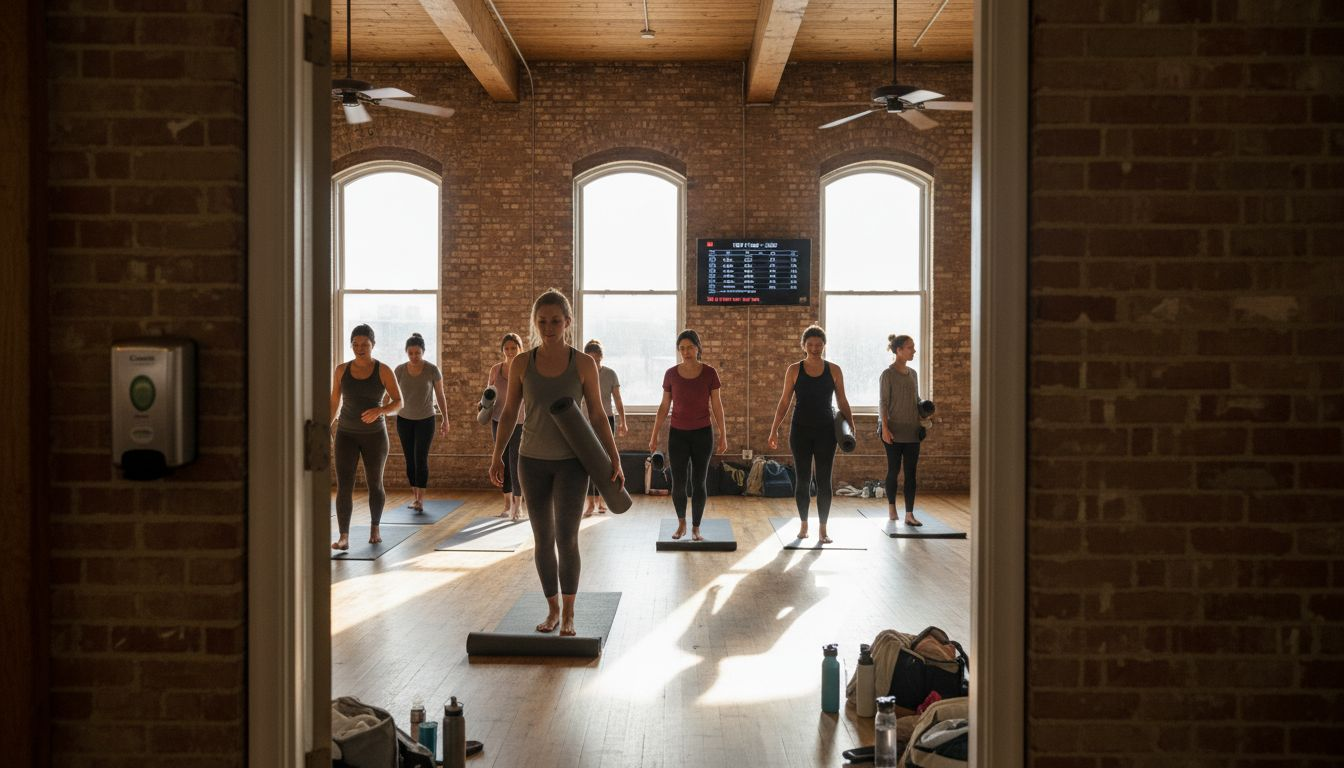
Long days at work in Philadelphia can leave your mind racing and your body craving a reset. For young professionals seeking more than a standard yoga class, hot yoga studios offer a specialized wellness environment where elevated heat and community support work together to nurture both physical health and mental clarity. With flexible schedules and holistic wellness options, these studios create space for deep personal growth, connection, and stress relief in the heart of the city.
Table of Contents
Key Takeaways
| Point | Details |
|---|---|
| Hot Yoga Studios Require Specialized Environments | Hot yoga studios must maintain specific temperature and humidity levels to enhance the practice safely and effectively. |
| Diverse Hot Yoga Styles Offer Unique Benefits | Different styles of hot yoga, such as Bikram and Hot Vinyasa, target various fitness goals and intensity levels, catering to a wide range of practitioners. |
| Physical and Mental Health Improvements | Consistent hot yoga practice can lead to enhanced flexibility, improved cardiovascular health, and better mental clarity, contributing to holistic wellness. |
| Safety and Individual Considerations are Crucial | Practitioners should assess their health conditions and consult with professionals to ensure hot yoga is a suitable choice for their fitness journey. |
What Defines a Hot Yoga Studio
Hot yoga studios represent specialized wellness environments designed to transform physical and mental health through intentionally controlled thermal conditions. Precise environmental design creates an immersive experience that goes far beyond traditional yoga practices.
The core characteristics of a hot yoga studio include:
Temperature Control: Maintaining consistent heat between 30-52°C (86-125°F)
Humidity Regulation: Carefully managing humidity levels between 20-60%
Specialized Flooring: Mold-resistant, non-slip surfaces designed for heated practice
Air Quality Management: Contaminant-free ventilation systems
Acoustic Design: Minimal external noise to support meditative practice
The physiological benefits of these carefully curated environments are substantial. Advanced thermal yoga research demonstrates that controlled heat elevates heart rate, increases metabolic activity, and enhances overall cardiovascular performance during yoga sessions.
Professional hot yoga studios distinguish themselves through meticulous attention to environmental details. Unlike standard yoga spaces, these studios invest heavily in specialized heating systems, humidity controls, and air purification technologies to create a consistent, safe, and transformative wellness experience.
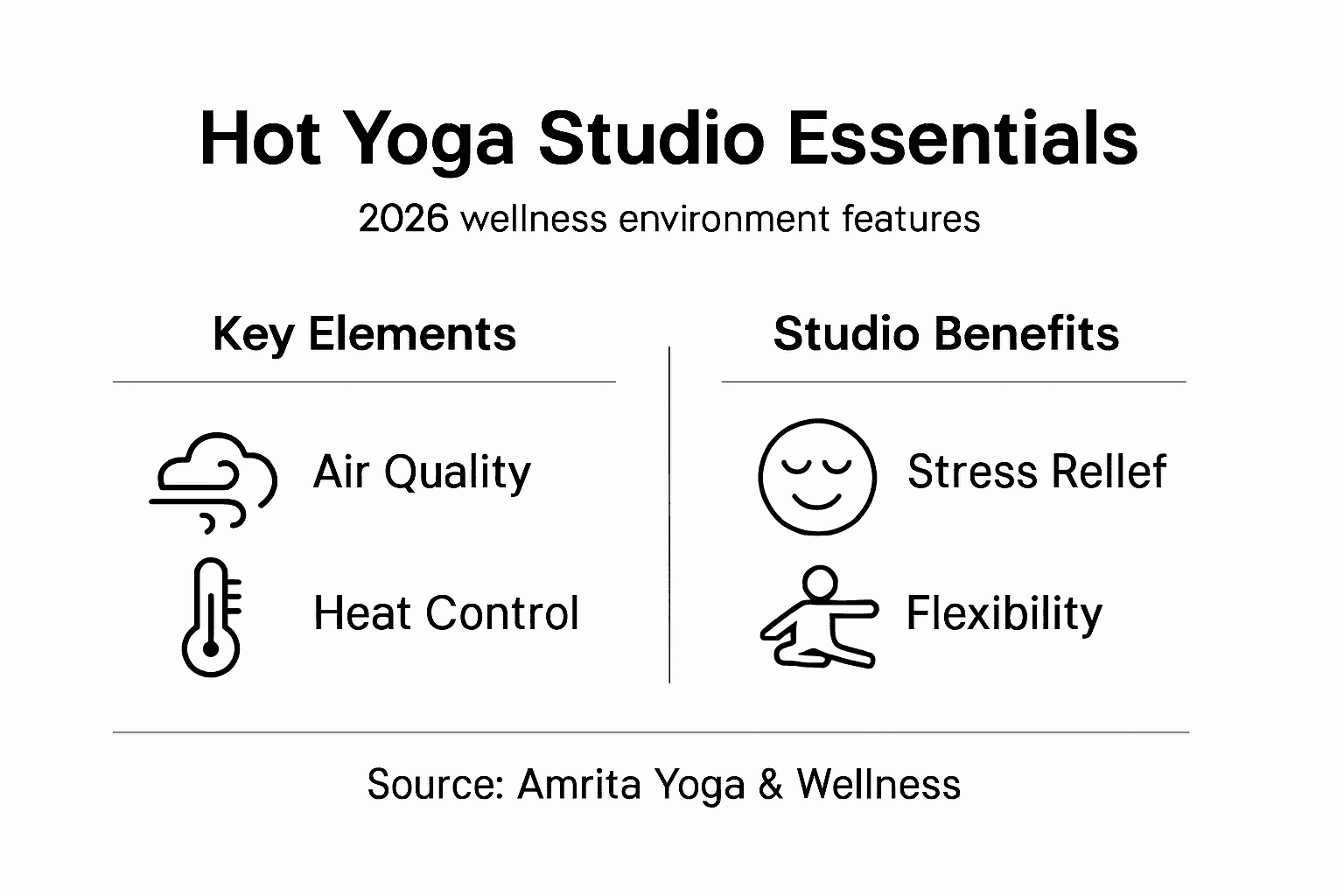
Pro tip: When selecting a hot yoga studio, request a facility tour to assess their temperature and air quality management systems, which are critical for a safe and effective practice.
Hot Yoga Styles and Heated Environments
Hot yoga encompasses a diverse range of practices characterized by intentionally heated environments designed to enhance physical performance and mental well-being. Comprehensive hot yoga research reveals multiple distinctive styles that transform traditional yoga experiences.
The primary hot yoga styles include:
Bikram Yoga: Fixed 26-pose sequence performed at 105°F with 40% humidity
Hot Vinyasa: Dynamic flow-based practice with variable sequences
Hot Hatha: Slower-paced practice emphasizing alignment and breath work
Power Hot Yoga: Intense, strength-focused heated practice
Hot Flow: Fluid movements linking breath and postures in heated environment
Temperature and humidity play critical roles in defining these practices. Hot yoga environmental conditions typically range from 90°F to 108°F, with humidity levels between 40-60%, creating a challenging yet transformative workout environment.
Here is a summary of how hot yoga styles differ by heat, difficulty, and focus:
| Style | Typical Temperature | Intensity Level | Core Focus |
|---|---|---|---|
| Bikram Yoga | 105°F (40°C) | High | Fixed sequence, alignment |
| Hot Vinyasa | 95–98°F (35–37°C) | Moderate to High | Fluid movement, strength |
| Hot Hatha | 95°F (35°C) | Moderate | Breath, alignment |
| Power Yoga | 96–99°F (36–37°C) | High | Strength, endurance |
| Hot Flow | 90–95°F (32–35°C) | Moderate | Flow, flexibility |
Each hot yoga style offers unique physiological benefits. The controlled heat increases core body temperature, enhances flexibility, accelerates metabolic processes, and provides a more intense cardiovascular experience compared to traditional yoga practices. Professional practitioners carefully design these heated environments to maximize physical and mental engagement.

Pro tip: Always hydrate thoroughly before and after hot yoga classes, and bring a towel and extra water to manage the intense heated environment.
Physical and Mental Health Benefits
Hot yoga represents a powerful approach to holistic wellness, offering profound transformations for both physical and mental well-being. Comprehensive cardiometabolic research reveals multiple evidence-based benefits that extend far beyond traditional exercise practices.
The key physical health benefits include:
Improved Body Composition: Enhanced metabolism and muscle definition
Cardiovascular Health: Better lipid profiles and vascular function
Increased Flexibility: Greater range of motion and joint mobility
Bone Density Support: Strengthening skeletal structure through weight-bearing movements
Enhanced Balance: Improved proprioception and core stability
Mental health outcomes are equally compelling. Regular hot yoga practice can potentially help manage stress, reduce symptoms of anxiety, and promote cognitive clarity. The combination of controlled breathing, challenging physical movements, and meditative focus creates a unique environment for psychological reset and emotional regulation.
Psychological benefits extend beyond immediate stress relief. Practitioners often report increased self-awareness, improved emotional regulation, and a greater sense of overall mental resilience. The heated environment challenges practitioners both physically and mentally, fostering a powerful mind-body connection that transcends typical workout experiences.
Pro tip: Start with shorter hot yoga sessions and gradually increase duration to allow your body and mind to adapt to the intense physical and mental challenges.
Common Myths and Safety Essentials
Hot yoga has accumulated numerous misconceptions that can potentially compromise practitioner safety and understanding. Hot yoga safety research reveals critical insights about managing risks and separating fact from fiction.
Common myths about hot yoga include:
Detoxification Myth: Sweating does not uniquely remove toxins from the body
Weight Loss Guarantee: Hot yoga alone cannot ensure significant weight reduction
Universal Fitness: Not suitable for all individuals, especially those with certain health conditions
Injury-Free Practice: Increased heat does not prevent potential physical strain
Absolute Performance: Individual results vary significantly based on personal fitness levels
Safety essentials are paramount in hot yoga practice. Practitioners must understand their personal health limitations, stay thoroughly hydrated, and listen carefully to their body's signals. People with heart disease, heat intolerance, or pregnant women should consult medical professionals before starting hot yoga.
Risk management involves more than physical preparation. Mental readiness, understanding personal boundaries, and maintaining consistent hydration are equally important. Proper breathing techniques, wearing appropriate moisture-wicking clothing, and taking breaks when needed can significantly reduce potential heat-related complications.
Pro tip: Conduct a personal health assessment and consult your healthcare provider before beginning hot yoga to ensure your individual safety and readiness.
Requirements, Costs, and What to Expect
Navigating the world of hot yoga requires understanding the specific requirements, financial investment, and realistic expectations for your wellness journey. Hot yoga studio insights reveal critical considerations for potential practitioners.
Typical financial considerations include:
Membership Options:
Drop-in rates: $15-$25 per class
Monthly unlimited memberships: $100-$200
Package deals: 5-10 class bundles with discounted rates
Equipment Costs:
Specialized yoga mat: $50-$100
Moisture-wicking clothing: $30-$80
Towel and water bottle: $20-$40
Practitioners should anticipate a comprehensive wellness experience that goes beyond traditional exercise. Each hot yoga session typically involves a structured environment maintained at temperatures between 90°F to 105°F, designed to challenge physical and mental boundaries while promoting holistic health.
Instructor qualifications play a crucial role in the hot yoga experience. Yoga studio requirements emphasize the importance of certified professionals who understand the nuanced demands of heated yoga practices. These instructors are trained to guide students safely through intense physical and thermal challenges.
Pro tip: Request a studio trial class or introductory package to experience the hot yoga environment without a significant financial commitment.
Is Hot Yoga Right for You? Alternatives Compared
Selecting the ideal yoga practice requires careful consideration of personal health, fitness goals, and individual physiological responses. Yoga practice recommendations highlight critical factors for making an informed decision about hot yoga suitability.
Alternative yoga styles for different fitness levels include:
Hatha Yoga:
Low-intensity, gentle movements
Ideal for beginners
Focus on basic postures and breathing
Iyengar Yoga:
Emphasizes precise alignment
Uses props for support
Great for injury rehabilitation
Vinyasa Flow:
Moderate intensity
Continuous movement
Suitable for intermediate practitioners
Restorative Yoga:
Minimal physical exertion
Uses props for complete relaxation
Best for stress reduction
Hot yoga presents unique challenges that may not suit everyone. Individuals with heart conditions, heat sensitivity, or chronic health issues should consult healthcare professionals before attempting heated practices. The intense thermal environment requires exceptional physical resilience and hydration management.
Below is a quick comparison of hot yoga and non-heated styles for different wellness needs:
| Yoga Type | Best For | Key Challenge | Environment |
|---|---|---|---|
| Hot Yoga | Flexibility, detox, sweat | Heat/humidity | Heated, humid |
| Hatha Yoga | Beginners, gentle movement | Slow progression | Room temperature |
| Iyengar Yoga | Injury recovery, precision | Alignment, props use | Room temperature |
| Vinyasa Flow | Stamina, coordination | Pace, transitions | Room temperature |
| Restorative | Stress relief, relaxation | Stillness | Room temperature |
The choice between hot yoga and alternative styles depends on personal wellness goals, current fitness level, and individual health considerations. Some practitioners might find the heat transformative, while others may prefer gentler, non-heated approaches that offer similar flexibility and strength benefits.
Pro tip: Consider trying multiple yoga styles through introductory classes to discover the practice that best aligns with your physical capabilities and wellness objectives.
Experience the True Benefits of Hot Yoga with Amrita Yoga & Wellness
The challenge of finding a hot yoga studio that prioritizes safe temperature control, expert instruction, and effective hydration management is real. If you want to enjoy all the physical and mental health benefits such as increased flexibility, cardiovascular improvement, and stress relief, it is essential to practice in a space designed for these needs. At Amrita Yoga & Wellness, we understand the importance of a properly heated and humidified environment along with qualified instructors who support your personal wellness journey.
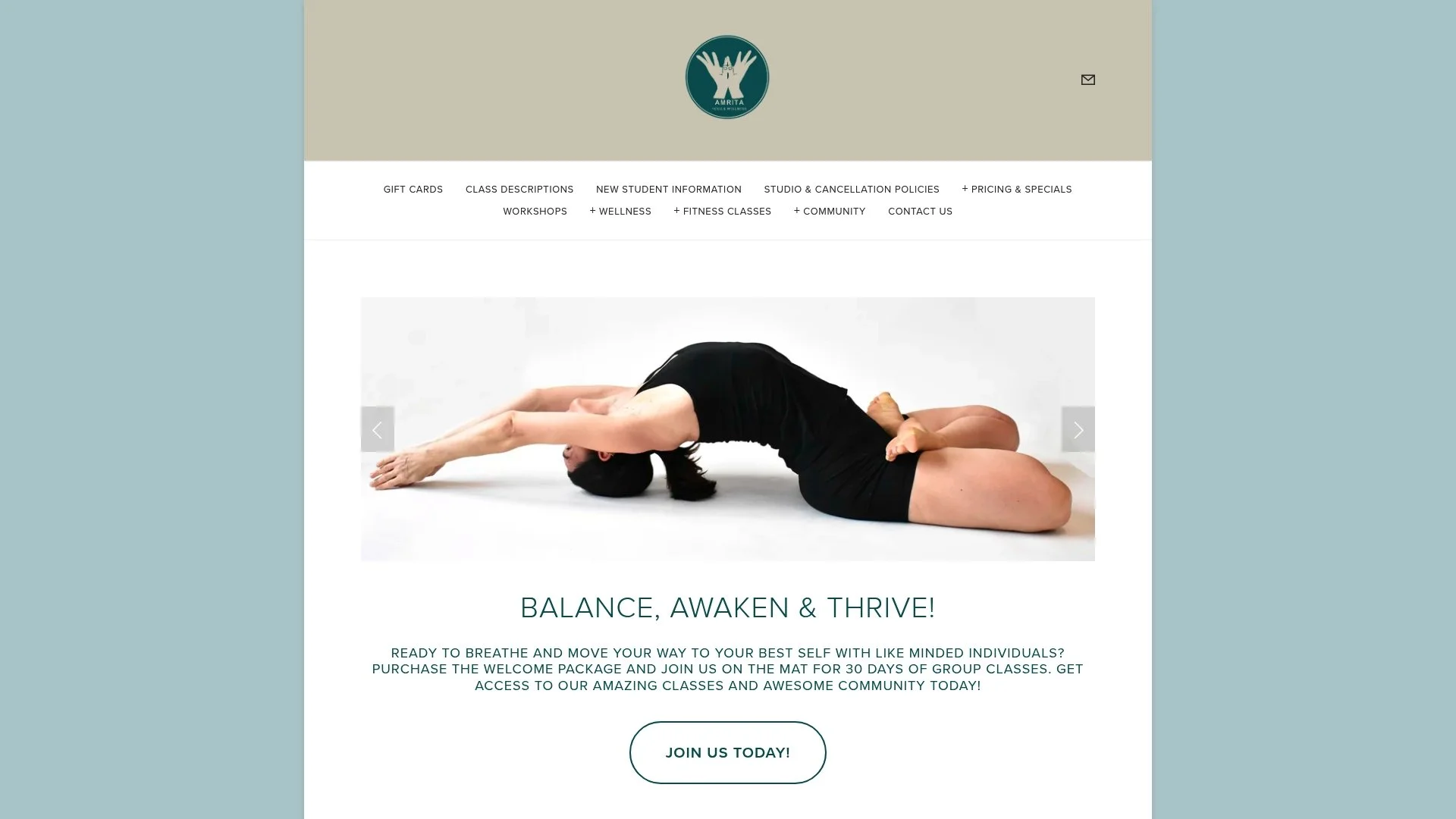
Join our welcoming community in Philadelphia and discover diverse hot yoga classes tailored for all levels. Whether you are new to heated yoga or aiming to deepen your practice, our classes, workshops, and retreats provide the perfect opportunity to transform your wellness safely and effectively. Start today by exploring our class offerings and schedule at Amrita Yoga & Wellness. Take the next step toward a healthier body and a calmer mind with expert guidance in a supportive environment. Don’t wait your body and mind deserve the best experience in hot yoga now.
Frequently Asked Questions
What is a hot yoga studio?
A hot yoga studio is a specialized wellness environment designed to enhance yoga practice through controlled temperatures and humidity. These studios maintain temperatures between 30-52°C (86-125°F) and focus on air quality, flooring, and acoustics to create an immersive experience.
What are the main benefits of practicing hot yoga?
Hot yoga offers numerous benefits, including improved body composition, enhanced cardiovascular health, increased flexibility, better bone density, and benefits for mental health such as stress reduction and improved emotional regulation.
Are there different styles of hot yoga, and how do they differ?
Yes, there are various styles of hot yoga, including Bikram, Hot Vinyasa, Hot Hatha, Power Hot Yoga, and Hot Flow. Each style varies in temperature, intensity, and focus, catering to different preferences and fitness levels.
What should I consider before starting hot yoga?
Before starting hot yoga, consider your personal health limitations, hydration needs, and fitness goals. It is advisable to consult a healthcare provider if you have specific health concerns, particularly related to heat sensitivity or cardiovascular conditions.
Recommended
Why Choose Hot Yoga: Complete Benefits Breakdown — Amrita Yoga & Wellness
Understanding the Advantage of Hot Yoga for Wellness — Amrita Yoga & Wellness
Understanding the Hot Yoga Studio Experience — Amrita Yoga & Wellness
Online Training Benefits for Canadian Restaurants and Schools 2025 - Probe IT
Holistic Hair Care in 2025: Grow Stronger, Healthier Hair | MyHair