The Amrita Journal
Explore thoughtful stories, practical wellness guidance and inspiring ideas to support your movement, mindfulness and everyday wellbeing at Amrita.
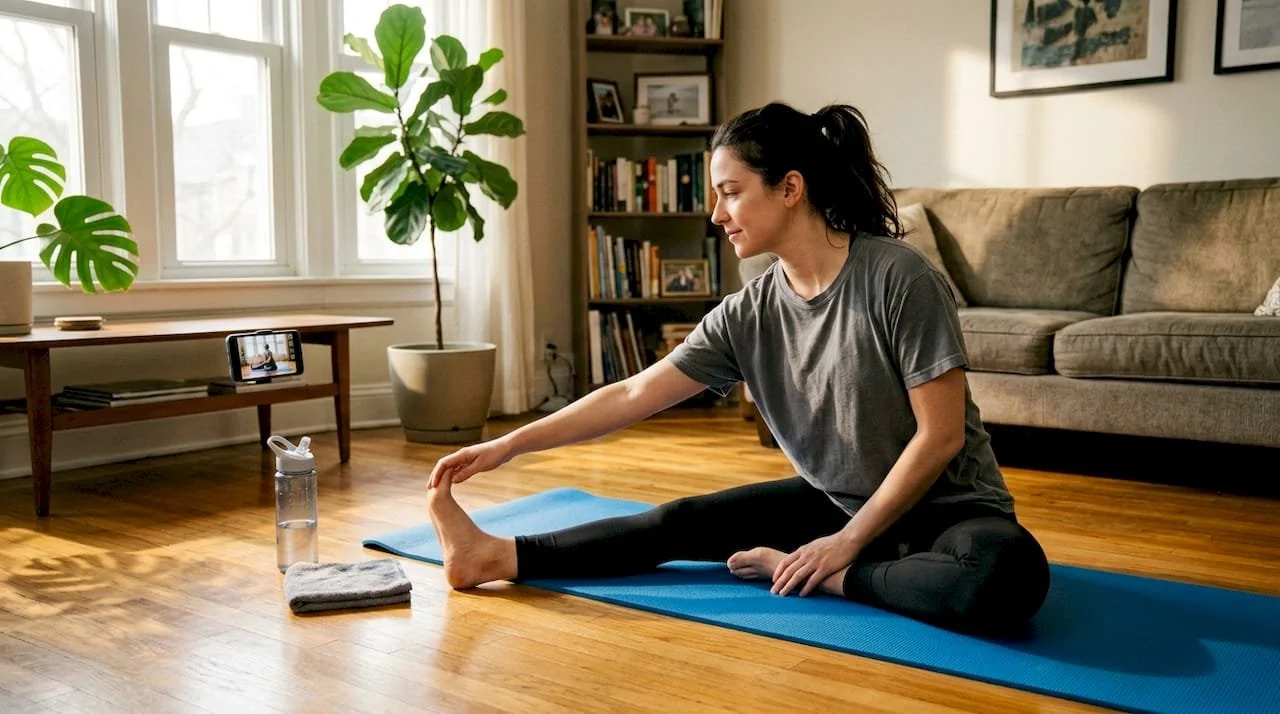
Explore types of Pilates classes for fitness and rehab
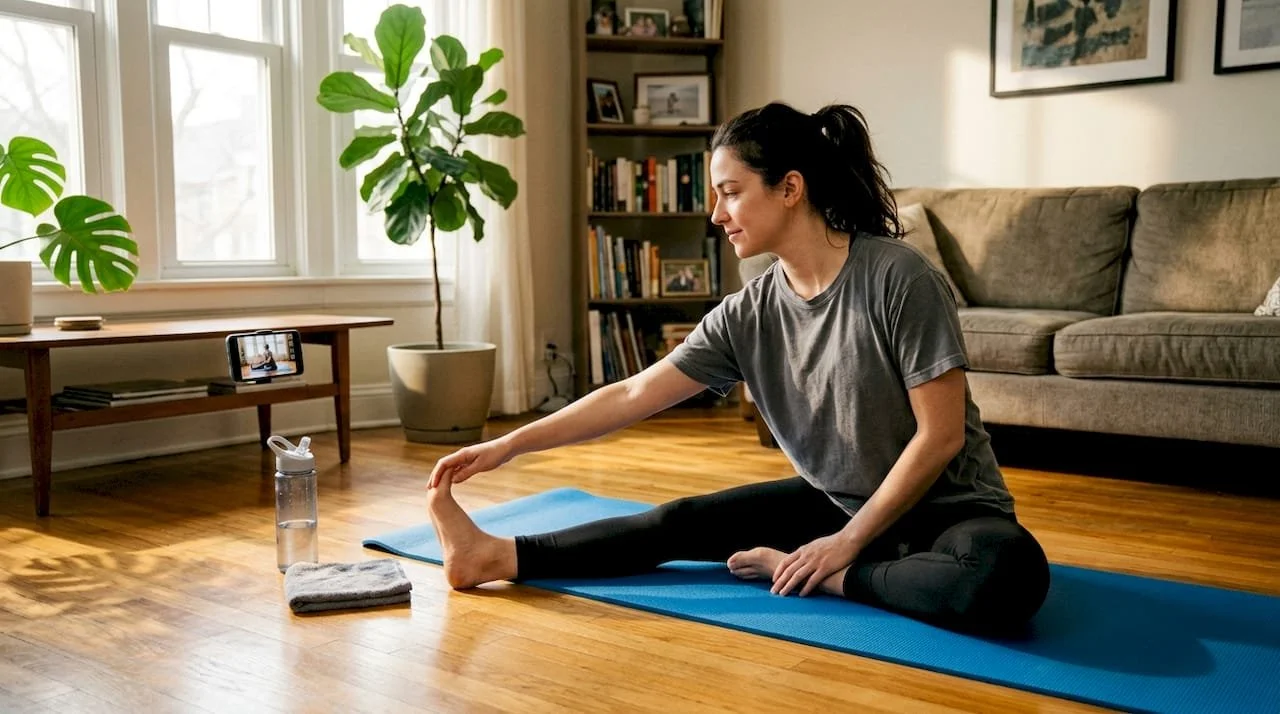
Choosing the right Pilates class in Philadelphia can feel overwhelming with so many options available. Whether you're seeking core strength, flexibility gains, or rehabilitation support, understanding the different class types helps you make an informed decision. Mat, Reformer, Clinical, and Classical Pilates each serve distinct purposes, from beginner-friendly bodyweight exercises to specialized equipment-based conditioning. This guide breaks down popular Pilates formats and provides practical criteria to match your personal fitness or rehab goals with the ideal community-focused studio experience.
Table of Contents
Key takeaways
| Point | Details |
|---|---|
| Pilates formats overview | Mat Pilates emphasizes beginner core and flexibility with bodyweight, Reformer adds equipment resistance for full body conditioning, Clinical and Cadillac focus on rehabilitation and advanced techniques, and Classical versus Contemporary reflect traditional sequencing and personalized adaptation. |
| Goal based selection | Clarify whether your aim is foundational fitness, injury rehab, or athletic performance to determine the best format and studio environment. |
| Equipment and style | Equipment matters, with Mat requiring little gear while Reformer and Cadillac offer resistance and advanced stretching, and Classical versus Contemporary defining traditional precision or tailored modification. |
| Community and trials | Choose a studio by its community vibe, instructor rapport, and trial classes to compare teaching style and equipment quality before buying packages. |
How to choose the right Pilates class for your goals
Before committing to a class, clarify your primary objective. Are you building foundational fitness, recovering from injury, or enhancing athletic performance? Your goal determines which Pilates format delivers the best results. Beginners often thrive in Mat classes that teach fundamental movement patterns without equipment complexity. Those with chronic pain or recent injuries benefit from Clinical Pilates, where instructors modify exercises based on physical therapy principles.
Equipment matters significantly. Mat classes require minimal gear, making them accessible for home practice or travel. Reformer classes use a sliding carriage with adjustable springs, providing variable resistance that challenges muscles differently than bodyweight alone. Cadillac apparatus features vertical bars and hanging straps for advanced stretching and decompression work. Consider whether you prefer equipment-free simplicity or the enhanced feedback that machines provide.
Class style shapes your experience. Classical Pilates follows strict exercise sequences developed by Joseph Pilates, emphasizing precise form and traditional flow. Contemporary Pilates integrates modern biomechanics and physical therapy insights, allowing instructors to adapt movements for individual needs. If you value consistency and historical authenticity, Classical appeals. If you need personalized modifications for specific limitations, Contemporary offers flexibility.
Studio community influences motivation and long-term commitment. Philadelphia adults can find wellness-focused studios with small group classes emphasizing community, suitable for fitness, flexibility, and rehab goals. Look for spaces where instructors learn your name, classmates encourage progress, and the atmosphere supports holistic wellness beyond just exercise.
Pro Tip: Schedule trial classes at multiple studios to experience different teaching styles and equipment quality before purchasing class packages. Most Philadelphia studios offer introductory specials for new students.
Mat Pilates: beginner-friendly core and flexibility training
Mat Pilates uses bodyweight on a mat for core strength, flexibility, and beginner-friendly low-impact workouts. This format requires no specialized equipment beyond a cushioned mat, making it the most accessible entry point for Pilates newcomers. Exercises focus on spinal alignment, controlled breathing, and precise muscle engagement through deliberate movement patterns.
Typical Mat Pilates sessions include foundational exercises that build core stability. The Hundred warms up the body with coordinated breathing and arm pumping while holding a tabletop position. Roll-ups strengthen abdominals through slow, articulated spinal flexion. Single and double leg stretches challenge core control while extending limbs. Bridges activate glutes and hamstrings while maintaining neutral spine alignment. These movements create a comprehensive workout targeting deep stabilizing muscles.
The low-impact nature makes Mat Pilates ideal for those with joint concerns or exercise beginners. You control intensity by adjusting range of motion, repetitions, or adding small props like resistance bands or Pilates rings. Many practitioners appreciate the portability, continuing their practice in hotel rooms or parks when traveling. The beginner Pilates guide provides detailed progressions for those starting their journey.
Small group Mat classes foster community while keeping costs lower than private sessions. Instructors can observe multiple students simultaneously, offering verbal cues and demonstrations. You benefit from watching others' form and sharing the collective energy of group practice. Studios often schedule Mat classes at various times throughout the day, accommodating diverse work schedules.
Pro Tip: Invest in a quality mat with adequate cushioning for spinal exercises. A mat too thin causes discomfort during rolling movements, while excessive thickness reduces stability during balance work.
Reformer Pilates: dynamic full-body conditioning with equipment
Reformer Pilates employs a sliding carriage with springs for adjustable resistance, enabling full-body conditioning, precision, and advanced movements. The machine features a padded platform that glides along tracks, connected to springs of varying tensions. Users push or pull the carriage using feet, hands, or body weight, creating smooth resistance that challenges muscles eccentrically and concentrically.
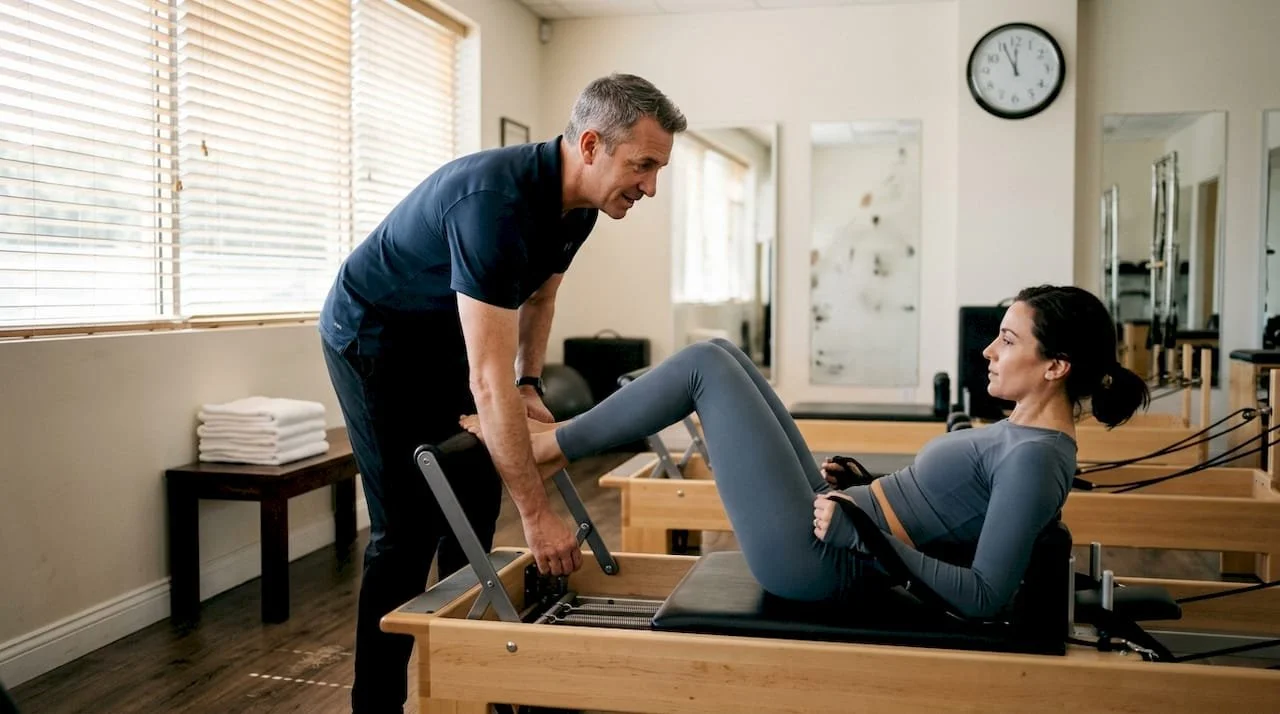
The spring system provides unique advantages over traditional strength training. Resistance remains constant throughout the movement range, eliminating momentum and requiring continuous muscle engagement. Lighter springs allow rehabilitation clients to perform exercises with minimal load, while heavier springs challenge advanced practitioners. Adjustable foot bars and straps accommodate different body sizes and movement patterns.
Reformer Pilates benefitsinclude enhanced core strength and flexibility alongside improved posture and movement control. Common exercises include footwork series that strengthen legs while maintaining spinal stability, long stretch planks that integrate upper body and core, and arm spring work that tones shoulders and back. The carriage instability demands constant core engagement, making even simple movements surprisingly challenging.
Intermediate to advanced practitioners appreciate the Reformer's versatility. Instructors can modify exercises for rehabilitation by reducing spring tension and supporting unstable joints. Athletes use heavier resistance to build power and endurance. The Reformer Pilates overview explains how this equipment suits diverse fitness levels when properly adjusted.
The core strength and flexibility benefits extend beyond aesthetics. Regular Reformer practice improves posture by strengthening postural muscles that counteract desk work slouching. Controlled stretching at the end of sessions enhances flexibility without overstretching. The precise alignment cues help you develop body awareness that transfers to daily activities.
| Feature | Mat Pilates | Reformer Pilates |
|---|---|---|
| Equipment | Uses only body weight, no machines required | Uses a sliding carriage machine with adjustable springs |
| Resistance | Relies on gravity and your own body weight | Provides adjustable resistance through spring tension |
| Learning curve | Beginner-friendly and easy to start | Requires some familiarity with equipment and technique |
| Cost | Generally more affordable class options | Higher cost due to specialized equipment |
| Portability | Highly portable and can be done anywhere | Typically limited to studio settings |
| Muscle targeting | Primarily focuses on core strength | Allows for full-body conditioning and targeted muscle work |
| Rehab applications | Suitable for basic modifications and gentle exercises | Offers precise control for rehabilitation and recovery |
Pro Tip: Wear grippy socks rather than bare feet on the Reformer. Socks with rubber treads prevent slipping on the carriage while maintaining hygiene on shared equipment.
Specialized Pilates classes: classical, contemporary, clinical, and Cadillac
Classical Pilates follows Joseph Pilates' original sequence with strict order and control. Practitioners perform exercises in a predetermined sequence, maintaining the founder's vision of systematic progression. Each session flows from one movement to the next, building heat and challenge gradually. Instructors trained in Classical lineage emphasize precise form, controlled breathing, and minimal rest between exercises. Contemporary Pilates integrates modern biomechanics and physical therapy insights for rehab and personalization. This evolution incorporates current understanding of spinal mechanics, joint function, and muscle activation patterns. Instructors modify exercises based on individual anatomy, injury history, and fitness goals. Contemporary teachers might break traditional sequencing to focus on specific body regions or therapeutic objectives. Clinical Pilates tailors exercises for injury prevention and rehabilitation, reducing chronic low back pain by 40%. Physical therapists or specially certified instructors assess movement dysfunction and prescribe targeted exercises. Sessions address specific conditions like herniated discs, post-surgical recovery, or chronic pain syndromes. The Clinical Reformer details explain how equipment modifications support therapeutic goals.
Clinical Pilates differs from general fitness classes through individualized assessment and progression. Instructors evaluate posture, movement patterns, and pain triggers before designing exercise programs. They monitor closely for compensation patterns and adjust difficulty based on daily variations in symptoms. Insurance sometimes covers Clinical Pilates when prescribed by physicians for specific diagnoses.
Cadillac provides multi-planar resistance with bars and springs, ideal for advanced rehab and stretching. This large apparatus resembles a canopy bed frame with a padded table underneath. Vertical bars support hanging work, while springs attach at various heights for pulling and pushing exercises. The Cadillac excels at spinal decompression, shoulder mobility work, and assisted stretching that would be difficult on other equipment.
Pilates Class Types Overview
| Class Type | Equipment Used | Primary Focus | Typical User |
|---|---|---|---|
| Classical | Traditional Pilates apparatus | Follows original sequences with strict technique and form | Experienced practitioners and purists |
| Contemporary | Modern equipment and variations | Adaptable routines tailored to individual needs | Those looking for flexibility and modifications |
| Clinical | Reformer, Cadillac, and supportive props | Rehabilitation, injury recovery, and pain management | Individuals recovering from injuries or managing chronic pain |
| Cadillac | Trapeze table with bars and springs | Deep stretching, spinal decompression, and controlled movements | Rehabilitation clients and those focused on flexibility |
Comparing Pilates types and choosing your best fit
Mat best for beginners and home practice, Reformer for dynamic fitness, Cadillac and Clinical for rehab nuances, Classical strict versus Contemporary adaptive. Your choice depends on intersecting factors: current fitness level, injury history, budget constraints, and personal preferences for structure versus flexibility.
Match class type with specific goals. Mat Pilates builds foundational core strength and body awareness without equipment investment. The simplicity helps beginners learn proper breathing and alignment before adding complexity. Reformer classes suit those ready for full-body conditioning with variable resistance that challenges muscles differently than weights. The Pilates for beginners resource explains progression from Mat to equipment work.
Clinical and Cadillac classes serve injury rehabilitation and chronic pain management best. If you're recovering from surgery, managing arthritis, or addressing movement dysfunction, these specialized formats provide therapeutic benefits. RCTs show Pilates superior for subacute low back pain, pain reduction, disability, and quality of life improvements compared to home exercise programs. Clinical instructors modify resistance and range of motion based on your healing timeline.
Choose Classical if you value traditional sequences and historical authenticity. This approach suits disciplined practitioners who appreciate consistent structure and want to experience Pilates as Joseph Pilates taught it. Contemporary appeals to those needing adaptive, personalized workouts that accommodate individual anatomy or limitations. Instructors can modify exercises for pregnancy, joint replacements, or asymmetrical strength patterns.
Studio community and class size influence your experience significantly. Small group classes provide individual attention while fostering supportive relationships with fellow practitioners. Philadelphia studios emphasizing wellness and community create environments where you feel comfortable asking questions and progressing at your own pace. Larger classes reduce per-session costs but may limit instructor feedback.
Consider scheduling flexibility and location convenience. Studios offering multiple class times accommodate shift workers or parents with childcare constraints. Proximity to home or work increases consistency, the most important factor for achieving results. Many studios now offer hybrid options with some in-person and some virtual classes for maximum flexibility.
Find your perfect Pilates class at Amrita Yoga & Wellness
Ready to experience community-focused Pilates in Philadelphia? Amrita Yoga & Wellness offers classes suited for all levels, from complete beginners to experienced practitioners seeking deeper practice. Our instructors create welcoming environments where you can explore Mat and Reformer Pilates alongside complementary wellness practices.
Explore new student Pilates specials designed to help you discover which class format fits your fitness and rehab goals best. Introductory packages let you sample different instructors and class times before committing to ongoing membership. Our studio policies ensure flexible scheduling and supportive guidance as you begin your wellness journey.
Complement your Pilates practice with holistic services like acupuncture for enhanced recovery and pain management. Many clients find that combining movement therapy with traditional wellness modalities accelerates progress toward their health goals. Our integrated approach supports your whole-body wellness in a community that celebrates individual growth.
Intermediate to advanced practitioners appreciate the Reformer's versatility. Instructors can modify exercises for rehabilitation by reducing spring tension and supporting unstable joints. Athletes use heavier resistance to build power and endurance. The Reformer Pilates overview explains how this equipment suits diverse fitness levels when properly adjusted.
The core strength and flexibility benefits extend beyond aesthetics. Regular Reformer practice improves posture by strengthening postural muscles that counteract desk work slouching. Controlled stretching at the end of sessions enhances flexibility without overstretching. The precise alignment cues help you develop body awareness that transfers to daily activities.
FeatureMat PilatesReformer PilatesEquipmentBodyweight onlySliding carriage with springsResistanceGravity and body weightAdjustable spring tensionLearning curveEasier for beginnersRequires equipment familiarizationCostLower class feesHigher due to equipmentPortabilityHighly portableStudio-based onlyMuscle targetingCore-focusedFull-body integrationRehab applicationsBasic modificationsPrecise resistance control
Pro Tip: Wear grippy socks rather than bare feet on the Reformer. Socks with rubber treads prevent slipping on the carriage while maintaining hygiene on shared equipment.
Specialized Pilates classes: classical, contemporary, clinical, and Cadillac
Classical Pilates follows Joseph Pilates' original sequence with strict order and control. Practitioners perform exercises in a predetermined sequence, maintaining the founder's vision of systematic progression. Each session flows from one movement to the next, building heat and challenge gradually. Instructors trained in Classical lineage emphasize precise form, controlled breathing, and minimal rest between exercises. Contemporary Pilates integrates modern biomechanics and physical therapy insights for rehab and personalization. This evolution incorporates current understanding of spinal mechanics, joint function, and muscle activation patterns. Instructors modify exercises based on individual anatomy, injury history, and fitness goals. Contemporary teachers might break traditional sequencing to focus on specific body regions or therapeutic objectives. Clinical Pilates tailors exercises for injury prevention and rehabilitation, reducing chronic low back pain by 40%. Physical therapists or specially certified instructors assess movement dysfunction and prescribe targeted exercises. Sessions address specific conditions like herniated discs, post-surgical recovery, or chronic pain syndromes. The Clinical Reformer details explain how equipment modifications support therapeutic goals.
Clinical Pilates differs from general fitness classes through individualized assessment and progression. Instructors evaluate posture, movement patterns, and pain triggers before designing exercise programs. They monitor closely for compensation patterns and adjust difficulty based on daily variations in symptoms. Insurance sometimes covers Clinical Pilates when prescribed by physicians for specific diagnoses.
Cadillac provides multi-planar resistance with bars and springs, ideal for advanced rehab and stretching. This large apparatus resembles a canopy bed frame with a padded table underneath. Vertical bars support hanging work, while springs attach at various heights for pulling and pushing exercises. The Cadillac excels at spinal decompression, shoulder mobility work, and assisted stretching that would be difficult on other equipment.
Class TypeEquipment UsedPrimary FocusTypical UserClassicalTraditional apparatusOriginal sequences, strict formPurists, experienced practitionersContemporaryModern equipment variationsPersonalized adaptationsThose needing modificationsClinicalReformer, Cadillac, propsRehabilitation, pain managementInjury recovery, chronic painCadillacTrapeze table with barsAdvanced stretching, decompressionRehab clients, flexibility seekers
The Cadillac's versatility makes it valuable for both rehabilitation and advanced training. Hanging work develops shoulder stability and core control in ways other equipment cannot replicate. The push-through bar allows safe spinal flexion for those with limited floor mobility. Springs positioned at different heights accommodate seated, standing, or lying exercises.
Comparing Pilates types and choosing your best fit
Mat best for beginners and home practice, Reformer for dynamic fitness, Cadillac and Clinical for rehab nuances, Classical strict versus Contemporary adaptive. Your choice depends on intersecting factors: current fitness level, injury history, budget constraints, and personal preferences for structure versus flexibility.
Match class type with specific goals. Mat Pilates builds foundational core strength and body awareness without equipment investment. The simplicity helps beginners learn proper breathing and alignment before adding complexity. Reformer classes suit those ready for full-body conditioning with variable resistance that challenges muscles differently than weights. The Pilates for beginners resource explains progression from Mat to equipment work.
Clinical and Cadillac classes serve injury rehabilitation and chronic pain management best. If you're recovering from surgery, managing arthritis, or addressing movement dysfunction, these specialized formats provide therapeutic benefits. RCTs show Pilates superior for subacute low back pain, pain reduction, disability, and quality of life improvements compared to home exercise programs. Clinical instructors modify resistance and range of motion based on your healing timeline.
Choose Classical if you value traditional sequences and historical authenticity. This approach suits disciplined practitioners who appreciate consistent structure and want to experience Pilates as Joseph Pilates taught it. Contemporary appeals to those needing adaptive, personalized workouts that accommodate individual anatomy or limitations. Instructors can modify exercises for pregnancy, joint replacements, or asymmetrical strength patterns.
Studio community and class size influence your experience significantly. Small group classes provide individual attention while fostering supportive relationships with fellow practitioners. Philadelphia studios emphasizing wellness and community create environments where you feel comfortable asking questions and progressing at your own pace. Larger classes reduce per-session costs but may limit instructor feedback.
Consider scheduling flexibility and location convenience. Studios offering multiple class times accommodate shift workers or parents with childcare constraints. Proximity to home or work increases consistency, the most important factor for achieving results. Many studios now offer hybrid options with some in-person and some virtual classes for maximum flexibility.
Find your perfect Pilates class at Amrita Yoga & Wellness
Ready to experience community-focused Pilates in Philadelphia? Amrita Yoga & Wellness offers classes suited for all levels, from complete beginners to experienced practitioners seeking deeper practice. Our instructors create welcoming environments where you can explore Mat and Reformer Pilates alongside complementary wellness practices.
Explore new student Pilates specials designed to help you discover which class format fits your fitness and rehab goals best. Introductory packages let you sample different instructors and class times before committing to ongoing membership. Our studio policies ensure flexible scheduling and supportive guidance as you begin your wellness journey.
Complement your Pilates practice with holistic services like acupuncture for enhanced recovery and pain management. Many clients find that combining movement therapy with traditional wellness modalities accelerates progress toward their health goals. Our integrated approach supports your whole-body wellness in a community that celebrates individual growth.
Frequently asked questions
What is the difference between Mat and Reformer Pilates?
Mat Pilates uses bodyweight resistance on a cushioned mat, focusing on core strength through exercises like planks and bridges. Reformer Pilates employs a sliding carriage with adjustable springs, providing variable resistance for full-body conditioning and more exercise variety.
Which Pilates class is best for injury rehabilitation?
Clinical Pilates offers the best rehabilitation focus, with instructors trained to modify exercises for specific injuries and pain conditions. Cadillac apparatus also supports rehab through gentle decompression and assisted stretching that accommodates limited mobility.
Can beginners start with Reformer Pilates or should they try Mat first?
Beginners can safely start with either format. Mat classes teach fundamental movement patterns without equipment complexity, while Reformer classes provide spring assistance that can actually make some exercises easier for those with limited core strength.
How does Classical Pilates differ from Contemporary Pilates?
Classical Pilates follows Joseph Pilates' original exercise sequences in strict order with traditional form. Contemporary Pilates integrates modern biomechanics and physical therapy research, allowing instructors to personalize exercises and modify sequencing for individual needs.
How often should I attend Pilates classes to see results?
Most practitioners notice improvements in core strength and flexibility with two to three sessions weekly. Consistency matters more than frequency, as regular practice allows your body to develop the neuromuscular patterns that create lasting change in posture and movement quality.
Recommended
Discover What Gyms Offer Pilates for Core Strength
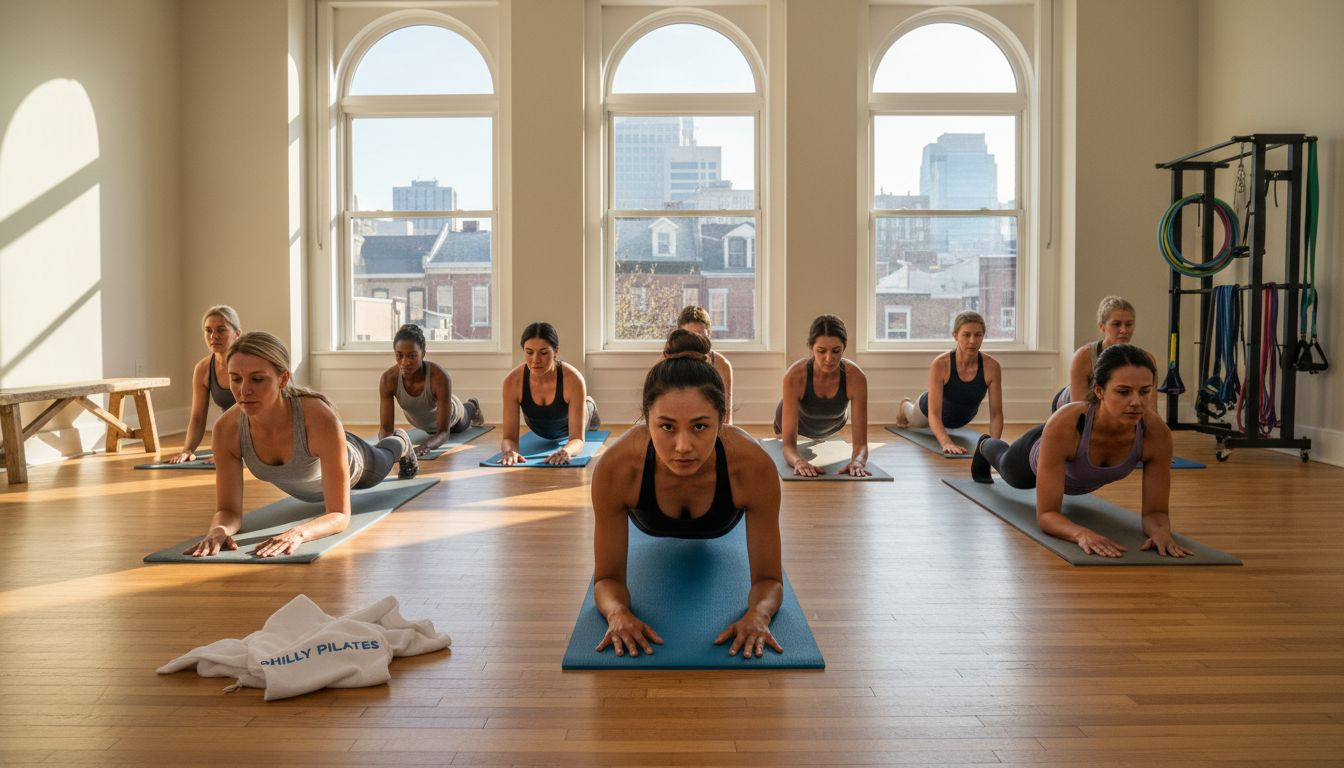
Choosing a Pilates studio in Philadelphia can feel overwhelming with so many boutique gyms spread across the city. Whether you crave intense reformer sessions or the precise challenge of mat Pilates, finding a studio that truly fits your schedule and goals is key to building lasting improvements in core strength and flexibility. By focusing on expert-led classes, personalized attention, and dedicated facilities, you can discover your ideal spot for real progress in your wellness journey. Boutique studios offer specialized options for every fitness level.
Table of Contents
Quick Summary
| Key Point | Explanation |
|---|---|
| 1. Utilize Fitness Platforms | Check ClassPass or other platforms for a curated list of pilates studios tailored to your preferences and schedule. |
| 2. Verify Instructor Credentials | Confirm that instructors have completed recognized certification programs to ensure quality and safety in your pilates practice. |
| 3. Analyze Membership Options | Compare different pricing structures and membership plans to find one that fits your budget and attendance habits best. |
| 4. Visit Studios Physically | Assess cleanliness, equipment quality, and the studio atmosphere in person to determine if it suits your personal training style. |
| 5. Attend Trial Classes | Participate in trial sessions to gauge your comfort level, teaching quality, and how well the workouts meet your fitness goals. |