The Amrita Journal
Explore thoughtful stories, practical wellness guidance and inspiring ideas to support your movement, mindfulness and everyday wellbeing at Amrita.
Why Do Yoga? Real Benefits for Body, Mind, and Spirit
TL;DR:
Yoga combines physical postures, breathwork, and mindfulness to improve health and reduce stress. Regular practice lowers cortisol, enhances strength and flexibility, and supports emotional balance. Different styles serve specific physical and mental goals, with consistency being key for lasting benefits.
Yoga is a practice that unites physical postures, breathwork, and mindfulness to build strength, reduce stress, and support emotional balance. Millions of people practice yoga precisely because it delivers results across multiple dimensions of health at once. A 12-week yoga program significantly reduces cortisol, the body's primary stress hormone. That single finding explains why so many people who start yoga for flexibility end up staying for the mental clarity. Whether you are brand new or returning after a long break, understanding why practice yoga matters gives you a foundation to build on.
Why do yoga for physical health and strength?
Yoga builds physical fitness through mechanisms most people overlook. Unlike weight training, yoga uses prolonged bodyweight holds to create muscular tension. Holding Warrior II for 60 seconds recruits the same stabilizing muscles as a loaded squat, without the joint compression. Over time, that sustained effort increases muscular strength and mobility while reducing the systemic inflammation linked to chronic diseases.
The cardiovascular evidence is stronger than most people expect. A meta-analysis of 37 studies found that yoga reduced LDL cholesterol, blood pressure, and resting heart rate comparably to aerobic exercise. That result challenges the assumption that you need to run or cycle to protect your heart. Yoga achieves those outcomes partly through stress reduction, which lowers the hormonal load that drives arterial inflammation.
Chronic pain is another area where yoga earns its reputation. A 2017 Cochrane Review of 12 randomized controlled trials found that yoga improves chronic low back pain with effects lasting up to six months. That durability matters because most pain interventions lose their effect quickly. Yoga works by improving movement tolerance and regulating the nervous system, not by masking pain.
Key physical benefits include:
Flexibility and joint health: Stiffness is often the reason yoga feels so beneficial. Movement lubricates connective tissue and strengthens the structures around joints.
Balance and fall prevention: A 12-week study showed yoga improves balance and reduces fear of falls in older adults through better proprioception.
Inflammation reduction: Regular practice lowers markers of systemic inflammation, which contributes to conditions like heart disease and type 2 diabetes.
Functional strength: Poses like Plank, Chaturanga, and Chair build real-world strength that transfers to daily movement.
Pro Tip: If your goal is pain relief, prioritize consistency over intensity. Three shorter sessions per week outperform one long session for nervous system regulation.
In what ways does yoga support mental and emotional wellbeing?
Yoga's mental health benefits operate through direct neurological pathways, not just relaxation. The practice activates the parasympathetic nervous system, the branch responsible for rest and recovery, while suppressing the fight-or-flight response. A 2018 systematic review found that yoga increases GABA neurotransmission and reduces activity in brain networks linked to rumination and depression. That is a measurable brain change, not a mood metaphor.
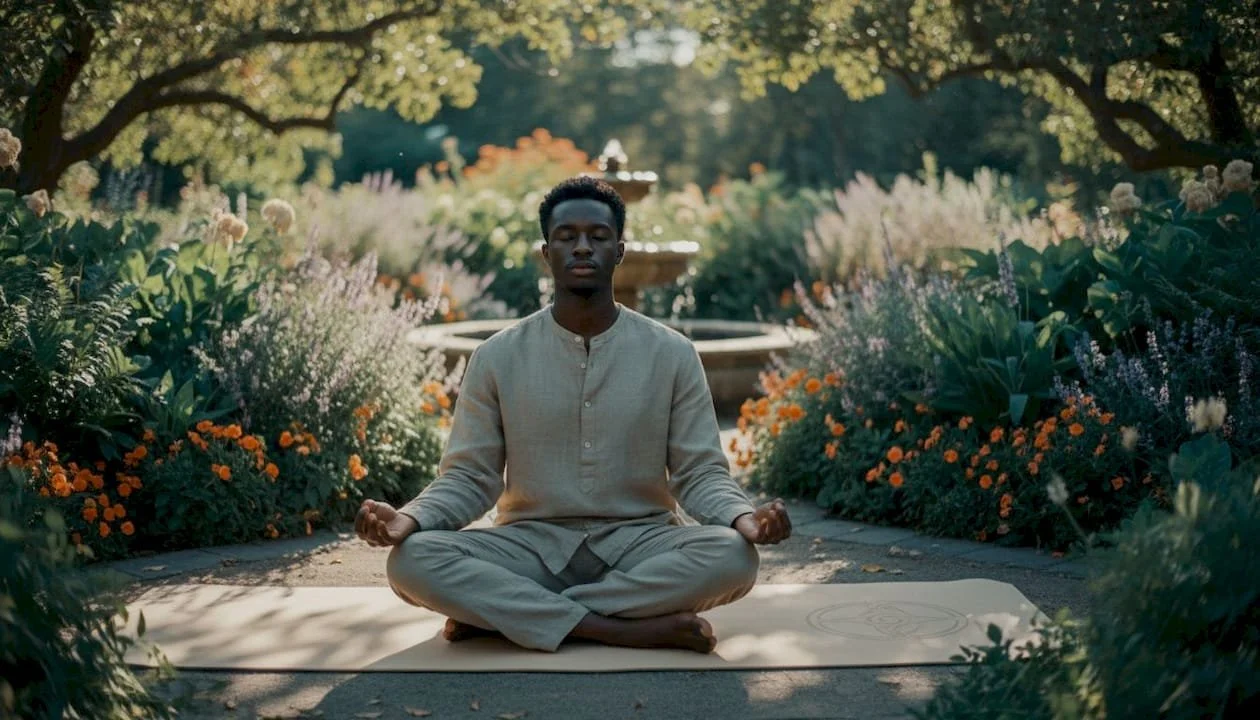
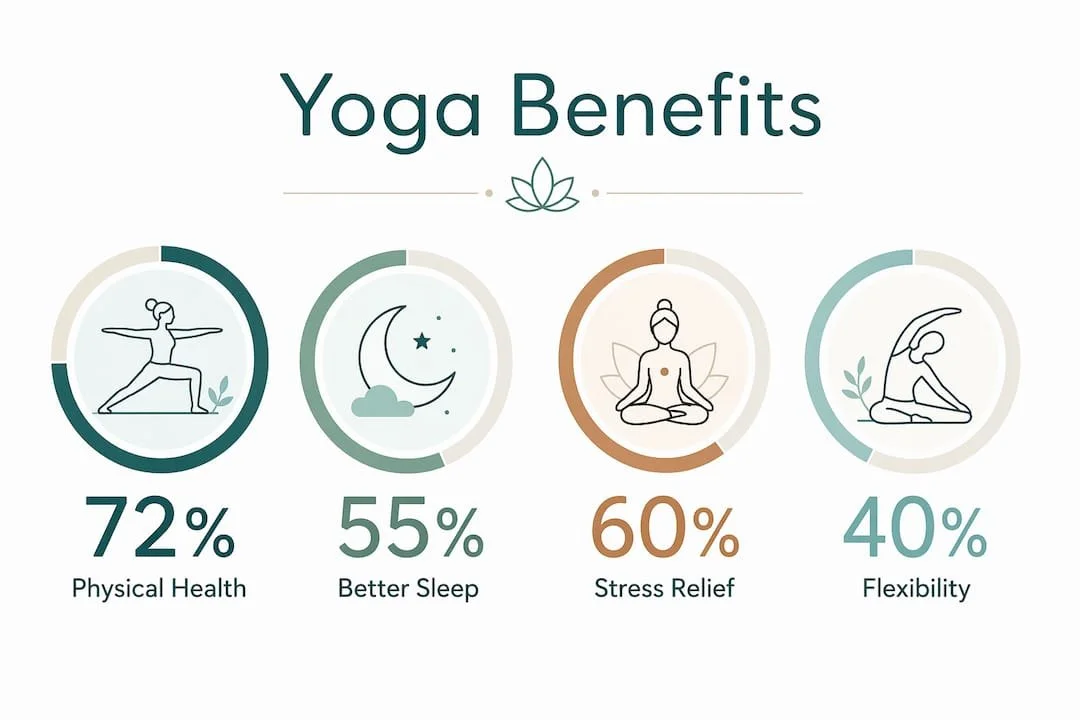
Sleep is one of the clearest downstream benefits. 55% of yoga practitioners report better sleep, and Yoga Nidra, a guided relaxation technique, reduces insomnia symptoms over eight weeks. Better sleep then reduces pain sensitivity, which in turn lowers anxiety. Stress reduction, improved sleep, and pain relief work together in a reinforcing cycle, each benefit strengthening the others.
The breath is the mechanism most people underestimate. Slow, controlled breathing during yoga practice directly lowers heart rate and blood pressure within minutes. That physiological shift is why a single session can change your mood, even before any long-term adaptation occurs.
A structured approach to mental health benefits through yoga looks like this:
Start with breath awareness. Even five minutes of diaphragmatic breathing before a session primes the nervous system for down-regulation.
Hold poses longer than feels comfortable. Discomfort tolerance in yoga trains the same emotional regulation circuits used during anxiety.
Practice Yoga Nidra before sleep. This body-scan technique lowers physiological arousal more effectively than passive rest.
Attend group classes regularly. Social connection during group yoga practice amplifies the stress-reduction effect through shared nervous system co-regulation.
Track mood, not just flexibility. Progress in yoga for mental health shows up in emotional patterns weeks before it shows up in physical range of motion.
Yoga's greatest mental health contribution is not relaxation. It is teaching the nervous system that discomfort is survivable. That lesson transfers to every area of life.
What are the different styles of yoga and how do they affect outcomes?
Not all yoga produces the same results. The style you choose determines whether you are training your cardiovascular system, your nervous system, or both. That distinction matters when you are selecting a class or building a weekly routine.
| Style | Intensity | Primary benefit | Best for |
|---|---|---|---|
| Vinyasa | High | Cardiovascular fitness, strength | Active adults, weight management |
| Ashtanga | High | Endurance, discipline, core strength | Structured learners, athletes |
| Hatha | Moderate | Flexibility, foundational alignment | Beginners, general wellness |
| Yin | Low | Deep tissue release, stress relief | Recovery, sleep improvement |
| Yoga Nidra | Very low | Nervous system reset, insomnia relief | Anxiety, burnout, chronic pain |
Vigorous styles like Vinyasa and Ashtanga push heart rate into aerobic zones of 130–150 BPM, which supports cardiovascular fitness. Yin yoga, by contrast, holds passive poses for three to five minutes, targeting connective tissue and the parasympathetic nervous system. Neither is superior. They serve different goals, and the most effective weekly practice combines both.
Beginners often default to the gentlest option available, which makes sense for building confidence. Hatha yoga is the most practical starting point because it teaches alignment principles that apply across all other styles. Once those foundations are solid, adding one Vinyasa session per week creates a balanced physical and mental training effect.
Pro Tip: Combine one vigorous style and one gentle style each week. The vigorous session builds fitness; the gentle session builds recovery. Together, they prevent burnout and sustain long-term practice.
How can beginners start and maintain an effective yoga practice?
The most common reason people delay starting yoga is the belief that they need to be flexible first. Flexibility is not a prerequisite for yoga. Stiffness is often exactly why yoga feels so beneficial, because movement lubricates joints and strengthens the connective tissue that surrounds them. You do not need to touch your toes to benefit from a forward fold.
Consistency matters far more than duration or intensity in the early stages. Three sessions of 30 minutes per week produce more cumulative benefit than one 90-minute session. The nervous system adapts through repetition, not volume. That means showing up regularly, even imperfectly, is the single most important factor in building a lasting practice.
Practical steps for beginners:
Choose Hatha or gentle Vinyasa first. These styles teach foundational poses without overwhelming pace or complexity.
Use props without apology. Blocks, straps, and bolsters are not signs of weakness. They allow correct alignment, which is where the benefit lives.
Set a specific time slot. Morning practice before other commitments have a higher completion rate than evening sessions for most beginners.
Follow beginner yoga tips from credible sources. Structured guidance prevents the common mistakes that cause early frustration or injury.
Measure progress in awareness, not poses. Noticing how your body feels before and after practice is more useful data than whether you can do a handstand.
Yoga's effectiveness depends strongly on practitioner mindset and personal goals. People who approach yoga as a process rather than a performance milestone report greater satisfaction and longer-term commitment. That shift in expectation is often the difference between someone who quits after six weeks and someone who practices for years.
Pro Tip: Write down one specific reason you want to practice yoga before your first class. Revisit that reason after 30 days. The gap between what you expected and what you actually experienced is where the real learning begins.
What are yoga's spiritual and philosophical foundations?
The word "yoga" comes from the Sanskrit root "yuj," meaning to yoke or unite. That etymology points directly to yoga's core purpose: the union of body, mind, and spirit into a coherent whole. Classical texts like the Yoga Sutras of Patanjali define yoga as "the stilling of the fluctuations of the mind," a goal that physical postures serve but do not complete on their own.
Understanding these foundations does not require adopting any religious belief. The philosophical framework simply provides a reason to practice that outlasts physical goals. When flexibility plateaus or motivation dips, a practitioner with a clear philosophical anchor keeps showing up.
Core principles from classical yoga philosophy that enhance modern practice:
Ahimsa (non-harm): Applied to your own body, this principle prevents the ego-driven pushing that causes injury in beginners.
Svadhyaya (self-study): The practice of observing your own patterns, physical and mental, without judgment. This is what makes yoga a tool for personal growth, not just exercise.
Santosha (contentment): Accepting where you are in your practice today. This principle directly counters the comparison culture that makes many beginners quit.
Pranayama (breath control): Breath is the bridge between the physical and mental dimensions of yoga. Controlling breath controls the nervous system.
Mindfulness and meditation integrate naturally with physical postures when practitioners understand these principles. The deeper benefits of advanced practice become accessible only when the philosophical layer is engaged alongside the physical one.
Key Takeaways
Yoga delivers its strongest results when physical practice, breathwork, and mindful intention work together rather than separately.
| Point | Details |
|---|---|
| Physical benefits are evidence-backed | A Cochrane Review confirms yoga relieves chronic low back pain for up to six months. |
| Mental health gains are neurological | Yoga increases GABA and reduces brain activity linked to rumination and depression. |
| Style selection determines outcomes | Vigorous styles build cardio fitness; gentle styles support stress relief and sleep. |
| Flexibility is not required to start | Stiffness is a reason to begin yoga, not a reason to wait. |
| Consistency beats intensity | Three shorter sessions per week outperform one long session for lasting adaptation. |
What I've learned from watching people start and stick with yoga
Most people who try yoga once and quit do so because they measured the wrong thing. They expected to feel more flexible after two weeks and felt nothing. The practitioners who stay are the ones who notice that they slept better on the nights after class, or that they handled a stressful meeting differently. Those are the real early returns, and they show up before any physical change is visible.
The philosophical layer is what separates yoga from a fitness class. I have seen people with serious athletic backgrounds struggle with yoga not because of physical limitation, but because yoga asks you to observe discomfort rather than push through it. That is a genuinely different skill. Once it clicks, the practice becomes self-sustaining because the mental benefits are immediate and repeatable.
The best advice I can give anyone starting out is to pick one style, commit to it for 60 days, and track how you feel rather than how you look. The physical and mental wellbeing gains compound over time in ways that are genuinely hard to predict at the start. Trust the process long enough to see the data.
— Juiced
Yoga classes and wellness services at Amritayogawellness
Amritayogawellness offers classes across a full range of styles and experience levels at its Philadelphia studio. Whether you are drawn to the physical challenge of hot yoga, the grounding pace of Hatha, or the meditative depth of Yin, the studio structures its program so that beginners and experienced practitioners can both find their footing.
The studio's approach combines physical practice with broader wellness services, including massage therapy, barre, tai chi, and pilates. For those interested in the spiritual and reflective dimensions of wellness, Amritayogawellness also offers tarot reading sessions as a complementary tool for self-inquiry. Class schedules, membership options, and workshop details are available directly on the Amritayogawellness website.
FAQ
Why do yoga if I'm not flexible?
Flexibility is not a requirement for yoga. Stiffness is often the reason yoga feels most beneficial, because movement lubricates joints and strengthens the connective tissue around them.
How often should a beginner practice yoga?
Three sessions per week of 30 minutes each produces consistent, cumulative benefit. The nervous system adapts through repetition, so regularity matters more than session length.
What is the best yoga style for stress relief?
Yin yoga and Yoga Nidra are the most effective styles for stress relief. Both activate the parasympathetic nervous system and lower cortisol, with Yoga Nidra specifically shown to reduce insomnia symptoms over eight weeks.
Can yoga replace cardio exercise?
Vigorous styles like Vinyasa and Ashtanga push heart rate into aerobic zones of 130–150 BPM, which supports cardiovascular fitness. For most people, yoga works best as a complement to other forms of movement rather than a full replacement.
How long before yoga produces noticeable mental health benefits?
A 12-week yoga program produces statistically significant reductions in cortisol. Many practitioners report improved sleep and mood within the first two to four weeks of consistent practice.
Recommended
Yoga Set for Beginners: Build Your Practice Right
TL;DR:
A beginner yoga set includes a mat, a yoga block, and a strap to support comfort and stability. Choosing eco-friendly materials like natural rubber or TPE provides better grip and safety, while a 4-5mm thick mat balances joint support and ground feel. Proper care and gradual prop addition help build confidence, with a quality mat being the most important investment.
A yoga set for beginners is a curated collection of gear designed to give new practitioners the comfort, stability, and physical support they need to build a consistent practice. The right beginner yoga kit removes the guesswork from your first sessions and lets you focus on learning poses, not managing discomfort. Brands like Manduka, Gaiam, and JadeYoga have built entire product lines around this need. Choosing well from the start protects your joints, builds confidence, and sets the tone for a practice that actually sticks.
What are the essential components of a yoga set for beginners?
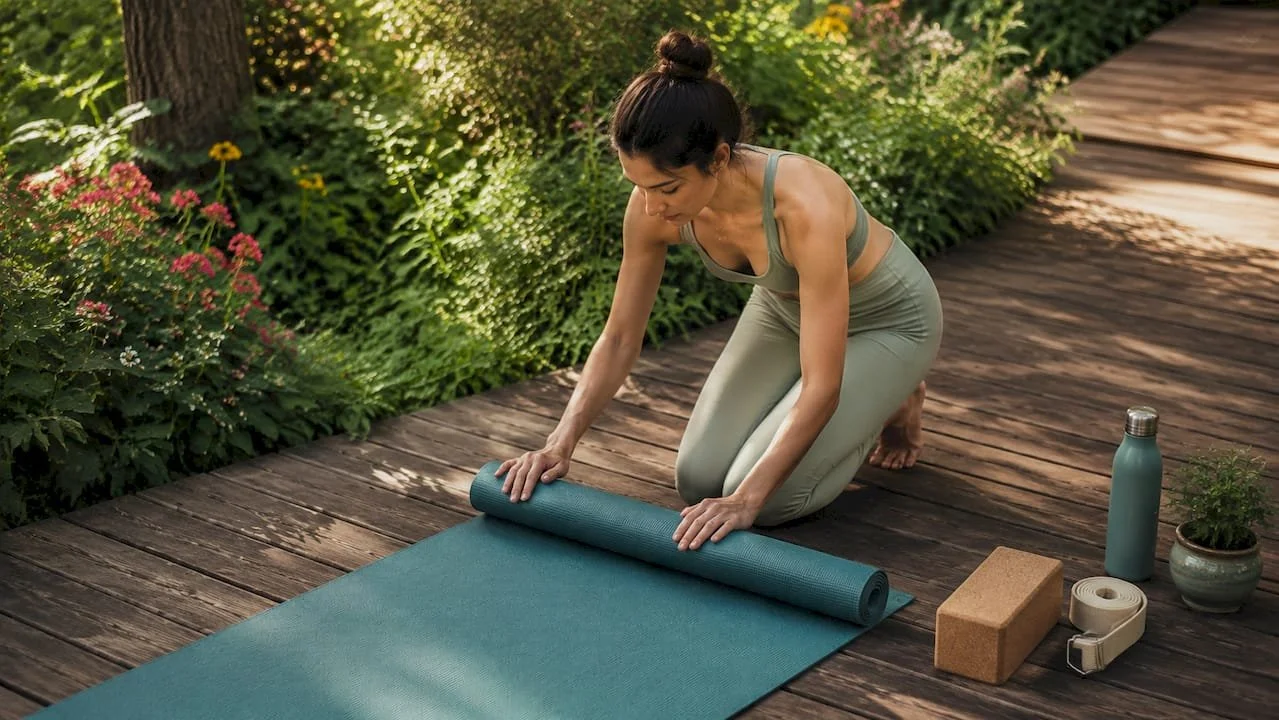
A complete yoga starter set contains three core items: a mat, at least one block, and a strap. Standard beginner kits include a yoga mat in the 4–6mm thickness range, a foam or cork yoga block, and a 6-foot yoga strap. Each item solves a specific problem that new practitioners face in their first weeks.
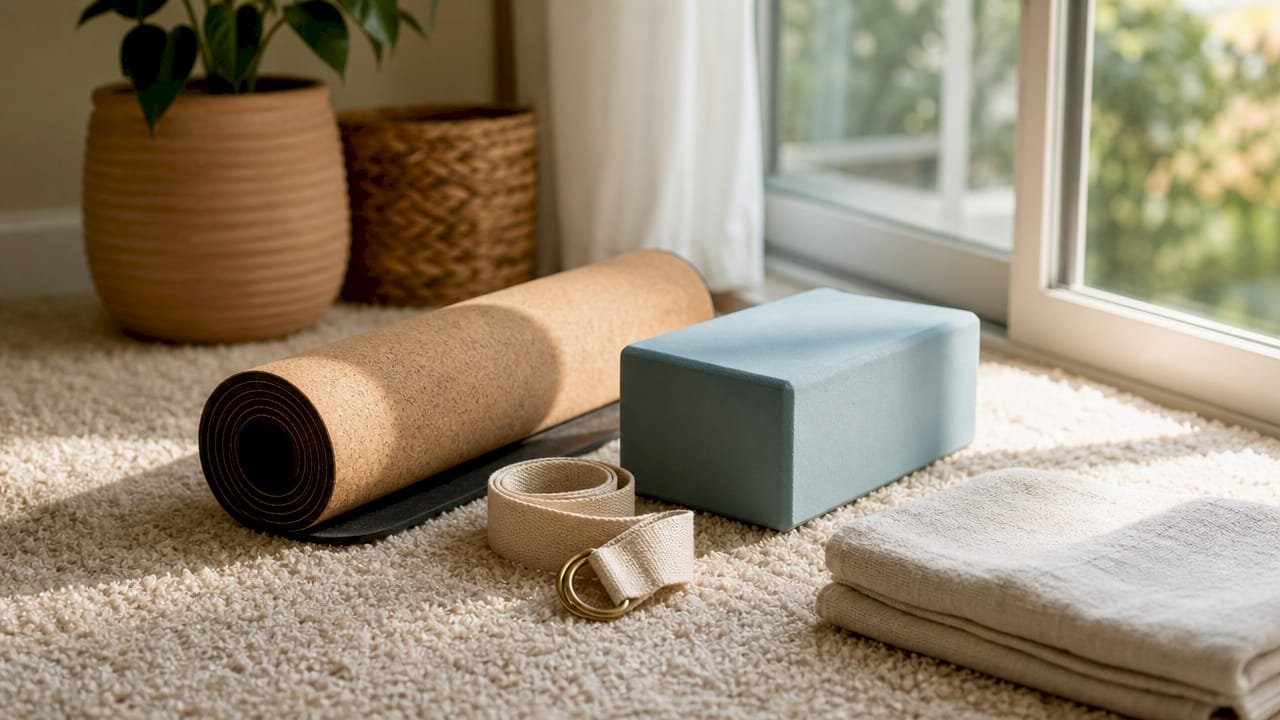
The yoga mat is your foundation. It provides grip, cushioning, and a defined personal space during class. Without adequate grip, you spend mental energy preventing slips instead of focusing on alignment.
Yoga blocks close the gap between your body and the floor. If you cannot reach the ground in a standing forward fold, a block brings the floor to you. This keeps your spine long and your joints safe. Foam blocks are lighter and more affordable; cork blocks are firmer and more durable.
The yoga strap extends your reach. Yoga straps double as flexibility tools and carrying slings, making them one of the most versatile props in any beginner yoga kit. A standard 6-foot strap lets you hold a hamstring stretch without rounding your back.
Optional additions worth considering:
A microfiber yoga towel for hot yoga or sweaty sessions
A foam roller for post-practice muscle recovery
A resistance band for hip and shoulder mobility work
A yoga mat bag or sling for easy transport
Pro Tip: Start with a mat, one block, and a strap. Add extras only after you have practiced consistently for four to six weeks and know what your body actually needs.
How to choose the best yoga mat for beginners
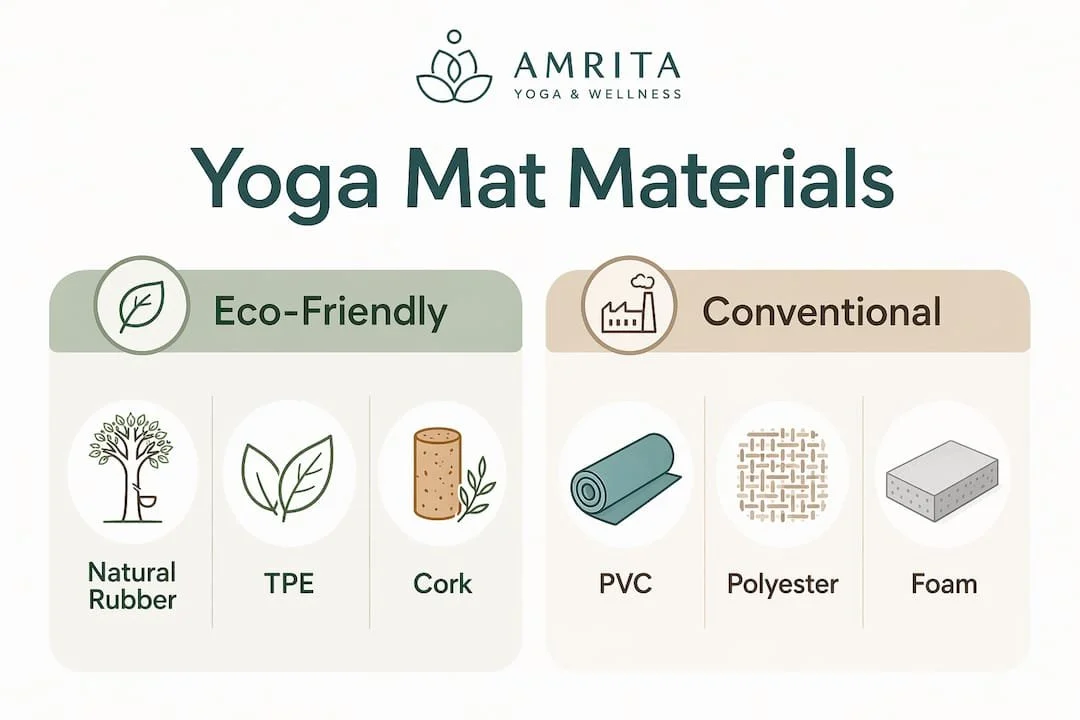
The mat is the single most important item in your beginner yoga kit. Every other prop is secondary. Getting the mat right means understanding four variables: material, thickness, surface texture, and construction type.
Material: natural rubber, TPE, and PVC compared
| Material | Grip | Eco-Friendly | Durability | Best For |
|---|---|---|---|---|
| Natural rubber | Excellent | Yes | High | Studio and home practice |
| TPE | Good | Yes | Medium | Budget-conscious beginners |
| PVC | Moderate | No | High | Budget entry-level mats |
| Cork surface | Excellent | Yes | Medium | Hot yoga and sweaty practice |
Eco-conscious materials like TPE and natural rubber are preferred over PVC because they offer better grip and eliminate harmful chemicals. Natural rubber mats from brands like Manduka and JadeYoga deliver reliable traction on both sides and hold up through years of daily use.
Thickness: finding the right balance
A 4–5mm mat thicknessis the sweet spot for most beginners, balancing joint cushioning with pose stability. Thicker mats at 6mm or above add comfort for sensitive knees but reduce your connection to the floor, which can make balance poses harder. KURMA recommends 4–5mm for new practitioners who want both support and ground feel.
Construction and hygiene
Closed-cell mat construction prevents sweat and bacteria from soaking into the material. Closed-cell mats are easier to clean, requiring only a wipe-down with a yoga mat spray or damp cloth after each session. Open-cell mats absorb moisture, which creates odor and bacteria buildup over time.
Alignment guides and reversible designs
Alignment stripes on beginner mats provide visual cues that help new practitioners position their hands and feet correctly. The Manduka Begin Mat uses this feature to build muscle memory from day one. Reversible mats offer two surface textures in one product, which adds value for beginners still figuring out their preferred grip level.
Pro Tip: If you practice at a studio like Amrita Yoga & Wellness in Philadelphia, check whether the studio provides mats before buying. You may want to test a few surfaces before committing to a purchase.
How to use and maintain your beginner yoga set
Proper care extends the life of your gear and keeps your practice hygienic. Most beginners skip this step and end up with a slippery, smelly mat within a few months.
Clean your mat after every session. Spray it lightly with a yoga mat cleaner or a diluted mix of water and mild soap. Wipe with a soft cloth. Never soak the mat or submerge it in water.
Store natural rubber mats away from sunlight. Natural rubber mats require storage away from sun and moisture to maintain their grip and structure. Roll them loosely and keep them in a cool, dry space.
Use blocks under your hands, not just your knees. New practitioners often place blocks only under their knees in seated poses. Blocks are equally useful in standing poses like Triangle or Half Moon to keep the spine aligned.
Use your strap before you feel you need it. Forcing a stretch without a strap strains the lower back and hamstrings. The strap lets you hold a position longer with correct form, which builds flexibility faster.
Replace your mat when grip fails. A mat that slides during Downward Dog is a safety hazard. Most quality mats last two to three years with regular use and proper care.
"The props are not a sign that you are less advanced. They are the tools that let you practice correctly from the very first session." — Yoga instruction principle widely shared across Iyengar and Hatha traditions.
A common beginner mistake is rolling the mat up wet after a sweaty class. This traps moisture inside and degrades the material quickly. Always let the mat air dry flat before rolling it for storage.
How do popular beginner yoga kits compare in price and contents?
The market for yoga essentials for newbies ranges from simple three-piece sets under $30 to premium eco-friendly bundles that cost significantly more. Understanding what you get at each price point prevents overspending and under-equipping.
Basic beginner kits often cost $60–$70 for the mat alone, while comprehensive premium sets can reach $165 or more depending on materials and included accessories. That price gap reflects real differences in material quality, durability, and what is included.
Brands like Gaiam, JadeYoga, and Manduka offer kits focused on quality mats paired with essential props. Here is how the tiers break down:
Budget kits ($20–$45): Typically a PVC mat, one foam block, and a basic strap. Good for testing whether yoga sticks before investing more.
Mid-range kits ($50–$100): TPE or entry-level rubber mat, two blocks, a strap, and sometimes a carrying bag. Gaiam's Studio Select kit falls in this range.
Premium kits ($100–$165+): Natural rubber or cork mat, two cork blocks, a cotton strap, and extras like a towel or foam roller. Manduka Begin packages and eco-focused bundles like the Shakti Warrior Begin Within Bundle sit here.
The accessories that add real value are blocks and a strap. Extras like resistance bands and foam rollers are useful but not necessary in your first kit. A towel matters if you practice hot yoga. Everything else is optional until your practice demands it.
Pro Tip: Choosing the right mat matters more than buying a complete kit. A quality mat with a single block and strap outperforms a full budget kit every time.
Key takeaways
A quality mat paired with a block and strap gives beginners everything they need to practice safely, build confidence, and develop consistent alignment from day one.
| Point | Details |
|---|---|
| Core kit components | Every beginner needs a mat, one block, and a 6-foot strap before anything else. |
| Mat thickness sweet spot | A 4–5mm mat balances joint cushioning and pose stability for most new practitioners. |
| Material matters | Natural rubber and TPE outperform PVC in grip, safety, and environmental impact. |
| Maintenance is non-negotiable | Wipe your mat after every session and store natural rubber away from sunlight and moisture. |
| Prioritize mat quality | A high-quality mat with basic props beats a full budget kit for long-term practice. |
What I have learned after watching hundreds of beginners start their practice
Most new practitioners buy too much gear too soon. They show up with a seven-piece kit, two blocks, a bolster, and a strap they have never used, and then quit after six weeks because the practice felt complicated before it felt good.
The truth is that mat quality drives confidence more than any other factor in the first three months. A slip-resistant mat with alignment guides lets you focus on your breath and your body. A cheap mat that slides pulls your attention to the floor every thirty seconds.
I also think the eco-conscious material conversation is undersold. Beginners often dismiss natural rubber or TPE mats as a premium splurge. They are not. A non-toxic mat means you are pressing your face, hands, and bare skin against a surface that is not off-gassing chemicals during a heated class. That matters more than the price difference.
The one piece of advice I give every new practitioner: buy the best mat you can afford, add one block and a strap, and explore aerial yoga and stress relief or other complementary practices only after you have a solid foundation. Upgrade your props gradually as your practice deepens and your body tells you what it needs. The gear should serve the practice, not the other way around.
— Juiced
Yoga gear and wellness resources at Amrita Yoga & Wellness
Amritayogawellness offers beginner-friendly classes across yoga, pilates, barre, and tai chi at its Philadelphia studio, making it a strong home base for new practitioners building their first routine.
Whether you are selecting your first yoga mat for beginners or looking for guidance on which props suit your practice style, Amritayogawellness connects you with instructors who work with new students every day. The studio also offers wellness services that go beyond the mat. If you are curious about the mental and spiritual side of your practice, the tarot readings at Amrita Yoga & Wellness offer a unique way to deepen your self-awareness alongside your physical work.
FAQ
What does a yoga set for beginners include?
A standard beginner yoga set includes a mat in the 4–6mm thickness range, at least one foam or cork block, and a 6-foot yoga strap. Some kits add a towel, carrying bag, or resistance band depending on the price point.
What is the best mat thickness for a beginner?
A 4–5mm mat is the best choice for most beginners. It provides enough cushioning for joints while keeping you close enough to the floor for balance and stability in standing poses.
Are natural rubber mats worth the extra cost?
Natural rubber mats offer superior grip, non-toxic materials, and longer durability compared to PVC options. For beginners who plan to practice regularly, the investment pays off within the first year of use.
How often should I clean my yoga mat?
Clean your mat after every session with a light spray and a soft cloth. Never soak it or submerge it in water, and always let it air dry flat before rolling it up for storage.
Do I need a full kit or just a mat to start?
A quality mat, one block, and a strap cover everything a new practitioner needs. Full kits are convenient but not necessary. Prioritize mat quality first and add props as your practice develops.
Recommended
6 Types of Yoga Every Wellness Seeker Should Know
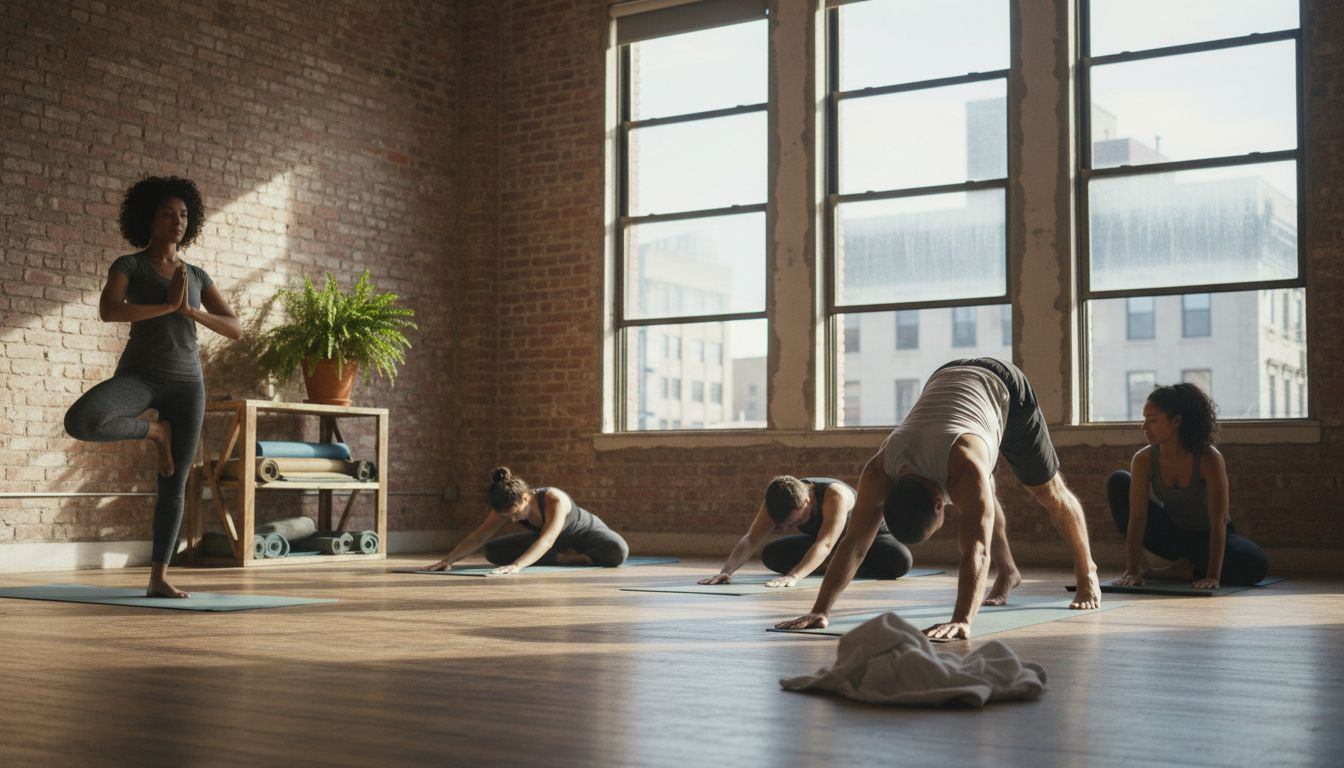
Choosing the right yoga style can feel overwhelming when every class promises different results. If you want to start a practice that truly matches your goals—whether that's less stress, more flexibility, or deeper relaxation—the key is finding a style that works for your lifestyle and needs. You deserve clear guidance, not more confusion.
This list breaks down the unique strengths of today’s most popular yoga styles. You’ll discover exactly how each approach impacts your mind and body, based on proven insights from American and Indian traditions as well as scientific research. Get ready to learn which styles support physical health, emotional well-being, and authentic personal growth—so you can confidently pick the path that fits you best.
Table of Contents
Quick Summary
| Takeaway | Explanation |
|---|---|
| 1. Hatha Yoga fosters balance | Focus on asanas, breath control, and meditation for holistic wellness improvement. |
| 2. Vinyasa Yoga energizes flow | Synchronizing breath with movement enhances cardiovascular health and builds strength. |
| 3. Hot Yoga amplifies flexibility | Practicing in heat improves circulation and releases tension, enhancing physical and mental wellness. |
| 4. Yin Yoga promotes deep relaxation | Holding poses for extended periods helps release tension and encourages emotional well-being. |
| 5. Restorative Yoga facilitates healing | Gentle, supported poses promote relaxation and recovery from stress and fatigue. |
1. Hatha Yoga: Building a Strong Foundation
Hatha yoga is the most accessible entry point for anyone beginning a yoga journey, and it's likely the style you'll encounter at studios like Amrita Yoga & Wellness when you're just starting out. Unlike some other yoga styles that emphasize intense flows or specific goals, hatha yoga focuses on holding poses longer, controlling your breath, and building a genuine understanding of how your body moves. This deliberate pace makes it perfect for Philadelphia residents exploring wellness for the first time, whether you're recovering from stress at work or simply looking to add movement to your routine.
The beauty of hatha yoga lies in its three pillar approach: asanas (physical postures), pranayama (breath control), and meditation. When you practice hatha, you're not just stretching or strengthening muscles. You're learning how to coordinate your breath with movement, calm your nervous system, and build mental clarity alongside physical fitness. Consistent hatha practice fosters psychological health by improving stress management and enhancing overall physical fitness. A typical session might include 10 to 15 poses held for several breaths each, giving your body time to adapt and your mind time to settle. This methodical approach means you'll actually feel improvements week to week, whether that's better sleep, fewer tension headaches, or simply feeling more grounded during your commute.
What makes hatha particularly valuable for building a foundation is how it respects your individual capacity. You won't be pressured to keep pace with anyone else or forced into advanced variations before you're ready. The practice works whether you're 22 or 62, whether you're flexible or stiff, whether you've exercised your whole life or you're picking it up now. As you progress, the same basic poses deepen naturally. Your body grows stronger, your mind becomes clearer, and your ability to handle everyday stress noticeably improves. Essential yoga poses for beginners provide the solid groundwork you'll build on for years to come.
Pro tip: Hold each hatha pose for 5 to 10 full breaths rather than rushing through sequences, as this slower pace allows your muscles to lengthen safely and your nervous system to activate the relaxation response you're actually seeking.
2. Vinyasa Yoga: Flowing Movement for Energy
If you've ever walked into a yoga class and seen people moving fluidly from one pose to another like a choreographed dance, you were likely watching vinyasa yoga in action. Vinyasa is a dynamic style where each movement syncs with your breath, creating a rhythmic flow that builds heat, energy, and cardiovascular strength. This is the yoga style for people who get bored sitting still, who need to burn off stress from their day, and who want to feel genuinely energized after their practice rather than just relaxed.
What sets vinyasa apart is its emphasis on breath as the anchor guiding all transitions between postures. As you inhale, you move into an opening position. As you exhale, you flow into the next pose. This continuous connection between breath and movement does something powerful to your nervous system and your body. Vinyasa yoga builds functional strength and mobility by combining aerobic and isometric exercises, which improves vascular function and reduces cardiovascular risks. Your heart rate elevates during a vinyasa session, similar to a moderate cardio workout, but because you're flowing through poses rather than pounding a treadmill, your joints stay protected. Many Philadelphia residents find this style particularly appealing because it checks multiple boxes at once: cardiovascular health, strength building, flexibility work, and mental clarity all wrapped into one practice.
The creativity built into vinyasa keeps things fresh and engaging. Instructors can design sequences in countless ways, varying the intensity and the specific poses included. One class might focus on arm balances and inversions, while another emphasizes longer holds and deeper stretches. This adaptability means you'll never feel stuck in a rut, and your body continues to progress because it's constantly experiencing new challenges. For someone returning to movement after time away, starting with slower vinyasa flows helps you rebuild strength and confidence before attempting faster-paced sessions. The practice meets you where you are and grows with you.
Pro tip: Focus on matching your movement to your breath rather than rushing through poses, as this synchronization is what transforms vinyasa from just exercise into a meditative, energizing practice that leaves you feeling centered and alive.
3. Hot Yoga: Detox and Flexibility Boost
Walk into a hot yoga studio and the first thing that hits you is the warmth. The room temperature typically ranges from 86 to 105 degrees Fahrenheit, creating an environment that transforms your practice into something deeper and more intense. Hot yoga, with Bikram yoga being the most recognized form, uses this purposeful heat to amplify the benefits of traditional yoga poses. For Philadelphia wellness seekers, hot yoga offers a unique combination of physical challenge and mental clarity that keeps people coming back week after week.
The heat isn't just there to make you sweat. When your body practices in warm conditions, it experiences increased circulation, elevated heart rate, and accelerated muscle activation, all without requiring you to work significantly harder than in a regular yoga class. This means your muscles warm up faster, allowing you to move deeper into stretches safely and build flexibility that might take much longer to achieve in a non heated environment. Hot yoga practice promotes enhanced bone density, flexibility, and balance while supporting cardiometabolic health over time. The heat also activates your parasympathetic nervous system, the part of your body responsible for relaxation and recovery. Many people report that the warm environment creates a meditative quality to the practice, making it easier to quiet racing thoughts and find mental peace during class.
Beyond the physical flexibility gains, hot yoga delivers significant mental and emotional wellness benefits. A six week study with nearly 300 healthy adults found that hot yoga improved life satisfaction, mindfulness, and peace of mind, with participants experiencing notably positive emotional shifts during classes themselves. The combination of heat, movement, and breath work creates what researchers call a positive psychology intervention, meaning the practice actively builds your emotional resilience and well being. You'll leave class not just feeling stronger and more flexible, but also calmer and more mentally clear. If you're carrying stress from your week or struggling with anxiety, the hot yoga room becomes a sanctuary where physical exertion and heat combine to reset your nervous system.
Pro tip: Drink water before entering the room and bring a towel you don't mind sweat soaking through, as proper hydration and realistic expectations about perspiration help you stay comfortable and focused on your practice rather than distracted by discomfort.
4. Yin Yoga: Deep Stretching for Relaxation
Yin yoga feels nothing like the yoga classes you might have tried before. Instead of flowing through sequences or holding poses for a few breaths, you settle into poses and stay there. Sometimes for three minutes. Sometimes for five. The practice emphasizes stillness, patience, and the kind of deep relaxation that seems to melt tension you didn't even know you were carrying. If you've been cycling through high intensity workouts or dealing with constant stress, yin yoga offers something radically different: permission to slow down and simply be.
The philosophy behind yin yoga comes from Eastern traditions about balancing yin and yang energies. While yang practices like vinyasa or hot yoga are dynamic, vigorous, and stimulating, yin yoga is the counterbalance. It's meditative, introspective, and deeply calming. When you hold poses for extended periods, you're not just stretching muscles. You're working with connective tissues and joints, releasing tension that builds up from daily life and other physical activities. Yin yoga poses held for several minutes target deep relaxation and facilitate emotional release through sustained stretches combined with mindful breathing. Practitioners typically use props like blocks, blankets, and bolsters to support these extended holds, making the experience comfortable rather than strained. This approach allows your nervous system to shift into a parasympathetic state, where your body can actually heal and restore itself.
What makes yin yoga particularly valuable for Philadelphia residents juggling careers, families, and busy lives is that it's the antidote to constant motion. You don't need to be flexible to start. You don't need to be strong. You just need to show up and give yourself permission to be still for an hour. The practice works for everyone from desk workers dealing with tight hips and shoulders to athletes seeking active recovery. Many people discover that the mental benefits match the physical ones. The quiet space created during a yin session gives your mind time to process emotions and stress stored in your body. You leave class not just more flexible, but genuinely calmer and more centered.
Pro tip: Arrive to yin yoga with minimal expectations about how deep you should go into each pose, as the practice rewards surrender over ambition, and your connective tissues will release more fully when your mind lets go of performance goals.
5. Restorative Yoga: Healing Through Gentle Poses
Imagine a yoga class where you spend most of your time lying down, supported by pillows and blankets, barely moving at all. That's restorative yoga. This therapeutic practice focuses on holding gentle, fully supported poses for extended periods, often 5 to 20 minutes each, allowing your body and mind to slip into a state of deep healing. If you've been pushing yourself hard through work, managing health challenges, or simply exhausted from the demands of daily life, restorative yoga offers something your nervous system desperately needs: permission to completely let go.
The magic of restorative yoga lies in how it uses props strategically to eliminate effort from your practice. Bolsters support your spine. Blankets cradle your head. Blocks prop up your limbs so nothing requires muscular engagement. This supported approach does something profound at a physiological level. When your body doesn't have to work, it shifts into parasympathetic mode, the relaxation state where healing happens. Restorative yoga activates the relaxation response by reducing cortisol levels, easing mental stress, and promoting emotional release through mindful breathing and stillness. Research shows that this practice enhances focus, reduces anxiety, and improves sleep quality. For someone recovering from illness, injury, or burnout, restorative yoga becomes a genuine tool for restoration rather than just another workout.
What separates restorative yoga from other gentle practices is its therapeutic intentionality. Each pose is designed and props are arranged specifically to encourage healing in particular areas of your body and mind. A supported forward fold might release tension held in your hips and lower back. A reclined pose with a bolster under your chest opens your heart space and calms anxiety. Unlike yin yoga, which emphasizes sensation and letting tissues open, restorative yoga prioritizes comfort and complete relaxation. The practice works beautifully for people of all abilities. Someone recovering from surgery, someone managing chronic pain, someone experiencing grief or emotional overwhelm, and someone who simply needs deep rest all benefit equally. Many Philadelphia residents find that adding one restorative class weekly to their routine transforms how they handle stress and sleep.
Pro tip: Attend restorative yoga when you're tired rather than when you have energy, as the practice is specifically designed to meet your body where it is and help you genuinely recover rather than achieve anything.
6. Ashtanga Yoga: Structured Practice for Strength
Ashtanga yoga is the practice for people who thrive on structure, consistency, and clear progression. Unlike styles where each class differs based on the instructor's creativity, Ashtanga follows a defined sequence of poses performed in the same order every time. This discipline might sound repetitive, but it's actually deeply liberating. When you know exactly what poses are coming, your mind can focus entirely on the quality of your movement, your breath control, and the subtle internal work happening beneath the surface. Popularized by K. Pattabhi Jois in the 20th century, Ashtanga has become a serious practice for people seeking genuine strength, mental clarity, and long term transformation.
The structure of Ashtanga rests on three foundational elements working together. First, vinyasa links each pose with breath, creating a flowing sequence where movement and breathing synchronize perfectly. Second, bandhas are energy locks you engage throughout your practice, creating internal strength and control that radiates far beyond the yoga mat. Third, drishti involves focused gazing points that anchor your attention and develop mental concentration. Ashtanga Yoga practice enhances quality of life by reducing stress, anxiety, and chronic pain while fostering mental clarity and emotional stability. The six progressive sequences that make up the full Ashtanga system allow you to build strength systematically. You master the first sequence completely before advancing to the next, which means you're developing deep foundational strength rather than chasing novelty. Many people find this methodical approach incredibly satisfying because they can literally feel themselves getting stronger and more capable week after week.
What makes Ashtanga particularly valuable for serious wellness seekers is that it's far more than physical exercise. Rooted in the ancient Yoga Sutras of Patanjali, Ashtanga encompasses eight limbs that address ethical living, physical practice, breath control, sensory awareness, concentration, meditation, and spiritual absorption. This holistic framework means your practice eventually transcends the physical mat and influences how you move through the world. For Philadelphia residents seeking a yoga practice that demands commitment and delivers measurable results, Ashtanga provides exactly that. Yes, it requires showing up consistently. Yes, it challenges both your body and your mind. But the payoff is genuine transformation in your strength, focus, and overall well being.
Pro tip: Commit to practicing Ashtanga at least three times weekly for a minimum of three months before evaluating whether it resonates with you, as the true benefits of this structured practice emerge through consistency and repetition rather than occasional sessions.
Below is a comprehensive table summarizing the main types of yoga practices, their unique characteristics, and associated benefits as discussed in the article.
| Yoga Type | Unique Characteristics | Key Benefits |
|---|---|---|
| Hatha Yoga | Focuses on holding poses longer, breath control, and foundational movements. | Builds physical strength, enhances mental clarity, reduces stress, and adapts to individual levels. |
| Vinyasa Yoga | Involves dynamic flows linking movement with breath in a rhythmic sequence. | Improves cardiovascular health, builds functional strength, enhances flexibility, and energizes. |
| Hot Yoga | Conducted in a heated room to intensify practice and promote sweating. | Enhances flexibility, boosts bone density, supports cardiovascular health, and fosters relaxation. |
| Yin Yoga | Emphasizes prolonged pose holds with focus on connective tissues and stillness. | Promotes deep relaxation, improves joint mobility, supports emotional release, and reduces tension. |
| Restorative Yoga | Features gentle, supported poses intended to deeply relax and rejuvenate. | Activates the relaxation response, reduces cortisol levels, enhances sleep quality, and heals the mind. |
| Ashtanga Yoga | Follows a structured sequence of poses promoting strength and mental focus. | Develops discipline, improves mental clarity, enhances physical strength, and promotes holistic wellness. |
Each type of yoga practice offers unique advantages tailored to different individual goals and preferences, as reflected in this comparison.
Discover Your Ideal Yoga Practice at Amrita Yoga & Wellness
Finding the right yoga style to ease stress, build strength, or deepen relaxation can feel overwhelming. The article highlights real challenges like managing workplace tension, improving flexibility, and restoring mental clarity through mindful breathing and intentional movement. Whether you are drawn to the gentle holds of Hatha Yoga, the energizing flow of Vinyasa, or the deep calm of Restorative Yoga, knowing what suits your body and mind is the first step toward lasting wellness.
Take control of your wellness journey today with classes designed for all levels at Amrita Yoga & Wellness. Explore detailed class descriptions and find your perfect fit—whether that means sweating through a Hot Yoga session or savoring stillness in Yin Yoga. Don’t wait to transform your body and mind. Start now and experience the empowered balance you deserve by visiting Amrita Yoga & Wellness and signing up for your first class.
Frequently Asked Questions
What is the main focus of Hatha Yoga?
Hatha Yoga primarily focuses on holding poses longer while coordinating breath with movement. To get started, try attending a beginner class to learn the foundational postures and breathing techniques, aiming to practice consistently for noticeable improvements in your physical and mental well-being.
How does Vinyasa Yoga differ from other styles?
Vinyasa Yoga emphasizes a flowing connection between breath and movement, creating a dynamic workout that builds strength and cardiovascular health. Consider joining a Vinyasa class that ranges in pace and intensity to keep your practice engaging and challenging.
What should I expect in a Hot Yoga class?
In Hot Yoga, practitioners experience a heated room that enhances flexibility and promotes detoxification through sweating. Prepare by hydrating well before class and bringing a towel to manage the heat, aiming to practice regularly to enjoy its full benefits over time.
How long do I hold poses in Yin Yoga?
In Yin Yoga, poses are held for several minutes—typically between three to five minutes—to promote deep relaxation and release tension in connective tissues. To incorporate Yin Yoga into your routine, aim to attend a class once a week, allowing yourself to unwind and recuperate from daily stress.
What are the key benefits of Restorative Yoga?
Restorative Yoga focuses on gentle, supported poses that facilitate deep relaxation and healing. If you experience high stress or fatigue, try scheduling a restorative session into your week to help rejuvenate your mind and body effectively.
Why is Ashtanga Yoga considered structured?
Ashtanga Yoga is structured around a defined sequence of postures performed in the same order, which helps practitioners focus on their form and breath. To experience its benefits, commit to practicing Ashtanga at least three times weekly for several months, allowing your strength and clarity to develop progressively.