The Amrita Journal
Explore thoughtful stories, practical wellness guidance and inspiring ideas to support your movement, mindfulness and everyday wellbeing at Amrita.
Vinyasa Flow Yoga: Benefits, Techniques, and Classes
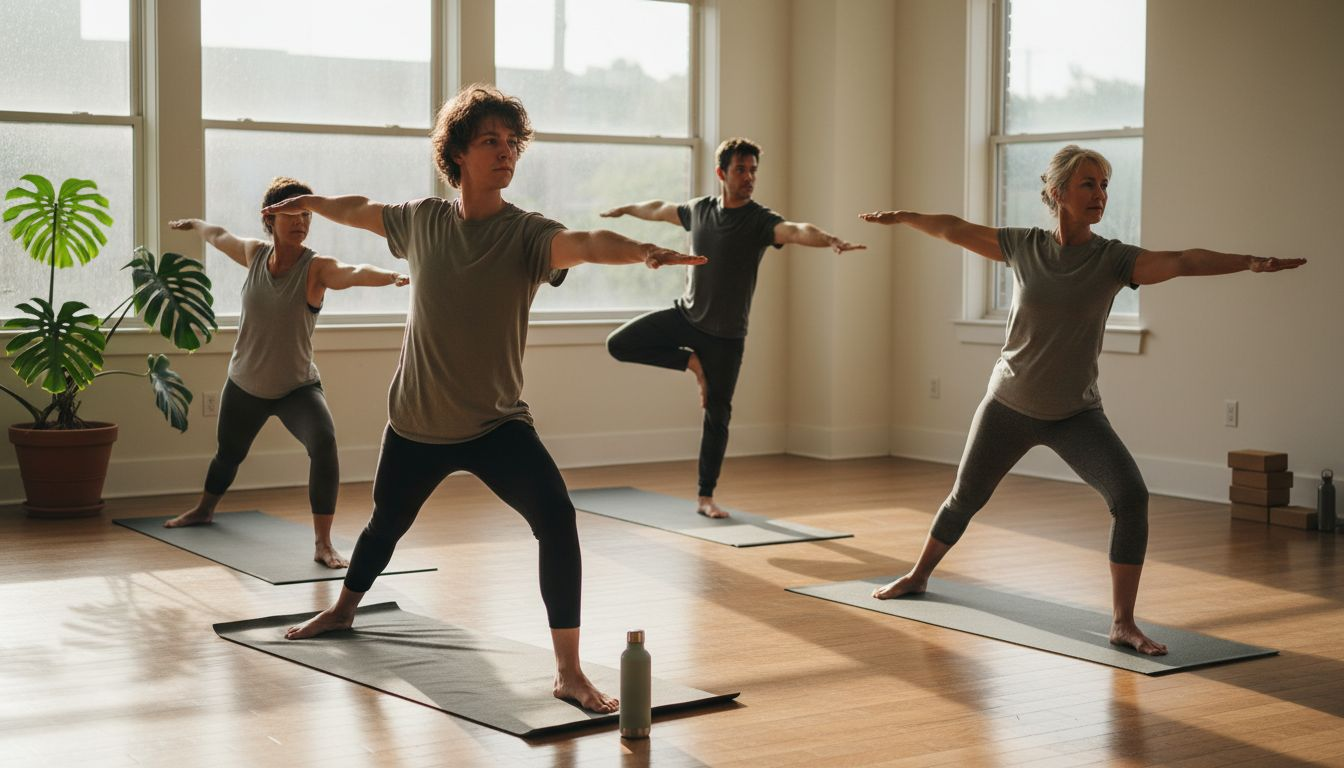
Smooth, breath-synchronized movement is what sets Vinyasa Flow yoga apart, attracting Philadelphia practitioners looking for both challenge and calm. When your breath becomes the anchor, every motion gains meaning and presence—yoga shifts from static poses to an intentional dance. This dynamic practice offers a unique combination of breath-to-movement coordination and seamless transitions, supporting physical strength, flexibility, and the kind of mental focus that nurtures well-being.
Table of Contents
Key Takeaways
| Point | Details |
|---|---|
| Breath-Synchronized Movement | Vinyasa Flow yoga emphasizes matching breath with movement, enhancing both physical and mental focus during practice. |
| Continuous Flow | Unlike static yoga styles, vinyasa involves seamless transitions between poses, promoting cardiovascular benefits and dynamic engagement. |
| Varied Class Structure | Classes typically progress through centering, warm-ups, main sequences, and cooldowns, ensuring a comprehensive approach to practice. |
| Mindful Practice | Practitioners are encouraged to listen to their bodies, prioritize alignment, and use props to foster safety and sustainability in their practice. |
Defining Vinyasa Flow Yoga and Key Concepts
Vinyasa Flow yoga is a dynamic, breath-synchronized practice where movement and respiration work as partners. Think of your breath as the conductor and your body as the orchestra—they move together seamlessly. This approach transforms yoga from isolated poses into a continuous, flowing sequence.
At its core, vinyasa coordinates each movement with the breath, using inhalations and exhalations to anchor transitions between poses. As you inhale, you might lift your chest in an upward motion; as you exhale, you fold forward. Breath control with movement demands intense focus and presence, making it far more than just stretching.
The word "vinyasa" itself comes from Sanskrit and means "to place in a special way." Each pose flows into the next with intention and awareness. This seamless transition between poses is what gives the practice its popular nickname: flow yoga.
Understanding Flow and Movement
Flow describes how vinyasa yoga creates a continuous stream of movement rather than holding static poses. Instead of pausing between stretches, you move with your breath.
Consider the cat stretch as a simple example. On your inhale, your spine curves gently as your chest lifts forward and upward. On your exhale, your spine rounds as you draw your chin toward your chest. This wave-like quality reflects vinyasa's fundamental principle.
Key characteristics of vinyasa flow include:
Breath-synchronized movement: Every motion links directly to an inhalation or exhalation
Continuous sequencing: Poses connect fluidly without long pauses
Increased focus: The breath anchor keeps your mind engaged throughout practice
Cardiovascular engagement: The flowing movement elevates your heart rate moderately
Physical and Mental Integration
Unlike slower yoga styles, vinyasa blends strength, flexibility, and cardiovascular work into one practice. Your body heats up naturally through movement, which is why some practitioners choose heated versions.
Mentally, the breath-to-movement connection creates a meditative quality during practice. You cannot drift into distraction—your mind must follow your breath and body simultaneously. This integration builds mental clarity alongside physical strength.
Research shows positive cardiovascular effects from vinyasa practice, including improved blood vessel function and arterial health. The continuous movement naturally supports your heart and circulatory system.
What Makes Vinyasa Different
Vinyasa stands apart from other yoga styles because it prioritizes flow and breath over holding poses long-term. A power yoga class might hold warrior poses for five breaths; vinyasa moves through them in two or three breaths, maintaining momentum.
This modern style appeals to people seeking:
Active, energizing practice rather than restorative sessions
Mental focus through synchronized breathing
Improved cardiovascular fitness alongside flexibility
A challenging physical practice that builds heat and strength
Vinyasa flow yoga transforms yoga into a continuous dance between breath and movement, making it both a physical and mental practice.
At Amrita Yoga & Wellness in Philadelphia, vinyasa classes range from beginner-friendly flows to advanced challenges. Whether you're new to yoga or a seasoned practitioner, understanding these foundational concepts helps you approach the practice with intention and awareness.
Pro tip: Focus on syncing one breath per movement when starting vinyasa—one inhale for one pose transition, one exhale for the next. This 1:1 ratio builds your foundation before exploring faster flows.
How Vinyasa Flow Differs From Other Yoga Styles
Vinyasa Flow stands out because it prioritizes continuous movement linked to breath rather than holding poses in fixed sequences. While other popular styles like Hatha or Iyengar focus on alignment and static holds, vinyasa creates a seamless dance of motion. This fundamental difference shapes your entire experience on the mat.
The key distinction lies in how vinyasa structures its sequences. Unlike Ashtanga yoga, which follows a rigid, repetitive order of poses every class, vinyasa allows variable sequences tailored to the instructor and students. Your Tuesday morning class might flow differently than Thursday evening—that flexibility is intentional.
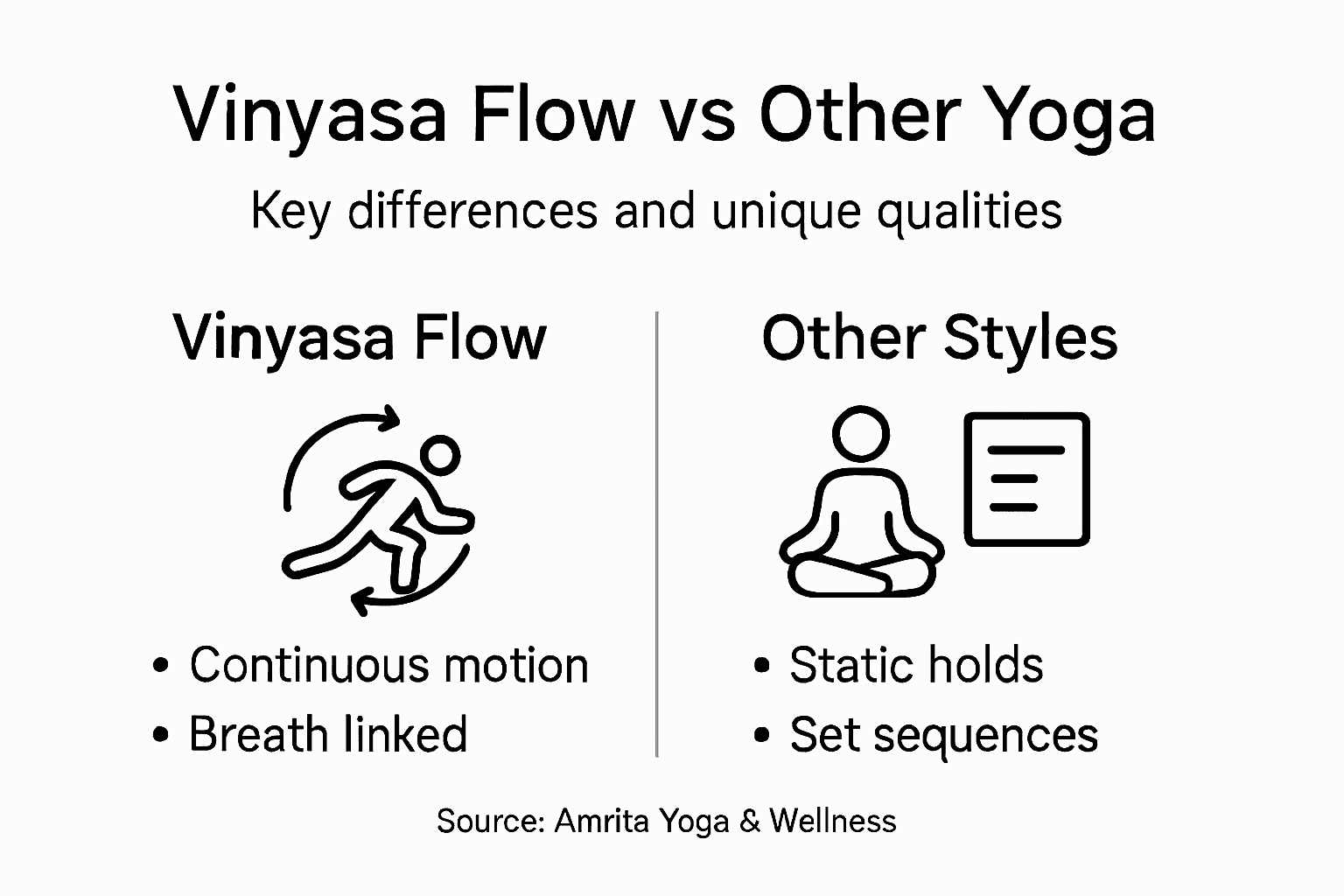
Vinyasa's continuous flowing movement generates a cardiovascular workout that other styles don't typically offer. When you move from pose to pose without long pauses, your heart rate stays elevated and your body naturally generates heat. This aerobic quality appeals to people seeking a more physically demanding practice.
Comparing Major Yoga Styles
Understanding how vinyasa compares to other approaches helps you choose what fits your goals.
Hatha yoga emphasizes holding poses longer while focusing on proper alignment. You might spend five or more breaths in warrior pose, building strength through stillness. Hatha moves slower and gives you time to adjust your positioning.
Iyengar yoga takes alignment even further, often using props like blocks and straps to achieve precise positioning. Classes focus on understanding anatomy and biomechanics. The pace is deliberate and detailed.
Ashtanga yoga does include flowing movement, but breath-linked flowing sequences follow a fixed, unchanging order every single time. You'll practice the same sequence in every class, which builds deep familiarity but less variety.
Power yoga borrows vinyasa's flowing style but adds challenging variations and creative sequences. It emphasizes building strength and heat more aggressively than traditional vinyasa.
Why Vinyasa Feels Different
The integration of breath and movement creates a meditative quality you might not experience in static-hold styles. Your mind must stay present because your body is constantly moving. You cannot zone out.
Vinyasa also offers customization that rigid systems do not. An instructor can modify sequences for different class levels, themes, or even student feedback. One class might focus on hip openers; another might emphasize arm balances—both are vinyasa.
Key differences at a glance:
Here is a quick comparison of major yoga styles you might encounter:
| Yoga Style | Structure Type | Focus Area | Variety in Practice |
|---|---|---|---|
| Vinyasa | Flowing, variable | Breath & movement | High, changes each class |
| Hatha | Static, sequenced | Alignment & stillness | Moderate, adjusts by class |
| Iyengar | Detailed, static | Precision & props | Moderate, pose-based |
| Ashtanga | Fixed, flowing | Repetition & structure | Low, same every class |
| Power Yoga | Dynamic, creative | Strength & stamina | High, instructor-driven |
Vinyasa: Flowing sequences, breath-linked movement, variable structure, cardiovascular engagement
Hatha: Longer static holds, alignment focus, slower pace, foundational approach
Iyengar: Props and precision, detailed alignment study, slower, therapeutic applications
Ashtanga: Fixed sequences, breath-linked, repeating order, structured progression
Power yoga: Dynamic flows, strength emphasis, heat generation, creative variations
Vinyasa creates movement as meditation, while other styles often use stillness as their meditation practice.
At Amrita Yoga & Wellness in Philadelphia, vinyasa classes attract people who love active, engaging practice. If you've tried slower styles and craved more movement, or practiced power yoga and want something more accessible, vinyasa offers the sweet spot between dynamic flow and intentional pacing.
Pro tip: Try a Hatha class to understand static alignment, then return to vinyasa with better body awareness. This cross-training deepens your vinyasa practice by showing you how proper alignment moves through your flowing sequences.
Typical Class Structure and Sequencing Elements
Most vinyasa classes follow a predictable arc, though instructors customize the journey. Understanding this structure helps you know what to expect and prepares your body mentally for the practice ahead. The typical 60-minute class moves through distinct phases, each serving a specific purpose.
Classes begin with centering and breathwork, often called pranayama. You might sit cross-legged while focusing on your natural breath or practicing specific breathing patterns. This 5-10 minute opening settles your mind and syncs you with your body before movement begins.
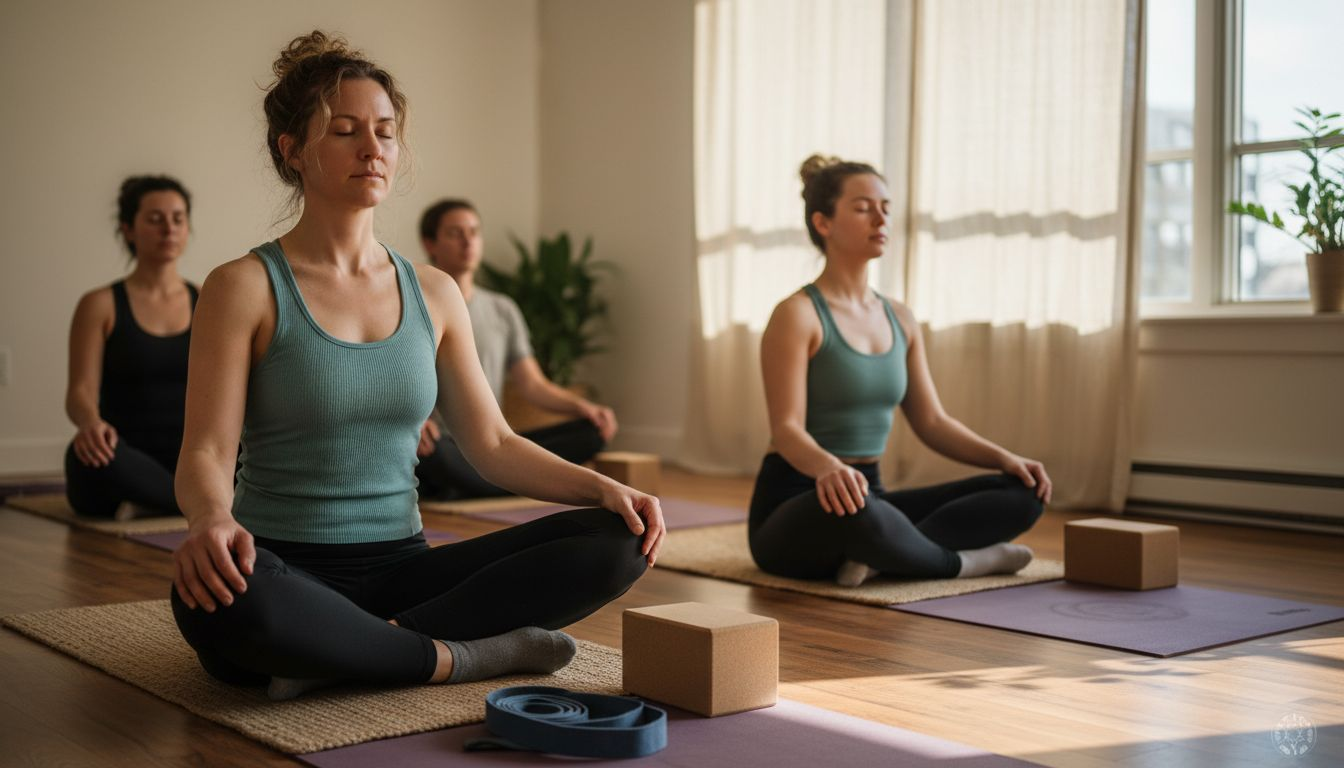
After centering, classes move into gentle warm-up sequences that prepare your joints and muscles. Cat-cow stretches, shoulder circles, and wrist rotations gradually increase blood flow. These movements are slower and more controlled than what follows, building your internal heat.
Building the Practice
The main body of class, typically 30-40 minutes, consists of flowing sequences that build in intensity. Instructors often begin with foundational poses and sun salutations that every student knows. Sun salutations are the backbone of vinyasa—they coordinate breath with a specific sequence of movements.
From there, classes progress into standing poses and balancing work. You might move through warriors, triangles, and standing leg lifts while maintaining breath-synchronized transitions. The pace gradually increases as your body warms.
Most classes include a peak pose or theme near the middle. This might be arm balances, deep backbends, or advanced hip openers. The instructor spends extra time preparing your body for this challenging moment.
Key phases in order:
Centering (5-10 minutes): Breathing and mental preparation
Warm-up (5-10 minutes): Joint mobility and gentle movement
Sun salutations (10-15 minutes): Breath-linked foundational sequences
Standing poses (10-15 minutes): Strength and balance building
Peak pose (5-10 minutes): The class highlight or challenge
Cool-down (5-10 minutes): Slower stretches and transitions
Final relaxation (5-10 minutes): Savasana or meditation
Closing and Integration
After the peak pose, instructors bring energy down with cool-down stretches and slower-paced poses. This transition prevents dizziness and gives your heart rate time to decrease naturally. You'll often hold poses longer here than in the main body.
Classes end with savasana, or final relaxation pose. You lie flat on your back, completely still, for 5-10 minutes while the instructor guides relaxation or silence fills the room. This integration period allows your nervous system to absorb the practice's benefits.
Every vinyasa class tells a story through its sequencing—beginning, building, peaking, and concluding with intention and purpose.
At Amrita Yoga & Wellness in Philadelphia, instructors vary their sequences while maintaining this classic structure. Beginning vinyasa classes move more slowly and focus on foundational poses, while advanced classes feature creative variations and longer holds in challenging positions. Knowing the typical flow helps you feel more confident stepping onto your mat.
Pro tip: Arrive 10 minutes early to your first vinyasa class. This gives you time to set up your mat, settle your nervous system, and ask the instructor about any physical limitations before class begins.
Physical and Mental Benefits of Vinyasa Flow Practice
Vinyasa Flow yoga delivers benefits that extend far beyond the mat. The combination of continuous movement, breath work, and mental focus creates measurable improvements in both body and mind. Whether you're seeking stress relief or physical strength, vinyasa addresses multiple wellness goals simultaneously.
The flowing nature of vinyasa creates a full-body cardiovascular workout that builds endurance naturally. Unlike static poses, continuous movement elevates your heart rate and demands oxygen throughout class. Over time, your heart becomes stronger and your circulation improves, supporting overall cardiovascular health.
Muscle engagement happens throughout every transition. You develop increased muscle strength and tone especially in your core, shoulders, and legs. The constant stabilization required during flowing sequences activates muscles you might not use in everyday life.
Physical Transformation
Vinyasa also enhances flexibility and range of motion as you move through varied poses regularly. The dynamic stretching embedded in flowing sequences gradually lengthens muscles safely. You gain mobility without forcing rigid holds that might create tension.
Your posture improves naturally through vinyasa practice. Strengthening your core and back muscles while building body awareness helps you stand taller and move more efficiently. Many Philadelphia practitioners notice better alignment in daily life after several weeks of consistent practice.
Physical benefits include:
Enhanced flexibility and joint mobility
Improved muscle strength throughout your body
Better balance and stability
Increased cardiovascular endurance
Improved digestion and immune function
Better sleep quality and energy levels
Mental and Emotional Gains
The breath-to-movement synchronization creates a powerful meditative state that reduces stress and anxiety. When your mind focuses on breath and body, daily worries fade temporarily. This consistent mental break builds your resilience over time.
Mental clarity and mindfulnessdevelop naturally through the practice's demand for presence. You cannot multitask during vinyasa—your brain must stay engaged with the moment. This training carries into daily life, helping you approach challenges with greater focus and awareness.
Emotional benefits accumulate steadily. Regular practitioners report improved mood, increased self-confidence, and better emotional regulation. The physical effort releases endorphins while the meditative aspect calms your nervous system—a powerful combination for mental wellness.
Mental and emotional benefits include:
Decreased stress and anxiety levels
Enhanced mood and emotional stability
Improved focus and concentration
Greater self-awareness and confidence
Better stress management tools
Deeper mind-body connection
Vinyasa yoga integrates strength training, cardiovascular exercise, and meditation into one unified practice.
At Amrita Yoga & Wellness in Philadelphia, students consistently report feeling calmer, stronger, and more connected after adopting a regular vinyasa practice. Whether you attend one class weekly or practice three times per week, benefits accumulate and deepen over time.
Pro tip: Practice vinyasa at least twice weekly to notice measurable physical and mental changes. Consistency matters more than intensity—regular, moderate practice beats sporadic intense sessions for building lasting benefits.
Common Mistakes and Essential Safety Tips
Vinyasa yoga's intensity demands attention to proper technique and body awareness. Injuries happen when practitioners push beyond their limits or ignore warning signals from their bodies. Understanding common mistakes helps you practice safely and sustainably for years to come.
The most frequent mistake beginners make is losing breath coordination during transitions. When poses get challenging, your instinct is to hold your breath and power through. This breaks vinyasa's fundamental principle and robs your muscles of oxygen, increasing injury risk.
Rushing through sequences ranks as another major error. Speed creates momentum that masks poor alignment and prevents your muscles from engaging properly. Slow, controlled movement always beats quick, sloppy transitions.
What Goes Wrong
Skipping warm-up or cool-down sections significantly increases injury risk. These phases prepare your body for intensity and help it recover afterward. Jumping directly into peak poses without preparation strains cold muscles and connective tissue.
Ignoring your body's pain signals causes preventable injuries. Discomfort and pain are messages—learn to distinguish between productive muscle sensation and harmful joint stress. Sharp, localized pain demands immediate attention and modification.
Common mistakes practitioners make:
Below is a summary of common vinyasa mistakes and their smart solutions:
| Common Mistake | Why It Happens | Safer Practice Solution |
|---|---|---|
| Losing breath coordination | Trying to keep up with pace | Slow down, match breath to move |
| Rushing transitions | Wanting a good workout fast | Prioritize control over speed |
| Skipping proper warm-up | Eager to advance poses | Always include full warm-up phase |
| Ignoring pain signals | Comparing to other students | Modify or rest at first discomfort |
| Avoiding props or help | Viewing props as weakness | Use props to maintain alignment |
Holding breath during challenging transitions
Rushing through sequences for speed
Neglecting proper warm-up and cool-down
Forcing depth in stretches beyond your current capacity
Comparing your progress to others in class
Skipping props or modifications when offered
Practicing on exhaustion or injury
Essential Safety Practices
Breathing consciously and moving mindfullywithin your limits prevents most vinyasa injuries. Sync each breath with one movement, and stop if coordination breaks down. This intentional pace protects your body while deepening your practice.
Maintain alignment over depth always. A shallow pose with perfect form beats a deep pose with compromised alignment. Props like blocks, straps, and blankets serve your body—using them shows wisdom, not weakness.
Build gradually under qualified instruction. Starting with basic poses and increasing intensity slowly prevents overwhelming your body. Philadelphia instructors at Amrita Yoga & Wellness modify classes for all levels—take advantage of these adjustments.
Essential safety tips include:
Breathe consciously: Sync breath with movement throughout class
Listen to your body: Distinguish between productive sensation and harmful pain
Use props freely: Blocks, straps, and blankets enhance safety
Warm up properly: Never skip opening sequences
Cool down intentionally: Allow your heart rate to decrease gradually
Ask for modifications: Instructors expect and encourage adaptation
Practice with rest days: Your body needs recovery time between intense classes
Your practice should feel sustainable for life, not just impressive for today.
Safety creates longevity. Practicing mindfully now prevents injuries that could sideline you for months. Building strength and flexibility gradually, with respect for your body's limits, creates a practice that grows stronger year after year.
Pro tip: If a pose feels wrong, stop immediately and ask your instructor for a modification rather than pushing through discomfort. Honoring your body's signals prevents injury and deepens your practice.
Elevate Your Well-Being with Vinyasa Flow at Amrita Yoga & Wellness
Struggling to find a yoga practice that combines strength, flexibility, and mindful breath coordination? Vinyasa Flow yoga offers a dynamic way to build physical endurance while calming your mind through synchronized movement and breath. If you want to experience the benefits described in "Vinyasa Flow Yoga Benefits, Techniques, and Classes," why not start your journey where expert guidance and inclusive community come together
Discover personalized vinyasa classes tailored to your level at Amrita Yoga & Wellness. From beginner flows focusing on breath awareness to advanced sessions that challenge your limits safely, our Philadelphia studio supports your growth every step of the way. Take the next step toward improved cardiovascular health, greater mental clarity, and deeper mind-body connection by exploring our detailed class descriptions online and securing your spot today. Visit our homepage and embrace a practice that respects your pace and empowers your practice.
Frequently Asked Questions
What are the primary benefits of Vinyasa Flow yoga?
Vinyasa Flow yoga offers numerous benefits including improved cardiovascular health, increased muscle strength and flexibility, enhanced mental clarity, reduced stress and anxiety, and better posture. The continuous movement and breath synchronization create a full-body workout that supports both physical and mental well-being.
How does Vinyasa Flow differ from other yoga styles?
Vinyasa Flow differs from other styles like Hatha or Iyengar as it focuses on continuous movement linked to breath rather than holding poses for an extended time. This dynamic flow creates an engaging and energizing practice, making it suitable for those looking for a more active yoga experience.
What should I expect in a typical Vinyasa Flow class?
In a typical Vinyasa Flow class, you can expect a structured sequence that includes centering and breathwork, gentle warm-ups, sun salutations, standing poses, a peak pose, cool-down stretches, and final relaxation. Classes are usually 60 minutes long and emphasize breath-synchronized movement.
Are there any common mistakes to avoid while practicing Vinyasa Flow yoga?
Common mistakes include losing breath coordination during transitions, rushing through sequences, skipping warming up or cooling down, and ignoring pain signals. It's crucial to practice mindfully, prioritize proper alignment, and use props when necessary to prevent injury.