Why Choose Pilates: Unlocking Total Body Wellness
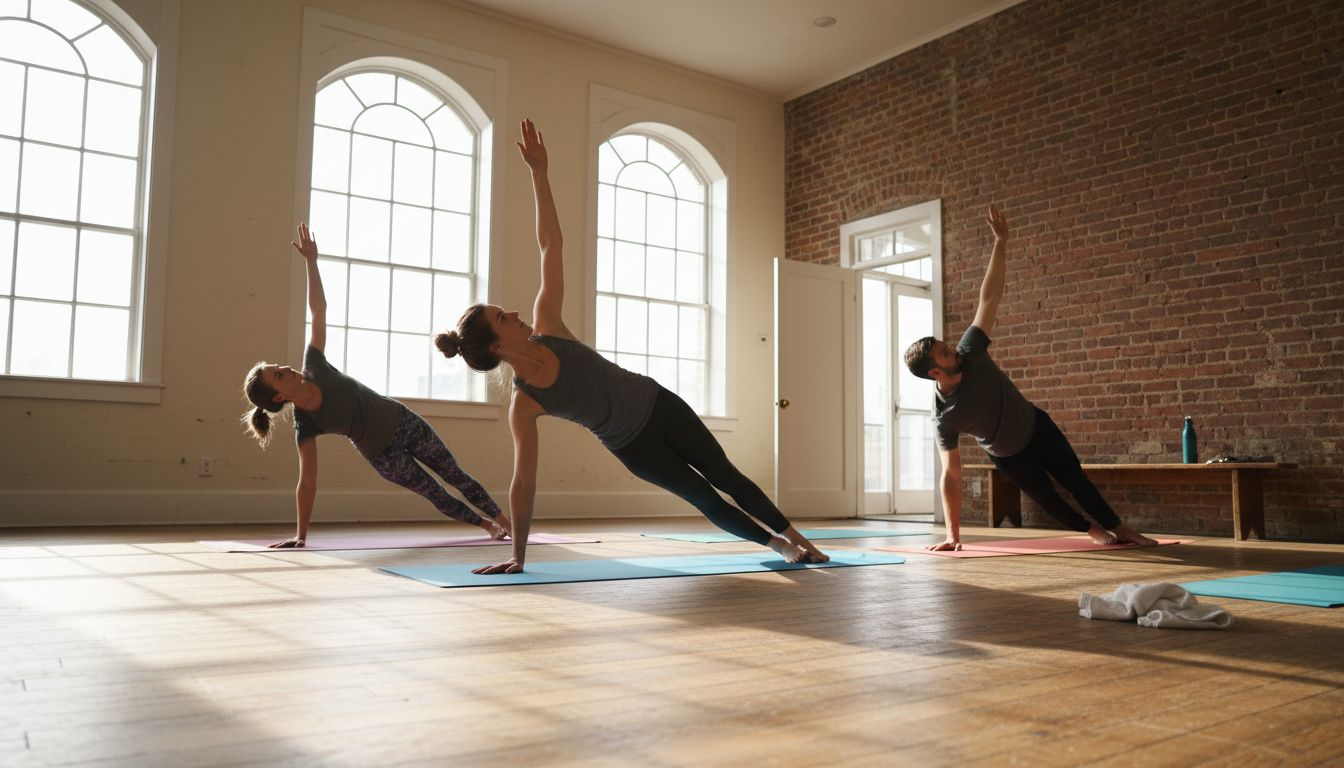
Most American fitness enthusiasts search for a method that transforms more than just their bodies. With over 10 million Americans practicing Pilates each year, this holistic approach stands apart from traditional workouts. Whether you want better strength, flexibility, or injury prevention, understanding the core concepts and unique principles of Pilates could change your perspective on physical wellness and mindful movement.
Table of Contents
Key Takeaways
| Point | Details |
|---|---|
| Holistic Fitness Approach | Pilates integrates mental focus with physical strength through intentional movement practices. |
| Practices for All Levels | Pilates is adaptable, welcoming beginners to advanced practitioners with scalable techniques. |
| Core Strength and Flexibility | The method emphasizes core stability and flexibility, contributing to injury prevention and optimal body mechanics. |
| Complementary Fitness Methods | Pilates, yoga, and barre each offer distinct benefits, enhancing overall wellness when practiced together. |
Pilates Defined: Principles And Core Concepts
Pilates is a holistic fitness method that transforms physical movement through precise, intentional techniques. More than just an exercise routine, it represents a comprehensive approach to body conditioning that integrates mental focus with physical strength. Fundamental Pilates principles emphasize the intricate connection between mind and muscle, creating a unique workout experience that goes beyond traditional fitness practices.
At its core, Pilates centers on six primary principles that distinguish it from other exercise systems: concentration, control, center, flow, precision, and breathing. Concentration demands complete mental engagement during each movement, transforming exercise from a mechanical action into a mindful practice. Control ensures that every motion is deliberate and executed with optimal technique, preventing momentum-driven movements and reducing injury risk. The concept of centering focuses on strengthening the body’s powerhouse - the deep abdominal muscles, lower back, hips, and glutes - which serve as the foundation for all Pilates movements.
Breath work represents another critical element of Pilates methodology. Unlike many fitness approaches that treat breathing as secondary, Pilates integrates breathing techniques as a fundamental component of movement. Practitioners learn to synchronize breath with specific muscular actions, creating a rhythmic flow that enhances oxygen delivery, increases body awareness, and supports muscular engagement. The precise breathing patterns help activate core muscles, improve lung capacity, and promote a meditative state during practice.
Pro Tip: Start Your Practice Mindfully: Begin each Pilates session by taking three deep, intentional breaths, focusing on connecting your breath to your core muscles and establishing a clear mental connection with your body before initiating movement.
Key Takeaway: Pilates is not just an exercise routine but a comprehensive mind-body discipline that transforms how you move, breathe, and understand your physical potential.
Mat Pilates vs. Reformer Classes Explained
Pilates offers two primary practice methods that deliver transformative fitness experiences: mat Pilates and reformer Pilates. While both share fundamental principles of core strength and mindful movement, they differ significantly in equipment, resistance, and workout intensity. Reformer Pilates classes provide a unique approach that introduces specialized equipment to enhance traditional Pilates techniques.
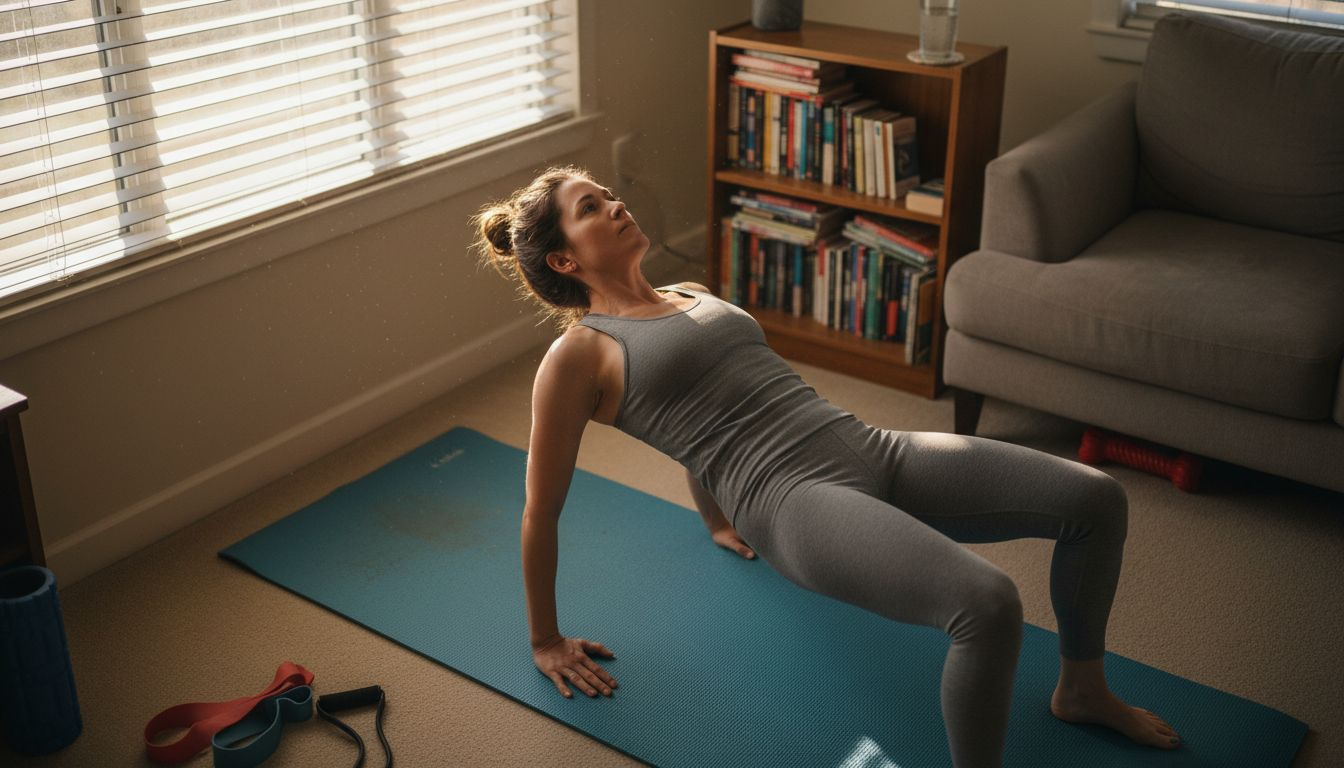
Mat Pilates represents the foundational practice, utilizing body weight and minimal equipment to build core strength, improve flexibility, and develop muscular control. Practitioners use their own body as resistance, performing exercises directly on a padded mat. This method focuses on precise movements, emphasizing proper alignment, breath control, and deep muscle engagement. Mat Pilates is particularly accessible for beginners, requiring no specialized equipment and allowing practitioners to develop fundamental movement patterns and core stability.
Reformer Pilates, by contrast, incorporates a sliding carriage, springs, and adjustable resistance mechanisms that create a dynamic and challenging workout environment. The reformer machine allows for a wider range of motion, more resistance options, and the ability to target muscle groups from multiple angles. Advanced practitioners appreciate how reformer classes can provide intense, low-impact strength training that simultaneously improves flexibility and body alignment. The machine’s design enables both standing and lying exercises, making it versatile for rehabilitation, athletic training, and general fitness development.
To clarify the main distinctions, here is a side-by-side comparison of mat and reformer Pilates:
| Aspect | Mat Pilates | Reformer Pilates |
|---|---|---|
| Equipment | Padded mat only | Special reformer machine |
| Resistance | Bodyweight | Springs and adjustable resistance |
| Accessibility | Ideal for beginners | Suitable for all, best after basics |
| Range of Motion | Primary body movements on mat | Greater movement variety and angles |
| Intensity | Moderate, self-paced | Can achieve higher, adjustable levels |
| Common Use Cases | Learning fundamentals, home practice | Rehab, advanced strength, flexibility |
Pro Tip: Equipment Selection Strategy: Start with mat Pilates to build foundational skills, then gradually transition to reformer classes once you’ve developed core strength and understand basic Pilates movement principles.
Key Takeaway: Mat and reformer Pilates offer complementary approaches to fitness, each providing unique benefits that can be tailored to individual fitness goals and physical capabilities.
Core Strength, Flexibility, And Injury Prevention
Pilates stands as a revolutionary approach to fitness that uniquely addresses three critical aspects of physical wellness: core strength, flexibility, and injury prevention. Essential fitness techniques demonstrate how a targeted, mindful movement practice can transform body mechanics and reduce potential health risks. Core strength represents the foundational element of this holistic approach, focusing on developing deep muscular support systems that stabilize the spine and improve overall body alignment.
The deep core muscles - including the transverse abdominis, multifidus, diaphragm, and pelvic floor - play a crucial role in preventing injuries and maintaining optimal physical function. Unlike traditional strength training that often emphasizes superficial muscle groups, Pilates systematically engages these deep stabilizing muscles through precise, controlled movements. This approach creates a strong, integrated core that supports every physical activity, from athletic performance to everyday movements like lifting, bending, and walking. Practitioners develop enhanced body awareness, learning to move with greater efficiency and reduced strain on joints and connective tissues.
Flexibility in Pilates goes beyond simple stretching, representing a comprehensive approach to muscle elasticity, joint mobility, and movement quality. The practice incorporates dynamic and static stretching techniques that gradually increase range of motion while simultaneously building strength. By emphasizing controlled, mindful movements, Pilates helps practitioners develop a more balanced muscular system, reducing the risk of strains, sprains, and chronic pain conditions. The method’s focus on proper alignment and muscle balance means that flexibility is developed in a way that supports long-term physical health and injury prevention.
Pro Tip: Progressive Flexibility Strategy: Start each Pilates session with gentle mobility exercises, gradually increasing intensity and complexity to prepare your body safely and effectively.
Key Takeaway: Pilates offers a comprehensive approach to physical wellness, simultaneously building core strength, improving flexibility, and creating a robust injury prevention system through mindful, integrated movement practices.
Pilates For All Levels And Community Connection
Pilates represents an inclusive fitness practice that welcomes practitioners across all skill levels, ages, and physical conditions. Essential Pilates exercises demonstrate the remarkable adaptability of this holistic movement system, ensuring that everyone from complete beginners to advanced athletes can find meaningful engagement. Scalability stands as a cornerstone of the Pilates approach, with instructors expertly modifying movements to accommodate individual physical capabilities, limitations, and fitness goals.
For beginners, Pilates offers a gentle yet transformative entry point into fitness. Introductory classes focus on fundamental movement patterns, proper breathing techniques, and basic core engagement. Instructors provide detailed guidance, helping new practitioners understand body alignment, muscle activation, and movement precision. Advanced practitioners, by contrast, can explore more complex sequences, increased resistance, and nuanced techniques that challenge even the most experienced athletes. This progressive approach ensures that Pilates remains challenging and engaging throughout a practitioner’s fitness journey.
Beyond individual practice, Pilates creates powerful community connections that extend far beyond traditional workout experiences. Group classes foster a sense of collective support, where participants share similar wellness goals and motivational energy. The practice encourages collaborative learning, with practitioners observing and supporting each other’s progress. Many Pilates studios cultivate a holistic wellness environment that goes beyond physical exercise, creating spaces for social interaction, personal growth, and shared health commitments. This community-oriented approach transforms Pilates from a mere exercise routine into a comprehensive lifestyle practice.
Pro Tip: Level Progression Strategy: Start with beginner classes, focus on mastering fundamental techniques, and gradually explore more advanced variations as your strength and confidence build.
Key Takeaway: Pilates offers a uniquely adaptable fitness experience that connects individuals through shared wellness goals, providing personalized growth opportunities for every practitioner regardless of their starting fitness level.
Comparing Pilates With Yoga And Barre Workouts
Pilates, yoga, and barre represent three distinct yet complementary approaches to holistic fitness, each offering unique benefits that cater to different physical and mental wellness goals. Comprehensive comparison of fitness techniques reveals the nuanced characteristics that distinguish these popular movement practices. Pilates stands out for its precision-based approach, emphasizing core strength, muscular balance, and controlled movements that improve overall body mechanics.
Yoga primarily focuses on flexibility, mindfulness, and spiritual connection, utilizing a range of postures and breathing techniques to promote mental and physical integration. Its practice ranges from gentle, meditative styles like Hatha to more physically demanding practices like Vinyasa. Barre, in contrast, combines elements of ballet, Pilates, and strength training, creating a high-energy workout that targets muscle endurance and body sculpting. While yoga emphasizes holding poses and developing mental awareness, Pilates concentrates on precise, controlled movements that build core strength and improve overall body alignment.
This table summarizes how Pilates, yoga, and barre differ in their primary focus and benefits:
| Practice | Main Emphasis | Core Benefits | Key Techniques |
|---|---|---|---|
| Pilates | Core strength, control | Injury prevention, balance | Precision movement, breathing |
| Yoga | Flexibility, mindfulness | Stress relief, relaxation | Poses, breathwork, meditation |
| Barre | Muscle endurance, toning | Sculpted muscles, cardio boost | Ballet-inspired, small pulses |
Each practice offers distinct advantages for practitioners. Pilates excels in rehabilitation and injury prevention, providing low-impact, targeted exercises that enhance muscular balance and body awareness. Yoga offers profound stress reduction and mental clarity, with practices that promote flexibility and spiritual growth. Barre workouts deliver an intense, full-body conditioning experience that combines cardio elements with muscle-sculpting techniques. These differences make them complementary rather than competing practices, allowing individuals to integrate multiple approaches into a comprehensive wellness strategy.
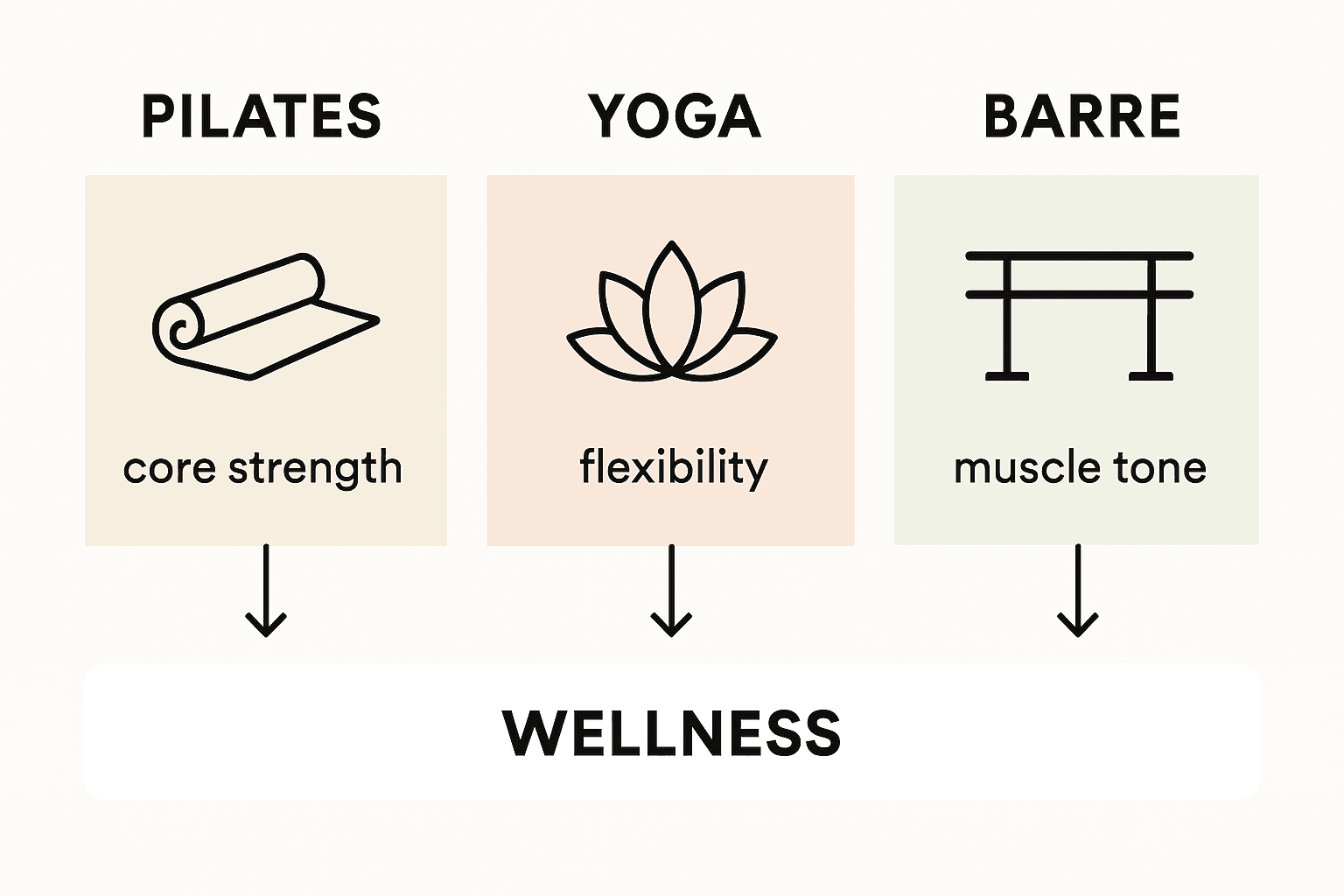
Pro Tip: Holistic Fitness Approach: Consider incorporating elements from all three practices to create a well-rounded fitness routine that addresses strength, flexibility, mindfulness, and overall body conditioning.
Key Takeaway: Pilates, yoga, and barre each offer unique pathways to fitness, with Pilates distinguishing itself through precise, core-focused movements that provide unparalleled body mechanics and strength development.
Discover Total Body Wellness Through Pilates at Amrita Yoga & Wellness
Unlocking your full physical potential means embracing the core principles of Pilates that focus on mindful movement, core strength, flexibility, and injury prevention. If you are searching for a fitness practice that goes beyond routine exercise to enhance body mechanics and mental focus, Pilates offers exactly that mindful connection. Whether you are a beginner eager to build foundational skills or an advanced practitioner seeking to deepen your practice, Pilates adapts to your individual needs and goals.
Start your transformative wellness journey today by exploring the diverse Pilates classes and holistic offerings at Amrita Yoga & Wellness. Experience the difference with expert instruction, supportive community engagement, and tailored guidance that empower you to move with precision and confidence. Visit Amrita Yoga & Wellness now and take the first step to unlock your total body wellness with Pilates.
Frequently Asked Questions
What are the primary principles of Pilates?
The core principles of Pilates include concentration, control, center, flow, precision, and breathing. These principles work together to enhance physical strength and create a mindful movement practice.
How does Pilates improve core strength and prevent injuries?
Pilates focuses on developing deep core muscles that stabilize the spine and improve overall body alignment. This systematic engagement reduces the risk of injuries and enhances physical function during everyday activities and sports.
What is the difference between mat Pilates and reformer Pilates?
Mat Pilates relies on body weight exercises performed on a padded mat, making it accessible for beginners. Reformer Pilates utilizes a specialized machine with adjustable resistance, offering a wider range of motion and varying workout intensity.
Can beginners effectively practice Pilates?
Yes, Pilates is inclusive and suitable for all skill levels, including beginners. Introductory classes focus on fundamental techniques, helping new practitioners understand body alignment, breathing, and core engagement.