
The Amrita Journal
Explore thoughtful stories, practical wellness guidance and inspiring ideas to support your movement, mindfulness and everyday wellbeing at Amrita.
Hot Power Fusion Yoga: Benefits, Tips, and What to Expect

TL;DR:
Hot Power Fusion Yoga combines strength-building power yoga with the deep stretching and detoxifying heat of hot yoga, creating a physically demanding yet mentally grounding practice suitable for all levels. Classes typically last 60–75 minutes in rooms heated to 95–105°F, enhancing flexibility, cardiovascular fitness, and mental clarity while challenging practitioners physically and mentally. Preparation, including proper hydration, appropriate clothing, and modifications, is essential to maximize benefits and ensure a safe, effective experience.
Hot Power Fusion Yoga is defined as a practice that merges the strength-building sequences of power yoga with the deep stretching and detoxifying heat of hot yoga. The result is a physically demanding, mentally grounding class that works for beginners and seasoned practitioners alike. You build real muscle strength, gain flexibility faster than in a standard room, and leave with that particular clarity that only comes from sweating through something hard. If you've been curious about what this practice actually involves, this guide covers everything you need to know.
What is hot power fusion yoga, really?
Hot Power Fusion Yoga is a fusion of power yoga and hot yoga that combines dynamic movement with a heated environment to produce both physical and mental results. Power yoga contributes the strength sequences and flowing vinyasa transitions. Hot yoga contributes the room temperature, the sweat, and the meditative stillness found in posture holds. Together, they create something neither discipline delivers alone.
Classes run 60–75 minutes in rooms heated to 95–105°F. That temperature range is deliberate. It warms your muscles faster, increases your range of motion, and pushes your cardiovascular system in ways a room-temperature class simply cannot. The heat also creates a sensory environment that forces you to stay present. You cannot mentally check out when the room is that warm.
This practice sits in the broader category of fusion yoga styles, which blend two or more yoga traditions to serve practitioners who want more than one thing from a single session. Hot Power Fusion is one of the most physically demanding entries in that category.
How is a hot power fusion class structured?
A typical Hot Power Fusion class follows a clear arc from warm-up to peak intensity to cool-down. Understanding that structure helps you pace yourself, especially in your first few sessions.
Warm-up (10–15 minutes): The class opens with breath-focused movement and gentle flows. Sun Salutations or modified vinyasa sequences activate the spine and raise your core temperature alongside the room's heat.
Standing sequence (20–25 minutes): This is where power yoga's influence shows up most clearly. Warrior series, balance poses, and standing strength holds build leg and core strength. Instructors often cue longer holds here to develop muscular endurance.
Floor sequence (15–20 minutes): Spine-focused backbends, hip openers, and core work dominate this section. The heat makes deep hip openers like Pigeon Pose feel more accessible than they would in a cooler room.
Cool-down and Savasana (10–15 minutes): The class closes with restorative postures and a final rest. This is not optional. Your nervous system needs the transition after that level of exertion.
Music plays a real role in pacing. Most Hot Power Fusion instructors use a curated playlist that mirrors the class arc, starting slow and building to a peak during the standing sequence before dropping back for the floor work. The rhythm guides your breath and keeps you moving when the heat makes you want to stop.
Pro Tip: Arrive 10 minutes early for your first class. Sitting in the heated room before class starts lets your body acclimate gradually instead of hitting the full intensity the moment you begin moving.
What are the physical and mental benefits?
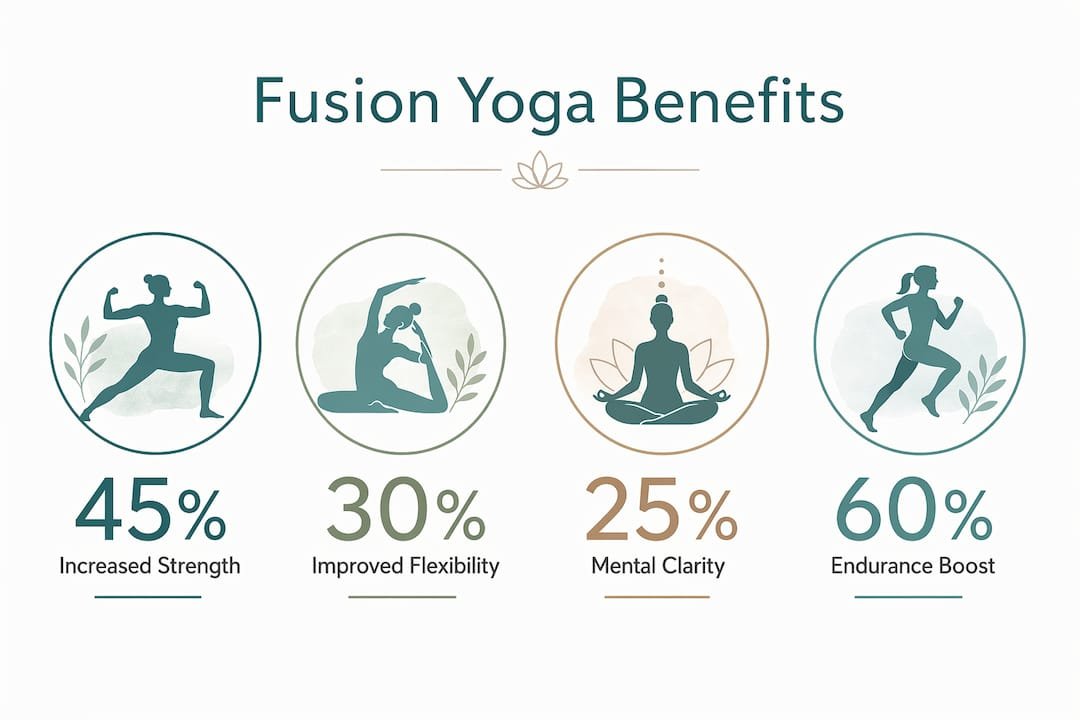
The benefits of this practice are well-documented and span both the body and the mind. Here is what the research and experienced practitioners consistently report.
Improved bone density and balance: Practicing heated yoga 2–6 times per week over several weeks improves bone mineral density, flexibility, and balance. That finding comes from an analysis of 43 studies covering 942 participants. Bone density improvements are particularly significant for women, who make up the majority of the study pool.
Cardiovascular fitness: The heated room elevates your heart rate faster and keeps it elevated longer than a standard yoga class. Over time, this builds real aerobic capacity.
Increased flexibility: Heat increases muscle laxity, which allows for a greater range of motion during stretching. You will notice deeper forward folds and more open hip postures within a few sessions.
Detoxification through sweat: Heavy sweating in a heated environment supports the body's natural detox processes. This is one of the most cited reasons practitioners return to hot yoga formats consistently.
Stress relief and mental clarity: The heat creates a cathartic sensory effect that deepens the mind-body connection beyond what physical stretching alone produces. E-RYT 500 instructor Laura Lusson describes this as one of the most underappreciated aspects of heated yoga practice.
"The heat in hot yoga provides a cathartic, sensory experience crucial for deepening mind-body awareness beyond mere physical outcomes." — Laura Lusson, E-RYT 500
The mental benefits deserve equal weight here. Many practitioners report that the concentration required to hold poses in a hot room translates directly into improved focus and stress management outside the studio. You learn to stay calm under physical pressure. That skill carries over.
For beginners, modifications are standard and built into every class. Accepting a modification is not a sign of weakness. It is the approach that keeps you practicing long-term. You can explore the hot yoga wellness advantages in more depth if you want a fuller picture of what the heated environment adds to your practice.
Hot power fusion vs. other hot yoga styles
Understanding how this practice differs from Bikram yoga and standard power yoga helps you choose the right class for your goals.
| Feature | Hot Power Fusion Yoga | Bikram Hot Yoga | Standard Power Yoga |
|---|---|---|---|
| Room temperature | 95–105°F | 105°F | Room temperature |
| Sequence structure | Dynamic, varied flows | Fixed 26-posture sequence | Dynamic, varied flows |
| Meditative elements | Integrated throughout | Minimal | Minimal |
| Modifications offered | Yes, actively encouraged | Limited | Yes |
| Intensity level | High, with recovery built in | High, repetitive | High, no heat assist |
| Accessibility for beginners | Strong | Moderate | Moderate |
Bikram yoga uses a fixed sequence of 26 postures performed in the same order every class. That predictability has real value for some practitioners. Hot Power Fusion trades that predictability for variety and a more balanced challenge-to-recovery ratio. You are not doing the same class every time.
Standard power yoga, as popularized by teachers like Bryan Kest and Beryl Bender Birch in the 1990s, delivers strength and flow without the heat. The absence of a heated room means you miss the cardiovascular push and the deeper flexibility gains that heat provides. Fusion classes balance internal peace with physical exertion in a way that traditional yoga's more singular spiritual focus does not always achieve.
Pro Tip: If you have practiced Bikram yoga before, expect Hot Power Fusion to feel less predictable but more physically varied. The dynamic flows will challenge muscle groups that fixed sequences tend to underwork.
What should you know before your first class?
Preparation makes a significant difference in how your first Hot Power Fusion session feels. These are the practical things that matter most.
Hydrate aggressively before class. Drink water consistently in the hours leading up to your session. Arriving dehydrated in a 100°F room is the fastest route to dizziness or nausea.
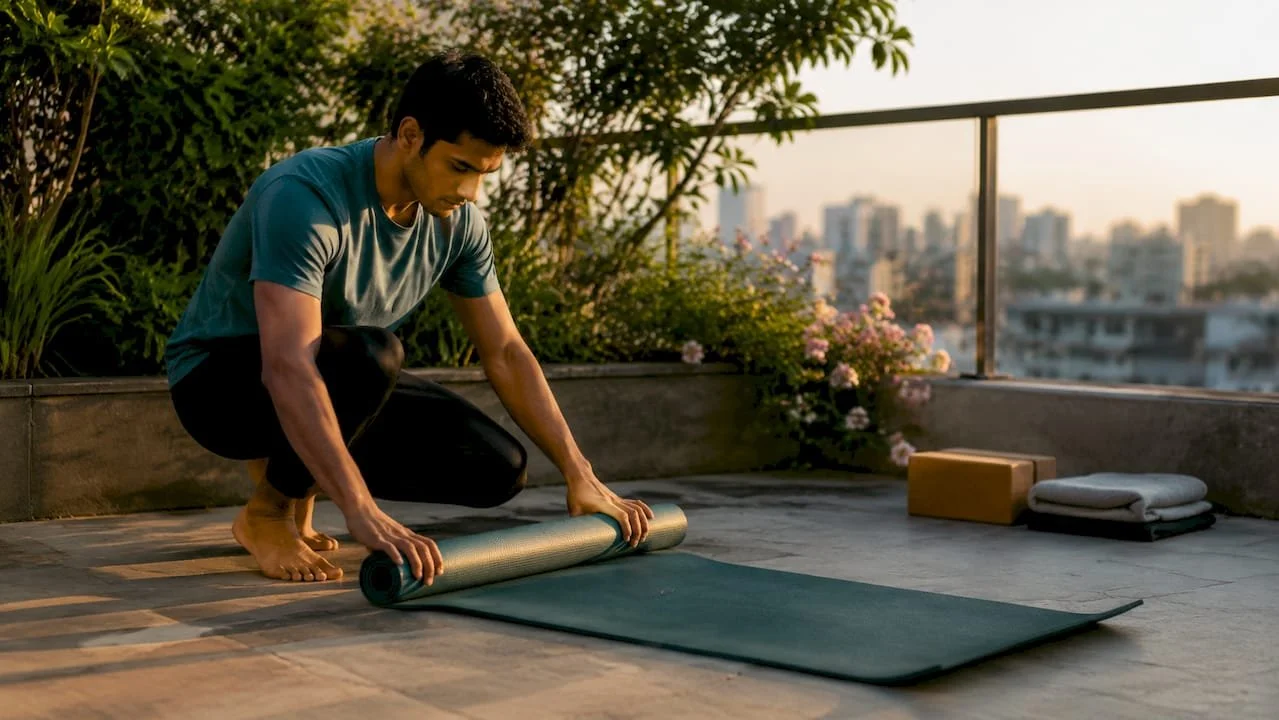
Bring two towels. Practitioners are advised to bring one towel for the mat and one for themselves. The sweat volume in a Hot Power Fusion class surprises most first-timers.
Respect heat-induced laxity. Heat increases muscle flexibility but also creates a risk of overstretching. Treat the heat as a facilitating tool, not a signal to push past your natural limits. Skilled instructors will remind you of this throughout class.
Use modifications without hesitation. Mastering complex inversions is unnecessary. Modifications are tools for longevity in practice, not shortcuts for people who cannot keep up.
Expect a cardiovascular challenge. Your heart rate will climb. If you feel lightheaded, come down to Child's Pose. Every instructor expects this from new students and will not single you out.
You can get a clearer sense of what the studio environment feels like before you walk in, which helps reduce the anxiety that comes with trying something new.
Pro Tip: Wear moisture-wicking fabric that fits close to the body. Loose clothing traps heat and gets heavy with sweat, which makes movement harder and more uncomfortable than it needs to be.
Key takeaways
Hot Power Fusion Yoga delivers strength, flexibility, and mental clarity by combining dynamic power yoga flows with the detoxifying heat of a 95–105°F room.
| Point | Details |
|---|---|
| Core definition | Hot Power Fusion blends power yoga strength sequences with hot yoga's heated environment and meditative elements. |
| Class structure | Sessions run 60–75 minutes and move from warm-up flows through standing strength work to floor sequences and Savasana. |
| Physical benefits | Regular practice improves bone density, cardiovascular fitness, flexibility, and balance across all fitness levels. |
| Safety in the heat | Heat increases muscle laxity, so treat it as a facilitating tool and use modifications to avoid overstretching. |
| Preparation matters | Arrive hydrated, bring two towels, and wear moisture-wicking clothing to get the most from every session. |
Why the heat changes everything
Most people approach Hot Power Fusion Yoga expecting a harder workout. What they do not expect is how much the heat changes their relationship to the practice itself.
I have practiced and taught in heated rooms for years, and the thing I keep coming back to is this: the heat removes the option of being somewhere else mentally. In a room-temperature class, your mind can wander. In a 100°F room, your body demands your full attention. That forced presence is not a side effect of the heat. It is the point.
The common misconception I hear from beginners is that they need to be fit before they try Hot Power Fusion. That thinking has it backwards. The modifications built into every class mean you can start exactly where you are. I have watched complete beginners find their footing in three sessions because the heat itself does a lot of the preparatory work that months of room-temperature practice might otherwise require.
What makes this practice stick for so many people is the combination of physical results and mental reward in a single session. You leave stronger, more flexible, and genuinely calmer. That combination is hard to find anywhere else. If you are on the fence, go once with no expectations. The room will do the rest.
— Juiced
Try hot power fusion yoga at amrita yoga & wellness
Amritayogawellness offers Hot Power Fusion classes in Philadelphia for practitioners at every level, from first-timers to advanced yogis looking for a consistent challenge. The studio's instructors actively cue modifications throughout every class, so you never feel left behind. The environment is welcoming, the instruction is specific, and the results show up fast.
Beyond yoga, Amritayogawellness supports your full wellness picture. If you want to complement your physical practice with something that addresses the mental and spiritual side of well-being, explore the studio's wellness offerings for a more complete approach to self-care. Book your first Hot Power Fusion class at Amrita Yoga & Wellness and experience what the heat actually does for your practice.
FAQ
What is hot power fusion yoga in simple terms?
Hot Power Fusion Yoga is a class that combines the strength-building flows of power yoga with the heated room and deep stretching of hot yoga. Classes run 60–75 minutes in rooms heated to 95–105°F.
Is hot power fusion yoga good for beginners?
Yes. Modifications are built into every class and actively encouraged by instructors. Beginners can participate fully without needing prior yoga experience or advanced fitness.
How does hot power fusion differ from bikram yoga?
Bikram yoga uses a fixed sequence of 26 postures every class. Hot Power Fusion uses varied, dynamic flows that change session to session and integrates meditative elements throughout.
How often should you practice hot power fusion yoga?
Research supports practicing heated yoga 2–6 times per week to see measurable improvements in bone density, flexibility, and balance. Starting with two sessions per week is a practical approach for beginners.
What should i bring to a hot power fusion class?
Bring two towels, one for your mat and one for yourself, along with a full water bottle and moisture-wicking clothing. Hydrating well in the hours before class is equally important.
Recommended
Fusion Yoga: Everything You Need to Know

Did you know that over 36 million Americans practice yoga, with many now seeking variety beyond classic poses? Fusion yoga meets this demand by blending traditional yoga with everything from Pilates to martial arts. This dynamic mix promises a more energetic workout and a flexible path to fitness. If you crave both mindfulness and a fresh physical challenge, fusion yoga offers a powerful way to reimagine your daily routine.
Table of Contents
Key Takeaways
| Point | Details |
|---|---|
| Fusion Dynamic | Fusion yoga combines traditional yoga with various fitness disciplines, creating a versatile workout that enhances both physical and mental wellness. |
| Variety of Styles | Popular styles, such as Dance Yoga and Aerial Yoga, provide unique combinations that cater to different fitness goals and personal preferences. |
| Enhanced Benefits | Practitioners experience improved calorie burn, flexibility, and strength, while also benefiting from mindful practices that aid stress management. |
| Safety First | It is crucial for practitioners to progress gradually, choose qualified instructors, and listen to their bodies to minimize risks and injuries. |
Defining Fusion Yoga and Core Concepts
Fusion yoga represents an innovative approach to traditional yoga practice, blending classic techniques with dynamic fitness disciplines to create a more comprehensive and engaging workout experience. According to WebMD, this emerging trend combines yoga poses with other fitness regimens like Pilates, strength training, dance, and even kickboxing, offering practitioners a versatile and multifaceted approach to wellness.
At its core, fusion yoga transforms the traditional yoga experience by integrating movements and philosophies from multiple exercise modalities. Ekattvayogshala describes it as a dynamic workout that caters to diverse fitness goals and preferences. This approach allows practitioners to enjoy the meditative and flexibility-enhancing aspects of yoga while simultaneously incorporating elements that boost cardiovascular endurance, muscle strength, and overall physical conditioning.

Key characteristics of fusion yoga include:
Blending traditional yoga poses with other fitness disciplines
Creating a more comprehensive and challenging workout
Appealing to practitioners seeking variety and holistic fitness
Adaptable to different fitness levels and personal goals
By breaking away from rigid, traditional yoga practices, fusion yoga offers a more personalized and adaptive approach to physical and mental wellness. Whether you're a seasoned yogi or a fitness enthusiast looking to diversify your routine, fusion yoga provides an exciting opportunity to explore movement, mindfulness, and personal transformation in a uniquely integrated format.
Popular Styles and Typical Combinations
Fusion yoga offers an incredible array of innovative combinations that cater to diverse fitness goals and personal preferences. Alakhyog highlights several popular styles that are transforming the wellness landscape, including dynamic blends like Yoga + Dance, Aerial Yoga + Pilates, and Yoga + Martial Arts. These unique combinations provide practitioners with multifaceted workout experiences that go beyond traditional yoga practice.
According to WebMD, fusion yoga classes frequently incorporate elements from various fitness disciplines, creating rich and engaging workout experiences. For instance, a typical fusion class might seamlessly integrate yoga poses with strength training techniques, dance movements, or even high-intensity kickboxing elements. This approach allows participants to enjoy comprehensive physical conditioning while maintaining the mindful, meditative core of yoga practice.
Some of the most compelling fusion yoga styles include:
Dance Yoga: Combines fluid yoga movements with rhythmic dance techniques
Aerial Yoga: Incorporates suspended fabric hammocks to enhance stretching and core strength
Pilates Yoga: Merges yoga's flexibility focus with Pilates' core-strengthening principles
Martial Arts Yoga: Integrates dynamic martial arts movements with traditional yoga poses
Barre Yoga: Blends ballet-inspired movements with yoga's flexibility and balance training
These innovative fusion styles demonstrate the incredible versatility of yoga as a fitness practice. By breaking traditional boundaries, fusion yoga empowers practitioners to customize their wellness journey, targeting specific fitness goals while maintaining a holistic approach to physical and mental well-being. Whether you're seeking intense cardiovascular challenge, enhanced flexibility, or a unique mind-body experience, there's a fusion yoga style waiting to transform your fitness routine.
Key Benefits and Unique Features
Fusion yoga elevates traditional practice by offering a comprehensive approach to fitness and wellness that goes far beyond conventional exercise routines. WebMD highlights a critical advantage: the ability to bring stress-busting benefits and mindfulness into your workout while simultaneously burning more calories than traditional yoga alone. This innovative approach transforms exercise from a mundane physical activity into a holistic mind-body experience.
According to Alakhyog, fusion yoga provides practitioners with an incredibly versatile fitness approach. The practice allows individuals to tailor workouts precisely to specific goals such as building strength, improving mobility, supporting therapeutic recovery, or enhancing cardiovascular endurance. By maintaining core principles of mindfulness and intentional breathwork, fusion yoga ensures that physical transformation occurs alongside mental and emotional growth.
Key benefits of fusion yoga include:
Enhanced calorie burn compared to traditional yoga
Customizable workout intensity and focus
Comprehensive full-body conditioning
Improved mental resilience and stress management
Increased flexibility and strength simultaneously
Reduced risk of workout monotony
Adaptable to different fitness levels and personal objectives
The true magic of fusion yoga lies in its ability to break traditional fitness boundaries. By integrating diverse movement disciplines, practitioners can experience a more dynamic, engaging, and personalized wellness journey. Whether you're seeking physical transformation, stress relief, or a more comprehensive approach to fitness, fusion yoga offers a uniquely adaptive path to holistic health that keeps both body and mind continuously challenged and inspired.
Considerations for Practitioners and Safety
Practitioners considering fusion yoga should approach the practice with mindfulness and careful preparation. NCCIH emphasizes that while yoga is generally safe for healthy individuals when performed correctly, potential risks exist, with the most common injuries involving sprains and strains, particularly in the knee and lower leg regions. This underscores the importance of proper technique and professional guidance.
WebMD recommends progressing gradually in fusion yoga classes, ensuring that instructors create inclusive environments that allow practitioners to build complexity step by step. Safety considerations become even more critical in fusion styles that combine multiple disciplines, as the integration of different movement patterns can increase the potential for overexertion or improper alignment.
Key safety recommendations for fusion yoga practitioners include:
Consult with healthcare providers before starting a new fitness regimen
Choose qualified, certified instructors with experience in multiple disciplines
Listen to your body and avoid pushing beyond personal comfort zones
Modify poses and movements as needed for individual physical limitations
Maintain proper hydration and nutrition
Use appropriate equipment and wear comfortable, supportive clothing
Inform instructors about any pre-existing injuries or health conditions
Ultimately, fusion yoga offers an exciting and dynamic approach to fitness, but success depends on a balanced, mindful approach. By prioritizing safety, respecting personal boundaries, and working with experienced professionals, practitioners can enjoy the numerous benefits of this innovative practice while minimizing potential risks. The key is to approach fusion yoga as a journey of personal growth, adaptation, and holistic well-being.
Comparing Fusion Yoga With Other Practices
Understanding the Difference Between Pilates and Yogareveals the nuanced landscape of movement practices, but fusion yoga takes this comparison to an entirely new level. According to Ekattvayogshala, traditional yoga remains deeply spiritual and minimalistic, following consistent, familiar flows, whilefusion yogafocuses more intensely on fitness, body awareness, and creative class formats that challenge conventional practice.
WebMD highlights a critical distinction: traditional yoga offers foundational health benefits like stress reduction and improved flexibility, whereas fusion yoga amplifies these advantages by incorporating elements from multiple fitness disciplines. This approach potentially increases calorie burn and provides a more dynamic, intense workout experience that appeals to practitioners seeking comprehensive physical conditioning.
Key comparative elements between fusion and traditional yoga include:
Spiritual Approach: Traditional yoga emphasizes meditative practices
Physical Intensity: Fusion yoga offers higher-energy, more varied workouts
Equipment Usage: Traditional yoga requires minimal props, fusion yoga often integrates diverse tools
Movement Complexity: Fusion yoga introduces more varied, complex movement patterns
Goal Orientation: Traditional yoga focuses on holistic wellness, fusion yoga targets specific fitness objectives
Ultimately, fusion yoga doesn't replace traditional practice but rather complements it, offering practitioners a more dynamic and personalized approach to movement and wellness. By bridging traditional mindfulness with contemporary fitness concepts, fusion yoga provides an innovative pathway for individuals seeking a more comprehensive and adaptable mind-body experience.
Here's a comparison of key differences between traditional yoga and fusion yoga:
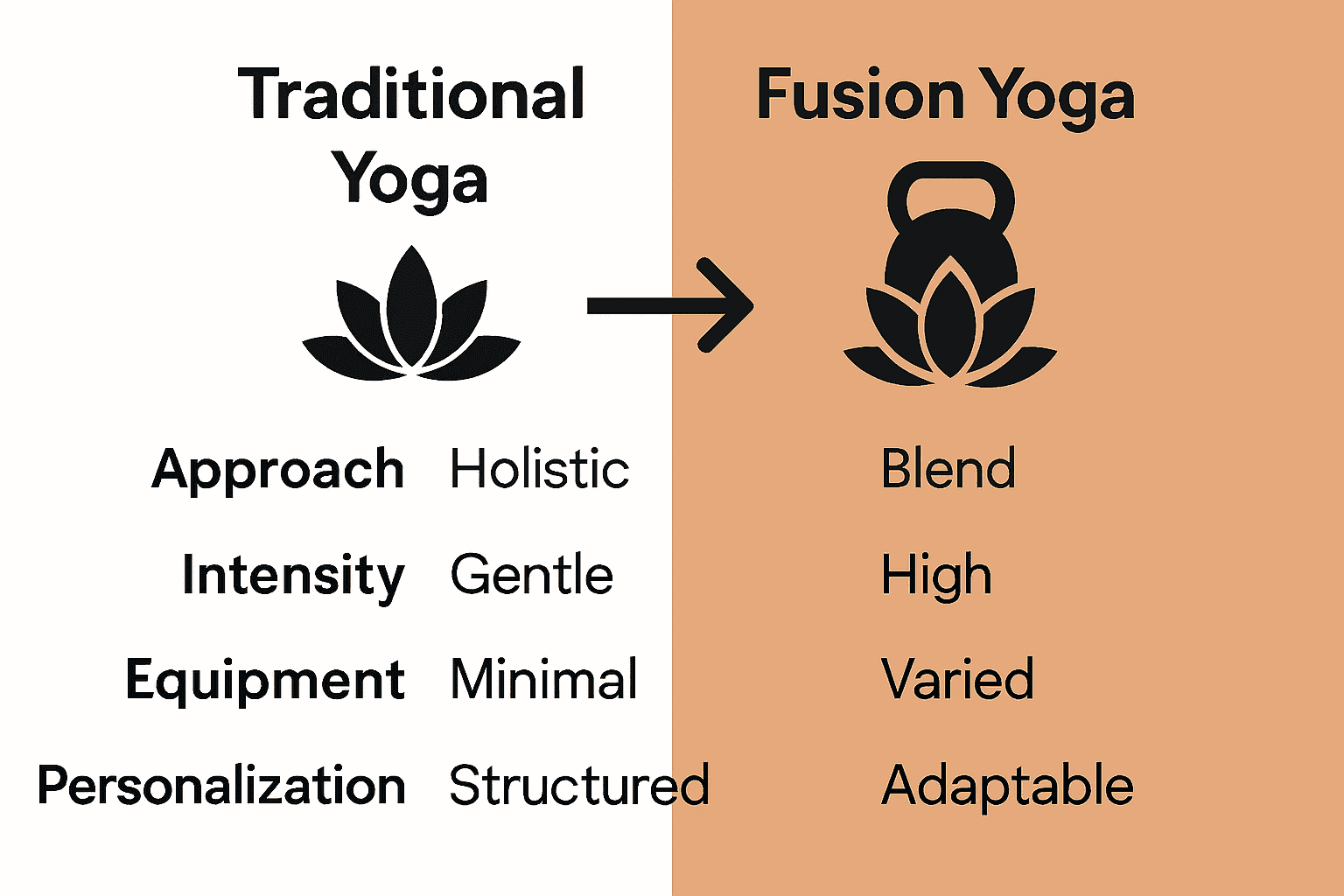
| Element | Traditional Yoga | Fusion Yoga |
|---|---|---|
| Approach | Meditative, spiritual | Fitness-focused, creative |
| Workout Intensity | Low to moderate | Moderate to high |
| Class Format | Consistent flows | Blended disciplines |
| Equipment | Minimal props | Various fitness tools |
| Movement Variety | Classic poses | Yoga plus Pilates, dance, etc. |
| Personalization | Standardized progression | Easily customizable |
Experience the Power of Fusion Yoga at Amrita Yoga & Wellness
Are you ready to break free from routine workouts and embrace a dynamic practice that blends yoga with Pilates, barre, and other inspiring disciplines? Fusion yoga offers a unique way to boost flexibility, strength, and mindfulness all at once. If you have struggled with finding a fitness routine that keeps you engaged while addressing your whole body and mind, fusion yoga could be the transformative solution you need. At Amrita Yoga & Wellness, we understand the importance of combining breath, movement, and intention to create a workout tailored specifically for your goals and wellbeing.

Join our welcoming community in Philadelphia where experienced instructors guide you through fusion yoga sessions designed to enhance physical endurance and deep relaxation. Whether you are looking to burn more calories, improve mental resilience, or revitalize your practice with creative combinations of yoga and other movement styles, you will find classes and workshops suited for every level. Take the step toward holistic health today by exploring our class schedules, signing up for a workshop, or discovering wellness services like massage therapy on our website at Amrita Yoga & Wellness. Your journey to a more balanced and energized life starts here.
Frequently Asked Questions
What is fusion yoga?
Fusion yoga is an innovative approach that combines traditional yoga poses with elements from various fitness disciplines such as Pilates, dance, and martial arts to create a dynamic and engaging workout experience.
What are the benefits of practicing fusion yoga?
Fusion yoga offers enhanced calorie burn, customizable workout intensity, improved mental resilience, and comprehensive full-body conditioning while promoting flexibility, strength, and mindfulness.
How does fusion yoga differ from traditional yoga?
Fusion yoga focuses more on fitness and body awareness, offering higher-energy and varied workouts, whereas traditional yoga emphasizes meditation, consistent flows, and spiritual practices.
Is fusion yoga suitable for beginners?
Yes, fusion yoga is adaptable to different fitness levels. However, it's essential for beginners to work with qualified instructors who can guide them through movements safely and effectively.