The Amrita Journal
Explore thoughtful stories, practical wellness guidance and inspiring ideas to support your movement, mindfulness and everyday wellbeing at Amrita.
Hot Yoga Instructor Skills for Philadelphia Success
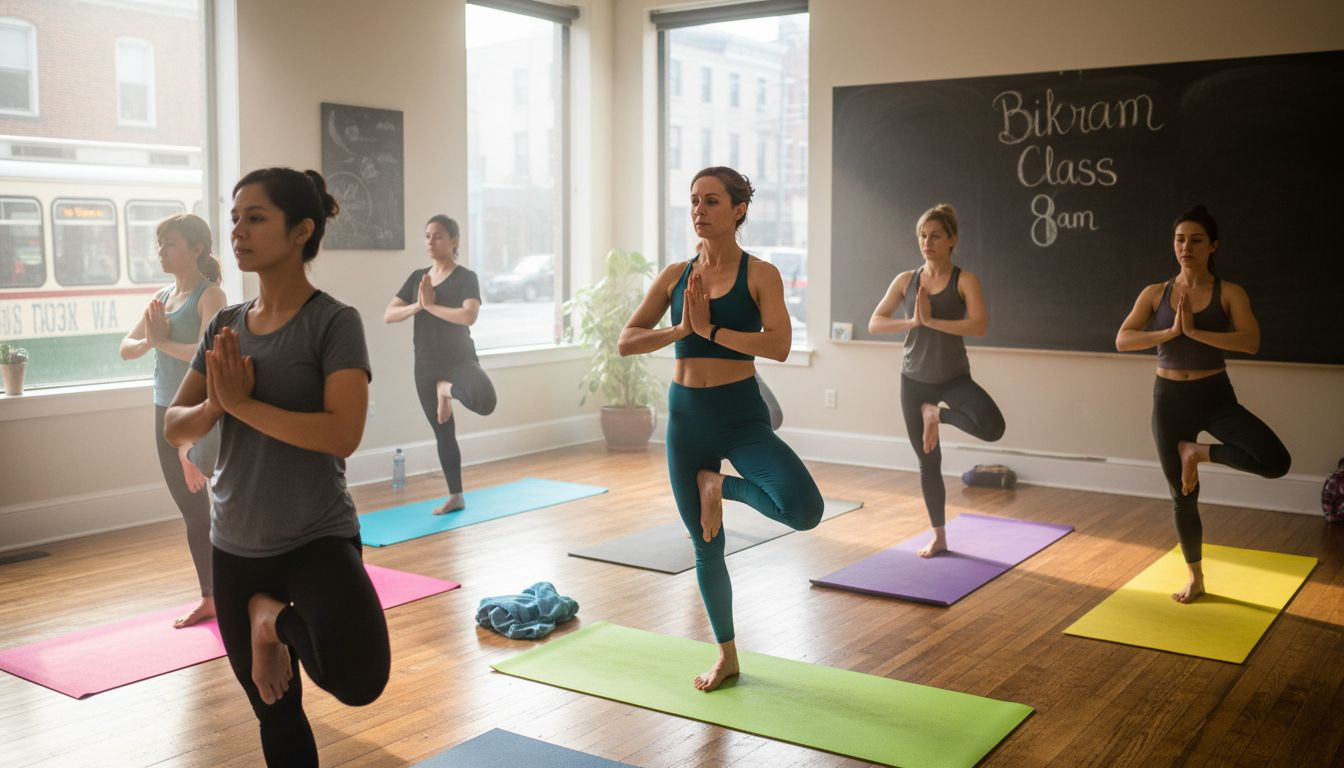
Every aspiring hot yoga instructor in Philadelphia knows the intensity of leading classes that push comfort zones and inspire transformation. The demand for specialized fitness professionals skilled in creating safe, heated environments continues to grow, as studios seek experts who blend technical knowledge with authentic wellness leadership. This guide highlights the critical skills, recognized certifications, and popular teaching methods needed to help you build a successful practice while building strong community connections and avoiding burnout.
Table of Contents
Key Takeaways
| Point | Details |
|---|---|
| Role of Hot Yoga Instructors | Hot yoga instructors are responsible for creating structured classes, ensuring student safety, and providing personalized modifications in a heated environment. |
| Hot Yoga Styles | Understanding various hot yoga styles, including Bikram and Power Yoga, allows instructors to tailor classes to meet diverse student needs and wellness goals. |
| Training Requirements | Aspiring hot yoga instructors should complete specific training programs and maintain certifications to establish credibility and professional excellence. |
| Community Engagement | Building a supportive community and prioritizing self-care are essential for instructors to sustain their teaching practices and avoid burnout. |
Defining the Hot Yoga Instructor Role
A hot yoga instructor is a specialized fitness professional who leads high-temperature yoga classes designed to challenge physical and mental boundaries. Fitness trainers guide exercise activities with a unique focus on creating transformative experiences through intense heat and purposeful movement.
The role encompasses multiple critical responsibilities that extend far beyond traditional yoga teaching:
Designing structured class sequences
Monitoring student safety and physical conditions
Creating optimal heated studio environments
Providing personalized modifications for different fitness levels
Demonstrating precise yoga postures and techniques
Hot yoga instructors must possess deep knowledge of multiple hot yoga styles and understand how heat impacts human physiology. They work in specialized studio settings where room temperatures typically range between 95-105 degrees Fahrenheit, requiring extensive training in body mechanics, heat adaptation, and student wellness.
Successful hot yoga instructors in Philadelphia need a unique combination of technical skill, athletic ability, and interpersonal communication. They serve not just as movement guides, but as wellness coaches who help students transform physical and mental limitations through intentional practice.
Pro tip: Develop a comprehensive understanding of human anatomy and heat-related physiological responses to become an exceptional hot yoga instructor.
Popular Hot Yoga Styles and Methods
Hot yoga encompasses a diverse range of practices that challenge practitioners through intentional heat and movement. Multiple hot yoga styles offer unique approaches to physical and mental transformation, each with distinctive characteristics and training philosophies.
The most prominent hot yoga styles include:
Bikram Yoga: Traditional 26-posture sequence performed in 105°F rooms
Power Yoga: Dynamic, strength-focused practice with continuous movement
Forrest Yoga: Emphasizes emotional healing and longer pose holds
CorePower Yoga: Multi-disciplinary approach combining strength and flexibility
Vinyasa Hot Yoga: Flow-based practice with synchronized breath and movement
Each style offers practitioners different physical and mental benefits. Bikram, the most structured method, follows a precise sequence designed to systematically work every muscle group and promote deep internal cleansing. Power Yoga provides a more athletic experience, while Forrest Yoga focuses on therapeutic healing and emotional release.
Philadelphia yoga instructors often specialize in multiple styles, allowing them to create personalized experiences that meet diverse student needs. Understanding these variations helps practitioners choose a practice aligned with their fitness goals and personal wellness journey.
Here's a comparison of major hot yoga styles for easy reference:
| Style | Room Temperature | Main Focus | Typical Student Benefit |
|---|---|---|---|
| Bikram Yoga | 105°F | Fixed sequence, precision | Deep detox, flexibility boost |
| Power Yoga | 95–100°F | Dynamic movement, strength | Endurance and muscle toning |
| Forest Yoga | 95°F | Emotional healing, longer holds | Emotional release, injury support |
| CorePower Yoga | 96–98°F | Strength, flexibility, variety | Balanced fitness and mobility |
| Vinyasa Hot Yoga | 95–98°F | Flow, breath synchronization | Stress relief, coordination |
Pro tip: Explore multiple hot yoga styles to discover the approach that best matches your physical capabilities and personal wellness objectives.
Pro tip: Explore multiple hot yoga styles to discover the approach that best matches your physical capabilities and personal wellness objectives.
Training, Certification, and Accreditation Paths
Becoming a professional hot yoga instructor requires strategic educational planning and comprehensive professional yoga training programs. Aspiring instructors must navigate a complex landscape of certifications, specialized training, and professional development opportunities specific to hot yoga instruction.
The standard pathway to becoming a hot yoga instructor typically involves:
Completing a 200-hour Yoga Teacher Training course
Obtaining specialized hot yoga certification
Gaining practical teaching experience
Pursuing advanced therapeutic training
Maintaining ongoing professional education
Yoga Alliance recognized certifications represent the primary professional standard for yoga instructors. Professional yoga therapy programs offer additional advanced training that goes beyond traditional teacher preparation, emphasizing therapeutic applications and specialized health adaptations.
Philadelphia-based instructors should focus on comprehensive training that combines technical skill, safety protocols, and a deep understanding of human physiology. Advanced certifications demonstrate commitment to professional excellence and provide competitive advantages in the local wellness market.
Pro tip: Research multiple certification paths and choose a program that offers both comprehensive training and opportunities for specialized hot yoga instruction.
Essential Teaching Skills and Safety Measures
Hot yoga instructors must develop a comprehensive approach to yoga teaching ethics and safety that prioritizes student well-being and professional responsibility. The unique challenges of high-temperature yoga environments demand exceptional skills in body awareness, communication, and risk management.
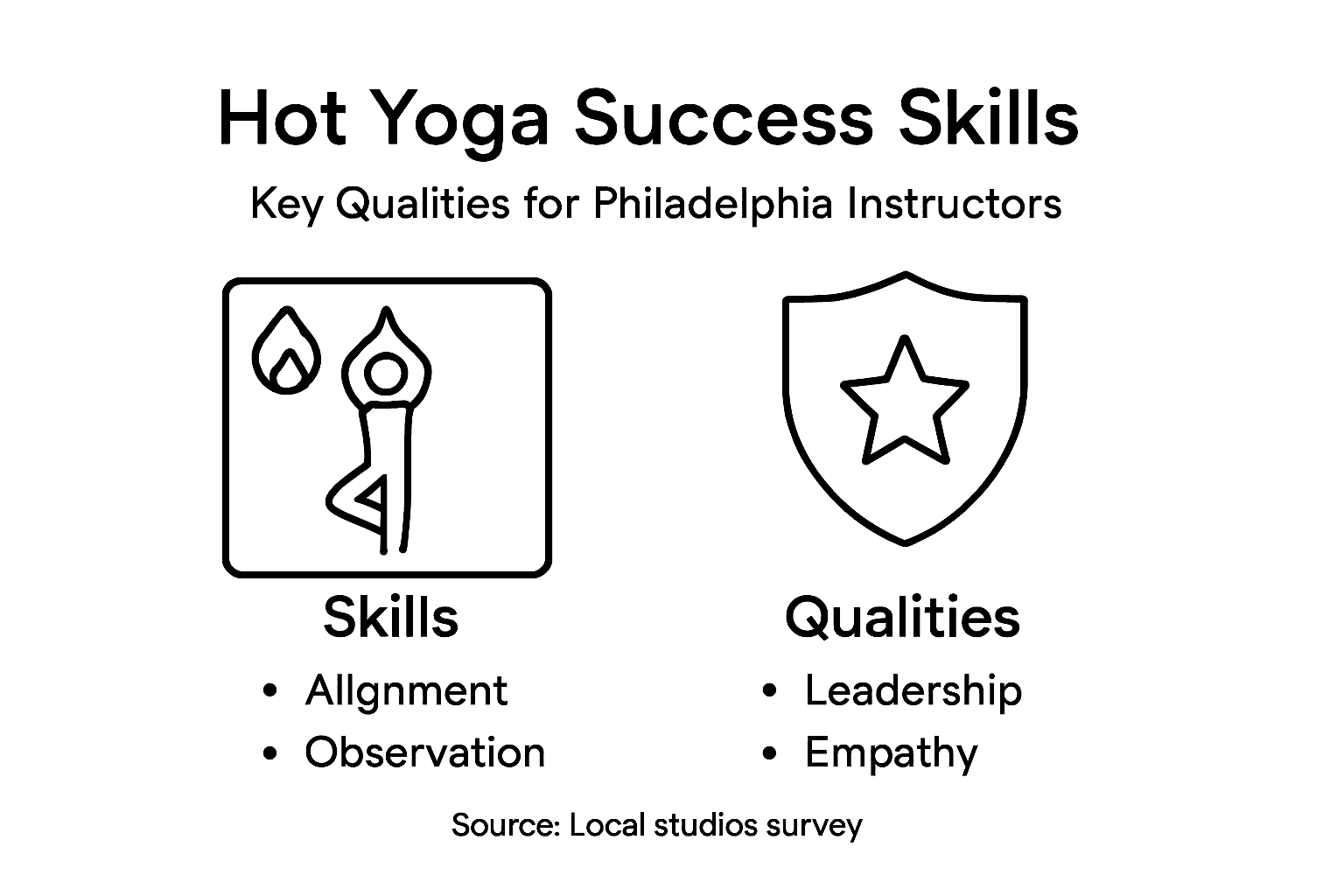
Key safety skills for hot yoga instructors include:
Mastering precise alignment techniques
Developing keen observational skills
Understanding heat-related physiological responses
Creating inclusive and adaptive class environments
Implementing strategic student monitoring protocols
Yoga practice safety guidelinesemphasize the critical importance of recognizing individual student limitations. Hot yoga instructors must be adept at reading body language, identifying potential health risks, and providing real-time modifications that prevent injury while maintaining class momentum.

Philadelphia hot yoga studios demand instructors who can seamlessly blend technical expertise with compassionate instruction. This requires ongoing education, self-awareness, and a commitment to creating transformative yet safe yoga experiences that respect each student's unique physical capabilities.
Pro tip: Develop a comprehensive pre-class screening process that helps you understand students' health backgrounds and potential limitations before entering the heated studio environment.
Legal, Professional, and Financial Obligations
Hot yoga instructors must navigate a complex landscape of professional legal requirements that extend far beyond teaching techniques. Understanding these obligations is crucial for maintaining a sustainable and reputable career in the competitive Philadelphia wellness market.
Key professional and legal responsibilities include:
Maintaining current professional certifications
Securing comprehensive liability insurance
Adhering to state fitness instructor regulations
Managing professional financial documentation
Protecting client confidentiality
Professional ethical standards demand transparency about qualifications, continuous skills development, and maintaining clear boundaries with students. This includes accurately representing training credentials, avoiding conflicts of interest, and conducting business practices with the highest level of professional integrity.
Financial planning for hot yoga instructors involves strategic management of variable income streams, including studio teaching, private lessons, workshops, and potential online instruction. Successful Philadelphia-based instructors diversify their revenue sources while maintaining a consistent commitment to professional growth and legal compliance.
Below is a summary of core legal and professional obligations for hot yoga instructors:
| Obligation | Why It Matters | Business Impact |
|---|---|---|
| Keep certifications current | Ensures legal teaching status | Maintains career eligibility |
| Carry liability insurance | Protects against legal disputes | Reduces financial risk |
| Follow state regulations | Compliance with industry standards | Avoids legal penalties |
| Protect client confidentiality | Builds trust with students | Enhances reputation |
| Accurate financial records | Simplifies tax preparation | Enables business growth |
Pro tip: Consult with a professional accountant who specializes in fitness and wellness industries to develop a comprehensive financial strategy tailored to your unique teaching career.
Join a vibrant community dedicated to holistic wellness where you can refine your hot yoga expertise alongside seasoned instructors and passionate practitioners. Visit Amrita Yoga & Wellness to explore our range of classes, workshops, and retreats that cater to all skill levels. Take your next step today and transform your teaching career with the support and resources you deserve.
Frequently Asked Questions
What are the main responsibilities of a hot yoga instructor?
Hot yoga instructors design structured class sequences, monitor student safety, create optimal heated environments, provide modifications, and demonstrate yoga postures.
What skills are essential for success as a hot yoga instructor?
Essential skills include mastering alignment techniques, developing observational skills, understanding heat-related physiological responses, and creating inclusive class environments.
What certifications are needed to become a hot yoga instructor?
Aspiring hot yoga instructors typically complete a 200-hour Yoga Teacher Training course, obtain specialized hot yoga certification, and pursue ongoing professional education to maintain their qualifications.
How can hot yoga instructors avoid burnout?
To avoid burnout, instructors can establish peer support networks, maintain personal wellness routines, diversify their teaching environments, and set clear professional boundaries.