The Amrita Journal
Explore thoughtful stories, practical wellness guidance and inspiring ideas to support your movement, mindfulness and everyday wellbeing at Amrita.
How to Practice Mindfulness: A Beginner's Guide
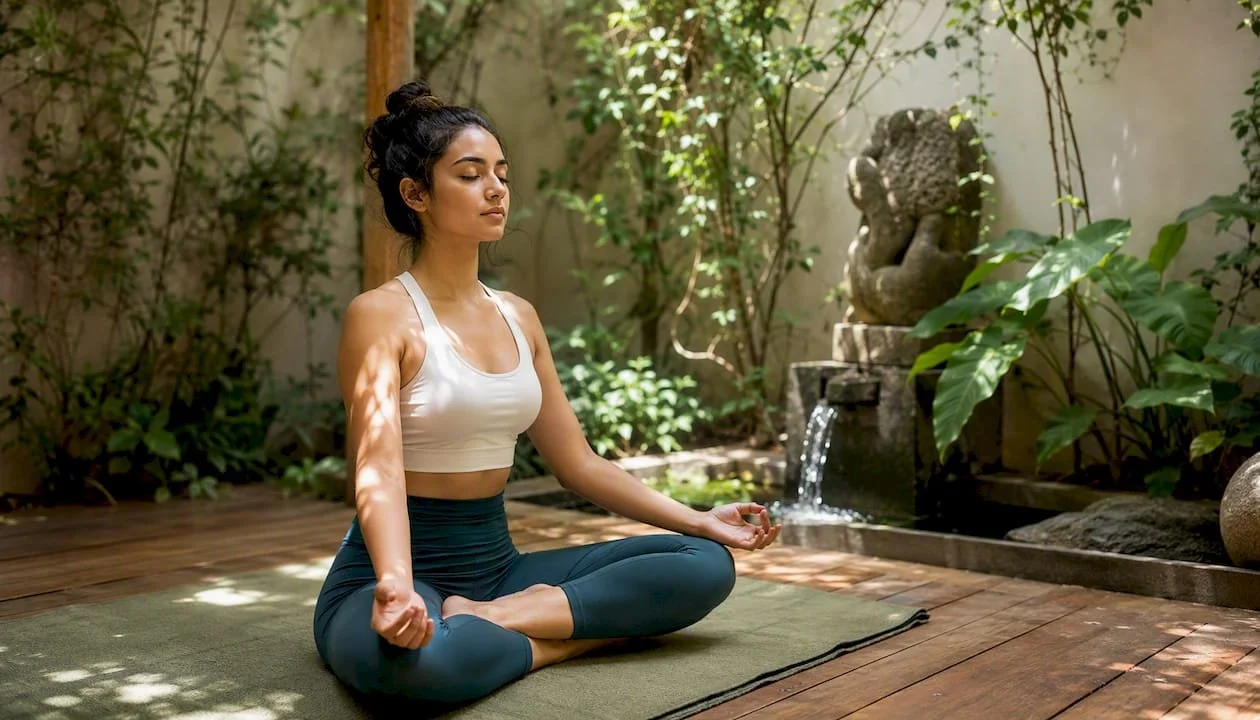
You can start a useful mindfulness practice in two minutes using one breath-based exercise. This guide gives you the scripts, timing guidance, and habit tips to make it stick.
Try this right now. Sit comfortably, close your eyes, and take one slow breath in through your nose for a count of four. Hold for one count. Exhale through your mouth for a count of six. Notice where you feel the breath most clearly: your nostrils, your chest, or your belly. When a thought appears, simply note it and return to the next breath. That's one complete cycle. Do it three times.
What to expect during and after:
A slight slowing of your heart rate after the second or third breath
Thoughts appearing almost immediately (this is normal and expected)
A brief sense of mental quiet, even if it lasts only a few seconds
Mild physical relaxation in your shoulders or jaw
According to Harvard Health, even 1–3 minutes of focused breathing can reduce stress immediately. You don't need a cushion, an app, or a quiet room to begin.
Table of Contents
What mindfulness is and why it actually helps
Mindfulness is the practice of paying deliberate, non-judgmental attention to what is happening right now, in your body and mind, without trying to change it.
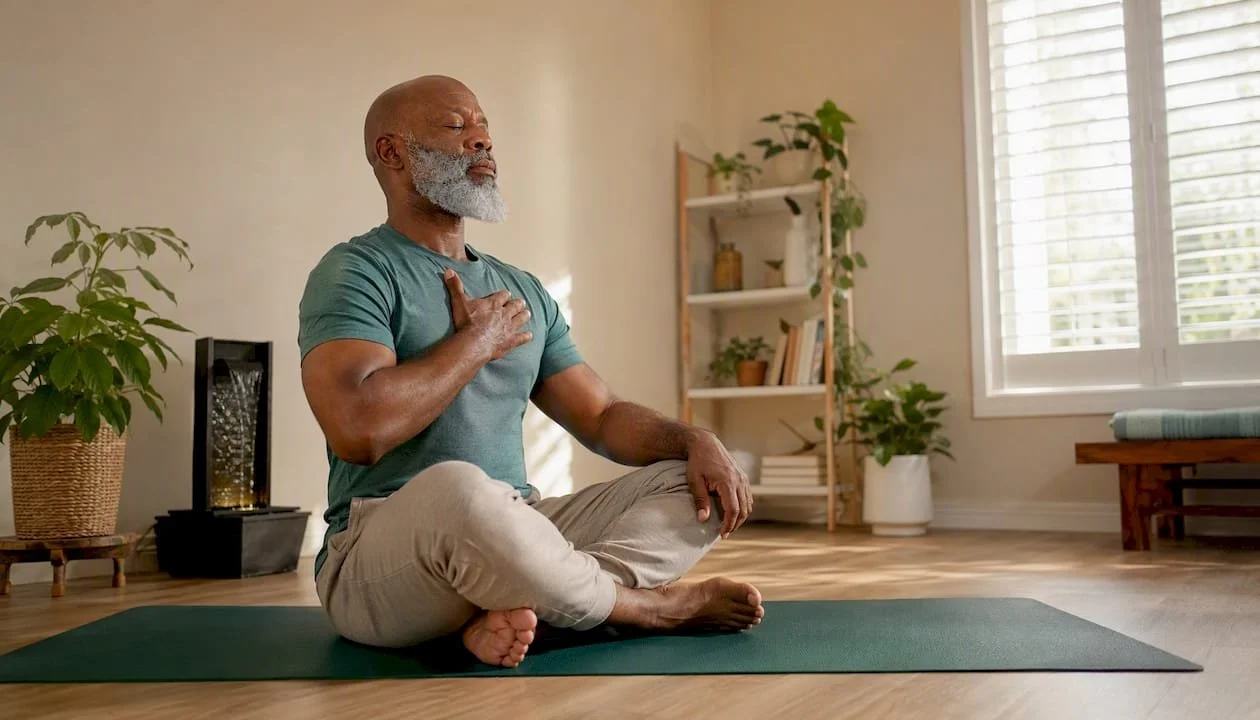
That definition sounds simple, but the effect is real. When you shift attention to present-moment sensory details, you interrupt the mental loops that replay past problems or rehearse future worries, a mechanism the NHS describes as one of mindfulness's core benefits. The practice doesn't require you to stop thinking. It just asks you to notice what you're thinking.
Research-backed benefits for beginners:
Reduced stress and anxiety, even after short sessions
Improved ability to focus and make decisions under pressure
Better sleep quality, particularly when practiced in the evening
Lower emotional reactivity, so you respond rather than react
A greater sense of calm and present-moment awareness
Reduced tendency to ruminate on past events or future worries
Mayo Clinic confirmsthat mindfulness requires no special equipment and can be done anywhere, which removes the biggest barrier most beginners face: thinking they need the right conditions to start.
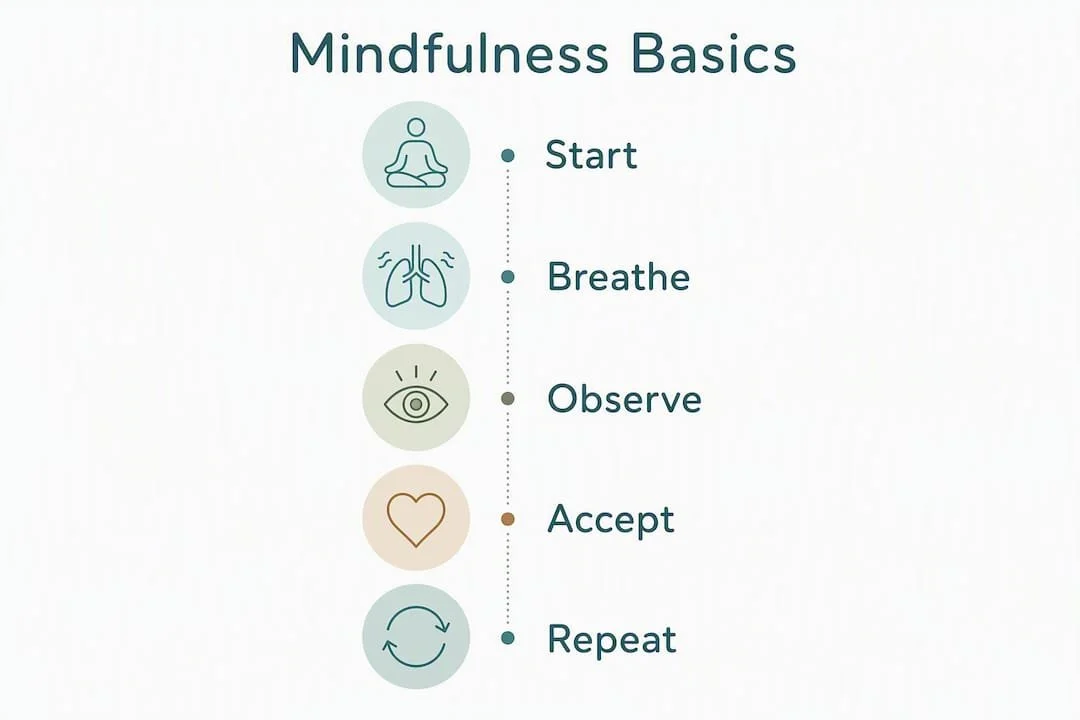
How to practice mindfulness: four core exercises with step-by-step scripts
These four practices cover the full range of what most beginners need. Each one builds the same core skill: noticing where your attention is and gently returning it to your chosen anchor. Mindful.org describes this loop as the foundational skill of all mindfulness practice.
Focused breathing
Sit in a chair with your feet flat on the floor, or cross-legged on the floor.
Close your eyes or soften your gaze downward.
Breathe naturally and notice where you feel the breath most clearly: nostrils, chest, or belly.
When your mind wanders (and it will), simply notice that it has wandered.
Without judgment, return your attention to the next breath.
Repeat for your chosen duration.
Timing: 1–3 minutes to start; work toward 5–10 minutes over two to three weeks.
Body scan
Lie down or sit in a chair. Close your eyes.
Start at the top of your head and slowly move your attention downward: scalp, forehead, jaw, neck, shoulders.
At each area, notice any sensation without trying to change it: warmth, tension, tingling, or nothing at all.
If your mind drifts to a to-do list or a worry, label it mentally ("thinking") and return to the body part you left.
Continue down through your chest, arms, belly, hips, legs, and feet.
End with three slow breaths.
Timing: 5–10 minutes. A seated version works well at a desk; a lying-down version suits bedtime.
Sitting meditation
Set a timer for your chosen duration so you're not checking the clock.
Sit upright with your hands resting on your thighs.
Choose an anchor: your breath, the sounds in the room, or the physical sensation of your feet on the floor.
Hold your attention on that anchor.
When a thought arises, name it gently ("planning," "worry," "memory") and return to the anchor.
When the timer ends, open your eyes slowly and take one conscious breath before moving.
Timing: 5–15 minutes. Three to four sessions per week is a solid starting point.
Walking meditation
Find a short path, indoors or outdoors, about 10–20 steps long.
Walk at roughly half your normal pace.
Focus on the physical sensations of each step: the heel lifting, the foot swinging forward, the sole pressing the ground.
When your mind wanders to a conversation or a task, notice it, and bring your attention back to the next footfall.
At the end of the path, pause, breathe, and turn around.
Continue for your chosen duration.
Timing: 5–10 minutes. Works well outdoors on a lunch break or indoors in a hallway.
Timing and frequency at a glance

| Practice level | Session length | Frequency |
|---|---|---|
| Micro (just starting) | 1–3 minutes | Daily |
| Beginner regular | 5–10 minutes | 3–4 times per week |
| Building consistency | 10–15 minutes | Daily |
| Established practice | 15–20 minutes | Daily |
A 10-minute beginner sequence combining two techniques
Sit comfortably and set a timer for 10 minutes.
Spend the first 3 minutes on focused breathing: notice the breath, return when you wander.
Spend the next 5 minutes on a seated body scan from head to feet.
Spend the final 2 minutes back on the breath, this time noticing any shift in how your body feels.
Open your eyes and sit quietly for 30 seconds before standing.
Micro-practices you can use anywhere in under five minutes
Short on time doesn't mean short on benefit. These micro-practices are designed for real life: a commute, a bathroom break, a moment between meetings. Body scans, mindful eating, and mindful movement are all accessible alternatives to formal sitting meditation.
Six micro-practices with when to use them:
Single breath reset (30 seconds). One slow inhale, one slow exhale, full attention on the sensation. Use it before a difficult conversation or right after getting a stressful email.
3-count box breathing (2 minutes). Inhale for 3 counts, hold for 3, exhale for 3, hold for 3. Repeat four times. Use it on a commute or before a meeting starts.
Mindful hand wash (1 minute). Feel the temperature of the water, the texture of the soap, the sound of the faucet. When your mind drifts to what's next, return to the sensation. Use it as a built-in reset throughout the workday.
Mindful sip (1 minute). Hold your coffee or tea with both hands. Notice the warmth, the smell, the first taste. Take three sips with full attention before going on autopilot. Use it every morning to anchor the start of your day.
Mindful listening (1–2 minutes). Close your eyes and simply listen to whatever sounds are present: traffic, birds, an HVAC hum. Don't label them as good or bad; just notice them. Use it during a lunch break or after an argument to reset your nervous system.
Mindful 30-second stretch. Stand up, stretch your arms overhead, and feel every sensation in your shoulders, spine, and hands as you move. Breathe slowly. Use it between tasks when you've been sitting for more than an hour.
The NHS notes that shifting attention to present-moment sensory details is the mechanism that breaks worry loops, which is exactly what each of these micro-practices does in a compressed form.
Pro Tip: Pick just one micro-practice and commit to it for one week before adding another. Trying to use all six at once almost guarantees you'll use none of them.
How to build a daily mindfulness habit that actually sticks
Consistency matters more than duration. Brief daily practice beats a longer session once a week, and Harvard Health confirms that if daily practice feels unrealistic, aiming for several sessions per week is a strong and sufficient target.
Habit-building checklist:
Choose one existing daily routine as your anchor (brushing teeth, making coffee, sitting down at your desk).
Set a tiny time goal: two minutes, not twenty. You can always go longer, but two minutes is easy to keep.
Pair the practice with that anchor every single day for four weeks.
Track one simple metric: did you do it today? A paper calendar with an X works as well as any app.
After four weeks, extend by two minutes if you want more.
Pro Tip: Tying a 1–3 minute breathing practice to teeth brushing, morning or night, is one of the most reliable habit-stacking approaches because the cue is already automatic. Do it for four weeks and the association forms on its own.
What to realistically expect over time:
After 1 week: You'll notice the practice feels slightly less awkward. You may catch yourself taking a conscious breath during a stressful moment without being prompted.
After 3–4 weeks: Small but measurable shifts in how quickly you recover from stress. You'll start noticing your thoughts more often before reacting to them.
After 8 weeks: Research on mindfulness-based stress reduction programs, including work from the UMass Center for Mindfulness, points to meaningful reductions in stress and anxiety at the eight-week mark. Trait-level changes, the kind that show up in how you handle difficulty on a bad day, tend to emerge here.
For more mindfulness tips on building a consistent routine, the Amritayogawellness blog has practical, studio-tested suggestions.
What the research says about timelines and what to expect
Brief, regular practice produces measurable benefits. You don't need a clinical program or a meditation retreat to see results.
Harvard Health recommends 10–15 minutes daily as a sufficient starting point, while noting that even 1–3 minutes of focused breathing can reduce stress in the moment. For most beginners, that's the most useful piece of information in all the research: start small, and the benefits are still real.
Realistic outcomes by timeline:
Short-term (days to 2 weeks): Improved sense of calm after sessions, slightly better ability to notice stress as it builds, small improvements in sleep onset for some people.
Medium-term (4–6 weeks): Reduced emotional reactivity, better focus during work tasks, a growing ability to pause before responding in difficult situations.
Longer-term (8+ weeks): Lasting reductions in anxiety and stress, improved attention span, and the kind of trait-level changes that show up in daily behavior rather than just during practice.
| Timeline | What beginners typically notice |
|---|---|
| Short-term | Calmer feeling after sessions; thoughts still very active |
| Weeks 2–4 | Slightly faster stress recovery; catching thoughts earlier |
| Weeks 4–6 | Reduced reactivity; better focus; more consistent sleep |
| Weeks 8+ | Trait-level changes; stress response shifts in daily life |
A Harvard Gazette study on mindfulness meditation found that participants reported less stress and clearer thinking after a mindfulness program, reinforcing that the benefits are real and not just anecdotal. The key variable across all the research is not the length of each session but whether you show up regularly.
Common beginner mistakes and how to fix them
A wandering mind is not a sign that you're doing it wrong. It's the practice. Mindful.org puts it plainly: the moment you notice your mind has wandered and return to your anchor is the actual skill-building event. Every return is a mental rep, not a failure.
Common pitfalls and what to do instead:
Thinking the goal is a blank mind. The goal is noticing. When you catch a thought, you've succeeded. Return to the breath without commentary.
Judging yourself for wandering. Mind.org recommends meeting wandering thoughts with friendly curiosity rather than frustration. The phrase "be curious, not critical" is worth keeping in mind.
Naming thoughts to create distance. When a thought feels sticky, label it: "thinking," "worry," "planning." This creates psychological distance and reduces its pull without requiring you to push it away.
Quitting because sessions feel too long. Shorten the session. Two minutes of genuine attention beats ten minutes of fighting yourself. Build up gradually.
Practicing only when you feel like it. Motivation follows action, not the other way around. Set the anchor and show up even on flat days.
Practicing in a distracting environment and giving up. Move the practice outdoors, use low-volume ambient sound, or switch to a walking meditation when a quiet room isn't available.
Pro Tip: If you keep falling asleep during body scans, try the practice seated rather than lying down, and keep your eyes slightly open with a soft downward gaze. Sleep is a sign your nervous system needed rest, not that you failed.
Pro Tip: If you feel like "nothing is happening," use a concrete sensory anchor instead of a vague intention to "be present." Notice the exact temperature of the air at your nostrils, or the precise pressure of your feet on the floor. Objective sensory details reduce judgment and sharpen focus immediately.
For specific mindfulness for stress strategies, including classroom-tested exercises, the Amritayogawellness blog covers techniques that address the most common frustrations beginners bring to the studio.
Where to find good guided resources as a beginner
Use guided resources if you want structure. The best ones give you a voice to follow, a script to internalize, and a consistent format that removes the decision fatigue of figuring out what to do next.
Harvard Health points to UCLA MARC (Mindful Awareness Research Center) as a reputable starting point for free guided audio meditations. Their library includes body scans, breathing practices, and sitting meditations at various lengths, all available without a subscription.
Vetted resource categories and what each is best for:
UCLA MARC (free audio library). Best for: structured guided sessions ranging from 3 to 19 minutes, taught by trained instructors. No account required.
Mindful.org (articles and guided scripts). Best for: written scripts you can read before practicing, plus evidence-based articles on specific techniques.
Mayo Clinic mindfulness page. Best for: a clinical, no-frills overview of exercises with clear language for people who want medical credibility behind their practice.
NHS mindfulness resources. Best for: UK-based clinical guidance, though the exercises themselves are universally applicable and well-written for beginners.
Mindfulness apps (Insight Timer, for example). Best for: daily reminders, a timer with ambient sound, and a large library of free guided sessions. When evaluating any app, look for teachers with named credentials, a free tier, and a clear privacy policy before sharing personal data.
In-person classes and workshops. Best for: real-time feedback, community accountability, and the kind of subtle posture and breathing corrections that audio alone can't provide.
When evaluating a teacher or program, look for transparent credentials (training background, affiliated institution), a clear description of what the practice involves, and a free introductory option. The UMass Center for Mindfulness is one of the most credible institutional programs in the United States and a useful benchmark for what a well-structured mindfulness curriculum looks like.
For readers ready to move beyond solo practice, exploring different meditation types can help you find the style that fits your temperament and schedule.
Key Takeaways
Consistent short practice, starting at just 1–3 minutes daily, is the most reliable path to real mindfulness benefits for beginners.
| Point | Details |
|---|---|
| Start with 1–3 minutes | Even brief focused breathing reduces stress immediately; no equipment or experience needed. |
| Wandering mind is the practice | Each time you notice distraction and return to your anchor, you build the core skill. |
| Consistency beats duration | Practicing 3–4 times per week produces more progress than occasional long sessions. |
| Habit-stack to make it automatic | Tie your practice to an existing routine, like brushing teeth, for at least four weeks. |
| Amritayogawellness supports beginners | The studio offers beginner classes, workshops, and guided sessions in Philadelphia to support your practice. |
A teacher's note on starting out
Every beginner I've worked with arrives with the same worry: "I can't stop thinking." That's not a problem to solve. It's the starting point. The practice isn't about achieving silence; it's about noticing the noise and choosing where to place your attention anyway.
The most useful shift I've seen in new students is moving from "I'm doing this wrong" to "I noticed I wandered, and I came back." That second framing is accurate. The first one is just a story the mind tells to avoid sitting still.
Start with two minutes. Do it after you brush your teeth tonight. If you miss a day, start again the next morning without making it mean anything. The practice doesn't require a streak. It requires showing up more often than not.
Guided practice at Amrita Yoga & Wellness in Philadelphia
Reading about mindfulness is a solid start. Practicing it with an experienced teacher in a room full of people who are also figuring it out is a different experience entirely.
Amrita Yoga & Wellness in Philadelphia offers beginner-friendly classes, mindfulness workshops, and wellness sessions designed for people who are new to practice and want real guidance rather than a generic app. The studio's approach covers breath-based practices, mindful movement, and body-awareness techniques across formats that fit different schedules and comfort levels.
If you're ready to move from solo practice to something more structured, here's how to take the next step:
Drop into a beginner class. No prior experience needed. Show up, follow along, and ask questions after.
Try a workshop. Focused sessions on specific techniques give you more depth than a single class.
Explore the full range of offerings. From yoga and pilates to tai chi and massage therapy, the studio supports the kind of whole-body wellness that makes mindfulness practice easier to sustain.
Book your first sessionat Amrita Yoga & Wellness and bring what you've practiced here into a supported, in-person setting.
Useful sources
You can practice mindfulness in as little as 15 minutes a day — Harvard Health. Covers timing recommendations, habit-stacking advice, and beginner-friendly entry points including UCLA MARC.
Mindfulness exercises — Mayo Clinic. Clear clinical overview of core exercises (breathing, body scan, mindful movement) with no-equipment framing.
Mindfulness — NHS. Explains how mindfulness interrupts worry loops and provides accessible scripts for everyday practice.
How to Practice Mindfulness — Mindful.org. Detailed scripting guidance and the "notice and return" framing that normalizes mind-wandering for beginners.
Getting Started with Mindfulness — Mindful.org. Step-by-step beginner sequence and the four-step foundational loop used throughout this guide.
Mindfulness exercises and tips — Mind. Covers thought-labeling, body scan variations, and the "be curious, not critical" approach to self-judgment.
Less stress, clearer thoughts with mindfulness meditation — Harvard Gazette. Research-based evidence that mindfulness programs reduce stress and improve mental clarity.
Mindfulness-Based Programs — UMass Center for Mindfulness. The institutional home of Mindfulness-Based Stress Reduction (MBSR); a benchmark for evidence-based program structure and eight-week outcomes.
Mindful Eating — Harvard T.H. Chan School of Public Health. Covers mindful eating as an everyday mindfulness practice with practical guidance.
Recommended
YouTube Beginners Meditation: Your 2026 Starter Guide
TL;DR:
YouTube provides free guided meditation videos ideal for beginners to establish a consistent practice. Starting with short sessions and focusing on breath awareness helps build familiarity and reduces frustration. Staying committed to one channel and practicing patience ensures long-term progress in mindfulness.
YouTube beginners meditation is defined as guided mindfulness practice delivered through free video content, designed to give complete novices a structured, low-barrier entry into meditation. The most effective starting point is breath awareness and body scan techniques, both of which provide clear focal points that prevent the mental drift beginners fear most. Daily sessions of 10–20 minutes deliver the most significant improvements in stress and focus, though even 2–5 minutes builds a real habit. YouTube removes the financial barrier entirely, letting you curate a personal practice without spending a dollar.
1. What are the most effective beginner meditation types on YouTube?
Guided meditation on YouTubeoutperforms unguided silence for beginners because it provides structure and reduces self-consciousness. You are not left alone with a blank mind. Instead, a voice walks you through each step, which is exactly what novices need.
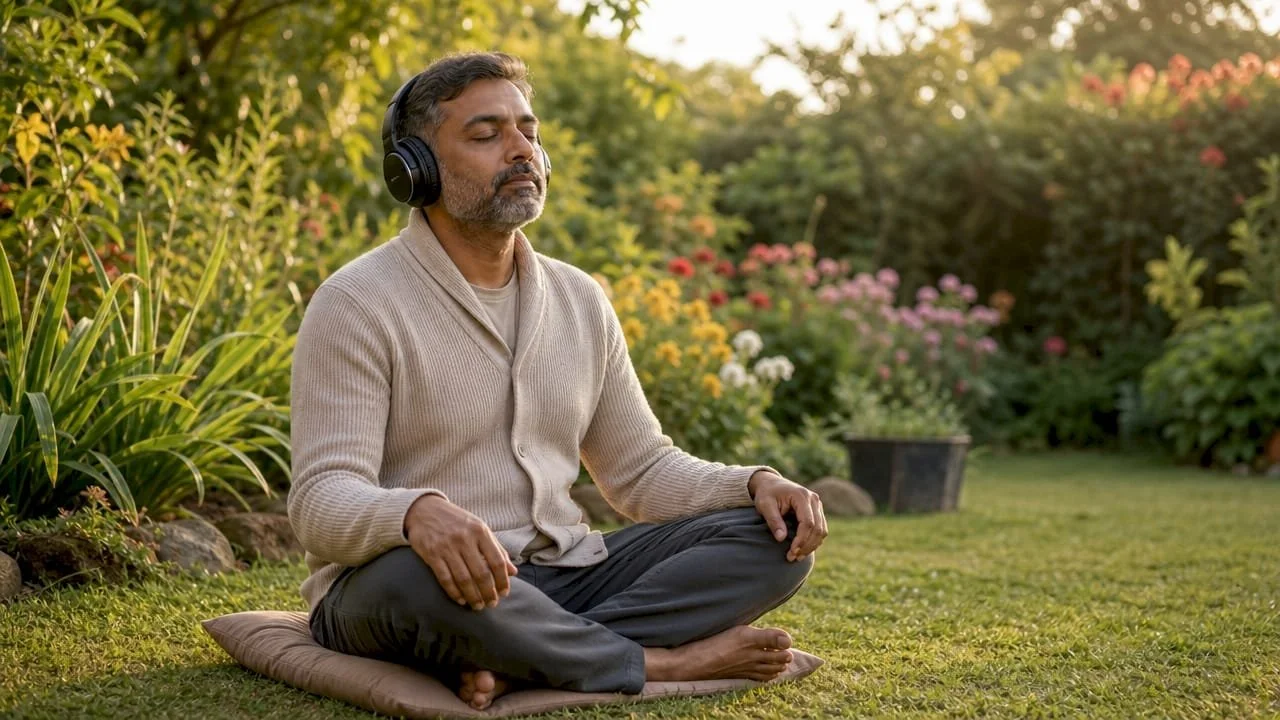
The four meditation types best suited for beginners on YouTube are breath awareness, body scan, visualization, and loving-kindness (metta). Each serves a different need, and understanding the difference helps you pick the right video on any given day.
| Meditation Type | Core Focus | Session Length | Best For |
|---|---|---|---|
| Breath awareness | Noticing the inhale and exhale | 5–15 minutes | Calming an anxious mind |
| Body scan | Moving attention through body parts | 10–20 minutes | Releasing physical tension |
| Visualization | Guided imagery and mental scenes | 10–20 minutes | Creativity and relaxation |
| Loving-kindness (metta) | Sending compassion to self and others | 10–15 minutes | Emotional resilience |
Breath awareness is the foundation of most beginner content. You simply follow the sensation of breathing, and when your mind wanders, you return. That return is the practice, not a failure.
Body scan guides your attention from head to toe, noticing sensations without trying to change them. It is especially effective for people who carry stress in their shoulders, jaw, or lower back.
Visualization uses guided imagery to anchor attention. A narrator might describe a forest path or a calm beach. This style works well for beginners who find pure breath focus too abstract.
Loving-kindness meditation asks you to silently repeat phrases of goodwill toward yourself and others. Research links this practice to reduced anxiety and improved social connection over time.
Pro Tip: Start with breath awareness for your first two weeks. It requires no imagination and no equipment. Once you feel comfortable returning your focus after distraction, layer in body scan or visualization.
You can explore the full range of meditation types to find what fits your temperament before committing to a single style.
2. How can beginners set up an effective YouTube meditation practice?
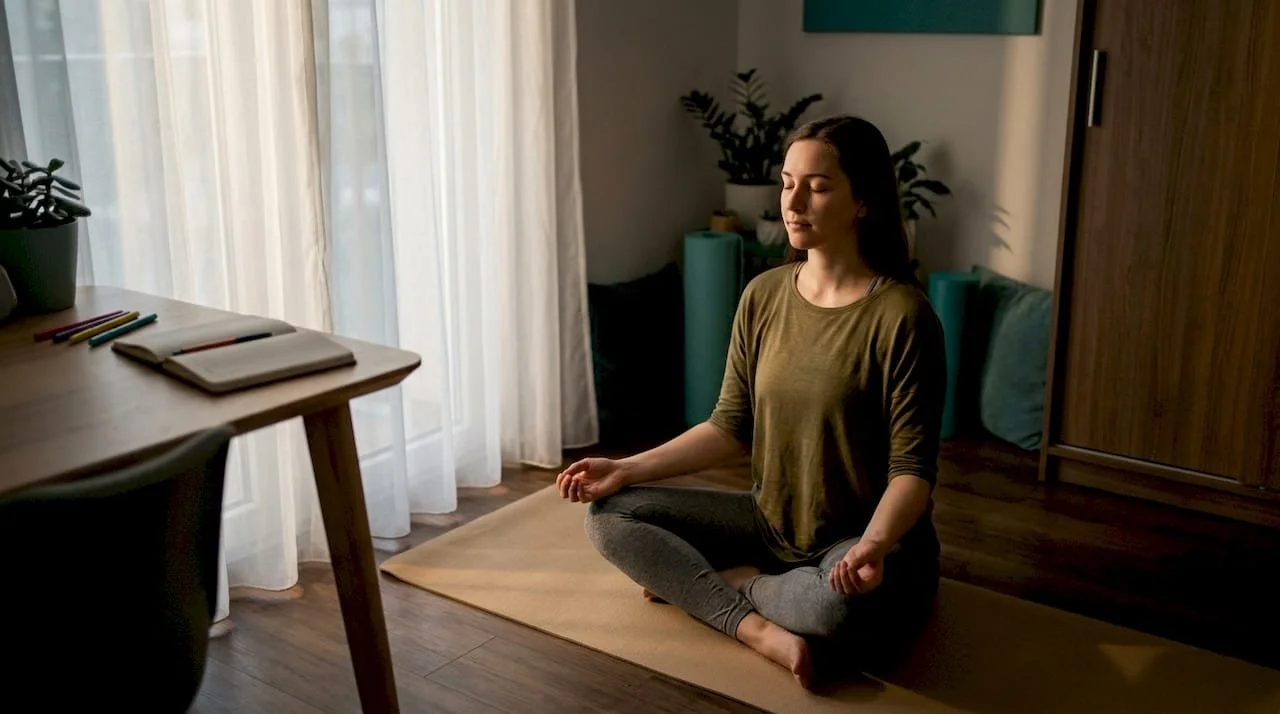
A consistent setup matters more than a perfect environment. Waiting for ideal silence creates mental friction that blocks regular practice. A reasonably quiet corner of your home, a pair of headphones, and a chair are enough to begin.
Follow these steps to build a practice that actually sticks:
Choose a dedicated spot. Sit in the same location each time. Your brain begins to associate that spot with calm, which makes settling down faster.
Decide on your posture. Sitting upright in a chair with feet flat on the floor is perfectly acceptable. Lying down works too, as long as you stay alert. You do not need a lotus posture to meditate well.
Start with 5–10 minute videos. Short sessions build the habit without demanding too much time. Extend to 15–20 minutes only after two or three weeks of daily practice.
Pick one or two channels and commit for two weeks. Committing to a single channel for at least two weeks helps your nervous system adapt to the instructor's pace and style. Switching constantly resets that familiarity.
Build a YouTube playlist. Organize videos by length or theme. A "morning calm" playlist and a "stress relief" playlist give you a ready option for any mood.
Anchor meditation to an existing habit. Meditate right after brushing your teeth or before your morning coffee. Habit stacking removes the decision of when to practice.
Pro Tip: Set your phone to Do Not Disturb before pressing play. One notification can break a session and train your brain to expect interruptions.
Pairing your video practice with mindfulness exercises off-screen deepens the effect faster than video alone.
3. Which YouTube channels and resources are most trusted for beginners?
Trusted beginner channels share three qualities: the instructor holds verifiable credentials or extensive teaching experience, the video production is clear without being distracting, and the community in the comments is supportive rather than promotional.
When evaluating a channel, look for these markers:
Instructor background. Certified mindfulness teachers, licensed therapists, or yoga instructors with documented training carry more weight than anonymous narrators.
Consistent upload schedule. Channels that post regularly signal commitment and give you fresh content as your practice grows.
Comment section tone. Community engagement in comments and live sessions boosts adherence for beginners. A channel where people share their experiences and encourage each other functions as informal accountability.
Narration style. Some instructors use a slow, soft cadence. Others are more direct and conversational. Neither is wrong. Pick the voice that keeps you present rather than irritated.
Video length variety. A good beginner channel offers both 5-minute and 20-minute options. This flexibility lets you practice on busy days without skipping entirely.
Avoid the trap of sampling 10 channels in your first week. Choosing a small selection and staying with it reduces overwhelm and builds the familiarity that makes meditation feel natural. Think of it like learning from one good teacher rather than auditing every class in a university catalog.
YouTube also offers free playlist curation, meaning you can organize sessions by theme without paying for any app or subscription. That accessibility is one of the strongest arguments for starting your practice here.
4. What common challenges do beginners face with YouTube meditation?
Mind wandering is the most universal beginner challenge, and it is also the most misunderstood. Experts emphasize observing thoughts without judgment rather than trying to clear the mind completely. The goal is never a blank mind. The goal is noticing when you have drifted and returning gently.
"Meditation is a skill to develop, not a task to complete. Every time you notice your mind has wandered and bring it back, you are doing exactly what meditation asks of you. That moment of noticing is the practice."
This reframe changes everything for beginners. Each refocus act trains your attention the same way a bicep curl trains your arm. The wandering is not the problem. Staying lost in the thought is.
Other common challenges include:
Impatience. Beginners often expect calm within the first session. Real shifts in stress and focus build over weeks, not days. Trust the process.
Physical discomfort. Sitting still can surface aches you normally ignore. Adjust your posture without guilt. Comfort supports focus better than rigid adherence to form.
Video hopping. Clicking through five videos in one session is avoidance dressed as exploration. Commit to finishing one video before deciding it is not right for you.
Inconsistency. Missing a day feels like failure. It is not. Daily consistency matters more than perfect streaks. Return the next morning without self-criticism.
The meditation for stress relief resources at Amritayogawellness address many of these early-stage frustrations with practical, grounded guidance.
Key Takeaways
Guided breath awareness and body scan sessions on YouTube are the most effective starting point for beginners, with daily consistency delivering better results than occasional longer sessions.
| Point | Details |
|---|---|
| Start with guided sessions | Guided YouTube meditation provides structure that unguided silence cannot offer beginners. |
| 5–10 minutes is enough | Short daily sessions build habit faster than sporadic longer ones. |
| Commit to one channel | Staying with one instructor for two weeks builds familiarity and reduces overwhelm. |
| Mind wandering is normal | Noticing distraction and returning focus is the actual practice, not a sign of failure. |
| Anchor to existing habits | Pairing meditation with a daily routine removes the friction of deciding when to practice. |
Why patience is the real beginner skill
Most beginners I have worked with quit within the first two weeks. Not because meditation is hard. Because they expected to feel different immediately and did not. The honest truth is that a 10-minute breath awareness session on Monday will not transform your Tuesday. But 30 days of 10-minute sessions will change how you respond to stress in ways that surprise you.
The single best thing I have seen beginners do is lower the bar aggressively. Two minutes counts. A distracted session counts. A session where you fell half asleep counts. Showing up is the skill you are building first. The depth comes later.
YouTube is genuinely one of the best tools for this because it meets you where you are. You do not need a studio, a teacher, or a subscription. You need a screen and five minutes. The mindfulness meditation content available for free is as good as anything behind a paywall, provided you choose your channel with care and stick with it.
The one thing I would add that most articles skip: your practice will feel boring before it feels good. That boredom is not a sign to stop. It is a sign your nervous system is finally slowing down enough to notice stillness. Stay in it.
— Juiced
Amritayogawellness and your meditation practice
Amritayogawellness, Philadelphia's community wellness studio, supports practitioners at every stage of their mindfulness path. Whether you are three days into your first YouTube practice or three years in, the studio's offerings extend what screen-based sessions start.
One underrated complement to meditation is a tarot reading session at Amritayogawellness. Tarot works as a reflective tool, surfacing questions and themes your meditation practice may be circling without naming. Many practitioners find that pairing regular meditation with periodic tarot sessions sharpens their self-awareness in ways neither practice achieves alone. The studio's 7 types of meditation practices guide is also a strong next read for anyone ready to move beyond YouTube basics.
FAQ
What is YouTube beginners meditation?
YouTube beginners meditation refers to free, guided mindfulness sessions on YouTube designed for people with no prior experience. These sessions typically use breath awareness or body scan techniques to provide structure and reduce self-consciousness.
How long should a beginner meditate on YouTube each day?
Starting with 5–10 minutes daily is enough to build a consistent habit. Daily consistency matters more than session length, and you can extend to 10–20 minutes after a few weeks.
What if my mind keeps wandering during meditation?
Mind wandering is normal and expected. Observing thoughts without judgment and gently returning focus is the practice itself, not a failure to meditate correctly.
How do I choose the best YouTube meditation channel for beginners?
Look for instructors with verifiable credentials, a consistent upload schedule, and a supportive comment community. Commit to one channel for at least two weeks before switching.
Is YouTube meditation as effective as paid apps or in-person classes?
Free YouTube resources deliver high-quality guided content comparable to paid options for beginners. The key factor is consistency, not the platform you use.
Recommended
How Do You Practice Mindfulness: A Beginner's Guide
TL;DR:
Mindfulness involves deliberately focusing on the present moment with openness and acceptance. It can be practiced easily without special equipment by starting small and maintaining consistency. Regular short sessions help build awareness and reduce stress, enhancing mental well-being over time.
Mindfulness is the practice of focusing your attention deliberately on the present moment with openness and acceptance. If you've been wondering how do you practice mindfulness without special training or equipment, the answer is simpler than most people expect. Mindfulness exercises require no special equipment and can fit into even the busiest schedule. Institutions like Mayo Clinic and Ohio State University recognize mindfulness as a practical tool for reducing stress and improving mental well-being. The key is starting small, staying consistent, and treating every session as progress, not performance.
How do you practice mindfulness as a complete beginner?
Mindfulness practice starts with one decision: to pay attention on purpose. You do not need a meditation cushion, a quiet retreat, or years of experience. Consistency matters more than duration for beginners, which means a two-minute daily habit beats a 30-minute session you do once a week.
The right mindset matters as much as the technique. Mindfulness trains the brain in acceptance, and expecting quick results actually works against that process. Go in without a performance goal. Your only job is to notice what is happening right now.
Here is what you need to get started:
A comfortable posture. Sit in a chair, on the floor, or lie down. Keep your spine reasonably upright so you stay alert.
A low-distraction space. You do not need silence, but fewer interruptions help at first.
A set intention. Decide before you sit down what you are practicing: breathing, body awareness, or simply noticing sounds.
Self-compassion. Your mind will wander. That is not a problem. It is the practice.
A realistic time goal. Start with 1–5 minutes. Add time only when short sessions feel natural.
Pro Tip: Set a gentle timer before you begin. Checking the clock pulls you out of the present moment and defeats the purpose of the session.
Step-by-step mindfulness techniques for beginners
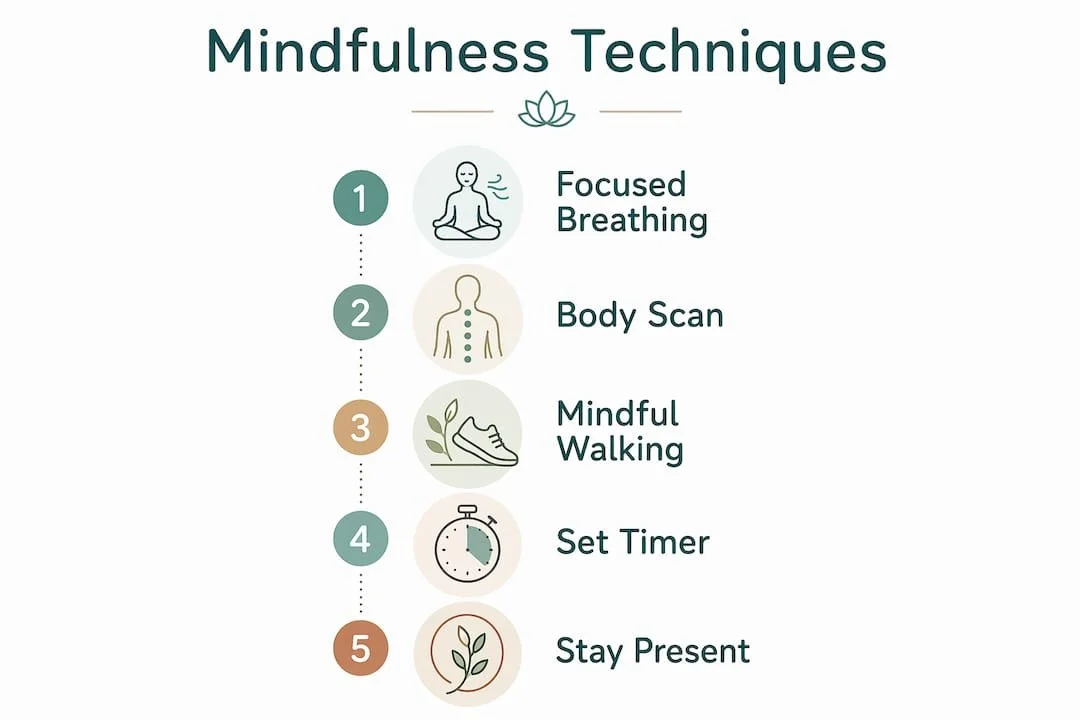
Three methods work well for people new to mindfulness: focused breathing, the body scan, and mindful walking. Each one builds present-moment awareness in a slightly different way.

1. Focused breathing
Focused breathing is the most direct entry point into mindfulness practice. It uses the breath as an anchor because it is always available and always happening right now.
Sit comfortably and close your eyes or soften your gaze downward.
Take one slow breath in through your nose, noticing the sensation of air entering.
Exhale slowly and notice the feeling of release.
Continue breathing naturally. Do not force a rhythm.
When your mind drifts to a thought, gently return your attention to the breath.
Repeat for 1–5 minutes.
Returning focus after mind wanderingis the core exercise, not a failure. Every time you notice distraction and come back, you are doing exactly what mindfulness asks of you.
2. Body scan meditation
The body scan moves your attention slowly from one part of the body to another. It builds the skill of noticing physical sensations without judging them.
Lie down or sit comfortably.
Close your eyes and take three slow breaths.
Bring your attention to the top of your head. Notice any sensation: warmth, tension, or nothing at all.
Slowly move your focus down through your face, neck, shoulders, arms, chest, belly, hips, legs, and feet.
Spend 15–30 seconds on each area.
If you notice tension, breathe toward that spot and let it soften.
3. Mindful walking
Mindful walking turns movement into meditation. It works well for people who find sitting still frustrating.
Walk at a slower pace than usual.
Focus on the sensation of each foot lifting, moving forward, and landing.
Notice the ground beneath you, the air on your skin, and the sounds around you.
When your mind wanders to a to-do list or a worry, return your attention to your feet.
Pro Tip: Try mindful walking during a short trip you already take, like walking from your car to the office. You do not need extra time.
The table below shows how these three techniques compare for beginners:
| Technique | Time needed | Best for | Difficulty |
|---|---|---|---|
| Focused breathing | 1–5 minutes | Stress relief, focus | Low |
| Body scan | 5–15 minutes | Tension release, sleep | Low to medium |
| Mindful walking | 5–10 minutes | Restless minds, movement lovers | Low |
Common challenges beginners face and how to get past them
The biggest obstacle in mindfulness practice is not distraction. It is the belief that distraction means failure. Mind wandering is a normal part of practice, and noticing it is itself an act of awareness. The moment you realize your mind has drifted, you have already returned to the present.
Here are the most common challenges and what actually helps:
"My mind won't stop." This is universal. The goal is not a blank mind. The goal is to notice thoughts without chasing them. Treating thoughts as guests to acknowledge kindly, rather than fighting them, makes practice more effective.
"I don't have time." A one-minute pause counts. Mindfulness can be practiced in one-minute increments during daily activities. Waiting for coffee to brew is enough time.
"I keep getting interrupted." Silencing devices and informing family members before a session reduces interruptions significantly. Treat those minutes as protected time.
"I'm not feeling any different." Progress in mindfulness is subtle and cumulative. You may notice it first as a slightly longer pause before reacting to stress, not as a dramatic shift.
"The brain's evolutionary negativity bias is a primary target for mindfulness practice. Mindfulness teaches you to notice and hold onto positive experiences rather than letting them slip past unnoticed." — Harvard University
Patience is not passive. It is an active choice to keep showing up even when results feel invisible. That choice, repeated daily, is what builds the mental muscle mindfulness develops.
How to bring mindfulness into your everyday life
Formal meditation sessions are valuable, but mindfulness grows fastest when you weave it into activities you already do. The goal is to turn ordinary moments into brief windows of present-moment awareness.
You can find mindfulness activities for adults in nearly every part of your day. Here are the most practical entry points:
Mindful eating. Put your phone down during one meal. Notice the taste, texture, and temperature of each bite before swallowing.
Mindful showering. Focus on the sensation of water temperature, the smell of soap, and the sound of water. When your mind plans the day, return to the shower.
Mindful handwashing. Use the 20 seconds of handwashing as a reset. Feel the water, notice the lather, breathe once.
Mindful pauses. Before opening your email, take three conscious breaths. Before answering the phone, pause for one second and notice where you are.
Stacking mindfulness onto existing habits is the most reliable way to build consistency. The table below shows how informal practice compares to formal sessions:
| Practice type | Format | Time required | Best benefit |
|---|---|---|---|
| Formal session | Dedicated meditation time | 5–20 minutes | Deep focus, habit formation |
| Informal practice | Woven into daily activities | 1–3 minutes | Sustained awareness, low effort |
Building a daily mindfulness workflow does not require restructuring your schedule. It requires redirecting your attention during moments you already have.
Key takeaways
Consistent, short mindfulness sessions practiced daily produce more lasting mental health benefits than occasional long sessions.
| Point | Details |
|---|---|
| Start with 1–5 minutes | Short daily sessions build the habit faster than infrequent long ones. |
| Mind wandering is normal | Noticing distraction and returning focus is the actual practice, not a setback. |
| No equipment needed | Mindfulness works anywhere, from a chair to a sidewalk, with zero tools required. |
| Stack it onto habits | Attach brief mindful moments to existing routines like eating, walking, or washing hands. |
| Acceptance is the core skill | Treating thoughts without resistance makes practice more effective over time. |
What I've learned from building a real mindfulness practice
Most articles tell you mindfulness is simple. That is true. What they skip is that simple does not mean easy, especially in the first two weeks.
When I started, I expected to feel calm after every session. Instead, I noticed how loud my thoughts actually were. That was uncomfortable. What shifted my experience was understanding that noticing the noise is the point. You are not trying to silence the mind. You are learning to watch it without getting pulled in.
The second thing nobody tells you: the benefits show up sideways. You do not finish a session and feel transformed. You notice, three weeks in, that you paused before snapping at someone. You notice you slept better on the nights you practiced. The changes are quiet and cumulative, which is exactly why so many people quit too soon.
My honest recommendation is to pick one technique from the breathing, body scan, or walking methods and do it every day for two weeks before adding anything else. Variety is tempting but it delays the habit from forming. Once one method feels natural, exploring different mindfulness tips becomes genuinely useful rather than distracting.
Mindfulness is not a personality trait some people have and others don't. It is a skill. Skills get better with repetition. That's the whole story.
— Juiced
Mindfulness support at Amrita Yoga & Wellness in Philadelphia
Amritayogawellness offers a welcoming space for people who want to take their mindfulness practice further with real community support.
The studio's tarot readings pair naturally with mindfulness work, offering a reflective, intuitive layer to self-awareness practice. For people who find solo meditation difficult to sustain, guided classes in yoga, tai chi, and other mind-body disciplines provide the structure and accountability that make consistency easier. Amritayogawellness serves practitioners at every level, from first-timers to those deepening an existing practice. Visit the studio's website to see current class schedules, workshops, and wellness services available in Philadelphia.
FAQ
How long should a beginner practice mindfulness each day?
Beginners should start with 1–5 minutes daily, prioritizing consistency over session length. Short daily practice builds the habit more effectively than longer sessions done occasionally.
What is the easiest mindfulness technique for beginners?
Focused breathing is the most accessible starting point. It requires no equipment, takes as little as one minute, and can be done anywhere.
Is it normal for my mind to wander during mindfulness practice?
Mind wandering is completely normal and expected. Noticing that your mind has drifted and gently returning your focus is the core exercise of mindfulness, not a sign that you are doing it wrong.
Can I practice mindfulness without meditating formally?
Yes. Mindfulness can be woven into everyday activities like eating, walking, or washing hands. These informal practices build present-moment awareness without requiring dedicated meditation time.
How soon will I notice the benefits of practicing mindfulness?
Benefits are typically subtle and cumulative rather than immediate. Most people notice small changes, like a longer pause before reacting to stress, within two to three weeks of consistent daily practice.
Recommended
Best Meditation Guide for Beginners: Start Today
TL;DR:
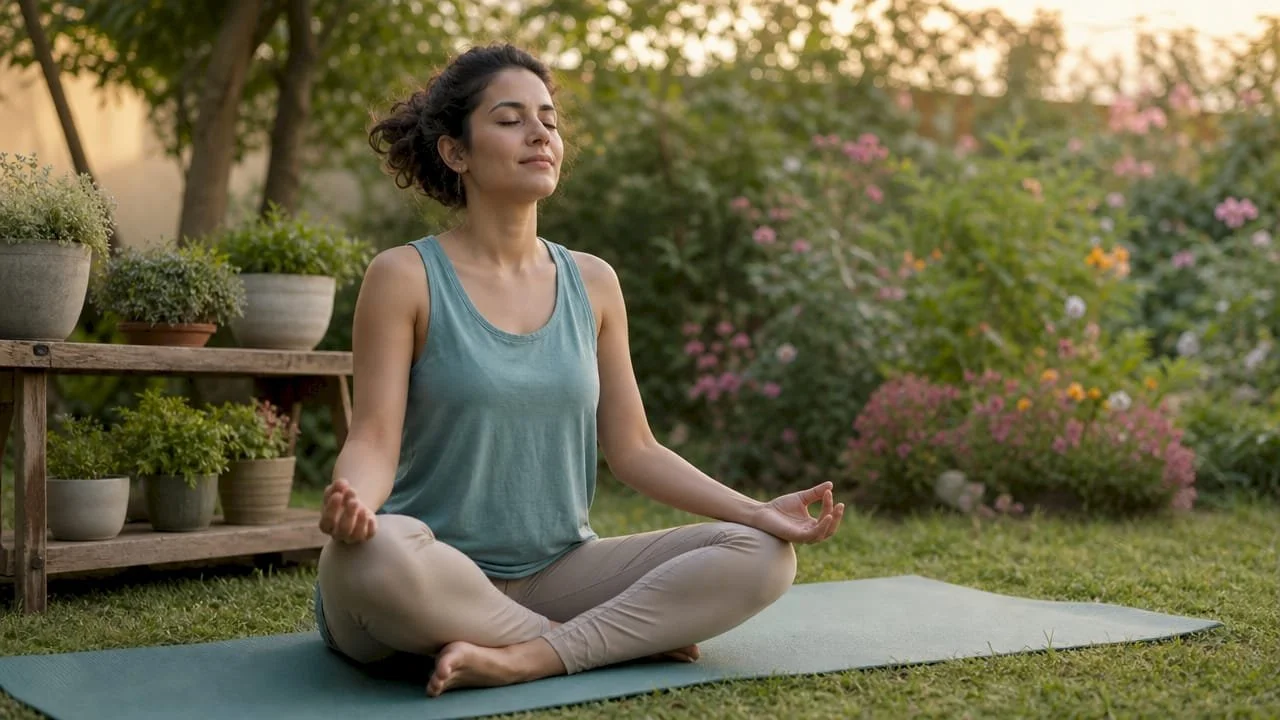
Meditation for beginners should be simple, research-backed, and require only a comfortable seat and a few minutes. Consistent short daily practice, especially around 10 minutes, produces lasting stress reduction and focus improvement within eight weeks. Techniques like breath awareness, body scans, and guided visualization suit different needs and are accessible without cost or equipment.
The best meditation guide for beginners is one that is simple, research-backed, and requires nothing more than a comfortable seat and a few minutes of your time. Mindfulness meditation, the recognized clinical term for most beginner practices, has been studied extensively and shown to reduce stress and improve focus with short daily sessions of just 5–10 minutes. Techniques like breath awareness, body scans, and guided visualization are free, proven, and accessible to anyone. Amritayogawellness, a Philadelphia-based yoga and wellness studio, builds its beginner programs around exactly these principles: no pressure, no perfection, just consistent practice.
1. What are the best simple meditation techniques for beginners?
Three techniques stand out as the most beginner-friendly: breath awareness, body scan, and guided visualization. Each one works differently, and knowing what sets them apart helps you pick the right starting point.
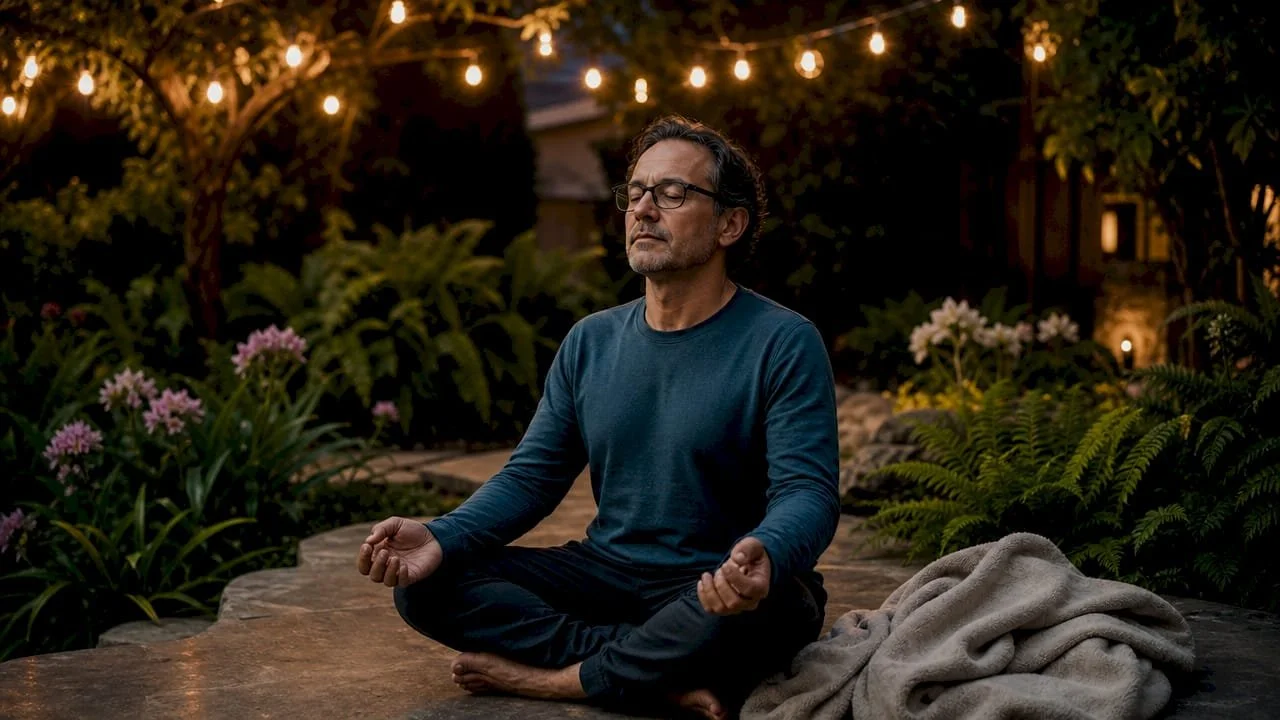
Breath awareness meditation is the most direct entry point. Sit comfortably, close your eyes, and focus on the natural rhythm of your breath. Notice the inhale, the exhale, and the pause between them. When your mind wanders, gently return your attention to your breath. That act of returning is the practice itself.
Body scan meditation shifts attention from the breath to physical sensations. Starting at the top of your head or the soles of your feet, you slowly move awareness through each part of your body. This technique is especially useful for people who carry physical tension or struggle to sit still with only the breath as an anchor.
Guided visualization uses spoken imagery to direct your focus. A teacher or audio recording leads you through a calming scene or a structured mental exercise. Guided meditation is recommended for beginners because it reduces the anxiety of "doing it wrong" and keeps your attention oriented to a clear focal point.
Moving meditation is a fourth option worth knowing. Walking slowly and deliberately, paying attention to each step and breath, counts as meditation. Moving meditation is a valid and often easier entry point for beginners who feel restless or physically uncomfortable sitting still.
Breath awareness: best for simplicity and portability
Body scan: best for physical tension and body awareness
Guided visualization: best for beginners who feel self-conscious
Moving meditation: best for restlessness or physical discomfort
Pro Tip: Try each technique for three days before deciding which one fits. Most beginners abandon meditation too early because they chose a style that did not match their temperament, not because meditation itself failed them.
You can read a deeper breakdown of meditation types to match techniques to your specific goals.
2. How long and how often should beginners meditate?
Consistency beats duration every time. A 5-minute daily session produces more benefit than a 45-minute session once a week. That single fact removes the biggest excuse most beginners carry: not having enough time.
Start with 5–10 minutes per session. Once that feels natural, work toward 10–20 minutes daily. Research consistently links 10–20 minutes daily to clinically significant reductions in stress and anxiety. That is roughly the length of a coffee break.
The timeline for lasting change is also well established. Eight weeks of daily practice produces neurological and psychological improvements that persist beyond the practice itself. Eight weeks is not a long commitment. It is two months of five-minute mornings.
Here is a simple progression plan for your first eight weeks:
Weeks 1–2: 5 minutes daily, breath awareness only
Weeks 3–4: 7 minutes daily, add a body scan on alternate days
Weeks 5–6: 10 minutes daily, experiment with guided visualization
Weeks 7–8: 12–15 minutes daily, choose the technique that resonates most
Timing matters less than regularity, but morning sessions before the day fills up tend to stick better. Habit stacking, meditating immediately after an existing daily ritual like brushing your teeth or making coffee, strengthens habit formation by anchoring the new behavior to something already automatic.
3. What common beginner challenges come up and how do you handle them?
The most common beginner mistake is expecting a quiet mind. Meditation does not require silence inside your head. Success in a session is defined by the moment you notice your mind has wandered and gently bring it back. That noticing is the skill you are building.
Think of it like going to the gym. You do not expect to lift heavy weight on day one. Meditation is training for the mind, and you start exactly where you are, busy thoughts and all.
Here are the most common obstacles and direct solutions:
"My mind won't stop." This is normal. Every time you notice a thought and return to your breath, you are meditating correctly.
Physical discomfort. Sit on a folded blanket or lie down for a body scan. Switch to walking meditation if sitting feels impossible.
"I don't have time." Five minutes counts. Set a timer and commit to that alone.
All-or-nothing thinking. Missing one day does not erase progress. Return the next day without judgment.
Feeling self-conscious. Guided sessions remove this entirely. A voice leading you through the practice eliminates the uncertainty of whether you are "doing it right."
Pro Tip: Anchor your meditation to one existing habit this week. After you pour your morning coffee, sit down and set a 5-minute timer before you drink it. The coffee becomes the trigger, and the habit builds itself.
Exploring mindfulness for stress relief can also help you understand why these challenges are temporary and how the practice shifts over time.
4. How to choose the right meditation guide or resource
No single guide is right for everyone. The best way to learn how to meditate is to find a resource that matches your goals, your schedule, and your tolerance for structure. A guide that claims only one correct method is a guide worth skipping. Effective meditation is built around personal goals, whether that is grounding, stress relief, or cultivating compassion.
Evaluate any guide against these criteria:
Simplicity: Does it explain techniques in plain language without excessive jargon?
Flexibility: Does it offer more than one technique so you can find your fit?
Accessibility: Is it free or low-cost to start? No equipment should be required.
Clear instructions: Can you follow the steps without a background in meditation?
Realistic expectations: Does it acknowledge that wandering thoughts are normal?
Free options include reputable health websites, YouTube meditation for beginners channels from certified teachers, and studio-based beginner programs. Paid apps and courses add accountability features and structured progressions, which suit beginners who prefer external motivation. Neither is superior. The right choice is the one you will actually use.
Amritayogawellness offers beginner-friendly classes in Philadelphia that combine movement and mindfulness, giving you a live instructor and a community rather than a screen. That human element matters more than most beginners expect.
5. Situational suggestions for different beginner scenarios
Your life context shapes which meditation approach will actually stick. A technique that works for someone with a flexible morning schedule may be useless for a parent with a packed day.
Busy schedule: Use micro meditation. Two to three focused breaths before a meeting or after a commute counts. Build from there.
Physical discomfort or injury: Practice body scan meditation lying down. There is no rule that says you must sit upright.
High anxiety or stress: Loving-kindness meditation, which involves silently directing warm wishes toward yourself and others, is clinically associated with reduced anxiety and improved mood. It gives the mind a positive anchor instead of a neutral one.
Already practicing yoga: Meditation fits naturally at the end of a yoga session when the body is already calm. Amritayogawellness integrates mindfulness into its yoga classes, making this transition easy for students already on the mat.
Prefer group settings: Guided group sessions reduce isolation and add accountability. Many beginners find that practicing alongside others removes the self-consciousness of solo practice.
Motivation dips: Return to your original reason for starting. Write it on a sticky note near your meditation spot. When motivation drops, the environment cues the habit.
The 7 types of meditation practices covered by Amritayogawellness give you a clear map for matching your situation to the right technique.
Key takeaways
The most effective meditation guide for beginners combines simple techniques, short daily sessions, and realistic expectations grounded in clinical research.
| Point | Details |
|---|---|
| Start with 5–10 minutes | Short daily sessions build the habit faster than occasional long ones. |
| Consistency over duration | Eight weeks of daily practice produces lasting neurological improvements. |
| Wandering mind is normal | Success means noticing distraction and returning focus, not staying still. |
| Match technique to your life | Breath awareness, body scan, and moving meditation each suit different needs. |
| Use habit stacking | Attach meditation to an existing daily ritual to make it automatic. |
What I have learned from watching beginners start their practice
Most people overthink the beginning. They research techniques for weeks, buy a meditation cushion, and then sit down expecting silence. What they get instead is a busy mind, an itchy nose, and the creeping suspicion that they are doing it wrong. They are not.
The single most useful reframe I have seen work for beginners is this: meditation is not about achieving a state. It is about practicing a skill. The skill is noticing where your attention went and choosing to bring it back. You will do that dozens of times in a five-minute session. Each return is a repetition. Each repetition builds the muscle.
Guided meditations are underrated for this reason. They give your attention somewhere to go. When a voice is walking you through a body scan or a breathing sequence, you spend less energy wondering whether you are doing it correctly and more energy actually practicing. That shift in cognitive load makes a real difference in the early weeks.
The other thing I have seen derail beginners is rigidity. If breath awareness bores you after two weeks, switch to walking meditation. If a 7-minute session feels too long on a hard day, do two minutes. Flexibility is not failure. Quitting is the only failure. The practice does not care how you show up. It only asks that you do.
— Juiced
Meditation and wellness support at Amritayogawellness
Amritayogawellness, located in Philadelphia, offers beginner-friendly classes that weave mindfulness into yoga, tai chi, and movement-based sessions. The studio's approach removes the pressure of solo practice by placing you in a supportive community with experienced instructors.
For beginners looking to deepen their self-awareness beyond movement, Amritayogawellness also offers tarot readings as a complementary wellness service. Tarot sessions provide a reflective, guided experience that pairs naturally with a developing meditation practice. Whether you are looking for a structured class or a personal wellness session, Amritayogawellness has a starting point that fits where you are right now.
FAQ
How long should a beginner meditate each day?
Start with 5–10 minutes daily and work toward 10–20 minutes as the habit solidifies. Daily consistency matters far more than session length.
What is the easiest meditation technique for beginners?
Breath awareness meditation is the simplest starting point. It requires no equipment, no guidance, and no prior experience. Just focus on your natural breath and return your attention when it wanders.
How long does it take to see results from meditation?
Eight weeks of daily practice is the threshold most consistently linked to lasting neurological and psychological improvements. Many beginners notice reduced stress and better focus within the first two weeks.
Do I need an app or paid course to learn meditation?
No. Free resources including reputable health websites, YouTube meditation for beginners content from certified teachers, and studio beginner programs provide everything you need to start. Paid tools add structure and accountability but are not required.
What should I do when my mind keeps wandering during meditation?
Notice the thought, label it mentally as "thinking," and gently return your focus to your breath or chosen anchor. Mind wandering is not a failure. The act of returning is the practice itself.
Recommended
What Is a Barre Class Workout? A Beginner's Guide
TL;DR:
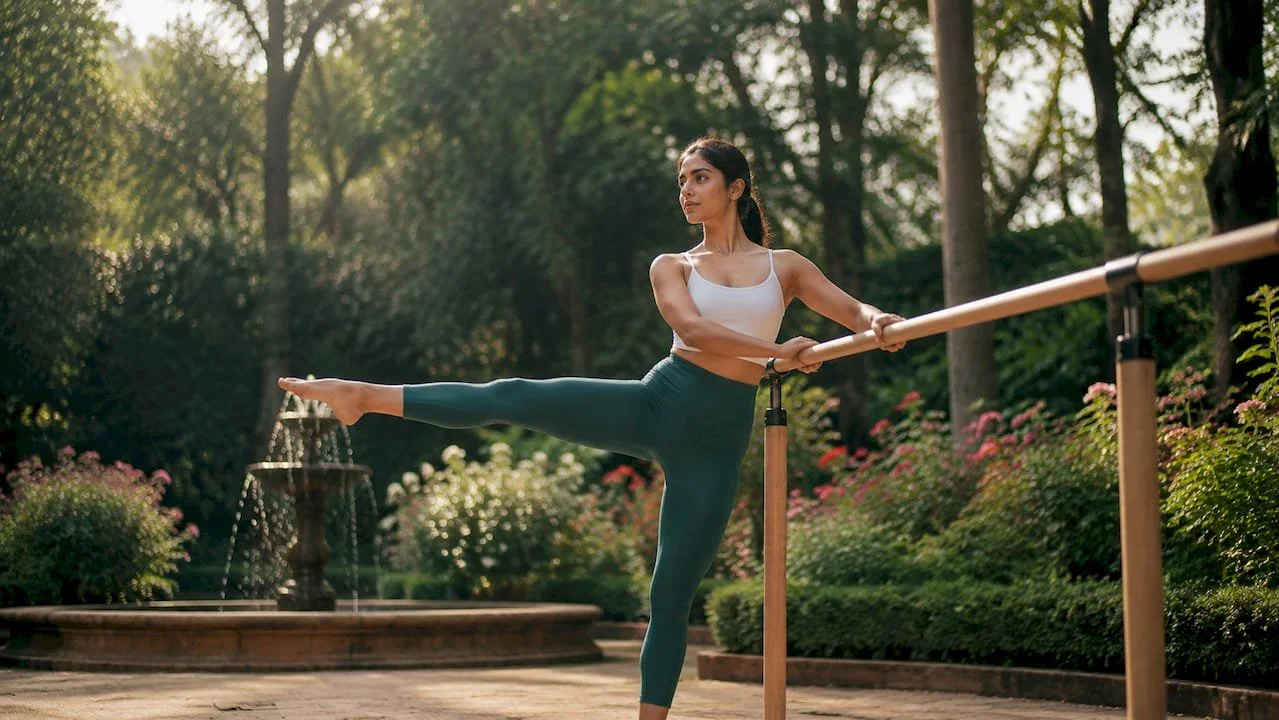
A barre class combines ballet-inspired movements, Pilates core work, and yoga stretches into a low-impact, full-body workout. It enhances muscular endurance, posture, and flexibility through high-repetition, controlled exercises that minimize joint stress. Group classes also promote mental well-being, making barre suitable for all fitness levels and recovery needs.
A barre class workout is a low-impact fitness method that blends ballet-inspired movements, Pilates core work, and yoga stretches into a single full-body session. Unlike traditional dance classes, barre skips choreography entirely and focuses on small, controlled repetitions that drive muscles to fatigue without stressing your joints. Classes typically run 30–60 minutes and use a fixed ballet barre, light hand weights, resistance bands, and exercise balls as props. The result is a workout that builds muscular endurance, improves posture, and increases flexibility, all at a pace that works for beginners and experienced exercisers alike.
What happens in a typical barre class workout?
A standard barre session follows a predictable structure, which makes it easy to settle into even on your first day. Most classes open with a standing warm-up at the barre, move through targeted muscle work, and close with a floor-based cool-down and stretch.
Here is what you can expect during a typical class:
Warm-up (5–10 minutes): Light cardio and mobility work to raise your heart rate and prepare your joints.
Barre work (20–30 minutes): Standing exercises using the barre for balance. Expect plié pulses, relevés, and leg lifts targeting your legs and glutes.
Core section (10–15 minutes): Pilates-inspired floor work including planks, leg circles, and mini-ball squeezes.
Cool-down and stretch (5–10 minutes): Yoga-style stretches to lengthen muscles and reduce soreness.
Barre uses light hand weights) in the 2–3 pound range, which keeps the focus on endurance and muscle tone rather than bulk. Resistance bands and small exercise balls appear in many classes to add variety and challenge specific muscle groups. The defining feature of every exercise is high repetitions with small range of motion. You might pulse through 30 seconds of plié squats or complete 12–15 leg lifts per side. That combination of low resistance and high reps is what creates the signature burn barre is known for.
Pro Tip: Arrive five minutes early and tell the instructor it is your first class. A quick heads-up lets them watch your form and offer modifications before the class even starts.
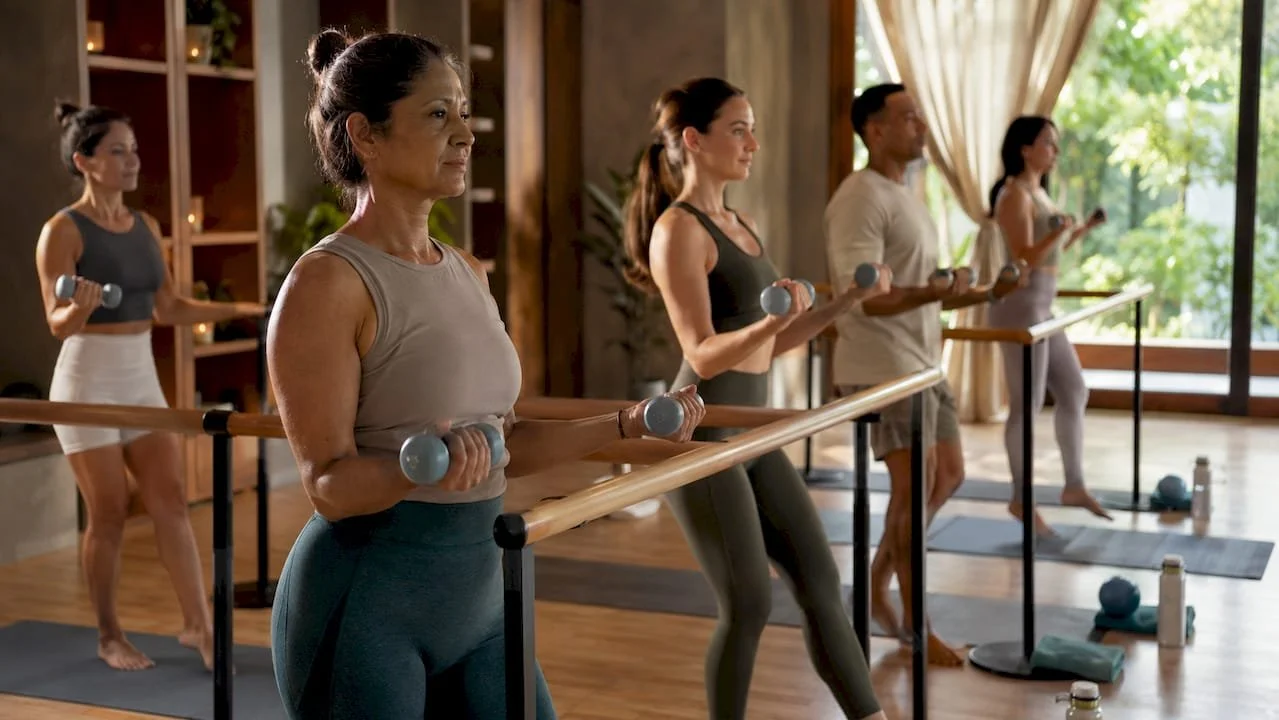
What are the physical and mental benefits of barre workouts?
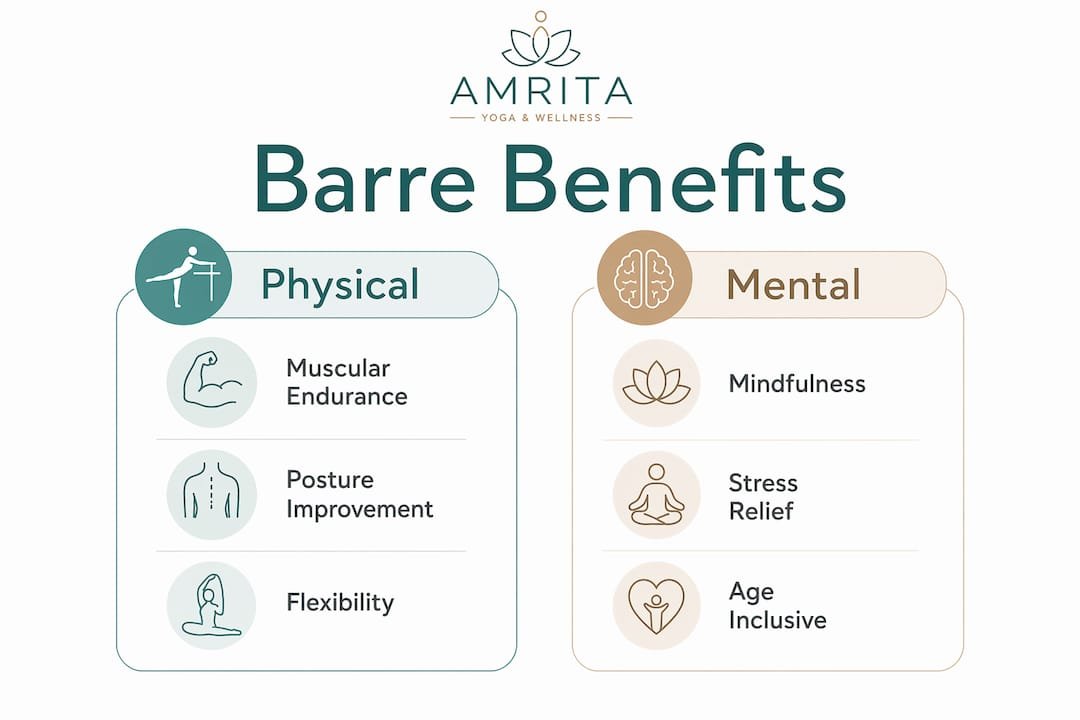
Barre delivers a broad set of physical benefits without the joint stress that comes with running, jumping, or heavy lifting. Barre is endurance-based training that uses fine, repetitive movements to reach muscular fatigue with minimal impact. That makes it a strong option for people recovering from injury, managing joint pain, or simply looking for a sustainable long-term fitness practice.
The physical benefits include:
Posture improvement: Barre strengthens muscles around the chest, shoulders, hips, and back that hold your body upright. This directly counteracts the forward rounding that builds up from hours at a desk.
Muscular endurance: High-rep sequences train your muscles to sustain effort over time, which translates to better performance in everyday activities.
Flexibility and balance: The yoga-style stretches and single-leg balance work in every class improve both range of motion and stability.
Core strength: Pilates-based floor work targets deep abdominal muscles that support your spine and protect your lower back.
The mental side of barre is just as real. Group barre classes reduce stress and support emotional well-being in ways that mirror the benefits of yoga and Pilates. The focused, repetitive nature of the movements requires enough concentration to quiet mental chatter without being overwhelming. Many people describe leaving class feeling both physically tired and mentally clear.
"Barre emphasizes quality over quantity in movements, focusing on precise alignment and time under tension rather than heavy weights or speed." — Barre Pilates Workout Guide
Barre is also one of the most age-inclusive and fitness-level-inclusive formats available. A 25-year-old athlete and a 60-year-old returning to exercise can take the same class, because the instructor can modify every exercise up or down based on ability.
How does barre compare to Pilates and yoga?
Barre, Pilates, and yoga share a commitment to controlled movement and body awareness, but each method has a distinct focus. Understanding the differences helps you decide which practice fits your goals, or whether combining them makes sense.
| Method | Primary focus | Movement style | Key equipment |
|---|---|---|---|
| Barre | Muscular endurance and alignment | High-rep pulses and holds | Ballet barre, light weights |
| Pilates | Core strength and spinal control | Slow, sequenced core work | Mat, reformer machine |
| Yoga | Flexibility, balance, and mental calm | Flowing or held poses | Mat, blocks, straps |
Barre incorporates Pilates breathing and alignment techniques alongside ballet's pulsing repetitions and balance exercises. That overlap is why barre pilates fusion classes have grown in popularity. A barre pilates session typically splits time between standing barre work, core exercises with a mini-ball, and cooldown stretches, all while maintaining the breath awareness that defines Pilates.
What sets barre apart from both Pilates and yoga is the deliberate drive to muscular fatigue. Pilates sequences are controlled and precise but rarely push you to the point of shaking. Yoga holds build strength, but the goal is usually flexibility and stillness. Barre specifically targets that trembling sensation in your thighs or seat as a sign that the muscle is working at its limit. You can explore barre and Pilates fusion formats to see which combination resonates with your body.
Barre yoga is a less common but growing format that layers yoga's breath and mindfulness cues onto barre's standing sequences. It tends to feel slower and more meditative than a standard barre class while still delivering the muscle-fatigue effect.
What should beginners know before starting a barre class?
Starting barre the right way saves you from frustration and reduces the risk of injury. The learning curve is real but short. Most people feel comfortable with the format after two or three classes.
Follow these steps to get the most from your first few sessions:
Choose a beginner or foundational class. Barre is suitable for all fitness levels, but foundational classes teach posture and alignment before adding intensity. Starting there builds the base you need.
Learn the pelvic tuck. The pelvic tuck protects your lower back and is the single most important technical cue in barre. Your instructor will explain it, but pay close attention because it changes how every exercise feels.
Introduce yourself to the instructor. Telling your instructor about any injuries or limitations before class allows them to offer modifications that keep you safe and working effectively.
Expect your muscles to shake. Muscle shaking during barre) is normal and signals that you have reached muscular exhaustion through high repetitions. It is not a sign that something is wrong. It means the method is working.
Build frequency gradually. Two classes per week is a solid starting point. Most people notice meaningful changes in posture and strength within four to six weeks of consistent attendance.
Pro Tip: Wear grip socks to your first class. They prevent slipping on the studio floor and give you better feedback about how your foot is pressing into the ground during balance exercises.
You can find more detailed guidance on starting barre as a beginner to help you feel prepared before you walk through the door.
Key takeaways
A barre class workout builds muscular endurance, improves posture, and increases flexibility through high-repetition, low-impact movements drawn from ballet, Pilates, and yoga.
| Point | Details |
|---|---|
| Core definition | Barre blends ballet, Pilates, and yoga into a 30–60 minute low-impact full-body workout. |
| Signature technique | High-rep, small-range movements drive muscles to fatigue without heavy weights or joint stress. |
| Key physical benefits | Barre strengthens posture muscles, builds endurance, and improves balance and flexibility. |
| Mental benefits | Group barre classes reduce stress and support emotional well-being similar to yoga and Pilates. |
| Beginner priority | Learn the pelvic tuck, introduce yourself to the instructor, and expect muscle shaking from day one. |
Why barre deserves more credit than it gets
Most people walk into their first barre class expecting something gentle and walk out surprised by how hard it actually is. That gap between expectation and reality is the most consistent thing I have observed about barre, and I think it explains why the format gets underestimated.
Barre is not dance. It is not stretching with a fancy name. It is endurance training with a very specific mechanism: sustained time under tension at low resistance. That mechanism is genuinely difficult to replicate in a gym setting, which is why barre attracts people who have tried everything else and still feel like something is missing.
The communal dimension matters too. Group barre classes create a shared experience of discomfort that builds real connection between participants. There is something about shaking through the last ten seconds of a plié hold together that strips away self-consciousness and replaces it with solidarity.
My honest observation after watching many people start barre is that the ones who stick with it past the first month stop thinking about it as a workout and start thinking about it as a practice. That shift in mindset, from performance to process, is where the real long-term value lives. Patience and consistency are not just encouraged in barre. They are built into the method itself.
— Juiced
Try barre classes at Amrita Yoga & Wellness in Philadelphia
Amritayogawellness offers barre classes in Philadelphia designed for all fitness levels, from complete beginners to those with years of experience. The studio's instructors prioritize proper alignment and offer modifications so every participant can work at their own pace safely and effectively.
Amritayogawellness also offers Pilates, hot yoga, tai chi, and massage therapy, making it easy to build a well-rounded wellness practice under one roof. If you are curious about the full range of wellness services available, including tarot readings and community workshops, the studio's schedule has something for every stage of your wellness path. Check the class schedule online and book your first barre session today.
FAQ
What is a barre class workout, exactly?
A barre class workout is a low-impact fitness session that combines ballet-inspired movements, Pilates core work, and yoga stretches. Classes run 30–60 minutes and use a ballet barre, light weights, and resistance bands to build strength and flexibility.
Is barre the same as barre Pilates?
Barre and barre Pilates are related but distinct. Barre Pilates is a fusion format that adds Pilates breathing and core sequencing to standard barre exercises, typically resulting in a more technique-focused class with greater attention to spinal alignment.
How often should beginners attend barre classes?
Two classes per week is the recommended starting point for beginners. Most people notice clear improvements in posture and muscular endurance within four to six weeks of consistent practice.
Why do my muscles shake during barre?
Muscle shaking during barre is a normal and expected response. It signals that your muscles have reached fatigue through high repetitions at low resistance, which is exactly the training effect barre is designed to produce.
Is barre good for people with joint pain or injuries?
Barre is one of the most joint-friendly workout formats available because it avoids high-impact movements like jumping or heavy loading. Always inform your instructor of any injuries before class so they can provide appropriate modifications.
Recommended
Different Types of Meditation Practices: 2026 Guide
TL;DR:
Meditation improves focus, reduces stress, and builds emotional resilience through various practices that suit specific goals. Different styles like mindfulness, loving-kindness, and yoga nidra target distinct benefits and are best chosen based on desired outcomes. Consistent practice, starting with brief sessions, and using tools like guided apps help maintain a sustainable meditation routine.
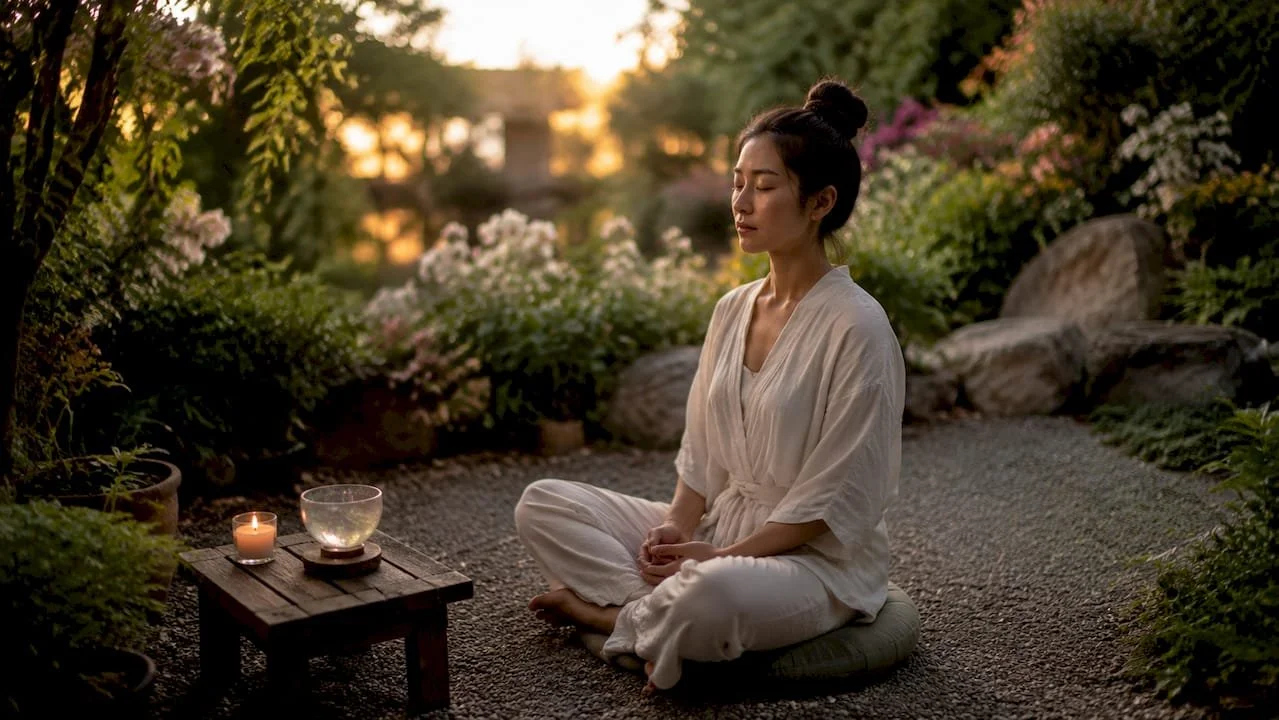
Meditation is a deliberate mental training practice that sharpens focus, reduces stress, and builds emotional resilience. The different types of meditation practices available today range from silent breath awareness to movement-based styles like mindful walking and yoga nidra, each serving a distinct purpose. A 2026 research framework organizes these techniques into five clusters: physical, emotional, psychological, spiritual, and mixed. That taxonomy matters because it confirms what experienced practitioners already know. Your goal determines your method. Whether you want better sleep, less anxiety, or sharper concentration, there is a meditation style built for that outcome.
Different types of meditation practices explained
The eight styles below cover the most widely practiced and research-supported meditation techniques available. Each one has a distinct focus, format, and primary benefit.
1. Mindfulness meditation
Mindfulness meditation is the practice of observing thoughts, feelings, and sensations without judging them. You sit quietly, notice what arises in your mind, and let it pass without reacting. This style forms the foundation of Mindfulness-Based Stress Reduction (MBSR), a clinical program developed by Jon Kabat-Zinn at the University of Massachusetts Medical School. It is the most studied meditation technique in Western clinical research. Beginners find it accessible because it requires no special equipment or belief system.
Key features:
Practiced seated, eyes closed or softly open
Focus shifts between breath, body, and thoughts
Sessions range from 5 to 45 minutes
2. Breath awareness meditation
Breath awareness is the simplest entry point into meditation. You place all attention on the physical sensation of breathing: the rise of the chest, the pause between inhale and exhale, the cool air entering the nostrils. Five minutes of daily breath awareness builds the foundational concentration skill that all other meditation styles require. This technique has the strongest clinical support for reducing anxiety alongside body scan meditation.
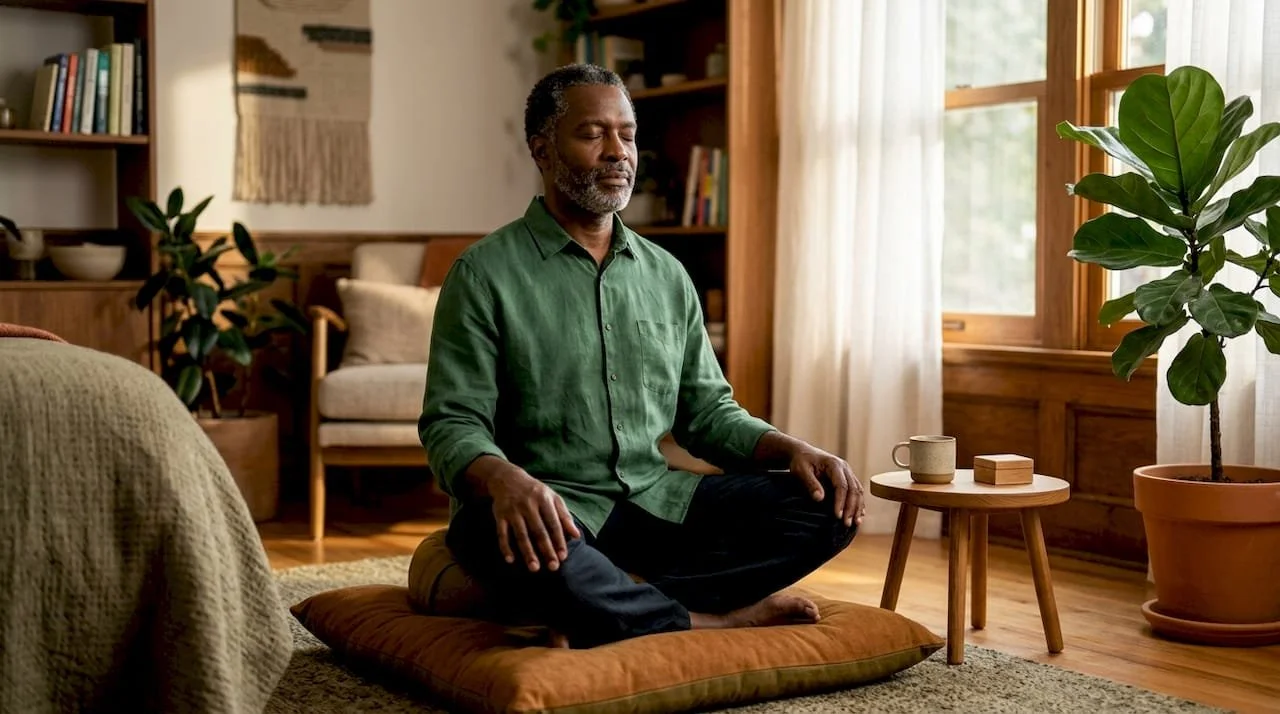
Pro Tip: Set a phone timer for five minutes each morning before checking any screen. Breath awareness practiced first thing anchors your attention before the day's demands take over.
3. Loving-kindness meditation (Metta)
Loving-kindness meditation, known in Pali as Metta, trains the mind to generate warmth and goodwill toward yourself and others. You silently repeat phrases like "May I be happy. May I be safe. May I be healthy." Then you extend those wishes outward to friends, strangers, and even people you find difficult. Loving-kindness meditation is the most effective style for emotional regulation and reducing self-criticism. Therapists frequently recommend it for people working through shame or social anxiety.
4. Body scan meditation
Body scan meditation directs attention systematically through each part of the body, from the toes to the crown of the head. The goal is to notice physical sensations without trying to change them. This practice is a core component of MBSR and is widely used in clinical settings for chronic pain and insomnia. It works well as a wind-down practice before sleep. Many people find it easier than breath-focused styles because the moving attention point keeps the mind occupied.
5. Mantra meditation
Mantra meditation uses a repeated word or phrase as the anchor for attention. Transcendental Meditation (TM), developed by Maharishi Mahesh Yogi, is the most recognized form. In TM, a teacher assigns a personal Sanskrit mantra, and the practitioner repeats it silently for 20 minutes twice daily. You can also practice mantra meditation with simple words like "peace" or "calm" without formal instruction. The repetition crowds out distracting thoughts and creates a steady mental rhythm. Explore mantra meditation methods for deeper guidance on choosing and using a personal mantra.
6. Walking meditation
Walking meditation turns movement into a mindfulness practice. You walk slowly and deliberately, placing full attention on each step: the lift of the foot, the shift of weight, the contact with the ground. This style suits people who find sitting still frustrating or physically uncomfortable. Zen Buddhist traditions formalized walking meditation, called kinhin, as a complement to seated zazen practice. Zazen meditation benefits include improved posture awareness and a calm, alert mental state that transfers well into daily activity.
7. Yoga nidra
Yoga nidra, sometimes called "yogic sleep," is a guided practice that leads you through progressive relaxation into a state between waking and sleep. You lie down for the entire session, typically 20 to 45 minutes, while a teacher or recording guides your awareness through the body, breath, and visualization. Research links yoga nidra to reduced cortisol levels and improved sleep quality. It is one of the most accessible styles for complete beginners because the only requirement is lying still and listening.
8. Sound meditation
Sound meditation uses auditory input, such as singing bowls, gongs, or binaural beats, as the focal point for awareness. Sound baths, where practitioners lie in a room filled with resonant tones from Tibetan or crystal singing bowls, have grown significantly in popularity across wellness studios in cities like Philadelphia, New York, and Los Angeles. The vibrations give the mind a concrete object to track, which makes it easier to stay present than in silent styles. Sound meditation sits within the physical and mixed clusters of the 2026 meditation typology framework.
Which meditation style fits your goal?
No single meditation styleis universally best. The right practice is the one you will actually do consistently. That said, specific styles do align more directly with specific outcomes. The table below maps common wellness goals to the meditation techniques with the strongest evidence base.
| Goal | Best-fit meditation style | Why it works |
|---|---|---|
| Anxiety relief | Breath awareness, body scan | Strongest clinical support for calming the nervous system |
| Emotional regulation | Loving-kindness (Metta) | Directly trains compassion and reduces self-criticism |
| Better sleep | Yoga nidra, body scan | Activates the parasympathetic nervous system |
| Sharper focus | Mindfulness, mantra | Trains sustained attention through repetition |
| Trauma recovery | Walking meditation, trauma-sensitive yoga | Grounding and structured movement prevent overwhelm |
| Spiritual connection | Mantra, sound meditation | Engages deeper states of awareness and presence |
Trauma-sensitive individuals should choose guided, grounding practices like walking meditation or trauma-sensitive yoga over unstructured silent meditation. Open-awareness styles can surface difficult emotions without enough structure to process them safely. If you are managing a mental health condition, consult a licensed therapist before starting intensive meditation practices. Meditation supports mental well-being but does not replace professional care.
Pro Tip: Treat your meditation practice like a toolkit, not a commitment to one style. On high-stress days, reach for breath awareness. On emotionally heavy days, try loving-kindness. Flexibility keeps the habit alive.
How to start and maintain a meditation practice
Starting small is the most reliable strategy. Beginners should practice 5 to 10 minutes daily rather than attempting long sessions sporadically. Consistency beats duration every time. Ten minutes of daily meditation builds more long-term mental resilience than a 60-minute session once a week.
Follow these steps to build a sustainable habit:
Pick one style and stick with it for two weeks. Jumping between techniques too quickly prevents you from experiencing the cumulative benefits of any single approach.
Choose a fixed time. Morning practice before checking your phone works well for most people. Evening body scans work better for those focused on sleep.
Accept mind-wandering as part of the process. Noticing that your mind has wandered and gently returning your focus is the core exercise. Each return strengthens concentration exactly like a bicep curl builds muscle.
Sample other styles after the first two weeks. Once you have a baseline, experiment with a second style to compare how each one affects your mood and energy.
Build a personal toolkit. Experienced practitioners keep two or three styles available and choose based on daily needs. Calm and Headspace both offer guided sessions across multiple styles, which makes switching easy.
Seek professional guidance when needed. If you have PTSD, severe depression, or another mental health condition, work with a therapist who understands meditation and mental health recovery before starting a solo practice.
Emerging and modern meditation techniques
Movement-based and technology-supported meditation styles are expanding the range of people who can access consistent practice. Mindful walking, tai chi, and yoga all qualify as types of mindfulness meditation when practiced with deliberate attention. They suit people who find seated stillness physically or psychologically difficult.
Digital tools have made guided meditation methods more accessible than ever:
Calm offers sleep stories, breath guides, and body scans for all experience levels.
Headspace structures meditation into courses, making it easier to progress systematically.
Insight Timer provides a free library of thousands of guided sessions across traditions.
Meditation apps and digital tools combine traditional techniques with technological convenience, which supports the consistency that makes meditation effective. The risk is passive consumption. Listening to a guided session every day without ever practicing independently limits skill development. Use apps as a starting point, then gradually add unguided sessions as your confidence grows.
Sound baths and binaural beat recordings represent newer additions to the meditation toolkit. Both use auditory stimulation to guide the brain toward calmer states. Scientific research on binaural beats is still developing, but early studies suggest they can reduce anxiety and improve focus in short sessions.
Key takeaways
The most effective meditation practice is the one you practice consistently, matched to your specific goal and adjusted as your needs change.
| Point | Details |
|---|---|
| Match style to goal | Breath awareness and body scan lead for anxiety; loving-kindness leads for emotional regulation. |
| Start small | Five to ten minutes daily outperforms long, infrequent sessions for building lasting habits. |
| Mind-wandering is normal | Returning focus after distraction is the core skill-building exercise in every meditation style. |
| Trauma requires care | Grounded, guided styles like walking meditation are safer for trauma-sensitive practitioners. |
| Build a toolkit | Keeping two or three styles available lets you match your practice to your daily energy and needs. |
What I have learned from years inside the practice
Most people approach meditation looking for the "right" technique. That search is the first obstacle. The question is not which style is objectively best. The question is which style you will actually return to tomorrow.
I have watched people spend months researching zazen meditation benefits, Transcendental Meditation costs, and the science behind yoga nidra, then never sit down once. The research is useful. But it becomes a way to delay starting. Pick the simplest option available, breath awareness for five minutes, and begin today.
The other thing I have noticed is that progress in meditation does not look like progress in most skills. You do not get faster or stronger in any visible way. What changes is your relationship to discomfort. Difficult thoughts become less urgent. Stressful moments feel shorter. That shift is subtle and takes weeks to notice. Most people quit before they reach it.
Mindfulness is not an activity you do for 10 minutes and then set aside. It is a way of paying attention that gradually reshapes how you move through the day. The formal practice, the sitting or walking or breathing, trains a skill that shows up everywhere else. Treat it with the same patience you would give any skill worth having.
Explore meditation types and practices to keep building on what you start here.
— Juiced
Explore meditation with Amritayogawellness
Amritayogawellness, Philadelphia's yoga and wellness studio, offers guided classes and workshops across a wide range of practices including mindfulness meditation, yoga nidra, tai chi, and movement-based styles. Whether you are picking up meditation for the first time or deepening an existing practice, the studio provides structured support for every level.
The Amritayogawellness community is built around inclusivity and personal growth. Beginners receive the same quality of guidance as advanced practitioners. Visit Amrita Yoga & Wellness to browse current class schedules, workshops, and wellness programs designed to help you build a consistent, meaningful practice.
FAQ
What are the most beginner-friendly meditation techniques?
Breath awareness and body scan meditation are the easiest starting points. Both require no prior experience, no equipment, and as little as five minutes per session.
How long should I meditate each day as a beginner?
Start with 5 to 10 minutes of daily practice. Consistent short sessions build stronger habits and better results than occasional long ones.
What is the difference between mindfulness and other meditation styles?
Mindfulness meditation trains open, nonjudgmental awareness of whatever arises. Other styles, like mantra or loving-kindness, use a specific focal point or intention to direct attention.
Is meditation safe for people with anxiety or trauma?
Most meditation styles are safe, but trauma-sensitive individuals should choose structured, grounded practices like walking meditation or guided yoga nidra. Unstructured silent meditation can surface difficult emotions without enough support to process them.
Can meditation apps replace in-person instruction?
Apps like Calm and Headspace provide strong guided meditation methods for beginners, but in-person instruction offers real-time feedback and community support that apps cannot replicate.
Recommended
Monthly Massages: Your Guide to Lasting Wellness
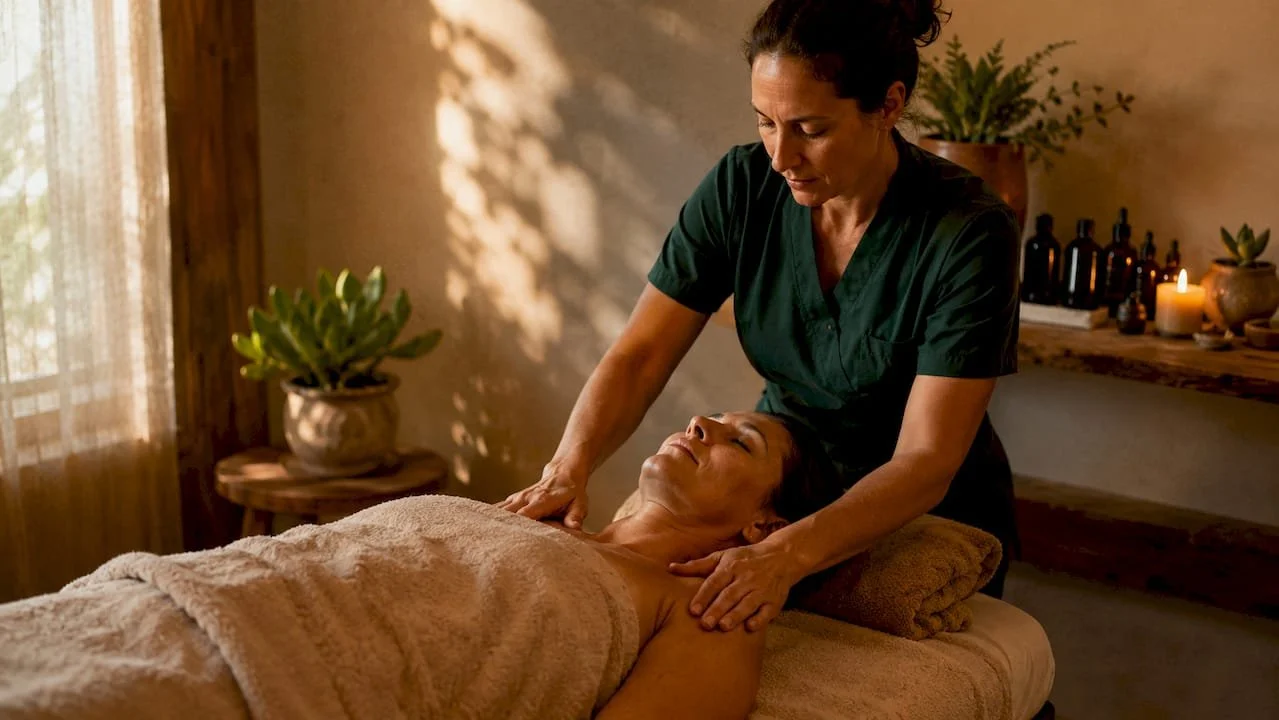
TL;DR:
Monthly massages, proven to reduce cortisol and boost mood-related neurotransmitters, support long-term stress management. Different styles like Swedish, deep tissue, or aromatherapy cater to various wellness goals, with frequency tailored to individual needs such as pain relief or athletic recovery. Consistent scheduling, whether through memberships or proactive booking, enhances benefits by maintaining a healthy baseline of physical and mental well-being.
Monthly massages are defined as regularly scheduled massage therapy sessions, typically once every four weeks, designed to maintain physical and mental wellness through consistent, targeted care. Clinical research confirms that regular massage reduces cortisol levels by up to 31% while improving serotonin and dopamine levels over four to eight weeks. That is not a spa luxury statistic. It is a measurable physiological shift that affects your sleep, mood, and pain tolerance. For adults managing chronic stress, postural tension, or general fatigue, a monthly massage routine is one of the most evidence-backed self-care commitments available.
1. Swedish massage for general relaxation
Swedish massage is the most widely recommended starting point for monthly sessions. It uses long, gliding strokes, kneading, and gentle circular movements to release surface muscle tension and activate the parasympathetic nervous system. A standard session runs 60 to 90 minutes and suits anyone whose primary goal is stress reduction and relaxation after a demanding month. Swedish massage is the default choice for first-time clients and remains effective as a long-term monthly maintenance tool.
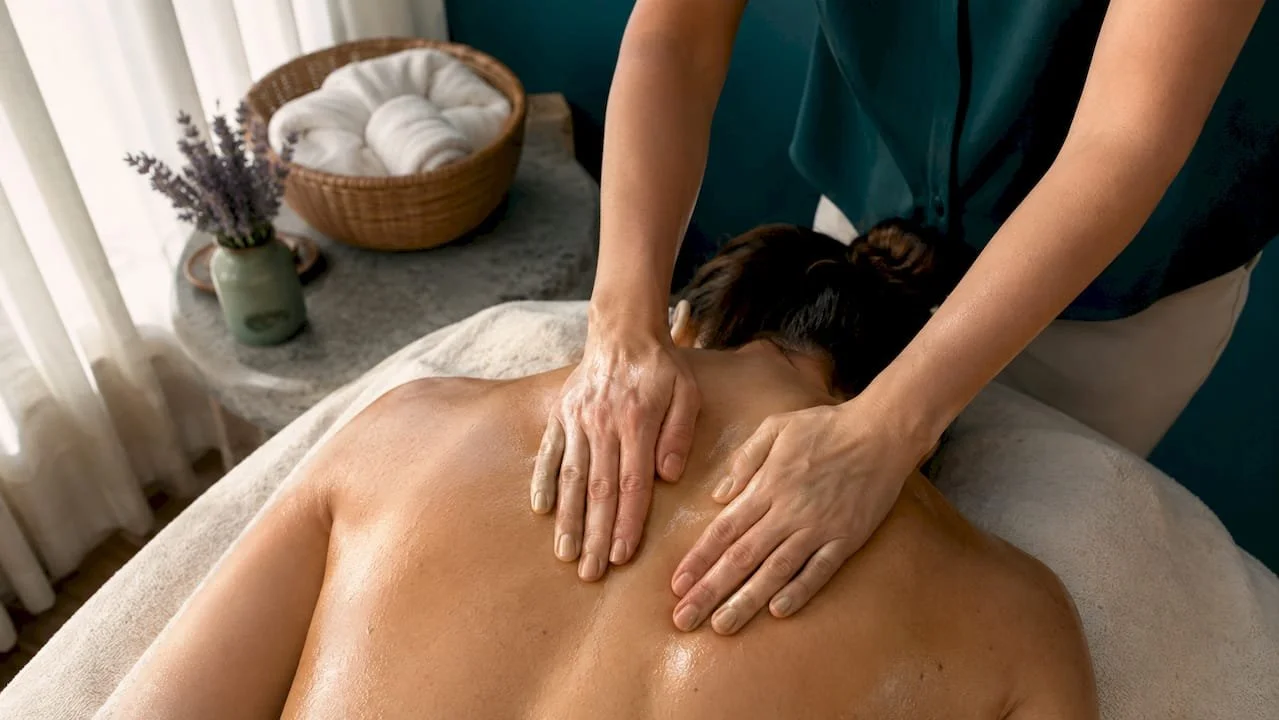
2. Deep tissue massage for chronic pain
Deep tissue massage targets the deeper layers of muscle and connective tissue using slower, more forceful strokes. It is the preferred technique for people dealing with chronic neck pain, lower back tension, or postural imbalances from desk work. Deep tissue massage works best for chronic or acute pain, while Swedish massage handles general relaxation. Sessions typically run 60 to 90 minutes, and therapists often recommend pairing monthly deep tissue work with daily stretching to sustain results between appointments.
3. Sports massage for active lifestyles
Sports massage combines compression, stretching, and targeted pressure to address the specific demands placed on muscles during athletic training. Sports massage frequency scales with activity level: once monthly for casual exercisers, bi-weekly for moderate training loads, and weekly for competitive or high-intensity athletes. This means a monthly session is entirely appropriate if you run recreationally, practice yoga regularly, or cycle on weekends. The goal is recovery support and injury prevention rather than acute treatment.
4. Aromatherapy massage for mental wellness
Aromatherapy massage layers essential oil therapy onto Swedish massage techniques, using scents like lavender, eucalyptus, or bergamot to influence mood and mental clarity. The olfactory system connects directly to the limbic brain, which governs emotional response, making aromatherapy one of the most effective massage styles for anxiety and burnout. Sessions run 60 to 90 minutes and are particularly well-suited to monthly scheduling because the cumulative effect of repeated sessions builds a stronger relaxation response over time. This style pairs naturally with other holistic wellness practices like meditation and breathwork.
5. Prenatal massage for expectant mothers
Prenatal massage is specifically adapted for the anatomical changes of pregnancy, using side-lying positioning and modified pressure to relieve lower back pain, hip tension, and swelling in the legs and feet. Postpartum massage extends these benefits into recovery after birth, addressing abdominal tension and hormonal shifts. Monthly sessions during the second and third trimesters are generally considered safe and beneficial, though therapists always recommend consulting an OB-GYN before beginning. The technique is gentle by design, making it one of the most accessible options for expectant mothers new to massage therapy.
6. Shiatsu for energy balance
Shiatsu is a Japanese bodywork technique that applies rhythmic finger pressure along meridian pathways, the energy channels used in traditional Chinese medicine. Unlike Western massage styles, Shiatsu is typically performed on a floor mat with the client fully clothed, and sessions focus on restoring energetic balance rather than targeting specific muscle groups. Monthly Shiatsu sessions suit people who experience fatigue, digestive issues, or emotional stagnation alongside physical tension. The technique has a distinctly meditative quality that many clients find more restorative than pressure-based Western styles.
7. Hot stone massage for deep muscle release
Hot stone massage uses smooth, heated basalt stones placed along the spine, shoulders, and legs to warm muscle tissue before the therapist applies manual pressure. The heat penetrates two to three times deeper than hand pressure alone, making it especially effective for people with dense muscle tissue or cold-weather tension. Monthly hot stone sessions work well as a seasonal reset, particularly in winter months when muscles contract from cold and reduced movement. Sessions run 75 to 90 minutes and are best suited to clients without circulatory conditions or heat sensitivity.
8. Trigger point therapy for tension relief
Trigger point therapy targets hyperirritable spots within muscle tissue, commonly called knots, that refer pain to other areas of the body. A trigger point in the upper trapezius, for example, frequently causes headaches and jaw tension. Monthly sessions are appropriate for maintenance once acute trigger points have been resolved, typically after an initial series of weekly or bi-weekly appointments. Clients who combine monthly trigger point work with foam rolling and targeted stretching between sessions report the most sustained relief.
How to choose the right massage frequency for your goals
Massage frequency depends entirely on lifestyleand personal wellness goals. No universal schedule fits every person, which is why understanding your own situation before booking matters more than following a generic recommendation.
Here is a practical framework for deciding how often to schedule sessions:
General wellness and stress maintenance. Once per month is the recognized baseline for adults with moderate stress levels and no active injuries. This frequency keeps cortisol in check and maintains tissue mobility without requiring a significant time or financial commitment.
High stress or postural correction. Every two to three weeks produces faster results for people dealing with chronic tension from desk work, caregiving, or high-pressure careers. The shorter interval prevents tension from fully rebuilding between sessions.
Athletic training and performance. Bi-weekly sessions support moderate training loads. Weekly massage is appropriate during peak training cycles or competition preparation, as confirmed by guidance from Elements Massage and Zilaza Therapeutic Massage.
Chronic pain management. Initial weekly massage for four to six weeks followed by maintenance every two to four weeks is the standard clinical recommendation. Jumping straight to monthly sessions before the initial phase is complete often stalls progress.
Post-injury recovery. Frequency should follow your physical therapist's or physician's guidance. Massage works best as a complement to structured rehabilitation, not a replacement for it.
Pro Tip: Book your next appointment before leaving the studio. Clients who schedule in advance are significantly more likely to maintain consistent monthly attendance than those who book reactively when tension peaks.
What to expect from a monthly massage membership
Monthly massage membershipstypically cost between $80 and $195 per month, offering savings of $10 to $50 per session compared to single-session pricing. That savings compounds meaningfully over a year. At $30 saved per session across 12 months, a membership returns $360 in value beyond the base cost of sessions.
Most programs require a minimum three-month commitment, which is worth understanding before signing. The commitment structure is intentional: it mirrors the four to eight week timeline research identifies for measurable physiological benefits from consistent massage.
| Feature | What to look for |
|---|---|
| Session rollover | Some programs allow unused credits to carry forward one month; others operate on a use-it-or-lose-it basis |
| Cancellation terms | Most memberships require 30 days written notice; confirm this before committing |
| Transferability | Many memberships are non-transferable, meaning you cannot gift unused sessions to a friend or family member |
| Upgrade options | Some programs let members add session time or upgrade massage types at a discounted rate |
| Additional perks | Early booking windows, retail discounts, and guest passes are common membership benefits worth comparing |
Membership terms and policies vary significantly between providers, so reading the fine print on cancellation and rollover policies protects your budget. The most important practical question to ask is whether unused sessions expire at month end or accumulate.
Pro Tip: Use your membership's early booking window. Popular therapists fill their schedules two to three weeks out, and members with advance booking access consistently get their preferred time slots.
Monthly vs. weekly massage: which frequency is right for you
Consistency matters more than session length. Regular 30-minute sessions outperform occasional longer sessions in producing lasting benefits. That principle applies equally to the monthly vs. weekly debate.
Monthly massage suits the majority of adults seeking general stress relief, improved sleep, and baseline physical maintenance. It fits most budgets and schedules without requiring a major lifestyle reorganization. Weekly massage delivers faster results for injury recovery, athletic performance, and chronic pain, but the cost and time investment are proportionally higher.
| Frequency | Primary benefits | Best suited for |
|---|---|---|
| Monthly | Stress maintenance, sleep support, general wellness | Most adults, general wellness goals |
| Bi-weekly | Faster tension relief, moderate recovery support | Active individuals, moderate stress levels |
| Weekly | Injury recovery, performance optimization, chronic pain | Athletes, chronic pain patients, high-stress periods |
The practical takeaway is that monthly massages are a practical baseline for wellness, but athletes and chronic pain patients often require more frequent intervention initially before stepping down to a maintenance schedule. Starting at a higher frequency and reducing over time is more effective than starting monthly and trying to catch up on accumulated tension.
Tips for maximizing your monthly session
Getting the most from each appointment requires a small amount of preparation and follow-through. These practices consistently separate clients who plateau from those who see steady improvement over months.
Communicate your goals clearly. Tell your therapist what has changed since your last session, where tension is concentrated, and what you want to prioritize. Therapists who know your history can adapt technique in real time.
Combine massage with stretching or foam rolling. Massage releases tension; stretching and foam rolling maintain that release between sessions. Hip flexor stretches, thoracic spine mobility work, and calf rolling are the most commonly neglected areas.
Schedule proactively, not reactively. Booking when pain peaks means you are already behind. Scheduling in advance keeps you on a preventative track rather than a reactive one.
Understand your massage style options. Rotating between Swedish and deep tissue, or adding aromatherapy during high-stress months, tailors care to what your body actually needs rather than defaulting to the same session every time.
Use affordable massage packages strategically. Prepaid packages and memberships reduce the friction of booking and lower the per-session cost, making it easier to stay consistent when life gets busy.
Key takeaways
Monthly massages deliver the most sustained wellness benefits when frequency, massage type, and personal goals align from the start.
| Point | Details |
|---|---|
| Monthly is the baseline | Once per month maintains stress levels and tissue health for most adults without major time or cost demands. |
| Frequency should match goals | Chronic pain and athletic recovery require weekly or bi-weekly sessions before stepping down to monthly maintenance. |
| Membership savings are real | Monthly memberships save $10 to $50 per session compared to single bookings, with the most value over a 12-month commitment. |
| Consistency beats session length | Regular shorter sessions produce more lasting benefits than occasional long appointments, regardless of massage style. |
| Personalization drives results | Matching massage type to your specific tension patterns and lifestyle maximizes every session's impact. |
Why I think monthly massages are underrated as preventative care
Most people treat massage the way they treat a doctor's visit: they go when something hurts. That reactive model is exactly why so many clients feel like they are starting from scratch every time they book. The shift from reactive to preventative care is the single biggest change I have observed in clients who commit to a monthly schedule. Their sessions become progressively more effective because the therapist is maintaining a baseline rather than dismantling weeks of accumulated tension.
What surprises most people is how quickly the benefits compound. After two or three consistent monthly sessions, clients report better sleep, lower baseline anxiety, and noticeably improved posture without any other lifestyle changes. That is not a placebo effect. It reflects what the cortisol and serotonin research actually shows.
My honest recommendation for anyone new to regular massage: start with Swedish once a month for three months before deciding whether you need a different style or higher frequency. Most people discover that the consistency itself is the intervention, not the specific technique. And if budget is a concern, a membership almost always pays for itself within the first two sessions through per-session savings alone.
— Juiced
Build your monthly massage routine with Amrita Yoga & Wellness
Amrita Yoga & Wellness in Philadelphia offers massage therapy as part of a broader holistic wellness program that includes yoga, pilates, barre, and tai chi. For adults building a consistent monthly massage routine, the studio's approach to personalized care means your sessions adapt to your goals rather than following a one-size-fits-all template. Whether you are managing stress, recovering from physical strain, or simply prioritizing regular self-care, Amrita Yoga & Wellness provides the structure and expertise to make monthly massage a sustainable habit. Explore the studio's full range of wellness services, including mindfulness and holistic offerings that complement your massage practice.
FAQ
How often should you get a massage for stress relief?
Once per month is the standard recommendation for general stress maintenance, according to guidance from Zilaza Therapeutic Massage and Elements Massage. Adults with higher stress levels or postural issues benefit from sessions every two to three weeks.
What is the average cost of a monthly massage membership?
Monthly massage memberships typically range from $80 to $195 per month, saving members $10 to $50 per session compared to single-session pricing. Most programs require a minimum three-month commitment.
Are monthly massages better than occasional longer sessions?
Research confirms that regular shorter sessions produce more lasting benefits than occasional longer appointments. Consistency in scheduling matters more than session duration for sustained stress relief and tissue health.
What type of massage is best for a monthly routine?
Swedish massage is the most recommended starting point for monthly sessions because it addresses general tension and stress without requiring recovery time. Deep tissue or trigger point therapy suits clients with specific chronic pain patterns.
Can you combine monthly massages with other wellness practices?
Monthly massage works well alongside yoga, stretching, foam rolling, and mindfulness practices. Combining these approaches addresses both the physical and mental dimensions of stress, producing results that no single practice achieves alone.
Recommended
Pilates for Weight Loss Near Me: Philadelphia Guide
TL;DR:
Pilates effectively supports weight loss by building lean muscle and lowering cortisol levels when practiced with sufficient intensity.In Philadelphia, small-group classes at affordable community studios provide personalized coaching essential for progress.Combining Pilates with cardio and proper nutrition accelerates fat loss, with results typically visible in 8 to 16 weeks.
Pilates for weight loss near me is defined as finding local classes that combine progressive resistance, core conditioning, and sufficient intensity to shift body composition over time. Philadelphia residents have real options for this, and the method works when applied correctly. A 2021 meta-analysis confirmed that Pilates dramatically reduces body weight and body fat in overweight adults, with longer practice producing greater losses. That means the method is legitimate, but only if you choose the right class format, show up consistently, and pair it with supporting habits. This guide tells you exactly how to do that in Philadelphia.
What makes Pilates effective for weight loss?
Pilates is a neuromuscular strength training system, not a steady-state cardio workout. That distinction matters enormously for anyone using it to lose fat. The mechanism behind its effectiveness is muscle building: lean muscle mass raises your basal metabolic rate, meaning your body burns more calories at rest every single day. That compounding effect is what makes Pilates a genuine fat-loss tool over weeks and months, not just a flexibility class.
Beyond metabolism, Pilates addresses a hidden driver of abdominal fat: cortisol. The mindful breathing central to every Pilates session actively lowers cortisol levels, which reduces the hormonal signal that tells your body to store fat around the midsection. Most gym workouts ignore this entirely. Pilates targets it by design.
Here is what Pilates consistently delivers when practiced with adequate intensity:
Improved muscle tone and core strength that supports posture and reduces injury risk during other workouts
Elevated resting metabolic rate through increased lean muscle, which accelerates fat loss between sessions
Reduced cortisol and stress-related fat storage, particularly around the abdomen
Better body awareness and movement quality, which improves performance in cardio and strength training
High adherence rates because the low-impact format is sustainable long-term, unlike high-intensity programs that cause burnout
Pro Tip: If your Pilates class never leaves you breathing hard or feeling muscular fatigue, the intensity is too low for fat loss. Ask your instructor about reformer progressions or resistance band variations to increase the challenge.
The research is clear that Pilates alone is not inherently a fat-loss modality without sufficient intensity. The class format, equipment, and instructor quality determine whether you are building the muscle and metabolic demand needed for real results.
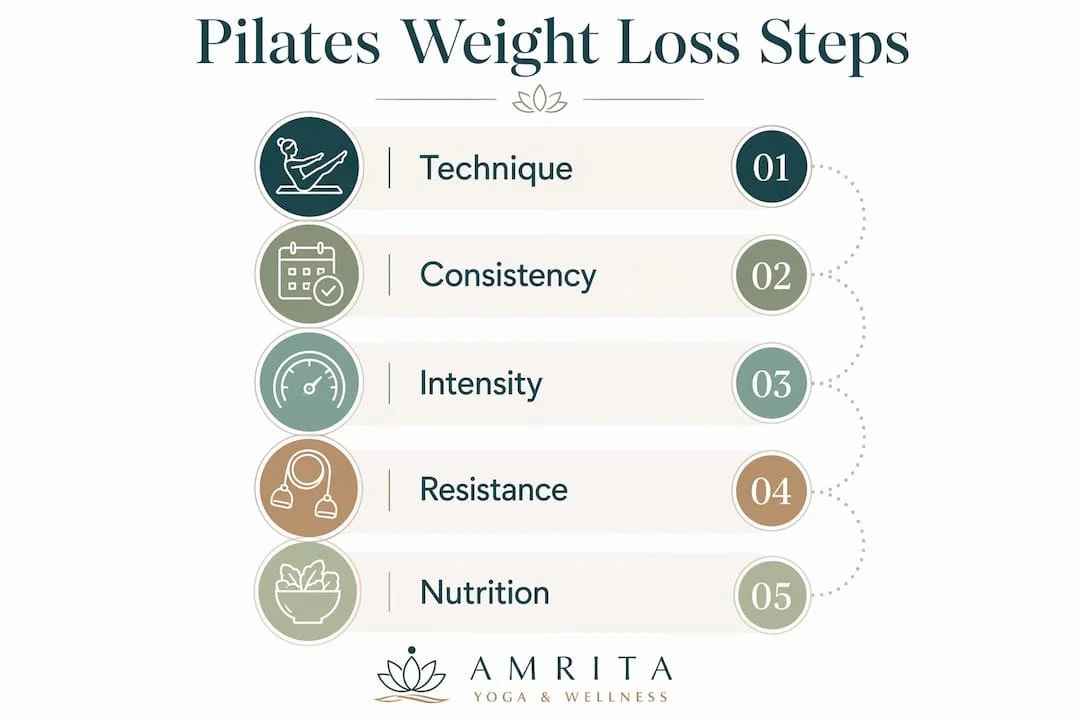
How to find the best Pilates for weight loss near me in Philadelphia
Philadelphia and its surrounding neighborhoods offer several structured options for weight loss Pilates, ranging from affordable community programs to boutique studios. The most important filter is not price. It is class size and instructor expertise, because personalized feedback is what separates progress from going through the motions.
Cheltenham Adult School, located just outside Philadelphia in Cheltenham Township, runs a Pilates Mixed Equipment class capped at five participants. Sessions run Fridays from 10:30 to 11:30 AM, and a 10-week enrollment costs $150. That pricing makes it one of the most affordable Pilates programs in the region, and the small group size means the instructor can correct your form and adjust resistance in real time. That level of individual attention is rare at larger studios.
| Format | Equipment | Best for | Typical cost |
|---|---|---|---|
| Mat Pilates | Bodyweight only | Beginners, home practice | $15–$25 per class |
| Reformer Pilates | Reformer machine | Intermediate, higher resistance | $30–$50 per class |
| Mixed Equipment | Reformer, ring, bands | Fat loss, progressive overload | $150 per 10 weeks (community) |
| Group studio classes | Varies | Social motivation, variety | $20–$40 per class |
When evaluating any local Pilates studio nearby, ask three direct questions before enrolling: Does the instructor hold a certification from BASI Pilates, Balanced Body, or STOTT Pilates? Does the class include progressive resistance over the course of the program? And what is the average class size? Anything above 12 participants makes individualized coaching nearly impossible.
Pro Tip: Search for local Pilates classes that explicitly mention "weight loss" or "body composition" in their class descriptions. A general stretch-and-breathe class will not produce the metabolic demand you need. Explore popular Pilates styles to identify which formats match your fat-loss goals before committing.
How to integrate Pilates with exercise and nutrition for fat loss
Pilates is strength and neuromuscular training. It is not steady-state cardio, and treating it as your only fat-loss tool is the single most common reason people plateau. Combining resistance training with moderate cardio produces 44% more fat loss than cardio alone, which means Pilates paired with walking and aerobic activity is a genuinely superior strategy.
A practical weekly structure for Philadelphia residents looks like this:
Monday: Pilates session (45 to 60 minutes, mixed equipment or reformer)
Tuesday: 8,000 to 10,000 steps walking, ideally outdoors or on a treadmill
Wednesday: Pilates session or light strength training with dumbbells
Thursday: Moderate cardio, 30 to 40 minutes at a conversational pace (cycling, swimming, or brisk walking)
Friday: Pilates session (use this as your structured class day if enrolled at a local studio)
Saturday: Active recovery, yoga, or a longer walk
Sunday: Rest
Nutrition is where most people undermine their Pilates results. A combined routine of weights, walking, and Pilates only works if your caloric intake supports a modest deficit. The key nutritional priorities are:
Eat enough protein (0.7 to 1 gram per pound of bodyweight) to protect and build the muscle Pilates develops
Time a protein-rich meal or snack within 90 minutes after each Pilates session
Avoid the common trap of eating back all calories burned because Pilates "felt hard"
Prioritize whole foods and reduce processed carbohydrates to manage insulin and cortisol together
Pro Tip: Track your measurements and how your clothes fit weekly rather than relying on the scale. Body composition changes often precede scale movement by two to four weeks, and seeing your waist shrink while the scale stalls is a sign the method is working.
Common mistakes when using Pilates for weight loss
The biggest mistake is assuming that any Pilates class automatically produces fat loss. It does not. A gentle mat class focused on breathing and flexibility burns roughly the same calories as a slow walk. The intensity and resistance of the class determine whether you are building the muscle and metabolic stimulus needed for body composition change.
Here are the mistakes that consistently derail results:
Choosing low-intensity classes because they feel manageable, then wondering why nothing changes after eight weeks
Skipping complementary cardio and expecting Pilates alone to create the caloric deficit fat loss requires
Ignoring nutrition entirely, which negates even the best Pilates program
Avoiding progressive overload by staying at the same resistance level session after session
Measuring only by the scale, which misses the fat-to-muscle shift that Pilates produces
"The best exercise for weight loss is the one you actually do consistently. Pilates wins on adherence because it is low-impact, skill-based, and genuinely enjoyable for most people. Build on that foundation rather than abandoning it when the scale does not move in week three."
Burnout is also a real risk when people set unrealistic timelines. Sustainable fat loss through Pilates and complementary training takes 8 to 16 weeks to show measurable results. Expecting visible change in two weeks leads to quitting a method that would have worked at week ten.
Step-by-step plan to start Pilates for weight loss near me
Starting well is more important than starting fast. A structured entry into local Pilates classes sets the foundation for results that last.
Identify two or three local options with explicit weight-loss or body-composition focus. Cheltenham Adult School and studios offering reformer or mixed-equipment group Pilates sessions are strong starting points in the Philadelphia area.
Enroll in a beginner-appropriate class that caps enrollment at 10 or fewer participants. Review the beginner Pilates guide at Amritayogawellness to understand what to expect in your first sessions.
Commit to three to five sessions per week for the first eight weeks without evaluating results before that point.
Add two to three cardio sessions per week on non-Pilates days, targeting 8,000 to 10,000 steps or 30 minutes of moderate aerobic activity.
Track progress through measurements, clothing fit, and energy levels rather than daily weigh-ins.
| Week range | Focus | Progress marker |
|---|---|---|
| Weeks 1 to 3 | Learn technique, build consistency | Attendance rate, form improvement |
| Weeks 4 to 6 | Increase resistance and session frequency | Muscle fatigue during class, clothing fit |
| Weeks 7 to 10 | Add cardio sessions, refine nutrition | Measurements, energy levels |
| Weeks 11 and beyond | Progressive overload, class variety | Body composition, strength benchmarks |
Adjust intensity upward every three to four weeks. If a class no longer challenges you, ask your instructor to add resistance or try a more advanced format. Stagnation in Pilates looks like comfort, and comfort does not produce fat loss.
Key takeaways
Pilates supports fat loss most effectively when paired with cardio, progressive resistance, and a caloric deficit, practiced consistently over 8 to 16 weeks.
| Point | Details |
|---|---|
| Intensity determines results | Low-intensity Pilates classes do not produce the metabolic demand needed for fat loss. |
| Muscle building drives metabolism | Pilates increases lean muscle mass, which raises resting calorie burn over time. |
| Philadelphia has affordable options | Cheltenham Adult School offers capped classes at $150 for 10 weeks with individualized coaching. |
| Cardio and Pilates together win | Combining resistance training with moderate cardio produces 44% more fat loss than cardio alone. |
| Track composition, not just weight | Clothing fit and measurements reveal progress weeks before the scale moves. |
What I have learned about Pilates and weight loss in Philadelphia
After spending time observing and participating in the Philadelphia wellness community, one pattern stands out clearly: the people who get results from Pilates are not the ones who work the hardest in week one. They are the ones who find a class small enough to get real feedback, show up three to five times a week without drama, and add a walk or a bike ride on the days in between.
The small-group format at places like Cheltenham Adult School is genuinely underrated. Five people in a room with a qualified instructor means your form gets corrected before bad habits set in, and that matters more than any equipment upgrade. I have seen people spend $50 a class at boutique reformer studios and plateau because the class was too large for the instructor to notice their compensations.
The other thing most articles get wrong: Pilates is not a punishment for eating. It is a skill-based practice that builds a body capable of doing more over time. When you approach it that way, and pair it with enjoyable cardio and sensible eating, the weight loss follows. Patience is not passive. It is the active choice to keep showing up when the scale has not moved yet.
— Juiced
Start your Pilates and wellness journey at Amrita Yoga & Wellness
Amrita Yoga & Wellness is Philadelphia's community-centered studio offering Pilates classes designed for real results, not just relaxation. Whether you are brand new to the practice or looking to intensify your current routine, the studio's accessible programs meet you where you are.
Amritayogawellness offers a range of movement and wellness services under one roof, from structured Pilates workouts built for body composition goals to holistic wellness sessions that support your mental and physical recovery. If you are looking to complement your fitness routine with something that addresses stress and overall well-being, explore the studio's tarot readings as a mindful addition to your self-care practice. Visit Amritayogawellness to browse the current class schedule, check availability, and take the first step toward a consistent, results-driven Pilates practice in Philadelphia.
FAQ
Is Pilates good for weight loss?
Pilates is good for weight loss when practiced at sufficient intensity and combined with cardio and a caloric deficit. A 2021 meta-analysis confirmed it significantly reduces body weight and fat in overweight adults with consistent practice.
How many times a week should I do Pilates to lose weight?
Three to five sessions per week is the recommended frequency for fat loss results. Pairing those sessions with two to three cardio days accelerates body composition change significantly.
What is the best Pilates format for weight loss?
Reformer Pilates and mixed-equipment classes produce the most fat-loss benefit because they allow progressive resistance increases. Review the best Pilates styles at Amritayogawellness to match the right format to your goals.
How long before I see weight loss results from Pilates?
Most people see measurable body composition changes between weeks 8 and 16 with consistent practice. Clothing fit and measurements typically shift before the scale reflects the change.
Are there affordable Pilates classes for weight loss in Philadelphia?
Yes. Cheltenham Adult School offers a mixed-equipment Pilates class capped at five participants for $150 over 10 weeks, making it one of the most cost-effective structured options in the Philadelphia area.
Recommended
How to Practice Mindfulness for Mental Clarity
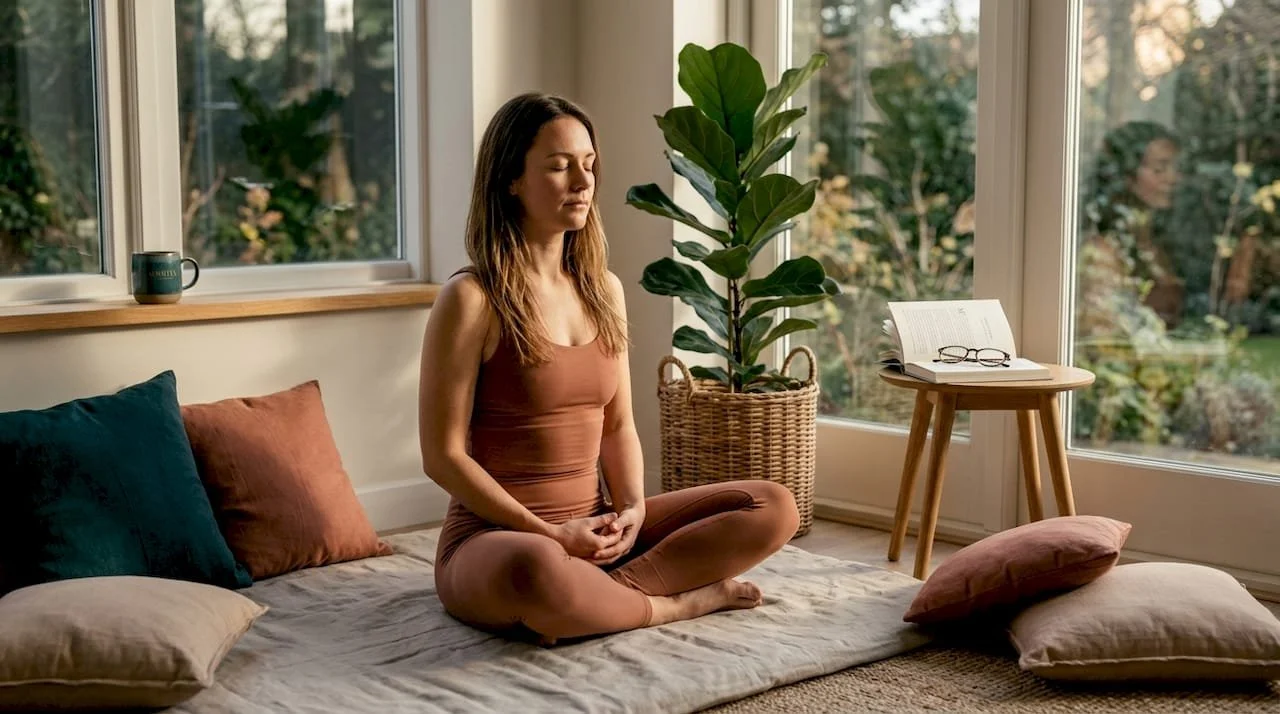
TL;DR:
Practicing mindfulness, even for just one to five minutes daily, reduces stress and improves focus.Consistent practice trains the brain to better regulate emotions and enhances cognitive control over time.
Mental clutter is real. Most people go through their day half-present, replaying yesterday's argument or rehearsing tomorrow's meeting, while missing what's right in front of them. Learning how to practice mindfulness is one of the most direct ways to interrupt that cycle. It doesn't require a special cushion, a silent room, or an hour of free time. This guide gives you practical steps you can start today, from setting up your first session to weaving mindfulness into your daily routine, so you build something that actually sticks.
Table of Contents
Key takeaways
| Point | Details |
|---|---|
| Start with short sessions | Even 1 to 5 minutes of daily practice measurably reduces stress and improves focus. |
| A wandering mind is normal | Noticing when your attention drifts and returning to the present is the actual practice. |
| Habit stacking works | Anchoring mindfulness to daily triggers like brushing your teeth makes it easy to sustain. |
| Consistency beats duration | Five minutes every day is far more effective than a long session once a week. |
| Benefits build over time | Regular practice creates real brain changes that improve emotional regulation and resilience. |
How to practice mindfulness: what you need to start
You don't need much. That's probably the biggest surprise for most beginners. No app, no timer, no meditation cushion. What you do need is a basic understanding of what mindfulness actually is, because most people start with the wrong mental model.
Here's what sets beginners up for success from day one:
A comfortable posture. Sitting upright in a chair works perfectly. So does lying down, standing, or walking. The goal is alert but relaxed, not stiff or sleepy.
A short time commitment. 1 to 5 minutes per day significantly improves stress, attention, and emotional regulation for beginners. Start there, not with 20 minutes.
No tools required. Your breath is always available. That's your anchor. Apps and guided audio are optional supports, not requirements.
The right expectation. This one matters more than any of the above. Most people think mindfulness means achieving a quiet, thought-free mind. That's not it. Mindfulness is not about stopping thoughts but about observing them with acceptance. A busy mind during practice is not failure. It's the material you're working with.
A commitment to consistency over perfection. A two-minute practice you do every morning beats a 30-minute session you attempt twice a month.
The biggest thing holding beginners back is the belief that they're doing it wrong whenever a thought appears. When you understand that noticing the thought and returning your attention is the whole point, practice stops feeling like a test you keep failing.
Pro Tip: Set a specific time to practice, like right after your morning coffee or before you open your phone. Tying it to an existing habit removes the "I'll do it later" trap entirely.
For more tips for mindfulness practice that work in real life, the Amrita Yoga & Wellness blog has practical guidance built for everyday schedules.
A step-by-step guide to your first sessions
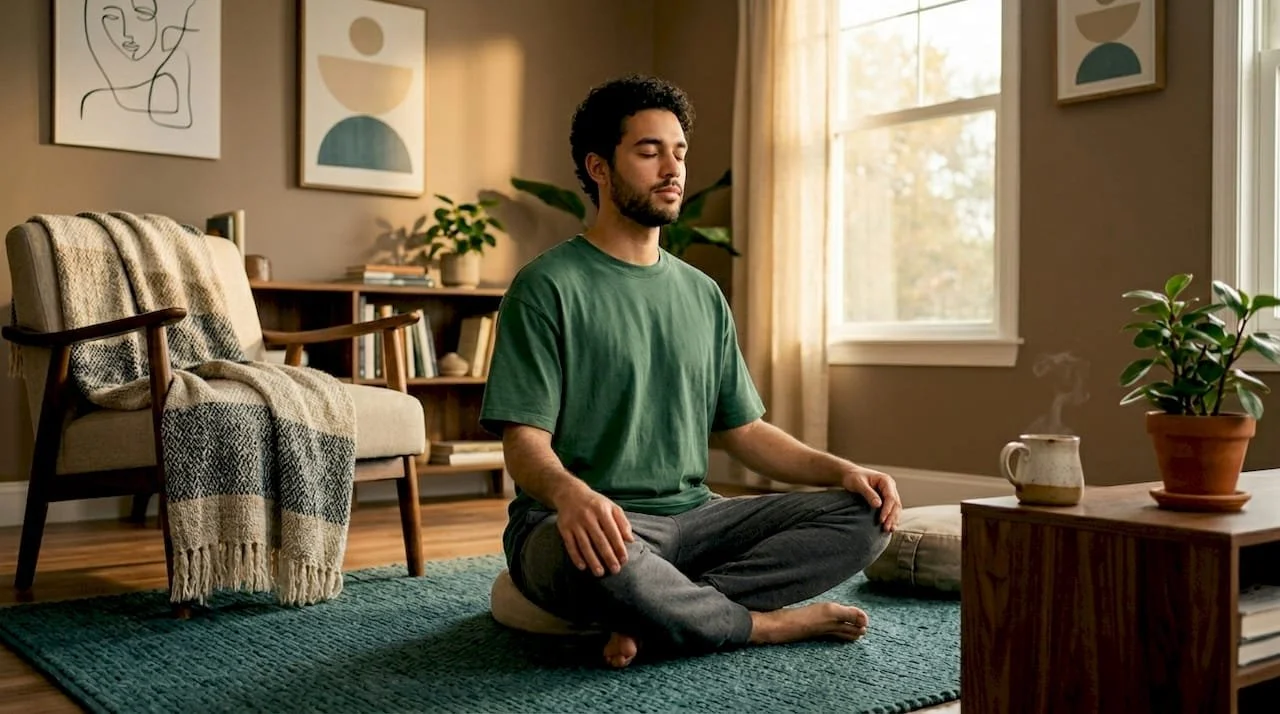
Once you understand the basics, here's exactly how to practice mindfulness in your first few sessions. These steps cover the most accessible forms, starting with breath focus and expanding from there.
Breath awareness: your default starting point
Sit comfortably with your feet flat on the floor. Hands rest on your knees or in your lap.
Close your eyes or soften your gaze downward.
Take one slow breath in through your nose, feeling your chest or belly rise.
Exhale through your mouth or nose. Feel the release.
Let your breathing return to its natural rhythm. Don't control it. Just notice it.
When a thought appears (and it will), simply notice it without criticism and bring your attention back to the breath.
Repeat that noticing and returning for your chosen time, even if it's just two minutes.
That returning step is where the actual work happens. Noticing mind wandering and gently returning attention without judgment trains cognitive control and emotional regulation over time. Every return is a rep.
Other forms worth trying
Once breath focus feels familiar, you have several options to deepen or vary your practice:
Body scan. Lie down and slowly move your attention from the top of your head to the tips of your toes, noticing physical sensations without trying to change them.
Mindful walking. Walk slowly and notice each sensation: the lift of your heel, the shift of your weight, the feeling of the ground beneath you.
Mindful listening. Sit still and notice every sound in your environment without labeling them as good or bad. Just hear.
Mindful eating. Eat one meal or snack without your phone or TV. Focus on texture, taste, and temperature bite by bite.
Making it daily through habit stacking
The most effective way to build a consistent practice is not willpower. It's design. Habit stacking anchors mindfulness to existing behaviors, making daily practice automatic without demanding extra time. Pause for one breath at every doorway. Take three conscious breaths after brushing your teeth. Check in with your body while waiting for coffee to brew.
Daily integration of mindfulness momentsis more impactful than isolated long sessions. These micro-moments add up faster than most people expect.
Pro Tip: If you want support getting started, short guided sessions can ease frustration and sharpen focus, especially in the first few weeks. Try one 5-minute guided meditation before going solo.
For a structured daily approach, check out Amrita Yoga & Wellness's guide on building a mindfulness workflow for everyday clarity.
Common mistakes and how to get past them
Most people quit mindfulness in the first two weeks. Not because it doesn't work, but because they misread the experience. Here are the most common obstacles and what to do about each.
Treating a busy mind as failure. Your mind will wander. That's not a sign that you're bad at this. It's a sign that you're human. The practice is the noticing, not the silence.
Waiting for the perfect moment. Waiting for a quiet house, an uninterrupted hour, or the right mood means waiting forever. Two minutes on a park bench counts. Thirty seconds in your parked car counts.
Pushing away difficult emotions. Sometimes sitting quietly surfaces anxiety, sadness, or irritability. Regular short practice builds non-judgmental awareness that helps you respond to those emotions rather than react to them. Don't avoid the discomfort. Observe it with curiosity.
Chasing a streak and feeling defeated when you miss a day. Consistency matters more than perfect streaks. Missing a day is not failure. Just begin again the next morning without drama.
Using the wrong posture for your body. If sitting cross-legged hurts, sit in a chair. If lying down makes you fall asleep, sit up. Adapt the form to your body, not the other way around.
"The goal of mindfulness is not to get somewhere different. It's to see clearly where you already are."
That framing removes a lot of pressure. You're not trying to achieve a calm state. You're practicing the skill of returning to the present moment, again and again, with patience.
What to expect from consistent practice
Here's where the real motivation lives. How mindfulness benefits you is not abstract or mystical. The research is concrete and growing every year.
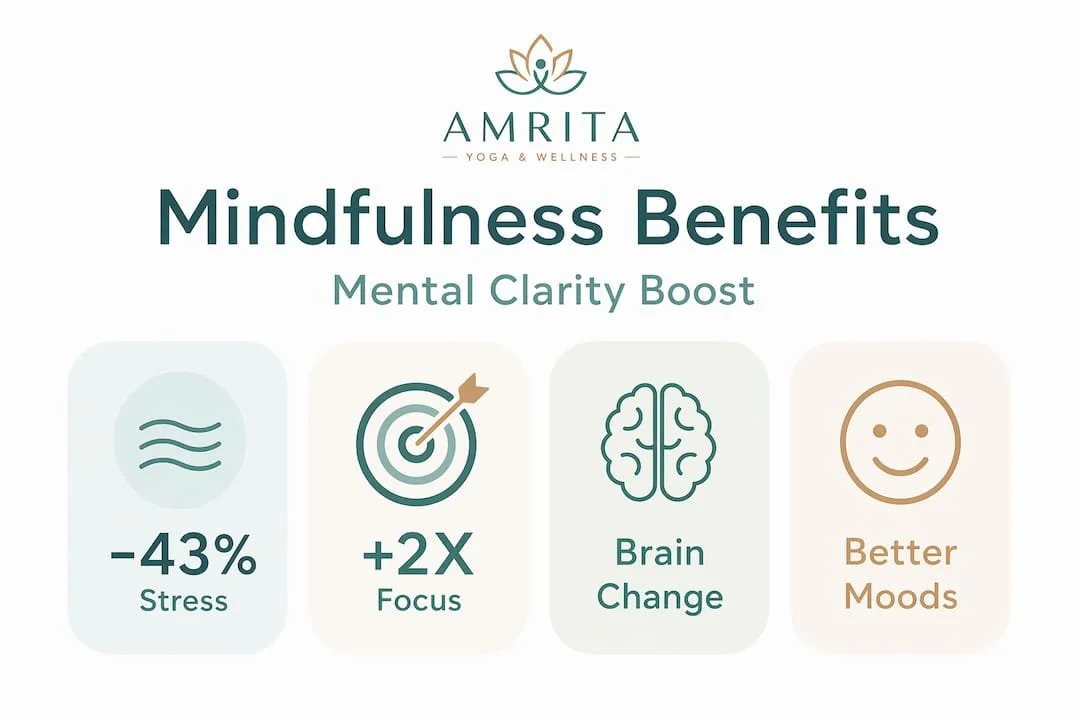
| Benefit | What the evidence shows |
|---|---|
| Stress reduction | Short daily sessions measurably lower perceived stress levels |
| Attention and focus | Regular practice improves sustained attention and reduces mind wandering |
| Emotional regulation | Greater ability to pause before reacting to triggers |
| Brain structure changes | Gray matter volume increases in areas tied to cognitive control |
| Resilience | Better coping responses to difficult situations and emotions |
The neurological evidence is particularly compelling. Mindfulness practice leads to measurable structural brain changes including increases in cortical thickness and gray matter density in regions responsible for attention and self-regulation. These are changes you earn through repetition, not insight.
What most people notice first, before any dramatic brain change, is a small but real shift in their relationship to stress. Situations that used to hijack the whole day start to feel more manageable. You still feel the frustration or anxiety. You just stop being completely controlled by it.
You can read more about mindfulness for stress relief and how these benefits show up in daily life on the Amrita Yoga & Wellness blog.
What I've learned from practicing mindfulness for years
I came to mindfulness the same way most people do. Stressed, scattered, and skeptical. The first few weeks felt like failing a test I didn't understand. My mind wandered constantly, and I kept assuming that meant I wasn't doing it right.
What I've learned since is that the wandering mind was never the problem. The problem was my perfectionism about it. I spent energy judging my practice instead of actually doing it. Once I stopped grading myself, something genuinely shifted.
The most useful thing I ever did was start absurdly small. Two minutes. That's it. Not because two minutes is the secret number, but because I couldn't argue myself out of it. Two minutes became five. Five became a real anchor in my morning. From there, I started noticing transitions throughout the day as natural mindfulness moments, the walk from my car to my office, the pause before answering a difficult email.
Here's the unexpected part: those small transitions became more valuable to me than the formal sessions. The formal practice trained the muscle. The transitions showed me I had actually built one.
Be patient with yourself. The practice doesn't reward urgency. It rewards showing up, imperfectly, again and again.
— Juiced
Take your mindfulness practice further with Amrita Yoga & Wellness
If you've found value in learning how to practice mindfulness and want to go deeper, Amrita Yoga & Wellness in Philadelphia offers a range of supportive wellness experiences designed to complement exactly this kind of inner work.
Beyond yoga and movement classes, Amrita Yoga & Wellness offers tarot readings as a unique way to support personal reflection and self-awareness, a natural companion to your mindfulness practice. Whether you're processing a difficult season, seeking clarity, or simply curious about tools for deeper self-knowledge, these sessions offer a guided space for insight. Explore the full range of offerings and find what supports your next step in building a life that feels more grounded and clear.
FAQ
How do I start practicing mindfulness as a beginner?
Start with just one to five minutes of breath-focused attention. Sit comfortably, follow your natural breath, and gently return your focus whenever your mind drifts. That returning is the practice.
How do you practice mindfulness without a quiet space?
Mindfulness works anywhere. You can practice mindful attention during everyday activities like eating, walking, or waiting. Noise and distraction are not obstacles; they become part of what you observe.
How long before I notice results from mindfulness practice?
Many people notice reduced stress and improved focus within two to four weeks of consistent daily practice. Short sessions practiced every day produce faster results than occasional long sessions.
What if my mind wanders the whole time?
That's completely normal and not a sign of failure. Noticing a wandering mind and returning your attention is exactly what the practice asks of you. Every return strengthens your focus over time.
Can mindfulness really change the brain?
Yes. Research shows mindfulness leads to measurable increases in gray matter in brain regions tied to attention, memory, and emotional regulation. These changes build gradually with consistent practice.
Recommended
Build a mindfulness workflow for daily clarity in 2026
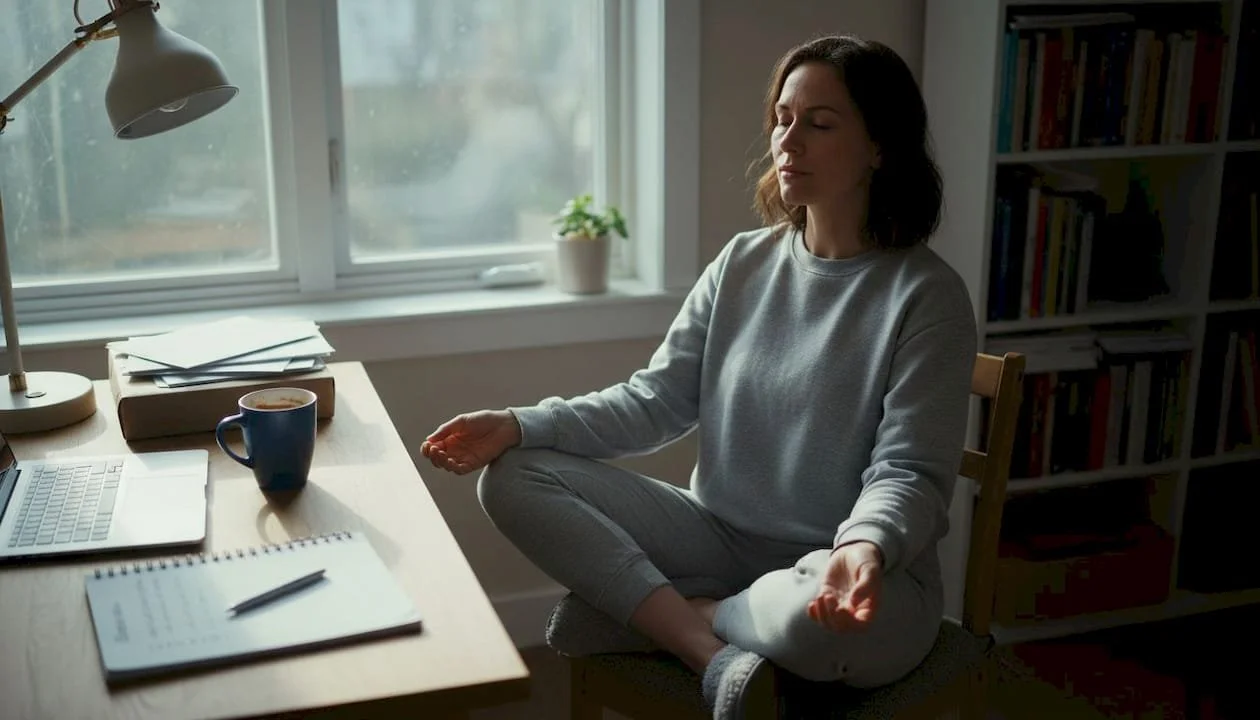
TL;DR:
A daily mindfulness workflow builds mental clarity through small, repeated practices linked to routines.Tools like timers, journals, and local Philadelphia resources help establish and sustain the practice.Consistency, community, and simplicity are key to long-term benefits and overcoming common challenges.
Philadelphia moves fast. Between the commute, the inbox, and the noise of city life, mental clarity can feel like something that only happens on vacation. But a structured mindfulness workflow, meaning a repeatable sequence of small, intentional practices woven into your day, makes calm and focus accessible every single morning, not just when you finally get a break. Micro-practices like mindful breathing and body scans are the building blocks of this kind of workflow. This guide walks you through every stage: what a workflow is, how to set one up, and where to find Philadelphia-specific support along the way.
Table of Contents
Key Takeaways
PointDetailsSmall steps matterStarting with just 5–10 minutes a day can significantly reduce stress and improve focus.Stack habitsPairing mindfulness with existing routines increases your chance for lasting success.Community supportPhiladelphia offers many local resources—joining a group boosts motivation and well-being.Personalize the workflowAdapt your practices and timing to fit your personality and daily schedule for best results.
Understanding the mindfulness workflow
Mindfulness is simply the practice of paying attention to the present moment without judging what you find there. That sounds easy, but in practice it means noticing your thoughts, feelings, and physical sensations as they happen, rather than getting swept away by them. A mindfulness workflow takes that principle and turns it into a daily structure, so the practice becomes a habit rather than a good intention.
Workflows work because they rely on repetition and triggers. When you attach a mindfulness practice to something you already do, like brewing your morning coffee or sitting down at your desk, the habit stacks onto an existing routine. Habit stacking into routines like this maximizes long-term adherence far better than willpower alone. You can explore mindfulness practice basics to understand how these principles apply across different styles.
The science behind this is solid. Mindfulness-based interventions reduce perceived stress by a standardized mean difference of 0.53 in non-clinical adults, which is a meaningful, real-world shift. Beyond stress, consistent practice improves mood, sharpens emotional regulation, and builds resilience over time.
Even five to ten minutes of daily mindfulness practice produces measurable improvements in focus and emotional balance. You do not need an hour on a cushion to feel a difference.
Here is a quick look at the core elements that make up a solid daily workflow:
| Workflow element | Purpose | Recommended duration |
|---|---|---|
| Morning intention | Sets mental direction for the day | 1 to 2 minutes |
| Breath focus | Anchors attention, reduces reactivity | 3 to 5 minutes |
| Body scan | Releases physical tension | 5 to 10 minutes |
| Mindful transition | Resets focus between tasks | 1 minute |
| Evening reflection | Consolidates learning, promotes rest | 3 to 5 minutes |
You can also draw inspiration from mindfulness activities to keep the workflow fresh and personally relevant.
What you need: Preparation and tools
Good news: the barrier to entry is low. You do not need a dedicated meditation room or expensive gear. What you do need is intention, a few simple tools, and the right mindset.
Essential tools to get started:
A timer (your phone works perfectly)
A small notebook or journal for brief reflections
A quiet corner, a set of headphones, or both
A meditation app if you prefer guided sessions (Insight Timer and Calm are popular free options)
A consistent trigger moment in your existing schedule
The mindset prerequisites matter just as much as the tools:
Openness: Be willing to sit with discomfort without immediately fixing it
Patience: Progress is gradual and not always linear
Non-judgment: Treat wandering thoughts as normal, not as failure
Flexibility: Adapt the workflow to your life, not the other way around
Here is how personal tools compare to local class-based support:
| Option | Best for | Key benefit | Limitation |
|---|---|---|---|
| App or journal | Solo, flexible schedules | Low cost, always available | Easy to skip without accountability |
| In-person class | Community learners | Guided instruction, social support | Fixed schedule, travel required |
| Local workshop | Beginners or deepeners | Structured curriculum, expert access | One-time or short-term |
| Therapy-integrated | Anxiety or trauma history | Clinical support alongside practice | Requires referral or cost |
Philadelphia has genuinely strong local options. Barnes Foundation art-mindfulness workshops, Chenrezig Tibetan Buddhist Center weekly meditations, Penn Memory Center classes, be mindphl at the YMCA, and MPower Wellness therapy are all accessible resources for adults at different stages. Check out practical mindfulness tips and reduce stress resources for more guidance on pairing tools with technique.

Pro Tip: Your daily commute is prime mindfulness real estate. Instead of scrolling, try one minute of slow nasal breathing before you get off the train or bus. Stacking this onto a routine you already have makes it far easier to sustain.
Step-by-step guide: Building your daily mindfulness workflow
Now that you have your tools and a supportive environment, it is time to build the actual workflow. Think of this as designing a personal system, not copying someone else's routine.
Steps to design and launch your workflow:
Set a clear intention. Decide what you want from the practice. Better focus? Less reactivity? Improved sleep? A specific intention keeps you motivated when novelty wears off.
Choose one anchor practice. Pick a single technique to start, such as a five-minute breath focus. Mindful breathing, body scans, and single-tasking are all strong starting points for busy adults.
Identify your trigger moments. Attach your practice to an existing habit: after brushing your teeth, before your first meeting, or during your lunch break. Triggers remove the need for daily decision-making.
Schedule it. Put it in your calendar like any other appointment. Even a two-minute block counts.
Track your experience briefly. After each session, write one sentence about how you felt. This builds self-awareness and shows you patterns over time. Use mindfulness workflow tips to refine your approach as you go.
Review weekly. Every Sunday, spend two minutes asking: What worked? What felt forced? Adjust accordingly.
Popular practices for busy Philadelphians (all under five minutes):
Box breathing: inhale four counts, hold four, exhale four, hold four
Progressive body scan: mentally check in from head to toe
Mindful eating: one meal per day without screens
Mindful walking: notice three physical sensations on your next walk
As little as 5 to 10 minutes dailyproduces measurable benefits in short-term studies, with the eight-week MBSR (Mindfulness-Based Stress Reduction) program serving as the gold standard for deeper transformation. You can explorestructured meditation techniquesandmindfulness exercise ideasto expand your toolkit over time.
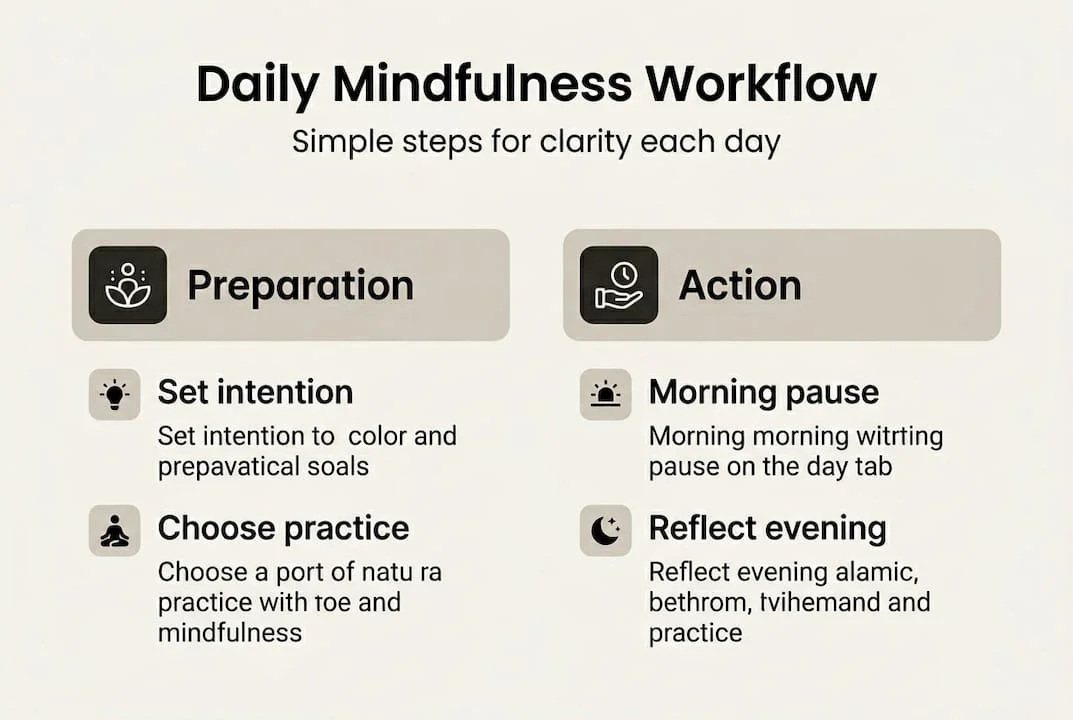
Pro Tip: Start with just one practice for two full weeks before adding another. Layering too quickly leads to overwhelm and dropout. Simplicity is a feature, not a flaw.
Common challenges and troubleshooting
Starting a mindfulness workflow is the easy part. Sticking with it when life gets loud is where most people struggle. Knowing the common obstacles ahead of time gives you a real advantage.
Common workflow obstacles:
Motivation loss: The novelty fades after week two. This is normal. Return to your original intention.
Time pressure: A two-minute practice still counts. Do not let perfect be the enemy of present.
Boredom: Rotate practices or try a new format like a guided session or a local class.
Emotional discomfort: Sometimes sitting quietly surfaces difficult feelings. This is not a sign to stop, but it is a sign to go slowly.
Perfectionism: Missing a day does not erase your progress. Self-kindness is part of the practice.
Mindfulness is not universally safe or appropriate for every person in every situation. Some individuals, particularly those with unprocessed trauma or severe anxiety, may need additional support before or during practice.
Shorter practices work betterfor individuals with low agreeableness, and potential adverse effects like increased anxiety can occur when mindfulness is practiced without complementary skills. Pairing it with self-compassion training or Internal Family Systems (IFS) therapy significantly improves outcomes for those who find solo practice difficult.
Mindfulness is also necessary but not a stand-alone solution for overall well-being. Its efficacy depends on the quality of the meditation and the surrounding psychoeducation. If you feel stuck or distressed after several weeks, consider working with a therapist who integrates mindfulness rather than pushing through alone. Find local stress reduction with mindfulness resources to support your journey.
When you do miss days, treat it as data, not failure. Ask what made it hard and adjust the trigger or the duration. Consistency over months matters far more than perfection over a single week.
A fresh perspective on mindfulness workflows
Most guides tell you that more practice equals more benefit. We think that framing quietly sets people up to quit. The real power of a mindfulness workflow is not in its length or complexity. It is in its reliability. A two-minute breath practice you actually do every day beats a forty-minute session you do twice a month.
Here is what we have seen working with Philadelphia practitioners: the people who sustain long-term mindfulness gains are almost never the ones who meditate the longest. They are the ones who practice in community. Group settings create gentle accountability, shared language, and a sense of belonging that solo apps simply cannot replicate. Philadelphia's local resources are genuinely underused by most adults who could benefit from them.
The other thing worth saying plainly: clarity and emotional well-being do not come from adding more to your day. They come from doing less, more intentionally. A workflow built on three small, consistent practices will outperform a packed routine that collapses under pressure. Simplicity is not a beginner's compromise. It is the advanced move.
Take your next step: Support for your mindfulness journey
Building a workflow on your own is a powerful start. But sometimes the right environment or guide accelerates everything. At Amrita Yoga & Wellness in Philadelphia, we offer services designed to complement and deepen your daily practice in ways that solo routines often cannot.
If you are looking for reflective support, tarot sessions for reflection offer a structured way to explore your inner landscape. For physical relaxation that supports mental clarity, acupuncture for relaxation pairs beautifully with breathwork and body scan practices. Browse all of our wellness options to find what fits your current stage. Your workflow does not have to be a solo project.
Frequently asked questions
How quickly can I see results from a mindfulness practice workflow?
Most adults experience reduced stress and better focus within one to two weeks of consistent daily practice. Short-term studies show benefits with as little as five to ten minutes per day.
What if I can't meditate every day—does my workflow still work?
Yes, even irregular practice provides real benefits. Focus on gentle consistency and lean on micro-practices like mindful breathing and single-tasking when a full session is not possible.
Are there risks to starting mindfulness if I have anxiety or trauma?
Some individuals may notice increased anxiety without complementary skills, so pairing mindfulness with self-compassion practices or professional support is strongly recommended if you have a trauma or anxiety history.
Which local resources in Philadelphia support mindfulness beginners?
The Barnes Foundation workshops, Chenrezig Tibetan Buddhist Center, Penn Memory Center, be mindphl at the YMCA, and MPower Wellness all offer accessible entry points for adults new to mindfulness.
Recommended
Benefits of Barre Classes: Strength, Flexibility, Relief
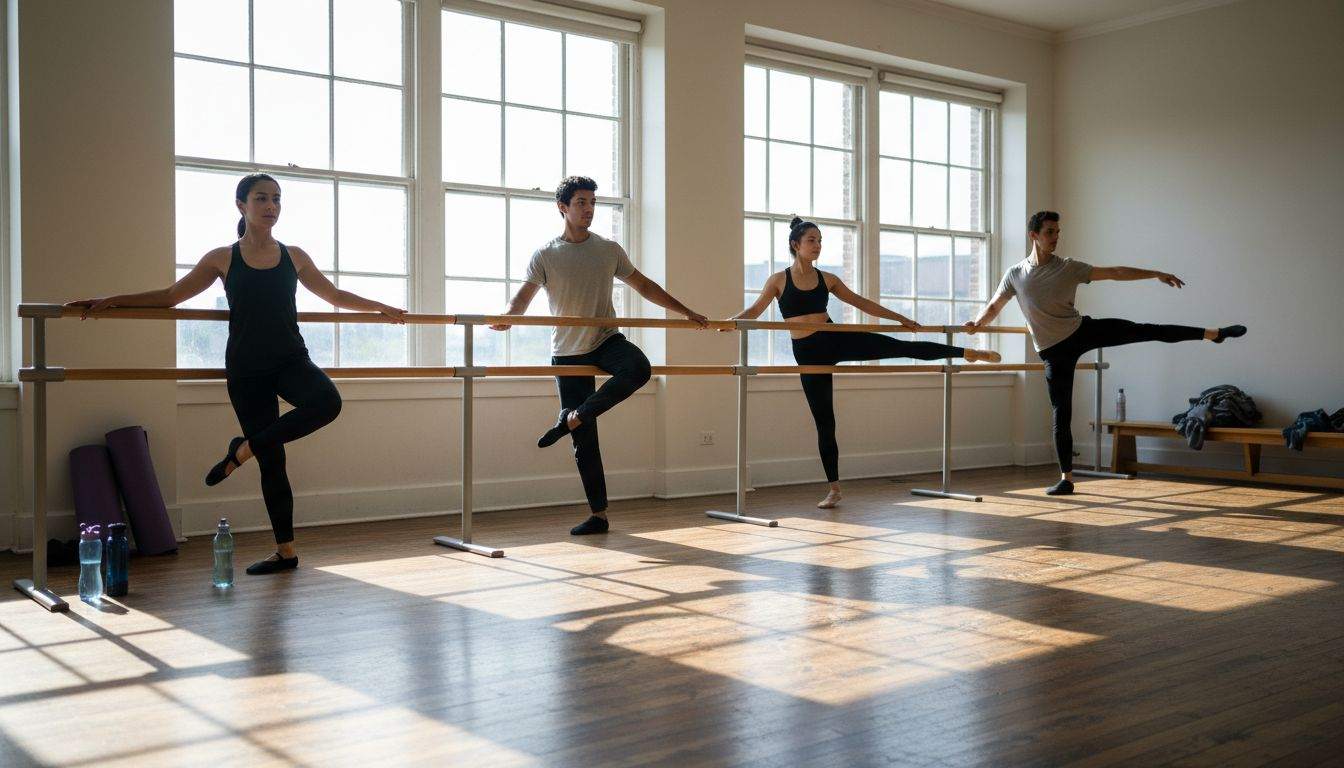
Nearly half of American adults now seek out exercise routines that protect joints while delivering real results. In Philadelphia, young professionals crave workouts that blend community spirit with effective, low-impact fitness. Barre classes offer a smart alternative, merging the flexibility of yoga, the strength of Pilates, and the grace of ballet for anyone eager to boost physical and mental wellness in a supportive setting.
Table of Contents
Key Takeaways
| Point | Details |
|---|---|
| Dynamic Workout | Barre classes blend ballet, yoga, and Pilates for an effective low-impact fitness experience. |
| Variety of Formats | Multiple barre formats cater to different fitness levels and personal goals, including beginner, HIIT, and prenatal variations. |
| Physical and Mental Benefits | Practicing barre improves strength, flexibility, and mental clarity while promoting stress relief. |
| Accessibility Focus | Barre classes welcome all fitness levels, with instructors trained to provide modifications for individual needs. |
What Are Barre Classes and How They Work
Barre classes represent a dynamic fitness method that brilliantly combines elements of ballet, yoga, and Pilates into a comprehensive workout experience. Low-impact exercise techniques focus on precise, controlled movements using a stationary handrail for balance and support. Unlike traditional strength training, barre emphasizes high-repetition, micro-movements that target specific muscle groups with remarkable efficiency.
The typical barre class structure involves a carefully designed sequence that challenges participants through a combination of bodyweight exercises, light resistance work, and ballet-inspired movements. Participants perform small, intense pulses and isometric contractions that build muscular endurance without creating bulk. These workouts typically last between 30 to 45 minutes and incorporate warm-up segments, targeted muscle group training, and cool-down periods designed to enhance flexibility and core strength.
Most barre classes utilize minimal equipment - primarily a ballet barre, light hand weights, resistance bands, and sometimes small exercise balls. Ballet-derived workout techniques) require participants to work barefoot or wear special grip socks, allowing for enhanced foot articulation and stability during intricate movements. The method's unique approach focuses on challenging muscle groups through sustained contractions, creating long, lean muscle definition while simultaneously improving overall body alignment and posture.
Pro tip: Start your first barre class by arriving 15 minutes early to familiarize yourself with the equipment and inform the instructor about any physical limitations or injuries.
Variations in Barre: Formats and Techniques
Barre fitness has evolved significantly, offering multiple specialized formats to cater to different fitness levels and personal preferences. Barre for beginners typically introduces gentler movements and more foundational techniques, allowing newcomers to build strength and confidence gradually. These introductory classes focus on basic positioning, proper form, and lower-intensity movements that help participants understand the core principles of barre technique.
Advanced barre styles include high-intensity interval training (HIIT) barre, which incorporates more cardiovascular elements and faster-paced sequences. Classic ballet-inspired barre maintains a more traditional approach, emphasizing precise movements derived directly from dance technique. Some studios offer fusion classes that blend barre with other fitness modalities like Pilates, yoga, or strength training, creating unique workout experiences that challenge multiple muscle groups simultaneously.
Specialized barre variations have emerged to target specific populations and fitness goals. Prenatal barre classes modify traditional movements to support expecting mothers, while rehabilitation-focused barre programs work with physical therapists to help individuals recovering from injuries. Holistic barre fitness approaches increasingly emphasize mind-body connection, incorporating mindfulness techniques and breath work alongside physical movements.
Pro tip: Before committing to a specific barre class, attend introductory sessions from multiple instructors to find the teaching style and format that best matches your personal fitness objectives.
Here's a summary of the primary barre class variations and who they best serve:
| Barre Format | Key Focus | Best For |
|---|---|---|
| Beginner Barre | Foundational movements, form | Newcomers, low-impact seekers |
| HIIT Barre | High-intensity, cardio boost | Advanced, cardio enthusiasts |
| Classic Ballet-Inspired Barre | Dance technique, precision | Dance lovers, form-focused |
| Fusion Barre | Multi-modality, variety | Those wanting mixed workouts |
| Prenatal Barre | Safe for pregnancy | Expecting mothers |
| Rehab-Focused Barre | Recovery, adaptability | Injury recovery, joint issues |
| Holistic Barre | Mind-body connection | Stress relief, mindfulness |
Physical and Mental Benefits: Strength, Flexibility, Stress Relief
Low-impact fitness techniques like barre offer a comprehensive approach to physical and mental wellness that goes far beyond traditional exercise routines. The workout systematically targets multiple muscle groups through precise, controlled movements, building strength without creating bulk. By engaging stabilizing muscles often overlooked in conventional training, barre creates a balanced approach to muscular development that promotes long, lean muscle definition and enhanced overall body composition.
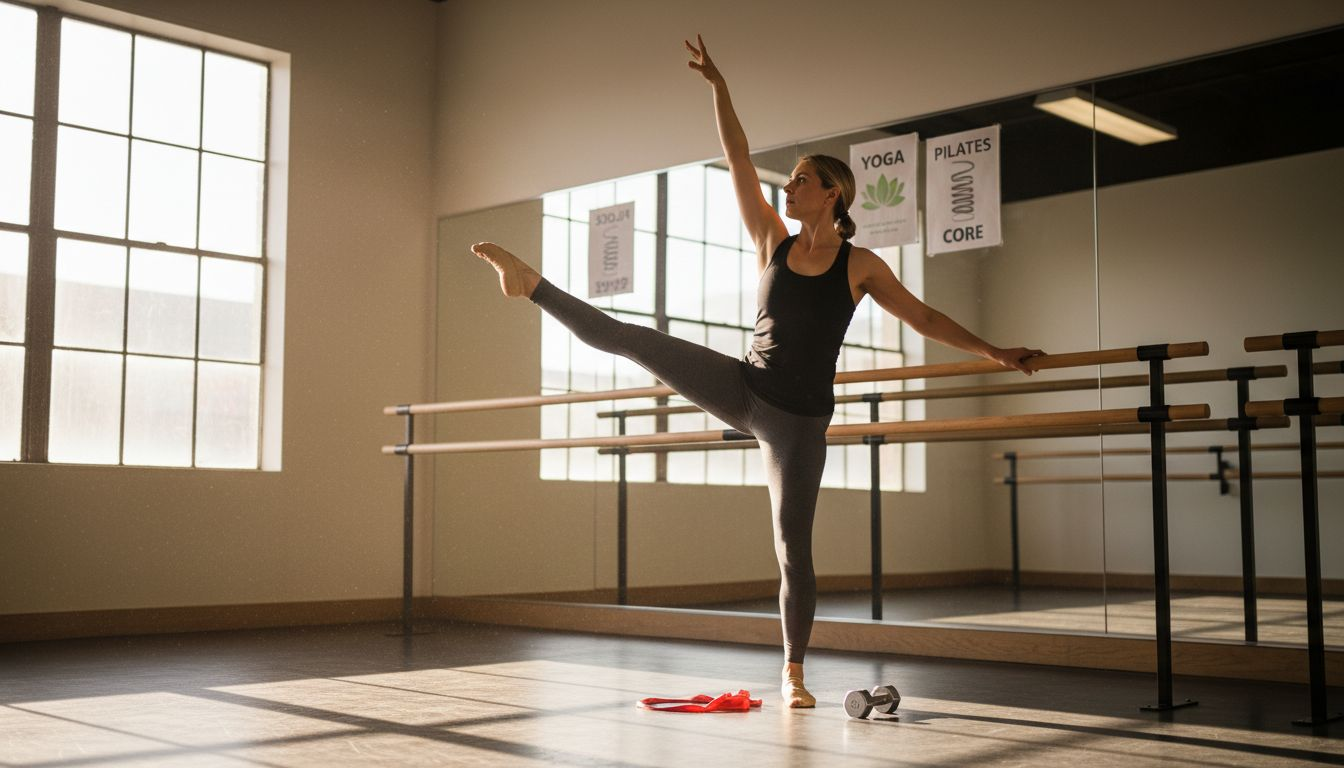
The mental health benefits of barre are equally impressive. Requiring intense focus and mindful movement, these classes create a meditative experience that helps participants disconnect from daily stressors and reconnect with their body. The combination of isometric holds, small-range movements, and deliberate breathing patterns reduces workout-related stress while simultaneously improving mental clarity and emotional resilience. Practitioners often report feeling more centered, calm, and physically empowered after consistent practice.
Flexibility stands as another crucial benefit of barre training. Unlike high-impact workouts that can strain joints, barre's gentle yet precise movements improve range of motion, enhance joint mobility, and gradually increase overall flexibility. The workout's emphasis on controlled stretching helps prevent injury, supports muscle recovery, and creates a more supple, responsive body. By integrating elements from ballet, Pilates, and yoga, barre provides a holistic approach to physical conditioning that supports both strength and suppleness.
Pro tip: Maximize your barre benefits by wearing form-fitting clothing that allows instructors to easily assess and correct your body alignment during class.
Use this table to distinguish key physical and mental benefits of regular barre practice:
| Benefit Type | Physical Impact | Mental/Emotional Impact |
|---|---|---|
| Strength | Lean muscle, endurance | Boosted body confidence |
| Flexibility | Increased joint mobility | Reduced tension, more comfort |
| Balance | Enhanced coordination, stability | Improved focus, body awareness |
| Stress Relief | Gentle movement, less strain | Lowered anxiety, clarity |
| Posture | Better alignment, core strength | Greater self-assurance |
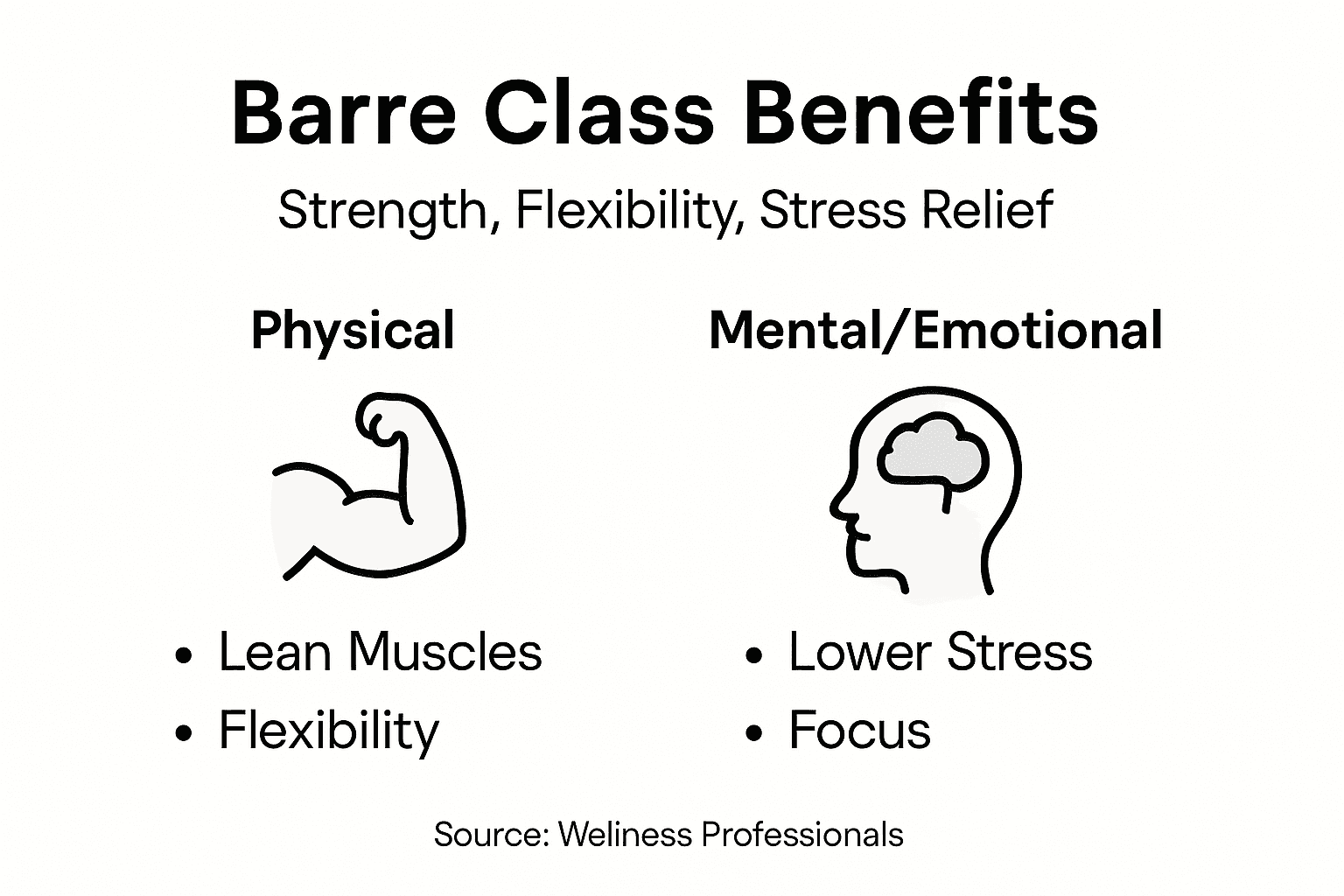
Requirements and Accessibility for All Levels
Balancing challenge and accessibilityis the cornerstone of an effective barre practice, designed to welcome participants across diverse fitness backgrounds. Unlike intimidating workout environments, barre classes create an inclusive atmosphere where modifications are not just allowed but actively encouraged. Beginners can start with foundational movements, while experienced practitioners can intensify their workout through advanced techniques, ensuring everyone feels comfortable and challenged simultaneously.
Equipment requirements for barre are minimal and adaptable, making the workout exceptionally accessible. Most classes require only a ballet barre, comfortable athletic clothing, and optionally light hand weights or resistance bands. Some studios provide grip socks to enhance stability, but participants can often use their existing workout gear. International fitness standards emphasize creating an environment where physical limitations never prevent participation, with instructors trained to offer personalized adaptations for individuals recovering from injuries, managing chronic conditions, or returning to fitness after extended breaks.
The philosophy of barre accessibility extends beyond physical modifications to include mental and emotional support. Instructors are trained to create a non-judgmental space that celebrates individual progress, regardless of fitness level or prior experience. This approach means that a professional athlete and someone new to exercise can attend the same class, each receiving personalized guidance that meets their unique needs. The workout's low-impact nature further ensures that participants can engage without risking joint stress or unnecessary physical strain.
Pro tip: Communicate openly with your instructor about any physical limitations or concerns before class, allowing them to provide specific modifications tailored to your individual needs.
Risks, Limitations, and Common Mistakes
Low-impact workout risksemerge primarily from improper technique and overexertion, making awareness and mindful practice crucial in barre training. While barre is generally considered a safe fitness method, participants must understand potential limitations associated with isometric contractions and repetitive movements. Muscle fatigue, joint strain, and limited strength gains can occur when practitioners fail to maintain proper form or progress too quickly through challenging sequences.Common barre technique mistakesfrequently involve core engagement, body alignment, and movement control. Incorrect posture during plank positions, failing to activate core muscles, and overextending or underextending leg movements can significantly reduce workout effectiveness and increase injury potential. Practitioners should focus on maintaining controlled, precise movements rather than aggressive or momentum-driven exercises that compromise form and safety.
The most significant limitations in barre practice relate to muscular development and range of motion. Because barre emphasizes small, concentrated movements, strength gains are often limited to specific joint ranges. This means that while participants will develop muscular endurance and improve flexibility, they might not achieve the same comprehensive strength gains as traditional weight training. Additionally, individuals with pre-existing joint conditions or chronic injuries should consult healthcare professionals before starting a barre practice to ensure the workout aligns with their physical capabilities.
Pro tip: Always communicate with your instructor about your fitness level and any physical limitations to receive personalized modifications that prevent potential injuries.
Experience the Full Strength and Flexibility Benefits of Barre at Amrita Yoga & Wellness
If you have been inspired by the transformative power of barre classes and want to deepen your strength, flexibility, and stress relief, Amrita Yoga & Wellness in Philadelphia offers a welcoming space to start or continue your journey. Barre’s focus on precise, low-impact movements and mindful body alignment perfectly complements our holistic approach to wellness. Our expert instructors tailor every session to meet your individual needs, making each class both accessible and challenging whether you are a beginner or experienced practitioner.
Discover how combining barre with our diverse class offerings including yoga and Pilates can enhance your physical endurance and mental clarity. Take control of your health now by visiting Amrita Yoga & Wellness to explore our schedule and secure your spot. Start experiencing the long-term benefits of barre for strength and stress relief today and connect with a community that supports your personal growth every step of the way.
Frequently Asked Questions
What are the main physical benefits of barre classes?
Barre classes primarily enhance lean muscle development, muscular endurance, and balance while promoting flexibility and joint mobility. The low-impact nature of barre also supports injury prevention and muscle recovery.
How does barre improve mental well-being?
Barre workouts create a meditative experience, helping participants reduce stress, enhance mental clarity, and foster emotional resilience through mindful movement and focus.
Are barre classes suitable for beginners?
Yes, barre classes are designed to be accessible to participants of all fitness levels. Beginner classes focus on foundational movements and proper form, allowing newcomers to build strength and confidence gradually.
Can barre workouts help with posture and alignment?
Absolutely! Barre training emphasizes core strength and body alignment, which can significantly improve posture as participants learn to engage their stabilizing muscles and control their movements.
Recommended
What Is Barre Fitness and Its Holistic Benefits
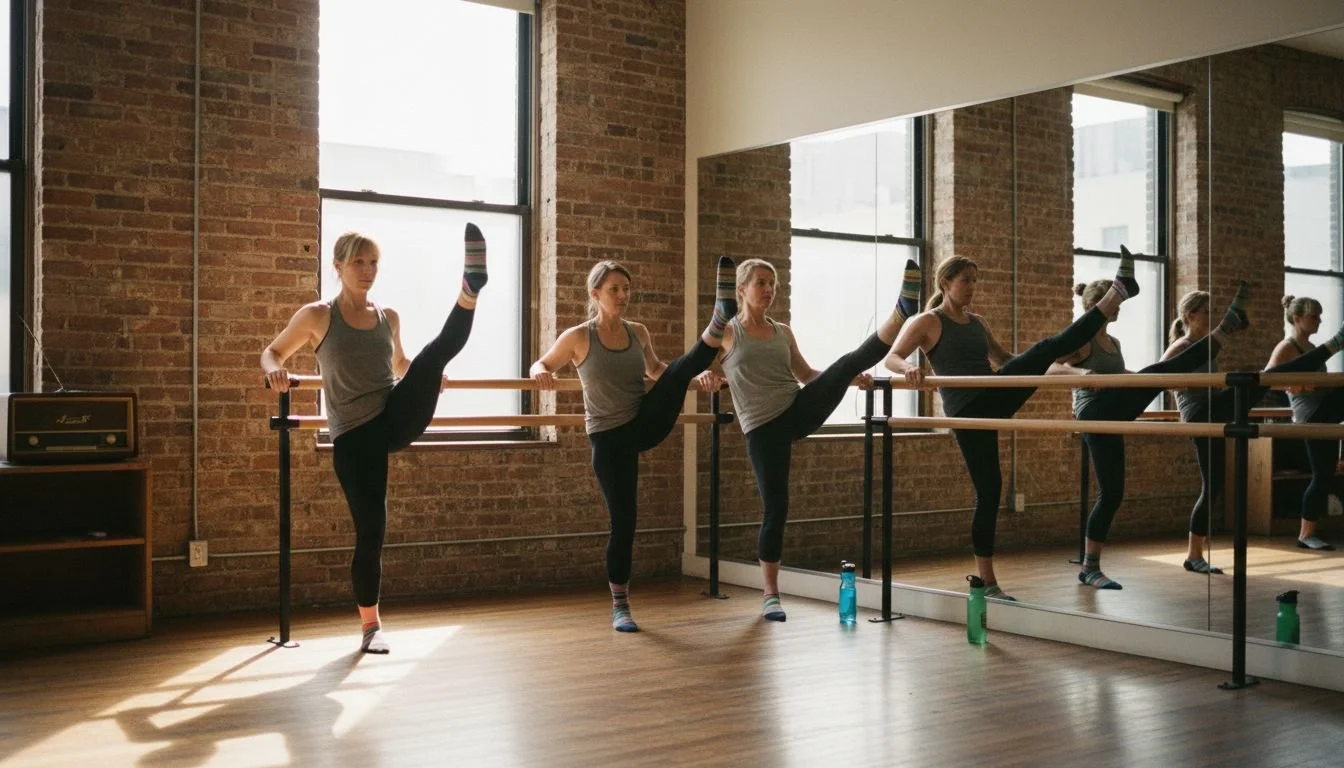
Around 4.5 million American adults have embraced barre fitness for its incredible ability to sculpt lean muscles without heavy impact. With roots in ballet, Pilates, and strength training, barre delivers results that blend flexibility, balance, and endurance. More people are turning to this workout because it targets deep muscle groups while remaining gentle on joints. Discover how barre fitness transforms both body and mind, creating sustainable strength and posture improvements for people of all backgrounds.
Table of Contents
Key Takeaways
| Point | Details |
|---|---|
| Barre Fitness Overview | Barre fitness combines ballet, Pilates, and strength training to create a low-impact workout focused on controlled movements and muscle endurance. |
| Class Structure | A typical barre class includes a warm-up, targeted arm and lower body exercises, and concludes with core strengthening and flexibility routines. |
| Physical and Mental Benefits | Participants experience improved muscle tone, core strength, and a stronger mind-body connection, contributing to overall wellness. |
| Safety and Adaptability | Barre workouts are accessible to all fitness levels, with proper form and gradual progression essential for a safe practice. |
Defining Barre Fitness and Its Core Principles
Barre fitness represents a dynamic, low-impact workout method that elegantly blends elements from ballet, Pilates, and strength training. Barre workouts combine precise, controlled movements performed near a ballet bar or sturdy surface, designed to enhance muscle endurance, flexibility, and overall body conditioning. Core principles of barre fitness focus on small, targeted muscle movements that challenge your body in unique ways.
The fundamental approach of barre fitness centers on isometric contractions and high-repetition exercises that target specific muscle groups with incredible precision. Unlike traditional strength training, these workouts emphasize micro-movements that create deep muscle fatigue and promote long, lean muscle development. Participants use a combination of bodyweight resistance, light hand weights, resistance bands, and the ballet bar itself to create a comprehensive full-body workout that improves posture, balance, and core strength.
Barre workouts distinguish themselves through their methodical approach to fitness. By integrating ballet-inspired movements with strength training techniques, these classes create a holistic exercise experience that goes beyond traditional gym routines. The movements are deliberately slow and controlled, requiring significant mental focus and body awareness. Practitioners engage multiple muscle groups simultaneously, which helps develop functional strength, enhance flexibility, and promote better body alignment. Whether you're a dancer, athlete, or fitness enthusiast, barre workout techniques offer a unique and challenging approach to physical conditioning that can benefit individuals of all fitness levels.
Major Barre Fitness Styles and Variations
Barre fitness has evolved into several distinct styles, each offering unique approaches to body conditioning and movement. Pure Barre represents one popular variation that incorporates light cardio bursts and focused muscle targeting, creating an intense yet low-impact workout experience. These specialized classes typically leverage ballet-inspired techniques to challenge participants through precise, controlled movements that engage multiple muscle groups simultaneously.
Another prominent barre style, The Dailey Method, integrates a comprehensive approach that combines ballet barre work with core conditioning, muscle strengthening, and orthopedic principles. This method focuses intensely on optimal spinal alignment and developing a strong mind-body connection through small, repeated movements. Practitioners appreciate how these variations allow for personalized fitness experiences that can be modified to suit different fitness levels and physical capabilities.
Additional barre fitness styles include dynamic approaches like Physique 57, which distinguishes itself through performance-oriented techniques that blend isometric holds with full-range exercises. These variations share a common foundation of using bodyweight resistance, light equipment, and precise movements to create comprehensive workouts that challenge strength, flexibility, and muscular endurance. Whether you prefer high-intensity sequences or more meditative, controlled movements, the diverse landscape of barre fitness offers something for every fitness enthusiast seeking a holistic approach to body conditioning. Barre Pilates continues to emerge as a particularly popular hybrid style that combines traditional Pilates principles with barre's unique movement philosophy.
Key Movements and Structure of a Barre Class
Barre workout step by stepreveals a meticulously designed class structure that systematically targets different muscle groups through precise, controlled movements. A typical barre class begins with a comprehensive warm-up that prepares the body for the intense, low-impact exercises to follow. This initial segment often includes light cardio and dynamic stretching to increase heart rate and improve overall muscle flexibility, setting the foundation for the more challenging sequences ahead.
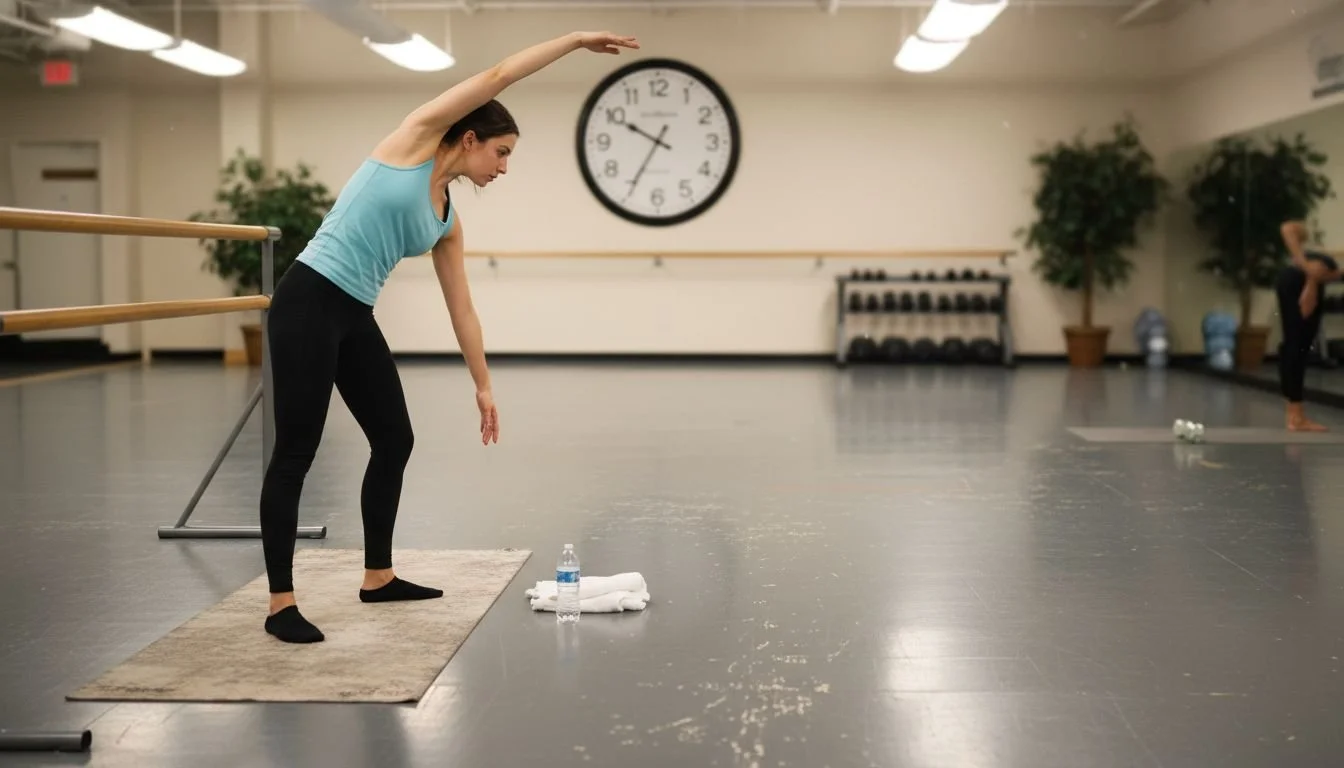
The core of a barre class typically progresses through targeted muscle group sequences. Arm exercises are usually performed first, utilizing light hand weights or resistance bands to create muscle fatigue through high-repetition movements. Next, the class transitions to lower body work, focusing on the thighs and glutes with a series of isometric holds and small, precise movements performed at the ballet barre. These exercises leverage body weight and subtle position changes to create intense muscle engagement without placing excessive strain on the joints.
The final segments of a barre class concentrate on core strengthening and flexibility. Participants typically move to the floor for targeted abdominal work and extended stretching routines that help improve overall muscle elasticity and prevent post-workout stiffness. What Is Barre Pilates highlights the importance of these closing sequences, which not only help cool down the body but also promote muscle recovery and long-term flexibility. Each class is carefully structured to provide a full-body workout that challenges multiple muscle groups while maintaining a low-impact approach that makes it accessible to practitioners of various fitness levels.
Physical and Mental Benefits of Barre Fitness
Holistic health practicesreveal that barre fitness offers a comprehensive approach to physical and mental wellness. The workout delivers remarkable benefits that extend far beyond traditional exercise routines, providing a unique blend of strength training, flexibility enhancement, and mental conditioning.Muscle conditioningemerges as a primary advantage, with the precise, controlled movements targeting deep muscle groups that are often overlooked in conventional fitness regimens.
The physical benefits of barre fitness are extensive and scientifically supported. Practitioners experience significant improvements in muscle tone, core strength, and overall body alignment. The low-impact nature of the workout makes it particularly effective for building lean muscle without placing excessive stress on joints. Participants develop enhanced flexibility, improved posture, and increased muscle endurance through the method's signature small, repetitive movements that create deep muscle fatigue and promote long, sculpted muscle development.
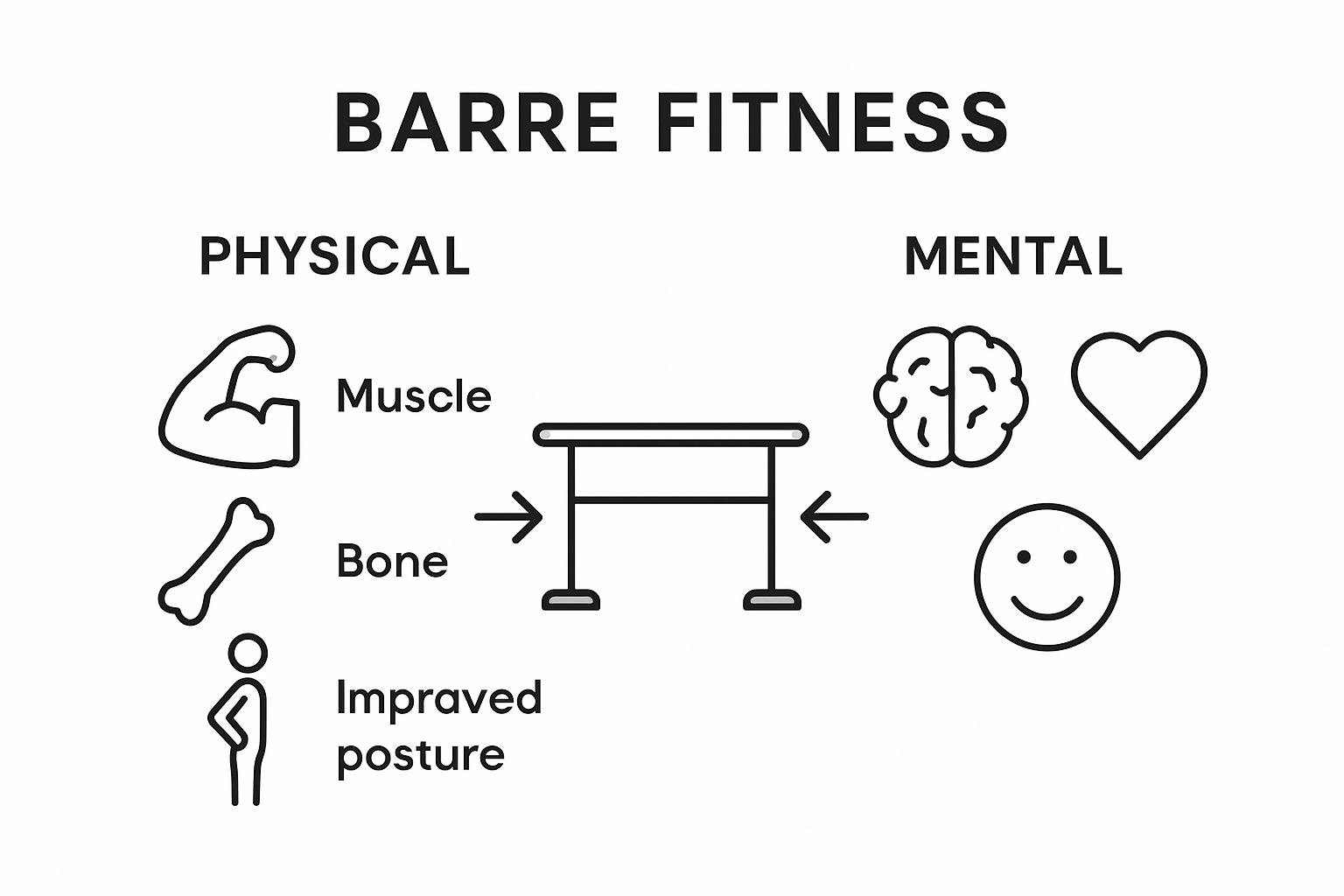
Beyond the physical transformations, barre fitness offers profound mental health advantages. Master your barre workout workflow demonstrates how the practice cultivates a powerful mind-body connection. The intense focus required during barre classes helps practitioners develop mental discipline, reduce stress, and improve overall cognitive function. The mindful movements demand complete concentration, creating a meditative experience that allows participants to disconnect from daily stressors and develop greater body awareness. This mental conditioning complements the physical benefits, making barre fitness a truly holistic approach to personal wellness that nurtures both body and mind.
Common Misconceptions and Safety Precautions
Barre vs Yoga: Complete Guidehighlights several critical misconceptions about barre fitness that can prevent potential practitioners from experiencing its transformative benefits. One prevalent myth is that barre is exclusively designed for dancers or individuals with exceptional flexibility. In reality,barre workoutsare highly adaptable and accessible to individuals across diverse fitness levels, with instructors offering modifications to accommodate different physical capabilities and personal limitations.
Safety remains paramount in barre practice, requiring practitioners to maintain proper form and listen carefully to their bodies. The low-impact nature of the workout does not automatically guarantee injury prevention. Proper technique involves maintaining controlled, precise movements, avoiding sudden or jerky motions, and respecting individual physical boundaries. Participants should communicate any pre-existing conditions or physical concerns with instructors before class, allowing for personalized guidance and appropriate exercise modifications.
Another critical safety consideration involves understanding personal physical limits and progression. Master Your Barre Workout Workflow emphasizes the importance of gradual skill development and mindful engagement. Beginners should start with foundational classes, focus on learning correct alignment, and incrementally increase workout intensity. Proper warm-up, consistent practice, and paying attention to body signals help prevent potential strain or overexertion, ensuring a safe and sustainable fitness journey that supports long-term health and wellness goals.
Discover the Transformative Power of Barre Fitness at Amrita Yoga & Wellness
Barre fitness offers a unique approach to strength, flexibility, and mental focus by combining ballet-inspired movements with precise muscle engagement and mindful practice. If you are looking to overcome challenges like muscle stiffness, poor posture, or stress while building lean muscle and improving your body alignment, this low-impact workout can be the solution you need. Embrace the holistic benefits of barre routines that promote both physical conditioning and a deeper mind-body connection.
Ready to experience barre fitness firsthand in a welcoming and supportive community? Visit Amrita Yoga & Wellness to explore a variety of classes and workshops designed for all skill levels. Learn more about our Barre Pilates sessions and master your practice with expert guidance by following tips on how to Master Your Barre Workout Workflow. Make today the day you take the first step toward stronger muscles, improved posture, and lasting wellness.
Frequently Asked Questions
What is barre fitness?
Barre fitness is a dynamic workout method that combines elements from ballet, Pilates, and strength training. It focuses on controlled movements performed near a ballet bar, targeting muscle endurance, flexibility, and overall body conditioning.
What are the key benefits of barre fitness?
Barre fitness provides several benefits, including improved muscle tone, core strength, flexibility, and posture. It also promotes lean muscle development and enhances mental well-being through its mind-body connection.
Is barre fitness suitable for beginners?
Yes, barre fitness is highly adaptable and can be modified for practitioners of all fitness levels. Instructors often provide modifications to accommodate different physical capabilities, making it accessible for everyone.
How does barre fitness differ from traditional strength training?
Unlike traditional strength training, barre fitness emphasizes small, targeted movements and isometric contractions. This low-impact approach creates deep muscle fatigue and promotes long, lean muscle development without stressing the joints.
Recommended
Reformer Pilates: Core Strength and Flexibility Benefits
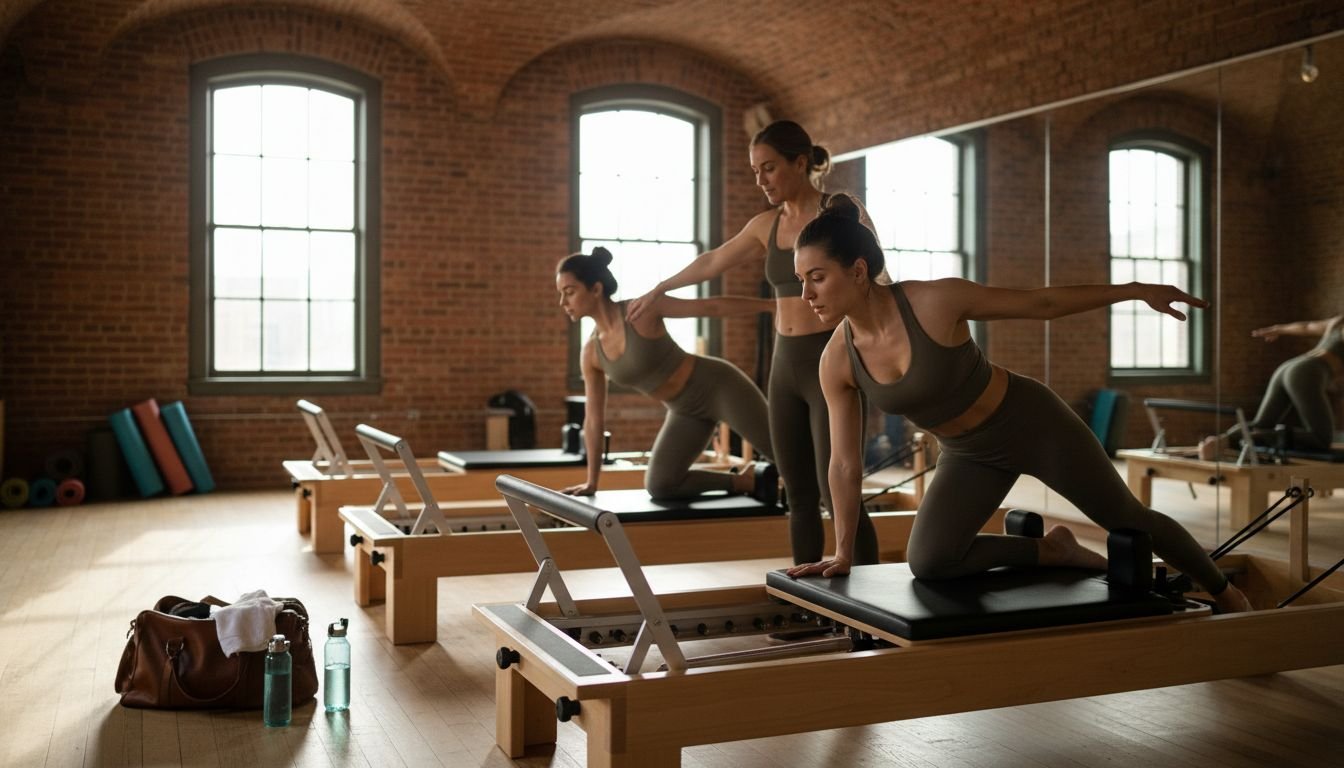
Over half of American adults now look for ways to improve flexibility and core strength, yet many myths still surround Reformer Pilates. This unique workout offers far more than standard fitness routines, blending resistance-based movements with precision control for real results. By clarifying what Reformer Pilates truly involves and debunking outdated ideas, this guide reveals how anyone can experience greater strength, improved posture, and better overall body health.
Table of Contents
Key Takeaways
| Point | Details |
|---|---|
| Reformer Pilates Enhances Workouts | Utilizes a specialized apparatus for dynamic resistance training, improving core strength and flexibility. |
| Comprehensive Training for All | Suitable for all genders and fitness levels, it promotes controlled muscle engagement and full range workouts. |
| Variety of Equipment Available | Offers different reformer models and accessories, enhancing functionality and exercise diversity. |
| Mindful Practice and Safety | Focus on body alignment and communication with instructors ensures safe participation, especially for those with health concerns. |
What Reformer Pilates Involves and Debunks
Reformer Pilates transforms traditional mat workouts through a specialized apparatus that adds resistance and precision to every movement. Unlike standard exercise routines, this method utilizes a sliding platform with adjustable spring tensions, enabling practitioners to perform exercises with enhanced control and targeted muscle engagement. Pilates reformer techniques challenge your body through dynamic resistance training that builds core strength while improving overall flexibility.
The machine itself consists of a movable carriage connected to springs and pulleys, which creates variable resistance levels suitable for all fitness abilities. These springs allow participants to modify difficulty by adjusting tension, making Reformer Pilates accessible for beginners and advanced athletes alike. Core mechanics involve maintaining body alignment while managing the carriage’s movement, which simultaneously strengthens stabilizing muscles and promotes muscular balance.
Contrary to popular misconceptions, Reformer Pilates is not exclusively for women or limited to gentle movements. Research demonstrates this practice offers comprehensive strength training suitable for all genders and fitness levels. The method challenges practitioners through precise, controlled movements that engage multiple muscle groups simultaneously. Key principles include:
Concentration on proper form and technique
Controlled breathing patterns
Precise muscle engagement
Full range of motion exercises
Low-impact muscle conditioning
By debunking myths and showcasing its versatility, Reformer Pilates emerges as a powerful full-body workout strategy that goes beyond traditional exercise paradigms. Whether you seek rehabilitation, athletic performance enhancement, or holistic fitness improvement, this method provides a scientifically designed approach to physical conditioning.
Types of Pilates Reformers and Accessories
Pilates reformer equipment represents a sophisticated fitness system designed to enhance strength, flexibility, and overall body conditioning. At its core, the reformer machine is a versatile apparatus featuring a sliding carriage, adjustable springs, and multiple attachment points that transform traditional exercise approaches. The standard reformer includes key components like a padded platform, adjustable tension springs, a movable carriage, foot bar, and integrated straps that enable a wide range of resistance-based movements.
The primary variations of Pilates reformers include studio-grade professional models, compact home versions, and specialized therapeutic designs. Professional models typically offer more robust construction, multiple spring tensions, and advanced adjustability for comprehensive training. Home reformers prioritize space efficiency and portability, often featuring foldable designs and lighter materials. Therapeutic reformers focus on rehabilitation, with gentler resistance and additional support mechanisms for individuals recovering from injuries or managing physical limitations.
Accessories play a crucial role in expanding reformer functionality and workout diversity. Essential complementary items include:
Non-slip grip socks for stability
Padded straps for comfortable hand and foot positioning
Cushioned mats for floor-based exercises
Resistance bands for additional tension variations
Foam rollers for muscle recovery and mobility work
Understanding the nuanced differences between reformer types and selecting appropriate accessories can significantly enhance your Pilates practice. Whether you are a fitness enthusiast, rehabilitation patient, or professional athlete, the right equipment can transform your workout experience and help you achieve targeted strength and flexibility goals.
How a Typical Reformer Pilates Session Works
Pilates reformer classes begin with a comprehensive warm-up designed to prepare the body for targeted movements and resistance training. Guided instruction forms the core of the session, where practitioners learn to synchronize breath with precise, controlled motions across the reformer’s sliding carriage. The instructor typically starts by helping participants adjust spring tensions, positioning, and alignment to match individual fitness levels and specific wellness goals.
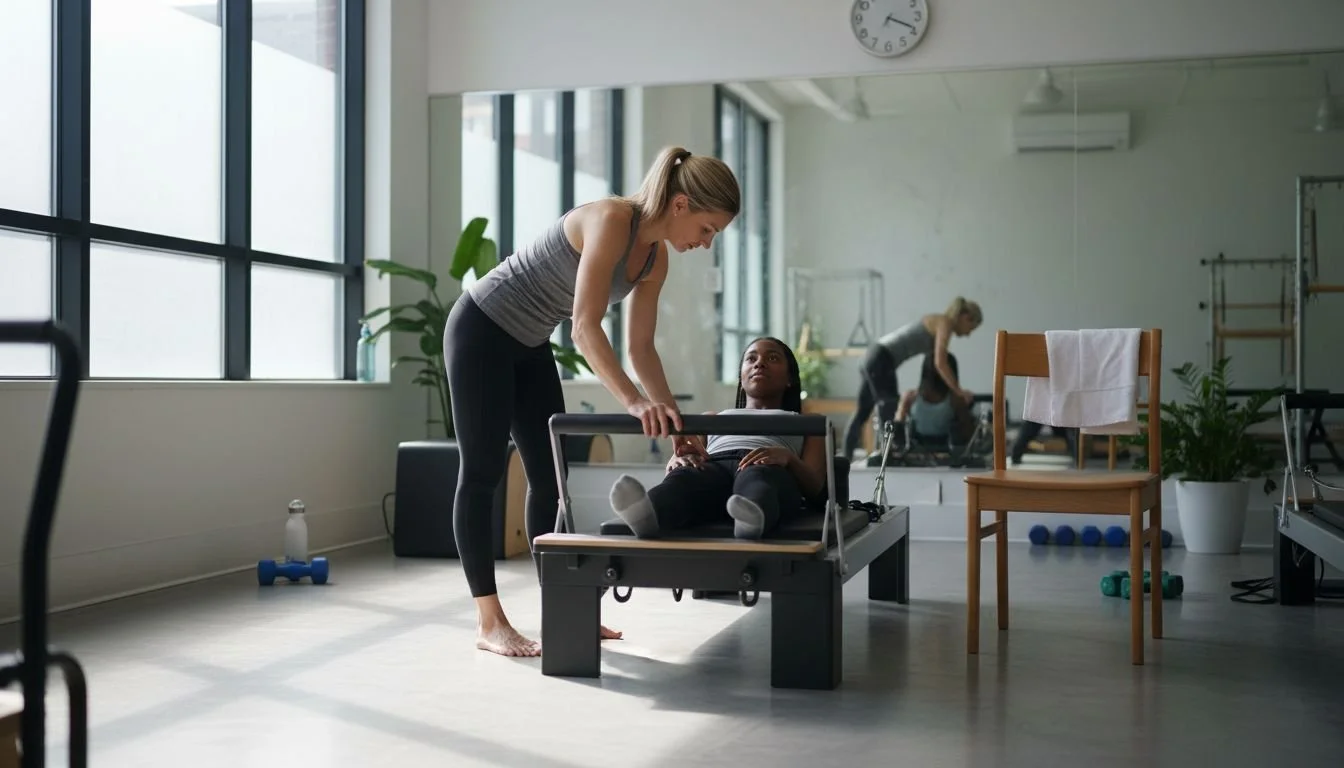
The session progresses through a structured sequence of exercises that challenge different muscle groups and movement patterns. Participants might experience a combination of supine, seated, and standing movements that leverage the reformer’s unique resistance mechanisms. Reformer Pilates workouts emphasize smooth, intentional transitions between exercises, focusing on maintaining core engagement and proper body mechanics throughout each movement.
Typical session components include:
Initial body alignment and tension setup
Dynamic full-body strengthening exercises
Targeted core engagement sequences
Balance and coordination challenges
Flexibility and mobility work
Cool-down and muscle recovery stretches
Instructors carefully modify exercises to accommodate varying fitness levels, ensuring that both beginners and advanced practitioners can benefit from the workout. The session concludes with a mindful cool-down that promotes muscle recovery, improves flexibility, and reinforces the mind-body connection fundamental to Pilates practice. Each workout represents a holistic approach to physical conditioning, combining strength, precision, and intentional movement to transform body mechanics and overall wellness.
Benefits for Flexibility, Core, and Posture
Reformer Pilates workouts fundamentally transform body mechanics by targeting core strength, flexibility, and postural alignment through strategic resistance training. Core engagement becomes the foundational principle of this practice, where practitioners learn to activate deep stabilizing muscles while performing precise, controlled movements on the reformer machine. The unique design of the equipment allows for targeted muscle recruitment that traditional strength training often overlooks, creating a comprehensive approach to physical conditioning.
The resistance mechanisms of the reformer create an environment where muscles are challenged through eccentric and concentric movements, promoting enhanced muscle elasticity and joint mobility. This approach differs significantly from standard weight training by emphasizing controlled, fluid motions that simultaneously stretch and strengthen muscle groups. Practitioners experience improved spinal alignment, reduced muscular imbalances, and increased overall body awareness through consistent practice.
Key benefits of Reformer Pilates include:
Enhanced core muscle strength and stability
Improved postural alignment
Increased full-body flexibility
Reduced risk of injury through balanced muscle development
Better movement efficiency and body mechanics
Enhanced mind-body connection
The holistic nature of Reformer Pilates extends beyond physical conditioning, offering practitioners a transformative approach to understanding body movement. By integrating precise techniques that challenge muscular endurance, balance, and control, individuals can develop a more integrated and responsive physical system that supports overall wellness and functional fitness.
Potential Risks and When to Avoid It
Reformer Pilates safety guidelines emphasize the importance of understanding individual health limitations before engaging in this dynamic workout. Medical clearance becomes crucial for practitioners with pre-existing conditions, as the resistance-based training can place significant demands on the body’s musculoskeletal and cardiovascular systems. While generally considered a low-impact exercise, certain health scenarios require careful evaluation and potential modification or avoidance of Reformer Pilates practices.
Individuals should exercise caution and potentially avoid Reformer Pilates if experiencing:
Recent surgical procedures
Uncontrolled hypertension
Acute joint injuries
Severe spinal conditions
Pregnancy without professional guidance
Chronic pain syndromes
Acute inflammatory conditions
Balance or vestibular disorders
Professional guidance is paramount when navigating potential risks. Certified Pilates instructors can provide personalized assessments, helping practitioners understand their individual limitations and develop safe, adaptive strategies. Modifications exist for most health conditions, allowing individuals to participate in modified routines that minimize strain while promoting overall wellness. Communication with healthcare providers and qualified Pilates professionals ensures a safe, effective approach to integrating this comprehensive training method into one’s fitness routine.
Reformer Pilates Versus Mat Pilates
Pilates practices demonstrate significant variation between reformer and mat methodologies, each offering unique advantages for practitioners. Equipment dynamics fundamentally distinguish these approaches, with reformer Pilates utilizing a specialized spring-loaded machine that provides adjustable resistance, while mat Pilates relies exclusively on body weight and gravitational forces. This key difference dramatically impacts the intensity, accessibility, and muscle engagement of each workout style.
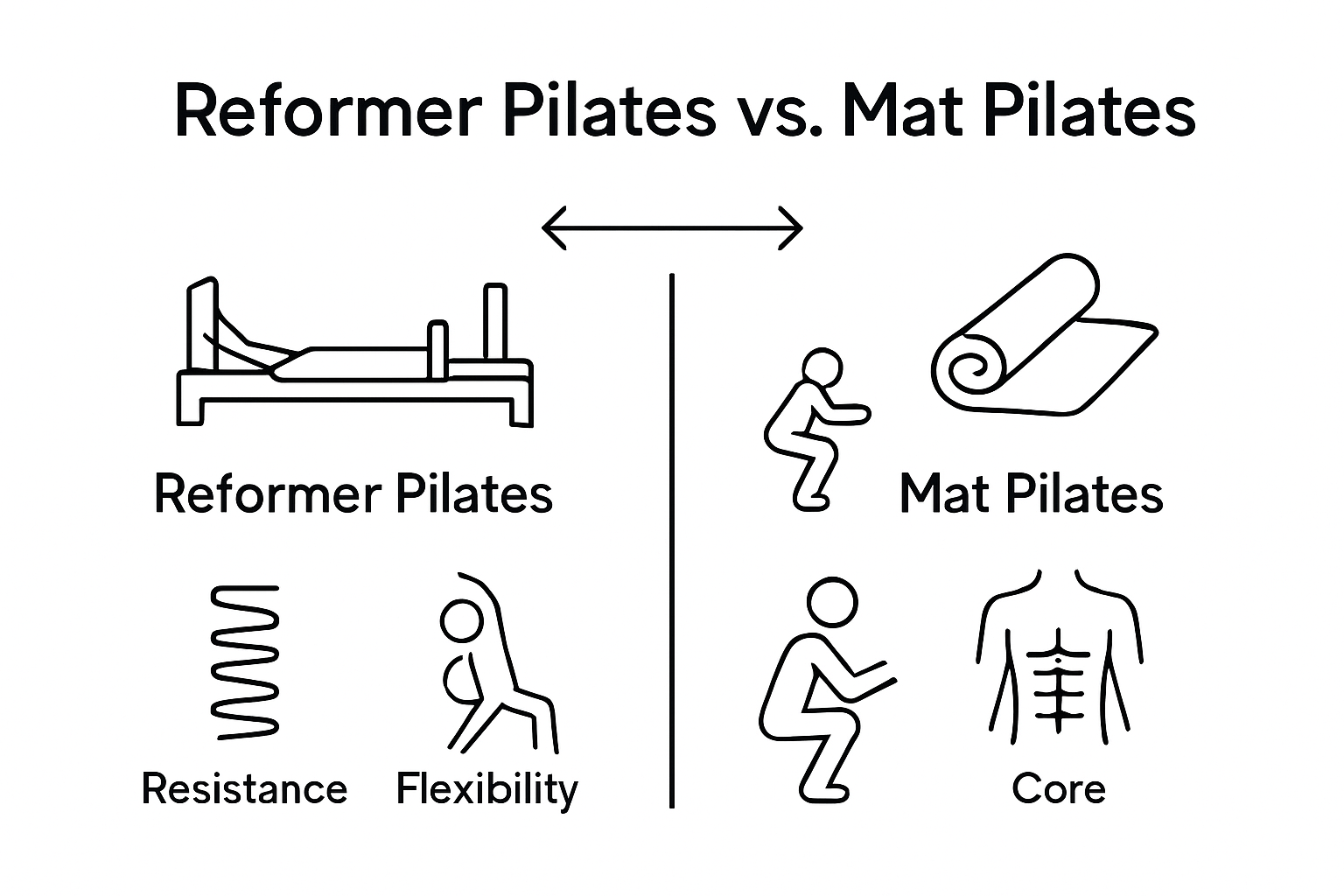
Reformer Pilates introduces external resistance through sophisticated spring mechanisms, allowing for more nuanced muscle recruitment and movement complexity. Mat Pilates, conversely, demands greater inherent core strength and stability since practitioners must generate all resistance internally. The reformer provides support and modification options that make certain challenging movements more approachable, particularly for beginners or individuals with limited mobility.
Key comparative aspects include:
Resistance mechanism
Reformer: Adjustable spring tension
Mat: Body weight and gravity
Accessibility
Reformer: More beginner-friendly modifications
Mat: Requires higher baseline strength
Muscle engagement
Reformer: Targeted, supported muscle activation
Mat: Comprehensive core and stabilization work
Equipment requirements
Reformer: Specialized machine needed
Mat: Minimal equipment necessary
Ultimately, both Pilates approaches offer comprehensive fitness benefits, with the choice depending on individual fitness goals, physical limitations, and personal preferences. Practitioners can effectively complement their fitness journey by incorporating elements from both reformer and mat Pilates, creating a holistic approach to strength, flexibility, and body awareness.
Unlock Your Full Potential with Reformer Pilates at Amrita Yoga & Wellness
If you are ready to enhance your core strength, improve flexibility, and achieve better posture through targeted resistance training then exploring Reformer Pilates classes is a powerful next step. This method addresses common challenges like muscular imbalances and limited mobility by focusing on precise muscle engagement and controlled movement designs specifically for lasting body transformation. Experience how the careful alignment and resistance of the reformer machine can build a stronger, more balanced you.
Join our welcoming community in Philadelphia at Amrita Yoga & Wellness where expert instructors tailor Reformer Pilates sessions to all fitness levels. Whether you are new or looking to deepen your practice, our class schedules and workshops provide flexible options to meet your wellness goals. Begin your journey today to reduce injury risk, enhance body awareness, and revitalize your physical and mental wellbeing. Visit our site now for details about our Reformer Pilates and other holistic practices designed to empower your health.
Frequently Asked Questions
What is Reformer Pilates?
Reformer Pilates is a specialized workout that uses a sliding apparatus to add resistance and precision to traditional Pilates movements, enhancing core strength and flexibility.
What are the core benefits of Reformer Pilates?
Reformer Pilates enhances core strength, improves postural alignment, increases flexibility, and reduces the risk of injury through balanced muscle development.
How does Reformer Pilates differ from Mat Pilates?
Reformer Pilates utilizes a machine with adjustable spring tension to provide external resistance, while Mat Pilates relies solely on body weight and gravity, requiring more inherent core stability.
Is Reformer Pilates suitable for beginners?
Yes, Reformer Pilates is accessible for beginners, as the specialized equipment allows for modifications to suit various fitness levels and helps maintain proper body mechanics.
Recommended
The Essential Guide to Pilates Breathing Benefits
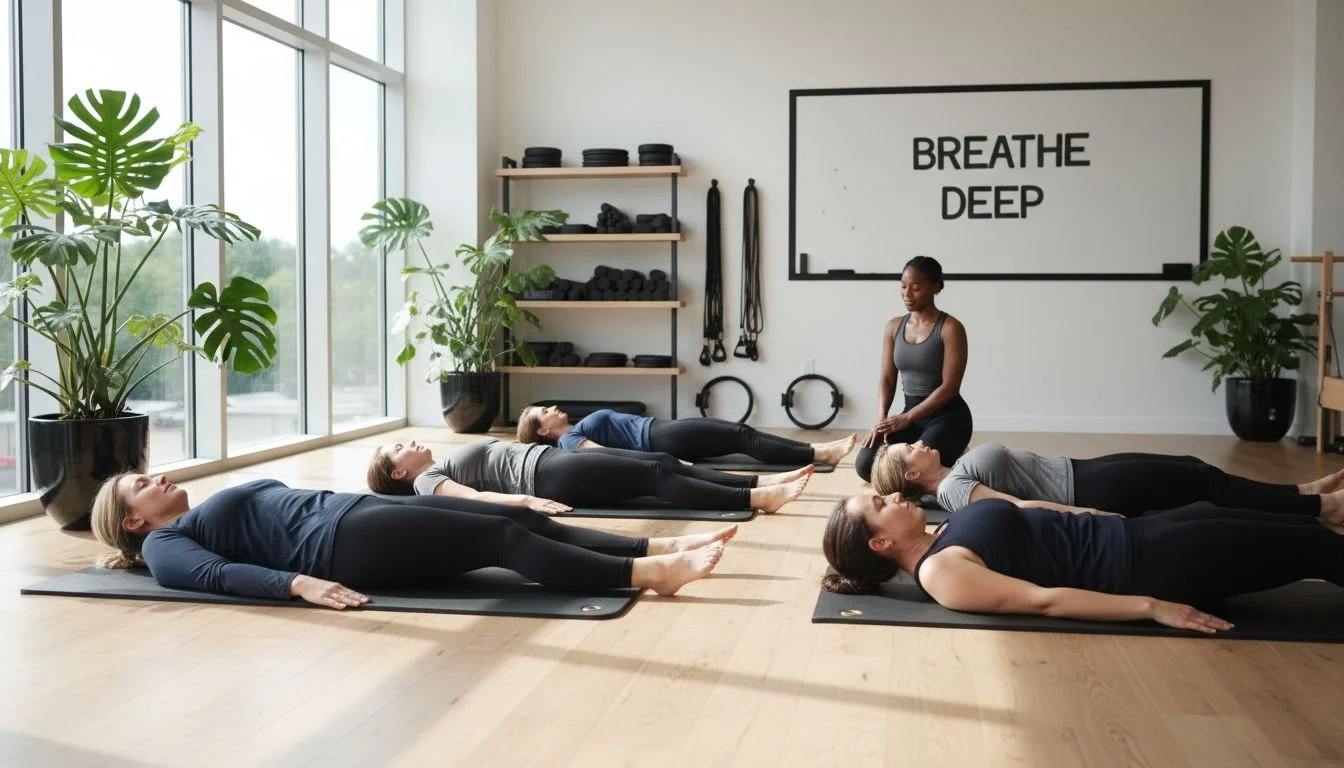
Most american fitness routines overlook the complex power of breathing, yet research shows proper breathwork can boost muscle activation by over 30 percent. Pilates breathing techniques stand out by focusing on lateral expansion of the ribcage and deep core engagement, separating fact from myth. This guide breaks down the science, clears up misconceptions, and offers a clear path to mastering mindful breathing for better movement and a stronger mind-body connection.
Table of Contents
Key Takeaways
| Point | Details |
|---|---|
| Pilates Breathing Techniques | Pilates breathing enhances core stability and movement mechanics through lateral thoracic breathing and deep muscle engagement. |
| Physical and Mental Benefits | Proper Pilates breathing improves respiratory function, reduces stress, and enhances overall well-being. |
| Integrating Breath with Movement | Synchronizing breath with movement maximizes the effectiveness of exercises and promotes a mind-body connection. |
| Common Mistakes and Safety | Avoid breath holding and forced breathing; prioritize proper posture and gradual progress to ensure a safe practice. |
Defining Pilates Breathing Techniques and Myths
Pilates breathing is far more than a simple inhale and exhale. It represents a sophisticated physiological approach that strategically engages core muscles and transforms movement mechanics. Unlike casual breathing patterns, Pilates breathing focuses on precise respiratory techniques that activate deep abdominal muscles and support overall physical performance.
The core principle of Pilates breathing involves what practitioners call lateral thoracic breathing. This technique encourages breathing into the sides and back of the ribcage, creating expansive lung movement that simultaneously stabilizes and strengthens the core. Understanding Pilates breathing techniques for wellness reveals how this method differs dramatically from traditional breathing approaches. Scientific research has demonstrated that specific Pilates breathing patterns can significantly enhance muscle activation during trunk movements.
Some persistent myths about Pilates breathing need clarification. Contrary to popular belief, it's not about shallow chest breathing or extreme forced exhalations. Instead, it's a nuanced technique that requires practice and body awareness. The primary myths include:
Pilates breathing is the same as yoga breathing
You must dramatically change your natural breathing pattern
Breathing techniques are optional in Pilates practice
In reality, Pilates breathing is a precise, controlled method designed to enhance movement efficiency, stabilize the core, and promote mind-body connection. By unal and mentaderstanding its fundamental principles, practitioners can unlock deeper physical engagement and improved overall performance.
Key Principles Behind Pilates Breath Control
Pilates breath control represents a sophisticated system of respiratory management that goes far beyond simple inhaling and exhaling. At its core, breath control is about creating intentional movement patterns that synchronize breath with precise muscular engagement. Complete guide to breathwork in Pilates practice reveals the intricate relationship between respiratory techniques and physical performance.
The fundamental principles of Pilates breath control center on three critical elements: rhythm, depth, and muscle coordination. Respiratory effects of Pilates method protocols demonstrate how strategic breathing can significantly impact overall body mechanics. Practitioners learn to initiate movement through breath, using exhalation to activate deep core muscles and create internal stability. This approach differs dramatically from traditional exercise breathing, which often prioritizes volume over precision.
Key principles of Pilates breath control include:
Diaphragmatic Engagement: Breathing deeply into the lower lungs while maintaining core connection
Lateral Expansion: Breathing into the sides of the ribcage to maximize lung capacity
Controlled Exhalation: Using breath to create internal pressure and muscle activation
Rhythmic Synchronization: Matching breath patterns to specific movement sequences
Research examining thoracoabdominal expansion during mat Pilates training underscores the physiological sophistication of these breathing techniques. By mastering these principles, practitioners can transform their movement quality, enhance core strength, and develop a more profound mind-body connection that extends far beyond traditional exercise approaches.
Physical and Mental Benefits of Proper Breathing
Pilates breathing transcends traditional respiratory techniques, offering a holistic approach to physical and mental wellness. Breath control is not merely a technical skill but a transformative practice that interconnects body and mind. Pilates Practice techniques reveal how intentional breathing can unlock profound physiological and psychological benefits.
Research examining the effects of Pilates breathing exercises demonstrates significant improvements in quality of life and sleep patterns. Practitioners experience enhanced lung function, reduced stress, and improved overall well-being. The physiological mechanisms behind these benefits are rooted in the way controlled breathing activates the parasympathetic nervous system, promoting relaxation and reducing cortisol levels.
Key physical and mental benefits include:
Improved Respiratory Function: Enhanced lung capacity and oxygen utilization
Stress Reduction: Activation of the body's natural relaxation response
Core Muscle Engagement: Strengthening deep abdominal and postural muscles
Enhanced Mental Clarity: Increased focus and reduced anxiety
Better Postural Alignment: Improved body awareness and movement efficiency
Comprehensive studies on Pilates breathing techniques confirm remarkable improvements in body posture and postural stability. By integrating mindful breathing with precise movement, individuals can experience a holistic approach to wellness that extends far beyond traditional exercise, creating a powerful mind-body connection that promotes overall health and well-being.
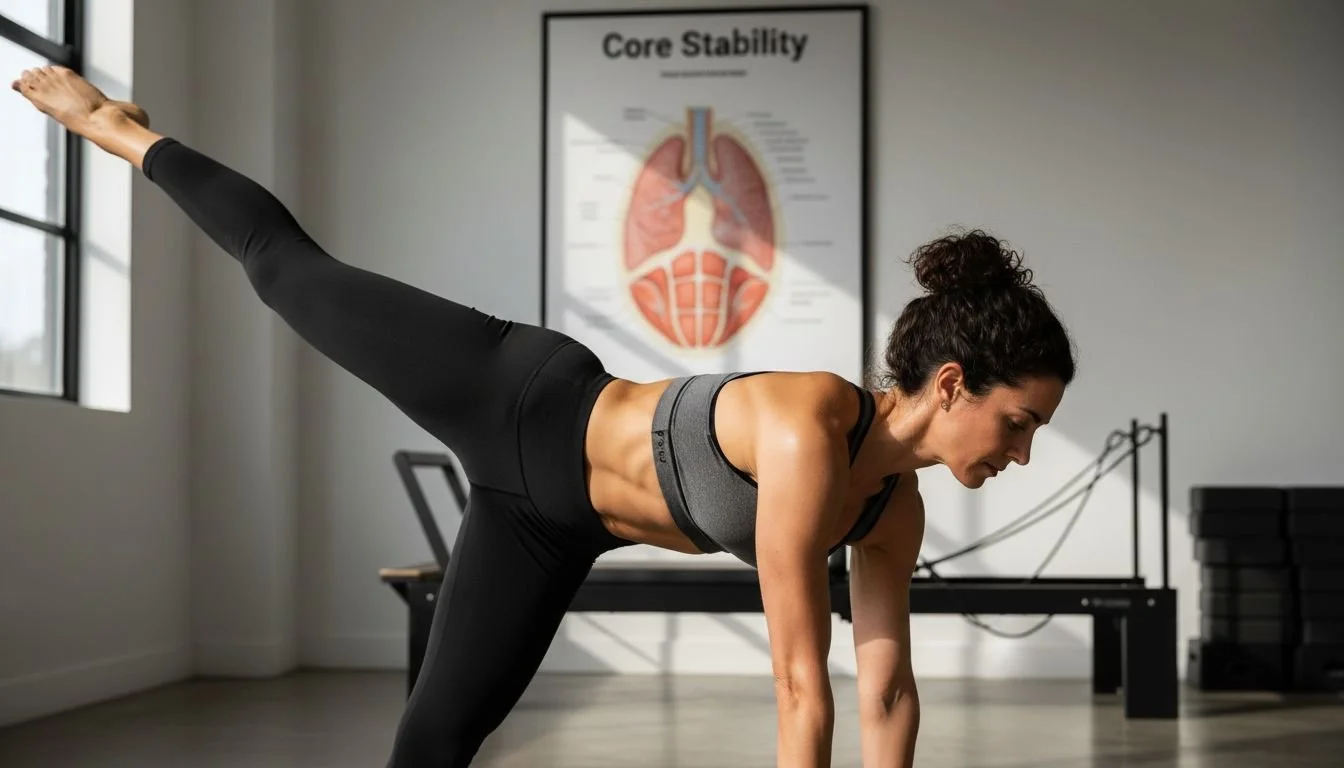
Integrating Breathing With Pilates Movements
Integrating breath with movement is the cornerstone of an effective Pilates practice, transforming simple exercises into a sophisticated mind-body connection. Breath synchronization requires precise coordination between respiratory patterns and physical movements, creating a seamless flow that enhances overall performance. Essential Pilates exercises for all levels demonstrate how intentional breathing can dramatically improve movement quality and muscle engagement.
Research investigating neuromuscular efficiency reveals that strategic breathing dramatically influences muscle activation during Pilates movements. Practitioners learn to initiate movements through breath, using exhalation to create internal stability and engage core muscles. This approach differs fundamentally from traditional exercise methods, where breathing is often an afterthought rather than an integral component of movement.
Key strategies for integrating breathing with Pilates movements include:
Exhale on Exertion: Release breath during the most challenging part of a movement
Continuous Breath Flow: Maintain smooth, uninterrupted breathing throughout exercises
Diaphragmatic Engagement: Use deep belly breathing to support core activation
Movement Initiation: Start movements with a deliberate breath pattern
Rhythm Synchronization: Match breath tempo to movement speed
Comprehensive studies on Pilates breathing techniques confirm that integrating breath with movement can significantly improve pulmonary function and heart rate variability. By mastering these integration techniques, practitioners transform Pilates from a simple exercise routine into a holistic movement practice that harmonizes physical performance with mindful respiratory control.
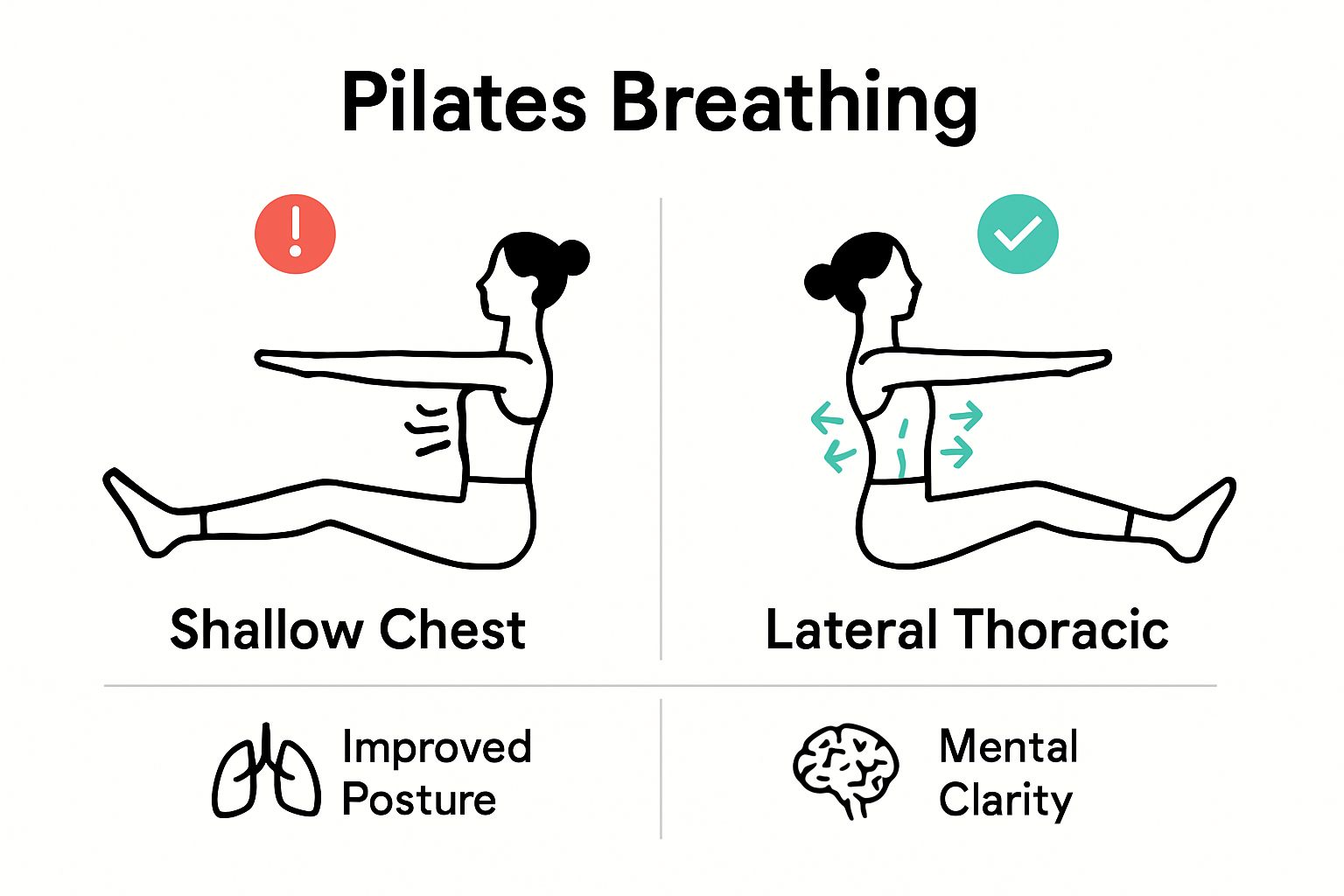
Common Mistakes and Safety Considerations
Pilates breathing techniques require careful attention to prevent potential injuries and maximize practice effectiveness. Improper breathing can not only diminish exercise benefits but also create unnecessary physical strain. Complete guide to types of Pilates practices emphasizes the critical importance of understanding fundamental safety principles before attempting advanced breathing techniques.
Research on Pilates training performance highlights several critical safety considerations that practitioners must understand. Common mistakes often stem from lack of proper instruction, rushed movements, or misunderstanding fundamental breathing mechanics. Beginners frequently hold their breath during challenging movements, create unnecessary tension, or fail to maintain proper spinal alignment while performing breathing exercises.
Key safety considerations and common mistakes include:
Breath Holding: Avoid stopping breath during challenging movements
Forced Breathing: Do not create excessive muscular tension through aggressive breathing
Incorrect Posture: Maintain neutral spine and proper body alignment
Overexertion: Progress gradually and listen to your body's signals
Ignoring Pain: Stop immediately if experiencing sharp or persistent discomfort
Safety demands a mindful approach that prioritizes individual physical limitations and gradual progression. By understanding these fundamental considerations, practitioners can develop a sustainable Pilates practice that promotes physical wellness while minimizing potential risks. Consulting with a qualified Pilates instructor can provide personalized guidance and ensure proper technique implementation.
Transform Your Pilates Breathing Practice Today
Mastering Pilates breathing techniques can be challenging when trying to balance precise breath control, core engagement, and movement synchronization on your own. Many practitioners struggle with common myths like forced breathing or ignoring breath patterns, which can limit the benefits of Pilates and even cause strain. This article highlights the importance of lateral thoracic breathing, controlled exhalation, and rhythmic synchronization to unlock the full physical and mental rewards of Pilates. If you want to overcome these hurdles and deepen your practice with expert guidance and community support, we have the solutions for you.
Join the supportive environment at Amrita Yoga & Wellness where you can experience specialized Pilates classes designed to integrate breathing and movement effectively. Whether you are a beginner or advanced practitioner, our class offerings combine mindful breath control with precise exercises to enhance core strength, reduce stress, and improve postural alignment. Take the next step toward holistic wellness by exploring our workshops and personalized sessions to elevate your Pilates breathing benefits starting now.
Frequently Asked Questions
What are the benefits of Pilates breathing?
Proper Pilates breathing improves respiratory function, reduces stress, engages core muscles, enhances mental clarity, and promotes better posture.
How does Pilates breathing differ from traditional breathing techniques?
Pilates breathing focuses on lateral thoracic breathing and core stabilization, contrasting with traditional methods that often prioritize volume rather than precise patterns and core engagement.
Can Pilates breathing techniques enhance my workout performance?
Yes, integrating Pilates breathing with movements can improve muscle activation, internal stability, and overall movement efficiency, thereby enhancing your workout performance.
Are there any common mistakes to avoid when practicing Pilates breathing?
Common mistakes include breath holding during challenging movements, forced breathing that causes tension, and neglecting proper posture and spinal alignment.
Recommended
Complete Guide to Pilates Breathing Techniques — Amrita Yoga & Wellness
Complete Guide to Breathwork in Pilates Practice — Amrita Yoga & Wellness
Understanding Pilates Breathing Techniques for Wellness — Amrita Yoga & Wellness
Mastering Air Flow and Pressure: A Singer's Guide to Breath Control an - TMRG Solutions
How to Strengthen Core Postpartum Naturally and Safely - Mom on Quack