The Amrita Journal
Explore thoughtful stories, practical wellness guidance and inspiring ideas to support your movement, mindfulness and everyday wellbeing at Amrita.
Find the Perfect Yoga Mat: Types, Comparisons, Tips
TL;DR:
Choosing a yoga mat depends on grip, density, material, and personal practice needs.Natural rubber, cork, and TPE are eco-friendly options with strong grip, especially when damp.Match your mat to your environment, practice style, and personal sensitivities for optimal comfort and safety.
Picking a yoga mat sounds simple until you're standing in front of a wall of options, each one promising the best grip, the most cushion, or the greenest materials. For Philadelphia practitioners, the stakes feel even higher: you need a mat that performs in a heated studio, survives the commute on the Broad Street Line, and still feels good on your hardwood floors at home. The wrong mat can mean slipping mid-warrior pose, aching knees, or a mat that falls apart after six months. This guide breaks down every major type, compares materials head-to-head, and gives you a clear path to the mat that actually fits your life.
Table of Contents
Key Takeaways
| Point | Details |
|---|---|
| Match mat to practice | Base your choice on your most frequent yoga style and environment for best results. |
| Material matters | Each mat material has strengths—know the pros, cons, and which suits your health and values. |
| Grip and support | Don’t underestimate the impact of grip and proper density on joint comfort and safety. |
| Regular maintenance | Clean your mat consistently to keep it performing and lasting longer. |
What to consider before you choose a yoga mat
Before diving into specific types, let’s break down what truly matters in a yoga mat. Most people focus on thickness first, but that’s actually one of the least important factors on its own. What you really need to evaluate are five core qualities: grip, density, thickness, material, and allergen considerations.
Here’s what each one means for your practice:
Grip: How well the mat holds your hands and feet during poses, especially as you sweat. Poor grip leads to slipping, which breaks focus and risks injury.
Density: How firm the mat feels underfoot. A denser mat provides better joint support than a soft, squishy one of the same thickness.
Thickness: Ranges from 1/16 inch (travel mats) to 1/4 inch (extra cushion). Thicker isn’t always better if the foam compresses easily.
Material: Affects grip, durability, eco-friendliness, and how the mat feels against your skin.
Allergen considerations: Natural rubber contains latex, which can trigger reactions in sensitive practitioners.
Your practice style and location also shape the decision. Philadelphia studios often feature hardwood or tile floors, which means a mat with strong bottom grip matters as much as top surface traction. If you practice at home on carpet, a thinner mat may actually work better. Yoga mat selection factors like floor type and sweat level are just as important as brand or price.
Maintenance is another factor people overlook until their mat starts to smell or lose grip. Density is more important than thickness for joint support, and regular cleaning is what keeps grip performing over time. Wipe your mat down after every session, and deep clean it weekly if you practice daily.
Pro Tip: When comparing mats, press your thumb firmly into the surface. A mat that compresses all the way to the floor quickly won’t give your joints the support they need, no matter how thick it looks.
For more guidance on building a smart shortlist, check out these choosing good yoga mats tips from our blog, and browse our yoga wellness tips for broader self-care context.
Material breakdown: Popular types of yoga mats
With your main selection criteria in mind, let’s unpack the most common types of yoga mats you’ll see and which might suit you.
PVC (polyvinyl chloride): The most common studio mat. Affordable, durable, and easy to clean. Grip is solid in dry conditions. The downside is that PVC is not biodegradable and some practitioners prefer to avoid it for health reasons.
TPE (thermoplastic elastomer): A more eco-friendly alternative to PVC. Lightweight, non-toxic, and a good choice for those with latex allergies. Grip is decent but can wear faster than rubber.
Natural rubber: Excellent grip and density. Heavy and durable. Not suitable for latex-allergic practitioners. Performs well for dynamic and hot yoga.
Cork: Naturally antimicrobial and gets grippier as you sweat. Great for hot yoga. Slightly firmer feel. Often paired with a rubber base for stability.
Jute: A natural fiber option with a textured, earthy feel. Eco-friendly but can feel rough on sensitive skin. Less common but worth considering for outdoor or gentle practice.
Hybrid mats: Combine materials, like cork over rubber or TPE with a fabric top layer. These aim to balance grip, cushion, and eco-credentials.
For practitioners with latex allergies, latex-allergic individuals should choose TPE, cork, or PVC rather than natural rubber. Heavy sweaters tend to do best with cork or rubber, both of which improve grip when damp.
The debate between PVC and natural materials is real. Some sources favor PVC for its budget price and studio durability, while others warn against possible chemical exposure and recommend natural alternatives. Neither view is wrong. It comes down to your priorities.
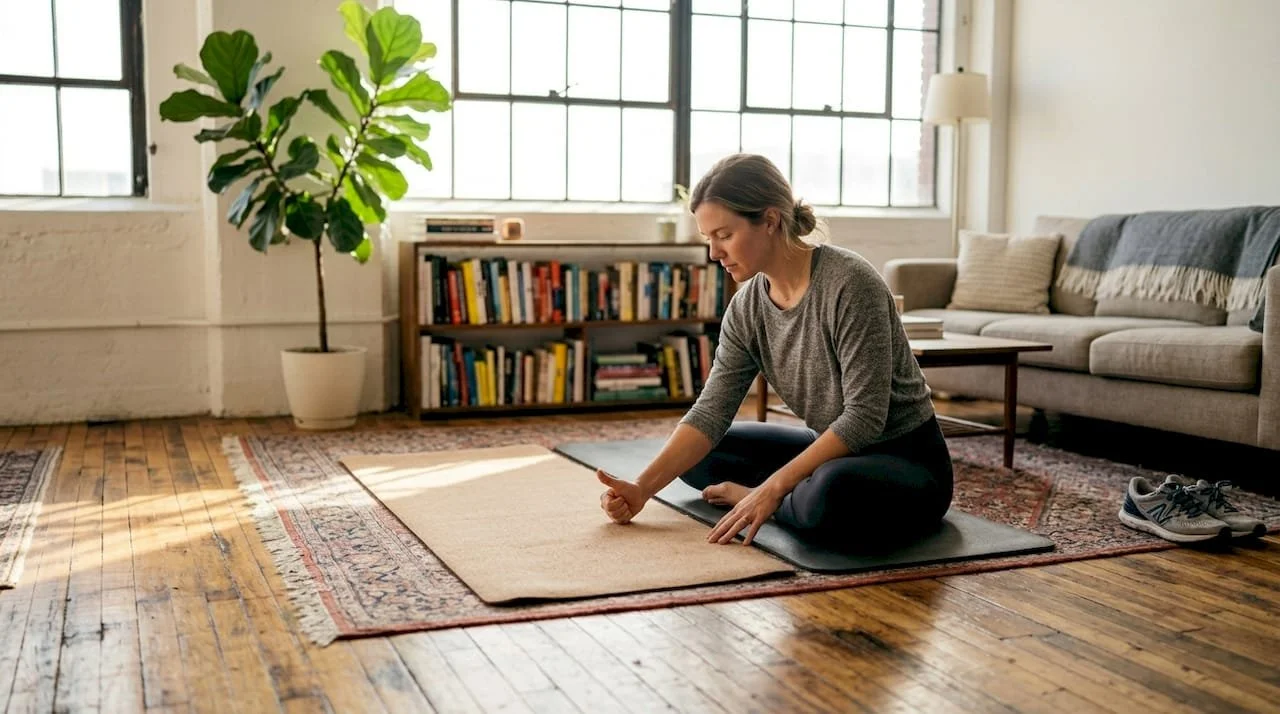
Pro Tip: Test your mat at different times of day. Morning practices tend to involve less sweat, so grip issues may not show up until you try a midday hot yoga class.
For deeper reading, explore our best yoga mat insights and our yoga mat buying guide to help narrow your options.
Head-to-head: Yoga mat material performance comparison
Now that we know what each material offers, here’s how they stack up directly so you can see which is likely to perform best for your practice.
| Material | Dry grip | Wet grip | Eco-friendly | Price range | Best for |
|---|---|---|---|---|---|
| PVC | High | Medium | Low | $20 to $60 | Budget, studio use |
| TPE | Medium | Medium | Medium | $30 to $70 | Allergy-sensitive |
| Natural rubber | High | High | Medium | $60 to $120 | Dynamic, hot yoga |
| Cork | Medium | High | High | $50 to $100 | Hot yoga, sweaty practice |
| Jute | Medium | Low | High | $40 to $80 | Gentle, outdoor practice |
| Hybrid | High | High | Varies | $70 to $150 | All-around performers |
Grip performance varies significantly by brand and conditions. Manduka GRP Adapt excels wet and dry, while the Prana Verde and Jade Harmony are strong performers in natural rubber. Cork mats stand out because grip actually improves when damp, making them a smart pick for Philadelphia’s hot yoga studios.
“The best mat isn’t the most expensive one. It’s the one that keeps you safe and focused through every pose.”
Cost matters differently depending on how often you practice. A $120 natural rubber mat used five days a week costs far less per session than a $40 PVC mat replaced every year. Think in terms of cost per use, not sticker price.
For curated picks tailored to local practitioners, see our Philly yogi mat picks post, and browse online yoga mat options if you prefer to shop from home. For full benchmark data, the yoga mat reviews data from Outdoor Gear Lab is one of the most thorough resources available.
Which yoga mat is right for your Philly practice?
Given all this, let’s match your preferences and Philly lifestyle to the right mat so you can practice confidently.
Philadelphia yogis face a specific set of conditions: hardwood studio floors, cold winters that make rubber stiffer, communal mat storage, and the need to carry gear on public transit. General urban studio advice applies well here, and the scenarios below map it directly to your situation.
Studio classes on hardwood floors: Go for natural rubber or a high-density PVC mat. Bottom grip is critical.
Hot yoga: Cork or rubber. Both handle sweat well, and cork’s grip improves as the class heats up. Browse our hot yoga advice for more prep tips.
Home practice on hardwood: A thicker, denser mat (at least 5mm) protects your knees and hips. Rubber or hybrid mats work well here.
Outdoor or park practice: Jute or cork for natural texture and eco-friendliness. Avoid rubber in direct sun as it can degrade faster.
Latex allergy: TPE or cork. Both perform well and are completely latex-free.
Eco-conscious practitioners: Cork, jute, or natural rubber. Look for certifications like OEKO-TEX or FSC on the label.
| Scenario | Recommended material | Key feature |
|---|---|---|
| Studio on hardwood | Natural rubber | Strong bottom grip |
| Hot yoga | Cork or rubber | Wet grip performance |
| Home hardwood floor | Hybrid or thick PVC | Cushion and joint support |
| Outdoor practice | Jute or cork | Eco-friendly, textured |
| Latex allergy | TPE or cork | Latex-free |
| Budget-conscious | PVC | Affordable and durable |
Cleaning matters more in communal studios. Wipe your mat after every class and let it air dry fully before rolling it up. For beginners still figuring out their practice style, our yoga beginner tips are a great starting point. You can also find ongoing guidance in our additional mat guidance tag.
Our take: Why your mat choice matters more than you think
With all the facts on the table, let’s step back and share a hard-won lesson about choosing the perfect mat.
Mat marketing is loud. Every brand promises revolutionary grip, planet-saving materials, and transformational practice. Most of it is noise. What actually changes your practice is far quieter: the subtle confidence of knowing your foot won’t slip in triangle pose, the relief of knees that don’t ache after a long yin session, the focus that comes from not fidgeting with a mat that bunches up.
We’ve seen practitioners spend $150 on a trendy mat and still struggle, while others thrive on a $45 TPE mat they’ve owned for three years. The difference is almost always self-knowledge, not price. Do you run hot? Do you have sensitive joints? Do you practice in the morning before your hands are fully awake?
Our expert yoga mat tips consistently point to one truth: personalization beats trend-chasing every time. In a city as diverse as Philadelphia, with practitioners ranging from beginners to advanced athletes, a one-size-fits-all mat simply doesn’t exist. Buy for your body, your floor, and your practice, not for the label.
Ready to elevate your practice? Start at Amrita Yoga & Wellness
Finding the right mat is just one piece of a fulfilling yoga journey. At Amrita Yoga & Wellness, we support Philadelphia practitioners at every stage, whether you’re a first-timer trying to figure out grip or a seasoned yogi looking to deepen your hot yoga practice.
Our studio offers a wide range of classes, from beginner-friendly sessions to advanced flows, along with wellness workshops and even Tarot readings for those exploring the spiritual side of their practice. Stop in to get hands-on guidance about mat selection, talk to our instructors, and find your community. We’re here to make your practice feel like home.
Frequently asked questions
What is the best material for yoga mats if I sweat a lot?
Cork and natural rubber mats offer the strongest grip when wet. Cork grip improves 28 to 41% when damp, making it especially effective for hot yoga or intense flow classes.
Are PVC mats safe or should I avoid them?
PVC mats are durable and budget-friendly, but the choice depends on your priorities. Some sources prefer PVC for cost and longevity, while others recommend natural materials to minimize chemical exposure.
How often should I clean my yoga mat?
Clean your mat after every session to preserve grip and extend its life. Regular cleaning maintains grip and prevents bacteria buildup, especially important in shared studio environments.
Can people with latex allergies use natural rubber mats?
No. Natural rubber contains latex and should be avoided by anyone with a latex sensitivity. Latex-allergic practitioners do well with TPE, cork, or PVC alternatives.
Which mat thickness is best for practicing on hardwood floors?
A denser mat of at least 5mm works best on hardwood to protect your joints. Home hardwood practitioners benefit most from thickness combined with high density rather than thickness alone.
Recommended
6 Tips for Choosing Good Yoga Mats for Every Practice
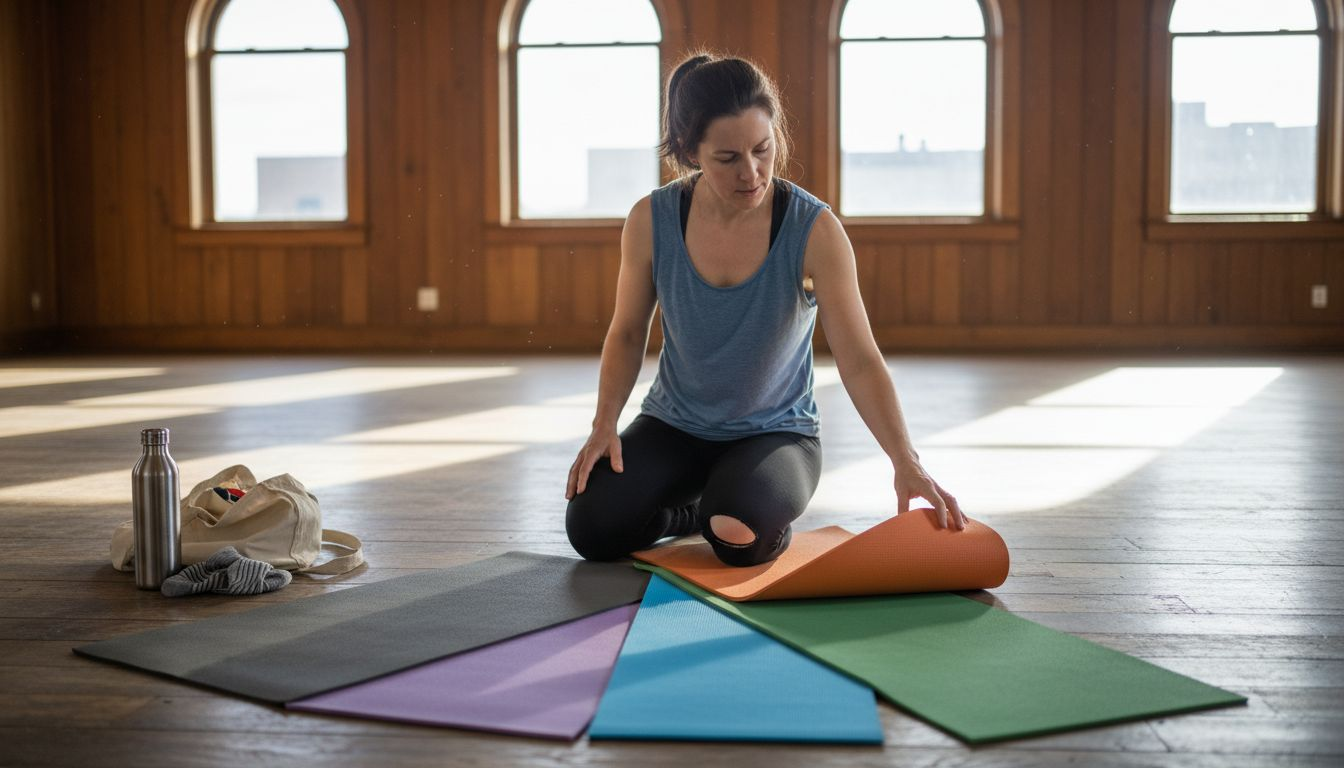
Choosing the perfect yoga mat can feel confusing when you face endless options for thickness, size, and materials. If your mat leaves your knees aching or slips during sweat-heavy classes, your practice and comfort suffer. Whether you’re practicing in Philadelphia or ready to join Amrita Yoga & Wellness, finding the right mat makes every session safer and more enjoyable.
This guide will help you unlock the key factors that impact comfort, stability, and long-term durability. You’ll discover actionable insights backed by material science and expert recommendations. Get ready to learn how to select a mat that protects your joints, supports your poses, and fits both your body and budget. The next steps will show you what to look for and how to avoid mistakes so you can practice with confidence.
Table of Contents
Quick Summary
| Key Message | Explanation |
|---|---|
| 1. Choose mat thickness wisely | The thickness of your yoga mat impacts comfort and stability. Consider your practice style and body needs when selecting the right thickness. |
| 2. Select appropriate material | Different materials affect grip and durability. Evaluate your practice intensity, sweat levels, and environmental values when choosing a mat material. |
| 3. Ensure proper mat size | A suitable mat size allows for full-body movement. Align your mat length and width with your height and practice space requirements for comfort. |
| 4. Maintain hygiene regularly | Keeping your mat clean is crucial for hygiene and grip performance. Develop a cleaning routine based on how often you practice to prolong mat life. |
| 5. Assess budget against needs | Consider initial costs, lifespan, and quality when selecting a mat. Invest in a mat that meets your practice frequency and aligns with your values. |
1. Understand Thickness and Cushioning Needs
Yoga mat thickness directly affects your comfort, stability, and how well your body is protected during practice. The right thickness depends on your individual needs, body type, and the yoga style you practice.
Thickness typically ranges from 1.5 mm to 6 mm, and each measurement serves a different purpose. Think of it as finding the sweet spot between cushioning and stability.
How Thickness Affects Your Practice
Thicker mats (5-6 mm) provide excellent cushioning and joint protection. They work best for restorative yoga, Yin yoga, and Hatha yoga where you spend extended time in floor poses. If you have sensitive knees, ankles, or a heavier body frame, extra cushioning reduces impact and strain.
Thinner mats (1.5-3 mm) offer better stability and ground contact. These excel during standing sequences, balancing poses, and dynamic flows like Ashtanga or hot yoga. You'll feel more grounded and connected to the floor, which improves alignment in poses like Warrior or Tree pose.
The key is balancing comfort without sacrificing stability. Too much cushioning can actually destabilize your standing poses, while too little leaves your joints without protection during floor work.
Finding Your Ideal Thickness
Consider these factors when choosing:
Your practice style: What yoga classes do you typically attend at Amrita Yoga & Wellness? Hot yoga and flow classes benefit from thinner mats, while restorative and gentle classes prefer thicker ones.
Body weight and joint sensitivity: Heavier practitioners and those with knee or back issues generally prefer thicker cushioning.
Floor conditions: Hard studio floors benefit from thicker mats, while cushioned flooring allows thinner options.
Portability needs: Thinner mats are lighter and easier to carry to class.
The relationship between thickness and stabilityis crucial to understand when making your selection.
Most Philadelphia-based yoga practitioners benefit from a 4-5 mm mat as a versatile middle ground. This thickness provides solid cushioning for floor poses while maintaining enough stability for standing sequences.
Pro tip: If you practice multiple yoga styles, start with a 4 mm mat—it gives you balanced cushioning and stability across different classes, making it the most practical choice for varied practice routines.
2. Pick the Right Material for Grip and Durability
Your yoga mat material determines how well you stay grounded during practice and how long your investment lasts. Different materials offer distinct advantages, and the best choice depends on your practice style, values, and how intensely you use your mat.
Material science has transformed yoga mats over the past decade. Modern options balance performance with environmental responsibility, giving you choices that align with your wellness philosophy.
Material Comparison
Natural rubber delivers superior grip, especially in sweaty conditions. It's ideal for hot yoga and vinyasa flow classes where perspiration is inevitable. Natural rubber mats are eco-friendly and durable, though they can be heavier and carry a stronger smell when new.
Cork surfaces offer excellent traction and are naturally antimicrobial. Many practitioners pair cork with rubber for a hybrid mat that combines grip with comfort. Cork is sustainable and adds a premium feel to your practice.
Thermoplastic elastomers (TPE) are engineered materials that provide outstanding grip and flexibility. TPE mats are lightweight, environmentally conscious, and maintain performance even during sweaty sessions. They're an excellent middle-ground option for most practitioners.
PVC mats are highly durable and affordable, but they can become slippery when wet and raise environmental concerns. These work best for dry practices like gentle or restorative yoga.
Advanced material innovations now deliver superior grip and cushioning simultaneously, making premium performance accessible to all practitioners.
What to Consider
Practice intensity: Hot yoga and flow classes demand excellent grip; gentle classes allow more flexibility in material choice
Environmental values: Natural rubber and cork are sustainable; TPE offers eco-friendly durability
Durability needs: How often do you practice? Daily practitioners benefit from premium materials
Sweat and moisture: Natural materials excel in humid conditions
Portability: TPE and PVC mats are lighter than natural rubber
When choosing your mat at Amrita Yoga & Wellness, consider what style of yoga you practice most frequently. Your grip needs vary dramatically between Yin yoga and hot yoga classes.
Pro tip: Test your mat on a studio floor before buying—bring your mat to a class and feel how it performs during your typical practice to ensure the grip matches your needs.
3. Check Mat Size for Comfort and Space
Mat size directly impacts your comfort, stability, and freedom of movement during practice. Getting the right dimensions means you'll have adequate space for full-body stretches without limbs hanging off the edge.
Standard mats measure 68 inches long by 24 inches wide, designed for average-sized practitioners. However, not everyone fits the standard mold, and that's perfectly fine.
Finding Your Ideal Dimensions
Standard-sized mats work well for most people and fit easily in yoga studios and homes. They're lightweight, affordable, and practical for daily transportation to class at Amrita Yoga & Wellness.
Longer mats ranging from 80 to 85 inches accommodate taller practitioners. If you're over six feet tall, a standard mat may leave your head or feet unsupported during stretches. Extra length gives you confidence in poses like Extended Child's Pose or Forward Fold.
Wider mats offer 26 to 30+ inches of width, providing additional stability and space. These benefit broader-framed individuals and create a larger personal boundary in crowded classes. Wider mats also improve balance during standing sequences.
Proper mat sizing aligned with your body dimensions enhances comfort, stability, and your overall practice quality.
Measuring Your Needs
Consider these factors when selecting size:
Your height: Taller yogis should measure from head to toe and add a few inches
Practice space at home: Ensure your mat fits in your dedicated practice area
Studio classes: Check if wider mats fit comfortably alongside other practitioners
Portability: Remember that longer and wider mats are heavier
Pose preferences: If you practice lots of stretching, extra length is beneficial
A simple test helps determine your ideal size. Stand on your mat in Mountain Pose and extend your arms overhead, then lie down in Savasana. Your entire body should fit comfortably with a few inches of margin.
Pro tip: Before purchasing, measure yourself lying down and add six inches to account for head and foot positioning—this ensures you'll have enough mat for any stretch without feeling cramped.
4. Prioritize Easy Cleaning and Maintenance
A clean yoga mat is a healthy yoga mat. Regular maintenance preserves grip, prevents odor, extends your mat's lifespan, and protects your skin from bacteria buildup during practice.
The good news is that proper mat care doesn't require complicated routines or expensive products. Simple, consistent cleaning keeps your mat in top condition for years.
Why Cleaning Matters
Hygiene is critical when you're in direct contact with your mat daily. Sweat, dust, and bacteria accumulate quickly, especially during hot yoga at Amrita Yoga & Wellness. A clean mat prevents skin irritations and infections.
Grip performance deteriorates without proper maintenance. Buildup on the mat's surface reduces traction, making standing poses less stable. Regular cleaning restores the surface texture your feet need for secure footing.
Material longevity depends on care. Different materials respond to different cleaning methods, so understanding your mat's composition helps you clean safely and effectively.
Cleaning Frequency and Methods
Your cleaning schedule depends on how intensely you practice:
Light users (1-2 times weekly): Wipe down with a damp cloth after each session, deep clean monthly
Regular practitioners (3-5 times weekly): Quick wipe after each class, thorough cleaning every two weeks
Hot yoga enthusiasts: Clean after every session due to increased sweat and moisture
Deep cleaning: Use mild soap and water every few weeks, then air dry completely
Proper cleaning techniques protect both hygiene and material quality. Avoid harsh chemicals, bleach, and abrasive scrubbers that damage your mat's surface and grip.
Essential Maintenance Tips
Simple practices keep your mat in excellent condition:
Use non-abrasive microfiber cloths for wiping
Air dry completely before rolling it up to prevent mold
Store in a cool, dry location away from direct sunlight
Never put your mat in the washing machine or dryer
Check manufacturer guidelines for your specific material
Pro tip: Keep a small spray bottle of water and mild soap in your yoga bag so you can quickly wipe your mat immediately after class when sweat is fresh—this takes 30 seconds and prevents odor buildup.
5. Choose Mats for Studio or Home Use
Studio mats and home mats serve different purposes and face different demands. Understanding the differences helps you select the right mat for your specific practice environment, whether you're attending classes at Amrita Yoga & Wellness or creating a personal sanctuary at home.
Studio and home mats prioritize different qualities. Studios need durability and hygiene for diverse practitioners and frequent use. Home practitioners value comfort, aesthetic appeal, and personal preferences.
Studio Mat Requirements
Commercial environments demand toughness. Studio mats endure multiple users daily, frequent cleaning with harsh protocols, and constant exposure to sweat and moisture. They must resist odor absorption and microbial growth over time.
Closed-cell construction is standard for studio mats. This design prevents sweat from absorbing into the mat's layers, making cleaning easier and preventing bacterial accumulation. Studios prioritize this feature because it extends mat life and maintains hygiene standards.
Standardized sizing and bulk purchasing simplify studio operations. Consistent dimensions ensure mats fit studio spaces perfectly and create uniformity for students. Studios develop supplier relationships to manage replacement schedules and costs efficiently.
Home Mat Priorities
Personal comfort drives home mat selection. You choose thickness, material, color, and aesthetic based on your preferences rather than universal functionality. Your mat becomes part of your practice space's ambiance.
Portability matters more at home. You're less likely to carry a heavy commercial mat to classes. A lighter mat that still meets your cushioning and grip needs works perfectly for home practitioners who occasionally attend studio classes.
Individual preferences shape choices. Home yogis can select eco-friendly materials, premium cushioning, or specialized designs without compromising for group use. Your mat reflects your wellness values and practice style.
Key Differences
Understanding structural differences between studio and home matshelps you select appropriately:
Studio mats: Closed-cell, sweat-resistant, highly durable, standardized, budget-conscious
Home mats: Open or closed-cell options, prioritizes personal comfort, aesthetic choices, material preferences
Durability: Studio mats handle high-frequency use; home mats focus on longevity for one user
Cleaning: Studios use aggressive protocols; home cleaning is gentler
Cost: Studios balance bulk purchasing power; home buyers invest in personal preference
Pro tip: If you practice both at home and studio, choose a mat with closed-cell construction and solid grip—it performs well in both environments and handles frequent cleaning without degrading.
6. Consider Budget and Value for Money
Price doesn't always determine quality when selecting a yoga mat. A smart investment balances your budget with the features and durability you actually need for your practice style and commitment level.
Yoga mats range from budget options under $30 to premium mats exceeding $150. Understanding what you get at each price point helps you make an informed decision that aligns with your practice.
Understanding Price Tiers
Budget mats (under $50) work well for beginners or occasional practitioners. These use basic materials like NBR foam or EVA foam and provide decent cushioning and grip. They may wear out faster or feel less premium, but they're practical for testing your commitment to yoga.
Mid-priced mats ($50-$100) balance performance and cost effectively. You get better durability, improved grip, thicker cushioning, and often superior materials. This range offers solid longevity for regular practitioners without premium pricing.
Premium mats ($100+) feature eco-friendly materials, enhanced durability, superior grip, and often longer warranties. They excel for serious practitioners who practice frequently and value environmental responsibility. Premium mats typically last years longer than budget options.
Evaluating True Value
Don't confuse price with longevity. A $35 mat used three times yearly might outlast a $80 mat used daily without proper care. Your practice frequency and maintenance habits dramatically affect how long any mat lasts.
Material quality matters for value. Natural rubber, cork, and TPE offer better long-term value than low-grade synthetic materials. Check inexpensive mat options that balance quality to identify budget mats worth purchasing.
Read reviews from users like you. Someone practicing hot yoga at Amrita Yoga & Wellness has different needs than someone practicing gentle yoga at home. Look for reviews from practitioners with your style and frequency.
Cost-Value Considerations
Think about value across these dimensions:
Initial cost: What fits your budget right now?
Lifespan: How long will this mat last with your usage?
Replacement frequency: Will you replace it yearly or every five years?
Material quality: Does the construction match your practice needs?
Environmental impact: Do eco-friendly materials matter to your values?
Warranty: Does the manufacturer stand behind the product?
Pro tip: Buy the best mat you can afford that meets your actual practice needs, not the most expensive option—a $70 mat you use daily provides better value than a $150 mat gathering dust in your closet.
Below is a comprehensive table summarizing the main concept, recommendations, and considerations discussed throughout the article focusing on choosing the optimal yoga mat for practice.
Find the Perfect Yoga Mat to Enhance Your Practice at Amrita Yoga & Wellness
Choosing the right yoga mat can feel overwhelming with so many options for thickness, material, size, and maintenance. This article breaks down common challenges you may face such as balancing cushioning with stability or selecting a material that offers excellent grip without compromising durability. You want a mat that supports your unique practice style whether you attend hot yoga, restorative sessions, or dynamic flows at our studio in Philadelphia.
Explore our supportive community and expert guidance at Amrita Yoga & Wellness where you can discover classes tailored to your needs and receive personalized advice on the best mat characteristics for your body and goals. Don’t let discomfort or slippery mats hold you back. Visit our website today to join classes, workshops, and find practical tips that ensure your yoga equipment elevates your entire wellness journey. Feel confident and grounded every time you step onto your mat.
Frequently Asked Questions
How do I choose the right thickness for my yoga mat?
Choosing the right thickness depends on your practice style and body needs. For extra cushioning during floor poses, opt for a thicker mat (5-6 mm). For better stability during standing poses and dynamic flows, a thinner mat (1.5-3 mm) is preferable. Consider what feels comfortable during your yoga sessions and test different options.
What material should I look for in a yoga mat for sweaty conditions?
Natural rubber and TPE are excellent materials for sweaty conditions since they provide superior grip. If you practice hot yoga or vinyasa flow, choose these materials to enhance safety and performance. Assess your practice environment and select a material that can withstand moisture without becoming slippery.
How do I determine the right size for my yoga mat?
To find the right size, measure your height and choose a mat that adds extra length—usually around 6 inches more than your height. For broader frames, consider wider mats (26-30 inches) for added stability. Ensure you have enough space to move freely during your poses without hanging off the edge.
How often should I clean my yoga mat and what method should I use?
You should clean your yoga mat frequently based on usage: light users can clean it weekly, while hot yoga practitioners should clean it after each class. Use a damp cloth with mild soap and water for general cleaning. Spot clean immediately after use to prevent odor and buildup, maintaining grip and hygiene.
What factors should I consider when choosing a yoga mat for studio use versus home use?
For studio use, prioritize durability and hygiene, opting for closed-cell mats that resist moisture absorption. For home use, focus on comfort and personal preferences regarding thickness and material. Think about how often you'll clean the mat and whether you'll be sharing it with others as you make your decision.
How can I ensure my yoga mat lasts a long time?
To extend your mat’s lifespan, clean it regularly and avoid exposing it to direct sunlight, which can degrade the material. Store it rolled up in a cool, dry place and never put it in the washing machine. With proper maintenance, you can ensure your mat stays in good condition for many sessions.
Recommended
7 Expert Tips for Choosing the Best Yoga Mat Online — Amrita Yoga & Wellness
Essential Tips for Yoga Beginners to Build Confidence — Amrita Yoga & Wellness
How to Do Yoga From Home for Busy Professionals — Amrita Yoga & Wellness
How to Start Yoga Naturally for Stress Relief and Wellness — Amrita Yoga & Wellness