The Amrita Journal
Explore thoughtful stories, practical wellness guidance and inspiring ideas to support your movement, mindfulness and everyday wellbeing at Amrita.
Yoga in Practice: Build a Lasting Daily Routine
TL;DR:
Yoga integrates postures, breathwork, and mindfulness as a system to improve physical and mental health. Evidence shows that regular practice reduces stress, anxiety, depression, and enhances strength, balance, and cognitive function across all ages. Safe progression, consistency, and adaptable approaches make yoga accessible and sustainable for everyone.
Yoga in practice is the regular, intentional engagement with asanas (postures), pranayama (breathwork), and dhyana (mindfulness) to improve physical and mental well-being at any experience level. These three components work together as a system, not as separate exercises. Health organizations worldwide recognize this integration as clinically meaningful, not just culturally popular. A meta-analysis of 30 studies covering 2,288 participants aged 13 to 82 found that yoga effectively reduces stress, anxiety, and depression, with benefits increasing with age. That finding alone reframes yoga from a fitness trend into a lifelong health tool.
What are the proven benefits of yoga in practice?
The benefits of yoga extend well beyond flexibility. Clinical reviews confirm that yoga regulates the HPA axis and enhances GABA neurotransmitter activity, which directly reduces systemic inflammation and improves cognitive function. This means yoga is not just exercise. It actively changes the chemistry of your stress response.
The mental health case for yoga is now backed by substantial evidence:
Stress and anxiety reduction: The 2026 meta-analysis found consistent improvements across age groups, with older adults showing the strongest gains.
Depression relief: Participants in structured yoga programs reported measurable reductions in depressive symptoms across multiple study designs.
Cognitive function: Regular practice supports memory, focus, and mental clarity, particularly in adults over 50.
Strength and balance: WHO recognizes yoga as a low-cost tool for building strength, balance, and mobility across all age groups.
Chronic pain management: Randomized trials show yoga programs deliver benefits comparable to physical therapy for low back pain in diverse populations.
The physical and mental benefits reinforce each other. When your nervous system calms through pranayama, your muscles release tension more effectively during asanas. When your body feels stronger, your mindfulness practice deepens. This feedback loop is what makes consistent yoga practice so powerful over time.
Pro Tip: If you are new to yoga, prioritize breathwork alongside postures from day one. Practitioners who learn pranayama early build a stronger foundation for both physical progress and stress management.
How do you safely progress toward advanced yoga postures?
Safe progression in yoga requires honest self-assessment before ambition. Advanced yoga postures like arm balances, deep backbends, and inversions demand specific strength baselines. Attempting them without those baselines is the most common cause of yoga-related injury.
Readiness screens are the most practical tool for safe progression. Before attempting advanced poses, assess these two physical baselines:
Wrist extension strength: Many arm balances require full wrist extension under load. Test this by holding a plank position for 30 seconds with wrists flat. If you feel sharp pain or collapse, build wrist strength first with targeted exercises before moving to poses like Crow or Handstand.
Hip flexor stability: Deep hip flexor control is required for poses like Hanumanasana (full splits) and Eka Pada Rajakapotasana (King Pigeon). A readiness screen involves holding a low lunge with the back knee lifted for 20 seconds without compensating through the lower back.
Core engagement under load: Inversions like Headstand and Forearm Stand require the ability to brace the core while the spine is vertical. Practice hollow body holds on the floor before attempting any inversion.
Shoulder stability: Poses like Chaturanga and Pincha Mayurasana (Forearm Stand) place significant load on the rotator cuff. Assess this with a controlled lowering from plank to the floor, keeping elbows tracking back, not flaring out.
Session duration guidelinesfor intermediate to advanced practitioners recommend 30–60 minutes per session. Shorter sessions are not failures. They are smart training when used intentionally. Props like blocks, straps, and bolsters are not beginner tools. They are alignment tools that every level of practitioner benefits from using.
Pro Tip: Film yourself in a pose once a month. What you feel in your body and what is actually happening structurally are often very different. Video feedback accelerates safe progression faster than any other single habit.
How do you build a consistent yoga routine that lasts?
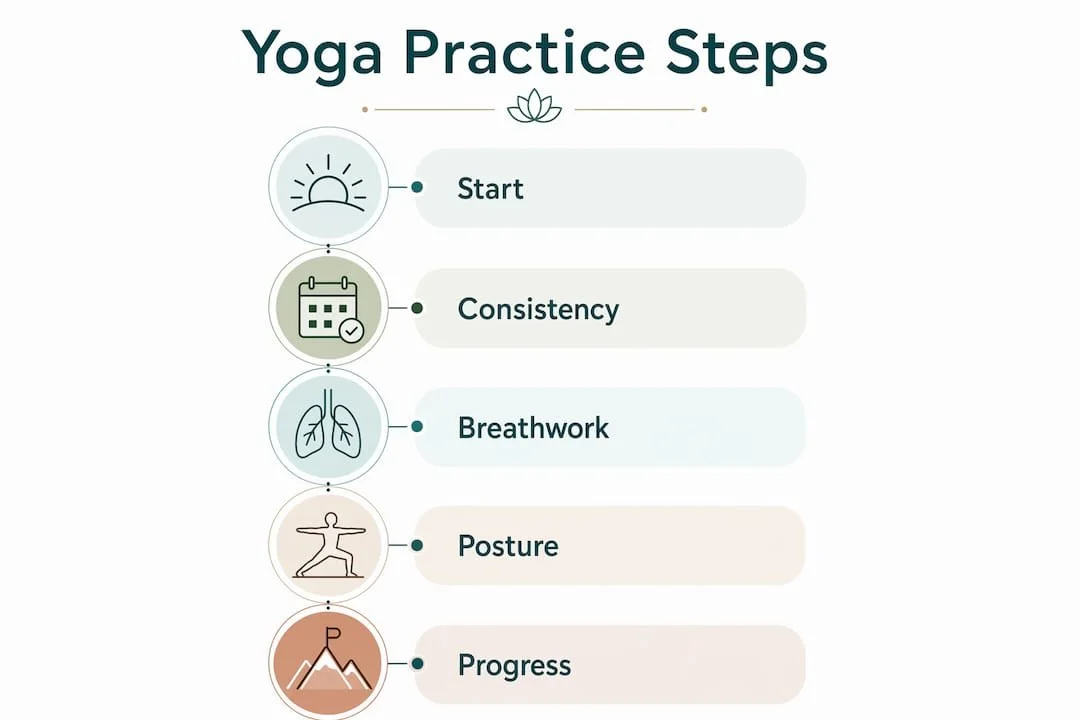
Consistency beats intensity every time. A practitioner who does 10 minutes of yoga six days a week will outpace someone who does a 90-minute class once a week, both in physical results and mental health outcomes. The research supports this clearly: short "exercise snacks" of as little as 4 minutes can sustain practice momentum better than longer but irregular sessions.
Building a sustainable yoga routine comes down to a few concrete strategies:
Set a minimum, not a maximum: Commit to the smallest version of your practice you can do on your worst day. Five minutes of breathwork counts. Meeting your minimum builds the identity of someone who practices daily.
Separate content from context: The specific sequence you follow (content) matters less than the environment and mindset you practice in (context). A distraction-free environment often predicts long-term consistency more reliably than the quality of your chosen sequence.
Use a 90-day outlook: Short-term goals create short-term habits. Commit to 90 days of consistent practice before evaluating whether your routine is working. Most practitioners quit in weeks 3 and 4, right before the habit solidifies.
Plan for setbacks: Missing two days is normal. Missing two weeks requires a reset. Build a "reentry protocol," a short, familiar sequence you return to after any break, so the barrier to restarting stays low.
Yoga for mindfulness works best when you treat the practice as a non-negotiable appointment rather than an optional activity. Anchor your practice to an existing habit, such as morning coffee or an evening shower, to reduce the mental friction of starting. This behavioral technique, called habit stacking, is one of the most reliable methods for building any new routine.
Pro Tip: Track your practice in a simple notebook, not an app. Writing "10 min breathwork, felt distracted" takes 10 seconds and creates a physical record that builds accountability without the screen time that undermines the mindfulness you are trying to cultivate.
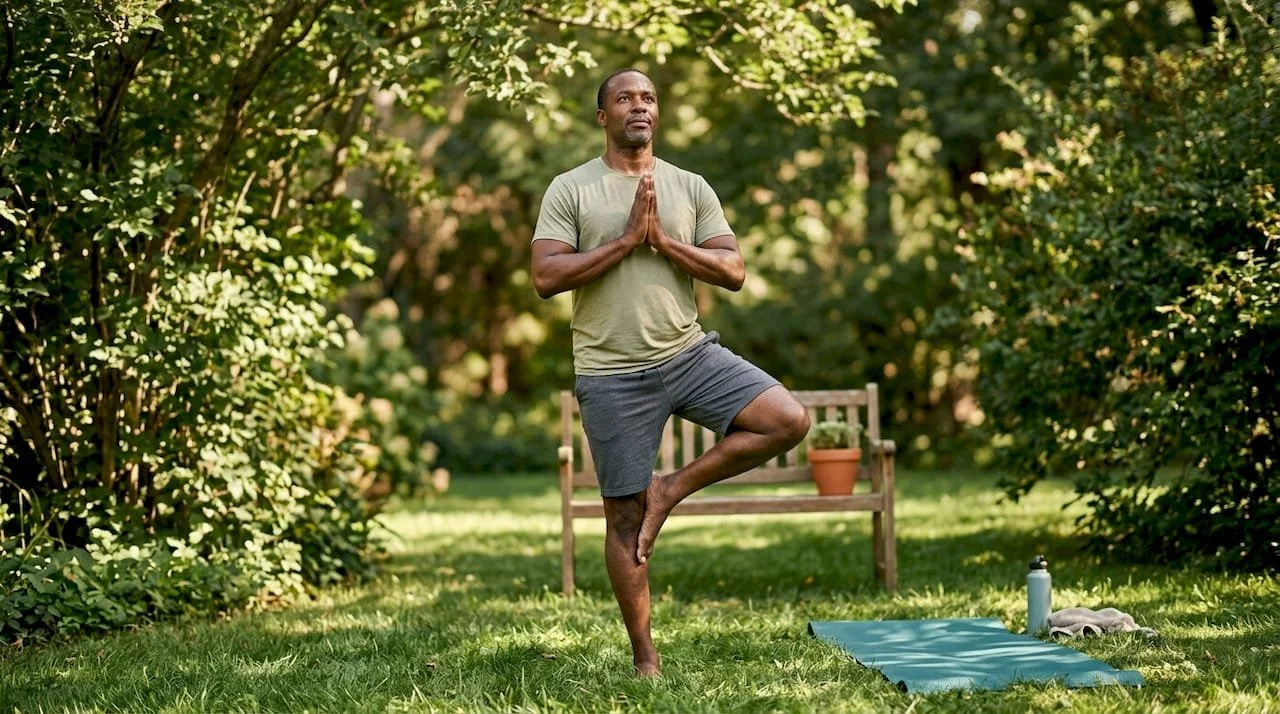
How can yoga practice be adapted for different ages and abilities?
Yoga's adaptability is one of its defining strengths. The WHO explicitly endorses yoga as a global tool for healthy aging, recognizing its ability to meet practitioners where they are physically and cognitively. This is not a marketing claim. It is a clinical position backed by population-level evidence.
The table below shows how yoga techniques shift across different practitioner profiles:
| Practitioner profile | Recommended focus | Key techniques |
|---|---|---|
| Beginners (all ages) | Foundation and breath awareness | Mountain Pose, Cat-Cow, basic pranayama |
| Active adults (30s–50s) | Strength, mobility, and stress relief | Warrior series, Pigeon Pose, Yoga Nidra |
| Seniors (60+) | Balance, joint health, and cognitive function | Chair yoga, gentle flow, senior yoga exercises |
| Limited mobility | Accessibility and pain management | Supine poses, wall-supported inversions, restorative yoga |
| Advanced practitioners | Skill development and depth | Arm balances, inversions, advanced pranayama |
Older adults see some of the strongest benefits from regular practice. The 2026 meta-analysis found that stress-reduction effects increase with age, meaning a 70-year-old practitioner gains more from the same session than a 30-year-old. That is a counterintuitive finding with real implications for how seniors should prioritize yoga in their weekly routines.
Inclusive yoga approachesremove the barriers that keep people from starting. Chair yoga, for example, delivers measurable balance and strength improvements for practitioners with limited standing tolerance. Yoga Nidra, a guided body-scan meditation, provides deep relaxation benefits for people managing grief, anxiety, or chronic stress without requiring any physical movement at all.
Key Takeaways
Consistent, adapted yoga practice is the most evidence-backed, low-cost method for improving both physical health and mental well-being across every age group and ability level.
| Point | Details |
|---|---|
| Mental health benefits are real | A meta-analysis of 2,288 participants confirms yoga reduces stress, anxiety, and depression at every age. |
| Consistency beats session length | Short daily practices of 4–10 minutes outperform infrequent long sessions for long-term results. |
| Readiness screens prevent injury | Assess wrist, hip, and core strength before attempting advanced postures to avoid setbacks. |
| Environment shapes consistency | A distraction-free practice space predicts long-term adherence more reliably than any specific sequence. |
| Yoga adapts to every body | WHO-endorsed adaptations make yoga accessible for seniors, beginners, and those with mobility limitations. |
What I have learned from years of watching people practice
Most people approach yoga like a project with a finish line. They want to nail a handstand, touch their toes, or complete a 30-day challenge. Then they hit a plateau or a busy week, and the practice disappears entirely.
The practitioners I have seen build genuinely lasting practices share one trait: they stopped measuring success by what they could do and started measuring it by whether they showed up. A five-minute breathwork session on a hard Tuesday is worth more than a perfect 90-minute class on a relaxed Saturday. The body responds to frequency. The mind responds to commitment.
The other thing most articles will not tell you: your practice environment is a decision, not a circumstance. Clearing a corner of a room, putting your mat out the night before, and turning your phone face-down are not small details. They are the actual practice. The poses happen inside the container you build around them.
Yoga is also not a linear progression. Some weeks you will feel stronger and more focused. Other weeks, restorative poses and breathwork are the right call. Listening to that signal is not weakness. It is the most advanced skill in the practice.
— Juiced
Yoga resources and classes at Amritayogawellness
Amritayogawellness offers a full range of yoga classes and programs designed for practitioners at every level, from complete beginners to those working toward advanced postures. The Philadelphia studio provides expert-led instruction across multiple yoga styles, including hot yoga, restorative yoga, and specialty workshops, all within a community built around inclusivity and personal growth.
Whether you are building your first consistent routine or refining a long-standing practice, Amritayogawellness connects you with teachers who understand both the science and the art of yoga. Explore class schedules, workshops, and wellness offerings at Amrita Yoga & Wellness and find the format that fits your life right now.
FAQ
What does "yoga in practice" actually mean?
Yoga in practice refers to the regular, intentional performance of asanas, pranayama, and mindfulness techniques as an integrated daily or weekly routine. It goes beyond occasional classes to become a consistent personal discipline.
How long should a yoga session be for beginners?
Beginners benefit most from sessions of 15–30 minutes focused on foundational poses and breathwork. Consistency matters more than duration, so a short daily session outperforms a long weekly one.
What are the most important benefits of yoga for mental health?
A 2026 meta-analysis of 30 studies found yoga consistently reduces stress, anxiety, and depression, with effects that strengthen as practitioners age. The mechanism involves HPA axis regulation and increased GABA activity in the brain.
How do you know if you are ready for advanced yoga postures?
Readiness for advanced poses depends on specific strength baselines, including wrist extension, hip flexor stability, and core control under load. Readiness screens assess these before you attempt poses like arm balances or inversions.
Can yoga be practiced safely by seniors and people with limited mobility?
Yes. WHO endorses yoga as a global tool for healthy aging, and chair yoga and restorative formats deliver measurable benefits for seniors and those with mobility limitations. Stress-reduction benefits are actually strongest in older adult populations.
Recommended
Diverse yoga practices for wellness in Philadelphia 2026
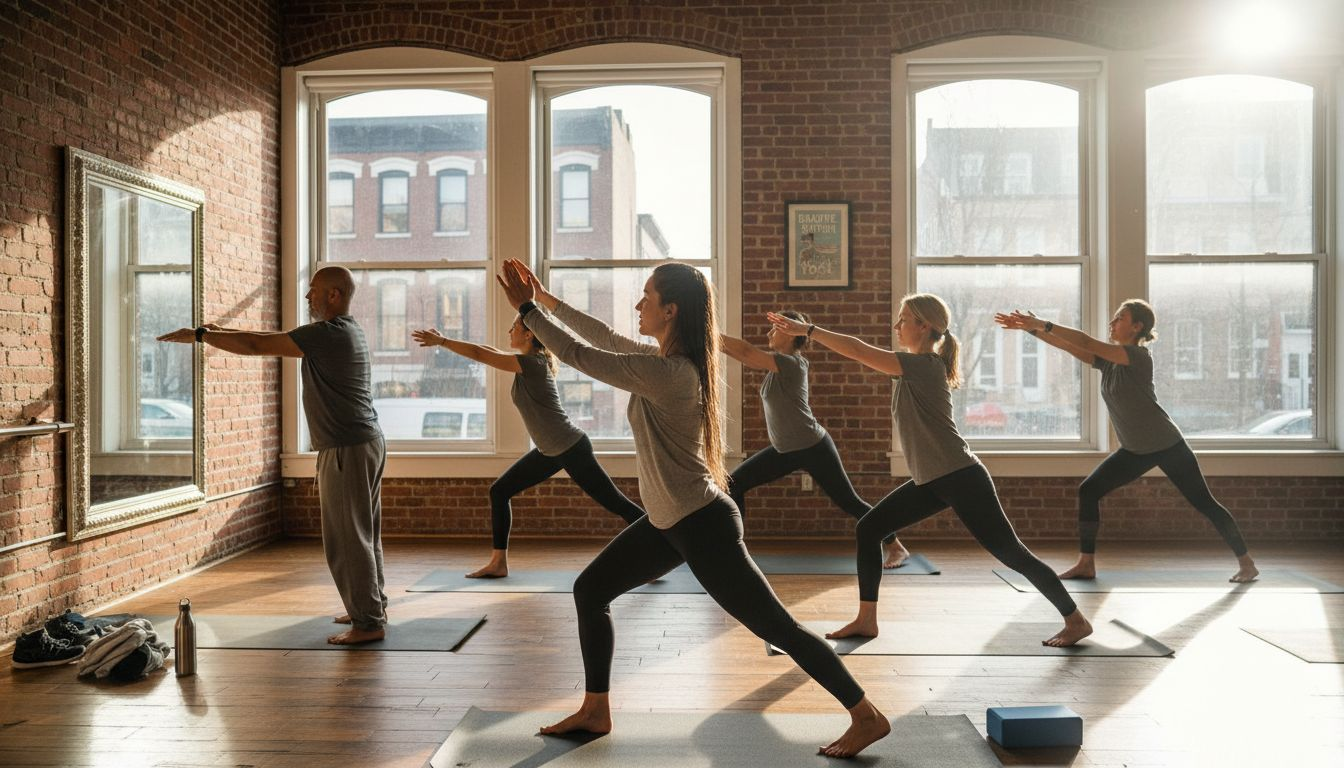
Many people assume yoga requires exceptional flexibility or years of practice, but that's far from reality. Philadelphia's wellness scene offers an incredible variety of yoga styles, from gentle restorative classes to intense hot yoga sessions, plus complementary practices like pilates and barre. Whether you're taking your first class or deepening an advanced practice, understanding the diverse options available helps you choose the path that aligns with your wellness goals, schedule, and fitness level.
Table of Contents
Key takeaways
| Point | Details |
|---|---|
| Holistic approach | Moksha Yoga blends 40 traditional poses with mental and spiritual practices for complete wellness. |
| Stress reduction focus | The practice emphasizes stress management alongside physical strength and flexibility improvements. |
| Accessible to all levels | Beginners and advanced practitioners benefit equally from Moksha Yoga’s adaptable structure. |
| Philadelphia resources | Local studios offer classes, workshops, and guidance to help you start your practice easily. |
| Mind-body-spirit balance | The practice creates harmony between physical health, mental clarity, and spiritual awareness. |
Understanding yoga styles: from beginner to advanced
Philadelphia's yoga studios offer distinct practice styles, each designed for specific wellness goals and experience levels. Hatha yoga provides a foundational approach with slower-paced poses held for several breaths, making it ideal for beginners learning proper alignment and breathing techniques. Vinyasa flows link breath with continuous movement, creating a dynamic practice that builds cardiovascular endurance alongside flexibility.
Hot yoga takes place in studios heated to 95-105 degrees Fahrenheit, intensifying the physical challenge while promoting deep muscle release and detoxification through sweat. This style suits intermediate to advanced practitioners comfortable with sustained physical exertion in challenging conditions. Restorative yoga uses props like bolsters and blankets to support passive poses held for 5-10 minutes, activating the parasympathetic nervous system to reduce stress and promote healing.
Pilates complements yoga by emphasizing precise, controlled movements that strengthen core muscles and improve posture. While not technically yoga, many studios integrate pilates into their schedules because both practices enhance body awareness and functional movement patterns. The controlled, low-impact nature makes pilates accessible to people recovering from injuries or managing chronic pain.
Pro Tip: Start with a beginner Hatha or gentle flow class to learn foundational poses before progressing to more intense styles like hot yoga or advanced Vinyasa sequences.
Choosing between styles depends on your current fitness level, available time, and whether you prioritize physical challenge, stress relief, or a balanced combination. Understanding why choose yoga classes that match your goals prevents frustration and supports consistent practice.
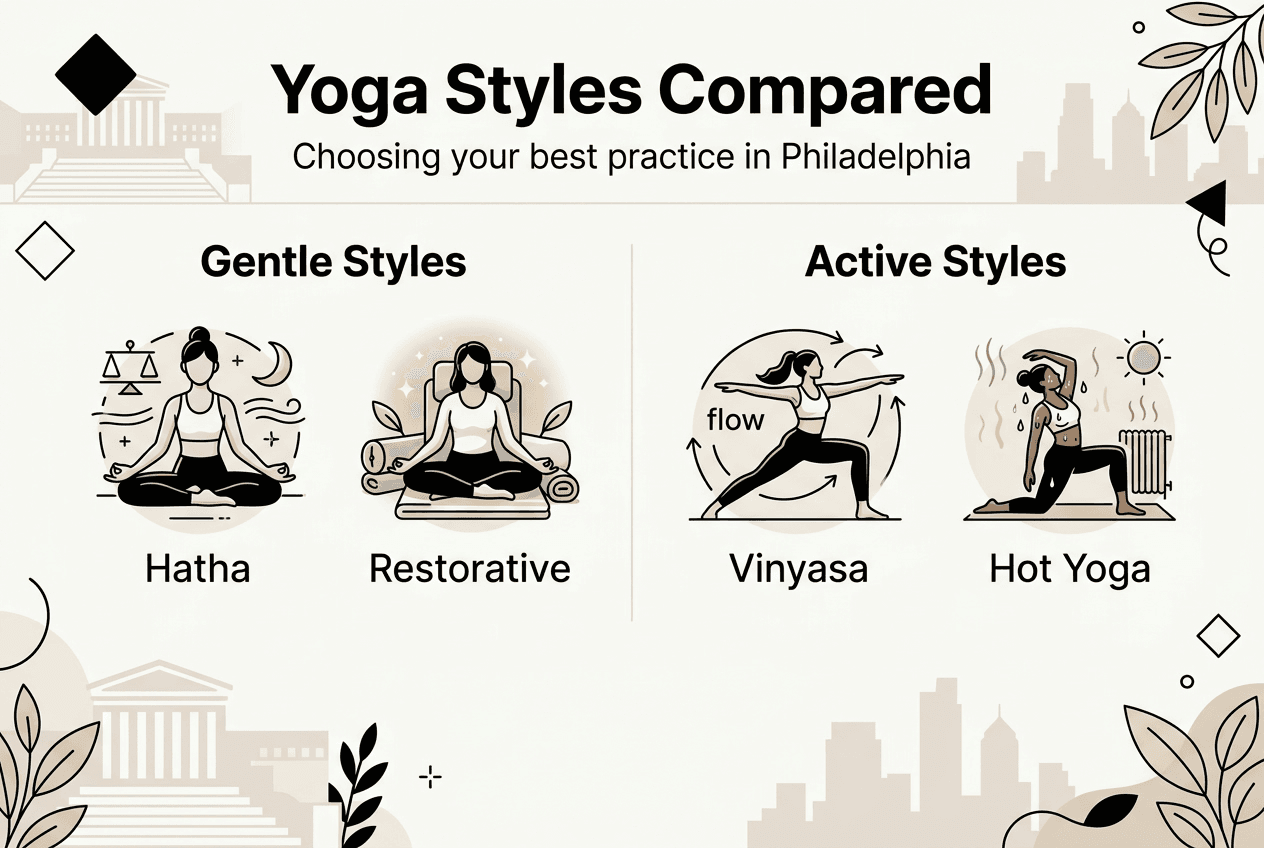
| Yoga Style | Typical Class Length | Intensity Level | Primary Benefits |
|---|---|---|---|
| Hatha | 60–75 minutes | Low to Moderate | Foundational poses, flexibility, stress reduction |
| Vinyasa | 60–90 minutes | Moderate to High | Cardiovascular fitness, strength, mental focus |
| Hot Yoga | 60–90 minutes | High | Deep stretching, detoxification, endurance |
| Restorative | 60–75 minutes | Very Low | Deep relaxation, nervous system healing, recovery |
| Pilates | 45–60 minutes | Moderate | Core strength, posture correction, body control |
Each practice style creates different physical sensations and mental states. Hot yoga practitioners often report feeling energized yet calm after class, while restorative students describe profound relaxation and improved sleep quality. Vinyasa flows challenge coordination and build mental resilience through continuous movement, whereas Hatha’s slower pace allows detailed attention to alignment and breath awareness.
Benefits of yoga and pilates for physical and mental wellness
Regular yoga practice delivers measurable improvements in both physical health and psychological wellbeing. Flexibility and stress reduction improve through consistent attendance, with many practitioners noticing changes within 4-6 weeks. Joint mobility increases as poses gently move limbs through their full range of motion, reducing stiffness and preventing age-related flexibility loss.
Strength building occurs through bodyweight resistance as you hold poses like plank, warrior sequences, and balancing postures. Unlike traditional weightlifting, yoga develops functional strength that supports everyday movements like lifting groceries, climbing stairs, or playing with children. Core muscles engage constantly to maintain stability, creating a strong foundation that protects the spine and improves posture.
Mental health benefits emerge from the mind-body connection yoga cultivates. Focusing on breath and physical sensations during practice trains attention, reducing the mental chatter that fuels anxiety and stress. The parasympathetic nervous system activates during longer holds and final relaxation, lowering cortisol levels and blood pressure. Many practitioners report improved sleep quality, emotional regulation, and resilience when facing daily challenges.
Regular yoga practice reduces perceived stress by 30% and improves overall quality of life markers including energy levels, emotional balance, and physical comfort in daily activities.
Pilates complements yoga by targeting specific muscle imbalances and postural issues. The precise, controlled movements strengthen smaller stabilizing muscles often neglected in conventional exercise. People who sit for extended periods benefit particularly from pilates exercises that counteract rounded shoulders and forward head posture. The benefits of pilates and yoga multiply when practiced together, creating a comprehensive approach to physical wellness.
Key physical improvements from consistent practice include:
Enhanced balance and coordination reducing fall risk, especially important for older adults
Increased bone density through weight-bearing poses that stimulate bone formation
Improved respiratory function as breathing exercises expand lung capacity
Better circulation and cardiovascular health from flowing sequences that elevate heart rate
Reduced chronic pain through gentle movement that releases muscle tension and improves joint function
Mental and emotional benefits extend beyond the mat into daily life. Practitioners develop greater self-awareness, noticing stress signals earlier and responding with healthy coping strategies. The non-competitive environment in most yoga classes fosters self-compassion, teaching students to honor their body's current capabilities rather than forcing progress. This mindset shift often influences other life areas, promoting healthier relationships with food, work, and personal boundaries.
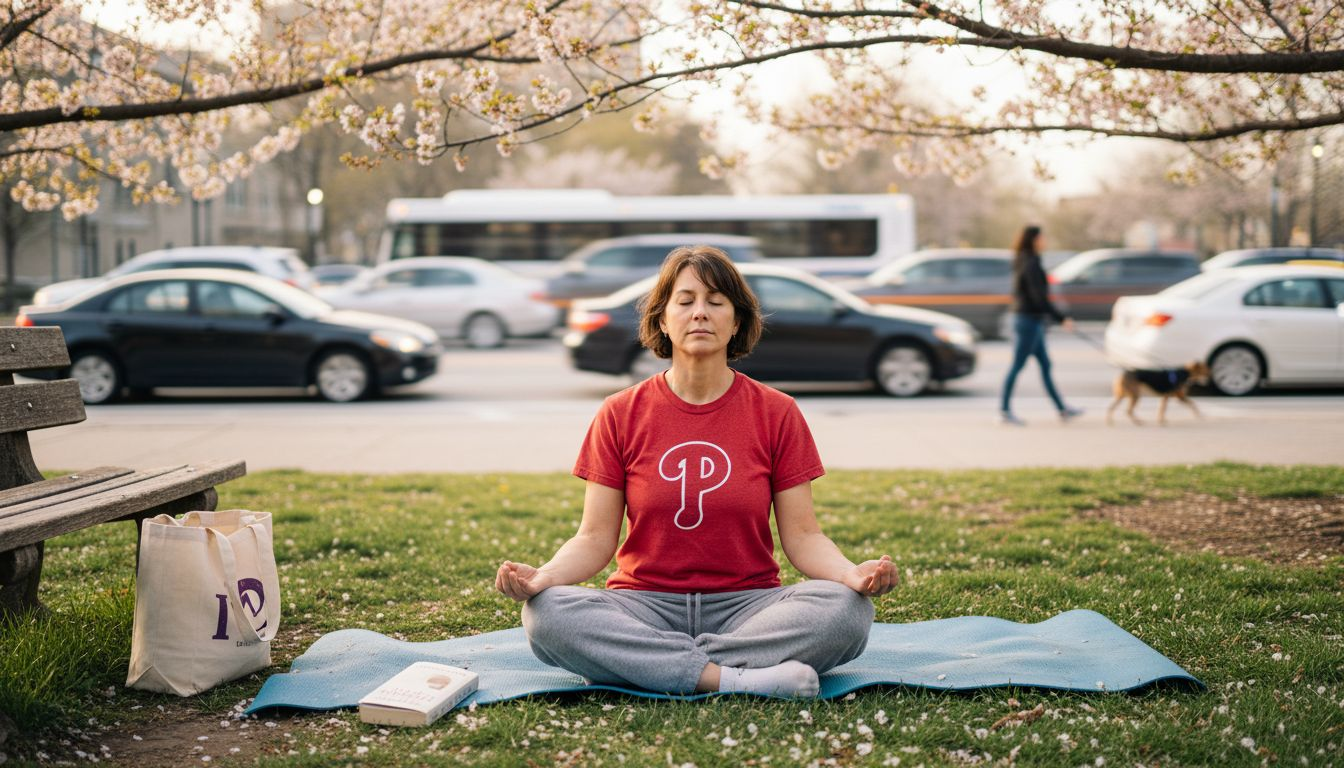
How to choose the right yoga class in Philadelphia
Selecting an appropriate yoga class requires honest assessment of your current fitness level, schedule constraints, and wellness priorities. Follow this systematic approach to find classes that support rather than frustrate your practice:
Evaluate your starting point by considering recent physical activity, existing injuries or limitations, and experience with mind-body practices
Identify primary goals such as stress relief, increased flexibility, strength building, or social connection
Research studio offerings by reading class descriptions, instructor bios, and student reviews on studio websites
Attend introductory or beginner-labeled classes first to experience teaching style and studio atmosphere
Communicate with instructors before class about injuries, concerns, or questions to receive appropriate modifications
Commit to at least 4-6 classes before judging whether a style suits you, as initial discomfort often reflects unfamiliarity rather than poor fit
Pro Tip: Schedule classes during times when your energy naturally peaks. Morning people thrive in sunrise flows, while evening practitioners often prefer unwinding with gentler styles after work.
Philadelphia studios vary in their focus, amenities, and community culture. Some emphasize athletic, fitness-oriented classes with upbeat music and challenging sequences. Others prioritize traditional yoga philosophy, incorporating meditation, chanting, and spiritual teachings. Yoga class selection becomes easier when you understand these distinctions and identify which environment motivates you.
| Consideration | Questions to Ask | Why It Matters |
|---|---|---|
| Class Level | Does the studio clearly label beginner, intermediate, and advanced classes? | Prevents injury and frustration from attempting poses beyond current capability |
| Studio Location | How far is the studio from home or work, and does the commute feel manageable? | Convenience directly impacts attendance consistency and long-term practice sustainability |
| Schedule Flexibility | Are classes offered at multiple times throughout the day and week? | Life demands fluctuate, so varied scheduling prevents missed sessions |
| Instructor Credentials | What training and certifications do teachers hold? | Qualified instructors provide safer guidance and more effective instruction |
| Trial Options | Does the studio offer drop-in rates or introductory packages? | Testing before committing to memberships saves money and ensures good fit |
Beginners should expect some initial awkwardness and muscle soreness, which typically diminishes after 2–3 weeks of regular attendance. Arrive 10 minutes early to introduce yourself to the instructor and familiarize yourself with the studio layout. Most studios provide mats and props, though bringing your own mat ensures hygiene and comfort. Wear fitted, breathable clothing that allows free movement without riding up or slipping during inverted poses.
Exploring yoga for mobility classes helps if joint stiffness or limited range of motion concerns you. These specialized sessions focus on gentle movements that gradually increase flexibility without forcing or straining. Similarly, yoga gym classes blend traditional poses with fitness elements, appealing to people who enjoy structured, goal-oriented workouts.
Community and wellness events enhancing your yoga experience
Philadelphia's yoga community extends beyond regular studio classes through workshops, outdoor gatherings, and special events that deepen practice and build social connections. Community wellness events foster connection while making yoga more accessible through donation-based or free sessions. These gatherings remove financial barriers and create welcoming environments where beginners feel comfortable trying yoga for the first time.
Group workshops focusing on specific topics like arm balances, meditation techniques, or yoga philosophy provide concentrated learning opportunities beyond regular class formats. Spending 2-3 hours exploring one aspect of practice allows deeper understanding and skill development. Many practitioners find workshops reignite motivation when regular classes start feeling routine or plateaued.
Social connections formed through yoga classes and events significantly impact practice consistency. Accountability partners make skipping class harder, while shared experiences create friendships based on common wellness values. Studios hosting community events like potlucks, volunteer days, or seasonal celebrations strengthen these bonds and foster belonging.
Practitioners who participate in community yoga events report 40% higher class attendance rates and greater satisfaction with their overall wellness journey compared to those who only attend regular classes.
Holistic wellness extends beyond physical poses to include complementary therapies that support mental, emotional, and spiritual health. Many Philadelphia yoga studios offer or partner with providers of acupuncture, massage therapy, nutritional counseling, and energy work. Integrating these modalities creates comprehensive self-care routines addressing multiple dimensions of wellbeing.
Community offerings that enhance yoga practice include:
Outdoor classes in parks and public spaces connecting practice with nature and fresh air
Charity events where class proceeds support local organizations, adding purpose to practice
Themed workshops exploring yoga's intersection with art, music, or cultural traditions
Beginner-friendly series providing structured introduction over multiple weeks
Seasonal celebrations marking solstices, equinoxes, or cultural holidays through special classes
Participating in community wellness events exposes you to different teaching styles and practice approaches without committing to regular classes with unfamiliar instructors. This exploration helps identify teachers whose guidance resonates with your learning style and personality. The informal atmosphere of many community events also reduces performance anxiety, allowing authentic engagement with practice.
Beyond yoga-specific gatherings, wellness events incorporating practices like tarot readings, sound baths, or breathwork ceremonies appeal to those interested in holistic personal growth. While not directly related to physical poses, these experiences complement yoga's introspective aspects and support the self-awareness many practitioners seek. The key is finding events and offerings that genuinely interest you rather than forcing participation in activities that feel inauthentic.
Explore yoga classes and wellness services at Amrita Yoga & Wellness
Ready to experience Philadelphia's diverse yoga offerings firsthand? Amrita Yoga & Wellness welcomes practitioners of all levels with new student specials designed to make your first classes affordable and accessible. Our schedule includes hot yoga, pilates, barre, and traditional yoga styles taught by experienced instructors who prioritize safety and individual attention.
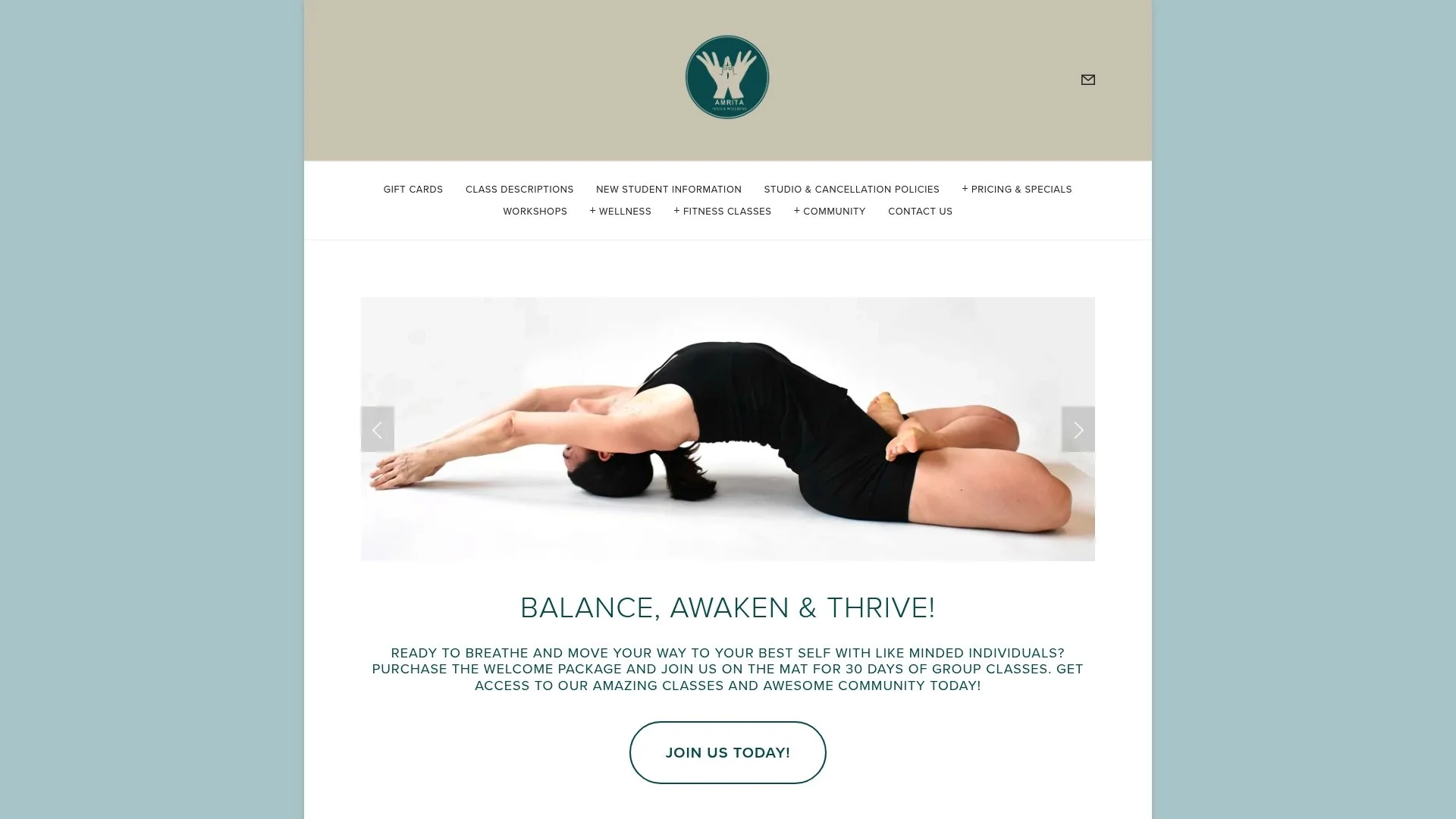
Understanding studio and cancellation policies before your first visit ensures a smooth experience and helps you plan your practice schedule effectively. We've created a supportive community where questions are encouraged and modifications are always offered. Beyond yoga classes, explore our acupuncture services and wellness workshops that complement your physical practice with holistic healing modalities.
Frequently asked questions about yoga in Philadelphia
How do I start yoga if I'm a complete beginner?
Begin with classes explicitly labeled beginner, gentle, or foundational at any Philadelphia studio offering these levels. Arrive early to introduce yourself to the instructor and mention your newcomer status so they can provide extra guidance. Most studios offer introductory packages allowing you to try multiple classes at reduced rates before committing to memberships.
Are there yoga classes suitable for seniors or those with limited mobility?
Yes, many Philadelphia studios offer chair yoga, gentle yoga, or senior-specific classes that modify poses for reduced mobility and balance concerns. These classes focus on safe movements that improve flexibility and strength without requiring floor work or challenging balance poses. Instructors trained in adaptive yoga can modify any practice to accommodate physical limitations.
What should I bring to a first hot yoga class?
Bring a large water bottle, a towel for your mat, and wear minimal, moisture-wicking clothing since studios heat to 95-105 degrees. Arrive well-hydrated and avoid eating large meals within two hours before class. Most studios provide mats, but bringing your own ensures comfort and hygiene in the heated environment.
Can I combine pilates and yoga for better results?
Absolutely, combining pilates and yoga creates balanced fitness addressing flexibility, strength, and mind-body awareness from complementary angles. Many practitioners alternate between styles throughout the week or take hybrid classes blending both approaches. The precise core work in pilates enhances stability in challenging yoga poses, while yoga's flexibility training prevents the muscle tightness sometimes resulting from pilates.
Are community yoga events open to all skill levels?
Most community yoga events welcome all levels and explicitly state this in their descriptions. These gatherings typically feature slower-paced classes with detailed instruction suitable for beginners while offering variations for experienced practitioners. The inclusive atmosphere makes community events ideal for trying yoga without the pressure of formal studio settings.
Recommended
Understanding Your Local Practice Yoga Studio Experience
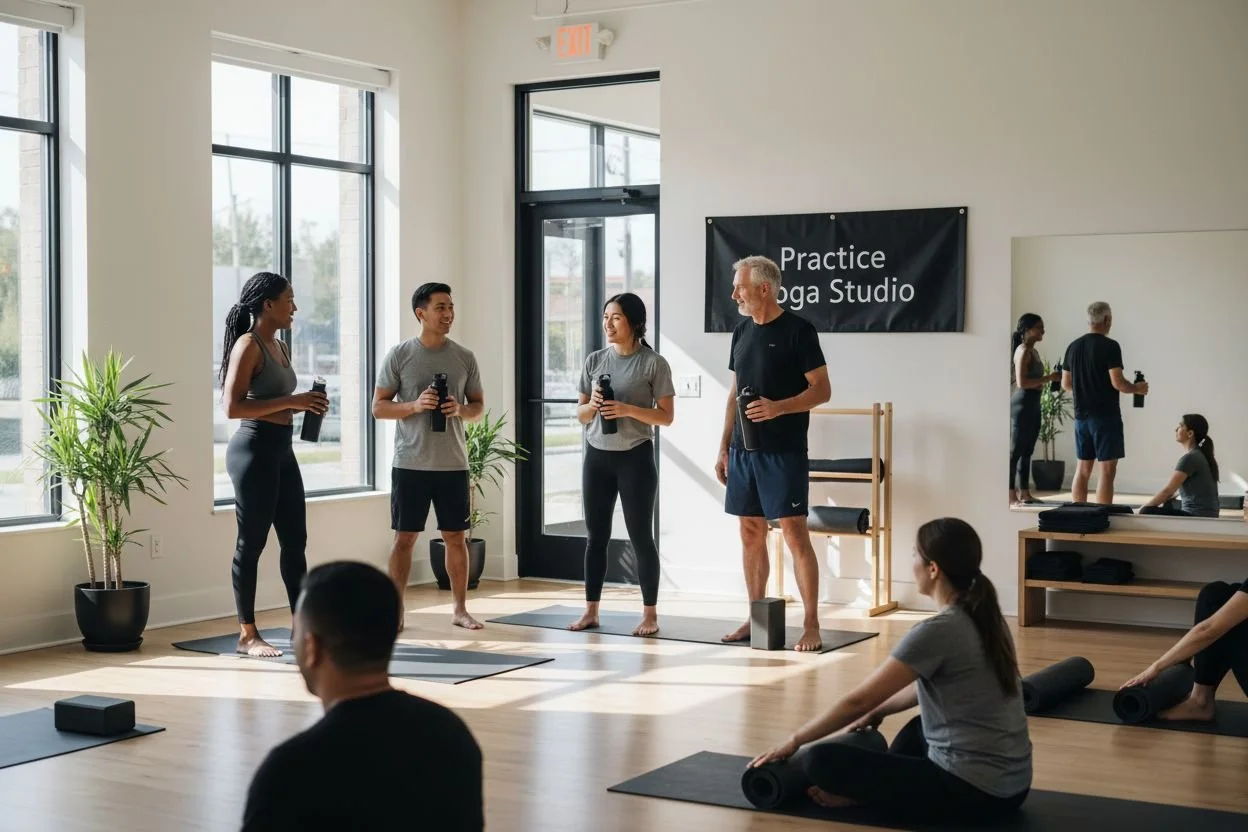
A practice yoga studio is much more than a simple exercise room and it has a unique power to change how people experience wellness. Most people picture just some mats and quiet breathing. The surprise comes when you realize that group yoga sessions are proven to significantly lower stress and improve psychological well-being, according to the National Institutes of Health. The real transformation happens in the way these studios build a sense of community and spark a deeper journey into self-discovery.
Table of Contents
Quick Summary
TakeawayExplanationPractice yoga studios enhance holistic wellness.These studios provide specialized environments for physical, mental, and spiritual development through yoga practices.Community boosts personal growth in yoga.Engaging in group sessions fosters shared motivation, support, and collective energy, enhancing individual wellness journeys.Diverse yoga styles cater to individual needs.Various styles like Hatha, Vinyasa, and Restorative offer unique benefits, allowing practitioners to find the right fit for their wellness goals.Structured classes ensure effective practice.Classes usually follow a progression that includes warm-ups, peak poses, and cool-downs, guided by instructors for safe engagement.Integrate yoga principles into daily life.Applying mindfulness and body awareness outside of classes fosters comprehensive personal growth and a balanced lifestyle.
What is a Practice Yoga Studio and Its Purpose?
A practice yoga studio represents a specialized physical space designed to support individuals in their holistic wellness journey through structured yoga practices. These dedicated environments go beyond simple exercise rooms, serving as transformative centers where physical movement, mental clarity, and spiritual growth intersect.
Creating a Sanctuary for Wellness
A practice yoga studio functions as a carefully curated environment that enables practitioners to disconnect from external stressors and focus entirely on their personal development. According to research from the National Institutes of Health, yoga studios provide structured settings that facilitate both individual and group practices aimed at promoting comprehensive health.
Key characteristics of an effective practice yoga studio include:
Clean, well-ventilated spaces with appropriate flooring
Minimalist design promoting mental calmness
Specialized equipment supporting various yoga styles
Controlled temperature and lighting
Comprehensive Approach to Practice
Unlike typical fitness centers, a practice yoga studio emphasizes the complete integration of mind, body, and spirit. Professional instructors guide practitioners through sequences that transcend mere physical exercise, helping individuals develop mindfulness, improve flexibility, build strength, and cultivate inner peace.
These studios often offer diverse class styles catering to different skill levels and wellness goals. Read more about our studio's approach to holistic wellness to understand how we create personalized experiences for each practitioner.
Practice yoga studios serve as community-centered spaces that support individual transformation while fostering collective healing and personal growth. By providing structured, expert-guided environments, these studios enable practitioners to explore their physical capabilities, mental resilience, and spiritual potential through consistent, intentional practice.
The Significance of Community in Yoga Practice
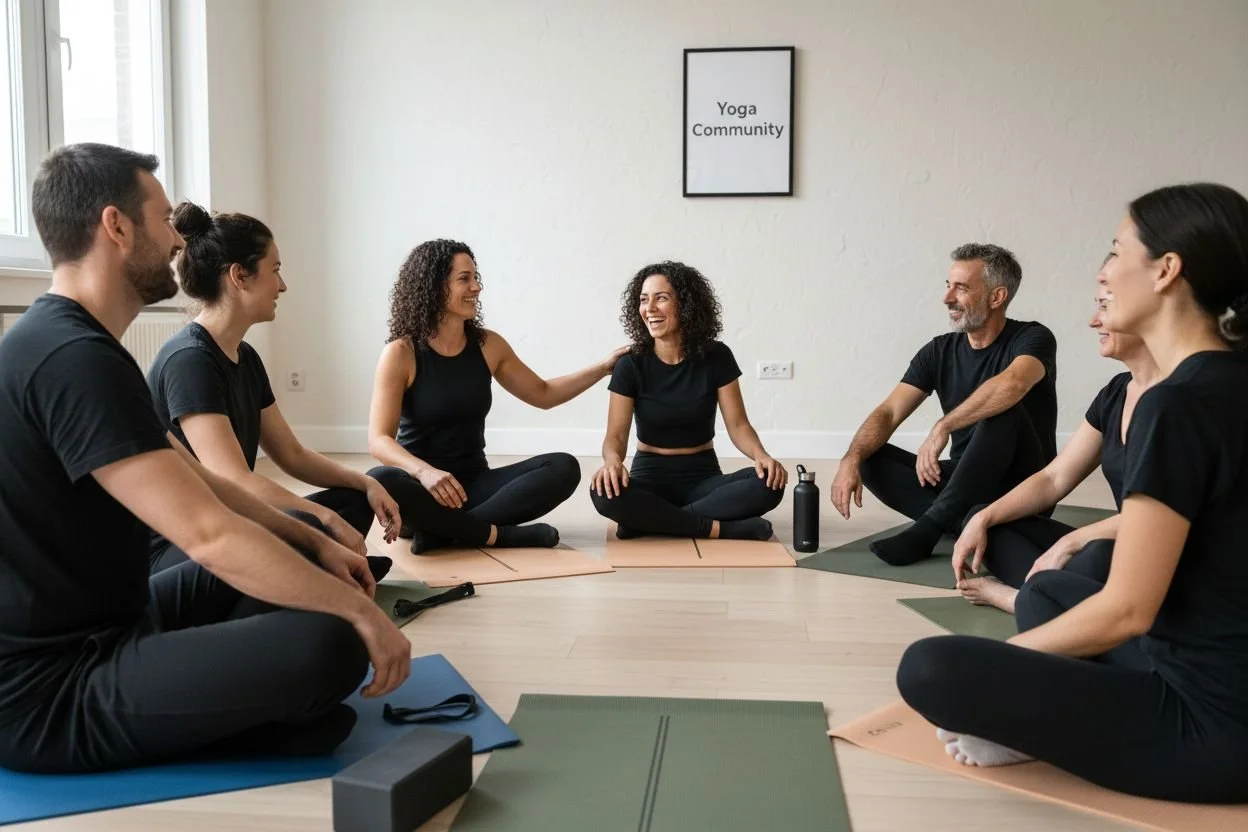
Yoga practice transcends individual physical movement, emerging as a powerful social experience that connects practitioners through shared intentions, collective energy, and mutual support. Community represents a fundamental aspect of yoga that amplifies personal transformation and wellness beyond solitary practice.
Social Connections and Collective Healing
Research from the National Institutes of Healthdemonstrates that group wellness activities like yoga significantly enhance psychological outcomes and decrease stress through social interaction. The communal environment of a yoga studio creates a unique supportive ecosystem where individuals can simultaneously pursue personal growth and feel connected to something larger.
Key benefits of community in yoga practice include:
Shared motivation and accountability
Reduced feelings of isolation
Collective energy and inspiration
Opportunities for learning from diverse practitioners
Transformative Group Dynamics
Group yoga sessions generate a powerful synergy that individual practice cannot replicate. When practitioners move and breathe together, they create a collective rhythm that amplifies individual experiences. Learn more about our collaborative yoga approaches to understand how community enhances personal wellness journeys.
Beyond physical movement, yoga communities provide emotional and spiritual support. Practitioners share not just physical space but also vulnerability, compassion, and mutual respect. This environment encourages personal growth, helping individuals develop deeper self-awareness while feeling supported by a non-judgmental collective.
The power of yoga community lies in its ability to transform individual experiences into shared journeys of healing, understanding, and collective empowerment.
Different Styles of Yoga Offered and Their Benefits
Yoga is not a monolithic practice but a diverse discipline with multiple styles catering to varied physical abilities, wellness goals, and personal preferences. Each yoga style offers unique approaches to physical movement, mental focus, and holistic healing.
Understanding Yoga Diversity
According to the National Center for Complementary and Integrative Health, different yoga styles can significantly improve flexibility, strength, balance, and mental well-being. The range of practices allows practitioners to find an approach that resonates with their individual needs and fitness levels.
Key yoga styles in modern practice include:
Hatha Yoga: Gentle, foundational practice focusing on basic postures
Vinyasa Flow: Dynamic sequence connecting breath with movement
Hot Yoga: Intense practice performed in heated environments
Restorative Yoga: Slow-paced, relaxation-oriented practice
Power Yoga: Strength-building, fitness-oriented approach
Physical and Mental Transformations
Each yoga style offers distinct benefits.
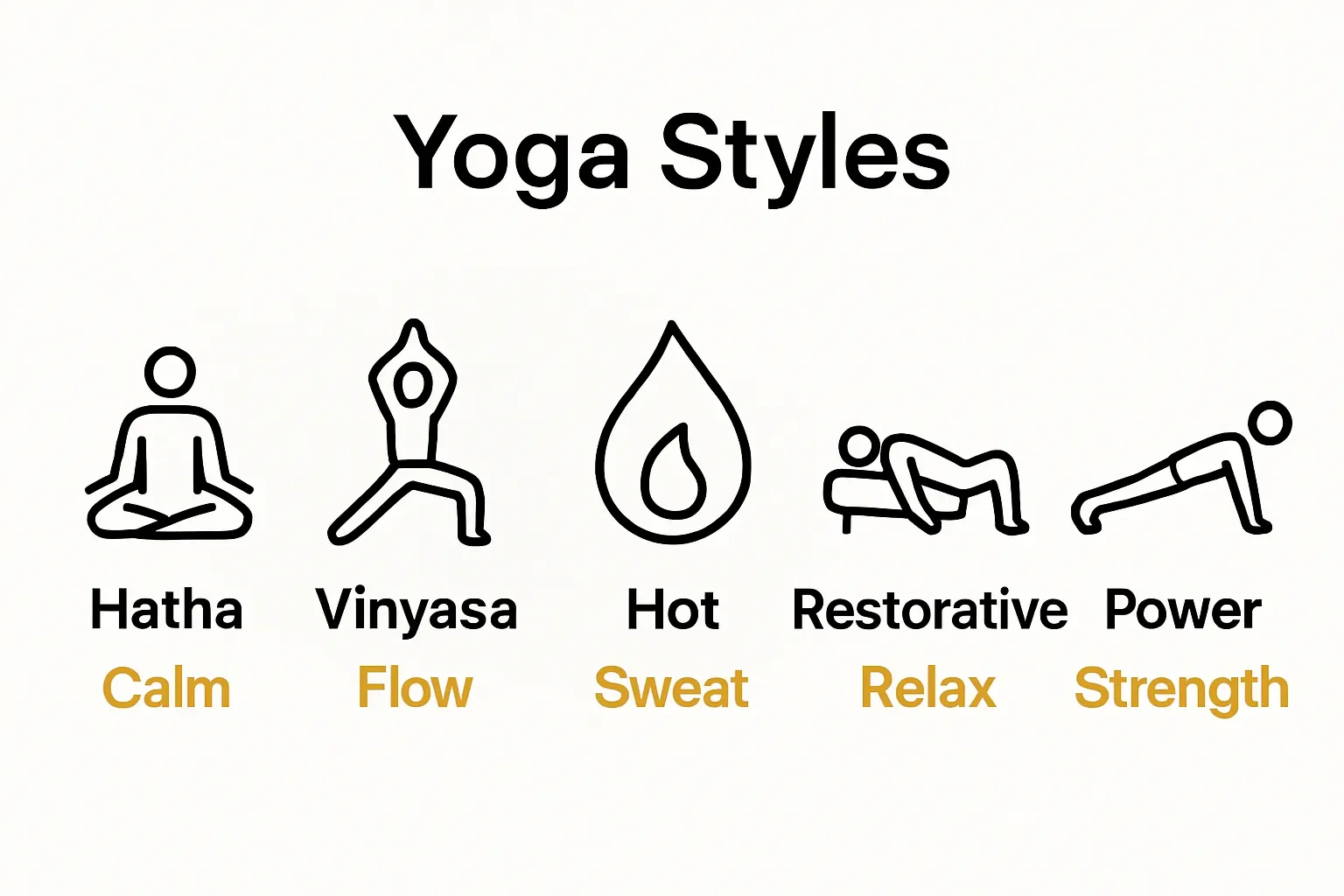
Vinyasa Flow generates cardiovascular endurance, while restorative practices promote deep relaxation and stress reduction. Hot yoga increases flexibility and detoxification through intense sweating, and power yoga builds muscular strength and mental resilience.
Explore our comprehensive yoga class offeringsto discover which style aligns with your wellness journey. Experienced instructors can help practitioners navigate these diverse approaches, ensuring safe and effective practice.
Below is a comparison table summarizing the most common yoga styles offered in studios and their primary benefits.
Yoga StyleDescriptionKey BenefitsHatha YogaGentle, foundational practice with basic posturesImproves flexibility, balance, and relaxationVinyasa FlowDynamic sequences linking breath to movementBuilds cardiovascular endurance and strengthHot YogaIntense sessions in heated roomsEnhances flexibility and detoxificationRestorative YogaSlow-paced, relaxation-oriented practiceReduces stress and fosters deep relaxationPower YogaFitness-driven and strength-building approachIncreases muscular strength and mental focus
Beyond physical techniques, yoga styles represent holistic pathways to self-discovery. Whether seeking athletic challenge, mental clarity, or gentle healing, practitioners can find a yoga approach that supports their unique wellness goals.
How Classes Are Structured and What to Expect
A well-designed yoga class provides a carefully curated journey that guides practitioners through physical, mental, and energetic transformations. Understanding the typical structure helps newcomers and experienced practitioners approach each session with clarity and intentionality.
To help orient new and returning practitioners, the following table outlines the typical structure of a yoga class and the purpose of each stage.
Class StageActivity DescriptionPurposeWarm-up & BreathingGentle stretches and breathworkPrepares body and mind for practiceFoundational PosesBasic movements and sequencesBuilds foundation and alignmentPeak Poses/FlowMore intense or complex postures and transitionsDevelops strength and deepens engagementCool-downRelaxation techniques and gentle stretchingSupports recovery and flexibilityMeditationMindfulness or brief meditation practiceEncourages calm, presence, and integration
Class Progression and Flow
Research published in the Journal of Alternative and Complementary Medicine highlights the importance of systematic yoga practice in promoting holistic wellness. Most classes follow a deliberate progression that ensures safe, effective practice and comprehensive bodily engagement.
A typical yoga class structure generally includes:
Warm-up and breathing exercises
Foundational posture sequences
Peak intensity poses or flow
Cool-down and relaxation techniques
Brief meditation or mindfulness practice
Instructor Guidance and Personal Adaptation
Qualified yoga instructors serve as expert navigators, offering modifications and adjustments that make practices accessible to practitioners of all levels. Discover our instructor-led approach to personalized yoga to understand how professional guidance enhances individual practice.
Instructors provide verbal cues, demonstrate poses, and offer hands-on adjustments to help practitioners understand proper alignment, breathing techniques, and energetic intentions. They create an inclusive environment where individuals can challenge themselves while respecting personal physical limitations.
The transformative potential of a yoga class lies not just in physical movements but in the intentional space created for self-exploration, mindful breathing, and holistic integration of body, mind, and spirit.
Integrating Yoga into Overall Wellness and Lifestyle
Yoga transcends a mere physical exercise routine, emerging as a comprehensive lifestyle approach that interconnects mental, physical, and spiritual well-being. By adopting yoga principles beyond studio sessions, practitioners can transform their daily experiences and cultivate holistic personal growth.
Holistic Wellness Framework
Research from the National Institutes of Health demonstrates that consistent yoga practice supports comprehensive wellness by reducing stress, improving mental clarity, and promoting healthier lifestyle behaviors. Integrating yoga becomes a transformative journey of self-awareness and intentional living.
Key strategies for lifestyle integration include:
Implementing mindful breathing techniques in daily routines
Practicing conscious movement and body awareness
Developing consistent meditation practices
Cultivating compassionate self-reflection
Maintaining nutritional awareness aligned with yogic principles
Beyond Physical Practice
Yoga integration extends far beyond mat-based exercises, influencing dietary choices, interpersonal relationships, and mental resilience. The philosophical foundations of yoga encourage practitioners to approach life with mindfulness, intentionality, and compassionate awareness.
Explore our holistic wellness approachto understand how comprehensive wellness practices can transform your lifestyle. Professional instructors can guide you in developing personalized strategies that align yoga principles with your unique life context.
The ultimate goal of yoga is not perfecting physical postures but cultivating a harmonious connection between body, mind, and spirit, transforming everyday experiences into opportunities for growth, understanding, and inner peace.
Ready to Transform Your Yoga Studio Experience?
Do you find yourself searching for more than just another workout? Many people crave a yoga studio that offers real community, thoughtful class structures, and a nurturing environment for both body and mind. This article explored how a well-designed studio can help you gain clarity, overcome stress, and support your growth. It also highlighted the importance of an inclusive community, personalized instruction, and the freedom to explore multiple yoga styles. Are you looking to experience these benefits firsthand in Philadelphia?

Experience the difference at Amrita Yoga & Wellness, where our supportive team and diverse programs make it easy to connect with others and achieve your wellness goals. Discover our range of yoga classes and holistic offerings tailored for every stage of your journey. Now is the perfect time to join a welcoming community and start building new healthy habits. Visit our website to sign up and take your next step toward lasting transformation.
Frequently Asked Questions
What should I expect during my first visit to a yoga studio?
When visiting a yoga studio for the first time, expect a welcoming environment where you can participate in a class designed for various skill levels. Instructors will guide you through breathing exercises, foundational postures, and relaxation techniques to help you achieve both physical and mental wellness.
How are the yoga classes structured in a practice yoga studio?
Classes typically follow a well-defined structure that includes a warm-up, foundational postures, peak intensity poses, and a cool-down with relaxation and mindfulness techniques. This progression helps ensure safe and effective practice while promoting overall holistic wellness.
What are the different styles of yoga offered at local studios?
Local studios often offer a variety of yoga styles, including Hatha, Vinyasa Flow, Hot Yoga, Restorative Yoga, and Power Yoga. Each style offers unique benefits tailored to different physical abilities and wellness goals, allowing practitioners to choose what resonates best with them.
How does community play a role in my yoga experience?
Community is a vital aspect of yoga practice that enhances personal transformation. Group classes create a supportive environment where participants share motivation and inspiration, fostering connections that contribute to collective healing and overall well-being.