The Amrita Journal
Explore thoughtful stories, practical wellness guidance and inspiring ideas to support your movement, mindfulness and everyday wellbeing at Amrita.
What Is Hot Yin Yoga: Benefits and What to Expect
TL;DR:
Hot yin yoga combines traditional Yin Yoga principles with a warm room of 80°F to 90°F, enhancing deeper connective tissue release and calming the nervous system. It features slow, passive holds that make it accessible for most adults, emphasizing tissue relaxation, emotional processing, and stress reduction. Preparation, proper props, and mindful practice are key to safely experiencing its physical and psychological benefits.
Most people assume Yin Yoga belongs in a cool, dimly lit room with soft music and zero sweat. That assumption misses an entire branch of the practice. Hot yin yoga layers gentle warmth over the slow, meditative principles of traditional Yin Yoga, creating a hybrid that unlocks deeper tissue release and a more profound state of calm. This guide covers everything you need to know: what it is, what separates it from other heated styles, the real hot yin yoga benefits, and how to walk into your first class feeling prepared rather than uncertain.
Table of Contents
Key takeaways
| Point | Details |
|---|---|
| Gentle heat, not intense heat | Hot yin yoga rooms sit between 80°F and 90°F, much cooler than traditional Hot Yoga studios. |
| Connective tissue focus | The warmth targets fascia, ligaments, and joints rather than muscles, enabling deeper release. |
| Nervous system reset | Long passive holds activate the parasympathetic nervous system, reducing stress and anxiety. |
| Accessible for most adults | The slow pace and lower heat make this style suitable for beginners and those avoiding cardiovascular strain. |
| Props are part of the practice | Bolsters, blankets, and warm weighted packs are tools, not crutches, in hot yin yoga. |
What is hot yin yoga, exactly?
Hot yin yoga is a practice that combines the core philosophy of traditional Yin Yoga with the deliberate addition of a warmed room. Traditional Yin Yoga, developed largely through the teachings of Paul Grilley and Sarah Powers, focuses on holding passive poses for several minutes at a time to stress the deeper connective tissues: the fascia, ligaments, tendons, and joint capsules. What the heated version adds is temperature, not intensity.
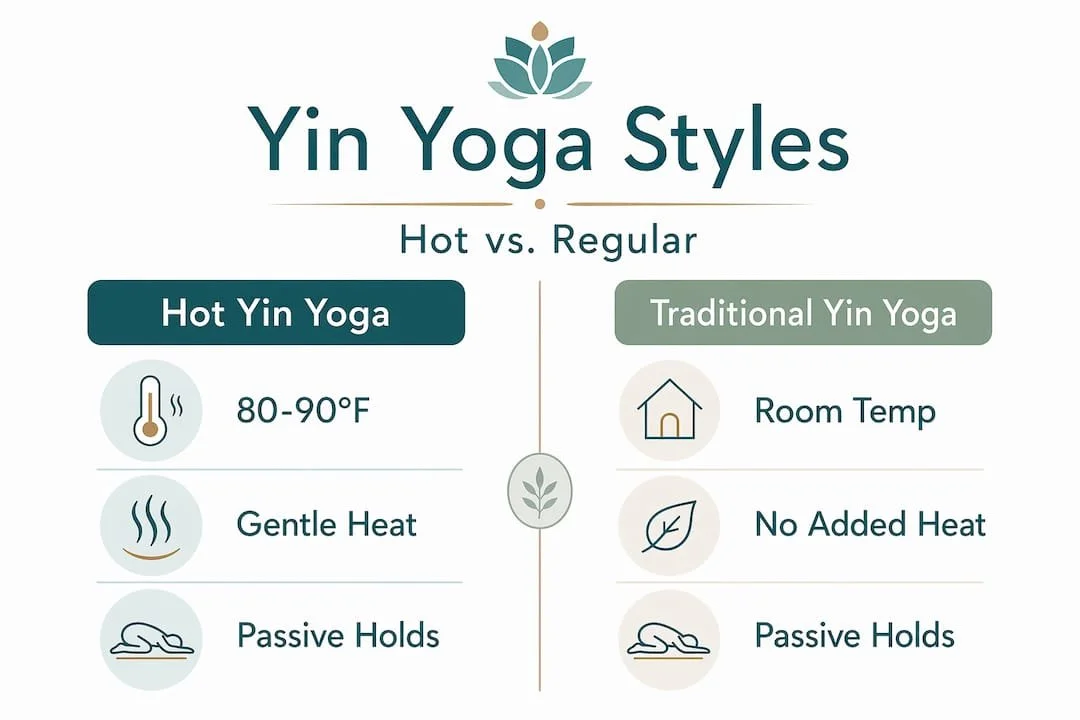
The room in a warm yin class sits between 80°F and 90°F, which is meaningfully different from the 95°F to 105°F you would find in a Bikram or traditional Hot Yoga class. That distinction matters. The goal is not to make you sweat through your mat. The goal is to use warmth the way a heating pad uses warmth: to soften tissue, encourage release, and help the body surrender into stillness more readily.
Here is a quick breakdown of where hot yin yoga fits among heated yoga styles:
Temperature: 80°F to 90°F, compared to 95°F to 105°F for standard Hot Yoga
Pace: Fully passive, slow holds of 3 to 7 minutes per pose
Sweat level: Minimal to light, not the intense cardiovascular sweat of Bikram
Focus: Deep connective tissue, breath awareness, and nervous system regulation
Class length: Typically 60 to 90 minutes, opening with grounding breath work before moving into long holds
The "hot" label sometimes creates confusion because it suggests something athletic and demanding. A better mental model is this: hot yin yoga is warm yin yoga. The heat is a tool for softening, not for pushing.
The real benefits of hot yin yoga
The benefits here go beyond "it feels nice." There are specific physiological and psychological reasons this practice works, and understanding them helps you get more out of every session.
Connective tissue release
Muscles respond well to active stretching because they contain elastic fibers designed for dynamic movement. Connective tissue, including fascia and ligaments, is denser and less elastic. It responds better to slow, sustained stress held over time. The gentle warmth promotes deeper connective tissue release without the aggressive heat that can cause muscle guarding or overstretching. You get a more genuine release, not just a temporary lengthening of muscle fibers.
Nervous system regulation
This is where hot yin yoga separates itself from almost every other physical practice. Long passive holds activate the parasympathetic nervous system, which is the branch responsible for rest, digestion, and recovery. In practical terms, your heart rate slows, your breathing deepens, and your body stops treating the world as a threat. For adults carrying chronic stress, that shift is not small.
Emotional processing
There is a reason people sometimes feel unexpectedly emotional during a long yin hold. Fascia stores tension patterns that correlate with habitual stress responses. When you release physical tension slowly and with breath awareness, emotional material sometimes surfaces. Hot yin yoga creates a supportive space for emotional balance and healing by pairing that physical release with the calming effect of warmth.
Accessibility across fitness levels
Because there is no flow, no jumping, and no cardiovascular demand, this practice works for people recovering from injury, older adults, athletes who need a genuine recovery day, and complete beginners. The lower heat avoids cardiovascular stress that makes some people feel dizzy or overwhelmed in hotter classes. You do not need to be flexible or athletic to benefit. You need to be willing to stay still.
Pro Tip: If you are new to yin yoga for relaxation, try yin yoga resources first to understand the foundational philosophy before adding heat to your practice. It will make your first hot yin class feel familiar rather than foreign.
What to expect in hot yin yoga class
Walking into a hot yin yoga class for the first time feels different from other yoga classes. Here is a realistic picture of how a session typically unfolds.
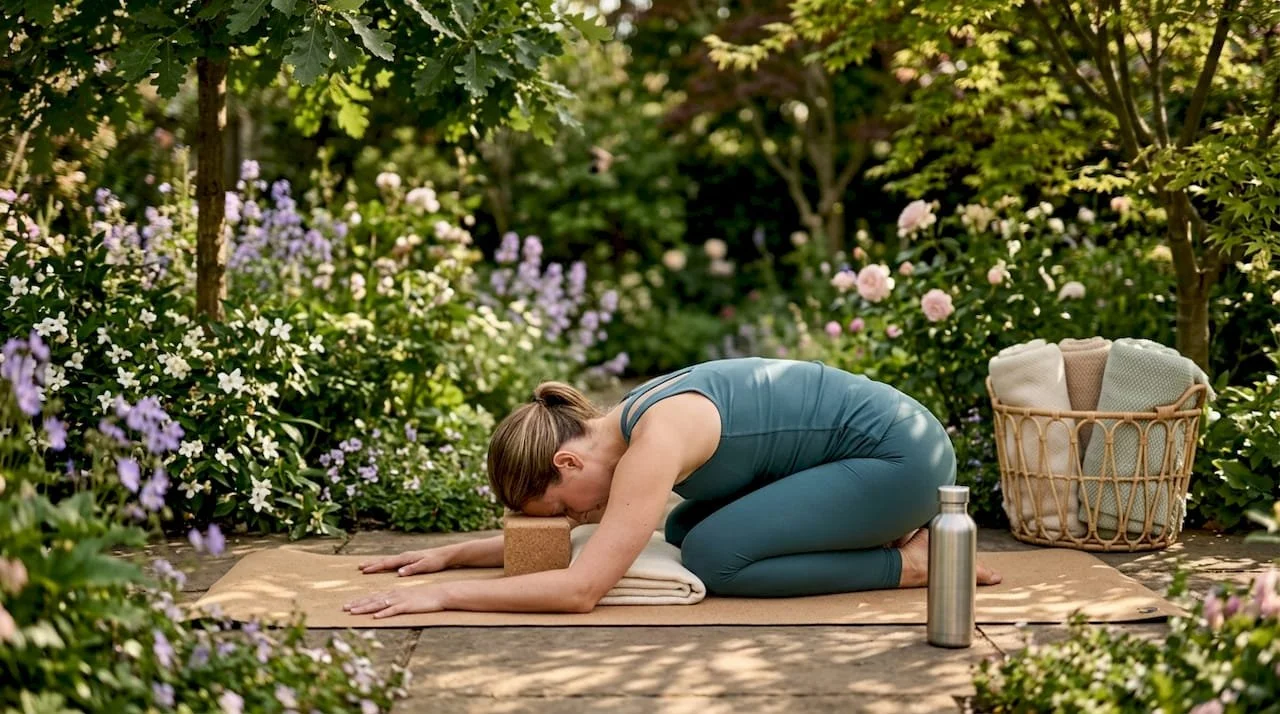
Arrival and setup. You will enter a room that feels comfortably warm rather than oppressively hot. Gather props: a bolster, two blocks, a blanket, and optionally a warm weighted pack if the studio offers them.
Opening breath work. Classes usually begin with 5 to 10 minutes of guided breathing or meditation. This is not optional filler. It signals your nervous system to downshift before the holds begin.
Long-held passive poses. Expect shapes like Dragon (a deep hip flexor stretch), Butterfly (seated forward fold with feet together), and Sleeping Swan (a floor pigeon variation). Each is held for 3 to 7 minutes with minimal muscular effort.
Props in action. Bolsters go under hips, knees, or chests to support the body so you can fully relax into the pose. Weighted warm packs placed on the lower back or hips add proprioceptive grounding and encourage the tissue to release more deeply.
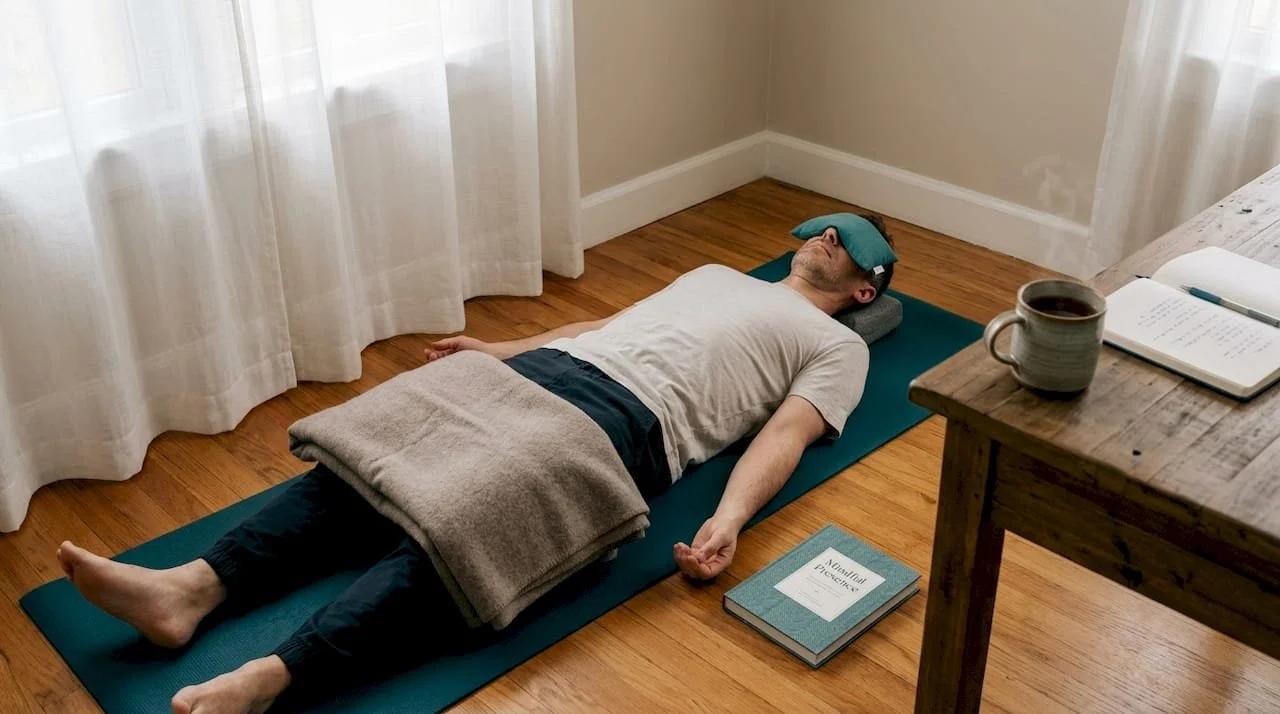
Savasana. The final rest period in hot yin yoga tends to feel especially profound because your body has spent the entire class releasing accumulated tension. Give it the full time offered.
Regarding safety, the safe surface temperature for heat props sits between 104°F and 113°F. Always use a fabric barrier between a heat pack and your skin, and stop using any prop that causes discomfort. People with pregnancy (without medical clearance), sensory neuropathy, cardiovascular conditions, or recent surgery should check contraindications before practicing in a heated room.
Pro Tip: Bring a small personal water bottle and a light layer you can remove during class. The room is warm but not punishing, and having water nearby lets you focus on the practice instead of watching the clock.
Hot yin yoga vs. regular yin and other heated styles
Knowing where hot yin yoga sits on the spectrum helps you decide whether it is the right fit for you right now.
| Style | Room temperature | Pace | Primary goal | Best for |
|---|---|---|---|---|
| Traditional Yin Yoga | Unheated or room temp | Passive, slow holds | Connective tissue + mindfulness | All levels, sensitive populations |
| Hot Yin Yoga | 80°F to 90°F | Passive, slow holds | Deeper tissue release + relaxation | Most adults, beginners, recovery |
| Hot Yoga / Vinyasa | 95°F to 105°F | Dynamic, flowing | Strength, flexibility, cardiovascular fitness | Active practitioners |
| Bikram Yoga | 105°F, 40% humidity | Scripted active sequence | Detoxification, strength | Experienced practitioners |
The most important column in that table is temperature. Traditional yin yoga works without heat because the long hold duration does the connective tissue work regardless. The warm room in hot yin yoga simply lowers the initial resistance, making it easier for most people to relax fully. You are not getting a better workout by adding heat. You are removing a barrier to surrender.
Hot yoga and Bikram, by contrast, use heat to drive cardiovascular response and increase muscle elasticity for a more active practice. The goals, pacing, and physiological demands are categorically different from what hot yin yoga offers.
Practical tips for your first hot yin yoga class
Preparation separates a rough first experience from one that makes you want to come back.
Choose the right class. Look for classes explicitly labeled "Warm Yin," "Hot Yin," or "Heated Yin" rather than general hot yoga classes. The distinction matters for what you will experience in the room.
Wear minimal, breathable clothing. Loose shorts and a light tank are ideal. Avoid thick fabrics that trap heat uncomfortably.
Hydrate before, not during. Drink 16 to 20 ounces of water in the two hours before class. Drinking large amounts during long holds interrupts the breath and stillness you are trying to cultivate.
Communicate with the instructor. Tell them it is your first class. A good teacher will offer modifications, check prop placement, and keep an eye on you during longer holds.
Plan for post-class recovery. Your connective tissue will have been gently stressed throughout the session. A light snack, additional water, and 20 minutes of rest after class helps the body integrate the work.
Pro Tip: Skip the coffee or stimulants for two hours before a warm yin class. Stimulants increase baseline nervous system activation, which makes it harder to drop into the parasympathetic state the practice is designed to cultivate.
My honest take on this practice
I have watched people come into heated yin classes expecting either a relaxing nap or a detoxifying sweat session, and leave slightly confused when it is neither. That is the most common misconception I encounter. Hot yin yoga occupies a specific territory: it is demanding in a way that has nothing to do with physical effort. Staying still for five minutes while your hip flexors resist, while your mind wants to move to the next thing, is genuinely hard. The warmth makes the physical surrender easier. It does not make the mental surrender easier.
What I have found is that the people who benefit most from this practice are not the flexible ones. They are the ones who are willing to get uncomfortable with stillness. That is a skill that transfers everywhere: in stress management, in sleep quality, in how you handle difficulty without immediately trying to fix it. Hot yin yoga teaches you to stop bracing. That is worth more than any stretch.
I have also noticed that practitioners who come from more athletic hot yoga backgrounds often underestimate warm yin classes at first. They assume less heat means less benefit. Then they hold Dragon pose for six minutes and reconsider.
— Juiced
Try it yourself at Amrita Yoga & Wellness
If this practice sounds like what your body and mind have been asking for, Amritayogawellness has you covered. Amrita Yoga & Wellness in Philadelphia offers hot yin yoga classes designed for adults at every level, from complete beginners to experienced practitioners looking for a genuine recovery practice. The studio's approach emphasizes accessibility, safety, and community, so you are never walking into an environment where you feel out of place.
Whether you are managing stress, working on flexibility, or simply curious about what a warm, meditative yoga class feels like, Amrita Yoga & Wellness offers a welcoming space to find out. Visit amritayogawellness.com to browse the class schedule, sign up for your first session, and explore everything the studio has to offer.
FAQ
What temperature is a hot yin yoga room?
Hot yin yoga rooms are typically heated to between 80°F and 90°F. This is noticeably cooler than traditional Hot Yoga studios, which range from 95°F to 105°F.
How long are hot yin yoga poses held?
Most poses in a hot yin yoga class are held for 3 to 7 minutes in a fully passive position. The class itself typically runs 60 to 90 minutes total.
Is hot yin yoga good for beginners?
Yes. The slower pace and lower heat level make hot yin yoga one of the more accessible heated yoga styles for people new to yoga or returning after a break.
What props do you need for hot yin yoga?
A bolster, yoga blocks, and a blanket cover most needs. Some studios also offer warm weighted packs placed on the body during long holds to deepen relaxation and tissue release.
Who should avoid hot yin yoga?
People who are pregnant without medical clearance, those with cardiovascular conditions, individuals with sensory neuropathy, or anyone recovering from recent surgery should consult a doctor before attending a heated yin class.
Recommended
Hot yin yoga benefits and how to start safely
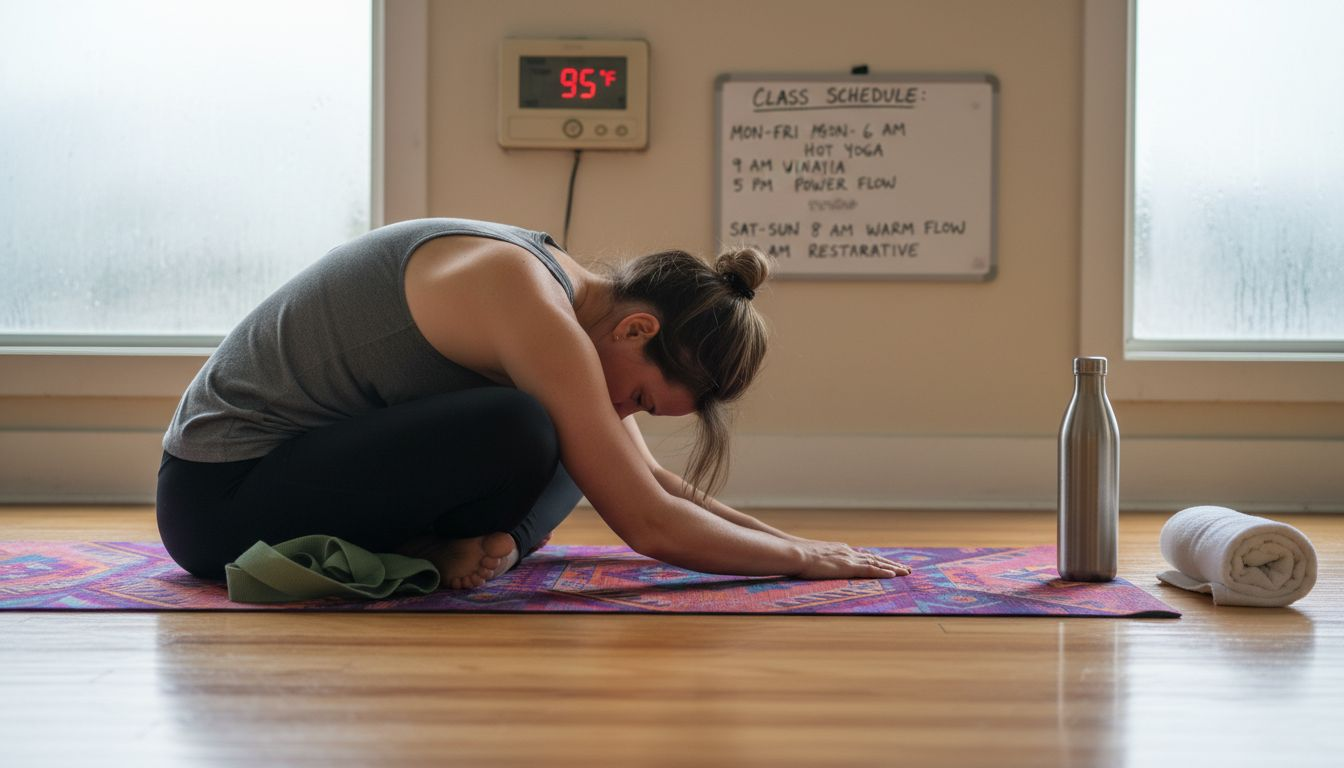
Hot yin yoga isn't just another sweat session. It blends the meditative stillness of yin yoga with moderate heat to create a unique practice that challenges your body while calming your mind. This guide explains what makes hot yin yoga different, its scientifically backed benefits for flexibility and mental health, essential safety tips, and how Philadelphia adults can start this rewarding practice confidently and safely.
Table of Contents
Key takeaways
| Point | Details |
|---|---|
| Hot yin yoga combines long-held poses with moderate heat around 95°F for balanced mind-body benefits | Practice differs from intense hot yoga styles through slower, meditative approach |
| Heat enhances flexibility and circulation while long holds calm the nervous system | Improved cardiometabolic markers and vascular function support physical health |
| Practice requires mindful safety including proper hydration and gradual heat acclimation | Beginners should start at lower temperatures and shorter sessions |
| Mental benefits include reduced anxiety, better sleep, and enhanced cognitive clarity | Warm environment creates soothing setting for stress relief |
| Suitable for most adults but those with cardiovascular conditions should consult doctors first | Listen to body signals and stop if experiencing dizziness or nausea |
What is hot yin yoga?
Hot yin yoga merges traditional yin yoga's passive stretching with a heated room around 95°F. You hold poses for at least three minutes, allowing gravity and time to work on connective tissues while heat warms muscles. This combination creates a meditative practice that's gentler than flowing hot yoga styles but more physically challenging than room-temperature yin.
The practice differs significantly from types of hot yoga like Bikram or hot vinyasa. While those styles feature continuous movement and higher temperatures around 105°F, hot yin yoga maintains stillness. Each pose targets deep connective tissue, and the moderate heat amplifies muscle pliability without overwhelming intensity.
Key characteristics include:
Room temperature typically 90 to 95°F
Poses held three to five minutes minimum
Minimal movement between positions
Focus on hip openers, forward folds, and gentle twists
Sessions usually 60 to 75 minutes long
This blend balances yin's passive stretch with yang's heat-induced cardiovascular challenge. The result is a practice accessible to many fitness levels while delivering substantial physical and mental rewards. You gain flexibility benefits without the intensity of power yoga, and mental calm without sacrificing physical engagement.
Health benefits of hot yin yoga
Regular hot yin yoga practice delivers measurable physical improvements. Research shows chronic hot yoga practice enhances cardiometabolic markers such as improved body composition, lipid profiles, and vascular function without harming kidney function or sleep quality. Heat makes muscles and fascia more pliable, letting you safely stretch deeper than in cooler environments.

Flexibility gains appear most notably in the back, shoulders, and hamstrings. When tissues warm up, they elongate more readily, reducing injury risk during stretches. This increased range of motion carries over to daily activities, improving posture and reducing chronic tension patterns.
Cardiovascular and metabolic benefits include:
Improved cholesterol and lipid profiles
Enhanced blood vessel function and circulation
Moderate calorie burn supporting weight management
Better glucose regulation and insulin sensitivity
Increased heart rate variability indicating stress resilience
| Benefit Category | Specific Improvements | Time to Notice |
|---|---|---|
| Flexibility | Hip and hamstring range of motion | 2 to 4 weeks |
| Cardiovascular | Lower resting heart rate, better circulation | 6 to 8 weeks |
| Metabolic | Improved lipid profiles, glucose regulation | 8 to 12 weeks |
| Body Composition | Reduced body fat percentage | 8 to 12 weeks |
Pro Tip: Balance intensity by focusing on comfortable depth rather than maximum stretch. Overstretching in heat can cause ligament damage that takes months to heal. Following hot yoga safety tips helps you gain benefits while protecting joints and connective tissue.
Mental and psychological benefits of hot yin yoga
The warm studio environment creates a soothing cocoon that enhances relaxation. Your nervous system responds to heat by activating parasympathetic responses, lowering cortisol and promoting calm. Research confirms stress relief is enhanced in warm, relaxing environments, with hot yoga reducing anxiety and depression symptoms and improving cognitive function.
Long-held poses give your mind space to settle. Unlike faster yoga styles where you're constantly transitioning, yin's stillness lets thoughts surface and dissolve naturally. This meditative quality builds mental resilience and emotional regulation over time.
Psychological benefits include:
Reduced symptoms of anxiety and depression
Enhanced mental clarity and focus
Better emotional regulation during stress
Improved sleep quality and duration
Greater body awareness and mindfulness
Regular hot yin yoga practitioners report significant reductions in anxiety levels within eight weeks, with improved mood and cognitive function persisting for hours after practice.
The combination of heat exposure and meditation creates unique neurological effects. Moderate warmth increases blood flow to the brain while stillness allows default mode network activity to reset. These changes support better concentration, creative problem solving, and emotional balance in daily life. Following hot yoga wellness steps helps you maximize these mental health benefits consistently.
Common misconceptions and safety considerations
Many people assume heat alone does not guarantee safe flexibility improvements; overstretching in heat can cause injuries, requiring mindful practice and gradual acclimation. Your muscles feel more pliable when warm, which can trick you into pushing past safe limits. Ligaments and tendons stretched beyond their capacity don't bounce back, leading to chronic instability.
Dehydration poses real risks during heated practice. You lose fluids through sweat faster than you might realize, and waiting until you feel thirsty means you're already dehydrated. This affects performance, recovery, and can cause dizziness or heat exhaustion.
Critical safety guidelines:
Drink 16 to 20 ounces of water two hours before class
Sip water during practice if needed, especially in longer sessions
Rehydrate with electrolytes after class
Start with lower temperatures and shorter sessions
Stop immediately if you feel dizzy, nauseous, or excessively fatigued
Avoid practice if you have uncontrolled high blood pressure or heart conditions
Pro Tip: Watch for warning signs like muscle cramping, headache, or confusion. These indicate heat stress requiring immediate cooling and hydration. Remove yourself from the heated room, drink water slowly, and rest until symptoms completely resolve before resuming activity.
Gradual acclimation matters more than rushing into intense heat. Your body needs time to adapt its sweating response and cardiovascular adjustments. Start with one or two sessions weekly at 85 to 90°F, then progress over several weeks. Comprehensive hot yoga safety tips provide detailed guidance for practicing responsibly while gaining maximum benefits.
Comparing hot yin yoga with hot yoga and traditional yin yoga
Understanding how hot yin yoga differs from related practices helps you choose the right style. Each variation offers distinct benefits depending on your fitness goals, heat tolerance, and preference for dynamic versus static practice.
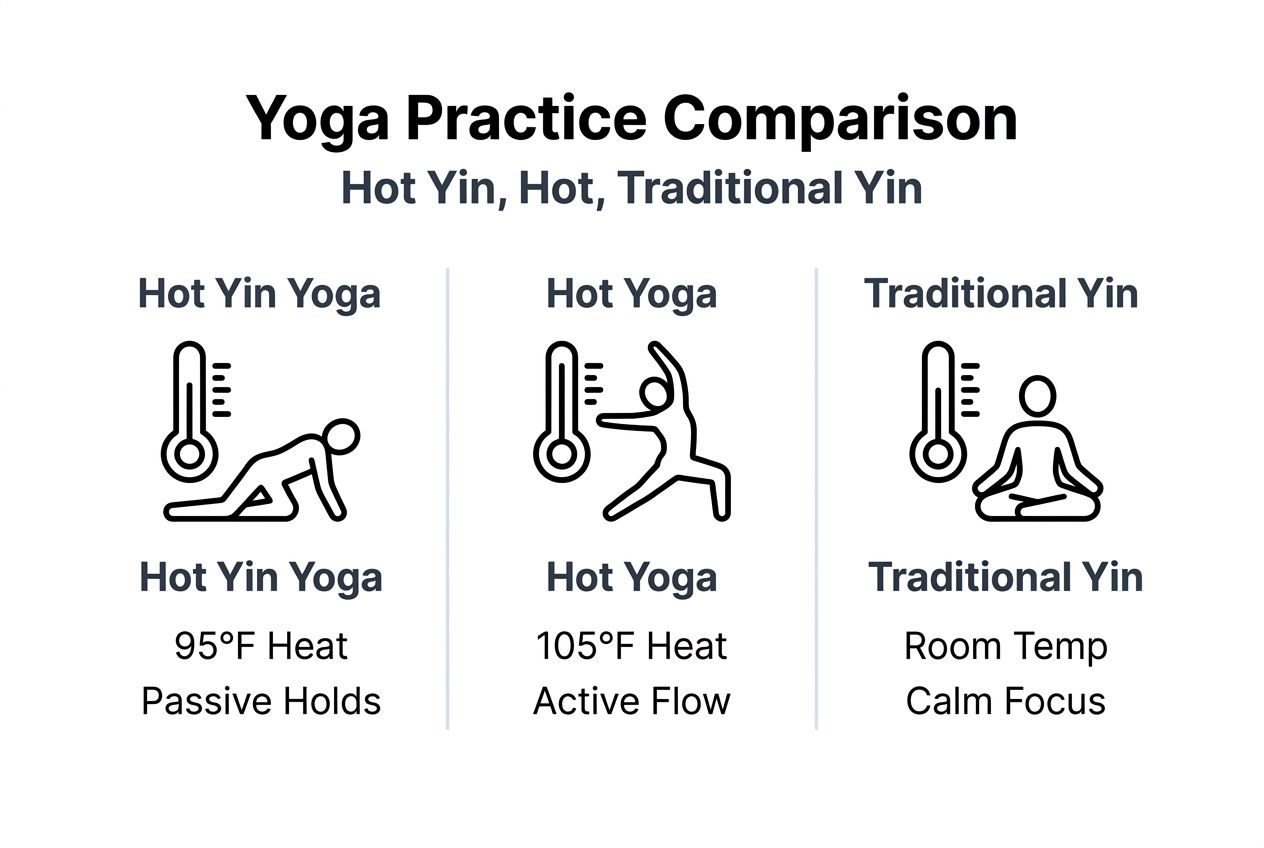
Traditional hot yoga like Bikram uses temperatures around 105°F with 40% humidity. Classes follow a set sequence of 26 poses performed twice with specific breathing exercises. The heat and continuous movement create intense cardiovascular demand, burning significant calories while building strength and endurance.
Traditional yin yoga happens at room temperature with no added heat. You hold poses three to five minutes focusing purely on connective tissue release and meditation. Without heat's muscle-relaxing effects, stretches feel different but allow precise awareness of resistance and release patterns.
| Style | Temperature | Pose Duration | Intensity Level | Primary Focus |
|---|---|---|---|---|
| Hot Yin Yoga | 90 to 95°F | 3 to 5 minutes | Low to moderate | Flexibility, meditation, moderate cardio |
| Traditional Hot Yoga | 100 to 105°F | 30 to 60 seconds | Moderate to high | Cardiovascular fitness, strength, detox |
| Traditional Yin Yoga | 68 to 72°F | 3 to 5 minutes | Low | Deep stretching, meditation, stress relief |
Hot yin yoga's moderate temperature strikes a balance. You get heat's flexibility benefits without extreme cardiovascular demand. The longer holds provide yin's meditative depth while warmth enhances circulation and calorie burn modestly.
Distinct features of each approach:
Hot yin: balanced physical and mental challenge, accessible heat level, combines passive stretching with gentle cardiovascular conditioning
Traditional hot yoga: high intensity, structured sequences, significant calorie burn, requires strong heat tolerance
Room temperature yin: pure meditation focus, no heat stress, ideal for recovery days, deepest introspective practice
Exploring hot yoga types comparison reveals which style matches your current fitness level and wellness objectives.
How to safely start practicing hot yin yoga
Beginning hot yin yoga requires thoughtful preparation and gradual progression. Jumping into full heat and duration increases injury and heat illness risks unnecessarily. These steps ensure you build tolerance while gaining benefits.
Start with lower room temperatures between 85 to 90°F for your first three to four sessions
Limit initial classes to 45 to 60 minutes rather than 75-minute sessions
Hydrate thoroughly with 64 ounces of water throughout the day before practice
Wear lightweight, moisture-wicking clothing that doesn't restrict movement
Bring a large towel for your mat and a smaller one for wiping sweat
Eat a light meal two to three hours before class, avoiding heavy or greasy foods
Consult your doctor if you have cardiovascular conditions, heat sensitivity, or take medications affecting thermoregulation
Gradually increase session length and temperature over four to six weeks as tolerance builds
Pro Tip: Schedule your first class when you can rest afterward rather than rushing to work or errands. Your body continues regulating temperature for 30 to 60 minutes post-practice, and you'll want time to rehydrate and cool down properly without time pressure.
Listening to your body matters more than completing every pose. If you need to rest in child's pose or step out briefly, do so without hesitation. Experienced practitioners take breaks when needed, recognizing this as strength rather than weakness.
Resources for hot yoga preparation and hot yoga safety guidelines provide comprehensive details on gear, timing, and safety protocols. Additional hot yoga beginner tips address common questions about proper form, breathing techniques, and realistic expectations for your first month of practice.
Integrating hot yin yoga into your wellness journey
Hot yin yoga offers a unique path combining physical challenge with mental calm. Scientific evidence supports its benefits for flexibility, cardiovascular health, and psychological well-being. The practice proves accessible to many adults when approached with appropriate safety measures and gradual progression.
You don't need previous yoga experience to start, though basic body awareness helps. The key lies in respecting heat's effects while honoring your current limitations. Over weeks and months, you'll notice improvements in range of motion, stress resilience, and overall vitality.
Integrate hot yin yoga thoughtfully by starting once or twice weekly, then adjusting based on recovery and energy levels. Complement it with strength training or cardiovascular exercise for balanced fitness. Most importantly, approach each session with curiosity rather than competition, letting the practice unfold naturally as your body adapts and grows stronger.
Discover hot yin yoga classes and wellness services at Amrita Yoga & Wellness
Ready to experience hot yin yoga's transformative benefits? Amrita Yoga & Wellness in Philadelphia offers classes designed for all experience levels in a welcoming, supportive environment. Review our studio policies before your first visit to ensure you're fully prepared.
New students can take advantage of new student specials that make starting your practice affordable and accessible. Beyond yoga, explore complementary services like acupuncture to enhance your overall wellness journey. Join our community today and discover how hot yin yoga can elevate your physical and mental well-being.
Frequently asked questions about hot yin yoga
Who should avoid practicing hot yin yoga?
People with uncontrolled high blood pressure, heart conditions, or heat sensitivity should consult doctors before starting. Pregnant women should seek medical clearance and may need modified poses or cooler temperatures. Anyone recovering from recent injury or surgery should wait until cleared by healthcare providers.
How often can I safely practice hot yin yoga?
Beginners should start with one to two sessions weekly, allowing 48 hours between classes for recovery. As your body adapts over four to six weeks, you can increase to three to four times weekly. Listen to fatigue levels and reduce frequency if you feel persistently tired or sore.
What should I wear and bring to a hot yin yoga class?
Wear lightweight, breathable clothing like fitted shorts and moisture-wicking tank tops. Bring a yoga mat, large towel for covering the mat, small towel for wiping sweat, and a water bottle with at least 20 ounces. Some studios provide props like blocks and bolsters.
Can hot yin yoga help with stress and sleep?
Yes, the practice activates parasympathetic nervous system responses that reduce cortisol and promote relaxation. Regular practitioners report better sleep quality and duration within four to eight weeks. Evening classes particularly support unwinding before bed, though some people prefer morning sessions to set a calm tone for the day.
Is prior yoga experience necessary for hot yin yoga?
No previous yoga experience is required. Hot yin yoga's slower pace and emphasis on stillness actually make it beginner-friendly compared to faster flow styles. Instructors provide modifications for different flexibility levels, and you learn proper alignment while building heat tolerance gradually.