Contact Us

Want to send us a quick message? Use the form on the right to contact us and we'll be in touch within 2 business days!

Please contact Audrey at info@amritayogawellness.com for general inquiries, software issues, in-studio and out-of-studio events and workshops, marketing, and community outreach and donations.

Please contact Heather at heather@amritayogawellness.com for private events, private yoga/pilates requests, and trainings.

1204 Frankford Avenue
North Philadelphia, PA, 19125
United States

(267) 928 3176

Amrita Yoga & Wellness offers a variety of Yoga traditions, Pilates Mat, Pilates Group Reformer, Tai Chi, and Massage services in a beautiful space. Our studio is located in Philadelphia, Pennsylvania.

Blog

7 Types of Meditation Practices for Holistic Wellness

Heather Rice
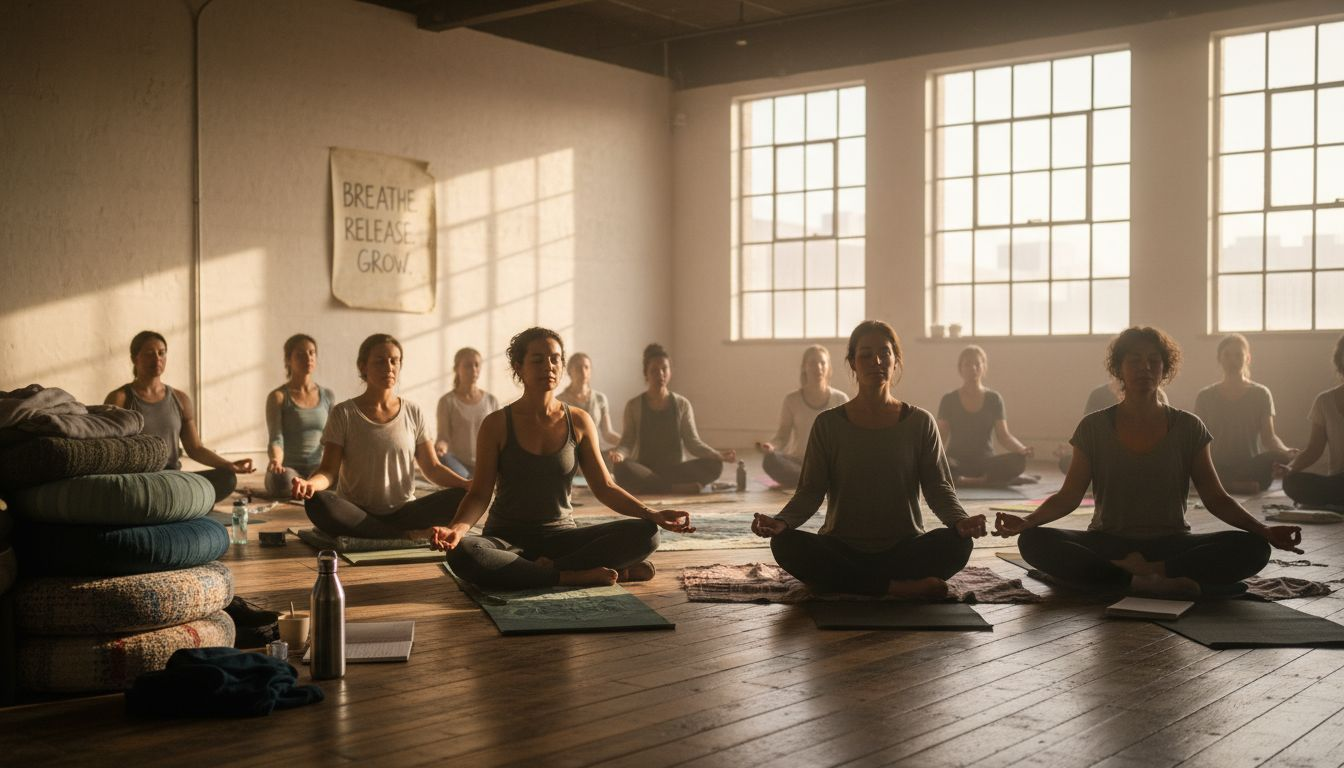
Stress, anxiety, and restless nights can make it feel like your mind is always on overdrive. Finding relief often seems out of reach, especially when you want practical solutions you can use in your everyday life. The good news is that meditation practices are proven to help ease mental strain and bring more calm into your daily routine.

Backed by scientific research, these meditation techniques have been shown to significantly reduce stress, lift your mood, and even improve your sleep quality. You will discover a variety of approaches you can try right away, each offering unique benefits for both mind and body. Get ready to explore simple methods that can transform how you handle stress and boost your emotional well-being.

Table of Contents

Quick Summary

Key Message Explanation
1. Mindfulness Meditation Reduces Stress Practicing mindfulness can decrease perceived stress, anxiety, and depression, enhancing emotional resilience.
2. Loving-Kindness Creates Compassion Engaging in loving-kindness meditation can enhance empathy and social connections while reducing negative emotional states.
3. Body Scan Enhances Relaxation Body scan meditation promotes deep relaxation and sleep quality by focusing on physical sensations and releasing tension.
4. Mantra Meditation Improves Concentration Repeating a mantra can significantly improve focus and cognitive performance by reducing mental distractions.
5. Chakra Meditation Balances Energy Chakra meditation harmonizes the body's energy centers, promoting emotional regulation and spiritual connection.

1. Mindfulness Meditation for Stress Reduction

Mindfulness meditation offers a powerful approach to managing stress by training your brain to stay present and cultivate emotional resilience. This ancient practice has gained significant scientific recognition for its ability to transform how we respond to life's challenges.

Researchers have consistently demonstrated the profound impact of mindfulness on mental health. A recent systematic review of stress reduction techniques revealed that mindfulness-based interventions can significantly decrease perceived stress, anxiety, and depression among adults.

Key benefits of mindfulness meditation include:

  • Reduced physiological stress responses

  • Enhanced emotional regulation

  • Improved cognitive flexibility

  • Greater self-awareness

  • Decreased symptoms of anxiety and depression

Practicing mindfulness involves developing a non-judgmental awareness of your present moment experience. This means observing your thoughts and feelings without getting caught up in them or trying to change them immediately. By creating mental distance from stressors, you can respond more thoughtfully and less reactively.

To begin a mindfulness practice, start with short daily sessions:

  1. Find a quiet space

  2. Sit comfortably with your back straight

  3. Focus on your breath

  4. When your mind wanders, gently return attention to breathing

  5. Practice for 5-10 minutes initially

Mindfulness is not about perfection but about consistent, gentle practice.

Pro tip: Use smartphone apps or guided meditation recordings to support your initial mindfulness journey and maintain consistency.

2. Loving-Kindness Meditation to Cultivate Compassion

Loving-kindness meditation represents a transformative practice designed to expand your capacity for empathy and emotional connection. By systematically directing positive intentions toward yourself and others, you can fundamentally reshape your emotional landscape.

Scientific research highlights the profound impact of this practice. A comprehensive study on compassion meditation revealed that even a single session can significantly increase positive emotions and reduce negative psychological states.

Key benefits of loving-kindness meditation include:

  • Enhanced emotional resilience

  • Increased empathy and compassion

  • Reduced symptoms of depression

  • Improved social connections

  • Greater capacity for self-acceptance

The practice involves a structured approach of mentally sending goodwill and kindness to various individuals. You begin by cultivating compassion for yourself, then gradually extend those feelings to others - from loved ones to neutral acquaintances, and eventually even to challenging relationships.

To practice loving-kindness meditation:

  1. Find a comfortable seated position

  2. Take several deep, centering breaths

  3. Silently repeat phrases of goodwill

  4. Start with yourself ("May I be happy. May I be healthy.")

  5. Progressively extend phrases to others

Compassion is a skill that can be deliberately cultivated through intentional practice.

Pro tip: Practice this meditation for just 10 minutes daily to experience significant emotional transformation and increased empathy.

3. Body Scan Meditation for Deep Relaxation

Body scan meditation is a powerful technique that guides you through a systematic exploration of physical sensations, promoting deep relaxation and heightened body awareness. By deliberately focusing attention on different body parts, you can release tension and cultivate a profound sense of inner calm.

Research demonstrates remarkable benefits of this practice. A recent study revealed significant improvements in sleep quality through body scan meditation techniques.

Key benefits of body scan meditation include:

  • Reduced muscle tension

  • Enhanced mind-body connection

  • Improved stress management

  • Better sleep quality

  • Increased self-awareness

The practice involves a deliberate and gentle process of mental attention. You systematically move your awareness through different body regions, observing sensations without judgment or attempts to change them.

To practice body scan meditation:

  1. Find a comfortable lying or sitting position

  2. Close your eyes and take several deep breaths

  3. Start at your toes and slowly move upward

  4. Notice sensations in each body part without analyzing

  5. Breathe into areas of tension or discomfort

Meditation is not about perfection but about gentle, consistent awareness.

Pro tip: Practice body scan meditation in a quiet space where you won't be interrupted, using soft background music to enhance relaxation.

4. Mantra Meditation to Improve Focus

Mantra meditation is a powerful cognitive technique that uses rhythmic sound repetition to anchor your attention and dramatically enhance mental concentration. By focusing on a specific word or phrase, you create a powerful mental tool for redirecting wandering thoughts and cultivating deeper awareness.

Research provides compelling evidence for the cognitive benefits. A systematic review showed significant improvements in brain wave activity and enhanced working memory through mantra practices.

Key benefits of mantra meditation include:

  • Increased sustained attention

  • Reduced mental clutter

  • Enhanced executive functioning

  • Lower stress levels

  • Improved cognitive performance

The practice involves selecting a meaningful word or phrase and repeating it silently or aloud. This repetition serves as a mental anchor, preventing distracting thoughts from disrupting your focus. Your chosen mantra can be traditional Sanskrit phrases, positive affirmations, or simple words like "peace" or "calm".

To practice mantra meditation:

  1. Choose a comfortable seated position

  2. Select a meaningful mantra

  3. Close your eyes and take deep breaths

  4. Begin repeating the mantra rhythmically

  5. Gently redirect attention when mind wanders

Consistency transforms mantra meditation from a technique into a transformative practice.

Pro tip: Start with short 5-minute sessions and gradually increase duration as your concentration improves.

5. Guided Visualization for Emotional Healing

Guided visualization meditation is a powerful therapeutic technique that uses intentional mental imagery to process emotions, reduce stress, and promote psychological healing. By creating vivid mental landscapes, you can transform negative thought patterns and cultivate inner resilience.

Research demonstrates profound benefits of this practice. Studies reveal significant improvements in emotional regulation through targeted mental imagery techniques.

Key benefits of guided visualization include:

  • Reduced anxiety and depression symptoms

  • Enhanced emotional coping skills

  • Improved stress management

  • Increased mental clarity

  • Greater emotional self-awareness

The practice involves systematically imagining peaceful, healing scenarios guided by a narrator or your own internal voice. You might visualize walking through a serene forest, healing past emotional wounds, or experiencing personal transformation.

To practice guided visualization:

  1. Find a quiet, comfortable space

  2. Close your eyes and take deep breaths

  3. Listen to a guided meditation recording

  4. Allow mental images to emerge naturally

  5. Stay present with emerging emotions

Visualization is a bridge between imagination and emotional healing.

Pro tip: Create a personal library of visualization scenarios tailored to different emotional needs, such as stress relief or confidence building.

6. Movement-Based Meditation to Boost Energy

Movement-based meditation integrates mindful physical activity to transform how you experience energy and awareness. Unlike traditional sitting meditation, these practices harness motion as a pathway to mental clarity and inner calm.

Research demonstrates the powerful impact of meditative movement practices on mental and physical well-being, showing how intentional movement can regulate internal states and boost overall energy.

Key benefits of movement-based meditation include:

  • Enhanced body awareness

  • Improved emotional regulation

  • Increased mental focus

  • Stress reduction

  • Natural energy boost

Popular forms of movement-based meditation include:

  • Tai Chi

  • Yoga flow sequences

  • Walking meditation

  • Qigong

  • Mindful dance

To practice movement-based meditation:

  1. Choose a movement style that resonates with you

  2. Focus on breath synchronization

  3. Move with deliberate, slow movements

  4. Maintain present-moment awareness

  5. Notice bodily sensations without judgment

Movement is meditation in motion.

Pro tip: Start with short 10-minute sessions and gradually increase duration as you become more comfortable with mindful movement.

7. Chakra Meditation for Spiritual Balance

Chakra meditation is an ancient practice designed to harmonize your body's subtle energy centers, promoting holistic well-being across physical, emotional, and spiritual dimensions. By systematically focusing on seven key energy points along the spine, you can unlock profound inner balance and healing potential.

Scientific research supports the physiological basis of chakra energy centers, revealing their connection to neurological and hormonal systems.

Key benefits of chakra meditation include:

  • Enhanced emotional regulation

  • Improved autonomic nervous system balance

  • Increased self-awareness

  • Deeper spiritual connection

  • Reduced stress and anxiety

The seven primary chakras are:

  • Root (Muladhara): Grounding and stability

  • Sacral (Svadhisthana): Creativity and emotion

  • Solar Plexus (Manipura): Personal power

  • Heart (Anahata): Compassion and love

  • Throat (Vishuddha): Communication

  • Third Eye (Ajna): Intuition

  • Crown (Sahasrara): Spiritual connection

To practice chakra meditation:

  1. Find a quiet, comfortable space

  2. Sit in a relaxed position

  3. Take deep, rhythmic breaths

  4. Visualize each chakra's color and location

  5. Focus on balancing energy flow

Spiritual balance begins with inner awareness.

Pro tip: Begin with 10-minute sessions, focusing on one chakra at a time to build deeper understanding and connection.

Below is a summary table of meditative practices featured in the article, underscoring techniques, benefits, and implementation guidance.

Meditative Practice Technique Overview Benefits
Mindfulness Meditation Focus on present-moment awareness through breath observation and thought detachment. Reduced stress, enhanced emotional resilience, and improved self-awareness.
Loving-Kindness Meditation Systematic cultivation of compassion by directing positive intentions to oneself and others. Increased empathy, reduced depression symptoms, and stronger social connections.
Body Scan Meditation Guided focus on physical sensations by systematically attending to body regions. Alleviating tension, better sleep quality, and heightened body awareness.
Mantra Meditation Use of rhythmic sound repetition of selected words or phrases to anchor concentration. Improved cognitive focus, reduced distractions, and emotional calm.
Guided Visualization Creation of vivid mental imagery to address emotions and promote healing. Enhanced emotional self-regulation and clarity, alongside reduced anxiety.
Movement-Based Meditation Integration of mindful body motions such as yoga or walking meditation for energy balance. Boosted energy levels, improved emotional regulation, and stress reduction.
Chakra Meditation Focus on visualizing and harmonizing seven subtle energy centers along the spine. Spiritual alignment, emotional equanimity, and reduced anxiety.

Discover Your Path to Holistic Wellness with Amrita Yoga & Wellness

The article highlights how different meditation practices like mindfulness, loving-kindness, and movement-based meditation can help you manage stress, enhance emotional resilience, and boost energy. If you find yourself seeking deeper relaxation, improved focus, or spiritual balance these goals often require ongoing guidance and a supportive community. At Amrita Yoga & Wellness we understand these challenges and offer classes and workshops specifically designed to complement these meditation styles and nurture holistic well-being.
Start your journey today by exploring our diverse offerings in yoga, tai chi, and mindful movement. Whether you want to experience the calming flow of tai chi or deepen compassion through loving-kindness meditation our Philadelphia studio invites you to connect with expert instructors and a welcoming community. Visit Amrita Yoga & Wellness now to view class schedules, sign up for workshops, and find tools that support your emotional and spiritual growth. Take the first step toward lasting balance and wellness.

Explore our class descriptions and sign up to transform your practice and life.

Frequently Asked Questions

What are the key benefits of mindfulness meditation for stress reduction?

Mindfulness meditation helps reduce perceived stress, anxiety, and depression by promoting emotional regulation and self-awareness. Start practicing daily for just 5-10 minutes to see improvements in your overall mental health within a few weeks.

How do I experience the benefits of loving-kindness meditation?

Loving-kindness meditation cultivates empathy and compassion. By practicing for 10 minutes a day, you can enhance your emotional resilience and improve your social connections, leading to a more positive outlook on life.

What steps do I follow for body scan meditation?

To practice body scan meditation, lie down comfortably and close your eyes. Begin focusing on each part of your body, starting from your toes and moving upward, to release tension and relax. Aim to practice this for about 10-20 minutes to enjoy greater self-awareness and relaxation.

How can mantra meditation improve my focus?

Mantra meditation enhances focus by using rhythmic repetition of a chosen word or phrase. Start with short 5-minute sessions, and gradually increase the duration to build concentration and reduce mental clutter over time.

How do I perform guided visualization for emotional healing?

Guided visualization involves listening to a narrative that helps you create peaceful mental imagery. By dedicating 10-15 minutes to this practice, you can foster emotional healing and improve your emotional coping skills.

What types of movement-based meditation can I try?

Popular forms of movement-based meditation include Yoga, Tai Chi, and walking meditation. Choose a style that resonates with you and practice for about 10-15 minutes daily to boost your energy and enhance body awareness.
Recommended

How to Start Hot Yoga Naturally for Stress Relief Success

Heather Rice

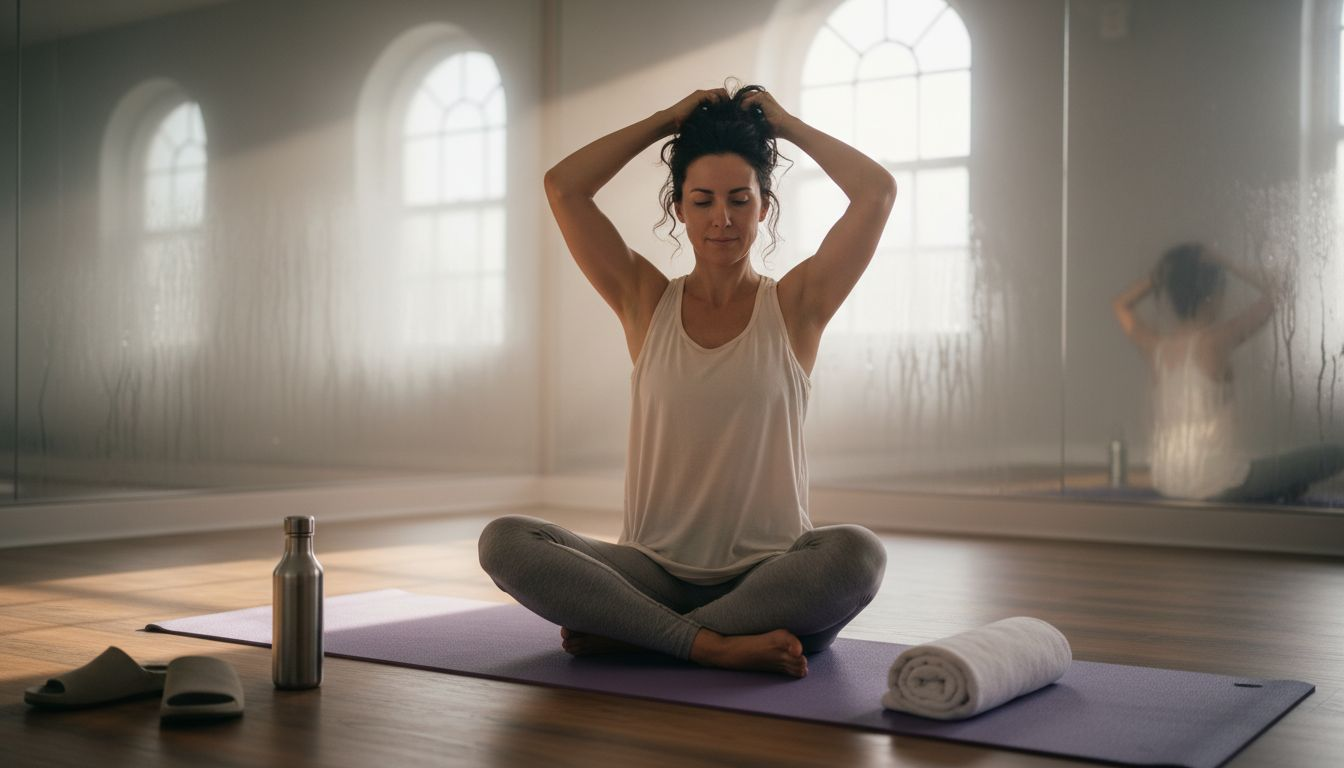
Many Philadelphia adults feel the strain of city living and search for fresh ways to manage stress while building healthier habits. Hot yoga has become a popular option for those seeking a holistic approach to wellness and flexibility. Before getting started, assessing your readiness ensures you experience the transformative benefits of heated yoga practice while keeping safety and self-care as top priorities.

Table of Contents

Quick Summary

Important Insight Explanation
1. Assess Your Readiness for Hot Yoga Evaluate your medical history and fitness level to ensure a safe practice. Consult a healthcare professional if unsure.
2. Gather Essential Hot Yoga Gear Choose functional, moisture-wicking clothing and a high-grip mat to enhance comfort and safety during sessions.
3. Hydrate Strategically Before Class Drink adequate water and electrolytes prior to class to ensure proper hydration and avoid fatigue.
4. Choose the Right Class for You Opt for beginner-friendly classes with experienced instructors to build confidence and skills safely.
5. Track Your Progress Consistently Monitor physical and mental development to understand your body's needs and make informed adjustments in practice.

Step 1: Assess Your Readiness for Hot Yoga

Assessing your physical readiness for hot yoga is the critical first step in developing a safe and transformative practice. Understanding your current fitness level, health conditions, and personal limitations will help you approach this intense workout with confidence and awareness.

Before diving into hot yoga, you'll want to carefully evaluate several key factors that determine your ability to participate safely. Hot yoga safety considerations involve understanding your body's current capabilities and potential risks. Here are some essential elements to consider:

  • Medical history: Check for any pre-existing conditions like high blood pressure, heart issues, or respiratory problems

  • Current fitness level: Assess your overall strength, flexibility, and endurance

  • Heat tolerance: Understand how your body responds to high temperatures

  • Hydration habits: Evaluate your ability to maintain proper fluid intake

For beginners, experts recommend starting with standard yoga classes to build foundational skills before transitioning to hot yoga. Preparing for hot yoga involves gradually introducing your body to more intense practices. Pay special attention to how your body responds during initial sessions, watching for signs of dizziness, excessive fatigue, or discomfort.

Consult with a healthcare professional if you have any underlying health concerns or are unsure about your readiness. They can provide personalized guidance based on your specific physical condition and help you determine whether hot yoga is an appropriate practice for you.

Pro tip: Start by attending a beginner-friendly hot yoga class and inform the instructor about your fitness level and any health considerations to receive tailored guidance and support.

Step 2: Gather Essential Hot Yoga Gear

Preparing for your hot yoga journey starts with selecting the right equipment that will support your practice and keep you comfortable during intense sessions. Hot yoga gear essentials go far beyond just picking a random mat and outfit.

Your hot yoga gear should focus on managing heat, moisture, and maintaining safety. Here are the key items you'll need:

  • Moisture-wicking clothing: Choose lightweight, breathable fabrics that draw sweat away from your body

  • High-grip yoga mat: Select a mat specifically designed for hot yoga with superior traction

  • Large absorbent towel: Crucial for wiping away excessive sweat and creating a hygienic surface

  • Water bottle: Invest in an insulated bottle to keep water cool and encourage hydration

  • Quick-dry microfiber towel: For covering your mat and preventing slipping during practice

When selecting clothing, prioritize materials that allow maximum breathability and movement. Opt for fitted but not restrictive shorts, tank tops, or breathable leggings that will help regulate your body temperature. Look for specialized hot yoga clothing with antimicrobial properties to manage moisture and prevent bacterial growth.

Investing in quality hot yoga gear isn't about spending the most money—it's about choosing functional, comfortable equipment that supports your practice.

Pro tip: Always bring an extra change of clothes and consider packing a small gym towel for additional sweat management during your hot yoga session.

Step 3: Hydrate and Prepare Your Body

Preparing your body for hot yoga involves strategic hydration and mindful physical conditioning that goes beyond simply drinking water before class. Physical activity preparation requires a comprehensive approach to ensure your body can safely handle the intense heated environment.

Effective hydration is crucial for hot yoga success. Here are key strategies to prime your body:

  • Pre-class hydration: Drink 16-20 ounces of water 2-3 hours before your session

  • Electrolyte balance: Consider adding electrolyte-rich drinks to replace minerals lost through sweating

  • Meal timing: Avoid heavy meals 2-3 hours before class to prevent digestive discomfort

  • Gradual acclimatization: Start with shorter hot yoga sessions and slowly increase duration

  • Nutrition focus: Consume light, easily digestible foods that provide sustained energy

Your body needs consistent preparation to adapt to hot yoga's demanding conditions. Avoid consuming alcohol or excessive caffeine before class, as these can interfere with hydration and potentially increase heat sensitivity. Pay close attention to how your body responds during initial sessions and adjust your preparation accordingly.

Proper hydration isn't just about drinking water—it's about creating a balanced internal environment that supports your physical practice.

Pro tip: Weigh yourself before and after hot yoga to track your fluid loss and develop a personalized hydration strategy specific to your body's needs.

Step 4: Choose the Right Hot Yoga Class

Selecting the perfect hot yoga class involves more than just picking a random studio – it requires understanding your personal fitness goals, physical condition, and comfort level. Yoga practice effectiveness depends on finding a class that matches your individual needs and experience.

Different hot yoga styles cater to various fitness levels and objectives. Here are key considerations for choosing your ideal class:

  • Beginner-friendly options: Look for classes specifically designed for newcomers

  • Temperature range: Understand different heat levels across yoga styles

  • Instructor credentials: Check for certified and experienced yoga instructors

  • Class size: Consider smaller classes for more personalized attention

  • Style variations: Explore different hot yoga approaches like Bikram, Vinyasa, or power yoga

Your first hot yoga experience should prioritize safety and comfort. Bikram yoga, for instance, follows a fixed 26-pose sequence in a 105°F room, while other styles might offer more flexible sequences and temperatures. Listen to your body and don't hesitate to communicate with instructors about modifications or concerns.

Here's a quick comparison of common hot yoga styles to help you choose the right class:

Hot Yoga Styles
Style Typical Room Temperature Sequence Type Ideal For
Bikram 105°F Fixed 26 poses Beginners, structure
Vinyasa 90–95°F Flowing, variable Intermediate, flexibility
Power Yoga 95–100°F Dynamic, challenging Advanced, strength

"The right hot yoga class is not about pushing your limits, but about creating a sustainable practice that supports your physical and mental well-being."

Pro tip: Attend a studio’s introductory class or request a brief orientation to understand their specific approach and ensure it aligns with your personal fitness goals.

Step 5: Track Progress and Adjust Your Routine

Tracking your hot yoga journey requires more than just showing up to class – it demands intentional observation and strategic adjustments. Movement assessment techniques help you understand your body's evolving capabilities and maintain a sustainable practice.

Develop a comprehensive tracking system that captures both physical and mental progress:

  • Physical markers: Monitor flexibility, strength, and endurance

  • Mental wellness: Record stress levels, mood, and sleep quality

  • Performance metrics: Track class frequency, pose improvements, and recovery time

  • Personal journal: Document your emotional and physical responses

  • Photographic evidence: Take periodic progress photos to visualize changes

Consistent tracking allows you to recognize patterns and make informed modifications to your hot yoga routine. Pay attention to how your body responds during different sessions, noting any improvements in posture, breathing, or overall energy levels. Be prepared to adjust intensity, frequency, or style based on your observations and personal goals.

Progress Tracking Metrics

To make tracking your progress easier, here are useful metrics and suggested tools:

Metric What It Measures Suggested Tracking Tool
Flexibility Range of motion gains Weekly progress photos
Hydration Fluid loss post-class Body weight scale
Mood & Energy Mental wellness changes Personal journal or app
Pose Mastery Technique improvements Spreadsheet or yoga app

"Progress is not linear – it’s a dynamic journey of understanding and adapting to your body’s unique needs."

Pro tip: Consider using a digital yoga tracking app or create a simple spreadsheet to systematically record your progress and identify trends in your practice.

Embrace Stress Relief with Hot Yoga at Amrita Yoga & Wellness

Starting hot yoga naturally for stress relief can be challenging without the right guidance and support. The article highlights key concerns like heat tolerance, hydration, and choosing the right class to ensure a safe and effective practice. If you are looking to overcome these hurdles while tapping into the mental and physical benefits of hot yoga, Amrita Yoga & Wellness provides a welcoming space in Philadelphia designed with your well-being in mind.

Discover beginner-friendly hot yoga classes tailored to your fitness level and health needs. Our experienced instructors help you navigate heat acclimatization, optimal hydration, and pose modifications. Be part of a supportive community focused on holistic growth and stress reduction. Take your first step toward a transformative hot yoga journey by exploring our class offerings and planning your visit today at Amrita Yoga & Wellness. Let us guide you toward lasting stress relief and balanced wellness starting now.

Frequently Asked Questions

How do I know if I'm ready to start hot yoga for stress relief?

Assess your physical readiness by evaluating your medical history, current fitness level, and heat tolerance. Consult with a healthcare professional to get personalized advice and ensure it's a safe choice for you.

What should I wear to a hot yoga class?

Choose moisture-wicking and breathable clothing to keep cool and comfortable during intense sessions. Opt for fitted but not restrictive outfits, such as tank tops and lightweight shorts or leggings, to help regulate body temperature.

How can I prepare my body for a hot yoga class?

Hydrate adequately before class by drinking 16-20 ounces of water 2-3 hours before you start. Additionally, avoid heavy meals prior to class to prevent discomfort and allow your body to adapt better to the heat.

What are the best beginner hot yoga classes?

Look for classes specifically designed for newcomers, as they typically provide a supportive environment. Popular beginner styles include Bikram or gentle flow classes, which can help you gradually build heat tolerance and confidence.

How can I track my progress in hot yoga?

Develop a tracking system that includes monitoring your flexibility, strength, and emotional wellness. Regularly journal your experiences and take notes on your performance metrics, such as class frequency and improvements in specific poses.

How often should I practice hot yoga to experience stress relief?

Aim to practice hot yoga 2-3 times a week for optimal benefits. Consistency is key, and over 30 days, you should notice improvements in stress levels and overall well-being.

Recommended

Master Aerial Yoga Poses for Beginners Step by Step

Heather Rice

Feeling stiff or searching for an enjoyable way to strengthen your body without high-impact workouts? Aerial yoga combines traditional yoga postures with the support of a specialized hammock, making difficult moves like backbends and inversions easier and safer for beginners. For adults in Philadelphia, this unique fitness option offers gentle support while building flexibility and muscle. This guide lays out practical steps for setting up your space, selecting equipment, and mastering foundational poses, ensuring a confident start and steady progress.

Table of Contents

Quick Summary

Key Point Explanation
1. Assess Your Space and Equipment Ensure your practice area is spacious, secure, and has the proper overhead support to safely install your aerial hammock.
2. Set Up the Hammock Properly Use a sturdy mounting point and ensure all components are rated for sufficient weight to create a safe suspension system for your practice.
3. Warm Up Before Practice Engage in dynamic stretches and light cardio to prepare your muscles and joints, enhancing performance and reducing injury risk.
4. Focus on Body Alignment Maintain proper positioning throughout poses to prevent injuries; check shoulder, spine, core, and weight distribution frequently.
5. Cool Down and Track Progress Gradually decrease activity post-practice with gentle stretches and hydration, while documenting improvements to aid in your aerial yoga journey.

Step 1: Prepare Your Space and Equipment

Setting up a safe and effective aerial yoga practice begins with creating the right environment and gathering essential equipment. Before you start your aerial yoga journey, you'll need to carefully prepare your space and choose the right gear to support your practice.

First, assess your available space and ensure you have a sturdy overhead mounting point capable of supporting your body weight. Most aerial yoga hammocks can support up to 300 kilograms of weight, but proper installation is crucial. You'll want an area with at least 8-10 feet of ceiling height and a clear radius of about 6 feet around your hammock to allow full movement without obstruction.

Equipment selection is critical for a safe aerial yoga experience. Here are the essential items you'll need:

  • Aerial silk hammock with sturdy support chains and carabiners

  • Secure ceiling mount or free-standing aerial rig

  • Thick exercise mat for floor work

  • Comfortable, form-fitting clothing without zippers or buttons

  • Optional: grip gloves for additional hand support

When selecting your hammock, look for professional-grade materials that can withstand repeated use and provide reliable support. The hammock should be hung less than one meter above the ground, which helps beginners feel secure while learning new poses.

Pro tip: Always test your equipment's weight capacity and mounting points before your first practice, and consider having an experienced professional help you set up your initial aerial yoga space.

Step 2: Set Up Your Yoga Hammock Safely

Setting up your aerial yoga hammock requires precision, care, and attention to safety details. Your goal is creating a secure suspension system that will support your body weight and allow fluid, confident movement during practice.

Selecting the right mounting point is crucial for a safe aerial yoga experience. Proper equipment setup involves identifying a structural support beam capable of handling significant weight. Ideal mounting points include:

  • Reinforced ceiling joists

  • Purpose-built aerial rigging frames

  • Professional-grade mounting brackets

  • Steel support beams

Before installation, you'll need specialized hardware to ensure a stable setup:

  1. Check ceiling mount's weight rating

  2. Select carabiners rated for your body weight

  3. Use webbing straps designed for aerial equipment

  4. Verify all connection points are secure

Important mounting guidelines include positioning your hammock approximately waist height, which allows safe entry and exit while providing enough clearance for basic poses. Most practitioners recommend leaving a 6-foot radius around your hammock to prevent accidental collisions with furniture or walls.

Safety always comes first in aerial yoga. Never compromise on equipment quality or installation integrity.

Pro tip: Consider having a professional rigger or experienced aerial yoga instructor verify your hammock installation before your first practice to ensure maximum safety and confidence.

Here's a summary comparing key safety and setup considerations for aerial yoga at home vs. in a studio:

Home Practice vs Studio Practice
Factor Home Practice Studio Practice
Equipment Setup Self-installed, requires personal verification Professionally installed, regularly inspected
Space Requirements Must create and clear your own area Designed specifically for aerial yoga
Supervision May require self-assessment or occasional instructor visits Direct instructor guidance during every session
Safety Assurance Relies on personal diligence and research Guided by certified professionals
Maintenance User responsibility, periodic checks needed Studio staff manages upkeep and checks

Step 3: Warm Up Your Body Effectively

Before diving into aerial yoga poses, preparing your body through a strategic warm-up is essential for preventing injuries and maximizing performance. Your warm-up will gradually increase muscle readiness and joint flexibility, setting the foundation for a safe and enjoyable aerial practice.

Dynamic stretching techniquesare crucial for preparing your body for aerial yoga movements. Start with light cardiovascular activities that gradually increase your heart rate and muscle temperature:

  • Gentle walking in place

  • Arm circles and shoulder rolls

  • Slow torso twists

  • Ankle and wrist rotations

  • Light marching movements

Progressive warm-up stages help your body adapt to the upcoming physical demands. Follow these key warm-up components:

  1. Begin with 5-10 minutes of low-intensity movement

  2. Perform dynamic stretches targeting major muscle groups

  3. Focus on mobility exercises for shoulders, hips, and spine

  4. Incorporate gentle joint mobilization techniques

Key muscle groups to focus on include your core, shoulders, and lower back, which are critical for aerial yoga stability and movement. Pay special attention to shoulder mobility and core engagement, as these will be fundamental in supporting your body during suspended poses.

Gradual, mindful warm-up is your first defense against potential aerial yoga injuries.

Pro tip: Listen to your body during warm-up and modify movements if you feel any unusual tension or discomfort, allowing yourself to ease into the practice gently.

Step 4: Learn Foundational Aerial Yoga Poses

Mastering foundational aerial yoga poses will help you build confidence and develop essential skills for your aerial practice. By understanding and practicing these basic techniques, you'll create a solid foundation for more advanced movements.

Beginner aerial yoga poses offer unique opportunities to explore movement with hammock support. These foundational poses help you understand how to use the hammock effectively while building strength and flexibility.

Here is a reference for common foundational aerial yoga poses and their benefits:

Pose Name Primary Focus Typical Benefit
Cross Position Core activation Builds basic strength
Star Inversion Spine and hips Improves flexibility
One-Legged King Pigeon Hips and quads Enhances hip mobility
Seated Hammock Swing Balance and posture Develops coordination

Cross Position: Basic suspended pose for beginners

  • Star Inversion: Gentle upside-down orientation

  • One-Legged King Pigeon: Modified hammock variation

  • Seated Hammock Swing: Basic seated suspension technique

Start with these progression steps for learning foundational aerial yoga poses:

  1. Always begin with instructor guidance

  2. Practice each pose slowly and mindfully

  3. Focus on maintaining core engagement

  4. Use the hammock for gentle support

  5. Breathe steadily during each pose

Body alignment is crucial when practicing aerial yoga poses. Keep your movements controlled and pay attention to how the hammock supports your body weight. Core strength and balance will help you transition smoothly between different positions.

Your hammock is a tool for support, not just suspension. Learn to trust its stability and your own body's capabilities.

Pro tip: Start with extremely simple poses and progress gradually, allowing your body to adapt to the unique sensations of suspended movement.

Step 5: Check Your Form and Adjust Alignment

Perfecting your body alignment in aerial yoga is crucial for preventing injuries and maximizing the effectiveness of each pose. Understanding how to assess and adjust your positioning will help you develop a safer, more confident practice.

While aerial yoga provides unique support through the hammock, maintaining proper body mechanics remains essential. Key areas to focus on during form checks include:

  • Shoulder positioning: Keep shoulders relaxed and away from ears

  • Spine alignment: Maintain neutral spine position

  • Core engagement: Activate core muscles consistently

  • Weight distribution: Balance evenly across hammock support

  • Breathing pattern: Breathe deeply and steadily

Use these steps to systematically check and adjust your alignment:

  1. Pause between pose transitions

  2. Do a mental body scan

  3. Make micro-adjustments as needed

  4. Reset position if feeling unstable

  5. Ask instructor for visual feedback

Body awareness plays a critical role in aerial yoga practice. Subtle movements and corrections can dramatically improve your overall performance and reduce strain on your muscles and joints.

Alignment is not about perfection, but about creating a balanced, sustainable practice that supports your body's natural movement.

Pro tip: Practice in front of a mirror or ask a fellow student to observe your form, providing an external perspective on your alignment and positioning.

Step 6: Cool Down and Monitor Progress

After an intense aerial yoga session, cooling down properly helps your body recover and prevents potential muscle soreness. Gradual exercise reduction is essential for maintaining your body's overall wellness and flexibility.

Your cool-down routine should focus on gradually lowering your heart rate and stretching the muscle groups you've engaged during your aerial yoga practice:

  • Gentle hammock stretches

  • Static floor stretches

  • Deep breathing exercises

  • Slow joint mobility movements

  • Hydration and relaxation

Implement these cool-down progression steps:

  1. Exit hammock slowly and mindfully

  2. Perform 10-15 minutes of gentle stretching

  3. Focus on muscles used during aerial poses

  4. Track your flexibility improvements

  5. Drink water to support muscle recovery

Progress tracking is crucial for continuous improvement. Personal performance metrics will help you understand your aerial yoga journey, including flexibility gains, strength development, and mental focus.

Consistent practice and mindful reflection are the keys to steady advancement in aerial yoga.

Pro tip: Keep a workout journal to document your progress, noting specific pose improvements, flexibility changes, and how your body feels after each session.

Unlock Your Full Potential with Expert Guidance at Amrita Yoga & Wellness

Struggling to master foundational aerial yoga poses safely and effectively can feel overwhelming without proper support and instruction. This article highlights crucial steps such as setting up secure equipment, warming up mindfully, and fine-tuning your form to build strength and confidence. If you want to transform these challenges into opportunities for growth and well-being, Amrita Yoga & Wellness in Philadelphia offers the perfect environment to deepen your aerial yoga practice.

Join our welcoming community through expert-led classes and workshops that emphasize safe technique, body alignment, and tailored progression. Whether you are a beginner eager to learn the basics or seeking to integrate aerial yoga into your holistic wellness routine, we are here to guide you every step of the way. Take action now to elevate your body and mind by exploring all our offerings at Amrita Yoga & Wellness and start your journey toward aerial yoga mastery today.

Frequently Asked Questions

How do I prepare my space for practicing aerial yoga at home?

To prepare your space for aerial yoga, ensure you have a sturdy overhead mounting point and at least 8-10 feet of ceiling height. Clear a 6-foot radius around your hammock for safe movement, and choose a thick exercise mat to provide comfort during floor work.

What equipment do I need to start aerial yoga?

The essential equipment for aerial yoga includes a reliable aerial silk hammock, a secure ceiling mount or free-standing aerial rig, comfortable clothing, and optionally grip gloves for added support. Gather these items before starting your practice to ensure safety and effectiveness.

What are some foundational aerial yoga poses for beginners?

Foundational aerial yoga poses for beginners include the Cross Position, Star Inversion, One-Legged King Pigeon, and Seated Hammock Swing. Focus on mastering these poses to build strength and confidence in aerial techniques.

How can I check my form and alignment during aerial yoga?

To check your form in aerial yoga, perform a mental body scan during transitions and make micro-adjustments as needed. Pay attention to your shoulder positioning, spine alignment, core engagement, and weight distribution to maintain stability and prevent injuries.

What should my cool-down routine include after an aerial yoga session?

Your cool-down routine should consist of gentle hammock stretches, static floor stretches, and deep breathing exercises to lower your heart rate and relax your muscles. Aim for about 10-15 minutes of gentle stretching to promote recovery after each aerial yoga session.

How can I track my progress in aerial yoga?

Track your progress in aerial yoga by keeping a workout journal where you document improvements in flexibility, strength, and muscle recovery. Reflect on specific pose enhancements and how your body feels after each session to monitor advancements over time.

Recommended

Why Try Aerial Yoga: Real Impact on Wellness

Heather Rice

Searching for a workout that goes easy on your joints yet delivers serious results? Aerial yoga is gaining loyal fans among health-conscious adults across Philadelphia, offering a low-impact path to strength, flexibility, and mindful stress reduction through suspended movement. If you crave a fresh alternative to crowded gyms or traditional yoga studios, this community-based practice makes wellness more accessible, helping you meet fitness goals while connecting with others who value both mental balance and physical well-being.

Table of Contents

Key Takeaways

Point Details
Aerial Yoga is Inclusive Contrary to common myths, aerial yoga is accessible to all fitness levels, offering modifications for beginners and advanced practitioners.
Holistic Wellness Benefits Aerial yoga combines physical exercise with mental health benefits, such as reduced stress and improved emotional regulation.
Varied Class Types Various class styles cater to different skill levels and wellness objectives, ensuring a personalized experience in aerial yoga.
Safety is Crucial Beginners should understand safety protocols and communicate their physical limitations with instructors for a secure practice.

Aerial Yoga Defined and Common Misconceptions

Aerial yoga is a dynamic fitness practice that combines traditional yoga postures with aerial silk hammocks suspended from the ceiling, creating a unique full-body workout experience. Unlike standard ground-based yoga, this practice allows practitioners to explore movement through three-dimensional space, offering enhanced flexibility, strength, and gravitational resistance training.

At its core, aerial yoga involves using a sturdy fabric hammock as a supportive tool that enables practitioners to:

  • Perform traditional yoga poses with increased range of motion

  • Reduce joint compression through suspended movements

  • Challenge balance and core strength in novel ways

  • Experience deeper stretches with less physical strain

  • Decompress the spine through inverted positions

Many people harbor misconceptions about aerial yoga, assuming it requires extraordinary athletic ability or gymnastics training. However, aerial yoga techniques are accessible to practitioners of all fitness levels, with modifications available for beginners and advanced students alike.

Common Aerial Yoga Myths include beliefs that the practice is:

  • Exclusively for young, extremely flexible individuals

  • Dangerous or requiring significant upper body strength

  • Only a trendy fitness fad with limited long-term benefits

  • Prohibitively expensive or complicated to learn

In reality, aerial yoga offers a versatile and inclusive approach to movement that can be adapted to individual physical capabilities. The silk hammock provides support and stability, allowing participants to explore poses with reduced gravitational stress and increased confidence.

Pro tip: Start with a beginner-friendly class and communicate any physical limitations with your instructor to ensure a safe, personalized aerial yoga experience.

Key Benefits for Physical and Mental Wellness

Aerial yoga represents a holistic wellness practice that delivers profound benefits for both physical and mental health. Cardiovascular improvements from aerial techniques create a comprehensive approach to fitness that goes beyond traditional exercise methods.

Physical benefits of aerial yoga include:

  • Enhanced core muscle strength

  • Increased overall body flexibility

  • Improved cardiovascular conditioning

  • Reduced joint compression

  • Greater range of motion

  • Accelerated muscle recovery and rehabilitation

The unique suspended environment allows practitioners to engage muscle groups differently compared to ground-based exercises. By using gravity and body weight as resistance, aerial yoga creates a low-impact workout that challenges the body while minimizing potential strain or injury.

Mental wellness is equally transformed through aerial yoga practice. Stress reduction through mindful movement helps practitioners develop enhanced body awareness and emotional regulation. The practice combines deep breathing techniques, meditative states, and physical challenge to create a powerful mind-body connection.

Aerial yoga offers a transformative experience that simultaneously strengthens the body and calms the mind, providing a holistic approach to personal wellness.

Mental health benefits practitioners can expect include:

  • Reduced anxiety and stress levels

  • Improved mental clarity and focus

  • Increased self-confidence

  • Enhanced mood through endorphin release

  • Better emotional regulation

  • Elevated sense of personal achievement

Pro tip: Begin with beginner classes and focus on breath work to maximize both physical and mental benefits of your aerial yoga practice.

Types of Aerial Yoga Classes and Variations

Aerial yoga offers diverse class styles designed to accommodate practitioners of all skill levels and fitness goals. Aerial yoga class variations range from foundational techniques to advanced integrative practices, ensuring something for everyone.

The primary types of aerial yoga classes include:

  • Aerial Fundamentals: Introductory classes focusing on:

    • Basic hammock techniques

    • Safe suspension methods

    • Core stabilization exercises

    • Proper alignment principles

  • Aerial Flow: Intermediate-level classes emphasizing:

    • Smooth pose transitions

    • Creative movement sequencing

    • Enhanced body awareness

    • Dynamic choreographed routines

  • Aerial Pilates: Specialized classes combining:

    • Traditional Pilates principles

    • Hammock-based resistance training

    • Core strengthening techniques

    • Flexibility enhancement

Aerial yoga classes provide a transformative experience by reimagining traditional movement practices through suspended exploration.

Beyond traditional styles, specialized aerial yoga variations continue to emerge, addressing specific wellness goals. Some innovative formats include therapeutic recovery classes for injury rehabilitation, stress-reduction workshops focusing on mindful movement, and high-intensity interval training (HIIT) aerial sessions designed for athletic conditioning.

Practitioners can expect classes to vary in intensity, duration, and focus, allowing for personalized fitness journeys that adapt to individual physical capabilities and wellness objectives.

Below is a summary of different aerial yoga class types and their unique focus points:

Class Type Main Focus Ideal For
Aerial Fundamentals Intro skills, safe setup Newcomers, beginners
Aerial Flow Dynamic transitions, creativity Intermediate, creative movers
Aerial Pilates Core strength, flexibility Rehabilitation, toning seekers
Therapeutic Recovery Gentle, restorative Injury recovery, stress relief
HIIT Aerial Athletic conditioning Advanced, fitness-focused

Pro tip: Communicate with instructors about your fitness level and any physical limitations to ensure you select the most appropriate aerial yoga class variation.

Safety Principles and Prerequisites for Beginners

Aerial yoga demands careful preparation and understanding of fundamental safety protocols. Aerial yoga safety guidelines are critical for preventing injuries and ensuring a positive practice experience for newcomers.

Before beginning aerial yoga, beginners should assess and develop several key physical prerequisites:

  • Physical Readiness Criteria:

    • Basic upper body strength

    • Core muscle stability

    • Moderate flexibility

    • No existing shoulder or back injuries

    • Ability to support body weight

  • Medical Considerations:

    • Consult healthcare provider before starting

    • Disclose any chronic conditions

    • Understand personal physical limitations

    • Get clearance for inverted positions

Safety in aerial yoga begins with honest self-assessment and professional guidance.

Equipment safety represents another crucial aspect of aerial yoga practice. Practitioners must ensure:

  1. Rigorous hammock inspection before each session

  2. Proper installation by certified professionals

  3. Weight capacity verification

  4. Regular maintenance of suspension equipment

  5. Understanding correct hammock adjustment techniques

Qualified instructors play an instrumental role in beginner safety, providing personalized modifications and ensuring proper technique. They help students understand body mechanics, recognize personal boundaries, and progressively build skills with minimal risk.

Pro tip: Always communicate openly with your instructor about your physical condition, previous injuries, and comfort level to receive personalized safety guidance.

Comparing Aerial Yoga to Other Exercise Options

Aerial yoga distinguishes itself from traditional exercise modalities through its unique approach to physical fitness and wellness. Comparative exercise research reveals significant differences between aerial yoga and conventional workout routines.

Key distinctions from traditional exercise options include:

  • Mindfulness Integration:

    • Emphasizes breath control

    • Promotes meditative movement

    • Focuses on mind-body connection

    • Encourages present-moment awareness

  • Physical Engagement Differences:

    • Low-impact muscle conditioning

    • Enhanced proprioception

    • Three-dimensional movement patterns

    • Gravity-assisted resistance training

Aerial yoga transcends traditional exercise by transforming physical movement into a holistic mind-body experience.

Compared to mainstream fitness approaches, aerial yoga offers unique advantages:

  1. Reduced joint stress compared to high-impact exercises

  2. Full-body engagement without extreme strain

  3. Improved balance and coordination

  4. Adaptable difficulty levels

  5. Enhanced flexibility and core strength

Unlike traditional weightlifting or cardio routines, aerial yoga provides a comprehensive workout that simultaneously challenges physical capabilities while cultivating mental resilience. The suspended environment creates opportunities for movement exploration that conventional exercise methods cannot replicate.

Here's how aerial yoga compares to traditional yoga and Pilates:

Aspect Aerial Yoga Traditional Yoga Pilates
Equipment Used Silk hammock Yoga mat Pilates reformer
Movement Style Suspended, 3D space Floor-based poses Controlled mat/reformer moves
Core Focus High due to hammock Moderate Very high
Impact Level Low-impact Low-impact Low to moderate impact
Flexibility Enhancement Enhanced by gravity Gradual improvement Good for flexibility
Mental Benefit Stress reduction, meditative Calm, mindfulness Body awareness, concentration
Suitable For Beginners Yes, with modifications Yes Yes

Pro tip: Consider trying a beginner aerial yoga class to experience how its unique approach differs from standard exercise routines.

Discover the Transformative Power of Aerial Yoga for Your Wellness Journey

If you are seeking a low-impact yet highly effective way to enhance your strength, flexibility, and mental clarity aerial yoga offers a unique solution. This practice addresses common challenges such as joint compression and limited range of motion by using a supportive hammock to reduce strain while deepening stretches. Many newcomers also benefit from the calming breath work and mindful movement that helps reduce anxiety and promotes emotional balance.

Start your aerial yoga experience today at Amrita Yoga & Wellness where we offer classes designed for all fitness levels including beginners. Explore our class schedules and workshops tailored to support your personal growth and physical well-being. Don’t wait to feel the real impact of aerial yoga on your body and mind. Visit Amrita Yoga & Wellness now and take the first step toward a stronger and more balanced you.

Frequently Asked Questions

What are the primary benefits of aerial yoga?

Aerial yoga offers numerous physical and mental health benefits, including enhanced core strength, improved flexibility, reduced joint compression, and stress reduction through mindful movement.

Is aerial yoga suitable for beginners?

Yes, aerial yoga is accessible to practitioners of all fitness levels. Beginner classes focus on foundational techniques with modifications available for various skill levels.

How does aerial yoga differ from traditional yoga?

Aerial yoga utilizes silk hammocks to support poses, allowing for greater range of motion and reduced strain on joints. It emphasizes three-dimensional movement and often incorporates mindfulness practices, making it a unique experience compared to traditional yoga methods.

What precautions should beginners take when starting aerial yoga?

Beginners should assess their physical readiness, consult a healthcare provider if needed, and communicate any existing injuries or limitations to their instructor. It's also essential to participate in classes led by qualified instructors who prioritize safety and proper technique.

Recommended

7 Types of Pure Barre Classes to Elevate Your Strength

Heather Rice

Choosing the right workout can feel overwhelming when you want a routine that strengthens your body and supports your health with minimal risk. If you are searching for a low-impact fitness option that delivers real results in muscle tone, flexibility, and endurance, Pure Barre classes could be exactly what you need. Research shows that barre techniques using small, targeted movements and resistance tools can significantly improve physical fitness and health markers, especially for women in early adulthood.

This list will guide you through the main types of Pure Barre classes, highlighting how each approach can help you achieve better strength, cardiovascular health, and flexibility while protecting your joints. Get ready to discover practical details and expert tips that make it easier to select the barre workout that fits your goals and lifestyle.

Table of Contents

Quick Summary

Takeaway Explanation
1. Incorporate low-impact exercises for toning Low-impact workouts like Pure Barre focus on precise movements that tone muscles while being gentle on joints, ideal for all fitness levels.
2. Utilize specialized equipment for enhanced effectiveness Classes use tools like resistance bands and sliding platforms to create muscle tension, maximizing strength gains and endurance.
3. Prioritize hydration and comfortable attire Staying hydrated and wearing form-fitting clothes improve performance and comfort during energetic classes like Empower and Reform.
4. Engage in focused techniques for strength improvement Pure Barre classes emphasize controlled movements and proper form, helping participants enhance muscle engagement and overall technique.
5. Explore modifications for individual fitness levels Each class provides tailored exercises to accommodate varying abilities, ensuring everyone can participate and benefit from the workout.

1. Classic Pure Barre for Full-Body Toning

Pure Barre's Classic class offers a comprehensive full-body workout designed to transform your physique through low-impact, high-intensity movements. By combining elements of ballet, pilates, and strength training, this signature class provides an incredibly effective approach to muscle conditioning and overall fitness.

The foundational Pure Barre technique leverages small, precise movements to target specific muscle groups with remarkable efficiency. These isometric exercises engage muscles deeply, creating long lean lines and improving overall body strength. Barre-fitness research demonstrates significant improvements in physical fitness and health markers for women.

Key benefits of the Classic Pure Barre workout include:

  • Full body muscle toning

  • Enhanced flexibility

  • Improved core strength

  • Low-impact joint protection

  • Increased muscular endurance

The workout typically follows a structured format targeting different muscle groups through controlled, repetitive movements. Participants use ballet barres, light weights, exercise balls, and resistance bands to create a comprehensive strength training experience that challenges every major muscle group.

Small movements. Big transformations.

Pro tip: Wear form-fitting clothing that allows you to see your muscle engagement and maintains proper range of motion during class.

2. Pure Barre Empower for Cardio and Endurance

Pure Barre Empower represents a dynamic evolution in barre fitness, transforming the traditional low-impact workout into a high-intensity cardiovascular experience. This 45-minute class combines precise barre techniques with explosive cardio movements designed to challenge your endurance and elevate your metabolic performance.

Cardio-centric barre classesintegrate strength training with rhythmic cardiovascular circuits, creating a unique workout that maximizes calorie burn and muscle development. The Empower class uses specialized equipment like ankle weights and plyometric platforms to intensify the exercise experience.

Key features of Pure Barre Empower include:

  • High-intensity interval training

  • Compound muscle group engagement

  • Dynamic platform-based movements

  • Wearable resistance weights

  • Metabolic rate boost

Cardiovascular Benefits emerge through strategically designed movement sequences that keep your heart rate elevated while maintaining the precision of traditional barre techniques. The class structure alternates between targeted strength intervals and cardio bursts, ensuring a comprehensive full-body workout.

Intensity meets precision. Performance meets power.

Participants can expect a challenging yet adaptable workout that scales to individual fitness levels. The dynamic nature of Pure Barre Empower makes it ideal for those seeking to push their cardiovascular limits while maintaining joint-friendly movements.

Pro tip: Hydrate thoroughly before class and bring a towel, as the high-intensity format will challenge your endurance and generate significant metabolic heat.

3. Pure Barre Reform for Strength and Resistance

Pure Barre Reform takes barre fitness to the next level by introducing targeted resistance training that challenges your muscles in entirely new ways. This innovative 50-minute class transforms traditional barre techniques by incorporating specialized equipment designed to maximize muscular strength and endurance.

Resistance-based barre techniques utilize tools like resistance bands and sliding platforms to create continuous muscle tension and engagement. The class focuses on extending muscle fatigue through precise, controlled movements that challenge your body's stability and strength.

Key components of Pure Barre Reform include:

  • Resistance band exercises

  • Sliding platform movements

  • Targeted muscle group isolation

  • Dynamic balance challenges

  • Increased muscle endurance training

Muscular Development Techniques in this class go beyond traditional strength training by combining small, intense movements with resistance tools. The sliding platforms and bands create unique tension that forces muscles to work harder through extended ranges of motion.

Resistance builds resilience. Strength creates transformation.

The workout is particularly effective for individuals looking to break through fitness plateaus and develop lean, functional muscle strength. By challenging your body with innovative resistance methods, Pure Barre Reform provides a comprehensive approach to muscle conditioning.

Pro tip: Wear form-fitting, smooth socks to maximize sliding platform effectiveness and bring a water bottle to stay hydrated during this intense resistance workout.

4. Intro to Pure Barre for Beginners

If you are new to fitness or looking for a low-impact workout that combines strength training and flexibility, Pure Barre offers the perfect entry point for beginners. This innovative fitness method blends elements of ballet, Pilates, and yoga to create a transformative exercise experience that welcomes participants of all fitness levels.

Beginner barre techniquesfocus on building foundational movements that develop body awareness, core strength, and muscular endurance. The introductory class provides a supportive environment where new participants can learn proper form and technique without feeling overwhelmed.

Key aspects of the Intro to Pure Barre class include:

  • Detailed form instruction

  • Modifications for all fitness levels

  • Gentle, controlled movements

  • Emphasis on proper alignment

  • Low-impact muscle conditioning

Foundational Movement Principles guide participants through basic positions and techniques that form the core of the Pure Barre method. Instructors break down complex movements into manageable steps, ensuring that beginners can build confidence and skill progressively.

Small movements. Big transformations. Everyone starts somewhere.

The class structure typically involves a warm-up, targeted muscle group work, and a cool-down period designed to introduce participants to the unique Pure Barre approach. Participants will learn how to use the ballet barre, understand proper body alignment, and experience the precise, controlled movements that define the Pure Barre technique.

Pro tip: Wear comfortable, form-fitting clothing and grippy socks to help you maintain stability and get the most out of your first Pure Barre experience.

5. Pure Barre Foundations for Technique Improvement

Pure Barre Foundations is the ultimate masterclass for participants seeking to refine their technique and develop a deeper understanding of barre movement principles. This specialized class offers a dedicated environment for learning precise muscle engagement, breath connection, and proper form that elevates your entire barre practice.

Technique-focused barre trainingbreaks down complex movements into manageable components, allowing participants to build muscle memory and confidence through structured, intentional practice. The class emphasizes biomechanical awareness and controlled movements that maximize workout effectiveness.

Key focus areas of Pure Barre Foundations include:

  • Detailed form correction

  • Muscle engagement techniques

  • Breath synchronization

  • Postural alignment

  • Movement precision

Biomechanical Movement Analysis helps participants understand how each subtle adjustment can transform exercise efficiency. Instructors provide personalized guidance, breaking down movements into their fundamental components and helping you develop a more nuanced approach to your fitness practice.

Precision creates progress. Technique defines transformation.

Participants will learn to execute movements with intentionality, understanding how subtle shifts in positioning can dramatically enhance muscle activation and overall workout performance. The class serves as a critical educational experience for those committed to mastering the Pure Barre method.

Pro tip: Position yourself near a mirror during Foundations classes to visually track your form and make real-time adjustments to your technique.

6. Pure Barre Align for Flexibility and Stretching

Pure Barre Align takes flexibility training to a transformative level, offering a specialized class designed to enhance mobility, reduce muscle tension, and improve overall body alignment. This unique workout goes beyond traditional stretching by integrating mindful movement techniques that support long-term physical well-being.

Stretching techniques in fitnessplay a crucial role in maintaining muscle health and preventing injury. Pure Barre Align focuses on controlled, intentional stretches that help participants develop greater range of motion and muscular resilience.

Key benefits of Pure Barre Align include:

  • Improved muscle flexibility

  • Enhanced joint mobility

  • Reduced risk of injury

  • Stress relief through mindful movement

  • Better posture and body awareness

Holistic Movement Philosophy drives the Align class, emphasizing the connection between physical flexibility and mental relaxation. By combining breath work with strategic stretching, participants experience a comprehensive approach to body conditioning.

Flexibility is not just about stretching. It's about understanding your body's potential.

The class incorporates various techniques including dynamic and static stretching, helping participants develop a deeper understanding of their body's capabilities. Each movement is designed to gently challenge your current flexibility limits while promoting safe, sustainable progress.

Pro tip: Arrive a few minutes early to perform gentle self-massage with a foam roller, which can help prepare your muscles for deeper stretching during the Align class.

7. Pure Barre Lite for a Low-Impact Experience

Pure Barre Lite offers a gentler approach to fitness that prioritizes joint health and muscle conditioning without overwhelming your body. Designed for individuals seeking a compassionate workout experience, this class provides an accessible entry point into barre fitness for those managing physical limitations or recovery processes.

Low-impact exercise methodscreate opportunities for comprehensive fitness training that minimize stress on joints and muscles. Pure Barre Lite utilizes controlled, precise movements that deliver significant strength benefits while maintaining a supportive, adaptable environment.

Key features of Pure Barre Lite include:

  • Reduced joint stress

  • Gentle muscle conditioning

  • Modifications for all fitness levels

  • Slower-paced movements

  • Emphasis on proper form

Isometric Movement Principles guide the workout, focusing on small muscle contractions that build strength without creating excessive strain. This approach allows participants to experience muscular engagement while protecting their body from potential injury risks.

Gentle movement. Powerful results.

Participants can expect a nurturing class environment that celebrates individual progress and provides personalized modifications. Whether you are recovering from an injury, managing a chronic condition, or simply prefer a less intense workout, Pure Barre Lite offers a welcoming fitness experience.

Pro tip: Communicate openly with your instructor about any physical limitations or concerns to receive personalized modifications that support your unique fitness journey.

Below is a comprehensive table summarizing the distinct characteristics and benefits of the different types of Pure Barre classes described in the article.

Class Type Focus Key Benefits
Classic Pure Barre Full body toning through precise movements Improved muscle tone, flexibility, and endurance with low impact on joints
Pure Barre Empower Cardio and endurance Combines high-intensity intervals with barre techniques to boost cardiovascular and metabolic health
Pure Barre Reform Strength and resistance Uses resistance tools to extend muscle engagement and improve strength and stability
Intro to Pure Barre Beginner-friendly foundation techniques Builds confidence and understanding through basic movements and alignment guidance
Pure Barre Foundations Technique improvement Focuses on form, breath connection, and precision to enhance the effectiveness of barre exercises
Pure Barre Align Flexibility and stretching Enhances mobility and muscle health through intentional and mindful stretches
Pure Barre Lite Low-impact fitness Offers a gentle, adaptable workout prioritizing joint health and overall accessibility

Elevate Your Strength with Pure Barre and Holistic Wellness

Are you ready to break through fitness plateaus and transform your body through precise, low-impact movements? This article highlights how Pure Barre classes target strength, endurance, flexibility, and technique with innovative approaches like isometric exercises and resistance training. Many people struggle with maintaining joint health, mastering proper form, and balancing cardio with strength. At Amrita Yoga & Wellness, we understand these challenges and offer accessible classes that complement your Pure Barre practice, including yoga, pilates, and mindful movement to enhance your overall well-being.

Unlock your full potential today by exploring a variety of classes designed to support your fitness goals. Whether you want to refine your technique, improve flexibility, or boost endurance, visit Amrita Yoga & Wellness to discover how our holistic offerings can deepen your strength journey. Don’t wait to experience the power of focused movement and community support. Secure your spot now and start elevating your strength and wellness practice.

Frequently Asked Questions

What are the key benefits of participating in Classic Pure Barre classes?

Classic Pure Barre classes offer full-body muscle toning, enhanced flexibility, and improved core strength. Engage in focused movements using ballet barres and light weights to see noticeable improvements in your physique within a few weeks of regular attendance.

How does Pure Barre Empower differ from traditional barre classes?

Pure Barre Empower combines traditional barre techniques with high-intensity cardio movements to create a dynamic workout experience. Expect a unique blend of strength training and cardiovascular exercises that challenge your endurance and elevate your heart rate for maximum calorie burn.

What can beginners expect from an Intro to Pure Barre class?

In an Intro to Pure Barre class, beginners will learn foundational movements with detailed form instruction and modifications suited for all fitness levels. Prepare to build confidence and skill through gentle, controlled movements that help you understand the basics of the Pure Barre technique.

How can Pure Barre Foundations improve my barre technique?

Pure Barre Foundations focuses on refining your movements and correcting your form to enhance overall effectiveness. Attend this class to receive personalized guidance and develop muscle memory, allowing you to execute barre techniques with better precision and control.

What makes Pure Barre Align essential for flexibility training?

Pure Barre Align emphasizes controlled, intentional stretching to improve muscle flexibility and joint mobility. Participate in this class to reduce muscle tension and enhance your overall body alignment, which is crucial for long-term physical well-being.

Who should consider taking Pure Barre Lite classes?

Pure Barre Lite is designed for individuals seeking a lower-impact workout that minimizes stress on joints while still building muscle strength. This class is ideal for those recovering from injuries or managing physical limitations who want a gentler yet effective fitness experience.

Recommended

Yoga Class Rates: What Influences Pricing in Philly

Heather Rice

Juggling work deadlines and daily stress in Philadelphia can leave little time or energy for self-care. For busy professionals, finding affordable options for hot yoga, aerial yoga, or Pilates is about more than saving money—it is about making wellness sustainable. Yoga class pricing in Philadelphia often balances operational costs and student value, with group sessions typically ranging from $15 to $25. This guide helps you make informed choices, so you can enjoy quality instruction without overspending.

Table of Contents

Key Takeaways

Point Details
Understanding Pricing Complexity Yoga class rates reflect various factors including location, instructor expertise, and class type, making them more than just simple calculations.
Diverse Class Formats and Costs Pricing varies widely across class types, with group sessions being more affordable and specialized classes commanding higher rates.
Membership Options Enhance Value Memberships and class packages typically offer better value for frequent practitioners, allowing for more consistent access to classes.
Avoid Common Selection Mistakes Choosing classes based solely on price or overlooking instructor qualifications can compromise your yoga experience, so consider personal goals and fitness levels.

Yoga class rates defined and misunderstood

Understanding yoga class pricing requires more than simply looking at a price tag. Pricing strategies impact studio sustainability far beyond simple dollar amounts, reflecting complex economic and value-based considerations.

Yoga class rates typically range between $15-$25 for group sessions, with significant variation based on several key factors:

  • Location: Urban centers like Philadelphia often command higher prices

  • Instructor expertise: More experienced teachers can charge premium rates

  • Studio overhead costs: Rent, equipment, and operational expenses influence pricing

  • Class type: Specialized classes like hot yoga or aerial yoga may cost more

Many students misunderstand pricing as a straightforward calculation, when in reality, it represents a nuanced reflection of value. Correct pricing balances expenses and customer retention, considering market dynamics, instructor qualifications, and the overall wellness experience provided.

Studios must carefully navigate pricing to remain financially viable while offering accessible wellness experiences. This means setting rates that cover operational costs without alienating potential students. Pricing becomes a strategic tool communicating the quality and value of yoga instruction.

Pro tip: Always ask about package deals or membership options, which can significantly reduce per-class costs and provide more consistent wellness access.

Types of yoga classes and pricing variations

Yoga classes in Philadelphia come in diverse formats, each with unique pricing structures that reflect the complexity and specialization of the practice. Yoga class prices vary significantly by type, creating a nuanced landscape for practitioners seeking wellness experiences.

The primary yoga class types and their typical pricing ranges include:

  • Group Classes: Most affordable option, typically $15-$25 per session

  • Private Lessons: Premium pricing, ranging from $50-$120 per hour

  • Specialized Classes: Higher cost for unique offerings like:

    • Hot yoga

    • Aerial yoga

    • Pilates fusion

    • Meditation-focused sessions

Pricing dynamics depend on multiple factors, including instructor expertise, class duration, and individual attention level. Smaller, more personalized classes often command higher rates due to the intensive guidance provided, while larger group sessions remain more budget-friendly.

Philadelphia's yoga market reflects urban wellness trends, with pricing influenced by studio location, instructor credentials, and the specialized nature of class offerings. Advanced practitioners or those seeking specific training can expect to invest more in tailored, high-quality instruction.

Pro tip: Ask studios about introductory packages or monthly memberships, which can significantly reduce per-class costs and provide more consistent access to diverse yoga experiences.

Factors that impact class prices and fees

Understanding the complex pricing landscape of yoga classes requires examining multiple interconnected factors. Yoga class pricing involves strategic considerations that extend far beyond simple cost calculations.

Key factors influencing yoga class pricing include:

  • Location Expenses: Studio rent in urban areas like Philadelphia

  • Instructor Qualifications: Years of experience and specialized training

  • Class Format: Online, in-person, or hybrid offerings

  • Equipment Costs: Specialized gear for aerial or hot yoga classes

  • Operational Overhead: Utilities, marketing, and administrative expenses

The economic ecosystem of yoga pricing reflects a delicate balance between studio sustainability and student affordability. Instructors must cover operational costs while remaining competitive in a market with numerous wellness options. Urban centers like Philadelphia present unique challenges, with higher living costs directly impacting class pricing strategies.

Seasonal variations and market demand further complicate pricing models. Summer might see more flexible pricing with outdoor classes, while winter could bring premium indoor session rates. Advanced practitioners and beginners alike navigate these nuanced pricing structures, seeking value and quality instruction.

Pro tip: Compare multiple studios' pricing structures and ask about package deals to maximize your yoga investment and access diverse class experiences.

Memberships, packages, and payment methods

Yoga studios in Philadelphia offer diverse payment options designed to accommodate different student needs and financial preferences. Studio pricing strategies optimize attendance and revenue, creating flexible frameworks for practitioners.

Common membership and payment structures include:

  • Drop-in Rates: Single class purchases

  • Class Packages: Bulk purchases at discounted rates

    • 5-class passes

    • 10-class passes

    • Monthly unlimited options

  • Membership Tiers:

    • Basic membership

    • Premium membership

    • Student/senior discounts

Payment methods enhance studio accessibilityby providing multiple financial entry points for students. Digital platforms now support credit cards, mobile payments, and online booking systems, making registration more convenient than ever.

Philadelphia's competitive yoga market means studios constantly innovate their pricing models. Some offer hybrid memberships combining in-person and virtual classes, while others provide flexible cancellation policies and introductory rates to attract new practitioners. These strategies help studios balance financial sustainability with student engagement.

Here's a summary of how various yoga payment options can benefit different types of practitioners:

Payment Option Ideal For Cost Structure Value Proposition
Drop-in Rates Occasional visitors Pay per session Flexibility, no commitment
Class Packages Regular attendance Discounted bundles Lower per-class cost, variety
Monthly Memberships Frequent users Unlimited access Best value for daily practice
Student/Senior Discounts Budget-minded Reduced pricing Accessibility for all

Pro tip: Always inquire about new student specials and potential package discounts before committing to individual classes to maximize your yoga investment.

Comparing costs: Alternatives and value

Navigating the yoga pricing landscape requires understanding multiple practice options beyond traditional studio classes. Evaluating yoga alternatives reveals diverse pricing strategies, each with unique advantages and cost considerations.

Comparative yoga practice options include:

  • Studio Classes:

    • Highest direct cost

    • Professional instruction

    • Structured environment

  • Online Sessions:

    • Lower price point

    • Flexible scheduling

    • Minimal equipment needed

  • Community Classes:

    • Often free or donation-based

    • Varying instructor quality

    • Limited personalization

  • Private Coaching:

    • Most expensive option

    • Customized instruction

    • Targeted personal development

Cost should not be the sole determining factor when selecting a yoga practice. The true value lies in finding an approach that matches individual fitness goals, learning style, and budget constraints. Philadelphia offers a rich ecosystem of yoga options, from high-end studios to community centers, allowing practitioners to find their ideal balance of quality and affordability.

Technology has dramatically expanded access to yoga instruction, with streaming platforms and apps providing budget-friendly alternatives to traditional in-person classes. These digital options can complement studio experiences, offering supplemental training at a fraction of the cost of regular studio memberships.

To help you decide which yoga option fits your needs, here's a concise comparison of practice environments:

Yoga Practice Type Instruction Quality Scheduling Flexibility Personalization
Studio Classes Professional Fixed times Moderate
Online Sessions Variable Very flexible Minimal
Community Classes Varies Some flexibility Limited
Private Coaching Expert, personalized Customizable Maximum

Pro tip: Explore hybrid approaches that combine affordable online resources with occasional in-studio classes to maximize both value and personalized instruction.

Avoiding common mistakes in choosing classes

Selecting the right yoga class involves more than scanning price tags or randomly picking a studio. Choosing yoga classes requires strategic evaluation, with multiple factors influencing your overall experience and satisfaction.

Common mistakes practitioners often make include:

  • Price-Only Decisions:

    • Overlooking instructor quality

    • Ignoring class compatibility

    • Prioritizing cost over personal goals

  • Ignoring Personal Fitness Level:

    • Selecting classes too advanced

    • Choosing classes too basic

    • Not understanding class difficulty ratings

  • Overlooking Instructor Credentials:

    • Failing to verify teaching certifications

    • Not checking instructor specializations

    • Assuming all yoga teachers are equally qualified

Philadelphia's diverse yoga landscape offers numerous options, but finding the right fit requires careful consideration. Your ideal class should align with your fitness goals, experience level, and personal learning style. A $10 class that doesn't meet your needs is ultimately more expensive than a $25 class that provides genuine value and progress.

Establishing clear personal objectives before selecting a class can dramatically improve your yoga journey. Consider factors like desired physical outcomes, stress management goals, and preferred teaching styles when evaluating potential classes. This approach ensures a more targeted and satisfying yoga experience.

Pro tip: Request a trial class or speak directly with instructors to assess class compatibility before committing to a full membership or package.

Discover Transparent Yoga Pricing That Matches Your Wellness Goals in Philadelphia

Choosing the right yoga class can feel overwhelming when prices vary so much based on location, instructor expertise, and class type. If you are seeking clear, accessible pricing paired with quality instruction and a supportive community, Amrita Yoga & Wellness offers exactly that. We understand the challenge of balancing cost with value, which is why our diverse offerings include group classes, specialized sessions like hot yoga, and flexible membership packages designed to fit every budget and wellness journey.

Experience firsthand how thoughtful pricing supports your physical, mental, and spiritual well-being. Explore our detailed class descriptions, sign up for workshops, or join our membership options today. Visit Amrita Yoga & Wellness now to find the perfect class that aligns with your goals and budget. Don't wait to invest in yourself with pricing transparency and quality instruction tailored for you.

Frequently Asked Questions

What factors influence yoga class pricing?

Yoga class pricing is influenced by several factors, including location, instructor expertise, studio overhead costs, and the type of class offered. Urban areas typically have higher costs, while specialized classes may charge more due to their unique offerings.

What are the typical price ranges for yoga classes?

Yoga class prices generally range from $15 to $25 for group sessions. Private lessons can cost between $50 and $120 per hour, while specialized classes such as hot yoga or aerial yoga may have higher rates.

How can I save money on yoga classes?

To save money, consider asking about package deals or membership options at studios, which can significantly reduce per-class costs. Introductory packages are also a good way to access yoga at a lower price before committing to more expensive memberships.

Are there alternatives to traditional yoga classes that are more affordable?

Yes, alternatives such as online sessions, community classes (often free or donation-based), and private coaching offer various pricing options. Online classes tend to be the most affordable, providing flexibility while requiring minimal equipment.

Recommended

Hot Room Yoga: Benefits and Practice Essentials

Heather Rice

Stepping into a heated yoga studio in Philadelphia, you immediately notice the vibrant energy and collective focus that sets hot room yoga apart. For adults who value flexibility, stress relief, and meaningful connection, this powerful practice does more than just work up a sweat. By performing yoga postures in temperatures that reach between 90 to 105°F, participants experience intensified stretching and a deep sense of renewed well-being. Discover how this dynamic environment helps create both physical transformation and a sense of shared community.

Table of Contents

Key Takeaways

Point Details
Hot Room Yoga Defined It involves practicing yoga in a heated environment (90-105°F) to enhance physical and mental benefits.
Styles of Hot Room Yoga Prominent styles include Bikram, Vinyasa Hot, and Power Hot Yoga, each offering varied sequences and focuses.
Health Benefits and Risks Benefits include increased flexibility and stress reduction, while risks like dehydration should be carefully managed.
Comparing Yoga Practices Hot room yoga demands higher intensity and focus compared to traditional yoga, making it a more performance-oriented approach.

What Is Hot Room Yoga? Core Concepts Explained

Hot room yoga represents a dynamic and intense variation of traditional yoga practice, characterized by performing physical postures in a deliberately heated environment. Yoga practices originating in ancient India have long emphasized physical and mental integration, and hot room yoga takes these principles to an elevated, temperature-enhanced experience.

In a typical hot room yoga session, practitioners engage in familiar yoga poses within a carefully controlled environment typically heated between 90 to 105°F. This intentional temperature elevation serves multiple physiological purposes:

  • Increases overall body flexibility

  • Promotes deeper muscle stretching

  • Encourages substantial perspiration and potential detoxification

  • Challenges cardiovascular endurance

  • Enhances mental focus and breath control

The practice fundamentally differs from traditional yoga by leveraging heat as a transformative element. Thermal intensity creates a more demanding physical experience, pushing practitioners beyond conventional workout boundaries. Hot yoga techniques challenge participants to maintain precise postures while managing increased physical stress and body temperature.

Understanding hot room yoga requires recognizing it as more than just a workout - it's a holistic practice integrating physical challenge, mental resilience, and intentional bodily awareness. The heated environment acts as a catalyst, amplifying yoga's traditional goals of strength, flexibility, and inner calm.

Pro tip: Start your hot room yoga journey gradually, prioritizing hydration and listening closely to your body's signals during initial sessions.

Popular Hot Room Yoga Styles and Differences

Hot room yoga encompasses multiple distinctive styles, each offering unique approaches to practice and physical engagement. Hot yoga techniques vary significantly in their structure, temperature, and philosophical foundations, providing practitioners with diverse options to match their fitness goals and personal preferences.

The most prominent hot room yoga styles include:

  • Bikram Yoga: A highly structured practice featuring

    • Exactly 26 specific postures

    • Consistent room temperature of 105°F

    • 40% humidity level

    • Identical sequence in every class

  • Vinyasa Hot Yoga: A more fluid and dynamic approach

    • Varying pose sequences

    • Breath-synchronized movements

    • Temperatures ranging from 90-100°F

  • Power Hot Yoga: An intense, strength-focused variation

    • More athletic and challenging poses

    • Faster transitions between postures

    • Emphasis on building muscular endurance

Hot yoga variations demonstrate remarkable diversity in their approach to heated practice. While Bikram remains the most rigidly defined style, other approaches like Baptiste and Power Hot Yoga offer more flexibility in sequence and intensity, allowing practitioners to find a method that best suits their individual fitness levels and objectives.

Here’s a side-by-side look at major hot room yoga styles to aid your selection:

Yoga Style Session Structure Typical Room Temp Unique Focus
Bikram Yoga Fixed 26-posture sequence 105°F Consistency and discipline
Vinyasa Hot Yoga Flowing, varying sequences 90–100°F Creative movement, coordination
Power Hot Yoga Rapid, athletic transitions 95–100°F Strength and endurance

Understanding these differences helps practitioners select a hot room yoga style that aligns with their physical capabilities, fitness goals, and personal wellness journey. Each style offers unique benefits, from detoxification and increased flexibility to cardiovascular conditioning and mental resilience.

Pro tip: Experiment with multiple hot yoga styles to discover the approach that most effectively challenges and supports your personal fitness goals.

Health Benefits and Potential Risks to Know

Physical activity benefitsextend significantly through hot room yoga, offering a comprehensive approach to wellness that challenges both body and mind. This practice provides an intense, multifaceted approach to fitness that goes beyond traditional exercise methods.

Key health benefits of hot room yoga include:

  • Physical Advantages

    • Enhanced muscle flexibility

    • Improved cardiovascular endurance

    • Increased calorie burning

    • Better muscle strength and tone

  • Mental Health Benefits

    • Stress reduction

    • Improved mental focus

    • Enhanced mindfulness

    • Potential anxiety management

  • Metabolic Improvements

    • Boosted metabolism

    • Potential weight management support

    • Increased overall energy levels

Hot yoga techniques also present potential risks that practitioners must carefully consider. Individuals with pre-existing cardiovascular conditions, respiratory issues, or heat sensitivity should consult healthcare professionals before beginning a hot yoga practice.

Potential risks to be aware of include:

  1. Dehydration risks

  2. Heat exhaustion possibilities

  3. Potential overexertion

  4. Increased stress on cardiovascular system

  5. Risk of heat-related illnesses

Pro tip: Always listen to your body, stay hydrated, and stop immediately if you experience dizziness, excessive fatigue, or unusual discomfort during hot room yoga sessions.

Essential Tips for a Safe and Effective Practice

Yoga safety practices demand careful attention, especially in the intense environment of hot room yoga. Understanding and implementing key safety strategies can transform your practice from potentially risky to profoundly beneficial.

Pre-Class Preparation Essentials:

  • Hydration Strategies

    • Drink water 2-3 hours before class

    • Consume electrolyte-rich fluids

    • Avoid heavy meals 2 hours prior

  • Physical Readiness

    • Wear lightweight, moisture-wicking clothing

    • Bring extra towel and water bottle

    • Use non-slip yoga mat

  • Health Considerations

    • Consult healthcare provider if needed

    • Inform instructor of any medical conditions

    • Know your personal physical limits

Hot yoga techniques require mindful execution. During class, practitioners should focus on maintaining proper breathing, listening to their body's signals, and modifying poses as necessary. The heated environment amplifies physical stress, making self-awareness crucial.

During class, implement these critical safety practices:

  1. Move slowly and deliberately

  2. Take breaks when feeling overwhelmed

  3. Maintain steady, controlled breathing

  4. Stop if experiencing dizziness or extreme discomfort

  5. Stay near room's cooler areas if feeling challenged

Pro tip: Arrive at least 15 minutes early to acclimate to the room's temperature and prepare mentally for your hot yoga session.

Hot Room Yoga Versus Traditional Yoga Classes

Yoga practice comparisons reveal significant differences between hot room and traditional yoga approaches, each offering unique benefits and challenges to practitioners. While both styles share core principles of mindfulness and physical engagement, their methodological distinctions create dramatically different experiences.

Key Comparative Elements:

  • Environmental Factors

    • Hot Yoga: Heated room (90-105°F)

    • Traditional Yoga: Room temperature setting

    • Hot Yoga: Increased perspiration

    • Traditional Yoga: Standard body temperature

  • Physical Intensity

    • Hot Yoga: Higher cardiovascular demand

    • Traditional Yoga: Moderate physical challenge

    • Hot Yoga: Enhanced muscle flexibility

    • Traditional Yoga: Gradual flexibility development

  • Mental Engagement

    • Hot Yoga: Intense focus required

    • Traditional Yoga: Meditative, steady approach

    • Hot Yoga: Stress resilience training

    • Traditional Yoga: Mindful introspection

Comparative yoga studiesindicate that while both practices offer substantial health benefits, hot room yoga demands greater physiological adaptation. The elevated temperature creates an additional layer of challenge, requiring practitioners to develop enhanced body awareness and mental discipline.

The primary distinctions extend beyond physical parameters, touching psychological and physiological domains. Hot room yoga represents a more intense, performance-oriented approach, whereas traditional yoga emphasizes holistic, gradual development of mind-body connection.

For quick reference, here’s how hot room and traditional yoga compare on key dimensions:

Aspect Hot Room Yoga Traditional Yoga
Temperature 90–105°F, heated Room temperature
Sweat & Hydration Heavy sweating, extra fluid Moderate sweating, standard intake
Fitness Challenge High intensity, fast gains Moderate pace, gradual gains
Mental Training Stress resilience Relaxation, introspection

Pro tip: Begin with traditional yoga classes to establish foundational skills before transitioning to hot room yoga’s more demanding environment.

Experience the Power and Benefits of Hot Room Yoga at Amrita Yoga & Wellness

If you are ready to embrace the challenges and rewards of hot room yoga, including increased flexibility, mental focus, and cardiovascular endurance, Amrita Yoga & Wellness in Philadelphia offers expert-guided classes designed to support your journey safely and effectively. Whether you want to try structured Bikram Yoga or explore dynamic styles like Power Hot Yoga, our welcoming community helps you build strength and resilience while staying hydrated and mindful.

Take the next step toward transforming your wellness routine with personalized attention and a variety of hot yoga sessions at Amrita Yoga & Wellness. Visit us today to explore class schedules, join workshops, and become part of a supportive environment committed to your physical and mental growth. There is no better time than now to start your hot yoga practice with guidance that prioritizes your well-being and goals.

Frequently Asked Questions

What is hot room yoga?

Hot room yoga is a variation of traditional yoga where practitioners perform poses in a heated environment, typically between 90 to 105°F. This elevated temperature helps improve flexibility, promote muscle stretching, and enhance cardiovascular endurance.

What are the benefits of hot room yoga?

The main benefits of hot room yoga include increased muscle flexibility, improved cardiovascular endurance, enhanced muscle strength, stress reduction, mental focus, and potential weight management support through calorie burning and boosted metabolism.

How does hot room yoga differ from traditional yoga?

Hot room yoga is conducted in a heated environment, which increases physical intensity and demands greater cardiovascular challenge, while traditional yoga is practiced at standard room temperature with a more gradual pace and intensity. Hot room yoga emphasizes sweat and resilience, while traditional yoga focuses on holistic engagement and relaxation.

What should I do to prepare for a hot room yoga session?

To prepare for a hot room yoga session, it is essential to stay hydrated by drinking water before class, wear lightweight moisture-wicking clothing, bring a towel and a water bottle, and listen to your body during practice to avoid overexertion.

Recommended

Yoga Workshop: Deepening Practice and Building Community

Heather Rice

A standard yoga class often feels familiar, but a yoga workshop invites you to step into a deeper, immersive experience that goes beyond regular routines. For Health-conscious adults in Philadelphia, these workshops offer a structured blend of lecture, practice, and discussion, nurturing both personal transformation and connection with others. By exploring specific yoga themes and techniques in focused sessions, you gain a rich understanding and a stronger sense of community.

Table of Contents

Key Takeaways

Point Details
Yoga Workshops Offer Immersive Learning Unlike regular classes, workshops provide deeper exploration into yoga themes, techniques, and philosophies through comprehensive learning experiences.
Workshops Foster Community and Individual Growth The collaborative environment encourages personal transformation and mastery, creating connections among participants.
Preparation is Essential for Success Participants should come with an open mindset and appropriate fitness level, as well as clear personal goals to enhance their experience.
Balancing Theory and Practice is Key Effective workshops blend theoretical instruction with hands-on practice to maximize engagement and learning outcomes.

Defining a Yoga Workshop Experience

A yoga workshop transcends traditional fitness classes by offering an immersive, transformative learning environment. Unlike standard yoga sessions, workshops are designed to provide deeper learning experiences through comprehensive exploration of specific yoga themes, techniques, and philosophies.

These specialized sessions typically combine multiple learning modalities to create a rich, multifaceted experience:

  • Lecture components that explore theoretical yoga principles

  • Interactive discussions allowing participants to share insights

  • Guided physical practice integrating learned concepts

  • Mindfulness and meditation techniques

Workshops differ from regular yoga classes by offering extended time frames and focused content. They enable participants to dive deeper into specific aspects of yoga practice, whether that's mastering complex poses, understanding philosophical underpinnings, or exploring mind-body connections.

Yoga workshops transform passive learning into an embodied, holistic experience that nurtures both individual growth and community connection.

The structure of a yoga workshop typically spans several hours or even multiple days, allowing for comprehensive exploration and meaningful skill development. Participants engage in immersive learning that goes beyond physical postures, incorporating breathwork, meditation, and philosophical discussions.

Here's a comparison of yoga workshops versus regular yoga classes to highlight their unique benefits:

Aspect Yoga Workshops Regular Yoga Classes
Duration Several hours or days 45–90 minutes
Focus In-depth exploration General practice
Content Thematic, comprehensive learning Broad, routine sessions
Interaction Small group, collaborative Larger groups, limited sharing
Goal Personal transformation, mastery Maintenance, gradual progress

Pro tip: Before attending a yoga workshop, come prepared with an open mind and comfortable clothing that allows unrestricted movement.

Types of Yoga Workshops and Themes

Yoga workshops offer an incredible range of specialized experiences designed to meet diverse practitioner needs and interests. Specialized yoga workshops can target specific goals, skills, and personal growth objectives, transforming traditional yoga practice into a deeply intentional journey.

These workshops typically encompass various thematic focuses:

  • Athletic Performance Workshops

    • Yoga for runners and cyclists

    • Strength and conditioning yoga

    • Sport-specific mobility training

  • Mind-Body Wellness Workshops

    • Stress reduction techniques

    • Meditation and mindfulness practices

    • Emotional healing through yoga

  • Technical Skill Workshops

    • Arm balances and inversions

    • Advanced alignment techniques

    • Breathwork and pranayama

Each workshop type provides a unique opportunity for practitioners to explore yoga beyond standard class structures. Thematic yoga workshops center around specific intentions, allowing participants to dive deep into particular aspects of yoga philosophy, physical practice, or personal development.

Yoga workshops are not just classes - they are transformative experiences that unlock potential and foster profound personal growth.

The diversity of workshop themes reflects the multifaceted nature of yoga as a holistic practice. Whether a participant seeks physical challenge, mental clarity, spiritual connection, or technical mastery, there exists a specialized workshop designed to meet those specific needs.

Pro tip: Research workshop descriptions carefully and choose experiences that align with your current practice goals and personal interests.

Structure and Flow of Workshop Sessions

A well-crafted yoga workshop is more than a simple class - it's a carefully orchestrated learning experience. Yoga workshops follow a progressive sequence designed to maximize participant engagement and learning through intentional structure and thoughtful progression.

Typical workshop sessions are strategically organized into key components:

  • Opening Segment

    • Group introductions

    • Intention setting

    • Preliminary breathwork

  • Learning Modules

    • Theoretical instruction

    • Demonstration of techniques

    • Guided practice sessions

  • Integration Phase

    • Personal reflection

    • Partner or group exercises

    • Q&A opportunities

Workshop planning requires careful content mappingto ensure a balance between informative lectures and hands-on practice. Each segment builds upon the previous one, creating a holistic learning journey that challenges and supports participants simultaneously.

A masterfully structured workshop transforms individual learning into a collective experience of growth and discovery.

The flow typically moves from broader concepts to specific techniques, allowing participants to gradually absorb and embody new knowledge. This progression helps practitioners integrate intellectual understanding with physical experience, making the learning process both comprehensive and deeply personal.

Pro tip: Arrive early to workshops and position yourself where you can clearly see the instructor, maximizing your ability to observe and learn intricate details.

Participation Requirements and Preparation

Yoga workshop participation requires thoughtful preparationto ensure a meaningful and enriching experience. Each workshop has unique prerequisites and expectations that participants should carefully consider before enrolling.

Essential preparation elements include:

  • Physical Readiness

    • Basic yoga experience recommended

    • Appropriate fitness level for workshop intensity

    • Understanding of fundamental yoga poses

  • Equipment and Attire

    • High-quality yoga mat

    • Comfortable, flexible clothing

    • Water bottle

    • Optional props (blocks, straps, towels)

  • Mental Preparation

    • Open mindset

    • Willingness to learn

    • Ability to receive constructive feedback

    • Commitment to personal growth

Workshops often have specific skill level requirements that range from beginner-friendly to advanced practitioner sessions. Participants should carefully review workshop descriptions to ensure they match their current practice level and personal objectives.

Successful workshop participation begins with honest self-assessment and a genuine commitment to personal development.

Most workshops communicate prerequisites clearly in advance, allowing participants to make informed decisions about their suitability. Some may require pre-workshop communication or questionnaires to assess readiness and customize the experience.

Pro tip: Contact the workshop organizer directly if you are uncertain about your qualification level or have specific physical considerations.

Common Pitfalls and How to Avoid Them

Yoga workshop challenges can significantly impact learning effectiveness, requiring participants and instructors to be proactively aware of potential obstacles. Understanding these common pitfalls is crucial for creating a transformative workshop experience.

Key challenges and strategic solutions include:

  • Engagement Barriers

    • Passive learning approaches

    • Lack of interactive elements

    • Minimal participant input

  • Content Delivery Issues

    • Overwhelming lecture formats

    • Insufficient practical application

    • Complex theoretical explanations

  • Personal Limitations

    • Rigid mindset

    • Fear of vulnerability

    • Resistance to feedback

Workshop effectiveness depends on balanced content delivery that maintains participant interest through dynamic interaction. Instructors must carefully design experiences that blend theoretical knowledge with hands-on practice, creating opportunities for personal reflection and skill integration.

Successful workshops transform potential obstacles into opportunities for profound personal growth and learning.

Participants can mitigate these challenges by maintaining an open mindset, actively participating in discussions, and approaching the workshop with curiosity and willingness to explore new perspectives. Communication with instructors before and during the workshop can help address individual concerns and customize the learning experience.

Below is a summary of common pitfalls in yoga workshops and the strategies to overcome them:

Pitfall Workshop Impact How to Avoid
Passive participation Limits engagement Foster open discussion
Overly theoretical content Reduces practice benefits Balance lecture with movement
Rigid mindset Blocks learning Encourage acceptance and curiosity
Lack of preparation Hinders progress Review requirements and goals

Pro tip: Arrive with specific learning goals and be prepared to step outside your comfort zone to maximize workshop benefits.

Deepen Your Yoga Practice and Connect with a Supportive Community Today

Are you ready to transcend ordinary yoga classes and embrace the transformative power of a focused yoga workshop? If you seek personal growth, mastery of techniques like breathwork and inversions, or a space to cultivate mindfulness and meaningful connections, a workshop experience is your gateway. At Amrita Yoga & Wellness, we understand the challenges of finding workshops that balance theory with physical practice while fostering open engagement and growth.

Join our vibrant community in Philadelphia by exploring our range of classes and specialized workshops designed to meet your unique goals. Whether you want to build strength, reduce stress, or deepen your mind-body connection, our programs encourage curiosity, openness, and skill development. Start your journey now by visiting Amrita Yoga & Wellness to view detailed class descriptions, sign up for immersive workshops, and experience holistic wellness like never before. Your path to transformation and community awaits—take the next step today.

Frequently Asked Questions

What is a yoga workshop?

A yoga workshop is an immersive learning experience that transcends traditional fitness classes, offering an in-depth exploration of specific yoga themes, techniques, and philosophies.

How long do yoga workshops typically last?

Yoga workshops usually span several hours or even multiple days, allowing for comprehensive exploration of themes and meaningful skill development.

What should I prepare for a yoga workshop?

To prepare for a yoga workshop, ensure you have basic yoga experience, wear comfortable clothing, bring a high-quality yoga mat, and maintain an open mindset ready for learning and personal growth.

What are the benefits of attending a yoga workshop?

Attending a yoga workshop offers personal transformation, enhanced understanding of yoga principles, and the opportunity to build community connections through collaborative learning and practice.

Recommended

Yoga Gym Classes: Boosting Wellness for Busy Lives

Heather Rice

Long days at the office can leave even the most dedicated Philadelphia professionals feeling drained and disconnected. The search for a low-impact exercise that offers physical wellness and mental clarity is more important than ever. Yoga gym classes are often misunderstood as simple stretching or fitness routines, yet this practice holds deeper benefits, supporting stress relief and emotional balance. Discover how thoughtfully chosen yoga sessions in your community can fit your schedule and help restore both body and mind.

Table of Contents

Key Takeaways

Point Details
Yoga is More Than Exercise Yoga combines physical, mental, and spiritual elements, yet many gym classes focus only on physical postures. Understanding the holistic approach can enhance practice.
Diverse Yoga Styles Available Various yoga styles cater to different fitness and wellness needs, from intense workouts to gentle stretching. Select a style that aligns with personal goals.
Yoga Benefits for Professionals Consistent yoga practice reduces stress, improves posture, and enhances mental clarity, supporting overall workplace wellness. Incorporate short sessions into the workday for maximum benefits.
Injury Prevention is Key Awareness of common injury risks and proactive strategies can help maintain a safe practice. Always communicate pre-existing conditions to instructors and progress gradually.

Yoga Gym Classes Defined and Misunderstood

Yoga gym classes represent a modern evolution of an ancient practice, transforming spiritual discipline into a fitness-oriented experience. Understanding the historical roots of yoga reveals a complex journey from meditative tradition to contemporary wellness approach.

Contrary to popular belief, yoga is not merely a physical exercise routine. It originated as a holistic practice integrating mental, spiritual, and physical dimensions. Most gym classes today focus predominantly on physical postures, which represents only one aspect of the traditional yogic system. This narrow interpretation has led to several common misconceptions about what yoga truly entails.

Key misunderstandings about yoga gym classes include:

  • Physical Performance: Many practitioners view yoga solely as a fitness activity

  • Spiritual Disconnect: Modern classes often minimize meditative and philosophical components

  • One-Size-Fits-All Approach: Different yoga styles have unique purposes and benefits

  • Superficial Practice: Reduced emphasis on breath control and mindfulness

The diversity of yoga styles means that no two classes are identical. Some focus on intense physical movement, while others prioritize gentle stretching, meditation, or spiritual connection. Yoga styles vary significantly in their approach and intended outcomes, making it crucial for practitioners to understand what they're seeking.

Pro tip: Before selecting a yoga gym class, research the specific style and instructor to ensure it aligns with your personal wellness goals and physical capabilities.

Key Yoga Styles and Class Formats

Yoga encompasses a rich tapestry of styles designed to meet diverse fitness and wellness needs. Different yoga approaches address unique wellness goals, ranging from gentle stretching to intense physical workouts. Understanding these variations helps busy professionals select the most appropriate class for their lifestyle and fitness objectives.

The primary yoga styles can be categorized based on their intensity, focus, and philosophical underpinnings. Key styles include:

  • Hatha Yoga: Gentle, foundational practice combining breathing and postures

  • Vinyasa: Dynamic flow connecting movement with breath

  • Ashtanga: Physically demanding style with rapid posture transitions

  • Bikram/Hot Yoga: 26 specific poses performed in heated environments

  • Iyengar: Emphasizes precise alignment and prolonged pose holds

  • Kundalini: Focuses on breath work and energy awakening

Philosophical Dimensions: Yoga's deeper paths extend beyond physical practice, encompassing intellectual, emotional, and spiritual dimensions. Traditional categorizations include Karma Yoga (action-based), Gnana Yoga (intellectual), Bhakti Yoga (devotional), and Kriya Yoga (energy transformation). Modern gym classes often blend these approaches, creating hybrid experiences that cater to contemporary wellness needs.

For busy professionals, selecting the right yoga style involves understanding personal fitness goals, physical limitations, and time constraints. Some styles offer quick, intense workouts, while others provide more meditative, restorative experiences.

Here's a quick reference comparing leading yoga styles for busy professionals:

Yoga Style Typical Intensity Main Focus Best For
Hatha Gentle Balance & flexibility Beginners, relaxation
Vinyasa Moderate Movement with breath Cardio, energy boost
Ashtanga High Strength, endurance Advanced, fitness gain
Bikram / Hot Yoga Moderate/High Detox, sweat, stamina Heat adaptation
Iyengar Low/Moderate Alignment, precision Injury recovery
Kundalini Varies Breath, energy work Mind-body connection

Pro tip: Experiment with multiple yoga styles to discover the practice that best matches your physical and mental wellness requirements.

Physical and Mental Benefits for Professionals

Workplace wellness strategies reveal yoga as a powerful tool for professionals seeking holistic health improvements. Beyond traditional exercise, yoga offers a comprehensive approach to managing the physical and mental challenges of demanding careers, addressing stress, productivity, and overall well-being.

The physical benefits for professionals include:

  • Stress Reduction: Lowering cortisol levels and promoting relaxation

  • Pain Management: Alleviating neck and low-back pain from sedentary work

  • Improved Flexibility: Counteracting effects of prolonged sitting

  • Enhanced Posture: Strengthening core muscles and alignment

  • Increased Energy: Boosting metabolism and reducing fatigue

Mental Health Advantages: Yoga provides profound psychological benefits critical for professional success. Workplace wellness programs demonstrate significant mental resilience improvements, helping professionals manage anxiety, enhance emotional regulation, and maintain mental clarity under high-pressure environments. Regular practice supports cognitive function, concentration, and emotional stability.

Professionals can expect comprehensive wellness outcomes from consistent yoga practice, including improved sleep quality, reduced workplace stress, and enhanced overall performance. The integration of physical movement, breathwork, and mindfulness creates a holistic approach to personal and professional development.

Pro tip: Schedule short yoga sessions during workday breaks to maximize mental reset and physical rejuvenation.

Choosing Classes That Fit Your Schedule

Yoga class selection strategiesrequire careful consideration of personal time constraints and wellness objectives. Busy professionals need flexible approaches that integrate seamlessly into demanding work schedules without creating additional stress or time pressure.

Consider these key factors when selecting yoga classes:

  • Class Duration: Options ranging from 5-90 minutes

  • Scheduling Flexibility: Morning, lunch, evening, and weekend classes

  • Online vs. In-Person: Virtual and studio-based alternatives

  • Skill Level: Beginner, intermediate, and advanced offerings

  • Intensity: Low-impact to high-energy workout styles

Practical Scheduling Strategies: Yoga programs offer adaptable practice options that accommodate varied professional lifestyles. Some studios provide condensed 30-minute lunch break sessions, while others offer early morning or late evening classes for professionals with unpredictable schedules. Many now include hybrid models combining in-person and virtual participation.

Effective class selection involves understanding personal energy levels, work commitments, and fitness goals. Professionals should prioritize classes that provide maximum benefit with minimal time investment, focusing on programs that offer comprehensive wellness approaches without overwhelming existing schedules.

Pro tip: Map out your weekly schedule and pre-book yoga classes to create accountability and ensure consistent practice.

Avoiding Common Pitfalls and Injuries

Yoga injury prevention requires strategic awarenessand mindful practice. Busy professionals must understand potential risks and implement proactive strategies to maintain safe, sustainable yoga practices that support their wellness goals without compromising physical health.

Common yoga-related injury risks include:

  • Muscle Strain: Overstretching beyond comfortable limits

  • Ligament Tears: Pushing poses without proper warm-up

  • Lower Back Injuries: Incorrect spinal alignment during twists

  • Wrist Stress: Improper weight distribution in arm balances

  • Joint Overextension: Forcing flexibility beyond natural range

Preventative Strategies: Yoga practitioners can minimize injury risks through careful preparation and mindful engagement. Critical prevention techniques involve selecting appropriate class levels, communicating existing health conditions with instructors, using proper modifications, and maintaining consistent body awareness during practice.

Professionals should prioritize gradual progression, listening to their body's signals, and avoiding competitive or ego-driven approaches to yoga practice. Understanding personal physical limitations and respecting individual flexibility boundaries are key to developing a safe, sustainable yoga routine that supports long-term wellness.

This table summarizes top injury risks and prevention tips for yoga practitioners:

Risk Type Common Cause Prevention Tip
Muscle Strain Overreaching in poses Maintain gradual progress
Ligament Tears Skipping warm-up routines Warm up before practice
Lower Back Strain Twists with poor posture Focus on correct spinal technique
Wrist Stress Incorrect weight placement Strengthen wrists, use props
Joint Overextension Forcing flexibility Respect natural movement limits

Pro tip: Always inform your yoga instructor about any pre-existing injuries or physical constraints before starting a new class.

Find Your Balance with Yoga Tailored for Busy Professionals

Feeling overwhelmed by the challenges of fitting holistic wellness into a hectic schedule is common for many professionals. This article highlights key struggles such as managing stress, avoiding injury, and identifying the right yoga style to match personal goals and physical capabilities. By embracing concepts like mindful breathwork, postural alignment, and flexible scheduling you can significantly boost both physical and mental well-being even amid a demanding career.

At Amrita Yoga & Wellness, we understand these challenges and offer a variety of accessible yoga gym classes designed specifically for busy lives. Whether you seek the calming focus of gentle Hatha sessions or the energizing flow of Vinyasa practice, our studio connects you with experienced instructors who prioritize safe, effective approaches tailored to your needs. Our class schedules and descriptions empower you to choose convenient times and styles that perfectly complement your lifestyle.

Start transforming your wellness routine today with a supportive community that values personal growth and balance. Visit Amrita Yoga & Wellness now to explore class options, sign up, and take the first step toward a healthier, more centered you.

Frequently Asked Questions

What are yoga gym classes?

Yoga gym classes are modern adaptations of traditional yoga practices, focusing primarily on physical postures while often minimizing the spiritual and mental components of yoga.

How can busy professionals benefit from yoga?

Busy professionals can benefit from yoga through stress reduction, pain management, improved flexibility, enhanced posture, and increased energy, promoting overall well-being in demanding work environments.

What are the different styles of yoga offered in gym classes?

Common yoga styles in gym classes include Hatha, Vinyasa, Ashtanga, Bikram/Hot Yoga, Iyengar, and Kundalini, each varying in intensity, focus, and purpose.

How can I choose the right yoga class for my schedule?

To choose the right yoga class, consider class duration, scheduling flexibility, skill level, intensity, and whether you prefer online or in-person sessions. Prioritizing classes that match your personal wellness goals and time availability is essential.

Recommended

Yoga Workshops: Deepening Practice and Building Community

Heather Rice

Many Philadelphia yoga practitioners search for opportunities that go beyond routine classes, hoping to deepen their practice and strengthen community connections. Specialized yoga workshops offer structured settings to explore physical postures, breathing techniques, and mindfulness under expert guidance, providing more intensive learning than ordinary group sessions. Whether you are a beginner or advanced, discovering the core elements of yoga workshops and understanding popular workshop types can help you select the right program for both personal wellness and meaningful engagement.

Table of Contents

Key Takeaways

Point Details
Yoga Workshops Enhance Learning Specialized yoga workshops offer immersive experiences that deepen understanding of physical, mental, and spiritual practices.
Different Workshop Types Cater to Varying Needs Options range from introductory to advanced, addressing diverse skill levels and interests.
Community Building is Essential Workshops create supportive environments for practitioners to connect and share their wellness journeys.
Caution in Registration and Participation Understanding qualifications, costs, and legal requirements is crucial for safety and compliance.

Yoga workshops defined and core concepts

Yoga workshops represent specialized learning experiences designed to deepen practitioners' understanding and skills beyond standard group classes. Rooted in ancient Indian philosophical traditions, these focused sessions explore yoga's comprehensive physical, mental, and spiritual dimensions.

At their core, yoga workshops typically encompass several key elements:

  • Physical Practice: Detailed exploration of asanas (postures)

  • Breath Work: Advanced pranayama techniques

  • Meditation: Mindfulness and contemplative practices

  • Philosophical Understanding: Insights into yoga's historical and cultural context

These workshops differ from regular yoga classes by offering more intensive, intentional learning environments. While standard classes provide general instruction, workshops dive deep into specific techniques, alignment principles, or specialized yoga styles. Practitioners gain structured opportunities to refine their practice under expert guidance.

Community building represents another critical aspect of yoga workshops. These sessions create spaces where practitioners connect, share experiences, and support each other's wellness journeys. Professional yoga therapy practices emphasize this collaborative learning approach, recognizing that personal growth often emerges through shared experiences.

Pro tip: When selecting a yoga workshop, prioritize instructors with comprehensive training and a holistic approach to practice, not just physical expertise.

Popular types of yoga workshops explained

Yoga practitioners can explore a diverse range of workshop styles tailored to different skills and interests. Four fundamental workshop categories provide practitioners unique opportunities for personal growth and skill development.

These primary workshop types include:

  • Introductory Workshops: Perfect for beginners seeking foundational knowledge

  • Deep Dive Workshops: Advanced sessions targeting specific techniques or styles

  • Cause-Oriented Workshops: Community-focused events supporting charitable initiatives

  • Celebration Workshops: Special events marking personal or collective milestones

Introductory workshops serve as gateway experiences for newcomers, offering structured environments where participants learn basic postures, breathing techniques, and fundamental yoga philosophy. These sessions typically provide a comprehensive overview, helping individuals understand yoga's holistic approach to wellness.

Advanced practitioners often gravitate toward Deep Dive workshops, which offer intensive explorations of specialized techniques like inversions, alignment principles, or specific yoga styles such as aerial yoga techniques. These workshops provide opportunities to refine skills under expert guidance, challenging participants to expand their practice beyond conventional boundaries.

Cause-oriented workshops represent another meaningful category, connecting yoga practice with community service. These events often fundraise for local charities, environmental causes, or social justice initiatives, demonstrating yoga's potential to create positive social impact beyond individual wellness.

Pro tip: Research workshop instructors' backgrounds and specializations to ensure the session matches your current skill level and learning objectives.

Here's a quick comparison of popular yoga workshop types to help you select the right fit:

Workshop Type Focus Area Ideal For Typical Outcomes
Introductory Fundamentals & basics Beginners or newcomers Foundational knowledge and skills
Deep Dive Advanced techniques Experienced practitioners Skill refinement, deeper practice
Cause-Oriented Community engagement Socially conscious groups Charitable impact, team building
Celebration Milestone events Individuals & communities Collective joy, recognition

How yoga workshops function and registration

Yoga workshops operate within a structured framework designed to ensure participant safety, learning effectiveness, and professional standards. Professional yoga organizations establish comprehensive codes of practice that guide workshop implementation and participant engagement.

The registration process typically involves several key steps:

  • Initial Research: Explore workshop topics and instructor credentials

  • Application Submission: Complete required registration forms

  • Payment Processing: Select and pay for appropriate workshop tier

  • Confirmation: Receive workshop details and preparation instructions

Workshop duration varies depending on the specific program, ranging from intensive half-day sessions to multi-week training experiences. Specialized workshops often require strategic content planning that considers participant skill levels, learning objectives, and logistical constraints.

Most workshops follow a structured registration protocol that includes detailed documentation. This typically requires participants to provide contact information, health disclosures, and sometimes proof of prior yoga experience. Compliance with venue regulations and participant safety guidelines remains a critical component of the registration process.

Community-focused workshops often integrate additional elements like group discussions, collaborative activities, and networking opportunities. These interactive components distinguish workshops from traditional yoga classes, creating more immersive and transformative learning experiences.

Pro tip: Always verify workshop instructor credentials and read detailed program descriptions before registering to ensure the experience matches your personal wellness goals.

Qualifications and prerequisites for participants

Yoga workshops have varying qualification requirements that depend on the complexity and focus of the specific program. Yoga teacher training programs typically establish clear prerequisites to ensure participants have appropriate foundational skills and understanding.

Common participant prerequisites include:

  • Skill Level Requirements

    • Beginner-friendly workshops

    • Intermediate level courses

    • Advanced training sessions

  • Physical Fitness Considerations

    • Basic mobility and flexibility

    • No significant health restrictions

    • Ability to perform fundamental yoga postures

Professional training workshops often require more rigorous qualifications. Certifications like 200-hour foundational courses serve as critical entry points for serious practitioners seeking advanced instruction. These programs assess participants' existing knowledge, physical capabilities, and commitment to yoga practice.

Participants should carefully review specific workshop requirements, which might include:

  1. Minimum practice experience

  2. Previous training documentation

  3. Medical clearance for intensive programs

  4. Recommendation letters from registered yoga instructors

Health and safety considerations play a crucial role in determining workshop eligibility. Instructors typically conduct initial assessments to ensure participants can safely engage with the proposed curriculum, protecting both individual practitioners and the integrity of the workshop experience.

Pro tip: Always contact workshop organizers directly to clarify your specific qualifications and ensure you meet all necessary prerequisites before registering.

Costs, risks, and legal considerations

Legal protections for yoga workshopsinvolve comprehensive risk management strategies that protect both participants and organizers. Understanding the financial and legal landscape is crucial for creating safe, transparent workshop experiences.

Key financial components of yoga workshops include:

  • Direct Costs

    • Venue rental

    • Instructor fees

    • Marketing expenses

    • Instructional materials

  • Indirect Costs

    • Insurance premiums

    • Legal documentation preparation

    • Administrative overhead

Liability management represents a critical aspect of workshop planning. Workshop organizers must navigate complex legal requirements that involve securing appropriate insurance, drafting comprehensive participant waivers, and maintaining strict health and safety protocols.

Potential risks participants and organizers should consider include:

  1. Physical injury during practice

  2. Property damage

  3. Professional liability claims

  4. Data privacy breaches

  5. Contractual disputes

Professional liability insurance protects workshop facilitators from potential legal challenges. Comprehensive coverage typically includes protection against bodily injury claims, property damage, and professional misconduct allegations. Participants are often required to sign detailed waivers acknowledging inherent physical risks associated with yoga practice.

Pro tip: Always consult with a legal professional specializing in wellness industry regulations to ensure your workshop meets all necessary legal and insurance requirements.

The following table summarizes common risks and legal protections for yoga workshops:

Risk Type Legal Protection Preventive Measure
Physical injury Liability insurance Mandatory waivers, safety checks
Property damage Insurance coverage Facility guidelines compliance
Data privacy breach Confidentiality clauses Secure registration systems
Contract dispute Written agreements Clear policies and documentation

Common mistakes and tips for success

Yoga workshop instructors frequently encounter common challengesthat can significantly impact participant experience and learning outcomes. Understanding these potential pitfalls is crucial for creating engaging and effective workshop environments.

Common mistakes yoga instructors should avoid include:

  • Instructional Errors

    • Overcorrecting participants

    • Providing excessive verbal instructions

    • Neglecting individual student needs

    • Failing to maintain inclusive energy

  • Communication Challenges

    • Inconsistent eye contact

    • Uneven attention distribution

    • Complex, jargon-heavy explanations

Workshop preparation plays a critical role in success. Effective workshops require strategic content planning that balances practical demonstrations with theoretical insights. Instructors must create structured yet flexible learning experiences that accommodate diverse participant skill levels.

Successful workshop strategies involve:

  1. Clearly defining workshop objectives

  2. Creating interactive learning environments

  3. Providing supplemental learning resources

  4. Maintaining participant engagement

  5. Allowing space for personal exploration

Professional development requires continuous learning and adaptation. Successful instructors remain open to feedback, regularly assess their teaching methods, and develop skills that create meaningful, transformative workshop experiences.

Pro tip: Record and review your workshop sessions periodically to identify areas for improvement and refine your teaching approach.

Deepen Your Yoga Practice and Connect with a Supportive Community Today

The journey to mastering yoga techniques and embracing its full physical and spiritual benefits can feel overwhelming without the right guidance and community support. If you find yourself wanting to explore advanced postures, breath work, or meditation while surrounded by like-minded individuals committed to personal growth then Amrita Yoga & Wellness is your ideal destination. Our workshops and classes focus on building skills deeply, engaging you in meaningful learning experiences that respect all levels of practice.

Explore our diverse range of offerings including specialized yoga sessions, pilates, tai chi, and wellness services designed to nurture your body and mind. By joining our vibrant Philadelphia-based community through Amrita Yoga & Wellness, you gain access to expert-led workshops that reinforce safe practice and holistic education. Take the next step in your wellness journey by browsing our class schedule and signing up today. Make your commitment to growth now and feel the transformative impact of a truly supportive yoga environment.

Frequently Asked Questions

What are yoga workshops?

Yoga workshops are specialized learning sessions designed to deepen participants' understanding and skills in yoga beyond standard group classes, focusing on physical practice, breath work, meditation, and philosophical insights.

Who can attend yoga workshops?

Yoga workshops cater to various skill levels, from beginners seeking foundational knowledge to advanced practitioners looking to refine specific techniques or explore specialized styles.

How do I choose the right yoga workshop for my needs?

When selecting a yoga workshop, consider your skill level, the workshop's focus area, and the instructor's qualifications. Research the workshop content to ensure it aligns with your personal wellness goals.

What should I expect during a yoga workshop?

Participants can expect structured learning environments that often include intensive practice, community-building activities, and opportunities for personal exploration, guided by expert instructors.

Recommended

Yoga Northeast: Stress Relief and Community Impact

Heather Rice

Balancing work, family, and self-care in a city like Philadelphia is no small feat for health-conscious adults. Many find everyday stress and lack of connection leaving them searching for something deeper than just routine exercise. Yoga Northeast brings together a vibrant community focused on holistic wellness and mental tranquility, with a range of beginner to intermediate classes including hot yoga. This movement goes beyond stretching, supporting healthier minds, stronger bodies, and genuine connections in the heart of the city.

Table of Contents

Key Takeaways

Point Details
Holistic Wellness Yoga Northeast emphasizes a comprehensive approach to wellness, blending physical practices with mental and emotional support.
Community Impact The practice fosters social connectivity and emotional intelligence, helping individuals build supportive networks.
Accessibility Modern yoga challenges misconceptions, promoting inclusivity and offering adaptive practices for diverse participants.
Safe Participation Practitioners should prioritize studio safety and instructor qualifications to ensure a beneficial yoga experience.

What Yoga Northeast Really Means Today

Yoga Northeast represents a transformative wellness movement far beyond traditional exercise, embodying a holistic approach to physical and mental restoration. In contemporary urban environments like Philadelphia, it signifies a community-driven practice that goes well beyond simple stretching, offering profound stress relief and personal growth strategies.

Today, Yoga Northeast reflects an evolving paradigm where yoga transcends its ancient spiritual roots to become a critical wellness intervention. Research from national health institutes demonstrates that modern yoga practices provide significant mental health benefits, including:

  • Stress reduction and emotional regulation

  • Improved sleep quality

  • Enhanced physical flexibility and strength

  • Mental clarity and mindfulness development

  • Chronic pain management

The contemporary interpretation of Yoga Northeast is fundamentally about creating accessible, inclusive wellness experiences. It acknowledges that individuals seek more than physical exercise - they want holistic practices that support mental resilience, community connection, and personal transformation.

Community Impact stands at the core of this movement. Yoga Northeast isn't just about individual practice, but about creating supportive networks where people can heal, grow, and connect. Urban professionals, students, and wellness enthusiasts are finding meaningful connections through shared mindfulness practices.

Pro tip: Start your yoga journey by exploring multiple styles and finding an instructor who understands your unique wellness goals and personal challenges.

Popular Yoga Styles and Holistic Practices

Yoga is a multifaceted wellness practice with diverse styles catering to different physical and mental health needs. Holistic health research demonstrates that various yoga approaches offer comprehensive benefits for mind-body wellness.

The most popular yoga styles in Northeast urban centers like Philadelphia include:

  • Hatha Yoga: Foundational style focusing on basic postures and breath control

  • Vinyasa Flow: Dynamic practice emphasizing smooth movement and breath synchronization

  • Power Yoga: Strength-building style with intense physical sequences

  • Restorative Yoga: Gentle practice using props for deep relaxation

  • Yin Yoga: Meditative style targeting deep connective tissues

Each yoga style represents a unique approach to holistic wellness, addressing different aspects of physical and mental health. Mindful movement goes beyond simple exercise, creating opportunities for personal transformation and stress management.

Here’s a comparison of popular yoga styles and the wellness goals they best support:

Yoga Style Best For Typical Session Focus
Hatha Yoga Beginners, relaxation Building core strength, breath control
Vinyasa Flow Energy, movement Dynamic flow, breath synchronization
Power Yoga Fitness, endurance Intense sequences, physical challenge
Restorative Yoga Stress relief, healing Deep relaxation, gentle stretching
Yin Yoga Mindfulness, flexibility Long poses, connective tissues

Urban practitioners increasingly recognize yoga as more than a fitness routine – it’s a comprehensive approach to maintaining emotional balance, physical strength, and mental clarity. These practices offer powerful tools for navigating the complex challenges of modern life.

Pro tip: Experiment with multiple yoga styles to discover the practice that best resonates with your personal wellness goals and physical capabilities.

Community Impact and Personal Growth Benefits

Community health researchreveals yoga's transformative power extends far beyond individual practice, creating profound ripple effects throughout urban communities. By fostering connection, resilience, and holistic wellness, yoga becomes a powerful tool for personal and collective growth.

The key community impact dimensions of yoga practice include:

  • Social Connectivity: Breaking down isolation barriers

  • Emotional Intelligence: Developing empathy and self-awareness

  • Stress Reduction: Collective healing through shared mindfulness

  • Mental Health Support: Creating supportive wellness networks

  • Intergenerational Learning: Bridging age and cultural divides

Yoga serves as more than an individual wellness practice - it's a transformative social technology that rebuilds community connections in increasingly fragmented urban environments. Mindful movement becomes a language of mutual understanding, helping practitioners develop deeper compassion and interpersonal skills.

Urban communities benefit tremendously from yoga's holistic approach, which addresses physical, emotional, and social dimensions of well-being. By creating spaces of shared vulnerability and strength, yoga helps individuals develop personal resilience while simultaneously strengthening community bonds.

Pro tip: Attend community yoga classes with an open mind, focusing on connection and shared experience rather than personal performance.

Accessibility, Inclusivity, and Common Misconceptions

Yoga accessibility researchreveals that modern yoga practices must actively challenge historical barriers and misconceptions that prevent widespread participation. Yoga is not about perfect physical performance, expensive equipment, or achieving complex poses - it's a deeply personal journey of wellness available to everyone.

Common misconceptions about yoga include:

  • Flexibility Myth: You must be naturally flexible to practice yoga

  • Body Type Barrier: Yoga is only for slim, young practitioners

  • Cost Limitation: Yoga requires expensive classes and gear

  • Skill Level Concern: Beginners cannot participate in group classes

  • Physical Ability Restriction: Yoga is not suitable for individuals with disabilities

Adaptive yoga approaches demonstrate remarkable inclusivity, offering modified practices for diverse populations. Inclusive movement means creating welcoming spaces where practitioners of all ages, body types, and physical abilities can explore mindfulness and personal growth.

Urban yoga communities are increasingly recognizing the importance of breaking down traditional barriers. By offering sliding-scale pricing, chair yoga, online classes, and specialized workshops, studios can make yoga more accessible and welcoming to diverse populations.

Pro tip: Start with free online resources and community classes that offer modifications to build confidence and discover your unique yoga journey.

Risks, Participation Tips, and Choosing a Studio

Yoga practice safety research highlights the importance of understanding potential risks and taking proactive steps to ensure a safe, beneficial yoga experience. While yoga offers tremendous wellness benefits, practitioners must approach their practice with mindfulness and informed caution.

Key risks and considerations for yoga participation include:

  • Physical Strain: Potential for muscle or joint injury

  • Overexertion: Risk of pushing beyond personal physical limits

  • Pre-Existing Conditions: Potential complications with certain health issues

  • Instructor Qualifications: Importance of expert, certified guidance

  • Individual Adaptation: Need for personalized practice modifications

Studio selection requires careful evaluation beyond just class schedules. Urban yoga practitioners should prioritize studios that demonstrate comprehensive safety protocols, offer beginner-friendly options, and provide individualized attention.

This summary outlines key factors to consider when evaluating a yoga studio:

Evaluation Factor Why It Matters Example of Good Practice
Instructor Certification Ensures safety and expertise Certified, experienced teachers
Safety Protocols Reduces injury risk Clear guidance, pre-class screening
Inclusivity and Access Welcomes diverse participants Adaptations, sliding-scale pricing
Personalized Attention Addresses unique needs Small classes, individual feedback

Successful yoga participation demands a balanced approach of self-awareness, gradual progression, and open communication with instructors. Understanding one’s physical capabilities and limitations helps create a sustainable, injury-free practice that supports long-term wellness goals.

Pro tip: Always consult your healthcare provider before starting a new yoga practice, especially if you have any pre-existing medical conditions or physical limitations.

Embrace Stress Relief and Community Connection with Amrita Yoga & Wellness

The challenges of modern urban life demand more than just physical exercise. If you are searching for holistic stress relief, personal growth, and a warm community embracing diverse wellness practices like yoga, pilates, and tai chi you have found the right place. This article highlights how Yoga Northeast fosters mindfulness, emotional balance, and social connection which aligns perfectly with the welcoming environment at Amrita Yoga & Wellness.

Embrace Stress Relief and Community Connection with Amrita Yoga & Wellness

The challenges of modern urban life demand more than just physical exercise. If you are searching for holistic stress relief, personal growth, and a warm community embracing diverse wellness practices like yoga, pilates, and tai chi you have found the right place. This article highlights how Yoga Northeast fosters mindfulness, emotional balance, and social connection which aligns perfectly with the welcoming environment at Amrita Yoga & Wellness.

Discover classes designed to meet you where you are whether you are a beginner or an advanced practitioner. Our offerings include styles that support relaxation, strength, and mental clarity. Join us for group sessions and workshops that build emotional resilience and foster meaningful community ties. Take your first step toward lasting wellness and connection now by exploring our full range of yoga and wellness classes. Your journey to renewed stress relief and belonging starts today at Amrita Yoga & Wellness.

Frequently Asked Questions

What are the mental health benefits of practicing Yoga Northeast?

Practicing Yoga Northeast provides significant mental health benefits, including stress reduction, improved sleep quality, enhanced emotional regulation, mental clarity, and effective chronic pain management.

How does Yoga Northeast promote community connection?

Yoga Northeast fosters community connection by creating supportive wellness networks where practitioners can share experiences, develop empathy, and work on personal growth together, breaking down feelings of isolation.

What types of yoga styles are commonly practiced in Yoga Northeast?

Common yoga styles practiced in Yoga Northeast include Hatha Yoga, Vinyasa Flow, Power Yoga, Restorative Yoga, and Yin Yoga. Each style addresses unique aspects of physical and mental wellness.

How can beginners safely participate in Yoga Northeast?

Beginners can safely participate in Yoga Northeast by starting with classes designed for their skill level, seeking instructors who offer personalized guidance, and being mindful of their physical limitations to avoid injury.

Recommended

Aerial Yoga: Unlocking Strength and Flexibility Safely

Heather Rice

Stepping into a new fitness routine often brings a mix of curiosity and caution, especially for those in Philadelphia looking to regain strength or recover from an injury. Many beginners are drawn to aerial yoga’s supportive fabric hammock because it allows greater ease and comfort while performing stretches and poses. With its foundation in traditional yoga, pilates, and dance, this practice offers a gentle path to improved flexibility, muscle balance, and a calmer mind—all while minimizing joint stress and making challenging movements accessible.

Table of Contents

Key Takeaways

Point Details
Aerial Yoga Essentials Aerial yoga combines traditional yoga, dance, and pilates using a suspended hammock to enhance physical and mental wellness.
Myths and Realities It’s not a circus act or exclusive to athletes; it caters to various fitness levels and offers substantial conditioning benefits.
Class Types Various formats, such as Beginner Suspension Yoga and Restorative Aerial Yoga, address different fitness goals and capabilities.
Safety First Always consult with professionals and ensure proper equipment and instructor qualifications to minimize risks during practice.

Aerial Yoga Defined and Common Misconceptions

Aerial yoga represents a dynamic fusion of traditional yoga practices, dance, and pilates that uses a suspended hammock as a primary training tool. Developed in 2006, this innovative fitness approach transforms standard yoga movements by introducing an elevated, supportive apparatus that enables practitioners to explore poses with reduced gravitational stress. Aerial yoga techniques challenge traditional mat-based practices by providing unique physical and psychological engagement opportunities.

Understanding aerial yoga requires dispelling several prevalent misconceptions about its nature and benefits:

  • Not a circus performance: Despite using suspended equipment, aerial yoga is a structured fitness practice

  • Not exclusively for athletes: Suitable for various fitness levels and body types

  • Not just another workout trend: Offers genuine physical and mental conditioning

While physical benefits are significant, practitioners should recognize that scientific research remains limited. Yoga practices have demonstrated potential for stress reduction and minor pain management, but aerial yoga specifically requires more comprehensive clinical evaluation.

Key characteristics that distinguish aerial yoga include:

  1. Use of a fabric hammock suspended from ceiling anchors

  2. Incorporation of traditional yoga poses with aerial support

  3. Enhanced flexibility and strength training opportunities

  4. Reduced joint compression compared to mat-based practices

Aerial yoga requires specialized training and proper technique. Participants must learn correct form, understand equipment limitations, and progress gradually to prevent potential injuries. Certified instructors play a crucial role in guiding newcomers through safe and effective practice.

Pro tip: Always verify instructor credentials and studio safety standards before beginning aerial yoga practice.

Types of Aerial Yoga and Class Formats

Aerial yoga represents a multifaceted practice with diverse class formats designed to meet various fitness goals and practitioner skill levels. Yoga practice types demonstrate remarkable versatility, particularly in aerial variations that integrate physical movement with holistic wellness approaches.

The primary aerial yoga class formats include:

  • Beginner Suspension Yoga: Gentle introduction focusing on basic hammock techniques and foundational poses

  • Power Aerial Yoga: High-intensity workout emphasizing strength training and cardiovascular endurance

  • Restorative Aerial Yoga: Slow-paced, meditative practice concentrating on relaxation and deep stretching

  • Aerial Pilates Fusion: Combines traditional Pilates movements with aerial apparatus for enhanced core conditioning

Each class format offers unique benefits and challenges, catering to different physical capabilities and fitness objectives. Hammock configuration plays a crucial role in determining the class experience, with some formats using single-point suspensions for greater movement complexity, while others utilize double-point setups for increased stability.

Here's a side-by-side summary of popular aerial yoga class formats and their key features:

Format Primary Focus Key Challenge Ideal For
Beginner Suspension Technique, safety, basics Hammock familiarity Newcomers, low impact needs
Power Aerial Strength, cardio endurance High intensity movement Fitness enthusiasts
Restorative Aerial Relaxation, deep stretch Flexibility, patience Stress relief, recovery
Aerial Pilates Fusion Core, posture integration Core stability demands Pilates or yoga regulars

Participants should consider their personal fitness level, physical limitations, and wellness goals when selecting an appropriate aerial yoga class format. Certified instructors typically assess individual capabilities and recommend suitable class types to ensure safe and effective practice.

Pro tip: Consult with a qualified aerial yoga instructor to determine the most appropriate class format based on your current fitness level and specific health objectives.

How Aerial Yoga Works in Practice

Aerial yoga transforms traditional yoga practice by introducing a suspended hammock that revolutionizes movement and body mechanics. Aerial yoga techniques leverage a specialized fabric apparatus to support, challenge, and enhance physical practice through unique biomechanical approaches.

The fundamental mechanics of aerial yoga involve several key components:

  • Hammock Suspension: Fabric sling anchored to ceiling supports

  • Body Weight Distribution: Utilizing gravity and support for pose execution

  • Range of Motion: Enhanced flexibility through reduced gravitational constraints

  • Spinal Decompression: Allowing deeper stretches with minimal joint stress

Pose Execution differs significantly from traditional mat-based yoga. Practitioners can explore inversions, backbends, and complex stretches with greater ease and reduced physical strain. The hammock provides multiple points of contact, enabling practitioners to modify poses dynamically and safely.

Physical engagement in aerial yoga encompasses multiple fitness dimensions. Full-body workout techniques integrate elements of Pilates, dance, and gymnastics, creating a comprehensive exercise method that challenges strength, balance, and core stability simultaneously.

Key practice elements include:

  1. Initial equipment familiarization

  2. Gradual skill progression

  3. Breath synchronization with movement

  4. Controlled, mindful transitions

Pro tip: Begin with introductory classes and always communicate any physical limitations to your instructor before attempting advanced aerial techniques.

Physical and Mental Benefits for Beginners

Aerial yoga offers transformative experiences for novice practitioners, providing unique physical and mental wellness opportunities. Yoga benefits for beginners demonstrate remarkable potential for holistic health improvement through gentle, supportive movement techniques.

Physical benefits for beginners include:

  • Enhanced Flexibility: Hammock support allows deeper stretches

  • Core Strength Development: Engages stabilizing muscles continuously

  • Spinal Decompression: Reduces back tension and improves alignment

  • Low-Impact Movement: Minimizes joint stress during exercise

  • Improved Balance: Challenges proprioceptive skills safely

Mental Wellness Advantages extend beyond physical conditioning. The suspended practice creates a unique meditative environment that promotes stress reduction and mindfulness. Practitioners experience a sense of weightlessness that can dramatically alter psychological perception, helping release tension and anxiety.

This table highlights physical, mental, and cognitive benefits beginners gain from aerial yoga:

Benefit Type Description Lasting Impact
Physical Supported stretching and strength building Increased flexibility, spinal health
Mental Enhanced mood, reduced anxiety Lower stress, improved focus
Cognitive Better body awareness and breathing control Mindfulness, coordination, confidence

“Aerial yoga transforms physical exercise into a holistic mind-body experience, offering beginners a gentle yet profound pathway to wellness.”

Cognitive benefits are equally significant. Aerial yoga techniques stimulate mental engagement through focused breathing, body awareness, and controlled movements that challenge both physical and psychological boundaries.

Pro tip: Start with beginner-friendly classes and communicate any physical limitations to ensure a safe, personalized aerial yoga experience.

Essential Safety Tips and Practical Requirements

Safety is paramount in aerial yoga, requiring careful preparation and understanding of potential risks and preventive measures. Aerial yoga safety guidelines emphasize the importance of informed, cautious practice to protect practitioners from potential injuries.

Critical safety considerations include:

  • Medical Consultation: Check with healthcare professionals before beginning practice

  • Equipment Verification: Ensure hammocks are professionally installed and rated

  • Instructor Qualifications: Choose classes led by certified, experienced instructors

  • Personal Limitations: Understand and respect individual physical constraints

  • Proper Attire: Wear fitted clothing that prevents fabric slippage

Pre-Practice Health Screening is essential for identifying potential risks. Individuals with the following conditions should consult medical professionals before participating:

  1. Cardiovascular disorders

  2. Glaucoma

  3. Severe joint issues

  4. Recent surgical procedures

  5. Pregnancy

Aerial yoga safety depends on mindful practice, proper equipment, and understanding personal physical limits.

Aerial yoga class protocolsrequire rigorous attention to technique and environmental safety. Practitioners must focus on controlled movements, proper warm-up procedures, and gradual skill progression to minimize injury risks.

Pro tip: Always perform a thorough equipment check and communicate any health concerns with your instructor before each aerial yoga session.

Experience Strength and Flexibility the Safe Way with Aerial Yoga

Discover how aerial yoga can unlock your potential by building strength and enhancing flexibility while protecting your joints and spine. If you are looking to transform your physical and mental well-being through a supportive, low-impact practice that respects your body limits this is your opportunity. At Amrita Yoga & Wellness, we understand the importance of guided instruction and quality equipment to practice aerial yoga safely and effectively.

Join our welcoming community in Philadelphia and explore beginner to advanced aerial yoga classes designed to meet your personal fitness goals. Benefit from certified instructors who emphasize proper technique and gradual progression so you can enjoy the full physical and mental advantages discussed in the article. Visit Amrita Yoga & Wellness today to find detailed class descriptions, schedule your sessions easily, and start your journey of holistic wellness with confidence.

Frequently Asked Questions

What is aerial yoga and how is it different from traditional yoga?

Aerial yoga is a dynamic fusion of traditional yoga, dance, and Pilates that utilizes a suspended hammock to perform poses, allowing for reduced gravitational stress and enhanced flexibility compared to mat-based yoga.

What are the physical benefits of practicing aerial yoga?

Practicing aerial yoga can enhance flexibility, develop core strength, decompress the spine, minimize joint stress, and improve balance through supported movements.

How should I prepare for my first aerial yoga class?

To prepare for your first aerial yoga class, consult with a healthcare professional if you have any medical conditions, wear fitted clothing to prevent slippage, and communicate any physical limitations to your instructor for a safe practice.

Are there different types of aerial yoga classes available?

Yes, there are various aerial yoga class formats such as Beginner Suspension Yoga, Power Aerial Yoga, Restorative Aerial Yoga, and Aerial Pilates Fusion, each catering to different fitness levels and goals.

Recommended

7 Yoga Styles for Beginners and Wellness Seekers

Heather Rice

Quick Summary

Takeaway Explanation
1. Hatha Yoga Builds Foundation This gentle practice emphasizes alignment and mindful movement, ideal for beginners and advanced yogis alike.
2. Vinyasa Yoga Enhances Endurance This dynamic style combines movement with breath, providing a full-body workout that boosts cardiovascular fitness.
3. Restorative Yoga Promotes Healing With supported poses, this practice encourages deep relaxation, making it ideal for stress relief and recovery.
4. Hot Yoga Boosts Flexibility Practicing in heat increases muscle elasticity, aiding deeper stretches and promoting detoxification through sweat.
5. Power Yoga Offers Intense Fitness This vigorous style combines strength and cardio, making it effective for building lean muscle and improving endurance.

1. Hatha Yoga: Foundation for All Levels

Hatha Yoga serves as the cornerstone of yoga practice for practitioners at every skill level. This ancient style focuses on mastering physical postures and breath control while creating a solid foundation for more advanced yoga techniques.

At its core, Hatha Yoga emphasizes precise alignment and mindful movement. Practitioners learn to develop a connection between breath and body through deliberate, controlled poses that build strength and flexibility. Unlike more intense yoga styles, Hatha provides a gentle yet transformative approach suitable for complete beginners and experienced yogis alike.

Key benefits of Hatha Yoga include:

  • Improved physical flexibility

  • Enhanced muscle strength

  • Better body awareness

  • Stress reduction techniques

  • Foundation for advanced yoga practices

The practice typically involves holding postures for several breaths, allowing practitioners to explore proper alignment and develop a deep understanding of each movement. Modifications are always encouraged, making Hatha an incredibly accessible style that meets individuals exactly where they are in their wellness journey.

Practitioners can expect a balanced workout that challenges the body while simultaneously calming the mind. By integrating slow, intentional movements with focused breathing, Hatha Yoga creates a holistic experience that supports both physical and mental well-being.

Pro tip: Start with shorter Hatha sessions and gradually increase duration as you build strength and confidence in your practice.

2. Vinyasa Yoga: Flow for Strength and Endurance

Vinyasa Yoga represents a dynamic and energetic approach to yoga practice that combines continuous movement with intentional breathing. This style transforms traditional yoga into a powerful fitness experience that challenges both body and mind.

Breath synchronization drives the practice, creating a rhythmic flow where each movement connects seamlessly with inhalation and exhalation. Cardiovascular endurance improves dramatically through these flowing sequences that maintain elevated heart rates and engage multiple muscle groups simultaneously.

Key advantages of Vinyasa Yoga include:

  • Enhanced core strength

  • Improved muscular endurance

  • Increased cardiovascular fitness

  • Full body muscle engagement

  • Stress reduction through mindful movement

Dynamic movements build functional fitness by challenging practitioners to maintain balance and control during continuous transitions. Unlike static yoga styles, Vinyasa creates a workout that feels more like a moving meditation, making it appealing to fitness enthusiasts and wellness seekers.

The practice accommodates various fitness levels by offering modifications that allow beginners to progress gradually while providing advanced practitioners intense physical challenges. Practitioners can expect a full body workout that develops strength, flexibility, and mental focus.

Vinyasa Yoga transforms traditional yoga into an engaging, high energy practice that supports holistic wellness.

Pro tip: Begin with slower Vinyasa classes to learn proper alignment and gradually increase pace as your strength and confidence grow.

3. Restorative Yoga: Gentle Practice for Relaxation

Restorative Yoga offers a sanctuary of calm in our fast-paced world, providing a gentle approach to healing and relaxation. This therapeutic practice focuses on complete physical and mental restoration through carefully supported poses and intentional breathing.

Stillness becomes a powerful healing tool in restorative yoga. Practitioners activate deep relaxation responses by holding passive poses with the support of props like bolsters, blankets, and blocks.

Key benefits of Restorative Yoga include:

  • Reduced stress and anxiety

  • Enhanced nervous system recovery

  • Improved sleep quality

  • Deeper mind-body connection

  • Gentle physical rehabilitation

Supportive props create a nurturing environment that allows complete muscular release. Unlike more active yoga styles, restorative practice encourages practitioners to remain in poses for extended periods, sometimes 5-10 minutes, promoting deep relaxation and healing.

Restorative Yoga transforms stillness into a powerful healing practice, offering profound relaxation in a world of constant motion.

The practice is particularly beneficial for individuals recovering from injury, experiencing chronic stress, or seeking a gentle approach to wellness. Each pose is designed to support the body completely, allowing muscles to relax and the nervous system to reset.

Pro tip: Create a dedicated relaxation space at home with soft lighting and comfortable props to enhance your restorative yoga experience.

4. Hot Yoga: Boost Flexibility with Heat

Hot Yoga transforms traditional yoga practice by introducing intentional heat as a powerful wellness tool. This dynamic style challenges practitioners by conducting yoga sessions in carefully controlled heated environments, typically between 95-110 degrees Fahrenheit.

Heat creates powerful physiological responses that enhance muscle elasticity and flexibility. The elevated temperature allows muscles to warm more quickly, enabling deeper stretches and reducing the risk of injury while promoting increased range of motion.

Key benefits of Hot Yoga include:

  • Accelerated muscle flexibility

  • Improved cardiovascular endurance

  • Enhanced metabolic performance

  • Increased perspiration and detoxification

  • Stress reduction and mental clarity

Cardiovascular challenges complement muscle work by elevating heart rate and creating an experience similar to moderate exercise. Practitioners can expect a full body workout that combines strength training, flexibility enhancement, and cardiovascular conditioning.

Hot Yoga transforms physical practice into a comprehensive wellness experience through intentional environmental design.

The practice demands proper hydration and mindful attention to personal physical limits. Beginners should start slowly, listen to their bodies, and gradually build heat tolerance while maintaining good form and breathing techniques.

Pro tip: Bring a large towel and water bottle to your first hot yoga class, and position yourself near the door for easier access if you need a quick break.

5. Yin Yoga: Deep Stretching for Joint Health

Yin Yoga offers a revolutionary approach to wellness that focuses on deep, sustained stretching for holistic joint health. Unlike more dynamic yoga styles, this practice emphasizes long-held poses that target connective tissues and promote profound physical healing.

Slow stretches unlock deep tissue potential by stimulating synovial fluid circulation. Each pose is typically held for 3-5 minutes, allowing practitioners to gently stress connective tissues like ligaments, fascia, and joint capsules in ways that more active practices cannot.

Key benefits of Yin Yoga include:

  • Enhanced joint mobility

  • Improved flexibility

  • Reduced risk of connective tissue injury

  • Deeper relaxation

  • Increased mind-body awareness

Passive poses create profound transformations by applying gentle, sustained pressure that encourages tissue regeneration. The practice works at a cellular level, promoting collagen production and increasing overall tissue hydration and resilience.

Yin Yoga transforms passive stretching into a powerful healing practice that speaks directly to your body's deepest tissues.

Particularly beneficial for individuals with sedentary lifestyles or chronic joint stiffness, Yin Yoga provides a gentle yet effective approach to maintaining and improving joint health. Practitioners of all ages and fitness levels can modify poses to suit their individual needs.

Pro tip: Use supportive props like blocks and bolsters to help maintain comfortable, sustainable positions during long-held stretches.

6. Kundalini Yoga: Energize Body and Mind

Kundalini Yoga represents a transformative practice that goes far beyond traditional physical exercise, focusing on awakening inner energy and cultivating holistic wellness. This dynamic style combines breathwork, movement, meditation, and sound to create a comprehensive approach to mental and physical rejuvenation.

Breath techniques drive energetic transformation as practitioners regulate neurophysiology through specific kriyas and meditation practices. Unlike other yoga styles, Kundalini emphasizes the intentional movement of energy through the body's subtle systems.

Key benefits of Kundalini Yoga include:

  • Enhanced emotional resilience

  • Reduced anxiety and stress

  • Improved cognitive clarity

  • Increased nervous system flexibility

  • Deeper self-awareness

Rhythmic movements unlock inner potential by combining physical postures with specialized breathing patterns and meditative techniques. Practitioners can expect a practice that challenges both body and mind, promoting profound internal shifts and emotional balance.

Kundalini Yoga transforms inner energy into a powerful tool for personal transformation and holistic wellness.

The practice incorporates unique elements like mantra chanting, specific hand positions (mudras), and dynamic breathing techniques that differentiate it from more traditional yoga styles. Each session offers a comprehensive approach to healing and self-discovery.

Pro tip: Start with shorter Kundalini sessions and wear comfortable white clothing to enhance the energetic experience.

7. Power Yoga: Dynamic Moves for Fitness

Power Yoga transforms traditional yoga practice into a high-intensity fitness experience that challenges both body and mind. This dynamic style combines strength training, cardiovascular exercise, and mindful movement into an energetic workout that appeals to fitness enthusiasts and wellness seekers.

Continuous movement drives physical transformation as practitioners synchronize breath and motion. Unlike gentler yoga styles, Power Yoga maintains a vigorous pace that elevates heart rate and builds muscular endurance through flowing sequences.

Key benefits of Power Yoga include:

  • Enhanced muscular strength

  • Improved cardiovascular fitness

  • Increased metabolic activity

  • Greater flexibility and balance

  • Stress reduction through intense movement

Athletic sequences challenge physical limits by incorporating strength-building poses and rapid transitions that keep practitioners constantly engaged. The practice demands full-body commitment, making it an excellent cross-training option for athletes and fitness enthusiasts.

Power Yoga blends the mindfulness of traditional yoga with the intensity of a comprehensive fitness workout.

Participants can expect a workout that develops lean muscle, improves core strength, and provides a full-body conditioning experience. The practice adapts to various fitness levels, allowing beginners and advanced practitioners to find their unique challenge.

Pro tip: Start with foundational Power Yoga classes and listen to your body, gradually increasing intensity as your strength and flexibility improve.

Below is a comprehensive table summarizing the different types of yoga practices discussed throughout the article, their key attributes, and suggested considerations for practitioners

Begin your journey today by exploring comprehensive class descriptions and scheduling your spot online. Let us help you transform your vision of well-being into reality. Visit Amrita Yoga & Wellness now and take the first step toward a healthier, more balanced life.

Frequently Asked Questions

What are the best yoga styles for beginners?

Hatha Yoga and Restorative Yoga are excellent choices for beginners. Start with Hatha to build a strong foundation, and consider Restorative for gentle relaxation techniques.

How can I improve my flexibility through yoga?

Hot Yoga and Yin Yoga are particularly effective for enhancing flexibility. Join sessions regularly, aiming for at least 2-3 times a week to notice improvements in your range of motion within a month.

What types of yoga help reduce stress?

Restorative Yoga and Kundalini Yoga are both effective for stress reduction. Participate in a 30-45 minute session weekly to experience relaxation and emotional resilience.

How long should each yoga session last for beginners?

Beginners should aim for 30-60 minute sessions. Starting with shorter durations allows you to focus on proper form and build confidence before lengthening your practice.

Can yoga help with physical rehabilitation?

Yes, yoga styles like Restorative Yoga and Yin Yoga are beneficial for gentle rehabilitation. Commit to at least one session per week to support recovery and enhance overall healing.

Recommended

Community Yoga Class: Building Wellness & Connection

Heather Rice

Stressed from the demands of daily life in Philadelphia, many seek more than just a workout. Community yoga classes offer much more than physical exercise, bringing together neighbors for shared wellness, deeper connection, and personal growth. At Amrita Yoga & Wellness, these sessions deliver holistic well-being by welcoming all backgrounds and bodies, supporting stress relief, improved flexibility, and genuine community ties. Discover how an inclusive, mindful practice can nurture both your mind and body in a supportive setting.

Table of Contents

Key Takeaways

Point Details
Inclusivity in Classes Community yoga classes are designed to welcome practitioners of all backgrounds, promoting a sense of belonging and collective healing.
Diverse Yoga Styles A variety of yoga styles, from Hatha to Power Yoga, allow individuals to choose practices that align with their personal wellness goals.
Mental and Physical Benefits Consistent participation in community yoga results in significant improvements in mental well-being, flexibility, and overall health.
Safety and Participation Tips Communicate openly with instructors and use modifications to maximize safety and ensure a beneficial experience in yoga sessions.

Defining Community Yoga Classes and Their Purpose

Community yoga classes represent a transformative wellness approach that goes far beyond traditional exercise. Designed to promote holistic well-being, these inclusive group sessions create supportive environments where individuals from diverse backgrounds can collectively engage in yoga practice.

At their core, community yoga classes serve multiple interconnected purposes:

  • Foster social connection and interpersonal relationships

  • Provide accessible physical and mental health practices

  • Create supportive spaces for personal growth

  • Reduce barriers to wellness participation

  • Enhance individual and collective resilience

Unlike traditional fitness classes, community yoga emphasizes inclusivity and collective healing. These sessions are intentionally structured to welcome practitioners of all skill levels, body types, and backgrounds. Yoga as a communal wellness practice has emerged as a powerful tool for stress reduction, mental health support, and building stronger community ties.

Participants typically experience comprehensive benefits that extend well beyond physical movement. Long-term practitioners report improvements in flexibility, sleep quality, stress management, and overall personality development. The group dynamic creates a sense of belonging that amplifies individual transformation.

Pro tip: Start by finding a community yoga class that feels welcoming and matches your current fitness level, allowing yourself grace and patience during your wellness journey.

Types of Community Yoga Classes Available

Community yoga offers a diverse range of class styles designed to meet different wellness needs and preferences. Yoga class styles vary extensively, providing practitioners multiple pathways to physical and mental well-being.

The primary types of community yoga classes include:

  • Hatha Yoga: Foundational practice focusing on basic postures and breath control

  • Vinyasa Yoga: Dynamic style emphasizing fluid movement and breath synchronization

  • Yin Yoga: Slow-paced class targeting deep connective tissues and joint flexibility

  • Kundalini Yoga: Spiritual practice combining movement, breathwork, and meditation

  • Restorative Yoga: Gentle class using props to support complete physical relaxation

  • Power Yoga: High-intensity workout targeting strength and cardiovascular fitness

Each yoga style offers unique benefits, allowing participants to select classes that align with their personal fitness goals, physical capabilities, and spiritual interests. Community yoga classes are intentionally designed to be inclusive, welcoming practitioners of all skill levels and backgrounds.

The diversity of yoga styles ensures that individuals can find a practice that resonates with their individual needs. Some classes focus more on physical exercise, while others emphasize meditation, spiritual growth, or stress reduction. This variety makes yoga accessible to a wide range of participants, supporting holistic wellness through personalized approaches.

Here's a comparison of major community yoga class styles and their unique focus areas:

Yoga Style Typical Intensity Primary Focus Common Benefit
Hatha Low to moderate Foundational postures Improved balance
Vinyasa Moderate to high Flowing movement Enhanced coordination
Yin Low Deep tissue stretch Joint health
Kundalini Variable Breath and meditation Spiritual awareness
Restorative Very low Relaxation with props Deep relaxation
Power High Strength and stamina Increased endurance

Pro tip: Try different yoga styles to discover which practice feels most comfortable and beneficial for your personal wellness journey.

Key Benefits for Mental and Physical Health

Community yoga classes offer a comprehensive approach to wellness, providing profound benefits for both mental and physical health. Significant health improvements emerge through consistent yoga practice, addressing multiple dimensions of personal well-being.

The key mental health benefits include:

  • Substantial reduction in stress and anxiety levels

  • Enhanced emotional regulation and mood management

  • Improved cognitive function and mental clarity

  • Increased resilience against depression

  • Development of mindfulness and self-awareness

  • Better overall psychological well-being

Physically, community yoga practices deliver remarkable transformative outcomes. Practitioners experience improvements in flexibility, muscle strength, cardiovascular health, and musculoskeletal function. Yoga's integrative health approach systematically addresses multiple bodily systems, promoting holistic wellness through low-impact, adaptable movements.

The interconnected nature of mental and physical benefits makes yoga a powerful wellness intervention. By simultaneously targeting psychological and physiological dimensions, community yoga classes create a unique environment for comprehensive personal development. These practices go beyond traditional exercise, offering a nuanced approach to health that supports long-term well-being and personal growth.

Pro tip: Approach community yoga with an open mind, focusing on personal progress rather than comparison with other participants.

Accessibility and Inclusivity in Yoga Sessions

Community yoga fundamentally represents a practice of radical welcome, designed to accommodate practitioners from all backgrounds and physical capabilities. Yoga sessions increasingly focus on inclusivity by creating adaptive and supportive environments that embrace diversity.

Key principles of accessible yoga include:

  • Offering multiple pose modifications

  • Using adaptive props and support equipment

  • Providing clear, non-judgmental instruction

  • Creating welcoming verbal cues

  • Ensuring physical space accommodates different mobility needs

  • Supporting participants without making them feel singled out

Inclusive yoga practices recognize that every body is different and deserves respectful, personalized attention. Culturally responsive teaching approaches help instructors create spaces where participants feel genuinely seen and supported, regardless of age, physical ability, body type, or background.

These approaches transform yoga from a potentially intimidating practice into a genuinely universal wellness experience. By emphasizing individual progress over performance and creating environments of mutual respect, community yoga sessions become powerful tools for personal growth and collective healing.

Pro tip: Communicate openly with your yoga instructor about any physical limitations or concerns to ensure a safe, comfortable practice.

Common Risks, Costs, and Participation Tips

Community yoga classes present an accessible wellness option, but participants should understand potential risks and smart participation strategies. Yoga practice involves specific health considerations that require careful navigation to ensure safe and beneficial experiences.

Potential risks in community yoga sessions include:

  • Musculoskeletal strain from improper technique

  • Potential exacerbation of pre-existing conditions

  • Physical overexertion

  • Risk of minor injuries without proper guidance

  • Potential muscle or joint stress

Cost considerations vary widely, with many community classes offering flexible pricing options:

  1. Donation-based classes

  2. Sliding scale pricing

  3. Low-cost community center sessions

  4. Introductory package deals

  5. Group discount rates

Adverse events remain generally infrequentwhen practitioners maintain awareness and communicate effectively with instructors. Safety is maximized by understanding individual physical limitations, using appropriate modifications, and progressing gradually.

Participation requires thoughtful approach, emphasizing personal boundaries and attentive self-care. Community yoga's inclusive nature means every individual can find a practice suited to their unique physical capabilities and wellness goals.

The following table summarizes strategies for maximizing safety and participation in community yoga:

Strategy Why It Matters How to Implement
Communicate limitations Prevents injuries and discomfort Speak with the instructor
Use props and modifications Ensures proper support and alignment Request props as needed
Start with beginner classes Builds confidence and foundation Choose suitable class level
Progress gradually Reduces risk of overexertion Increase intensity over time

Pro tip: Always consult with your healthcare provider before starting a new yoga practice, especially if you have existing health conditions.

Experience the True Power of Community Yoga with Amrita Yoga & Wellness

If you are looking to build wellness and connection through accessible and inclusive yoga practices the challenges of finding a welcoming space that meets your personal fitness and mental health needs can feel overwhelming. This article highlights the importance of community yoga classes that foster social connection while supporting mental clarity stress reduction and physical resilience. At Amrita Yoga & Wellness we understand these key goals and create supportive environments where every body is respected and guided through practices like Hatha Vinyasa and Restorative yoga tailored for all levels.

Why wait to start your transformational wellness journey Discover a community that embraces your unique needs and helps you grow both physically and mentally. Visit Amrita Yoga & Wellness to explore class schedules workshops and healing services designed with inclusivity and personal growth in mind. Find your perfect fit in yoga and wellness at Amrita Yoga & Wellness and step confidently toward a balanced healthier you. Begin today and experience the benefits of connection mindfulness and holistic health.

Frequently Asked Questions

What are community yoga classes?

Community yoga classes are inclusive group sessions designed to promote holistic well-being, providing accessible physical and mental health practices while fostering social connection among participants of diverse backgrounds.

What types of yoga styles are offered in community yoga classes?

Community yoga classes typically offer various styles such as Hatha, Vinyasa, Yin, Kundalini, Restorative, and Power Yoga, each focusing on different aspects of physical and mental wellness.

What are the key benefits of participating in community yoga classes?

Participants in community yoga classes experience benefits such as reduced stress and anxiety, improved flexibility, enhanced emotional regulation, better cognitive function, and overall improvements in physical health and psychological well-being.

How can I ensure a safe experience while attending community yoga classes?

To ensure safety, communicate any physical limitations to your instructor, use props and modifications as needed, start with beginner classes, and progress gradually in intensity to prevent overexertion.

Recommended

Hot Yoga Studios – Transforming Wellness in 2026

Heather Rice

Long days at work in Philadelphia can leave your mind racing and your body craving a reset. For young professionals seeking more than a standard yoga class, hot yoga studios offer a specialized wellness environment where elevated heat and community support work together to nurture both physical health and mental clarity. With flexible schedules and holistic wellness options, these studios create space for deep personal growth, connection, and stress relief in the heart of the city.

Table of Contents

Key Takeaways

Point Details
Hot Yoga Studios Require Specialized Environments Hot yoga studios must maintain specific temperature and humidity levels to enhance the practice safely and effectively.
Diverse Hot Yoga Styles Offer Unique Benefits Different styles of hot yoga, such as Bikram and Hot Vinyasa, target various fitness goals and intensity levels, catering to a wide range of practitioners.
Physical and Mental Health Improvements Consistent hot yoga practice can lead to enhanced flexibility, improved cardiovascular health, and better mental clarity, contributing to holistic wellness.
Safety and Individual Considerations are Crucial Practitioners should assess their health conditions and consult with professionals to ensure hot yoga is a suitable choice for their fitness journey.

What Defines a Hot Yoga Studio

Hot yoga studios represent specialized wellness environments designed to transform physical and mental health through intentionally controlled thermal conditions. Precise environmental design creates an immersive experience that goes far beyond traditional yoga practices.

The core characteristics of a hot yoga studio include:

  • Temperature Control: Maintaining consistent heat between 30-52°C (86-125°F)

  • Humidity Regulation: Carefully managing humidity levels between 20-60%

  • Specialized Flooring: Mold-resistant, non-slip surfaces designed for heated practice

  • Air Quality Management: Contaminant-free ventilation systems

  • Acoustic Design: Minimal external noise to support meditative practice

The physiological benefits of these carefully curated environments are substantial. Advanced thermal yoga research demonstrates that controlled heat elevates heart rate, increases metabolic activity, and enhances overall cardiovascular performance during yoga sessions.

Professional hot yoga studios distinguish themselves through meticulous attention to environmental details. Unlike standard yoga spaces, these studios invest heavily in specialized heating systems, humidity controls, and air purification technologies to create a consistent, safe, and transformative wellness experience.

Pro tip: When selecting a hot yoga studio, request a facility tour to assess their temperature and air quality management systems, which are critical for a safe and effective practice.

Hot Yoga Styles and Heated Environments

Hot yoga encompasses a diverse range of practices characterized by intentionally heated environments designed to enhance physical performance and mental well-being. Comprehensive hot yoga research reveals multiple distinctive styles that transform traditional yoga experiences.

The primary hot yoga styles include:

  • Bikram Yoga: Fixed 26-pose sequence performed at 105°F with 40% humidity

  • Hot Vinyasa: Dynamic flow-based practice with variable sequences

  • Hot Hatha: Slower-paced practice emphasizing alignment and breath work

  • Power Hot Yoga: Intense, strength-focused heated practice

  • Hot Flow: Fluid movements linking breath and postures in heated environment

Temperature and humidity play critical roles in defining these practices. Hot yoga environmental conditions typically range from 90°F to 108°F, with humidity levels between 40-60%, creating a challenging yet transformative workout environment.

Here is a summary of how hot yoga styles differ by heat, difficulty, and focus:

Style Typical Temperature Intensity Level Core Focus
Bikram Yoga 105°F (40°C) High Fixed sequence, alignment
Hot Vinyasa 95–98°F (35–37°C) Moderate to High Fluid movement, strength
Hot Hatha 95°F (35°C) Moderate Breath, alignment
Power Yoga 96–99°F (36–37°C) High Strength, endurance
Hot Flow 90–95°F (32–35°C) Moderate Flow, flexibility

Each hot yoga style offers unique physiological benefits. The controlled heat increases core body temperature, enhances flexibility, accelerates metabolic processes, and provides a more intense cardiovascular experience compared to traditional yoga practices. Professional practitioners carefully design these heated environments to maximize physical and mental engagement.

Pro tip: Always hydrate thoroughly before and after hot yoga classes, and bring a towel and extra water to manage the intense heated environment.

Physical and Mental Health Benefits

Hot yoga represents a powerful approach to holistic wellness, offering profound transformations for both physical and mental well-being. Comprehensive cardiometabolic research reveals multiple evidence-based benefits that extend far beyond traditional exercise practices.

The key physical health benefits include:

  • Improved Body Composition: Enhanced metabolism and muscle definition

  • Cardiovascular Health: Better lipid profiles and vascular function

  • Increased Flexibility: Greater range of motion and joint mobility

  • Bone Density Support: Strengthening skeletal structure through weight-bearing movements

  • Enhanced Balance: Improved proprioception and core stability

Mental health outcomes are equally compelling. Regular hot yoga practice can potentially help manage stress, reduce symptoms of anxiety, and promote cognitive clarity. The combination of controlled breathing, challenging physical movements, and meditative focus creates a unique environment for psychological reset and emotional regulation.

Psychological benefits extend beyond immediate stress relief. Practitioners often report increased self-awareness, improved emotional regulation, and a greater sense of overall mental resilience. The heated environment challenges practitioners both physically and mentally, fostering a powerful mind-body connection that transcends typical workout experiences.

Pro tip: Start with shorter hot yoga sessions and gradually increase duration to allow your body and mind to adapt to the intense physical and mental challenges.

Common Myths and Safety Essentials

Hot yoga has accumulated numerous misconceptions that can potentially compromise practitioner safety and understanding. Hot yoga safety research reveals critical insights about managing risks and separating fact from fiction.

Common myths about hot yoga include:

  • Detoxification Myth: Sweating does not uniquely remove toxins from the body

  • Weight Loss Guarantee: Hot yoga alone cannot ensure significant weight reduction

  • Universal Fitness: Not suitable for all individuals, especially those with certain health conditions

  • Injury-Free Practice: Increased heat does not prevent potential physical strain

  • Absolute Performance: Individual results vary significantly based on personal fitness levels

Safety essentials are paramount in hot yoga practice. Practitioners must understand their personal health limitations, stay thoroughly hydrated, and listen carefully to their body's signals. People with heart disease, heat intolerance, or pregnant women should consult medical professionals before starting hot yoga.

Risk management involves more than physical preparation. Mental readiness, understanding personal boundaries, and maintaining consistent hydration are equally important. Proper breathing techniques, wearing appropriate moisture-wicking clothing, and taking breaks when needed can significantly reduce potential heat-related complications.

Pro tip: Conduct a personal health assessment and consult your healthcare provider before beginning hot yoga to ensure your individual safety and readiness.

Requirements, Costs, and What to Expect

Navigating the world of hot yoga requires understanding the specific requirements, financial investment, and realistic expectations for your wellness journey. Hot yoga studio insights reveal critical considerations for potential practitioners.

Typical financial considerations include:

  • Membership Options:

    • Drop-in rates: $15-$25 per class

    • Monthly unlimited memberships: $100-$200

    • Package deals: 5-10 class bundles with discounted rates

  • Equipment Costs:

    • Specialized yoga mat: $50-$100

    • Moisture-wicking clothing: $30-$80

    • Towel and water bottle: $20-$40

Practitioners should anticipate a comprehensive wellness experience that goes beyond traditional exercise. Each hot yoga session typically involves a structured environment maintained at temperatures between 90°F to 105°F, designed to challenge physical and mental boundaries while promoting holistic health.

Instructor qualifications play a crucial role in the hot yoga experience. Yoga studio requirements emphasize the importance of certified professionals who understand the nuanced demands of heated yoga practices. These instructors are trained to guide students safely through intense physical and thermal challenges.

Pro tip: Request a studio trial class or introductory package to experience the hot yoga environment without a significant financial commitment.

Is Hot Yoga Right for You? Alternatives Compared

Selecting the ideal yoga practice requires careful consideration of personal health, fitness goals, and individual physiological responses. Yoga practice recommendations highlight critical factors for making an informed decision about hot yoga suitability.

Alternative yoga styles for different fitness levels include:

  • Hatha Yoga:

    • Low-intensity, gentle movements

    • Ideal for beginners

    • Focus on basic postures and breathing

  • Iyengar Yoga:

    • Emphasizes precise alignment

    • Uses props for support

    • Great for injury rehabilitation

  • Vinyasa Flow:

    • Moderate intensity

    • Continuous movement

    • Suitable for intermediate practitioners

  • Restorative Yoga:

    • Minimal physical exertion

    • Uses props for complete relaxation

    • Best for stress reduction

Hot yoga presents unique challenges that may not suit everyone. Individuals with heart conditions, heat sensitivity, or chronic health issues should consult healthcare professionals before attempting heated practices. The intense thermal environment requires exceptional physical resilience and hydration management.

Below is a quick comparison of hot yoga and non-heated styles for different wellness needs:

Yoga Type Best For Key Challenge Environment
Hot Yoga Flexibility, detox, sweat Heat/humidity Heated, humid
Hatha Yoga Beginners, gentle movement Slow progression Room temperature
Iyengar Yoga Injury recovery, precision Alignment, props use Room temperature
Vinyasa Flow Stamina, coordination Pace, transitions Room temperature
Restorative Stress relief, relaxation Stillness Room temperature

The choice between hot yoga and alternative styles depends on personal wellness goals, current fitness level, and individual health considerations. Some practitioners might find the heat transformative, while others may prefer gentler, non-heated approaches that offer similar flexibility and strength benefits.

Pro tip: Consider trying multiple yoga styles through introductory classes to discover the practice that best aligns with your physical capabilities and wellness objectives.

Experience the True Benefits of Hot Yoga with Amrita Yoga & Wellness

The challenge of finding a hot yoga studio that prioritizes safe temperature control, expert instruction, and effective hydration management is real. If you want to enjoy all the physical and mental health benefits such as increased flexibility, cardiovascular improvement, and stress relief, it is essential to practice in a space designed for these needs. At Amrita Yoga & Wellness, we understand the importance of a properly heated and humidified environment along with qualified instructors who support your personal wellness journey.

Join our welcoming community in Philadelphia and discover diverse hot yoga classes tailored for all levels. Whether you are new to heated yoga or aiming to deepen your practice, our classes, workshops, and retreats provide the perfect opportunity to transform your wellness safely and effectively. Start today by exploring our class offerings and schedule at Amrita Yoga & Wellness. Take the next step toward a healthier body and a calmer mind with expert guidance in a supportive environment. Don’t wait your body and mind deserve the best experience in hot yoga now.

Frequently Asked Questions

What is a hot yoga studio?

A hot yoga studio is a specialized wellness environment designed to enhance yoga practice through controlled temperatures and humidity. These studios maintain temperatures between 30-52°C (86-125°F) and focus on air quality, flooring, and acoustics to create an immersive experience.

What are the main benefits of practicing hot yoga?

Hot yoga offers numerous benefits, including improved body composition, enhanced cardiovascular health, increased flexibility, better bone density, and benefits for mental health such as stress reduction and improved emotional regulation.

Are there different styles of hot yoga, and how do they differ?

Yes, there are various styles of hot yoga, including Bikram, Hot Vinyasa, Hot Hatha, Power Hot Yoga, and Hot Flow. Each style varies in temperature, intensity, and focus, catering to different preferences and fitness levels.

What should I consider before starting hot yoga?

Before starting hot yoga, consider your personal health limitations, hydration needs, and fitness goals. It is advisable to consult a healthcare provider if you have specific health concerns, particularly related to heat sensitivity or cardiovascular conditions.

Recommended

Free Yoga Training: Boost Your Well-Being Step by Step

Heather Rice

Long workdays, city traffic, and constant noise leave many Philadelphia residents searching for genuine moments of peace and connection. Creating a dedicated space for free yoga practice empowers you to nurture both mind and body while inviting much-needed calm into daily life. Whether you prefer solo sessions at home or vibrant community classes, learning how to start with purpose sets the groundwork for a truly uplifting, holistic wellness journey.

Table of Contents

Quick Summary

Key Point Explanation
1. Create a dedicated yoga space Select a quiet, clutter-free area with natural light for your practice, ensuring comfort and focus during sessions.
2. Register for free yoga training Sign up for local and online classes to access yoga training without financial pressure, catering to all skill levels.
3. Engage in community yoga classes Join local yoga sessions to connect with fellow practitioners, fostering personal growth and support through shared experiences.
4. Set personal wellness goals Establish and track specific wellness objectives assessing physical and mental progress to enhance your yoga practice consistently.
5. Build supportive yoga connections Actively participate in community events and discussions to create authentic connections that enrich your yoga journey.

Step 1: Prepare Your Space for Free Yoga Sessions

Preparing the right environment is crucial for a successful free yoga practice. Your home space can transform into a personal wellness sanctuary with just a few mindful adjustments.

Start by selecting a quiet, uncluttered area where you can practice without interruptions. Peaceful practice environments are essential for maintaining focus and achieving mental clarity during your yoga session. Look for a space with the following characteristics:

  • Minimum 6x6 foot area for comfortable movement

  • Natural light or soft, diffused lighting

  • Away from high-traffic household zones

  • Relatively quiet location

  • Flat, clean surface for your yoga mat

Ensure your space has some basic props to support your practice:

  1. A high-quality yoga mat

  2. Optional yoga blocks or cushions

  3. A lightweight blanket for relaxation

  4. Water bottle for hydration

  5. Comfortable, breathable clothing

Clean and prepare your chosen area by removing any potential distractions. Put away electronic devices, close doors to minimize noise, and consider using a light room spray or burning sage to create a calming atmosphere.

A dedicated yoga space signals to your mind and body that this time is sacred and meant for personal wellness and growth.

Pro tip: Keep a small basket or container near your yoga space with your essential props, so everything is easily accessible and your setup becomes a consistent, inviting ritual.

Step 2: Register for Local and Online Free Yoga Training

Registering for free yoga training opens up exciting opportunities to explore wellness practices without financial barriers. Whether you prefer local studio sessions or online classes, multiple pathways exist to start your yoga journey.

Free introductory yoga courses are designed to accommodate practitioners of all experience levels, making them perfect for beginners and experienced yogis alike. You have several registration options to explore:

  • Online registration through studio websites

  • Community center yoga programs

  • Local studio walk-in registrations

  • Virtual workshop sign-ups

  • Social media yoga event pages

Follow these detailed steps to complete your registration:

  1. Research local yoga studios offering free classes

  2. Check their website or social media platforms

  3. Locate the registration or signup page

  4. Fill out required personal information

  5. Select your preferred class time and format

  6. Confirm your registration via email

Most free yoga training programs require minimal commitment and provide a risk-free opportunity to explore different yoga styles and instructional approaches. Some studios might request basic contact information, while others could have more comprehensive onboarding processes.

Free yoga training represents an accessible gateway to holistic wellness, inviting practitioners to discover personal transformation without financial pressure.

Pro tip: Create a dedicated email folder for yoga class communications to easily track confirmations, schedules, and upcoming free training opportunities.

Step 3: Join Community-Driven Yoga Classes

Community yoga classes offer an incredible opportunity to connect with local practitioners and transform your wellness journey through shared experiences. By engaging in local yoga sessions, you can discover supportive environments that foster personal growth and collective healing.

Different community platforms provide unique opportunities for joining yoga classes:

  • Public library yoga programs

  • Community center wellness initiatives

  • Neighborhood park group sessions

  • Free studio introductory classes

  • Online community wellness platforms

Follow these strategic steps to successfully integrate into a community yoga experience:

  1. Research local community yoga offerings

  2. Verify class accessibility and schedule

  3. Check experience level requirements

  4. Prepare necessary equipment

  5. Arrive early for orientation

  6. Introduce yourself to the instructor

Community-driven yoga classes typically welcome practitioners of all backgrounds, creating inclusive spaces that prioritize personal wellness and collective support. These sessions often provide more than just physical exercise - they build connections and create supportive networks for holistic health.

Here's a comparison of popular yoga community platforms and what they uniquely offer:

Platform Type Key Benefits Ideal For
Public Libraries Accessible, inclusive Beginners, families
Community Centers Local wellness resources Residents, mixed levels
Parks & Outdoors Nature connection Social, group seekers
Studio Classes Professional instruction Skill-focused practitioners
Online Platforms Flexible access, variety Remote or busy individuals
“Community yoga transforms individual practice into a shared journey of wellness, connection, and mutual support.”

Pro tip: Bring a positive attitude and an open mind when joining new yoga communities, as genuine connections often emerge from genuine curiosity and willingness to learn.

Step 4: Track Your Progress with Personal Wellness Goals

Tracking your yoga practice requires thoughtful goal setting and consistent self-reflection. Personal wellness tracking empowers you to understand your physical and mental transformation through structured observation and intentional practice.

Establish meaningful wellness goals across multiple dimensions:

  • Physical flexibility improvements

  • Mental clarity and stress reduction

  • Breath control and meditation depth

  • Strength and body awareness

  • Overall energy and emotional balance

Implement a comprehensive tracking strategy with these key steps:

  1. Create a baseline assessment of current capabilities

  2. Set specific, measurable wellness objectives

  3. Document your practice regularly

  4. Use journaling or digital tracking tools

  5. Review progress monthly

  6. Adjust goals based on observed outcomes

Consistent monitoring allows you to recognize subtle changes in your physical and mental well-being. By maintaining a holistic perspective, you transform yoga from a simple exercise routine into a profound personal growth journey.

Below is a summary of essential personal wellness goal dimensions to consider and track:

Wellness Dimension What It Encompasses Sample Progress Indicators
Flexibility Range of movement, joints Increased stretch, ease
Mental Clarity Focus, reduced stress Calmness, better attention
Breath Control Deep breathing, relaxation Longer holds, smooth flow
Strength Muscle development Stability, endurance gains
Emotional Balance Mood, resilience Positive outlook, less anxiety
“Your wellness journey is unique — track progress not to compare, but to understand and celebrate your individual transformation.”

Pro tip: Create a dedicated wellness journal with sections for physical progress, emotional insights, and personal reflections to maintain a comprehensive view of your yoga practice.

Step 5: Engage with Supportive Yoga Communities

Building meaningful connections transforms your yoga practice from a solitary activity into a powerful journey of collective growth and inspiration. Global yoga communities offer remarkable opportunities to expand your practice beyond individual sessions and connect with like-minded practitioners.

Explore multiple avenues for community engagement:

  • Local studio group classes

  • Online yoga forums and discussion groups

  • Virtual workshop series

  • Wellness retreat experiences

  • Social media yoga interest networks

develop your community connection strategy through these key approaches:

  1. Attend regular group classes

  2. Participate in community events

  3. Share your personal wellness journey

  4. Ask questions and seek guidance

  5. Offer support to fellow practitioners

  6. Stay open to diverse perspectives

Authentic community engagement goes beyond simply attending classes. It involves creating genuine connections, sharing experiences, and supporting each other's wellness journeys with empathy and respect.

Yoga communities are not just about physical practice, but about creating a supportive network that nurtures personal and collective growth.

Pro tip: Approach community interactions with curiosity and openness, understanding that each practitioner's journey is unique and valuable.

Elevate Your Free Yoga Training and Embrace Lasting Wellness

If you have felt the challenge of finding a peaceful space, registering for the right program, or staying motivated to track your progress in your free yoga journey free yoga training offers a wonderful foundation but taking the next step is essential for sustained growth. At Amrita Yoga & Wellness, we understand your goals for mental clarity physical flexibility and emotional balance and provide a welcoming environment where you can deepen your practice beyond the basics. With diverse class options including hot yoga pilates barre and tai chi you will find tailored support to advance your wellness journey.

Discover how our community-focused classes and transformative workshops can help you build a strong personal wellness routine. Join us now at Amrita Yoga & Wellness and gain access to expert instruction flexible scheduling and ongoing support. Take control of your well-being today by exploring detailed class descriptions and signing up for sessions that match your unique needs at Amrita Yoga & Wellness Classes. Unlock your full potential and connect with others on the same path by visiting our Homepage to start your next chapter in holistic health.

Frequently Asked Questions

How do I prepare my space for free yoga training?

To prepare your space for free yoga training, select a quiet and clutter-free area of at least 6x6 feet. Make sure it has natural or soft lighting and a clean surface for your yoga mat. Keep essential props nearby for easy access during your practice.

What types of free yoga training options are available?

Free yoga training options include online classes, community center programs, public library sessions, and introductory classes at local studios. Explore these avenues and choose the format that best fits your schedule and comfort level.

How can I effectively track my progress in yoga training?

To track your progress in yoga training, set specific, measurable wellness goals and document your practice regularly. Use journaling or digital tools to record your experiences and review your achievements monthly.

What are the benefits of joining community-driven yoga classes?

Joining community-driven yoga classes fosters connection and support among practitioners. These classes typically offer a welcoming environment for all experience levels, enhancing your overall yoga journey through shared experiences and encouragement.

How can I engage with supportive yoga communities?

You can engage with supportive yoga communities by attending local classes, participating in community events, and connecting with others online. Share your wellness journey, offer support, and ask questions to build meaningful connections within the community.

Recommended

Hot Yoga Instructor Skills for Philadelphia Success

Heather Rice

Every aspiring hot yoga instructor in Philadelphia knows the intensity of leading classes that push comfort zones and inspire transformation. The demand for specialized fitness professionals skilled in creating safe, heated environments continues to grow, as studios seek experts who blend technical knowledge with authentic wellness leadership. This guide highlights the critical skills, recognized certifications, and popular teaching methods needed to help you build a successful practice while building strong community connections and avoiding burnout.

Table of Contents

Key Takeaways

Point Details
Role of Hot Yoga Instructors Hot yoga instructors are responsible for creating structured classes, ensuring student safety, and providing personalized modifications in a heated environment.
Hot Yoga Styles Understanding various hot yoga styles, including Bikram and Power Yoga, allows instructors to tailor classes to meet diverse student needs and wellness goals.
Training Requirements Aspiring hot yoga instructors should complete specific training programs and maintain certifications to establish credibility and professional excellence.
Community Engagement Building a supportive community and prioritizing self-care are essential for instructors to sustain their teaching practices and avoid burnout.

Defining the Hot Yoga Instructor Role

A hot yoga instructor is a specialized fitness professional who leads high-temperature yoga classes designed to challenge physical and mental boundaries. Fitness trainers guide exercise activities with a unique focus on creating transformative experiences through intense heat and purposeful movement.

The role encompasses multiple critical responsibilities that extend far beyond traditional yoga teaching:

  • Designing structured class sequences

  • Monitoring student safety and physical conditions

  • Creating optimal heated studio environments

  • Providing personalized modifications for different fitness levels

  • Demonstrating precise yoga postures and techniques

Hot yoga instructors must possess deep knowledge of multiple hot yoga styles and understand how heat impacts human physiology. They work in specialized studio settings where room temperatures typically range between 95-105 degrees Fahrenheit, requiring extensive training in body mechanics, heat adaptation, and student wellness.

Successful hot yoga instructors in Philadelphia need a unique combination of technical skill, athletic ability, and interpersonal communication. They serve not just as movement guides, but as wellness coaches who help students transform physical and mental limitations through intentional practice.

Pro tip: Develop a comprehensive understanding of human anatomy and heat-related physiological responses to become an exceptional hot yoga instructor.

Popular Hot Yoga Styles and Methods

Hot yoga encompasses a diverse range of practices that challenge practitioners through intentional heat and movement. Multiple hot yoga styles offer unique approaches to physical and mental transformation, each with distinctive characteristics and training philosophies.

The most prominent hot yoga styles include:

  • Bikram Yoga: Traditional 26-posture sequence performed in 105°F rooms

  • Power Yoga: Dynamic, strength-focused practice with continuous movement

  • Forrest Yoga: Emphasizes emotional healing and longer pose holds

  • CorePower Yoga: Multi-disciplinary approach combining strength and flexibility

  • Vinyasa Hot Yoga: Flow-based practice with synchronized breath and movement

Each style offers practitioners different physical and mental benefits. Bikram, the most structured method, follows a precise sequence designed to systematically work every muscle group and promote deep internal cleansing. Power Yoga provides a more athletic experience, while Forrest Yoga focuses on therapeutic healing and emotional release.

Philadelphia yoga instructors often specialize in multiple styles, allowing them to create personalized experiences that meet diverse student needs. Understanding these variations helps practitioners choose a practice aligned with their fitness goals and personal wellness journey.

Here's a comparison of major hot yoga styles for easy reference:

Style Room Temperature Main Focus Typical Student Benefit
Bikram Yoga 105°F Fixed sequence, precision Deep detox, flexibility boost
Power Yoga 95–100°F Dynamic movement, strength Endurance and muscle toning
Forest Yoga 95°F Emotional healing, longer holds Emotional release, injury support
CorePower Yoga 96–98°F Strength, flexibility, variety Balanced fitness and mobility
Vinyasa Hot Yoga 95–98°F Flow, breath synchronization Stress relief, coordination

Pro tip: Explore multiple hot yoga styles to discover the approach that best matches your physical capabilities and personal wellness objectives.

Pro tip: Explore multiple hot yoga styles to discover the approach that best matches your physical capabilities and personal wellness objectives.

Training, Certification, and Accreditation Paths

Becoming a professional hot yoga instructor requires strategic educational planning and comprehensive professional yoga training programs. Aspiring instructors must navigate a complex landscape of certifications, specialized training, and professional development opportunities specific to hot yoga instruction.

The standard pathway to becoming a hot yoga instructor typically involves:

  • Completing a 200-hour Yoga Teacher Training course

  • Obtaining specialized hot yoga certification

  • Gaining practical teaching experience

  • Pursuing advanced therapeutic training

  • Maintaining ongoing professional education

Yoga Alliance recognized certifications represent the primary professional standard for yoga instructors. Professional yoga therapy programs offer additional advanced training that goes beyond traditional teacher preparation, emphasizing therapeutic applications and specialized health adaptations.

Philadelphia-based instructors should focus on comprehensive training that combines technical skill, safety protocols, and a deep understanding of human physiology. Advanced certifications demonstrate commitment to professional excellence and provide competitive advantages in the local wellness market.

Pro tip: Research multiple certification paths and choose a program that offers both comprehensive training and opportunities for specialized hot yoga instruction.

Essential Teaching Skills and Safety Measures

Hot yoga instructors must develop a comprehensive approach to yoga teaching ethics and safety that prioritizes student well-being and professional responsibility. The unique challenges of high-temperature yoga environments demand exceptional skills in body awareness, communication, and risk management.

Key safety skills for hot yoga instructors include:

  • Mastering precise alignment techniques

  • Developing keen observational skills

  • Understanding heat-related physiological responses

  • Creating inclusive and adaptive class environments

  • Implementing strategic student monitoring protocols

Yoga practice safety guidelinesemphasize the critical importance of recognizing individual student limitations. Hot yoga instructors must be adept at reading body language, identifying potential health risks, and providing real-time modifications that prevent injury while maintaining class momentum.

Philadelphia hot yoga studios demand instructors who can seamlessly blend technical expertise with compassionate instruction. This requires ongoing education, self-awareness, and a commitment to creating transformative yet safe yoga experiences that respect each student's unique physical capabilities.

Pro tip: Develop a comprehensive pre-class screening process that helps you understand students' health backgrounds and potential limitations before entering the heated studio environment.

Legal, Professional, and Financial Obligations

Hot yoga instructors must navigate a complex landscape of professional legal requirements that extend far beyond teaching techniques. Understanding these obligations is crucial for maintaining a sustainable and reputable career in the competitive Philadelphia wellness market.

Key professional and legal responsibilities include:

  • Maintaining current professional certifications

  • Securing comprehensive liability insurance

  • Adhering to state fitness instructor regulations

  • Managing professional financial documentation

  • Protecting client confidentiality

Professional ethical standards demand transparency about qualifications, continuous skills development, and maintaining clear boundaries with students. This includes accurately representing training credentials, avoiding conflicts of interest, and conducting business practices with the highest level of professional integrity.

Financial planning for hot yoga instructors involves strategic management of variable income streams, including studio teaching, private lessons, workshops, and potential online instruction. Successful Philadelphia-based instructors diversify their revenue sources while maintaining a consistent commitment to professional growth and legal compliance.

Below is a summary of core legal and professional obligations for hot yoga instructors:

Obligation Why It Matters Business Impact
Keep certifications current Ensures legal teaching status Maintains career eligibility
Carry liability insurance Protects against legal disputes Reduces financial risk
Follow state regulations Compliance with industry standards Avoids legal penalties
Protect client confidentiality Builds trust with students Enhances reputation
Accurate financial records Simplifies tax preparation Enables business growth

Pro tip: Consult with a professional accountant who specializes in fitness and wellness industries to develop a comprehensive financial strategy tailored to your unique teaching career.

Join a vibrant community dedicated to holistic wellness where you can refine your hot yoga expertise alongside seasoned instructors and passionate practitioners. Visit Amrita Yoga & Wellness to explore our range of classes, workshops, and retreats that cater to all skill levels. Take your next step today and transform your teaching career with the support and resources you deserve.

Frequently Asked Questions

What are the main responsibilities of a hot yoga instructor?

Hot yoga instructors design structured class sequences, monitor student safety, create optimal heated environments, provide modifications, and demonstrate yoga postures.

What skills are essential for success as a hot yoga instructor?

Essential skills include mastering alignment techniques, developing observational skills, understanding heat-related physiological responses, and creating inclusive class environments.

What certifications are needed to become a hot yoga instructor?

Aspiring hot yoga instructors typically complete a 200-hour Yoga Teacher Training course, obtain specialized hot yoga certification, and pursue ongoing professional education to maintain their qualifications.

How can hot yoga instructors avoid burnout?

To avoid burnout, instructors can establish peer support networks, maintain personal wellness routines, diversify their teaching environments, and set clear professional boundaries.

Recommended

Yoga Membership: Unlocking Consistent Wellness Access

Heather Rice

Choosing a yoga membership in Philadelphia can feel complicated when options promise everything from unlimited hot yoga to pilates and specialty workshops. For many health-focused adults, affordability and a welcoming environment matter just as much as variety. Understanding the real value behind a yoga membership unlocks more than just access to classes—it builds consistent wellness routines and connects you with a supportive community. This guide breaks down key benefits and dispels common myths so you can find a membership that fits your personal practice and budget.

Table of Contents

Key Takeaways

Point Details
Holistic Wellness Benefits Yoga memberships offer access to diverse practices that promote physical, mental, and spiritual well-being.
Myth Busting Many misconceptions, such as needing to be flexible or experienced, deter people from joining yoga.
Diverse Membership Options Memberships vary by type, offering benefits tailored for individuals, professionals, students, and institutions.
Cost Considerations Understanding pricing structures and potential hidden fees is essential for maximizing value in yoga memberships.

Yoga Membership Defined and Common Myths

A yoga membership represents more than just a simple fitness subscription - it's a gateway to holistic wellness and personal transformation. By understanding its nuances, practitioners can unlock consistent health benefits and community connection.

At its core, yoga membership provides structured access to diverse practices that extend far beyond physical exercise. Holistic health practices involve multiple wellness dimensions including physical movement, breathing techniques, meditation, and spiritual development. These memberships are designed to support individuals across different experience levels and fitness backgrounds.

Common myths about yoga memberships often prevent potential practitioners from exploring this transformative practice:

  • Myth 1: Yoga is only for extremely flexible people

  • Myth 2: You need prior experience to join a membership

  • Myth 3: Yoga is just stretching or physical exercise

  • Myth 4: Memberships are too expensive for regular practice

In reality, yoga communities welcome practitioners of all ages, body types, and skill levels. Accessibility remains a fundamental principle of modern yoga practices, emphasizing individual growth and personal journey over rigid performance standards.

Most yoga memberships offer flexible formats including:

  • In-person group classes

  • Virtual streaming sessions

  • Hybrid learning options

  • One-on-one instruction

  • Workshop and specialty class opportunities

Membership benefits extend well beyond physical fitness, promoting mental clarity, stress reduction, and community connection. These programs provide structured pathways for consistent personal development, allowing practitioners to progress systematically through various yoga styles and techniques.

Pro tip: Start with a trial membership to explore different class styles and instructors before committing to a long-term program.

Main Yoga Membership Types and Features

Yoga memberships have evolved into sophisticated wellness platforms offering diverse options for practitioners at every level. Professional yoga membership structures support individual growth by providing tailored access to resources, classes, and community connections.

Typically, yoga memberships can be categorized into several primary types:

  • Individual Memberships: Designed for personal practice and development

  • Professional Memberships: Targeted at yoga instructors and teachers

  • Student Memberships: Offering reduced rates for learners and academic participants

  • Institutional Memberships: For yoga schools and training centers

  • Corporate Wellness Memberships: Structured for workplace wellness programs

Core membership features typically include:

  • Unlimited or tiered class access

  • Virtual and in-person session options

  • Workshops and specialty class opportunities

  • Access to online learning resources

  • Community networking platforms

Professional credentials and continuing education opportunitiesrepresent significant value in advanced membership structures. These programs enable practitioners to expand their skills, maintain professional standards, and connect with a global yoga community.

Membership pricing and structures vary widely, reflecting the complexity of individual practitioner needs. Some studios offer monthly subscriptions, while others provide annual packages with incremental benefits. Flexible formats accommodate different commitment levels and personal wellness goals.

Benefits extend beyond simple class access, creating comprehensive wellness ecosystems that support physical, mental, and spiritual development. Advanced memberships often include additional perks like nutrition consultations, wellness workshops, and personalized coaching.

Here's a summary of yoga membership types and unique benefits:

Membership Type Who It's For Distinctive Benefit Typical Access Level
Individual Personal practitioners Custom growth support Unlimited or tiered classes
Professional Yoga teachers Credentials & training Workshops, education resources
Student Learners & academics Reduced rates & flexibility Online content, flexible classes
Institutional Schools & centers Group engagement Bulk registration, networking
Corporate Wellness Employees/workplaces Wellness program support Group packages, workplace events

Pro tip: Compare multiple membership options and look for introductory packages that allow you to explore different yoga styles before committing to a long-term plan.

How Yoga Memberships Work in Studios

Yoga studio memberships represent a strategic approach to wellness that benefits both practitioners and studios. Studio membership models provide financial stability through predictable revenue streams and consistent community engagement.

Typical membership structures include several key components:

  • Monthly Unlimited Plans: Provide access to all studio classes

  • Class Package Memberships: Prepurchased bundles with specific usage limits

  • Tiered Membership Levels: Offering progressively enhanced benefits

  • Specialized Workshop Memberships: Access to advanced training sessions

  • Corporate and Group Membership Options: Designed for workplace wellness programs

Core membership mechanics typically involve:

  1. Initial sign-up process with studio registration

  2. Selection of appropriate membership tier

  3. Payment setup (monthly, quarterly, or annual)

  4. Digital or physical membership card issuance

  5. Access to studio class scheduling systems

Studio memberships create a win-win ecosystem. Practitioners gain consistent access to classes and community, while studios secure reliable income and build lasting relationships with students. The financial model allows studios to invest in quality instructors, maintain facilities, and develop innovative class offerings.

Membership pricing varies based on local market conditions, studio reputation, and included amenities. Most studios offer flexible options to accommodate different budgets and commitment levels, from basic access to premium packages with additional wellness services.

Successful yoga studio memberships transform fitness from a transactional experience into a collaborative wellness journey.

Pro tip: Ask studios about trial periods or introductory packages to test membership benefits before making a long-term commitment.

Financial Costs, Savings, and Common Fees

Understanding the financial landscape of yoga memberships requires careful analysis of multiple pricing components and hidden expenses. Yoga studio pricing varies significantly based on location, studio reputation, and included amenities.

Typical membership fee structures include:

  • Monthly Unlimited Rates: $75-$250 per month

  • Drop-in Class Rates: $15-$25 per individual session

  • Class Package Prices: $100-$200 for 10-20 class bundles

  • Annual Membership Discounts: Up to 20% off monthly rates

  • Student/Senior Reduced Rates: 15-30% price reductions

Common additional fees practitioners should anticipate:

  1. Initial registration fee ($25-$50)

  2. Mandatory equipment rental charges

  3. Late cancellation penalties

  4. Temporary freeze membership options

  5. Prorated payment adjustments

Smart practitioners can maximize financial benefits by:

  • Comparing multiple studio membership options

  • Negotiating package terms

  • Understanding cancellation policies

  • Exploring introductory promotional rates

  • Evaluating cost per class versus total membership price

Transparent pricing and comprehensive understanding of membership terms can save practitioners significant money in the long term.

Membership cost considerations extend beyond simple monetary investment. The value proposition includes access to professional instruction, community engagement, and holistic wellness opportunities that often outweigh pure financial calculations.

Compare key financial factors for yoga memberships:

Pricing Option Typical Cost Range Potential Savings Considerations
Monthly Unlimited $75–$250/month Lower per-class cost Continuous access
Drop-in Class $15–$25/class Pay only when attending No commitment, less savings
Class Package $100–$200/10–20 classes Bulk purchase discount Must use bundle before expiry
Annual Membership Up to 20% off monthly Significant long-term discount Higher upfront investment

Pro tip: Request a detailed fee breakdown and ask about all potential additional charges before committing to any yoga studio membership.

Pitfalls to Avoid and Smart Alternatives

Common barriers to consistent yoga practice can derail even the most well-intentioned wellness journey. Understanding these potential obstacles helps practitioners develop more resilient and adaptable approaches to maintaining their yoga commitment.

Major membership pitfalls include:

  • Inflexible class schedules

  • Long-term financial commitments

  • Limited class variety

  • Inconvenient studio locations

  • Rigid cancellation policies

Smart alternative strategies practitioners can employ:

  1. Seek hybrid membership models

  2. Negotiate flexible payment terms

  3. Explore multi-studio membership options

  4. Request trial periods

  5. Prioritize studios with diverse class offerings

Alternative approaches to traditional yoga memberships can provide greater flexibility and engagement:

  • Virtual Class Platforms: Offer on-demand and live streaming options

  • Pay-per-class Models: Provide financial flexibility

  • Community Class Programs: Lower-cost group learning environments

  • Wellness Passport Memberships: Access multiple studios and fitness venues

  • Corporate Wellness Partnerships: Employer-subsidized yoga programs

Successful yoga practice requires adaptable strategies that accommodate individual lifestyle constraints and evolving personal wellness goals.

Understanding personal wellness barriers helps create more personalized and sustainable yoga engagement strategies. By critically evaluating membership options and remaining open to innovative approaches, practitioners can design a yoga practice that genuinely fits their unique needs and schedules.

Pro tip: Always request a comprehensive membership breakdown and understand all potential limitations before signing any long-term commitment.

Discover Consistent Wellness with Amrita Yoga & Wellness Memberships

The article highlights common challenges for yoga practitioners such as inflexible class schedules, long-term financial commitments, and limited class variety. If you are looking for a flexible and welcoming yoga membership that supports your personal growth and fits your lifestyle, Amrita Yoga & Wellness offers diverse classes and wellness services tailored to your needs. Whether you want to explore hot yoga, Pilates, barre, or tai chi, our community-focused studio fosters holistic wellbeing with options that work for beginners and advanced practitioners alike.

Join a membership at Amrita Yoga & Wellness today and unlock access to varied yoga styles, workshops, and healing therapies designed to nurture both body and mind. Experience a supportive environment where you can grow at your own pace and enjoy benefits beyond physical exercise. Visit our class scheduling page to choose your perfect fit and start your wellness journey now. Embrace a yoga membership that keeps you consistent, empowered, and connected.

Frequently Asked Questions

What is a yoga membership?

A yoga membership is a subscription that provides structured access to various yoga classes and practices, promoting holistic wellness and personal growth through physical movement, breathing techniques, and meditation.

What are the benefits of having a yoga membership?

Yoga memberships offer numerous benefits including unlimited access to classes, community connection, mental clarity, stress reduction, and structured pathways for consistent personal development.

How do yoga memberships work in studios?

Yoga memberships in studios typically involve an initial sign-up process, selection of a membership tier, payment setup, and access to class scheduling systems, creating a stable ecosystem for both practitioners and studios.

What common pitfalls should I avoid when choosing a yoga membership?

Common pitfalls include inflexible class schedules, long-term financial commitments, limited class variety, inconvenient locations, and rigid cancellation policies. It's important to assess these factors before committing.

Recommended

How to Do Yoga From Home for Busy Professionals

Heather Rice

Balancing work and life in Philadelphia can leave little room for wellness routines. For many busy professionals, the challenge is finding a practice that fits shifting schedules while genuinely supporting both mind and body. Creating a dedicated yoga space at home and tapping into high-quality online classes unlocks consistency without sacrificing flexibility, making healthier living more accessible than ever before.

Table of Contents

Quick Summary

Essential Insight Explanation
1. Create a dedicated yoga space Designate a quiet area with natural light to enhance your yoga experience and improve focus.
2. Choose a suitable yoga routine Select a routine aligned with your fitness level and schedule, prioritizing realistic consistency.
3. Invest in essential yoga equipment Start with versatile, high-quality gear that supports various yoga styles and enhances comfort.
4. Utilize online yoga resources Explore online classes that fit your schedule, focusing on platforms with diverse offerings and instructor credentials.
5. Monitor your yoga progress Track flexibility, mood changes, and consistency to understand your journey and motivate improvement.

Step 1: Set Up Your Home Yoga Space

Creating a dedicated yoga space in your home transforms a simple corner into a sanctuary for wellness and personal growth. The right environment can dramatically enhance your practice, making it more consistent and enjoyable for busy professionals seeking mental and physical balance.

Start by identifying a quiet and comfortable location with minimal distractions. Ideally, choose a space with natural light and enough room to move freely - this could be a spare bedroom, living room corner, or even a cleared area near a window. Creating a home yoga sanctuary requires thoughtful preparation and minimal investment.

When setting up your yoga area, consider these essential elements:

  • Non-slip yoga mat as your primary practice surface

  • Soft, neutral-colored floor mat or rug for comfort

  • Yoga props like blocks, straps, and a bolster

  • Small shelf or storage area for yoga accessories

  • Optional: Plants or calming decor to enhance tranquility

Ensure your space remains clean, organized, and dedicated to your practice. This mental association will help you transition quickly into your yoga mindset, even with limited time.

Here's how different home yoga space elements enhance your practice:

Yoga Space Element Purpose Positive Impact
Natural lighting Improves ambiance Boosts mood and alertness
Non-slip mat Ensures stable posture Reduces injury risk
Plants or calming décor Creates tranquility Lowers stress and encourages focus
Props (blocks, straps) Supports proper alignment Aids pose progress for all levels
Organized storage Minimizes clutter Fosters consistency, easy setup

Pro tip: Invest in a portable yoga mat that rolls up easily, allowing you to practice anywhere in your home when your dedicated space is unavailable.

Step 2: Choose Your Ideal Yoga Routine

Selecting the right yoga routine can transform your fitness journey, especially for busy professionals seeking maximum wellness with minimal time investment. Your ideal practice should align with your personal goals, fitness level, and daily schedule.

Morning yoga sequences for professionalsoffer targeted approaches designed to optimize your energy and focus. Consider these key factors when choosing your routine:

  • Physical fitness level and current flexibility

  • Time availability (5-15 minute sessions)

  • Specific wellness objectives

  • Personal stress management needs

  • Comfort with different yoga styles

For busy professionals, targeted routines can provide specific benefits:

  1. Stress reduction flows

  2. Posture correction sequences

  3. Core strengthening practices

  4. Energy boosting morning routines

  5. Mindfulness and meditation integration

Consistency matters more than perfection. Choose a routine you can realistically maintain.

Pay attention to your body's response and be willing to adjust your practice as your fitness and schedule evolve.

Pro tip: Start with shorter 10-minute routines and gradually increase duration as you build confidence and skill in your yoga practice.

Step 3: Gather Essential Yoga Equipment

Building a home yoga practice requires smart, intentional equipment selection that supports your wellness goals without overwhelming your space or budget. The right gear can transform your practice from challenging to comfortable and enjoyable.

Yoga essentials for home practicefocus on providing support, stability, and comfort during your sessions. Your core equipment should include:

  • High-quality non-slip yoga mat

  • Yoga blocks for alignment and support

  • Flexible yoga straps

  • Comfortable bolster for restorative poses

  • Lightweight yoga blanket

Consider these factors when selecting your equipment:

  1. Material durability

  2. Comfort and cushioning

  3. Size and portability

  4. Eco-friendly options

  5. Price point and value

Invest in versatile equipment that grows with your practice and supports multiple yoga styles.

Begin with basic, multipurpose items and gradually expand your collection as you develop your skills and understand your specific needs.

Pro tip: Choose neutral-colored, lightweight equipment that can be easily stored and transported, maximizing flexibility for your home yoga practice.

Step 4: Follow Guided Yoga Sessions Online

Online yoga platforms have revolutionized home practice for busy professionals, offering unprecedented flexibility and access to world-class instruction from the comfort of your living room. These digital resources allow you to design a yoga routine that fits seamlessly into your hectic schedule.

Online yoga classes for professionalsprovide a diverse range of options tailored to different skill levels and time constraints. When selecting an online yoga platform, consider these key features:

  • Live streaming classes

  • On-demand video libraries

  • Varied difficulty levels

  • Multiple yoga styles

  • Instructor credentials

  • Flexible scheduling options

Follow these steps to maximize your online yoga experience:

  1. Research reputable platforms

  2. Check free trial offerings

  3. Review instructor backgrounds

  4. Test different class styles

  5. Create a consistent practice schedule

Your ideal online yoga experience should feel personalized, convenient, and aligned with your wellness goals.

Start with shorter sessions and gradually increase duration as you build confidence and skill in your practice.

Pro tip: Bookmark your favorite instructors and create a playlist of go-to classes that match your energy levels and time availability.

Step 5: Track Progress and Adjust Practice

Tracking your yoga progress helps maintain motivation and ensures continuous personal growth in your wellness journey. By establishing clear metrics and regularly reflecting on your practice, you can systematically improve your physical and mental well-being.

Develop a comprehensive tracking system that captures multiple dimensions of your yoga experience:

  • Physical flexibility improvements

  • Mental stress reduction levels

  • Consistent practice frequency

  • Mastery of specific poses

  • Energy and mood changes

  • Overall body strength

Consider these methods for monitoring your yoga progression:

  1. Take weekly progress photos

  2. Maintain a yoga journal

  3. Record pose difficulty levels

  4. Note energy and mood changes

  5. Review personal benchmarks monthly

Personal growth in yoga is a journey of incremental improvements, not instant perfection.

Remember that progress is not linear. Some weeks you might feel more flexible or stronger, while others might feel more challenging. Embrace these variations as part of your holistic wellness path.

Below is a quick reference for tracking key yoga progress indicators:

Progress Dimension Example Tracking Method Why It Matters
Flexibility improvement Record weekly stretch score Measures physical advancement
Mood and stress levels Daily mood rating Monitors mental well-being
Pose mastery List new poses achieved Highlights skill development
Practice consistency Mark calendar streaks Encourages regular participation

Pro tip: Create a digital or physical yoga tracker with simple rating scales for flexibility, strength, and mental well-being to visualize your consistent progress over time.

Transform Your Home Yoga Practice Into Lasting Wellness

Busy professionals often struggle with finding the right space, routine, and equipment to support a sustainable yoga habit at home. The key challenges include managing tight schedules, staying motivated, and creating an environment that fosters both physical and mental growth. This article clearly highlights the importance of a dedicated practice space, selecting effective routines, and tracking progress to overcome these hurdles and enjoy consistent benefits like stress reduction and energy improvement.

At Amrita Yoga & Wellness, we understand these needs. Our studio in Philadelphia offers a mindful blend of yoga styles, workshops, and wellness services designed to complement your home practice and deepen your experience. Whether you want to explore structured classes, find support with expert instructors, or enrich your space with quality yoga accessories, you will find resources tailored to your lifestyle.

Elevate your journey with personalized guidance that addresses your goals for flexibility, stress management, and consistency. Discover how easy it is to bridge your home practice with community support and professional offerings at Amrita Yoga & Wellness. Explore our schedule, classes, and workshops to take the next step toward holistic well-being.

Take control of your wellness now and experience the difference a dedicated, supportive environment can make for your busy life.

Visit Amrita Yoga & Wellness to learn more and begin your transformation today.

Schedule your first class to integrate professional instruction with your home yoga routine.

Explore our wellness workshops for deeper personal growth and holistic care.

Frequently Asked Questions

How can I create a dedicated yoga space at home?

Creating a dedicated yoga space at home involves finding a quiet area with minimal distractions, ideally with natural light. Start by choosing a non-slip yoga mat and adding some calming decor or plants to enhance your environment.

What are some effective yoga routines for busy professionals?

Effective yoga routines for busy professionals include morning sequences that target stress reduction and energy boosting. Choose a routine that fits your schedule, such as a 10-minute flow, and gradually expand the duration as you become more comfortable.

What essential yoga equipment do I need for home practice?

To enhance your home yoga practice, focus on obtaining a high-quality non-slip yoga mat, yoga blocks, and straps. These items will support your alignment and comfort during poses, enabling a more effective practice.

How do I incorporate online yoga sessions into my busy schedule?

Incorporating online yoga sessions into your busy schedule involves selecting platforms that offer on-demand classes that you can access anytime. Bookmark your favorite instructors and plan your sessions around your existing commitments to maintain consistency.

What are the best ways to track my yoga progress?

Tracking your yoga progress can be done by keeping a yoga journal to record flexibility improvements, pose mastery, and mood changes. Set personal benchmarks, and review them monthly to visualize your growth and stay motivated.

How can I ensure consistency in my yoga practice?

To ensure consistency in your yoga practice, create a regular schedule, marking your practice days on a calendar. Start with shorter sessions and gradually increase their length to fit your evolving lifestyle and commitments.

Recommended

Hot Yoga Instructors: Skills, Safety, and Success

Heather Rice

Every Philadelphia instructor who has guided a hot yoga class knows it takes more than adjusting the thermostat. In the intense heat, balancing advanced teaching methods with real-time safety monitoring demands specialized expertise and ongoing learning. This guide highlights critical skills unique to hot yoga instruction, offers pathways for professional development, and points to vibrant local communities that support your growth, ensuring you stay connected while confidently leading transformative classes.

Table of Contents

Key Takeaways

Point Details
Specialized Knowledge Required Hot yoga instructors must possess advanced understanding of human physiology and heat management to ensure student safety and effective practice.
Rigorous Certification Necessary Most hot yoga instructors should hold a 200-Hour Registered Yoga Teacher certification, with many pursuing further specialized training in heat physiology and safety protocols.
Safety Protocols are Crucial Implementing comprehensive safety measures, including health screening and hydration management, is essential for protecting participants from heat-related risks.
Continuous Professional Development Engaging in ongoing education and community involvement is vital for hot yoga instructors to enhance their skills and stay updated within the profession.

Hot Yoga Instructors Defined and Debunked

Hot yoga represents a dynamic and challenging fitness practice performed in deliberately elevated temperatures, requiring specialized knowledge and skills from instructors. Physiological research demonstrates that these classes involve ambient conditions ranging from 30-52°C with sessions lasting between 20-90 minutes.

At its core, hot yoga instruction involves more than simply leading a standard yoga class in warm conditions. Hot yoga instructors must possess comprehensive understanding of human physiology, temperature regulation, and potential student health risks. Key responsibilities include:

  • Monitoring student hydration levels

  • Understanding heat-related physiological responses

  • Adapting pose modifications for different fitness levels

  • Maintaining precise environmental conditions

  • Ensuring participant safety throughout intense practice

Contrary to popular misconceptions, hot yoga is not simply about enduring extreme temperatures. Skilled instructors recognize that the practice involves strategic environmental manipulation designed to enhance flexibility, cardiovascular performance, and mental resilience.

Professional hot yoga instruction requires balanced expertise in physical training, health sciences, and psychological support.

Students seeking hot yoga instruction must recognize the nuanced skills required beyond traditional yoga teaching. Instructors navigate complex physiological dynamics, managing individual student needs while maintaining a challenging yet safe practice environment.

Pro tip: Always verify a hot yoga instructor's credentials, specialized training in heat management, and understanding of human physiology before committing to their classes.

Here's a summary comparison of traditional yoga instructors versus hot yoga instructors:

Criteria Traditional Yoga Instructor Hot Yoga Instructor
Environment Control Basic ventilation Precise temperature and humidity
Health Risk Awareness General physical awareness Specialized heat risk management
Pose Modification Strategy Based on flexibility Adjusted for heat and safety
Credential Requirements Standard yoga certifications Advanced heat physiology training
Core Student Support Encourages mindful movement Monitors hydration, offers cooling

Essential Certifications and Qualifications Needed

Hot yoga instruction demands rigorous professional preparation beyond standard yoga teaching credentials. Legitimate certification programs require comprehensive training that goes well beyond basic yoga fundamentals, focusing specifically on the unique physiological demands of high-temperature environments.

The foundational credential for most hot yoga instructors is the 200-Hour Registered Yoga Teacher (RYT) certification, which provides critical baseline knowledge. Advanced practitioners often pursue additional specialized training that covers crucial aspects of heated practice, including:

  • Thermoregulation mechanisms

  • Cardiovascular responses to heat stress

  • Hydration management strategies

  • Safety protocols for heated environments

  • Advanced pose modifications for heat-related conditions

Top-tier certification programs typically span several months and include both theoretical study and practical training components. These comprehensive courses ensure instructors understand not just yoga techniques, but the complex physiological interactions between human bodies and elevated temperatures.

Professional hot yoga certification demonstrates a commitment to student safety and advanced instructional expertise.

Beyond standard yoga credentials, serious hot yoga instructors often pursue additional specializations. Comprehensive teacher training programs emphasize not just physical techniques, but also the ethical and psychological dimensions of guiding students through intense thermal experiences.

Pro tip: Verify potential instructors have not just basic yoga credentials, but specific hot yoga training that includes detailed knowledge of heat physiology and student safety protocols.

Teaching Methods and Class Structure Essentials

Hot yoga instruction requires a sophisticated approach that balances physical challenge with strategic teaching techniques. Effective teaching methodology involves creating a supportive environment that guides students through complex thermal and physical experiences with precision and care.

Successful hot yoga class structures typically incorporate several critical elements to ensure student safety and engagement. The most common approach follows a standardized sequence, often featuring:

  • Precise room temperature and humidity control

  • Systematic progression of 26 postures

  • Two specific breathing exercises

  • Individualized modification options

  • Strategic hydration intervals

Instructors must develop a nuanced communication style that combines verbal cues, physical demonstrations, and attentive student monitoring. Hot yoga class preparation involves meticulous studio setup, including proper heating systems, ventilation management, and creating accessible modification zones for practitioners of varying skill levels.

Professional hot yoga instruction transforms physical practice into a holistic mind-body experience.

Beyond technical skills, exceptional hot yoga teachers cultivate a teaching approach that balances rigorous physical challenge with psychological support. This requires understanding individual student needs, offering compassionate guidance, and maintaining a safe, inclusive environment that encourages personal growth and physical transformation.

Pro tip: Develop a teaching style that prioritizes student safety by continuously scanning the room, offering modifications, and creating an atmosphere of supportive challenge.

Safety Protocols and Risk Management in Hot Yoga

Comprehensive safety protocolsare fundamental to responsible hot yoga instruction, requiring meticulous attention to environmental conditions and participant well-being. Hot yoga presents unique physiological challenges that demand proactive risk management strategies designed to protect practitioners from potential heat-related health complications.

Effective safety management in hot yoga encompasses multiple critical components that instructors must consistently implement:

  • Pre-class health screening procedures

  • Detailed participant medical history assessments

  • Real-time environmental condition monitoring

  • Systematic hydration intervention protocols

  • Immediate recognition of heat stress symptoms

  • Individual modification options

  • Emergency response preparedness

Instructors must develop a sophisticated understanding of physiological responses to elevated temperatures. This requires comprehensive knowledge of how heat impacts cardiovascular function, metabolic processes, and individual tolerance levels. Careful observation and strategic intervention can prevent potential health risks before they escalate.

Safety in hot yoga is not about limitation, but intelligent adaptation to individual physical capabilities.

Professional risk management extends beyond immediate physical monitoring. It involves creating an educational environment where participants understand their personal boundaries, recognize early warning signs of heat-related stress, and feel empowered to modify their practice accordingly. This holistic approach transforms potential danger into an opportunity for mindful self-awareness.

Pro tip: Always maintain a comprehensive emergency protocol that includes immediate cooling stations, access to water, and clear evacuation procedures for unexpected health incidents.

Below is a reference table for hot yoga safety essentials and their specific purpose:

Safety Protocol Purpose Example Implementation
Pre-class Health Screening Identify health risks before class Medical questionnaires, verbal check
Environmental Monitoring Maintain safe studio heat and humidity Real-time thermometer readings
Hydration Intervals Prevent dehydration during intense practice Scheduled water breaks
Emergency Preparedness Respond quickly to heat-related incidents Cooling stations, evacuation plan

Professional Development and Community Engagement

Professional yoga organizationsplay a critical role in advancing hot yoga instructors' skills, providing structured pathways for continuous learning and meaningful community connection. These networks offer more than simple membership – they represent comprehensive ecosystems of professional growth and collaborative knowledge exchange.

Successful hot yoga professionals prioritize continuous skill development through multiple strategic approaches:

  • Attending specialized conferences and workshops

  • Pursuing advanced certification programs

  • Participating in peer review and research opportunities

  • Engaging with online professional learning communities

  • Maintaining ongoing educational credentials

  • Networking with interdisciplinary health professionals

  • Exploring emerging yoga therapy techniques

The landscape of professional development extends far beyond traditional training models. Modern hot yoga instructors must cultivate a multidimensional approach that integrates physical practice, therapeutic understanding, scientific research, and personal growth strategies. This holistic perspective transforms individual practice into a sophisticated professional journey.

Professional growth in hot yoga is not a destination, but a continuous, evolving exploration of mind-body wellness.

Community engagement represents a crucial dimension of professional development. Successful instructors actively participate in knowledge-sharing platforms, contribute to research initiatives, and build supportive networks that transcend individual studio boundaries. These connections foster innovation, challenge existing paradigms, and elevate the entire hot yoga profession.

Pro tip: Allocate at least 10% of your annual professional development budget to attending conferences, workshops, or online training that expands your understanding beyond traditional teaching methodologies.

Elevate Your Hot Yoga Practice with Expert Guidance and Safety

Navigating the challenges of hot yoga requires more than just endurance. This article highlights the crucial need for instructors skilled in heat physiology, hydration management, and individualized pose modifications to ensure a safe and transformative experience. If you are seeking to deepen your practice or find qualified instruction that prioritizes your wellbeing amid intense thermal conditions, you understand how vital professional expertise and safety protocols are.

Discover how Amrita Yoga & Wellness brings these essential elements together in Philadelphia's welcoming community. Our hot yoga classes and workshops are led by knowledgeable instructors trained to balance physical challenge with precise safety measures. Whether you are a beginner or advanced practitioner, explore our class schedules and tailored offerings designed to help you achieve physical, mental, and spiritual growth safely. Don't wait to transform your practice — visit Amrita Yoga & Wellness today and join a community focused on mindful movement, expert teaching, and holistic wellness.

Frequently Asked Questions

What qualifications do hot yoga instructors need?

Hot yoga instructors typically start with a 200-Hour Registered Yoga Teacher (RYT) certification, followed by specialized training in heat physiology, safety protocols, and hydration management strategies.

How does hot yoga differ from traditional yoga?

Hot yoga is practiced in elevated temperatures, usually between 30-52°C, which enhances flexibility and cardiovascular performance. Instructors must manage heat-related risks, making the teaching approach more specialized than traditional yoga.

What safety measures do hot yoga instructors implement?

Instructors follow comprehensive safety protocols, including pre-class health screenings, real-time environmental monitoring, hydration interventions, and immediate responses to heat stress symptoms to ensure participant safety during classes.

How can I determine if a hot yoga instructor is qualified?

Check if the instructor has advanced certifications in hot yoga that include training in heat management, physiology, and student safety protocols. This ensures they are well-equipped to handle the specific demands of hot yoga.

Recommended