
7 Simple Yoga Tips for Beginners to Boost Wellness Fast
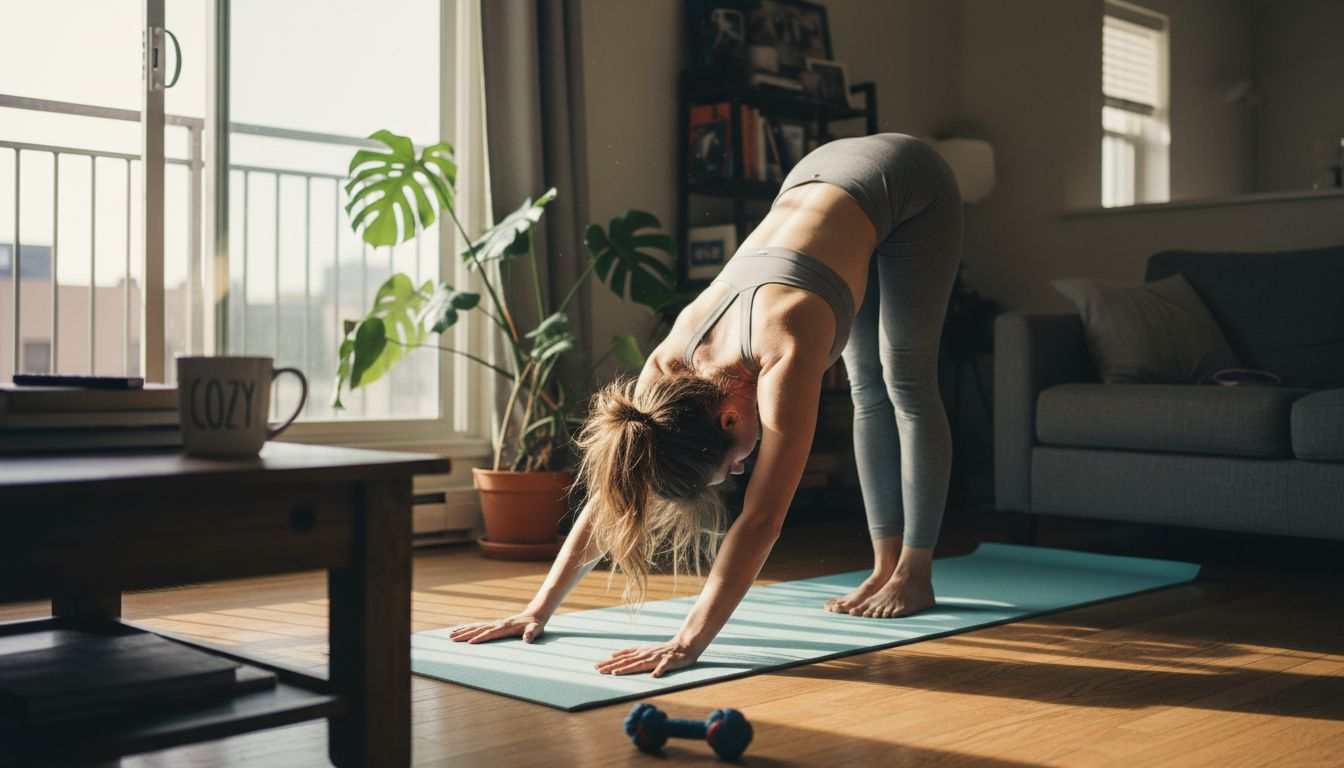
Over half of American adults say they struggle to find time for self care, especially in busy cities like Philadelphia. Stress and tight schedules can quickly take a toll on both body and mind, making it harder to feel your best each day. If you are looking for gentle ways to support your well-being, accessible yoga practices offer simple options that fit easily into daily life and help you feel more balanced, flexible, and relaxed.
Table of Contents
Quick Summary
| Key Message | Explanation |
|---|---|
| 1. Start with Gentle Warm-Ups | Gentle stretches like Happy Baby pose prepare your body, increasing flexibility and helping prevent injury. |
| 2. Learn Basic Poses | Master foundational poses such as Mountain Pose and Forward Fold to build strength and body awareness. |
| 3. Focus on Breathing Techniques | Use diaphragmatic breathing to enhance relaxation and improve movement synchronization during yoga. |
| 4. Create a Comfortable Space | Set up a serene, clutter-free environment with supportive props to promote relaxation during practice. |
| 5. Stay Motivated with Community | Engage in local classes or online groups to connect with others, finding support and inspiration. |
1. Start with Gentle Warm-Up Stretches
Beginning your yoga journey requires a thoughtful approach, especially when it comes to preparing your body for movement. Gentle warm-up stretches are the foundation of a safe and effective yoga practice that helps prevent injury and gradually increases flexibility.
When exploring gentle warm-up techniques, understanding how to properly engage your muscles becomes crucial. These initial movements help transition your body from a stationary state to an active practice, reducing the risk of strain or discomfort.
One particularly beneficial stretch for beginners is the Happy Baby pose. This pose not only helps loosen tight muscles but also promotes relaxation and releases tension in the lower back and hip area. By gently rocking side to side while holding your feet, you can create a soothing stretch that prepares your body for more advanced yoga positions.
For those new to yoga, start with slow, deliberate movements that allow you to tune into your body's signals. Focus on breathing deeply and moving with intention, allowing each stretch to feel like a gentle exploration of your physical capabilities.
Pro tip: Move slowly and listen to your body. If a stretch feels uncomfortable or painful, back off and modify the movement to suit your current flexibility level.
2. Learn Basic Yoga Poses for Everyday Practice
Building a consistent yoga practice starts with mastering a few foundational poses that can transform your daily wellness routine. Understanding and integrating basic yoga poses allows you to create a flexible, accessible approach to movement and mindfulness.
The fundamental yoga poses for beginners offer an excellent starting point for developing strength, flexibility, and body awareness. Two key poses every beginner should learn are Mountain Pose and Forward Fold, which provide a solid foundation for more advanced yoga movements.
Mountain Pose helps improve posture and body alignment by teaching you to stand with intentional awareness. By standing tall with feet together, engaging your core, and distributing weight evenly, you develop a sense of groundedness and balance. Forward Fold complements this by stretching the entire back of your body, releasing tension in the hamstrings and lower back.
Incorporating these poses into your daily routine can be as simple as taking five minutes each morning to move through them mindfully. Focus on your breath, move slowly, and pay attention to how your body feels during each position.
Pro tip: Start with just two or three basic poses and practice them consistently. Consistency matters more than complexity when you are building a sustainable yoga practice.
3. Focus on Easy Breathing Techniques
Breathing is the cornerstone of any successful yoga practice, transforming simple movements into profound moments of mindfulness and connection. Understanding how to control and utilize your breath can dramatically improve both physical and mental wellness.
The integration of mindful breathing with yoga stretches allows practitioners to reduce tension and enhance overall relaxation. By synchronizing breath with movement, you create a powerful tool for managing stress and increasing body awareness.
One fundamental technique is diaphragmatic breathing, where you focus on filling your lower belly with air rather than shallow chest breathing. This approach helps activate the parasympathetic nervous system, signaling your body to relax and release tension. When practicing yoga poses like the Happy Baby pose, concentrating on deep, rhythmic breathing can significantly improve flexibility and promote a sense of inner calm.
Beginners can start by practicing a simple breath counting method. Inhale for four counts, hold for two, then exhale for four counts. This structured approach helps train your mind to stay present and your body to move with intentional, controlled breathing.
Pro tip: Practice breathing techniques for five minutes daily, even when not doing yoga. Consistent practice helps build muscle memory and makes breathing naturally during yoga poses much easier.
4. Practice Mindfulness and Relaxation
Mindfulness transforms yoga from a physical exercise into a powerful practice of self awareness and inner peace. By intentionally connecting your mind and body, you create a sanctuary of calm amidst life's daily chaos.
Mindfulness techniques during yoga can dramatically reduce stress by focusing your attention on the present moment and your body's sensations. This approach helps release accumulated mental tension and promotes a deeper sense of relaxation.
One accessible method for practicing mindfulness is body scanning. Start by sitting comfortably and systematically bringing attention to each part of your body from your toes to your head. Notice any sensations without judgment. During poses like the Happy Baby pose, you can use this technique to increase body awareness and release emotional tension.
Beginners can start with short five minute mindfulness sessions. Choose a quiet space, sit comfortably, and focus on your breath. When your mind wanders, gently redirect your attention back to your breathing. This simple practice trains your brain to stay present and reduces anxiety.
Pro tip: Set a daily reminder on your phone for a two minute mindfulness break. Consistency matters more than duration when developing a mindful practice.
5. Set Up a Safe and Comfortable Yoga Space
Creating the right environment for your yoga practice can transform a simple exercise routine into a powerful wellness experience. Your personal yoga space should be a sanctuary that supports both physical movement and mental relaxation.
Setting up a conducive yoga environment involves more than just clearing floor space. You want to design an area that minimizes distractions and promotes a sense of calm and focus.
Begin by selecting a quiet area in your home with enough room to move freely. Ideally, choose a space with natural light and minimal noise. Use a dedicated yoga mat or soft surface that provides cushioning and grip. Consider adding elements like a small plant, calming artwork, or soft lighting to create a soothing atmosphere.
Props can significantly enhance your comfort and safety during practice. Keep a few essential items nearby such as blocks, a bolster, or a folded blanket. These tools help modify poses like the Happy Baby pose, making them more accessible and supportive for beginners. They also help prevent strain and allow you to explore poses with greater confidence.
Pro tip: Treat your yoga space as a sacred area. Keep it clean, clutter-free, and use it exclusively for your practice to help your mind associate this space with relaxation and mindfulness.
6. Build a Consistent Yoga Routine
Consistency is the secret ingredient that transforms yoga from an occasional activity into a powerful wellness practice. Developing a reliable routine helps you unlock the full potential of yoga for physical and mental transformation.
Building a sustainable yoga practice requires strategic planning and realistic goal setting. Start by committing to short, manageable sessions that fit naturally into your daily schedule, rather than attempting marathon practices that feel overwhelming.
Begin with a realistic commitment of three to four 15-minute sessions per week. This approach allows you to build muscle memory, improve flexibility, and develop a sustainable habit without causing burnout. Choose specific times that align with your energy levels whether that is early morning, lunch break, or evening wind down.
Track your progress using a simple journal or smartphone app. Document how you feel after each session, noting improvements in flexibility, stress levels, and overall well being. This approach helps maintain motivation and provides tangible evidence of your yoga journey.
Pro tip: Pair your yoga routine with another daily habit like morning coffee or evening meditation to help anchor the practice into your existing lifestyle.
7. Stay Motivated with Community Support
Connecting with like minded individuals can transform your yoga journey from a solitary practice into an inspiring and supportive experience. Community engagement provides the accountability, motivation, and encouragement needed to sustain your wellness goals.
Yoga community participation offers more than just social interaction it creates a powerful network of shared learning and mutual inspiration. By surrounding yourself with individuals who are passionate about wellness, you create an environment that naturally propels your personal growth.
Start by exploring local yoga classes, online forums, or group workshops where you can meet practitioners at similar skill levels. These spaces provide opportunities to share experiences, learn from others, and feel part of a supportive wellness ecosystem. Many studios offer beginner friendly group sessions that welcome newcomers and create a judgment free learning environment.
Digital platforms like social media groups, wellness apps, and virtual classes have made community connection more accessible than ever. You can participate in live sessions, join discussion forums, or follow inspiring yoga practitioners who share techniques and motivational content.
Pro tip: Choose a community that aligns with your personal wellness goals and makes you feel comfortable and inspired. The right support network can make your yoga journey enjoyable and sustainable.
Below is a comprehensive table summarizing the main strategies and steps for beginning a successful yoga practice as discussed throughout the article.
| Main Step | Key Points & Actions | Benefits/Outcomes |
|---|---|---|
| Gentle Warm-Up Stretches | Engage muscles with slow, deliberate movements; try poses like Happy Baby. | Prevents injury, releases tension, prepares for advanced poses. |
| Basic Yoga Poses | Learn Mountain Pose and Forward Fold; practice daily. | Improves posture, flexibility, body awareness. |
| Breathing Techniques | Use diaphragmatic breathing; practice breath counting. | Reduces stress, enhances relaxation, improves flexibility. |
| Mindfulness and Relaxation | Practice body scanning; focus on breath awareness. | Reduces anxiety, promotes inner peace. |
| Setting Up Yoga Space | Select a quiet, distraction-free area with props. | Provides a sanctuary for mental and physical relaxation. |
| Consistent Yoga Routine | Commit to 3–4 sessions per week; track progress. | Builds muscle memory, improves wellness. |
| Community Support | Join local or online yoga groups and forums. | Provides motivation, accountability, and shared learning. |
Elevate Your Wellness Journey with Guided Yoga and Community Support
Starting yoga can feel overwhelming when trying to navigate gentle warm-ups, basic poses, and mindful breathing on your own. This article highlights common challenges like building a consistent routine, finding a calm space, and staying motivated. If you want to overcome those hurdles and embrace a sustainable wellness practice, finding the right guidance and community is key.
Discover how Amrita Yoga & Wellness in Philadelphia can help you transform your yoga experience from uncertainty to confidence. With thoughtfully designed classes for beginners, including hot yoga, tai chi, and pilates, you can safely progress through foundational poses, breathing techniques, and mindfulness practices. Take advantage of workshops, supportive group settings, and expert instructors to build a consistent, nurturing routine that fits your lifestyle. Visit Amrita Yoga & Wellness to explore class schedules, sign up for beginner-friendly sessions, and join a welcoming community dedicated to your physical and mental well-being today.
Frequently Asked Questions
What are some gentle warm-up stretches for beginners in yoga?
Starting with gentle warm-up stretches helps prepare your body for movement and prevents injury. Try the Happy Baby pose, which loosens tight muscles and promotes relaxation. Incorporate this stretch before more advanced poses to enhance your flexibility and comfort.
How do I learn the basic yoga poses effectively?
Mastering a few foundational yoga poses is key for building a consistent practice. Focus on Mountain Pose and Forward Fold, which improve posture and stretch your back. Integrate these poses into your daily routine for just five minutes to enhance your overall wellness.
What breathing techniques should beginners practice in yoga?
Breathing techniques are essential for enhancing your yoga experience. Practice diaphragmatic breathing by filling your lower belly with air instead of shallow chest breathing. Start with a simple method: inhale for four counts, hold for two, and exhale for four, practicing for five minutes each day.
How can I create a comfortable yoga space at home?
To set up a safe and comfortable yoga space, choose a quiet area with enough room for movement and natural light. Use a dedicated yoga mat and consider adding calming elements like plants or soft lighting to create a serene atmosphere for your practice.
How often should I practice yoga to see results?
Building a consistent yoga routine is crucial for reaping its benefits. Start with three to four 15-minute sessions per week, gradually increasing duration as you become more comfortable. Track your progress to stay motivated and notice improvements within a few weeks.
How can I find support in my yoga journey?
Connecting with a community can significantly enhance your yoga experience. Look for local classes, online forums, or group workshops where you can share experiences and learn from others. Engaging with supportive individuals helps maintain motivation and enriches your practice.