Simple yoga for beginners: easy low-impact routines
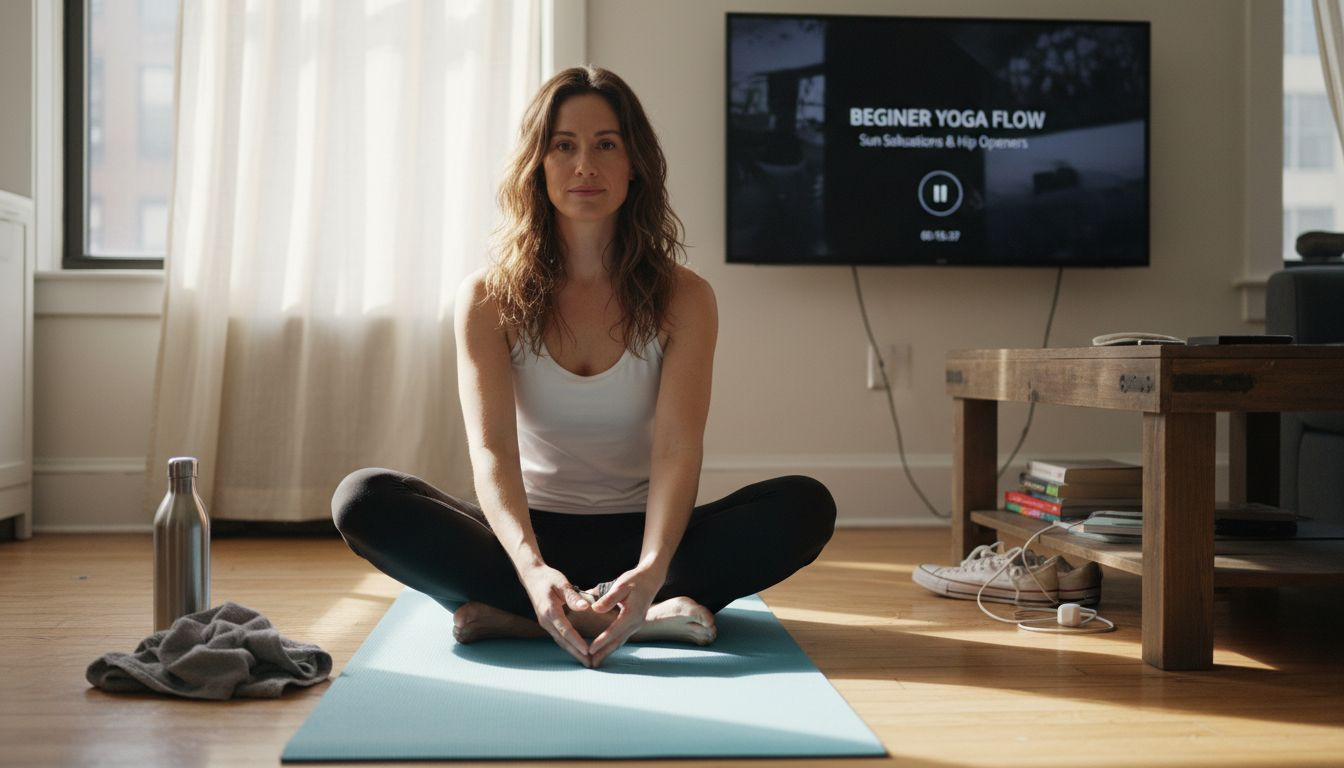
Feeling overwhelmed by complicated yoga poses or worried about getting hurt? You're not alone. Many beginners abandon yoga before experiencing its benefits because they fear injury or feel intimidated by complex sequences. Simple yoga offers a solution: accessible, low-impact routines designed specifically for people new to the practice. These gentle movements build strength, flexibility, and mindfulness without the stress of advanced poses. Whether you're in Philadelphia or anywhere else, simple yoga provides a safe entry point into wellness that fits your life.
Table of Contents
Key takeaways
| Point | Details |
|---|---|
| Safe wellness approach | Simple yoga uses low-impact movements that reduce injury risk while improving flexibility, strength, and mental health. |
| Minimal requirements | You need just 10-20 minutes daily, a yoga mat, comfortable clothes, and a quiet space to start practicing effectively. |
| Beginner-friendly poses | Twelve foundational poses like Cobra and Downward Dog build your practice safely with modifications for all fitness levels. |
| Avoid common mistakes | Skipping warm-ups, poor alignment, and pushing too hard increase injury risk and slow progress unnecessarily. |
| Realistic progress timeline | Consistent practice 2-3 times weekly delivers visible flexibility and strength improvements within 6-8 weeks. |
Introduction to simple yoga and its benefits
Simple yoga strips away intimidating elements and focuses on beginner-friendly, low-impact movements suitable for all body types and fitness levels. Unlike advanced practices requiring extreme flexibility or balance, simple yoga emphasizes accessible poses that anyone can perform safely. This approach welcomes people with mobility concerns, joint issues, or those simply new to exercise.
The physical benefits are substantial and measurable:
Improved flexibility through gentle stretching that gradually increases range of motion
Enhanced muscle strength from holding poses that engage core, legs, and upper body
Better joint mobility without the high-impact stress of running or jumping
Reduced pain from chronic conditions through gentle movement and alignment correction
Mental health improvements match the physical gains. Yoga is a low-impact exercise that can reduce pain, boost mood, lower blood pressure, and promote better sleep, making it ideal for people with mobility or joint issues. Regular practice cultivates stress relief through focused breathing and present-moment awareness. You'll notice mood improvements as endorphins increase and cortisol decreases. Many practitioners report better sleep patterns within weeks of starting a consistent routine.
The low-impact nature makes simple yoga perfect for beginners who worry about injury. Unlike high-intensity workouts that stress joints and muscles, yoga movements flow smoothly with controlled breathing. This gentleness accommodates people recovering from injuries or managing chronic conditions like arthritis.
Philadelphia's wellness community values accessible fitness options that fit busy urban lifestyles. Simple yoga meets this need by requiring minimal space and equipment while delivering maximum health benefits. You can practice at home, in a park, or at a local studio, making it adaptable to your schedule and preferences.
Prerequisites and preparation for simple yoga
Before rolling out your mat, proper preparation ensures safety and maximizes your practice benefits. Physical readiness starts with basics: wear comfortable, breathable clothing that allows free movement without restriction. Leggings or loose pants work better than jeans. Drink water before practice, but avoid heavy meals within two hours of starting.
Essential equipment keeps costs low:
Non-slip yoga mat providing cushioning and stability for floor poses
Yoga blocks supporting proper alignment when flexibility limits reach
Yoga strap assisting in stretches without straining muscles
Blanket or bolster for seated poses and final relaxation
You don't need expensive gear to start. A basic mat costs $20-40 and lasts years with proper care. Props help but aren't mandatory for beginners.
| Preparation Element | Purpose | Cost |
|---|---|---|
| Yoga mat | Cushioning and grip | $20-40 |
| Comfortable clothing | Freedom of movement | $0-30 (use existing clothes) |
| Props (blocks, strap) | Pose modifications | $15-25 (optional) |
| Quiet space | Focus and safety | Free |
Environmental setup matters as much as equipment. Find a quiet space with enough room to extend arms and legs fully without hitting furniture. A bedroom, living room, or outdoor area works perfectly. Ensure the surface is level and free from sharp objects. Temperature should feel comfortable, neither too hot nor too cold.
If you have chronic conditions, injuries, or health concerns, consult your doctor before starting yoga. Most people can practice safely, but medical clearance provides peace of mind and helps identify necessary modifications.
Philadelphia offers numerous beginner-friendly resources. Finding yoga classes in Philadelphia connects you with instructors who can assess your form and answer questions. Community classes provide motivation and social support that home practice sometimes lacks.
Step-by-step simple yoga routine
Yoga for beginners does not require pre-existing flexibility or expensive equipment and can start effectively with just a 10-minute daily routineincluding foundational poses and breathwork. This practical routine builds strength, flexibility, and mindfulness through consistent practice.
Daily routine structure (15-20 minutes):
Warm-up (3 minutes): Gentle neck rolls, shoulder circles, and hip rotations prepare muscles and joints
Breath awareness (2 minutes): Sit comfortably, focus on deep inhales through nose, slow exhales through mouth
Foundation poses (10 minutes): Perform each pose for 30-60 seconds with modifications as needed
Cool-down (3 minutes): Gentle stretches and relaxation in Corpse Pose
Twelve essential beginner poses:
| Pose Name | Primary Benefit | Modification |
|---|---|---|
| Mountain Pose | Posture and alignment | Use wall for balance |
| Child’s Pose | Spine stretch and relaxation | Place bolster under torso |
| Cat-Cow Pose | Spine mobility | Reduce range of motion |
| Downward Facing Dog | Full body strength | Bend knees slightly |
| Cobra Pose | Back strength | Keep elbows bent |
| Bridge Pose | Hip and glute strength | Use block under sacrum |
| Warrior I | Leg strength and balance | Shorten stance |
| Triangle Pose | Side body stretch | Hand on block instead of floor |
| Tree Pose | Balance and focus | Foot on ankle, not knee |
| Seated Forward Fold | Hamstring flexibility | Bend knees generously |
| Butterfly Pose | Hip opening | Sit on folded blanket |
| Corpse Pose | Final relaxation | Cover body with blanket |
Simple low-impact yoga poses such as Butterfly Pose, Cobra Pose, and Downward Facing Dog effectively improve flexibility, relieve stress, and build strength suitable for beginner levels without risk of injury if executed carefully.
Breath control techniques enhance every pose. Inhale during expansive movements like lifting arms or arching back. Exhale during contracting movements like folding forward or twisting. This coordination creates rhythm and keeps you present. Try counting breaths: inhale for four counts, exhale for four counts.
Pro Tip: Listen to your body signals carefully and never push through sharp pain. Mild discomfort during stretching is normal, but pain indicates you've gone too far. Back off immediately and modify the pose using props or reduced range of motion. Progress comes from consistent gentle practice, not forcing your body into positions it's not ready for.
Props support safe execution. Blocks bring the floor closer in standing forward folds. Straps extend reach in seated stretches. These tools aren't crutches but intelligent aids that prevent injury while building strength and flexibility.
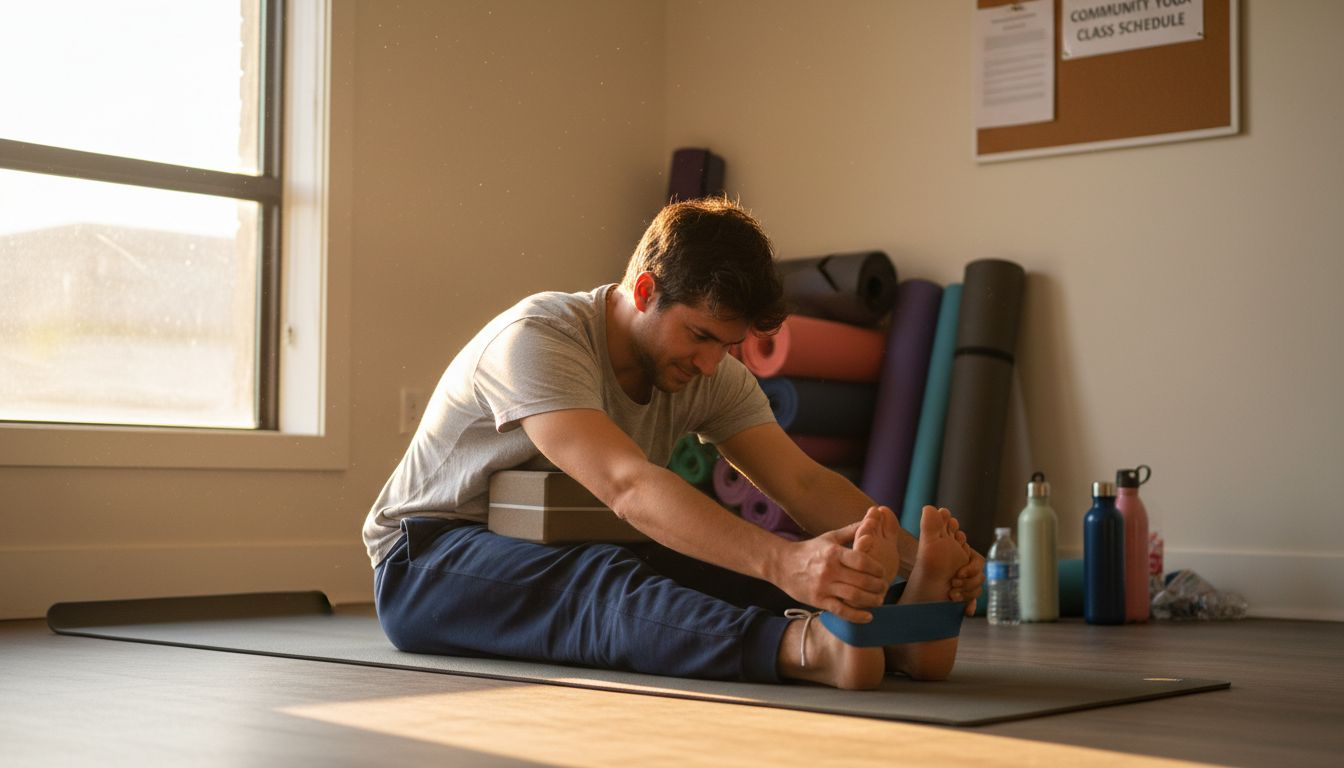
A beginner yoga routine should feel challenging but achievable. You'll notice muscles engaging and breath deepening without feeling exhausted or strained.
Common mistakes and how to avoid them safely
Beginner enthusiasm often leads to preventable errors that increase injury risk and slow progress. Understanding these pitfalls helps you practice safely and effectively from day one.
Frequent mistakes beginners make:
Skipping warm-ups and jumping directly into challenging poses without preparing muscles and joints
Holding breath during difficult poses instead of maintaining steady breathing rhythm
Pushing too hard to match others or achieve perfect form before body is ready
Poor alignment that places stress on vulnerable joints like knees, lower back, and neck
Ignoring pain signals and continuing to practice through sharp or shooting sensations
Each mistake carries specific consequences. Common yoga injuries in the US involve muscle strain and overstretching of the neck, shoulders, spine, legs, and knees; injury risk can be reduced by warming up, choosing appropriate class levels, and listening to body signals. Skipping warm-ups leaves muscles cold and tight, making strains likely. Breath holding raises blood pressure and creates tension instead of relaxation. Pushing beyond current ability damages connective tissue that needs weeks or months to heal.
Poor alignment deserves special attention. In Downward Dog, rounded shoulders strain the neck. In Warrior poses, knee extending past ankle stresses the joint. In forward folds, rounding the lower back compresses discs. These subtle misalignments accumulate over time, causing chronic issues.
Yoga-related injuries have increased significantly as popularity has grown. Most injuries affect the musculoskeletal system, particularly the spine, knees, and shoulders. Proper instruction and gradual progression prevent the majority of these preventable injuries.
Pro Tip: Use a mirror or ask an instructor to check your alignment regularly. What feels correct often isn't when you're learning new movement patterns. Video recording yourself or attending classes with hands-on adjustments accelerates proper form development.
Evidence-based injury prevention strategies:
Always warm up with 3-5 minutes of gentle movement before deeper poses
Choose beginner-appropriate classes that match your current fitness level
Focus on breath as your primary guide; if breathing becomes strained, ease back
Build strength gradually over weeks and months rather than forcing flexibility
Stop immediately if you feel sharp pain, then modify or skip that pose
Building yoga skills safelyrequires patience and self-awareness. Your practice should challenge you without overwhelming your body's current capacity. Recovery between sessions matters as much as the practice itself.
Expected outcomes and progress timelines
Realistic expectations keep you motivated through the learning curve. Simple yoga delivers measurable benefits, but understanding typical timelines helps you celebrate progress appropriately.
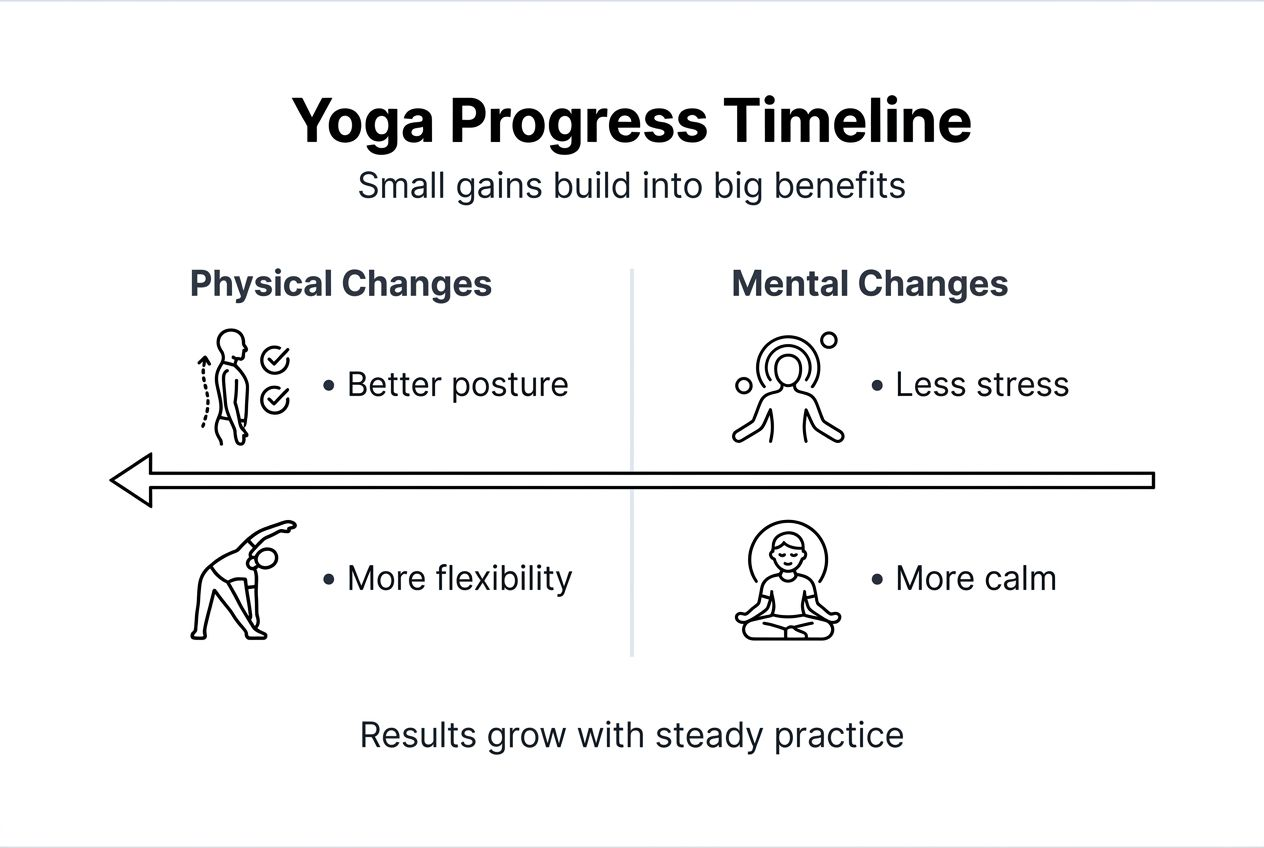
A 7-day beginner yoga starter plan improves beginner flexibility, strength, and stress relief with consistent practice, using 12 beginner poses and a simple routine printable PDF. Physical improvements typically emerge within 6-8 weeks when practicing 2-3 times weekly. You'll notice easier movement in daily activities as flexibility increases. Muscles feel stronger and more toned. Balance improves noticeably, making you steadier on your feet.
Mental health benefits appear faster:
Reduced anxiety after individual sessions from breath work and present-moment focus
Improved mood within 2-3 weeks as regular practice regulates stress hormones
Enhanced mindfulness carrying over into daily life situations and relationships
Better sleep quality within 4-6 weeks from reduced physical tension and mental relaxation
Progress benchmarks by timeframe:
| Timeline | Physical Changes | Mental Changes | Practice Milestones |
|---|---|---|---|
| Week 1 | Muscle soreness (normal), increased body awareness | Immediate post-practice calm, reduced stress | Learning basic poses, establishing routine |
| Week 4 | Noticeable flexibility gains, reduced stiffness | Improved mood, better stress management | Holding poses longer, smoother transitions |
| Week 8 | Significant strength and balance improvement | Enhanced mindfulness, better sleep patterns | Attempting variations, deeper stretches |
| Week 12 | Visible muscle tone, improved posture | Sustained emotional regulation | Consistent practice habit, ready for intermediate poses |
Consistent practice matters more than session length. Three 15-minute sessions weekly produce better results than one 60-minute weekly session. Your body adapts through regular stimulus, not occasional intense effort.
Set realistic goals that match your starting point. If you can't touch your toes now, expect to reach mid-shin after four weeks, then eventually knees, and finally toes after months of practice. Rushing this progression invites injury.
Yoga programs for beginners structure progression logically, building on previous skills. Following proven sequences helps you advance safely while maintaining motivation. Many practitioners notice yoga tips for wellness accelerate their progress when applied consistently.
Progress isn't always linear. Some weeks feel easier than others. Plateaus are normal and temporary. Trust the process and maintain consistency even when improvements seem to slow.
Alternative approaches and choosing the right path
Simple yoga forms one path among many. Understanding alternatives helps you select the approach that best matches your goals, physical condition, and lifestyle preferences.
Popular yoga styles for beginners:
Hot yoga: Practiced in heated rooms (95-105°F) to increase flexibility and detoxification through sweating
Restorative yoga: Uses props extensively for passive stretching held 5-10 minutes per pose for deep relaxation
Prenatal yoga: Modified specifically for pregnant women to maintain fitness and prepare for childbirth
Yin yoga: Targets connective tissue through long-held passive poses, complementing active practices
At-home practice versus studio classes:
| Factor | At-Home Practice | Studio Classes |
|---|---|---|
| Cost | Minimal (mat and optional props) | $15-30 per class or monthly membership |
| Convenience | Practice anytime, no travel required | Fixed schedule, commute time needed |
| Instruction | Self-guided or video-based | Live feedback and hands-on adjustments |
| Community | Solo practice | Social connection and motivation |
| Intensity | Self-paced, easily modified | Instructor-led, group energy |
Each approach offers distinct advantages. Home practice provides ultimate flexibility for busy schedules. You control the environment, music, and pace completely. However, you miss expert guidance that prevents bad habits from forming.
Studio classes offer professional instruction that accelerates learning. Instructors correct alignment issues you can't see yourself. The community aspect creates accountability and motivation. Many Philadelphia studios offer yoga class options designed specifically for beginners with smaller class sizes and extra attention.
Hot yoga suits people who enjoy sweating and want increased flexibility quickly. The heat allows deeper stretches but requires careful hydration. It's not ideal if you have cardiovascular concerns or heat sensitivity.
Restorative yoga appeals to stressed individuals needing deep relaxation more than physical challenge. It's perfect for recovery days or people with chronic pain conditions. The gentle nature makes it accessible for almost everyone.
Situational recommendations:
Joint issues or arthritis: Choose restorative or gentle yoga with props
Busy schedule: Start with 10-minute home routines, then add studio classes when possible
Social preference: Join studio classes for community support and motivation
Heat sensitivity: Avoid hot yoga, choose regular temperature classes
Pregnancy: Seek certified prenatal yoga instructors for safe modifications
Finding yoga classes in Philadelphia connects you with local options suited to your specific needs. Try different styles and instructors before committing to one approach. Many studios offer introductory packages letting you explore various classes affordably.
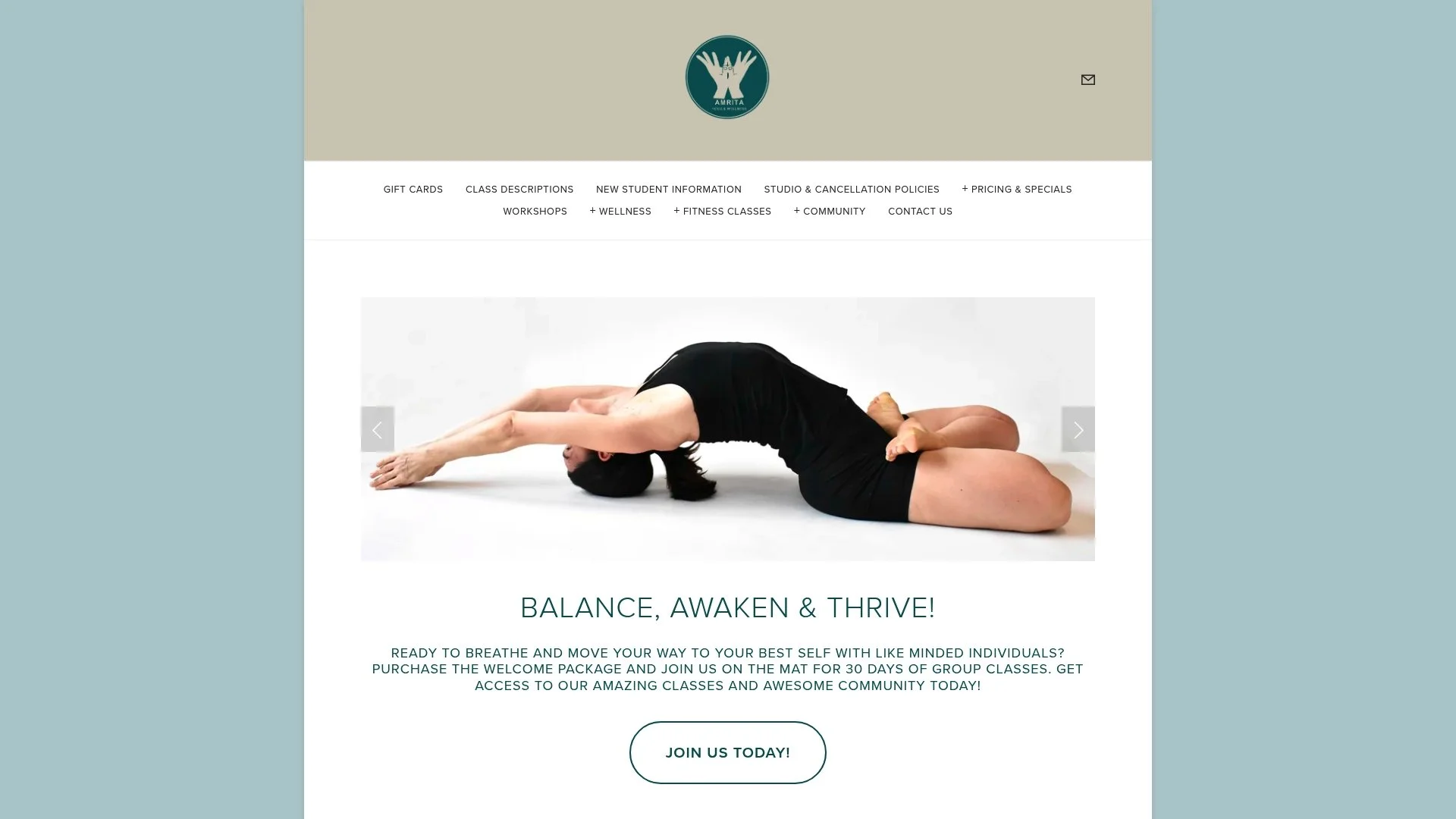
Amrita Yoga & Wellnessprovides diverse class options from gentle beginner sessions to more challenging practices, allowing you to grow within one supportive community.
Explore yoga classes and wellness support in Philadelphia
Reading about yoga builds knowledge, but practicing with expert guidance accelerates your progress dramatically. Philadelphia offers vibrant wellness communities where beginners find support, instruction, and motivation to maintain consistent practice.
Amrita Yoga & Wellness serves as a trusted local resource offering beginner-friendly yoga gym classes designed specifically for people starting their wellness journey. Experienced instructors provide hands-on adjustments and modifications ensuring you learn proper form from day one.
Finding and joining yoga classes near you is simpler than you might think. Start by visiting studio websites to review class schedules and instructor backgrounds. Look for terms like "beginner," "gentle," or "all levels" indicating accessible sessions.
New students often hesitate due to cost concerns. New student specials at Amrita Yoga & Wellness provide affordable introductory offers letting you experience professional instruction without major financial commitment. These packages typically include multiple classes at reduced rates, giving you time to develop a practice habit.
Studio practice offers benefits home routines can't replicate. You'll meet others on similar wellness journeys, creating accountability and friendship. Instructors spot alignment issues immediately, preventing injuries before they develop. The dedicated space removes home distractions, deepening your focus and practice quality.
Frequently asked questions
How long does it take to see benefits from simple yoga?
You'll feel immediate benefits like reduced stress and increased calm after your first session. Physical improvements including flexibility and strength typically become noticeable within 4-6 weeks of practicing 2-3 times weekly. Mental health benefits like improved mood and better sleep often emerge within 2-3 weeks of consistent practice.
Do I need expensive equipment to start simple yoga?
No, you only need a basic yoga mat costing $20-40 and comfortable clothing you likely already own. Props like blocks and straps help but aren't required initially. Many poses can be modified using household items like books instead of blocks or belts instead of straps until you decide to invest in dedicated equipment.
Can I modify poses if I'm not flexible?
Absolutely, modifications are essential for safe practice regardless of flexibility level. Use props to bring the floor closer in forward folds, bend your knees generously in standing poses, and reduce your range of motion in any stretch. Flexibility develops gradually over months, so working within your current range prevents injury while building capacity safely.
How do I know when I'm ready for more advanced yoga styles?
You're ready to progress when you can hold basic poses for 30-60 seconds with proper alignment and steady breathing, when you've practiced consistently for 8-12 weeks, and when simple routines no longer challenge you physically. Discuss progression with an instructor who can assess your form and readiness objectively before moving to intermediate practices.
What should I do if I feel pain during a yoga pose?
Stop immediately if you experience sharp or shooting pain, which signals potential injury rather than normal stretching sensation. Come out of the pose gently, then either skip it entirely or try a modified version with props or reduced depth. Mild muscle discomfort is normal when stretching, but joint pain or sharp sensations require stopping and possibly consulting a healthcare provider.