5 Hatha Yoga Types: 68% Higher Beginner Retention
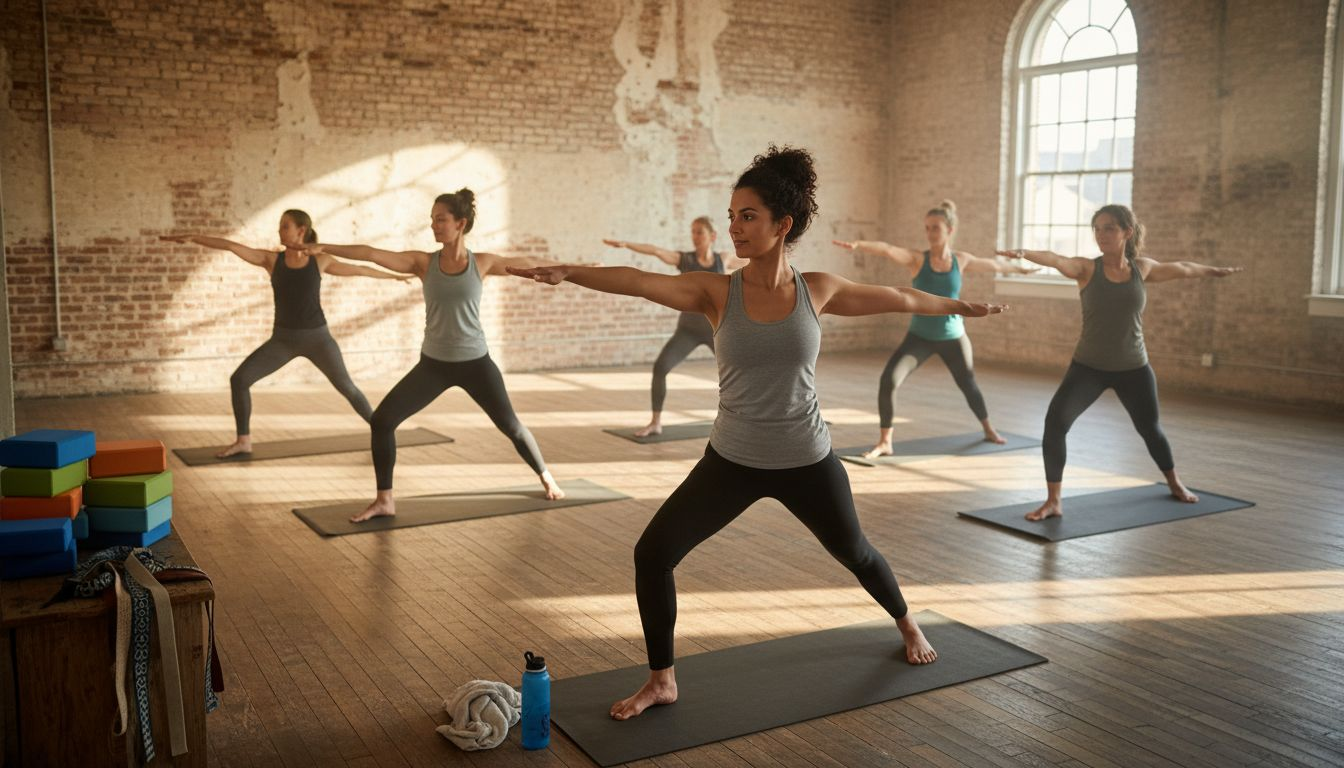
Choosing the right Hatha Yoga style can feel overwhelming when you're faced with names like Iyengar, Ashtanga, and Kundalini. Each type offers different benefits, intensities, and mental focuses that match specific goals and experience levels. This article provides clear criteria and detailed insights to help you make an informed choice that fits your body, mind, and lifestyle.
Table of Contents
Key Takeaways
| Point | Details |
|---|---|
| Hatha Yoga styles vary significantly | Different types offer unique combinations of physical intensity, mental focus, and spiritual emphasis to match diverse practitioner needs. |
| Accessibility drives retention | Iyengar and Gentle Hatha show 68% higher beginner retention rates due to their prop-supported, alignment-focused approaches. |
| Intensity matches experience | Ashtanga and Vinyasa suit fitness-focused intermediate to advanced practitioners, while gentle styles serve therapeutic goals. |
| Selection criteria guide choices | Evaluate your physical health, fitness level, mental goals, and class availability before committing to a style. |
| Goals determine best fit | Choose based on whether you prioritize physical fitness, therapeutic healing, spiritual growth, or stress reduction. |
Selection Criteria for Choosing Hatha Yoga Types
Before exploring specific Hatha Yoga types, establish a framework for evaluation. Your physical health forms the foundation of this decision. If you have chronic conditions, injuries, or mobility limitations, prioritize styles that emphasize modifications and props.
Your fitness and experience level directly impact which intensity suits you best. Beginners benefit from slower-paced practices with detailed instruction, while experienced practitioners may crave dynamic sequences. Consider how much finding yoga classes in Philadelphia research you're willing to invest based on style availability.
Mental and spiritual goals matter equally. Some practitioners seek purely physical benefits like strength and flexibility. Others want meditation, breathwork, and energy awareness as central components. Match the style's philosophical emphasis to your personal values.
Class accessibility influences consistency. Check local studio schedules, pricing, and formats like online or hybrid options. A perfect style means nothing if you can't attend regularly due to logistics.
Key factors to evaluate:
Current injury history and physical limitations
Fitness level and prior yoga experience
Primary goals like therapeutic healing, fitness, or spiritual growth
Preferred mental focus from active meditation to pure relaxation
Local class availability and schedule compatibility
Pro Tip: Start with a trial class in two contrasting styles like gentle and dynamic flow. Your body's response reveals more than descriptions alone.
Overview of Hatha Yoga Types
Hatha Yoga serves as an umbrella term for physical yoga practices. Traditional Hatha Yoga practices focus equally on asanas, pranayama, and meditation as foundational practices for balancing mind and body, according to Britannica. Modern interpretations often emphasize physical postures more heavily than classical methods.
The core components remain consistent across variations. Asanas build strength, flexibility, and body awareness through held postures. Pranayama regulates the nervous system and mental state through controlled breathing. Meditation cultivates focus and inner stillness.
Traditional approaches treat these three elements as equally important. A classical Hatha class dedicates substantial time to breathwork and seated meditation alongside physical poses. Modern Western adaptations frequently prioritize the physical workout aspect, reducing breathing exercises to brief segments.
This balance between physical and mental components defines each Hatha Yoga type's character. Some styles like Kundalini lean heavily into energetic and spiritual practices. Others like Ashtanga emphasize rigorous physical sequences. Understanding this spectrum helps you identify where your interests align.
Core Hatha Yoga elements:
Asanas that build strength, flexibility, and balance
Pranayama techniques to control breath and energy
Meditation practices for mental clarity and focus
Integration of physical, mental, and spiritual dimensions
Iyengar Yoga
Iyengar Yoga stands out for its meticulous attention to alignment. Iyengar Yoga characteristics emphasize precise alignment and use of props, making it highly accessible for beginners and those with physical limitations, according to the Iyengar Yoga organization. Props like blocks, straps, bolsters, and walls help you achieve proper form regardless of current flexibility.
The intensity remains low to moderate, making this style ideal for beginner-friendly yoga styles exploration. Classes move slowly with extended holds in each posture. Instructors provide detailed verbal cues and hands-on adjustments to refine positioning.
Therapeutic benefits make Iyengar popular for injury recovery and chronic condition management. The precise alignment work prevents compensation patterns that cause new injuries. Physical therapists often recommend this style for rehabilitation because it builds body awareness safely.
Classes typically last 75 to 90 minutes, allowing time for setup, instruction, and integration. You'll spend more time in fewer poses compared to flow-based styles. This deliberate pace builds a strong foundation in fundamental postures.
Iyengar Yoga characteristics:
Extensive use of props to support proper alignment
Slow pace with long holds to develop understanding
Detailed instruction and individualized adjustments
Low to moderate intensity suitable for most bodies
Strong therapeutic applications for injury prevention and recovery
Pro Tip: Invest in your own props if practicing Iyengar regularly. Familiarity with your equipment speeds setup and deepens your practice.
Ashtanga Yoga
Ashtanga Yoga delivers an intense physical challenge through set sequences. The Primary Series alone contains roughly 75 poses performed in the same order every practice. This repetition builds muscle memory, strength, and cardiovascular endurance.
The continuous flow demands high fitness levels and regular commitment. Practitioners move through poses in rhythm with breath, creating an aerobic workout. Expect to sweat and build serious strength in major muscle groups.
This style suits experienced practitioners seeking physical challenge within yoga styles for advanced practitioners. Beginners often struggle with the pace and intensity without proper preparation. Traditional Ashtanga uses Mysore-style teaching where students progress at individual paces, but Western group classes maintain faster rhythms.
The discipline extends beyond the mat. Traditional practice happens six days per week, with rest on moon days. This consistency requirement builds mental toughness alongside physical capacity.
Ashtanga is not recommended for those with injuries or joint issues. The repetitive sequences and intense pace can aggravate existing conditions without proper modifications, which the style traditionally avoids.
Ashtanga Yoga features:
Fixed sequence of poses performed in identical order
Continuous movement synchronized with breathing
High intensity requiring strength and stamina
Six-day-per-week traditional practice schedule
Best suited for injury-free, experienced practitioners
Kundalini Yoga
Kundalini Yoga emphasizes spiritual awakening and energetic transformation. Classes incorporate chanting, breathwork, and repetitive movements called kriyas designed to move energy through the body. The physical component serves the larger goal of consciousness expansion.
Sessions typically run 60 to 90 minutes with distinct segments. You'll begin with tuning in through chanting, move into a kriya sequence, practice pranayama, and conclude with meditation. The structure remains consistent even as specific kriyas vary.
This style attracts practitioners seeking inner awareness and transformation through mindfulness meditation practices. Physical fitness takes a backseat to energetic and spiritual development. The postures themselves may be simple, but the combination with breath retention and mental focus creates intensity.
Kundalini combines physical postures with mantra, mudra, and bandha techniques. These layered practices create experiences beyond typical yoga classes. Some report profound shifts in consciousness and emotional release.
The approach works well for practitioners comfortable with spiritual terminology and energetic concepts. Those seeking purely physical benefits might find the emphasis on subtle energy less satisfying.
Kundalini Yoga elements:
Kriyas combining movement, breath, and mantra
Strong emphasis on pranayama and meditation
Spiritual focus on energy awakening
Typical 60 to 90 minute structured sessions
Integration of physical, energetic, and consciousness practices
Gentle Hatha Yoga
Gentle Hatha Yoga provides accessible practice for seniors, beginners, and those with physical limitations. The slow movements and extended holds promote relaxation over exertion. This restorative and gentle yoga approach prioritizes stress relief and nervous system regulation.
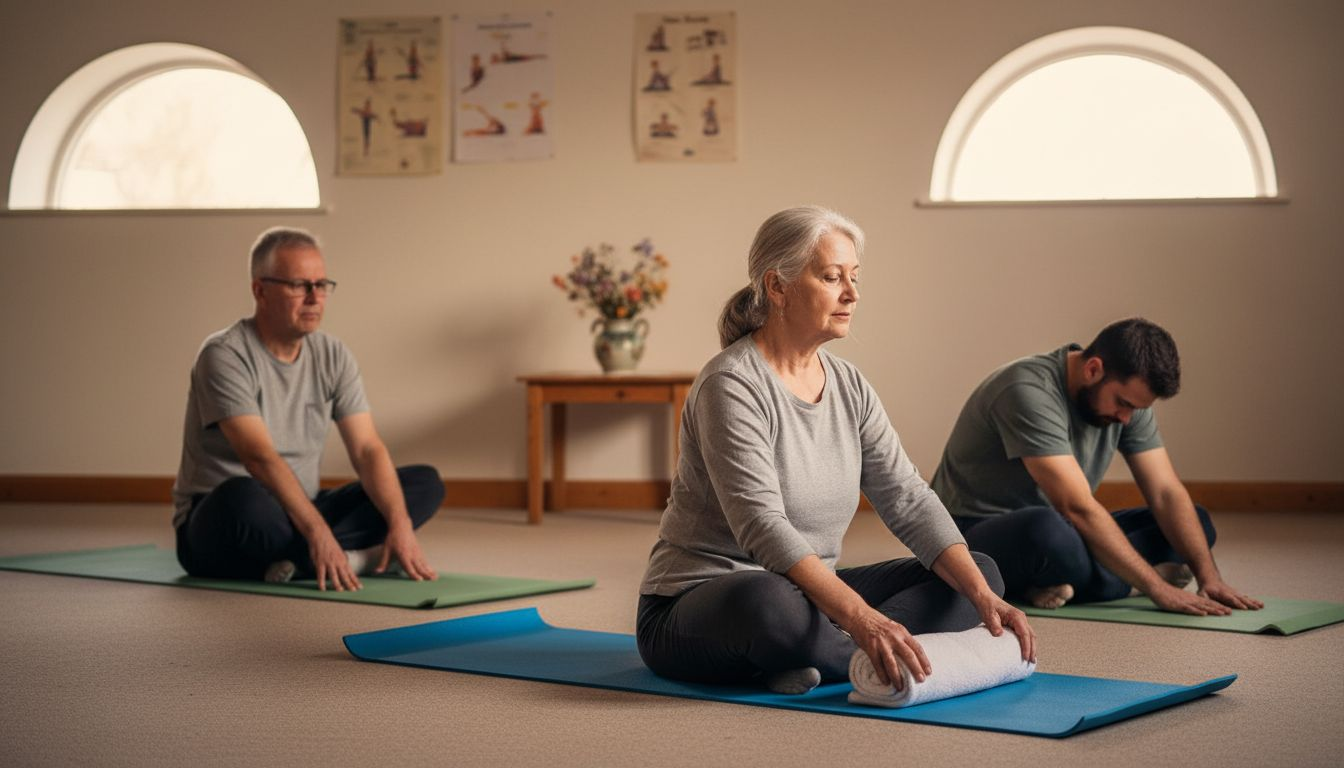
Classes accommodate chronic conditions, injuries, and mobility constraints through extensive modifications. Instructors offer multiple variations of each pose so everyone participates safely. Props support bodies in comfortable positions without strain.
The emphasis on stress relief makes this style therapeutic for anxiety, insomnia, and tension-related conditions. Longer holds in supported poses activate the parasympathetic nervous system, triggering the relaxation response. You'll leave feeling calm rather than energized.
Older adults find gentle Hatha particularly beneficial for maintaining mobility and balance. The controlled movements build stability without risk. Regular practice prevents age-related flexibility loss and supports independent living.
Session length varies from 60 to 75 minutes with ample time for setup and rest. The pace allows bodies to release slowly and minds to settle into present-moment awareness.
Gentle Hatha Yoga benefits:
Slow pace with long supported holds
Extensive modifications for all body types
Focus on stress reduction and relaxation
Suitable for seniors and those with limitations
Therapeutic for chronic conditions and recovery
Vinyasa Yoga
Vinyasa Yoga links breath with movement in flowing sequences. Unlike Ashtanga's fixed series, Vinyasa classes vary widely. Each instructor designs unique sequences, maintaining student engagement through creativity and variety.
The flow-based approach provides a solid cardiovascular workout alongside flexibility and strength development. You transition smoothly between poses without stopping, building heat and mental focus. This makes Vinyasa popular among Vinyasa Yoga for intermediate practitioners seeking fitness benefits.
Intermediate-level experience helps you keep pace safely. Beginners sometimes struggle with the continuous movement before establishing foundational alignment. Once you know basic poses, the creative sequences become enjoyable challenges.
The breath-movement synchronization creates a moving meditation. Your mind focuses on coordinating inhales and exhales with transitions, leaving less room for mental chatter. This meditative quality differentiates Vinyasa from pure exercise.
Class lengths typically range from 60 to 75 minutes. Expect music, varied themes, and dynamic energy. The style balances physical challenge with mental flow states.
Vinyasa Yoga characteristics:
Breath-synchronized flowing sequences
Creative variety in pose selection and order
Moderate to high intensity cardiovascular workout
Moving meditation through breath-movement coordination
Best suited for intermediate practitioners with foundational knowledge
Comparison of Hatha Yoga Types
Understanding how these styles compare across key dimensions helps narrow your choice. Physical intensity ranges from gentle restorative work to demanding athletic sequences. Accessibility depends on prop use, modification availability, and pace.
Therapeutic value varies with alignment focus and intensity. Iyengar and Gentle Hatha excel at rehabilitation. Kundalini addresses mental and emotional healing. Ashtanga and Vinyasa build physical resilience through challenge.
Beginner retention rates reveal which styles support new practitioners best. Iyengar and Gentle Hatha show significantly higher continued participation, largely due to their supportive, accessible approaches. More demanding styles see higher dropout among beginners lacking preparation.
| Style | Intensity | Accessibility | Primary Focus | Best For |
|---|---|---|---|---|
| Iyengar | Low to Moderate | Very High | Alignment, Therapeutic | Beginners, injury recovery, precise learning |
| Ashtanga | Very High | Low | Physical fitness, discipline | Advanced, fit practitioners seeking challenge |
| Kundalini | Low to Moderate | Moderate | Spiritual growth, energy work | Those seeking consciousness expansion |
| Gentle Hatha | Low | Very High | Relaxation, stress relief | Seniors, limitations, therapeutic needs |
| Vinyasa | Moderate to High | Moderate | Fitness, creative flow | Intermediate practitioners wanting variety |
The spiritual emphasis differs significantly. Kundalini centers on energetic awakening. Iyengar takes a more physical approach despite its roots in yoga philosophy. Ashtanga includes traditional elements but emphasizes physical discipline.
Class availability affects practical choices. Vinyasa and Gentle Hatha appear most frequently in comparing yoga styles at studios. Ashtanga and Kundalini require more searching in smaller markets.
Comparison factors:
Physical intensity from gentle to highly demanding
Accessibility through props, pace, and modifications
Primary benefit focus like fitness, therapy, or spirituality
Beginner retention and satisfaction metrics
Local availability and class frequency
Local Availability and Adaptations in Philadelphia
Philadelphia's yoga scene offers diverse Hatha options across neighborhoods. Typical class pricing ranges from $20 to $30 for drop-ins, with package deals reducing per-class costs. Many studios offer new student specials making initial exploration affordable.
Hybrid styles combine elements from multiple traditions. You'll find Hatha-Vinyasa blends offering moderate flow with alignment attention. Restorative Hatha classes integrate longer holds with gentle movement. These adaptations help studios serve diverse student needs within limited schedules.
Online and hybrid formats expanded significantly since 2020. Most Philadelphia studios now stream classes, increasing accessibility for those with transportation or scheduling constraints. This flexibility supports consistent practice regardless of location.
Community studios and wellness centers typically offer more variety than boutique fitness spaces. Checking Philadelphia yoga pricing trends reveals seasonal promotions and membership options that reduce costs substantially.
Local teachers often train in multiple modalities, bringing rich perspectives to their classes. Don't hesitate to ask instructors about their background and style influences. Understanding how to find yoga classes in Philadelphia efficiently saves time and connects you with ideal matches.
Philadelphia yoga landscape:
Drop-in rates typically $20 to $30 per class
Package deals and memberships reduce per-class costs
Hybrid Hatha-Vinyasa and Restorative Hatha common
Online and in-person formats widely available
Community-focused studios offer greatest variety
Situational Picks: Best Hatha Yoga for Your Goals
Matching style to situation creates optimal experiences. Your specific circumstances and goals determine which type serves you best right now.
For absolute beginners: Start with Iyengar or Gentle Hatha. The prop support, slow pace, and detailed instruction build confidence and proper form. Following tips for yoga beginners enhances your foundation.
For fitness and strength: Choose Ashtanga or Vinyasa once you have foundational knowledge. These demanding styles deliver cardiovascular and muscular benefits comparable to other workouts.
For injury recovery: Iyengar's therapeutic approach with props and precise alignment helps rehabilitation. Gentle Hatha works for chronic conditions requiring ongoing accommodation.
For spiritual development: Kundalini directly addresses consciousness expansion and energetic awakening. Expect chanting, breathwork, and meditation as central components.
For stress reduction: Gentle Hatha's slow pace and relaxation focus calms the nervous system effectively. Extended holds in supported poses trigger deep release.
For variety and creativity: Vinyasa's changing sequences prevent boredom. Each class offers new challenges within familiar frameworks.
Reassess your choice as your practice evolves. The perfect beginner style may feel limiting after a year. Physical improvements might make previously inaccessible styles suddenly appropriate. Life changes like injury, aging, or shifting priorities warrant style reconsideration.
Pro Tip: Sample multiple styles over several months before committing. Your authentic preferences emerge through direct experience, not descriptions alone.
Explore Hatha Yoga Classes at Amrita Yoga & Wellness
Ready to apply these insights? Amrita Yoga & Wellness offers diverse Hatha Yoga classes tailored to all experience levels throughout Philadelphia. Our instructors guide beginners through foundational alignment while challenging advanced students with deeper explorations.
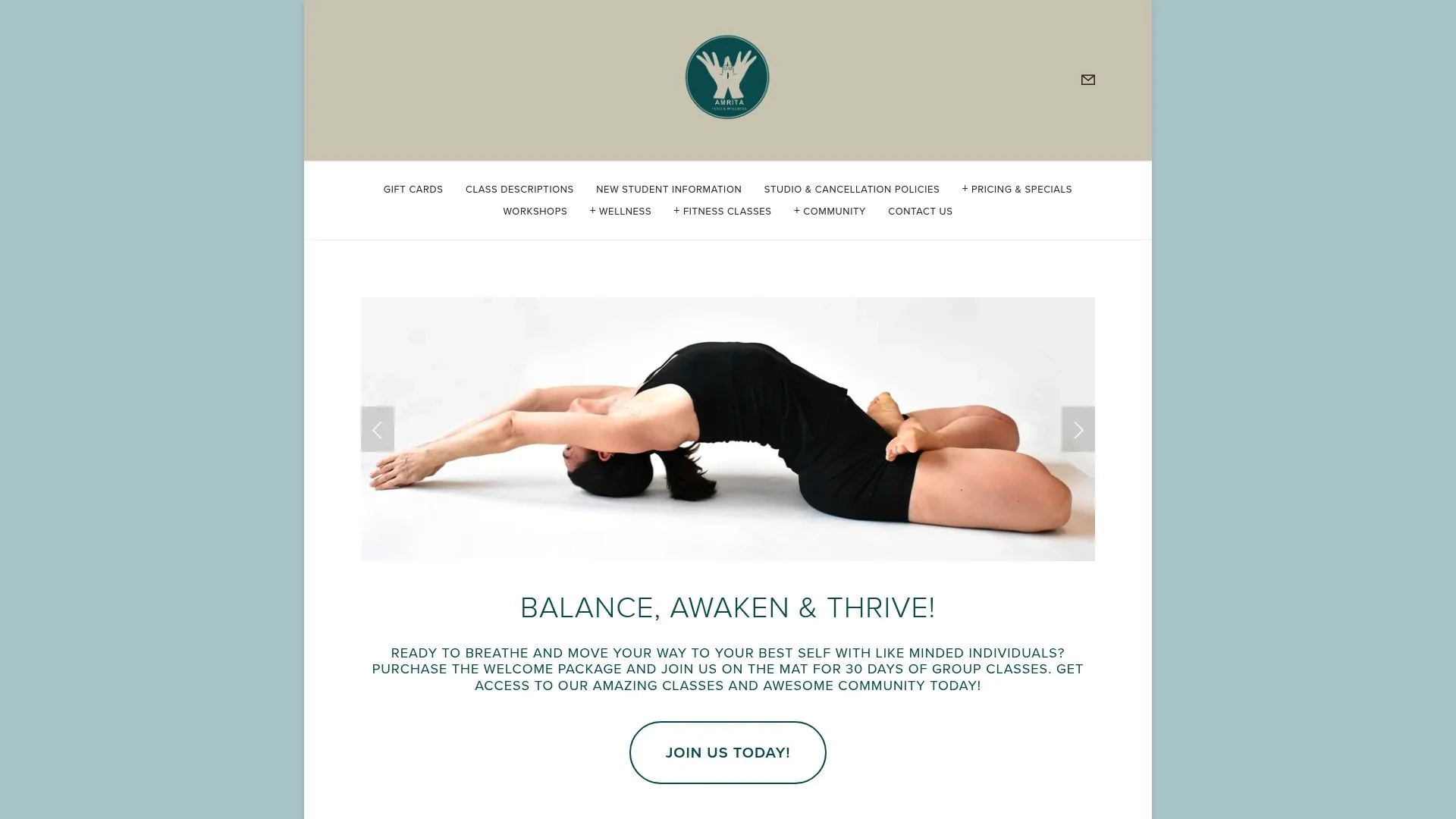
Flexible schedules accommodate busy lives with morning, midday, and evening options. New student specials make starting affordable and accessible. Whether you're finding and joining yoga classes in Philadelphia for the first time or expanding your existing practice, our yoga gym classes for holistic wellness provide supportive community and expert instruction. Explore new student specials at Amrita Yoga and take your first step toward the perfect Hatha Yoga practice today.
Frequently Asked Questions
How do I choose the best Hatha Yoga type for my skill level?
Assess your fitness and prior yoga experience honestly before selecting a style. Beginners benefit most from accessible types like Iyengar or Gentle Hatha that build foundational alignment and body awareness. Consult instructors during trial classes for personalized recommendations based on your current abilities and goals.
Can I practice Hatha Yoga if I have physical limitations or injuries?
Yes, styles like Iyengar and Gentle Hatha Yoga specifically accommodate physical limitations through props, modifications, and slower pacing. Always inform your instructor about injuries or chronic conditions before class begins. Focus on therapeutic approaches that emphasize safety and gradual progress rather than pushing through discomfort.
What are the mental and spiritual benefits of different Hatha Yoga types?
Kundalini Yoga focuses most directly on spiritual awakening and consciousness expansion through breathwork and meditation. Gentle Hatha and Iyengar promote mental calm, stress relief, and nervous system regulation through slow, mindful movement. Choose based on whether you prioritize spiritual development, mental clarity, or pure relaxation in your practice.
How important is local class availability when selecting a Hatha Yoga style?
Accessibility directly impacts consistency, which determines your progress and results. Convenient schedules and nearby locations make regular practice sustainable long term. Check for online and hybrid format options in Philadelphia that increase flexibility when in-person attendance proves difficult.