The Amrita Journal
Explore thoughtful stories, practical wellness guidance and inspiring ideas to support your movement, mindfulness and everyday wellbeing at Amrita.
Bikram Yoga for Weight Loss: What Really Works
TL;DR:
Bikram yoga can support fat loss when practiced consistently three times weekly over six months, mainly through metabolic and caloric expenditure. Immediate weight loss after sessions is mostly water, while fat reduction requires weeks of steady practice and proper hydration. Combining Bikram with strength training and proper recovery enhances long-term body composition improvements.
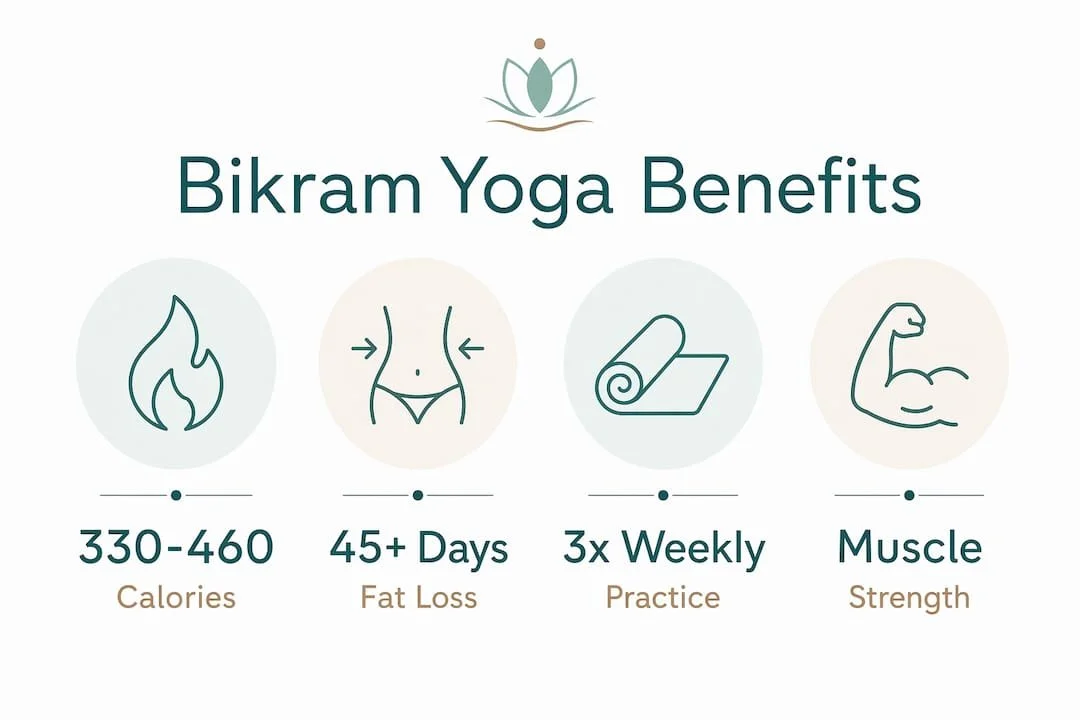
Bikram yoga for weight loss is defined as a structured practice using 26 postures and two breathing exercises performed in a room heated to 104–105°F, producing measurable fat reduction over consistent months of practice. A single 90-minute session burns 330 to 460 calories depending on body size and effort level. That caloric output, combined with the metabolic stress of sustained heat, makes Bikram one of the more demanding yoga formats available. A six-month longitudinal study found an average body fat reduction of 6.07% in adult women practicing three sessions per week. The results are real, but they require patience, consistency, and a clear understanding of how the practice actually works.
How Bikram yoga sessions are structured for weight loss
The standard Bikram protocol consists of 26 postures and two pranayama breathing exercises, performed in sequence over 90 minutes at 40°C (104°F) with 40% humidity. Every class follows the exact same order, which means your body learns the sequence but never fully adapts to the heat. That predictability is a feature, not a flaw. It lets you track progress precisely and push harder within a familiar framework.

The heat does specific work in this context. It raises your heart rate earlier in the session, increases blood flow to muscles, and forces your body to regulate temperature while simultaneously holding challenging postures. Heat acts as a catalyst for cardiovascular activation, but the real metabolic work comes from sustained muscular effort across all 26 poses. Think of the heat as a multiplier, not the engine.
What the 26 postures actually demand
The sequence moves through standing series poses like Half Moon, Eagle, and Standing Bow, then transitions to a floor series including Camel, Rabbit, and Spine Twist. Each posture targets specific muscle groups while demanding balance, core engagement, and breath control simultaneously. That multi-system demand is why the calorie burn is higher than most people expect from a yoga class.
Standing series: Builds leg strength, balance, and cardiovascular endurance
Floor series: Targets spinal flexibility, core compression, and hip mobility
Breathing exercises: Kapalbhati and standing deep breathing regulate oxygen delivery and activate the diaphragm
Heat exposure: Elevates heart rate to aerobic training zones without high-impact movement
Pro Tip: Arrive 10 minutes early to acclimate to the room temperature before class starts. Your first few postures will feel significantly more controlled, and you will sweat more efficiently throughout the session.
For adults new to Bikram hot yoga, the first two weeks feel overwhelming. That is normal. Your body is adapting to heat stress, new movement patterns, and a longer session duration than most fitness classes.
Is the weight you lose after class actually fat?
Immediate weight loss after a Bikram session is mostly water weight lost through sweating, not fat. You can lose one to three pounds of fluid in a single class. That number reappears on the scale as soon as you rehydrate properly.
Fat loss works through a completely different mechanism. Your body breaks down stored triglycerides through lipolysis, and the byproducts are exhaled as carbon dioxide and excreted as water over time. That process accelerates with consistent caloric deficit and sustained aerobic effort, both of which Bikram yoga supports across weeks and months of practice.
Effective weight loss through Bikram yoga depends heavily on consistency, allowing metabolic and body composition adaptations to accumulate over months, not days.
Tracking your weight daily after Bikram classes will mislead you. The scale fluctuates by two to four pounds based on hydration alone. A more accurate approach is to measure body fat percentage every four to six weeks and track how your clothes fit. The six-month study showing a 6.07% body fat reduction used body composition measurements, not scale weight, for exactly this reason.
Pro Tip: Weigh yourself once per week, on the same morning, after using the bathroom and before eating. This removes daily hydration noise and gives you a cleaner trend line over time.
How often should you practice to see real results?
Research supports three sessions per week over six months as the protocol that produces measurable body fat reduction. That frequency gives your body enough stimulus to adapt metabolically while leaving room for recovery between sessions.
Weeks 1–2: Practice two sessions per week. Focus on finishing the class and staying in the room. Heat adaptation is the primary goal.
Weeks 3–6: Add a third weekly session. Your heart rate will stabilize faster in the heat, and you will hold postures longer.
Months 2–4: Maintain three sessions per week. Body composition changes become visible around the 45-day mark based on study data.
Months 4–6: Consider adding a fourth session if recovery feels complete. Watch for signs of overtraining: persistent fatigue, disrupted sleep, or declining performance in class.
Rest days are not optional. Muscle repair and metabolic stabilization happen during recovery, not during the session itself. Skipping rest days in pursuit of faster results typically produces the opposite outcome: inflammation, fatigue, and reduced performance.
Combining Bikram yoga with strength training increases resting metabolic rate beyond what yoga alone achieves. Two strength sessions per week, focused on compound movements like squats, deadlifts, and rows, build lean muscle mass. More muscle means more calories burned at rest, which compounds the fat loss effect of your Bikram practice.
Pro Tip: Schedule strength training on non-Bikram days or at least six hours apart from a Bikram session. Combining both in the same window without adequate recovery blunts the benefit of each.
For more on staying safe while pushing your limits in the heat, the hot yoga safety guide from Amritayogawellness covers the key precautions every practitioner needs.
Hydration and nutrition strategies that support Bikram weight loss
Proper hydration before, during, and after Bikram yoga is not optional. It directly affects muscle recovery, metabolic function, and your ability to complete the session safely. Dehydration reduces performance, increases injury risk, and slows the metabolic adaptations that drive fat loss.
| Timing | Hydration target | Key nutrients |
|---|---|---|
| 2 hours before class | 16–20 oz of water | Sodium, potassium |
| During class | Small sips only, 4–8 oz total | Electrolytes if sweating heavily |
| Within 30 minutes after | 20–24 oz of water or electrolyte drink | Magnesium, sodium, potassium |
| 2 hours after class | Continue hydrating to clear urine | Whole food minerals preferred |
Electrolytes matter as much as water volume. Sweating heavily depletes sodium, potassium, and magnesium. Replacing only water without electrolytes can cause cramping, dizziness, and hyponatremia in extreme cases. A simple electrolyte drink or a meal with mineral-rich foods like leafy greens, bananas, and nuts handles this effectively.
Pre-class nutrition affects your energy and your fat-burning capacity. Eating a large meal within 90 minutes of class typically causes nausea in the heat. A light snack of 150–200 calories, such as a banana with almond butter or a small bowl of oatmeal, provides fuel without digestive stress. Post-class, prioritize protein within 45 minutes to support muscle repair. Twenty to thirty grams of protein from eggs, Greek yogurt, or a quality protein shake works well.
Avoid alcohol the night before class. It accelerates dehydration and impairs heat tolerance.
Limit caffeine within two hours of class if you are heat-sensitive.
Eat whole foods rather than processed snacks around your practice days to support metabolic health.
How consistent practice transforms body composition over time
The body composition changes from regular Bikram practice extend well beyond the scale. The six-month study documented a 6.07% average body fat reduction in adult women, with measurable changes appearing as early as 45 days into the program. That timeline holds across different age groups, which means the practice is not limited to younger adults.
| Benefit | Timeframe | Mechanism |
|---|---|---|
| Initial fat loss | 45–60 days | Caloric deficit plus heat-driven metabolic activation |
| Improved cardiovascular endurance | 30–45 days | Sustained aerobic effort in heated environment |
| Increased flexibility | 2–4 weeks | Repeated deep stretching in warm muscles |
| Resting metabolic rate increase | 2–3 months | Lean muscle gain from sustained posture work |
| Sustained body fat reduction | 6 months | Cumulative metabolic adaptation and caloric output |
The afterburn effect, formally called excess post-exercise oxygen consumption (EPOC), extends calorie burning for one to three hours after a Bikram session ends. That means the 330–460 calories burned during class underestimates the total metabolic cost of each session. The heated environment amplifies this effect by keeping core temperature elevated longer than a standard workout.
The heat-induced sweating in Bikram yoga primarily facilitates cardiovascular activation and detoxification, but sustained muscular effort across the 26-posture sequence is what drives lasting fat loss and body composition change.
The heated yoga and stress reduction connection also matters for weight loss. Chronic stress elevates cortisol, which promotes fat storage, particularly around the abdomen. Regular Bikram practice lowers perceived stress and supports better sleep, both of which create a more favorable hormonal environment for fat loss.
Key Takeaways
Bikram yoga produces measurable, sustained fat loss when practiced three times per week over at least six months, supported by proper hydration, recovery, and complementary strength training.
| Point | Details |
|---|---|
| Caloric burn per session | Each 90-minute class burns 330–460 calories, depending on body size and effort. |
| Fat loss vs. water weight | Post-class scale drops reflect fluid loss; true fat reduction takes consistent weeks of practice. |
| Optimal frequency | Three sessions per week over six months produces an average 6.07% body fat reduction. |
| Recovery is non-negotiable | Rest days allow muscle repair and metabolic stabilization that drive long-term results. |
| Strength training amplifies results | Adding two resistance sessions per week raises resting metabolic rate beyond yoga alone. |
What I've learned about Bikram yoga and lasting weight loss
Most people walk into their first Bikram class expecting to sweat off weight. They walk out five pounds lighter on the scale and think it worked. Then they rehydrate, the number climbs back, and they feel cheated. That misunderstanding kills more Bikram weight loss attempts than any physical limitation.
The practice works, but it works slowly and cumulatively. I have seen adults who committed to three sessions per week for six months achieve body composition changes that years of gym work had not produced. The difference was not the heat alone. It was the combination of consistent aerobic effort, the discipline the sequence demands, and the recovery habits they built around it.
What most articles skip is the mental recalibration required. You have to stop measuring success by the post-class scale and start measuring it by how you move, how you recover, and how your clothes fit after 60 days. The 45-day mark in the longitudinal research is real. That is roughly when practitioners start noticing visible changes, and it is also when most people quit if they have been chasing the wrong metric.
Hydration and rest are the two factors I see people undervalue most. Skipping electrolytes after class, training six days a week without rest, and eating too little to fuel recovery all stall results. Bikram is demanding. Treat it like the serious training it is, and it delivers.
Wellness resources at Amrita Yoga & Wellness in Philadelphia
Amritayogawellness offers hot yoga classes, wellness workshops, and complementary services designed for adults who want more than a workout.
If you are building a weight loss practice around Bikram yoga, pairing it with intentional recovery and reflection makes a real difference. Amritayogawellness provides tarot reading sessions as part of its broader wellness offerings, giving practitioners a space to reconnect with their goals and mental state between physically demanding weeks. The studio also offers class scheduling, beginner-friendly descriptions, and a community built around inclusive, evidence-informed practice. Visit Amrita Yoga & Wellness to find classes and services that fit where you are right now.
FAQ
How many calories does a Bikram yoga session burn?
A 90-minute Bikram session burns approximately 330 to 460 calories, depending on body weight and effort level. The heated environment and sustained posture work together to keep caloric output higher than most yoga formats.
How long does it take to lose weight with Bikram yoga?
Measurable body fat reduction typically appears around 45 days into a consistent three-sessions-per-week program. A six-month study documented an average 6.07% body fat reduction in adult women following this protocol.
Is the weight lost after a Bikram class real fat loss?
No. The immediate post-class weight drop is water weight lost through sweating and returns with rehydration. Actual fat loss accumulates over weeks of consistent practice and caloric deficit.
Does combining Bikram yoga with strength training improve results?
Yes. Adding strength training to a Bikram practice increases resting metabolic rate by building lean muscle, which amplifies fat loss beyond what yoga alone produces. Two resistance sessions per week on non-Bikram days works well for most adults.
How important is hydration for Bikram yoga weight loss?
Hydration is critical. Replacing fluids and electrolytes before, during, and after class supports muscle recovery, metabolic function, and safe heat tolerance. Dehydration reduces performance and slows the adaptations that drive fat loss.
— Juiced
Recommended
Bikram Yoga Advantages: Science-Backed Benefits Explained
TL;DR:
Bikram yoga offers significant physical and mental health benefits through heat-enhanced flexibility, mechanical loading, and stress regulation. Its fixed sequence promotes measurable progress, long-term adherence, and emotional resilience, making it effective for diverse practitioners. Proper preparation, consistent practice, and understanding its role complement broader fitness goals contribute to optimal results.
Bikram yoga is defined as a structured 26-posture sequence, known as the 26-and-2 protocol, practiced in a room heated to 105°F with 40% humidity. These conditions are not incidental. They are the mechanism behind the practice's most measurable health outcomes, including improved flexibility, cardiovascular conditioning, metabolic changes, and stress reduction. Research published in the Journal of Biological Research confirms a 6.17% body fat reduction over six months of consistent practice, exceeding the 5% clinical threshold for metabolic benefit. For adults seeking a yoga practice with documented physical and mental returns, the bikram yoga advantages are grounded in physiology, not marketing.
What are the main bikram yoga advantages for physical fitness?
Bikram yoga improves physical fitness through three distinct mechanisms: heat-enhanced muscle extensibility, mechanical loading from static postures, and progressive neuromuscular adaptation. Each one produces measurable results that distinguish this practice from ambient-temperature yoga styles.
How heat changes your flexibility ceiling
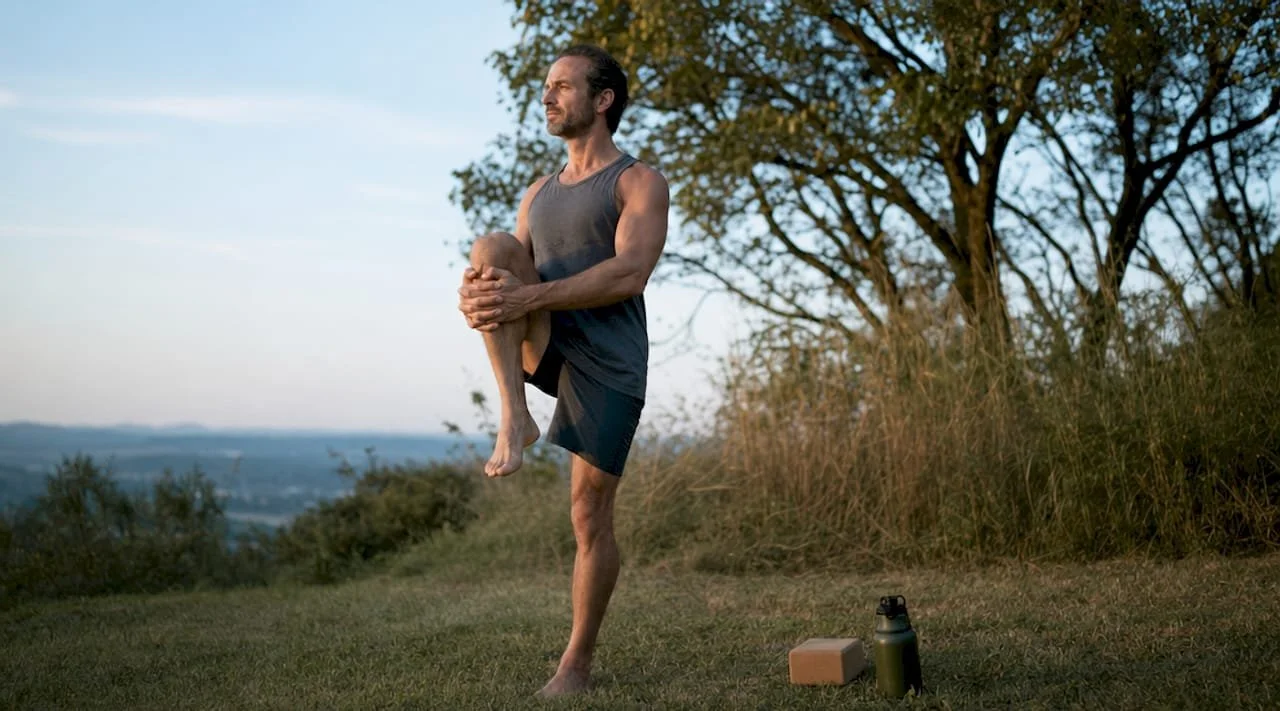
Muscle tissue becomes more pliable at elevated temperatures. In a 105°F room, connective tissue stretches further with less resistance, allowing practitioners to access ranges of motion that would take significantly longer to develop in a standard studio. This is not a shortcut. It is a physiological advantage that accelerates the early stages of flexibility training. The risk, however, is real. Warm tissue can mask the sensation of overstretching, particularly in ligaments, which do not have the same elastic recovery as muscle fibers.
Pro Tip: Focus on muscular engagement rather than passive sinking into postures. If a joint feels unstable rather than stretched, back off immediately. Alignment protects you more than depth does.
Bone density and muscular endurance
The weighted standing postures in Bikram yoga provide mechanical loading that stimulates bone remodeling, making this practice particularly valuable for peri and postmenopausal women managing bone density loss. Postures like Standing Bow and Warrior series require sustained isometric contraction, building muscular endurance in the legs, core, and posterior chain. Studies also document improvements in balance and postural control after consistent practice, outcomes that directly reduce fall risk in older adults. The fixed 26-and-2 sequence enhances neuromuscular memory, meaning the body learns the demands of each posture and adapts with increasing precision over weeks of repetition.
What cardiovascular and metabolic benefits does Bikram yoga offer?
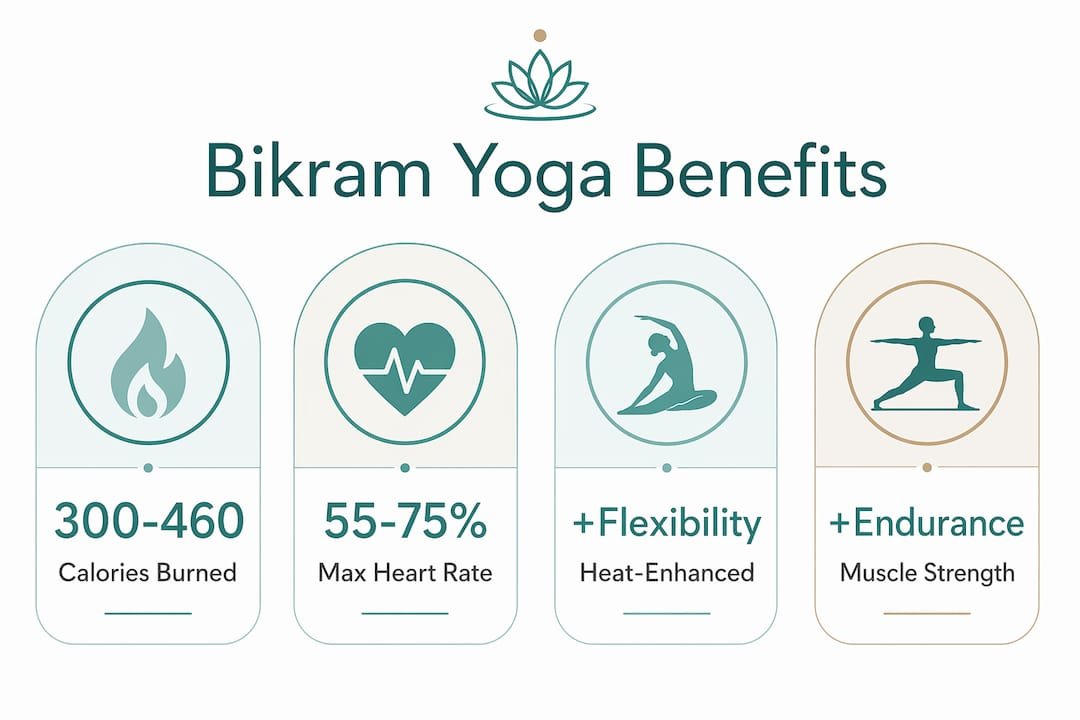
Bikram yoga produces a moderate cardiovascular stimulus that most practitioners underestimate. Heart rates during sessions typically reach 55 to 75 percent of age-predicted maximum, comparable to brisk walking or light cycling. That range is meaningful for cardiovascular conditioning, especially for adults who find high-impact exercise difficult to sustain.
"Bikram yoga provides a hybrid exercise experience combining isometric strength with moderate cardiovascular stimulation due to heat stress." — The Yoga Fitness
Heat-induced vasodilation is the key cardiovascular mechanism. As core temperature rises, blood vessels dilate to dissipate heat, which elevates cardiac output and trains the autonomic nervous system to regulate blood pressure more efficiently. After 8 to 12 weeks of regular practice, controlled trials document clinically meaningful reductions in both systolic and diastolic blood pressure. That outcome matters for the large percentage of adults managing hypertension without pharmaceutical intervention.
On the metabolic side, caloric expenditure averages 300 to 460 calories per 90-minute session. Early marketing claims of 600 to 1,000 calories were inflated, but the actual numbers still align with moderate-intensity aerobic work. Fat oxidation increases with regular practice, and improved glucose regulation has been observed in practitioners with pre-diabetic markers.
| Metric | Bikram yoga result |
|---|---|
| Heart rate during session | 55 to 75% of age-predicted max |
| Caloric burn per session | 300 to 460 calories |
| Blood pressure improvement | Clinically meaningful after 8 to 12 weeks |
| Body fat reduction (6 months) | 6.17% average, exceeding clinical threshold |
In what ways does Bikram yoga support mental health?
Bikram yoga reduces cortisol levels, improves mood, and builds emotional resilience through two parallel pathways: the physiological stress of heat exposure and the meditative structure of a predictable sequence. These are not separate benefits. They reinforce each other in every session.
The heat itself acts as a controlled stressor. Repeated exposure trains the body's stress response system to activate and recover more efficiently, a process that carries over into daily life as improved emotional regulation. Lower cortisol levels, increased endorphins, and improved executive function are all reported outcomes from regular practice. Practitioners also report better sleep quality and reduced anxiety, outcomes consistent with what we know about exercise-induced nervous system modulation.
The predictable 26-posture sequence adds a layer of psychological benefit that flow-based yoga styles cannot replicate. When you know exactly what is coming next, the mental challenge shifts from orientation to execution. You stop managing uncertainty and start managing effort. That shift builds patience, focus, and a form of mental discipline that transfers outside the studio.
Cortisol reduction from heat-stress adaptation
Endorphin release during sustained isometric effort
Improved sleep quality linked to autonomic nervous system regulation
Mental clarity from breath-controlled, sequenced movement
Emotional discipline built through repeated exposure to discomfort
Pro Tip: Use the predictable sequence as a mental benchmark. If Triangle Pose feels easier than it did three weeks ago, that is measurable progress. Tracking physical improvement in a fixed sequence is one of the most reliable motivation tools in any fitness practice.
How does Bikram yoga compare to other yoga styles and exercise?
Bikram yoga occupies a specific and well-defined position in the fitness spectrum. It is not a replacement for high-intensity aerobic training, and it is not equivalent to a vinyasa flow class. Understanding where it fits helps you use it effectively.
Compared to ambient-temperature yoga styles like Hatha or Yin, Bikram's heated environment adds a cardiovascular and metabolic dimension that those practices do not produce. The fixed sequence also makes progress measurable in a way that freeform classes cannot. Bikram yoga's fixed protocol is one of the most scientifically reproducible yoga practices, enabling precise measurement of physiological adaptations over time. That reproducibility is a genuine advantage for anyone who wants to track improvement rather than simply show up and move.
Compared to HIIT or running, Bikram yoga operates at a lower intensity ceiling. Houston Methodist research confirms it is not a substitute for higher-intensity aerobic workouts. However, its 94% retention rate versus HIIT's 75% tells a different story about long-term adherence. A practice you maintain for years produces better outcomes than an intense program you abandon after three months. Bikram yoga is also low-impact, making it accessible for adults with joint issues, older practitioners, and those returning from injury.
For beginners, the fixed sequence removes the cognitive load of learning new poses every class. You can focus entirely on form, breath, and body awareness from session one.
What safety considerations should practitioners know?
Practicing in 105°F heat with 40% humidity is a genuine physiological challenge. Preparation is not optional. It is the difference between a productive session and a dangerous one.
Hydrate before class, not during. Drink at least 16 to 24 ounces of water in the two hours before your session. Sipping during class is fine, but arriving dehydrated puts you behind from the first posture.
Manage electrolytes. Sweat loss in a Bikram session is substantial. Sodium, potassium, and magnesium all deplete faster than water alone can replace. Add an electrolyte supplement or eat a small, mineral-rich snack before class.
Expect lightheadedness in your first few sessions. Plasma volume shifts and vasodilation cause dizziness in beginners. Sitting down on your mat is not failure. It is correct acclimatization behavior.
Communicate with your instructor. Tell them if you have cardiovascular conditions, are pregnant, or are managing any heat-sensitivity issues. Qualified instructors adjust guidance accordingly.
Respect the acclimatization timeline. Most practitioners need four to six sessions before the heat feels manageable. Do not judge the practice or your fitness level based on your first two classes.
The true benefits of Bikram yoga come from mechanical loading and stress system modulation, not from sweating out toxins. Detoxification is a metabolic and renal process. Sweat is temperature regulation. Keeping that distinction clear helps you focus on what actually produces results.
Key takeaways
Bikram yoga's advantages are most pronounced when practitioners combine consistent attendance with proper preparation and realistic expectations about intensity.
| Point | Details |
|---|---|
| Heat amplifies flexibility gains | Elevated temperature increases muscle extensibility, accelerating early-stage flexibility development. |
| Moderate cardiovascular conditioning | Heart rates reach 55 to 75% of max, producing real but not high-intensity aerobic stimulus. |
| Measurable metabolic improvement | Six months of practice reduces body fat by 6.17% on average, exceeding clinical thresholds. |
| Mental health benefits are structural | The fixed sequence builds cortisol resilience, focus, and emotional discipline through repetition. |
| Retention outperforms HIIT | A 94% retention rate means practitioners actually stick with it, compounding benefits over time. |
Why the fixed sequence is Bikram yoga's most underrated advantage
Most people focus on the heat when they talk about Bikram yoga. I think that misses the point. The heat is a tool. The fixed sequence is the architecture.
After years of observing practitioners at Amrita Yoga & Wellness and working through the 26-and-2 protocol myself, the single most consistent predictor of long-term benefit is not how well someone tolerates the heat. It is whether they use the fixed sequence as a measurement system. When every class is identical, you cannot hide from your progress or your plateaus. That accountability is uncomfortable and genuinely motivating in equal measure.
The mental health gains surprised me most. Practitioners who commit to three sessions per week for 60 days consistently report changes in how they handle stress outside the studio. Not because yoga is magic, but because spending 90 minutes repeatedly choosing to stay in a difficult environment, breathe deliberately, and execute a known sequence trains the nervous system in ways that carry over. That is not a spiritual claim. It is a behavioral one.
My honest recommendation: treat the first six sessions as pure acclimatization. Do not evaluate the practice until your body has adapted to the heat. After that, track one posture per week and watch what happens to your motivation when you see objective improvement in a practice that never changes its variables.
Combine Bikram yoga with one or two sessions of higher-intensity cardio per week if cardiovascular fitness is a primary goal. The two modalities complement each other well, and neither replaces the other.
— Juiced
Start your Bikram yoga practice at Amrita Yoga & Wellness
Amrita Yoga & Wellness in Philadelphia offers hot yoga classes designed for practitioners at every level, from first-timers navigating the heat for the first time to experienced students refining their 26-and-2 sequence. The studio's instructors understand the physiological demands covered in this article and provide hands-on guidance for safe acclimatization, alignment correction, and progress tracking. If you want to experience the cardiovascular, metabolic, and mental health benefits of heated yoga with qualified support, Amrita Yoga & Wellness is the place to start. Review the studio's hot yoga safety tips before your first class, and explore the full range of wellness services at amritayogawellness.com.
FAQ
What does Bikram yoga actually do for your body?
Bikram yoga improves flexibility, builds muscular endurance, reduces blood pressure, and supports fat loss through a combination of heat-induced vasodilation and mechanical loading from 26 static postures. Research documents a 6.17% average body fat reduction over six months of consistent practice.
Is Bikram yoga good for beginners?
Bikram yoga is accessible for beginners because the fixed 26-posture sequence removes the need to learn new poses each class, allowing full focus on form and breath. Lightheadedness in the first few sessions is normal and resolves with acclimatization over four to six classes.
How many calories does a Bikram yoga session burn?
A 90-minute Bikram session burns an average of 300 to 460 calories, which aligns with moderate-intensity aerobic exercise. Early claims of 600 to 1,000 calories per session were not supported by controlled research.
How does Bikram yoga compare to HIIT for long-term fitness?
Bikram yoga operates at a lower intensity than HIIT but shows a 94% retention rate compared to HIIT's 75%, meaning practitioners maintain the habit longer and accumulate greater long-term benefit. For cardiovascular fitness goals, combining both modalities produces the best outcomes.
How often should you practice Bikram yoga to see results?
Three sessions per week for a minimum of eight weeks produces clinically meaningful improvements in blood pressure, flexibility, and metabolic markers. Consistency matters more than frequency in the early stages of practice.
Recommended
Bikram Yoga: Is It Good for You?
TL;DR:
Bikram yoga is a standardized hot yoga practice involving 26 postures in a 105°F, 40% humidity room, promoting flexibility, strength, and mental resilience. Research shows it effectively reduces fat, improves balance, and enhances psychological toughness, but it is not a substitute for cardio workouts. Safety considerations include medical clearance for those with health issues, and gradual acclimation is essential for beginners.
Bikram yoga is a structured hot yoga practice consisting of 26 specific postures performed in a 105°F room at 40% humidity over 90 minutes, designed to improve flexibility, strength, metabolic health, and mental resilience. If you're asking whether bikram yoga is it good for you, the short answer is yes, with important conditions. Research confirms measurable benefits in fat reduction, balance, and psychological resilience. But it is not a cardio replacement, and the heat demands respect. This article gives you the evidence, the comparisons, and the practical guidance to decide if Bikram belongs in your fitness life.
What is Bikram yoga and how is it practiced?
Bikram yoga is a fixed-sequence style of hot yoga developed by Bikram Choudhury, standardized globally so every class follows the same structure regardless of location. The format never changes: 26 postures and 2 breathing exercises, performed in the same order, every single session. That predictability is a feature, not a limitation. It means you can track your progress with precision across weeks and months.
The environment is the defining variable. The room is held at 105°F with 40% humidity, which raises your core temperature, increases muscle elasticity, and amplifies perceived exertion. Your heart rate will climb into the 60 to 70% range of your age-predicted maximum, which qualifies as moderate aerobic activity. You will sweat heavily, which makes hydration before and during class non-negotiable.
The 90-minute class length surprises most beginners. Unlike a typical gym session where you control the pace, Bikram classes move on the instructor's cues. You hold poses for specific durations, rest briefly between sets, and repeat each posture twice. The physical demands include spinal compression, hip opening, shoulder mobility work, and standing balance challenges, all layered under heat stress.
The 26 postures include standing series (Half Moon, Eagle, Standing Bow) and floor series (Cobra, Locust, Full Locust, Bow)
Two pranayama breathing exercises open and close the class
Classes are taught verbatim from a standardized dialogue, ensuring consistency
Mirrors line the walls to support alignment self-correction
Pro Tip: Arrive 15 minutes early for your first class. Sitting in the heated room before the session starts lets your body begin acclimating, which significantly reduces the shock of the first 20 minutes.
What does the science say about Bikram yoga's health benefits?
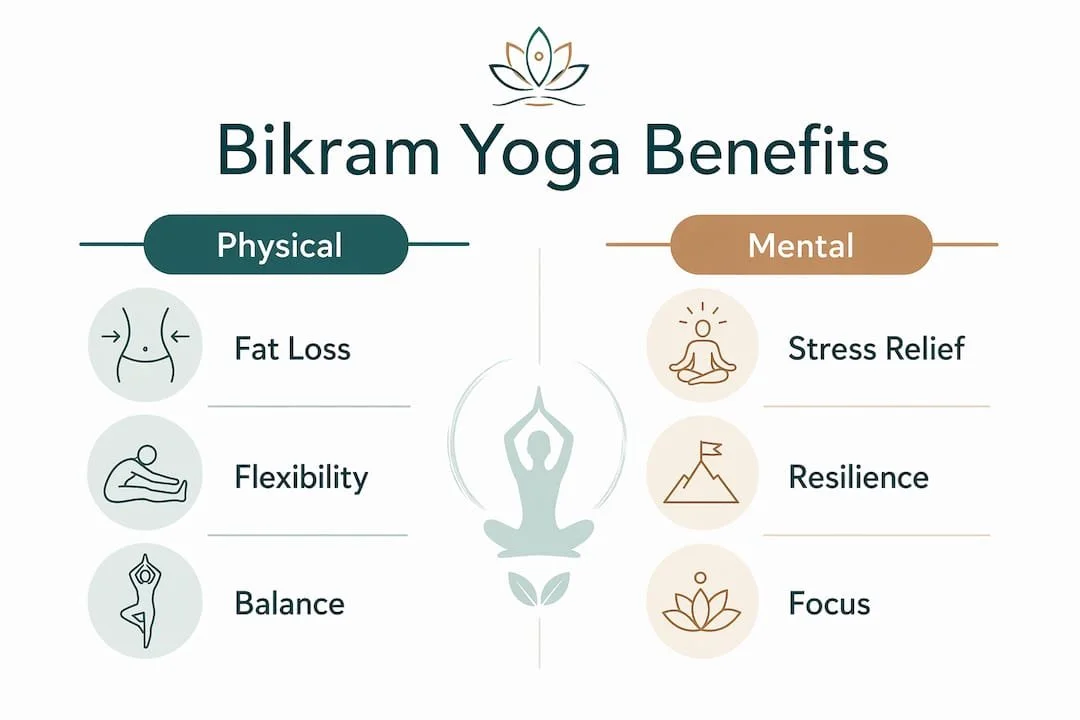
Bikram yoga delivers measurable metabolic improvements that go beyond what most people expect from a yoga class. A longitudinal study found an average fat mass reduction of 6.17% over six months of regular practice. That figure exceeds the 5% clinical threshold considered meaningful for metabolic health improvement, which means Bikram yoga produces outcomes comparable to structured weight loss interventions.

Flexibility and strength gains are well-documented. Research on sedentary adults practicing Bikram over eight weeks showed improvements in spinal, hip, and shoulder flexibility, along with measurable strength and balance gains. For older adults specifically, the balance improvements translate directly to reduced fall risk, which is a clinically significant outcome for functional longevity.
Calorie burn is moderate, not dramatic. A 90-minute session burns approximately 330 to 460 calories depending on body weight. That is comparable to a brisk walk or light cycling session, not a high-intensity interval training workout. The heat makes it feel more intense than it is metabolically, which is a critical distinction.
"Perceived workout intensity is amplified by heat-induced metabolic and inflammatory responses but does not equate to chronic fitness improvements alone." — Houston Methodist Research
The mental health case for Bikram yoga is genuinely compelling. The combination of heat stress and fixed sequence creates what researchers describe as a stress-inoculation effect, building psychological resilience, patience, and determination over time. Practitioners consistently report reduced anxiety, improved focus, and greater emotional regulation after regular practice. These gains stem from adapting to controlled discomfort repeatedly, not from relaxation alone.
| Health Benefit | Evidence Level | Notes |
|---|---|---|
| Fat mass reduction | Strong (6.17% over 6 months) | Exceeds 5% clinical threshold |
| Flexibility and balance | Strong (8-week studies) | Spinal, hip, shoulder improvements |
| Cardiovascular fitness | Moderate (limited aerobic gains) | Not a cardio substitute |
| Mental resilience | Supported by research | Stress-inoculation mechanism |
| Calorie burn | Moderate (330–460 per session) | Comparable to brisk walking |
Bikram yoga also shows promise for type 2 diabetes management. The combined effect of aerobic stimulus, flexibility training, and stress reduction creates a multi-mechanism benefit that no single component produces alone. This makes it a useful complementary practice for metabolic health, not a standalone treatment.
How does Bikram yoga compare with other yoga styles and workouts?
Bikram yoga produces different outcomes than room-temperature yoga, and the differences matter when you're building a fitness plan. The heat in Bikram accelerates muscle extensibility, which allows deeper stretching earlier in a session. Room-temperature yoga requires longer warm-up time to reach comparable muscle pliability. For flexibility-focused goals, Bikram has a measurable edge in the short term.
The fixed sequence is Bikram's most underappreciated advantage. Unlike vinyasa or flow-based classes where postures vary by instructor, Bikram's predictable posture structure builds neuromuscular memory and alignment accuracy over time. You know exactly what's coming, which means you can focus on depth and precision rather than learning new movements. Progress becomes trackable in a way that variable-format classes cannot match.
Where Bikram falls short is cardiovascular conditioning. Traditional aerobic exercise like running, cycling, or swimming produces significantly greater gains in VO2 max and aerobic capacity. Bikram's heart rate elevation is real but insufficient to drive meaningful cardiorespiratory adaptation on its own. If cardiovascular fitness is a primary goal, Bikram should supplement your aerobic training, not replace it. Pairing Bikram with energy-focused practices like meditation can further support recovery and mental clarity between sessions.
| Feature | Bikram yoga | Room-temp yoga | Aerobic exercise |
|---|---|---|---|
| Flexibility gains | High (heat-assisted) | Moderate | Low |
| Cardiovascular fitness | Low to moderate | Low | High |
| Fat mass reduction | Moderate to high | Low to moderate | Moderate to high |
| Mental resilience | High (heat + sequence) | Moderate | Moderate |
| Measurable progress tracking | High (fixed sequence) | Low to moderate | High |
Who should try or avoid Bikram yoga? Safety and contraindications
Bikram yoga is not appropriate for everyone, and knowing your risk profile before stepping into a 105°F room is non-negotiable. The heat amplifies every physical condition, which means manageable issues at room temperature can become serious problems under heat stress.
Cardiovascular conditions: People with heart disease, uncontrolled hypertension, or a history of heat stroke should consult a physician before attempting Bikram yoga. The sustained heart rate elevation combined with heat load places real demand on the cardiovascular system.
Pregnancy: Hot yoga is contraindicated during pregnancy due to the risk of overheating, which can affect fetal development. Most studios require medical clearance for pregnant practitioners.
Heat intolerance: Conditions like multiple sclerosis, certain autoimmune disorders, and medications that impair sweating increase heat sensitivity significantly.
Dehydration or illness: Practicing while sick or under-hydrated accelerates the risk of heat exhaustion. Even mild dehydration entering class compounds quickly under heat stress.
Recent injury: The heated environment increases muscle elasticity but warms ligaments more slowly, creating a window where you can overstretch connective tissue without feeling the warning signals.
Symptoms that require you to stop immediately include dizziness, nausea, visual disturbances, and chest tightness. Lying down on your mat is always acceptable in Bikram class. Instructors expect it, especially from beginners.
Pro Tip: Drink at least 32 ounces of water in the two hours before class and bring a full 32-ounce bottle into the room. Beginners who push through dizziness instead of resting are the most common source of heat-related incidents in hot yoga studios.
For most healthy adults, Bikram yoga is safe when approached with gradual acclimation. Your first three classes will feel overwhelming. That is normal and expected. The body adapts to heat stress within two to four weeks of consistent practice.
How to get started and make the most of Bikram yoga
Starting Bikram yoga well sets the foundation for long-term benefit. The preparation you do outside the studio matters as much as what you do inside it.
Hydrate aggressively the day before: Electrolyte balance, not just water volume, determines how well you handle heat. Add a pinch of sea salt or an electrolyte tablet to your pre-class hydration.
Wear minimal, moisture-wicking clothing: Shorts and a sports bra or fitted tank are standard. Heavy fabric traps heat and restricts movement.
Bring two towels: One for your mat, one for your body. A non-slip mat towel prevents sliding in sweat-soaked poses.
Use the fixed sequence as a progress tracker: Because every class is identical, you can note specific postures where your depth or balance improves week over week. This is one of Bikram's most practical advantages over variable-format classes.
Integrate Bikram into a broader fitness plan: Pair it with two to three sessions of cardiovascular exercise weekly to address the aerobic gap. The beginner hot yoga guide at Amritayogawellness covers this integration in detail.
Apply the mental discipline outside the studio: The patience and focus you build holding a posture under heat stress transfers directly to stress management in daily life. That transfer is intentional, not incidental.
Position yourself near the door for your first few classes. Experienced teachers recommend this not as a safety crutch but as a practical acclimation strategy that lets you exit without disrupting the class if needed.
Key takeaways
Bikram yoga produces real, research-backed improvements in fat mass, flexibility, balance, and mental resilience, but it requires honest assessment of your health status and a commitment to gradual acclimation.
| Point | Details |
|---|---|
| Fat mass reduction | Six months of practice produces a 6.17% reduction, exceeding clinical thresholds. |
| Not a cardio substitute | Heart rate stays at 60 to 70% max; aerobic capacity gains are minimal without supplemental cardio. |
| Fixed sequence advantage | Predictable postures build neuromuscular memory and allow measurable progress tracking. |
| Heat safety is non-negotiable | Cardiovascular conditions, pregnancy, and heat intolerance require medical clearance before practice. |
| Mental resilience is a real outcome | The stress-inoculation effect of heat plus fixed sequence builds psychological durability over time. |
Why Bikram yoga deserves more credit than it gets
I've watched a lot of fitness trends come and go, and Bikram yoga consistently gets dismissed by two groups: people who tried one class and hated the heat, and people who assume it's just stretching in a sauna. Both miss the point entirely.
The fixed sequence is genuinely brilliant from a training design perspective. You cannot hide in a Bikram class. Every session exposes exactly where your body is tight, weak, or imbalanced, and it does so in the same order every time. That consistency is rare in fitness. Most workouts let you unconsciously avoid your weaknesses. Bikram does not.
What I find most underreported is the mental health return. The psychological resilience built through adapting to heat and sequence discipline is transferable in ways that a gym workout simply is not. Sitting still in discomfort, breathing through it, and choosing not to react is a skill. Bikram trains it directly.
That said, I would never recommend Bikram as someone's only form of exercise. The cardiovascular limitation is real. Pair it with running, cycling, or swimming and you have a genuinely well-rounded fitness program. Use it alone and you're leaving aerobic fitness on the table.
The heat also demands honesty. If you have any cardiovascular concerns, get clearance first. The studio is not the place to discover a heart condition. Respect the environment and it will give you back far more than you put in.
— Juiced
Explore wellness at Amrita Yoga & Wellness in Philadelphia
Amritayogawellness offers hot yoga classes, workshops, and wellness services at its Philadelphia studio, designed for adults at every level of experience. Whether you're stepping into your first Bikram class or deepening an existing practice, the studio's instructors provide the structure and community support that make the difference between a one-time experiment and a lasting habit. Beyond the mat, Amritayogawellness connects physical practice with holistic wellbeing through offerings like personalized tarot readings, which complement the mental clarity and self-awareness that regular Bikram practice develops. Explore the full range of classes and services at Amrita Yoga & Wellness and find the practice that fits your goals.
FAQ
What is Bikram yoga exactly?
Bikram yoga is a fixed-format hot yoga practice consisting of 26 postures and 2 breathing exercises performed in a 105°F room at 40% humidity over 90 minutes. The sequence is standardized globally, meaning every class follows the same structure regardless of location.
How many calories does a Bikram yoga session burn?
A 90-minute Bikram session burns approximately 330 to 460 calories depending on body weight, which is comparable to brisk walking or light cycling. The heat amplifies perceived effort but does not proportionally increase calorie expenditure.
Is Bikram yoga good for beginners?
Bikram yoga is accessible to beginners who prepare properly with aggressive hydration, moisture-wicking clothing, and realistic expectations for the first few classes. The fixed sequence means there is no new choreography to learn, but heat acclimation takes two to four weeks of consistent practice.
Does Bikram yoga replace cardio exercise?
Bikram yoga does not replace cardio training. Heart rate averages 60 to 70% of age-predicted maximum during class, which provides moderate aerobic stimulus but does not produce significant gains in aerobic capacity or VO2 max.
Who should avoid Bikram yoga?
People with cardiovascular conditions, uncontrolled hypertension, pregnancy, heat intolerance, or certain autoimmune disorders should consult a physician before practicing Bikram yoga. The sustained heat load amplifies underlying health conditions in ways that room-temperature exercise does not.
Recommended
Bikram Yoga Health Benefits: What the Science Says

TL;DR:
Bikram yoga provides significant physical and mental health benefits, including improved flexibility, cardiovascular health, and reduced stress. Its heated environment enhances muscle elasticity and stress resilience, but it does not significantly outperform room-temperature yoga in aerobic capacity. Proper hydration, gradual adaptation, and individual caution are essential for safe practice, especially for those with health risks.
Bikram yoga is defined as a standardized 26-posture sequence practiced in a room heated to 90–105°F with 40% humidity, and its health benefits span cardiovascular conditioning, flexibility gains, body composition changes, and measurable stress reduction. Unlike general yoga styles, Bikram's fixed structure and controlled heat environment create specific physiological responses that researchers have studied in controlled trials. The evidence shows real, quantifiable bikram yoga health benefits, though some are more dramatic than the marketing suggests. Understanding exactly what the heat does, and what it does not do, helps you practice smarter and set realistic expectations.
How does Bikram yoga improve physical fitness?
Bikram yoga improves physical fitness by raising muscle temperature, increasing joint range of motion, and driving cardiovascular adaptations that room-temperature yoga cannot fully replicate. The heat is not just a backdrop. It is a physiological tool.
When you practice in a room at 90–105°F, your muscles become more pliable, which allows deeper stretching with lower injury risk. Sessions last 90 minutes and follow the same 26 poses every time, which means your body adapts progressively to both the thermal load and the movement demands. That consistency is what drives measurable gains over weeks and months.
The cardiovascular response is significant. Bikram yoga elevates heart rate to 60–75% of your maximum, combining isometric strength holds with an aerobic stimulus. This means your heart and lungs are working at a moderate training intensity for the full session, not just during warm-up. Over time, chronic heat exposure causes cellular and cardiovascular adaptations that improve heart function, similar to the adaptations seen in endurance athletes.
The physical benefits of regular Bikram practice include:
Flexibility: Heat increases muscle elasticity, allowing greater range of motion in poses like Standing Bow and Camel.
Muscular endurance: Isometric holds in postures like Awkward Pose and Eagle build sustained muscle activation.
Balance and coordination: Single-leg postures such as Standing Head to Knee train proprioception and neuromuscular control.
Bone density: Research reviews show yoga strengthens bone mineral density and improves lung capacity through enhanced circulation.
Cardiovascular conditioning: Vasodilation and increased cardiac output during sessions translate to improved resting heart function over time.
Pro Tip: Track your range of motion in two or three key poses at the start of each month. Standardized measures like this give you objective feedback on progress that perceived effort alone cannot provide.
A meta-analysis of 30 randomized controlled trials covering 2,313 participants found that yoga practice reduces systolic blood pressure by 4.35 mmHg and diastolic pressure by 2.06 mmHg in overweight adults. For anyone managing cardiovascular risk, that is a clinically meaningful number, not just a wellness talking point.
What mental health benefits does Bikram yoga offer?
Bikram yoga produces measurable mental health improvements by combining breath control, physical exertion, and heat exposure in a way that directly affects stress hormones and mood-regulating neurochemicals. The psychological benefits of hot yoga are not incidental. They are built into the structure of the practice.

Enduring 90 minutes of heat and physical challenge trains psychological resilience. Each time you stay in the room through discomfort, you build a tolerance for stress that transfers to everyday life. Regular hot yoga reduces cortisol levels and improves stress resilience, with documented reductions in anxiety and depression symptoms across multiple studies. That hormonal shift is why practitioners consistently report feeling calmer after class, not just physically tired.
The mental health benefits of consistent Bikram practice include:
Reduced anxiety: Breath-focused movement lowers the sympathetic nervous system's stress response during and after sessions.
Improved mood: Endorphin release during moderate-intensity exercise creates a post-class mood lift that accumulates with regular practice.
Better sleep quality: The body temperature drop after a hot yoga session signals the nervous system to shift toward rest and recovery.
Emotional resilience: Completing difficult sessions under heat stress builds confidence and a stronger stress tolerance baseline.
Reduced depression symptoms: Studies cited by Verywell Health show consistent mood improvements with regular hot yoga participation.
Emerging research adds another layer. A systematic review found that yoga and meditation are linked to beneficial gut microbiota changes, including increased populations of beneficial bacteria and metabolites associated with reduced anxiety and improved cardiovascular health. The gut-brain connection means Bikram yoga's mental health effects may run deeper than hormone regulation alone.
How does Bikram yoga influence weight management and metabolic health?
Bikram yoga produces meaningful body composition changes with consistent, long-term practice, though the mechanism is more nuanced than simply "sweating off calories." The weight you lose immediately after class is water. The fat you lose over months is the real result.
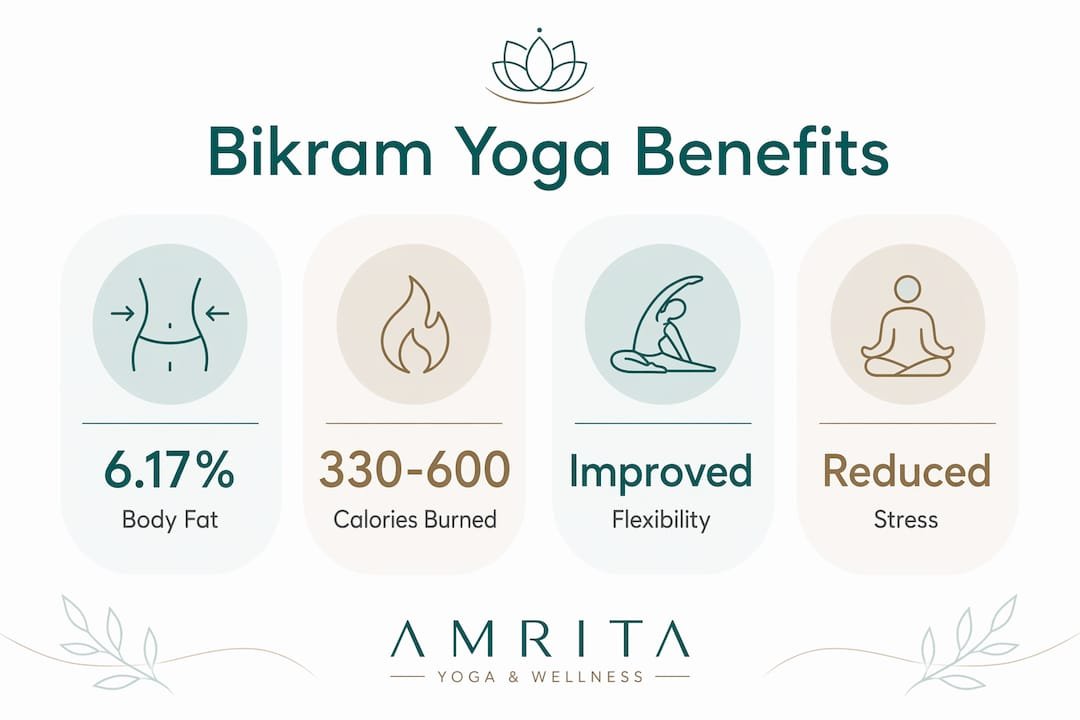
A six-month study with 22 women aged 20 to 65 practicing Bikram yoga three times per week at 40°C found a progressive body fat decrease of up to 6.17%. That is a substantial reduction achieved without dietary intervention, driven purely by consistent practice. Skipping sessions or reducing the heat and humidity changes the effective dose and blunts these results.
| Metric | What the research shows |
|---|---|
| Body fat reduction | Up to 6.17% decrease over 6 months with 3x/week practice |
| Caloric burn per session | 330 to 600 calories per 90-minute class, depending on body weight |
| Blood pressure impact | Systolic reduced by 4.35 mmHg across yoga meta-analysis populations |
| Cardiovascular adaptation | Improved cardiac output and heart function with chronic heat exposure |
Calorie expenditure during a single session ranges from 330 to 600 calories depending on body mass and session intensity. That range matters because heavier individuals burn more, and intensity varies with how deeply you engage each posture. The metabolic benefit extends beyond the session itself. Improved insulin sensitivity and glucose regulation are associated with regular yoga practice, making Bikram a useful tool for metabolic health management.
Pro Tip: Do not judge a Bikram session by how much you sweat. Sweat volume reflects heat response, not caloric output. Use session completion rate and body composition measurements over 8 to 12 weeks as your real progress markers.
How does Bikram yoga compare to other forms of yoga and exercise?
Bikram yoga delivers unique benefits compared to room-temperature yoga, but the differences are more specific than most practitioners realize. The heat amplifies certain outcomes while leaving others unchanged.
One controlled study found that Bikram yoga did not significantly increase oxygen consumption or caloric burn compared to room-temperature yoga. Feeling like you worked harder in a hot room does not mean your aerobic intensity crossed the threshold required for cardiovascular fitness improvements. This is one of the most important distinctions in the heated versus non-heated yoga debate.
| Factor | Bikram yoga | Room-temperature yoga |
|---|---|---|
| Flexibility gains | Greater, due to heat-increased muscle pliability | Moderate, depends on pose selection |
| Cardiovascular stimulus | Moderate aerobic load at 60–75% max heart rate | Lower heart rate response overall |
| Caloric burn | 330–600 calories per 90-minute session | Comparable when intensity is matched |
| Mental health benefits | Strong, amplified by heat-stress resilience training | Strong, especially with breath-focused styles |
| Injury risk | Slightly higher if hydration and heat tolerance are ignored | Lower baseline risk |
Where Bikram clearly outperforms room-temperature yoga is in flexibility development and heat-specific cardiovascular adaptations. Where it does not outperform is in raw aerobic output. For anyone whose primary goal is cardiovascular fitness, Bikram yoga complements rather than replaces dedicated cardio and strength training. The most effective approach combines Bikram's flexibility and stress-reduction benefits with higher-intensity aerobic work two to three times per week.
For women over 30 evaluating yoga against other modalities, a comparison of yoga and Pilates shows that each targets different physical outcomes, and combining both often produces better results than either alone.
Who should practice Bikram yoga and what safety precautions matter?
Bikram yoga suits most healthy adults, but specific populations should approach it with caution or avoid it entirely. The heat is the primary variable that changes the risk profile compared to standard yoga.
People who benefit most from Bikram yoga include those managing chronic stress, individuals seeking flexibility improvements, adults with mild cardiovascular risk factors, and anyone who finds room-temperature yoga insufficiently challenging. The hot yoga studio environment also suits people who respond well to structured, predictable formats since the 26-pose sequence never changes.
Populations who should consult a physician before starting include:
Pregnant women, particularly in the first trimester, due to core temperature elevation risks.
Individuals with heart conditions, uncontrolled hypertension, or a history of heat stroke.
People with multiple sclerosis, as heat sensitivity can temporarily worsen symptoms.
Anyone with a history of fainting or severe dehydration episodes.
Safe practice requires consistent hydration before, during, and after class. Electrolyte replacement matters more than plain water for sessions exceeding 60 minutes. New practitioners should plan for a two to four week acclimation period where the primary goal is staying in the room, not completing every pose. If you feel dizzy, nauseous, or experience heart palpitations, leave the room immediately. Those are not signs of a good workout. They are signs your body has exceeded its heat tolerance threshold.
Key takeaways
Bikram yoga delivers measurable physical and mental health benefits through a combination of heat-driven physiological adaptations and consistent structured practice, with body fat reductions, cardiovascular improvements, and stress reduction all supported by research.
| Point | Details |
|---|---|
| Body composition changes | A 6-month study showed up to 6.17% body fat reduction with three sessions per week. |
| Cardiovascular conditioning | Heart rate reaches 60–75% of maximum, driving aerobic and cardiac adaptations over time. |
| Mental health improvements | Regular practice reduces cortisol, lowers anxiety, and improves sleep quality. |
| Heat amplifies flexibility | Muscle pliability increases in heated rooms, enabling deeper range of motion gains. |
| Complement, do not replace | Bikram yoga works best alongside cardio and strength training for full fitness outcomes. |
Why Bikram yoga rewards patience more than intensity
Most people walk into their first Bikram class expecting to feel transformed. What they actually feel is overwhelmed, overheated, and slightly humbled. That gap between expectation and experience is where most people quit, and it is exactly where the real benefits begin.
The research is clear that Bikram yoga does not dramatically outperform room-temperature yoga on raw aerobic metrics. Feeling like you worked harder does not always mean you did. What Bikram does deliver, and what the studies consistently confirm, is a specific combination of heat adaptation, flexibility development, and stress resilience that builds progressively with consistent attendance. The six-month body fat study did not show dramatic results at week two. The changes accumulated with repetition.
The practitioners who get the most from Bikram yoga are not the ones who push hardest in every class. They are the ones who show up three times a week for months, stay in the room when it gets uncomfortable, and treat the practice as a long-term investment rather than a quick fix. New practitioners at studios like Amrita Yoga & Wellness in Philadelphia often report that the mental shift, learning to stay calm under physical stress, is the benefit they did not expect and value most.
My honest advice: give it eight weeks before you judge it. Track two or three objective measures. And stop leaving early.
— Juiced
Start your Bikram yoga practice at Amrita Yoga & Wellness
Amrita Yoga & Wellness in Philadelphia offers guided hot yoga classes designed for practitioners at every level, from first-timers navigating the heat for the first time to experienced students deepening their practice. The studio's structured programs give you the consistency that research identifies as the key driver of real results. Whether your goal is flexibility, stress reduction, or body composition change, professional instruction makes the difference between guessing and progressing. Amrita Yoga & Wellness also offers holistic wellness services that complement your physical practice and support whole-person well-being. Explore the full range of classes and find the right starting point for your goals.
FAQ
What are the main Bikram yoga health benefits?
Bikram yoga's primary benefits include improved flexibility, cardiovascular conditioning, reduced stress and anxiety, and body composition changes. A six-month study documented up to 6.17% body fat reduction with three sessions per week.
How many calories does a Bikram yoga session burn?
A 90-minute Bikram session burns between 330 and 600 calories depending on body weight and engagement level. Sweat volume does not reliably indicate caloric output, so body composition measurements over time are more accurate progress markers.
Is Bikram yoga good for mental health?
Regular hot yoga practice reduces cortisol levels, lowers anxiety and depression symptoms, and improves sleep quality. The heat-stress resilience built during sessions also transfers to everyday stress management.
How does Bikram yoga compare to regular yoga for fitness?
Bikram yoga produces greater flexibility gains and heat-specific cardiovascular adaptations, but controlled studies show it does not significantly increase oxygen consumption or caloric burn compared to room-temperature yoga at matched intensity.
Who should avoid Bikram yoga?
Pregnant women, individuals with uncontrolled heart conditions or hypertension, people with multiple sclerosis, and anyone with a history of heat stroke should consult a physician before practicing. Proper hydration and a gradual acclimation period are critical for all new practitioners.
Recommended
What Are the 26 Bikram Poses? Full Sequence Guide
TL;DR:
Bikram yoga features a fixed sequence of 26 postures practiced in heated rooms to enhance flexibility, circulation, and detoxification. Its rigid order allows practitioners to track progress easily and develop neuromuscular coordination efficiently. The sequence builds gradually, starting with standing poses and progressing to floor postures for spinal health and internal cleansing.
If you've ever wondered what are the 26 Bikram poses and why this particular sequence holds such a devoted following, you're about to get the clearest breakdown available. Bikram yoga is a fixed sequence of 26 postures performed identically in every class worldwide, no substitutions, no surprises. Understanding each pose by name, form, and benefit is what separates practitioners who simply survive a class from those who genuinely progress.
Table of Contents
Key takeaways
| Point | Details |
|---|---|
| Fixed global sequence | All 26 poses follow the same order in every authentic Bikram class worldwide. |
| Heat amplifies benefits | Classes run at 95–105°F for 90 minutes, enhancing circulation, flexibility, and detoxification. |
| Two breathing exercises frame the practice | Pranayama breathing opens the class; Kapalbhati closes it for internal detox. |
| Standing before floor | The first 13 poses build strength and balance; the final 13 restore and deepen flexibility. |
| Consistency drives progress | The fixed format makes tracking personal growth significantly more measurable than fluid styles. |
Understanding the Bikram yoga sequence structure
The Bikram yoga sequence is a 90-minute practice conducted in a room held at 95°F to 105°F. Every session opens with a standing breathing exercise and closes with a breathing detox, wrapping all 26 postures inside a precise physiological arc. The heat is not incidental. It primes muscles for deeper work, accelerates circulation, and supports sweating as a detox mechanism.
The two breathing exercises are fundamental to the practice. Pranayama Deep Breathing opens the session by oxygenating the body and calming the nervous system. Kapalbhati in Firm Pose closes it, using forceful exhalations to cleanse the respiratory system and reset your internal state. Neither is optional. They are structural pillars of the sequence.
One of the most underappreciated advantages of the Bikram yoga sequence is its fixed pose order. Practitioners can track tangible progress week over week because the variables never change. Neuromuscular coordination, breath control, and proprioception all develop faster when the brain is not constantly adapting to new shapes. This is what makes the Bikram format particularly effective for both beginners and experienced teachers.
Pro Tip: Drink at least 32 ounces of water two hours before class. The heat stress of a Bikram room affects cardiovascular demand significantly, and starting hydrated is the single most effective preparation strategy.
The 13 standing series poses (poses 1–13)
The standing series builds the foundation. These poses develop leg strength, spinal alignment, and balance while the body is fully warmed by the heat. Here is the complete Bikram yoga poses list for the standing series.
Pranayama (Standing Deep Breathing). Arms and hands interlocked beneath the chin, you inhale slowly to expand the lungs and exhale to compress them fully. This maximizes oxygen intake before physical exertion begins.
Ardha Chandrasana with Pada Hastasana (Half Moon Pose with Hands to Feet Pose). A lateral stretch combined with a standing forward fold. It lengthens the entire side body and activates spinal flexibility from the first moments of practice.
Utkatasana (Awkward Pose). Three-part chair-like squat that targets the thighs, calves, and hips. This pose alone builds leg endurance most students don't realize they lack.
Garurasana (Eagle Pose). Standing balance with arms and legs wrapped. It compresses 14 major joints simultaneously and then floods them with fresh blood upon release, which is why it is used so early in the sequence.
Dandayamana Janushirasana (Standing Head to Knee Pose). One leg extended, forehead drawn toward the knee. Requires significant hamstring flexibility and core control. Most beginners hold the foot and work on locking the standing knee first.
Dandayamana Dhanurasana (Standing Bow Pulling Pose). A spectacular backbend in balance that stretches the entire front body while contracting the back body. It trains focus as much as it trains flexibility.
Tuladandasana (Balancing Stick Pose). The body forms a perfect "T" shape, arms forward, one leg extended back. This pose spikes cardiovascular demand dramatically for its 10-second duration, making it one of the most surprising in the Bikram yoga sequence.
Dandayamana Bibhaktapada Paschimottanasana (Standing Separate Leg Stretching Pose). Wide-legged forward fold with the goal of touching forehead to floor. Targets the sciatic nerve and hamstrings while decompressiong the spine.
Trikonasana (Triangle Pose). The only pose in the sequence that works every system of the body simultaneously, according to traditional Bikram instruction. Balance, strength, flexibility, and cardiovascular demand all intersect here.
Dandayamana Bibhaktapada Janushirasana (Standing Separate Leg Head to Knee Pose). A compression of the thyroid, abdomen, and pancreas in a standing fold. Particularly valuable for metabolic regulation.
Tadasana (Tree Pose). Classic standing balance with one foot pressed into the inner thigh. It restores concentration and body awareness after the intensity of Triangle Pose.
Padangustasana (Toe Stand Pose). A full squat balanced on the toes of one foot. This is among the most technically demanding poses in the standing series and develops ankle strength few other practices address.
Savasana (Dead Body Pose / Corpse Pose). Two minutes of complete stillness between the standing and floor series. The body integrates the cardiovascular work and begins the parasympathetic recovery process. This is not rest. It is active physiological reset.
Pro Tip: In Eagle Pose, focus on sinking your hips lower each class rather than perfecting the arm wrap. The hip depth creates the joint compression that produces the circulation benefits.
The 13 floor series poses (poses 14–26)
The floor series shifts focus from strength and balance to spinal health, flexibility, and internal detoxification. The pose sequence progresses gradually from easier spinal work to deeper backbends and compression, protecting the body by warming tissues in layers.
Pavanamuktasana (Wind Removing Pose). Lying on your back, knees compressed toward the chest and shoulders. It massages the ascending and descending colon and begins the digestive benefits of the floor series.
Sit Up. A transitional movement between poses used to activate abdominal strength. Short but purposeful.
Bhujangasana (Cobra Pose). Low backbend on the belly, arms bent with palms beside the chest. Strengthens the lumbar spine and opens the chest. This pose is therapeutic for people with lower back discomfort when practiced with proper alignment.
Salabhasana (Locust Pose). Lifting one leg, then both legs, from a prone position. Builds tremendous strength in the lower back, glutes, and hamstrings.
Poorna Salabhasana (Full Locust Pose). Both arms and legs lift simultaneously, creating a full spinal extension. The chest and thighs leave the floor, making this one of the most demanding strength poses in the floor series.
Dhanurasana (Bow Pose). Reaching back to hold the ankles and lifting the entire front body off the floor. The rocking motion in this pose massages the digestive organs and builds spinal elasticity.
Supta Vajrasana (Fixed Firm Pose). Knees folded beneath you, the goal is to lower the back toward the floor. Targets the knees, ankles, and lower spine. Intense for those with tight quadriceps, but deeply restorative over time.
Ardha Kurmasana (Half Tortoise Pose). A forward fold from a kneeling position with arms extended overhead. Stretches the lower back and promotes recovery from the earlier backbends.
Ustrasana (Camel Pose). A full kneeling backbend reaching the heels. This pose stimulates the nervous system strongly and can produce emotional release in addition to its physical backbend benefits.
Sasangasana (Rabbit Pose). The counterpose to Camel, folding deeply forward with forehead to knees. Creates maximum spinal flexion and stretches the entire back body.
Janushirasana with Paschimottanasana (Head to Knee Pose with Stretching Pose). A seated single-leg compression followed by a full bilateral forward fold. Works the pancreas, thyroid, and entire posterior chain.
Ardha Matsyendrasana (Spine Twisting Pose). A seated spinal twist that addresses each vertebra individually. Regular heated sessions in this pose improve spinal rotation and stimulate circulatory flow throughout the torso.
Kapalbhati in Vajrasana (Blowing in Firm Pose). The closing breathing exercise. Short, forceful exhalations through the nose cleanse the lungs of stale air and carbon dioxide. This final detox breath resets respiratory function after the full sequence.
Pro Tip: In Camel Pose, press your hips forward before reaching for your heels. Most back discomfort in this pose comes from collapsing directly back rather than creating a full arc through the hips first.
All 26 poses at a glance: reference table
| # | English name | Sanskrit name | Category | Primary focus |
|---|---|---|---|---|
| 1 | Standing Deep Breathing | Pranayama | Breathing | Oxygenation |
| 2 | Half Moon / Hands to Feet | Ardha Chandrasana | Standing | Lateral flexibility |
| 3 | Awkward Pose | Utkatasana | Standing | Leg strength |
| 4 | Eagle Pose | Garurasana | Standing | Joint health |
| 5 | Standing Head to Knee | Dandayamana Janushirasana | Standing | Balance, hamstrings |
| 6 | Standing Bow Pulling | Dandayamana Dhanurasana | Standing | Backbend, focus |
| 7 | Balancing Stick | Tuladandasana | Standing | Cardio, core |
| 8 | Standing Separate Leg Stretch | Dandayamana Bibhaktapada Paschimottanasana | Standing | Hamstrings, spine |
| 9 | Triangle Pose | Trikonasana | Standing | Full body |
| 10 | Standing Separate Leg Head to Knee | Dandayamana Bibhaktapada Janushirasana | Standing | Thyroid, abdomen |
| 11 | Tree Pose | Tadasana | Standing | Balance, focus |
| 12 | Toe Stand | Padangustasana | Standing | Ankle, concentration |
| 13 | Corpse Pose | Savasana | Rest | Recovery |
| 14 | Wind Removing Pose | Pavanamuktasana | Floor | Digestion |
| 15 | Sit Up | N/A | Transition | Core |
| 16 | Cobra Pose | Bhujangasana | Floor | Lower back |
| 17 | Locust Pose | Salabhasana | Floor | Glutes, lower back |
| 18 | Full Locust Pose | Poorna Salabhasana | Floor | Spinal strength |
| 19 | Bow Pose | Dhanurasana | Floor | Spine, digestion |
| 20 | Fixed Firm Pose | Supta Vajrasana | Floor | Knees, ankles |
| 21 | Half Tortoise Pose | Ardha Kurmasana | Floor | Lower back recovery |
| 22 | Camel Pose | Ustrasana | Floor | Full backbend |
| 23 | Rabbit Pose | Sasangasana | Floor | Spinal flexion |
| 24 | Head to Knee with Stretching | Janushirasana / Paschimottanasana | Floor | Hamstrings, thyroid |
| 25 | Spine Twisting Pose | Ardha Matsyendrasana | Floor | Spinal rotation |
| 26 | Blowing in Firm Pose | Kapalbhati in Vajrasana | Breathing | Respiratory detox |
My honest take on learning this sequence
I've watched hundreds of students walk into their first Bikram class convinced the heat would be the hardest part. It never is. The real challenge is ego. The fixed format puts your progress on full display. You know exactly which poses you've improved in and exactly where you've plateaued. There is nowhere to hide, and that transparency is genuinely uncomfortable at first.
What I've found over years of practice is that the sequence's rigid order is actually its greatest gift. The body warms progressively, moving from relatively accessible shapes toward more demanding backbends and compressions. This design is not arbitrary. It reflects a deep understanding of how muscles, joints, and the nervous system respond to incremental stress. Practitioners who trust the order and stop fighting it tend to progress much faster than those who spend energy resisting poses they dislike.
For teachers, this sequence is one of the most teachable frameworks in any yoga style. Because every student in the room is doing the same 26 poses in the same order, you develop an eye for common alignment patterns and compensations very quickly. That specificity is what makes Bikram training so transferable to other teaching contexts.
If you are beginning the practice, commit to 10 consecutive classes before judging your experience. The first three classes you are just surviving. By class six, the sequence starts to feel familiar. By class ten, you'll find yourself anticipating the next pose, and that's when real learning begins.
— Juiced
Explore Bikram yoga and breathwork at Amrita Yoga & Wellness
Ready to experience the 26 Bikram poses in person or deepen what you've just learned? Amrita Yoga & Wellness in Philadelphia offers hot yoga classes designed for practitioners at every level, with expert instruction on the full Bikram sequence. The studio also offers dedicated resources on breathwork benefits that complement the pranayama and Kapalbhati exercises central to Bikram practice.
For those interested in integrating holistic wellness alongside their physical practice, Amrita Yoga & Wellness also offers tarot readings as part of its broader spiritual wellness program. Whether your goal is mastering the Bikram yoga sequence or building a fuller self-care practice, the studio's community and offerings are designed to support your path.
FAQ
What are the 26 Bikram poses?
The 26 Bikram poses are a standardized sequence of postures practiced in a heated room at 95–105°F over 90 minutes. They include 24 physical postures plus two breathing exercises that open and close the class.
How long does it take to learn the Bikram yoga sequence?
Most practitioners become familiar with the sequence after 10 to 15 classes. Genuine mastery of alignment and breath in all 26 poses typically develops over several months of consistent practice.
Is Bikram yoga good for beginners?
Yes. The fixed sequence and consistent class structure make Bikram yoga a strong option for beginners. Knowing exactly what comes next each class reduces cognitive load and lets students focus on form and breath.
What is the difference between the standing and floor series?
The standing series (poses 1–13) builds cardiovascular endurance, leg strength, and balance. The floor series (poses 14–26) focuses on spinal health, deep flexibility, and detoxification through compression and backbending.
How does the heat affect the 26 poses?
The heat increases muscle elasticity, allowing deeper ranges of motion in each pose. It also raises cardiovascular demand and promotes sweating, which supports metabolic balance and detoxification throughout the session.
Recommended
Bikram Yoga Burns 330 Calories: Top Benefits & Guide
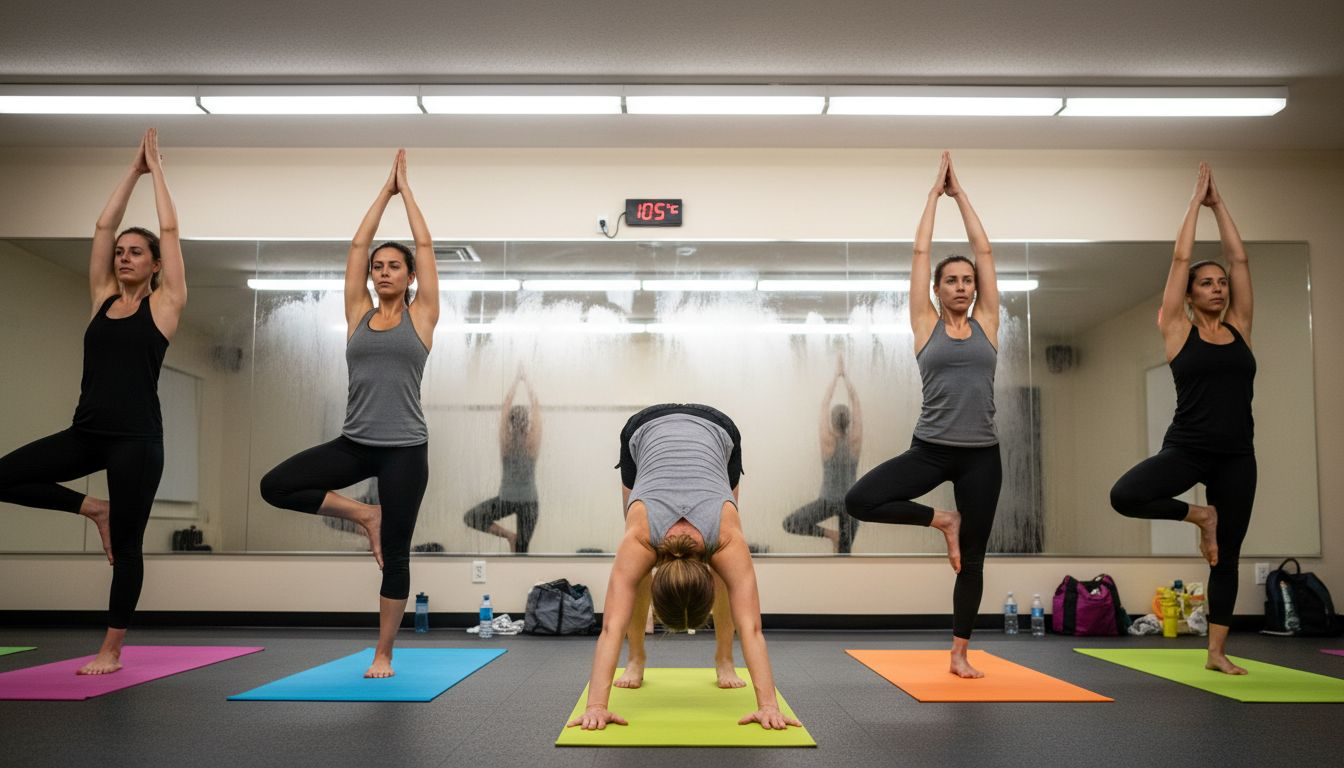
Bikram Yoga burns as many calories as moderate aerobic exercise, yet many people still believe it's unsafe or ineffective for fitness goals. This misconception keeps health-conscious adults from discovering one of the most structured and scientifically backed forms of hot yoga available today. This guide explains Bikram Yoga's structure, its proven benefits for physical fitness and stress relief, safety considerations, and how to start your practice in Philadelphia.
Table of Contents
Key Takeaways
| Point | Details |
|---|---|
| Calorie Burn | Bikram Yoga burns approximately 330 calories per session, comparable to moderate aerobic exercise. |
| Flexibility Gains | Practice improves flexibility by 30% after 8 weeks due to warm muscles allowing deeper stretching. |
| Stress Reduction | Regular practice reduces cortisol levels by 18% over 12 weeks and enhances mindfulness by 25%. |
| Safety Profile | Heat-related incidents occur in less than 2% of supervised sessions when proper protocols are followed. |
| Fixed Structure | 26 postures plus 2 breathing exercises in a 90-minute session at 105°F with 40% humidity. |
Introduction to Bikram Yoga: Origins and Definition
Bikram Yoga is a standardized form of hot yoga developed by Bikram Choudhury in the 1970s. The practice consists of 26 specific postures and 2 breathing exercises performed in a set sequence. Each session follows the exact same order, creating a predictable framework that allows you to track your progress over time.
The defining characteristic is the heated environment. Studios maintain temperatures around 105°F with 40% humidity throughout the 90-minute class. This heat serves multiple purposes: it warms your muscles for deeper stretching, elevates your heart rate for cardiovascular benefits, and promotes sweating for detoxification. You can learn more about Bikram Yoga and its unique characteristics compared to other yoga styles.
The fixed sequence includes postures targeting every major muscle group and organ system:
Standing series: 12 postures focusing on strength, balance, and cardiovascular endurance
Floor series: 14 postures emphasizing flexibility, spinal health, and core strength
Breathing exercises: Pranayama techniques to open airways and calm the nervous system
This standardization differentiates Bikram Yoga from other hot yoga variations. While many studios offer heated classes with varied sequences, Bikram Yoga's consistency allows you to measure improvements in strength, flexibility, and endurance session after session. The predictability also reduces decision fatigue, letting you focus entirely on execution and breath control rather than wondering what comes next.
How Bikram Yoga Works: The Role of Heat and Sequence
Practicing Bikram Yoga increases core body temperature resulting in increased heart rate and metabolism, supporting calorie burn and cardiovascular fitness improvements. When your core temperature rises to approximately 105°F, your body responds as it would during moderate aerobic exercise. Your heart works harder to pump blood to your skin for cooling, creating cardiovascular conditioning without high-impact movements.
The Bikram Yoga heat effects extend beyond calorie burn. Warm muscles stretch more easily and with less risk of injury than cold tissue. This allows you to move deeper into postures safely, accelerating flexibility gains. The heat also triggers profuse sweating, which helps eliminate toxins through your skin and teaches your body to regulate temperature more efficiently.
The fixed sequence of 26 postures and 2 breathing exercises creates a moving meditation. You know exactly what's coming, so your mind can focus on breath, alignment, and subtle improvements rather than anticipating the next pose. This predictability builds mindfulness naturally.
Breathing exercises bookend the practice:
Pranayama breathing at the start: Opens airways and oxygenates blood
Kapalabhati breathing at the end: Cleanses respiratory system and energizes
Pro Tip: New practitioners should acclimate gradually. Start with 2-3 classes per week rather than daily sessions. Drink at least 16 ounces of water two hours before class and bring a water bottle to sip during breaks. Listen to your body and take child's pose whenever you need rest. Your heat tolerance will build within 2-3 weeks of consistent practice.
The combination of heat and sequence creates a unique training environment. You can view a scientific study on Bikram Yoga benefits for detailed physiological mechanisms.
Physical Fitness Benefits Backed by Research
Bikram Yoga burns approximately 330 calories per session, improves flexibility by 30% over 8 weeks, and increases heart rate to an average of 120 bpm. These metrics demonstrate that Bikram Yoga delivers genuine fitness benefits comparable to traditional cardiovascular exercise. The elevated heart rate throughout the 90-minute session provides sustained cardiovascular conditioning without the joint stress of running or jumping.
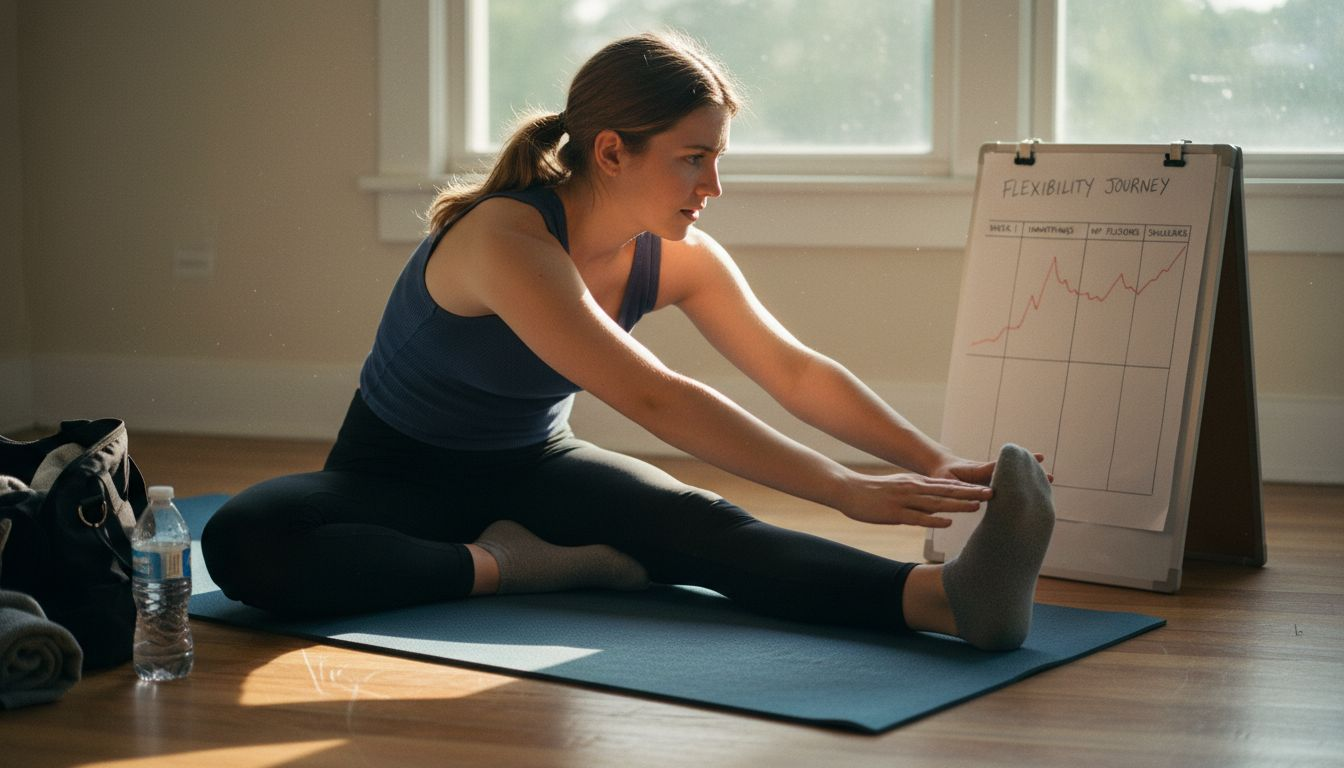
Flexibility improves by 30% after 8 weeks due to warm muscles allowing deeper stretching with less injury risk. This improvement isn't limited to one area. The 26 postures target every major muscle group, creating balanced flexibility throughout your entire body. Tight hamstrings, hip flexors, and shoulders all respond to the consistent heat and stretching protocol.
| Fitness Metric | Bikram Yoga | Moderate Aerobic Exercise |
|---|---|---|
| Calories per session | 330 | 300-400 |
| Average heart rate | 120 bpm | 115-130 bpm |
| Flexibility gain (8 weeks) | 30% increase | 10-15% increase |
| Injury risk | Low (with proper form) | Moderate (impact-related) |
The physical benefits of Bikram Yoga extend beyond these core metrics:
Improved balance and proprioception from single-leg standing postures
Enhanced core strength from holding challenging positions
Better posture from spinal alignment focus throughout the sequence
Increased muscular endurance from sustained isometric holds
Lower blood pressure and improved circulation from cardiovascular conditioning
Pro Tip: Consistency matters more than intensity. Three classes per week produce better results than sporadic intense sessions. Your body adapts to the heat and sequence, allowing you to work deeper into postures as weeks progress. Track your flexibility by noting how far you can reach in forward bends or how long you can hold balancing postures. These concrete markers keep you motivated.
Research from a study on flexibility improvements confirms that the heated environment accelerates flexibility gains compared to room-temperature yoga.
Mental Health and Stress Relief Mechanisms
Regular Bikram Yoga practice reduces cortisol levels by 18% over 12 weeks. Cortisol is your body's primary stress hormone, and chronically elevated levels contribute to anxiety, weight gain, and sleep disruption. The combination of physical exertion, controlled breathing, and focused attention creates a powerful stress management tool.
Mindfulness increases by 25% through the practice. The fixed sequence eliminates decision-making, allowing your mind to focus entirely on breath and body sensations. This present-moment awareness naturally quiets mental chatter and rumination. You're too focused on balancing in Standing Bow pose to worry about tomorrow's deadlines.
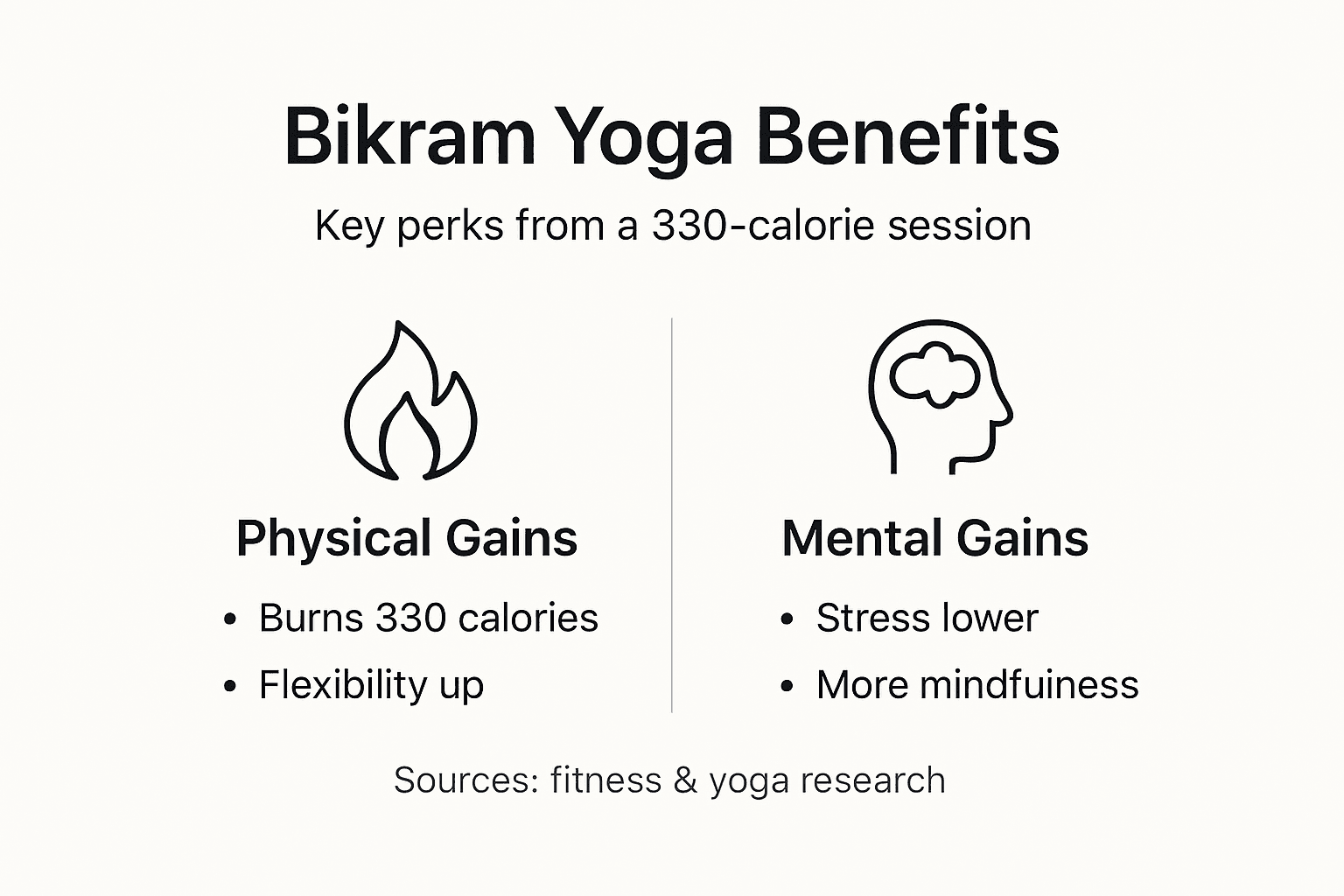
The community aspect provides crucial social support. Practicing alongside others creates accountability and motivation. You're more likely to maintain consistent attendance when you recognize familiar faces and feel part of a group working toward similar wellness goals. This social connection combats isolation and loneliness, which significantly impact mental health.
Stress relief mechanisms in Bikram Yoga include:
Breath control: Slows heart rate and activates parasympathetic nervous system
Physical exertion: Releases endorphins and reduces muscle tension
Heat exposure: Mimics benefits of sauna therapy for relaxation
Meditative focus: Breaks rumination patterns and promotes mental clarity
Accomplishment: Completing challenging postures builds confidence and resilience
The mindfulness benefits in Bikram Yoga extend into daily life. Practitioners report better emotional regulation, improved sleep quality, and greater resilience to workplace stress. The 90-minute practice becomes a sanctuary where external pressures fade and internal awareness grows.
You'll notice mental benefits within 4-6 weeks of regular practice. Initial sessions may feel overwhelming as you acclimate to heat and challenge. Once you adapt, the mental clarity and stress relief become the primary reasons many practitioners return consistently.
Common Misconceptions and Safety Considerations
The incidence of heat-related adverse events is less than 2%in supervised Bikram Yoga settings when hydration and screening protocols are followed. Despite this strong safety record, misconceptions persist about hot yoga dangers. Understanding facts versus myths helps you practice confidently.
| Misconception | Reality |
|---|---|
| Hot yoga causes dangerous dehydration | Proper hydration before, during, and after class prevents dehydration; studios provide water breaks |
| You must be fit to start Bikram Yoga | Beginners of all fitness levels can participate; postures have modifications for different abilities |
| Heat makes you lose water weight only | Calorie burn from elevated heart rate creates fat loss; hydration restores water weight |
| Hot yoga is unsafe for heart health | Supervised practice improves cardiovascular fitness; those with conditions should consult doctors first |
Certain conditions require medical clearance before starting:
Cardiovascular disease or uncontrolled high blood pressure
Pregnancy, especially first trimester
Heat sensitivity conditions
Recent surgery or acute injuries
Respiratory conditions like severe asthma
You can find hot yoga safety facts from exercise science experts. The key is proper screening and gradual progression. Most healthy adults tolerate the heat well after an adaptation period.
Pro Tip: Listen to your body's signals. Dizziness, nausea, or unusual fatigue means you should rest in child's pose or leave the room to cool down. There's no prize for pushing through genuine distress. Experienced practitioners still take breaks when needed. Modify postures by bending knees, reducing depth, or skipping a set if you feel overwhelmed.
Exploring common Bikram Yoga myths helps you approach the practice with realistic expectations. The heat is challenging but manageable. The postures are difficult but scalable. The benefits are real and supported by research.
How to Start and Deepen Your Bikram Yoga Practice in Philadelphia
Starting Bikram Yoga requires simple preparation to ensure a positive first experience:
Hydrate strategically: Drink 64 ounces of water throughout the day before class, not all at once right before.
Arrive 15 minutes early: Acclimate to the heat gradually and claim a spot away from heaters initially.
Wear minimal, breathable clothing: Light shorts and a tank top allow freedom of movement and cooling.
Bring a large towel and water bottle: You'll sweat profusely; a towel over your mat prevents slipping.
Inform the instructor you're new: They'll watch your form and offer modifications as needed.
Commit to three classes: Your first session may feel overwhelming; benefits become apparent by the third class.
Philadelphia offers several quality studios for Bikram Yoga practice. Amrita Yoga & Wellness studio in Philadelphia provides experienced instructors and a welcoming community for all levels. You can find yoga classes in Philadelphia using detailed guides that help you match your goals with the right studio environment.
Class expectations help you prepare mentally:
90-minute duration with two breathing exercises and 26 postures
Minimal talking from instructors who guide through verbal cues
Encouragement to stay in the room even if resting
Community atmosphere with practitioners of varying experience levels
Tips for staying motivated and managing heat:
Set a consistent schedule rather than sporadic attendance
Focus on your own practice without comparing to others
Celebrate small improvements in balance, flexibility, or endurance
Join workshops or events to deepen your understanding
Connect with fellow practitioners for accountability
Explore beginner Bikram Yoga preparation tips for additional guidance on what to expect and how to prepare. The learning curve is steep initially, but the fixed sequence becomes familiar quickly. By your tenth class, you'll know what's coming and can focus on refinement rather than just survival.
Building a sustainable practice means starting conservatively and increasing frequency as your body adapts. Two to three classes weekly for the first month allows adequate recovery while building heat tolerance and familiarity with postures.
Summary: Integrating Bikram Yoga for Fitness and Stress Relief
Bikram Yoga's unique combination of heat and fixed sequence creates measurable benefits for both physical fitness and mental well-being. The evidence is clear: 330 calories burned per session, 30% flexibility improvement in 8 weeks, and 18% cortisol reduction over 12 weeks. These aren't subjective claims but documented outcomes from controlled research.
For Philadelphia residents seeking a structured approach to wellness, Bikram Yoga offers:
Cardiovascular conditioning without joint impact
Whole-body flexibility development
Stress reduction through mindfulness and physical exertion
Supportive community for motivation and accountability
Predictable format that eliminates decision fatigue
Accessible modifications for all fitness levels
The practice fits naturally into a holistic wellness lifestyle. You don't need special equipment, extreme fitness, or prior yoga experience. You simply need commitment to show up consistently and willingness to work through the initial adaptation period. The heat challenges you, the sequence guides you, and the community supports you.
Integrating Bikram Yoga means viewing it as a long-term wellness investment rather than a quick fix. Benefits compound over months and years of regular practice. Your flexibility, strength, stress resilience, and overall health improve progressively.
Explore Bikram Yoga Classes at Amrita Yoga & Wellness in Philadelphia
Ready to experience Bikram Yoga's transformative benefits firsthand? Amrita Yoga & Wellness in Philadelphia offers classes designed for both beginners discovering hot yoga and experienced practitioners deepening their practice. Our instructors provide expert guidance in a supportive environment where you can safely explore your physical and mental boundaries.
We offer beginner workshops to teach proper form and heat management strategies before your first full class. Advanced sessions challenge experienced yogis to refine their practice and explore subtle alignment cues. The studio hosts community events and wellness workshops that complement your yoga journey with broader holistic health education. Whether you're exploring yoga gym classes at Amrita for fitness goals or ready to join Bikram Yoga classes in Philadelphia, our team ensures you have the support needed to succeed. Visit Amrita Yoga & Wellness Philadelphia studio to view our schedule and book your first class today.
Frequently Asked Questions About Bikram Yoga
What should I wear for Bikram Yoga?
Wear minimal, form-fitting clothing that allows freedom of movement and doesn't trap heat. Women typically choose sports bras with shorts or leggings, while men wear athletic shorts with or without a shirt. Avoid cotton, which becomes heavy when wet; choose moisture-wicking fabrics instead.
How often should beginners practice Bikram Yoga?
Beginners should start with 2-3 classes per week for the first month to allow proper adaptation to heat and postures. After building heat tolerance and familiarity with the sequence, you can increase to 4-5 classes weekly if desired. Consistency matters more than frequency.
Is Bikram Yoga safe if I have heart conditions?
Consult your physician before starting Bikram Yoga if you have cardiovascular disease, uncontrolled high blood pressure, or any heart condition. Many people with controlled conditions practice safely under medical supervision, but individual clearance is essential.
What should I bring to a Bikram Yoga class?
Bring a large towel to cover your mat, a water bottle, and wear minimal clothing. Some practitioners bring a second small towel for wiping sweat during class. The studio provides mats for rent if you don't own one.
How long does it take to see benefits from Bikram Yoga?
You'll notice improved flexibility and stress relief within 2-3 weeks of consistent practice. Cardiovascular fitness improvements and significant flexibility gains become apparent after 6-8 weeks. Mental health benefits like reduced anxiety often emerge within the first month.
Recommended
Hot Yoga Studios – Transforming Wellness in 2026
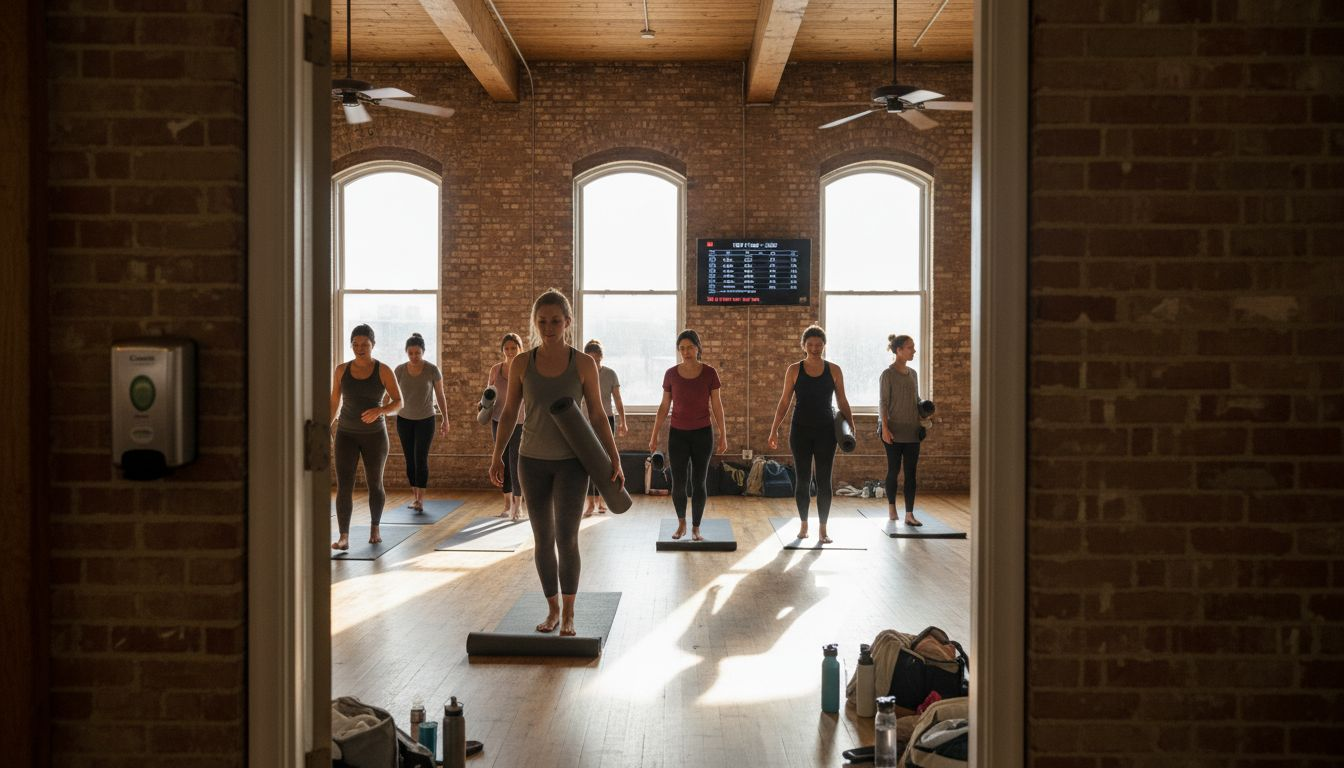
Long days at work in Philadelphia can leave your mind racing and your body craving a reset. For young professionals seeking more than a standard yoga class, hot yoga studios offer a specialized wellness environment where elevated heat and community support work together to nurture both physical health and mental clarity. With flexible schedules and holistic wellness options, these studios create space for deep personal growth, connection, and stress relief in the heart of the city.
Table of Contents
Key Takeaways
| Point | Details |
|---|---|
| Hot Yoga Studios Require Specialized Environments | Hot yoga studios must maintain specific temperature and humidity levels to enhance the practice safely and effectively. |
| Diverse Hot Yoga Styles Offer Unique Benefits | Different styles of hot yoga, such as Bikram and Hot Vinyasa, target various fitness goals and intensity levels, catering to a wide range of practitioners. |
| Physical and Mental Health Improvements | Consistent hot yoga practice can lead to enhanced flexibility, improved cardiovascular health, and better mental clarity, contributing to holistic wellness. |
| Safety and Individual Considerations are Crucial | Practitioners should assess their health conditions and consult with professionals to ensure hot yoga is a suitable choice for their fitness journey. |
What Defines a Hot Yoga Studio
Hot yoga studios represent specialized wellness environments designed to transform physical and mental health through intentionally controlled thermal conditions. Precise environmental design creates an immersive experience that goes far beyond traditional yoga practices.
The core characteristics of a hot yoga studio include:
Temperature Control: Maintaining consistent heat between 30-52°C (86-125°F)
Humidity Regulation: Carefully managing humidity levels between 20-60%
Specialized Flooring: Mold-resistant, non-slip surfaces designed for heated practice
Air Quality Management: Contaminant-free ventilation systems
Acoustic Design: Minimal external noise to support meditative practice
The physiological benefits of these carefully curated environments are substantial. Advanced thermal yoga research demonstrates that controlled heat elevates heart rate, increases metabolic activity, and enhances overall cardiovascular performance during yoga sessions.
Professional hot yoga studios distinguish themselves through meticulous attention to environmental details. Unlike standard yoga spaces, these studios invest heavily in specialized heating systems, humidity controls, and air purification technologies to create a consistent, safe, and transformative wellness experience.
Pro tip: When selecting a hot yoga studio, request a facility tour to assess their temperature and air quality management systems, which are critical for a safe and effective practice.
Hot Yoga Styles and Heated Environments
Hot yoga encompasses a diverse range of practices characterized by intentionally heated environments designed to enhance physical performance and mental well-being. Comprehensive hot yoga research reveals multiple distinctive styles that transform traditional yoga experiences.
The primary hot yoga styles include:
Bikram Yoga: Fixed 26-pose sequence performed at 105°F with 40% humidity
Hot Vinyasa: Dynamic flow-based practice with variable sequences
Hot Hatha: Slower-paced practice emphasizing alignment and breath work
Power Hot Yoga: Intense, strength-focused heated practice
Hot Flow: Fluid movements linking breath and postures in heated environment
Temperature and humidity play critical roles in defining these practices. Hot yoga environmental conditions typically range from 90°F to 108°F, with humidity levels between 40-60%, creating a challenging yet transformative workout environment.
Here is a summary of how hot yoga styles differ by heat, difficulty, and focus:
| Style | Typical Temperature | Intensity Level | Core Focus |
|---|---|---|---|
| Bikram Yoga | 105°F (40°C) | High | Fixed sequence, alignment |
| Hot Vinyasa | 95–98°F (35–37°C) | Moderate to High | Fluid movement, strength |
| Hot Hatha | 95°F (35°C) | Moderate | Breath, alignment |
| Power Yoga | 96–99°F (36–37°C) | High | Strength, endurance |
| Hot Flow | 90–95°F (32–35°C) | Moderate | Flow, flexibility |
Each hot yoga style offers unique physiological benefits. The controlled heat increases core body temperature, enhances flexibility, accelerates metabolic processes, and provides a more intense cardiovascular experience compared to traditional yoga practices. Professional practitioners carefully design these heated environments to maximize physical and mental engagement.
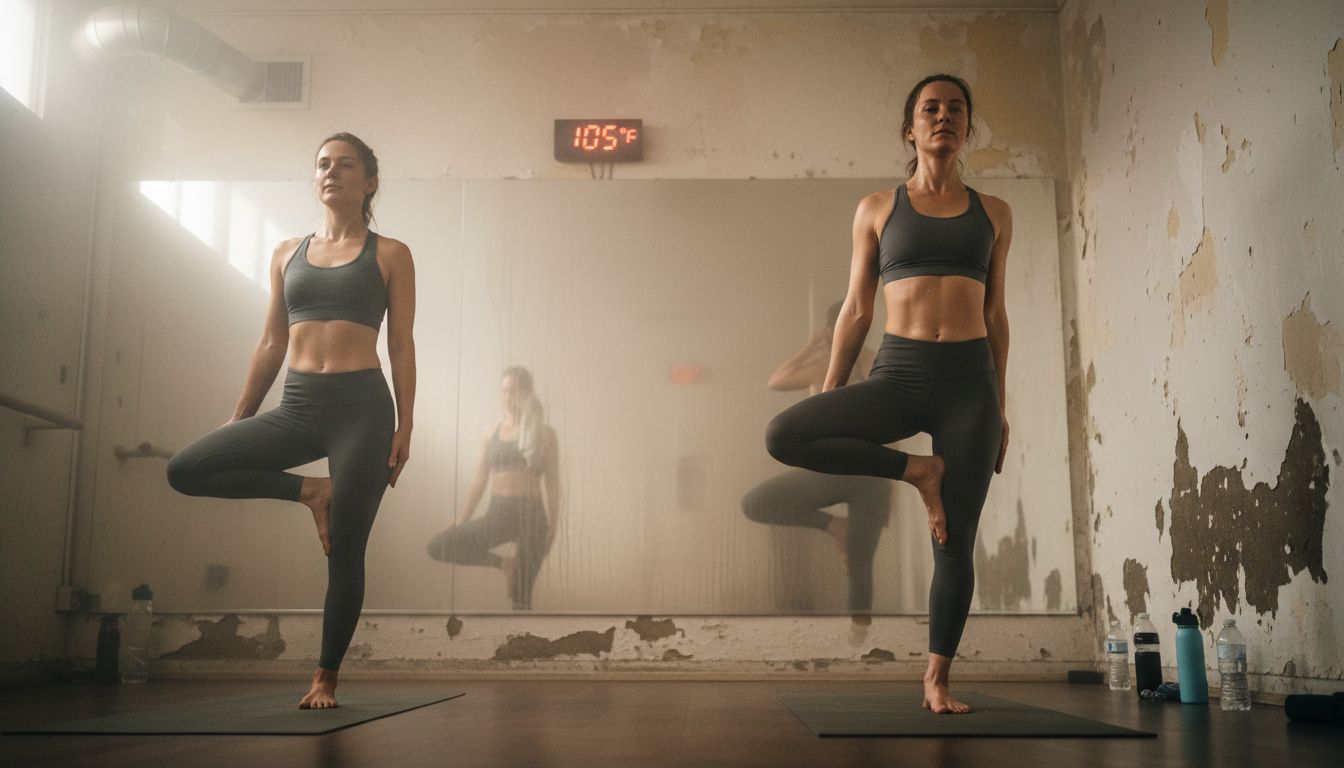
Pro tip: Always hydrate thoroughly before and after hot yoga classes, and bring a towel and extra water to manage the intense heated environment.
Physical and Mental Health Benefits
Hot yoga represents a powerful approach to holistic wellness, offering profound transformations for both physical and mental well-being. Comprehensive cardiometabolic research reveals multiple evidence-based benefits that extend far beyond traditional exercise practices.
The key physical health benefits include:
Improved Body Composition: Enhanced metabolism and muscle definition
Cardiovascular Health: Better lipid profiles and vascular function
Increased Flexibility: Greater range of motion and joint mobility
Bone Density Support: Strengthening skeletal structure through weight-bearing movements
Enhanced Balance: Improved proprioception and core stability
Mental health outcomes are equally compelling. Regular hot yoga practice can potentially help manage stress, reduce symptoms of anxiety, and promote cognitive clarity. The combination of controlled breathing, challenging physical movements, and meditative focus creates a unique environment for psychological reset and emotional regulation.
Psychological benefits extend beyond immediate stress relief. Practitioners often report increased self-awareness, improved emotional regulation, and a greater sense of overall mental resilience. The heated environment challenges practitioners both physically and mentally, fostering a powerful mind-body connection that transcends typical workout experiences.
Pro tip: Start with shorter hot yoga sessions and gradually increase duration to allow your body and mind to adapt to the intense physical and mental challenges.
Common Myths and Safety Essentials
Hot yoga has accumulated numerous misconceptions that can potentially compromise practitioner safety and understanding. Hot yoga safety research reveals critical insights about managing risks and separating fact from fiction.
Common myths about hot yoga include:
Detoxification Myth: Sweating does not uniquely remove toxins from the body
Weight Loss Guarantee: Hot yoga alone cannot ensure significant weight reduction
Universal Fitness: Not suitable for all individuals, especially those with certain health conditions
Injury-Free Practice: Increased heat does not prevent potential physical strain
Absolute Performance: Individual results vary significantly based on personal fitness levels
Safety essentials are paramount in hot yoga practice. Practitioners must understand their personal health limitations, stay thoroughly hydrated, and listen carefully to their body's signals. People with heart disease, heat intolerance, or pregnant women should consult medical professionals before starting hot yoga.
Risk management involves more than physical preparation. Mental readiness, understanding personal boundaries, and maintaining consistent hydration are equally important. Proper breathing techniques, wearing appropriate moisture-wicking clothing, and taking breaks when needed can significantly reduce potential heat-related complications.
Pro tip: Conduct a personal health assessment and consult your healthcare provider before beginning hot yoga to ensure your individual safety and readiness.
Requirements, Costs, and What to Expect
Navigating the world of hot yoga requires understanding the specific requirements, financial investment, and realistic expectations for your wellness journey. Hot yoga studio insights reveal critical considerations for potential practitioners.
Typical financial considerations include:
Membership Options:
Drop-in rates: $15-$25 per class
Monthly unlimited memberships: $100-$200
Package deals: 5-10 class bundles with discounted rates
Equipment Costs:
Specialized yoga mat: $50-$100
Moisture-wicking clothing: $30-$80
Towel and water bottle: $20-$40
Practitioners should anticipate a comprehensive wellness experience that goes beyond traditional exercise. Each hot yoga session typically involves a structured environment maintained at temperatures between 90°F to 105°F, designed to challenge physical and mental boundaries while promoting holistic health.
Instructor qualifications play a crucial role in the hot yoga experience. Yoga studio requirements emphasize the importance of certified professionals who understand the nuanced demands of heated yoga practices. These instructors are trained to guide students safely through intense physical and thermal challenges.
Pro tip: Request a studio trial class or introductory package to experience the hot yoga environment without a significant financial commitment.
Is Hot Yoga Right for You? Alternatives Compared
Selecting the ideal yoga practice requires careful consideration of personal health, fitness goals, and individual physiological responses. Yoga practice recommendations highlight critical factors for making an informed decision about hot yoga suitability.
Alternative yoga styles for different fitness levels include:
Hatha Yoga:
Low-intensity, gentle movements
Ideal for beginners
Focus on basic postures and breathing
Iyengar Yoga:
Emphasizes precise alignment
Uses props for support
Great for injury rehabilitation
Vinyasa Flow:
Moderate intensity
Continuous movement
Suitable for intermediate practitioners
Restorative Yoga:
Minimal physical exertion
Uses props for complete relaxation
Best for stress reduction
Hot yoga presents unique challenges that may not suit everyone. Individuals with heart conditions, heat sensitivity, or chronic health issues should consult healthcare professionals before attempting heated practices. The intense thermal environment requires exceptional physical resilience and hydration management.
Below is a quick comparison of hot yoga and non-heated styles for different wellness needs:
| Yoga Type | Best For | Key Challenge | Environment |
|---|---|---|---|
| Hot Yoga | Flexibility, detox, sweat | Heat/humidity | Heated, humid |
| Hatha Yoga | Beginners, gentle movement | Slow progression | Room temperature |
| Iyengar Yoga | Injury recovery, precision | Alignment, props use | Room temperature |
| Vinyasa Flow | Stamina, coordination | Pace, transitions | Room temperature |
| Restorative | Stress relief, relaxation | Stillness | Room temperature |
The choice between hot yoga and alternative styles depends on personal wellness goals, current fitness level, and individual health considerations. Some practitioners might find the heat transformative, while others may prefer gentler, non-heated approaches that offer similar flexibility and strength benefits.
Pro tip: Consider trying multiple yoga styles through introductory classes to discover the practice that best aligns with your physical capabilities and wellness objectives.
Experience the True Benefits of Hot Yoga with Amrita Yoga & Wellness
The challenge of finding a hot yoga studio that prioritizes safe temperature control, expert instruction, and effective hydration management is real. If you want to enjoy all the physical and mental health benefits such as increased flexibility, cardiovascular improvement, and stress relief, it is essential to practice in a space designed for these needs. At Amrita Yoga & Wellness, we understand the importance of a properly heated and humidified environment along with qualified instructors who support your personal wellness journey.
Join our welcoming community in Philadelphia and discover diverse hot yoga classes tailored for all levels. Whether you are new to heated yoga or aiming to deepen your practice, our classes, workshops, and retreats provide the perfect opportunity to transform your wellness safely and effectively. Start today by exploring our class offerings and schedule at Amrita Yoga & Wellness. Take the next step toward a healthier body and a calmer mind with expert guidance in a supportive environment. Don’t wait your body and mind deserve the best experience in hot yoga now.
Frequently Asked Questions
What is a hot yoga studio?
A hot yoga studio is a specialized wellness environment designed to enhance yoga practice through controlled temperatures and humidity. These studios maintain temperatures between 30-52°C (86-125°F) and focus on air quality, flooring, and acoustics to create an immersive experience.
What are the main benefits of practicing hot yoga?
Hot yoga offers numerous benefits, including improved body composition, enhanced cardiovascular health, increased flexibility, better bone density, and benefits for mental health such as stress reduction and improved emotional regulation.
Are there different styles of hot yoga, and how do they differ?
Yes, there are various styles of hot yoga, including Bikram, Hot Vinyasa, Hot Hatha, Power Hot Yoga, and Hot Flow. Each style varies in temperature, intensity, and focus, catering to different preferences and fitness levels.
What should I consider before starting hot yoga?
Before starting hot yoga, consider your personal health limitations, hydration needs, and fitness goals. It is advisable to consult a healthcare provider if you have specific health concerns, particularly related to heat sensitivity or cardiovascular conditions.
Recommended
Why Choose Hot Yoga: Complete Benefits Breakdown — Amrita Yoga & Wellness
Understanding the Advantage of Hot Yoga for Wellness — Amrita Yoga & Wellness
Understanding the Hot Yoga Studio Experience — Amrita Yoga & Wellness
Online Training Benefits for Canadian Restaurants and Schools 2025 - Probe IT
Holistic Hair Care in 2025: Grow Stronger, Healthier Hair | MyHair