Yoga Programs for Beginners: Building Skills Safely
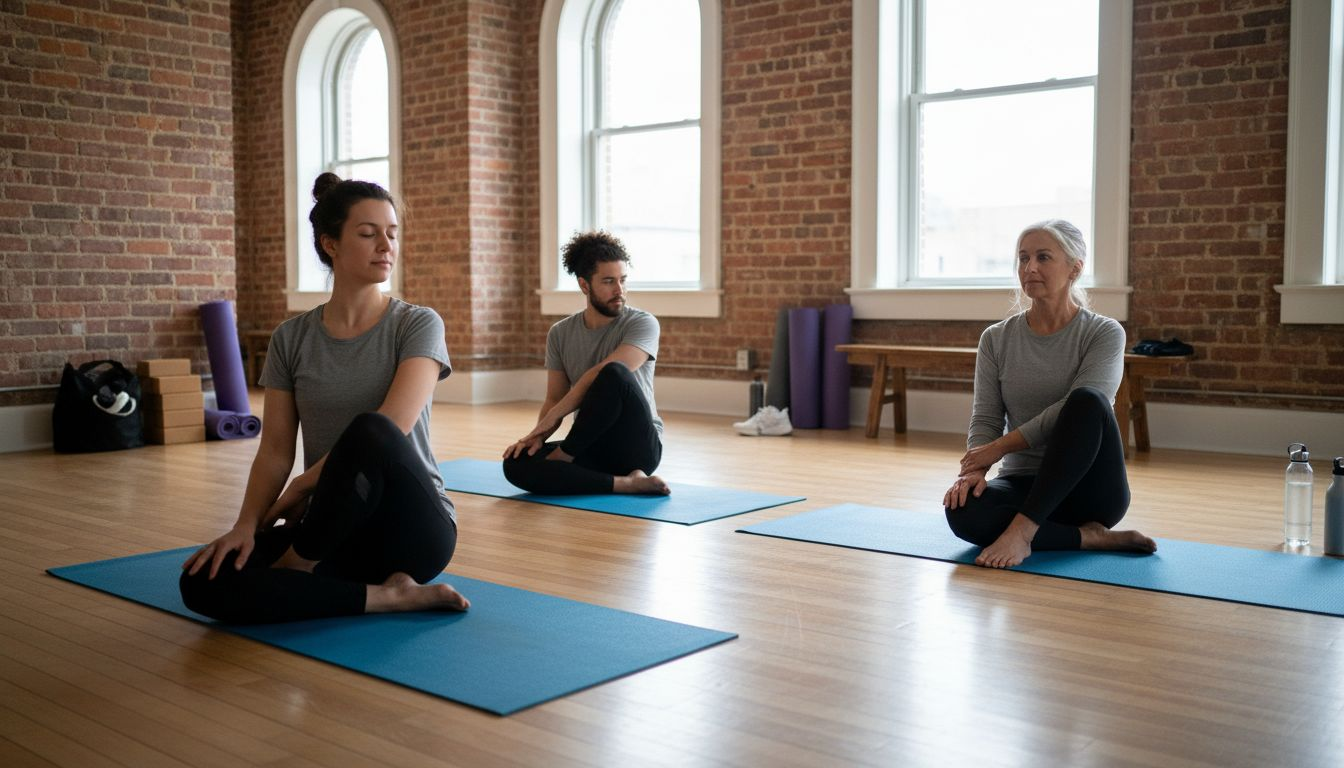
Trying something new can feel intimidating, especially when it comes to yoga. For many beginner adults in Philadelphia, the search for an accessible practice is really about finding a space that values both physical and mental well-being. Yoga goes beyond simple exercise by offering a practice that blends movement, breath, and mindfulness. Whether you want relief from stress or hope to connect with a supportive community, learning about yoga’s core principles will help you start with confidence and curiosity.
Table of Contents
Key Takeaways
| Point | Details |
|---|---|
| Understanding Yoga | Yoga combines movement, breathing, and mindfulness, focusing on self-awareness rather than competition. |
| Core Components | The practice is built on three pillars: postures (asanas), breathing techniques (pranayama), and meditation/mindfulness. |
| Benefits of Practice | Regular yoga practice leads to improved sleep, reduced anxiety, and enhanced physical capabilities. |
| Beginner's Approach | Choose beginner-specific classes and focus on foundational poses to safely adapt to the practice. |
Understanding Yoga for Beginners: Core Concepts
Yoga isn't just another workout you fit into your busy Philadelphia schedule. It's a practice that blends movement, breathing, and mindfulness into something meaningful for your body and mind. If you're stepping onto a yoga mat for the first time, understanding what yoga actually is helps you approach it with realistic expectations and confidence.
Yoga originated over 5,000 years ago in Northern India as both a spiritual and physical discipline. It's evolved significantly since then, but the core remains unchanged: creating harmony between your body, mind, and spirit. Modern yoga has adapted to fit contemporary life without losing its foundational wisdom.
What Makes Yoga Different From Other Exercise
Yoga differs from typical gym workouts in one crucial way: it's about awareness, not just movement. While running builds cardio endurance and weightlifting builds muscle, yoga focuses on connecting your breath with physical postures, creating a practice that feels meditative rather than purely athletic.
You're not competing against others or chasing performance metrics. Instead, you're developing a conversation with your own body. This shift in mindset is what makes yoga feel different for many beginners.
The Three Pillars of Yoga Practice
Beginners often think yoga is just stretching, but it actually rests on three interconnected components:
Postures (asanas): The physical positions you hold, from simple standing poses to more challenging flows
Breathing techniques (pranayama): Controlled breathing patterns that calm your nervous system and increase oxygen flow
Meditation and mindfulness: Mental training that cultivates focus, calm, and self-awareness
During your first class, you'll experience all three, though beginners typically spend more time on postures while learning the fundamentals.
Why Beginners Choose Yoga in Philadelphia
People start yoga for different reasons, and that's perfectly valid. Common motivations include:
Reducing stress and managing anxiety
Improving flexibility and balance
Building strength without high-impact intensity
Enhancing sleep quality
Creating a supportive community
Exploring spiritual growth
At Amrita Yoga & Wellness, beginner-focused classes meet you where you are, regardless of your starting point or reason for beginning.
Yoga isn't about being flexible or strong—it's about showing up and honoring whatever your body can do today.
Key Benefits You'll Actually Notice
Research shows consistent yoga practice delivers measurable results. Within weeks of regular practice, most beginners report improved sleep, less anxiety, and better posture. Over months, you'll develop greater strength, flexibility, and mental clarity.
These benefits aren't promises—they're natural outcomes of a consistent practice. Your body responds to regular movement and mindfulness work.
The Philosophy Behind the Practice
Yoga teaches that you're not separate from the world around you. Instead, there's an interconnectedness between yourself, others, and nature. This philosophy influences how yoga classes feel: they're designed as inclusive, judgment-free spaces where all bodies and abilities are welcomed.
For beginners in Philadelphia, this means you can step into any beginner class and feel like you belong, regardless of your background, body type, or experience level.
Pro tip: Start with classes specifically labeled for beginners rather than "all levels"—this ensures instructors pace the class appropriately and spend time on foundational alignment.
Popular Beginner Yoga Styles and Their Differences
Not all yoga styles feel the same. Some classes move at a leisurely pace, while others flow from pose to pose like a dance. Some heat the room, others focus on deep stretches. Understanding the differences helps you find a style that matches your goals, fitness level, and personality.
Yoga comes in many flavors. The practice branches into different paths based on what resonates with you: your desire for physical challenge, mental focus, emotional connection, or spiritual energy. At Amrita Yoga & Wellness in Philadelphia, you'll find several beginner-friendly options to explore.
Hatha Yoga: The Beginner's Foundation
Hatha yoga is widely recommended for beginners because of its deliberate, accessible pace. Classes typically hold postures longer, giving you time to understand proper alignment without rushing. You'll focus on breathing awareness between poses.
This style builds strength and flexibility gradually. Most beginner classes at studios feature Hatha yoga sequences because the slower tempo allows instructors to correct form and answer questions.
Hatha is perfect if you prefer a calmer, more meditative experience over high-intensity movement.
Vinyasa Yoga: Flow and Breath Connection
Vinyasa yoga moves differently. Each movement syncs with your breath, creating a flowing sequence that feels more dynamic. Beginners sometimes find this style challenging, but it can absolutely be adapted for your level.
Instructors can slow down a Vinyasa flow significantly for beginners, making it accessible while building cardiovascular endurance. The main difference from Hatha is the continuous, breath-linked movement rather than holding individual poses.
Choose Vinyasa if you enjoy rhythm, music, and a more physically energizing practice.
Other Beginner-Friendly Styles
Beyond Hatha and Vinyasa, several other approaches work well for beginners:
Yin yoga: Long-held stretches targeting deep connective tissue; extremely relaxing
Restorative yoga: Supported poses using props; focuses on relaxation and healing
Hot yoga: Performed in a heated room; increases flexibility and intensity
Kundalini yoga: Emphasizes breath work, mantras, and energy activation
Iyengar yoga: Detailed alignment focus using props; excellent for learning proper form
Each style has unique benefits. Popular yoga styles for beginners vary by goals, so your "best" style depends on what you're seeking.
Here's a comparison of beginner-friendly yoga styles and their unique focus:
| Yoga Style | Primary Focus | Pace | Ideal For |
|---|---|---|---|
| Hatha | Alignment and breath | Slow and steady | Stress relief, beginners |
| Vinyasa | Flow and movement | Moderate to fast | Fitness seekers, energizing |
| Yin | Deep tissue stretching | Very slow | Flexibility, relaxation |
| Restorative | Gentle supported rest | Very slow | Recovery, stress reduction |
| Kundalini | Breath and energy | Variable | Spiritual exploration |
| Iyengar | Detailed alignment, props | Slow and precise | Injury recovery, precision |
“The right yoga style is the one you’ll actually practice consistently, not the one that sounds most impressive.”
Choosing Your Starting Style
Consider what draws you to yoga. Are you stressed and seeking calm? Start with Hatha or Restorative. Want to build cardiovascular fitness? Try Vinyasa. Interested in spiritual exploration? Kundalini or Yin might resonate.
Most Philadelphia beginners benefit from trying 2-3 different classes before deciding. Your body will tell you which style feels right.
Pro tip: Attend beginner-specific classes regardless of style; the pace and instruction matter more than the yoga type when you're starting out.
Benefits of Yoga for Physical and Mental Well-Being
Yoga delivers real, measurable changes to your body and mind. Whether you're seeking pain relief, better sleep, or stress reduction, research confirms what millions of practitioners already know: yoga works. The benefits go far beyond flexibility and strength—they touch every part of your well-being.
The beauty of yoga is that it addresses the whole person, not just isolated symptoms. Your physical practice influences your mental state, and your mental clarity deepens your physical awareness. This integrated approach sets yoga apart from many other wellness practices.
Physical Benefits You'll Experience
Yoga builds strength and flexibility without the harsh impact of running or heavy lifting. Within weeks, you'll notice improved posture, better balance, and easier movement in daily tasks like reaching shelves or bending down. Your body becomes more capable.
Chronic pain improves significantly. Research shows yoga effectively reduces neck pain, back pain, and knee osteoarthritis. The combination of gentle strengthening and stretching addresses the root causes of discomfort rather than masking symptoms.
Additional physical gains include:
Enhanced cardiovascular health and stamina
Improved digestion and metabolic function
Better sleep quality and deeper rest
Increased mobility and range of motion
Support for weight management goals
Mental and Emotional Transformation
Yoga's mental benefits often surprise beginners the most. As you connect breath to movement, your nervous system shifts into a calmer state. Stress hormones decrease, anxiety loosens its grip, and your mind becomes quieter.
Sleep improves dramatically for most practitioners. Better sleep then cascades into better mood, clearer thinking, and improved immunity. Many Philadelphia-area beginners report sleeping through the night after struggling with insomnia for years.
Yoga also addresses depression and anxiety by regulating your body's stress response. The practice rewires how you react to life's challenges, building resilience over time.
The Science Behind the Benefits
Yoga isn't just relaxation—it's a physical intervention that changes your biology. The practice influences hormone regulation, strengthens immunity, and even positively affects genetic expression. This means yoga literally helps your body function better at a cellular level.
Consistent yoga practice creates compounding benefits—each session builds on the last, and after a few months, the changes feel profound.
Timeline: When You'll Notice Results
Most beginners notice initial changes within two weeks of consistent practice:
Week 1-2: Reduced tension, better sleep
Week 3-4: Increased strength, improved posture awareness
Month 2-3: Significant pain reduction, mental clarity
Month 3+: Lasting strength gains, emotional resilience
Consistency matters more than intensity. Three gentle classes weekly outperform sporadic intense sessions.
Pro tip: Track one specific benefit you want—whether it's sleep quality, back pain, or stress levels—and notice the difference after four consistent weeks of practice.
What to Expect in Your First Yoga Class
Walking into a yoga studio for the first time can feel intimidating. You might worry about being inflexible, not knowing the poses, or looking out of place. Here's the truth: every single person in that room started exactly where you are. Your first class will be nothing like the intimidating mental images you've created.
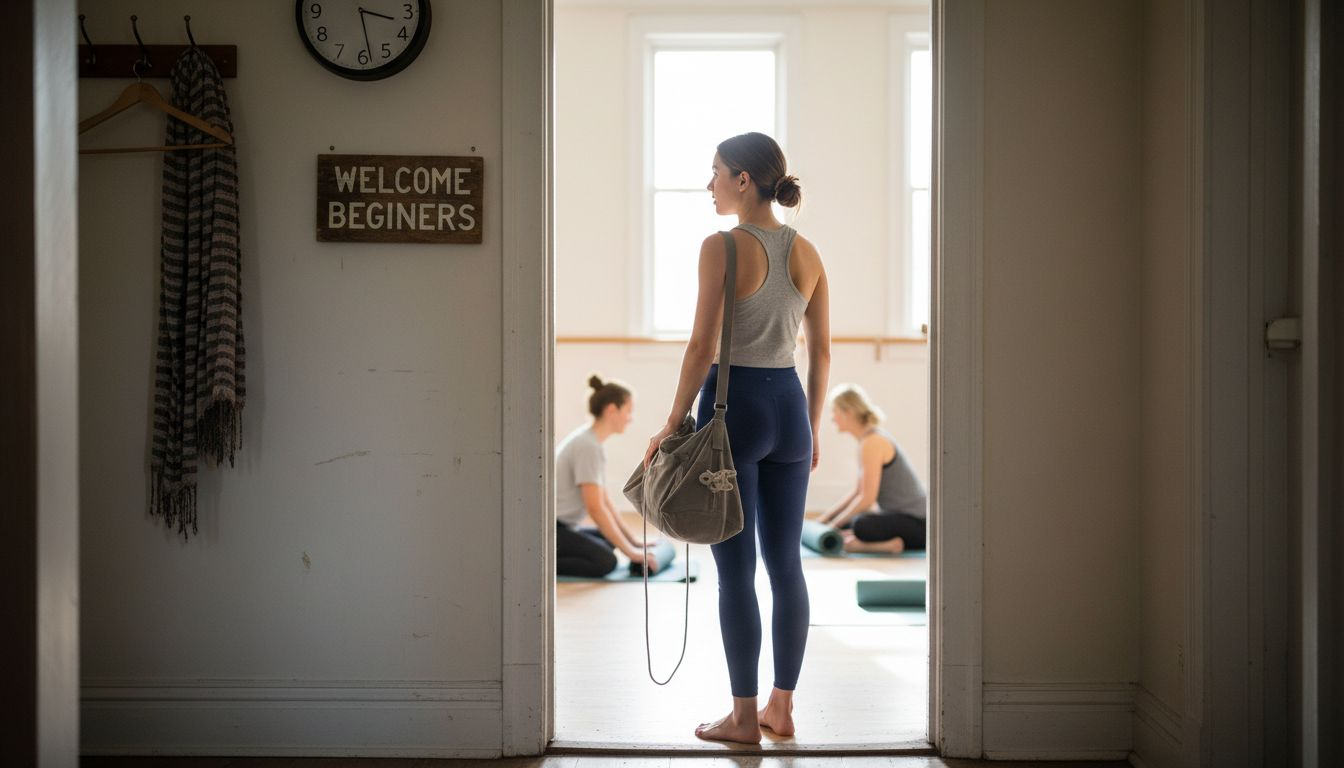
Most beginner classes at Amrita Yoga & Wellness are designed specifically for nervous newcomers. Instructors expect questions, mistakes, and modifications. Your only job is to show up and try.
The Basic Class Structure
Yoga classes typically last 45 to 90 minutes, though beginners usually start with shorter sessions. The class follows a predictable rhythm that repeats every time you attend. Understanding this structure removes the guesswork.
Yoga classes include breathing exercises, physical postures, and relaxation. Most classes follow this flow:
Arrival and settling (5-10 minutes): You'll arrive early, meet your instructor, and sit quietly as others arrive
Breathing exercises (5-10 minutes): Simple techniques to calm your mind and prepare your body
Physical postures (25-40 minutes): The main portion where you move through poses
Cool-down and stretching (10-15 minutes): Gentle poses that relax your muscles
Meditation or savasana (5-15 minutes): Final relaxation where you lie still and breathe
Each component serves a purpose. Together, they create the complete yoga experience.
Below is a summary of common yoga class segments and what beginners can expect in each:
| Class Segment | Approx. Duration | What's Involved |
|---|---|---|
| Arrival/Settling | 5–10 minutes | Meet instructor, get comfortable |
| Breathing Exercises | 5–10 minutes | Guided breath techniques |
| Physical Postures | 25–40 minutes | Pose practice and movement |
| Cool-down/Stretching | 10–15 minutes | Gentle stretches, winding down |
| Meditation/Relaxation | 5–15 minutes | Mindful rest, deep calm |
What Happens During Poses
Don't expect to nail perfect postures on day one. Your instructor will show each pose, demonstrate modifications for beginners, and walk around offering hands-on adjustments if you want them. You can always ask for a gentler version.
Your breath matters more than your form. Beginners often hold their breath while concentrating on poses. Your instructor will remind you repeatedly: breathe smoothly and steadily. This breath-to-movement connection is where yoga's magic happens.
You'll repeat similar sequences throughout the class. This repetition helps your body learn proper alignment without thinking too hard.
What You'll Actually Feel
Your first class might feel physically challenging, even if poses look easy. Your body will shake a little, especially in your legs. That's completely normal and means your muscles are waking up.
Mentally, you might feel scattered at first. Your mind might jump between thinking about your form, wondering if you're doing it right, and planning dinner. This is why meditation is included—your mind gradually settles.
Emotionally, many beginners feel surprisingly calm after class. That sense of peace comes from the combination of movement, breathing, and focused attention.
Before You Arrive
Prepare yourself for success:
Wear comfortable, stretchy clothes that allow full movement
Bring a yoga mat (or ask if the studio provides rentals)
Eat lightly 2-3 hours before class
Arrive 10-15 minutes early to meet your instructor and settle in
Silence your phone to minimize distractions
Tell your instructor about injuries so they can offer modifications
Your first class is about showing up and experiencing the practice, not about achieving perfect poses or competing with others.
After Your First Class
You might feel sore tomorrow, especially in muscles you forgot existed. This soreness (called delayed onset muscle soreness) is temporary and means your body is adapting. It passes within a few days.
More importantly, notice how you sleep that night. Most beginners sleep better after their first class. That's your nervous system responding positively to the practice.
Pro tip: Book your first class during a time when you can move slowly afterward—not right before work or a stressful appointment—so your body can absorb the benefits without rushing.
Common Pitfalls and How to Avoid Injuries
Yoga is generally safe, but beginners often hurt themselves through preventable mistakes. Most injuries come from rushing, ignoring your body's signals, or skipping fundamental safety practices. Understanding these pitfalls protects you from setbacks that could derail your practice for weeks.
The good news? Injury prevention is simple once you know what to watch for. These are learnable habits that become automatic after a few classes.
The Biggest Beginner Mistakes
Comparing yourself to others is the fastest path to injury. You see someone holding a deep backbend and think you should match it immediately. Your body doesn't work that way. Everyone's flexibility, strength, and injuries are different.
Stay focused on your own mat. Your classmate's advanced poses mean nothing about what's safe for your body. What matters is your personal progression.
Another common trap: wearing inappropriate clothing. Baggy shirts and pants can get tangled during poses, throwing off your balance. Loose clothes also make it harder for your instructor to see your alignment and offer corrections.
Wear fitted, stretchy clothes that move with you, not against you. Leave shoes and heavy accessories at home.
Rushing Into Advanced Poses
Beginners often skip foundational poses to reach more impressive-looking poses. This is how injuries happen. Advanced poses exist because your body needs preparation first.
Your tendons, ligaments, and muscles need time to adapt. Jumping into deep twists, intense backbends, or arm balances before your body is ready creates injury risk that lasts months.
Ask your instructor for beginner modifications. Using props and modifications isn't weakness—it's smart training.
Pain vs. Sensation: Know the Difference
Avoiding poses that cause pain or discomfort is essential for safe practice. Many beginners confuse muscle engagement with injury pain. Here's the distinction:
Good sensation: Mild burning, stretching feeling, muscle fatigue—feels productive
Bad pain: Sharp, stabbing, pinching, or localized joint pain—stop immediately
If something hurts, back off. Your instructor wants to know. Pain is your body's warning system, not something to push through.
Critical Safety Rules
These non-negotiables protect your body:
Tell your instructor about injuries, surgeries, or health conditions before class
Warm up properly before attempting intense poses
Progress gradually over weeks and months
Use props (blocks, straps, bolsters) when offered
Never hold your breath during poses
Skip poses that feel wrong in your body
Stay hydrated throughout class
Your job is to practice safely and consistently, not to prove yourself or match others—that's how real progress happens.
Overexertion and Recovery
Doing too much too soon causes injury and burnout. Beginners often take multiple classes daily thinking they'll progress faster. Instead, they end up injured and discouraged.
Start with 2-3 classes weekly. Your body makes progress during rest days, not just during movement. Honor that recovery time.
Listen to persistent pain or soreness that doesn't improve within a few days. That's your body asking for rest or professional medical guidance.
The Distraction Problem
Phones and distractions break your focus, making injuries more likely. When your mind is scattered between poses and your phone, you miss alignment cues and body signals.
Silence your phone and store it away. Give yourself permission to be unreachable for 60 minutes. This mental focus is part of what makes yoga transformative.
Pro tip: If any pose causes sharp pain or feels unstable, raise your hand immediately and ask your instructor for a modification—there's no shame in adapting, and your safety matters more than appearance.
Start Your Yoga Journey with Confidence and Safety at Amrita Yoga & Wellness
Finding the right path for your beginner yoga practice can be overwhelming. The challenge of building skills safely while avoiding common pitfalls like rushing into advanced poses or struggling with pain is real. This article highlighted how important it is to focus on core concepts like alignment, breath awareness, and gradual progression. Many beginners share goals such as reducing stress, improving flexibility, and fostering emotional balance but worry about injuries or feeling out of place in class.
At Amrita Yoga & Wellness, we understand these concerns deeply. Our beginner-friendly classes at Amrita Yoga & Wellness are specifically designed to help you nurture those foundational skills in a supportive environment that honors your individual pace. Whether you want to explore calming Hatha sequences or energizing Vinyasa flows, we offer expert guidance that keeps safety front and center. Connecting breath, mindful movement, and community support will empower your growth and ensure your practice is sustainable from day one.
Embrace the healing and transformative power of yoga safely with us. Visit amritayogawellness.com now to explore our class schedules, workshops, and beginner program details. Begin your journey today and experience how gently building skills can lead to profound physical and mental well-being.
Frequently Asked Questions
What should I expect in my first yoga class?
In your first yoga class, you can expect a welcoming environment where instructors guide you through breathing exercises, physical postures, and relaxation techniques. You'll also have opportunities to ask questions and receive modifications for poses.
How can I choose the right yoga style for beginners?
To choose the right yoga style, consider your goals: if you're looking for relaxation, Hatha or Restorative yoga may be best. If you want a more energetic practice, Vinyasa could suit you. Trying a few classes can help you find your fit.
What are the main components of a yoga practice for beginners?
The main components of a beginner yoga practice include postures (asanas), breathing techniques (pranayama), and mindfulness or meditation. These aspects work together to build a comprehensive approach to wellness.
How often should I practice yoga as a beginner?
As a beginner, aim for 2-3 yoga classes per week. This allows your body to adapt and progress while also providing sufficient rest and recovery time.